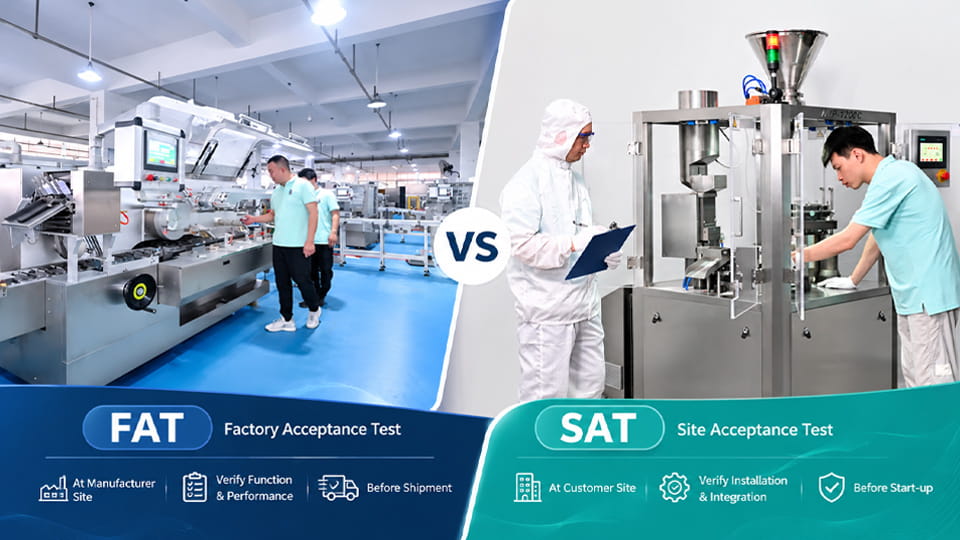
কারখানা গ্রহণযোগ্যতা পরীক্ষা (ফ্যাট) এবং সাইট গ্রহণযোগ্যতা পরীক্ষা (SAT) ফার্মাসিউটিক্যাল সরঞ্জামের জন্য দুটি পরিপূরক বৈধতা পর্যায়. FAT সরঞ্জাম প্রস্তুতকারকের সুবিধায় করা হয় (শিপিং আগে) সমস্ত স্পেসিফিকেশন এবং ফাংশন যাচাই করতে গ্রাহকের প্রয়োজনীয়তা পূরণ করে. মেশিনটি প্রকৃত উৎপাদন পরিবেশে সঠিকভাবে কাজ করছে তা নিশ্চিত করতে গ্রাহকের সাইটে ইনস্টলেশনের পরে SAT করা হয়. একসাথে, FAT এবং SAT সমস্যাগুলি তাড়াতাড়ি ধরতে সাহায্য করে (সময় এবং খরচ সাশ্রয়) এবং নিশ্চিত করুন জিএমপি সম্মতি. এই নিবন্ধটি FAT বনাম SAT বিস্তারিতভাবে ব্যাখ্যা করে – প্রতিটি পরীক্ষা কী যাচাই করে তা কভার করে, মূল পার্থক্য, তারা কিভাবে IQ/OQ/PQ জীবনচক্রে ফিট করে, জন্য নমুনা চেকলিস্ট প্যাকিং লাইন (ফোস্কা, ক্যাপসুল, ট্যাবলেট, কার্টোনিং), এবং ক্রেতা সেরা অনুশীলন প্রশ্ন.
একটি কারখানা গ্রহণযোগ্যতা পরীক্ষা কি (ফ্যাট)?
ক কারখানা গ্রহণযোগ্যতা পরীক্ষা (ফ্যাট) একটি আনুষ্ঠানিক, প্রস্তুতকারকের সাইটে সরঞ্জামের নথিভুক্ত মূল্যায়ন, ইউনিটটি গ্রাহকের কাছে পাঠানোর আগে পরিচালিত হয়. এটি যাচাই করে যে মেশিনটি সম্মতিতে নির্মিত হয়েছে ব্যবহারকারীর প্রয়োজনীয়তা স্পেসিফিকেশন (ইউআরএস) এবং সঠিকভাবে কাজ করছে. FAT এর সময়, বিক্রেতা এবং গ্রাহক (বা তাদের প্রতিনিধিরা) টেস্ট কেস এবং চেকলিস্টের একটি অনুমোদিত FAT প্রোটোকল চালান. সাধারণ উদ্দেশ্যগুলির মধ্যে রয়েছে স্পেসিফিকেশনের সাথে সম্মতি প্রদর্শন করা, তাড়াতাড়ি ত্রুটি ধরা, এবং ক্রেতাকে আস্থা প্রদান করে যে "সরঞ্জামগুলি পাঠানোর জন্য প্রস্তুত".
FAT কি যাচাই করে?
FAT-তে, ফোকাস স্বতন্ত্র কর্মক্ষমতা এবং নকশা আনুগত্য হয়. এটি সাধারণত অন্তর্ভুক্ত:
- ভিজ্যুয়াল এবং নির্মাণ চেক: যান্ত্রিক সমাবেশ পরিদর্শন করুন, ফ্রেম প্রান্তিককরণ, তারের, এবং অঙ্কনের বিরুদ্ধে গুণমান তৈরি করুন. সিরিয়াল নম্বর এবং মডেল আইডি নিশ্চিত করুন.
- বৈদ্যুতিক এবং নিয়ন্ত্রণ পরীক্ষা: পাওয়ার সংযোগ যাচাই করুন, PLC/HMI সফ্টওয়্যার সংস্করণ, সেন্সর এবং actuators. যে নিয়ন্ত্রণ পর্দা চেক করুন, রেসিপি, এবং অ্যালার্ম সঠিকভাবে সাড়া দেয়.
- ফাংশন টেস্ট (নো-লোড বা ড্রাই রান): প্রতিটি প্রধান মেশিন ফাংশন চালান (মোটর, ড্রাইভ, ফিডার, হিটার) তার সম্পূর্ণ পরিসীমা জুড়ে. উদাহরণস্বরূপ, সর্বনিম্ন এবং সর্বোচ্চ সাইকেল গতি, পরীক্ষা হিটার/চাপ র্যাম্প, এবং ইচ্ছাকৃতভাবে ইন্টারলকগুলিকে সক্রিয় করুন.
- কর্মক্ষমতা চেক: সম্ভব হলে প্রতিনিধি উত্পাদন উপকরণ ব্যবহার করুন. একটি ভরাট বা জন্য প্যাকেজিং মেশিন, পণ্যের নমুনা চালান এবং থ্রুপুট যাচাই করুন, নির্ভুলতা, পরিবর্তন, এবং অন্যান্য কর্মক্ষমতা লক্ষ্য. (FAT-এর সময় গ্রাহকের প্রকৃত পণ্যগুলি ব্যবহার করে উপাদান-নির্দিষ্ট সমস্যাগুলি প্রকাশ করার জন্য দৃঢ়ভাবে সুপারিশ করা হয়।)
- নিরাপত্তা এবং ইন্টারলক: পরীক্ষা জরুরী স্টপ, হালকা পর্দা, প্রহরী, চাপ ত্রাণ ভালভ, ইত্যাদি, নিশ্চিত করতে যে সমস্ত নিরাপত্তা ব্যবস্থা ত্রুটির অবস্থার অধীনে উদ্দেশ্য অনুযায়ী সাড়া দেয়.
- ডকুমেন্টেশন পর্যালোচনা: নিশ্চিত করুন যে সমস্ত প্রয়োজনীয় নথি প্রস্তুত: অপারেশন ম্যানুয়াল, বৈদ্যুতিক এবং বায়ুসংক্রান্ত ডায়াগ্রাম, রক্ষণাবেক্ষণ গাইড, খুচরা যন্ত্রাংশ তালিকা, ক্রমাঙ্কন শংসাপত্র, ইত্যাদি.
- গ্রহণযোগ্যতার মানদণ্ড: সমস্ত পরীক্ষা প্রাক-সম্মত গ্রহণযোগ্যতার মানদণ্ডের বিরুদ্ধে মূল্যায়ন করা হয় (প্রায়ই ইউআরএস থেকে আঁকা). রেজোলিউশনের জন্য কোনো বিচ্যুতি বা খোলা পয়েন্ট একটি পাঞ্চ-লিস্টে রেকর্ড করা হয়.
একটি সফল FAT একটি স্বাক্ষরিত FAT রিপোর্টের সাথে শেষ হয়৷, উত্তীর্ণ পরীক্ষাগুলিকে আইটেমাইজ করা এবং চালানের আগে ঠিক করার জন্য কোনও সমস্যা তালিকাভুক্ত করা. অগত্যা, FAT নিয়ন্ত্রিত কারখানার অবস্থার অধীনে এর মূল ফাংশন যাচাই করে "সিস্টেমটি পাঠানোর জন্য প্রস্তুত" নিশ্চিত করে.
কখন এবং কাদের ফ্যাট ঘটে?
FAT সাধারণত মেশিনটি সম্পূর্ণরূপে একত্রিত হওয়ার পরে ঘটে তবে এটি প্রস্তুতকারকের মেঝে ছেড়ে যাওয়ার আগে. এটি ডিজাইন যোগ্যতা অনুসরণ করে (যদি থাকে) এবং প্রসবের আগে. মূল অংশগ্রহণকারীরা সাধারণত বিক্রেতা প্রকৌশলী এবং প্রযুক্তিবিদদের অন্তর্ভুক্ত করে, এবং ক্রয়কারী সংস্থার প্রতিনিধিরা (QA/ বৈধতা প্রকৌশলী, উৎপাদন কর্মীরা). ক্রেতার দলকে প্রস্তুত হতে হবে, প্রায়ই ইউআরএস নিয়ে আসে, পরীক্ষার প্রোটোকল, এবং চালানোর জন্য কোনো বিশেষ উপকরণ. FAT হল ক্রেতার জন্য সরবরাহকারীর নিয়ন্ত্রণে বড় অসঙ্গতি ধরার শেষ সুযোগ.
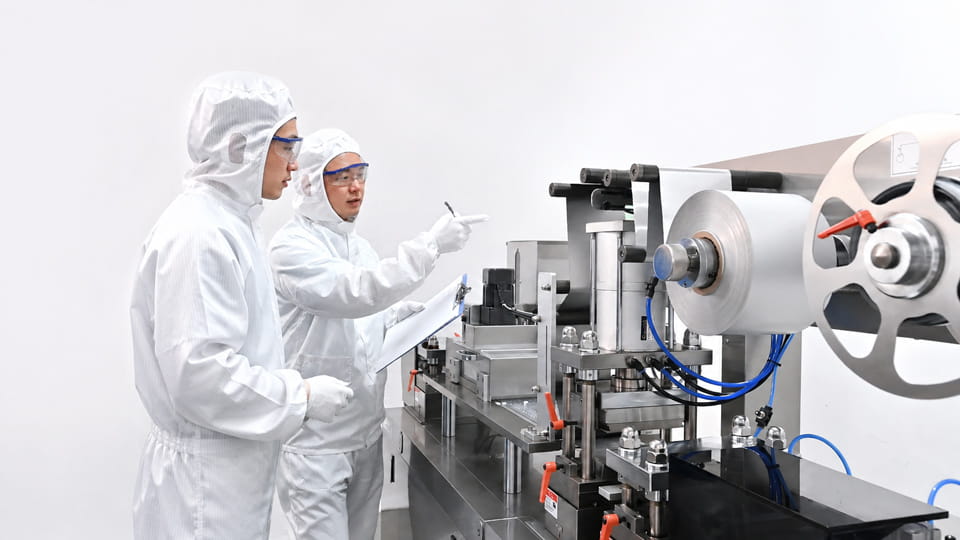
চিত্র: একটি ফার্মাসিউটিক্যাল ফোস্কা প্যাকেজিং মেশিন গ্রহণযোগ্যতা পরীক্ষার মধ্য দিয়ে. একটি কঠোর FAT মধ্যে, প্রতিটি সাবসিস্টেম (গঠন, sealing, খাওয়ানো, নিয়ন্ত্রণ করে) ইউআরএস-এর বিরুদ্ধে পরীক্ষা করা হয়. একটি পরবর্তী SAT তারপর শেষ-ব্যবহারের পরিবেশে ইনস্টলেশনের পরে মূল কার্যকরী পরীক্ষার পুনরাবৃত্তি করে.
একটি সাইট গ্রহণ পরীক্ষা কি (SAT)?
ক সাইট গ্রহণযোগ্যতা পরীক্ষা (SAT) এটি একটি নথিভুক্ত পরীক্ষা যা গ্রাহকের সুবিধায় সঞ্চালিত হয় সরঞ্জামগুলি সরবরাহ এবং ইনস্টল করার পরে কিন্তু উত্পাদনের জন্য প্রকাশের আগে. SAT পুনরায় যাচাই করে যে মেশিনটি তার প্রকৃত অপারেটিং প্রসঙ্গে প্রয়োজনীয়তা পূরণ করে. স্যাটে, সরঞ্জাম সঠিক ইনস্টলেশনের জন্য পরীক্ষা করা হয়, ইউটিলিটি হুকআপ, সিস্টেম ইন্টিগ্রেশন, এবং চূড়ান্ত কর্মক্ষমতা.
SAT কি যাচাই করে?
SAT সাধারণত অন্তর্ভুক্ত করে:
- ইনস্টলেশন যোগ্যতা (আইকিউ) চেক করে: অনুমোদিত পরিকল্পনা অনুযায়ী সরঞ্জাম ইনস্টল করা হয়েছে তা যাচাই করুন. এর মধ্যে রয়েছে সঠিক অবস্থান নিশ্চিত করা, সমতলকরণ, ইউটিলিটি (পাওয়ার ভোল্টেজ, বায়ুসংক্রান্ত চাপ, জল, ইত্যাদি), গ্রাউন্ডিং, এবং পরিবেষ্টিত অবস্থা. সমস্ত মেশিন উপাদান এবং ডকুমেন্টেশন উপস্থিত এবং সঠিকভাবে ইনস্টল করা আবশ্যক.
- ইউটিলিটি যাচাইকরণ: নিশ্চিত করুন যে সাইট ইউটিলিটিগুলি মেশিনের প্রয়োজনীয়তা পূরণ করে. উদাহরণস্বরূপ, প্রকৃত ভোল্টেজ পরিমাপ, বায়ুর চাপ/প্রবাহ, ঠান্ডা জলের তাপমাত্রা, বা সুবিধা সরবরাহ থেকে বাষ্প চাপ. নিশ্চিত করুন যে তারা মেশিন দ্বারা নির্দিষ্ট গ্রহণযোগ্য সীমার মধ্যে থাকে.
- ইন্টিগ্রেশন টেস্টিং: আপস্ট্রিম/ডাউনস্ট্রিম সরঞ্জাম এবং বিল্ডিং সিস্টেমের সাথে ইন্টারফেস পরীক্ষা করুন. যোগাযোগের লিঙ্কগুলি যাচাই করুন (যেমন. LIMS-এর কাছে, এমইএস, SCADA) যদি প্রযোজ্য হয়. কনভেয়ারগুলি সারিবদ্ধ হওয়া নিশ্চিত করুন, মেশিনের মধ্যে হ্যান্ড-অফ মসৃণ, এবং যেকোনো নেটওয়ার্কযুক্ত অ্যালার্ম বা ডেটা সংগ্রহ সাইটের অবস্থার অধীনে কাজ করে.
- বাস্তব অবস্থার অধীনে কার্যকরী পরীক্ষা পুনরাবৃত্তি করুন: আবার মূল ফাংশন সঞ্চালন, এখন ইউটিলিটিগুলির সাথে সংযুক্ত মেশিনের সাথে এবং সম্ভব হলে প্রকৃত উত্পাদন সামগ্রী ব্যবহার করে. উদাহরণস্বরূপ, বাস্তবের একটি ব্যাচ চালান ট্যাবলেট বা ক্যাপসুল মেশিনের মাধ্যমে নিশ্চিত করতে এটি এখনও গতি এবং মানের মানদণ্ড পূরণ করে. নিশ্চিত করুন যে সাইটের অবস্থার জন্য করা যেকোনো সমন্বয় কার্যকর.
- নিরাপত্তা এবং পরিবেশগত চেক: প্রকৃত ইনস্টলেশন সেটিংসের অধীনে নিরাপত্তা ইন্টারলক এবং প্রতিরক্ষামূলক ডিভাইসগুলি পুনরায় পরীক্ষা করুন. যে পরিবেশগত প্রয়োজনীয়তা যাচাই করুন (ক্লিনরুম ক্লাস, তাপমাত্রা, আর্দ্রতা) পূরণ করা হয় এবং মেশিন অপারেশনকে বিরূপভাবে প্রভাবিত করে না.
- চূড়ান্ত স্বীকৃতির মানদণ্ড: নিশ্চিত করুন যে সমস্ত SAT গ্রহণের মানদণ্ড (প্রায়ই ইউআরএস এবং সাইট প্রোটোকল থেকে আঁকা) সন্তুষ্ট. একটি পাঞ্চ তালিকায় অবশিষ্ট কোনো বিচ্যুতি নথিভুক্ত করুন. অপারেটর সাইন-অফ এবং আনুষ্ঠানিক স্বীকৃতি ডকুমেন্টেশন সংগ্রহ করুন.
একটি সফল SAT একটি SAT রিপোর্ট বা বিক্রেতা এবং গ্রাহক উভয়ের দ্বারা স্বাক্ষরিত শংসাপত্র দিয়ে শেষ হয়. এটি নথিভুক্ত প্রমাণ সরবরাহ করে যে "সরঞ্জাম/সিস্টেমটি ভাল অবস্থায় সরবরাহ করা হয়েছে এবং পরিবহন দ্বারা প্রভাবিত হয়নি" এবং এখন সাইটে সঠিকভাবে কাজ করে. অনুশীলনে, একটি পুঙ্খানুপুঙ্খ SAT আস্থা দেয় যে মেশিনটি পরবর্তী পর্যায়ের বৈধতার জন্য প্রস্তুত (IR/WH/PQ) বা নিয়মিত উত্পাদন.
FAT বনাম SAT: 10 মূল পার্থক্য
- অবস্থান: FAT প্রস্তুতকারকের সাইটে করা হয়; মালিকের কাছে বসেন (ক্লায়েন্ট এর) সাইট.
- টাইমিং: ফ্যাট দেখা দেয় চালানের আগে (সমাবেশ পরবর্তী), যেখানে SAT হয় ইনস্টলেশনের পরে (প্রাক কমিশনিং).
- পরিবেশ: FAT একটি নিয়ন্ত্রিত কারখানার সেটিংয়ে রয়েছে (কখনও কখনও ক্লিনরুম অবস্থার অধীনে না); SAT বাস্তব পরিবেষ্টিত অবস্থার সাথে প্রকৃত উত্পাদন পরিবেশে রয়েছে.
- ইউটিলিটিস: FAT-তে, ইউটিলিটি (বায়ু, জল, ক্ষমতা) বিক্রেতা দ্বারা নামমাত্র মান অনুকরণ করা যেতে পারে; SAT-তে, মেশিন লাইভ সাইট ইউটিলিটি ব্যবহার করে (প্রকৃত বায়ু, জল, বৈদ্যুতিক সরবরাহ).
- সংহতকরণ: ফ্যাট মেশিনটিকে বিচ্ছিন্নভাবে পরীক্ষা করে (কখনও কখনও ডামি লোড সঙ্গে). SAT পরীক্ষায় আশেপাশের সরঞ্জামগুলির সাথে একীকরণ অন্তর্ভুক্ত (যেমন. আপস্ট্রিম লোডার, ডাউনস্ট্রিম প্যাকার, ডেটা সিস্টেম).
- পরীক্ষার সুযোগ: FAT স্ক্রিপ্টগুলি আরও বিস্তৃত হতে থাকে (সম্পূর্ণ কার্যকরী চেক, সর্বোচ্চ গতি) বিক্রেতা ফ্লোরে সমস্যাগুলি "আউট ঝাঁকান" করতে. SAT স্ক্রিপ্টগুলি সাইটের অবস্থার অধীনে মূল কর্মক্ষমতা নিশ্চিত করা এবং FAT থেকে সংশোধনগুলি পরীক্ষা করার উপর ফোকাস করে.
- ডকুমেন্টেশন বিস্তারিত: FAT প্রোটোকল সাধারণত লাইন-আইটেম পরীক্ষার সাথে খুব বিস্তারিত হয় (প্রায়ই UW-তে লেখা). SAT প্রোটোকল URS এবং FAT ফলাফল উল্লেখ করতে পারে, যাতে তারা আরও সুগম হতে পারে.
- গ্রহণযোগ্যতার মানদণ্ড: ফ্যাক্টরি-পরীক্ষার মানদণ্ডের উপর ভিত্তি করে FAT গ্রহণ করা হয় যা আগে থেকেই সম্মত হয়. SAT গ্রহণযোগ্যতা কোনো অতিরিক্ত সাইট মানদণ্ড অন্তর্ভুক্ত (যেমন. সম্পূর্ণ লাইন ইন্টিগ্রেশন, পরিবেশগত কারণ).
- উদ্দেশ্য: FAT এর লক্ষ্য হল মেশিনটি সঠিকভাবে তৈরি করা হয়েছে "প্রমাণ করা". SAT এর লক্ষ্য হল "নিশ্চিত করা" এটি এখনও ট্রানজিট এবং ইনস্টলেশনের পরে কাজ করে.
- প্রভাব: FAT-তে পাওয়া সমস্যাগুলি বিক্রেতার কাছে সমাধান করা যেতে পারে (কম খরচ). SAT-এ পাওয়া সমস্যাগুলির জন্য প্রায়ই ডাউনটাইম প্রয়োজন এবং উত্পাদন বিলম্বিত হতে পারে. একটি পুঙ্খানুপুঙ্খ FAT ব্যয়বহুল SAT বিস্ময়কে কমিয়ে দেয়.
সংক্ষেপে, FAT এবং SAT হল অনুক্রমিক চেকপয়েন্ট: ফ্যাক্টরিতে প্রথম দিকে FAT ত্রুটি ধরা দেয়; মেশিনটি অন-সাইট হয়ে গেলে SAT যেকোন অবশিষ্ট সমস্যাগুলি ধরতে পারে. উভয়ই জিএমপি সম্মতি এবং ঝুঁকি ব্যবস্থাপনার জন্য অত্যন্ত গুরুত্বপূর্ণ.
এক নজরে FAT বনাম SAT
| বৈশিষ্ট্য |
ফ্যাট (কারখানা গ্রহণযোগ্যতা পরীক্ষা) |
SAT (সাইট গ্রহণযোগ্যতা পরীক্ষা) |
| যেখানে & কখন |
বিক্রেতার সুবিধায়, শিপিং আগে. |
গ্রাহকের সাইটে, ইনস্টলেশনের পরে. |
| উদ্দেশ্য |
যাচাই করুন যে মেশিনটি ডিজাইন/ইউআরএস স্পেসিক্স পূরণ করে এবং এককভাবে কাজ করে. |
প্রকৃত উৎপাদন লাইনে সঠিকভাবে মেশিনের কার্যকারিতা যাচাই করুন (ইউটিলিটি, পরিবেশ, ইন্টিগ্রেশন). |
| পরিবেশ |
নিয়ন্ত্রিত কারখানার অবস্থা (বিক্রেতা ইউটিলিটি). |
বাস্তব উদ্ভিদ অবস্থা (প্রকৃত বায়ু, ক্ষমতা, তাপমাত্রা). |
| পরীক্ষার সুযোগ |
চুক্তি চশমা বিরুদ্ধে বিস্তারিত কার্যকরী পরীক্ষা; সম্ভব হলে প্রতিনিধি উপকরণ ব্যবহার করে প্রক্রিয়া অনুকরণ করুন. |
ইনস্টলেশন পরীক্ষা করুন (আইকিউ), তারপর চূড়ান্ত পণ্য/সেটআপের সাথে মূল কার্যকারিতা এবং কর্মক্ষমতা পুনরাবৃত্তি করুন; আপস্ট্রিম/ডাউনস্ট্রিম সরঞ্জামের সাথে পরীক্ষা একীকরণ. |
| গ্রহণযোগ্যতার মানদণ্ড |
ব্যবহারকারীর প্রয়োজনীয়তা এবং সম্মত পরীক্ষার পরিকল্পনার উপর ভিত্তি করে (যেমন. গতি, নির্ভুলতা). |
সাইট-সামঞ্জস্যপূর্ণ কর্মক্ষমতা নিশ্চিত করে (যেমন. সামঞ্জস্যপূর্ণ উত্পাদন গুণমান, ইউটিলিটি প্যারামিটার) মানদণ্ড পূরণ. |
| ডকুমেন্টেশন |
আনুষ্ঠানিক FAT প্রোটোকল, পরীক্ষার রেকর্ড, punch-list, চূড়ান্ত FAT রিপোর্ট. |
আনুষ্ঠানিক SAT প্রোটোকল (প্রায়ই সহজ), বিচ্যুতি লগ/পাঞ্চ-তালিকা, সাইন-অফ, এবং ইউআরএসের সন্ধানযোগ্যতা. |
| ফলাফল |
"চালনের জন্য সরঞ্জাম অনুমোদিত" (অথবা সংশোধনের তালিকা). |
"সাইটে মেশিন গৃহীত" (বা ঠিক করতে বাকি সমস্যাগুলির তালিকা). |
এই সারণী মূল পার্থক্য হাইলাইট: এফএটি সবই প্রমাণ করে যে মেশিনটি বিশেষভাবে তৈরি করা হয়েছে আগে এটি কারখানা ছেড়ে যায়, যখন SAT প্রমাণ করে যে এটি এখনও প্রয়োজনীয়তা পূরণ করে পরে তার কাজের পরিবেশে ইনস্টলেশন. উভয়ই সাধারণত GMP/পরিশিষ্টের অধীনে প্রয়োজন 15 নির্দেশিকা.
FAT বনাম SAT বনাম IQ বনাম OQ বনাম PQ
FAT এবং SAT হল GMP সরঞ্জামের বৃহত্তর যোগ্যতা জীবনচক্রের অংশ. একটি সাধারণ প্রকল্প প্রবাহ মধ্যে, আপনি ব্যবহারকারীর প্রয়োজনীয়তা স্পেসিফিকেশন দিয়ে শুরু করুন (ইউআরএস) এবং ডিজাইনের যোগ্যতা (ডিকিউ), তারপর FAT এ এগিয়ে যান, বিতরণ, ইনস্টলেশন, SAT, এবং অবশেষে IQ/OQ/PQ সাইটে. নীচের মারমেইড চিত্রটি এই ক্রমটি চিত্রিত করে৷:
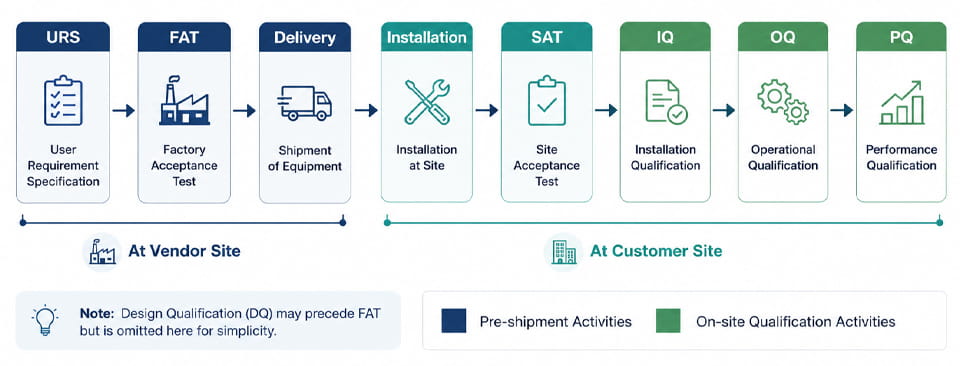
চিত্র: যোগ্যতা জীবনচক্র প্রবাহ. সংজ্ঞায়িত করার পর ইউআরএস, একটি কারখানা গ্রহণযোগ্যতা পরীক্ষা (ফ্যাট) বিক্রেতা সাইটে সঞ্চালিত হয়. তারপর যন্ত্রপাতি পাঠানো এবং ইনস্টল করা হয়, একটি সাইট গ্রহণযোগ্যতা পরীক্ষা দ্বারা অনুসরণ করা (SAT). অবশেষে, ইনস্টলেশন যোগ্যতা (আইকিউ), অপারেশনাল যোগ্যতা (OQ), এবং কর্মক্ষমতা যোগ্যতা (পিকিউ) সাইটে মৃত্যুদন্ড কার্যকর করা হয় (নোট: DQ FAT-এর আগে হতে পারে কিন্তু সরলতার জন্য এখানে বাদ দেওয়া হয়েছে).
এই প্রবাহটি GMP নির্দেশিকা দ্বারা সমর্থিত. উদাহরণস্বরূপ, ইইউ জিএমপি অ্যানেক্সের অধীনে 15 এবং আইএসপিই সি&প্রশ্ন অনুশীলন, নথিভুক্ত FAT ফলাফলগুলি প্রায়ই IQ/OQ-তে লিভারেজ করা যেতে পারে, সদৃশতা হ্রাস করা. আসলে, ISO/ISPE নির্দেশিকা নোট করে যে FAT “ক্রিয়াকলাপগুলি ডিজাইন যোগ্যতায় সরাসরি অবদান রাখে (ডিকিউ) এবং ইনস্টলেশন যোগ্যতা (আইকিউ) প্রমাণ,সামগ্রিক যোগ্যতা সময় সংকুচিত সাহায্য. অনুশীলনে, সঠিক ডকুমেন্টেশন সহ একটি কঠোর FAT মানে আপনার IQ টিম সেই ফলাফলগুলি পুনরায় ব্যবহার করতে পারে (যেমন. ইনস্টলেশন চেক ইতিমধ্যে সম্পন্ন হয়েছে) একই পয়েন্ট পুনরায় পরীক্ষা করার পরিবর্তে.
FAT প্রোটোকল চেকলিস্ট (ফার্মা প্যাকেজিং)
ফার্মাসিউটিক্যাল প্যাকেজিং যন্ত্রপাতির জন্য একটি ব্যাপক FAT প্রোটোকল সাধারণত নিম্নলিখিত উপাদানগুলি অন্তর্ভুক্ত করে:
- প্রাক-অনুমোদিত FAT প্রোটোকল: একটি লিখিত দলিল (ইউআরএস এর উপর ভিত্তি করে) যে প্রতিটি পরীক্ষার কেস তালিকা, গ্রহণযোগ্যতার মানদণ্ড, এবং দায়িত্ব. এটি পরীক্ষা করার আগে ক্রেতা এবং বিক্রেতা উভয় দ্বারা অনুমোদিত হয়.
- ভিজ্যুয়াল পরিদর্শন: মেশিনটি চূড়ান্ত অনুমোদিত অঙ্কনের সাথে মেলে কিনা তা পরীক্ষা করুন, কোন অনুপস্থিত অংশ বা ক্ষতি সঙ্গে. উপাদান সিরিয়াল নম্বর এবং মডেল যাচাই করুন.
- যান্ত্রিক & বৈদ্যুতিক পরিদর্শন: সমস্ত কাঠামোগত উপাদান নিশ্চিত করুন (ফ্রেম, প্রহরী, পরিবাহক) এবং বৈদ্যুতিক উপাদান (মোটর, তারের, প্যানেল) সঠিকভাবে ইনস্টল এবং লেবেল করা হয়.
- অ্যালার্ম এবং ইন্টারলক পরীক্ষা: প্রতিটি অ্যালার্ম অবস্থা ট্রিগার করুন এবং সঠিক প্রতিক্রিয়া যাচাই করুন. প্রতিটি নিরাপত্তা ইন্টারলক সক্রিয় করুন (ই-স্টপ, দরজার প্রহরী, হালকা পর্দা) মেশিন স্টপ বা ডিজাইন হিসাবে সতর্কতা নিশ্চিত করতে.
- কন্ট্রোল/সফটওয়্যার চেক: PLC/HMI সেটিংস নিশ্চিত করুন, সফ্টওয়্যার সংস্করণ, রেসিপি হ্যান্ডলিং, এবং ব্যবহারকারীর অ্যাক্সেস লেভেল কাজ করে. প্রয়োজনীয়তার বিরুদ্ধে অপারেটর ইন্টারফেস এবং নিয়ন্ত্রণ যুক্তি পরীক্ষা করুন.
- যন্ত্র ক্রমাঙ্কন যাচাইকরণ: যাচাই করুন যে সমস্ত সেন্সর এবং যন্ত্রের বৈধ ক্রমাঙ্কন শংসাপত্র রয়েছে এবং ব্যবহারের আগে নির্দিষ্টতার মধ্যে রয়েছে.
- কর্মক্ষমতা পণ্যের সাথে চলে: প্রতিনিধি পণ্য বা সবচেয়ে খারাপ-কেস উপকরণ ব্যবহার করে সমস্ত নির্দিষ্ট অপারেটিং গতিতে মেশিনটি চালান. কী আউটপুট পরিমাপ করুন (ওজন পূরণ করুন, থ্রুপুট, sealing গুণমান, নির্ভুলতা গণনা, ইত্যাদি) গ্রহণযোগ্যতার মানদণ্ডের বিরুদ্ধে.
- পরিবর্তন বিক্ষোভ: যদি একাধিক ফরম্যাট/SKU প্রয়োজন হয়, প্রদর্শন পরিবর্তন চুক্তি অনুযায়ী পদ্ধতি এবং সময়.
- ইউটিলিটি সিমুলেশন: সাইট ইউটিলিটি শর্ত অনুকরণ (যেমন. কম ভোল্টেজে মোটর চালান, নিম্ন বায়ুচাপ প্রয়োগ করুন) মেশিনটি প্রত্যাশিত ইউটিলিটি বৈচিত্র্যগুলি পরিচালনা করতে পারে তা নিশ্চিত করতে.
- ডকুমেন্টেশন পর্যালোচনা: সমস্ত ম্যানুয়াল নিশ্চিত করুন, পরিকল্পনা, রক্ষণাবেক্ষণ গাইড, এবং খুচরা যন্ত্রাংশ তালিকা সম্পূর্ণ এবং হস্তান্তর করা হয়.
- পাঞ্চ তালিকা এবং সাইন-অফ: একটি পাঞ্চ তালিকায় কোনো খোলা সমস্যা নথিভুক্ত করুন. পুনঃপরীক্ষার পর সংশোধনগুলি, FAT রিপোর্টে চূড়ান্ত "FAT গ্রহণ" স্বাক্ষর পৃষ্ঠা অন্তর্ভুক্ত করুন.
এই চেকলিস্ট অনুসরণ করা কারখানার বিচ্যুতি ধরতে সাহায্য করে. উদাহরণস্বরূপ, শিল্প বিশেষজ্ঞরা অস্পষ্ট FAT রেকর্ডের বিরুদ্ধে সতর্ক করেছেন - শুধুমাত্র পরিমাণগত, সরঞ্জাম-নির্দিষ্ট পরীক্ষার ডেটা গ্রহণ করা উচিত. শুধুমাত্র সরবরাহকারীর "পাস" বিবৃতি বা অসম্পূর্ণ চেকলিস্ট গ্রহণ করা সমস্যাগুলিকে মুখোশ করতে পারে. সর্বদা পরিমাপ করা মান রেকর্ড করুন এবং নির্দিষ্ট মেশিনের সিরিয়াল নম্বরে তাদের ট্রেস করুন.
SAT প্রোটোকল চেকলিস্ট (ফার্মা প্যাকেজিং)
ফার্মাসিউটিক্যাল প্যাকিং মেশিনের জন্য একটি SAT প্রোটোকল সাধারণত কভার করে:
- প্রাক ইনস্টলেশন চেক: সাইট প্রস্তুত যাচাই করুন (ক্লিনরুম, ভিত্তি স্তর), ইউটিলিটি জায়গায় আছে (ক্ষমতা, সংকুচিত বায়ু, খালি, জল), এবং ইনস্টলেশন অঙ্কন মেশিনের সাথে মেলে.
- ইনস্টলেশন যাচাইকরণ: নিশ্চিত করুন যে সমস্ত যান্ত্রিক উপাদান সঠিকভাবে সাইটে একত্রিত হয়েছে (শিপিং থেকে কোন ক্ষতি). ইউটিলিটিগুলি সঠিকভাবে সংযোগ করে কিনা তা পরীক্ষা করুন (ভোল্টেজ, চাপ, প্রবাহ) এবং যে পরিবেশগত অবস্থার (তাপমাত্রা, আর্দ্রতা, শ্রেণীবিভাগ) সরঞ্জাম প্রয়োজনীয়তা পূরণ.
- নো-লোড ফাংশন টেস্ট: পরিবহনের পরে ওয়্যারিং এবং মোটরগুলি অক্ষত আছে তা নিশ্চিত করতে মূল ফাংশনগুলি খালি বা ডামি পণ্য সহ চালান. সাইটের অবস্থার অধীনে আরও একবার নিরাপত্তা ইন্টারলক যাচাই করুন (যেমন. কারখানার বাতাসের চেয়ে উদ্ভিদ বায়ু).
- ইউটিলিটি হুকআপ টেস্ট: মেশিনে প্রকৃত ইউটিলিটি পরামিতি পরিমাপ করুন (যেমন. প্রকৃত বায়ু চাপ এবং প্রবাহ মিট বৈশিষ্ট নিশ্চিত করুন).
- ইন্টিগ্রেশন টেস্টিং: প্রযোজ্য হলে, এই মেশিন এবং আপস্ট্রিম/ডাউনস্ট্রিম সরঞ্জামের মধ্যে যোগাযোগ পরীক্ষা করুন (যেমন. একটি গণনা মেশিন সঠিকভাবে কার্টোনারকে সূচকে সংকেত দেয় কিনা তা পরীক্ষা করুন).
- উত্পাদন কর্মক্ষমতা পরীক্ষা: আসল পণ্য বা মক পণ্য দিয়ে মেশিন চালান (ইউআরএস অনুযায়ী). উদাহরণস্বরূপ, ফলন এবং গুণমান নিশ্চিত করতে লাইনের মাধ্যমে প্রকৃত ট্যাবলেট ফোস্কা বা ক্যাপসুল খাওয়ান. এটি মূলত একটি সাইট PQ রান.
- অপারেটর প্রশিক্ষণ & হস্তান্তর: অপারেটররা মেশিন চালাতে পারে তা নিশ্চিত করুন. অপারেটিং পদ্ধতি পর্যালোচনা করুন এবং অপারেটরদের পর্যবেক্ষণের অধীনে মৌলিক কাজগুলি সম্পাদন করতে বলুন.
- সমস্যার সমাধান: একটি লগে যেকোন SAT বিচ্যুতি বা ফলাফল রেকর্ড করুন এবং সংশোধনমূলক ক্রিয়া যাচাই করুন. সমস্ত গুরুত্বপূর্ণ পয়েন্ট বন্ধ হয়ে গেলেই মেশিনটি আনুষ্ঠানিক স্বীকৃতি পায়.
- চূড়ান্ত সাইন-অফ: একটি SAT রিপোর্ট বা শংসাপত্র সম্পূর্ণ করুন, এটি স্বাক্ষর করুন, এবং চূড়ান্ত রান ডেটা অন্তর্ভুক্ত করে. এটি সম্মতির প্রমাণ হয়ে ওঠে.
সংক্ষেপে, SAT প্রোটোকল বাস্তব অবস্থার অধীনে সমস্ত সমালোচনামূলক কার্যকারিতা পুনরায় নিশ্চিত করে. এটি কমিশনিংয়ের আগে শেষ চেকপয়েন্ট. উদাহরণস্বরূপ, জিনলুপ্যাকিং নোট করে যে একটি পুঙ্খানুপুঙ্খ SAT প্রায়ই বেসলাইন ডেটা তৈরি করে যা সরাসরি IQ/OQ প্রোটোকলগুলিতে যেতে পারে, ইউটিলিটি এবং পরিবেশের পুনরায় পরীক্ষা করা এড়ানো.
ফার্মাসিউটিক্যাল প্যাকেজিং মেশিনের জন্য FAT এবং SAT
ফার্মা প্যাকেজিং লাইন (ফোস্কা, ক্যাপসুল, ট্যাবলেট, কার্টোনিং মেশিন) তাদের নিজস্ব FAT/SAT জোর আছে. এখানে কিছু সাধারণ পয়েন্ট আছে:
- ফোস্কা প্যাকেজিং মেশিন: FAT এর গঠন এবং সিলিং স্টেশন যাচাই করা উচিত. উদাহরণস্বরূপ, থার্মোফর্মিং প্লেটেনে তাপমাত্রার অভিন্নতা পরিমাপ করুন (ছাঁচ জুড়ে ±2°সে) এবং sealing ডাই (±3°সে) সবচেয়ে খারাপ ক্ষেত্রে গতির অধীনে. পরীক্ষা সীল অখণ্ডতা (ASTM F88 প্রতি পিল পরীক্ষা). ফোস্কা খাওয়ানোর সঠিকতা পরীক্ষা করুন, ইনডেক্সিং, ফিল্ম প্রান্তিককরণ, এবং প্রত্যাখ্যান সিস্টেম ভুল ফোস্কা অপসারণ করে. SAT তারপরে সাইটে প্রকৃত ফোস্কা ফয়েল এবং ট্যাবলেটগুলির সাথে এই পরীক্ষাগুলি পুনরাবৃত্তি করবে এবং নিশ্চিত করবে যে মেশিনটি এখনও স্থানীয় আর্দ্রতা/তাপমাত্রার অধীনে সিলের শক্তি এবং থ্রুপুট স্পেসগুলি পূরণ করে.
- ক্যাপসুল ফিলিং মেশিন: FAT চেক পয়েন্ট ক্যাপসুল ওরিয়েন্টেশন এবং খাওয়ানো অন্তর্ভুক্ত (সঠিকভাবে ক্যাপ এবং বডি লোড যাচাই করুন), পাউডার পূরণ নির্ভুলতা (কম/উচ্চ পরিসরে ওজন পূরণ পরিমাপ করুন), সনাক্তকরণ সিস্টেম (খালি জন্য সেন্সর প্রান্তিককরণ পরীক্ষা করুন, দ্বিগুণ, বা ভুল অভিযোজন), এবং লকিং সততা (নিশ্চিত করুন যে ক্যাপসুলগুলি শক্তভাবে বন্ধ রয়েছে). পণ্য ছাড়াই বুরুজ সূচীকরণ এবং সার্ভো নির্ভুলতা যাচাই করুন. SAT তারপর গ্রাহকের ক্যাপসুল এবং পাউডার মিশ্রণের সাথে ফিলিং নির্ভুলতা পরীক্ষা করবে, এবং নিশ্চিত করুন যে শেষ-অফ-লাইন রিজেক্ট মেকানিজম কাজ করে যখন বাস্তব প্রত্যাখ্যান ঘটে.
- ট্যাবলেট প্রেস মেশিন: FAT এর সময়, পরীক্ষার মধ্যে টুলিং ক্রমাঙ্কন অন্তর্ভুক্ত (ট্যাবলেট ওজন, বেধ, বুরুজ অবস্থান জুড়ে কঠোরতা), ফিড ফ্রেম এবং হপার অপারেশন, এবং প্রেস বল ধারাবাহিকতা. র্যামের গতি পরীক্ষা করতে সর্বনিম্ন এবং সর্বোচ্চ কম্প্রেশন ফোর্সে লোডের নীচে প্রেসটি চালান. SAT পছন্দসই ব্যাচ আকারে প্রকৃত গ্রানুলেশন ব্যবহার করে ট্যাবলেটের চশমা পুনরায় যাচাই করে, নিশ্চিত করে যে তৈলাক্তকরণ এবং শব্দের মাত্রা গ্রহণযোগ্য, এবং সাইটে নিরাপত্তা গেট এবং ওভারলোড রিলে পরীক্ষা করে.
- গণনা এবং কার্টোনিং মেশিন: গণনা মেশিনের জন্য, FAT মক পণ্যের সাথে নির্ভুলতা এবং গতির উপর ফোকাস করে, সেন্সর যাচাই এবং chutes প্রত্যাখ্যান. কার্টোনারদের জন্য, FAT শক্ত কাগজ গঠন যাচাই করে, ইন-ফিড টাইমিং, আউটপুট গতি, এবং sealing গুণমান. SAT ক্রমাগত অপারেশন পরীক্ষা করবে: একটি কার্টোনারে প্রকৃত ফোস্কা প্যাক বা বোতল খাওয়ানো এবং আউটপুট কার্টনগুলি সঠিক কিনা তা নিশ্চিত করা. এটি কাউন্টিং মেশিন এবং কার্টোনার সঠিকভাবে সিঙ্ক্রোনাইজ করে কিনা তাও পরীক্ষা করে (যেমন. কোন মিস বোতল).
সব ক্ষেত্রেই, FAT এবং SAT উভয়ই পরীক্ষা করে যে মেশিনটি নির্দিষ্ট গতিতে চলে এবং সঠিক গণনা/ওজন/গুণমান দেয় প্রকৃত পণ্যের সাথে. পরীক্ষা এড়িয়ে যাওয়া (উদাহরণস্বরূপ, FAT এ আসল পণ্য চলছে না) SAT এ ব্যর্থতার কারণ হতে পারে. একজন বিশেষজ্ঞ যেমন সতর্ক করেছেন, "OEM-এর জেনেরিক সামগ্রীর সাথে একটি FAT চালানো আপনার সাথে চালানোর মত নয়" - আপনি যদি FAT-তে আসল উপকরণগুলি পরীক্ষা না করেন, সাইট সমস্যা প্রায়ই পরে উত্থান.
কেন একটি মেশিন FAT পাস করতে পারে কিন্তু SAT ফেল করতে পারে?
এমনকি যদি একটি মেশিন FAT চেকলিস্টের প্রতিটি আইটেম পাস করে, অবস্থার পরিবর্তন হলে এটি এখনও SAT ব্যর্থ হতে পারে. সাধারণ কারণ অন্তর্ভুক্ত:
- ইউটিলিটি পার্থক্য: ভোল্টেজ, বায়ু চাপ, অথবা প্ল্যান্টে সরবরাহের মান FAT-এ ব্যবহৃত সীমার বাইরে হতে পারে. লাইন ভোল্টেজ সামান্য কম হলে একটি পরিবাহক মোটর SAT এ ট্রিপ করতে পারে, উদাহরণস্বরূপ.
- পরিবেশগত পরিবর্তন: তাপমাত্রা বা আর্দ্রতার পার্থক্য প্রক্রিয়াগুলিকে প্রভাবিত করতে পারে. একটি ক্ষেত্রে মাঝারি আর্দ্রতায় একটি ফোস্কা মেশিন পাস FAT ছিল (45% আরএইচ) কিন্তু সাইট এ সীল অখণ্ডতা ব্যর্থ 80% আরএইচ.
- পণ্য বৈচিত্র্য: যদি সরবরাহকারী FAT রানে সঠিক পণ্য বা প্যাকেজিং উপাদান ব্যবহার না করে, মেশিন প্রকৃত পণ্যের সাথে ভিন্নভাবে আচরণ করতে পারে. (আমরা FAT এ আপনার উপকরণগুলি চালানোর জন্য OEM-কে চাপ দেওয়ার পরামর্শ দিই।)
- ইনস্টলেশন সমস্যা: সেটআপে ত্রুটি, প্রান্তিককরণ, বা শিপিংয়ের সময় বেঁধে দেওয়া নতুন ত্রুটিগুলি প্রবর্তন করতে পারে যা SAT অবশ্যই ধরতে পারে. উদাহরণস্বরূপ, একটি আলগা এনকোডার বা একটি ঝাঁকুনি দেওয়া গাইড রেল সাইট পরীক্ষা না হওয়া পর্যন্ত লক্ষ্য করা যাবে না.
- ইন্টিগ্রেশন সমস্যা: মেশিনটি অন্যান্য লাইন সরঞ্জাম বা প্ল্যান্টের নিয়ন্ত্রণ ব্যবস্থার সাথে সঠিকভাবে যোগাযোগ করতে পারে না যদি না সেই ইন্টারফেসগুলি SAT-তে পরীক্ষা করা হয়.
- আনক্লোজড পাঞ্চ লিস্ট: বিক্রেতা একটি আংশিক মুক্তি যদি (যেমন. "আমরা ডেলিভারির পরে এটি ঠিক করব"), একটি অমীমাংসিত FAT সমস্যা শুধুমাত্র SAT এ উপস্থিত হতে পারে.
সংক্ষেপে, ফ্যাট মেশিনটিকে বিচ্ছিন্নভাবে পরীক্ষা করে; SAT এটি প্রসঙ্গে পরীক্ষা করে. সাইটের অবস্থা বা সেটআপের প্রতিটি পার্থক্য একটি সম্ভাব্য ব্যর্থতার মোড. একটি ভালভাবে সঞ্চালিত SAT, তবে, সম্পূর্ণ উৎপাদনের আগে এই ধরনের সমস্যাগুলি উন্মোচন করার চূড়ান্ত চেক.
ক্রেতাদের FAT এবং SAT সম্পর্কে সরবরাহকারীকে কী জিজ্ঞাসা করা উচিত?
একটি মেশিন সরবরাহকারী নির্বাচন করার সময়, শিল্প ক্রেতারা প্রায়ই একটি মূল যোগ্যতা হিসাবে FAT/SAT প্রস্তুতি ব্যবহার করে. উদাহরণস্বরূপ, জিনলুর সরবরাহকারী অডিট গাইড জিজ্ঞাসা করার পরামর্শ দেয়:
- নথি প্রাপ্যতা: "আপনি কি সম্পূর্ণ সরঞ্জাম ডকুমেন্টেশন সরবরাহ করতে পারেন?, ম্যানুয়াল সহ, অঙ্কন, FAT/SAT রিপোর্ট, এবং IQ/OQ টেমপ্লেট?". (একটি অনুগত বিক্রেতা সক্রিয়ভাবে এই প্রদান করে.)
- বৈধতা সমর্থন: "আপনি সাহায্য করবেন ইনস্টলেশন এবং যোগ্যতা? আপনি কি FAT/SAT চলাকালীন অন-সাইট সহায়তা বা প্রশিক্ষণ প্রদান করেন??". (নিশ্চিত করুন যে তারা FAT এবং SAT এ প্রকৌশলী পাঠান।)
- প্রক্রিয়া অংশগ্রহণ: “কে নেতৃত্ব দেবে FAT এবং SAT? আমার QA/ভ্যালিডেশন টিম কি পরীক্ষায় অংশগ্রহণ করতে বা প্রত্যক্ষ করতে পারে?"
- নমুনা ব্যবহার: “আপনি কি আমার আসল পণ্য এবং প্যাকেজিং উপকরণগুলি FAT-তে চালাবেন??" (যেমন উল্লেখ করা হয়েছে, বাস্তব উপকরণ ব্যবহার করা গুরুত্বপূর্ণ।)
- বিচ্যুতি হ্যান্ডলিং: “যদি FAT এ কিছু ব্যর্থ হয়, কিভাবে এটা ঠিক করা হবে? চালানের আগে আপনি কি সাইটে পুনরায় পরীক্ষা করবেন?"
- নিয়ন্ত্রণ পরিবর্তন করুন: "আপনি কিভাবে পোস্ট-অর্ডার পরিবর্তনগুলি পরিচালনা করবেন? ছোটখাটো ইউআরএস আপডেটগুলি প্রোটোকলগুলিতে অন্তর্ভুক্ত করা যেতে পারে?".
- অভিজ্ঞতা & তথ্যসূত্র: “আপনি কি এই মডেলটি অন্য ফার্মা গ্রাহকদের কাছে পৌঁছে দিয়েছেন?? আমরা দেখতে পারি কেস স্টাডি অথবা যোগাযোগের রেফারেন্স?".
- খুচরা যন্ত্রাংশ এবং সেবা: “আপনার খুচরা যন্ত্রাংশ সমর্থন নীতি কি? আপনি কি বর্ধিত ওয়ারেন্টি বা স্থানীয় পরিষেবা অফার করেন?".
এই প্রশ্নগুলি সরবরাহকারীর বৈধতা পরিপক্কতা পরিমাপ করতে সাহায্য করে. একজন অভিজ্ঞ বিক্রেতাকে সহজেই উত্তর দেওয়া উচিত যে তারা সম্পূর্ণ FAT/SAT/IQ/OQ প্যাকেজ সহ "অডিট-রেডি" মেশিন সরবরাহ করে.
FAT/SAT গ্রহণযোগ্যতা চেকলিস্ট
একটি মসৃণ গ্রহণ প্রক্রিয়া নিশ্চিত করতে, ক্রেতারা এই দ্রুত FAT/SAT চেকলিস্ট ব্যবহার করতে পারেন:
- স্কোপ আপফ্রন্টে সম্মত হন: ক্রয় অর্ডার বা URS-এ FAT এবং SAT প্ল্যান অন্তর্ভুক্ত করুন, ঠিক কোন পরীক্ষাগুলি করা হবে এবং কোন মানদণ্ড অবশ্যই পূরণ করতে হবে তা নির্ধারণ করা.
- সাক্ষী পরীক্ষা: FAT-এ যোগ দিন (আদর্শভাবে ব্যক্তিগতভাবে) প্রতিটি পরীক্ষা সঞ্চালিত হয় যাচাই করতে. যদি দূরবর্তী সাক্ষী, রিডআউটের লাইভ ভিডিও নিশ্চিত করুন.
- চূড়ান্ত অঙ্কন/চশমা ব্যবহার করুন: নিশ্চিত করুন যে মেশিনটি সর্বশেষ ইউআরএস এবং অঙ্কনগুলির বিরুদ্ধে পরীক্ষা করা হয়েছে (পুরানো সংশোধন নয়).
- ক্রমাঙ্কন প্রমাণ আনুন: নিশ্চিত করুন যে FAT/SAT-এ ব্যবহৃত উপকরণগুলি ক্যালিব্রেট করা হয়েছে এবং তাদের শংসাপত্রগুলি ডকুমেন্টেশন প্যাকেজে রয়েছে.
- কাঁচা তথ্য সংগ্রহ করুন: যে সমস্ত পরিমাপ মান প্রয়োজন (ওজন, বাহিনী, ভোল্টেজ, ইত্যাদি) রেকর্ড করা হয়, শুধু "পাস/ফেল" চিহ্ন নয়.
- অবিলম্বে বিচ্যুতি বন্ধ করুন: যে কোনো অসঙ্গতি পাওয়া গেলে একটি সম্মত সমাধান এবং গ্রহণের আগে পুনরায় পরীক্ষা করা উচিত. প্রমাণ ছাড়া "আমরা পরে এটি ঠিক করব" গ্রহণ করবেন না.
- ট্রেসেবিলিটি: FAT/SAT পরীক্ষার কেস এবং ফলাফলের সাথে প্রতিটি URS পয়েন্ট লিঙ্ক করে একটি ট্রেসেবিলিটি ম্যাট্রিক্স বজায় রাখুন.
- চূড়ান্ত সাইন-অফ: সমস্ত FAT পাঞ্চ-লিস্ট আইটেম সমাধান না হওয়া পর্যন্ত এবং FAT রিপোর্ট স্বাক্ষরিত না হওয়া পর্যন্ত মেশিনটি ছেড়ে দেবেন না. SAT এর জন্য পুনরাবৃত্তি করুন.
- পোস্ট-ফ্যাট প্রি-শিপমেন্ট চেক: ঐচ্ছিকভাবে, FAT এর পরে কিছুই পরিবর্তিত হয়েছে তা নিশ্চিত করতে একটি প্রি-শিপমেন্ট পরিদর্শন পরিচালনা করুন (মেশিন প্যাক করার পরে আমরা এই চূড়ান্ত চেক করার পরামর্শ দিই).
- ডকুমেন্টেশন আর্কাইভ: আপনার বৈধতা ফাইলে সমস্ত FAT এবং SAT প্রোটোকল এবং রিপোর্টের কপি রাখুন. এগুলো ইকুইপমেন্ট কোয়ালিফিকেশন রেকর্ডের অংশ হয়ে যায়.
এই ধরনের একটি চেকলিস্ট অনুসরণ করে বিস্ময় এড়ানো যায়. উদাহরণস্বরূপ, একটি সরবরাহকারীর প্যাকিং ফটো বা জেনেরিক QC নোটগুলি সত্য হওয়ার পরে দেখা না সম্মতির প্রমাণ. সবচেয়ে শক্তিশালী প্রমাণ হল নির্দিষ্ট মেশিনের সাথে আবদ্ধ FAT/SAT রেকর্ডের সম্পূর্ণ সেট.
উপসংহার
আপনার ফার্মাসিউটিক্যাল প্যাকেজিং মেশিনগুলি নির্ভরযোগ্যভাবে কাজ করে এবং GMP মেনে চলে তা নিশ্চিত করার জন্য FAT এবং SAT উভয়ই অপরিহার্য পরীক্ষা।. বিক্রেতার সাইটে সরঞ্জামগুলি পুঙ্খানুপুঙ্খভাবে পরীক্ষা করে (ফ্যাট) এবং আবার ইনস্টলেশনের পরে (SAT), আপনি ব্যয়বহুল চমক কমিয়ে দেন এবং যাচাই করেন যে সমস্ত ইউআরএস পয়েন্ট পূরণ হয়েছে.
আপনার গ্রহণযোগ্যতা পরীক্ষা প্রবাহিত করতে প্রস্তুত? জিনলু প্যাকিং সরবরাহ করে ফার্মা-গ্রেড সরঞ্জাম (ফোস্কা প্যাকার, ক্যাপসুল ফিলারস, ট্যাবলেট প্রেস, গণনা এবং কার্টোনিং লাইন, ইত্যাদি) সম্পূর্ণ FAT/SAT সমর্থন সহ. আপনার যোগ্যতা দ্রুত এবং মসৃণ করতে প্রতিটি মেশিনে একটি সম্পূর্ণ FAT/SAT প্রোটোকল এবং IQ/OQ/PQ কিট পাঠানো হয়. আপনার URS নিয়ে আলোচনা করতে এবং আপনার নতুন সরঞ্জামের জন্য FAT/SAT পরিকল্পনা সেট আপ করতে আজই জিনলুর সাথে যোগাযোগ করুন, অথবা জন্য আমাদের পণ্য পৃষ্ঠা দেখুন ক্যাপসুল ফিলিং মেশিন, ফোস্কা প্যাকিং মেশিন, ট্যাবলেট প্রেস, গণনা মেশিন, কার্টোনিং মেশিন এবং আরো. আমাদের টিম আপনাকে FAT/SAT পদক্ষেপের পরিকল্পনা করতে এবং টার্ন-কি যাচাইকরণ ডকুমেন্টেশন সরবরাহ করতে সহায়তা করবে যাতে আপনার প্রকল্প সময়মতো এবং অনুগত থাকে.
যোগাযোগ করুন জিনলুর বিশেষজ্ঞদের সাথে FAT/SAT নির্দেশিকা জন্য এবং নিশ্চিত করুন যে আপনার নতুন প্যাকেজিং লাইন প্রথম দিন থেকে বৈধতা-প্রস্তুত.
ফার্মা-তে FAT বনাম SAT সম্পর্কিত প্রায়শই জিজ্ঞাসিত প্রশ্নাবলী
FAT এবং SAT এর মধ্যে পার্থক্য কি??
ফ্যাট (কারখানা গ্রহণযোগ্যতা পরীক্ষা) মেশিনটি সম্মত স্পেসিফিকেশন এবং কার্যকরী প্রয়োজনীয়তা পূরণ করে তা যাচাই করার জন্য চালানের আগে সরঞ্জাম প্রস্তুতকারকের সুবিধায় সঞ্চালিত হয়. SAT (সাইট গ্রহণযোগ্যতা পরীক্ষা) ইনস্টলেশনের পরে গ্রাহকের সুবিধায় সঞ্চালিত হয় নিশ্চিত করার জন্য যে সরঞ্জামগুলি প্রকৃত সাইট ইউটিলিটিগুলির সাথে সঠিকভাবে কাজ করে, পরিবেশ, এবং সংযুক্ত সিস্টেম.
কেন ফার্মাসিউটিক্যাল সরঞ্জাম শিপিং আগে FAT গুরুত্বপূর্ণ?
FAT ক্রেতা এবং সরবরাহকারীকে নকশা সনাক্ত করতে দেয়, উত্পাদন, নিয়ন্ত্রণ, বা মেশিন প্রস্তুতকারকের সুবিধা ছেড়ে যাওয়ার আগে পারফরম্যান্সের সমস্যা. এই পর্যায়ে পাওয়া সমস্যা সাধারণত তদন্ত এবং সংশোধন করা সহজ কারণ সরঞ্জাম, প্রকৌশল দল, টুলস, এবং পরীক্ষার পরিবেশ সহজেই উপলব্ধ. একটি সুপরিকল্পিত FAT তাই কমিশনিং বিলম্ব কমাতে পারে এবং গ্রাহকের সাইটে অপ্রয়োজনীয় পুনর্ব্যবহার এড়াতে পারে.
SAT এর আগে কি FAT প্রয়োজন?
FAT সাধারণত SAT এর আগে সঞ্চালিত হয়, কিন্তু এটা বাধ্যতামূলক কিনা তা প্রকল্পের উপর নির্ভর করে, চুক্তি, সরঞ্জাম, এবং মানের প্রয়োজনীয়তা. FAT চালানের আগে সরঞ্জাম যাচাই করে, যখন SAT গ্রাহকের সাইটে ইনস্টলেশনের পরে সরঞ্জামগুলি যাচাই করে. ফার্মাসিউটিক্যাল যন্ত্রপাতি জন্য, দুটি পরীক্ষা একে অপরের প্রতিস্থাপনের পরিবর্তে একে অপরের পরিপূরক হতে পারে.
সরঞ্জাম FAT পাস করতে পারে কিন্তু SAT ব্যর্থ হতে পারে?
হ্যাঁ. FAT পাস করা গ্যারান্টি দেয় না যে সরঞ্জামগুলি SAT পাস করবে. FAT সাধারণত নিয়ন্ত্রিত কারখানা অবস্থার অধীনে সঞ্চালিত হয়, যখন SAT পরিবহনের পরে মেশিনের মূল্যায়ন করে, ইনস্টলেশন, প্রকৃত ইউটিলিটিগুলির সাথে সংযোগ, এবং অন্যান্য সরঞ্জামের সাথে একীকরণ. পাওয়ার সাপ্লাই মধ্যে পার্থক্য, সংকুচিত বায়ু, পরিবেশগত অবস্থা, পণ্য খাওয়ানো, অথবা লাইন ইন্টিগ্রেশন এমন সমস্যা তৈরি করতে পারে যা FAT এর সময় দৃশ্যমান ছিল না.
FAT চেকলিস্টে কী অন্তর্ভুক্ত করা উচিত?
একটি ফার্মাসিউটিক্যাল সরঞ্জাম FAT চেকলিস্ট সম্মত স্পেসিফিকেশনের উপর ভিত্তি করে হওয়া উচিত এবং সরঞ্জাম সনাক্তকরণ অন্তর্ভুক্ত থাকতে পারে, যান্ত্রিক পরিদর্শন, বৈদ্যুতিক সিস্টেম, PLC/HMI ফাংশন, অ্যালার্ম, নিরাপত্তা ইন্টারলক, মেশিন অপারেশন, কর্মক্ষমতা পরীক্ষা, ডকুমেন্টেশন, এবং সম্মতি গ্রহণের মানদণ্ড. প্যাকেজিং যন্ত্রপাতি জন্য, চেকলিস্ট উত্পাদন গতি কভার করতে পারে, খাওয়ানোর সঠিকতা, sealing, কোডিং, প্রত্যাখ্যান, এবং অন্যান্য মেশিন-নির্দিষ্ট ফাংশন.
SAT চেকলিস্টে কী অন্তর্ভুক্ত করা উচিত?
একটি SAT চেকলিস্ট গ্রাহকের সাইটে ইনস্টলেশনের পরে সরঞ্জামগুলিতে ফোকাস করা উচিত. মেশিনের উপর নির্ভর করে, এটি ইনস্টলেশন স্থিতি অন্তর্ভুক্ত করতে পারে, বৈদ্যুতিক সংযোগ, সংকুচিত বায়ু এবং অন্যান্য ইউটিলিটি, মেশিন অপারেশন, নিরাপত্তা ডিভাইস, অ্যালার্ম, আপস্ট্রিম এবং ডাউনস্ট্রিম সরঞ্জামের সাথে যোগাযোগ, উত্পাদন কর্মক্ষমতা, এবং অপারেটর ফাংশন. শুধুমাত্র একটি অনানুষ্ঠানিক মেশিন প্রদর্শনের উপর নির্ভর না করে পরীক্ষার আগে SAT-এর গ্রহণযোগ্যতা মানদণ্ড ব্যবহার করা উচিত.
FAT এবং SAT কে উপস্থিত হওয়া উচিত?
FAT সাধারণত সরবরাহকারীর প্রকৌশলী এবং ক্রেতার প্রতিনিধিদের জড়িত করে (QA/বৈধতা, প্রকৌশল, অপারেশন). SAT-এ ইনস্টল করা বিক্রেতা বা পরিষেবা দল অন্তর্ভুক্ত করা উচিত, QA/বৈধতা, এবং গ্রাহকের অপারেশন কর্মীরা. তৃতীয় পক্ষের পরামর্শদাতা বা পরিদর্শক কখনও কখনও অন্তর্ভুক্ত করা হয়.
FAT এবং SAT এর জন্য কি ডকুমেন্টেশন প্রয়োজন?
প্রতিটির জন্য একটি প্রাক-অনুমোদিত প্রোটোকল প্রয়োজন যা সমস্ত পরীক্ষার রূপরেখা দেয়, গ্রহণযোগ্যতার মানদণ্ড, এবং দায়িত্ব. পরীক্ষার সময়, রিয়েল-টাইম ডেটা এবং পর্যবেক্ষণ সহ প্রোটোকল পূরণ করুন. ডেলিভারেবলের মধ্যে সঞ্চালিত প্রোটোকল অন্তর্ভুক্ত, কোনো বিচ্যুতির একটি পাঞ্চ-তালিকা, এবং একটি স্বাক্ষরিত চূড়ান্ত প্রতিবেদন বা শংসাপত্র. SAT এর জন্য, এছাড়াও ইউআরএস প্রয়োজনীয়তার জন্য একটি ট্রেসেবিলিটি ম্যাট্রিক্স লিঙ্কিং পরীক্ষাগুলি প্রস্তুত করুন.
FAT এর মধ্যে পার্থক্য কি, SAT, আইকিউ, এবং OQ?
FAT এবং SAT হল গ্রহণযোগ্যতা পরীক্ষা, যখন IQ এবং OQ সাধারণত একটি সরঞ্জাম যোগ্যতা কৌশলের অংশ. FAT চালানের আগে প্রস্তুতকারকের সুবিধায় সরঞ্জামগুলি পরীক্ষা করে; SAT গ্রাহকের সাইটে ইনস্টলেশনের পরে এটি পরীক্ষা করে. আইকিউ (ইনস্টলেশন যোগ্যতা) অনুমোদিত প্রয়োজনীয়তা অনুযায়ী সরঞ্জাম ইনস্টল করা হয়েছে কিনা তা ফোকাস করে, যখন OQ (অপারেশনাল যোগ্যতা) যাচাই করে যে এটি নির্দিষ্ট অপারেটিং রেঞ্জ জুড়ে উদ্দেশ্য অনুযায়ী কাজ করে. সঠিক ক্রম এবং ডকুমেন্টেশন কোম্পানির বৈধতা কৌশল এবং প্রকল্পের প্রয়োজনীয়তার উপর নির্ভর করে.
জিএমপি বৈধতার FAT অংশ?
FAT একটি ফার্মাসিউটিক্যাল সরঞ্জামের যোগ্যতা এবং বৈধতা কৌশল সমর্থন করতে পারে, কিন্তু FAT নিজেই স্বয়ংক্রিয়ভাবে GMP যোগ্যতার সমতুল্য হিসাবে বিবেচিত হবে না. এর ভূমিকা সরঞ্জামের উপর নির্ভর করে, প্রকল্পের প্রয়োজনীয়তা, ঝুঁকি মূল্যায়ন, এবং প্রযোজ্য মানের সিস্টেম. কিছু প্রকল্পে, উপযুক্ত FAT পরীক্ষা নথিভুক্ত প্রমাণ প্রদান করতে পারে যা পরবর্তী যোগ্যতা কার্যক্রমের সময় লিভারেজ করা হয়, সম্ভাব্য অপ্রয়োজনীয় ডুপ্লিকেশন হ্রাস যখন ন্যায্যতা.
তথ্যসূত্র:
1.প্রক্রিয়া শিল্পে অটোমেশন সিস্টেম – কারখানা গ্রহণযোগ্যতা পরীক্ষা (ফ্যাট), সাইট গ্রহণযোগ্যতা পরীক্ষা (SAT), এবং সাইট ইন্টিগ্রেশন পরীক্ষা (SIT) —— ANSI/ISA-62381-2026 / আইইসি 62381:2024
2.ইঞ্জিনিয়ারিং SOP -FAT : কারখানা গ্রহণযোগ্যতা পরীক্ষা & SAT : সাইট গ্রহণযোগ্যতা পরীক্ষা —— pharmastate.academy
3.ফার্মা ইকুইপমেন্টে ফ্যাট এবং স্যাট টেস্টিং —— লেখক
4.ফার্মাসিউটিক্যাল কন্টেইনার ওয়াশিং মেশিনের SAT গ্রহণযোগ্যতার পর্যায়ে যোগ্যতা অধ্যয়ন —— রিসার্চগেট
5.ফ্যাক্টরি এবং সাইট অ্যাকসেপ্টেন্স টেস্ট চেকলিস্ট —— লেখক



এক প্রতিক্রিয়া
এটি আকর্ষণীয় যে কীভাবে FAT এবং SAT এর মধ্যে পার্থক্য ফার্মাসিউটিক্যাল অপারেশনগুলিকে প্রভাবিত করতে পারে. আমাদের ক্লায়েন্ট পরিদর্শন সময়, আমরা প্রায়শই আর্দ্রতার সমস্যাগুলি আবিষ্কার করি যা সরঞ্জামের কার্যকারিতাকে আপস করতে পারে. যখন আমরা থার্মাল ইমেজিং ব্যবহার করি, আমরা লুকানো লিক খুঁজে পাই যা ব্যয়বহুল ডাউনটাইম হতে পারে. আমরা সর্বদা সম্পত্তির মালিকদের উপদেশ দিই যে সরঞ্জামের স্বীকৃতি চূড়ান্ত করার আগে পুঙ্খানুপুঙ্খ মূল্যায়ন বিবেচনা করুন. আপনি কি কোন প্রবণতা লক্ষ্য করেছেন যে কীভাবে কোম্পানিগুলি গ্রহণযোগ্যতা পরীক্ষার পর্যায়ে এই চ্যালেঞ্জগুলি মোকাবেলা করছে?