
মধ্যে ফার্মাসিউটিক্যাল উত্পাদন, নিশ্চিত করা সরঞ্জাম সরবরাহকারী জিএমপি মান পূরণ করা কাঁচামাল বিক্রেতাদের যাচাই করার মতোই গুরুত্বপূর্ণ. একটি পুঙ্খানুপুঙ্খ সরবরাহকারী নিরীক্ষা ফার্মাসিউটিক্যাল কোম্পানিগুলিকে একটি সরঞ্জাম প্রস্তুতকারকের গুণমান সিস্টেমগুলি যাচাই করতে সহায়তা করে৷, ডকুমেন্টেশন, এবং প্রসেস, ত্রুটিপূর্ণ বা অসঙ্গতিপূর্ণ মেশিন উৎপাদনে প্রবেশের ঝুঁকি হ্রাস করা. নিয়ন্ত্রক নির্দেশিকা (এফডিএ, ইএমএ, আমি, WHO) জোর দেয় a ঝুঁকি ভিত্তিক সরবরাহকারী মানের প্রোগ্রাম: গুরুত্বপূর্ণ বিক্রেতাদের জন্য সরবরাহকারীর যোগ্যতার অডিট সম্পাদন করুন, তাদের মান ব্যবস্থাপনা সিস্টেম এবং সম্মতির ইতিহাস পর্যালোচনা করুন, এবং সংশোধনমূলক কর্ম এবং অনুমোদনের সাথে অনুসরণ করুন.
এই নিবন্ধটি ব্যাখ্যা করে কেন এবং কখন সরঞ্জাম সরবরাহকারীদের অডিট করতে হবে, একটি ধাপে ধাপে নিরীক্ষা প্রক্রিয়ার রূপরেখা দেয় (একটি ফ্লোচার্ট সহ), একটি সরঞ্জাম-কেন্দ্রিক অডিট চেকলিস্ট প্রদান করে, অন-সাইট বনাম তুলনা. দূরবর্তী অডিট, এবং দেখায় কিভাবে FAT/SAT এবং IR/WH/PQ সরবরাহকারীর যোগ্যতার সাথে মানানসই. সারণীগুলি নিরীক্ষার ধরন এবং ঝুঁকির মাত্রাগুলিকে সংক্ষিপ্ত করে৷, এবং ব্যবহারিক পরামর্শ (বাস্তব-বিশ্বের উদাহরণ এবং নিয়ন্ত্রক উদ্ধৃতি সহ) সংগ্রহে সাহায্য করবে, QA এবং ইঞ্জিনিয়ারিং দলগুলি সফল অডিট সম্পাদন করে. সংক্ষেপে, একটি কাঠামোগত অডিট প্রোগ্রাম - দ্বারা সমর্থিত ব্যাপক ডকুমেন্টেশন একজন GMP-বুদ্ধিসম্পন্ন সরবরাহকারীর কাছ থেকে - আপনার নতুন মেশিনগুলি IQ/OQ যোগ্যতা এবং GMP ব্যবহারের জন্য "অডিট-প্রস্তুত" পৌঁছানো নিশ্চিত করে.
নিয়ন্ত্রিত ফার্মায়, সুযোগ ছাড়া কিছুই করা যাবে না. এমনকি একটি মেশিন ভালভাবে নির্মিত হলেও, সরবরাহকারীর কোনো গুণগত ত্রুটি (দুর্বল QMS, নথিভুক্ত পরিবর্তন, ক্যালিব্রেটেড যন্ত্র, ইত্যাদি) আপনার পণ্য আপস করতে পারেন. কারণ ওষুধ প্রস্তুতকারীরা শেষ পর্যন্ত দায়ী চূড়ান্ত পণ্যের গুণমান এবং সম্মতির জন্য, নিয়ন্ত্রকেরা আশা করে যে তারা সমালোচনামূলক সরবরাহকারীদের অডিট করবে. উদাহরণস্বরূপ, FDA এর ICH Q10 নির্দেশিকা উল্লেখ্য যে চুক্তি-দাতাদের সরবরাহকারীদের "উপযুক্ততা এবং দক্ষতা মূল্যায়নের জন্য দায়ী হতে হবে", এবং সমস্ত মান-সম্পর্কিত কার্যকলাপ লিখিত চুক্তিতে সংজ্ঞায়িত করা আবশ্যক. অনুশীলনে, এর অর্থ হল অডিটিং সরঞ্জাম বিক্রেতারা নিশ্চিত করতে যে তারা GMP-এর মতো নিয়ন্ত্রণগুলি অনুসরণ করে. যেমন একজন শিল্প বিশেষজ্ঞ ব্যাখ্যা করেন, সরবরাহকারীর অডিট হল নিয়মিত পরিদর্শন যা কাঁচামাল উন্নত করে, সরঞ্জাম, এবং একটি কোম্পানি প্রাপ্ত সরবরাহ করে...এবং কঠোর নিয়ন্ত্রক প্রয়োজনীয়তার সাথে সম্মতি অর্জনে সহায়তা করে.
সরঞ্জাম সরবরাহকারীদের অডিট করার মূল কারণ অন্তর্ভুক্ত:
"একটি সরবরাহকারী অডিট হল একটি সরবরাহকারীর প্রক্রিয়া বা পণ্যের বেঞ্চমার্ক করা মানদণ্ডের বিরুদ্ধে একটি স্বাধীন মূল্যায়ন... যার অর্থ একটি পণ্য উন্নত করার সুযোগগুলি উন্মোচন করা, প্রক্রিয়া, বা সিস্টেম," একটি গুণমান শিল্প উত্স ব্যাখ্যা. ফার্মে, এর অর্থ হল আপনার সরঞ্জাম বিক্রেতার মানের ম্যানুয়াল পরীক্ষা করা, নিয়ন্ত্রণ পরিবর্তন, সিএপিএ, এবং ডকুমেন্টেশন সব জিএমপি প্রত্যাশা পূরণ. একটি কঠিন অডিট প্রোগ্রাম (প্রাথমিক এবং পর্যায়ক্রমিক) GMP অবস্থার অধীনে সরঞ্জাম নিরাপদে কাজ করবে তা যাচাই করতে সাহায্য করে.
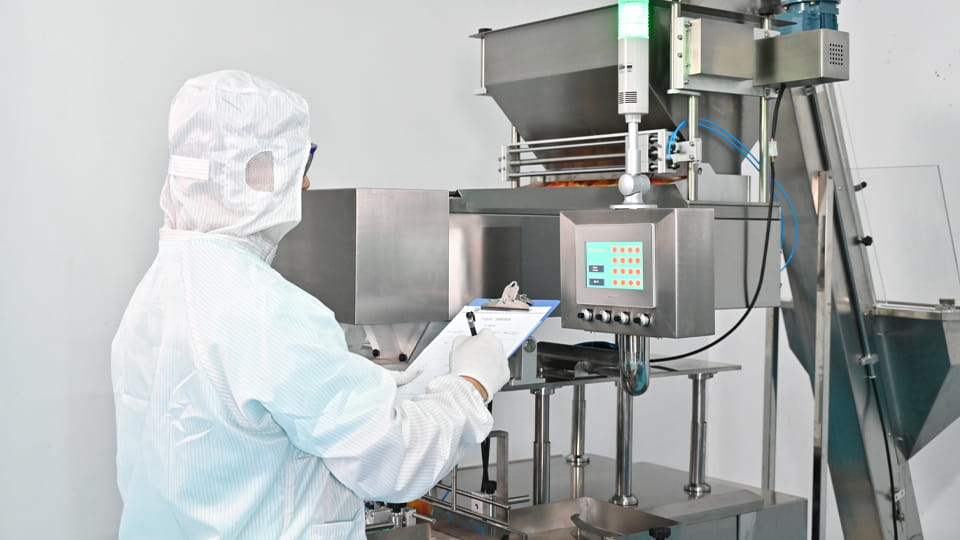
মূল পর্যায়ে অডিট পরিকল্পনা করা উচিত. সাধারণ সময় অন্তর্ভুক্ত:
নীচের সারণীটি সাধারণ নিরীক্ষার ধরন এবং তাদের উদ্দেশ্যগুলিকে সংক্ষিপ্ত করে:
| নিরীক্ষার ধরন | উদ্দেশ্য |
| প্রাথমিক (যোগ্যতা) | মূল্যায়ন a নতুন অনুমোদনের আগে সরবরাহকারী; QMS যাচাই করুন, ডকুমেন্টেশন, এবং ক্ষমতা. |
| পর্যায়ক্রমিক (নির্ধারিত) | একটি বিদ্যমান সরবরাহকারী পুনরায় মূল্যায়ন (যেমন. বার্ষিক) অব্যাহত সম্মতি নিশ্চিত করতে. |
| কারণ-কারণ (ট্রিগার) | নির্দিষ্ট সমস্যা তদন্ত (যেমন. অভিযোগ, বিচ্যুতি, 483 পর্যবেক্ষণ) একটি সরবরাহকারী এ. |
| ফলো-আপ | যে সংশোধনমূলক/প্রতিরোধমূলক কর্ম যাচাই করুন (সিএপিএ) পূর্ব নিরীক্ষা থেকে বাস্তবায়িত হয়েছে. |
| রিমোট/ডেস্ক অডিট | সরবরাহকারী মানের সিস্টেম এবং ডক্স কার্যত পর্যালোচনা করুন; কম খরচ/দ্রুত, কিন্তু সুযোগ সীমিত. |
সব ক্ষেত্রেই, একটি ব্যবহার করুন ঝুঁকি ভিত্তিক পদ্ধতি সুযোগ নির্ধারণ করতে. উচ্চ ঝুঁকি সরবরাহকারী (সমালোচনামূলক সরঞ্জাম) পরোয়ানা গভীর, অন-সাইট অডিট, যখন কম ঝুঁকিপূর্ণ ব্যক্তিদের শুধুমাত্র ডেস্ক পর্যালোচনা বা নমুনা প্রয়োজন হতে পারে. EMA এর Q&A আমাদের মনে করিয়ে দেয় যে এমনকি যদি একজন সরবরাহকারীর একটি GMP শংসাপত্র বা পরিদর্শন প্রতিবেদন থাকে, প্রস্তুতকারকের আইনি দায়িত্ব পূরণ করা হয় না যতক্ষণ না এটি তার নিজস্ব অডিট প্রোগ্রাম পরিচালনা করে. অন্য কথায়, আপনার অগ্রাধিকার তালিকা জানাতে বাহ্যিক মূল্যায়ন ব্যবহার করুন, কিন্তু বিশ্বাস করুন - এবং যাচাই করুন - আপনার নিজের অডিটের মাধ্যমে.
একটি সাধারণ ঝুঁকি ম্যাট্রিক্স সরবরাহকারীদের শ্রেণীবদ্ধ করতে এবং অডিট ফ্রিকোয়েন্সি গাইড করতে সহায়তা করে. উদাহরণস্বরূপ:
| ঝুঁকির স্তর | উদাহরণ | নিরীক্ষা কার্যক্রম |
| উচ্চ | অ্যাসেপটিক তরল ফিলার, জীবাণুমুক্তকারী, ক্যাপসুল ফিলারস; প্রথমবার বা একক উৎস সরবরাহকারী | পুঙ্খানুপুঙ্খ প্রাথমিক অন-সাইট নিরীক্ষা; বার্ষিক বা দ্বিবার্ষিক নিরীক্ষা; সম্পূর্ণ সুযোগ (QMS, সুবিধা, নথিপত্র, ফ্যাট). |
| মাঝারি | অ জীবাণুমুক্ত প্যাকেজিং মেশিন (যেমন. ফোস্কা, কার্টোনার); দ্বিতীয় বিক্রেতা বা পরিচিত সরবরাহকারী | বিস্তারিত প্রাথমিক নিরীক্ষা; প্রতি 2-3 বছরে সাইট অডিট করে; মাঝারি সুযোগ (সমালোচনামূলক প্রক্রিয়াগুলিতে ফোকাস করুন, প্লাস ডকুমেন্টেশন). |
| কম | সহায়ক সরঞ্জাম (যেমন. পরিবাহক, মৌলিক পাম্প); পণ্য বিক্রেতা | মৌলিক যোগ্যতা (ডক্স পর্যালোচনা, প্রশ্নাবলী); সমস্যা দেখা দিলেই অন-সাইট অডিট; পর্যায়ক্রমিক পুনর্মূল্যায়ন (3-5 বছর বা প্রয়োজন অনুযায়ী). |
এই ঝুঁকি মূল্যায়ন বিবেচনা করা উচিত প্রভাব (পণ্য নিরাপত্তা/গুণমানের জন্য সরঞ্জাম কতটা গুরুত্বপূর্ণ?) এবং সম্ভাবনা (সরবরাহকারীর অতীত সমস্যা ছিল? নতুন ডিজাইন? জটিল প্রযুক্তি?). উদাহরণস্বরূপ, একটি জীবাণুমুক্ত ড্রাগ প্ল্যান্টে একটি নতুন ক্যাপসুল-ভর্তি লাইন উচ্চ-প্রভাব (সরাসরি যোগাযোগ, উচ্চ নির্ভুলতা), তাই এটি উচ্চ-ঝুঁকির বিভাগে থাকে এবং সম্পূর্ণ অডিটের দাবি করে. এর বিপরীতে, একটি সাধারণ পরিবাহক যা সরাসরি পণ্যের সাথে কখনো যোগাযোগ করে না কম-ঝুঁকির হতে পারে - একটি দূরবর্তী অডিট বা প্রশ্নাবলী প্রাথমিকভাবে যথেষ্ট হতে পারে, শুধুমাত্র ঝুঁকির মাত্রা পরিবর্তন হলেই সাইটে চেক করে.
নীচে অডিট প্রক্রিয়ার একটি উচ্চ-স্তরের ফ্লোচার্ট রয়েছে৷, প্রতিটি ধাপে বিস্তারিত অনুসরণ করে:
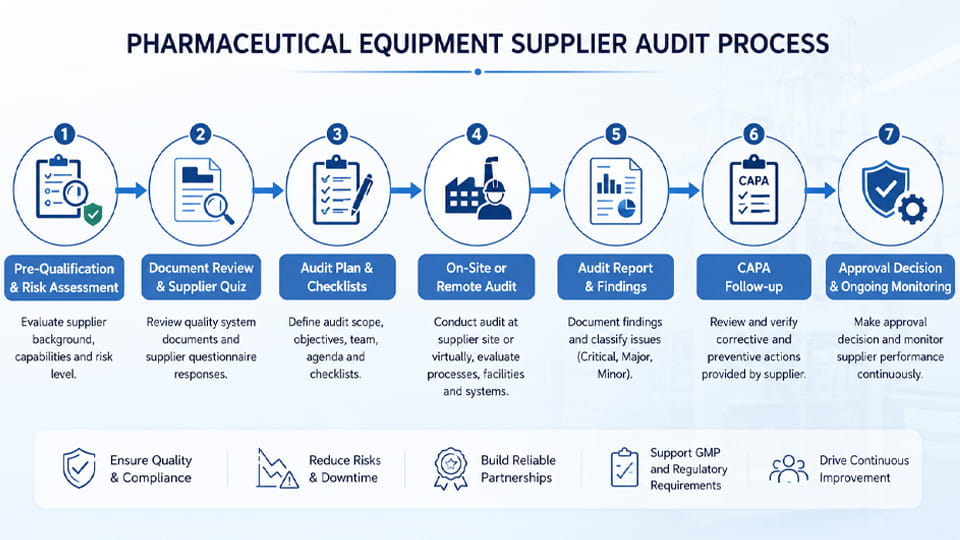
প্রতিটি ধাপ নিচে রূপরেখা দেওয়া হয়:
পরিচালনা করলে ক দূরবর্তী নিরীক্ষা, নথি পর্যালোচনা ফোকাস, লাইভ ভিডিও ওয়াকথ্রু, এবং সাক্ষাৎকার. EMA নোট হিসাবে, দূরবর্তী অডিটগুলি আপনার অডিট প্রোগ্রামকে জানাতে পারে, কিন্তু তারা উচ্চ-ঝুঁকির সরবরাহকারীদের জন্য সাইট পরিদর্শনের মতো পুঙ্খানুপুঙ্খ নয়. সত্যই গুরুত্বপূর্ণ সরঞ্জামগুলির জন্য সর্বদা সম্পূর্ণ অন-সাইট অডিট করার লক্ষ্য রাখুন.
নীচে মূল ক্ষেত্রগুলির একটি ঘনীভূত চেকলিস্ট এবং একটি সরঞ্জাম সরবরাহকারী নিরীক্ষার সময় বিবেচনা করার জন্য নমুনা প্রশ্ন রয়েছে. (আপনার নির্দিষ্ট মেশিন এবং ঝুঁকি স্তরের সাথে এটি মানিয়ে নিন।)
এই চেকলিস্ট একটি শুরু বিন্দু. এটি নির্দিষ্ট সরঞ্জামের সাথে তুলুন: উদাহরণস্বরূপ, ক ফোস্কা প্যাকার নিরীক্ষা হিটার ক্রমাঙ্কনের উপর ফোকাস করবে, তারিখ কোডার, এবং ফিল্ম পরিচালনা, যখন ক ক্যাপসুল ফিলার অডিট ডোজ নির্ভুলতা পরীক্ষা এবং ক্যাপসুল লক যাচাইকরণের উপর জোর দেবে. লক্ষ্য উভয় মূল্যায়ন করা হয় কাগজে কি আছে (পদ্ধতি, রেকর্ড) এবং মেঝেতে কি হয় (পর্যবেক্ষণ করা অনুশীলন).
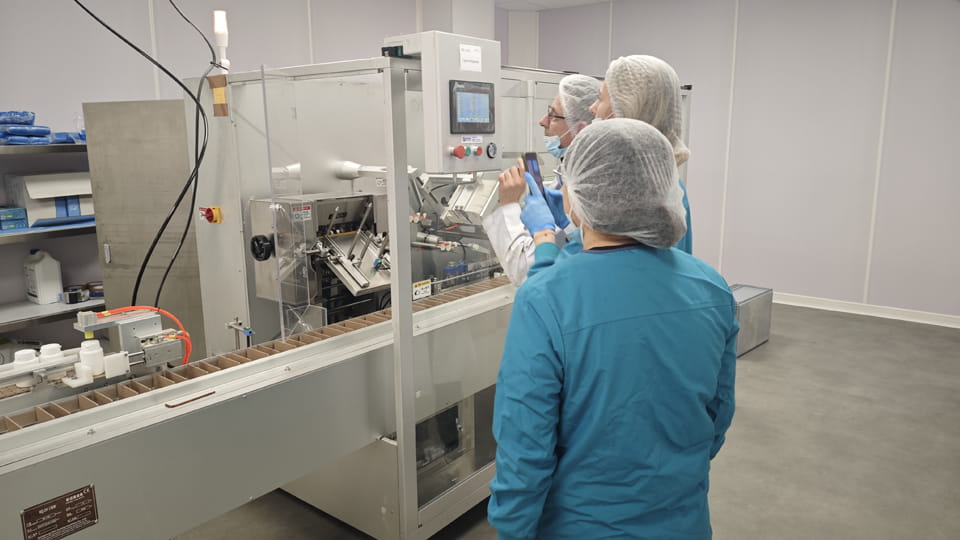
যখন অডিটিং সরঞ্জাম সরবরাহকারী, সবচেয়ে ঘন ঘন পরিলক্ষিত কিছু সমস্যা অন্তর্ভুক্ত:
আপনি যদি এই কোন সম্মুখীন, সংশোধনমূলক পরিকল্পনা তৈরি করতে সরবরাহকারীর সাথে কাজ করুন. চূড়ান্ত অনুমোদনের আগে অডিট ফলাফলগুলি সঠিকভাবে বন্ধ করা গুরুত্বপূর্ণ. সর্বদা অ্যাকশন আইটেমগুলি রেকর্ড করুন এবং অনুসরণ করুন - সমস্ত গুরুত্বপূর্ণ CAPA যাচাই না হওয়া পর্যন্ত একজন সরবরাহকারী যোগ্য নয়.
| দিক | অন-সাইট অডিট | দূরবর্তী অডিট |
| ব্যাপ্তি | সম্পূর্ণ অ্যাক্সেস (সুবিধা, মানুষ, নথিপত্র). | নথিপত্রে সীমাবদ্ধ, রেকর্ড, এবং ভার্চুয়াল ট্যুর. |
| পরিদর্শন গভীরতা | উচ্চ: শারীরিকভাবে মেশিন পরিদর্শন করতে পারেন, গৃহস্থালি, অদেখা অনুশীলন. | পরিমিত: প্রধানত ডকুমেন্টেশন পর্যালোচনা এবং সাক্ষাত্কার. |
| খরচ & সময় | উচ্চতর (ভ্রমণের সময় এবং খরচ, সময়সূচী চ্যালেঞ্জ). | নিম্ন (কোন ভ্রমণ; দ্রুত সময়সূচী). |
| কার্যকারিতা | সবচেয়ে পুঙ্খানুপুঙ্খ (উচ্চ-ঝুঁকি সরবরাহকারীদের জন্য পছন্দ). | ফলো-আপ বা কম ঝুঁকিপূর্ণ বিক্রেতাদের জন্য ভাল; জরুরী প্রয়োজনের জন্য অন্তর্বর্তী সমাধান. |
| নমনীয়তা | কম নমনীয় (সময়সূচী/উপলভ্যতা সিঙ্ক করতে হবে). | আরও নমনীয় (ভিডিওর মাধ্যমে প্রায়ই একাধিক সাইট অডিট করতে পারে). |
| অডিট প্রমাণ | প্রক্রিয়াগুলির সরাসরি পর্যবেক্ষণ, ছবি/ভিডিও; অসঙ্গতি চিহ্নিত করা সহজ. | সরবরাহকারী যা দেখায় তার উপর নির্ভরশীল; লুকানো সমস্যা হারিয়ে যাওয়ার ঝুঁকি. |
সাধারণভাবে, অন-সাইট অডিট স্বর্ণের মান বজায় রাখা, বিশেষ করে উচ্চ-ঝুঁকিপূর্ণ বা নতুন যোগ্য সরবরাহকারীদের জন্য. নিয়ন্ত্রকরা নোট করেন যে দূরবর্তী "কাগজ-ভিত্তিক" অডিটগুলি সাইটে থাকার নিশ্চয়তাকে সম্পূর্ণরূপে প্রতিস্থাপন করে না. তবে, দূরবর্তী অডিট দরকারী হতে পারে (উদাহরণস্বরূপ, ভ্রমণ সীমাবদ্ধ থাকলে একটি অস্থায়ী ব্যবস্থা হিসাবে) এবং দক্ষতার সাথে সরবরাহকারীর মানের রেকর্ড পর্যালোচনা করতে পারে. একটি হাইব্রিড পদ্ধতি সাধারণ: মৌলিক ডকুমেন্টেশন পর্যালোচনার জন্য দূরবর্তী অডিট ব্যবহার করুন, তারপর চূড়ান্ত গভীর-ডাইভের জন্য একটি অন-সাইট ভিজিট নির্ধারণ করুন, বা রুটিন চেকের জন্য অন-সাইট এবং রিমোটের মধ্যে বিকল্প.
সরঞ্জাম অডিট বিশেষ মনোযোগ দিতে হবে বৈধতা ডকুমেন্টেশন. কেনার আগে, নিশ্চিত করুন যে সরবরাহকারীর একটি শক্তিশালী FAT পদ্ধতি রয়েছে. একটি সম্পূর্ণ FAT যাচাই করে যে মেশিনটি নিয়ন্ত্রিত অবস্থায় আপনার URS-এ কাজ করে. অডিট চলাকালীন, অনুরূপ মেশিনের জন্য সরবরাহকারীর অতীত FAT রিপোর্ট পর্যালোচনা করুন: পরীক্ষার মানদণ্ড এবং ফলাফলগুলি স্পষ্টভাবে নথিভুক্ত এবং নির্দিষ্টকরণগুলি পূরণ করে তা পরীক্ষা করুন. এছাড়াও নিশ্চিত করুন যে একটি আনুষ্ঠানিক SAT পরিকল্পনা ইনস্টলেশনের পরে কার্যকর করা হবে. এই গ্রহণযোগ্যতা পরীক্ষাগুলি যোগ্যতার জন্য গুরুত্বপূর্ণ.
একইভাবে, নিশ্চিত করুন যে সরবরাহকারী সম্পূর্ণ IQ/OQ সমর্থন প্রদান করে. জিনলুর অভিজ্ঞতা দেখায় যে বিশ্বস্ত বিক্রেতারা মেশিন সরবরাহ করে "সম্পূর্ণ IQ/OQ/PQ সমর্থন এবং টার্ন-কি যাচাইকরণ পরিষেবা সহ". অনুশীলনে, এর মানে তাদের আপনাকে আইকিউ চেকলিস্ট দেওয়া উচিত, OQ পরীক্ষার স্ক্রিপ্ট, এবং আপনার পর্যালোচনার জন্য উদাহরণ PQ প্রোটোকল. বিক্রেতা প্রায়শই FAT সম্পাদন করে এবং নিয়ন্ত্রিত অবস্থায় মেশিনটি পূর্ব-সারিবদ্ধ করে এবং ইনস্টল করে IQ-এর সাথে সহায়তা করতে পারে. কিন্তু মনে রাখবেন: দ্য ক্রেতার QA দল চূড়ান্তভাবে দায়ী সাইটে IQ/OQ/PQ সম্পন্ন করার জন্য. আপনার অডিট নিশ্চিত করতে হবে যে সরবরাহকারীর কাছে প্রশিক্ষিত কর্মী বা ঠিকাদার আছে যা বৈধতা সমর্থন করার জন্য উপলব্ধ এবং প্রয়োজনীয় রিপোর্ট সরবরাহ করবে, অঙ্কন, এবং ক্রমাঙ্কন রেকর্ড.
সরাসরি প্রশ্ন জিজ্ঞাসা করুন, উদাহরণস্বরূপ: “আপনার কি আমাদের ইউআরএস-এর উপর ভিত্তি করে একটি FAT প্রোটোকল আছে?", “আপনি কি সাইটে আইকিউ/ওকিউ পরীক্ষাগুলি দেখতে পাবেন, এবং পরে যাচাইকৃত ডকুমেন্টেশন প্রদান করুন?". একটি ভাল সরবরাহকারী টেমপ্লেটের সাথে প্রস্তুত করা হবে এবং এটিকে রুটিন হিসাবে বিবেচনা করবে - এটি জিএমপি প্রস্তুতির অংশ.
অডিট চলাকালীন (অথবা প্রাক-অডিট আলোচনা), ক্রেতারা প্রায়ই সরবরাহকারীদের জিজ্ঞাসা করে:
এইগুলির উত্তরগুলি সরবরাহকারীর পরিপক্কতা পরিমাপ করতে সহায়তা করে. উদাহরণস্বরূপ, একজন অভিজ্ঞ সরবরাহকারীকে সহজেই QA সার্টিফিকেট দেখাতে হবে (আইএসও 9001/13485) এবং তাদের বৈধতা প্রক্রিয়া বিস্তারিত কোন সমস্যা নেই. যদি একজন সরবরাহকারী এই প্রশ্নগুলিকে দ্বিধা বা বিচ্যুত করে, এটি তাদের সিস্টেমে ফাঁক নির্দেশ করতে পারে.
নিরীক্ষা এবং প্রতিক্রিয়া সংগ্রহ করার পরে, চূড়ান্ত ধাপ হল সরবরাহকারীর অনুমোদন. একবার সমস্ত অডিট ফলাফল বন্ধ বা অন্যথায় সমাধান করা হয়, আনুষ্ঠানিকভাবে আপনার মান সিস্টেমে সরবরাহকারী অনুমোদন. এটি একটি অনুমোদিত বিক্রেতা তালিকায় তাদের সেট আপ করা এবং যেকোন শর্ত উল্লেখ করতে পারে (উদাহরণস্বরূপ, "প্রাথমিক অর্ডারের জন্য SAT এর পরে আমার QA সাইন-অফ প্রয়োজন"). সংগ্রহ এবং প্রকল্প দল এই অনুমোদন যোগাযোগ, তাই তারা জানে যে সরবরাহকারী যোগ্য. নিশ্চিত করুন যে সরবরাহকারী কোন অবশিষ্ট প্রত্যাশা বুঝতে পারে (ভবিষ্যতের রিপোর্টে আপডেটেড CAPA প্রমাণ বা পারফরম্যান্স মেট্রিক্স প্রদান করার মতো).
অনুমোদনের পরও, পর্যবেক্ষণ চালিয়ে যান. মূল সরবরাহকারী মেট্রিক্স ট্র্যাকিং রাখুন (সময়মত ডেলিভারি, ক্ষেত্রের সমস্যা, অডিট স্কোর). নতুন FDA বা EMA প্রয়োজনীয়তাগুলি আসার সাথে সাথে একত্রিত করুন (যদি নিয়ম পরিবর্তন হয়, আপনাকে পুনরায় অডিট করতে হতে পারে বা নতুন ডকুমেন্টেশনের জন্য জিজ্ঞাসা করতে হতে পারে). অগত্যা, অডিট প্রোগ্রাম অনুমোদনে থামে না—এটি গুরুত্বপূর্ণ সরঞ্জামের প্রতিটি অংশের জন্য আপনার চলমান মানের নিশ্চয়তার অংশ হয়ে ওঠে.
একটি কাঠামোগত সরবরাহকারী অডিট প্রোগ্রাম পণ্য নিরাপত্তা এবং নিয়ন্ত্রক আস্থা একটি বিনিয়োগ. পদ্ধতিগতভাবে একটি সরঞ্জাম প্রস্তুতকারকের গুণমান সিস্টেম পরীক্ষা করে, ডকুমেন্টেশন, এবং প্রক্রিয়াগুলি—জিএমপি নীতি দ্বারা পরিচালিত—আপনি বিস্ময়কে কমিয়ে দেন এবং নিশ্চিত করেন যে শুধুমাত্র অনুগত মেশিনগুলি আপনার লাইনে প্রবেশ করবে. মনে রাখবেন: যৌথ জবাবদিহিতা মূল. সরবরাহকারীকে সম্পূর্ণ FAT/SAT/IQ/OQ প্যাকেজ সহ GMP-প্রস্তুত মেশিন আনতে হবে, কিন্তু আপনার কোম্পানী অবশ্যই উৎপাদনের আগে তাদের যাচাই করতে হবে. একটি ঝুঁকি-ভিত্তিক দৃষ্টিভঙ্গি যেখানে গুরুত্বপূর্ণ সেখানে প্রচেষ্টাকে ফোকাস করে, এবং যেকোনো ফলাফল অবশ্যই CAPA এবং চূড়ান্ত অনুমোদনের সিদ্ধান্তের দিকে নিয়ে যাবে.
জিনলু প্যাকিং এ, আমরা জিএমপি অডিটের কঠোরতা বুঝতে পারি: আমাদের প্যাকেজিং মেশিনগুলি সেই চাহিদাগুলি পূরণ করার জন্য ডিজাইন এবং নথিভুক্ত করা হয়েছে. প্রতিটি মেশিন একটি সম্পূর্ণ বৈধতা কিট সঙ্গে বিতরণ করা হয় (FAT/SAT/IQ/OQ প্রোটোকল) আপনার যোগ্যতা প্রবাহিত করতে. ফার্মা সম্মতিতে অভিজ্ঞ একজন সরবরাহকারী বেছে নেওয়ার মাধ্যমে, আপনি অডিট সহজ করে এবং ট্র্যাক আপনার প্রকল্প রাখা.
আত্মবিশ্বাসের সাথে অডিট করতে প্রস্তুত? জিনলু প্যাকিং এর সাথে যোগাযোগ করুন ফার্মা-গ্রেড সরঞ্জামের জন্য যা আসে অডিট-প্রস্তুত. আমাদের দল আপনার ইউআরএস সংজ্ঞায়িত করতে সাহায্য করতে পারে, FAT চালান, এবং টার্নকি IQ/OQ/PQ ডকুমেন্টেশন প্রদান করুন যাতে আপনার সরবরাহকারীর অডিট এবং যোগ্যতা সুষ্ঠুভাবে চলতে পারে.
একটি সরবরাহকারী অডিট হল একটি ফার্মাসিউটিক্যাল সরঞ্জাম প্রস্তুতকারকের গুণমান সিস্টেমের একটি পদ্ধতিগত মূল্যায়ন, উত্পাদন প্রক্রিয়া, প্রযুক্তিগত ক্ষমতা, এবং সম্মতি অনুশীলন. লক্ষ্য হল যে সরবরাহকারী ক্রমাগতভাবে GMP প্রয়োজনীয়তা পূরণ করে এমন যন্ত্রপাতি সরবরাহ করতে পারে তা যাচাই করা, মানের মান, এবং প্রকল্পের স্পেসিফিকেশন.
একটি সরবরাহকারী অডিট ফার্মাসিউটিক্যাল কোম্পানিগুলিকে প্রকল্পের ঝুঁকি কমাতে সাহায্য করে, সরবরাহকারীর ক্ষমতা যাচাই করুন, সম্মতি প্রস্তুতি মূল্যায়ন, এবং নিশ্চিত করুন যে সরঞ্জাম প্রস্তুতকারক GMP-নিয়ন্ত্রিত উত্পাদনের জন্য প্রয়োজনীয় ডকুমেন্টেশন এবং বৈধতা সমর্থন প্রদান করতে পারে.
একটি সঠিক সরবরাহকারী অডিট ছাড়া, ক্রেতারা বিলম্বিত বৈধতার মতো সমস্যার সম্মুখীন হতে পারে, দরিদ্র মেশিন কর্মক্ষমতা, অসম্পূর্ণ ডকুমেন্টেশন, বা নিয়ন্ত্রক সম্মতি চ্যালেঞ্জ.
মূল নথিগুলির মধ্যে সরবরাহকারীর গুণমানের ম্যানুয়াল অন্তর্ভুক্ত রয়েছে, Sops (সিএপিএ, নিয়ন্ত্রণ পরিবর্তন, ইত্যাদি), ISO/GMP সার্টিফিকেশন, একটি নমুনা পণ্যের জন্য ব্যাচ রেকর্ড, প্রশিক্ষণ রেকর্ড, রক্ষণাবেক্ষণ / ক্রমাঙ্কন লগ, এবং পূর্ববর্তী কোনো অডিট রিপোর্ট. বিশ্লেষণের শংসাপত্র (CoAs) সাম্প্রতিক ব্যাচের জন্য এবং সরবরাহকারীর স্থিতিশীলতার ডেটাও গুরুত্বপূর্ণ. অগত্যা, তাদের গুণমান সিস্টেম এবং পণ্য প্রকাশ নিয়ন্ত্রণ প্রদর্শন করে এমন সবকিছু পর্যালোচনা করুন.
হ্যাঁ. দূরবর্তী সরবরাহকারী অডিট ভিডিও কনফারেন্সিং ব্যবহার করে সঞ্চালিত করা যেতে পারে, ডিজিটাল নথি পর্যালোচনা, এবং ভার্চুয়াল ফ্যাক্টরি ট্যুর.
তবে, ক্যাপসুল ফিলিং মেশিনের মতো গুরুত্বপূর্ণ ফার্মাসিউটিক্যাল সরঞ্জামের জন্য, ট্যাবলেট প্রেস, ফোস্কা প্যাকিং মেশিন, এবং অ্যাসেপটিক প্রক্রিয়াকরণ সরঞ্জাম, অন-সাইট অডিটগুলি সাধারণত সুপারিশ করা হয় কারণ তারা ক্রেতাদের সরাসরি উত্পাদন অনুশীলনগুলি মূল্যায়ন করতে দেয়, মান নিয়ন্ত্রণ, এবং সুবিধা শর্ত.
সরবরাহকারীর যোগ্যতা হল একটি বিক্রেতাকে অনুমোদন করার সামগ্রিক প্রক্রিয়া (প্রশ্নাবলী অন্তর্ভুক্ত, নথি পর্যালোচনা, নমুনা পরীক্ষা, এবং অডিট). একটি সরবরাহকারী অডিট সেই প্রক্রিয়ার একটি নির্দিষ্ট ধাপ (অথবা পর্যায়ক্রমিক পর্যবেক্ষণে). যোগ্যতা কাগজপত্র এবং অন-সাইট অডিট উভয়ই ব্যবহার করে. সফল যোগ্যতার পর, অডিট একটি পুনরাবৃত্ত চেক হয়ে ওঠে (যোগ্যতা).
FDA এবং EMA উভয়ই আশা করে যে ওষুধ প্রস্তুতকারীরা তাদের সাপ্লাই চেইন নিয়ন্ত্রণ করবে. FDA এর Q10 ঝুঁকি-ভিত্তিক সরবরাহকারী মূল্যায়নের উপর জোর দেয় এবং বিশেষভাবে সরবরাহকারীর গুণমান যাচাই করার জন্য সরবরাহকারীর নিরীক্ষার আহ্বান জানায়. ইইউ জিএমপি (অ্যানেক্স 16 এবং খণ্ড I অধ্যায় 7) পণ্য তৈরি বা পরীক্ষার সাথে জড়িত সমস্ত সাইটের অডিট যোগ্য ব্যক্তির কাছে উপলব্ধ হওয়া প্রয়োজন. I Q7 (API-এর জন্য) এবং PIC/S নির্দেশিকা একইভাবে জোরালো সরবরাহকারীর তদারকি বাধ্যতামূলক করে. সংক্ষেপে, নিয়ন্ত্রকরা ধরে নেন আপনি GMP কমপ্লায়েন্সের অংশ হিসেবে আপনার সরবরাহকারীদের অডিট করছেন.
ফ্রিকোয়েন্সি নির্ভর করে সরবরাহকারীর ঝুঁকি এবং অতীত কর্মক্ষমতার উপর. উচ্চ ঝুঁকি সরবরাহকারী (এপিআই, জীবাণুমুক্ত উপাদান) প্রায়ই বার্ষিক অডিট পান, কম-ঝুঁকির সরবরাহকারীরা প্রত্যেকেই হতে পারে 2-3 বছর. এছাড়াও বড় পরিবর্তন বা মানের ইভেন্টের পরে অডিট করুন. আপনার গুণমান পরিচালন সিস্টেম ঝুঁকি বিভাগ দ্বারা নির্দিষ্ট বিরতি সংজ্ঞায়িত করা উচিত. মনে রাখবেন যে সরবরাহকারীর দুর্বল কর্মক্ষমতা বা নিরাপত্তা ইভেন্টগুলি সময়সূচী নির্বিশেষে একটি "কারণ-কারণ" নিরীক্ষার নিশ্চয়তা দেয়.
ফ্যাট (কারখানা গ্রহণযোগ্যতা পরীক্ষা) সরঞ্জাম চালানের আগে সরবরাহকারীর সুবিধায় সম্পাদিত একটি আনুষ্ঠানিক পরীক্ষা.
FAT তা যাচাই করে:
• মেশিন ব্যবহারকারীর প্রয়োজনীয়তা পূরণ করে
• সমালোচনামূলক ফাংশন সঠিকভাবে কাজ করে
• নিরাপত্তা ব্যবস্থা প্রত্যাশিতভাবে কাজ করে
• ডকুমেন্টেশন সম্পূর্ণ
একটি সফল FAT ইনস্টলেশন ঝুঁকি কমাতে সাহায্য করে এবং পরবর্তী যোগ্যতার কার্যক্রমকে সহজ করে.
কিছু গুরুত্বপূর্ণ প্রশ্ন অন্তর্ভুক্ত:
• আপনি কতগুলি ফার্মাসিউটিক্যাল প্রকল্প সম্পন্ন করেছেন?
• আপনি FAT প্রদান করতে পারেন, SAT, এবং IQ/OQ ডকুমেন্টেশন?
• আপনি কিভাবে ডিজাইন পরিবর্তন পরিচালনা করবেন?
• আপনার কোম্পানির কোন সার্টিফিকেশন আছে?
• আপনি কিভাবে গ্রাহকের অভিযোগ এবং CAPA পরিচালনা করবেন?
• আপনার খুচরা যন্ত্রাংশ সমর্থন নীতি কি?
• ইনস্টলেশনের পরে কোন প্রশিক্ষণ পরিষেবা পাওয়া যায়?
• কিভাবে আপনি ট্রেসেবিলিটি এবং ডকুমেন্টেশন নিয়ন্ত্রণ নিশ্চিত করবেন?
এই প্রশ্নগুলি ক্রেতাদের প্রযুক্তিগত দক্ষতা এবং দীর্ঘমেয়াদী অংশীদারিত্বের সম্ভাবনা উভয়ই মূল্যায়ন করতে সহায়তা করে.
ক্রেতাদের মূল্যায়ন করা উচিত:
• ইঞ্জিনিয়ারিং দলের অভিজ্ঞতা
• অটোমেশন দক্ষতা
• PLC এবং HMI প্রোগ্রামিং ক্ষমতা
• কাস্টমাইজেশন অভিজ্ঞতা
• GMP ডিজাইন জ্ঞান
• পূর্ববর্তী ফার্মাসিউটিক্যাল প্রকল্প
• বৈধতা সমর্থন অভিজ্ঞতা
একজন সরবরাহকারীর প্রকৌশল ক্ষমতা প্রায়ই মেশিনের নির্ভরযোগ্যতার উপর সরাসরি প্রভাব ফেলে, মাপযোগ্যতা, এবং দীর্ঘমেয়াদী কর্মক্ষমতা.
তথ্যসূত্র:
1.ICH Q10 ফার্মাসিউটিক্যাল মানের সিস্টেম – বৈজ্ঞানিক নির্দেশিকা - ইউরোপীয় মেডিসিন এজেন্সি
2.Q10 ফার্মাসিউটিক্যাল কোয়ালিটি সিস্টেম - ইউ.এস. খাদ্য ও ওষুধ প্রশাসন
3.ইউড্রালেক্স – আয়তন 4 – ভাল উত্পাদন অনুশীলন (জিএমপি) নির্দেশিকা - ইউরোপীয় কমিশন
4.ভিডিআই 6306 - ফার্মাসিউটিক্যাল শিল্পে সরবরাহকারীর অডিট – জার্মান ইঞ্জিনিয়ারদের ভিডিআই অ্যাসোসিয়েশন ই.ভি.