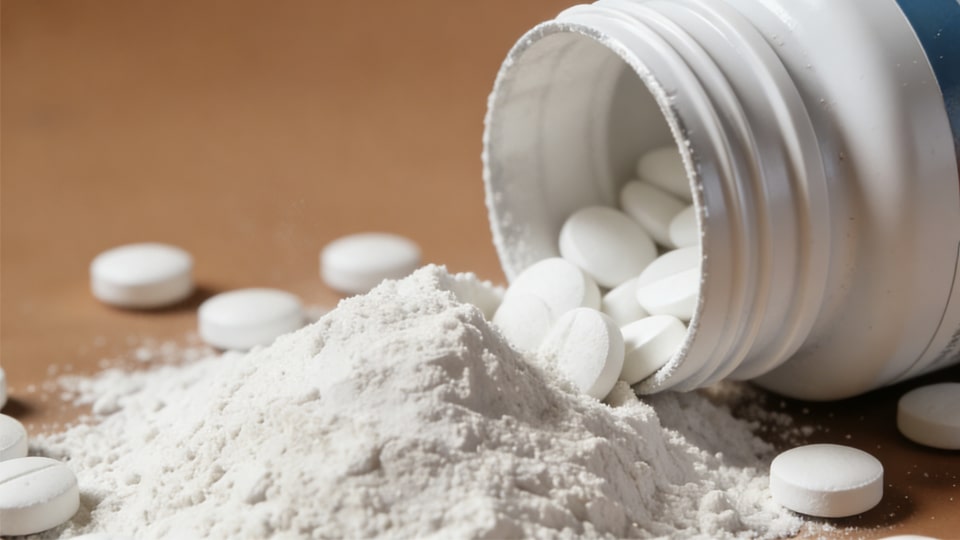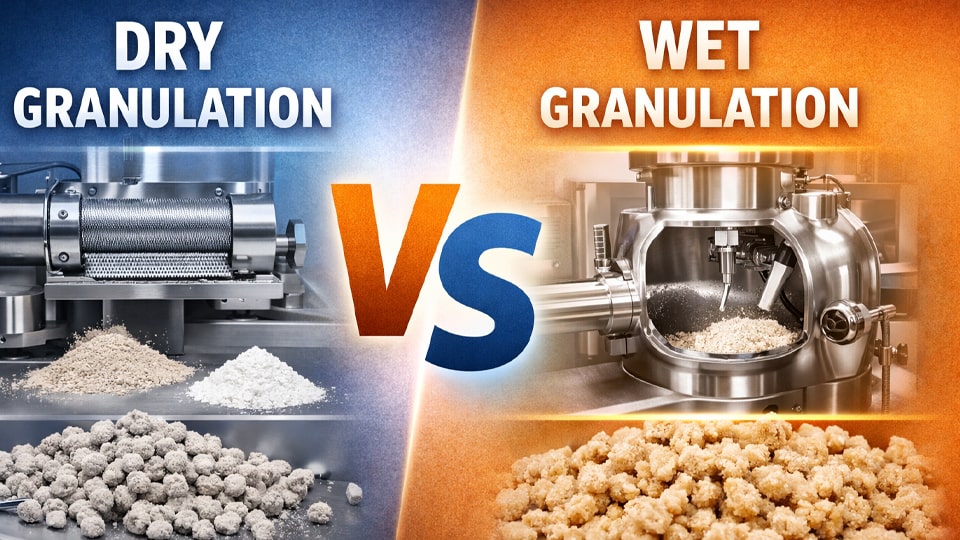

اختلاف وزن الجهاز اللوحيقد تبدو الاختلافات في الكتلة بين الأقراص بسيطة, ولكنها مشكلة خطيرة بالنسبة لجودة الدواء ودقة الجرعات. هناك العديد من العوامل التي يمكن أن تعكر صفو تناسق الوزن: تدفق مسحوق ضعيف, ملء القالب بشكل غير متساو, إعدادات وحدة التغذية أو كاميرا التعبئة الخاطئة, سرعات ضغط عالية, فصل المواد, تآكل الأدوات ومعايرة الآلة. في الممارسة العملية, يتبع استكشاف الأخطاء وإصلاحها فحص المسحوق خطوة بخطوة, نظام التغذية, الحشوة, اضغط على الإعدادات والأدوات للعثور على السبب الجذري وإصلاحه. وتشمل التدابير الوقائية تحسين تحبيب/تدفق المسحوق (رقصة مزلقة, الرطوبة المناسبة), باستخدام التغذية القسرية أو الحواجز في القادوس, تحسين عمق الكامة/الملء, وصيانة المعدات (الأدوات, أجهزة استشعار, أنظمة PLC) بانتظام. حديث آلة قرص دوارة مع التعبئة التي تسيطر عليها المؤازرة, مراقبة الوزن/الضغط في الوقت الحقيقي, ويمكن للرفض التلقائي تثبيت وزن الجهاز اللوحي تلقائيًا. باختصار, وزن الكمبيوتر اللوحي مستقر يبدأ مع تدفق مسحوق ثابت وملء القالب, لكن صيانة يتطلب التشغيل عالي السرعة إعدادًا مناسبًا لوحدة التغذية, التحكم في الماكينة ومراقبتها.
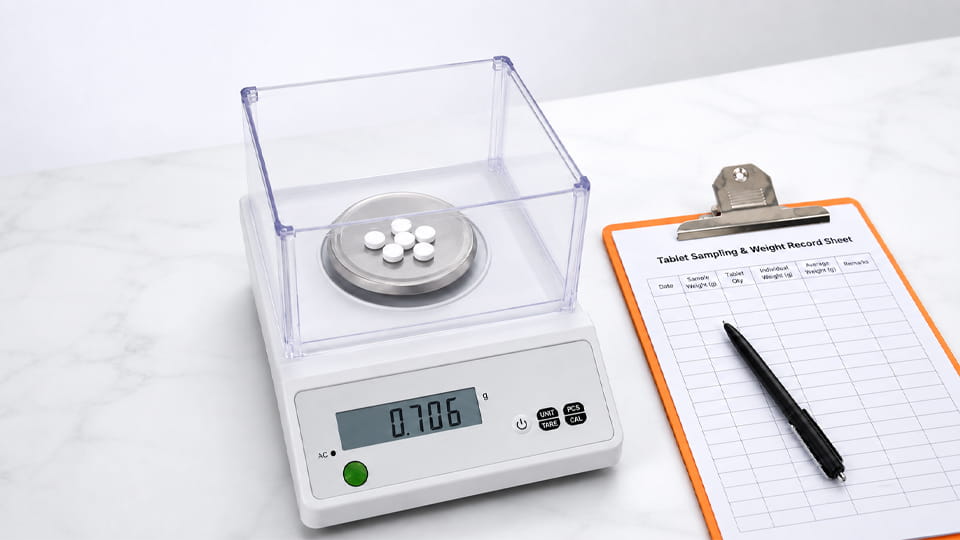
إن اختلاف وزن الجهاز اللوحي هو ببساطة عدم انتظام كتلة الجهاز اللوحي داخل حزمة. بعبارة أخرى, الأقراص المتوقع أن تكون بنفس الوزن تأتي بشكل مختلف. يعد الاختلاف الكبير في الوزن علامة حمراء لتوحيد الجرعة في الأدوية (قد يحتوي أحد الأجهزة اللوحية على الكثير أو القليل جدًا من واجهة برمجة التطبيقات (API).). الوزن اللوحي الثابت أمر حيوي: من المفترض أنه إذا تم التحكم في وزن كل قرص, ثم محتوى الدواء (واجهة برمجة التطبيقات) موحد. في الحقيقة, جامعة جنوب المحيط الهادئ <905> بشأن توحيد وحدات الجرعة يتيح للمصنعين استخدام اختبار بسيط لتباين الوزن فقط عندما يكون الجهاز اللوحي كبيرًا بدرجة كافية (جرعة ≥25 مجم أو ≥25% API). إذا كانت الأقراص أصغر أو تحتوي على كمية أقل من الدواء, يجب عليهم بدلاً من ذلك استخدام اختبار توحيد المحتوى. باختصار, يعد التحكم في تباين الوزن إحدى الطرق للتأكد من أن كل قرص يحتوي على الجرعة المقصودة.
| شرط | ماذا يعني | القلق الرئيسي |
| اختلاف وزن الجهاز اللوحي | التباين في كتلة الجهاز اللوحي الفردي | يجب أن يحتوي كل قرص على نفس الكمية من المسحوق (كتلة) |
| توحيد المحتوى | الاختلاف في محتوى الدواء النشط | يجب أن يحتوي كل قرص على كمية موحدة من API |
| التحكم في وزن الجهاز اللوحي | ضبط العملية/الآلة لتحقيق الاستقرار في كتلة الجهاز اللوحي | تحقيق تعبئة قالب متسقة ووزن موحد عبر جميع الأجهزة اللوحية |
طاولة: المصطلحات الأساسية المتعلقة بتوحيد الجهاز اللوحي. يهدف النظام الجيد للتحكم في الوزن إلى القضاء على اختلاف الوزن, ضمان جرعة موثوقة.
غالبًا ما يكون اختلاف الوزن أحد الأعراض, ليست القضية الجذرية. وهذا يعني عادةً أن شيئًا ما في عملية التغذية أو الضغط ليس موحدًا. ال الأسباب الشائعة يشمل:
إذا كانت الحبيبات أو المسحوق لا تتدفق بسلاسة, سيكون ملء القالب غير منتظم. مساحيق متماسكة, جزيئات دقيقة جدًا أو رقيقة, أو يمكن أن يؤدي التوزيع الواسع لحجم الجسيمات إلى جسر المسحوق, حفرة الفئران, أو فصلها في القادوس وإطار التغذية. على سبيل المثال, يمكن للدفعة التي تحتوي على عدد كبير جدًا من التكتلات الكبيرة أن تتوقف أثناء تدفق الغرامات, أو العكس. وهذا يؤدي إلى امتلاء بعض القوالب بشكل زائد والبعض الآخر بنقص في الملء. في الممارسة العملية, غالبًا ما تظهر قابلية التدفق الضعيفة على شكل تقلبات عشوائية في الوزن. أحد الحلول هو تحسين التحبيب أو إضافة مساعدات التدفق (glidants مثل السيليكا الغروية) لذلك يتدفق المسحوق بالتساوي. السيطرة على الرطوبة وحجم الجسيمات (عن طريق الطحن أو الغربلة) يساعد أيضا.
وزن الجهاز اللوحي هو تعيين من خلال كمية المواد التي تدخل كل قالب. يؤدي أي اختلاف في عمق تعبئة القالب أو حجمه إلى تغيير وزن الجهاز اللوحي بشكل مباشر. إذا كان مستوى المسحوق في القادوس, إطار التغذية أو تغييرات المزلق (بسبب تصميم نظام التغذية أو ترسيب المسحوق), يمكن أن يختلف التعبئة من دورة إلى أخرى. المكابس الدوارة الحديثة الجرعة حسب الحجم (عمق التعبئة), لذا فإن الحشوة غير المستقرة تساوي تقلبات الوزن. في إحدى الدراسات لملء القالب, لاحظ الباحثون أن "إمكانية تكرار نتائج تعبئة القالب أمر بالغ الأهمية لأنها تحدد وزن القرص واختلاف الوزن". بعبارة أخرى, أي شيء يجعل المسحوق يملأ كل تجويف بشكل غير متساوٍ، مثل محاذاة إطار التغذية السيئة, مستوى وعاء التغذية المتغير, أو أن وقت المكوث قليل جدًا - سوف يسبب وزنًا غير متساوٍ للقرص.
إطار التغذية (التغذية القسرية / المجاذيف أو تغذية الجاذبية) يجب أن يتم ضبطها بشكل صحيح. إذا كانت سرعة المجداف مرتفعة أو منخفضة جدًا, أو أن الخلوص بين المجاذيف والموت معطل, يتغير حجم المسحوق لكل قالب. على سبيل المثال, إذا كان إطار التغذية مهترئًا/محاذيًا بشكل غير صحيح أو كانت زاوية المجداف خاطئة, ستتلقى بعض المحطات مسحوقًا أكثر أو أقل بشكل منهجي. تشير شركة AchieveChem إلى أن المجاذيف المنحرفة أو مسارات التغذية المسدودة تسبب "التوزيع غير المتساوي للمسحوق, مما يؤدي إلى عدم تناسق تعبئة القالب و…اختلاف الوزن”. التأكد من نظافة وحدة التغذية, تعديلها بشكل صحيح, واستخدام التغذية القسرية بالنسبة للمساحيق ذات التدفق الضعيف يمكن أن تحسن الاتساق بشكل كبير.
يجب أن يكون عمق التعبئة أو ملف الكامة الموجود على البرج مناسبًا للكثافة الظاهرية للمسحوق. إن كاميرا التعبئة الضحلة جدًا سوف تملأ القالب بشكل أقل من اللازم (أقراص خفيفة جدًا), في حين أن كاميرا التعبئة العميقة للغاية ستمتلئ بشكل زائد, مما يتطلب كشط الفائض (والتي يمكن أن تسبب إعادة التقديم وملء غير متساو). حتى التغييرات الصغيرة في عمق التعبئة تسبب تغيرات مباشرة في الوزن: مزيد من العمق → المزيد من المسحوق → أقراص أثقل (والعكس صحيح). يؤدي عمق التعبئة المنخفض أو التدفق غير المتناسق إلى انخفاض وزن الأقراص, بينما يؤدي الملء الزائد إلى أقراص زائدة الوزن. يعد ضبط الكاميرا ومراقبة وزن العينة أمرًا ضروريًا عند استخدام تركيبة جديدة أو حجم الجهاز اللوحي.
يؤدي تشغيل المكبس بشكل أسرع إلى تقليل الوقت الذي تقضيه كل قالب تحت وحدة التغذية. إذا تجاوزت السرعة قدرة المسحوق على إعادة ملء القوالب, سيتم ملء بعض القوالب بشكل ناقص. يمكن أن يؤدي ارتفاع عدد الدورات في الدقيقة إلى "تجويع" إطار التغذية, خاصة مع المساحيق التي تغذيها الجاذبية. كما يحذر دليل استكشاف الأخطاء وإصلاحها الخاص بـ Jinlu, "إن تشغيل الصحافة بسرعة كبيرة يمكن أن يتفاقم [تفاوت] من خلال عدم إتاحة الوقت الكافي لملء كل قالب ". الحل هو إما الإبطاء أو التحول إلى النشاط النشط نظام التغذية القسري التي يمكنها مواكبة السرعة العالية. غالباً, عندما يظهر اختلاف الوزن عند السرعات العالية فقط, فهذا يعني أن نظام التغذية يحتاج إلى التحسين (سرعة مجداف أعلى أو مساعدة فراغية) بدلا من العملية نفسها.
في مسحوق مختلط, يمكن أن يؤدي الفصل إلى جعل بعض القوالب تحصل على المزيد من واجهة برمجة التطبيقات (API) والبعض الآخر يحصل على أقل (أو العكس بالوزن). على سبيل المثال, إذا كانت جزيئات الدواء الخشنة تميل إلى الانفصال عن الدقائق الدقيقة أثناء حركة القادوس, قد تكون الأقراص الأولى التي يتم إخراجها من القادوس أثقل (غنية غرامة) ولاحقا أخف وزنا (غنية الخشنة). ويؤثر هذا الفصل على تجانس الوزن والمحتوى. العلاج الشائع هو ضمان الخلط/التحبيب الدقيق للغاية لقفل المكونات معًا, وتصميم القادوس/المغذي لتقليل الفصل (على سبيل المثال. باستخدام النطاطات أو الحواجز الحية). في الجوهر, إذا لم يتم توزيع المكونات بشكل موحد قبل التعبئة, سيكون وزن الجهاز اللوحي غير متساوٍ.
بدني ارتداء على اللكمات, يموت, أو يمكن لآليات التغذية أن تقدم تنوعًا. قد لا تصل اللكمات البالية أو المتكسرة إلى نفس العمق, يمكن أن تغير القوالب البالية حجم المسحوق قليلاً, ويمكن للأدوات السائبة أن تغير أحجام التعبئة. على سبيل المثال, يمكن أن تسمح مكشطة إطار التغذية البالية بدخول مسحوق أكثر أو أقل إلى وحدة التغذية. حتى اهتزازات الماكينة البسيطة أو كاميرا البرج غير المحاذاة يمكن أن تسبب اختلافًا. تعد الصيانة المنتظمة لاستبدال اللكمات/القوالب قبل التآكل المفرط والتحقق من محاذاة البرج أمرًا بالغ الأهمية. كثير عيوب الصحافة يعود في النهاية إلى المشكلات الميكانيكية, لذا يعد فحص الأدوات والميكانيكا خطوة أساسية لاستكشاف الأخطاء وإصلاحها.
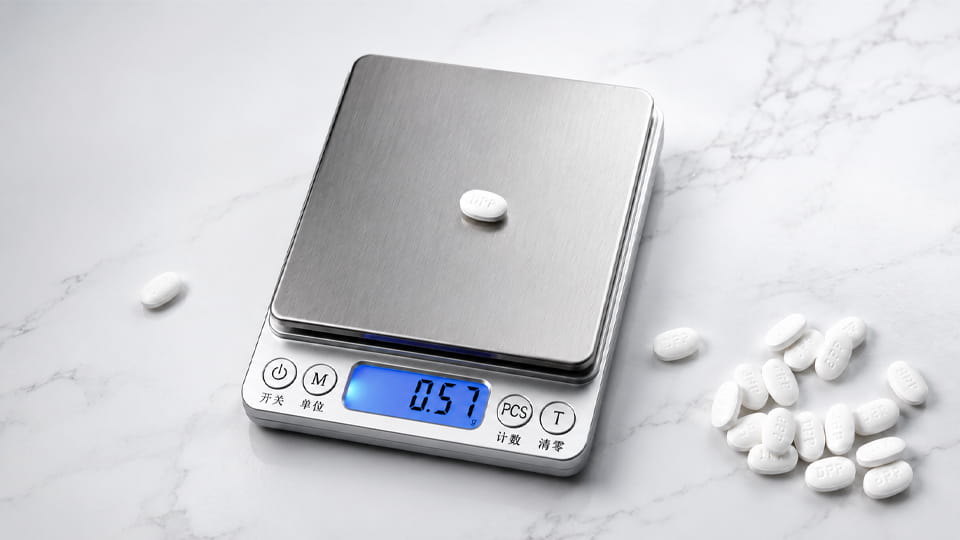
أخيراً, أخطاء الإعداد البسيطة يمكن أن تسبب اختلافًا في الوزن. تتضمن الأمثلة معايرة مستشعر المستوى غير الصحيحة (مما يؤدي إلى عمق تعبئة خاطئ), ضبط خاطئ الضغط المسبق (حبس الهواء بشكل مختلف), أو وجود خلل في أجهزة استشعار التحكم في الوزن. إذا لم تتم معايرة نظام التحكم التلقائي في الوزن الموجود على متن الطائرة, قد يتم ضبطه بشكل غير صحيح. حتى الأشياء مثل الوجه القذر (تغيير هندستها الفعالة) أو يمكن لإطار التغذية المُعاد تجميعه بشكل غير صحيح التخلص من الوزن. معايرة دقيقة (باستخدام أ جهاز تدقيق الوزن والتحقق من الإعدادات) يضمن أن نظام التحكم يعمل على بيانات دقيقة.
عند مواجهة وزن قرص غير منتظم, استخدام نهج منطقي خطوة بخطوة. يتغير عامل واحد في وقت واحد وملاحظة التأثير. تسلسل التشخيص النموذجي هو:
من خلال اتباع هذه الخطوات (غالبًا ما يتم رسم وزن الجهاز اللوحي أو سمكه بعد كل تغيير), يمكنك عزل الجاني. في كثير من الحالات, تعديلات بسيطة (سرعة مجداف أكثر قليلاً, لمسة أكثر عمق التعبئة, تنظيف نقطة العبور) سوف يعيد الاختلاف إلى النطاق.
إن منع تغير الوزن يعني التحكم بشكل استباقي في جميع العوامل المحددة:
في الجوهر, الوقاية عباره عن تناسق في كل خطوة — صيغة جيدة, تغذية موثوقة, التحكم الدقيق في الماكينة, والرصد. تكلفة أوقية الوقاية أقل بكثير من إعادة العمل أو إلغاء مجموعة خارج المواصفات.
يساعد على التمييز اختلاف الوزن (المشكلة) من التحكم في الوزن (الحل). اختلاف الوزن يشير إلى الأعراض - الأجهزة اللوحية التي لا تلبي تفاوت الوزن المستهدف, قضية الجودة. على النقيض من ذلك, التحكم في الوزن هو حول عملية و معدات الميزات التي تحافظ على استقرار وزن الجهاز اللوحي. على سبيل المثال, “التحكم في الوزن” قد تتضمن تعديلات تعبئة مدفوعة مؤازرة, حلقات ردود الفعل, ورفض الأنظمة التي يمنع اختلاف الوزن من الحدوث في المقام الأول. فكر في اختلاف الوزن باعتباره عيب (ما تراه على نطاق واسع) والتحكم في الوزن كأداة (كيف يمكنك ضبط الجهاز).
توفر مكابس الأقراص الدوارة الحديثة الآن أنظمة مدمجة للتحكم في الوزن. تقوم هذه الأنظمة تلقائيًا بتعديل عمق التعبئة أو خطوة المجداف أثناء التشغيل للوصول إلى الوزن المستهدف. وقد يستخدمون خلايا الحمل أو أجهزة استشعار الضغط في كل لكمة لقياس قوة الضغط الفعلية واستنتاج الوزن. في الممارسة العملية, وهذا يعني أنه إذا تم اكتشاف جهاز لوحي غريب, تقوم الصحافة بتصحيحه وإخراجه على الفور. وهذا يتناقض مع عصر "العجلة اليدوية" القديمة حيث كان على المشغلين إجراء التعديلات بالعين المجردة أو بالخبرة.
ببساطة, إذا كان اختلاف الوزن يمثل عائقًا, التحكم في الوزن هو الحل للدفع الرباعي. لا يلغي ذلك الحاجة إلى إعداد عملية جيدة (ما زلت بحاجة إلى مسحوق ثابت, مغذيات جيدة, إلخ.), ولكنه يوفر شبكة أمان نشطة.
نعم – حديث آلة الضغط اللوحيتم تصميمها خصيصًا لتقليل اختلاف الوزن. أنها تتضمن تقنيات مثل:
باختصار, تم تصميم مكابس الأقراص مثل سلسلة Jinlu's HZP وHGZP لتحقيق التوحيد. ميزاتها — ملء المؤازرة, مغذيات مجداف متعددة, ردود فعل الوزن/الضغط في الوقت الفعلي والرفض القائم على الذكاء الاصطناعي - يعملان معًا لتقليل تباين وزن الجهاز اللوحي إلى الحد الأدنى. هذا لا يعني أنه يمكنك تجاهل الأساسيات (إذا كان المسحوق الخاص بك سيئًا, لا يمكن لأي آلة أن تنقذك), لكن هذه الوظائف المتطورة تجعل الإنتاج أكثر قوة وتسامحًا.
عند شراء أو تحديد آلة ضغط الحبوب, النظر في العوامل التي تؤثر على اتساق الوزن:
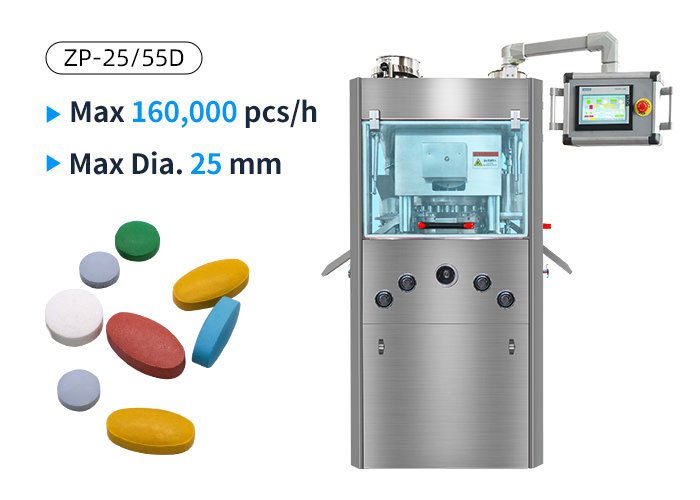
أخيرًا, اختر آلة تتوافق مع متطلبات منتجك. على سبيل المثال, قد تتطلب الأقراص الفوارة ذات الحجم الكبير ضغطًا كبيرًا قويًا باستخدام مغذيات قسرية (مثل 400 اضغط كيلو ن), في حين أن أقراص الفيتامين الصغيرة قد تكون مناسبة مع أداة B الدوارة القياسية مع التحكم في الوزن. عندما تكون في شك, راجع إرشادات الشركة المصنعة: دليل المشتري الخاص بـ Jinlu حول اختيار آلة ضغط الأقراص يتناول اعتبارات مثل قطر الجهاز اللوحي, عدد الطبقات, الإخراج, وقابلية التدفق للمساعدة في مطابقة جهاز الضغط اللوحي مع احتياجاتك.
| مشكلة | السبب المحتمل | الإجراء الموصى به |
| أقراص باستمرار ثقيلة جدا | تم ضبط عمق التعبئة على عمق كبير جدًا | تقليل عمق ملء الكاميرا / إعدادات التعبئة |
| أقراص باستمرار خفيف جدًا | تم ضبط عمق التعبئة على أنه ضحل جدًا | قم بزيادة عمق التعبئة قليلاً |
| وزن الجهاز اللوحي يتقلب بشكل عشوائي | ضعف تدفق المسحوق أو التجسير | تحسين التحبيب/التدفق (إضافة انزلاق, مزج) |
| وزن يتغير مع السرعة | لا يمكن لملء القالب مواكبة عدد الدورات في الدقيقة المرتفع | خفض سرعة الضغط أو زيادة كفاءة وحدة التغذية |
| يختلف الوزن بين المحطات | اختلال الأدوات أو عدم توازن المحطة | افحص اللكمات/القوالب وأعد ضبط إطار التغذية |
| وزن ينجرف على المدى | تغيير مستوى هوبر / يرتدي | تحقق من إمدادات المسحوق (مستوى القادوس), معايرة نظام التغذية |
| تباين كبير في الرطوبة العالية | الرطوبة تؤثر على التدفق | بيئة التحكم; مزيلات الرطوبة الاختبار |
مرجع سريع: قم بمطابقة الخلل بالأسباب والإصلاحات المحتملة. تتضمن العديد من الحلول تعديل عمق التعبئة, تحسين تدفق المسحوق, أو ضبط إعدادات وحدة التغذية.
يمكن تحقيق وزن ثابت للكمبيوتر اللوحي, ولكن فقط من خلال السيطرة على العديد من العوامل. هو - هي يبدأ بتركيبة مصممة بشكل جيد وحبيبات مسحوقية موحدة, لكن يبقى يكون ثابتًا فقط إذا تم ملء القالب بشكل مماثل في كل دورة وظلت إعدادات الجهاز اللوحي مستقرة. في الممارسة العملية, وهذا يعني تحسين تدفق المسحوق, معلمات المغذية, ملء الكاميرات والسرعة, والحفاظ على الأدوات في حالة ممتازة. توفر التكنولوجيا الحديثة مساعدة قوية: يضغط مع تعديل التعبئة يحركها المؤازرة, أجهزة الاستشعار في يموت, ويمكن للرفض التلقائي تصحيح الانحرافات الصغيرة تلقائيًا ومنع الأجهزة اللوحية غير المطابقة للمواصفات.
على سبيل المثال, Jinlu Packing يضغط الكمبيوتر اللوحي تجمع بين ميزات التغذية الآلية والتحكم في الوزن - بدءًا من إطارات التغذية النشطة وحتى مراقبة الضغط في الوقت الفعلي - للحفاظ على انحراف الوزن ضمن حدود ضيقة. إذا كان التحكم المستقر في الوزن أمرًا بالغ الأهمية لمنتجك, يعد اختيار مكبس الأقراص بهذه الإمكانيات أمرًا أساسيًا.
هل تبحث عن آلة تثقيب الكمبيوتر اللوحي مع التحكم الدقيق في الوزن والمراقبة التلقائية? الاتصال جينلو التعبئة لمناقشة احتياجات إنتاج الكمبيوتر اللوحي الخاص بك. يمكن لخبرائنا أن يوصيوا بالحل (من المعيار آلات ضغط الأقراص الدوارة إلى سرعة عالية هرتزب أو مكابس كبيرة الحجم) الذي يتوافق مع متطلبات الصياغة والجودة الخاصة بك, مما يساعدك على التخلص من مشاكل اختلاف الوزن.
عمومًا, أي عامل يجعل ملء القالب غير متساوٍ سوف يسبب اختلافًا في الوزن. السبب الشائع هو تدفق المسحوق غير المتناسق (بسبب سوء التحبيب أو الرطوبة), ملء القالب بشكل غير متساو (عمق التعبئة أو مشاكل القادوس), إعدادات وحدة التغذية غير الصحيحة, سرعة برج عالية جدًا, فصل المواد, أو تآكل المعدات. على سبيل المثال, إذا كانت مجاذيف إطار التغذية لا تكتسح بشكل موحد (بسبب سوء المحاذاة أو التآكل), بعض يموت تحت ملء. غالبًا ما يكون الحل هو فحص عملية المسحوق والتغذية من البداية إلى النهاية.
عادةً ما تعني الأوزان غير المتناسقة أثناء الضغط أن مرحلة التعبئة غير متناسقة. يجب أن توفر كل دورة للبرج نفس الحجم من المسحوق. إذا كانت الكاميرا متوقفة قليلاً, أو إذا كان تدفق المسحوق يختلف (على سبيل المثال. لأن مستوى القادوس انخفض), سوف تختلف الأقراص في الوزن. يمكن أن يحدث هذا أيضًا إذا تم تغيير سرعة الضغط دون إعادة ضبط الإعدادات, أو إذا أدى تآكل الأداة إلى تغيير حجم القالب.
أولاً, تأكد من أن تدفق المسحوق مستقر (حبيبات جيدة, مزيج موحد, المواد المنزلقة / مواد التشحيم حسب الحاجة). ثم تأكد من أن تعبئة القالب متسقة: استخدم المغذيات القسرية للمساحيق ذات التدفق الضعيف, حافظ على مستوى مسحوق ثابت, وضبط عمق التعبئة الصحيح. ضبط سرعة وحدة التغذية ومحاذاة المجداف, وإبطاء الجهاز إذا لزم الأمر. يستخدم الكثير أيضًا المراقبة أثناء العملية (أجهزة تدقيق الوزن, أجهزة استشعار الضغط) التي ترفض القيم المتطرفة تلقائيًا, تشديد التوزيع بشكل فعال. الصيانة الدورية والمعايرة (مجاذيف التنظيف, استبدال الأجزاء البالية) كما يحافظ على انخفاض الوزن المبعثر.
إذا كان المسحوق يتدفق بشكل متقطع, قد تكون بعض القوالب أقل من اللازم بينما يمتلئ البعض الآخر بشكل زائد. على سبيل المثال, المساحيق التي تصل إلى القادوس أو "فتحة الجرذ" في إطار التغذية تترك القالب فارغًا, مما يؤدي إلى أقراص خفيفة. على العكس, عندما ينكسر الجسر فجأة, يقوم بإلقاء مسحوق إضافي في القوالب القليلة التالية, تسبب أقراص ثقيلة. في ملخص, التدفق الجيد = حتى ملء القالب (والوزن), بينما يؤدي التدفق الضعيف إلى التقلب. ولهذا السبب قد يضيف المصنعون ستيرات المغنيسيوم أو السيليكا لتحسين التدفق وتقليل تباين الوزن.
نعم. تعمل سرعة البرج الأعلى على تقليل الوقت الذي يستغرقه النرد تحت وحدة التغذية. عند دورة في الدقيقة عالية جدًا, قد لا يقوم إطار التغذية الذي يتغذى بالجاذبية بإعادة ملء القالب بالكامل قبل الضغط. وهذا يسبب أقراص نقص الوزن ومزيد من التشتت. إذا كان اختلاف الوزن يظهر فقط عند السرعات الأعلى, عادة ما يكون الإصلاح هو سرعة أبطأ أو وحدة تغذية أفضل (مثل نظام مجداف نشط). تتجنب بعض المطابع الحديثة هذه المشكلة عن طريق مزامنة التغذية مع السرعة أو استخدام أنظمة التغذية المزدوجة.
يتم تحديد وزن القرص أساسًا بواسطة كمية المسحوق الموجودة في القالب قبل الضغط. التعبئة المتسقة للقالب تعني كتلة متسقة. إذا كان حجم ملء القالب يختلف (بسبب إعدادات الكاميرا, تقلبات القادوس, أو مشاكل في إطار التغذية), يختلف الوزن. الممارسة الجيدة هي التحقق بانتظام من صحة حجم القالب (على سبيل المثال. قياس وزن عينة الكمبيوتر اللوحي مقابل. نقطة الضبط) واضبط إعدادات كاميرا التعبئة أو التغذية للحفاظ على امتلاء كل قالب بشكل متساوٍ.
اختلاف الوزن هو مقياس مادي: كم يزن كل قرص. توحيد المحتوى هو مقياس كيميائي: كم المخدرات (واجهة برمجة التطبيقات) موجود في كل قرص. عندما يتم خلط الدواء جيدًا ويشكل جزءًا كبيرًا من القرص, السيطرة على الوزن يمكن أن تضمن جرعة ثابتة. ولكن بالنسبة للأدوية القوية جدًا (جرعة صغيرة, <25% من الكمبيوتر اللوحي), يتطلب USP اختبار المحتوى الفردي. بعبارة أخرى, تباين الوزن يقيس الكتلة, بينما يقيس توحيد المحتوى كمية الدواء. كلاهما جوانب "توحيد وحدات الجرعة", لكن تباين الوزن هو الاختبار المفضل فقط عندما يتوافق حجم القرص ونسبة الدواء مع المعايير الشاملة.
نعم. تتضمن العديد من المطابع الآن أنظمة التحكم في الوزن ذات الحلقة المغلقة. على سبيل المثال, قد يقوم محرك سيرفو بضبط عمق التعبئة في الوقت الفعلي للوصول إلى هدف الوزن, بناء على ردود الفعل من أجهزة الاستشعار. تستخدم مكابس Jinlu الحديثة سكة تعبئة مدفوعة مؤازرة تعمل على تصحيح انحرافات الوزن بشكل مستمر. لديهم أيضًا فحص الوزن في الوقت الفعلي: إذا خرج الجهاز اللوحي بعيدًا عن الهدف, يمكن للآلة إخراجها على الفور. هكذا مع الصحافة الصحيحة, يتم التحكم في الوزن بشكل آلي.
تحتوي وحدة التغذية القسرية على مجاذيف أو براغي تدفع المسحوق بشكل فعال إلى القوالب. وهذا يعني أن كل قالب "معبأ" بالمسحوق في كل دورة. يمنع المشكلات الشائعة مثل التجسير ويضمن التوزيع المتساوي. في الممارسة العملية, تحافظ وحدة التغذية القسرية على ثبات وزن الجهاز اللوحي من خلال جعل كل تعبئة أكثر قابلية للتكرار. تشير أدلة جينلو إلى أن إضافة أو تعديل المغذيات القسرية غالبًا ما يؤدي إلى تقليل التنوع في المساحيق اللزجة أو الناعمة بشكل حاد. في الأساس, فهو يجعل عملية الملء أقل اعتمادًا على تدفق الجاذبية غير المتوقع.
ما وراء المعدات الجيدة, الوقاية تتعلق بالتحكم الذكي في العمليات: مراقبة عملية الاستخدام (تتبع وزن الجهاز اللوحي, صلابة في الوقت الحقيقي), الالتزام بإجراءات التشغيل القياسية, وإجراء فحوصات منتظمة. قم بإنشاء ضوابط أثناء العملية مثل "إذا انحرف متوسط الوزن >0.5%, توقف واضبط." تنفيذ جداول الصيانة الوقائية. توحيد الصيغ والخلط. أخيرا, تدريب المشغلين على ملاحظة علامات الإنذار المبكر (مثل التغيير في صوت الصحافة) يمكن التقاط الانجراف قبل مشكلة كبيرة. الهدف هو نظام إنذار مبكر: قبض على أ 1% التحول بدلا من إنتاج دفعة في 5%.
مراجع:
1. مجلات —— سلوك تدفق المساحيق الصيدلانية أثناء تعبئة القالب الدوار باستخدام وحدة تغذية المجداف
2.ساينس دايركت —— دراسة تأثير إطارات التغذية على خواص مزيج المسحوق أثناء تعبئة قوالب ضغط الأقراص
3.ملحق إدارة الغذاء والدواء Q4B 6 —— توحيد وحدات الجرعة الفصل العام
4.مجلات —— تحدي تعبئة القوالب في المكابس الدوارة - دراسة منهجية لخصائص المواد ومعايير العملية
5.مجلات —— التنبؤ بتقلب وزن الجهاز اللوحي في التصنيع المستمر
6.مجلات —— تقليل تقلب وزن الجهاز اللوحي من خلال تحسين سرعة المجداف في وحدة التغذية القسرية لضغط الأقراص الدوارة عالية السرعة