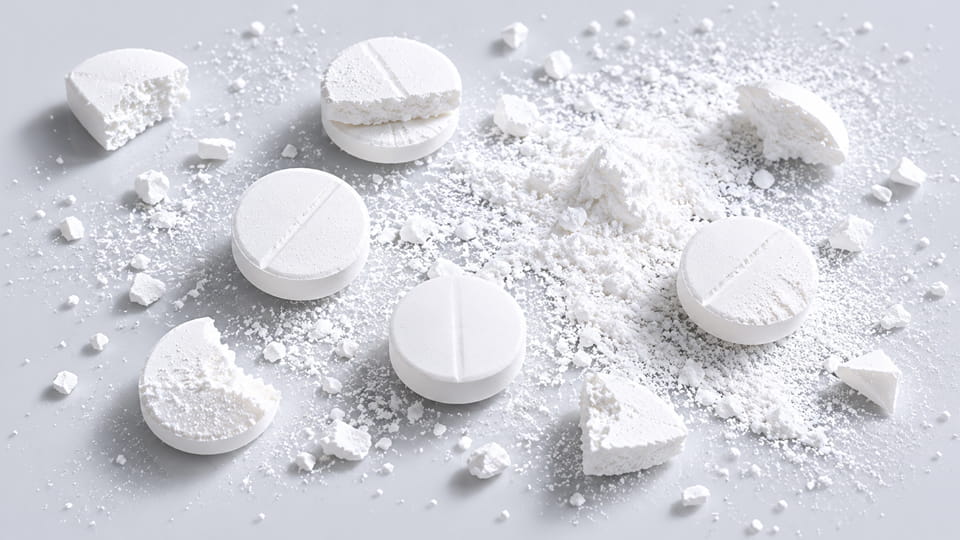

تتم تغذية المسحوق أو الحبيبات في قالب ويتم ضغطها بواسطة لكمة علوية وكمة سفلية في أ آلة ضغط الكمبيوتر اللوحي. معاً, تشكل هذه اللكمات والقوالب الشكل النهائي للقرص والجرعة. تحتوي كل دورة لبرج الصحافة على لكمة واحدة فوق القالب وواحدة أسفل القالب. عندما تجتمع اللكمات مع الضغط العالي, يتم تشكيل قرص. بعبارات بسيطة, تشير أدوات الضغط على الأقراص إلى مجموعة اللكمات والقوالب التي تستخدمها آلة تثقيب الأقراص لصنع الحبوب.
في صناعة الأجهزة اللوحية, اللكمات ويموت - المعروفة مجتمعة باسم أدوات الضغط اللوحي - تحديد كل حجم الجهاز اللوحي, الشكل والجودة. سواء كنت تسميها الصحافة اللوحية, آلة صانع حبوب منع الحمل, أو الصحافة قرص دوار, الأدوات الداخلية تعمل على عمل الأجهزة اللوحية الفعلية. يعد اختيار معيار الأدوات المناسب أمرًا بالغ الأهمية. المعايير الأكثر شيوعا هي أدوات ب, أدوات D, ومتغيراتها الأصغر BB وDB. يحدد كل معيار أقطارًا مختلفة لبراميل التثقيب والقالب, مما يجعلها مناسبة لأحجام وآلات معينة من الأجهزة اللوحية. هذا الدليل يكسر ما B, د, أدوات BB وDB تعني, كيف يختلفون, وكيفية اختيار أفضل الأدوات لجهازك اللوحي.
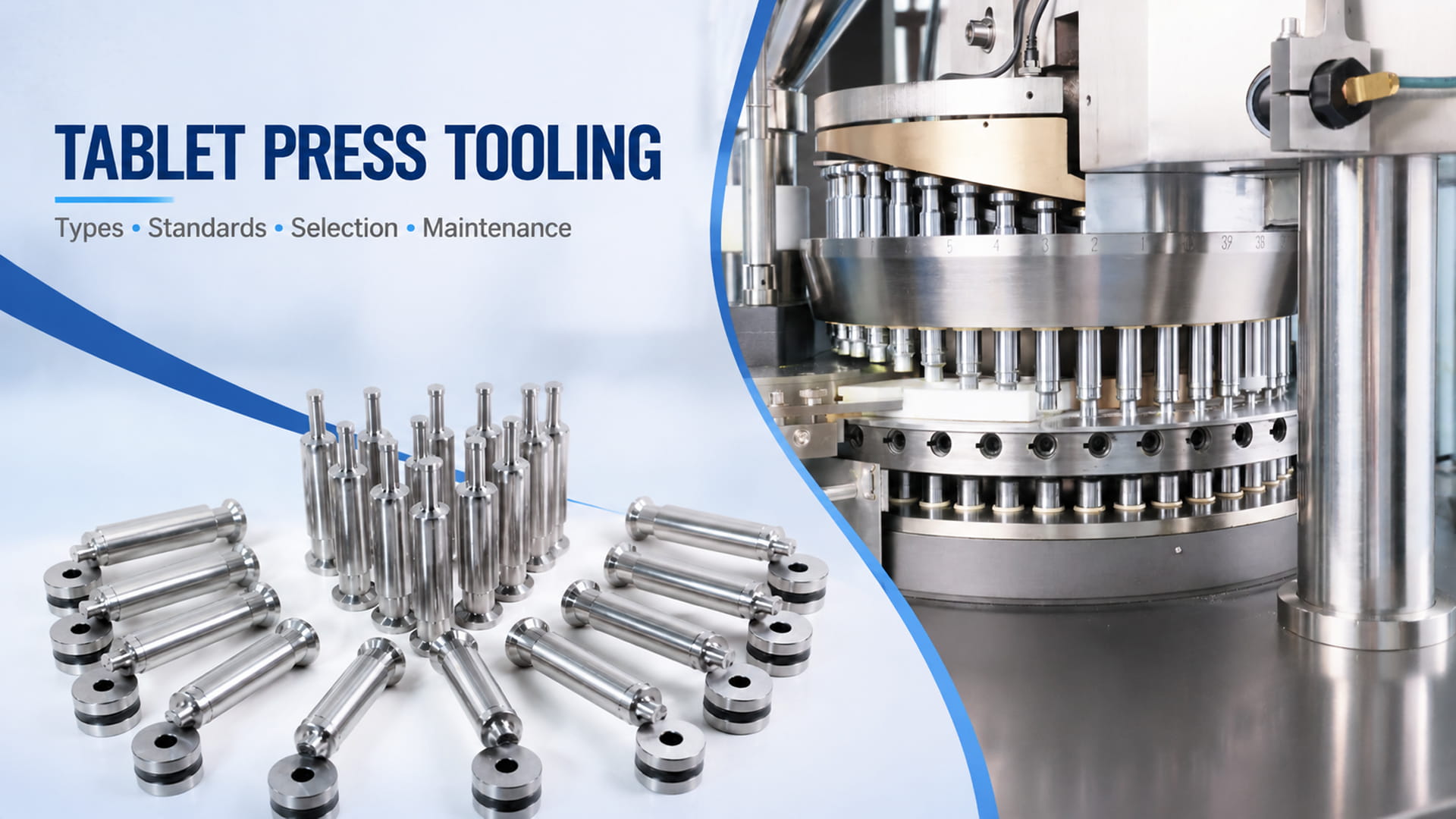
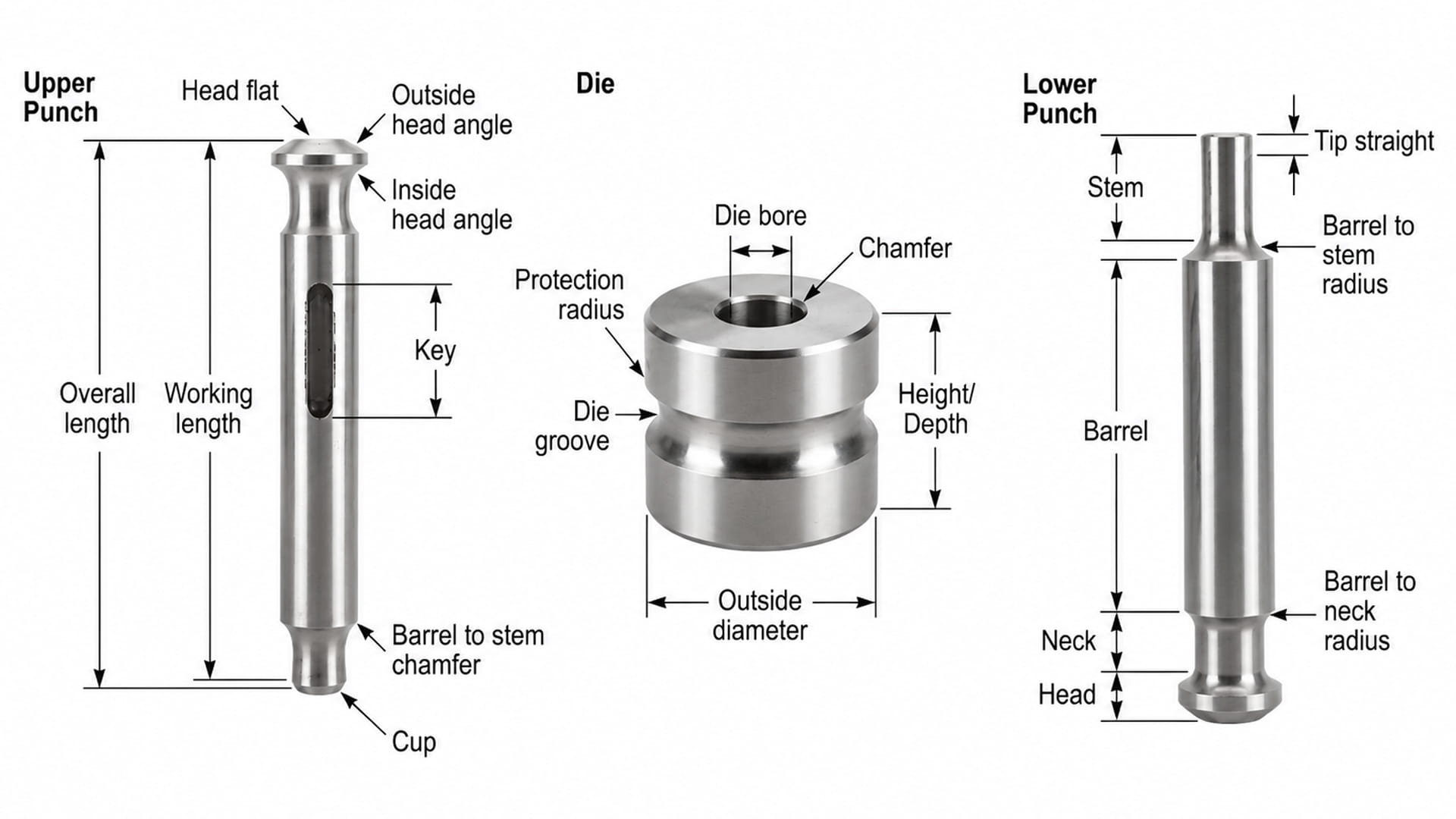
تشير الأدوات الموجودة على آلة الضغط اللوحي إلى أزواج من اللكمات ويموت التي تشكل وتضغط المسحوق في أقراص. القالب عبارة عن تجويف مجوف (في كثير من الأحيان مستديرة) الذي يحدد قطر الجهاز اللوحي وسمكه, بينما اللكمات (العلوي والسفلي) تناسب القالب من أعلى وأسفل لضغط المسحوق. في الأساس, الأدوات تحكم هندسة الجهاز اللوحي ويجب أن تكون مطابقة تمامًا للصحافة. تضمن الأدوات الصحيحة وزنًا موحدًا, سمك والطباعة على الجهاز اللوحي. أدوات عالية الجودة (مصنوعة من الفولاذ المقسى مثل GCR-15) كما يقاوم التآكل ويتجنبه قضايا مثل السد أو التصفيح.
هناك معايير الأدوات الدولية المختلفة. في أمريكا الشمالية, معيار AAP/TSM شائع, بينما الأيزو 18084 (الأوروبية) يتم استخدام المعيار عالميًا. ضمن هذه المعايير, يتم تصنيف أدوات الضغط اللوحي حسب فئات الحجم: ب, د, ب, وأدوات قاعدة البيانات. تحتوي كل فئة على أسطوانة ثقب وأقطار قالب ثابتة (والمرتفعات), والتي بدورها تتحكم في الحد الأقصى لقطر الجهاز اللوحي. على سبيل المثال, التعبئة جينلو يلاحظ أن جميع الأدوات يجب أن تتطابق مع أبعاد البرج والكمبيوتر اللوحي - الصغيرة 6-8 مم أقراص قابلة للمضغ استخدم أدوات BB, تستخدم الأجهزة اللوحية القياسية مقاس 12-13 مم الأدوات B, وتحتاج الأجهزة اللوحية الكبيرة مقاس 25+ مم إلى أدوات ثلاثية الأبعاد.
تتطلب المنتجات اللوحية المختلفة تكوينات مختلفة للأدوات لتحقيق جودة الكمبيوتر اللوحي المتسقة وأداء الإنتاج المستقر. في آلة ضغط الأقراص, تشمل أنواع أدوات الضغط اللوحي الأكثر شيوعًا ما يلي: أدوات ب, أدوات D, أدوات BB, وأدوات قاعدة البيانات. تختلف خيارات الأدوات هذه بشكل أساسي في حجم الثقب, أبعاد الموت, القدرة على الضغط, وتطبيقات الأجهزة اللوحية المناسبة. إن فهم الاختلافات بين أنواع الأدوات هذه يساعد شركات تصنيع الأدوية, مهندسي الإنتاج, ويختار مستخدمو الجهاز الإعداد المناسب لجهازهم اللوحي.
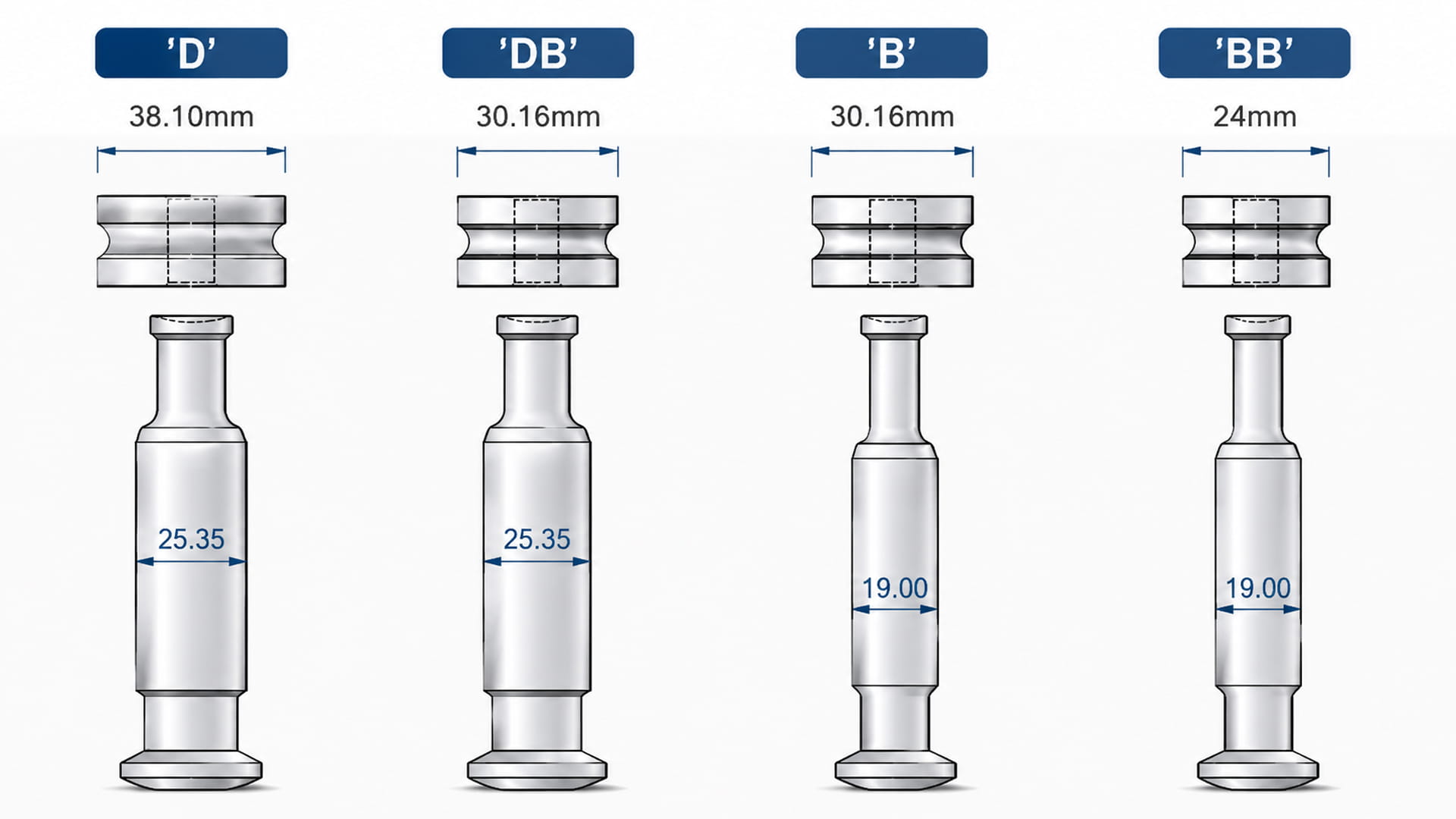
في صناعة الأدوية, الأدوات من النوع B هي واحدة من المعايير الأكثر شيوعا. تستخدم الأدوات B أ 19.0 ملم لكمة برميل و أ 30.16 مم القطر الخارجي (ل). اللكمات لها إسقاط مميز شفة أو شفة على الرأس, الذي يقفل في البرج. بعبارة أخرى, ب اللكمات لديك حافة مرتفعة أن مشبك القفل يعمل.
أدوات B متعددة الاستخدامات للغاية. لديها طرف لكمة مقعرة (على شكل كوب) ونرد مستدير, وهو متوافق مع جميع مكابس الأجهزة اللوحية الحديثة تقريبًا (على سبيل المثال, العديد من المتوسطة- إلى المكابس الدوارة عالية السرعة من Fette, هنالك, رجل, إلخ. هي من النوع B). يتم استخدام هذه الأدوات للأقراص الصلبة القياسية في مجموعة واسعة من الأحجام (عادة حوالي 4-16 ملم مستديرة, أو حتى ما يصل إلى 19 ملم تقريبًا للأشكال). تشمل التطبيقات الشائعة الأقراص التقليدية المستديرة والبيضاوية مثل الفيتامينات, المكملات الغذائية, والأقراص الصيدلانية التي تتطلب حجمًا وجرعة معتدلين.
تحظى أدوات B بشعبية لأنها متاحة على نطاق واسع وفعالة من حيث التكلفة للإنتاج بكميات كبيرة. أ 30.16 يمكن أن ينتج قالب مم أقراصًا تصل إلى 16-18 مم تقريبًا (دائرة) أو أكثر قليلا في الشكل. على سبيل المثال, ستستخدم معظم خطوط تصنيع الأقراص الصغيرة والمتوسطة أدوات B لتحقيق الكفاءة والمرونة.
الأدوات من النوع D تم تصميمه ل أقراص أكبر أو أكثر سمكا. برميل لكمة الأدوات D أكبر (25.35 قطر مم) والقالب OD هو 38.10 مم. على عكس الأدوات B, تحتوي لكمة من النوع D على لا حافة أو شفة – إنه مجرد رأس قرص مسطح. يتم قفل اللكمات في البرج عبر أ المفتاح والتوكيل النظام بدلا من المشبك شفة.
تسمى الأدوات D أحيانًا "الأدوات الأوروبية" (على الرغم من أنه شائع أيضًا في الولايات المتحدة). لقد كان معيارًا تاريخيًا في مكابس الأجهزة اللوحية القديمة للخدمة الشاقة ولا يزال يستخدم للأقراص الكبيرة جدًا أو قوة الضغط العالية جدًا. على سبيل المثال, الأدوات D تحظى بشعبية كبيرة أقراص فوارة, أقراص بيطرية, والأقراص الصيدلانية ذات الجرعة العالية التي تحتاج إلى قطر وسمك أكبر. تعتبر اللكمات ذات الوجه المسطح للأدوات D مفيدة للأجهزة اللوحية التي قد تحتوي على تصميمات معقدة أو تتطلب نقشًا موثوقًا به (الوجه المسطح يساعد في وضع العلامات).
من الناحية العملية, إعداد الأدوات D (25.35 ملم لكمة, 38.10 مم يموت) سوف يصنع أقراصًا تقريبًا 5 ملم حتى 25 قطر مم. إنه يوفر مساحة ضغط أعلى ويمكنه إنتاج أقراص صلبة جدًا. إذا كانت عمليتك تستخدم حجمًا كبيرًا آلة الضغط اللوحي الدوار لأقراص الفيتامينات الكبيرة أو المنتجات ذات الطبقات, ربما يستخدم الأدوات D. يتذكر: اللكمات D ليس لها شفة, لذا فهي تبدو بصريًا وكأنها قمة قرص مسطحة.
أدوات من النوع BB هو في الأساس أ نسخة مصغرة من الأدوات B للأقراص الصغيرة جدًا. تحتوي أدوات BB أيضًا على 19.0 ملم لكمة برميل (مثل ب) ولكن يستخدم أ يموت أصغر ل 24.00 مم التطوير التنظيمي. والفرق الرئيسي هو أن أدوات BB تصنعها أقراص صغيرة أو معينات - فكر في طلقات أقل من 13 ملم.
تُفضل أدوات BB عندما تحتاج إلى عدد كبير من المحطات أو اللكمات متعددة الأطراف. مع 24 مم يموت, يمكنك احتواء العديد من المحطات على 24- أو اضغط على 32 محطة لتعزيز إخراج الأجهزة اللوحية الصغيرة. حجمها الصغير لا يؤثر على الدقة: تنتج لكمات BB أقراصًا صغيرة موحدة جدًا (على سبيل المثال, قطرات السعال, النعناع التنفس, مضغات صغيرة) حيث دقة الجرعة أمر بالغ الأهمية.
في ملخص, أدوات BB = حبوب ذات قطر صغير. انها في الأساس ل المطابع المدمجة أو أوضاع الإخراج العالي حيث يكون كل جهاز لوحي صغيرًا. يتطلب نظام أدوات BB نفس معايير البرج مثل أدوات B (نفس رأس اللكمة والاحتفاظ بها), لذلك اللكمات BB يفعل احصل على الشفة/الشفة مثل اللكمات B. وتتمثل الفائدة في القدرة على تشغيل مكبس قديم مكون من 16 محطة في إعداد مكون من 24 محطة باستخدام أدوات أصغر.
أدوات من نوع DB هو نظام هجين يجمع بين ميزات D وB. في إعداد قاعدة البيانات, ال قطر برميل لكمة هو 25.35 مم (نفس د), ولكن التطوير التنظيمي هو 30.16 مم (نفس ب). بعبارة أخرى, يستخدم رأسًا لكمة ذات قطر كبير (مثل د) مع تجويف يموت أصغر (مثل ب).
يتيح لك هذا المزيج إنتاج كميات كبيرة إلى حد ما, أقراص بجرعات عالية (أطول مثل د) أثناء تركيب محطات أكثر من الأدوات D الكاملة (منذ يموت أصغر). غالبًا ما تظهر أدوات قاعدة البيانات على المطابع المصممة للإنتاج المرن: يمكنك الحصول على قدرة الضغط العالية للكمة D باستخدام قالب بحجم B. على سبيل المثال, يمكن استخدام مجموعة التثقيب/القالب DB لأقراص الفيتامينات الكثيفة أو الحبوب البيطرية الكبيرة حيث تريد شكلًا كبيرًا ولكنك ترغب أيضًا في إعادة استخدام برج B عن طريق تبادل اللكمات.
يتم قفل أداة DB مثل لكمة B (لديها شفة على الرأس) لكن حجمه أقرب إلى D. إنه اختيار متخصص ل أقراص متوسطة وكبيرة الحجم بكفاءة في الاعتبار. أساسًا, DB مخصص لـ "أكبر من B ولكن ليس بحجم D الكامل" - وهو حل وسط يوفر إنتاجية عالية من الأجهزة اللوحية المتوسطة إلى الكبيرة. يبلغ قطر الأجهزة اللوحية النموذجية لأدوات قاعدة البيانات حوالي 5-19 ملم.
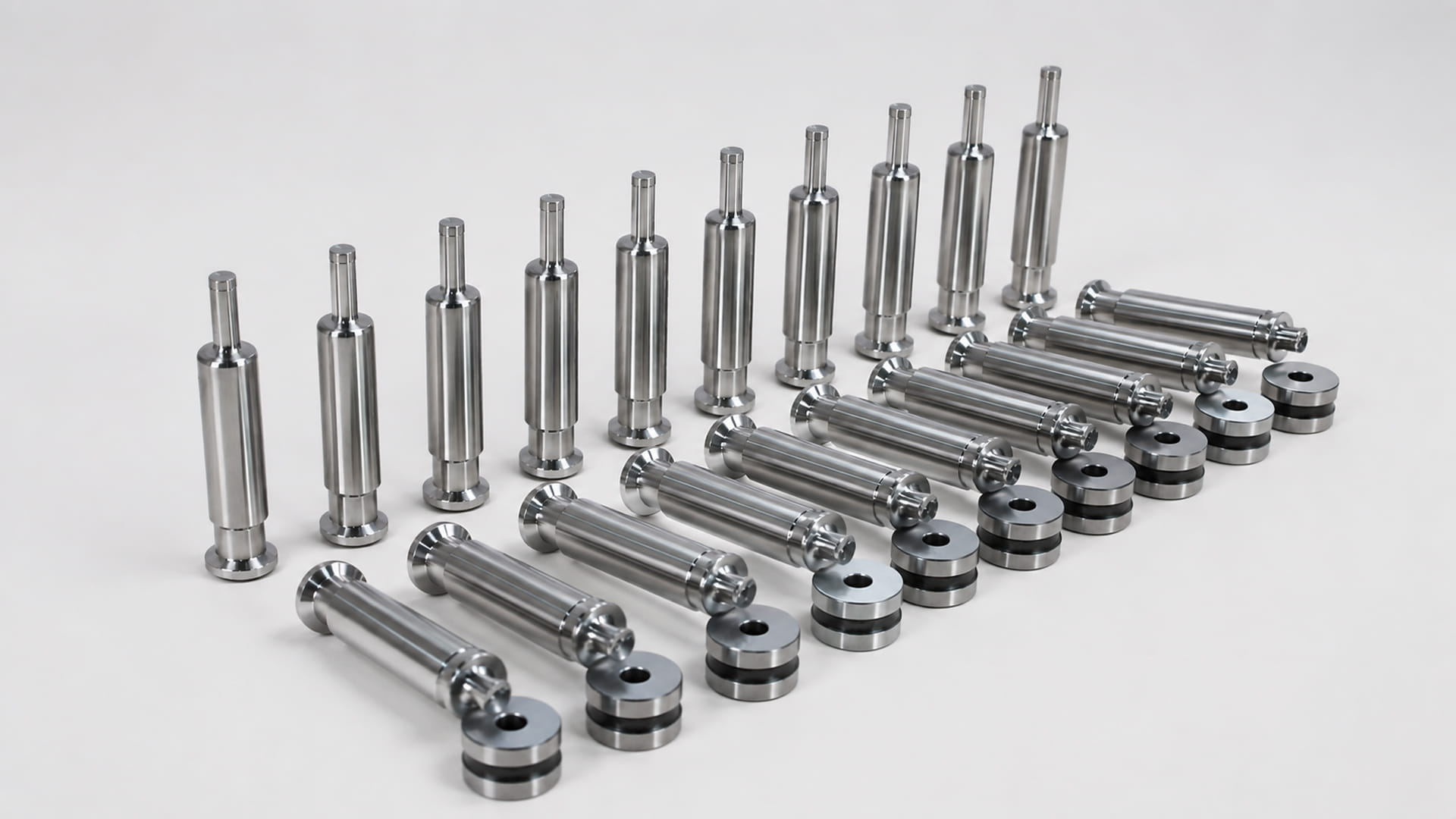
فيما يلي مقارنة سريعة للأبعاد النموذجية لكل نوع من الأدوات ونطاقات أحجام الأجهزة اللوحية, على أساس معايير الصناعة:
| نوع الأدوات | لكمة برميل Ø | يموت Ø (ل) | قطر الكمبيوتر اللوحي | الاستخدام الشائع |
| ب | 19.00 مم | 30.16 مم | ~4-16 ملم | أقراص قياسية (فارما) |
| د | 25.35 مم | 38.10 مم | ~10-25 ملم | أقراص كبيرة, فوارة |
| ب | 19.00 مم | 24.00 مم | ~4-13 ملم | أقراص صغيرة, خطوط عالية السرعة |
| ديسيبل | 25.35 مم | 30.16 مم | ~5-19 ملم | أقراص كثيفة متوسطة الحجم |
على سبيل المثال, تلاحظ JinluPacking أن أدوات B عادةً ما تصنع الأجهزة اللوحية مقاس 3-16 مم, بينما تغطي الأدوات D 10-25 مم. يبلغ الحد الأقصى لأدوات BB حوالي 13 مم وDB حوالي 19 مم. الحجم الدقيق يعتمد أيضًا على شكل الجهاز اللوحي (دائري, بيضاوي, إلخ.).
ما وراء أ, ب, د التسمية, يجب أن تلتزم الأدوات بمعيار يناسب مكابس الأجهزة اللوحية. هناك نوعان من العائلات الرئيسية لمعايير الأدوات:
الأهم من ذلك, الاتحاد الأوروبي (ISO 18084) ولكمات TSM غير قابلة للتبديل. على الرغم من أن أقطار القالب الخارجية هي نفسها (على سبيل المثال. 38.10 ملم ل د, 30.16 ملم ل ب), ال تختلف تفاصيل لكمة. على سبيل المثال, تتميز رؤوس الثقب TSM بزاوية مختلفة قليلاً على الأسطح المحامل عن تلك الخاصة بـ ISO, ويتم وضع فتحة المفتاح بشكل مختلف. في الممارسة العملية, بشكل عام، لن تتناسب لكمة ISO/D بشكل صحيح مع الضغط على النمط TSM/US, والعكس صحيح. تحقق دائمًا من وثائق الصحافة الخاصة بك لمعرفة ما إذا كانت تتوقع ذلك TSM أو ISO/الاتحاد الأوروبي الأدوات قبل طلب اللكمات والموت.
في ملخص: TSM = معيار الولايات المتحدة/اليابان, الاتحاد الأوروبي = ISO 18084 متري. كلاهما يضمن الدقة في شكل الجهاز اللوحي, لكن رؤوس الأدوات الخاصة بهم غير متوافقة.
عند اختيار الأدوات لجهاز ضغط حبوب منع الحمل الخاص بك, يعتبر حجم الجهاز اللوحي, حجم الإنتاج, و صلابة الجهاز اللوحي:
في الممارسة العملية, العديد من الشركات المصنعة (بما في ذلك التعبئة جينلو) تقديم التوجيه. على سبيل المثال, جينلو جهاز الضغط اللوحي ZP-17D تم تصنيفه بـ 100 كيلو نيوتن باستخدام اللكمات القياسية GCR-15, لذلك يحددون الأدوات حسب حجم الجهاز اللوحي. لاحظوا أيضًا أن كلا الأدوات مقاس و مادة موضوع: صعب, تستخدم الأقراص الكاشطة الفولاذ الصلب أو الطلاءات الخاصة (تين, CrN) لإطالة عمر الأدوات.
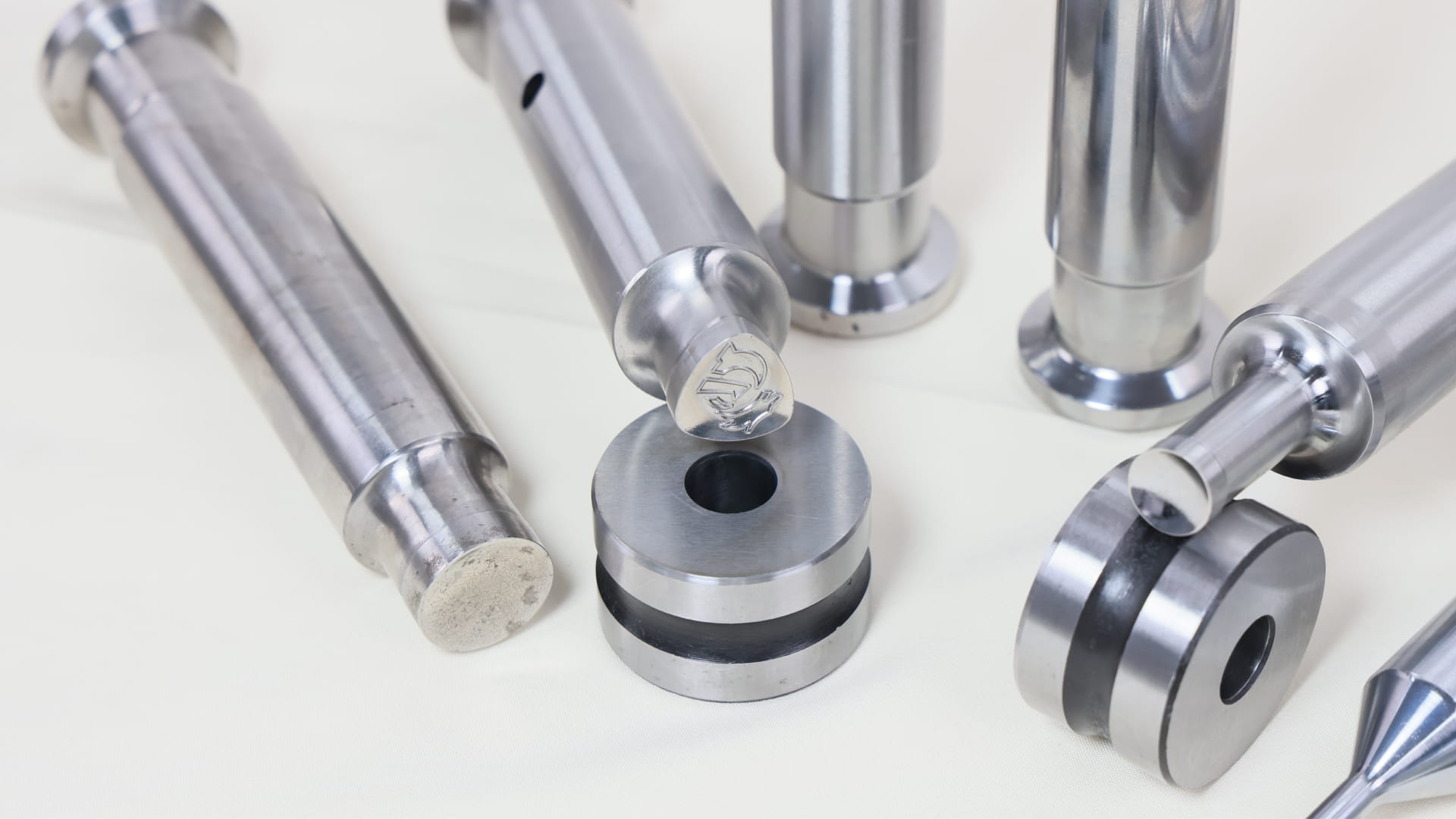
الصيانة المناسبة يطيل عمر الأداة بشكل كبير وجودة الجهاز اللوحي. لاحظ خبراء الصناعة ذلك تقريبًا 85% من مشاكل التثقيب والموت تأتي من سوء الصيانة والتعامل. فيما يلي أفضل الممارسات للحفاظ على أدواتك في أفضل حالاتها:
باتباع هذه الخطوات (ينظف, فحص, إصلاح/البولندية, يقيس, تليين, المتجر - يُطلق عليه غالبًا "عملية صيانة الأدوات المكونة من 7 خطوات") سوف يقلل من التوقف. كما قال أحد المهندسين, ”نظيفة, من غير المرجح أن تنتج المثقاب الذي يتم صيانته جيدًا أقراصًا ملتصقة أو مكسورة. في الممارسة العملية, التنظيف هو الخطوة الأكثر أهمية: فهو يزيل بقايا المنتج القديمة التي يمكن أن تسبب الالتصاق, اختيار, أو التلوث المتبادل.
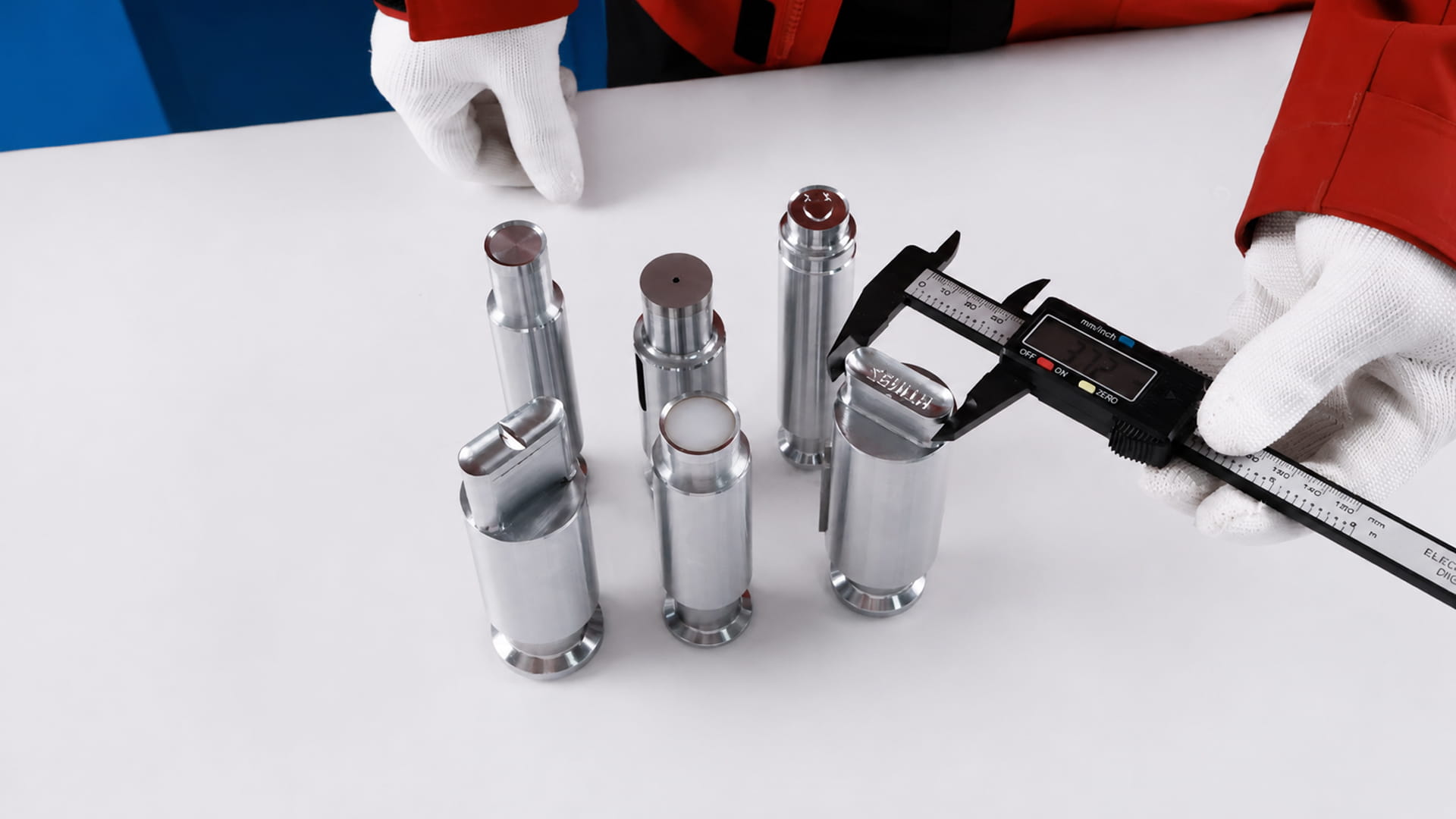
وبصرف النظر عن الأبعاد, الأدوات المواد والانتهاء حرجة. معظم اللكمات المضغوطة للكمبيوتر اللوحي مصنوعة من الفولاذ الكربوني عالي الجودة (على سبيل المثال. جي سي آر-15) مع صلابة ~ 60 HRC, والتي تتحمل قوى الضغط العالية. للتركيبات الرطبة أو الحمضية (مثل الأعشاب أو الفوارة), الفولاذ المقاوم للصدأ أو اللكمات المغلفة (تين, CrN, محتوى قابل للتنزيل) يمكن أن تقاوم التآكل والالتصاق.
تأكد دائمًا من تصنيع الأدوات وفقًا للمواصفات. يتبع العديد من الموردين دليل مواصفات الأجهزة اللوحية (TSM) أو معايير ISO للتسامح. جينلو, على سبيل المثال, ملاحظات تم تصميم أدوات BB وفقًا لمواصفات TSM/EU الدقيقة مع تقديم وثائق الفحص عند الطلب. تساعد الأدوات عالية الجودة على تجنب العيوب وإطالة عمر الثقب.
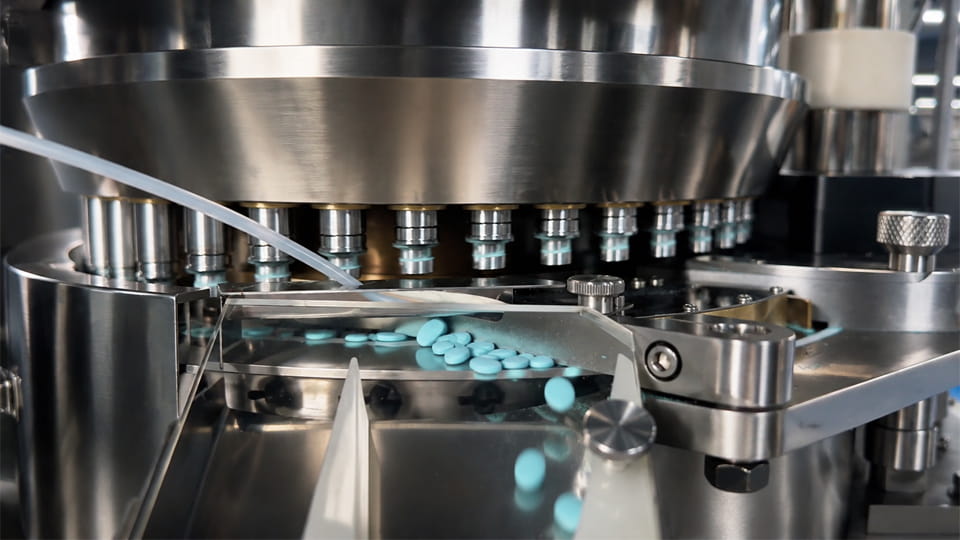
شكل: توفر المكابس والأدوات عالية السرعة العديد من الأجهزة اللوحية بسرعة
حسن السمعة مصنعي الصحافة اللوحية وموردي الأدوات يمكن أن تساعدك على اختيار المعيار الصحيح. على سبيل المثال, غالبًا ما تساعد JinLu Packing العملاء في الاختيار بين B, د, أدوات BB أو DB بناءً على المنتج. نحن نقدم اختبارًا مجانيًا للصيغة ويمكننا التوصية بأدوات متخصصة (منقوش, التهديف, إلخ.) لصحافتك. عند دمج خط إنتاج كامل, اختر موردًا يوفر المطابع والأدوات, لذلك يتم ضمان التوافق.
بالإضافة إلى, إن وجود نظام أدوات سريع التغيير وخطة صيانة يقلل من وقت التوقف عن العمل. ابحث عن ميزات مثل إزالة القالب بسرعة, برج الإفراج السريع, وإزالة الثقب بدون أدوات على المطابع الجديدة. على سبيل المثال, إن تركيز JinLu على تصميم GMP يعني أن أجهزتها تحتوي على أبراج سريعة التحرير وأجزاء اتصال سهلة التنظيف, المساعدة في ضمان بقاء الأدوات في أفضل حالة.
تعد أدوات الضغط على الأجهزة اللوحية المناسبة أكثر من مجرد جزء مستهلك - إنها خيار استراتيجي يؤثر بشكل مباشر على جودة منتجك وكفاءة التصنيع لديك. من خلال فهم الاختلافات بين ب, د, ب, وأدوات قاعدة البيانات واتباع أفضل الممارسات في الاختيار والصيانة, يمكن لمصنعي الأدوية تجنب العيوب المكلفة ووقت التوقف عن العمل. تذكر أن تتوافق مع معيار الأدوات الخاص بك (TSM مقابل ISO), اختر الحجم المناسب لجهازك اللوحي, واتبع صارما روتين التنظيف/التفتيش. المكافأة هي أقراص موحدة, عدد أقل من الرفض, وخط إنتاج أكثر موثوقية.
إذا كنت تستعد لشراء جهاز ضغط أقراص جديد أو ترقية أدواتك, فكر في التواصل مع مصنعي المعدات الأصلية ذوي الخبرة. تقدم Jinlu Packing إرشادات حول أفضل نظام أدوات يناسب احتياجاتك, ويمكنه توفير اللكمات والقوالب المخصصة للحفاظ على الأجهزة اللوحية الخاصة بك وفقًا للمواصفات. فريقنا على استعداد لمساعدتك في اختيار مجموعة الأدوات المثالية حتى تحصل على أقصى استفادة من جهاز الكمبيوتر اللوحي الخاص بك. اتصل بنا للحصول على مشورة الخبراء أو عرض أسعار بشأن أدوات ومعدات الضغط على الأجهزة اللوحية عالية الجودة.
تشير أدوات ضغط الأقراص إلى مجموعة اللكمات والقوالب المستخدمة في آلة ضغط الأقراص لتشكيل مسحوق أو حبيبات في أقراص. تتحكم الأدوات في حجم الجهاز اللوحي, شكل, سماكة, والمظهر العام. تتضمن مجموعة الأدوات الكاملة عادةً ثقبًا علويًا, لكمة أقل, ويموت, والتي تعمل معًا أثناء عملية الضغط.
تشمل الأنواع الأكثر شيوعًا من أدوات الضغط اللوحي الأدوات B, أدوات D, أدوات BB, وأدوات قاعدة البيانات. تختلف أنواع الأدوات هذه بشكل أساسي في حجم الثقب, أبعاد الموت, قدرة الضغط, وتطبيقات الأجهزة اللوحية المناسبة. يعتمد الاختيار الصحيح على حجم الجهاز اللوحي, خصائص الصياغة, متطلبات الإنتاج, ومواصفات آلة ضغط جهازك اللوحي.
الفرق الرئيسي بين الأدوات B والأدوات D هو حجمها وقدرتها على الضغط. تحتوي الأدوات B على تكوين أصغر للثقب والقالب وتستخدم بشكل شائع للأجهزة اللوحية ذات الحجم القياسي. تتميز الأدوات ثلاثية الأبعاد بتصميم أكبر, مما يسمح بقوة ضغط أعلى وإنتاج أقراص أكبر. غالبًا ما تُفضل الأدوات D للأجهزة اللوحية الأكبر حجمًا, بينما توفر الأدوات B مرونة أكبر للأقراص الصيدلانية الشائعة.
أدوات BB عبارة عن تكوين أدوات أصغر مصمم لإنتاج أقراص أصغر. يتم استخدامه بشكل شائع للمنتجات التي تتطلب أحجامًا مضغوطة من الأجهزة اللوحية, مثل بعض الأقراص الصيدلانية, المكملات الغذائية, والمنتجات المتخصصة. يمكن أن تكون أدوات BB خيارًا مناسبًا عندما يحتاج المصنعون إلى أجهزة لوحية أصغر ذات أداء إنتاج فعال.
أدوات قاعدة البيانات عبارة عن تكوين أدوات يجمع بين خصائص أنظمة الأدوات D وB. يستخدم تكوين قالب أكبر مع تصميم أصغر لكمة, توفير المرونة لأحجام الأجهزة اللوحية ومتطلبات الإنتاج المحددة. غالبًا ما يتم تحديد أدوات قاعدة البيانات عندما يحتاج المصنعون إلى تحقيق التوازن بين قدرة حجم الجهاز اللوحي وكفاءة الأدوات.
ليس دائما. تم تصميم آلة ضغط الأقراص لمواصفات أدوات محددة, والتوافق يعتمد على تصميم البرج, أبعاد لكمة, حجم القالب, ومعيار الأدوات. على سبيل المثال, لا يمكن للأدوات B والأدوات D أن تحل محل بعضها البعض ببساطة دون التأكد من توافق الجهاز. تحقق دائمًا من طراز الضغط اللوحي ومواصفات الأدوات قبل تغيير الأدوات.
تتضمن معايير أدوات الضغط اللوحي الرئيسية TSM (دليل مواصفات التابلت), الاتحاد الأوروبي (معيار الأدوات الأوروبية), ومعايير الأدوات ISO. يستخدم TSM على نطاق واسع في أمريكا الشمالية, بينما تُستخدم معايير الاتحاد الأوروبي وISO بشكل شائع في العديد من الأسواق الدولية. على الرغم من أن بعض الأبعاد قد تبدو متشابهة, أدوات TSM والاتحاد الأوروبي غير قابلة للتبادل تلقائيًا.
يعتمد اختيار أداة الضغط على الجهاز اللوحي المناسبة على عدة عوامل, بما في ذلك حجم الجهاز اللوحي, شكل, صياغة, قوة الضغط, حجم الإنتاج, ونموذج الضغط اللوحي. يجب على الشركات المصنعة أيضًا مراعاة معايير الأدوات, اختيار المواد, والعمر المتوقع للأداة لضمان جودة الجهاز اللوحي المستقرة والإنتاج الفعال.
تتضمن مشكلات أدوات الضغط اللوحية الشائعة الالتصاق, اختيار, تغطية الجهاز اللوحي, وزن الجهاز اللوحي غير متساوي, ارتداء لكمة, ويموت الضرر. قد تنجم هذه المشكلات عن الأدوات البالية, صيانة غير صحيحة, مواد الأدوات غير المناسبة, أو إعدادات ضغط الجهاز اللوحي غير صحيحة. يمكن أن يساعد الفحص المنتظم واختيار الأدوات الصحيحة في تقليل مشكلات الإنتاج.
يعتمد عمر خدمة أدوات ضغط الأقراص على عوامل مثل تركيبة الأقراص, سرعة الإنتاج, قوة الضغط, مادة الأدوات, طلاء, وممارسات الصيانة. مع التنظيف السليم, تقتيش, تشحيم, والتخزين, يمكن أن تنتج اللكمات والقوالب عالية الجودة ملايين الأقراص قبل الحاجة إلى الاستبدال.
مراجع:
1.أدوات الضغط للأقراص - اللكمات والموت —— ISO 18084:2011
2.الفصل 32 – تطوير, تحسين, وتوسيع نطاق معلمات العملية: ضغط الكمبيوتر اللوحي —— ساينس دايركت
3.فوائد توحيد الأدوات اللوحية —— فارمتك
4.تحسين صيانة وتخزين أدوات الضغط اللوحي —— فارمتك
5.تأثير الهندسة لكمة (قطر الرأس المسطح) ونوع الأدوات ('ب’ أو "د") على الخواص الفيزيائية والميكانيكية للأقراص التركيبية —— المكتبة الوطنية للطب
6.تحديث حول التطورات في تكنولوجيا الأدوات اللوحية —— ساينس دايركت