يعد تعبئة مسحوق البروتين بكفاءة أمرًا ضروريًا لمصنعي المكملات الغذائية والأغذية. سواء كنت تقوم بملء أحواض كبيرة من بروتين مصل اللبن للبيع بالتجزئة أو خدمة صغيرة فردية أكياس للعملاء أثناء التنقل, اختيار الحق آلات التعبئة والتغليف يجعل كل الفرق. آلي تعبئة مسحوق البروتين الخط يمكن الجرعة, يملأ, وختم مئات الحاويات في الساعة بدقة متسقة. في هذا الدليل, سنشرح لماذا تعد الآلات عالية السرعة أمرًا أساسيًا لتغليف المسحوق بكفاءة, قارن بين تنسيقات التغليف الرئيسية (الجرار, الحقائب, حزم العصا), وتعرف على الميزات التي يجب البحث عنها عند اختيار المعدات المناسبة. فكر في هذا باعتباره "نظرة عامة عامة على الآلات" - ما قد يسأله مدير العمليات أو مهندس المشتريات عند شراء جهاز جديد خط تعبئة المسحوق.
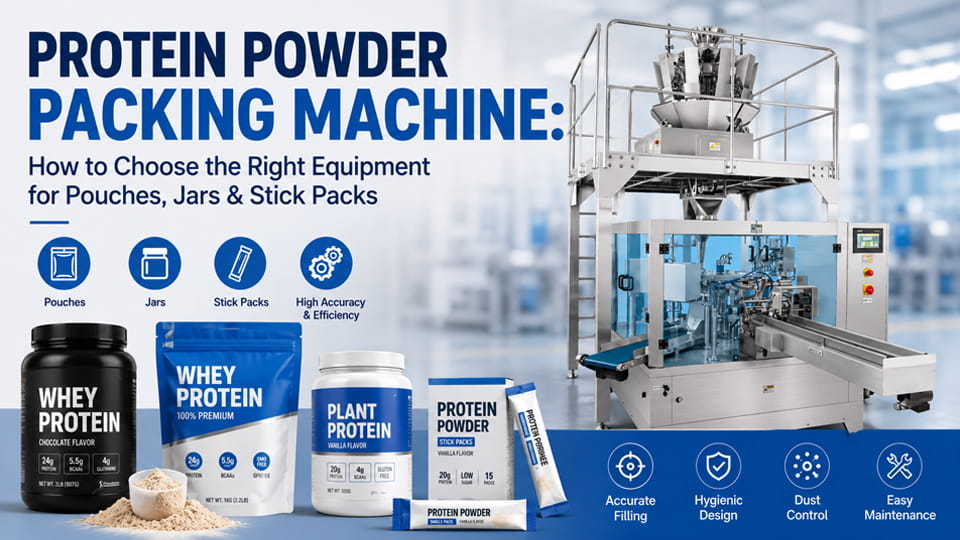
لماذا نستخدم آلة التعبئة الأوتوماتيكية لمسحوق البروتين?
حتى العلامات التجارية الصغيرة لمسحوق البروتين تتفوق بسرعة على التعبئة اليدوية بالمجارف. يمكن لآلة التغليف الأوتوماتيكية أن تعزز معدلات الإنتاج بشكل كبير (غالباً 10× أو أكثر من اليدوي) مع ضمان أن تكون أوزان التعبئة في مكانها الصحيح. على سبيل المثال, يمكن لخطوط تعبئة المسحوق المتكاملة تمامًا الإنتاج حسب الطلب 200 وحدات في الدقيقة, مقابل 15 وحدة تقريبًا عند تعبئتها يدويًا. وهذا يقلل من احتياجات العمالة (غالبًا ما يؤدي ذلك إلى تقليل القوى العاملة بنسبة 60-80%) وتسريع الخطوط نحو إنتاجية ذات مستوى عالمي.
ما وراء السرعة, تتحسن الآلات الآلية الاتساق والنظافة. مع التحكم المؤازر حشو اوجير و أجهزة تدقيق الوزن, يتم ملء كل حوض أو كيس بتسامح محكم. وهذا يقلل من الهبة (إهدار مسحوق إضافي) وشكاوي العملاء. الآلات المغلقة أيضًا تحافظ على المسحوق, منع التلوث والتنظيف الفوضوي. لشركات الأغذية أو الأدوية, مقابلة CGMP أو تعد معايير إدارة الغذاء والدواء (FDA) أمرًا حيويًا - حيث يساعد استخراج الغبار المدمج والمرفقات المغلقة في الحفاظ على بيئة غرفة نظيفة. باختصار, لأي منتج لمسحوق البروتين بحجم معقول, آلة التعبئة ليست ترفا ولكنها ضرورة لتوسيع نطاقها بشكل مربح وآمن.
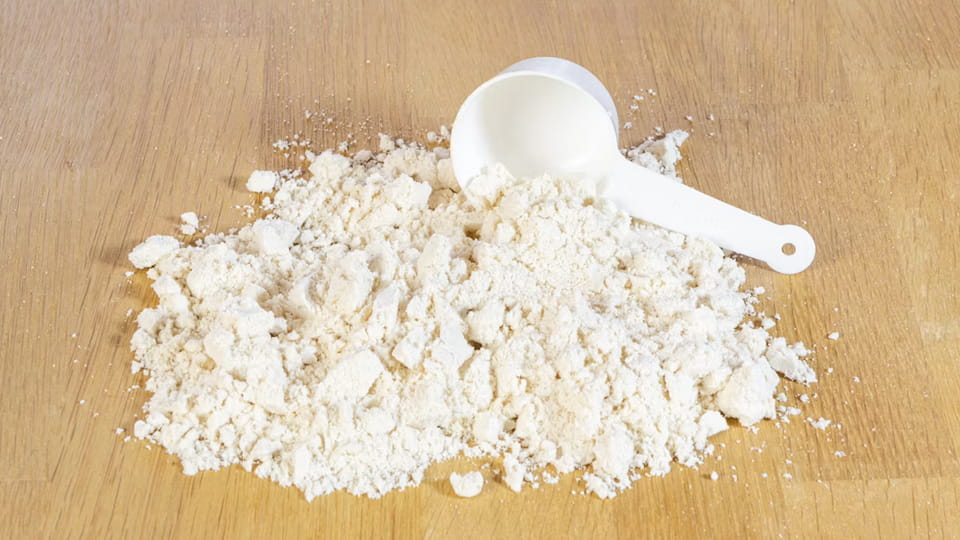
شكل: مسحوق البروتين جيد, مادة تتدفق بحرية ويمكن أن تصبح مغبرة بسهولة. عالية الدقة حشو اوجير تستخدم عادة لجرعة المسحوق في الجرار, الحقائب أو الأكياس.
تنسيقات التعبئة والتغليف الرئيسية لمسحوق البروتين
القرار الأول هو تنسيق الحاوية. يتم شحن مسحوق البروتين عادة في أحد الأشكال الثلاثة: الجرار / أحواض (حاويات صلبة), أكياس الاحتياط (أكياس), أو حزم عصا / أكياس (العصي ذات الخدمة الواحدة). ولكل منها حالات الاستخدام الخاصة بها:
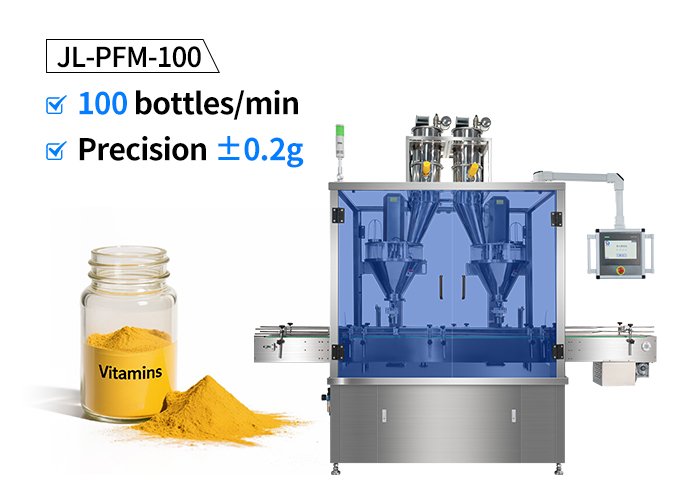
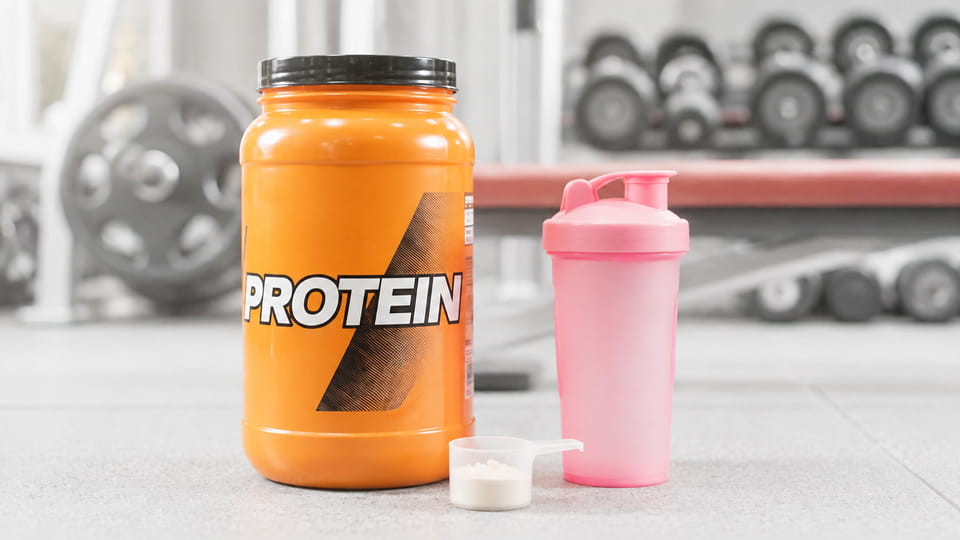
- الجرار & أحواض (حاويات جامدة): عبوة كلاسيكية كبيرة الحجم (على سبيل المثال. 500 ز, 1 كجم, 2 أحواض كجم). تحتوي هذه غالبًا على أغطية ملولبة وقد تحتوي على مجارف بالداخل. يتوقع العملاء المتانة, عبوات قابلة للإغلاق للمساحيق السائبة أو ذات القيمة العالية (مثل مصل اللبن أو المكملات الغذائية المتخصصة). تستخدم خطوط التعبئة والتغليف آلة تعبئة اوجير لجرعة المسحوق في الجرة, ثم محطة السد والسداد التعريفي للنضارة. يمكن تشغيل الجرار في 5-50 وحدة/دقيقة اعتمادا على مستوى الأتمتة. مثال على ذلك هو جينلو ماكينة تعبئة المسحوق, مما يحقق دقة ± 0.1 جم للمساحيق. تناسب الجرار العلامات التجارية التي تريد مظهرًا متميزًا وسهولة إعادة إغلاقها.
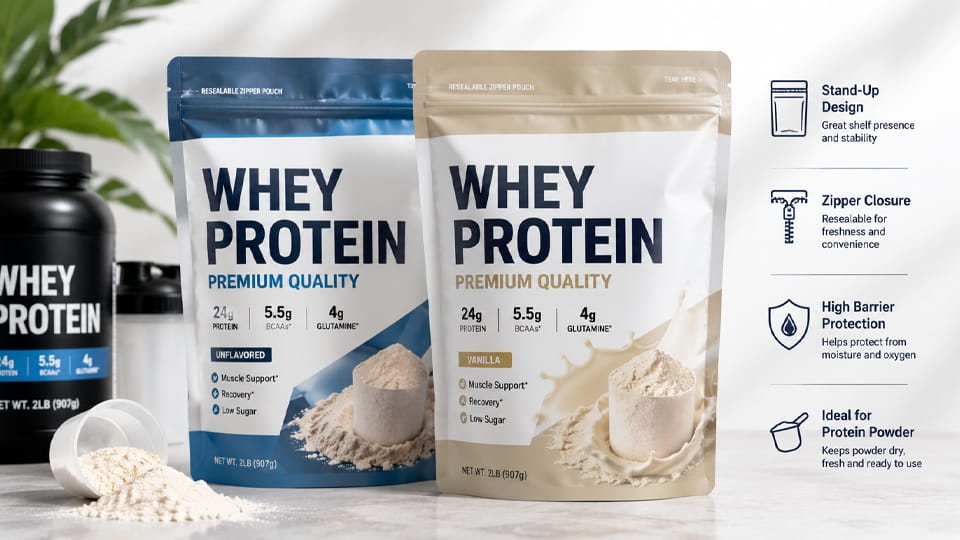
- الحقائب الوقوف & الحقائب سستة: أكياس مرنة (دوق-باي أو المواقف المجمعة) تحظى الآن بشعبية كبيرة بالنسبة لمساحيق البروتين. وهي تتراوح من أحجام المحاكمة الصغيرة (100-250 جرام) حتى أحجام التجزئة الأكبر (1-2 كجم). الحقائب غالبا ما تكون قابلة لإعادة الإغلاق أختام السوستة, مثالية للحفاظ على نضارة. يتطلب ملء هذه عادةً أ آلة تعبئة حقيبة بريماند. تلتقط الآلة الأكياس الفارغة المعدة مسبقًا, يفتح لهم, يملأ بالمسحوق, والحرارة الأختام الجزء العلوي. جينلو آلات الحقيبة الجاهزة تشغيل ~ 60-70 كيس / دقيقة مع دقة ±0.4% ودعم أنماط الحقيبة المختلفة (سستة, صنبور, مسطحة القاع). الحقائب توفر على البلاستيك مقابل. الجرار وخفيفة الوزن للشحن. كما أنها تسمح بتغليف مطبوع جذاب. هذا التنسيق رائع لرفوف البيع بالتجزئة, التجارة الإلكترونية المباشرة للمستهلك, أو محلات البقالة.
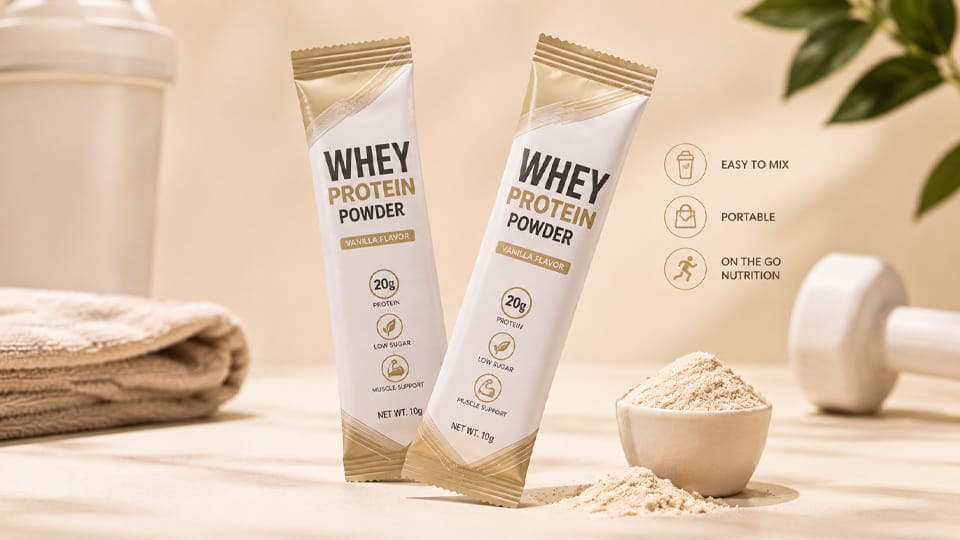
- حزم/أكياس العصي (حزم خدمة واحدة): هذه طويلة, شرائح رفيعة محكمة الغلق تحتوي على حصة واحدة (في كثير من الأحيان 10-30 جم من المسحوق). فكر في حزم البروتين أثناء التنقل والتي يفتحها رواد صالة الألعاب الرياضية. حزم العصا (تسمى أحيانًا الأكياس) مصنوعة من شرائح أو رقائق معدنية ومملوءة على أ آلة حزمة العصا. هم تعظيم قابلية النقل والراحة - مثالية للعينات, حزم السفر, أو الترقيات. يمكن لآلات العبوات متعددة المسارات إنتاج مئات الحزم في الدقيقة. على سبيل المثال, جينلو حزم العصا تصل إلى 240 العصي / دقيقة (عبر الممرات) وملء كل دقة ±0.02 غرام. يقلل هذا التنسيق من وزن العبوة والنفايات للأجزاء الصغيرة ولكن لا يتم إعادة إغلاقها. إنه الأفضل للاستخدام الفردي أو للحصص التجريبية.
كل شكل له مقايضات (انظر الجدول أدناه). يمكن أن يؤدي اختيار الحاوية الخاطئة إلى تكاليف مادية إضافية أو عملية مرهقة. تابع القراءة لمعرفة المزيد حول الآلات والعوامل الخاصة بكل تنسيق.
أنواع آلات تعبئة مسحوق البروتين
بمجرد معرفة نوع الحزمة, والسؤال التالي هو أي آلة سوف تملأه. فيما يلي أنواع المعدات الرئيسية:
وهنا جدول ملخص:
| نوع الآلة |
نوع الحزمة الأساسية |
حالة الاستخدام النموذجية |
المزايا الرئيسية |
| ماكينة تعبئة اوجير |
الجرار, أحواض, حاويات جامدة |
مساحيق البروتين السائبة (1-10 كجم) |
جرعات دقيقة للغاية, يعالج المساحيق اللزجة, يدمج السد / الختم |
| ماكينة في اف اس |
أكياس الوسائد, أكياس مجمعة |
كميات كبيرة من الأكياس المصنوعة من الأفلام (500ز-2 كجم) |
سرعة عالية جدا, الحد الأدنى من النفايات المادية |
| آلة تعبئة حقيبة بريماند |
الحقائب واقفة, أكياس السوستة |
أكياس البروتين بالتجزئة (50ز-2 كجم) |
مظهر الحزمة المتميزة, أنماط الحقيبة المرنة, ختم محكم |
| آلة حزمة العصا |
أكياس العصا (1-50 جرام) |
حزم البروتين ذات الحصة الواحدة (السفر / العينات) |
أعلى إنتاجية للحزم الصغيرة, انخفاض تكلفة المواد لكل وحدة |
| حزمة عصا متعددة المسارات |
أكياس العصا (عديد) |
الإنتاج الضخم للحزم الصغيرة |
إنتاجية عالية جدًا (متعدد الخطوط) |
اختيار الجهاز المناسب أمر بالغ الأهمية. تشرح الأقسام التالية خطوات التشغيل الخاصة بها وما يجب مراعاته عند اختيار واحدة.
كيف تعمل آلة تعبئة مسحوق البروتين?
على الرغم من أن الآلات تختلف حسب النوع, العملية الأساسية لملء مسحوق البروتين متشابهة: (1) تغذية المسحوق → (2) الجرعات بالوزن → (3) ملء الحزمة → (4) ختم الحزمة → (5) إخراج الحزمة النهائية.
- تغذية المسحوق: قادوس الإمداد يحمل المسحوق السائب. للمساحيق الدقيقة جدًا, قد يقوم المصعد الفراغي أو وحدة التغذية اللولبية برفع المسحوق إلى قادوس رئيسي فوق وحدة التعبئة. في كثير من الأحيان أ طاولة الاهتزاز أو المحرض يحافظ على تدفق المسحوق بشكل مطرد (منع التكتلات أو الجسور عند المخرج). تحتوي الآلات الجيدة على قواديس مخروطية الشكل واهتزازات أو فرش لتثبيط التقوس (التجسير).
- جرعات الوزن: ان حشو اوجير (أفسد) أو ميزان متعدد الرؤوس يقيس كل جرعة. لملء اوعية, يقوم محرك سيرفو بتدوير المسمار الموجود في قادوس التغذية لقياس المسحوق. يرتبط الحجم المنقول بوزن التعبئة. يمكن أن يكون النظام مفتوح الحلقة (معايرة حجميا) أو حلقة مغلقة (مع مقياس لضبط على الطاير). الأدوات المناسبة للثقب (يقذف, طول, سرعة) يتم اختياره على أساس تدفق المسحوق. كما يلاحظ JinluPacking, يعد منع التجسير وتصميم القادوس أمرًا أساسيًا - يمكن للقادوس المصمم جيدًا أن يقلل من سد المسحوق من ~ 85٪ إلى 12% من أشواط.
- تحديد موضع الحزمة: إذا ملء جرة أو زجاجة, يقوم جهاز فك التشفير أو وحدة التغذية بتنظيم الحاويات الفارغة. إذا ملء الحقيبة, يتم تشكيل الحقيبة إما (ففس) أو التقطت/فتحت (آلة الحقيبة أو العصا المعدة مسبقًا). فتح الحقيبة بدقة (غالبًا باستخدام القابضون الفراغيون أو نفاثات الهواء) يضمن عدم انسكاب المسحوق للخارج.
- تعبئة: يتم توزيع المسحوق في الحاوية. تستخدم العديد من الآلات بعد ذلك ملف مرحلة نزع الهواء بالهزاز أو الفراغ لهز الحاوية المملوءة بخفة, تسوية المسحوق وإزالة الهواء المحبوس. يؤدي ذلك إلى تحسين الكثافة ويسمح بمزيد من المسحوق لكل عبوة, ويقلل من الغبار.
- الختم/التغطية: يتم إغلاق الأكياس بالحرارة باستخدام بكرات أو فكوك. الجرار مغطاة (يتم الضغط عليه أو تثبيته تلقائيًا). في بعض الأحيان أ الحث السداني يطبق ختم نضارة الألومنيوم تحت الغطاء (شائع بشكل خاص في المغذيات). يجب أن يكون الختم خاليًا من الغبار - غالبًا ما تقوم فرشاة نهائية سريعة أو ضربة هوائية بإزالة البودرة من الشفاه.
- فحص الجودة & الإخراج: يمكن لجهاز تدقيق الوزن أو نظام الرؤية التحقق من الوزن النهائي والختم. تخرج العبوات بعد ذلك من الماكينة لتجميع الناقلات أو مباشرة إلى الصناديق.
في كل الخطوات, التحكم في الغبار أمر بالغ الأهمية. إن تعبئة العديد من الأرطال من البروتين تخلق غبارًا محمولاً بالهواء. تحتوي الأنظمة العلوية على أغطية شفط الغبار المحلية ومرشحات HEPA لالتقاط الجسيمات, الحفاظ على نظافة الآلات وحماية العمال. إذا تركت دون تحديد, يمكن أن يغطي الغبار الأختام أو يلوث المنتجات الأخرى. تتضمن العديد من آلات تعبئة الأكياس خيارات لـ شطف النيتروجين, استبدال الأكسجين داخل الكيس لإطالة العمر الافتراضي لمسحوق البروتين.
لماذا تعتبر حشوات أوجيه أساسية لمسحوق البروتين
لأي مسحوق جاف, خاصة تلك اللزجة أو الناعمة مثل البروتين, اوجير (أفسد) غالبًا ما يكون الخيار الأفضل للجرعات. على عكس حشوات الأكواب الحجمية, ان حشو اوجير يمكنه قياس المساحيق الصعبة بدقة في حاويات أو أكياس مفتوحة. هذا هو سبب تفوق المثاقب:
- دقة عالية: مع المعايرة الصحيحة, يمكن أن تصل أنظمة البريمة الحديثة إلى دقة ±0.1–1%. الملعب المسمار, يتم ضبط الطول وسرعة الدوران على الكثافة الظاهرية للمسحوق ووزن التعبئة. تسمح المثاقب التي تعمل بمحرك مؤازر بالتعديل الديناميكي. على سبيل المثال, تستخدم حشوات المثقاب من Jinlu محركات مؤازرة لتحقيق دقة التعبئة 0.01 ز.
- يعالج المساحيق الصعبة: غالبًا ما تكون مساحيق البروتين جسرًا أو ثقبًا للفئران (تشكيل قبو) في النطاطات إذا لم تهتز. يتم دمج المثاقب مع مغذيات اهتزازية, يمكن للفرش أو المحرضين كسر هذه الجسور. إذا كانت المساحيق لزجة (مثل مصل اللبن) أو كهرباء, تقدم بعض الآلات مسامير أطول أو مسامير مغلفة لتخفيف الالتصاق. البديل اوجير طويل (وعروض جينلو) تم تصميمه لتحريك المساحيق اللزجة دون التشويش.
- التقليل من الغبار: عادة ما تعمل حشوات المساحيق في قواديس شبه مغلقة. لقد فعل الكثير فوهات الأكمام التي يتم إدخالها في الجرة أو الكيس قبل/أثناء الجرعات. تستخدم آلات Jinlu غلافًا شفطًا يلتف حول منطقة التعبئة لالتقاط الغبار الشارد, القضاء على الانسكابات عمليا. جنبا إلى جنب مع أغطية الغبار الخارجية, هذا يحافظ على منطقة التعبئة مرتبة.
- الميزات المتكاملة: على خطوط الجرة, يمكن إقران حشوات الأوجير بالتلقائي إدراج مغرفة. تقوم هذه الأجهزة بإسقاط ملعقة قياس في الجرة قبل المسحوق (شائع مع أحواض بروتين مصل اللبن). ثم يملأ البريمة حول المغرفة. بعد التعبئة, كابر يغلق الجرة. كما يلاحظ Jinlupacking, غالبًا ما تشتمل حشوات الجرار المبنية على المثقاب على هذه الميزات بالضبط - وضع المغرفة, السد, وحتى وضع العلامات في سطر واحد متكامل.
في ملخص, إذا كان منتجك الأساسي هو العنصر المسحوق, عادة ما يكون حشو البريمة هو أفضل أساس. إنه متعدد الاستخدامات ويمكن دمجه مع بقية خطك بسهولة. على سبيل المثال, قد يكون خط الجرة النموذجي: أداة فك رموز الزجاجة ← حشو البريمة ← أداة إدخال المغرفة ← كابر ← مانع التسرب التعريفي ← أداة التسمية ← جهاز تدقيق الوزن. يتعامل هذا مع كل شيء بدءًا من مكملات البروتين السائبة وحتى المساحيق الغذائية الدقيقة.
العوامل الرئيسية التي يجب مراعاتها عند اختيار الآلة
يعتمد اختيار المعدات "المناسبة" على العديد من التفاصيل الخاصة بمنتجك ومصنعك. فيما يلي العوامل الحاسمة التي يجب على فرق المشتريات والهندسة تقييمها:
- نوع الحزمة & مقاس: هل تملأ الجرار, أحواض, أكياس الوقوف, أو أكياس عصا? وما ملء الأوزان? (على سبيل المثال. 20 g خدمة واحدة مقابل 1,000 ز السائبة.) تتطلب الحزم الصغيرة أجهزة مختلفة (عبوات العصا أو عبوات الأكياس الصغيرة) من أحواض كبيرة (حشو اوجير و قبعات). تأكد من تصنيف الجهاز وفقًا لأبعاد وأوزان العبوة الدنيا والقصوى.
- القدرة الإنتاجية: كم عدد الوحدات التي تحتاجها في الدقيقة أو في كل وردية؟? توقع النمو المستقبلي أيضًا. قد تتعامل الآلة 20 الجرار / دقيقة أو 200 الحقائب / دقيقة – فرق كبير. غالبًا ما تستخدم الخطوط عالية السرعة مسارات متعددة (خاصة حزم العصا أو VFFS) لمضاعفة الإخراج. على سبيل المثال, يمكن لآلة تعبئة العصي ذات 4 حارات أن تنتج 4 × معدل المسار الواحد. تأكد من اختبار السرعات المذكورة باستخدام المسحوق الخاص بك (يسرد بعض البائعين الحد الأقصى النظري الذي لا يمكن تحقيقه إلا في ظل الظروف المثالية).
- خصائص المسحوق: هل مسحوق البروتين الخاص بك يتدفق بحرية؟ (مثل بعض عزلات بروتين مصل اللبن) أو أكثر تماسكا (عزلات بروتين البازلاء, خلطات الكولاجين)? هل تولد ساكنة? هل هو استرطابي (يمتص الرطوبة)? هذه تؤثر على اختيار تكنولوجيا التعبئة. قد تحتاج مساحيق التدفق الضعيف فوهات التميع أو مساعدة فراغ. إذا كانت ثابتة مشكلة, ابحث عن تدابير مكافحة ساكنة (القضبان المؤينة, النطاطات الموصلة). ناقش مع الشركة المصنعة ما إذا كانت لديها خبرة في استخدام مساحيق مماثلة، حيث سيختبر الكثيرون منتجك أولاً.
- متطلبات الدقة: ل المكملات الغذائية, غالبًا ما يهتم العملاء بالجرعة الدقيقة. إذا كان يجب أن يكون ضمن ±1% من الوزن المستهدف, اختر الأنظمة ذات الميزان متعدد الرؤوس أو المثاقب عالية الدقة. لا يمكن لبعض الحشوات الحجمية ضمان التفاوتات الصارمة مع تدفق المسحوق المتغير. تذكر أن مساحيق البروتين يمكن أن تختلف في الكثافة الظاهرية بنسبة ~±25% من دفعة إلى أخرى, لذا فإن قادوس الوزن المزود بملاحظات في الوقت الفعلي يكون أكثر أمانًا.
- الأتمتة & اندماج: هل تحتاج إلى خطوط أوتوماتيكية بالكامل (شخص واحد يشرف على آلات متعددة) أو هو بخير شبه التلقائي? هل تحتاج إلى التكامل مع المعدات الأولية/المصبية؟ (مصاعد دلو, أجهزة الكشف عن المعادن, عمال التعبئة والتغليف)? ضع في اعتبارك أيضًا ما إذا كنت بحاجة إلى ميزات إضافية مثل آلات الترميز/وضع العلامات, شطف النيتروجين, أو CIP (نظيفة في المكان). يؤدي المزيد من الأتمتة إلى زيادة التكلفة ولكنه يوفر العمالة على المدى الطويل.
- التحول & المرونة: كم مرة ستقوم بتبديل المنتجات أو أحجام العبوات? إذا كان لديك العديد من وحدات SKU (أحجام الحقيبة المختلفة أو مزيج مسحوق), ابحث عن ميزات التغيير السريع. يمكن أن يشمل ذلك أدلة قابلة للتعديل, أدوات أوجير سريعة التغيير, وذاكرة الوصفة. آلات متعددة الأشكال (مثل بعض الحشوات الخطية من جاك أو الميزان متعدد الرؤوس) تتيح لك التعامل مع كل من المساحيق والحبيبات عن طريق تبديل القواديس.
- مواد البناء & قابلية التنظيف: خاصة بالنسبة للأغذية/الأدوية, الفولاذ المقاوم للصدأ 304 أو 316 أجزاء الاتصال أمر لا بد منه. يجب أن يكون التصميم صحيًا (لا مصائد مسحوق). يعد التنظيف السهل بين مرات التشغيل أمرًا مهمًا في حالة تغير النكهات. تقدم العديد من الشركات المصنعة عربات أو أسطوانات هيدروليكية لإمالة القواديس للخارج للتنظيف, وغسالات الغطاء أو حلقات CIP.
- ميزانية & يدعم: تتراوح ماكينات التعبئة والتغليف بين المتواضعة (~ 20 ألف دولار لحشوات المثقاب البسيطة المستقلة) إلى ستة أرقام للخطوط الأوتوماتيكية الكاملة. احصل على عروض الأسعار التي تتضمن التثبيت, تمرين, وخطة الخدمة. النظر في سجل البائع: هل هم متخصصون في المسحوق? هل يقدمون اختبارًا لمنتجك؟? تكون جودة الجهاز بقدر دعمه – تحقق من شهادة CE/FDA إذا كنت في حاجة إليها.
من خلال المشي من خلال هذه النقاط, يمكنك مطابقة الميزات مع الاحتياجات. غالبًا ما يكون من المفيد العمل مع مستشار التعبئة والتغليف أو بائع الآلة للتحقق من صحة الافتراضات (على سبيل المثال. يتم تشغيل الاختبار في مركز تجريبي).
مقارنة خيارات التغليف: جرة مقابل الحقيبة مقابل عصا حزمة
دعونا نقارن الأشكال الثلاثة وجهاً لوجه. يمكن أن يوضح هذا ما يناسب طلبك:
- تغليف الجرة/الحوض:
- الأفضل ل: المنتجات السائبة (500ز+), المكملات الغذائية الراقية (الرابحون الشاملون, الكل في واحد يهز).
- الايجابيات: الأغلاق (غطاء المسمار), قوي, وجود قوي على الرف للعلامة التجارية. جيد للكميات الكبيرة.
- سلبيات: ارتفاع تكلفة التعبئة والتغليف لكل وحدة (جرة بلاستيكية أو زجاجية). ثقيل. إنتاجية أقل من الحقائب من نفس الحجم (بسبب التعامل).
- آلات: عادة, حشو اوجير + كابر + Labeler. قد يكون الإخراج 10-50 جرة / دقيقة.
- تغليف الحقيبة الاحتياطية:
- الأفضل ل: عبوات البيع بالتجزئة متوسطة الحجم (100ز-2 كجم). العلامات التجارية التي تريد جاذبية الرف أو شحنات التجارة الإلكترونية.
- الايجابيات: أخف وزنا, أرخص من الجرار. السحاب يسمح بإعادة الاستخدام. تصميم مرن (نوافذ واضحة, ينبثق, أشكال فريدة من نوعها).
- سلبيات: بحاجة لشراء الحقائب المعدة مسبقا (أو التعامل مع مكبات الفيلم إذا كان VFFS). آلات السوستة أكثر تعقيدًا. ليست جامدة (يجب أن تملأ بعناية حتى لا تسقط).
- آلات: آلة الأكياس المعدة مسبقًا أو VFFS. السرعات 40-60 كيس/دقيقة نموذجية (لم يجهز). حل وسط جيد للتكلفة والسرعة.
- حزمة العصا / تغليف الكيس:
- الأفضل ل: حصص خدمة واحدة (10ز-50 جرام), حزم العينات, حزم السفر (على سبيل المثال. حقائب رياضية).
- الايجابيات: محمول للغاية, الحد الأدنى من مواد التعبئة والتغليف, جرعات سهلة. سرعة الخط عالية (خاصة مع الآلات متعددة المسارات, يمكن أن تصل إلى مئات العصي/الدقيقة الإجمالية).
- سلبيات: لا إعادة الختم. غير مناسب للكميات الكبيرة (عبوات المسحوق تفقد نضارتها بشكل أسرع). هناك حاجة إلى حشوة أكثر دقة عند الأوزان الصغيرة.
- آلات: حزم العصا (مفردة أو متعددة المسارات). الآلات الحديثة قادرة على ذلك 200+ العصي / دقيقة (المجموع) بسهولة. انخفاض تكلفة المواد لكل وحدة (مجرد فيلم مغلفة صغيرة).
| عامل |
جرة / الحوض |
الحقيبة الاحتياطية |
عصا / الكيس |
| نطاق التعبئة النموذجي |
متوسطة-كبيرة (≥250 جرام) |
صغير - كبير (100ز-2 كجم) |
صغير (5-50 جرام) |
| قابلية النقل |
واسطة |
عالي (قابلة للطي) |
عالية جدًا |
| إعادة الختم |
نعم (غطاء المسمار) |
نعم (سستة) |
لا |
| تكلفة التعبئة والتغليف |
عالي |
معتدل |
منخفض لكل وحدة |
| سرعة الإنتاج |
معتدل (10-50/دقيقة) |
عالي (50-80/دقيقة) |
عالية جدًا (متعدد الخطوط) |
| العلامة التجارية |
جيد (التسمية على الجرة) |
جيد جدًا (الطباعة على الحقيبة) |
جيد (طباعة حزمة العصا) |
| أفضل ل |
المنتجات السائبة |
البيع بالتجزئة/المبيعات عبر الإنترنت |
العروض الترويجية ذات الخدمة الواحدة |
يمكن أن يؤدي اختيار التنسيق الخاطئ إلى الحد من السوق أو الكفاءة. على سبيل المثال, إذا كان العملاء يريدون حزمة سفر جاهزة للصالة الرياضية, لن يتم بيع جرة سعة 2 كجم. على العكس, وضع أ 2 مزيج البروتين كيلوغرام في 200 الأكياس غير عملية. لذا قم بمحاذاة التنسيق مع حالة استخدام المنتج في وقت مبكر.
التحديات الشائعة في تغليف مسحوق البروتين
يمكن أن يؤدي تعبئة المساحيق الدقيقة بسرعة إلى حدوث مخاطر. فيما يلي المشكلات التي يجب مراقبتها وكيفية معالجة الأجهزة لها:
- وزن ملء غير متناسق: يمكن أن تؤدي الاختلافات في الكثافة الظاهرية أو التدفق إلى نقص تعبئة بعض العبوات أو ملئها الزائد. الإفراط في تعبئة منتج النفايات. الإصلاح: استخدام الجرعات الدقيقة (موازين متعددة الرؤوس أو مثقاب مغلق الحلقة مزود بخلية تحميل), ومعايرة لكل دفعة. أوجير مختار جيدًا (الملعب / الطول الصحيح) أمر بالغ الأهمية. كما تلتقط أجهزة تدقيق الوزن الآلية القيم المتطرفة على الفور.
- غبار المسحوق: يميل المسحوق الناعم إلى الانتفاخ عند ملئه. بدون سيطرة, يترك بقايا ويمكن أن يسد الأختام. تشمل الحلول فوهات استخراج الغبار عند نقطة التعبئة, فوهات فراغ حول فتحات الحقيبة, وحتى الناقلات الفراغية في الخط. تحتوي العديد من آلات الأكياس على أداة مدمجة لإزالة الغبار حول فكي الختم. الشحنة الساكنة تؤدي إلى تفاقم هروب الغبار; تضيف بعض الخطوط مؤينات مضادة للكهرباء الساكنة لتحييد الجزيئات الملتصقة.
- سد المسحوق أو ثقب الجرذان: يحدث هذا عندما يشكل المسحوق قوسًا في القادوس, وقف التدفق. إنه شائع بشكل خاص مع المساحيق اللزجة أو المتماسكة. التصميم الجيد للقادوس يمكن أن يزيله تقريبًا. يمكن للقواديس المحسنة أن تقلل من حدوث الجسور من ~ 85٪ إلى ~ 12٪. ابحث عن الآلات ذات الجدران المائلة, المحرضين الداخليين, أو مضارب الموز للحفاظ على حركة المنتج. في بعض الأحيان، يؤدي مجرد زيادة قطر القادوس أو إضافة هزاز إلى حل المشكلة.
- عيوب الختم (الأختام المفتوحة أو المتسربة): إذا كان المسحوق على شفة الكيس عند الختم, قد يفشل الختم. عادةً ما تهتز الآلات أو تقوم بتنظيف الكيس بعد ملئه لتسوية المسحوق بعيدًا عن الحواف. ختم خلفي أفقي على العبوات اللاصقة مع التحكم في درجة الحرارة (ويستخدم جينلو) يضمن ضيق, ختم مقاوم للهواء. يعد التنظيف المنتظم لفك الختم أمرًا حيويًا.
- الأدوات غير الصحيحة: قد يؤدي استخدام المسمار اللولبي أو القمع الخاطئ إلى إفساد الأداء. تأكد من أن أجزاء الحشو تتوافق مع حجم حبيبات المسحوق. تسمح بعض الآلات بتبديل المثقاب سريعًا لوصفات مختلفة.
- هبة المنتج: لتجنب نقص الملء, بعض الشركات تملأ بشكل افتراضي, الذي يهدر مسحوق البروتين باهظ الثمن. العلاج هو المعايرة. يمكن للحشوات الحديثة “يتعلم” وزن التعبئة (عن طريق وزن كل تعبئة لفترة وجيزة) والضبط التلقائي. وهذا يبقي الهبة الحد الأدنى.
يمكن تجنب العديد من هذه المشكلات باستخدام ميزات الجهاز المناسبة. كما يقول الخبراء, قم دائمًا بتحليل المسحوق المحدد الخاص بك وإجراء عمليات اختبار: "معالجة السبب الجذري بدلاً من مجرد علاج الأعراض".
بناء خط تعبئة مسحوق البروتين الكامل
لمدير الإنتاج, من المفيد تصور إعداد الخط بالكامل لكل تنسيق:
- خط الجرة/الحوض:
- زجاجة Unscrambler / Depalletizer: يوجه ويغذي الجرار الفارغة.
- حشو اوجير: يملأ المسحوق. إذا لزم الأمر, مغرفة الواضع يسقط مغرفة داخل كل جرة.
- طاولة الاهتزاز أو مرحلة الفراغ: يستقر المسحوق ويزيل الهواء.
- كابر: يقوم تلقائيًا بوضع وشد الأغطية اللولبية.
- السدادة التعريفي: يطبق ختم احباط تحت الغطاء.
- اضع علامة: يلتف أو منصات التسمية على الجرة.
- جهاز تدقيق الوزن: يتحقق من وزن التعبئة والنزاهة, يرفض الجرار خارج الوزن.
- صانع علب كرتونية (خياري): صناديق الجرار للشحن.
- خط الحقيبة (لم يجهز):
- وحدة تغذية الحقيبة/المجلة: مكدسات الحقائب الفارغة (في كثير من الأحيان مع إعادة التحميل التلقائي).
- انتقاء/فتح الحقيبة: يفتح كل كيس آليًا.
- حشو اوجير / ميزان متعدد الرؤوس: يوزع المسحوق في الحقيبة المفتوحة.
- سحاب أقرب (إذا لزم الأمر): يغلق غطاء السحاب المتشابك.
- مانع تسرب الحرارة: كيس الأختام عبر الجزء العلوي.
- مبرمج التاريخ/الطابعة: دفعة الطوابع والتاريخ على الحقيبة.
- جهاز تدقيق الوزن & يرفض: تحقق مرة أخرى من الوزن.
- وحدة الكرتونة: حزم الحقائب في صناديق.
- خط حزمة العصا:
- فك الفيلم: يغذي فيلم متعدد المسارات لتشكيل الكتف.
- وحدة التشكيل: يخلق أنابيب طويلة متعددة (واحد لكل حارة).
- حشو اوجير: يملأ كل أنبوب من خلال اوجير, مدعومة بالهزاز.
- السدادة الأفقية: يغلق الأنابيب المملوءة في شريط طويل مستمر.
- وحدة القطع: يقطع الشريط إلى أكياس فردية.
- تقتيش & عد: التحقق من العدد والوزن.
- التغليف بالكرتونة & كيس باكر: لحجم كبير, حزم حزم الحزم في صناديق أو حزم العرض.
يمكن تخصيص كل تكوين. على سبيل المثال, قد يقوم خط حزمة العصا بتغذية الإخراج إلى ملف آلة تعبئة الأكياس في الكرتون الذي يقوم بمحاذاتها وإدراجها في علب الورق المقوى. (تقدم Jinlu أيضًا أنظمة متكاملة للتعبئة والتغليف الكرتوني الجاهزة.)
المفتاح لمديري العمليات هو ضمان توازن كل جزء من الخط. لا ينبغي أن يكون الحشو 30% أبطأ من السداده, على سبيل المثال. عندما نقلا عن الآلات, عادة ما يحدد البائعون السرعات القصوى; التحقق من تلك مع المنتج الخاص بك.
خاتمة
اختيار الحق ماكينة تعبئة مسحوق البروتين يتعلق الأمر بمطابقة مراوغات المسحوق وأهداف التغليف الخاصة بك مع المعدات المناسبة. هل تحتاج كبيرة, أحواض قابلة للإغلاق أو العشرات من العصي ذات الخدمة الواحدة? هل ستبيع بشكل أساسي في متاجر التجزئة باستخدام الحقائب المميزة؟, أو صناديق التفريغ مع أحواض كبيرة? كل مسار لديه الحل المناسب. غالبًا ما يكون النهج الأكثر ذكاءً هو خط مخصص أو شبه مخصص - خط يدمج حشوة البريمة مع وحدات التغذية والسدادات الدقيقة التي يتطلبها منتجك.
على أي حال, المعدات المناسبة سوف تسدد بسرعة. تعمل الخطوط الآلية على تعزيز الإنتاجية, تقليل الهبات, والتأكد من أن كل كيس أو جرة يلبي معايير الجودة - وكلها أمور بالغة الأهمية في إنتاج المكملات الغذائية التنافسية. إذا كنت تخطط لخط تعبئة المسحوق الجديد (أو ترقية واحدة قديمة), التحدث إلى الموردين ذوي الخبرة. على سبيل المثال, تقدم Jinlu Packing كل شيء من ماكينات تعبئة المسحوق للجرار ل عبوات الحقيبة الجاهزة و حزم العصا. يمكننا المساعدة في اختيار المجموعة المناسبة من الآلات والميزات لمنتجات مسحوق البروتين الخاصة بك.
على استعداد لاتخاذ الخطوة التالية? اتصل بخبير التغليف في Jinlu للحصول على توصية مخصصة. إن خط تعبئة مسحوق البروتين المصمم جيدًا سيجعل إنتاجك سلسًا, المنتج الخاص بك متسقة, والمشترين سعداء.
أسئلة وأجوبة حول تعبئة مسحوق البروتين
ما الآلة المستخدمة لتعبئة مسحوق البروتين?
تستخدم آلة تعبئة مسحوق البروتين عادةً نظام تعبئة البريمة لقياس المسحوق وتوزيعه قبل إغلاقه في مرطبان, كيس, الكيس, أو حزمة العصا. تعتمد الآلة الدقيقة على تنسيق العبوة. عادةً ما تستخدم الجرار والأحواض حشوًا مثقوبًا مع غطاء أسفل المصب, بينما يمكن للحقائب استخدام الحقيبة المعدة مسبقًا أو معدات VFFS, ويمكن للمنتجات ذات الخدمة الواحدة استخدام آلة تعبئة العصي المخصصة.
هي آلة تعبئة اوجير مناسبة لمسحوق البروتين?
نعم. يتم استخدام حشوة البريمة بشكل شائع لمسحوق البروتين لأن نظام الجرعات القائم على اللولب يمكن أن يوفر تغذية مسحوقة يمكن التحكم فيها وأوزان تعبئة قابلة للتكرار. يجب اختيار تكوين البريمة وفقًا للكثافة الظاهرية للمسحوق, قابلية التدفق, خصائص الجسيمات, وزن تعبئة الهدف, وسرعة الإنتاج المطلوبة.
للمساحيق الدقيقة, يعد التحكم في الغبار وتصميم القادوس أمرًا مهمًا أيضًا لأن سوء التعامل مع المسحوق يمكن أن يؤثر على اتساق التعبئة وجودة الختم.
ما هي أفضل عبوة لمسحوق البروتين?
لا يوجد تنسيق تغليف أفضل لكل منتج من منتجات مسحوق البروتين. الجرار أو الأحواض مناسبة لحزم البيع بالتجزئة الأكبر حجمًا, في حين أن الأكياس القائمة يمكن أن تقلل من وزن العبوة وتكون مفيدة لمجموعة واسعة من أحجام التعبئة. تعتبر الأكياس والعبوات أكثر ملاءمة للمنتجات التي تقدم مرة واحدة, تنسيقات السفر, ومسحوق البروتين في عبوات صغيرة.
الاختيار الصحيح يعتمد على وزن التعبئة, السوق المستهدف, قابلية النقل, حجم الإنتاج, قابلية إعادة الغلق, تكلفة التعبئة والتغليف, ومعدات التعبئة المتوفرة.
ما هي أفضل آلة لمسحوق البروتين الفردي?
للمنتجات ذات الخدمة الواحدة, غالبًا ما تكون آلة تعبئة الأكياس أو آلة تعبئة الأكياس المزودة بنظام الجرعات المثقوبة خيارًا عمليًا. يمكن لهذه الآلات إنتاج عبوات مسحوق البروتين المضغوطة بأوزان تعبئة صغيرة نسبيًا وهي مناسبة للمنتجات المصممة للصالات الرياضية, يسافر, أخذ العينات, والاستهلاك على الحركة والتنقل.
يعتمد العدد المطلوب من الممرات على المخرجات المستهدفة, ملء الوزن, خصائص المسحوق, ومساحة الإنتاج المتاحة.
يمكن لنفس آلة تعبئة مسحوق البروتين ملء الأكياس والجرار?
ليس عادةً بنفس تكوين التغليف الكامل. تتطلب الأكياس والجرار أنظمة مختلفة للتعامل مع التغليف, على الرغم من أن كلاهما قد يستخدم حشو البريمة لجرعات المسحوق. يحتاج خط الجرة إلى معالجة الحاويات, تعبئة, السد, ووضع العلامات في كثير من الأحيان, بينما يتطلب خط الأكياس تغذية الأكياس أو تشكيل الفيلم, تعبئة, وختم الحرارة.
للشركات المصنعة التي تتعامل مع كلا التنسيقين, من الأفضل عادة تقييم نظام التعبئة وآلات التعبئة والتغليف كوحدات منفصلة أو كخط تعبئة منسق.
ما مدى دقة آلة تعبئة مسحوق البروتين?
تعتمد دقة التعبئة على خصائص المسحوق, وزن تعبئة الهدف, طريقة الجرعات, تصميم اوجير, إعدادات الآلة, وظروف الإنتاج. لا ينبغي للمصنعين اختيار آلة بناءً على رقم الدقة المقتبس فقط; من الأفضل إجراء اختبار المنتج باستخدام مسحوق البروتين الفعلي ووزن التعبئة المستهدف.
لمساحيق البروتين عالية القيمة, تعد الجرعات المتسقة أمرًا مهمًا لأن كلاً من نقص الملء والملء الزائد يمكن أن يؤثر على امتثال المنتج, التكاليف المادية, وكفاءة الإنتاج.
كيف تمنع مسحوق البروتين من الدخول إلى منطقة الختم?
النهج الرئيسي هو التحكم في المسحوق أثناء التعبئة والحفاظ على منطقة الختم نظيفة. اعتمادًا على الجهاز والمنتج, يمكن أن يشمل ذلك تغذية مثقبة يتم التحكم فيها, تصميم فوهة التعبئة المناسب, استخراج الغبار, تدابير مكافحة المراوغة, وإعدادات ختم الحقيبة المناسبة.
وهذا أمر مهم لأن المسحوق المحصور في منطقة الختم يمكن أن يقلل من جودة الختم ويؤدي إلى التسرب أو رفض العبوات. ولذلك ينبغي تقييم أداء التحكم في الغبار والختم معًا بدلاً من معاملتهما كوظائف منفصلة للآلة.
ما هي العوامل التي يجب مراعاتها عند اختيار آلة تعبئة مسحوق البروتين?
وتشمل العوامل الرئيسية:
• powder flowability and bulk density
• target fill weight
• packaging format
• required production output
• filling accuracy
• dust control
• sealing requirements
• cleaning and changeover time
• number of SKUs
• future production expansion
يجب اختبار الجهاز باستخدام مسحوق البروتين الفعلي كلما أمكن ذلك. قد تتطلب الآلة التي تعمل بشكل جيد مع تركيبة مسحوق واحدة معايير جرعات أو تغذية مختلفة لآلة أخرى.
مراجع:
1.دليل الامتثال في الكيانات الصغيرة: ممارسات التصنيع الجيدة الحالية في التصنيع, التغليف, وضع العلامات, أو إجراء عمليات المكملات الغذائية —— نحن. إدارة الغذاء والدواء
2.تغليف المواد الغذائية & المواد الأخرى التي تتلامس مع الطعام – معلومات للمستهلكين —— نحن. إدارة الغذاء والدواء
3.تدفق المسحوق —— USP-NF
4.فك رموز تأثير تخزين مسحوق بروتين مصل اللبن على حالة البروتين واستقرار المسحوق —— ساينس دايركت
5.أداء حاجز الأكسجين للأغشية البلاستيكية المغلفة ببروتين مصل اللبن يتأثر بدرجة الحرارة, الرطوبة النسبية, الفيلم الأساسي ونوع البروتين —— ساينس دايركت