×

الخدمة عبر الإنترنت

💬 واتساب: +86 1801179332
💡
  • بيت
  • مدونات
  • Sugar Packaging: أنواع, مواد, and Machines – A Complete Guide

Sugar Packaging: أنواع, مواد, and Machines – A Complete Guide

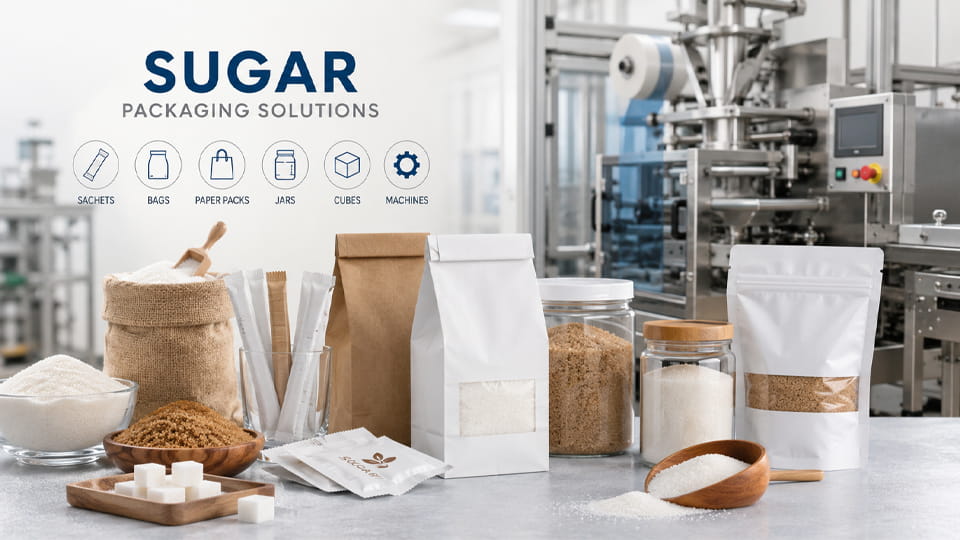
Packaging sugar involves more than just filling a bag. It means protecting the product from moisture and contamination, controlling portions, and ensuring easy handling and appeal on the shelf. Sugar packaging can take many forms – sachets, حزم العصا, الحقائب, صناديق, الجرار, or bulk bags – depending on the product form (محبب, بني, مسحوق, cubed, إلخ.) and the end use (retail, foodservice, صناعي). في هذا الدليل, we’ll walk through the key sugar packaging types and materials, explain how to select the right format for your needs, and describe the machines commonly used. Whether you’re a procurement engineer, operations manager, or packaging designer, these insights will help you plan a sugar packaging solution that balances cost, أداء, ونداء العملاء.

Packaging must address sugar’s special challenges. A good sugar package needs an excellent moisture barrier and physical strength, so it won’t tear or let moisture in during shipping and storage. It should also prevent product leakage and contamination (على سبيل المثال, ants are famously attracted to sugar). في نفس الوقت, the pack style should fit the portion size and market: from single-serve coffee sugar packets to 50 kg bulk sacks for food factories. باختصار, “sugar packaging” covers any container or bag used to hold table sugar, baking sugar, brown sugar, jaggery (unrefined cane sugar), palm sugar, or similar sweeteners.

Sugar Packaging-Types, مواد, and Machines


What Is Sugar Packaging?

Sugar packaging refers to how sugar is wrapped or bagged for sale and use – from small single-use packets to large bulk bags. It covers all packaging formats for products like granulated white sugar, brown sugar, مسحوق (icing) سكر, caster sugar, cube sugar, and even specialty sweeteners like jaggery powder. The goals are common: keep the sugar dry and free-flowing, control portion sizes, and protect it during transport. على سبيل المثال, portion sugar sachets used in cafés or airlines are designed for hygiene and convenience (one packet per cup), whereas retail sugar bags (0.5–5 kg) must support high-speed filling and attract consumers on the supermarket shelf.

In foodservice and industrial settings, sugar often comes in larger packs (5–50 kg sacks), where the focus is on stacking efficiency and preventing spoilage. في جميع الحالات, packaging must shield sugar from moisture (to prevent clumping), from pests, and from damage. كما يلاحظ أحد مصادر الصناعة, a good sugar package has excellent barrier properties and physical protection so it won’t be damaged during transport or let product leak out.

Here’s a quick rundown of why sugar packaging is important:

  • Portion control & راحة: Single-serve sachets or stick packs (3–10 g each) make it easy for cafes, شركات الطيران, and hotels to provide one portion of sugar with a drink.
  • Barrier to moisture: Sugar is hygroscopic (absorbs water), so even a bit of humidity can cause clumps or dissolution. Packaging must be sealed to keep moisture out.
  • العلامات التجارية والمعلومات: Many sugar products now carry nutritional info or logos. Sachets and pouches provide surface area for printing.
  • Transport safety: Bulk or retail sugar needs tough packaging (على سبيل المثال. multi-wall paper or laminated film) to avoid tearing during handling.

In the next sections, we’ll break down the different product forms of sugar, and map them to suitable packaging styles, مواد, and machines.

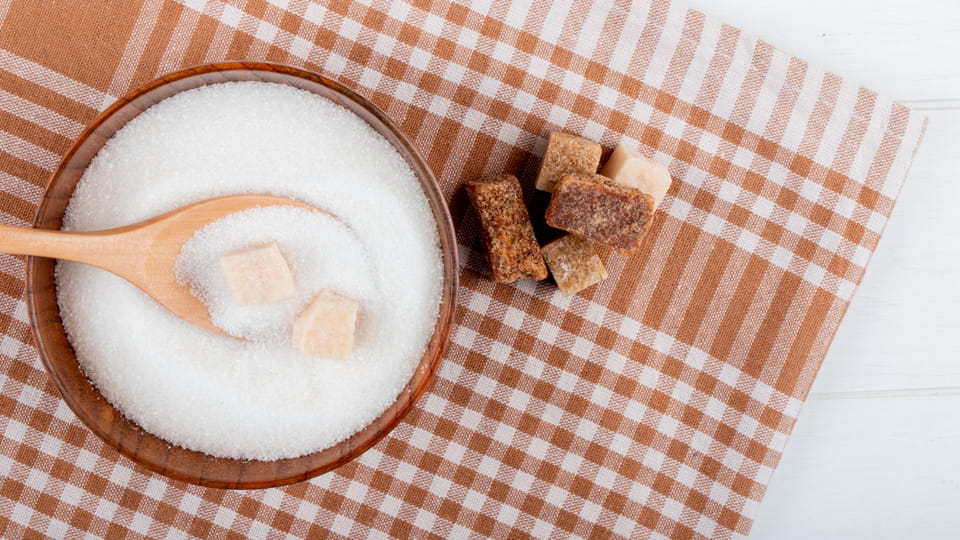
white sugar and brown sugar cube


Common Sugar Product Forms and Their Packaging Needs

Sugar comes in several physical forms, each with its own packaging considerations:

  • Granulated (refined) سكر: The most common form (white sugar crystals). Packaging ranges from small packets up to 50 kg bags. Granulated sugar flows easily but requires accurate filling to meet weight specs. Packaging must protect against moisture and pests. Retail packs (500 g–5 kg) often use plastic/laminate bags or paper sacks. Single-serve portions (3–5 g) يستخدم sachets or stick packs.
  • Brown sugar: Sugar that retains molasses, sold as dark or light brown. It tends to clump and oxidize, so moisture barrier is very important. Brown sugar is often sold in resealable bags or boxes (to stay soft) and sometimes in jars. For vending and cafeterias, brown sugar can be packed in single-serve sachets too. Packaging for brown sugar needs extra moisture resistance.
  • Powdered sugar (icing sugar): Fine dust sugar (used in baking). Because it’s very powdery, it needs gentle handling in filling (حشو اوجير) and tight seals to prevent dust leakage. Powdered sugar is usually sold in small bags or in jars. Anti-static or dust-control measures in machinery help fill it without clogging. Moisture protection is again key to prevent caking.
  • Caster (superfine) سكر: A finer granulated sugar (common in baking). Packaging is similar to granulated sugar, often in smaller retail packs for baking. It flows easily like granulated sugar but is finer, so the same film barriers are used.
  • Sugar cubes: Compressed sugar molded into cube shapes. These are fragile and must be wrapped to prevent breakage. Cubes often come in paper or foil wrappers individually (like hotel cubes) or in small cardboard boxes for retail. The box or wrapper material must cushion the cubes and seal out moisture, since cubes dissolve easily.
  • Specialty sugars (jaggery, coconut sugar, إلخ.): Products like jaggery (raw cane sugar block or powder), coconut sugar, or flavored blends. Their irregular shape or humidity sensitivity means they often use packaging similar to brown sugar: multi-layer films or paper with high barrier. Jaggery blocks may come in sealed plastic or coated kraft paper. Whether powder or chunk, هؤلاء natural sweeteners are handled much like raw sugar, requiring strong sealing to keep them dry.

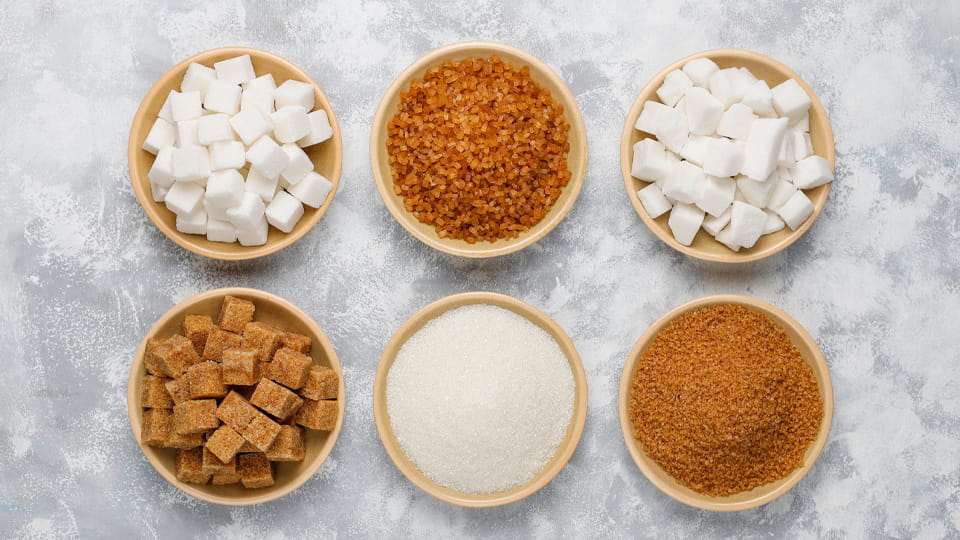
Various types of sugar Forms, brown and white

في ملخص, different sugar types demand different packaging features: powdered and brown sugars especially need high barrier materials, granulated sugar needs precise weight control, and cubes must be gently handled and crushed-proofed.


Common Types of Sugar Packaging

How can you actually package sugar? Here are the main formats you’ll encounter:

Single-Serve Flexible Packaging (أكياس & حزم العصا)

“Sugar packets” and “coffee sticks” fall here. These are small, individual-dose packages (usually 3–10 g). They’re very popular in foodservice, restaurants, cafes, and airlines. There are two variations:

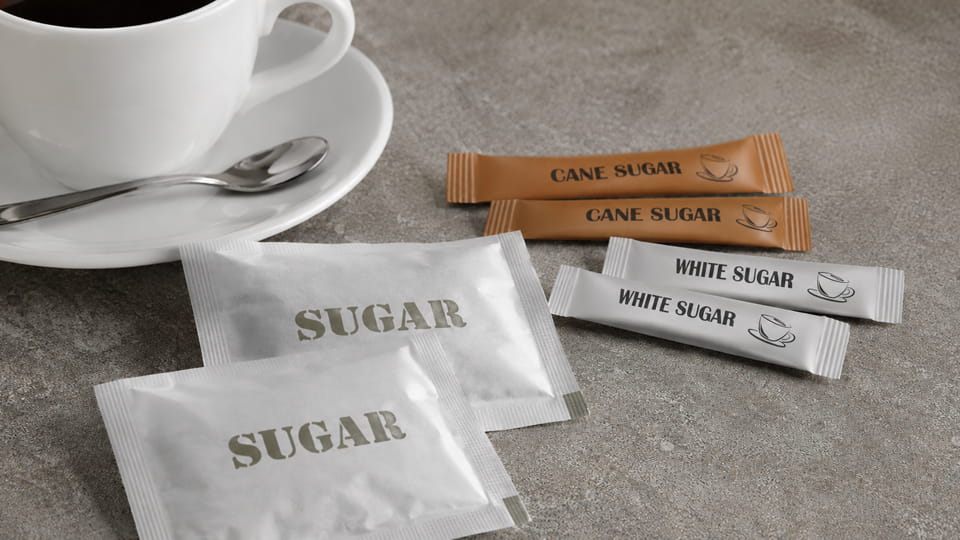
  • أكياس (الحقائب المسطحة): These are small rectangular pouches (sealed on 3–4 sides). Think the classic sugar packet next to a coffee cup. Sachets give plenty of surface area for printing logos or instructions. They’re typically made from plastic or paper laminates. Sachets are flat and stackable, which can simplify packing into boxes or dispensers. They work for white sugar, brown sugar, المحليات الاصطناعية, إلخ. Sachets are usually filled on a VFFS (ختم ملء النموذج العمودي) line that seals two sides and both ends to make a sealed packet.
  • حزم العصا (tube pouches): These look like long, narrow tubes sealed on one long side and both ends. A common example is the stick you tear open for your instant coffee or creamer. Stick packs have a higher length-to-width ratio and often use less film material. They pour out more precisely (great for fine sugar or powder) and are very portable. Sugar stick packs are often used for beverage bars and quick-serve snacks. Manufacturers run multi-lane stick-pack machines to fill many sticks at once.

Single-serve sugar sachets and stick pouchesشكل: Single-serve sugar sachets and stick pouches

Both sachets and stick packs are ideal for portion control and hygiene. الاختلافات: Sachets use more material but offer more print area, while stick packs are slimmer and more material-efficient. Multi-lane stick-pack machines can output hundreds or even over a thousand narrow sugar packs per minute, making them very efficient for high volumes.

Retail Flexible Bags and Pouches

“Consumer sugar bags” go here. When selling sugar at supermarkets or online stores, you often see larger pouches:

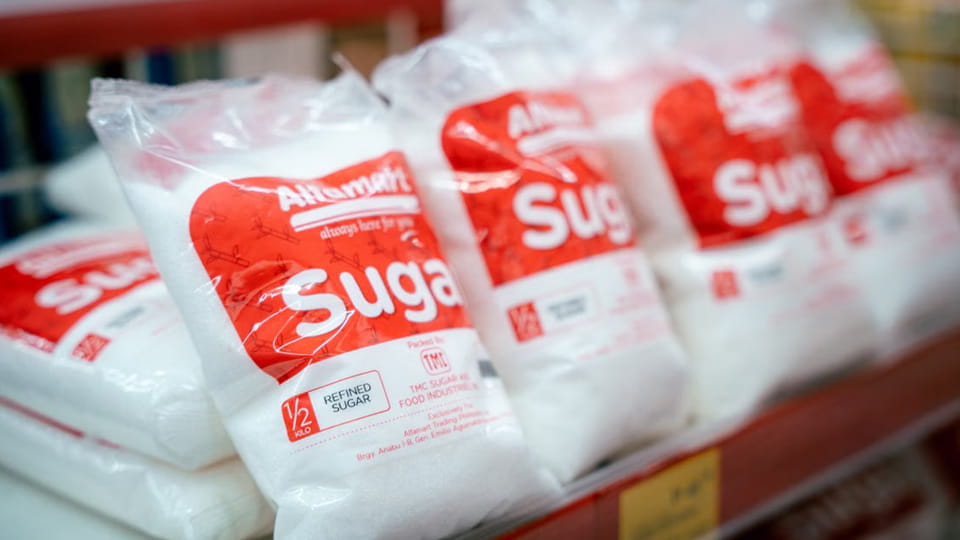
  • Pillow Bags: These are the common sealed bags (think plain white 1 kg sugar bag). They are formed like a pillow (sealed bottom, sealed back gusset), often from PE or PP film or laminated film. Pillow packs are simple and fast to produce on VFFS machines.
    sugar Pillow packs
  • Gusseted Side Bags: Flat-bottom or side-gusset bags (made from paper or film) can stand upright. These might hold 500 g–5 kg of sugar.
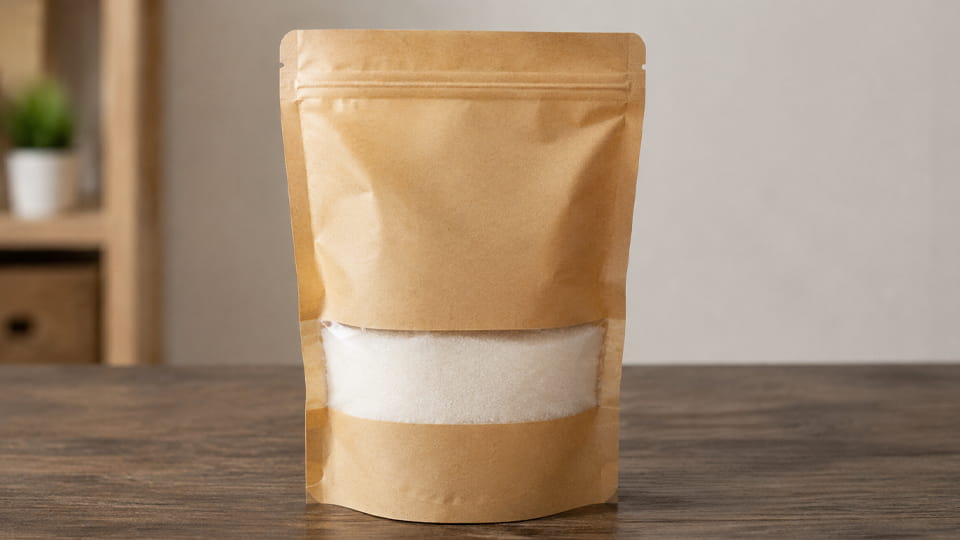
  • الحقائب الوقوف (دوق-باي): These are standing pouches (like many dried foods). For specialty or organic sugars, a stand-up pouch with a zipper can add shelf appeal. Features like a clear window, reseal zip, or hang hole are common for retail sugar pouches.
    sugar Stand-Up Pouch

الحقائب واقفة (especially with a resealable zip) provide convenience and good barrier properties. وفقا لأدلة الصناعة, دوق-باي offer high print quality and display options (windows, الألوان الزاهية) which can boost a sugar product’s visual appeal. Pillow and gusset bags focus more on efficiency – they’re easy to fill and seal in high speeds.

Paper-Based Packaging

Paper is still a common choice for sugar, especially bulk and cartons:

  • Paper Sacks: Traditional 5–50 kg sugar sacks are usually made of multi-ply paper (often with a plastic lining). These are tough and ventilated enough for granulated sugar. Paper sacks are widely used in food factories and warehouses.
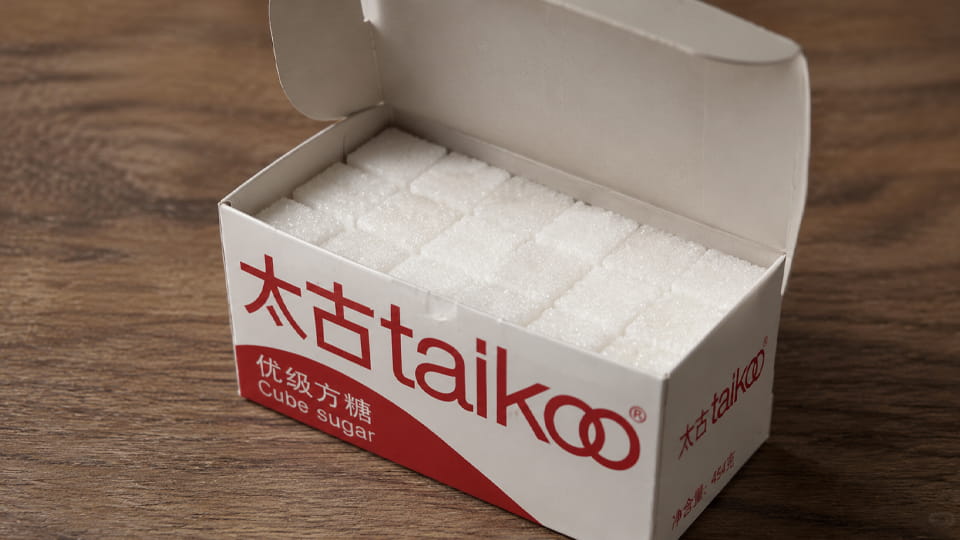
  • Cartons and Boxes: Sugar cubes or specialty sugars are often sold in cardboard boxes. على سبيل المثال, a box of 48 sugar cubes or a carton containing many smaller packets. Boxes provide rigidity and protection. For fragile cubes, a sturdy box keeps them in shape. Boxes can also be primary retail packs for premium sugars.
    sugar cubes in a carton
  • Individual Paper Packets: Some coffeeshop sugar portions are actually small paper packets (versus plastic-coated sachets). These are often waxed or laminated on the inside for moisture.

ورق (kraft or laminated) is biodegradable and low-cost. It’s frequently used when brands want an eco-friendly image. المقايضة: plain paper has lower moisture resistance than plastic, so high-end sugar (especially moist or clump-prone sugars) may use a laminated paper composite.

Rigid Containers: الجرار, العلب, and Plastic Buckets

For some sugar products, rigid containers are used:

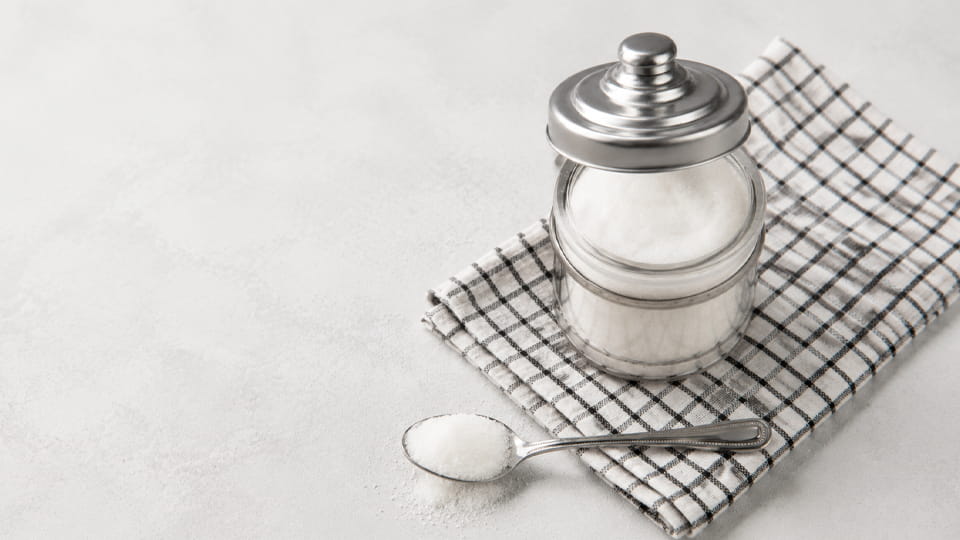
  • Glass/Plastic Jars: Powdered sugar, specialty blends, or sugar lumps are sometimes sold in clear jars. Jars show the product and have a resealable lid, which is great for consumers (they can measure out more sugar later). They also provide excellent protection and moisture seal once capped.
    sugar packed in jar
  • Plastic Tubs/Canisters: Similar to jars but usually PET or HDPE plastic. Often used in industrial or kitchen settings (على سبيل المثال. a canister of confectioner’s sugar or bulk sweetener blends).

Using a jar or canister is like adding value (clear product view, reusable container) at higher cost. Filling machines for jars typically include cup fillers and capping stations.

Bulk Sugar Packaging (صناعي)

For factories, coffee chains, or food producers, sugar is handled in large volumes:

  • Multi-kilogram to 50-kg Bags: Woven polypropylene or multi-wall paper bags for 25–50 kg. These are often filled by automatic weighing and bagging machines (linear weigher + bag filler).
  • Gaylord Boxes: في بعض الحالات, big cartons (paletted boxes) or lined bins are used.

Bulk packaging prioritizes throughput and strength. Materials are heavy-duty (polyethylene laminated paper, إلخ.), and heavy-duty form-fill lines or weighers are used.


Sugar Packaging Materials: What Works Best

Choosing the right material is as important as the pack style. Sugar especially demands moisture resistance to stay free-flowing. وتشمل المواد المشتركة:

  • Plastic Films (PE/PP): Polyethylene or polypropylene films are popular for sugar bags and pouches. They are moisture-resistant and compatible with high-speed machines. For single-serve sachets, شرائح متعددة الطبقات (على سبيل المثال. الحيوانات الأليفة/PE, BOPP/CPP) are used to combine strength and barrier. Often a metalized layer is added (PET/AL/PE) for top barrier performance.
  • Laminated Films: Many sugar pouches use laminated structures (plastic/foil/paper layers) لتحقيق التوازن بين التكلفة والحاجز. على سبيل المثال, a common laminate might be PET/AL/PE, which blocks moisture and light. Sachets/sticks usually need at least two or three layers.
  • ورق (Kraft or Paperboard): Paper is used for sacks and cartons. Plain kraft paper is cost-effective and recyclable, but typically a thin PE or film liner is included for moisture protection. Specialty papers (like greaseproof or coated paper) may be used for cube wrappers.
  • Glass or Rigid Plastic: For jars, glass and PET plastic provide excellent barrier. Glass is inert and 100% مقاوم للرطوبة, but heavier and breakable. PET jars are lighter and food-safe.

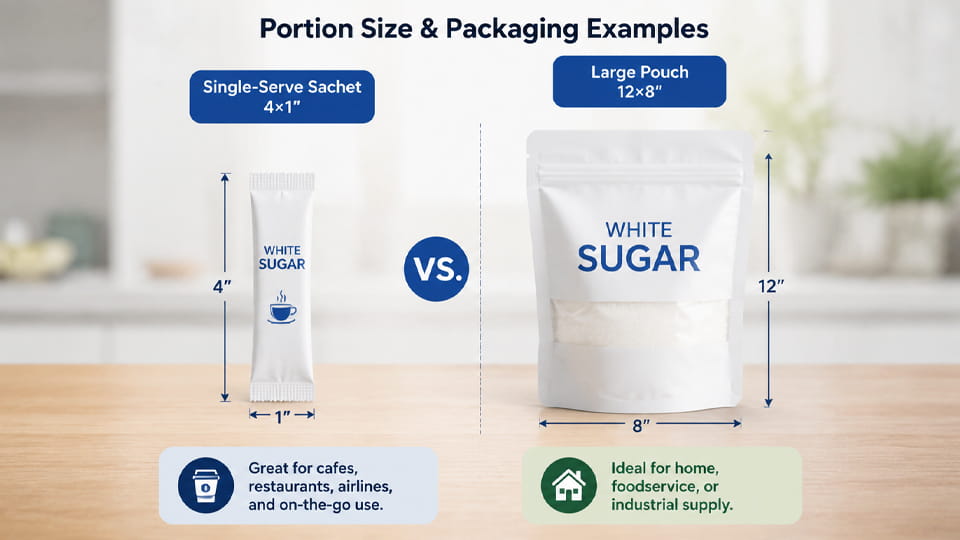
A single-serve sugar sachet vs. a larger doypack pouch
شكل: Portion size and packaging examples. A single-serve sugar sachet (4×1″, غادر) versus a larger 12×8″ pouch (يمين) illustrates how pack format scales with use-case. Single sachets are great for cafes and airlines, while larger pouches suit home or industrial supply.

ل sustainable options, manufacturers are exploring biodegradable films or paperboard with moisture coatings. على سبيل المثال, bags made from sugarcane fiber (bagasse) or PLA are under development, though they must still match the sealing and barrier needs of sugar. (Sugarcane bagasse even can be made into molded trays or boxes, but usually sugar on shelf still needs a moisture barrier layer).

النقطة الرئيسية: خصائص الحاجز (water vapor transmission rate, oxygen transmission rate) حرجة. A poor barrier can lead to caking or spoilage. That’s why most sugar wrappers include at least one plastic or foil layer.


How to Choose the Right Sugar Packaging Format

Selecting the optimal format involves considering product, حالة الاستخدام, and production factors. Here are the main criteria:

  1. نموذج المنتج (Sugar Type): What sugar are you packing? Powdered and brown sugar need strong moisture barriers. Granulated sugar is easier but still needs sealed packaging. Cubes are fragile, so they may need box packing. Match the pack style to the sugar’s physical properties (على سبيل المثال. cubes rarely go in flexible bags).
  2. Pack Size/Portion: How big is each pack? Single-serve (3–10 g) → sachet or stick pack. Retail packs (200 g–5 kg) → pillow pouch, شنطة, or pouch. حجم كبير (5+ كجم) → industrial bags. The dose determines if you need a small packet or a large bag. على سبيل المثال, a 4″×1″ stick sachet holds about 5 g of sugar, while a 12″×8″ pouch might hold 1 كجم.
  3. Sales Channel & Brand Image: Supermarket sugar can be plain or premium. If shelf branding matters (organic sugar, flavoured sugar), you might choose a printed zipper pouch or box for eye-catching graphics. In hospitality (hotels, cafés), single-serve sachets or sticks are expected. Industrial buyers (bakeries, food plants) often just want plain multi-wall paper sacks with bulk branding.
  4. حماية الرطوبة: هذا هو غير قابل للتفاوض for sugar. If your product will be in humid climates or stored a long time, use laminated films or multilayer bags. على سبيل المثال, a sugar manufacturer wouldn’t use a simple uncoated paper pouch without a liner, because humidity would spoil the sugar.
  5. Resealability / User Convenience: For multi-use retail packs (like a 1 kg pouch), adding a zipper or re-close feature helps consumers keep sugar fresh after opening. Stand-up pouches often include a zip lock. Rigid jars inherently reseal with their cap.
  6. سرعة الإنتاج & الأتمتة: High throughput needs automatic form-fill-seal or multi-lane lines. If you need thousands of sachets a minute, you’ll use a stick-pack VFFS machine. If output is modest (a few hundred 1 kg bags per hour), a single-lane VFFS or premade pouch filler might suffice. Also consider changeover flexibility: can one machine handle multiple pack sizes or materials?
  7. Budget and Sustainability: Balance cost of materials (paper vs film) والآلات. If sustainability is a goal, paper or mono-material films (like PE-only laminates) may be preferred, even if barriers are slightly lower. Some sugar brands target “100% paper” packaging, which may require thicker paper or coatings to work.

في الممارسة العملية, ال “right format” is often a compromise. على سبيل المثال, coffee service might use plastic stick packs (for hygiene and slim profile) even if a printed paper sachet could reduce film use, because the slim stick looks more modern and pours better.


What Machines Are Used for Sugar Packaging?

Once format is chosen, the next step is machinery. حديث خطوط التغليف automate forming, تعبئة, وختم. Common machines for sugar include:

  • Sachet/Stick Pack (Multi-Lane) آلات: These are vertical form-fill-seal (ففس) machines built for single-serve packs. They take film off a roll, form it into sachets or sticks, fill with sugar, وختم. Many lanes can run in parallel. For sugar sachets or stick packs, an 8-lane stick pack machine can run ~300–320 packs/min. A quality machine (على سبيل المثال. Jinlu JL-VP series) achieves dosing accuracy as fine as ±0.02 g and allows one-button length adjustment for different sachet sizes. These machines typically use auger fillers for powdered sugar and have precise seal temperature control.

    ماكينة تعبئة الاكياس
    ماكينة تعبئة الاكياس
  • VFFS Machine for Retail Bags: For bags of sugar (100 g–5 kg), a vertical form-fill-seal machine is used to make a “pillow” or gusseted bag. A roll of film is shaped around a tube and the bottom sealed; sugar is filled from above, then the top is sealed and cut. High-end VFFS machines can reach 30–100 bags per minute (depending on bag size). They often include multi-head weighers or volumetric fillers for accuracy. The resulting bag is strong and sealed on all seams.
  • Premade Pouch Filling Machine: If you use stand-up pouches or pre-made bags, أ premade pouch filler picks up each pouch, يفتحه, inflates it (إذا لزم الأمر), fills the sugar, ويختم عليه. This is useful for zippered doypacks or custom-shaped pouch packaging.
  • Weighing and Bagging Lines for Bulk: For large bags (5–50 kg), integrated lines combine hoppers, الميزان, and sewing machines. على سبيل المثال, a linear-weigh filling system pours exact doses (5 كجم, 10 كجم, إلخ.) into open-mouth bags, which are then sewn or heat-sealed. These systems must be robust (to handle heavy loads) and often include dust control and bag openers.

    Weighing and Premade Pouch filling machine
    Weighing and Premade Pouch filling machine
  • كيس باكر / صانع علب كرتونية (العبوة الثانوية): After filling sachets or small packs, many lines add a cartoner or case packer to put those sachets into boxes. على سبيل المثال, sugar sachets may be grouped and inserted into a carton by a آلة التغليف بالكرتون. Cartoners ensure neat, enclosed packs for shipping and retail shelf-ready presentation.
  • Jar Filling and Capping: If using glass/plastic jars, ان automatic filling line with a volumetric cup or حشو اوجير and an آلة السد التلقائي will be used. Jars are conveyed through a station where each is filled and then a lid is screwed or pressed on.

[jl_youtube src=”https://www.youtube.com/embed/WmcZoucwAz4″]


How to Select a Sugar Packaging Machine for Your Line

أخيراً, a few tips for machine selection:

  1. Define the Pack Format and Speed: What exactly do you need? Specify pack size, شكل (الكيس, كيس, شنطة), and target output (الحقائب في الدقيقة, إلخ.). على سبيل المثال, “sachets at 200/min” or “1 kg bags at 30/min”.
  2. Match the Dosing System: Use an auger (الحجمي) filler for granular or powder sugar for precise low-portion fills (especially in small sachets or powder lines). For larger weights, a multi-head weigher is better.
  3. Check Film/Material Compatibility: Ensure the machine can handle the film type (سماكة, طبقات) you choose. Some machines have special features (like PID heat control) to seal thicker laminates or aluminized films.
  4. Plan for Maintenance and Changeovers: Quick-mold changes or knife adjustments save downtime. Look for quick-connect forming tubes and easy-access sealing jaws (the Jinlu machines, على سبيل المثال, have mold change times of 14–18 minutes).
  5. Consider Future Expansion: If you plan to add more SKUs, ensure the machine can run different bag sizes or materials. Multi-lane machines give flexibility – you could start with 4 lanes and add more lanes later on some models.
  6. Work with a Food/Pharma Packaging Specialist: Sugar is a food-grade product. Use machines made of الفولاذ المقاوم للصدأ, مع التصميم الصحي (على سبيل المثال. لا الشقوق). Suppliers like Jinlu specialize in food/pharma lines, which meet معايير GMP and can integrate safety features.

As one Jinlu expert notes, our stick-sachet machines have ±0.02 g accuracy and programmable controls to meet strict dosage needs. Such features help ensure each sugar packet is exactly the right weight and sealed correctly.


الأفكار النهائية

في ملخص, sugar packaging involves balancing product needs (type of sugar, حجم الجزء) with marketing and production considerations. Single-serve sachets and sticks serve restaurants and coffee shops; flexible bags and pouches serve retail customers; jars and cartons add premium appeal; and bulk bags feed industrial lines. The right combination of شكل, مادة, and machine will keep your sugar free-flowing, safe from moisture, and on-brand.

If you’re planning a sugar packaging line, start by outlining your product forms and markets. Then choose a packaging format (الكيس, شنطة, إلخ.) and material that protects the sugar and matches your brand image. أخيراً, select machines that meet your speed and accuracy needs. Modern automated packaging systems – from multi-lane stick-pack machines to VFFS baggers – can handle anything from 5-gram sugar sticks up to 50-kg sacks efficiently.

Need help with equipment? Contact JinLu experts who design sugar packaging solutions. على سبيل المثال, a multi-lane sachet or stick-pack VFFS machine can quickly form, يملأ, and seal thousands of sugar packets per hour. Engineers can help size the line (filler plus bagger plus cartoner) and ensure the packaging materials and machines work well together.By carefully choosing packaging formats and equipment, you’ll sweeten your supply chain with a smooth, efficient sugar packaging line.


FAQs on Sugar Packaging

What is sugar packaging?

Sugar packaging refers to the packaging formats, مواد, and filling systems used to pack sugar products for retail, foodservice, and industrial use. It includes everything from single-serve sugar sachets and stick packs to retail sugar bags, paper packs, الجرار, and bulk bags. Good sugar packaging should protect the product from moisture, keep fill weights consistent, support transport and storage, and match the production speed of the packaging line.

What types of sugar products need different packaging?

Different sugar products often need different packaging formats because their flow properties, pack sizes, and market uses are not the same. Common examples include granulated sugar, brown sugar, powdered sugar, icing sugar, cubed sugar, jaggery, and jaggery powder.
على سبيل المثال, granulated sugar is commonly packed in sachets, حزم العصا, paper bags, or retail pouches, while powdered sugar may need better dust control and stronger moisture protection. Cubed sugar is often packed in cartons, صناديق, الجرار, or wrapped cube packs.

What is the best packaging for sugar?

There is no single best option for every product. The right sugar packaging depends on the sugar form, pack size, السوق المستهدف, احتياجات الحاجز, وسرعة الإنتاج.
• Sachets and stick packs are a strong choice for single-serve sugar portions.
• Paper bags and pouches are common for retail packs of sugar.
• Jars and canisters can work well for specialty sugar or powdered sugar.
• Bulk bags are usually used for industrial and food manufacturing applications.
في الممارسة العملية, the best format is the one that balances product protection, machine compatibility, packaging cost, and customer convenience.

What is the difference between sugar sachets and stick packs?

Both are single-serve flexible packaging formats, but they are not exactly the same. A sugar sachet is usually a flat packet sealed on three or four sides, while a stick pack is a narrow, tube-like pack sealed lengthwise and at both ends. Sachets are often chosen for traditional sugar packets used in hotels, restaurants, and cafés. Stick packs are popular when brands want a slimmer shape, cleaner pouring into a cup, and a more modern look. Both formats are widely used for sugar packed in small portions.

What materials are commonly used in sugar packaging?

Common sugar packaging materials include paper, البولي ايثيلين (PE), مادة البولي بروبيلين (ص), laminated plastic films, and paper-laminate structures. The exact choice depends on the packaging format and the product’s moisture sensitivity.
على سبيل المثال:
• paper bags or paper packs are common for retail sugar
• laminated films are widely used for sachets and stick packs
• plastic jars or rigid containers may be used for specialty sugar or powdered sugar
• multi-layer films are often preferred when stronger moisture protection is needed for small packs or high-speed automated filling

Why is moisture protection so important in sugar packaging?

Sugar absorbs moisture easily, and once that happens, it can start to clump, cake, or lose flowability. That creates problems not only for consumers, but also for the packaging line itself. Moisture-related issues can affect filling accuracy, seal quality, مدة الصلاحية, ومظهر المنتج. This is why sugar packaging usually needs a good balance of barrier performance, سلامة الختم, and suitable storage conditions, especially for powdered sugar, brown sugar, and jaggery powder packaging.

Is paper packaging suitable for sugar?

نعم, paper sugar packaging is widely used, especially for retail sugar packs and some foodservice formats. Paper works well when the goal is cost control, familiar shelf presentation, and easier printing or branding. لكن, paper alone is not always enough for every sugar product. If the product is highly sensitive to moisture, or if the line runs at high speed, manufacturers may prefer paper-laminate structures or film-based packaging that offer better sealing and barrier performance.

What packaging is commonly used for cubed sugar?

Cubed sugar is often packed differently from loose granulated sugar because the cubes need to stay intact and presentable. Common packaging formats include paper-wrapped cube packs, كرتون, folding boxes, rigid jars, and small retail containers. The best option depends on whether the product is meant for table service, التجزئة المتميزة, hospitality, or bulk foodservice use. Packaging for cubed sugar should protect the cubes from breakage while still allowing efficient packing and easy dispensing.

What is a sugar packing machine?

A sugar packing machine is a machine used to dose, يملأ, استمارة, and seal sugar into a chosen package format. Depending on the product and pack size, it may be used for sachets, حزم العصا, الحقائب, retail bags, or bulk bags. A typical sugar packaging machine may include a dosing system, film feeding section, bag-forming section, sealing system, and discharge conveyor. The right machine setup depends on the sugar type, the required output, the target pack size, and the packaging material being used.

How do I choose the right sugar packaging machine?

The best way to choose a sugar packaging machine is to start with five practical questions:
1.What type of sugar are you packing? Granulated sugar, powdered sugar, brown sugar, cubed sugar, jaggery, and jaggery powder do not behave exactly the same.
2.What pack format do you need? الكيس, حزمة العصا, كيس, كيس ورقي, jar, or bulk bag.
3.What pack size will you run? A machine for 5 g sugar sachets is very different from one for 1 kg retail bags.
4.What output do you need per minute or per hour?
5.What level of automation and accuracy do you require?
Once these points are clear, it becomes much easier to match the project to the right sugar packaging machine, sugar sachet packing machine, stick pack machine, or bag filling line.


مراجع:
1.Sugar confectioneryPharma Specialists
2.Caking of sucrose crystals: Effect of water content and crystal sizeبوابة البحث
3.Effects of capillary condensation on the caking of bulk sucrose - ساينس دايركت
4.Moisture and shelf life in sugar confections - المكتبة الوطنية للطب

شارك هذه المقالة:
صورة ل بيتي فو
بيتي فو

بيتي فو, مؤسس شركة Jinlupacking, يجلب 20 سنوات من الخبرة في قطاع الآلات الصيدلانية. تحت قيادته, لقد نمت Jinlu لتصبح موردًا موثوقًا به يدمج التصميم, إنتاج, والمبيعات. بيتي متحمس لمشاركة معرفته العميقة بالصناعة لمساعدة العملاء على التغلب على تعقيدات التعبئة والتغليف الدوائية, ضمان حصولهم ليس فقط على المعدات, ولكن شراكة خدمة متكاملة حقيقية مصممة خصيصًا لأهداف الإنتاج الخاصة بهم.

جدول المحتويات

أرسل استفسارك

ترك الرد

لن يتم نشر عنوان بريدك الإلكتروني. تم وضع علامة على الحقول المطلوبة *

احصل على عرض أسعار مجاني

*نحن نحترم سريتك وجميع البيانات محمية. سيتم استخدام بياناتك الشخصية ومعالجتها فقط لحل JL.