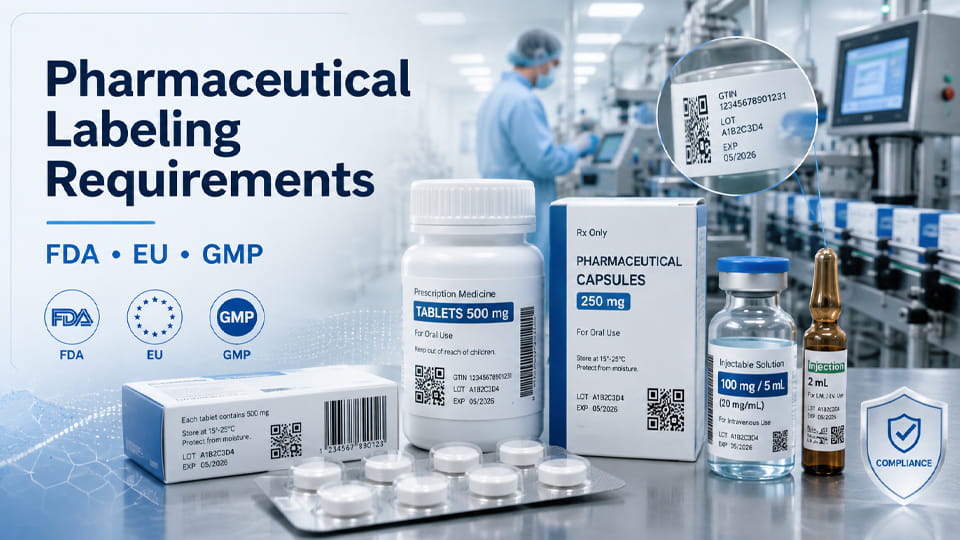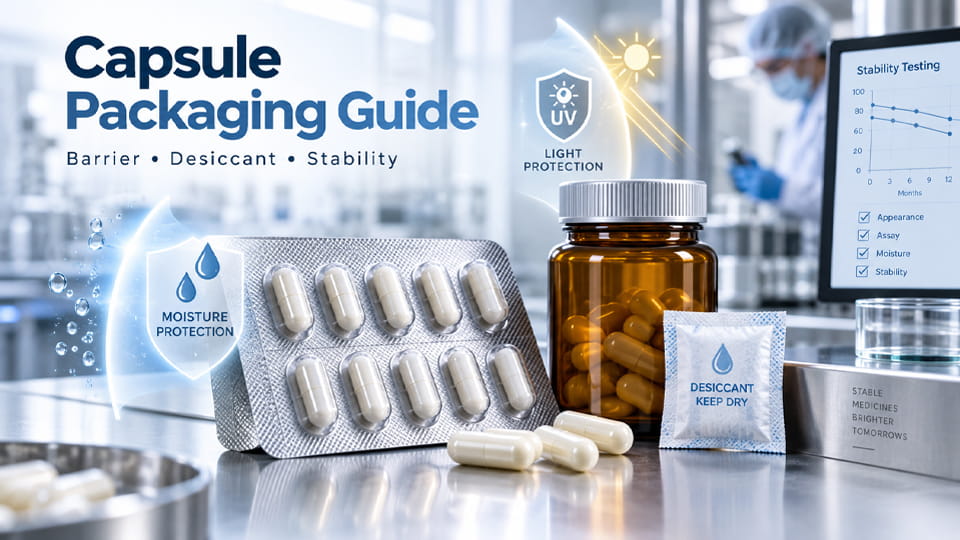

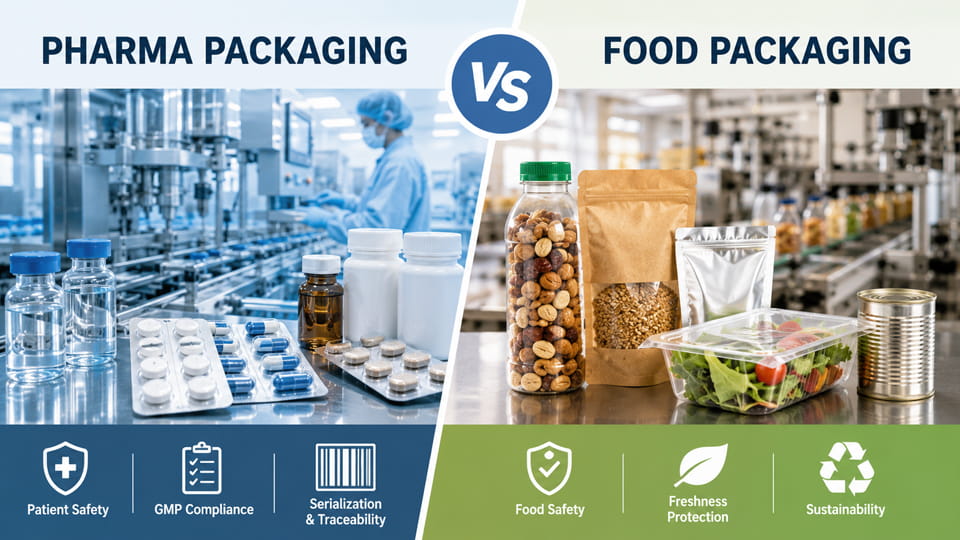
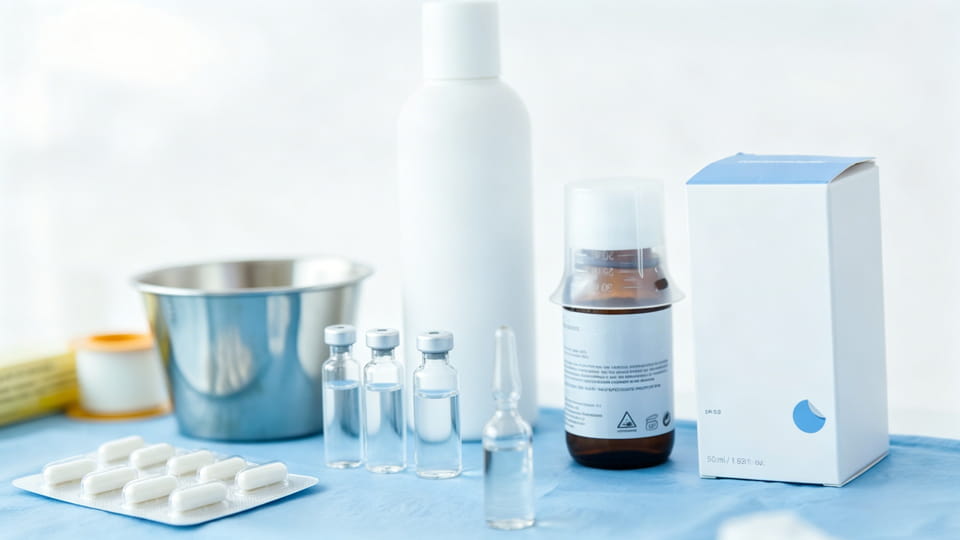
يعد التغليف المناسب أمرًا حيويًا لحماية المنتجات والمستهلكين. التعبئة والتغليف الصيدلانية (ويسمى أيضًا تغليف الأدوية) يشمل جميع الحاويات, مواد, والأجهزة التي تحتوي على الأدوية وتحميها. إنه يضمن بقاء الدواء آمنًا, مستقرة وغير ملوثة من التصنيع حتى التسليم. ممارسات التصنيع الجيدة الحالية لإدارة الغذاء والدواء (CGMP) تتطلب القواعد أن تستوفي عمليات ومعدات تعبئة الأدوية ضوابط الجودة الصارمة. على النقيض من ذلك, تغليف المواد الغذائية يحمي الطعام من التلف والتلوث, يوفر معلومات التغذية والمكونات, ويساعد في التوزيع والعلامات التجارية. يجب أن يتوافق تغليف المواد الغذائية مع لوائح سلامة الأغذية (على سبيل المثال. موافقات الاتصال الغذائي من إدارة الغذاء والدواء (FDA).) وتنفذ برامج سلامة الأغذية مثل نظام تحليل المخاطر ونقاط التحكم الحرجة (HACCP) لمنع المخاطر. باختصار, يهدف كلا النظامين إلى الحفاظ على سلامة المنتجات وتصنيفها بشكل صحيح, لكن عبوات الأدوية تخضع لقواعد أكثر صرامة للتعقيم والتتبع, بينما يؤكد تغليف المواد الغذائية على أداء الحاجز, راحة, ومعلومات المستهلك.
تتكون العبوات الدوائية من أساسي, ثانوي, والتعليم العالي طبقات التغليف. التعبئة الأولية هو على اتصال مباشر مع الدواء (على سبيل المثال. بثور, زجاجات, قوارير, أمبولات) ويوفر الحاجز الأول للرطوبة, ضوء, والأكسجين. على سبيل المثال, تحمي الزجاجات الزجاجية الصلبة من العنبر الأقراص الحساسة للضوء, بينما الألومنيوم والبلاستيك حزم نفطة أغلق كل جرعة محكمة الإغلاق للحفاظ على الفاعلية. التغليف الثانوي مجموعات الوحدات الأساسية (على سبيل المثال. وضع بثور أو زجاجات في كرتون مطبوع) ويضيف مساحة وضع العلامات, تعليمات, والأختام العبث. كما تقوم الكراتين أيضًا بتبطين المنتجات أثناء النقل. التعبئة والتغليف الثلاثي يشمل حاويات الشحن السائبة (صناديق, الصناديق, المنصات) تستخدم للمستودع والنقل. كل مستوى تعبئة له وظائف: الأشكال الأولية حاوية الجرعة, الثانوي يوفر المعلومات والحماية المعتدلة, والثالث يعالج الخدمات اللوجستية السائبة.
تشير شركة Jinlupacking إلى أن عبوات الأدوية يجب أن تحافظ على الأدوية مستقرة ومعقمة, في كثير من الأحيان في مقاومة للأطفال أو واضحة للعبث التنسيقات, أثناء نقل معلومات الجرعة والسلامة.
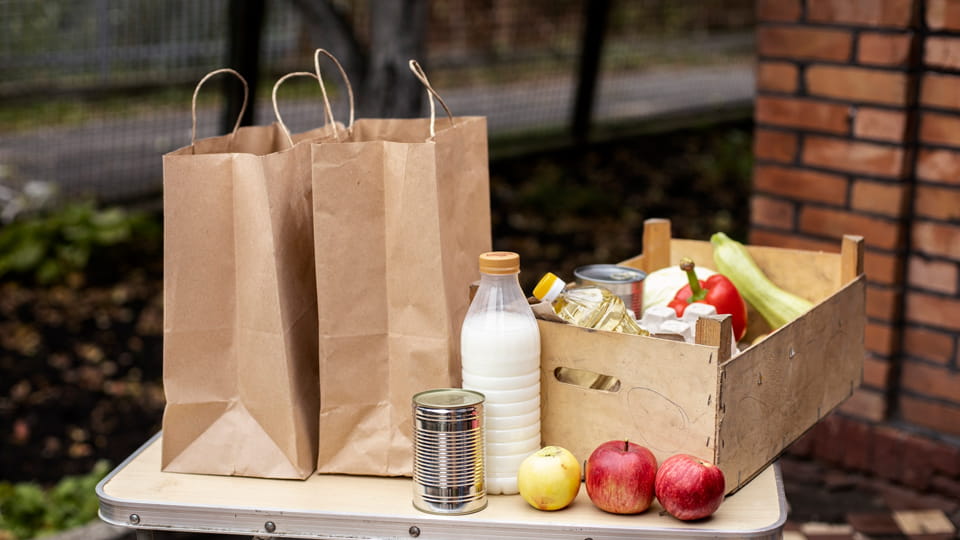
يخدم تغليف المواد الغذائية يحمي, يحفظ, وإبلاغ. المهام الرئيسية هي الحفاظ على الطعام طازجًا, منع التلوث أو التلف (بالرطوبة, الأكسجين, الميكروبات), ولتوفير العلامات التجارية والعلامات التجارية للتغذية/المكونات. تشمل تنسيقات تغليف المواد الغذائية الشائعة الزجاجات والجرار, أكياس مرنة, كرتون, علب, الصواني, والأفلام. على سبيل المثال, كاتشب يمكن أن يأتي في زجاجات ضغط PET قابلة لإعادة الإغلاق أو في أكياس رقائق معدنية تستخدم مرة واحدة. غالبًا ما تستخدم الأطعمة الخفيفة أكياسًا أو أكياسًا بلاستيكية/رقائق معدنية متعددة الطبقات تعمل على موازنة التكلفة مع حاجز الرطوبة/الأكسجين الكافي.
على الرغم من أن كلا الصناعتين تسعى إلى منع التلوث, غالبًا ما يكون تغليف المواد الغذائية هو الأولويات راحة المستهلك والتكلفة. على سبيل المثال, تستخدم أكياس الطعام أغشية بسيطة وتهدف إلى إعادة الإغلاق أو التصميم خفيف الوزن, بينما قد تستخدم المستحضرات الصيدلانية مواد شديدة التحمل لتحقيق أقصى قدر من الحاجز والمتانة.
بغض النظر عن نوع المنتج, يجب أن تكون التعبئة والتغليف فعالة:
على سبيل المثال, تلاحظ Jinlu مواد التعبئة والتغليف الصيدلانية (زجاج, بلاستيك, احباط) يتم اختيارها لخصائصها الوقائية, بموجب معايير صارمة لعدم السمية ومقاومة العبث. يهدف تغليف المواد الغذائية أيضًا إلى الحماية (على سبيل المثال. فيلم بلاستيكي لرقائق البطاطس) ولكن يوازن بين التكلفة وجاذبية التسويق.
| ميزة | التعبئة والتغليف الصيدلانية | تغليف المواد الغذائية |
| الأهداف الأساسية | حماية فعالية الدواء والعقم; منع التلوث أو الخلط. ضمان الجرعات الدقيقة (معايرة الأعداد/الجرعات). | الحفاظ على نضارة, منع التلف, توفير التقسيم; الحماية من التلوث بالميكروبات/الجراثيم. تأكد من معلومات التغذية / المواد المسببة للحساسية الصحيحة. |
| المعايير التنظيمية | الامتثال الصارم لـ GMP (ادارة الاغذية والعقاقير 21 CFR 210/211, الاتحاد الأوروبي GMP EudraLex Vol.4, ISO 15378). يتم التحقق من صحة عملية التعبئة والتغليف بأكملها وتوثيقها. | تحكمها لوائح سلامة الأغذية: موافقات الاتصال الغذائي من إدارة الغذاء والدواء (FDA)., تحليل المخاطر ونقاط المراقبة الحرجة (برامج المتطلبات الأساسية للظروف الصحية), ومعايير مثل BRCGS/ISO 22000. تمت الموافقة على الملصقات مسبقًا وفقًا لدليل وضع العلامات الغذائية الخاص بإدارة الغذاء والدواء. |
| إمكانية التتبع | عالي: أرقام الدفعة/الدفعة على كل حزمة, التسلسل (رموز شريطية فريدة من نوعها) لنسب المخدرات (على سبيل المثال. DSCSA في الولايات المتحدة الأمريكية). يتيح إمكانية التتبع/الاستدعاء الكامل. | معتدل: رموز الدفعة أو التاريخ للاستدعاء; غير مطلوب في كل وحدة في معظم المناطق (باستثناء الرموز المجمعة). تسلسل محدود (نادرا بموجب القانون). |
| العبث بديه | عادة نعم: الأختام الأمنية, رقائق نفطة مكسورة بشكل واضح إذا تم فتحها, قبعات خاصة (مقاوم للأطفال أو مضاد للمخدرات). | في كثير من الأحيان نعم لبعض الأطعمة (على سبيل المثال. علب, أغطية الزبادي), لكن العديد من العبوات الغذائية تحتوي على أختام أساسية. ميزات تشير إلى العبث (الأختام الحرارية) شائع على الجرار والأغطية. |
| غرفة نظيفة / صحة | شديد الأهمية: المعدات في كثير من الأحيان في البيئات الخاضعة للرقابة (غرف الأبحاث) لتجنب الجسيمات/الميكروبات. الفولاذ المقاوم للصدأ (SUS316L) الأسطح, ترشيح هيبا. | التصميم الصحي مطلوب, ولكن عادة ما تكون من الدرجة الغذائية العامة (لا الصدأ, سهل الغسل) بدلاً من غرف الأبحاث فئة 100 ألف. تصميم صحي لمنع التلوث المتبادل من مسببات الحساسية أو الميكروبات. |
| التحقق من الصحة/ضمان الجودة | تأهيل المعدات الإلزامية والتحقق من صحة العملية (الأشعة تحت الحمراء/WH/PQ) وفقًا لقواعد إدارة الغذاء والدواء/الاتحاد الأوروبي. تم التحقق من صحة عمليات التعبئة والتغليف من حيث العقم والاتساق. | التحقق من الصحة بمعنى HACCP: السيطرة على النقاط الحرجة. يتم تنظيف/فحص المعدات, ولكن التحقق الرسمي (معدل الذكاء / أوك) ليس معيارا. يركز ضمان الجودة على علم الأحياء الدقيقة والمواد المسببة للحساسية. |
| مواد | درجة فارما: على سبيل المثال. زجاج من النوع الأول, البلاستيك الطبي, غطاء رقائق الألومنيوم, سدادات مطاطية, بثور متخصصة. تم اختباره للتأكد من المواد القابلة للاستخراج/التسرب (لضمان عدم وجود هجرة ضارة). | الغذاء الصف: PE, حيوان أليف, ص, رقائق الألومنيوم, الورق المقوى. يجب أن تكون معتمدة من إدارة الغذاء والدواء الأمريكية (FDA) لملامسة الطعام. متطلبات نقاء أقل من الأدوية; التركيز التنظيمي على حدود الهجرة والمواد المسببة للحساسية. |
| وضع العلامات | تسميات مفصلة: اسم الدواء, قوة, جرعة, تحذيرات, دفعة/الكثير, انتهاء الصلاحية, تعليمات. تتطلب اللوائح وضع العلامات والمراجعة الدقيقة (على سبيل المثال. رموز NDC). طباعة صغيرة في كثير من الأحيان. | لوحة الحقائق الغذائية, مكونات (تنازليا بالوزن), الوزن الصافي, إعلانات الحساسية, العلامة التجارية / التسويق. يجب أن يجتمع FD&متطلبات قانون ج (لا توجد موافقة مسبقة من إدارة الأغذية والعقاقير (FDA) على الملصق ولكن إرشادات صارمة بشأن التنسيق). |
| أذكر المخاطر | مخاطر عالية جدًا: أي تلوث يمكن أن يسبب ضررا للمريض. عمليات الاسترجاع مكلفة وتخضع لرقابة مشددة ( تفرض إدارة الغذاء والدواء (FDA) إشعارات الاستدعاء التسلسلية). دفعات كاملة غالبا ما يتم سحبها. | خطر كبير (حوادث سلامة الغذاء), ولكن التأثير عادة ما يكون أضيق. يتذكر التركيز على الكثير محددة; نفايات التعبئة والتغليف أكثر تحملاً. |
| معايير المعدات | يجب أن تكون المعدات بتصميم cGMP: سهلة التنظيف/التعقيم, الأسطح غير القابل للصدأ, تقليل المناطق الميتة. عادة تحت CIP (تنظيف في المكان). على سبيل المثال. آلات نفطة مع فراغ, خطوط تعبئة معقمة. | التصميم الصحي: الفولاذ المقاوم للصدأ, لا توجد مصائد للبكتيريا. خيارات CIP أو الغسيل. على سبيل المثال. خطوط VFFS, صانعين, حشو يلبي المعايير الصحية لوزارة الزراعة الأمريكية/إدارة الغذاء والدواء الأمريكية. يركز التصميم على منع التلف. |
وهذه المقارنات تسلط الضوء على ذلك التعبئة والتغليف الصيدلانية هو أكثر تنظيما والسيطرة عليها. على سبيل المثال, تتطلب إرشادات cGMP الصادرة عن إدارة الغذاء والدواء (FDA) من خطوط تعبئة الأدوية استخدام عمليات ومواد تم التحقق من صحتها وثبت أنها آمنة. في المقابل, تغليف المواد الغذائية يتبع ضوابط واسعة النطاق للنظافة والسلامة (برامج المتطلبات الأساسية HACCP) بدلاً من التحقق من صحة الدفعة على النمط الصيدلاني.
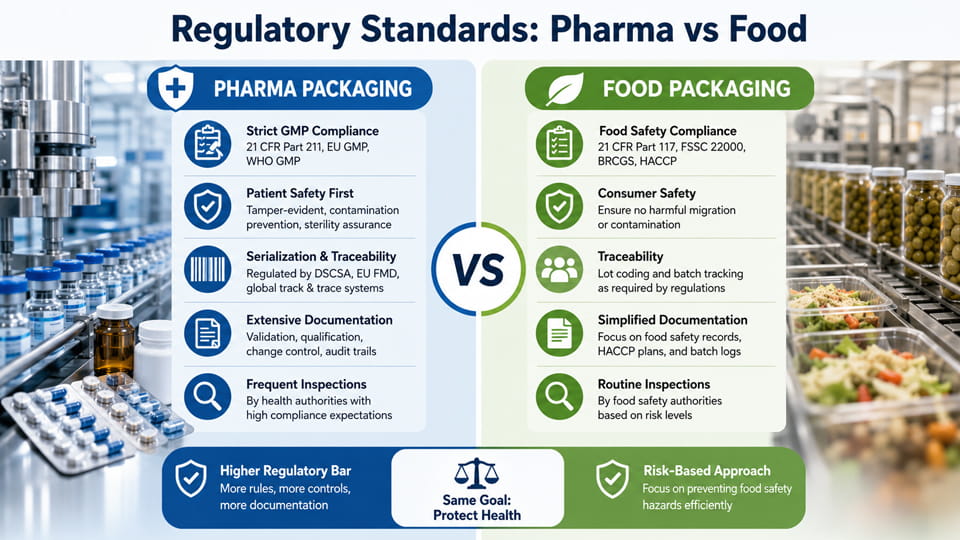
التعبئة والتغليف فارما يحكمها لوائح GMP الصيدلانية. في الولايات المتحدة, عنوان 21 مجموعة أجزاء CFR 210-211 ممارسات التصنيع الجيدة الحالية (CGMP) متطلبات "تعبئة" الدواء (التعبئة والتغليف). وهذا يعني الأساليب, الضوابط, مرافق, ويجب أن تضمن المعدات المستخدمة في تعبئة الأدوية سلامة المنتج وقوة الملصق. تستخدم أوروبا برنامج الرصد العالمي للاتحاد الأوروبي (يودراليكس المجلد. 4) مع قواعد مماثلة. بالإضافة إلى ذلك, ISO 15378:2017 هو معيار عالمي يطبق ISO 9001 مبادئ نظام إدارة الجودة لمواد التعبئة والتغليف الأولية للمنتجات الطبية. ISO 15378 يتناول صراحة مكافحة التلوث, الحد من المخاطر, والامتثال التنظيمي في تصنيع مواد التعبئة والتغليف.
بالمقارنة, يجب أن يتوافق تغليف المواد الغذائية مع لوائح سلامة الأغذية. تتطلب إدارة الغذاء والدواء الأمريكية (FDA) الحصول على موافقة مسبقة على جميع المواد الملامسة للأغذية (عبر إشعار الاتصال بالأغذية أو GRAS). تتبع معدات التعبئة والتغليف في مصانع الأغذية مبادئ الصرف الصحي ومنع التلوث وفقًا لنظام تحليل المخاطر ونقاط التحكم الحرجة (HACCP) وممارسات التصنيع الجيدة للأغذية لدى إدارة الأغذية والعقاقير (FDA).. تعالج خطة تحليل المخاطر ونقاط التحكم الحرجة (HACCP) المعدات ومواد التعبئة والتغليف بموجب برامج شرط مسبق - على سبيل المثال, يجب أن تتبع المرافق والمعدات إجراءات التصميم الصحي والتنظيف. معايير مثل مواد التعبئة والتغليف BRCGS أو ISO 22000 (إدارة سلامة الأغذية) تنطبق أيضا. على عكس المخدرات, لا تتطلب الملصقات الغذائية والتغليف موافقة مسبقة من السلطات, ولكن يجب أن تمتثل لقوانين وضع العلامات (مكونات, تَغذِيَة, إلخ.) عندما تكون في السوق.
في ملخص, التعبئة والتغليف الصيدلانية ملزمة توجيهي أنظمة (مبادئ توجيهية محددة, عمليات تدقيق الشهادة), بينما يخضع تغليف المواد الغذائية لـ وقائية أنظمة السلامة (تحليل المخاطر ونقاط المراقبة الحرجة, معايير GFSI) والموافقات على المواد الملامسة للأغذية. يدفع هذا الاختلاف العديد من خيارات المواد والمعدات (انظر الجدول أعلاه).
التغليف مواد تختلف: غالبًا ما تستخدم حاويات الأدوية مواد عالية النقاء, ركائز خاملة. تتضمن العبوة الأساسية للأدوية الشائعة النوع الأول الزجاج قوارير (للحقن), البلاستيك الصيدلاني (البولي إثيلين عالي الكثافة, ص, بيتغ), وشرائح متعددة الطبقات (بثور PVDC/Alu احباط). يتم اختيارها لتجنب أي مواد قابلة للتسرب يمكن أن تتفاعل مع الدواء. بالفعل, المواد المستخرجة والقابلة للترشيح (المواد الكيميائية المهاجرة من البلاستيك/الرقائق) هي مصدر قلق كبير في فارما. يجب على مصنعي الأدوية اختبار التغليف للتأكد من سلامة إغلاق الحاوية (CCI) وأن تظل أي مواد قابلة للترشيح أقل من العتبات السامة. توصي إرشادات إدارة الغذاء والدواء (FDA) بإجراء اختبار CCI صارم (على سبيل المثال. غمر الصبغة, اضمحلال الضغط) للعبوات المعقمة بالحقن لضمان حماية محكمة الغلق.
مواد تغليف المواد الغذائية (البولي ايثيلين, مادة البولي بروبيلين, حيوان أليف, الورق المقوى المطلي, الألومنيوم, إلخ.) يتم اختبارها أيضًا للهجرة (في كثير من الأحيان بموجب لوائح مثل المفوضية الأوروبية للاتحاد الأوروبي 1935/2004). لكن, عادة ما تكون عتبة اختبار السلامة أقل مما هي عليه في الأدوية. للطعام, تشرف إدارة الغذاء والدواء الأمريكية على "جرد المواد الملامسة للأغذية" - على سبيل المثال. يجب أن تكون جميع البوليمرات والأحبار معتمدة من إدارة الغذاء والدواء. لا يخضع تغليف المواد الغذائية عادةً لاختبارات CCI, لأن العقم غير مطلوب; بدلاً من, قد يخضع لاختبارات التحدي الميكروبي من أجل العمر الافتراضي أو اختبار الهجرة للمواد المضافة.
في الممارسة العملية: التعبئة والتغليف الدوائية يتطلب رقابة أكثر صرامة على المواد القابلة للاستخراج / الترشيح. ISO 15378 يتضمن صراحة تخفيف مخاطر التلوث بالنسبة للزجاج, بلاستيك, ممحاة, ومواد الألمنيوم المستخدمة في تعبئة الأدوية. تغليف المواد الغذائية يركز على خصائص الحاجز والامتثال للوائح الاتصال الغذائي, ولكنه يسمح بتنوع أكبر في المواد (وحتى المحتوى المعاد تدويره) لأن خطر الابتلاع أقل ويتم تنظيم السموم عند مستويات التعرض الآمنة. على سبيل المثال, زجاجات المياه (حيوان أليف) شائعة, في حين نادرا ما يتم تعبئة الأدوية في زجاجات من البلاستيك غير الصيدلاني.
الآلات نفسها تعكس هذه المتطلبات. معدات تعبئة الأدوية يجب أن تكون مصممة لGMP: الفولاذ المقاوم للصدأ (في كثير من الأحيان 316L), الأسطح الملساء, مهاوي محرك مختومة, الحد الأدنى من الشقوق, وسهولة التنظيف. غالبًا ما تكون قادرة على التنظيف المكاني (CIP) وتقوم بتثبيت مرشحات HEPA في المناطق المعقمة. تشمل آلات الأدوية الشائعة:
على النقيض من ذلك, ماكينات تغليف المواد الغذائية تم تحسينها من حيث الحجم والنظافة: فهي غالبًا ما تكون إنتاجية أكبر (الحقيبة في ثوان) وبنيت للصرف الصحي السريع (CIP أو القدرة على الغسيل). تشمل معدات تغليف المواد الغذائية النموذجية:
على سبيل المثال, تتميز آلات تعبئة الأكياس المعدة مسبقًا من Jinlu بأنها متعددة الاستخدامات للعلكة, مساحيق أو سوائل, وهي معتمدة لـ GMP, م, امتثال إدارة الغذاء والدواء. في المقابل, قد يستخدم خط الوجبات الخفيفة النموذجي VFFS متعدد المسارات مع مكونات من الدرجة الغذائية.
يوجد أدناه مخطط انسيابي بسيط لتوضيح كيف يمكن للشركة المصنعة اختيار آلات التعبئة والتغليف بناءً على نوع المنتج ومتطلباته:
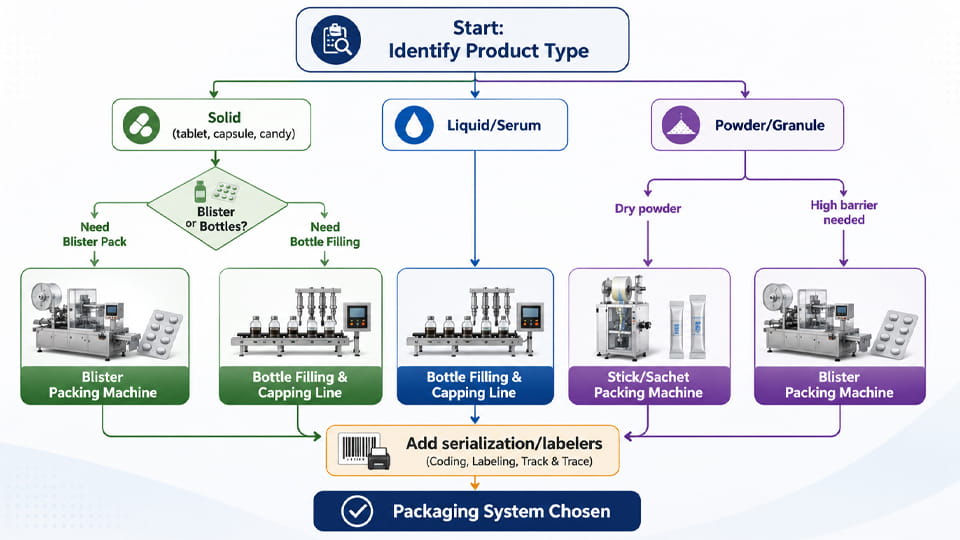
يسلط الضوء على هذا التدفق: اختر العبوة شكل (نفطة مقابل زجاجة مقابل الحقيبة, إلخ.) على أساس شكل المنتج واحتياجات الاستقرار, ثم اختر خط الماكينة المقابل. على سبيل المثال, قد تؤدي الأجهزة اللوحية الحساسة لدرجة الحرارة إلى زيادة استخدام بثور على شكل بارد بدلا من الزجاجات (لضمان حاجز الأكسجين/الرطوبة).
في تصميم, غالبًا ما تتضمن آلات الأدوية مزيدًا من الأتمتة للتنظيف والتتبع. على سبيل المثال, تعمل مواد الحشو للحقن تحت أغطية التدفق الصفحي, بينما قد يتم تشغيل ناقلات الطعام مفتوحة في غرفة التبريد. يجب أن يستوفي كلاهما معايير النظافة, ولكن صرامة والتحقق تختلف.
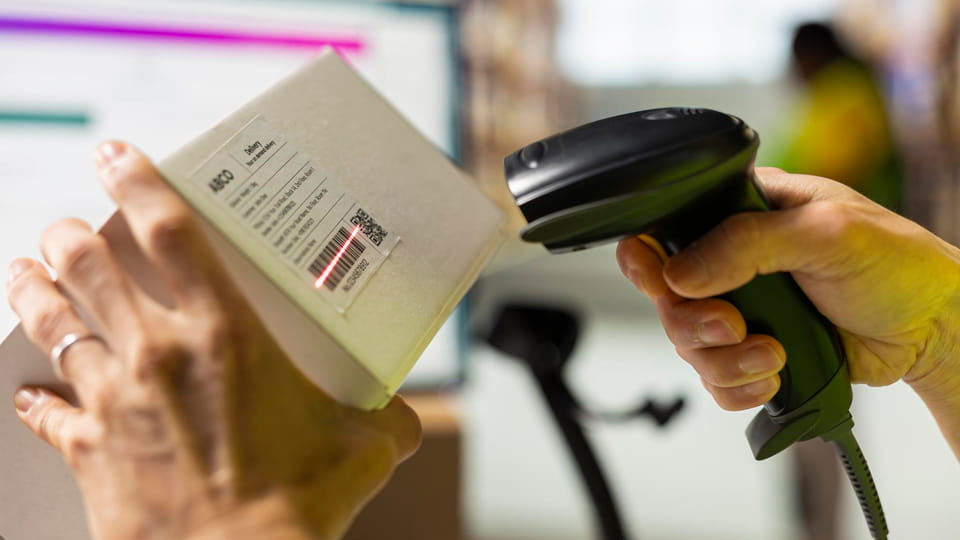
تتطلب عبوات الأدوية وضع العلامات والتتبع الدقيق للغاية. عادةً ما تعرض كل عبوة دواء اسم المنتج الدقيق, قوة, رقم الكثير, تاريخ انتهاء الصلاحية, وأحيانًا رموز تسلسلية فريدة للتتبع والتتبع (على سبيل المثال. تحت الولايات المتحدة. قانون DSCSA). فرضت إرشادات إدارة الغذاء والدواء الأمريكية (FDA) التسلسل للعديد من الأدوية, تتطلب رموز شريطية فريدة على عبوات الوحدات. وهذا يضمن إمكانية تتبع الدُفعة المسترجعة لكل عنصر. على النقيض من ذلك, يجب أن تتضمن ملصقات تغليف المواد الغذائية قوائم المكونات, لوحات التغذية, والوزن الصافي وفقًا لقواعد إدارة الغذاء والدواء, لكن تسلسل الوحدات الفردية غير مطلوب بشكل عام (ربما باستثناء بعض المكملات الغذائية أو الأسواق).
تعتبر أدلة التلاعب أقوى أيضًا بالنسبة للأدوية - فغالبًا ما تحتوي كل نفطة أو قارورة على ختم يتم تدميره عند الفتح. يشير جينلو إلى أن الرموز الشريطية المتسلسلة والأختام الواضحة على كل وحدة هي معايير قياسية في الأدوية لمكافحة التزييف. في الطعام, يتم استخدام العصابات والأختام الواضحة (على سبيل المثال. حلقات الأمان على زجاجات الصودا, الأختام التعريفي على القبعات), لكن الأطعمة التي يتم تقديمها لمرة واحدة قد تعتمد فقط على الأختام السليمة (مثل الأختام الحرارة الكيس) مع تسلسل أقل رسمية.
أصبحت أنظمة التتبع في قطاع الأدوية أكثر رقمية (سجلات الدفعات الإلكترونية, وثائق GMP). تركز إمكانية تتبع الأغذية على الكمية والأصل (فكر في "من المزرعة إلى الشوكة" من أجل السلامة) ولكنها غالبًا ما تكون أقل تفصيلاً على مستوى المستهلك. في ملخص, تستثمر شركة Pharma Packaging بكثافة في تكنولوجيا التسلسل على الإنترنت (طباعة الباركود والمسح الضوئي), بينما تؤكد خطوط الأغذية على سرعة وضع العلامات وضمان جميع المعلومات المطلوبة (على سبيل المثال. أيقونات مسببة للحساسية, حقائق التغذية) تتم طباعته بشكل صحيح.
تتجه كلتا الصناعتين نحو التغليف الأكثر مراعاة للبيئة, لكن الدوافع والحلول تختلف. في المستحضرات الصيدلانية, هناك دافع لتقليل النفايات واستخدام المواد القابلة لإعادة التدوير/القابلة للتحلل حيثما أمكن ذلك. على سبيل المثال, الشركات المصنعة تستكشف مادة أحادية أفلام نفطة وكرتون معاد تدويره للتغليف الثانوي. أحد الاتجاهات هو استبدال الورق المطبوع بالمعلومات الرقمية لتوفير الورق. لكن, يجب أن يظل أي تغيير متوافقًا مع متطلبات الاستقرار, لذلك تبدأ الابتكارات غالبًا في طبقات ثانوية أو ثالثة.
في الطعام, غالبًا ما تعني الاستدامة عبوات خفيفة الوزن, مواد قابلة للتحلل, والحد من استخدام البلاستيك لمرة واحدة. تقوم العديد من المناطق بتشريعات ضد بعض المواد غير القابلة لإعادة التدوير. بشكل ملحوظ, أكياس بهار (أكياس احباط / الأنسجة) يتم التخلص التدريجي منها في بعض الأسواق بواسطة 2030 لصالح البدائل القابلة لإعادة التعبئة أو إعادة التدوير. تسعى العلامات التجارية الكبرى للأغذية أيضًا إلى الحصول على أفلام أحادية المادة قابلة لإعادة التدوير. كلتا الصناعتين تقدران الحد من البصمة الكربونية, ولكن يتعين على شركات الأدوية أن تعمل على الموازنة بين الأهداف البيئية والحاجة الماسة إلى حماية المنتج.
(هم): "الاستدامة هي الاتجاه الرئيسي: تقوم الشركات بتصميم عبوات بمواد قابلة لإعادة التدوير أو قابلة للتحلل الحيوي وتقليل العبوات الزائدة. على سبيل المثال, غالبًا ما تستخدم أوراق الكرتون الآن المحتوى المعاد تدويره, ويتم اختيار الأفلام أحادية المادة لتسهيل إعادة التدوير.
(دليل الكاتشب): "العلامات التجارية المهتمة بالبيئة تسعى إلى أخف وزنا, خيارات قابلة لإعادة التدوير. في الحقيقة, حتى أن بعض المناطق تعمل على التخلص التدريجي من أكياس البهارات ذات الاستخدام الواحد 2030, دفع الشركات المصنعة نحو الحقيبة المستدامة أو الحلول القابلة لإعادة التعبئة."
وتعني هذه الاتجاهات أن المعدات قد تتكيف أيضًا: الآلات التي يمكنها التعامل مع البلاستيك المعاد تدويره, أو أصبحت الخطوط المصممة لتسهيل تغييرات المواد ذات قيمة.

عند اختيار المعدات اللازمة لتغليف الأدوية أو المواد الغذائية, النظر في العوامل التالية:
في الممارسة العملية, العمل مع الشركات المصنعة (يحب التعبئة جينلو) لتحليل هذه العوامل. على سبيل المثال, يمكن لفريق Jinlu الهندسي أن يوصي تعبئة الزجاجة المتكاملة & خط التغليف بالكرتون للحصول على ملحق جديد, أو أ حل التعبئة الحقيبة وحدات لشراب خاص.
شركة Jinlu Packing متخصصة في حلول التغليف الجاهزة للأدوية و المنتجات الغذائية/الغذائية. تم تصميم أجهزتنا لتلبية معايير GMP الصارمة (م, ادارة الاغذية والعقاقير, شهادات الأيزو) مع توفير المرونة. وتشمل المزايا الرئيسية:
مع 30+ سنوات في آلات التعبئة والتغليف الدوائية, تحظى Jinlu بثقة قادة الصناعة لتقديم المعدات التي بأمان و بكفاءة حزم الأدوية والأطعمة على حد سواء. اتصل بنا لمناقشة كيفية عمل أجهزتنا (يحب ماكينات تعبئة الفقاعات, آلات العد, ماكينات صناعة الكرتون, التعبئة الكيس, أو حشوات الأكياس الجاهزة) يمكن أن تلبي أهداف الإنتاج الخاصة بك.
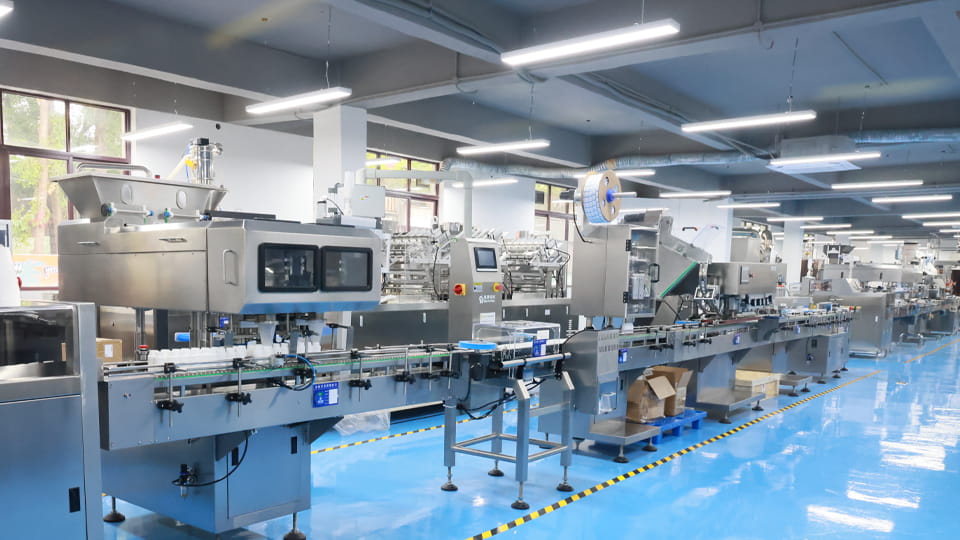
ختاماً, تغليف فارما مقابل تغليف المواد الغذائية لديهم أولويات مختلفة على الرغم من أن كلاهما يهدف إلى حماية المنتجات. تسترشد عبوات الأدوية بلوائح GMP الصارمة وتؤكد على العقم, إمكانية التتبع, وسلامة الحاجز. يؤكد تغليف المواد الغذائية على سلامة الأغذية (منع التلف/المخاطر) والتطبيق العملي (يكلف, راحة) بموجب نظام تحليل المخاطر وقواعد الاتصال بالأغذية. اختيارات مادية, تصميم الآلة, وتعكس العلامات هذه الأولويات: خطوط صيدلانية غالبًا ما يتم تشغيلها في بيئات خاضعة للرقابة مع التسلسل, بينما خطوط الغذاء تعمل بسرعة عالية مع التصميم الصحي.
من خلال فهم هذه الاختلافات, يمكن لمهندسي التغليف والمشترين اختيار الحلول المناسبة. على سبيل المثال, قد تختار الشركة المصنعة للأدوية خطًا نفطيًا عالي الحاجز مع تسلسل متكامل لتلبية قواعد إدارة الغذاء والدواء والاتحاد الأوروبي. قد يختار منتج الوجبات الخفيفة VFFS متعدد المسارات لتحقيق الكفاءة, التأكد من أن الأفلام معتمدة من إدارة الغذاء والدواء. كلاهما يمكن العثور على التكنولوجيا المناسبة: تقدم Jinlu Packing آلات مصممة لأي من العالمين, من البثور المتوافقة مع GMP إلى أنظمة الحقيبة المرنة. أخيرًا, إن تلبية احتياجات السلامة والجودة للمنتج النهائي - مع الالتزام بقواعد كل صناعة - هو الهدف الرئيسي لأي نظام تعبئة وتغليف..
يعطي التغليف الدوائي الأولوية للعقم الصارم والامتثال التنظيمي. وعادة ما تنطوي على حاجز أعلى, مواد طبية وميزات مقاومة للتلاعب لحماية الأدوية بموجب قواعد cGMP. تغليف المواد الغذائية يعطي الأولوية للنضارة والسلامة (منع التلف/المخاطر) بموجب نظام تحليل المخاطر وأنظمة الاتصال بالأغذية, في كثير من الأحيان باستخدام مواد أخف وزنا أو قابلة لإعادة التدوير.
قانون أمن سلسلة توريد الأدوية (DSCSA) وتتطلب القوانين المماثلة أرقامًا تسلسلية فريدة على عبوات الأدوية الفردية لتمكين التتبع عبر سلسلة التوريد. وهذا يساعد على منع الأدوية المزيفة ويسمح بعمليات سحب دقيقة. مثل هذه المتطلبات غير موجودة بالنسبة لمعظم الأطعمة, لذلك لا يتم إجراء التتبع المتسلسل بشكل عام على مستوى الوحدة في تغليف المواد الغذائية.
بعض الآلات (مثل عبوات الفقاعات أو حشوات الأكياس) يمكن استخدامها في كلا الصناعتين إذا تم تنظيفها والتحقق من صحتها بشكل صحيح. على سبيل المثال, تقوم آلات إنتاج الفقاعات من Jinlu بتعبئة الأقراص وأجزاء الطعام (مربيات, وجبات خفيفة) عن طريق تبديل المواد والإعدادات. لكن, يجب تعقيم المعدات تمامًا بين الاستخدامات وقد تحتاج إلى ترقيات (مثل مرشحات HEPA الإضافية أو وثائق GMP) لتلبية المعايير الصيدلانية.
في الولايات المتحدة, يجب أن تكون جميع مكونات تغليف المواد الغذائية مواد ملامسة للأغذية معتمدة من إدارة الأغذية والعقاقير (FDA). (FCS) قبل التسويق. وهذا يعني أي البلاستيك, طلاء, حبر, أو المادة اللاصقة التي تتلامس مع الطعام يجب أن تكون مدرجة في قائمة إدارة الغذاء والدواء (FDA) أو يتم إخطارها بذلك. يجب أن تتبع الملصقات والتغليف أيضًا قواعد وضع العلامات الغذائية الخاصة بإدارة الغذاء والدواء (قائمة المكونات, حقائق التغذية). يستخدم مصنعو المواد الغذائية نظام تحليل المخاطر ونقاط التحكم الحرجة (HACCP) وممارسات التصنيع الجيدة (GMPs) لضمان عمليات التعبئة والتغليف الآمنة.
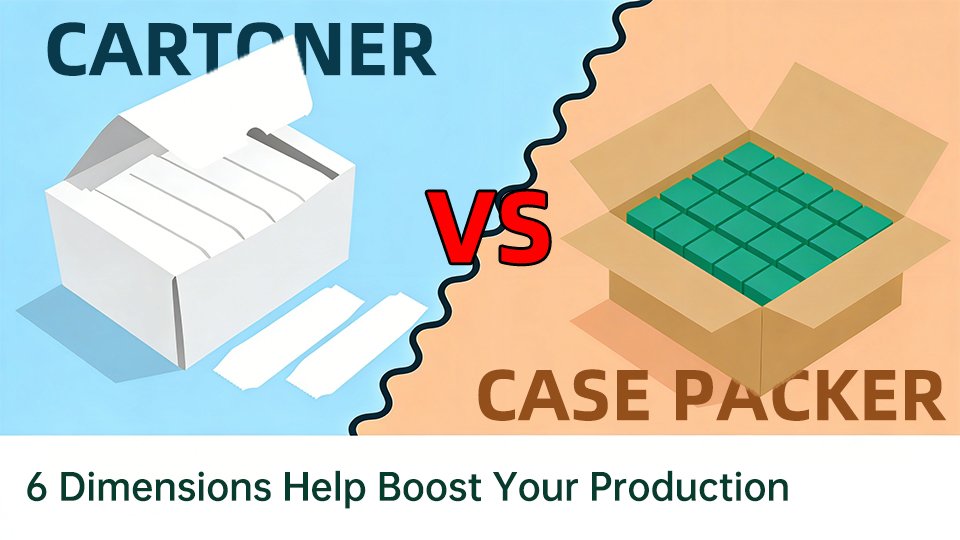
اختر بناءً على احتياجات المنتج والإنتاج. تستخدم عبوات الأكياس المعدة مسبقًا مطبوعة مسبقًا, أكياس قابلة للإغلاق وهي رائعة للمنتجات المتخصصة أو ذات العوائق العالية (على سبيل المثال. الفيتامينات, العصائر) مع التحولات السريعة. تقوم آلات VFFS بتصنيع الأكياس بسرعة من فيلم رول وتتفوق في السرعة العالية, تشغيل كميات كبيرة من المنتجات القياسية (وجبات خفيفة, مساحيق) وبتكلفة مادية أقل. تقييم شكل حقيبتك, احتياجات الإنتاجية, ومتطلبات المرونة لاتخاذ القرار.
مراجع:
1.ممارسات التصنيع الجيدة الحالية (CGMP) أنظمة | ادارة الاغذية والعقاقير -- نحن. إدارة الغذاء والدواء
2.21 جزء CFR 211 – الجزء الفرعي ز – مراقبة التعبئة والتغليف ووضع العلامات —— معهد المعلومات القانونية
3.التغليف & المواد الملامسة للأغذية (FCS) -- نحن. إدارة الغذاء والدواء
4.ممارسات التصنيع والتوزيع الجيدة —— المفوضية الأوروبية
5.ممارسات التصنيع الجيدة الحالية (CGMPs) للأغذية والمكملات الغذائية -- نحن. إدارة الغذاء والدواء