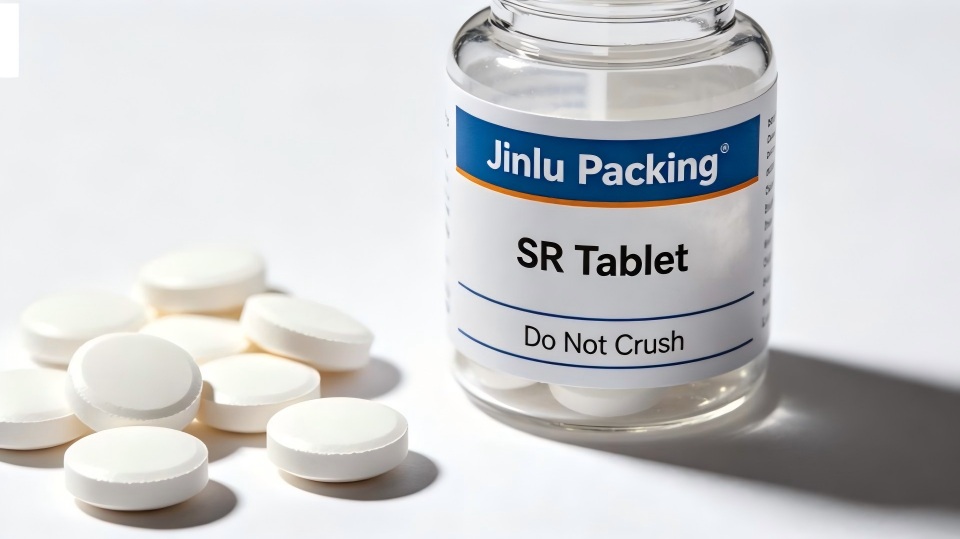
التشكيل البارد مقابل التشكيل الحراري: ما هي عبوات الفقاعات الطبية المناسبة للأدوية؟?
التشكيل البارد مقابل التشكيل الحراري: ما هي عبوات الفقاعات الطبية المناسبة للأدوية؟?
أغسطس 26, 2026
لا تعليقات
غالبًا ما يتم إغلاق المنتجات الصيدلانية في عبوات نفطة لحماية جرعة الوحدة وجاذبية الرف. في عبوة نفطة, طريقتان التشكيل الرئيسيتان هما التشكيل الحراري و تشكيل البرد. التشكيل الحراري يسخن شبكة بلاستيكية (مثل PVC أو PET) حتى تصبح مرنة ثم يتم تنظيفها بالمكنسة الكهربائية أو ضغطها في قوالب. تشكيل الباردة, على النقيض من ذلك, يستخدم ختمًا عالي الضغط على صفائح متعددة الطبقات من الألومنيوم في درجة حرارة الغرفة. تستخدم كل طريقة مواد مختلفة وتعطي نتائج مختلفة تمامًا: البثور المشكلة بالحرارة شفافة ومنخفضة التكلفة, في حين شكلت الباردة (على الإطلاق) البثور غير شفافة ولكنها توفر حماية أعلى بكثير. يشرح هذا الدليل كيفية عملهم, الاختلافات الرئيسية (حاجز, يكلف, سرعة, إلخ.), وكيفية اختيار الطريقة والماكينة المناسبة لمنتجك.
ما هو التشكيل الحراري?
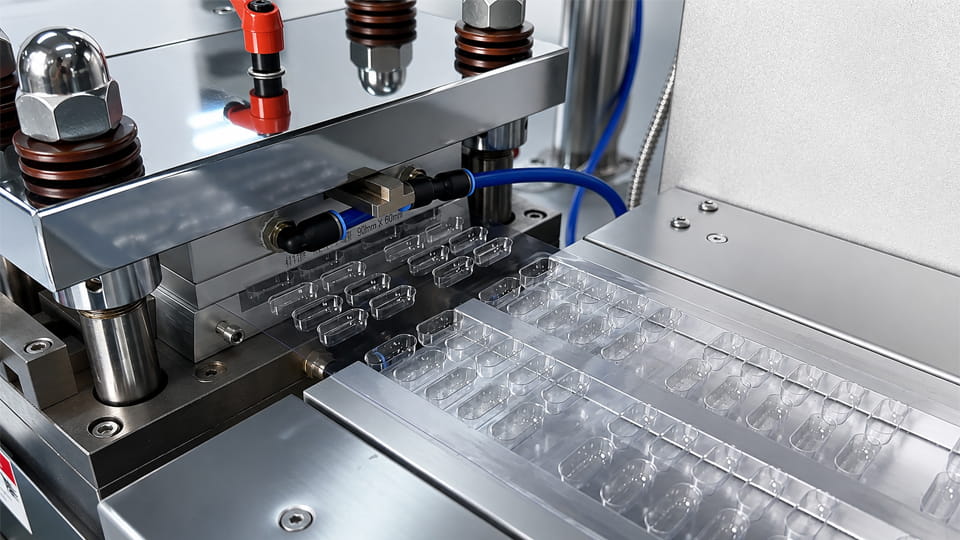
تشكيل حراري تقوم عبوات الفقاعة بتسخين قطعة من البلاستيك حتى تصبح طرية ثم تشكلها في تجاويف عن طريق الفراغ أو الضغط. وحدة يمكن التحكم بدرجة حرارتها (في كثير من الأحيان 150-180 درجة مئوية) يسخن PVC أو أي فيلم لدن بالحرارة, والتي يتم تشكيلها بعد ذلك فوق القالب. بمجرد أن يبرد الفيلم, تمتلئ التجاويف المشكلة بالمنتج وتغلق بغطاء من ورق أو ورق.
هذه العملية قابلة للتكيف للغاية: تشمل أفلام التشكيل الشائعة PVC, حيوان أليف, ص, أو البوليمرات المشتركة, في بعض الأحيان مع الطلاء الحاجز (بي في دي سي, COC, PCTFE, إلخ.). يوفر التشكيل الحراري مرونة عالية في التصميم – يمكن أن تكون أشكال الفقاعات عميقة أو معقدة (باستخدام المكونات المساعدة) دون تغيير المواد الأساسية. كما أنها فعالة من حيث التكلفة لعمليات التشغيل الكبيرة: أفلام اللدائن الحرارية غير مكلفة وتعمل الآلات بسرعات عالية. والميزة الرئيسية هي القدرة على تحمل التكاليف والإنتاجية - كما يشير أحد المصادر, "المزايا الرئيسية للـ PVC هي التكلفة المنخفضة وسهولة التشكيل الحراري".
مزايا التشكيل الحراري
انخفاض تكلفة المواد: أفلام بلاستيكية (حتى مع الطلاء الحاجز) أرخص بكثير من الرقائق المعدنية متعددة الطبقات. وهذا يجعل تكاليف الوحدة أقل بالنسبة للإنتاج الكبير.
سرعة أعلى: آلات التشكيل الحراري عادة ما تكون أسرع. على سبيل المثال, يمكن أن يمتد خط نفطة التشكيل الحراري الحديث بشكل جيد 150 عبوات/دقيقة, أعلى من سرعات الشكل البارد النموذجية.
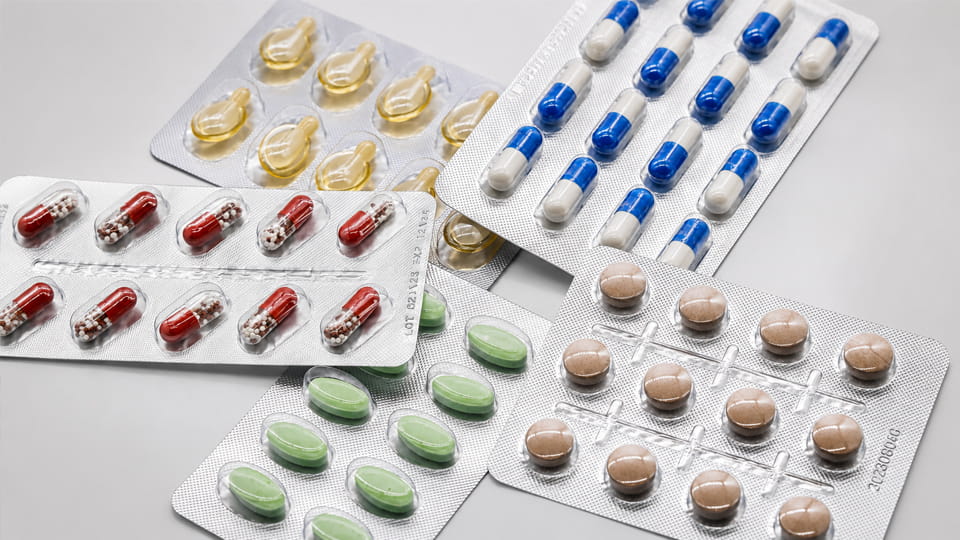
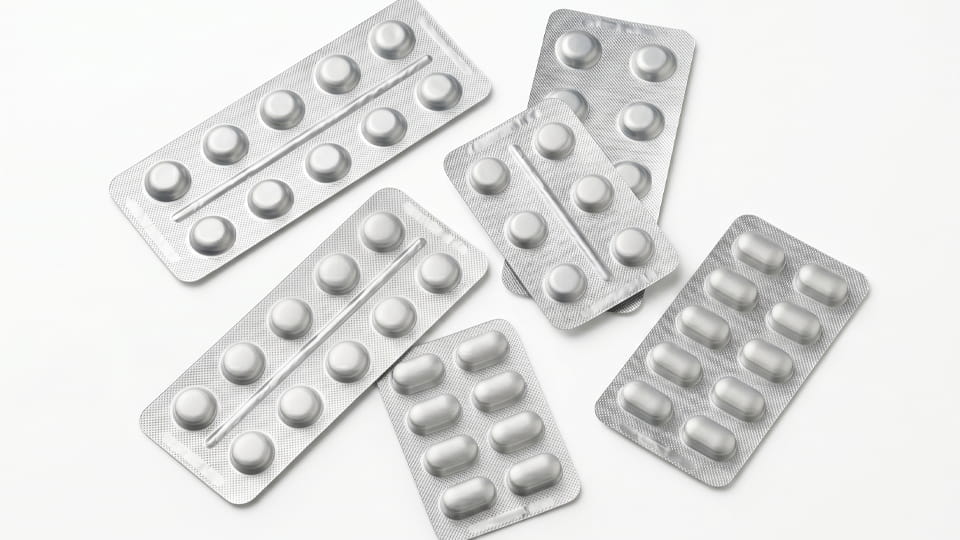
رؤية المنتج: تسمح عبوات PVC/PET الشفافة للمستخدمين برؤية الحبوب أو الأجهزة اللوحية بداخلها. هذه الشفافية جيدة لجاذبية المستهلك (على سبيل المثال. الفيتامينات بالتجزئة) وللفحص البصري.
مرونة التصميم: يمكن تحقيق أشكال تجويف معقدة أو سحبات عميقة باستخدام فيلم ساخن (غالبًا ما يتم مساعدته عن طريق الفراغ أو مساعدة المكونات). كما أنه يتكامل بسهولة مع عمليات التعبئة السريعة والختم عالية السرعة.
قيود التشكيل الحراري
حماية الحاجز: يقدم فيلم PVC العادي فقط أ معتدل حاجز الرطوبة والأكسجين. يتميز PVC غير المطلي بمعدل نقل بخار الماء العالي (على سبيل المثال. ~3 جم/م²·اليوم عند نسبة رطوبة نسبية 90%). لتحسين العمر الافتراضي, يجب أن تستخدم العبوات الحرارية أفلامًا متعددة الطبقات باهظة الثمن (على سبيل المثال. بولي كلوريد الفينيل/PVDC أو شرائح PVC/PCTFE) أو أفلام أكثر سمكا. وحتى ذلك الحين, عادة ما يظل الحاجز أقل مما تحققه رقائق الألومنيوم.
حساسية للضوء: تسمح الأفلام الشفافة بمرور الأشعة فوق البنفسجية والضوء المرئي. وهذا يعني أن العبوات الفقاعية ذات الشكل الحراري موجودة لا مثالية للأدوية الحساسة للضوء - فهي لا توفر أي حماية من الأشعة فوق البنفسجية إلا إذا قمت بإضافة إضافات تحجب الأشعة فوق البنفسجية.
مدة صلاحية محدودة: لواجهات برمجة التطبيقات شديدة الحساسية للرطوبة أو التفاعلية, عبوات مشكلة بالحرارة (حتى مع الطلاء) غالبًا ما تعطي استقرارًا أقصر. تلاحظ ويكيبيديا: "العيوب [من PVC] هي الحاجز الضعيف ضد دخول الرطوبة والأكسجين ".
تكاليف الأدوات الصارمة: في حين أن الآلات أرخص بشكل عام, قد يتطلب التشكيل الحراري بالسحب العميق قوالب دقيقة وقوالب مساعدة للقابس, إضافة إلى حساب الأدوات.
ما هو التشكيل البارد?
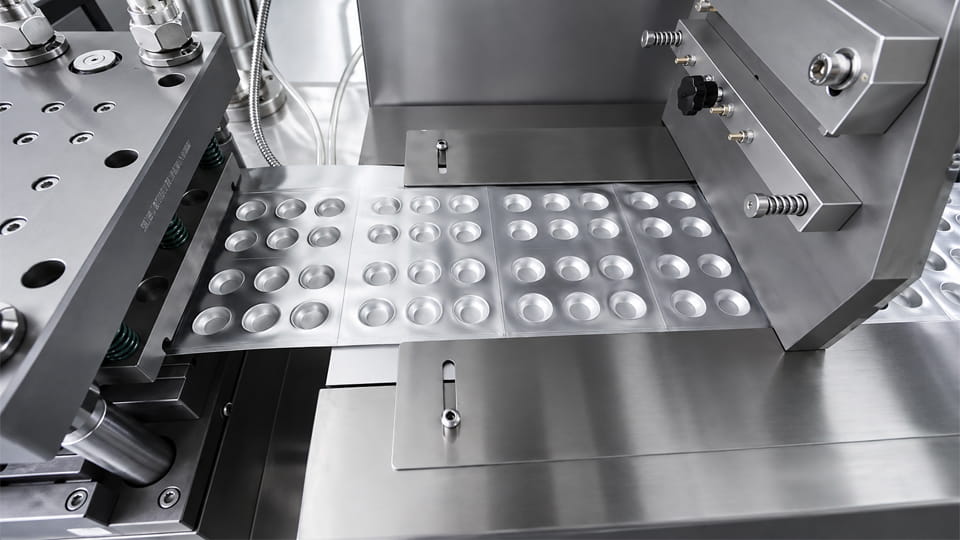
تشكيل الباردة (كثيرا ما يطلق عليه على الإطلاق عبوة نفطة) يستخدم فيلمًا متعدد الطبقات يعتمد على الألومنيوم كشبكة تشكيل. الصفائح الباردة النموذجية هي PVC / الألومنيوم / مادة البولي أميد, مع طبقة الألمنيوم من الخارج. في هذه العملية, الفيلم هو لا ساخنة. بدلاً من, تقوم لكمة قوية عالية الضغط بختم الرقاقة في تجاويف في درجة حرارة الغرفة. يتمدد الألومنيوم ولكنه يتشوه من الناحية البلاستيكية, ويحمل شكل التجويف بمجرد إزالة الختم. ثم يتم إغلاق كل تجويف مملوء (غالبًا بغطاء من الألومنيوم أو الورق المقوى بالرقائق).
نظرًا لأن التشكيل على البارد لا يؤدي إلى تسخين المادة, فهو يتجنب أي إجهاد حراري على الأدوية الحساسة. والنتيجة هي نفطة مبهمة تماما (لا يوجد عرض للمحتويات) ولكنه يوفر ممتاز حاجز. تمنع رقائق الألومنيوم كل الرطوبة تقريبًا, الأكسجين, والضوء من الوصول إلى الدواء, والتي يمكن أن تمتد إلى حد كبير مدة الصلاحية.
مزايا التشكيل على البارد
حاجز متفوق: طبقات الألومنيوم تجعل البثرة غير منفذة تقريبًا. كما تلاحظ ويكيبيديا: "الميزة الرئيسية لبثور الرقائق الباردة هي أن استخدام الألومنيوم يوفر حاجزًا شبه كامل للماء والأكسجين, السماح بتمديد تاريخ انتهاء صلاحية المنتج". هذا هو السبب وراء استخدام بثور Alu-Alu للاسترطاب, حساسة للأكسجين, أو الأدوية الحساسة للضوء.
حماية من الرطوبة والضوء: البثور الباردة تحافظ على الرطوبة, الأكسجين و ضوء خارج. على سبيل المثال, رقائق متعددة الطبقات تحجب الأشعة فوق البنفسجية/المرئية تمامًا وتشكل ختمًا محكمًا حول كل جرعة. وهذا يحافظ على فعالية الأدوية التي تتحلل بسرعة في الهواء الرطب أو الضوء الساطع.
المرونة المادية: شبكة التشكيل (بولي كلوريد الفينيل/ألو/السلطة الفلسطينية) لا يزال لديه جانب PVC, مما يحافظ على شكل الجيب ويوفر بعض المرونة, بينما يوفر الألومنيوم الحماية. هذا يجعل التجويف قويًا وضحلًا, وهو ما يكفي غالبًا لمعظم الأقراص والكبسولات.
قيود التشكيل البارد
ارتفاع تكلفة المواد: شرائح الألومنيوم أغلى بكثير من الأفلام البلاستيكية. احباط لديه طبقات متعددة (على سبيل المثال. 9-15 ميكرومتر آل بالإضافة إلى 80-100 ميكرومتر من الطبقات الأخرى) والتراكيب المتخصصة, لذا فإن تكلفة المواد الخام لكل علبة مرتفعة. ويشير المصدر على وجه التحديد "تميل تكلفة تصنيع العبوات البلاستيكية على البارد إلى أن تكون أعلى من تكلفة التشكيل الحراري".
سرعة أبطأ: بسبب عملية الختم والحاجة إلى التعامل مع الرقائق (وهي غير قابلة للتمدد مثل البلاستيك), تعمل الآلات ذات الشكل البارد بسرعات أقل. كما يشير أحد الملخصات, تعاني بثور الرقائق الباردة من "سرعة إنتاج أبطأ مقارنة بالتشكيل الحراري".
لا توجد رؤية: كلا جانبي البثرة مصنوعان من الألومنيوم (أو الجزء العلوي من الألومنيوم), لذلك لا يمكن للمستخدمين رؤية المنتج على الإطلاق. ويقتصر هذا الاستخدام على المنتجات التي لا تتطلب تأكيدًا مرئيًا على الرف. (وهذا يعني أيضًا أن حزم الامتثال يجب أن تحتوي على ملصقات طباعة جيدة, نظرًا لأنه لا يمكنك التحقق من المحتويات بصريًا.)
ارتداء الآلة: أدوات التشكيل على البارد والقوالب تتحمل أحمالًا ثقيلة, لذلك يجب أن تكون الآلات قوية جدًا. يجب أن يتم تصنيع المثقاب والقالب المضاد بدقة وغالبًا ما يحتاجان إلى فولاذ أكثر سمكًا, إضافة الصيانة.
حجم العبوة أكبر: لأن الألومنيوم لا يمكن أن يتمدد بقدر البلاستيك, عادةً ما تكون التجاويف المتكونة على البارد أقل عمقًا أو لها حدود محيطة أكبر. تشير ويكيبيديا إلى أن حزمة Alu-Alu تنتهي عادةً "حجم أكبر لبطاقة البثرة" وجدران جيب أقل انحدارًا.
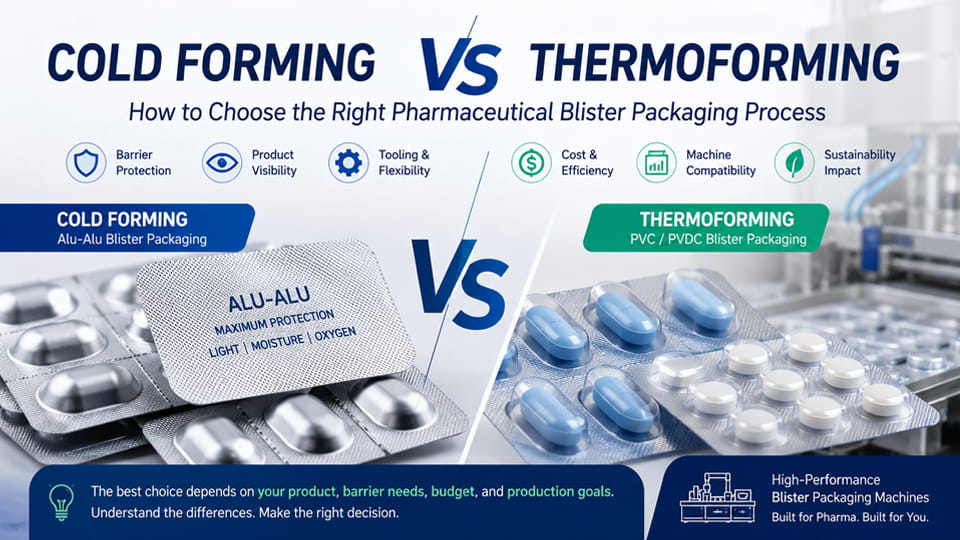
التشكيل البارد مقابل التشكيل الحراري: الاختلافات الرئيسية
يسلط الجدول أدناه الضوء على الاختلافات الرئيسية بين التغليف الحراري والتشكيل البارد:
عامل
تشكيل حراري
تشكيل بارد (على الإطلاق)
عملية التشكيل
تسخين الفيلم البلاستيكي حتى يصبح طريًا, ثم قم بالفراغ/الضغط في التجاويف.
أفلام بلاستيكية (PVC, حيوان أليف, ص, في كثير من الأحيان مع الطلاء الحاجز مثل PVDC).
متعدد الطبقات رقائق الألومنيوم صفح (على سبيل المثال. ألو/بك/با).
حاجز (الرطوبة / الهواء)
معتدل (PVC وحده قابل للاختراق; تعمل الأفلام المطلية بـ PVDC على تحسين الحاجز).
ممتاز - رقائق الألومنيوم غير منفذة للماء والأكسجين تقريبًا.
حماية الضوء
محدود - لا يوفر البلاستيك الشفاف حاجزًا للأشعة فوق البنفسجية/الضوء (ما لم يتم إضافة الصباغ).
كامل - رقائق معتمة تحجب كل الضوء.
الرؤية
شفاف – يستطيع العميل رؤية المنتج.
معتم – المنتج مخفي بالداخل.
سرعة الإنتاج
أعلى عموما (خطوط عالية الانتاج).
عموما أبطأ (الختم الميكانيكي يحد من السرعة).
مادة & تكلفة الآلة
أقل – الفيلم البلاستيكي أرخص, الآلات أبسط.
أعلى – شرائح الألومنيوم تكلف أكثر, والآلات تتطلب مكابس قوية.
حالات الاستخدام النموذجية
أدوية بدون وصفة طبية بكميات كبيرة, الفيتامينات, أقراص قياسية; عند الرؤية & مسألة التكلفة.
رُطُوبَة- أو الأدوية الحساسة للضوء (المضادات الحيوية, علم الأحياء), هناك حاجة إلى مدة صلاحية طويلة.
يعكس كل عامل أعلاه المفاضلات بين الطريقتين. يميل التشكيل الحراري إلى استخدام مواد أرخص ويعمل بشكل أسرع, بينما يستخدم التشكيل على البارد رقائق معدنية باهظة الثمن لتوفير حماية من الدرجة الأولى.
مقارنة مفصلة: 8 العوامل الرئيسية
لتلخيص, فيما يلي ثمانية عوامل رئيسية تميز بين التشكيل الحراري والتشكيل البارد:
طريقة التشكيل:
تشكيل حراري: ورقة من البلاستيك هي ساخنة, ثم يتم تشكيل الفراغ/الضغط فوق القالب.
تشكيل بارد: صفح معدني هو مختوم بالبرد مع ارتفاع الضغط; الألومنيوم يحمل الشكل.
مواد:
تشكيل حراري: يستخدم أفلام مثل PVC, حيوان أليف, ص (في كثير من الأحيان مع الطلاء الحاجز PVDC/COC/COP). على سبيل المثال, تستخدم العديد من خطوط البثرة PVC غير الملدن (RPVC) مثل شبكة التشكيل.
تشكيل بارد: يستخدم صفح على أساس الألومنيوم (عادة PVC / الألومنيوم / النايلون). تم تصميم هذه "الرقائق ذات الشكل البارد" خصيصًا لتشكيل حواجز عالية.
رُطُوبَة & حاجز الغاز:
تشكيل حراري: يحتوي فيلم PVC العاري على حاجز ضعيف (WVTR ~ 3 جم/م² · يوم, OTR ~ 20 مل / م² · يوم). أفلام PVC متعددة الطبقات (مغلفة بـ PVDC أو مقذوفة مع PCTFE/COC) يمكن تحسين هذا, لكن أبداً إلى مستوى رقائق معدنية. تلاحظ ويكيبيديا أن عيب PVC هو "حاجز ضعيف ضد الرطوبة والأكسجين".
تشكيل بارد:ممتاز. رقائق الألومنيوم تخلق حاجزًا غير منفذ تقريبًا. كما لوحظ, بثور على شكل بارد تعطي "شبه حاجز كامل للماء والأكسجين", تمديد انتهاء الصلاحية إلى حد كبير.
حماية الضوء:
تشكيل حراري: تسمح الأفلام الشفافة بمرور الضوء بالكامل (إلا إذا كنت تستخدم أفلامًا مصبوغة خاصة أو تضيف عوامل حجب للأشعة فوق البنفسجية). هذا هو السبب وراء ظهور بثور PVC الشفافة لا يوصى به للأدوية الحساسة للضوء.
تشكيل بارد: مكتمل. كتل احباط مبهمة 100% من الضوء, حماية واجهات برمجة التطبيقات الحساسة للضوء.
سرعة الإنتاج:
تشكيل حراري: أعلى عادة. لأن الأفلام البلاستيكية تتغذى بسرعة وتكون دورات التشكيل سريعة, غالبًا ما تتجاوز هذه الخطوط 150-200 عبوة / دقيقة (على الآلات الدوارة المتطورة).
تشكيل بارد: عموما أبطأ. إن ختم الرقائق والتعامل معها يحد من الإنتاجية. حتى الآلات ذات الشكل البارد الأعلى عادةً ما تكون أقل من ذلك 100 حزم / دقيقة لتصاميم Alu-Alu العميقة.
يكلف (مادة & معدات):
تشكيل حراري: تكلفة الأغشية البلاستيكية الخام أقل بكثير لكل متر خطي من الرقائق ثلاثية الطبقات. الآلات أبسط (مجرد لوحات التدفئة ومحطات فراغ), لذا فإن تكلفة الماكينة الأولية تكون أقل عمومًا. يلخص مصدر واحد, "المزايا الرئيسية" للـ PVC هي تكلفتها المنخفضة وسهولة تشكيلها.
تشكيل بارد: أعلى. الرقائق المتخصصة غالية الثمن, ويجب أن تكون الآلات أضخم. ملاحظة الدراسات "معدات تعبئة الفقاعة على البارد... مناسبة بشكل خاص للمنتجات الحساسة للرطوبة," ولكن بتكلفة متميزة.
رؤية المنتج:
تشكيل حراري: نعم - المنتج مرئي من خلال البلاستيك الشفاف. جيد لعرض البيع بالتجزئة أو فحص الجرعة بسهولة.
تشكيل بارد: لا - مبهمة تماما.
التطبيقات النموذجية:
تشكيل حراري: أقراص/كبسولات قياسية بدون وصفة طبية وأقراص/كبسولات طبية حيث لا يكون الحاجز المرتفع أمرًا بالغ الأهمية (على سبيل المثال. مسكنات الألم, الفيتامينات). الأدوية السائبة, المكملات الغذائية, أو أي منتج يحتاج إلى خط سريع عالي السرعة. تستخدم أيضا ل تعبئة النافزة الطبية من الأجهزة غير المعقمة.
تشكيل بارد: الأدوية المميزة أو الحرجة (على سبيل المثال. المضادات الحيوية, واجهات برمجة التطبيقات الحساسة, الانزيمات المعبأة بالفراغ) وأي منتج يتطلب أقصى قدر من الحماية من الرطوبة/الضوء وعمر افتراضي طويل. كثيرا ما ينظر إليه في PTP (الدفع من خلال) عبوات لجرعات مستقرة جدًا, أو للمنتجات الموزعة عالميًا ذات المناخات المتغيرة.
وهذه الاختلافات تظهر ذلك التشكيل الحراري يتفوق في السرعة, التكلفة والرؤية, بينما تشكيل البرد يتفوق في الحماية والاستقرار. في الممارسة العملية, يقوم المصممون بمقارنة هذه العوامل بمتطلبات المنتج.
اختيار الطريقة الصحيحة: إرشادات لمشتري الآلات الدوائية
احتياجات استقرار المنتج: هو الخاص بك واجهة برمجة التطبيقات أو تركيبة حساسة للغاية للرطوبة, الأكسجين أو الضوء? لو نعم, الباردة (على الإطلاق) عادة ما تكون البثور مطلوبة. إذا كان منتجك مستقرًا نسبيًا (على سبيل المثال. قرص قياسي), من المحتمل أن يكون التشكيل الحراري كافيًا.
العمر الافتراضي المطلوب: هل يحتاج المنتج إلى انتهاء صلاحية ممتدة (18+ شهور)? يمكن أن تعمل العبوات الباردة على إطالة مدة الصلاحية بشكل كبير نظرًا لحاجزها الفائق. لمدة صلاحية قصيرة (<1 سنة) منتجات, غالبًا ما تكون العبوات البلاستيكية مقبولة.
حجم الإنتاج وسرعته: هل تحتاج إلى إنتاجية عالية جدًا؟? تعمل خطوط التشكيل الحراري بشكل أسرع بشكل عام, لذلك فهي تناسب الإنتاج على نطاق واسع. لعمليات أصغر من الأدوية القيمة للغاية, قد تكون طريقة الشكل البارد الأبطأ مقبولة.
قيود التكلفة: إذا كانت الميزانية ضيقة ومتطلبات الحاجز معتدلة, التشكيل الحراري أكثر اقتصادا. على سبيل المثال, تشير شركة Jinlupacking إلى أن "تكلفة تصنيع العبوات الفقاعية الباردة تميل إلى أن تكون أعلى من تكلفة التشكيل الحراري". قم بتحليل تكلفة المواد والمعدات في تحليل التكلفة الإجمالية للملكية (TCO) الخاص بك.
تنظيمية / احتياجات السوق: بعض الأسواق أو الصيغ قد يتطلب تغليف معين. على سبيل المثال, قد تفرض المواصفات التنظيمية رقائق Alu-Alu لمضاد حيوي معين, أو قد يفضل التسويق التغليف الشفاف لفيتامين ذي علامة تجارية.
توافق الآلة: فكر فيما إذا كنت تريد جهازًا واحدًا لكلا الطريقتين أو خطوطًا منفصلة. بعض الآلات الحديثة (مثل جينلو آلة نفطة DPP-180PRO) يمكن تهيئتها لأي من الحرارية- أو تشكيل الباردة, لكن العديد من الشركات تستخدم خطوطًا مخصصة لتحسين كل عملية.
آلة نفطة DPP-180PRO لآلة الكبسولة اللوحي
قاعدة سريعة من الإبهام: استخدم التشكيل الحراري للأدوية القياسية حيث تكون رؤية العميل والتكلفة أمرًا أساسيًا; استخدم التشكيل البارد لتلبية الاحتياجات ذات العوائق العالية حيث تكون الحماية ذات أهمية قصوى.
متى تختار التشكيل الحراري؟
المنتج الخاص بك ليس كذلك لأقصى حد رُطُوبَة- أو حساسة للضوء (أقراص OTC الأساسية, الفيتامينات).
تعتبر سرعة الإنتاج العالية والتكلفة المنخفضة من الأولويات.
تريد تغليفًا شفافًا حتى يمكن رؤية المنتج.
العمر الافتراضي المتوقع قصير أو متوسط نسبيًا.
كنت تخطط لاستخدام الأفلام البلاستيكية القياسية (PVC, مطلي بـ PVDC/PVDC, COC, إلخ.).
تم إعداد آلة تعبئة الفقاعة الخاصة بك لمحطات التشكيل الساخنة.
متى تختار التشكيل على البارد
المنتج الخاص بك هو للغاية الرطوبة/حساسة للأكسجين أو حساسة للضوء (على سبيل المثال. أقراص استرطابي, الجامدة, بيولوجية معينة).
أنت بحاجة إلى أفضل حاجز على الإطلاق وأطول فترة صلاحية.
لديك مسافة أقل أو ترغب في استبدال السرعة بالحماية.
يمكنك قبول التغليف غير الشفاف (أو استخدم العلامات الثقيلة للتمييز).
تسمح الميزانية بارتفاع تكلفة المواد (شرائح ألومنيوم).
الآلات الخاصة بك (أو المورد) يدعم عملية التشكيل البارد باستخدام قوالب معدنية متينة.
على سبيل المثال, تحمل العديد من عبوات الفقاعات الصيدلانية ذات الشكل البارد الملصق "على الإطلاق" على احباط. ويتم اختيار هذه على وجه التحديد عندما تعظيم الاستقرار الدوائي هو الهدف.
مقارنة التكلفة
التكلفة هي الاعتبار الرئيسي. تكاليف المواد: فيلم PVC (حتى مع طلاء PVDC) أرخص بكثير من صفائح الألمنيوم المكونة من 3 طبقات. على أساس كل وحدة, قد تكون مادة العبوة المشكلة بالحرارة بضعة سنتات فقط, في حين أن حزمة رقائق Alu-Alu المكافئة يمكن أن تكون مضاعفات ذلك. يؤكد أحد مصادر الصناعة ذلك "تميل تكلفة تصنيع العبوات البلاستيكية على البارد إلى أن تكون أعلى من تكلفة التشكيل الحراري".
تكاليف الآلة و OEE: آلات التشكيل الحراري أبسط بشكل عام (وحدات التدفئة وغرف فراغ) وغالبًا ما تكون أرخص في الصيانة. تحتاج الآلات ذات الشكل البارد إلى اللكمات الثقيلة وفي بعض الأحيان إلى التغذية المزدوجة (للرقائق الداخلية والخارجية), والتي يمكن أن تزيد من تكاليف رأس المال. لكن, إذا كان التشكيل على البارد يمنع فقدان المنتج (على سبيل المثال. من التلف), قد يكون هناك ما يبرر التكلفة الأولية المرتفعة. فكر دائمًا التكلفة الإجمالية للملكية, بما في ذلك التوقف, صيانة, والنفايات المادية, وليس فقط سرعة الخط.
اختيار الماكينات وخطوط التعبئة والتغليف
يحدد اختيارك أيضًا خط التعبئة والتغليف. آلات التعبئة نفطة تم تصميمها لعملية واحدة أو أخرى. أ آلة نفطة التشكيل الحراري سيكون لديها محطات التدفئة والفراغ; أ آلة نفطة تشكيل الباردة سيكون بها مكبس كبير ومغذيات رقائق معدنية. بعض الآلات الهجينة (في كثير من الأحيان في البحث أو الاستخدام على نطاق منخفض) يمكن تبديل الأوضاع, ولكن عادةً ما يتم تحسين سطر معين لطريقة واحدة.
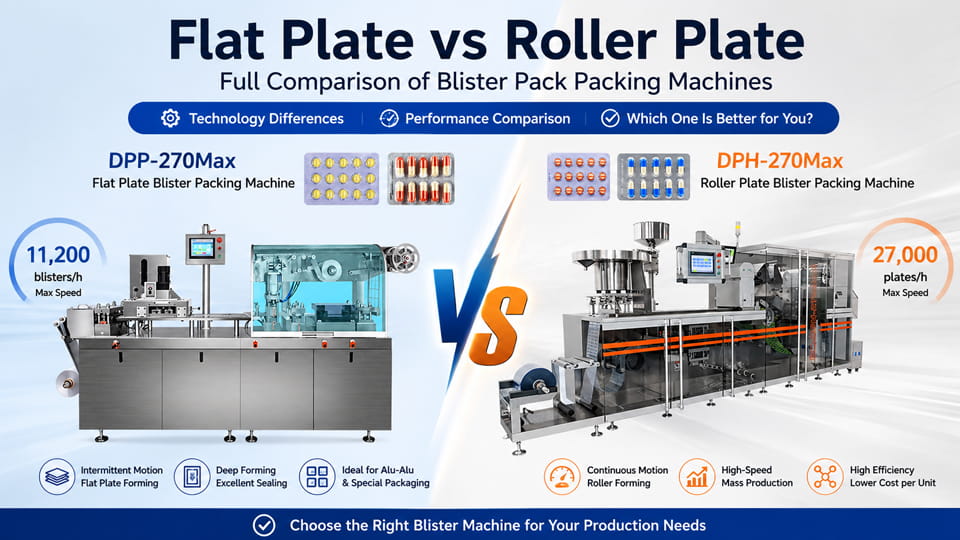
على سبيل المثال, جينلو آلة نفطة الأسطوانة DPH-270Max قادر على كلا الطريقتين, ولكن سيتم تخصيص معظم خطوط الإنتاج. إذا اخترت التشكيل الحراري, تأكد من الخاص بك معدات التعبئة والتغليف نفطة يدعم الفيلم الذي اخترته (سمك PVC, نوع الطلاء) ولديه التحكم الكافي في درجة الحرارة. إذا اخترت التشكيل البارد, تأكد من أن جهازك يمكنه التعامل مع لفائف رقائق Alu-Alu ولديه قوة الختم المطلوبة.
عند التحدث مع الموردين, أذكر احتياجات المنتج الخاص بك: قل ما إذا كنت بحاجة إلى "آلة تعبئة الفقاعة لتعبئة الفقاعة Alu-Alu" أو "آلة تعبئة الفقاعة بالحرارة لأفلام PVC / PVDC."
كيف تقرر: قائمة مرجعية سريعة
تقييم حساسية المنتج: تحقق مما إذا كان الدواء الخاص بك يحتاج إلى الحماية من الرطوبة, الأكسجين, أو الضوء. لو أي من هذه الحرجة, من المحتمل أن يكون التشكيل البارد مطلوبًا.
أهداف مدة الصلاحية: هل هناك حاجة إلى انتهاء الصلاحية الممتدة? ل 2+ مدة الصلاحية سنة, حاجز Alu-Alu هو الخيار الأكثر أمانًا.
المتطلبات البصرية: هل تريد أن يرى العملاء المنتج؟? إذا كانت الإجابة بنعم, لصالح التشكيل الحراري (شفاف).
حجم الإنتاج & يكلف: للحجم الكبير جدًا وحساسية التكلفة, عادة ما يفوز التشكيل الحراري. إذا كان الحجم أقل وتكلفة المنتج مرتفعة, قد تكون السرعة الأبطأ للتشكيل البارد مقبولة.
قدرات الآلة: تأكيد أن الخاص بك آلة نفطة يمكن التعامل مع المواد المختارة. يمكن للعديد من الشركات المصنعة تقديم كلا النوعين, لكنك تحتاج إلى الأدوات الصحيحة وإعداد الخط.
إذا كنت في شك, استشارة خبير: غالبًا ما يقوم مهندسو التعبئة والتغليف بوضع نموذج لاستقرار الدواء المحدد في مواد مختلفة. ولكن ارشادي جيد هو ذلك تشكيل البرد (مرحباً) يعطي أفضل حماية بتكلفة أعلى, والتشكيل الحراري (بلاستيك) يعطي أفضل رؤية وإنتاجية بتكلفة أقل.
خاتمة
لكل من التشكيل البارد والتشكيل الحراري إيجابيات وسلبيات واضحة. تشكيل حراري (على أساس PVC) سريع, شفاف, وفعالة من حيث التكلفة, مما يجعلها مثالية للعديد من الأدوية الروتينية. تشكيل الباردة (مرحباً) أبطأ وأكثر تكلفة, لكنه يوفر رطوبة لا تقبل المنافسة, حماية الأكسجين والضوء ذات القيمة العالية, الأدوية الحساسة. في الممارسة العملية, تُستخدم عبوات التشكيل الحراري للأقراص القياسية, الفيتامينات والمنتجات التي لا تحتاج إلى وصفة طبية, بينما يتم اختيار العبوات الباردة للأدوية الحساسة للرطوبة أو طويلة الصلاحية.
أخيرًا, يجب أن يكون قرارك مدفوعًا متطلبات المنتج. إذا كان الحاجز النهائي ضروريا, من المحتمل أن تختار حزمة نفطة alu-alu على آلة تعبئة الفقاعة الباردة. إذا كنت بحاجة إلى السرعة, الرؤية وتوفير التكاليف, من المحتمل أن تكون حزمة التشكيل الحراري PVC الموجودة على آلة نفطة التشكيل الحراري كافية.
لا تتردد في اتصل بمتخصصي التغليف لدينا للتوجيه. يمكننا أن نوصي بالحق آلة تعبئة الفقاعة الأوتوماتيكية ومعالجة منتجك - سواء كنت بحاجة إلى خط نفطة بالتشكيل الحراري عالي السرعة أو شكل بارد (مرحباً) آلة نفطة.
كن متوافقًا وفعالاً من حيث التكلفة مع الاختيار الصحيح لتغليف الفقاعة!
الأسئلة الشائعة حول حزم البثرة ذات التشكيل البارد والتشكيل الحراري
ما هو الفرق بين التشكيل البارد والتشكيل الحراري?
يستخدم التشكيل الحراري الحرارة لتشكيل الفيلم البلاستيكي في تجاويف نفطة, بينما يقوم التشكيل على البارد بالضغط ميكانيكيًا على الصفائح المصنوعة من الألومنيوم لتشكيلها بدون حرارة. عادةً ما يكون التشكيل الحراري أسرع وأكثر فعالية من حيث التكلفة, بينما يوفر التشكيل البارد حماية أقوى للحاجز.
هل التشكيل على البارد أفضل من التشكيل الحراري؟?
ليس بالضرورة. يعد التشكيل على البارد أفضل بالنسبة للمنتجات التي تتطلب حماية قوية من الرطوبة, الأكسجين, أو الضوء, بينما يُفضل التشكيل الحراري غالبًا للمنتجات المستقرة حيث التكلفة, سرعة, ورؤية المنتج هي الأولويات.
وهو أرخص, التشكيل البارد أو التشكيل الحراري?
يعتبر التشكيل الحراري أقل تكلفة بشكل عام. عادةً ما تكون تكلفة مواد تشكيل البلاستيك أقل من الرقائق المعتمدة على الألومنيوم المستخدمة في تعبئة الفقاعات ذات الشكل البارد Alu-Alu, على الرغم من أن التكلفة الإجمالية تعتمد أيضًا على سرعة الماكينة, الأدوات, ومتطلبات الإنتاج.
مما يوفر حماية أفضل للرطوبة?
يوفر التشكيل البارد عمومًا حماية أفضل للرطوبة. توفر صفائحها المصنوعة من الألومنيوم حاجزًا قويًا للغاية, مما يجعلها مناسبة للمنتجات الصيدلانية الحساسة للرطوبة. وينبغي تأكيد المتطلبات الفعلية من خلال دراسات استقرار المنتج والتعبئة والتغليف.
وهو أسرع, التشكيل البارد أو التشكيل الحراري?
يكون التشكيل الحراري بشكل عام أسرع من التشكيل البارد. إن عملية التشكيل الخاصة بها مناسبة تماماً للإنتاج بكميات كبيرة, بينما يتم التشكيل على البارد عادةً بسرعات أقل لأن صفائح الألمنيوم تتطلب تشكيلًا ميكانيكيًا.
لماذا يتم استخدام عبوات Alu-Alu للأدوية الحساسة?
توفر عبوة Alu-Alu نفطة حماية ممتازة ضد الرطوبة, الأكسجين, والضوء. لذلك يتم اعتباره عادةً للمنتجات الصيدلانية ذات الحساسية العالية للتعرض البيئي أو متطلبات العمر الافتراضي الصعبة.
هل التشكيل الحراري مناسب لتغليف الفقاعات الصيدلانية?
نعم. يُستخدم التشكيل الحراري على نطاق واسع للأقراص والكبسولات عندما لا يتطلب المنتج أعلى مستوى من الحماية العازلة. يمكن أن توفر المواد مثل PVC وPVC/PVDC مستويات مختلفة من الحماية من الرطوبة اعتمادًا على التركيبة ومواصفات العبوة.
ما هو الفرق بين عبوة نفطة Alu-Alu و نفطة الشكل الحراري?
تستخدم عبوة الفقاعة Alu-Alu صفائح تشكيل قائمة على الألومنيوم وهي غير شفافة, بينما تستخدم نفطة الشكل الحراري عادة طبقة بلاستيكية ويمكن أن تكون شفافة. توفر Alu-Alu حماية أقوى للحاجز, بينما يوفر التشكيل الحراري بشكل عام رؤية أفضل وتكلفة أقل.
يمكن لآلة تعبئة الفقاعة الواحدة التعامل مع كل من التشكيل البارد والتشكيل الحراري?
لا يتم ذلك عادةً بدون تصميم أو تكوين محدد للآلة. تتطلب العمليتان أنظمة تشكيل مختلفة, الأدوات, والتعامل مع المواد. إذا كانت هناك حاجة إلى كلا التنسيقين, يجب على الشركة المصنعة للجهاز التأكد من التوافق قبل الشراء.
كيف أختار بين آلة التشكيل البارد والتشكيل الحراري؟?
ابدأ بحساسية المنتج, العمر الافتراضي المطلوب, مواد التعبئة والتغليف, حجم الإنتاج, والتكلفة المستهدفة. اختر التشكيل على البارد عندما تكون الحماية ذات الحاجز العالي أمرًا بالغ الأهمية; اختر التشكيل الحراري عند السرعة, الرؤية, وكفاءة التكلفة أكثر أهمية.
بيتي فو, مؤسس شركة Jinlupacking, يجلب 20 سنوات من الخبرة في قطاع الآلات الصيدلانية. تحت قيادته, لقد نمت Jinlu لتصبح موردًا موثوقًا به يدمج التصميم, إنتاج, والمبيعات. بيتي متحمس لمشاركة معرفته العميقة بالصناعة لمساعدة العملاء على التغلب على تعقيدات التعبئة والتغليف الدوائية, ضمان حصولهم ليس فقط على المعدات, ولكن شراكة خدمة متكاملة حقيقية مصممة خصيصًا لأهداف الإنتاج الخاصة بهم.