
Việc lựa chọn viên nang có nguồn gốc từ thực vật không chỉ là quyết định về nhãn hiệu. Để mua sắm, nó ảnh hưởng đến trình độ và chi phí của nhà cung cấp. Đối với các nhóm xây dựng, nó làm thay đổi môi trường độ ẩm và oxy xung quanh vật liệu lấp đầy. Để sản xuất, nó có thể ảnh hưởng đến việc tách viên nang, khóa, tỷ lệ từ chối, và tốc độ làm đầy.
Vì vậy HPMC vs Pullulan vs Viên nang tinh bột câu hỏi nên bắt đầu với sản phẩm, không phải vỏ. HPMC thường là ứng cử viên thực tế đầu tiên cho chất độn hút ẩm hoặc nhạy cảm với độ ẩm. Pullulan đáng được quan tâm nghiêm túc khi quá trình oxy hóa là nguy cơ chính. Viên nang làm từ tinh bột có thể hoạt động tốt khi cần có hệ thống tinh bột thực vật cụ thể hoặc vị trí nhãn sạch, nhưng “viên tinh bột” là một phạm trù rộng hơn là một loại hóa chất được tiêu chuẩn hóa. Công trình được bình duyệt về vật liệu viên nang làm từ tinh bột cho thấy thành phần polymer và nguồn tinh bột có thể ảnh hưởng đáng kể đến hoạt động cơ học và màng.
Con đường an toàn nhất là đơn giản: xác định rủi ro trong công thức, xác minh các tài liệu, kiểm tra vỏ chính xác trên thực tế máy làm đầy viên nang, và xác nhận thành phẩm hạn sử dụng trong dự định Bao bì.
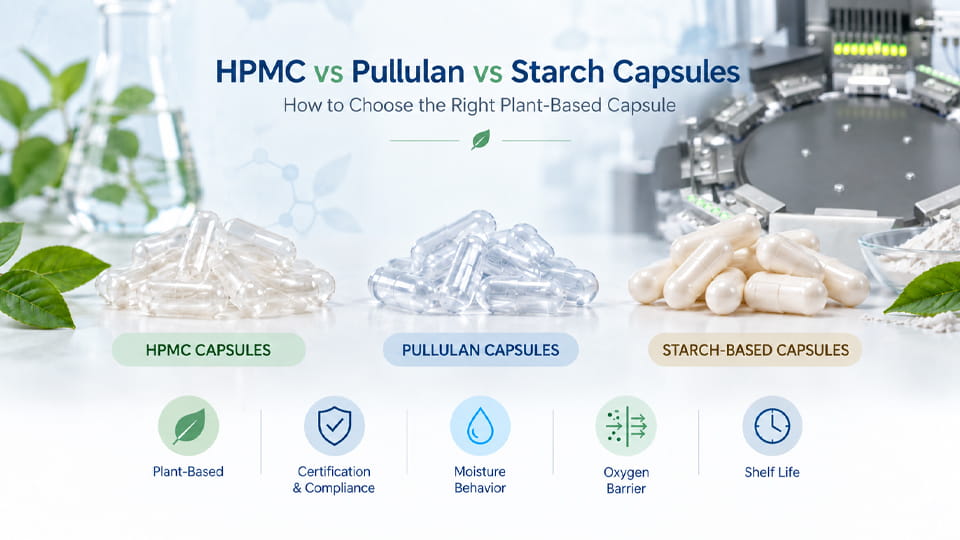
Viên nang HPMC. HPMC có nghĩa là Hydroxypropyl methylcellulose., còn được gọi là hypromellose. Nó được sử dụng làm polyme tạo màng trong nắp và thân viên nang. Hệ thống viên nang HPMC thương mại không nhất thiết phải giống hệt nhau. Tùy thuộc vào công nghệ và nhà cung cấp, vỏ có thể chứa các chất hỗ trợ xử lý hoặc hệ thống tạo gel khác nhau, vì vậy các nhóm mua sắm phải luôn xem xét thông số kỹ thuật chính xác của viên nang thay vì cho rằng tất cả các vỏ HPMC đều hoạt động giống nhau.
Do đó HPMC là ứng cử viên hợp lý đầu tiên khi bạn cần viên nang cho bột hút ẩm hoặc các thành phần nhạy cảm với độ ẩm. Một so sánh được công bố của gelatin, HPMC, và viên nang cứng pullulan cho thấy HPMC có khả năng hấp thụ và giữ ẩm yếu nhất trong ba loại vật liệu được thử nghiệm.
viên nang pullulan. Pullulan là một polysaccharide được sản xuất bằng quá trình lên men. Mũ thực vật Capsugel thương mại, Ví dụ, sử dụng nguyên liệu có nguồn gốc từ khoai mì được lên men bằng Aureobasidium vừa chớm nở. Pullulan thường được xem xét khi tiếp xúc với oxy là mối lo ngại lớn về độ ổn định vì đặc tính rào cản oxy thuận lợi của nó.
Pullulan không đơn giản là tên gọi khác của tinh bột. Tinh bột có thể là nguyên liệu lên men, nhưng pullulan là polyme được tạo ra thông qua quá trình lên men. Sự khác biệt đó quan trọng khi so sánh thông số kỹ thuật của nhà cung cấp.
Viên nang tinh bột. Nhãn này cần được chăm sóc nhiều hơn. “Dựa trên tinh bột” có thể đề cập đến các hệ thống tinh bột biến tính, tinh bột hydroxypropyl, hoặc hỗn hợp chứa chất tạo màng khác. Nghiên cứu về hệ thống viên nang HPMC/hydroxypropyl-tinh bột đã chỉ ra rằng thành phần polyme có thể ảnh hưởng đến sự hình thành màng và tính chất cơ học, đó là lý do tại sao “viên tinh bột” không nên được coi là một loại vật liệu tiêu chuẩn hóa duy nhất: tỷ lệ polymer và nguồn tinh bột có thể thay đổi màng, sức mạnh, độ cứng, và các đặc tính cơ học khác.
Khi một nhà cung cấp đưa ra “viên nang khoai mì,““viên tinh bột,” hoặc “viên tinh bột biến tính,” yêu cầu thành phần và thông số kỹ thuật đầy đủ của vỏ trước khi xử lý chúng tương đương với HPMC hoặc pullulan.
Dành cho độc giả cần thêm thông tin cơ bản, JinluPacking đã có bài viết dành riêng về viên nang thực vật, viên nang pullulan, Và viên nang rỗng.
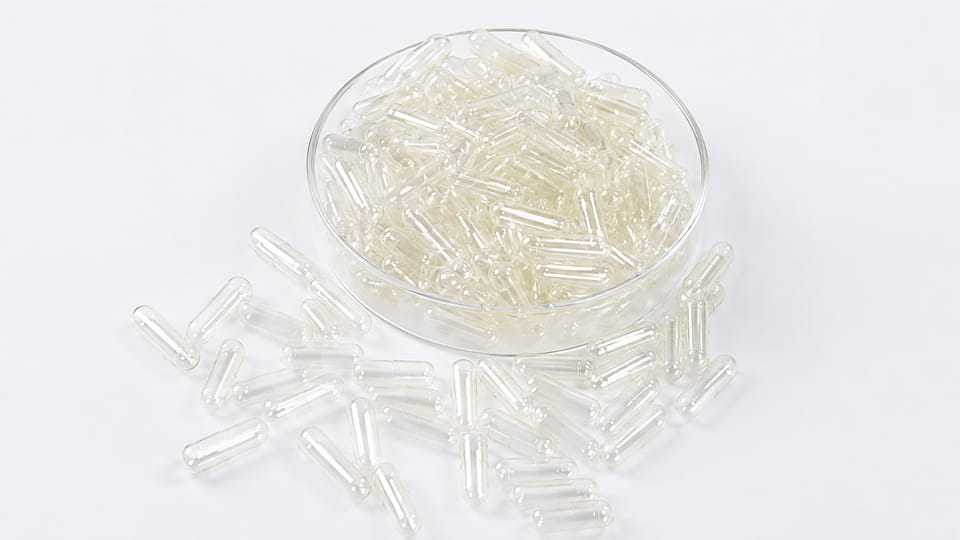
Cái bàn là điểm khởi đầu, không phải là xếp hạng vật liệu cuối cùng. Hiệu suất của viên nang phụ thuộc vào công thức vỏ chính xác, vật liệu lấp đầy, hệ thống đóng gói, điều kiện lưu trữ, và quá trình sản xuất. Đối với sản phẩm thương mại, lựa chọn cuối cùng phải được xác nhận thông qua thử nghiệm tính tương thích và độ ổn định của công thức.
| Nhân tố | Viên nang HPMC | Viên nang Pullulan | Viên nang làm từ tinh bột |
|---|---|---|---|
| Polyme chính | Hypromellose (HPMC), dẫn xuất cellulose | Pullulan, một polysaccharide có nguồn gốc từ quá trình lên men | Hệ tinh bột hoặc tinh bột biến tính; thành phần khác nhau |
| Định vị dựa trên thực vật | Mạnh | Mạnh | Mạnh, tùy thuộc vào thành phần chính xác |
| Hành vi độ ẩm | Nói chung độ ẩm vỏ thấp; một lựa chọn mạnh mẽ để đánh giá các chất độn nhạy cảm với độ ẩm | Khả năng hút ẩm thấp hơn gelatin trong nghiên cứu so sánh, nhưng nhìn chung cao hơn HPMC trong nghiên cứu đó | Công thức cao- và phụ thuộc vào nhà cung cấp |
| Hàng rào oxy | Hữu ích, nhưng thường không phải là lợi thế chính của nó | Lý do chính để cân nhắc sử dụng pullulan cho các công thức nhạy cảm với oxy | nhà cung cấp- và phụ thuộc vào công thức |
| Ứng dụng điển hình | Bột hút ẩm, API nhạy cảm với độ ẩm, sử dụng dược phẩm và dinh dưỡng rộng rãi | nhạy cảm với oxy, công thức chế phẩm sinh học dinh dưỡng cao cấp và chọn lọc | Các nền tảng dựa trên tinh bột hoặc nhãn sạch cụ thể |
| ăn chay / Halal / đồ ăn kiêng | Chứng nhận có thể có sẵn; xác minh chính xác sản phẩm và nhà cung cấp | Chứng nhận có thể có sẵn; xác minh chính xác sản phẩm và nhà cung cấp | Xác minh thành phần và chứng nhận chính xác |
| Trạng thái USP–NF | Chuyên khảo vỏ viên nang cứng Hypromellose | Chuyên khảo vỏ viên nang Pullulan cứng | Xác minh vật liệu chính xác và tiêu chuẩn áp dụng |
| Hiệu suất làm đầy | Được sử dụng rộng rãi trong làm đầy viên nang thương mại; xác nhận shell đủ điều kiện | Tùy chọn thương mại có sẵn; xác thực thiết lập máy và vỏ cụ thể | Xác nhận lớp vỏ chính xác với thiết bị chiết rót dự định |
| Chi phí tương đối | Thường vừa phải | Thường cao hơn | Biến |
| Điểm khởi đầu tốt nhất khi… | Độ nhạy ẩm và khả năng tương thích công thức rộng rãi là những ưu tiên | Độ nhạy oxy là mối quan tâm lớn | Một công thức hoặc yêu cầu tìm nguồn cung ứng dựa trên tinh bột cụ thể làm cho nó phù hợp |
USP định nghĩa riêng Vỏ viên nang Hypromellose cứng Và Vỏ viên nang Pullulan cứng như vỏ hai mảnh, và cả hai chuyên khảo đều cho phép một số chất phụ gia hoặc chất hỗ trợ chế biến nhất định. Đó là một lời nhắc mua sắm hữu ích: mua theo thông số kỹ thuật đã được phê duyệt cho viên nang chính xác, không chỉ là tên polymer.
Bắt đầu với con đường suy thoái chiếm ưu thế. Điều đó thường đưa ra câu trả lời rõ ràng hơn so với việc bắt đầu bằng những tuyên bố thuần chay, giá , hoặc ngoại hình.
Nếu vật liệu lấp đầy tích cực hút nước, HPMC thường là ứng cử viên đầu tiên đáng sàng lọc. Viên nang HPMC thương mại có thể có lượng nước vỏ tương đối thấp, và nghiên cứu được bình duyệt cho thấy khả năng hấp thụ độ ẩm của HPMC thấp hơn so với pullulan hoặc gelatin trong các điều kiện được nghiên cứu.
Điều đó không không biến vỏ HPMC thành một gói chống ẩm. Nghiên cứu về tính thấm của vỏ viên nang cho thấy chuyển động của nước phụ thuộc vào độ ẩm tương đối và khả năng hấp phụ của vật liệu, khuếch tán, và tính chất thấm. Độ ẩm vẫn có thể di chuyển giữa các gói hàng, vỏ bọc, khoảng trống trên đầu, và điền vào.
Một thử nghiệm thí điểm hữu ích là đổ đầy viên nang đại diện, điều hòa chúng ở độ ẩm sản xuất dự kiến, sau đó theo dõi tình trạng vỏ, hoạt động làm đầy nước, xét nghiệm, sản phẩm phân hủy, và hòa tan trong quá trình ổn định.
HPMC một lần nữa thường có ý nghĩa như thử nghiệm đầu tiên vì độ ẩm vỏ thấp hơn sẽ loại bỏ một nguồn nước có thể có. Capsugel đặc biệt định vị Vcaps Plus cho khả năng hút ẩm và nhạy cảm với độ ẩm API.
Nhưng không dừng lại ở viên nang. Nghèo Bao bì có thể dễ dàng xóa bỏ lợi ích của lớp vỏ có độ ẩm thấp.
Pullulan là điểm khởi đầu hợp lý hơn khi quá trình oxy hóa là phương thức hỏng hóc chính. Điều này có thể bao gồm chất chống oxy hóa, một số hoạt chất thực vật, bột dầu, và khác viên nang cho các thành phần nhạy cảm với oxy. Pullulan được cân nhắc rộng rãi khi tính thấm oxy thấp là một yêu cầu quan trọng trong công thức.
Đừng biến điều đó thành “pullulan luôn cho thời hạn sử dụng lâu nhất”. Oxy cũng có thể đến từ khoảng trống phía trên, tính thấm gói, mở container nhiều lần, và oxy đã có sẵn trong công thức. Đối với sản phẩm có rủi ro cao, xả nitơ, chất hấp thụ oxy, hoặc các gói có rào cản cao hơn vẫn có thể phù hợp như một phần của hệ thống hoàn chỉnh.
MỘT chế phẩm sinh học là một ví dụ điển hình về lý do tại sao lựa chọn một chiều không hoạt động. Một số chủng đặc biệt nhạy cảm với độ ẩm; một số khác rất nhạy cảm với oxy. HPMC có thể có ý nghĩa khi độ ẩm là rủi ro chính, trong khi pullulan có thể hấp dẫn hơn khi tiếp xúc với oxy là mối quan tâm lớn hơn. Câu trả lời đúng phải đến từ dữ liệu độ ổn định CFU dành riêng cho chủng, không phải là một tuyên bố chung chung về “viên nang probiotic tốt nhất”.
Kiểm tra độ hút ẩm, hoạt động của nước, dung môi dư, thành phần phản ứng, và nội dung dễ bay hơi. HPMC là cơ sở thực tế. Pullulan trở nên thú vị hơn khi quá trình oxy hóa hoặc định vị nhãn sạch cao cấp trở nên quan trọng. Vỏ làm từ tinh bột cũng có thể có tác dụng, nhưng thử nghiệm vỏ chính xác đặc biệt quan trọng vì danh mục ít đồng nhất hơn.
Chìa khóa mang đi:Viên nang thực vật phù hợp không chỉ được xác định chỉ bằng từ “thực vật”. Ghép vỏ với rủi ro ổn định vượt trội, sau đó xác nhận lựa chọn thông qua các thử nghiệm làm đầy và ổn định theo công thức cụ thể.
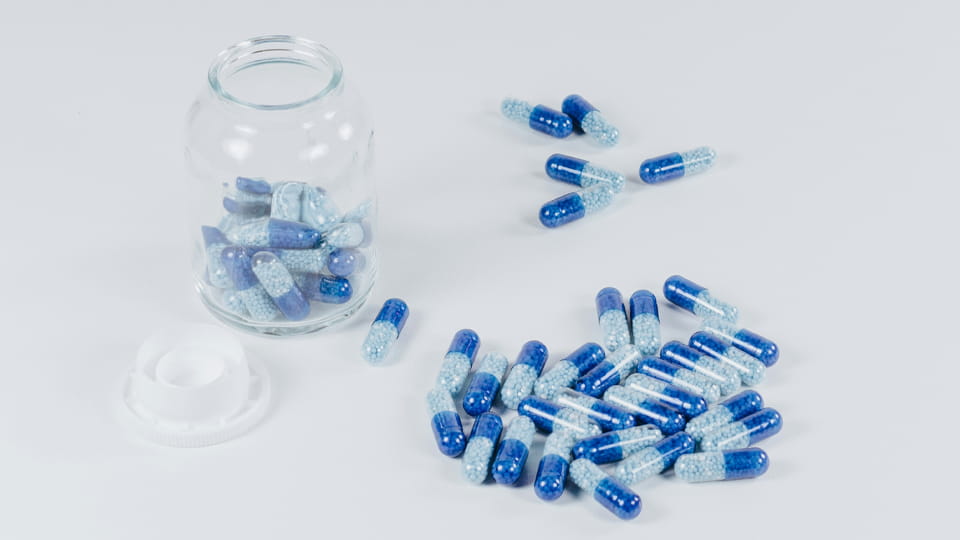
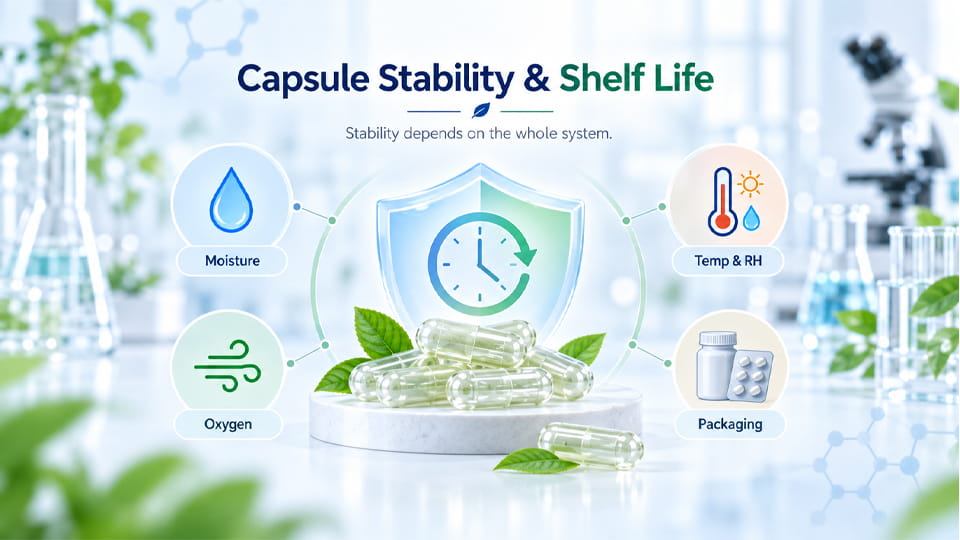
Thời hạn sử dụng thuộc về toàn hệ thống:
điền vào công thức + vỏ viên nang + quá trình + bao bì sơ cấp + điều kiện lưu trữ.
Đó là nguyên tắc then chốt.
Cho độ ẩm, HPMC có bằng chứng thuyết phục về lựa chọn độ ẩm thấp. Nghiên cứu so sánh cho thấy khả năng hấp thụ và giữ ẩm của HPMC thấp hơn so với pullulan và gelatin. So sánh công việc riêng biệt HPMC và gelatin cũng cho thấy độ hấp phụ và độ thấm thay đổi theo độ ẩm tương đối, vì vậy không nên nhầm lẫn “độ ẩm vỏ thấp” với “truyền độ ẩm bằng không”.
Đối với oxy, pullulan có trường hợp mạnh mẽ hơn khi bản thân lớp vỏ là một phần quan trọng trong chiến lược kiểm soát oxy.
Sau đó nhìn vào gói.
Chương chung USP <671> Vùng chứa—Kiểm tra hiệu suất giải quyết vấn đề truyền hơi ẩm cho các hệ thống đóng gói được sử dụng với dạng thuốc uống rắn, trong khi <670> Thành phần đóng gói phụ trợ bao gồm các thành phần như chất hút ẩm. Những tiêu chuẩn này củng cố một quan điểm thực tế: chất hút ẩm là một phần của chiến lược đóng gói, không thể thay thế cho việc đánh giá chai, đóng cửa, hoặc tự phồng rộp.
Đối với sản phẩm viên nang nhạy cảm với độ ẩm, so sánh chai đề xuất, lót đóng cửa, chất hút ẩm cấu hình, hoặc cấu trúc vỉ trong các điều kiện ổn định liên quan. Đối với các sản phẩm có độ nhạy oxy cao, đánh giá việc đóng gói hàng rào oxy và kiểm soát khoảng trống cùng với vật liệu viên nang.
Thời hạn sử dụng của một viên nang rỗng không nên sử dụng vỏ làm ngày hết hạn của thành phẩm. Kỳ vọng về độ ổn định của FDA coi cấu hình đóng thùng chứa thương mại như một phần của chương trình ổn định, vì vậy công thức cuối cùng cần được thử nghiệm trong gói thị trường được đề xuất.
Điều gì về viên nang làm từ tinh bột?
Viên nang làm từ tinh bột yêu cầu đánh giá cụ thể hơn về sản phẩm. Không giống như HPMC và pullulan, “dựa trên tinh bột” có thể mô tả các hệ thống hoặc hỗn hợp tinh bột biến tính khác nhau, vì vậy độ ẩm và tính chất cơ học của chúng không thể được giả định chỉ từ từ tinh bột. Đối với sản phẩm nhạy cảm với độ ổn định, hỏi nhà cung cấp về thành phần vỏ chính xác, đặc điểm độ ẩm, dữ liệu tính thấm nếu có, và hỗ trợ thông tin về độ ổn định trước khi xử lý vỏ làm từ tinh bột tương đương với HPMC hoặc pullulan.
Một loại polymer có nguồn gốc từ thực vật không tự động mang lại cho thành phẩm của bạn một chất thuần chay, Halal, hoặc đồ ăn kiêng khẳng định.
Các nhà cung cấp viên nang thương mại chứng minh tại sao cần phải kiểm tra chứng nhận ở cấp độ sản phẩm và cơ sở sản xuất. Sản phẩm thương mại cụ thể có thể mang đồ chay, thuần chay, Halal, đồ ăn kiêng, và chứng nhận không biến đổi gen, nhưng chứng nhận có thể khác nhau tùy theo địa điểm sản xuất. Đối với yêu cầu thuần chay, ngay cả chất tạo màu và hệ thống in cũng có thể ảnh hưởng đến trạng thái chứng nhận.
Để mua sắm, yêu cầu một dòng điện:
COA, đặc điểm kỹ thuật viên nang đã hoàn thành, thành phần vật liệu đầy đủ, nơi sản xuất, Chứng nhận chất lượng/GMP, giới hạn vi sinh, điều kiện lưu trữ, tuyên bố về chất gây dị ứng, Tuyên bố về GMO, và các tài liệu về tạp chất có liên quan.
Trường hợp tuyên bố tiếp thị quan trọng, có được dòng điện thực tế thuần chay, Halal, và chứng chỉ kosher thay vì dựa vào email bán hàng hoặc tuyên bố rằng polyme “có nguồn gốc từ thực vật”.
Dùng trong dược phẩm, đồng thời kiểm tra vị trí bổ sung và quy định hiện hành. USP–NF có chuyên khảo cụ thể cho Vỏ viên nang Hypromellose cứng Và Vỏ viên nang Pullulan cứng.
Ở Hoa Kỳ, Cơ sở dữ liệu thành phần không hoạt động của FDA có thể giúp người lập công thức hiểu rõ tá dược trước đây được sử dụng trong các sản phẩm thuốc đã được phê duyệt. FDA mô tả cơ sở dữ liệu như một công cụ hỗ trợ phát triển gắn liền với các yếu tố bao gồm lộ trình, dạng bào chế, và sử dụng trước; do đó, nó không nên được coi là “sự chấp thuận chung của FDA” cho mọi HPMC, pullulan, hoặc loại viên nang tinh bột.
Dành cho Châu Âu, xác minh văn bản Dược điển Châu Âu hiện tại và các yêu cầu đối với thị trường mục tiêu thay vì cho rằng tuyên bố USP là đủ. Cơ sở dữ liệu tri thức của EDQM là nguồn chính thức để kiểm tra Ph. Euro. văn bản và tình trạng sửa đổi.
Một quy tắc định tính hữu ích là:
Xác minh nhà cung cấp chính xác + nơi sản xuất + cấp + màu sắc + hệ thống in ấn + thị trường mục tiêu.
Thói quen đó ngăn cản nhiều chứng nhận bất ngờ sau này.
Thường, vâng—nhưng “cùng một máy” không có nghĩa là “cài đặt giống nhau”.
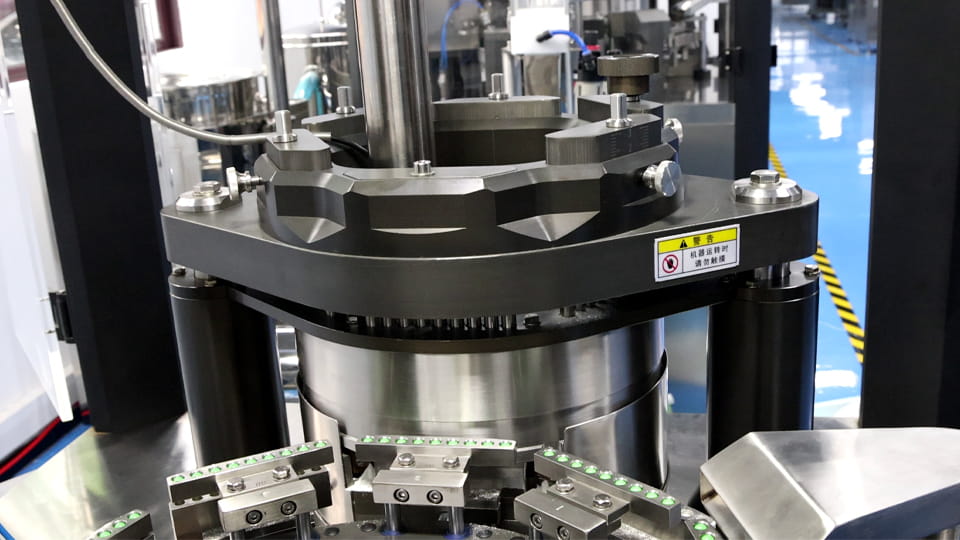
Về mặt thiết bị, JinluPacking's Máy làm viên nang tự động NJP-2600D được thiết kế cho viên nang cứng từ kích thước #000 bởi vì #5 Và cho bột, hạt, viên, và máy tính bảng siêu nhỏ, với công suất định mức lên tới 156,000 viên nang mỗi giờ. Máy thực hiện việc cho ăn viên nang, tách nắp-thân, điền vào, khóa, sự từ chối, và xả.

Trước khi mở rộng quy mô thương mại, thách thức sáu điểm.
Cho ăn và định hướng viên nang: Vỏ có đi vào hệ thống chỉnh lưu một cách nhất quán không?
Tách thân nắp: Việc tách chân không có còn đáng tin cậy ở tốc độ đường truyền dự định không?
Hành vi cơ học của Shell: Chú ý đến sự chia tách, vết lõm, độ giòn, làm mềm, hoặc tĩnh.
Khóa: Xác nhận độ dài đóng và tính toàn vẹn của khóa. Một shell trông ổn ở tốc độ thấp có thể hoạt động khác ở công suất tối đa.
Điền vào hiệu suất: Theo dõi sự thay đổi trọng lượng lấp đầy, Sự rò rỉ, thiệt hại viên, và tỷ lệ từ chối. Vật liệu viên nang không thể bù đắp cho dòng bột kém.
Môi trường sản xuất: Ở trong cửa sổ nhiệt độ và độ ẩm tương đối được chỉ định của nhà cung cấp viên nang và ghi lại các điều kiện đó trong quá trình thử nghiệm.
Để mua sắm máy móc nghiêm túc, gửi các lô vỏ viên nang đại diện và vật liệu làm đầy để kiểm tra tại nhà máy. Điều này đặc biệt hữu ích khi thay đổi từ viên nang HPMC sang viên nang pullulan hoặc giới thiệu loại vỏ làm từ tinh bột ít quen thuộc hơn.
Sử dụng ma trận này làm điểm bắt đầu—không phải để thay thế cho việc kiểm tra độ ổn định và phát triển.
| Yêu cầu chính | Điểm khởi đầu được đề xuất | Những gì cần xác minh |
| Bột hút ẩm | HPMC | Truyền ẩm vỏ/làm đầy, độ giòn, gói MVTR |
| API nhạy cảm với độ ẩm | HPMC | xét nghiệm, suy thoái, giải tán, hệ thống hút ẩm |
| Thành phần nhạy cảm với oxy | Pullulan | dữ liệu OTR, oxy không gian đầu, hàng rào oxy trọn gói |
| Probiotic | HPMC hoặc Pullulan | Độ nhạy oxy/độ ẩm đặc trưng của chủng và độ ổn định CFU |
| Hỗn hợp thảo mộc/thực vật | HPMC đầu tiên; Pullulan nếu quá trình oxy hóa là quan trọng | Hoạt động của nước, chất bay hơi, sự ổn định |
| Bổ sung nhãn sạch cao cấp | Pullulan hoặc vỏ làm từ tinh bột đủ tiêu chuẩn | Chứng nhận, trị giá, cung cấp liên tục |
| Định vị tinh bột/khoai mì cụ thể | Viên nang dựa trên tinh bột đủ tiêu chuẩn | Sáng tác, dữ liệu cơ khí, sự tan rã, khả năng gia công |
| Sản xuất tốc độ cao | HPMC đủ tiêu chuẩn, Pullulan, hoặc vỏ tinh bột thử nghiệm | Sự tách biệt, khóa, từ chối, chạy hết tốc lực |
| Rủi ro chi phối không rõ ràng | So sánh ít nhất hai vỏ | Tính ổn định trong bao bì cuối cùng |
Ma trận này tổng hợp dữ liệu so sánh độ ẩm, thông tin hiệu suất HPMC/pullulan thương mại, và bằng chứng được công bố cho thấy hiệu suất dựa trên tinh bột phụ thuộc rất nhiều vào công thức chính xác.
Khung năm bước rất đơn giản:
Bước chân 1: Đặc trưng công thức –> Bước chân 2: Xác định rủi ro chi phối –> Bước chân 3: Xác định các tuyên bố và tài liệu về thị trường –> Bước chân 4: Chạy thử vỏ và máy chiết rót –> Bước chân 5: Xác nhận sự ổn định trong bao bì cuối cùng –> Phê duyệt nhà cung cấp, đặc điểm kỹ thuật và quá trình
Bước chân 1 đo lường những gì quan trọng: độ hút ẩm, hoạt động của nước, độ nhạy oxy, mật độ lấp đầy, và dòng chảy.
Bước chân 2 biến những dữ liệu đó thành danh sách rút gọn shell.
Bước chân 3 séc USP, Ph. Euro., thuần chay, Halal, đồ ăn kiêng, và các yêu cầu khác của thị trường.
Bước chân 4 chứng minh rằng viên nang chính xác có thể chạy trong quy trình sản xuất của bạn—không chỉ trên chất làm đầy viên nang trong phòng thí nghiệm.
Bước chân 5 chứng minh rằng viên nang thành phẩm trong gói cuối cùng thực sự có thể đáp ứng mục tiêu về thời hạn sử dụng đã định.
Trình tự đó an toàn hơn nhiều so với việc chọn “viên nang dựa trên thực vật tốt nhất” từ bảng tiếp thị.
Sai lầm: chỉ chọn bằng cách “thuần chay”. Tình trạng thuần chay cho bạn biết hầu như không có gì về khả năng chống ẩm, rào cản oxy, cơ khí vỏ, hoặc hiệu suất sản xuất.
Sai lầm: coi mỗi viên tinh bột là tương đương. Hỏi vỏ có sử dụng tinh bột tự nhiên không, tinh bột biến tính, tinh bột hydroxypropyl, hoặc một sự pha trộn. Nghiên cứu viên nang tinh bột được công bố cho thấy thành phần và nguồn thực vật có thể thay đổi đáng kể hiệu suất.
Sai lầm: giả sử vỏ quyết định thời hạn sử dụng. Cái chai, mụn rộp, đóng cửa, chất hút ẩm, và môi trường lưu trữ có thể cũng quan trọng.
Sai lầm: giả sử halal hoặc kosher từ nguồn gốc thực vật. Xác minh chứng chỉ hiện tại cho sản phẩm viên nang thực tế và cơ sở sản xuất.
Sai lầm: bỏ qua bản dùng thử shell tốc độ tối đa. Bản thân các nhà cung cấp thương mại nhấn mạnh khả năng gia công, trong khi hiệu suất của máy đóng viên nang phụ thuộc vào khả năng phân tách đáng tin cậy, định hướng, khóa, và tính nhất quán về chiều của vỏ.
Không có người chiến thắng duy nhất trong HPMC vs Pullulan vs Viên nang tinh bột. HPMC thường là điểm khởi đầu linh hoạt cho các chất độn nhạy cảm với độ ẩm và hút ẩm. Pullulan trở nên đặc biệt hấp dẫn đối với viên nang cho các thành phần nhạy cảm với oxy. Viên nang làm từ tinh bột có thể phù hợp với các sản phẩm cần nền tảng tinh bột thực vật cụ thể—nhưng chỉ sau khi bạn xác minh được ý nghĩa thực sự của “dựa trên tinh bột”. Bằng chứng ủng hộ việc lựa chọn theo rủi ro trong công thức thay vì tuyên bố một loại polymer nào đó vượt trội hơn hẳn.
Quyết định thương mại phải tuân theo rủi ro trong công thức → tài liệu → hiệu suất máy → độ ổn định của gói cuối cùng. Trước khi khóa nhà cung cấp viên nang hoặc mua thiết bị, kiểm tra vỏ chính xác và điền vào với nhau. Jinlupacking có thể hỗ trợ các thử nghiệm làm đầy viên nang trên các kích thước viên nang cứng tiêu chuẩn và giúp kết hợp quy trình với máy làm viên nang tự động thích hợp và giải pháp đóng gói tiếp theo.
Sẵn sàng tối ưu hóa việc sản xuất viên nang của bạn? Liên hệ với Jinlu Đóng gói để được trợ giúp của chuyên gia và báo giá về thiết bị làm đầy viên nang phù hợp. Nhóm của chúng tôi có thể hỗ trợ việc thử nghiệm công thức của bạn và đảm bảo quá trình chuyển đổi suôn sẻ sang viên nang thực vật lý tưởng.
Viên nang HPMC được làm chủ yếu từ hydroxypropyl methylcellulose, polyme có nguồn gốc từ cellulose. Viên nang Pullulan sử dụng pullulan, một loại polysacarit được sản xuất thông qua quá trình lên men. Viên nang làm từ tinh bột sử dụng hệ thống tinh bột hoặc tinh bột biến tính. Hành vi độ ẩm của họ, đặc tính rào cản oxy, đặc tính cơ học, khả năng tương thích công thức, và hiệu suất làm đầy có thể khác nhau, vì vậy sự lựa chọn tốt nhất phụ thuộc vào sản phẩm chứ không phải là một loại vật liệu tốt hơn trên toàn cầu.
Cả hai đều không tốt hơn. HPMC thường là sự lựa chọn thiết thực cho nhiều công thức dược phẩm và dinh dưỡng, trong khi pullulan có thể hấp dẫn khi việc bảo vệ oxy là mối quan tâm chính. Quyết định cũng cần tính đến sự ổn định của công thức, yêu cầu chứng nhận, trị giá, Bao bì, và hiệu suất làm đầy viên nang.
Viên nang HPMC có thể là lựa chọn phù hợp cho nhiều công thức nhạy cảm với độ ẩm, đặc biệt khi công thức và thông số kỹ thuật của viên nang phù hợp chính xác. Tuy nhiên, Lựa chọn viên nang không quyết định độ ổn định của sản phẩm. Vật liệu lấp đầy, rào cản đóng gói, độ ẩm lưu trữ, nhiệt độ, và dữ liệu về độ ổn định cũng cần được đánh giá.
Viên nang pullulan có thể là một lựa chọn mạnh mẽ khi tiếp xúc với oxy là mối quan tâm quan trọng về độ ổn định vì hệ thống viên nang dựa trên pullulan có thể cung cấp khả năng thấm oxy thấp. Điều này có thể phù hợp với các công thức dược phẩm và dinh dưỡng nhạy cảm với oxy, nhưng độ ổn định thực tế của sản phẩm phải được xác nhận thông qua thử nghiệm độ ổn định dành riêng cho công thức thay vì chỉ giả định từ nguyên liệu viên nang.
Không có nguyên liệu viên nang tốt nhất cho mọi công thức chế phẩm sinh học. Pullulan có thể đáng được đánh giá khi việc bảo vệ oxy là quan trọng, trong khi HPMC có thể cung cấp giải pháp thay thế thực tế cho các công thức trong đó đặc tính ẩm và khả năng tương thích rộng rãi là ưu tiên hàng đầu. Lựa chọn cuối cùng nên dựa vào chủng probiotic, tá dược, độ ẩm và độ nhạy oxy, Bao bì, và dữ liệu ổn định.
Không nhất thiết. Thời hạn sử dụng phụ thuộc vào hệ thống sản phẩm hoàn chỉnh, trong đó có hoạt chất, vỏ viên nang, xây dựng, Bao bì, nhiệt độ, độ ẩm, tiếp xúc với oxy, và điều kiện bảo quản. Viên nang làm từ thực vật có thể mang lại lợi ích cho một công thức cụ thể, nhưng thời hạn sử dụng lâu hơn phải được chứng minh thông qua thử nghiệm độ ổn định thích hợp.
Chúng có thể có đặc tính phân rã và hòa tan khác nhau vì thành phần và công thức vỏ nang ảnh hưởng đến cách vỏ tương tác với môi trường thử nghiệm.. Viên nang HPMC được sử dụng rộng rãi cho các ứng dụng dược phẩm và dinh dưỡng, trong khi các công thức HPMC và pullulan khác nhau có thể được thiết kế cho các yêu cầu hiệu suất cụ thể. Do đó, độ hòa tan thực tế phải được đánh giá bằng cách sử dụng sản phẩm và thông số kỹ thuật có liên quan thay vì chỉ giả định từ tên vật liệu..
Tùy theo thị trường và sản phẩm mục tiêu, nhà sản xuất có thể cần kiểm tra tình trạng thuần chay hoặc ăn chay, Halal, đồ ăn kiêng, Tài liệu liên quan đến GMO, tuyên bố về chất gây dị ứng, giấy chứng nhận phân tích (COA), và các thông số kỹ thuật cấp thực phẩm hoặc dược phẩm hiện hành. Các yêu cầu chính xác phụ thuộc vào thị trường đích và ứng dụng dự định, vì vậy các nhóm thu mua nên yêu cầu tài liệu hiện tại của nhà cung cấp thay vì chỉ dựa vào tuyên bố “có nguồn gốc từ thực vật”.
Đúng, cả viên nang cứng HPMC và pullulan đều có thể được sử dụng với thiết bị rót viên nang tự động, nhưng hiệu suất làm đầy thực tế phụ thuộc vào kích thước viên nang, tính chất cơ học của vỏ, đặc điểm công thức, thiết kế máy móc, dụng cụ, và cài đặt vận hành. Trước khi sản xuất toàn diện, nhà sản xuất nên xác minh việc tách viên nang, độ chính xác điền, khóa, tính toàn vẹn của viên nang, và tỷ lệ từ chối trên thiết bị dự kiến.
Bắt đầu bằng cách xác định rủi ro chính của công thức của bạn. Kiểm tra độ nhạy ẩm trước, sau đó độ nhạy oxy, thời hạn sử dụng mục tiêu, yêu cầu thuần chay/halal/kosher hoặc các chứng nhận khác, và hệ thống đóng gói dự định. Sau khi tạo danh sách rút gọn, kiểm tra vỏ viên nang chính xác với công thức thực tế trên máy đóng viên nang của bạn và hoàn thành các nghiên cứu độ ổn định thích hợp trước khi sản xuất thương mại.
Tài liệu tham khảo:
1.Tính chất hấp phụ và giải hấp ẩm của gelatin, Viên nang cứng HPMC và pullulan —— Khoa họcTrực tiếp
2.Viên nang HPMC: tình trạng hiện tại và triển vọng trong tương lai —— Thư viện Y khoa Quốc gia
3.Đặc tính khuếch tán và thấm ẩm của hydroxypropylmethylcellulose và viên nang gelatin cứng —— Thư viện Y khoa Quốc gia
4.Đặc tính hình thành màng cứng và dược phẩm của đậu xanh, hạt dẻ nước, và tinh bột khoai lang —— Khoa họcTrực tiếp
5.Viên nang tinh bột: một hệ thống thay thế cho việc phân phối thuốc qua đường uống —— Khoa họcTrực tiếp