A Kullanıcı Gereksinimleri Belirtimi (URS) içinde ilaç üretimi tanımlayan temel belgedir. Ne Bir sistem veya ekipman parçası kaliteyi karşılamayı başarmalıdır, performans, ve düzenleyici ihtiyaçlar. Ekipman sahibi tarafından yazılmıştır. (ilaç şirketi) ve gerekli işlevlerin ana hatlarını çizer, kapasiteler, malzemeler, Ekipmanın ve GMP özellikleri. URS, tüm paydaşların (üretme, mühendislik, KG) Tedarik veya tasarım başlamadan önce gereksinimler üzerinde anlaşmaya varmak. Tedarikçi teklifleri için bir temel oluşturur ve tasarım boyunca referans haline gelir., test, ve doğrulama.
Temel Çıkarımlar
URS, farmasötik ekipmanın neyi başarması gerektiğini tanımlar, kullanım amacı dahil, kapasite, performans, kalite, emniyet, ve operasyonel gereksinimler.
iyi farmasötik URS açık ve ölçülebilir gereklilikler içermelidir bu daha sonra doğrulanabilir.
Paketleme makineleri için, URS ürün özelliklerini kapsayabilir, paket formatları, üretim hızı, malzemeler, yardımcı programlar, otomasyon, temizlik, emniyet, ve belgeler.
URS, tasarım spesifikasyonuyla aynı değildir. URS gerekli sonucu tanımlar; ekipman üreticisi teknik çözümü geliştirir.
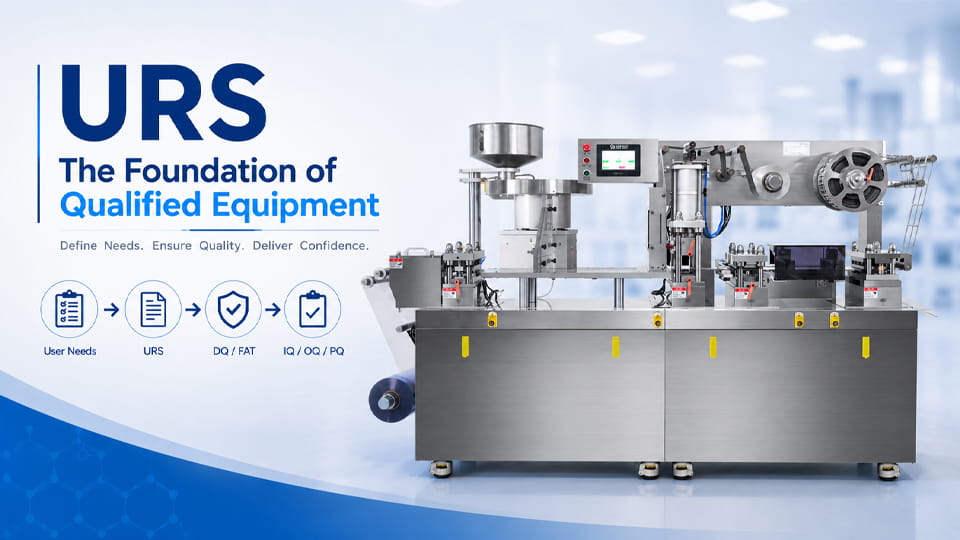
URS aşağıdakiler için bir referans sağlayabilir: ekipman alımı, tedarikçi değerlendirmesi, DQ, YAĞ/SAT, IQ'su, OQ, ve PQ.
Net bir URS, makine tasarlanıp üretilmeden önce ilaç üreticisi ile ekipman tedarikçisi arasındaki yanlış anlamaların azaltılmasına yardımcı olur.
Paketleme makinesi projesi için, alıcı aşağıdaki gereksinimleri ne kadar erken tanımlarsa ürün türü, paketleme formatı, hedef hız, ve GMP beklentileri, uygun ekipmanı değerlendirmek o kadar kolay olur.
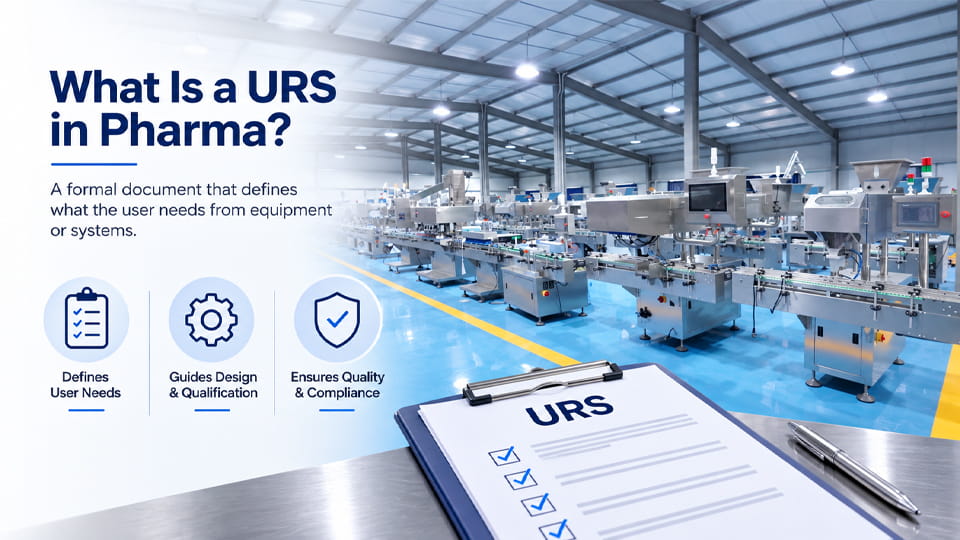
A Kullanıcı Gereksinimleri Belirtimi (URS) kapsayan resmi bir belgedir. kullanıcının ihtiyaç ve beklentileri ilaç endüstrisindeki bir ekipman veya sistem için. Açıklıyor Ne ekipmanın yapması gerekenler – ör.. hedef üretim hızı, ürün formatları, kesinlik, ve düzenleyici işlevler – reçetesiz Nasıl bunu başarmak için. URS, proses mühendisleri veya üretim kullanıcıları ile ekipman tedarikçileri arasında bir köprü görevi görür. Tedarikçilerin tasarım yapabilmesi için kullanıcının vizyonunu ve kısıtlamalarını iletir., alıntı, ve bu ihtiyaçları karşılayacak bir sistem oluşturmak.
Örneğin, bir URS belirtebilir:
. kullanım amacı (örneğin. “10-60 adetlik tablet kabarcıklarını paketleyin”).
Performans kriterleri (örneğin. “≥ 100,000 saatte kabarcıklar”).
İnşaat malzemeleri (örneğin. “Ürünle temas eden tüm parçalar 316L paslanmaz çelikten”).
Yardımcı programlar ve çevre (örneğin. “C Sınıfı temiz odada çalışıyor, 380V güç gerektirir, 6 su barı”).
Gereksinimleri açıkça önceden tanımlayarak, URS daha sonraki tüm aşamaların temel taşı haline gelir – tasarım incelemesi, tedarikçi değerlendirmesi, test, ve doğrulama. Düzenleyici rehberlik (örneğin. AB Eki 15, FDA 21 CFR bölümü 11, GAMP5) ekipman kalifikasyonunun başlangıç noktası olarak açıkça belgelenmiş kullanıcı gereksinimleri bekler. Pratikte, URS yazmak, işlevler arası ekipleri zorlar (üretme, KG, doğrulama, mühendislik) Ürünün doğru şekilde üretilmesi için ekipmanın tam olarak ne yapması gerektiğine uyum sağlamak.
İlaç Üretiminde URS Neden Önemlidir??
İyi hazırlanmış bir URS, GMP uyumlu proje başarısı için çok önemlidir. Temel nedenler şunları içerir::
Gereksinimlerin Açıklığı: URS tüm beklentileri belgeliyor (çıktı, kalite, emniyet, vesaire.) tek bir yerde. Bu, karışıklığı önler ve tedarikçinin tam olarak neye ihtiyaç duyulduğunu bilmesini sağlar. URS olmadan, gereksinimler belirsiz olabilir veya gözden kaçabilir, maliyetli yeniden tasarımlara yol açıyor.
Tasarım Yeterliliğinin Temeli (DQ): URS, tasarım kalifikasyonu için temel görevi görür. Önerilen tasarımın tüm gereksinimleri karşıladığını doğrulamanıza olanak tanır. AB GMP Eki 15 açıkça “kullanıcı gereksinimleri spesifikasyonunun gerekliliklerinin tasarım yeterliliği sırasında doğrulanması gerektiğini” belirtmektedir..
Doğrulama & Test: Her yeterlilik faaliyetinin izi URS'ye kadar uzanır. FDA rehberliği, Kurulum Kalifikasyonunun (IQ'su) ekipmanın kurulumunu "URS'de tanımlanan" onaylı spesifikasyonlara göre doğrular (Örn., inşaat malzemeleri)”. Operasyonel Yeterlilik (OQ) ekipmanın amaçlandığı gibi çalıştığını test eder, ve Performans Yeterliliği (Güç kalitesi) Stage'de tanımlanan spesifikasyonları tutarlı bir şekilde karşıladığını doğrular 1 (URS). Kısacası, FAT'ta olsun, DOYGUNLUK, IQ'su, OQ veya PQ, her test bir veya daha fazla URS gereksinimini doğrular.
Risk Yönetimi & GMP Uyumluluğu: Kritik kalite özelliklerini dahil ederek (CQA'lar), GMP tasarım özellikleri, ve URS'deki düzenleyici gereksinimler, Ekipler riskleri erkenden ele alabilir. Örneğin, Hijyenik tasarım kriterlerini önceden belirlemek, daha sonra kirlenme sorunlarını önler. Sektördeki en iyi uygulamalar QA'nın dahil edilmesini vurguluyor, emniyet, ve URS'deki uyumluluk ihtiyaçlarını karşılar; böylece "nihai sistem hem iş hem de uyumluluk ihtiyaçlarını karşılar".
İletişim & Tedarikçi Seçimi: URS, ilaç şirketi ile şirket arasında ortak bir referanstır. ekipman satıcıları. Tedarikçilerin doğrudan kullanıcının ihtiyaçlarına uygun teklifler hazırlamasına olanak tanır. Ayrıca tekliflerin değerlendirilmesine de yardımcı olur; makineler URS'ye göre kontrol edilebilir (FAT/SAT aracılığıyla) hangisinin gereksinimlerinizi en iyi karşıladığını görmek için.
Maliyet ve Program Kontrolü: Net gereksinimler, kapsamın kayması veya kaçırılan özellikler olasılığının azalması anlamına gelir. Bu, proje gecikmeleri ve maliyetli yeniden çalışma riskini azaltır.
Örnek – URS İçerik Kategorileri:
URS Kategorisi
Örnek Gereksinimler
Kullanım Amacı
Ekipmanın hangi süreç ve ürünleri yönettiği.
Kapasite/Performans
Çıkış oranı (Örn., kabarcık/dakika), parti boyutu, kesinlik.
Ürün & Ambalajlama
Ürün türü, dozaj, paket boyutu, malzeme (Örn., PVC).
Malzemeler (Kişiler)
Ürünle temas eden tüm parçalar (Örn., 316L SS, yüzey kalitesi).
Gmp & Temizlik
Hijyenik tasarım, temizlenebilirlik (ölü bacak yok), kolay CIP.
Çevre/Yardımcı Programlar
Temiz oda sınıfı, sıcaklık/nem, güç, hava, boş, vesaire.
Kontroller & Veri
PLC/HMI ihtiyaçları, tarif saklama, veri kaydı, erişim kontrolü.
Emniyet
Muhafızlar, Menetmek, kilitler, alarmlar, güvenlik standartları.
Belgeler
Kılavuzlar, çizimler, sertifikalar, eğitim dokümanları.
Vasıf
FAT/SAT planları, ve geçme kriterlerine sahip IQ/OQ/PQ çıktıları.
Doğrulama Notu: Her URS öğesi açık ve ölçülebilir olmalıdır. Örneğin, kesin sayıları belirtin (örneğin. “100 şişe/dak” veya “maks. 30°C hazne sıcaklığı”) böylece FAT/OQ gibi testler bunları objektif olarak doğrulayabilir. Her zaman kabul kriterlerini dahil edin (örneğin. “contalar 0,01MPa'yı tutmalıdır 5 saniye”) uygun olduğu yerde.
Farmasötik URS Neleri İçermelidir??
Farmasötik bir URS tipik olarak bu alanları kapsar:
Kullanım Amacı & Kapsam: Süreç adımını açıklayın (doldurma, sızdırmazlık, etiketleme, vesaire.), ürünler ve ambalaj formatları, ve ekipmanın genel sürece nasıl uyum sağladığı. Bu, diğer her şeyin bağlamını belirler.
Kapasite ve Verim: Hedef çıkışı tanımlayın (birim/saat veya parti büyüklüğü). Örneğin: "Ambalaj 50,000 8 saatlik vardiya başına birim dozluk kabarcıklı paketler." Tüm başlatma/kapatma koşullarını veya kapatma aralıklarını ekleyin.
Ürün ve Paketleme Detayları: Ürün özelliklerini belirtin (tablet boyutu, ağırlık, nem hassasiyeti) ve paketleme formatı (şişe tipi, kabarcıklı kart boyutları, karton boyutu). Birden fazla ürün veya boyut kullanılıyorsa, her birini listele.
İnşaat Malzemesi: Gerekli malzemeleri ve standartları listeleyin. Eczacılıkta, paslanmaz çelik (304/316L) ve FDA dereceli polimerler temas parçaları için yaygındır. Yüzey bitirme gereksinimlerini dahil edin (örneğin. Ra ≤0,8 mikron) ve herhangi bir astar veya kaplama.
GMP ve Tasarım Özellikleri: Hijyenik tasarım kriterlerini dahil edin (örneğin. ölü bacak veya çatlak yok, boşaltılabilirlik). Geçerli standartlara veya yönergelere referans verin (AB GMP Eki 11, ISO, ASTM). Bilgisayarlı sistemler için, veri bütünlüğü ihtiyaçlarını not edin (denetim izi, 21CFR11'e göre elektronik imzalar).
Yardımcı Programlar ve Çevre: Gerekli yardımcı programları detaylandırın (güç: gerilim/fazlar, basınçlı hava basıncı/akışı, soğutma suyu, boş, vesaire.) ve çevresel koşullar (temiz oda sınıfı, sıcaklık/nem aralıkları).
Kontroller ve Veriler: Otomasyon ihtiyaçlarını tanımlayın: PLC/HMI platformu, diller, tarif yönetimi, alarmlar, ve bağlantı (Ethernet/SCADA/MES). Veri depolama veya raporlama gerekliliklerini belirtin (toplu kayıtlar, OEE takibi).
Güvenlik Gereksinimleri: Güvenlik özelliklerini listeleyin (örneğin. ışık perdeleri, acil durum durakları, kilitli korumalar) ve ilgili güvenlik standartları (CE, UL). Ergonomi veya operatör güvenliği gerekliliklerini dahil edin (kilitleme/etiketleme, LOTO bölgeleri).
Dokümantasyon ve Hizmetler: Kullanım kılavuzlarının teslim edilmesini zorunlu kılın, uygulama çizimleri, kalibrasyon kayıtları, malzeme sertifikaları, yazılım yedeklemeleri, ve operatörler/bakım personeli için eğitim.
Test ve Kalifikasyon: FAT'ı belirtin (Fabrika Kabul Testi) kriterleri ve kapsamı IR/WH/PQ. Örneğin: “Tedarikçi, kendi sahasında tüm URS noktalarına uygunluğu gösteren bir FAT gerçekleştirecek ve bir FAT raporu sunacaktır.”
Farmasötik Paketleme Ekipmanları için URS Gereksinimleri
Paketleme makineleri bazı özel URS hususları vardır. Yukarıdaki genel maddelere ek olarak, katmak:
Paketleme Hızları: Hedef oranları belirtin (örneğin. 200 şişe/dakika, 50 karton/dak, 80 kabarcık/dakika). Birden fazla makine/hat entegre edilmişse, her biri için verimi netleştirin.
Ürün Yelpazesi: İşlenmesi gereken tüm ürün çeşitlerini listeleyin (tablet vs. kapsül, farklı şişe çapları, kap stilleri, vesaire.). Satır birden fazla formatı işliyorsa, gerekli olanı dahil et değişim süreleri ve ihtiyaç duyulan herhangi bir format parçası.
Paket Formatları: Kabarcıklar için, kart boyutlarını belirtin, boşluk düzeni, folyo tipi (PVC/PVDC kalınlığı, Alüminyum/PVdC). Şişeler için, kap türlerini ve dolum hacimlerini verin. Kartonlar için, boyutları ve kapatma tipini belirtin. Bu ayrıntılar makinenin doğru şekilde yapılandırılmasını sağlar.
Malzeme Taşıma: Besleyicileri detaylandırın, ayırıcılar, veya katı dozaj için gerekli elekler. Tozlar/sıvılar için, Dozaj toleranslarını ve rezervuar ihtiyaçlarını belirtin.
Malzemeler: Her zaman olduğu gibi, ürünle temas eden tüm parçalar ilaç sektörüne uygun olmalıdır (örneğin. SS316L). Aşındırıcı veya asidik ürünler söz konusuysa, özel kaplamalara veya malzemelere dikkat edin.
Temizlik & Değişim: Sık ürün değişimi bekleniyorsa, hızlı çıkarılabilen parçalar veya CIP gerektirir (Yerinde Temizlik) özellikler. Steril hatlar için, temiz oda sınıflandırmasını ve sterilizasyon yöntemlerini belirtin.
Kontroller: örneğin. “Hat, SCADA arayüzlü Allen-Bradley PLC kullanacak, tarif kontrolünü destekliyor.” Herhangi bir etiket serileştirmesini veya yukarı akış/aşağı akış ekipmanına bağlantıyı belirtin.
Entegrasyon: Daha büyük bir hattın parçasıysa, uyumluluk gerektirir (örneğin. konveyörler, toplu takip, barkod tarayıcılar). Tüm arayüzleri belgeleyin (elektrik, mekanik, iletişim) gerekli.
Yardımcı programlar: Paketleme hatları sıklıkla basınçlı havaya ihtiyaç duyar (örneğin. 5 X NL/dak'da çubuk) ve vakum veya nitrojen kullanabilir. Minimum gereksinimleri belirtin.
Emniyet: Etrafta birden fazla operatör varken, yükleme/reddetme istasyonlarında ışık perdeleri veya iki elle kumandalar bulunur. URS sitenizin güvenlik kurallarını yansıtmalıdır (örneğin. CE uyumluluğu).
Örneğin, bir kabarcık makinesi URS içerebilir: “200°C’ye kadar ısıyla yapıştırma özelliği, 300 µm kalınlığında PVC/PVDC filmi barındırır, entegre kabarcık besleyici ve trim konveyörü, 4-değiştirme ile kabarcık formatını takip edin <15 dk., SS316L'deki tüm temas parçaları, çıkış ≥80 kabarcık/dakika 100% yeterlik." Bu tür özellikler makine üreticisinin ihtiyaçlarınızı tam olarak karşılamasını sağlar.
URS Yeterlilik Sürecine Nasıl Uyuyor??
URS, ekipman kalifikasyon yaşam döngüsünün başlangıç noktasıdır. Basitleştirilmiş bir akış:
URS → DQ: URS onaylandıktan sonra, ekipman tasarımı (çizimler, özellikler) Tüm URS gerekliliklerinin karşılandığından emin olmak için Tasarım Kalifikasyonunda gözden geçirilir. Bir tasarım incelemesinde, mühendisler ve QA, tasarım çıktılarını inceleyerek bunları her bir URS öğesiyle karşılaştırır.
URS → FAT/SAT: Fabrika Kabul Testleri (YAĞ) makinenin nakliyeden önce URS'yi karşıladığını göstermek için satıcının tesisinde yapılır. Ek 15 hatta gerekçeli olması halinde satıcının sitesinde URS uyumluluğunun doğrulanmasını önerir. Kurulumdan sonra, Site Kabul Testi (DOYGUNLUK) her şeyin hâlâ yerinde çalıştığını doğruluyor (bazen FAT ve SAT adımları çakışıyor).
URS → IQ: Kurulum Kalifikasyonu, kurulu ekipmanın URS özelliklerine uygun olup olmadığını kontrol eder. Örneğin, FDA kılavuzu, IQ'nun "bir tesisin tüm yönlerini" doğrulaması gerektiğini belirtiyor, fayda, veya ürün kalitesini etkileyebilecek ekipman… URS'de tanımlandığı şekilde onaylanmış spesifikasyonlara uyun (Örn., inşaat malzemeleri)”. Pratikte bu, boruların kontrol edilmesi anlamına gelir, elektrik, ve URS'ye karşı yapısal ayrıntılar.
URS → OQ/PQ: Operasyonel Yeterlilik, makinenin amaçlandığı gibi çalışır. FDA, OQ'nun ekipmanın "çalıştığını" doğruladığını belirtiyor[S] Beklenen çalışma aralıkları boyunca amaçlandığı gibi”. Performans Kalifikasyonu daha sonra URS tanımlı kriterleri karşılayan tutarlı çıktıyı gösterir. Başka bir deyişle, OQ/PQ altında makineyi gerçek malzemelerle çalıştırır ve ölçümleri onaylarsınız (hız, teslim olmak, kusur oranı, vesaire.) URS başına.
Her aşamada, test protokolleri URS gerekliliklerine kadar takip edilir. URS "Dağıt 100 ml ±%2” ise OQ testleri bu değeri karşılamak için dağıtılan hacmi ölçecektir.. URS belirsiz hedefleri objektif testlere dönüştürür.
URS ve İşlevsel Spesifikasyon ve Tasarım Spesifikasyonları
Bu belgelerin nasıl farklılaştığını bilmek önemlidir:
Belge
Tanımlar (Kapsam)
Yazar
Kullanıcı Gereksinimleri Belirtimi (URS)
Kullanıcıların sistemin yapması gerekenler (işlevsel ve düzenleyici ihtiyaçlar).
İlaç şirketi (mal sahibi)
Fonksiyonel Özellikler (FS)
Sistem URS'yi nasıl karşılayacak? (işlevler, yazılım modülleri, özellikler).
Mühendislik/Satıcı
Tasarım Şartnamesi (DS)
Detaylı çözüm (çizimler, ürün reçetesi, kod, konfigürasyonlar).
Mühendislik/Satıcı
. URS cevaplar Ne soru: “Hangi performans, emniyet, ve uyumluluk özellikleri gereklidir?Çözüm yollarını açık bırakıyor.
. Fonksiyonel Özellikler URS'yi sistem işlevlerine ayırır (örneğin. “Kontrol sistemi alarm durumunda otomatik olarak duracak ve hata kodlarını kaydedecektir”).
. Tasarım Özellikleri gerçek tasarımı sağlar (CAD çizimleri, PLC kodu, satıcı/üretici ayrıntıları).
URS'de aşırı belirtmekten kaçının. Örneğin, kesinlikle gerekmedikçe belirli bir PLC markasını veya motor tipini zorunlu kılmayın. URS ihtiyaçlara odaklanmalı, tasarım detayı değil. Endüstri uzmanlarının belirttiği gibi, URS'de aşırı teknik ayrıntıların yer alması esnek çözümleri sınırlayabilir. Bu ayrıntılar bunun yerine İşlevsel/Tasarım özelliklerine aittir..
URS'nin Hazırlanmasından Kim Sorumludur??
Genel olarak, . ilaç kullanıcısı (alıcı) URS'den sorumludur. Taslağını genellikle işlevler arası bir ekip hazırlar:
Üretim/Proses Mühendisleri: Kullanım amacını tanımlayın, verim, ve süreç entegrasyonu.
Kalite Güvencesi/Doğrulama: GMP gerekliliklerini sağlayın, veri bütünlüğü ihtiyaçları, ve düzenleyici kriterler.
Bakım/Mühendislik: Yardımcı programları belirtin, yedek parça, bakım erişimi, ve kurulum alanı.
Düzenleyici/KG: Eklerin veya yönergelerin sağlanması (Ek 15, Ek 1 steril için, vesaire.) ele alındı.
Tedarik: Belge formatını koordine eder ve teknik noktaları açıklığa kavuşturabilir.
Ekipman satıcısı girdi verebilir (mümkün olan ne, tipik performans, vesaire.), ancak son URS kullanıcıdan gelmelidir. Tüm paydaşların erken katılımı (üretme, KG, mühendislik, doğrulama) en iyi uygulamadır. Örneğin, KG bir sanitasyon gereksinimini yakalayabilir, ve İşlem bir feed boyutu belirtebilir. URS, ihtiyaçlarınızı gerçekten yansıtacak şekilde bu perspektifleri entegre etmelidir..
İyi Bir Farmasötik URS Nasıl Yazılır
Net bir görünüm oluşturmak için şu adımları izleyin, test edilebilir URS:
Kullanım Amacını Tanımlayın: Kısa bir sistem açıklaması ve amacı ile başlayın (örneğin. “ABC ürün hattındaki sıvı dolum makinesi için URS”). Bu sahneyi hazırlıyor.
Geçerli Düzenlemeleri/Standartları Listeleyin: İlgili rehberliği ekleyin (AB GMP Eki 15/11, 21 CFR bölümü 11, SPOR 5, vesaire.) böylece uyumluluk ihtiyaçları gözden kaçırılmaz.
Spesifik ve Ölçülebilir Olun: Kesin değerler veya testler içeren durum gereksinimleri. “Yüksek hız” yerine, “minimum” belirtin 500 şişe/saat 80% doldurmak". Her gereksinim nesnel olarak doğrulanabilir olmalıdır.
Detay Ürün ve Proses İhtiyaçları: Ürün çeşitlerini açıklayın, malzeme özellikleri, çevresel koşullar. Örneğin: “Tablet çapı 6–10 mm; 20–25°C'de çalıştırın, 40–` bağıl nem.”
Malzemeleri ve Tasarım Kriterlerini Belirleyin: Temas malzemelerini açıkça tanımlayın (örneğin. SS316L), bitirir (ra), temizlik sınıfları, vesaire. Bu, IQ kontrollerinin "oluşturulmuş" özellikleri doğrulamasını sağlar.
Yardımcı Programları ve Alan Gereksinimlerini Dahil Edin: Belge güç kaynağı, hava basıncı/akış, su kalitesi, ağırlıklar, ve herhangi bir özel temel veya oda gereksinimi.
Kontrolleri ve Veri İşlemeyi Tanımlayın: Kontrol sistemi tercihlerini belirtin (PLC markası, HMI dili), yemek tarifi sayısı, alarm/olay günlüğü (CFR 21Part için denetim takibi 11), vesaire. Hattın MES ile entegre olması gerekiyorsa, not et.
Anahat Güvenlik Özellikleri: Gerekli güvenlik kilitlerini listeleyin, koruma, acil durum durakları, ve güvenlik standartlarına uygunluk (CE, UL). Operatör güvenliğini göz ardı etmeyin (örneğin. aydınlatma, merdivenler, kilitleme/etiketleme).
FAT/SAT planı: Makinenin FAT ve SAT'a tabi tutulacağını belirtin, ve hangi kabul kriterlerinin test edileceği (örneğin. “Tüm URS noktaları, ölçülen sonuçlarla FAT protokolüne dahil edilecek”).
Gözden Geçirme ve Düzeltme: Tüm gereksinimlerin açık olduğundan emin olun, açık, ve izlenebilir. İzlemeye yardımcı olacaksa benzersiz kimlikler atayın. Kritik hiçbir şeyin eksik olmadığını doğrulamak için KG/Doğrulamayı dahil edin.
Temel en iyi uygulamalar: tüm gruplardan kullanıcılarla etkileşime geçin, basit bir dil kullan, ve belirsiz terimlerden kaçının. İyi bir URS, madde işaretli listeleri veya tabloları kullanır, ve her öğenin test için kriterleri vardır. Sektörden bir kaynağın belirttiği gibi: Her gereksinim “özel ve test edilebilir” olmalıdır. Bu taraftan, her FAT/IQ/OQ adımını doğrudan bir URS öğesine bağlayabilirsiniz.
URS Yazarken Yaygın Hatalar
Çok Belirsiz: Sayılar olmadan "kullanımı kolay" veya "yüksek hız" gibi gereksinimler test edilemez. Kabul kriterlerini her zaman ölçün veya belirtin.
Tasarım Odaklı Dil: “PLC Siemens olmalı” veya “üç motor kullan” yazmak URS'yi aşıyor. İhtiyaçlara odaklanın (Ne, nasıl değil).
Eksik Doğrulama Yöntemi: Nasıl test edeceğinizi söyleyemiyorsanız, açıklamaya ihtiyacı var. Örneğin, "Düzgün şekilde kapatılmalıdır" ifadesi bir sızıntı testi spesifikasyonu içermelidir.
GMP/Veri Bütünlüğünü Gözden Geçirmek: Alarmlardan bahsetmeyi unutmak, veri yedekleme, veya Parça 11 uyumluluk denetim sorunlarına neden olabilir.
Yardımcı Programları/Ortamı Göz Ardı Etme: Yaygın ihmaller hava basıncıdır, güç fazları, oda sınıfı, hatta toplam ağırlık (zemin yükü).
Temizleme/Değişimin Atlanması: Eczacılıkta, CIP ve hızlı geçiş genellikle kritik öneme sahiptir. Bunları atlamak daha sonra yeniden tasarımlara yol açabilir.
Tüm Paydaşları İçermemek: QA veya üretim söz konusu değilse, gereksinimler (örneğin. temizlenebilirlik, operatör ihtiyaçları) kaçırılmış olabilir.
Gerçekçi Olmayan Beklentiler: Verimin gereğinden fazla vaat edilmesi veya sıcaklıkların düşük tahmin edilmesi geri tepebilir. Gerçek süreç verilerine dayalı temel sayılar.
Sürüm Kontrolü Yok: URS'yi düzenlenebilir bir taslak olarak ele almak ekiplerin kafasını karıştırabilir. Kesinleştikten sonra, kontrollü bir belge olmalıdır.
Çok genel veya çok ayrıntılı bir URS'nin her ikisi de sorun yaratabilir. Netliği hedefleyin, net kullanıcı ihtiyaçları.
İlaç Paketleme Makinesi URS Örneği
Aşağıda bir URS girişinin basitleştirilmiş bir örneği verilmiştir. kabarcıklı paketleme makinesi. (Gerçek değerler belirli ürünlerinizden ve hedeflerinizden gelecektir.)
Gereklilik
Örnek (Blister Ambalaj Makinesi)
Makine Tipi
Otomatik döner kabarcık paketleme makinesi
Ürünler
Tabletler (6–10 mm Ø) ve kapsüller (8–12 mm Ø)
Blister Malzeme
PVC/PVDC filmi 300 μm, veya Alu/PVdC folyo 20/30 μm
Parça Sayısı
4-parça makinesi (kabarcık döngüleri için)
Çıkış Hızı
≥ 80 dakikada dolu kabarcıklar
Sızlanma
Üst/alt takımlarla ısı yalıtımı; yapıştırma sıcaklığı 170–200°C; sızdırmazlık kuvveti 3kN
Değişim
Format değişikliği < 30 ürünler arasında dakikalar
Yapı
Ürünle temas eden parçalar için SS316L paslanmaz çelik, Ra ≤ 0.8 μm
Kontrol sistemi
10'lu Allen-Bradley PLC″ HMI; kadar tarif saklama 20 formatlar
Yardımcı programlar
400 VAC, 5 çubuk basınçlı hava (100 NL/dak), 50 Hz gücü
Emniyet
CE uyumlu korumalar ve acil durdurmalar; kilitli erişim kapıları
Belgeler
Kullanım kılavuzu, bağlantı şemaları, FAT/IQ/OQ protokolleri, kalibrasyon belgeleri
Yeterlilik Desteği
Satıcı sitesinde tüm URS noktalarını kapsayan FAT; tedarikçi IQ/OQ/PQ belgelerini sağlar
Not: Bunlar açıklayıcı örneklerdir. Gerçek URS'niz, ürün boyutlarınıza uygun değerleri içerir, temiz oda sınıfı, düzenleyici gereksinimler, ve doğrulama planı.
DPP-270Pro Sıvı Blister Ambalaj Makinesi
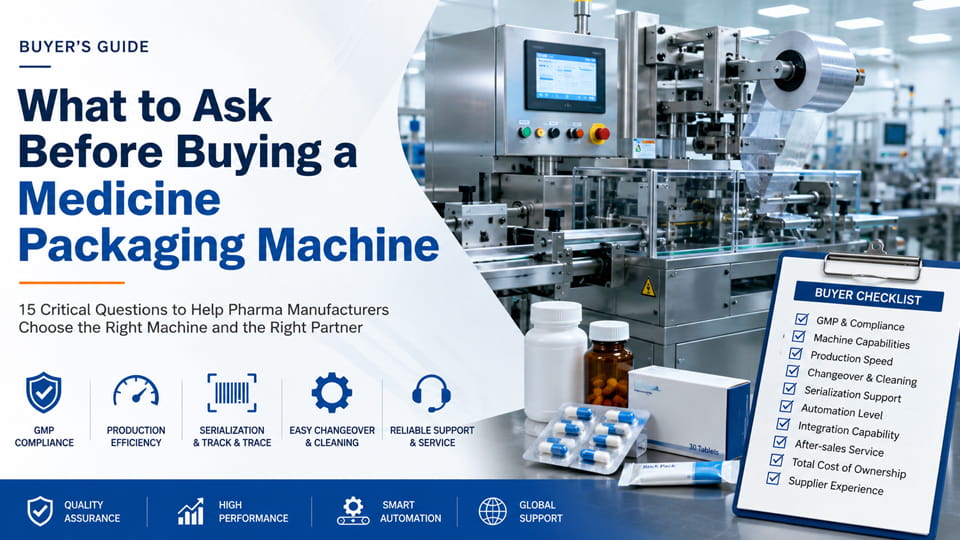
Ekipman Tedariği için URS Kontrol Listesi
URS'yi sonlandırmadan önce, kapsadığından emin olun:
Kullanım amacı / süreç adımı
Ürün tipleri ve ambalaj formatları
Üretim kapasitesi ve çalışma aralığı
İnşaat malzemeleri ve yüzey kaplamaları
GMP/hijyenik tasarım özellikleri
Temizlik ve CIP gereklilikleri
Yardımcı programlar ve çevre koşulları
Kontroller ve veri bütünlüğü (HMI, SCADA, CFR21 Parçası 11)
Güvenlik ve koruma gereksinimleri
Belgeler (kılavuzlar, çizimler, sertifikalar)
FAT/SAT ve yeterlilik çıktıları
Bakım, yedek parça, ve eğitim ihtiyaçları
Düzenleyici referanslar (örneğin. Ek 15, Ek 1)
Eksiksiz bir kontrol listesi, tedarikçiler projeye teklif vermeden önce eksik parçaların yakalanmasına yardımcı olur.
Çözüm
A Kullanıcı Gereksinimleri Belirtimi (URS) herhangi bir ilaç ekipmanı projesinin başlangıç noktasıdır. Kullanıcının ihtiyaçlarını tanımlar ve uyumlu ekipman tasarımı ve doğrulamasının temelini oluşturur. Yazılı olarak Ne ekipmanın yapması gerekenler – net bir şekilde, ölçülebilir kriterler – URS satın alma işlemine rehberlik eder, tedarikçi teklifleri, ve yeterlilik testleri.
İlaç paketleme hatları için, güçlü bir URS şunları sağlar: kabarcık paketleyiciler, tablet sayaçları, kartonlama makineleri, ve şişeleme makineleri gerekli çıktıyı sağlar ve GMP tasarım standartlarını karşılar. Üretiminiz ne zaman, KG, ve mühendislik ekipleri URS üzerinde işbirliği yapıyor, Yanlış anlaşılmaları en aza indirir ve FAT'a giden sorunsuz bir yol açarsınız, IQ'su, OQ, ve PQ.
Bir paketleme makinesi veya hattı için URS hazırlıyorsanız, Unutma: neye ihtiyacınız olduğunu tanımlayın, ölçülebilir hale getirmek, ve bunu GMP gereksinimlerine bağlayın. Jinlu Ambalaj uzmanlaşmıştır ilaç paketleme makineleri – Blister paketleme ve kapsül dolumundan kartonlama ve şişeleme hatlarına kadar. Elinizde net bir URS varken, ekipman tekliflerimizi ve doğrulama desteğimizi tam gereksinimlerinize göre uyarlayabiliriz.
Jinlu Packaging ile iletişime geçin bir sonraki farmasötik paketleme makinenizi belirleme ve nitelendirme konusunda uzman yardımı için. Deneyimli ekibimiz URS'nizi uyumlu bir hale dönüştürmenize yardımcı olabilir, yüksek performanslı çözüm.
Kullanıcı Gereksinimleri Belirtimi Hakkında SSS (URS) Eczacılıkta
URS, kullanıcının bir makine veya sistemle ilgili beklentilerini, tasarlanmadan veya satın alınmadan önce ayrıntılandıran yazılı bir belgedir. Performansı listeliyor, işlevsellik, ve ekipmanın karşılaması gereken uyumluluk gereksinimleri. Başka bir deyişle, tedarikçilere sürecin tam olarak ne gerektirdiğini söyler.
İlaç endüstrisinde URS neden önemlidir??
URS, ekipmanın GMP'ye göre geliştirilmesini sağlar, emniyet, ve veri bütünlüğü gereksinimleri. Tasarımcıların uyumlu tasarım yapabilmeleri için neye ihtiyaç duyulduğu konusunda netlik sağlar., yüksek kaliteli sistemler. Net bir URS olmadan, ekipman temel gereksinimleri kaçırabilir, maliyetli yeniden işlemelere veya mevzuat uyumsuzluğuna yol açan.
URS'yi genellikle kim yazar??
Genellikle süreci yürüten kişiler (üretim veya ürün uzmanları) URS taslağı, mühendislikten gelen girdilerle, KG, ve doğrulama ekipleri. Bu, tüm perspektiflerin kapsanmasını sağlar. Nihai inceleme ve onay, düzenleyici ihtiyaçların karşılandığını doğrulamak için KG'yi içermelidir.
URS ne zaman oluşturulmalı??
URS, ekipmanı satın almadan veya inşa etmeden önce, yani yeni bir sisteme ihtiyaç duyulduğuna karar verildikten hemen sonra hazırlanmalıdır., ve ayrıntılı tasarım veya satıcı seçiminden önce.
Bir URS'ye neler dahil edilmelidir??
İlaç URS'sinin temel bölümleri genellikle proje kapsamını kapsar, fonksiyonel gereksinimler (ne yapar), performans gereksinimleri (bunu ne kadar iyi yapıyor), mevzuata uygunluk ihtiyaçları, veri bütünlüğü, ve kabul kriterleri. Ayrıca güvenlikle ilgili bölümleri de içerebilir, Bakım, dokümantasyon, eğitim, vesaire.
URS ile İşlevsel Gereksinim Spesifikasyonu arasındaki fark nedir? (FRS)?
URS kullanıcının neye ihtiyacı olduğunu tanımlar (iş ihtiyaçları, üst düzey işlevler). FRS (veya işlevsel özellikler) daha sonra gelir ve sistemin bunu nasıl yapacağını açıklar. URS'yi "X çıkışına ve Y doğruluğuna ihtiyacımız var" olarak düşünün, FRS ise bunu başarmak için teknik çözümü veya iş akışını detaylandıracaktır.. Genel olarak, URS'deki işlevsel özellikleri çoğaltmayın.
URS doğrulamaya nasıl bağlanır? (IR/WH/PQ)?
URS, tüm doğrulama testleri için temeldir. Her yeterlilik faaliyeti URS'deki gereksinimlere kadar uzanır. Örneğin, URS gerektiriyorsa 10,000 şişe/saat, PQ (Performans Kalifikasyonu) bu çıktıyı test edecek. Ek 15 URS gereksinimlerinin DQ sırasında doğrulanması ve IQ/OQ/PQ boyunca referans olarak kullanılması gerektiğini açıkça belirtir.
Bir satıcı bizim için URS'yi yazabilir mi??
Satıcı gereksinimleri nasıl karşılayacaklarını netleştirebilse de, URS kullanıcıya ait kalmalıdır. Özel sürecinizi ve GMP önceliklerinizi yansıtmalıdır, yalnızca bir tedarikçinin daha önce ürettiği şeyler değil. Teknik fizibilite konusunda satıcı girdisi alabilirsiniz, ancak son URS'nin ekibiniz tarafından doğrulanması gerekir (KG/doğrulama) önyargıyı önlemek için.
Düzenleyiciler tarafından bir URS gerekli midir??
Evet. GMP yönergeleri (AB Eki 15, FDA 21 CFR, vesaire.) ekipman için belgelenmiş spesifikasyonlar gerektirir. Ek 15 Kalifikasyonun başlangıcında açıkça bir URS veya benzer spesifikasyonun gerekliliği. Benzer şekilde, FDA'nın Parçası 11 ve GAMP5 açıkça belgelenmiş gereksinimlere sahip olmayı vurguluyor. Denetimler sırasında, düzenleyiciler her kritik makine için bir URS veya spesifikasyon görmeyi bekleyeceklerdir.
URS'yi atlarsak ne olur??
Kötü bir URS'yi atlamak veya yazmak genellikle tasarım boşluklarına ve uyumluluk sorunlarına yol açar. Üretim ihtiyaçlarınızı karşılamayan veya kritik GMP özelliklerinden yoksun makinelerle karşılaşabilirsiniz.. Pharmaguideline, belirsiz bir URS'nin "netlik eksikliği nedeniyle ekipmanın yeniden tasarlanması ve nitelendirilmesiyle ilgili aşırı maliyetlere" neden olduğu konusunda uyarıyor. Her zaman iyi bir URS ile başlayın; uyumluluğa giden en etkili yoldur, spesifikasyona uygun sistem.
Küçük fu, Jinlupacking'in kurucusu, getiriyor 20 ilaç makineleri sektöründe uzun yıllara dayanan uzmanlık. Onun liderliği altında, Jinlu, tasarımı entegre eden güvenilir bir tedarikçiye dönüştü, üretme, ve satış. Petty, müşterilerin ilaç ambalajının karmaşıklıklarını aşmasına yardımcı olmak için derin sektör bilgisini paylaşma konusunda tutkuludur, sadece ekipman almamalarını sağlamak, ancak üretim hedeflerine göre uyarlanmış gerçek bir tek elden hizmet ortaklığı.