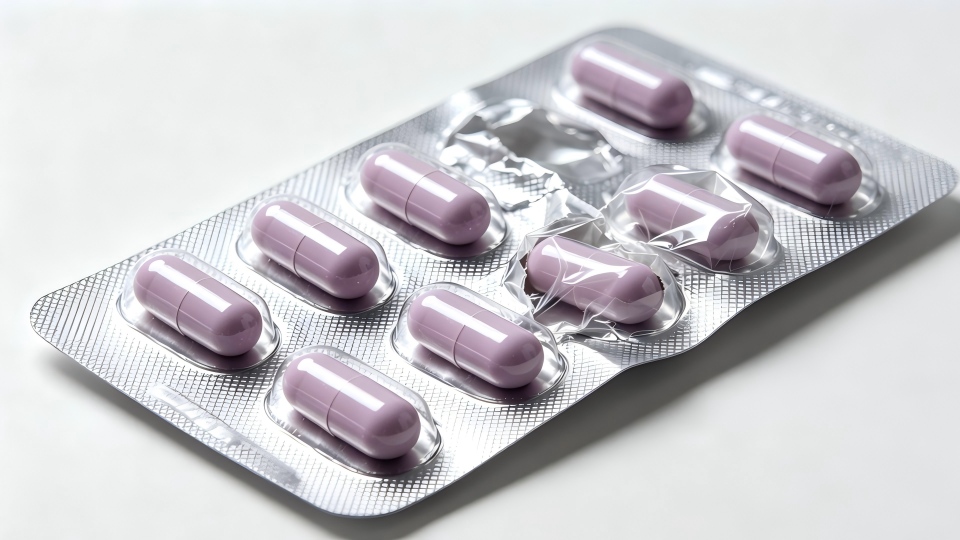
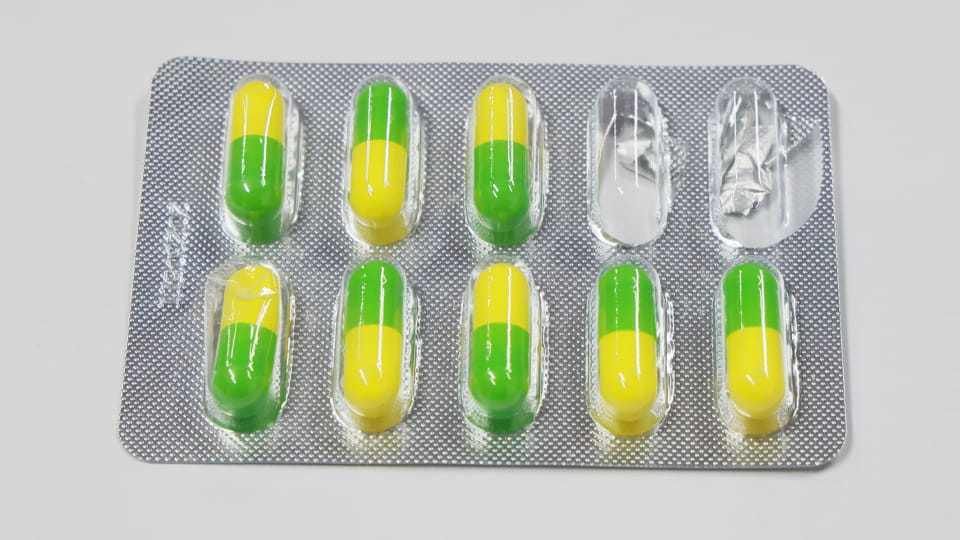
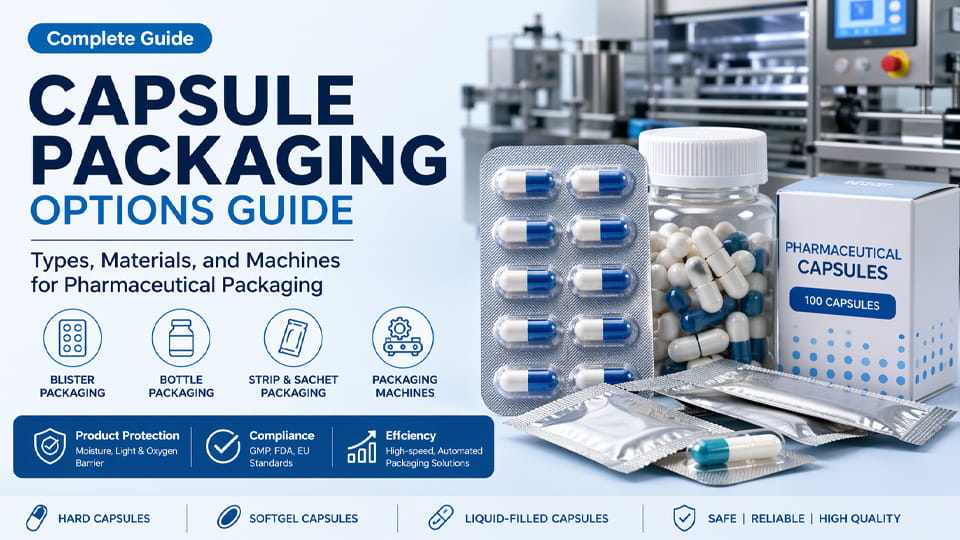
Blister lidding foil (often called “blister foil”) is the sealed cover forpharmaceutical blister packs. It protects pills from moisture and light, carries batch/expiry information, and determines how patients access each dose. Choosing the right lidding foildepends on your product, the intended user, and safety needs. Örneğin, A push-through foillets patients press pills through the aluminum, bir süre peelable foilrequires lifting a tab to open. Some specialized packs combine layers (paper/PET/aluminum) or require an extra opening step for added safety.
What Is Blister Lidding Foil and Why It Matters
Blister lidding foil is the top layer – usually aluminum or a foil laminate – that seals thecavities in a blister pack. This foil typically has a heat-seal coating (lacquer) and is printed with product or batch codes. In a blister, the lidding foilseals to the plastic forming film (PVC, PET, vesaire.) under heat and pressure, creating a tamper-evident package. Başka bir deyişle, the foil and plastic together form a unit-dose pouch. The foil’s bond must be strong enough to protect the medicine from moisture and tampering.
Many blister packs use a clear thermoformed film for the cavity and analuminum foil lidfor closure. The foil’s lacquer melts onto the plastic when sealed, then stiffens into a durable barrier. This barrier blocks moisture, oksijen, ve ışık, keeping the drug stable. Because of its role, selecting the lidding foil involves considering the film it must bond to and the environmental protection required. Always verify that the foil’s coating, kalınlık, and compatibility meet your product’s stability requirements (bizimkine bakın blister packaging materials guidefor more on material options).
Main Types of Blister Lidding and How They Differ
There are several common lidding designs, each offering different access methods and protection levels. We compareitmeli, soyulabilir, paper-laminated, Ve çocuklara dayanıklıblister lidding below:
Push-Through Foil (Direct Puncture)
Push-through foilsare solid aluminum lids that the patient punctures by pressing the pill through the foil. This method typically useshard-tempered aluminum: the user pushes the tablet directly into the cavity, rupturing the foil and causing the pill to pop out. Most patients find this one-step action intuitive, which is why push-through is very common.
Avantajları:Fast and familiar. Opening a push-through blister requires just one motion. The thick metal foil provides excellent barrier protection by itself, so push-through packs are often suitable for products needing moisture or light shielding (unless very sensitive). Örneğin, A PVC/Alu blister (thermoformed PVC film with an Alu foil lid) is a cost-effective standard. Push-through foils also work well in automated high-speed lines because they do not need special tabs.
Hususlar:Not child-resistant on its own.Simply using a thicker foil or requiring more push force doesn’t meet child-safety standards. Ayrıca, pushing a tablet through foil can stress the tablet. Very hard or large pills may chip or crack under force. If the drug is brittle, test it in a push-through lid before full production. Nihayet, push-through foils provide no grip tab, so they require good finger strength; this can be an issue for the elderly or those with limited dexterity.
Peelable Lidding Foil (Lift-Tab Opening)
Peelable foilsuse a removable lid instead of puncturing through metal. Tipik olarak, an aluminum foil layer is laminated to a paper or PET backing. The blister has a small tab: the patient lifts and peels the foil (plus backing) off to access the pill.
Avantajları:Easier opening for users.No pressure is needed on the pill itself. A senior or someone with weak hands can simply lift the tab. Peelable lidding also protects fragile tablets, since nothing pushes directly on the dose. Many manufacturers target “senior-friendly” packs with peel tabs because they significantly reduce the required force.
Hususlar:Peelable lids must be carefully designed and tested. The seal should hold during storage yet peel open cleanly without tearing. Peelable foils often have printed tear indicators (arrows, çizgiler) which must be clear to the user. In barrier terms, a peelable format usually means aluminum plus a backing layer – this givesorta koruma. Örneğin, Jinlu notes that a paperboard-laminated lid has only moderate barrier. You can still meet most shelf-life needs by combining a high-barrier forming film (beğenmek PVC/PVDC) with the foil. Always verify peelable blister performance with real product and patient trials.
Paper-Foil and Laminated Lids (Composite Films)
Some blister foils incorporatepaper or PET layersto add rigidity or print space. Örneğin, a paper-laminate foil might have a paperboard layer laminated to aluminum and then to PVC. This yields a sturdy lid and a large printable surface. Another example is a multi-layer film (like paper/PVC/Al) that forms both cavity and lid.
Avantajları:Better printability and grip. Paper-laminate lids can display detailed instructions or branding, and they give the user a solid feel to grip. They can also reduce metal use if sustainability is a goal. For push-through packs, a paper-backed foil can still be broken with finger pressure.
Hususlar:Barrier performance is lower than pure foil. Örneğin, paperboard or plastic layers allow more moisture through. Use these when full aluminum foil isn’t strictly required (örneğin. short-term use). Always confirm the actual composition: sometimes “paper foil” just means a paper label on top of normal foil. Ensure that under any paper or PET, a real aluminum layer is present if high protection is needed. These laminated foils may also require slower sealing settings on the machine than plain foil.
Child-Resistant and Peel-Push Designs
Çocuklara dayanıklı (CR) blister packs add extra security steps. A common CR approach is thepeel-push blister. Burada, the user must perform two steps: first peel back an outer foil, then push the pill through a secondary foil layer. This dual-action makes it hard for children to access the medicine, yet still doable by adults.
Avantajları:Meets CR requirements. Patients still getbirim dozlar, but with added protection. The two-step sequence (often clearly labeled with arrows) effectively prevents accidental child openings while remaining understandable for adults. Packaging studies show that seniors can open peel-push packs easily even if a simple push-through foil would be too difficult.
Hususlar:Must be validated with testing. If you need CR packaging, design for it from the start and use certified tests. Many CR blister foils include special perforations, oluklar, or required alignments. After adding extra layers or cuts, ensure the sealing process still produces a reliable barrier. Also remember to apply the required CR labeling and instructions. Esasen, ensure you have a properly tested CR system, not just thick foil.
Summary of Lidding Options
Lidding Type
Temel Avantaj
Main Drawback
Geçişli (alüminyum)
Hızlı, one-step opening; strong barrier
Not inherently child-resistant; high force can break pills; needs user strength.
Soyulabilir (Paper/Alu)
Easy opening for weak users; gentle on tablets
Lower barrier (less than full foil); requires visible tab/notch and precise sealing.
Paper/PET Laminate
Large print area; eco-friendly options
Moderate barrier only; may need special machine setup.
Peel-Push / CR
Child-safe two-step opening
More complex/expensive; must maintain seal integrity.
Key Properties to Consider When Choosing Blister Lidding
When comparing blister lid options, değerlendirmek:
Moisture/Oxygen Barrier:Aluminum foil is unmatched for blocking moisture and light. A pure Alu lidding foil is nearly impermeable, raf ömrünü uzatmak. Çok hassas ilaçlar için, consider an Alu-Alu blister (aluminum for both cavity and lid) which offers the ultimate barrier (bizimkine bakın Alu-Alu blister guide ayrıntılar için). Mixed-material blisters (like PVC/PET with an Al lid) can also achieve high barrier if the plastic is coated (örneğin. PVC/PVDC). Always check the foil’s moisture/O2 permeability to ensure it meets your stability goals.
Heat-Seal Compatibility:The foil’s seal coating must match your forming film and machine settings. Each foil uses a specific lacquer (PVdC, akrilik, vesaire.) tuned to different plastics and temperature ranges. Consult the foil’s datasheet and run sample seals to confirm parameters. The ideal foil will bond “in harmony” with the cavity film – creating a firm seal without burning the film. Pratikte, test a short run and adjust the sealing bar temperature and pressure until the seals are strong but not overstressed.
Seal Strength & Opening Force:Aim for a firm seal that won’t leak, but not so strong that patients can’t open it. Perform standard seal tests (örneğin. vacuum or dye-leak tests) to ensure integrity. Measure the force needed to peel or push through (using a force gauge). Mümkünse, compare those values to ergonomic data: Örneğin, many seniors cannot exert more than a certain force. Use these tests to pick a foil that balances security with usability.
Material Thickness:The thickness of both film and foil affects performance. Thicker foil gives better barrier but can slow production. Make sure your machine can handle the foil weight. A very thick foil or laminate may require slower sealing or punch adjustments. Tersine, very thin foil may tear or perforate unintentionally. Choose the minimum thickness that provides adequate protection, then ensure the machine is tuned for that material.
User Factors:Consider who will use the pack. Seniors or those with arthritis often struggle with high push forces. If your user base includes such patients, prioritize easy-peel or peel-push foils. Also pay attention to printing and cues: a clear arrow or tab color on the foil helps guide opening. For multi-dose charts, make sure day labels or instructions are printed on the foil or card for clarity.
Düzenleyici & Safety Needs:By default, a foil-sealed blister is tamper-evident – any removal of the foil is obvious to the user. If child-resistant packaging is required, that must be engineered and tested specifically. Ensure all lidding materials comply with pharmacopeial andGMP standartları. Also apply correct labeling for any tamper-evident or CR claims.
How to Choose the Right Blister Lidding for Your Product
Follow these steps to select the ideal foil:
Assess the product:Check drug stability and fragility. If tablets are brittle or coated, avoid purely push-through designs. Determine barrier needs: Örneğin, a standard tablet might do fine with PVC/Alu, but a hygroscopic tablet may need a PVDC-coated film or Alu-Alu.
Consider the user:Match the opening style to your patients. Adults with normal strength can handle push-through packs. If users include seniors, kids, or anyone with hand limitations, favor peelable or two-step foils. Plan child-resistant designs if needed from the outset.
Balance safety vs cost:More complex foils (two layers, special lacquers, CR features) cost more. Only add features that align with your requirements. A child-resistant blister must be tested – build that into your timeline and budget.
Prototype and test:Shortlist 2–3 candidate foils. Run them in yourkabarcık makinesito check seal quality and fill performance. Have target users try opening prototypes. Measure barrier with stability testing and verify seal integrity (örneğin. vacuum or dye tests). Use these real-world results to finalize your choice.
By taking a systematic approach, you ensure the lidding foil matches your drug’s needs, your patients’ abilities, and your production capabilities.
Blister Lidding and Blister Packing Machine Compatibility
Your choice of foil must work with your blister line:
Material feed and printing:Blister makinelerifeed foil from rolls. Ensure the foil roll width and reel type fit your machine. Most lines can print batch/expiry codes on the foil inline before sealing. Verify the foil finish accepts ink or laser marking if you plan inline coding.
Sealing parameters:Different foils require different machine settings. Aluminum foils usually seal at certain temperatures, while PET-laminated or paper-backed foils may need higher heat or longer dwell. Adjust your sealing bars accordingly. Always run a test batch when changing foils, and inspect the seals and products thoroughly.
Punching and ejection:The punch or knife used to eject tablets must cut through the foil cleanly. Thicker or multi-layer foils may require blade adjustments. Ensure knock-out pins don’t catch on residual foil or paper. If the foil is unusually thick, check the punch clearance.
Inspection and testing:Sızdırmazlıktan sonra, blister machines often use vision cameras and leak tests. Choose a foil that won’t confuse these systems. Örneğin, very shiny foil may reflect light oddly to a camera. Make sure your vacuum/dye leak test still works with the new foil (no false failures).
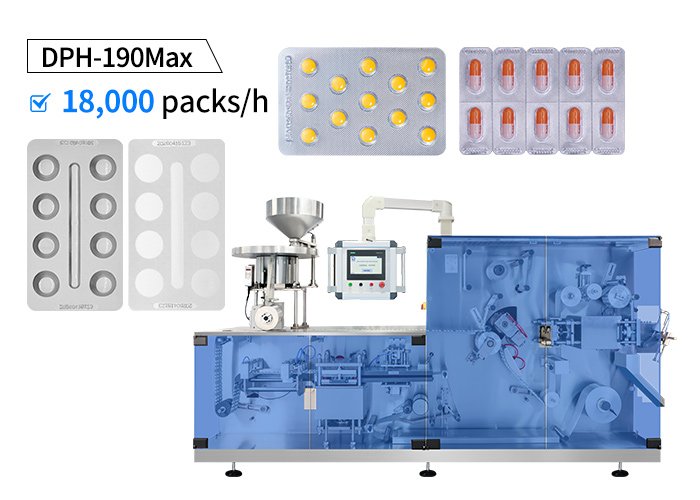
DPH-190Max High Speed Blister Packaging Machine
Özetle, select foil in partnership with your packaging engineers. Consult your machine manuals or ourBlister Packaging Machine Guidefor compatibility. Ensuring the machine settings match the foil will avoid headaches down the line.
Common Mistakes to Avoid When Selecting Blister Lidding
Relying on datasheets:Don’t skip actual testing. Data sheets can’t predict every real-world behavior.
Over-thickening:Using a foil that’s thicker or higher-barrier than needed adds cost and may make opening too hard.
Ignoring usability:A perfectly sealed blister is useless if patients can’t open it easily.
Mis-labeling safety:Don’t call something “child-resistant” unless it truly is (test edildi). Use correct terms for tamper-evident vs CR.
Forgetting scale-up:Ensure the foil works at production speed. Lab trials should be done on real lines.
Avoiding these pitfalls will save time and ensure a patient-friendly, compliant packaging solution.
Çözüm
Doğruyu seçmek blister lidding foilmeans balancing your drug’s stability, patient ease of use, and safety requirements. Routine pills might use a simple PVC/Alu foil lid, while specialty products could use laminated or peel-push systems. Evaluate barrier needs, test openability, and involve end-users early.
When you’re ready to apply these guidelines, Jinlu Packing is here to help. Our blister packaging lines run all common lid types – from standard foil seals to child-resistant systems – and our experts can guide you to the best solution. Learn more about our equipment in theBlister Packaging Machine Guide, veya bize Ulaşın özel bir teklif için. We’ll help you find the perfect blister lidding foil and run it in a reliable, GMP-compliant process.
FAQs About Blister Lidding Foil
What is blister lidding foil?
Blister lidding foil is the material sealed over blister cavities to protect tablets or capsules. It commonly uses aluminium foil with a heat-seal coating and may include additional layers depending on the required opening method and packaging performance.
What is the difference between push-through and peelable blister foil?
Push-through foil allows users to press the tablet or capsule through the lid, while peelable foil is designed to be lifted away from the blister. Push-through is common for conventional unit-dose packs; peelable designs can be useful when easier opening or reduced pressure on fragile tablets is needed.
What is paper-backed blister foil used for?
Paper-backed blister foil combines aluminium foil with a paper layer, often as part of a multilayer laminate. The paper can provide a printable surface or a grip for opening, depending on the construction.
Is peelable blister foil suitable for pharmaceutical packaging?
Evet. Peelable lidding can be used for pharmaceutical packaging when its barrier properties, mühür bütünlüğü, opening force, and compatibility with the blister forming material meet the product’s requirements. The finished package should be tested before production.
What is peel-push blister packaging?
Peel-push blister packaging requires users to peel away an outer layer before pushing the dose through the remaining lidding layer. It combines two opening actions and can be designed for child-resistant applications, but the complete package must pass the applicable safety tests before it can be described as child-resistant.
Does thicker blister foil provide better child resistance?
Mutlaka değil. Foil thickness is only one design factor; child resistance depends on the complete package construction and its performance in the applicable regulatory tests. A thicker foil alone does not establish compliance.
How do you choose the right blister lidding foil for tablets?
Consider the tablet’s fragility, required moisture and oxygen protection, intended opening method, applicable safety requirements, and compatibility with the forming film. Then validate the selected material using finished blister packs and representative opening and seal-integrity tests.
What affects the heat-seal performance of blister lidding foil?
Heat-seal performance depends on the lidding foil’s sealant coating, the forming material, sızdırmazlık sıcaklığı, basınç, kalma süresi, and machine condition. These parameters should be established through trials and verified for consistent seal integrity.
Can blister lidding foil be used on any blister packaging machine?
HAYIR. Compatibility depends on the machine design, foil dimensions and stiffness, sızdırmazlık sistemi, forming material, and required process settings. Confirm the material specifications with the machine supplier and conduct a production trial before committing to a new foil structure.
How do you test blister lidding foil before production?
Test the finished pack for seal integrity, required barrier performance, opening or peel force, and product damage where relevant. For child-resistant packaging, conduct the applicable package-level testing; material datasheets alone are not sufficient to establish performance.
Küçük fu, Jinlupacking'in kurucusu, getiriyor 20 ilaç makineleri sektöründe uzun yıllara dayanan uzmanlık. Onun liderliği altında, Jinlu, tasarımı entegre eden güvenilir bir tedarikçiye dönüştü, üretme, ve satış. Petty, müşterilerin ilaç ambalajının karmaşıklıklarını aşmasına yardımcı olmak için derin sektör bilgisini paylaşma konusunda tutkuludur, sadece ekipman almamalarını sağlamak, ancak üretim hedeflerine göre uyarlanmış gerçek bir tek elden hizmet ortaklığı.