Капсульные машины для заполнения (машины для наполнения капсул или капсуляторы) являются рабочими лошадками фармацевтической промышленности. Они автоматически дозируют порошки в твердые гелевые капсулы на высокой скорости., обслуживая как производителей пищевых добавок, так и производителей лекарств. Тем не менее, частая головная боль на производстве утечка порошка – когда мелкий порошок выходит из машины, а не остается в капсулах. Даже небольшая утечка порошка может привести к потере веса наполнителя., засорить оборудование, и создайте облако пыли в вашем чистом помещении. Результат – испорченный продукт., дополнительная уборка, и потенциальный брак партии.
В этой статье, мы пройдем через симптомы, причины, и решения утечки порошка в оборудовании для наполнения капсул. Мы объясним, почему это важно (подумайте о потерянных ингредиентах и несоответствии GMP), затем погрузитесь в вершина 10 коренные причины – от плохой подачи порошка до изношенных уплотнений – с практическими исправлениями для каждого.
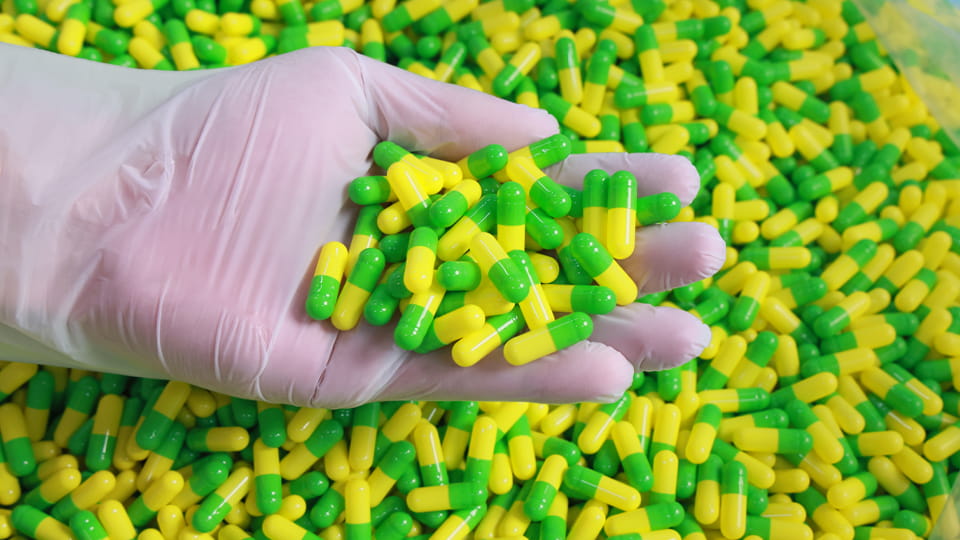
Изображение: Партия готовых твердых капсул после наполнения (машины для наполнения капсул ежедневно производят миллионы таких капсул.). Правильно заполненные капсулы должны содержать весь порошок внутри и не иметь видимого порошка снаружи оболочки..
Когда из машины для наполнения капсул начинает вытекать порошок, последствия распространяются на производство:
Суммируя, утечка порошка снижает производительность, качество, и соответствие. Хорошей новостью является то, что большинство проблем с утечками имеют идентифицируемые причины и способы устранения.. В следующих разделах будут перечислены вершина 10 распространенные причины утечки порошка в капсульных наполнителях, каждый объяснил с почему такое случается и как решить это. Многие причины совпадают, поэтому решения часто включают калибровку машины, уборка, и проверка компонентов.
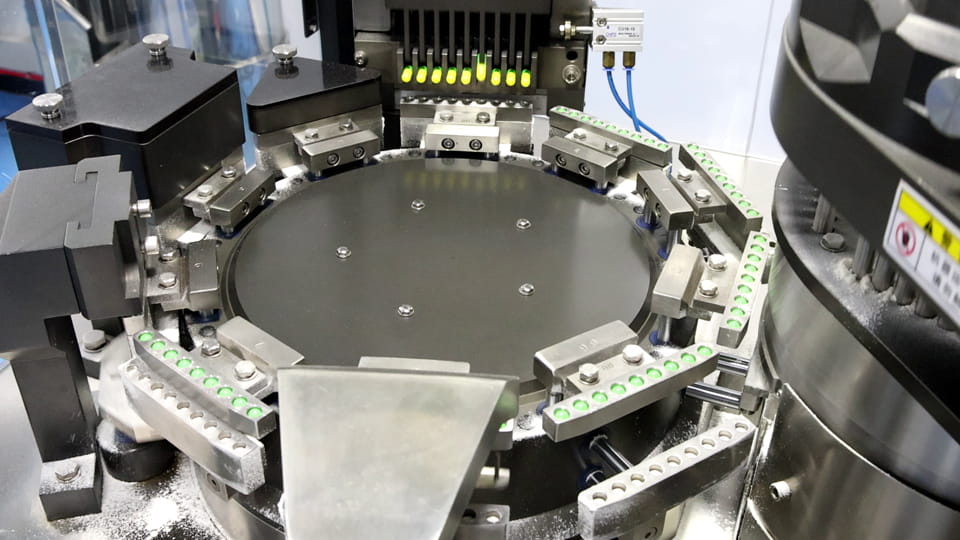
Ниже мы рассмотрим десять наиболее частых причин утечек., с каждой причиной следует стратегия решения. В каждом случае, проверить выравнивание машины, инструмент, и настройки вакуума перед дальнейшим устранением неполадок.. Большинство решений включают в себя плановую регулировку или замену деталей, которые можно выполнить на заводе..
Почему это происходит: Некоторые порошки просто плохо текут.. Липкий, гигроскопичные или высококогезионные порошки склонны к комкованию., мост, или застрять в системе подачи. Например, экстракты трав или некоторые добавки могут «прилипать к модулям машины и компонентам дозировки»., прерывание намеченного пути потока». Когда порошок прилипает к дозирующему диску или трамбовочному штифту, он может неожиданно сместиться во время вращения, вызывая разливы или переливы при образовании пробки. Отлично, электростатические порошки также могут всплывать, если они не оседают должным образом..
Решение: Улучшайте текучесть порошка и обращайтесь с ним бережно.. Опции включают в себя:
За счет улучшения потока (с помощью добавок или технологии), вы сохраняете движение порошка предсказуемым. Как поделился один инженер завода, переход на порошок с лучшей проницаемостью и добавление смазки решили проблему закупоривания.
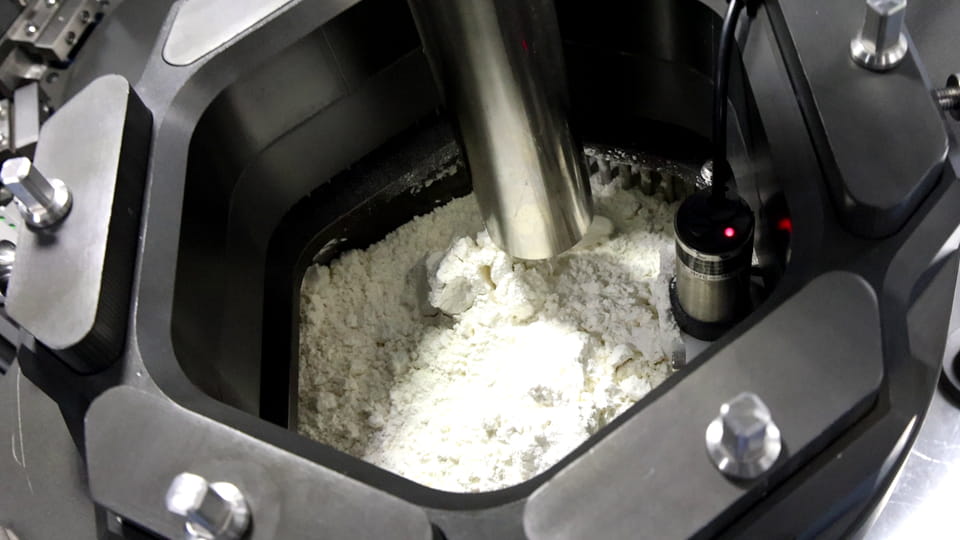
Изображение: Порошок травяной добавки загружают в машину для наполнения капсул. Такие порошки могут быть липкий или вязкий, чтобы убедиться, что они текут хорошо (за счет правильной рецептуры или низкой скорости подачи) является ключом к предотвращению утечек.
Почему это происходит: Если пустые оболочки капсул не подходят точно к заправочной станции, щели открыты для выхода порошка. Например, использование размера капсулы, который «слишком мал или слишком велик для машины», создает пути утечки. Даже если номинальный размер (например. «Размер 0») спички, небольшие отклонения в размерах могут привести к несоответствию. Поврежденные скорлупы – треснутые, сколы, или иным образом не соответствуют техническим характеристикам – также будут протекать, потому что они не будут герметично закрываться должным образом..
Решение: Обеспечьте строгий контроль качества капсул.. Всегда проверяйте, что размер капсулы и допуски соответствовать инструментам станка. Измерьте образец снарядов и сравните его с техническими характеристиками машины.. Если капсулы отличаются (хоть немного), перейти на сертифицированную партию. JinluPacking уделяет особое внимание входящему контролю качества: «Несоответствия размеров между пустыми оболочками капсул и инструментами машины… неизбежно приведут к утечке порошка». Для целостности капсулы:
Обеспечивая капсула подходит и качество, вы устраняете одну из самых простых причин утечки. Убедитесь, что вы используете оболочки капсул, соответствующие спецификациям вашей машины, и отрегулируйте машину, если она позволяет использовать разные размеры..
Почему это происходит: В объемных капсульных наполнителях (типы дозатора или тампона), тот дозирующий диск (дозирующая пластина) и Заткнутые булавки установить объем порошка на капсулу. Если эти настройки неверны, порошок может перелиться или рассыпаться. Например, слишком тонкий дозирующий диск (слишком глубоко) при заданном объеме заполнения излишки порошка будут высыпаться сверху.. JinluPacking отмечает, что «основной причиной утечки порошка и несоответствия объема является неправильная спецификация дозирующего диска, например, слишком тонкий диск». Сходным образом, неправильная настройка темпераментного штифта (контакты слишком высокие или низкие) может оставить порошок неплотно заполненным, приводит к разливу во время вращения.
Решение: Тщательно калибруйте и регулируйте дозирующие компоненты.:
С правильными настройками диска и контакта, каждая капсула должна содержать назначенную дозу без перелива. Если дозирующий диск недостаточно толстый, он может перелиться и вызвать утечку, поэтому регулировка диска или подачи решает эту проблему.
Почему это происходит: Капсульные наполнители имеют верхнюю станцию. (капсульная подача/разделение) и нижняя станция (заправочная станция). Эти модули должны идеально совпадать при повороте башни.. Даже небольшой наклон или зазор позволяют порошку просачиваться между модулями во время заполнения.. Несоосность может проявиться со временем из-за вибрации., носить, или постучать, особенно на старых машинах. Как объясняет один эксперт, «Если модули не идеально выровнены, создаются щели, через которые может выйти мелкий порошок»..
Решение: Выровняйте и закрепите модули:
Предотвращение несоосности во многом является вопросом дисциплина в обслуживании. Держите раму машины прямоугольной, не ударяйте и не перегружайте ее.. При правильном выравнивании, «верхний и нижний модули [иметь] бесшовный, «интерфейс без зазоров» и утечки из-за несоответствия модулей исчезают.
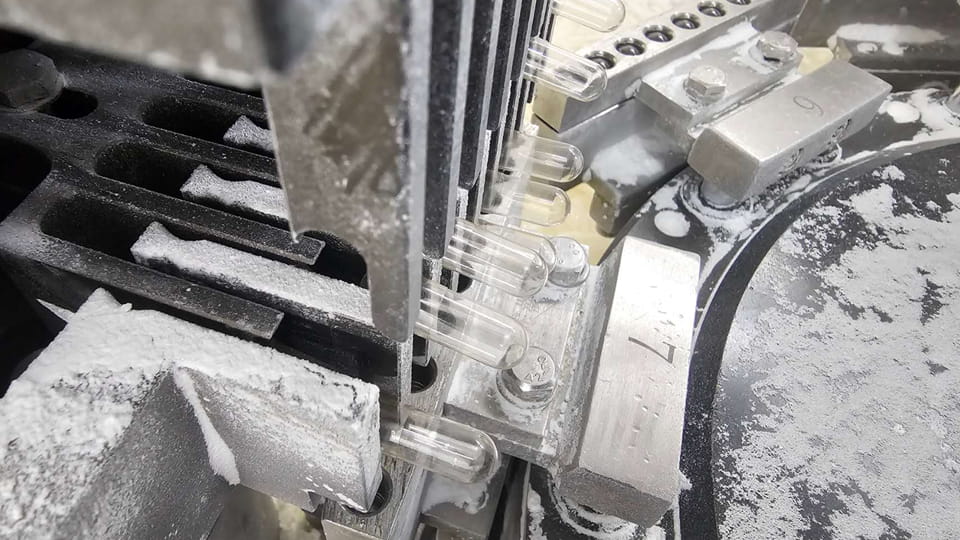
Почему это происходит: Вакуумная система во многих машинах для наполнения капсул выполняет две ключевые функции.: отделение/открытие капсул и удержание корпусов капсул во время наполнения. Если вакуумный насос или вакуумные линии тянут недостаточно сильно, капсулы не садятся плотно под дозирующий диск. Даже небольшая потеря всасывания означает, что порошок будет рассыпаться по ободу, а не в капсулу.. JinluPacking отмечает, что «недостаточное вакуумное всасывание… приводит к выходу из строя».: корпус капсулы может удерживаться ненадежно, или порошок может высыпаться во время транспортировки».
Решение: Проверка и восстановление вакуума:
На практике, включить быструю проверку вакуума при запуске. Если порошок продолжает вытекать, стремитесь добиться «постоянного всасывания», очищая фильтры каждую смену. Правильное обслуживание вакуумной системы имеет решающее значение для предотвращения утечек..
Почему это происходит: Каждая машина для наполнения капсул имеет максимальную рекомендуемую емкость бункера для порошка.. Если залить больше этого количества, это создаст дополнительное давление в механизме подачи.. Это давление может буквально сила порошок выходит за уплотнения или по краям дозатора. Когда бункер заполнен сверх рекомендованной вместимости., он может проталкивать порошок через небольшие щели или уплотнения, которые обычно его удерживают. По сути, машина захлебывается от перегрузки и проливается.
Решение: Контролируйте уровень заполнения бункера:
Поддержание бункера на безопасном уровне предотвратит утечки, вызванные давлением.. Даже если немного дополнительного порошка, как только печати будут нарушены, любое количество может ускользнуть. Установите визуальные маркеры или датчики, чтобы никто случайно не превысил максимальный уровень заполнения..
Почему это происходит: Уплотнения, Уплотнительные кольца и прокладки на раме подачи, бункер, и капсульные станции — это барьеры, удерживающие порошок.. Через некоторое время, постоянное истирание мелкими частицами порошка разрушает эти резиновые/пластмассовые детали.. Поскольку они изнашиваются, образуются крошечные трещины или зазоры, пропуская пыль мимо себя. Jinlupacking подчеркивает это: «Изношенные или поврежденные уплотнения… со временем портятся… По мере их износа, могут образоваться крошечные зазоры, позволяя порошку вылететь».
Решение: Заменить и обновить уплотнители:
Предотвращение выхода из строя уплотнения является частью профилактического обслуживания.. Расписание мы рассмотрим позже, но в целом: замените сальники до протечек. Такой упреждающий подход позволяет избежать внезапных перерывов. Программа профилактической замены уплотнений обеспечивает герметичность машины..
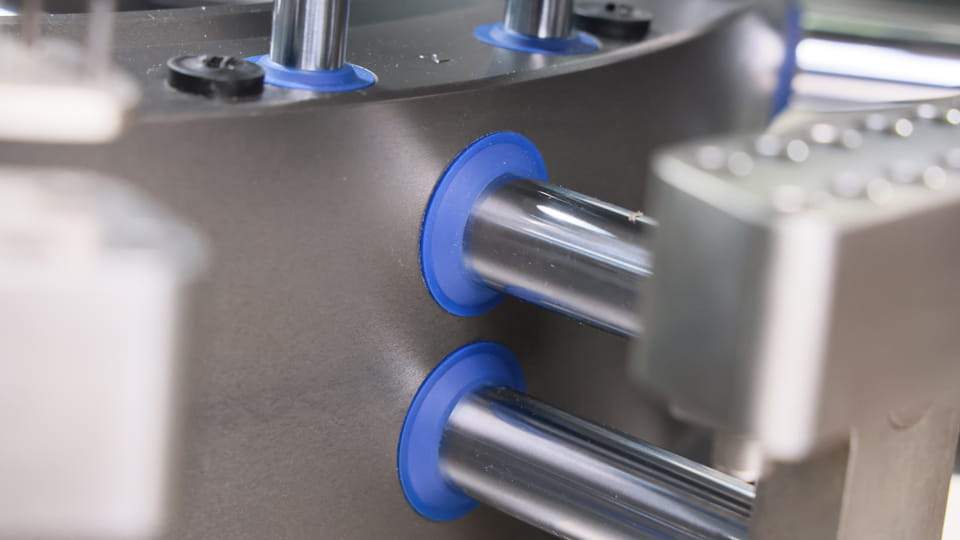
Почему это происходит: Слишком быстрый запуск капсулонаполнителя может привести к максимизации производительности., но это может иметь побочные эффекты. На очень высоких оборотах, капсулы и порошок движутся более хаотично: время наполнения сокращается, и капсулы могут на мгновение сбиться с места. Вибрация увеличивается. Руководство Jinlu предупреждает, что превышение рекомендуемых оборотов может «дестабилизировать выравнивание и вызвать заедание», что, в свою очередь, может создавать крошечные открытые зазоры между движущимися частями.. По сути, выход за пределы стабильной скорости машины может привести к рассыпанию порошка. Связанная проблема – это просто механическая нагрузка.: если машина перегружена слишком большим количеством корма (похоже на Причина 6), он может колебаться или затворяться, расшатывание суставов.
Решение: Соблюдайте номинальные скорости и балансируйте скорость подачи.:
На практике, большинство полуавтоматические наполнители не работают выше ~10 об/мин для твердых капсул. Полностью автоматические системы могут производить десятки тысяч капсул в час., но даже тогда у них есть встроенный контроль, позволяющий избежать нестабильной работы. Соблюдение рекомендованного диапазона скоростей предотвращает «шаткую» динамику, которая может открыть пути утечки..
Почему это происходит: Окончательно, любое несовершенство самих капсул может стать причиной протечек. Если крышка капсулы треснула, заправочная станция не может его удержать и порошок высыпается. Так же, если скорлупа хрупкая или деформированная, они могут неправильно сидеть. Факторы окружающей среды способствуют: Оболочки капсул гигроскопичны и могут размягчиться или стать хрупкими, если не контролировать влажность или температуру.. Хрупкие оболочки трескаются под давлением, в то время как сверхмягкие оболочки разрушаются.
Решение: Контролируйте качество капсул и окружающую среду:
Высокое качество, неповрежденные капсулы — ваша первая защита от утечки. Даже самая лучшая машина не сможет заклеить сломанную оболочку.. В тяжелых случаях, вам может потребоваться отказаться от доставки капсулы, если ее качество вызывает подозрения.. Предотвращение утечек начинается с хорошего сырья..
Почему это происходит: Окончательно, даже внутренние компоненты могут изнашиваться и создавать утечки. Например, во многих дозаторных системах используется скребок для удаления излишков порошка с дозирующего диска.. Если скребок становится неровным или болтается, он может не сметать порошок чисто, порча вакуумного уплотнения и высыпание порошка. Так же, изношенная кромка дозирующего диска, зазубренный штифт, или ослабленная втулка револьверной головки может поставить под угрозу герметичность заполнения.
Решение: Осмотр и замена изношенных деталей:
Суммируя, держите инструменты для наполнения свежими. Включите эти проверки в свое ежемесячное обслуживание.. Изношенные или поврежденные внутренние детали создают мельчайшие утечки, которые трудно обнаружить, пока порошок не начнет выходить.. Тщательная плановая проверка всех компонентов наполнителя позволит предотвратить эти скрытые причины..
Используйте эту краткую справочную таблицу при диагностике утечки.. Сопоставьте симптом с вероятными причинами и способами устранения.:
| Симптом / Знак | Возможная причина | Решение |
| Порошок вокруг основания башни | Несоосность верхнего/нижнего модуля; грязные печати | Перенастроить модули (отрегулировать стержни); очистить сальники/прокладки |
| Рассыпчатый порошок на поверхности капсулы | Переполненная капсула (избыточная доза); скребок изношен | Уменьшите количество порошка на загрузку; заменить/выровнять скребок |
| Непостоянный вес капсулы | Плохая текучесть; забитый корм; изношенный дозатор | Улучшить поток порошка (агент потока, осушать); проверить дозировочный диск; чистые механизмы подачи |
| Пыль внутри машины (нижний) | Утечка вакуума (шланг или фильтр); заделка зазора | Осмотрите вакуумные линии и насос.; заменить фильтры/прокладки |
| Капсула неправильно прилегает или застревает | Изношенные уплотнения или размеры корпуса; скорость слишком высокая | Осмотрите/замените уплотнения стола.; используйте капсулы правильного размера; уменьшить обороты |
| Мутная пыль при выгрузке | Разбитые капсулы; вибрация машины | Замените поврежденные капсулы.; более низкая скорость/вибрация |
| Высокий процент брака | Выравнивание выключено; грязное оборудование | Выполните полную очистку, перестройка, калибровка |
Каждый симптом должен вызывать необходимость визуальной и механической проверки отмеченных компонентов.. Часто решение одной проблемы (как затягивание выравнивания) уберет несколько симптомов.
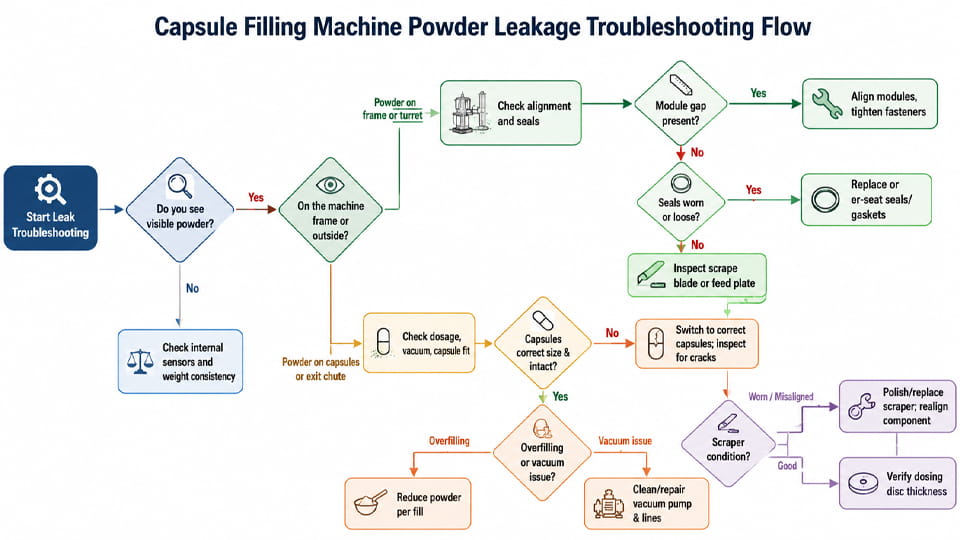
Фигура: Блок-схема поиска и устранения неисправностей для диагностики утечек порошка наполнителя капсул.
Если вы попробовали все вышеперечисленные исправления, но проблемы с утечкой не устранены (особенно на старой или интенсивно используемой машине), возможно, пришло время задуматься о капитальном ремонте или обновлении. Частый, необъяснимые утечки могут указывать на скрытую несоосность или изношенные детали рамы, ремонт которых по частям обходится дорого.. Например, если выравнивающие стержни переполнены или машина постоянно не соответствует техническим характеристикам, несмотря на калибровку, полный ремонт может стоить почти столько же, сколько новый блок.
В этот момент, сравните стоимость полного обслуживания со стоимостью новой машины. Современные капсульные наполнители часто имеют усовершенствованная конструкция для минимизации утечек. Например, Машины серии NJP компании Jinlu (НДЖП-400С, НДЖП-800С, НДЖП-1200С, НДЖП-1500Д) включать такие функции, как пневматическая подача порошка (обращаться с липкими порошками) и конструкции с двойным уплотнением (изолировать внутреннюю часть от внешней среды). Двухслойное уплотнение значительно снижает образование порошковой пыли на заправочной станции.. NJP-400C даже использует цифровую шкалу на заправочной станции для точной регулировки дозы., помогает избежать переполнения.

Если у вас крупносерийное производство или очень мелкие порошки, модернизация может окупиться сокращением отходов и времени простоя. Такие модели, как NJP-800C или более крупные, рассчитаны на 60,000 капсул в час при высокой вакуумной мощности. В любом случае, когда обслуживание становится постоянной битвой, новая машина с обновленными элементами управления и компонентами может устранить многие основные причины утечек..
В конечном счете, ремонт или замена зависит от экономики и ваших потребностей в производительности.. Но всегда консультируйтесь с поставщиком оборудования — они часто могут модернизировать ключевые детали или посоветовать новейшие модели, чтобы обеспечить работу с вашим продуктом без утечек..
Утечка порошка в машине для наполнения капсул никогда не является «просто небольшой пылью» — это означает неэффективность., потерянные ингредиенты, и риск. Хорошей новостью является то, что большинство причин легко диагностировать и устранить.. Используя описанные выше действия по устранению неполадок, проверка выравнивания, пустой, поток порошка, и обслуживание, часто можно остановить утечки без больших вложений.
Если вы проверили все вышеперечисленное и все еще видите утечку (особенно на старой машине), рассмотреть возможность модернизации или модернизации. Современные наполнители капсул, такие как серия NJP от Jinlu, разработаны с учетом предотвращения утечек. (например. лучшие уплотнения и воздушный поток).
Профилактическое обслуживание – ваш союзник: ежедневная уборка, регулярная замена уплотнителей, а правильная калибровка позволит обнаружить многие проблемы еще до того, как они протечат.. Используйте таблицу устранения неполадок и блок-схему в качестве руководства., и следите за симптомами, чтобы пресечь любые возникающие утечки в зародыше..
Нужна помощь? Для получения подробных инструкций по машинам для наполнения капсул Jinlu или индивидуального плана обслуживания, свяжитесь с нашими экспертами. Мы также предлагаем услуги по обучению и калибровке на месте, чтобы ваше оборудование работало с максимальной эффективностью.. Вместе, мы позаботимся о том, чтобы ваши капсулы оставались внутри капсул – там, где им и место.!
Утечка порошка обычно означает, что что-то не герметично или не выровнено правильно.. Распространенными виновниками являются несоответствие капсулы., слабое вакуумное всасывание, изношенные уплотнения, или перегрузка бункера. Часто это сочетание (НАПРИМЕР., плохой поток порошка + небольшое смещение). Проверьте выравнивание, давление вакуума, и сначала убедитесь, что вы используете правильный размер капсулы.
Часто это сочетание несоответствия капсул и выравнивания машины.. Если пустые капсулы не идеально соответствуют размеру наполнителя, появляются крошечные щели. Так же, наклоненная турель или свободный дозирующий диск позволяют порошку высыпаться. Всегда сначала проверяйте корпуса и настройки машины..
Остановите утечки, систематически проверяя каждую причину утечки.: убедитесь, что вакуум достаточно сильный, выровняйте верхний и нижний модули, замените все треснувшие капсулы или уплотнения., и сопоставьте объем порошка с дозирующим диском. Проводите ежедневную уборку, чтобы в зазорах не оставалось порошка.. Профилактически, используйте капсулы и порошки, которые, как известно, работают на вашей машине, и обучайте операторов правильной настройке и подаче машины..
Да. Если порошок слишком крупный или липкий, он может перекинуться или застрять, а затем упасть неожиданным образом. Это может привести к вылету осколков порошка из краев дозатора.. Улучшение потока (например. добавление агентов потока, снижение влажности, или с использованием пневматической подачи) будет обеспечивать плавное движение порошка, чтобы он оставался в капсуле.
Абсолютно. Капсула, которая не подходит к станку, создает зазор для выхода порошка.. Всегда дважды проверяйте размер капсулы. (#0, #1, и т. д.) и размерный допуск партии. Также, поврежденные или мягкие капсулы будут протекать во время закрытия. Суммируя, используйте капсулы только указанного размера и убедитесь, что оболочки целы и соответствуют техническим характеристикам..
Первый, послушай насос и проверь масло (если применимо). Осмотрите шланги на наличие трещин. Очистите или замените фильтры. Ставим вакуумметр в систему: он должен соответствовать характеристикам машины (часто около –0,06 МПа для твердых капсул.). Если давление подпрыгивает или никогда не достигает этого, очистите фильтр или ищите утечку. Помнить: даже небольшая утечка (как дырочка в трубке) значительно уменьшит всасывание.
Абсолютно. Утечки приводят к неравномерному весу наполнения. (недозаполненные капсулы) и может загрязнять капсулы рассыпчатым порошком, влияющие на внешний вид и целостность продукта. Поддержание точности наполнения имеет решающее значение для безопасности продукции и соблюдения требований..
Помимо устранения утечек, используйте «улавливание отходов» там, где это возможно – например, верните просыпанный порошок в бункер, если он свободен от загрязнений. На некоторых предприятиях вокруг зоны наполнения устанавливаются местные вытяжные зонты для всасывания лишней пыли обратно в систему.. Что еще более важно, составьте план профилактического обслуживания, чтобы проблемы выявлялись на ранней стадии. Говорят, что правильное обслуживание может предотвратить 50% проблем с простоями, что напрямую приводит к уменьшению отходов от утечек.
Идеальные порошки обладают хорошей сыпучестью.: средний размер частиц, низкая влажность, и низкая связность. Гранулы или гранулированные составы часто работают лучше, чем ультратонкая пыль.. Если ваш ингредиент шелушащийся, рассмотрите возможность его предварительного гранулирования или добавления небольшого количества смазки. Независимо от смеси, однородный порошок (без комочков) будет заполняться равномерно, не вылетая.
Всегда выключайте и блокируйте машину перед чисткой.. Используйте подходящие СИЗ (маска и очки) защитить от пыли. По возможности используйте щетки и пылесос вместо сжатого воздуха., чтобы свести к минимуму попадание в воздух порошка. После очистки, перед повторным запуском убедитесь, что все детали полностью высохли.. Проверьте всех охранников, бункеры, и камеры собраны правильно (неправильная сборка сама по себе может привести к утечкам).
Ссылки:
1.Порошковый поток—— Фармакопея США
2.Вопросы и ответы по текущим требованиям надлежащей производственной практики | Оборудование -- НАС. Управление по контролю за продуктами и лекарствами
3.Влияние свойств текучести порошка на однородность массы наполнения капсул —— Национальная медицинская библиотека
4.Наполнение порошком твердых желатиновых капсул на тампоновочной машине. —— Национальная медицинская библиотека
5.Исследование различных факторов, влияющих на капсулирование на автоматической капсулонаполняющей машине In-Cap —— Национальная медицинская библиотека
6.Фасовка порошков в твердые капсулы, состоящие из двух частей. —— НаукаДирект