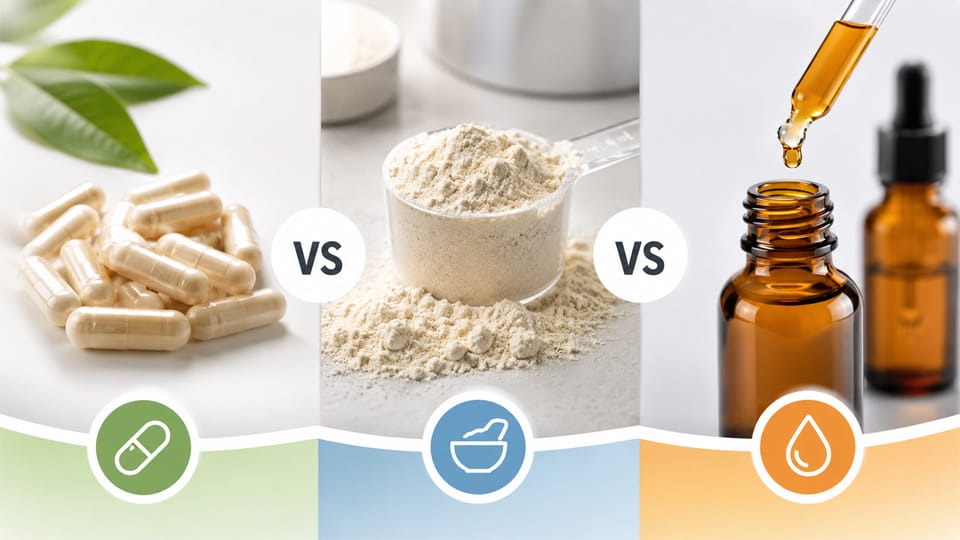
Kapsułki, proszki, i płynne suplementy różnią się szybkością i skutecznością wchłaniania składników odżywczych przez organizm. Płyny (już rozpuszczony) na ogół najszybciej dostają się do krwioobiegu, Pudry są następne (brak zewnętrznej powłoki, która mogłaby się rozpuścić), i kapsułki są wolniejsze, ponieważ skorupa musi się najpierw rozbić. Jednakże, wchłanianie (wchłanianie do krwi) I Biodostępność (faktycznie wykorzystana część składników odżywczych) zależą w równym stopniu od szczegółów receptury, jak i od formy. Kapsułki zapewniają wygodę i dokładność dawkowania, proszki zapewniają elastyczność i oszczędność kosztów, i płyny zapewniają szybkość i łatwość osobom, które nie mogą połykać tabletek. W rzeczywistości, wybierają producenci formacie uzupełnienia poprzez zrównoważenie korzyści absorpcyjnych z kosztami produkcji, opakowanie, i potrzeb konsumentów. Na przykład, Suplementy białkowe i elektrolitowe mają zazwyczaj postać proszków, ekstrakty ziołowe i olej rybny to często kapsułki (lub kapsułki żelowe), a witaminy dla dzieci i seniorów mogą mieć postać płynów. Poniżej szczegółowo wyjaśniamy te różnice i przedstawiamy tabelę porównawczą, schemat podejmowania decyzji, i uwagi dotyczące sprzętu (Wypełniacze kapsułki, pakowacze proszku, linie rozlewnicze cieczy) aby pomóc producentom suplementów dokonać właściwego wyboru.
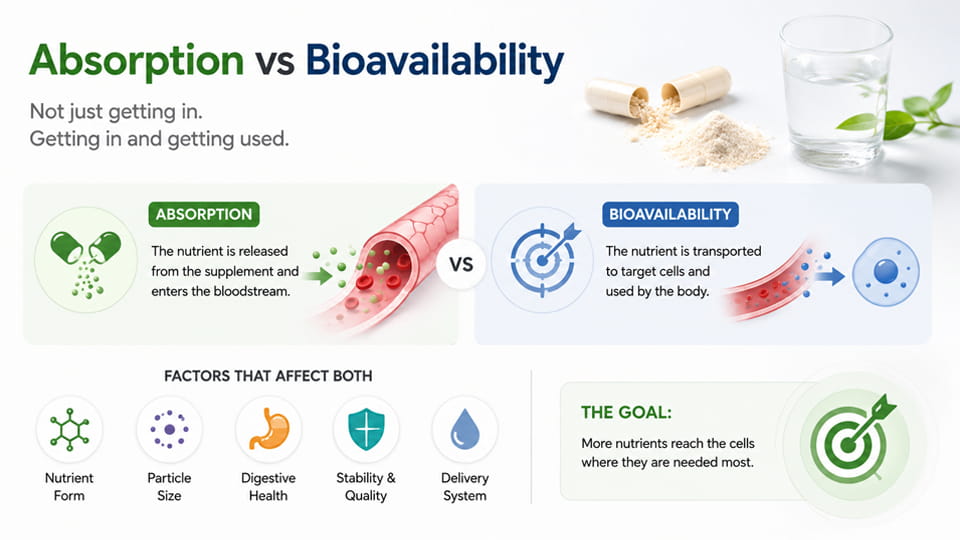
Przed porównaniem formularzy, ważne jest zdefiniowanie wchłanianie I Biodostępność w suplementach. Wchłanianie to proces, w wyniku którego składnik odżywczy przedostaje się przez ścianę jelita do krwioobiegu. Biodostępność to część tej dawki, która faktycznie dociera do krążenia ogólnoustrojowego w postaci aktywnej. Mówiąc prościej, wchłanianie jest dostanie się do krwi, podczas gdy biodostępność jest być dostępnym do użycia. Suplement może zostać wchłonięty, ale nadal traci moc (Na przykład, poprzez metabolizm pierwszego przejścia w wątrobie). Dlatego, dwa czynniki decydują o skuteczności suplementu: jak szybko dostaje się do krwi (szybkość wchłaniania) I ile z nich pozostaje aktywnych (Biodostępność).
Kluczowymi czynnikami wpływającymi na wchłanianie jest rozpuszczalność suplementu, wielkość cząstek, i sformułowanie, jak i czynniki indywidualne (zdrowie jelit, obecność pożywienia lub tłuszczów, interakcje z innymi składnikami odżywczymi). Na przykład, witaminy rozpuszczalne w tłuszczach (A, D, mi, K) wymagają prawidłowego wchłaniania tłuszczów z pożywienia, niezależnie od tego, czy są w kapsułce, czy w płynie. Niektóre minerały (tak jak magnez) Są znacznie lepiej wchłaniane w postaci cytrynianów lub chelatów niż jako proste tlenki. Zatem, dodatek sformułowanie (w tym wzmacniacze, takie jak piperyna dla kurkuminy) często ma większe znaczenie niż sama forma dostawy. Podsumowując, wchłanianie oznacza dostanie się do krwioobiegu, chwila Biodostępność oznacza nadający się do użytku ułamek – dwa różne, ale powiązane pojęcia.
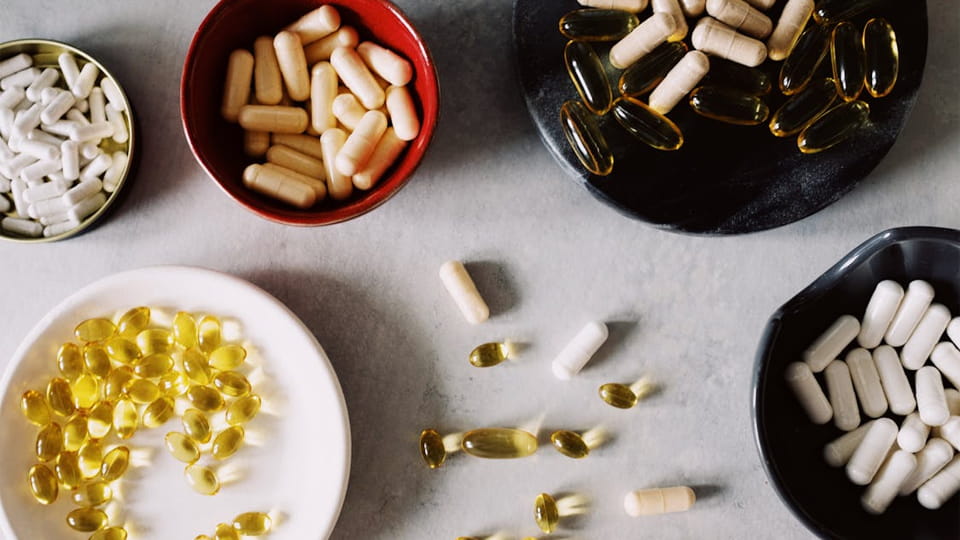
Kapsułki są tradycyjną formą dawkowania wykonane z otoczki żelatynowej lub roślinnej wypełnionej proszkiem, pellety, granulki lub nawet płynne oleje. Są popularne, bo są wstępnie zmierzone, trwałe, i łatwe do połknięcia. Po spożyciu, otoczka kapsułki rozpuszcza się w żołądku (zwykle w ciągu 20–30 minut), uwalniając składniki aktywne, które mają zostać wchłonięte w jelicie cienkim.
Zalety kapsułek:
Ograniczenia kapsułek:
Przykłady: Kapsułki są powszechnie stosowane w przypadku witamin (multiwitaminy, witamina D), ekstrakty ziołowe (kurkuma, żeń-szeń), Probiotyki, aminokwasy, takie jak kreatyna, i olej rybny (kapsułki żelowe). Pasują do produktów, w których liczy się wygoda i długi okres przydatności do spożycia. Na przykład, kolagen i witamina B12 są często sprzedawane w postaci kapsułek. Jako producent, jakiś automatyczna maszyna do napełniania kapsułek może wydajnie obsłużyć miliony kapsułek na godzinę (np. Modele Jinlu wypełniają się do 468,000 kapsułki twarde/godz. z dużą precyzją).
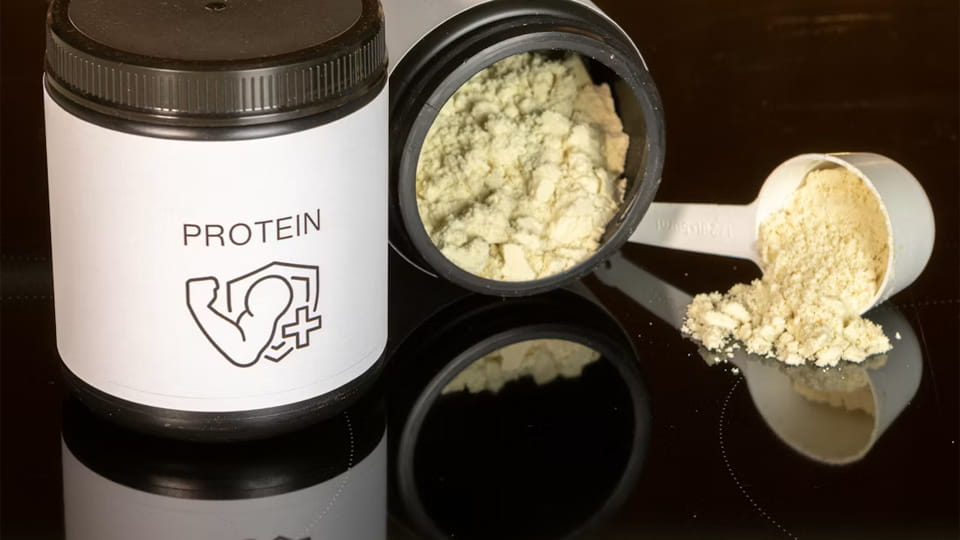
Suplementy w proszku składają się ze składników aktywnych suszonych na drobny proszek. Zazwyczaj przed zażyciem miesza się je z wodą lub innymi napojami. Proszki są szczególnie popularne w żywieniu sportowców (proszki białkowe, przed treningiem, elektrolity) oraz w przypadku dużych dawek składników odżywczych (jak kolagen lub proszki grzybowe) gdzie kapsułka byłaby niepraktycznie duża.
Zalety form proszkowych:
Wady form proszkowych:
Przykłady: Proszki białkowe (serwatka, białko roślinne) i kreatyna to klasyczne suplementy w proszku – wystarczy je wymieszać z napojem. Proszki elektrolitowe lub zielone, peptydy kolagenowe, sproszkowana witamina C, lub proszki ziołowe (jak mieszanki ashwagandhy lub kurkumy w proszku) są również powszechne. Czasami firmy dla wygody sprzedają suplementy w jednorazowych saszetkach (np. mieszanki napojów, paluszki z witaminą C). Po stronie produkcyjnej, pionowe formowanie-wypełnienie-uszczelnienie (Vff) maszyny lub maszyny pakujące w sztyfty mogą porcjować i pakować proszki. Na przykład, Pakowarka saszetek firmy Jinlu obsługuje ~40 torebek na ścieżkę na minutę z dokładnością ± 0,02 g, idealny do jednodawkowych opakowań proszku.
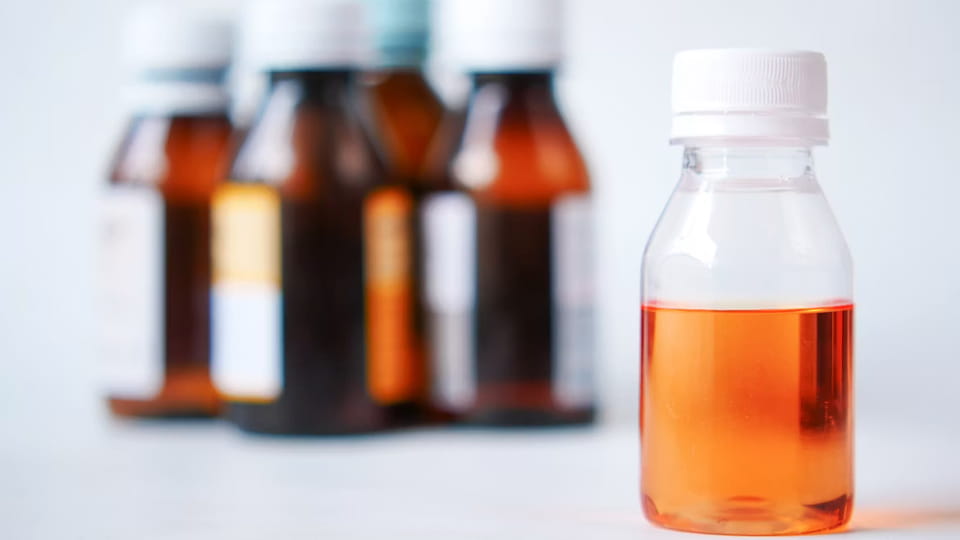
Suplementy płynne są już rozpuszczone (lub zawieszone) w formie napoju. Przykładami są płynne multiwitaminy, nalewki ziołowe, lub mieszanki napojów (czasami gotowe do spożycia). Płyny wchłaniają się najszybciej, ponieważ całkowicie pomijają etap rozpuszczania. Jak wyjaśnia Texas Health, „kiedy spożywasz płynny suplement… Twoje ciało może szybko i skutecznie wchłonąć składniki odżywcze, ponieważ są one już w stanie rozpuszczonym”.
Zalety form płynnych:
Wady form płynnych:
Przykłady: Typowe płyny obejmują nalewki (np. krople echinacei), płynne witaminy (jak B12 lub krople multiwitaminowe), syropy ziołowe, oraz gotowe do spożycia suplementy (strzały z greenów, napoje kolagenowe). Na przykład, Popularna jest płynna witamina D lub biotyna ze względu na łatwe dawkowanie. Z produkcyjnego punktu widzenia, maszyny do napełniania płynów są używane. Płynny wypełniacz Jinlu, Na przykład, może obsłużyć 20–80 butelek na minutę (5–4800 butelek/godz) z dokładnością ±0,2 g, nadaje się do toników odżywczych, syropy, i napoje.
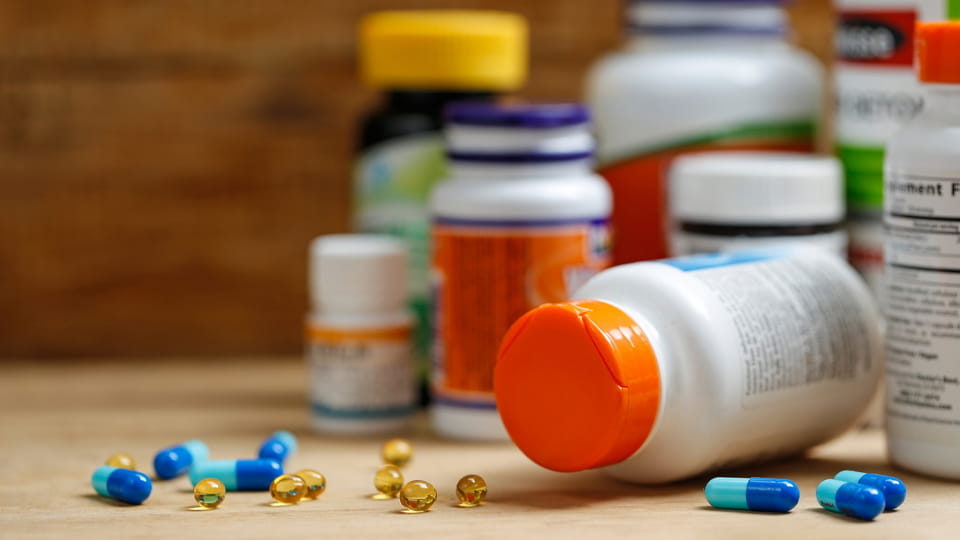
Poniżej znajduje się podsumowanie porównania trzech formatów pod względem absorpcji i czynników praktycznych. Jako zasada, płyny wchłaniają się najszybciej (bez etapu rozpuszczania), Pudry są następne (natychmiastowa dostępność po nawodnieniu), i kapsułki są wolniejsze (wymagają rozpuszczenia powłoki). Jednakże, Biodostępność (skuteczne wchłanianie) zależy również od preparatu (np. dodane wzmacniacze, składniki odżywcze rozpuszczalne w tłuszczach i rozpuszczalne w wodzie).
| Funkcja | Kapsułki | Proszki | Płynne suplementy |
| Szybkość wchłaniania | Umiarkowany – skorupa rozpuszcza się (≈20–30 min) | Szybko – składniki już darmowe (≈10–20 min po wymieszaniu) | Bardzo szybko – składniki odżywcze gotowe do wchłonięcia (≈5–10 min) |
| Biodostępność | Dobre dla wielu składników (w zależności od preparatu) | Często wyższe niż kapsułki | Potencjalnie najwyższy (żadnych barier) |
| Wygoda | Wysoka – przenośna, wstępnie dozowany | Średni – wymaga wymieszania | Zmienne – połknij lub połknij, nie ma potrzeby mieszania |
| Smak / Smakowitość | Neutralny (w załączeniu) | Zmienna – często aromatyzowana lub maskowana | Zwykle aromatyzowane (słodziki), może być smaczniejszy lub nie, w zależności od formuły |
| Elastyczność dawki | Ustalone na kapsułkę; po otwarciu można podzielić na pół | W pełni regulowana za pomocą łyżek | Nastawny (zakraplaczem lub wlać) |
| Okres przydatności | Długi (solidna forma, zapieczętowany) | Długi (postać sucha, jeśli będzie suchy) | Generalnie krócej; niektóre wymagają chłodzenia lub konserwantów |
| Ruchliwość | Doskonały | Umiarkowany (potrzebuje pojemnika lub saszetki) | Umiarkowany (butelka, ryzyko rozlania) |
| Koszt produkcji | Umiarkowany (formowanie kapsułek zwiększa koszty) | Niski (proste napełnianie butelek/tubełek) | Wysoki (specjalne wypełnienie, opakowanie, wysyłka) |
| Najlepsze dla / Stosowność | Ogólne zastosowanie; składniki aktywne w normalnych dawkach | Wysokie dawki składników odżywczych, suplementy sportowe, konfigurowalne schematy | Potrzeba szybkiej dostawy, witaminy dla dzieci lub osób starszych, użytkowników wrażliwych na smak |
Tabela: Praktyczne porównanie formatów suplementów. Źródła: literatura dotycząca branży zdrowotnej i produkcji.
Nie ma uniwersalnej odpowiedzi na pytanie, który format „najlepiej się wchłania” – zależy to od składników odżywczych, przypadek użycia, i docelowego konsumenta. Oto kilka ogólnych wskazówek:
Ostatecznie, rozważ absorpcję w kontekście: Jak zauważa Texas Health, „witaminy w płynie często charakteryzują się potencjalnie wyższą biodostępnością w porównaniu do postaci stałych”. Jednakże, jakość receptury i system dostarczania (np. za pomocą liposomów lub wzmacniaczy wchłaniania) może być ważniejszy niż kapsułka kontra proszek. Kluczowe jest również, aby konsumenci rzeczywiście konsekwentnie przyjmowali suplement; „najlepsza” forma to taka, której używają regularnie.
Kiedy firma uzupełniająca wybiera format, decyzja ta wpływa na potrzeby linii produkcyjnej i opakowań. Poniżej znajdują się kluczowe kategorie wyposażenia dla każdego formatu, z przykładowymi specyfikacjami z Pakowanie jinlu maszyny:
Dopasowując formularz suplementu do odpowiedniego wyposażenia, producenci zapewniają skuteczność, produkcja wysokiej jakości. Na przykład, linia witamin na bazie kapsułek wykorzystywałaby automatyczny wypełniacz kapsułek i polerka kapsułkowa, podczas gdy w przypadku nowego suplementu do napojów energetycznych wykorzystywana byłaby szybka linia do rozlewu płynów z pasteryzacją. Maszyny Jinlu zostały zaprojektowane z myślą o elastyczności: często zawierają części zamienne do różnych rozmiarów kapsułek, a ich linie proszkowe/płynne można połączyć z automatycznymi systemami zamykania i etykietowania, aby uzyskać kompletne rozwiązanie.
[jl_youtube src=”https://www.youtube.com/embed/MFcu-kFN2Vc”]
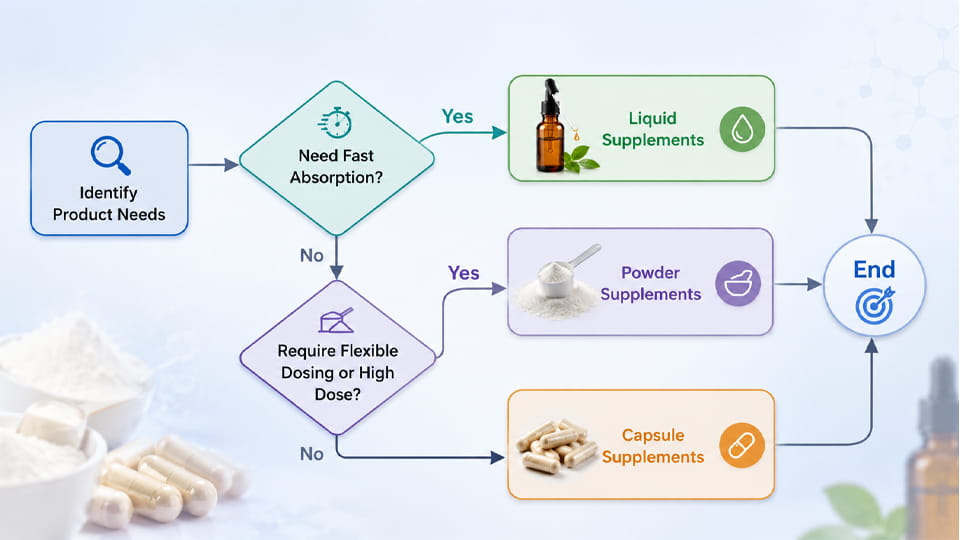
Schemat blokowy: Ten przepływ decyzji sugeruje rozpoczęcie od priorytetów. Jeśli szybkie wchłanianie ma kluczowe znaczenie (np. regeneracja po treningu, dawka pediatryczna), wybierać płyn. Jeśli potrzebujesz bardzo elastycznego lub dużego dozowania (lub łączenie wielu proszków), proszek jest idealny. W przeciwnym razie, kapsułki są zazwyczaj standardowym wyborem. Należy pamiętać, że preferencje konsumentów (np. łatwość użytkowania) i określone składniki aktywne mogą mieć pierwszeństwo przed tymi ogólnymi zasadami.
Planując A produkt uzupełniający, skorzystaj z tej listy kontrolnej, aby wybrać odpowiedni format i sprzęt:
Przestrzeganie tej listy kontrolnej pomoże dostosować cele produktu do realiów produkcyjnych, zapewnienie ekonomicznego i wysokiej jakości uruchomienia.
W debacie „kapsułki vs proszki vs płyny”., nie ma absolutnego zwycięzcy. Płyny wchłaniają się najszybciej, ponieważ są wstępnie rozpuszczone, ale są droższe i mają krótszy okres przydatności do spożycia. Proszki umożliwiają niestandardowe dawkowanie i ogólnie szybsze wchłanianie niż pigułki, co czyni je idealnymi do suplementów o dużych dawkach (białka, elektrolity). Kapsułki są najwygodniejsze i stabilne, chociaż ich otoczka wymaga dodatkowego czasu rozpuszczania. Biodostępność często zależy bardziej od jakości preparatu (wzmacniacze rozpuszczalności, substancje pomocnicze) niż na samej postaci dawkowania.
Dla producentów, kluczem jest równowaga potrzeby konsumentów (szybkie wchłanianie vs. wygoda) z względy produkcyjne. Używaj kapsułek do głównych witamin i produktów ziołowych, proszki do żywienia sportowego lub gdy wymagana jest elastyczność dawkowania, oraz płyny do niszowych, szybko działających lub łatwych do spożycia suplementów. Wybierz odpowiednie maszyny – napełniacze kapsułek, pakowacze proszku, i płynne wypełniacze – zapewniające wydajną produkcję. Przy odpowiednim składzie i sprzęcie (takie jak kapsuła o wysokiej celności Jinlu, saszetka, i linie do napełniania płynów), możesz zmaksymalizować zarówno wchłanianie składników odżywczych, jak i sukces rynkowy.
W wielu przypadkach, płynne suplementy wchłaniają się nieco szybciej, ponieważ są już rozpuszczone i nie wymagają wcześniejszego rozpadu otoczki kapsułki. Jednakże, szybsze wchłanianie nie zawsze oznacza większą skuteczność. Rzeczywista biodostępność zależy od składnika, jakość receptury, i zdrowie układu trawiennego danej osoby.
Tak, Suplementy w proszku zazwyczaj rozpoczynają trawienie i wchłanianie nieco szybciej niż kapsułki, ponieważ nie mają otoczki, która wymaga rozpuszczenia. W przypadku większości składników odżywczych różnica jest zazwyczaj niewielka, ale może być bardziej zauważalne w przypadku produktów takich jak przedtreningówki, elektrolity, lub aminokwasy.
Nie ma jednej formy suplementu, która zawsze zapewnia najwyższą biodostępność. Podczas gdy płyny często oferują szybsze wchłanianie, postać odżywcza, technologia dostawy, stabilność składnika, i projekt receptury mają większy wpływ na to, ile składników odżywczych organizm może faktycznie wykorzystać.
Kapsułki są często preferowane ze względu na wygodę, dokładne dozowanie, ruchliwość, i maskowanie smaku. Suplementy w proszku są na ogół lepsze w przypadku produktów zawierających duże dawki, takich jak białko, kolagen, i kreatynę, ponieważ mogą dostarczyć większe ilości składników aktywnych w bardziej ekonomiczny sposób.
Produkty żywienia sportowego, takie jak proszek białkowy, kreatyna, a mieszanki elektrolitów zwykle wymagają większych porcji. Wytwarzanie tych produktów w postaci kapsułek wymagałoby od konsumentów przyjmowania wielu kapsułek na porcję. Formy proszku zapewniają lepszą elastyczność dozowania i niższe koszty produkcji.
Ogólnie, Tak. Suplementy płynne często wymagają specjalistycznych procesów formułowania, konserwanty, opakowanie na butelkę, sprzęt do napełniania, i bardziej rygorystyczne kontrole stabilności. Czynniki te zazwyczaj zwiększają koszty produkcji i pakowania w porównaniu z kapsułkami i proszkami.
Suplementy w płynie są często preferowaną opcją dla dzieci i seniorów, ponieważ są łatwiejsze do połknięcia i można je spożywać bez kapsułek lub tabletek. Jednakże, najlepszy wybór zależy od indywidualnych preferencji i potrzeb żywieniowych.
NIE. Na wchłanianie wpływa wiele czynników, łącznie z rodzajem składników odżywczych, zdrowie układu trawiennego, czas posiłku, rozpuszczalność składnika, wielkość cząstek, i technologii dostawy. Postać dawkowania to tylko jeden z czynników wpływających na ogólną absorpcję i skuteczność.
Kapsułki zazwyczaj oferują najdłuższy okres przydatności do spożycia, ponieważ składniki aktywne są chronione wewnątrz szczelnie zamkniętej otoczki, pomagając zmniejszyć narażenie na wilgoć, tlen, i światło. Suplementy płynne mają zazwyczaj krótszy okres przydatności do spożycia i mogą wymagać konserwantów lub specjalistycznego opakowania.
Producenci zazwyczaj oceniają kilka czynników, łącznie z charakterystyką składników, docelowych konsumentów, wymagania dotyczące dawkowania, koszty produkcji, oczekiwania dotyczące trwałości, potrzeby pakowania, i zapotrzebowanie rynku. Na przykład, ekstrakty ziołowe często sprzedawane są w kapsułkach, odżywki dla sportowców w proszku, oraz witaminy dla dzieci w postaci płynnej.
Różne formaty suplementów wymagają różnych urządzeń do produkcji i pakowania:
• Kapsułki: maszyny do napełniania kapsułki, maszyny do polerowania kapsułek, linie liczenia kapsułek
• Proszki: maszyny do napełniania proszkiem, maszyny pakujące w saszetki, maszyny pakujące
• Płyny: maszyny do napełniania płynów, maszyny do zamykania butelek, systemy etykietowania
Wybór odpowiedniego sprzętu jest kluczowy dla utrzymania jakości produktu, Wydajność produkcji, i zgodność regulacyjna.
W przypadku większości produktów uzupełniających, Zgodność z przepisami konsumenckimi jest często ważniejsza niż niewielkie różnice w szybkości wchłaniania. Suplement, który konsumenci zażywają konsekwentnie każdego dnia, jest na ogół skuteczniejszy niż teoretycznie szybciej wchłaniający się produkt, który jest niewygodny lub nieprzyjemny w użyciu. Jest to jeden z powodów, dla których kapsułki pozostają jednym z najpopularniejszych formatów suplementów na świecie.
Referencje:
1.Suplementy diety — NAS. Administracja Żywności i Leków
2.Pytania i odpowiedzi dotyczące suplementów diety — NAS. Administracja Żywności i Leków
3.Suplementy diety i zioła — NCCIH
4.Suplementy diety – Nutrition.gov
5.Mądre korzystanie z suplementów diety – NCCIH