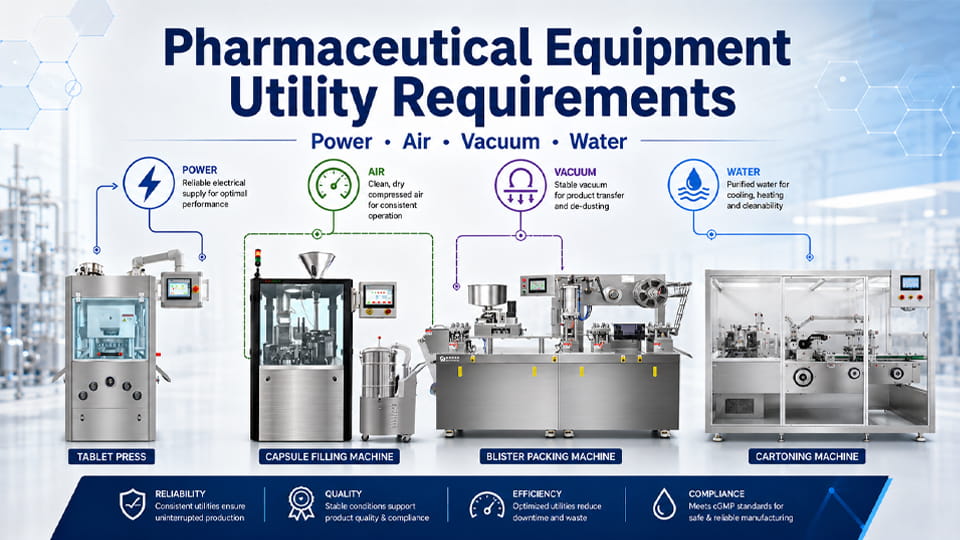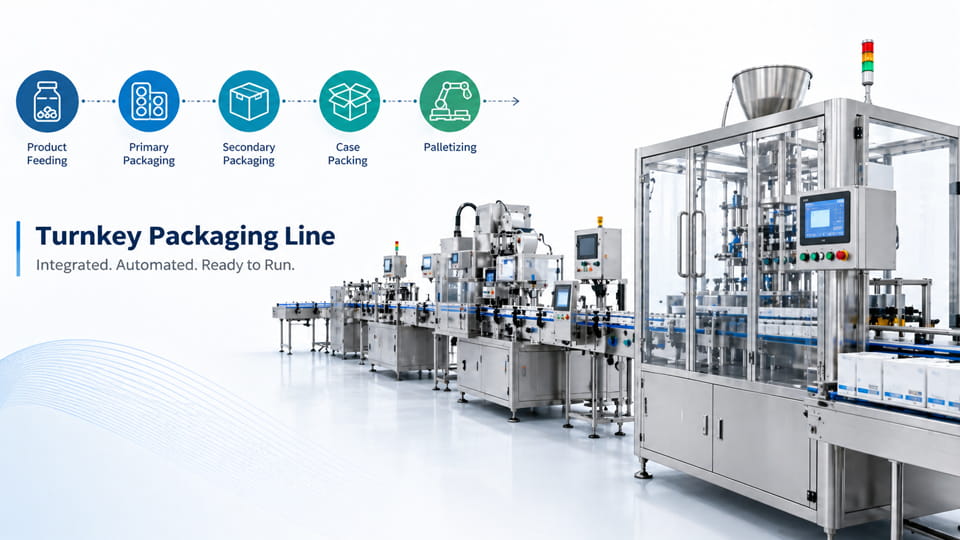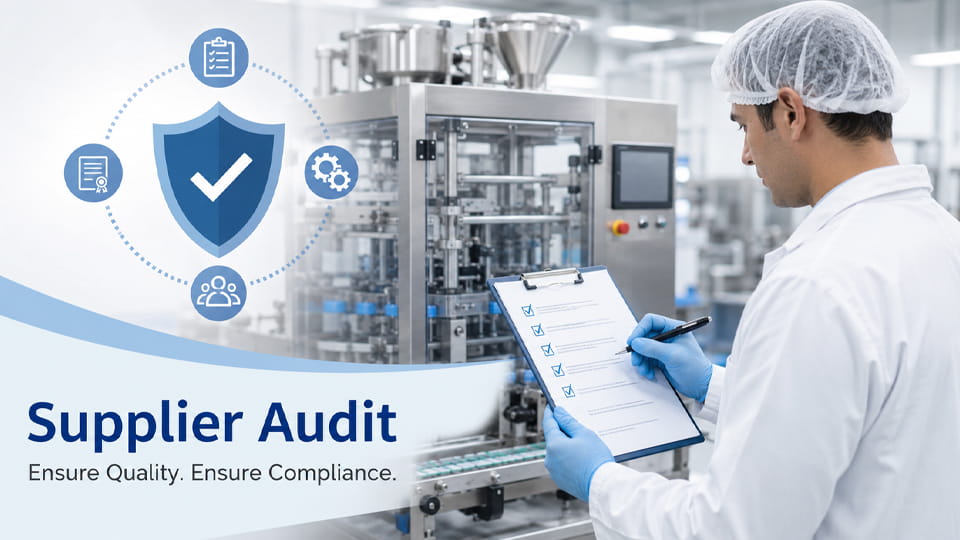

Bij het onderhoud van farmaceutische apparatuur gaat het niet alleen om het repareren van een machine wanneer deze stopt. Een goed onderhoudsprogramma houdt de apparatuur schoon, betrouwbaar, nauwkeurig, en klaar voor productie, terwijl onverwachte stilstandtijd wordt verminderd en kwaliteitsrisico's worden vermeden. Onder FDA huidige goede productiepraktijken, apparatuur die wordt gebruikt bij de vervaardiging, proces, inpakken, of bewaargeneesmiddelen moeten met passende tussenpozen worden gereinigd en onderhouden, ondersteund door schriftelijke procedures en documenten. Automatisch, mechanisch, en elektronische apparatuur moet ook routinematig worden gekalibreerd, geïnspecteerd, of gecontroleerd onder een geschreven programma.
Voor een farmaceutische fabriek, het praktische doel is eenvoudig: weet welke machines er het meest toe doen, identificeer de componenten die het meest waarschijnlijk de productkwaliteit of uptime beïnvloeden, onderhoud ze voordat ze falen, documenteer het werk, en blijf het plan verbeteren op basis van echte bedrijfsgegevens. ISPE’s Good Practice Guide for Maintenance behandelt onderhoud op dezelfde manier als een gestructureerd GMP-gebiedsprogramma in plaats van als een verzameling geïsoleerde reparatiewerkzaamheden.
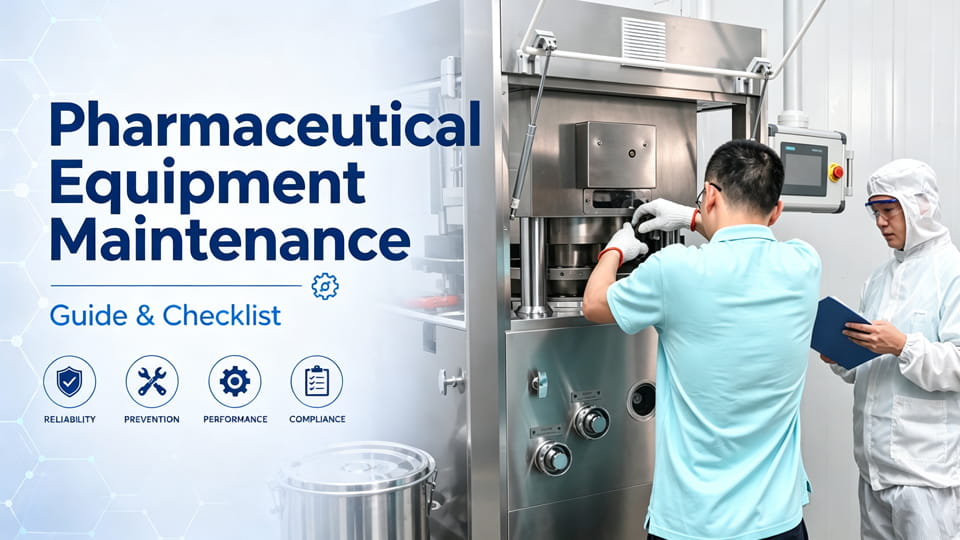
In deze handleiding wordt uitgelegd hoe u dat systeem kunt bouwen, met een praktische checklist voor het onderhoud van farmaceutische apparatuur, onderhoudsschema, machinespecifiek advies, en GMP-overwegingen voor tabletpersen, capsule -vulstoffen, Blister Machines, telmachines, en kartonneermachines.
Onderhoud van farmaceutische apparatuur is de geplande inspectie, schoonmaak, smering, aanpassing, kalibratie ondersteuning, reparatie, en vervangingswerk dat wordt gebruikt om de farmaceutische productie- en verpakkingsmachines te laten functioneren zoals bedoeld.
Het omvat veel meer dan een onderhoudsmonteur met een gereedschapskist. Een compleet farmaceutisch onderhoudsprogramma verbindt de productie, engineering, kwaliteitsborging, exploitanten, beheer van reserveonderdelen, documentatie, en leveranciers van apparatuur.
Waarom maakt dat uit?
Er zijn vier nuttige onderhoudsbenaderingen:
| Onderhoudstype | Trekker | Beste gebruik | Belangrijkste beperking |
| Reactief onderhoud | Apparatuur is al mislukt | Lage kriticiteit, goedkope componenten | Creëert ongeplande downtime en kan secundaire schade veroorzaken |
| Preventief onderhoud | Tijd, cycli, batches, of bedrijfsuren | Routinematige slijtageonderdelen, smering, inspecties, gepland onderhoud | Kan onderdelen eerder dan nodig vervangen als de intervallen slecht zijn ingesteld |
| Conditieafhankelijk onderhoud | Gemeten toestand overschrijdt een gedefinieerde limiet | Lagers, motoren, vacuüm systemen, temperatuurgevoelige componenten | Vereist betrouwbare metingen en acceptatielimieten |
| Voorspellend onderhoud | Trends of modellen wijzen op een zich ontwikkelende verslechtering | Kritieke apparatuur waarbij vroegtijdige waarschuwing van grote waarde is | Vereist voldoende gegevens, toezichtdiscipline, en technische mogelijkheden |
Voor de meeste farmaceutische fabrikanten, het beste antwoord is niet slechts één methode kiezen. Het gebruikt preventief onderhoud als basis, reactief onderhoud voor geschikte items met een laag risico, en op omstandigheden gebaseerde of voorspellende methoden waarbij de kriticiteit van de apparatuur dit rechtvaardigt.
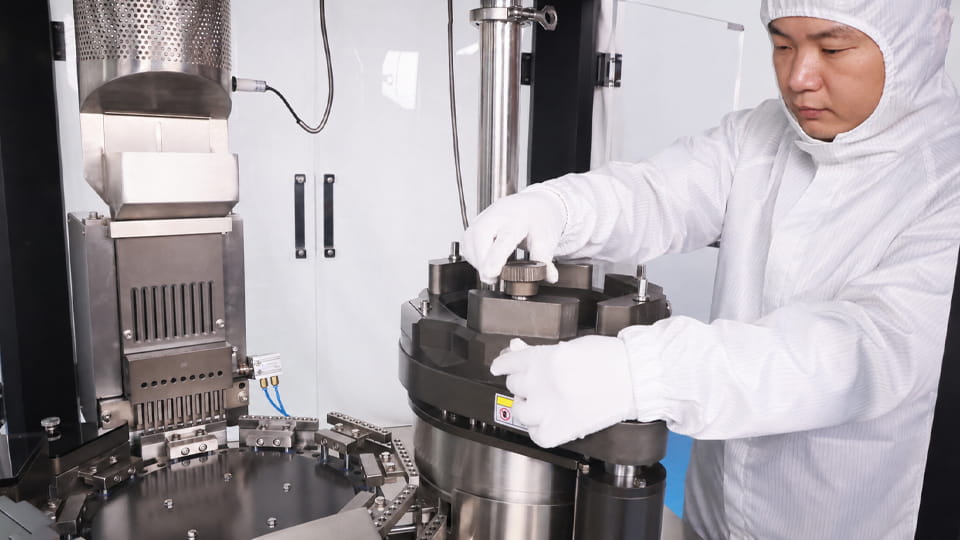
Een praktisch preventief onderhoudsprogramma in de farmaceutische industrie begint bij de apparatuur, niet bij een algemene checklist die u van internet kunt downloaden.
Een eenvoudige workflow ziet er als volgt uit:
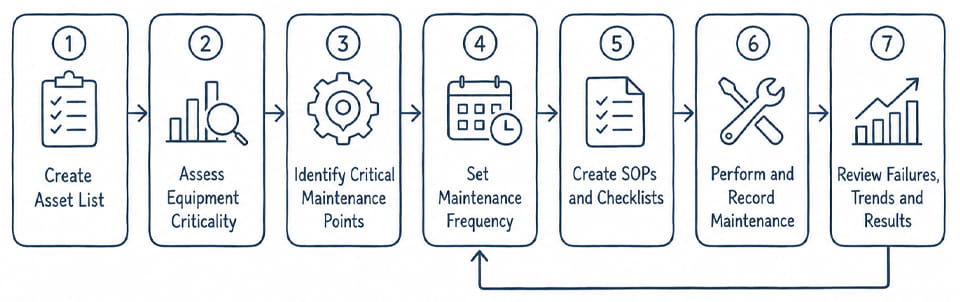
Het belangrijkste onderdeel is de laatste pijl. Een farmaceutisch onderhoudsschema zou moeten verbeteren naarmate u leert hoe de apparatuur zich daadwerkelijk gedraagt.
Het volgende schema is a startsjabloon, geen regelfrequentie. De werkelijke intervallen moeten de aanbevelingen van de fabrikant van de apparatuur en de risicobeoordeling van uw locatie volgen, openingstijden, materialen, onderhoudsgeschiedenis, en gevalideerde staat. De FDA vereist een onderhoudsschema en de EU GMP verwacht dat de apparatuur op de juiste manier wordt onderhouden en dat de relevante meet- en controleapparatuur met bepaalde tussenpozen wordt gecontroleerd.
| Frequentie | Aanbevolen onderhoudstaken voor farmaceutische apparatuur |
| Dagelijks / elke dienst | Maak toegankelijke productcontactgebieden schoon; verwijder stof en resten; inspecteren op lekkage, ongebruikelijk geluid, trillingen, losse onderdelen, beschadigde bewakers, abnormale alarmen, lucht/vacuüm problemen, en duidelijke gereedschapsslijtage; controleer de veiligheidsvoorzieningen vóór gebruik |
| Wekelijks | Sensoren inspecteren en reinigen, filters, kettingen, riemen, vacuüm lijnen, pneumatische fittingen, voeders, geleiderails, gereedschap, en stofafzuigpunten; goedgekeurde punten smeren waar nodig |
| Maandelijks | Inspecteer lagers, camera's, aandrijfcomponenten, motoren, elektrische aansluitingen, zeehonden, versnellingsbakken, uitlijning van gereedschappen, vacuüm prestaties, verwarmers, en slijtagedelen; bekijk de alarm- en reparatiegeschiedenis |
| Driemaandelijks | Voer een diepere mechanische en elektrische inspectie uit; verifieer kritische instellingen en instrumentatie; inspecteer veiligheidscircuits en onderdelen met hoge slijtage; bekijk terugkerende storingen en het verbruik van reserveonderdelen |
| Jaarlijks | Voer een uitgebreide inspectie of geplande revisie uit op basis van de staat van de machine; vervang onderdelen met een beperkte levensduur waar dit gerechtvaardigd is; verifieer de kalibratiestatus en veiligheidssystemen; bekijk het PM-programma, onderhoudsgeschiedenis, documentatie, en training |
Voor de dagelijkse checklist voor onderhoud van farmaceutische apparatuur, operators vormen uw eerste verdedigingslinie. Vraag hen om naar veranderingen te zoeken: een nieuw geluid, meer poeder rond een zeehond, een langzamere vacuümrespons, een warmere motor, onstabiele filmtracking, of een verhoogd afwijzingspercentage. Kleine veranderingen verschijnen vaak vóór een volledige ineenstorting.
Wekelijks werk moet zich concentreren op componenten die stof verzamelen of geleidelijk loskomen, verstoppen, uitdrogen, of slijtage. Maandelijks onderhoud gaat dieper in op aandrijfsystemen, elektrische aansluitingen, uitlijning, zeehonden, gereedschap, en bewegende montages.
Kwartaal- en jaarwerk mag geen ritueel worden waarbij technici alleen maar vakjes aanvinken. Vergelijk de werkelijke machineconditie met eerdere inspecties. Controleer herhaalde fouten. Kijk naar vervangen onderdelen. Vraag of de onderhoudsfrequentie nog klopt.
De smering verdient bijzondere zorg. Te weinig smeermiddel verhoogt de wrijving; het gebruik van het verkeerde smeermiddel of het aanbrengen ervan op plaatsen waar verontreiniging mogelijk is, kan een ander probleem veroorzaken. JinLu heeft een aparte Gids voor smeermiddelen voor farmaceutische apparatuur waarin de keuze van smeermiddelen en onderhoudsoverwegingen voor farmaceutische machines worden behandeld.
Generieke onderhoudsadviezen voor farmaceutische apparatuur gaan niet zo ver. De echte waarde komt voort uit het feit dat u weet wat u op elke machine moet inspecteren.
Onderhoud van tabletpers. Focus op stoten en matrijzen, het torentje, bovenste en onderste nokkenbanen, compressierollen, krachtvoeder, aandrijfsysteem, smeerpunten, stofafzuiging, en veiligheidsbescherming. Poederophoping rond de revolver of het gereedschap kan de slijtage versnellen en bijdragen aan tabletdefecten, terwijl beschadigd gereedschap of een slechte uitlijning onmiddellijk onderzoek verdient. JinLu-tabletpersen gebruiken samenstellingen zoals roterende torentjes, krachtvoeders, vacuüm systemen, compressie systemen, en overbelastingsbeveiliging, het maken van deze logische inspectiepunten in een preventief onderhoudsprogramma voor tabletpersen. Zie die van JinLu Assortiment tabletpersmachines.
Onderhoud van capsulevulmachines. Bewaar de capsuleaanvoer, scheidingssysteem, lege cirkel, doseercomponenten, aanstampen of vullen van assemblages, vergrendelstation, camera's, en stofbeheersingsgebieden schoon en correct afgesteld. Let vooral op of er poeder in mechanische ruimtes binnendringt, afnemende vacuümprestaties, verkeerde uitlijning van de capsule, en abnormaal nokkengeluid. De automatische capsulevullers van JinLu maken gebruik van modulaire vulassemblages en, op bepaalde modellen, olievrije lagers bedoeld om de onderhoudsbehoeften te verminderen. Voor een diepere gids op componentniveau, zien Hoe u een automatische capsulevulmachine onderhoudt en de Assortiment capsulevulmachines.
Onderhoud van blistermachines. Inspecteer vorm- en sealstations, verwarmers, afdichtingsplaten of rollen, geleidingsrollen, film spanning, voeders, snijgereedschap, koeling, sensoren, pneumatische componenten, en vacuümsystemen. Stof of resten op afdichtingsoppervlakken, versleten componenten, onjuiste uitlijning, en onstabiele verwerkingsomstandigheden kunnen snel tot uiting komen in zwakke afdichtingen of misvormde verpakkingen. JinLu-blistermachines combineren vormen, voeden, hitteafdichting, tractie, en snijfuncties, daarom is de afstemming tussen stations bijzonder belangrijk. Zie de Assortiment blisterverpakkingsmachines en die van JinLu Handleiding voor problemen met blistermachines.
Tel- en kartonneermachines. Op tablet- en capsuletellers, trillingskanalen behouden, voedingsoppervlakken, foto-elektrische of vision-sensoren, stofverwijderingsgebieden, hanteren van flessen, systemen afwijzen, en pneumatische componenten schoon en correct gepositioneerd. De telapparatuur van JinLu is ontworpen voor integratie in bottellijnen, terwijl het JL-16C-product een modulair systeem gebruikt, gesloten ontwerp bedoeld om het onderhoud te vereenvoudigen en stofproblemen te beperken. Op een Kartonmachine, let goed op de onderdelen van de vacuümopname, zuignappen, kartonnen tijdschriften, kettingen, gidsen, sensoren, foldersystemen, vormingsstations, en product-/doosdetectie omdat verschillende gecoördineerde stations achter elkaar moeten werken.
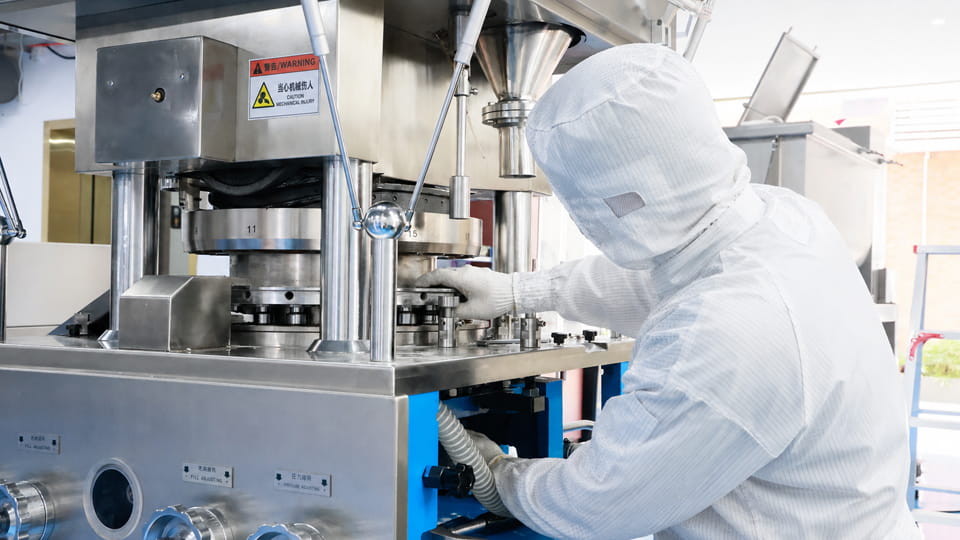
Onderhoud, schoonmaak, en kalibratie zijn gerelateerd, maar ze zijn niet uitwisselbaar.
| Activiteit | Hoofddoel | Typisch voorbeeld |
| Schoonmaak | Productresten verwijderen, stof, resten van schoonmaakmiddelen, en besmetting | Het reinigen van een capsuledoseerstation na een batch |
| Onderhoud | Behoud of herstel de mechanische/elektrische prestaties | Vervangen van een versleten lager of afstellen van een aandrijfsysteem |
| Kalibratie | Bevestig dat een meet- of regelapparaat binnen de gedefinieerde nauwkeurigheid presteert | Een temperatuur controleren, druk, gewicht, of krachtmeting tegen een referentie |
FDA maakt deze verantwoordelijkheden duidelijk. Sectie 211.67 vereist schriftelijke reinigings- en onderhoudsprocedures, inclusief verantwoordelijkheid, schema's, methoden en materialen, demontage of hermontage waar nodig, bescherming van schone apparatuur, Reinheidsinspectie vóór gebruik, en verslagen. Sectie 211.68 voegt routinekalibratie toe, inspectie, of automatische controle, mechanisch, en elektronische apparatuur onder een geschreven programma.
Een GMP-georiënteerde SOP kan daarom gebruik maken van deze checklist:
| SOP-element | Wat te definiëren |
| Doel en reikwijdte | Uitrusting en activiteiten gedekt |
| Verantwoordelijkheid | Exploitant, onderhoud, engineering, QA, of aannemersrollen |
| Frequentie | Tijd, bedrijfsuur, cyclus, partij, of op omstandigheden gebaseerde trigger |
| Veiligheid en voorbereiding | Isolatie, uitsluiting, schoonmaakstatus, benodigde PBM’s |
| Onderhoudsmethode | Inspectie, aanpassing, vervanging, smering, hulpmiddelen, goedgekeurde materialen |
| Demontage/hermontage | Vereiste volgorde en controles vóór herstart |
| Acceptatiecriteria | Wat is een acceptabele machineconditie |
| Controles na onderhoud | Netheid, bewakers, instellingen, proefdraaien, kalibratie of herkwalificatie, indien van toepassing |
| Documentatie | Datum, technicus, uitgevoerd werk, gebruikte onderdelen, bevindingen, afwijkingen, goedkeuringen |
Het standpunt van de EU is nauw op elkaar afgestemd. EU GMP-hoofdstuk 3 zegt dat productieapparatuur moet worden ontworpen, gelegen, en onderhouden voor het beoogde doel; Reparatie en onderhoud mogen geen gevaar voor de productkwaliteit opleveren; apparatuur moet gemakkelijk schoon te maken zijn; meet- en regelapparatuur moet met vastgelegde tussenpozen worden gekalibreerd en gecontroleerd met registratie; en defecte apparatuur moet waar mogelijk worden verwijderd of duidelijk geïdentificeerd.
Dit blijft een actieve inspectiekwestie en geen oude vereiste die in een regelgevingsboek staat. Waarschuwingsbrieven van de FDA uitgegeven in 2025 En 2026 zijn bedrijven blijven aanhalen vanwege ontoereikende reinigings- en onderhoudsprocedures voor apparatuur of daarmee verband houdende storingen 21 CFR 211.67.
Een van de meest voorkomende onderhoudsfouten is alles draaien tot het mislukt. Andere zijn onder meer dat elke machine hetzelfde onderhoudsinterval krijgt, het negeren van kleine veranderingen in geluid of trillingen, gebruik van het verkeerde smeermiddel, te veel smering, sensorcontroles uitstellen, slechte administratie bijhouden, zonder kritische reserveonderdelen, en het herstarten van de productie zonder een behoorlijke inspectie na het onderhoud.
Voorspellend onderhoud kan het programma verder brengen. In plaats van te vragen, “Is het tijd om dit lager te vervangen?' vraag je, “Is het lager daadwerkelijk aan het verslechteren??Nuttige input is onder meer trillingen, temperatuur, druk, motor stroom, alarmgeschiedenis, vacuümtrends, en bestaande procesgegevens. Uit een farmaceutisch productieonderzoek waarbij gebruik werd gemaakt van een werkende aseptische afvullijn bleek dat langetermijnverschuivingen in procesbewakingsgegevens in verband konden worden gebracht met apparatuurfouten en gebruikt konden worden ter ondersteuning van eerder geplande interventies..
Het praktische voordeel is niet dat elke fabriek kunstmatige intelligentie nodig heeft. Trendinformatie kan ertoe bijdragen dat het onderhoud van een vaste kalender wordt verschoven naar op bewijs gebaseerde beslissingen.
Om de onderhoudskosten te verlagen, begin met saaie basisprincipes: standaardiseer gemeenschappelijke reserveonderdelen waar mogelijk, Houd kritische slijtageonderdelen beschikbaar, treinexploitanten moeten verslechtering opmerken, volg de juiste smeerpraktijken, terugkerende fouten documenteren, en betrek de OEM wanneer een patroon onduidelijk is. JinLu, Bijvoorbeeld, levert technische documentatie, opleiding, preventief en correctief onderhoud, probleemoplossing op afstand, en parameter-/softwareback-up als onderdeel van het ondersteuningsaanbod.
Onderhoudskosten beginnen ook bij inkoop. FDA 21 CFR 211.63 vereist specifiek dat farmaceutische apparatuur een passend ontwerp heeft, maat, en locatie om de beoogde bediening te vergemakkelijken, schoonmaak, en onderhoud. Bij het vergelijken van leveranciers van farmaceutische machines, zoek naar toegankelijke onderhoudspunten, eenvoudige demontage door productcontact, modulaire tooling, begrijpelijke foutdiagnose, gemakkelijk verkrijgbare slijtdelen, goede handleidingen, ondersteuning op afstand, en realistische levertijden van reserveonderdelen.
Stel de leverancier een eenvoudige vraag voordat u koopt: ‘Laat ons onderhoudsteam zien hoe we toegang krijgen, schoon, inspecteren, en vervang de onderdelen die het vaakst slijten.” Een machine die elke omschakeling tien minuten bespaart of inspectie eenvoudiger maakt, kan gedurende zijn levensduur waardevoller zijn dan een machine met een iets lagere aanschafprijs.
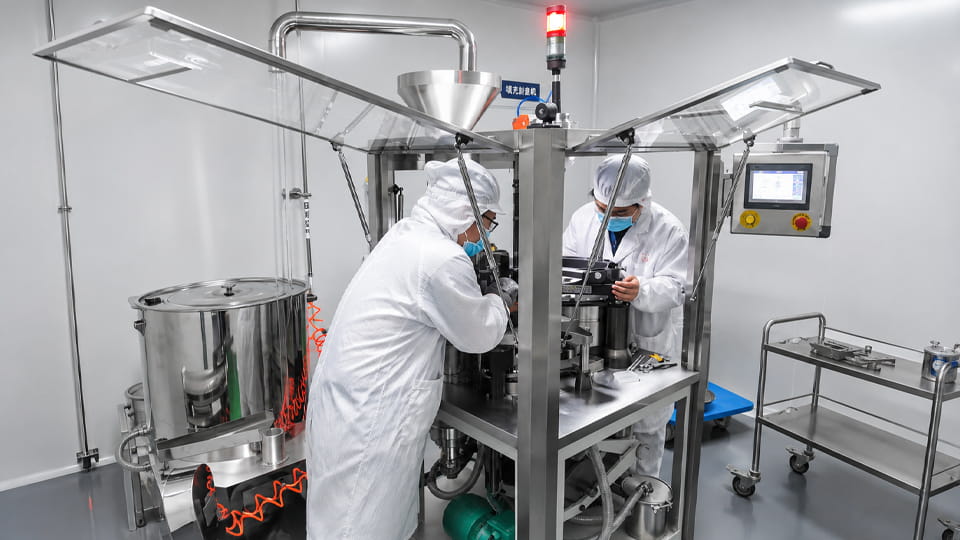
In farmaceutische productie, onderhoud = betrouwbaarheid + kwaliteit + naleving. Goed Onderhoud van farmaceutische apparatuur Het gaat minder om het uitvoeren van meer onderhoud en meer om het uitvoeren van het juiste onderhoud op het juiste moment. Het kiezen van de juiste apparatuur is stap één; Het uitvoeren van een gestructureerd onderhoudsprogramma is net zo cruciaal. Door dagelijkse controles uit te voeren, vasthouden aan schema's, en het documenteren van elke actie, je voorkomt verrassingen, kosten verlagen, en patiënten veilig houden.
En Jeinlu plukken, wij ontwerpen onze machines (tablet persen, capsule -vulstoffen, enz.) met hygiëne en onderhoudsgemak in gedachten. Maar zelfs de beste machine heeft liefde nodig. Wij raden u aan de tips in deze handleiding op uw eigen apparatuur toe te passen, En altijd Raadpleeg de handleiding van uw machine voor meer informatie.
Als u vragen heeft over onderhoudsprogramma's of technische ondersteuning nodig heeft voor uw lijn, onze ingenieurs bij Jinlu staan klaar om te helpen. Goed onderhoud zorgt ervoor dat uw lijn soepel blijft draaien – en uiteindelijk ook, houdt uw kwaliteit hoog en de kosten laag.
Klaar om de uptime van uw machine te verbeteren? Neem contact op met het ondersteuningsteam van JinluPacking of bekijk ons volledige assortiment farmaceutische verpakkingsapparatuur om te zien hoe we ontwerpen voor eenvoudige reiniging en onderhoud.
Er is niet één onderhoudsinterval dat voor elke farmaceutische machine werkt. De onderhoudsfrequentie moet gebaseerd zijn op de aanbevelingen van de fabrikant van de apparatuur, openingstijden, productie belasting, apparatuurkritiek, Productkenmerken, en eerdere onderhoudsgeschiedenis. Voor intensief gebruikte of kritische apparatuur kan een dagelijkse of wekelijkse inspectie nodig zijn, terwijl dieper preventief onderhoud maandelijks kan worden gepland, driemaandelijks, of jaarlijks.
Preventief onderhoud is gepland onderhoud dat wordt uitgevoerd voordat apparatuur defect raakt. Normaal gesproken omvat dit een inspectie, schoonmaak, smering, aanpassing, Vervanging van slijtageonderdelen, veiligheidscontroles, en functionele tests met gedefinieerde intervallen. Een goed preventief onderhoudsprogramma helpt farmaceutische fabrikanten onverwachte downtime te verminderen, consistente machineprestaties te behouden, en slijtage van componenten identificeren voordat dit de productie of productkwaliteit beïnvloedt.
Een checklist voor het onderhoud van farmaceutische apparatuur moet betrekking hebben op mechanische onderdelen, smeerpunten, aandrijfsystemen, sensoren, elektrische componenten, pneumatische en vacuümsystemen, veiligheidsvoorzieningen, gereedschap, zeehonden, filters, en andere slijtagedelen. Het moet ook de apparatuur-ID registreren, keuringsdatum, technicus, bevindingen, onderdelen vervangen, corrigerende acties, en de volgende geplande onderhoudsdatum.
Ja. GMP vereist dat farmaceutische productieapparatuur zodanig wordt onderhouden dat storingen of besmetting de productkwaliteit niet beïnvloeden. Onder FDA 21 CFR 211.67, Fabrikanten moeten schriftelijke procedures voor het reinigen en onderhouden van apparatuur opstellen en volgen, inclusief toegewezen verantwoordelijkheden, onderhoudsschema's, methoden, inspecties, en verslagen. Het exacte onderhoudsinterval moet worden gedefinieerd op basis van de apparatuur en het proces, in plaats van één universeel schema te gebruiken.
Preventief onderhoud wordt normaal gesproken uitgevoerd volgens een vooraf gedefinieerd tijdstip, bedrijfsuur, cyclus, of productieschema. Voorspellend onderhoud maakt gebruik van gegevens over de staat van de apparatuur om te bepalen wanneer onderhoud daadwerkelijk nodig is. Bijvoorbeeld, trillingen, motortemperatuur, vacuüm druk, elektrische stroom, of alarmtrends kunnen helpen bij het identificeren van zich ontwikkelende problemen voordat ze mislukken. Veel farmaceutische fabrieken gebruiken preventief onderhoud als basis en voorspellend onderhoud voor kritieke apparatuur.
Farmaceutische fabrikanten moeten gegevens bijhouden waaruit duidelijk blijkt welk onderhoud is uitgevoerd, toen het voltooid was, die het heeft uitgevoerd, welke problemen zijn er gevonden, en welke corrigerende maatregelen of vervanging van onderdelen nodig waren. Belangrijke apparatuurregistraties kunnen ook informatie over reiniging en gebruik bevatten, identificatie van apparatuur, batchreferenties, inspecties, kalibratiecontroles, afwijkingen, en vervolgactiviteiten. Registratie moet traceerbaar zijn, chronologisch, en gemakkelijk terug te vinden tijdens GMP-inspecties.
Begin met een volledige uitrustingslijst en classificeer elke machine op basis van de impact ervan op de productkwaliteit, veiligheid, en productie. Bekijk dan de OEM-onderhoudshandleiding, identificeer kritische slijtagecomponenten, en definieer inspectie- of vervangingsintervallen op basis van bedrijfsuren, productie-intensiteit, geschiedenis van mislukkingen, en risico. Wijs verantwoordelijkheden toe, maak apparatuurspecifieke checklists, voltooide werkzaamheden documenteren, en pas de planning regelmatig aan op basis van actuele onderhoudsgegevens.
Niet elke onderhoudsactiviteit vereist een volledige herkwalificatie, maar significante reparaties of wijzigingen moeten worden beoordeeld op hun impact op de prestaties van de apparatuur en de gevalideerde staat. Voor het vervangen van een routinematig slijtageonderdeel door een gelijkwaardig onderdeel zijn mogelijk alleen gedefinieerde controles na het onderhoud nodig. Wijzigingen die van invloed zijn op kritieke instellingen, besturingssystemen, meetnauwkeurigheid, software, productcontactonderdelen, of bedrijfsparameters vereisen mogelijk kalibratie, verificatie, controle wijzigen, of gedeeltelijke herkwalificatie voordat de productie wordt hervat.
De meest effectieve aanpak is het combineren van risicogebaseerd preventief onderhoud met goede inspectie door de operator en snelle toegang tot kritische reserveonderdelen. Exploitanten moeten abnormaal geluid melden, trillingen, temperatuur, lekkage, vacuüm verlies, sensorfouten, of het verhogen van de afkeurpercentages voordat ze grote mislukkingen worden. Onderhoudsteams moeten ook herhaalde storingen analyseren, nauwkeurige servicegeschiedenis bijhouden, kritische componenten bewaken, en samen te werken met de fabrikant van de apparatuur wanneer terugkerende problemen niet intern kunnen worden opgelost.
Kopers moeten de toegankelijkheid van onderhoud evalueren voordat ze zich alleen richten op de machinesnelheid en de aankoopprijs. Zorg voor gemakkelijke toegang tot slijtdelen, snelle demontage bij productcontact, modulaire tooling, gestandaardiseerde reserveonderdelen, duidelijke smeerpunten, nuttige PLC-diagnostiek, toegankelijke elektrische en pneumatische componenten, en eenvoudige reinigingsprocedures. De leverancier moet ook onderhoudshandleidingen ter beschikking stellen, reserveonderdelenlijsten, opleiding, technische documentatie, ondersteuning op afstand, en betrouwbare after-sales service.
Referenties:
1.Gids voor goede praktijken: Onderhoud 2e editie —— ISPE
2.Kwaliteitsborging van farmaceutische producten: een compendium van richtlijnen en aanverwant materiaal: volume 2: Goede productiepraktijken en inspectie, 10e editie —— WHO
3.21 CFR § 211.182 Reinigings- en gebruikslogboek van apparatuur —— eCFR
4.I Onderwerp Q 7 Goede productiepraktijken voor actieve farmaceutische ingrediënten —— Europees Geneesmiddelenbureau
5.Richtsnoeren voor goede productiepraktijken en goede distributiepraktijken: Vragen en antwoorden —— Europees Geneesmiddelenbureau
6.Gericht preventief onderhoud van farmaceutische apparatuur —— OnderzoekGate