
Een goede verpakking is van cruciaal belang om producten en consumenten te beschermen. Farmaceutische verpakking (ook wel medicijnverpakking genoemd) omvat alle containers, materialen, en apparaten die medicijnen omsluiten en beveiligen. Het zorgt ervoor dat een medicijn veilig blijft, stabiel en onbesmet vanaf productie tot levering. De huidige Good Manufacturing Practice van de FDA (CGMP) Regels vereisen dat de verpakkingsprocessen en apparatuur voor geneesmiddelen aan strikte kwaliteitscontroles voldoen. Daarentegen, voedsel verpakking beschermt voedsel tegen bederf en besmetting, geeft informatie over voeding en ingrediënten, en ondersteunt distributie en branding. Voedselverpakkingen moeten voldoen aan de voedselveiligheidsvoorschriften (bijv. Goedkeuringen voor voedselcontact door de FDA) en implementeert voedselveiligheidsprogramma's zoals HACCP om gevaren te voorkomen. Kortom, beide systemen zijn bedoeld om producten veilig en correct geëtiketteerd te houden, maar farmaceutische verpakkingen zijn onderworpen aan strengere regels voor steriliteit en traceerbaarheid, terwijl voedselverpakkingen de nadruk leggen op barrièreprestaties, gemak, en consumenteninformatie.
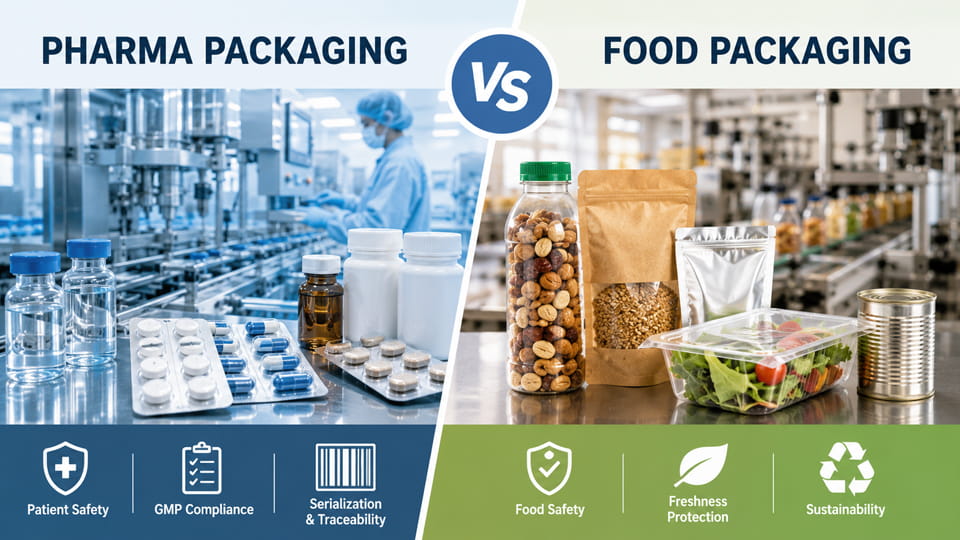
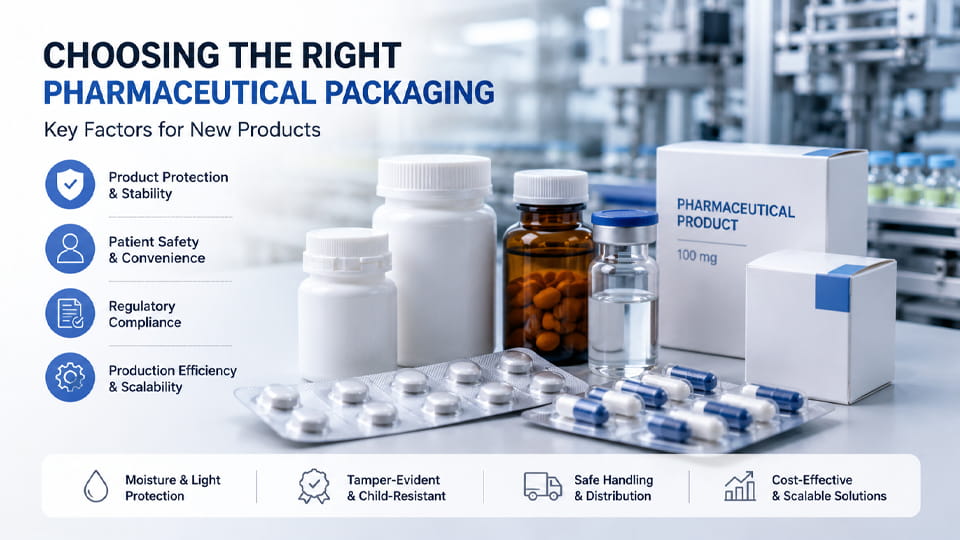
Farmaceutische verpakkingen bestaan uit primair, secundair, en tertiair verpakking lagen. Primaire verpakking in direct contact staat met het medicijn (bijv. blaren, flessen, flesje, ampullen) en vormt de eerste barrière tegen vocht, licht, en zuurstof. Bijvoorbeeld, stijve amberkleurige glazen flessen beschermen lichtgevoelige tabletten, terwijl aluminium-kunststof blaarpakketten sluit elke dosis luchtdicht af om de potentie te behouden. Secundaire verpakking groepeert primaire eenheden (bijv. het plaatsen van blisters of flessen in bedrukte dozen) en voegt labelruimte toe, instructies, en sabotagezegels. Kartons beschermen producten ook tijdens het transport. Tertiaire verpakking betreft bulkcontainers (dozen, kratten, pallets) gebruikt voor magazijn en transport. Elk verpakkingsniveau heeft functies: vormt primair de doseringscontainer, secundair biedt informatie en gematigde bescherming, en tertiaire verzorgt bulklogistiek.
Jinlupacking merkt op dat farmaceutische verpakkingen medicijnen moeten bevatten stabiel en steriel, vaak binnen kindveilig of manipulatiebestendig formaten, terwijl u doserings- en veiligheidsinformatie overbrengt.
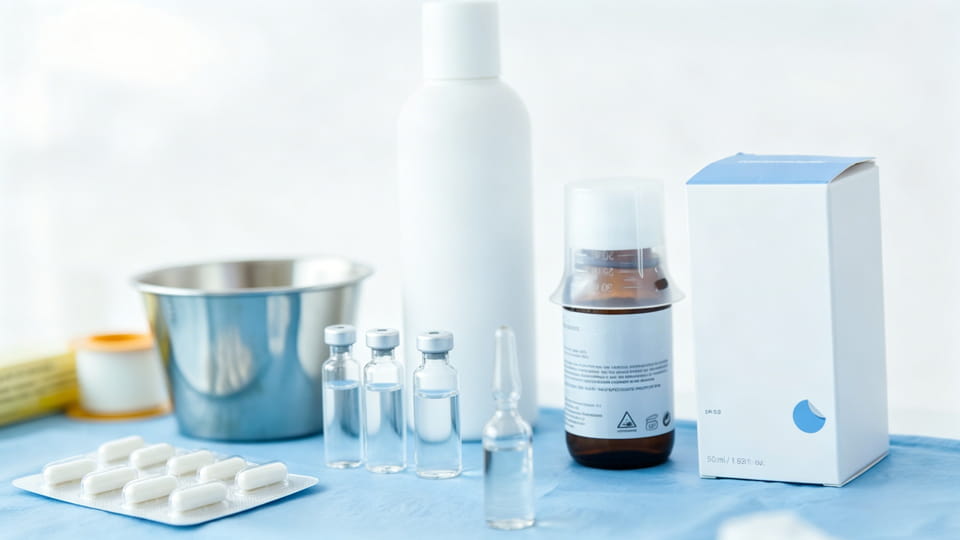
Voedselverpakkingen dienen daartoe beschermen, beschermen, en informeren. De belangrijkste functies zijn het vers houden van voedsel, vervuiling of bederf te voorkomen (door vocht, zuurstof, microben), en om etikettering en branding van voeding/ingrediënten aan te bieden. Veel voorkomende formaten voor voedselverpakkingen zijn onder meer flessen en potten, flexibele zakjes, dozen, blikjes, dienbladen, en films. Bijvoorbeeld, ketchup kan worden geleverd in hersluitbare PET-knijpflessen of foliezakjes voor eenmalig gebruik. Voor snacks wordt vaak gebruik gemaakt van meerlaagse plastic/foliezakjes of zakken die de kosten in evenwicht houden met een adequate vocht-/zuurstofbarrière.
Hoewel beide industrieën besmetting proberen te voorkomen, voedselverpakkingen krijgen vaak prioriteit gemak en kosten voor de consument. Bijvoorbeeld, Voedselzakjes maken gebruik van eenvoudige films en streven naar hersluitbaarheid of een lichtgewicht ontwerp, terwijl farmaceutische producten zwaardere materialen kunnen gebruiken voor maximale barrière en duurzaamheid.
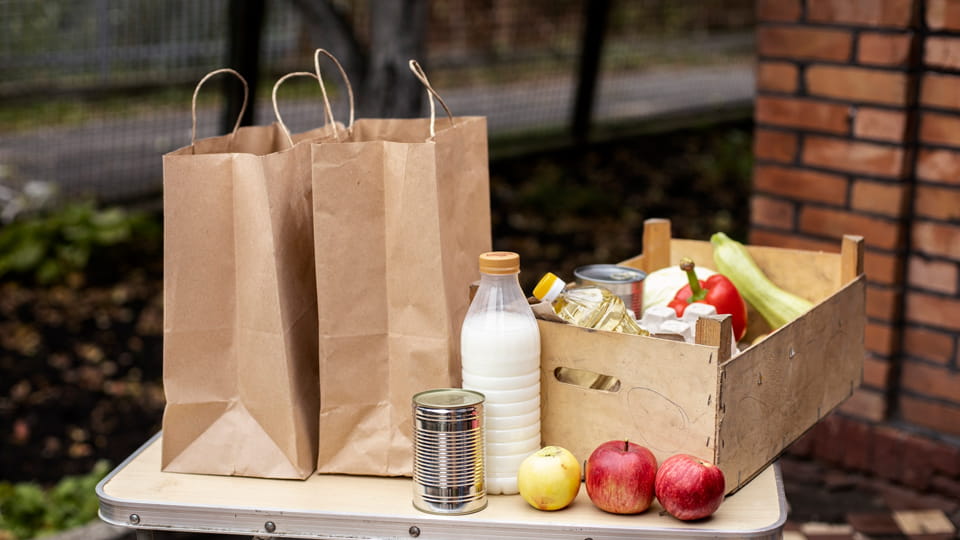
Ongeacht het producttype, effectieve verpakking moet:
Bijvoorbeeld, Jinlu merkt farmaceutische verpakkingsmaterialen op (glas, plastic, folie) zijn gekozen vanwege hun beschermende eigenschappen, onder strikte normen op het gebied van niet-toxiciteit en manipulatiebestendigheid. Voedselverpakkingen zijn ook gericht op bescherming (bijv. plastic folie voor chips) maar brengt kosten en marketingaantrekkingskracht in evenwicht.
| Functie | Farmaceutische verpakkingen | Voedselverpakking |
| Primaire doelen | Bescherm de werkzaamheid en steriliteit van geneesmiddelen; verontreiniging of verwisselingen te voorkomen. Zorg voor een nauwkeurige dosering (kalibratie van tellingen/doseringen). | Behoud de versheid, bederf voorkomen, portie verstrekken; beschermen tegen besmetting met microben/kiemen. Zorg voor de juiste informatie over voeding/allergenen. |
| Regelgevende normen | Strikte GMP-naleving (FDA 21 CFR 210/211, EU GMP EudraLex Vol.4, ISO 15378). Het gehele verpakkingsproces wordt gevalideerd en gedocumenteerd. | Geregeerd door voedselveiligheidsvoorschriften: Goedkeuringen voor voedselcontact door de FDA, HACCP (basisvoorwaardenprogramma's voor hygiënische omstandigheden), en standaarden zoals BRCGS/ISO 22000. Etiketten vooraf goedgekeurd volgens de FDA Food Labeling Guide. |
| Traceerbaarheid | Hoog: batch-/lotnummers op elke verpakking, serialisatie (unieke streepjescodes) voor medicijnstambomen (bijv. DSCSA in de VS). Maakt volledige traceerbaarheid/terugroeping mogelijk. | Gematigd: batch- of datumcodes voor terugroeping; In de meeste regio's is dit niet vereist op elke unit (behalve bulkcodes). Beperkte serialisatie (zelden door de wet). |
| Kabond | Meestal wel: veiligheidszegels, blisterfolie die bij opening duidelijk kapot gaat, speciale doppen (kindveilig of drugsveilig). | Vaak wel voor sommige voedingsmiddelen (bijv. blikjes, yoghurt deksels), maar veel voedselpakketten hebben basiszegels. Sabotage-indicatieve functies (hitteafdichtingen) gebruikelijk op potten en deksels. |
| Schone kamer / Hygiëne | Kritisch: Apparatuur vaak in gecontroleerde omgevingen (cleanrooms) om deeltjes/microben te vermijden. Roestvrij staal (SUS316L) oppervlakken, HEPA-filtratie. | Hygiënisch ontwerp vereist, maar meestal van algemene voedselkwaliteit (geen roest, gemakkelijk afwasbaar) in plaats van klasse-100K cleanrooms. Sanitair ontwerp om kruisbesmetting met allergenen of microben te voorkomen. |
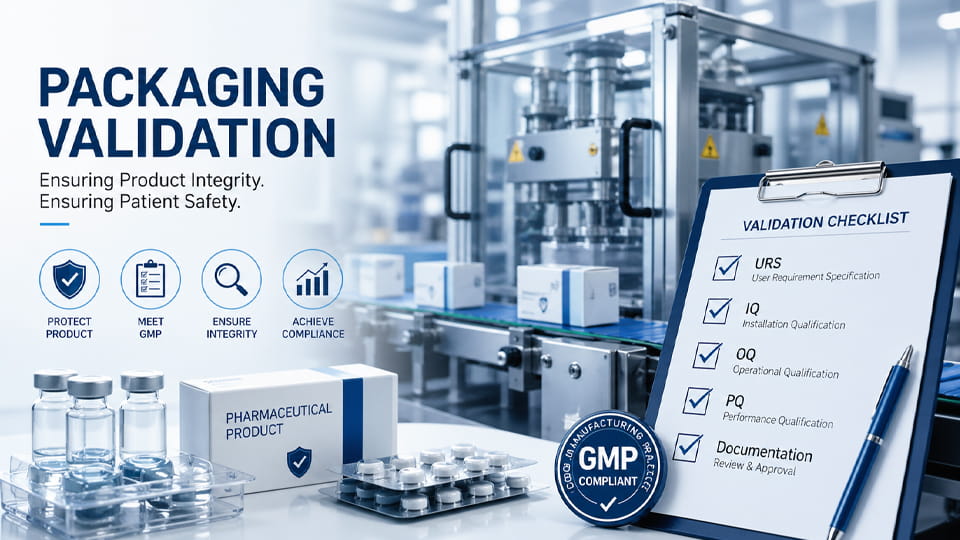
| Validatie/QA | Verplichte apparatuurkwalificatie en procesvalidatie (IR/WH/PQ) volgens FDA/EU-regels. Verpakkingsprocessen gevalideerd op steriliteit en consistentie. | Validatie in de zin van HACCP: controle van kritische punten. Apparatuur wordt gereinigd/geïnspecteerd, maar formele validatie (IQ/OQ) is niet standaard. QA richt zich op microbiologie en allergenen. |
| Materialen | Farmaceutisch niveau: bijv. Type-I-glas, medische kunststoffen, deksel van aluminiumfolie, rubberen stoppen, speciale blaren. Getest op extraheerbare/uitloogbare stoffen (om ervoor te zorgen dat er geen schadelijke migratie plaatsvindt). | Food-grade: Pe, HUISDIER, PP, aluminiumfolie, karton. Moet door de FDA zijn goedgekeurd voor contact met voedsel. Lagere zuiverheidseisen dan farma; regelgevende focus op migratielimieten en allergenen. |
| Etikettering | Gedetailleerde etiketten: naam van het medicijn, kracht, dosering, waarschuwingen, partij/lot, vervaldatum, instructies. Regelgeving vereist nauwkeurige etikettering en beoordeling (bijv. NDC-codes). Vaak kleine lettertjes. | Paneel met voedingsfeiten, ingrediënten (naar gewicht aflopend), netto gewicht, allergeenverklaringen, merk/marketing. Moet voldoen aan FD&C Wet-vereisten (geen voorafgaande goedkeuring door de FDA van het etiket, maar strikte formaatrichtlijnen). |
| Risico terugroepen | Zeer hoge inzet: elke besmetting kan schade aan de patiënt veroorzaken. Terugroepacties zijn kostbaar en worden streng gecontroleerd ( De FDA schrijft seriële terugroepberichten voor). Vaak worden hele batches getrokken. | Aanzienlijk risico (voedselveiligheidsincidenten), maar de impact is doorgaans kleiner. Terugroepacties richten zich op specifieke percelen; verpakkingsafval wordt meer getolereerd. |
| Apparatuurnormen | Apparatuur moet cGMP-ontwerp zijn: gemakkelijk schoon te maken/steriliseren, roestvrije oppervlakken, geminimaliseerde dode zones. Meestal onder CIP (Schoon op zijn plaats). Bijvoorbeeld. blistermachines met vacuüm, steriele vullijnen. | Sanitair ontwerp: roestvrij staal, geen bacterievallen. CIP- of wash-down-opties. Bijvoorbeeld. VFFS-lijnen, vormers, vulmiddel dat voldoet aan de sanitaire normen van USDA/FDA. Design is gericht op het voorkomen van bederf. |
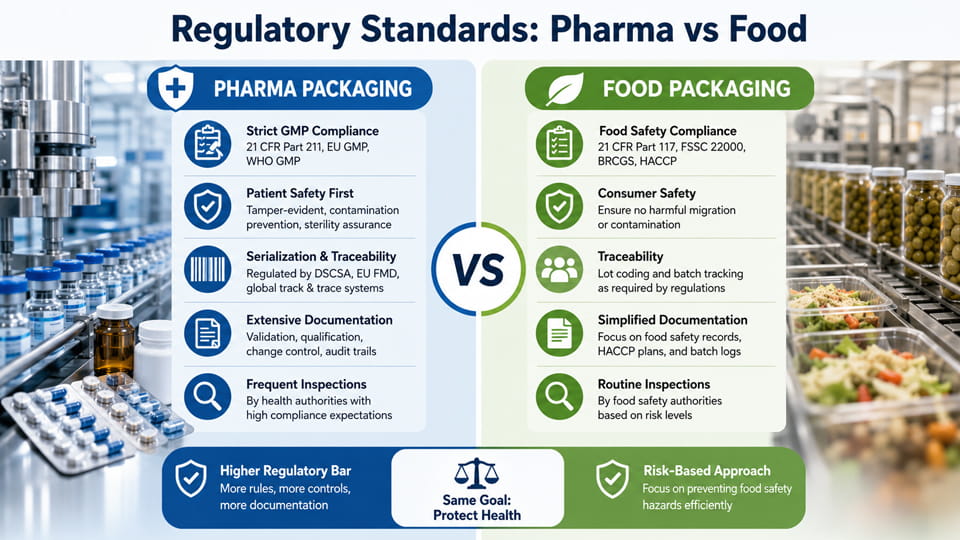
Deze vergelijkingen benadrukken dat farmaceutische verpakkingen is veel meer gereguleerd en gecontroleerd. Bijvoorbeeld, De cGMP-richtlijnen van de FDA vereisen dat verpakkingslijnen voor geneesmiddelen gevalideerde processen en materialen gebruiken die bewezen veilig zijn. Daarentegen, voedsel verpakking volgt brede hygiëne- en veiligheidscontroles (HACCP-voorwaardeprogramma's) in plaats van batchvalidatie in farmaceutische stijl.
Farmaverpakkingen zijn onderworpen aan farmaceutische GMP-voorschriften. In de VS., Titel 21 CFR-onderdelen 210–211 set huidige goede productiepraktijken (CGMP) vereisten voor het “verpakken” van medicijnen (verpakking). Dit betekent methoden, controles, faciliteiten, en apparatuur die wordt gebruikt bij het verpakken van medicijnen moet de productveiligheid en de sterkte van het etiket garanderen. Europa gebruikt EU-GMP (EudraLex Vol. 4) met vergelijkbare regels. Aanvullend, ISO 15378:2017 is een wereldwijde standaard die ISO toepast 9001 QMS-principes voor primaire verpakkingsmaterialen voor geneesmiddelen. ISO 15378 gaat expliciet in op de bestrijding van besmetting, risicoreductie, en naleving van de regelgeving bij de productie van verpakkingsmateriaal.
Ter vergelijking, Voedselverpakkingen moeten voldoen aan de voedselveiligheidsvoorschriften. De FDA vereist dat alle materialen die met voedsel in contact komen vooraf worden goedgekeurd (via Voedselcontactmelding of GRAS). Verpakkingsapparatuur in voedselfabrieken volgt de principes van sanitaire voorzieningen en besmettingspreventie volgens HACCP en FDA’s Good Manufacturing Practices voor voedingsmiddelen. Een HACCP-plan behandelt apparatuur en verpakkingsmateriaal vereiste programma's - Bijvoorbeeld, faciliteiten en apparatuur moeten de sanitaire ontwerp- en reinigingsprocedures volgen. Normen zoals BRCGS-verpakkingsmaterialen of ISO 22000 (beheer van voedselveiligheid) ook van toepassing. In tegenstelling tot medicijnen, Voedseletiketten en -verpakkingen vereisen geen voorafgaande goedkeuring door de autoriteiten, maar moet voldoen aan de etiketteringswetten (ingrediënten, voeding, enz.) wanneer op de markt.
Samengevat, farmaceutische verpakkingen zijn hieraan gebonden prescriptief regelgeving (specifieke richtlijnen, certificaataudits), terwijl voedselverpakkingen onderworpen zijn aan preventief veiligheidssystemen (HACCP, GFSI-normen) en goedkeuringen voor materiaal dat in contact komt met voedsel. Dit verschil drijft veel materiaal- en uitrustingskeuzes (zie tabel hierboven).
Verpakking materialen verschillen: farmaceutische containers gebruiken vaak een hoge zuiverheid, inerte substraten. Gemeenschappelijke primaire farmaceutische verpakkingen omvatten Type I-glas flesje (voor injecties), kunststoffen van farmaceutische kwaliteit (HDPE, PP, PETG), en meerlaagse laminaten (PVDC/Alu-folie blisterverpakkingen). Deze zijn gekozen om eventuele uitloogbare stoffen te vermijden die een interactie met het medicijn zouden kunnen hebben. Inderdaad, extraheerbare en uitloogbare stoffen (chemicaliën die migreren uit plastic/folie) zijn een groot probleem in de farmacie. Geneesmiddelenfabrikanten moeten verpakkingen testen om de integriteit van de containersluiting te garanderen (CCI) en dat eventuele uitloogbare stoffen onder de toxische drempelwaarden blijven. FDA-richtlijnen bevelen strenge CCI-tests aan (bijv. onderdompeling van kleurstof, druk verval) voor steriele parenterale verpakkingen om verzegelde bescherming te garanderen.
Verpakkingsmaterialen voor voedsel (polyethyleen, polypropyleen, HUISDIER, gecoat karton, aluminium, enz.) worden ook getest op migratie (vaak onder regelgeving zoals de EC van de EU 1935/2004). Echter, de drempel voor veiligheidstests is over het algemeen lager dan in de farmaceutische sector. Voor eten, de FDA houdt toezicht op een “Inventaris van stoffen die met voedsel in contact komen” – b.v. alle polymeren en inkten moeten door de FDA zijn goedgekeurd. Voedselverpakkingen ondergaan doorgaans geen CCI-tests, omdat steriliteit niet vereist is; in plaats van, het kan microbiële challenge-tests ondergaan voor houdbaarheids- of migratietests voor additieven.
In de praktijk: farmaceutische verpakking vereist een strengere controle op extraheerbare/uitloogbare stoffen. ISO 15378 omvat expliciet de beperking van het besmettingsrisico voor glas, plastic, rubber, en aluminiummaterialen die worden gebruikt in medicijnverpakkingen. Verpakking van voedsel richt zich op barrière-eigenschappen en naleving van de regelgeving voor voedselcontact, maar biedt meer materiële variatie (en zelfs gerecyclede inhoud) omdat het risico op inname lager is en de toxines gereguleerd worden op veilige blootstellingsniveaus. Bijvoorbeeld, waterflessen (HUISDIER) zijn gebruikelijk, terwijl medicijnen zelden in plastic van niet-farmaceutische kwaliteit worden gebotteld.
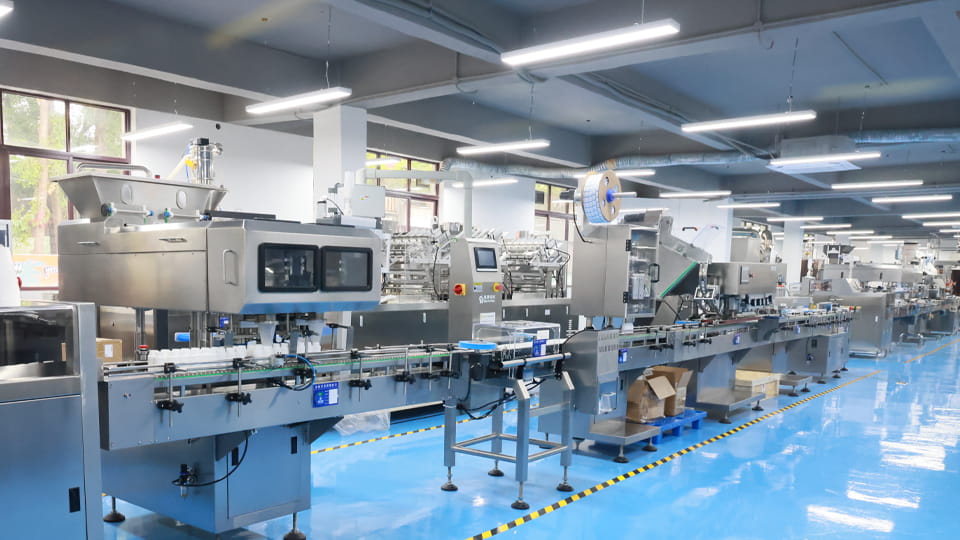
De machines zelf weerspiegelen deze eisen. Farmaceutische verpakkingsapparatuur moet ontworpen zijn voor GMP: roestvrij staal (vaak 316L), gladde oppervlakken, afgedichte aandrijfassen, minimale spleten, en gemakkelijke reinigbaarheid. Ze zijn vaak geschikt voor CIP en installeren HEPA-filters voor aseptische ruimtes. Veel voorkomende farmaceutische machines zijn onder meer:
Daarentegen, voedselverpakkingsmachines zijn geoptimaliseerd voor volume en netheid: ze hebben vaak een grotere doorvoer (tas in seconden) en gebouwd voor snelle sanitaire voorzieningen (CIP- of wash-down-mogelijkheid). Typische voedselverpakkingsapparatuur omvat:
Bijvoorbeeld, De Premade Pouch Packing-machines van Jinlu zijn veelzijdig voor gummies, poeders of vloeistoffen, en zijn gecertificeerd voor GMP, CE, FDA-naleving. Daarentegen, een typische snack-foodlijn zou een VFFS met meerdere rijstroken kunnen gebruiken met componenten van voedingskwaliteit.
Hieronder vindt u een eenvoudig stroomdiagram om te illustreren hoe een fabrikant verpakkingsmachines kan selecteren op basis van producttype en vereisten:
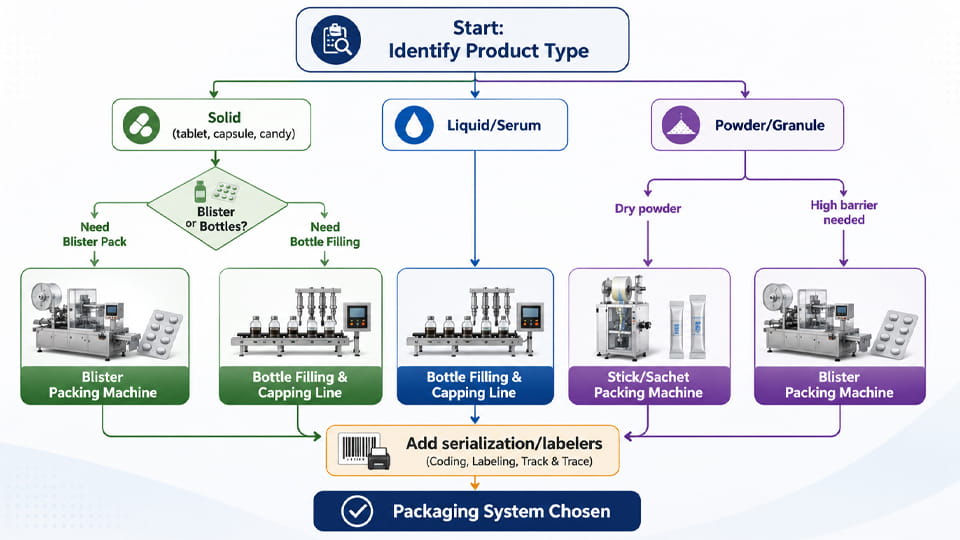
Deze stroom benadrukt: kies de verpakking formaat (blister versus fles versus zakje, enz.) gebaseerd op productvorm en stabiliteitsbehoeften, kies vervolgens de bijbehorende machinelijn. Bijvoorbeeld, temperatuurgevoelige tablets kunnen het gebruik ervan stimuleren koudgevormde blaren in plaats van flessen (om de zuurstof-/vochtbarrière te garanderen).
In ontwerp, farmaceutische machines bevatten vaak meer automatisering voor reiniging en traceerbaarheid. Bijvoorbeeld, vulstoffen voor injectables draaien onder laminaire stromingskappen, terwijl voedseltransportbanden in een koelkamer open kunnen lopen. Beiden moeten voldoen aan de hygiënenormen, maar de stringentie en validatie verschillen.
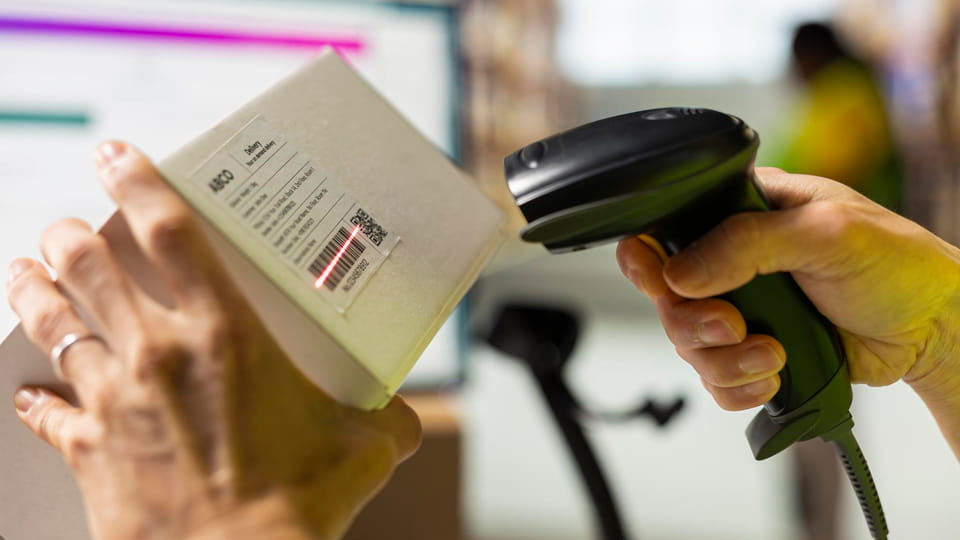
Farmaceutische verpakkingen vereisen uiterst nauwkeurige etikettering en tracking. Op elk medicijnpakket staat doorgaans de exacte productnaam, kracht, lotnummer, vervaldatum, en soms unieke seriecodes voor track-and-trace (bijv. onder de V.S. DSCSA-wet). FDA-richtlijnen hebben serialisatie voor veel medicijnen opgelegd, waarbij unieke barcodes op eenheidsverpakkingen vereist zijn. Dit zorgt ervoor dat een teruggeroepen batch kan worden getraceerd naar elk artikel. Daarentegen, Etiketten op voedselverpakkingen moeten ingrediëntenlijsten bevatten, voedingspanelen, en nettogewicht volgens FDA-regels, maar serialisatie van individuele eenheden is over het algemeen niet vereist (behalve misschien voor bepaalde supplementen of markten).
Het bewijs van manipulatie is ook sterker bij medicijnen: elke blister of injectieflacon heeft vaak een verzegeling die bij opening wordt vernietigd. Jinlu merkt op dat geserialiseerde streepjescodes en verzegelde zegels op elke eenheid standaard zijn in de farmaceutische sector om namaak tegen te gaan. Bij eten, Er wordt gebruik gemaakt van verzegelde banden en zegels (bijv. veiligheidsringen op frisdrankflessen, inductieafdichtingen op doppen), maar voedsel voor eenmalig gebruik kan uitsluitend afhankelijk zijn van intacte zeehonden (zoals sachet-heatseals) met minder formele serialisatie.
Traceerbaarheidssystemen in de farmaceutische sector zijn digitaler (elektronische batchregistratie, GMP-documentatie). Traceerbaarheid van voedsel richt zich op partijen en herkomst (denk “van boer tot bord” voor de veiligheid) maar is vaak minder gedetailleerd op consumentenniveau. Samengevat, Pharma Packaging investeert zwaar in serialisatietechnologie op de lijn (afdrukken en scannen van streepjescodes), terwijl voedsellijnen de nadruk leggen op de etiketteringssnelheid en het garanderen van alle vereiste informatie (bijv. allergeen pictogrammen, voedingsfeiten) correct wordt afgedrukt.
Beide industrieën zijn op weg naar groenere verpakkingen, maar de drijfveren en oplossingen verschillen. Op het gebied van farmaceutische producten, er is een drang om afval te verminderen en waar mogelijk recyclebare/biologisch afbreekbare materialen te gebruiken. Bijvoorbeeld, fabrikanten onderzoeken mono-materiaal blisterfilms en gerecycled karton voor secundaire verpakkingen. Eén trend is het vervangen van bedrukte papieren inlegvellen door digitale informatie om papier te besparen. Echter, elke wijziging moet nog steeds voldoen aan de stabiliteitseisen, innovaties beginnen dus vaak in secundaire of tertiaire lagen.
Bij eten, Duurzaamheid betekent vaak lichtgewicht verpakkingen, composteerbare materialen, en het terugdringen van plastic voor eenmalig gebruik. Veel regio's voeren wetgeving uit tegen bepaalde niet-recyclebare materialen. Opmerkelijk, kruidenzakjes (folie/weefselzakjes) worden in sommige markten geleidelijk uitgefaseerd 2030 ten gunste van hervulbare of recycleerbare alternatieven. Grote voedselmerken zijn ook op zoek naar recycleerbare monomateriaalfilms. Beide industrieën hechten waarde aan het verminderen van de CO2-voetafdruk, maar farmaceutische bedrijven moeten ecologische doelstellingen in evenwicht brengen met de allergrootste behoefte aan productbescherming.
(Opstaan): “Duurzaamheid is een belangrijke trend: bedrijven ontwerpen verpakkingen met recycleerbare of biologisch afbreekbare materialen en verminderen overtollige verpakkingen. Bijvoorbeeld, kartonpapier maakt nu vaak gebruik van gerecyclede inhoud, en films uit één materiaal worden gekozen voor eenvoudiger recycling.”
(Ketchup-gids): “Eco-bewuste merken zoeken lichter, recycleerbare opties. In werkelijkheid, sommige regio's zijn zelfs bezig met het geleidelijk afschaffen van kruidenzakjes voor eenmalig gebruik 2030, fabrikanten in de richting duwen duurzame zakjes of hervulbare oplossingen.”
Deze trends betekenen dat apparatuur zich ook kan aanpassen: machines die gerecyclede kunststoffen kunnen verwerken, of lijnen die zijn ontworpen voor eenvoudigere materiaalwisselingen worden waardevol.

Bij het selecteren van apparatuur voor farmaceutische of voedselverpakkingen, Overweeg de volgende factoren:
In de praktijk, werken met fabrikanten (leuk vinden Jinlu-verpakking) om deze factoren te analyseren. Bijvoorbeeld, Het technische team van Jinlu kan een geïntegreerde flessenvulling & kartonneerlijn voor een nieuwe aanvulling, of een modulaire oplossing voor het verpakken van zakjes voor een speciale siroop.
Jinlu Packing is gespecialiseerd in kant-en-klare verpakkingsoplossingen voor farmaceutische producten En voedsel/nutraceutische producten. Onze machines zijn ontworpen om te voldoen aan strenge GMP-normen (CE, FDA, ISO-certificeringen) terwijl het flexibiliteit biedt. De belangrijkste voordelen zijn onder meer:
Met 30+ jaar in farmaceutische verpakkingsmachines, Industrieleiders vertrouwen op Jinlu om apparatuur te leveren die dat doet veilig En efficiënt verpakt zowel medicijnen als voedsel. Neem contact met ons op om te bespreken hoe onze machines werken (leuk vinden Blisterverpakkingsmachines, Telmachines, Kartonmachines, Zakje verpakking, of Voorgemaakte zakjesvullers) kan aan uw productiedoelstellingen voldoen.
Tot slot, Farmaceutische verpakkingen versus voedselverpakkingen hebben verschillende prioriteiten, ook al zijn beide erop gericht producten te beschermen. Farmaceutische verpakkingen worden geleid door strikte GMP-voorschriften en leggen de nadruk op steriliteit, traceerbaarheid, en barrière-integriteit. Voedselverpakkingen benadrukken de voedselveiligheid (het voorkomen van bederf/gevaren) en bruikbaarheid (kosten, gemak) volgens de HACCP- en voedselcontactregels. Materiële keuzes, machine-ontwerp, en etikettering weerspiegelen deze prioriteiten: farmaceutische lijnen worden vaak uitgevoerd in gecontroleerde omgevingen met serialisatie, terwijl voedsel lijnen draait op hoge snelheid met sanitair ontwerp.
Door deze verschillen te begrijpen, verpakkingsingenieurs en kopers kunnen de juiste oplossingen kiezen. Bijvoorbeeld, een medicijnfabrikant zou een blisterlijn met een hoge barrière en geïntegreerde serialisatie kunnen kiezen om aan de FDA- en EU-regels te voldoen. Een producent van voedselsnacks zou vanwege de efficiëntie kunnen kiezen voor een VFFS met meerdere rijstroken, ervoor te zorgen dat de films door de FDA zijn goedgekeurd. Beiden kunnen de juiste technologie vinden: Jinlu Packing biedt machines die voor beide werelden zijn gebouwd, van GMP-conforme blisters tot flexibele zaksystemen. Uiteindelijk, het voldoen aan de veiligheids- en kwaliteitsbehoeften van het eindproduct – met inachtneming van de regels van elke branche – is het belangrijkste doel van elk verpakkingssysteem.
Farmaceutische verpakkingen geven prioriteit aan strikte steriliteit en naleving van de regelgeving. Meestal gaat het om een hogere barrière, materialen van medische kwaliteit en manipulatiebestendige eigenschappen om medicijnen te beschermen onder de cGMP-regels. Voedselverpakkingen geven prioriteit aan versheid en veiligheid (het voorkomen van bederf/gevaren) onder HACCP en regelgeving inzake voedselcontact, Vaak wordt gebruik gemaakt van lichtere of recycleerbare materialen.
De wet op de beveiliging van de geneesmiddelenvoorzieningsketen (DSCSA) en soortgelijke wetten vereisen unieke serienummers op individuele medicijnverpakkingen om tracking door de toeleveringsketen mogelijk te maken. Dit helpt namaakgeneesmiddelen te voorkomen en maakt nauwkeurige terugroepacties mogelijk. Dergelijke eisen bestaan niet voor de meeste voedingsmiddelen, dus geserialiseerde tracering wordt bij voedselverpakkingen over het algemeen niet op eenheidsniveau uitgevoerd.
Sommige machines (zoals blisterverpakkingen of zakjesvullers) kan in beide industrieën worden gebruikt, mits goed gereinigd en gevalideerd. Bijvoorbeeld, De blistermachines van Jinlu verpakken zowel tabletten als voedselporties (jam, snacks) door van materiaal en instellingen te wisselen. Echter, apparatuur moet tussen gebruik door grondig worden ontsmet en heeft mogelijk upgrades nodig (zoals extra HEPA-filters of GMP-documentatie) om aan farmaceutische normen te voldoen.
In de VS., alle componenten van voedselverpakkingen moeten door de FDA goedgekeurde stoffen zijn die met voedsel in contact komen (FCS) vóór het op de markt brengen. Dit betekent elk plastic, coating, inkt, of lijm die in contact komt met voedsel moet op een FDA-lijst staan of aangemeld zijn. Etiketten en verpakkingen moeten ook voldoen aan de voedseletiketteringsregels van de FDA (ingrediëntenlijst, voedingsfeiten). Voedselproducenten gebruiken HACCP en GMP's om veilige verpakkingsprocessen te garanderen.
Kies op basis van product- en productiebehoeften. Premade-zakjesverpakkers gebruiken voorgedrukte zakjes, hersluitbare zakken en zijn ideaal voor speciale producten of producten met een hoge barrière (bijv. vitamines, sappen) met snelle wissels. VFFS-machines vormen in een handomdraai zakken van rolfilm en blinken uit in hoge snelheid, grote aantallen standaardproducten (snacks, poeders) tegen lagere materiaalkosten. Evalueer uw tasformaat, doorvoerbehoeften, en flexibiliteitsvereisten om te beslissen.
Referenties:
1.Huidige goede productiepraktijken (CGMP) Regelgeving | FDA -- ONS. Voedsel- en Geneesmiddelenadministratie
2.21 CFR-onderdeel 211 – Subonderdeel G – Verpakkings- en etiketteringscontrole —— Instituut voor Juridische Informatie
3.Verpakking & Stoffen die in contact komen met voedsel (FCS) -- ONS. Voedsel- en Geneesmiddelenadministratie
4.Goede productie- en distributiepraktijken —— Europese Commissie
5.Huidige goede productiepraktijken (CGMP's) voor voeding en voedingssupplementen -- ONS. Voedsel- en Geneesmiddelenadministratie