
In alledaags taalgebruik “medicijn” En "geneesmiddel" worden vaak door elkaar gebruikt. In de farmaceutische industrie, Echter, ze impliceren meestal verschillende stadia van de levenscyclus van het product. A drugs is over het algemeen de actieve farmacologische stof (API) dat therapeutische effecten oplevert. A geneesmiddel (soms een genoemd geneesmiddel) is het eindproduct – het medicijn dat is geformuleerd en verpakt voor gebruik door patiënten. Dit onderscheid heeft invloed op de manier waarop producten worden ontwikkeld, vervaardigd, en verpakt. In eenvoudige bewoordingen, elk medicijn begint met een medicijn (actief ingrediënt), maar niet elk medicijn eindigt als een verkoopbaar medicijn. De verschillen in deze termen kunnen van invloed zijn doseringsvorm ontwerp, regelgevende status, En keuze van verpakkingsmachines.
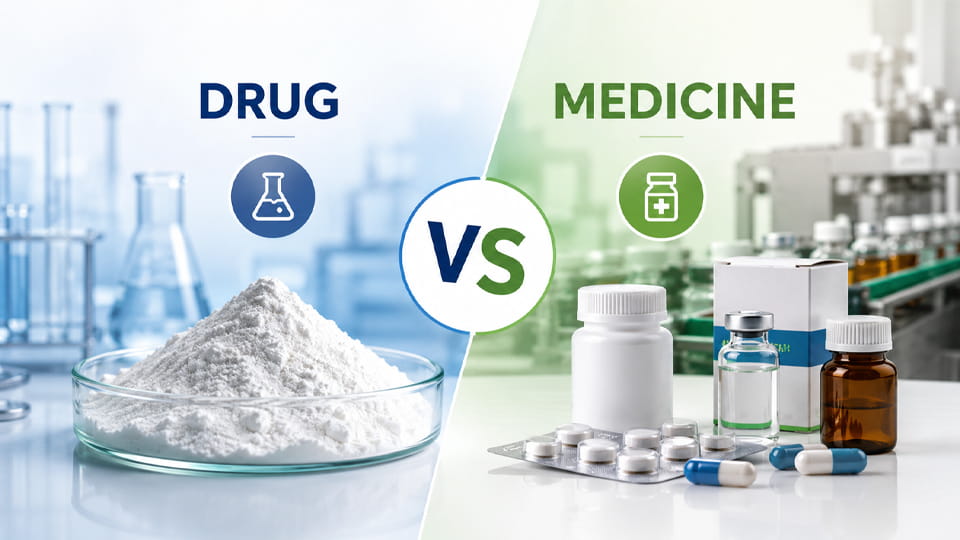
In farmaceutische termen, A drugs is een actieve chemische of biologische stof die wordt gebruikt om een diagnose te stellen, genezing, verzachten, traktatie, of ziekte voorkomen. De FDA definieert een medicijn in grote lijnen als “Een stof bedoeld voor gebruik bij de diagnose, genezing, verzachting, behandeling, of preventie van ziektenbij mensen of dieren. In de praktijk, “medicijn” verwijst vaak naar het pure actieve ingrediënt (API) zelf. Bijvoorbeeld, ibuprofen of amoxicilline als poeder zouden een medicijnsubstantie worden genoemd voordat er een geneesmiddel van wordt gemaakt tablet of capsule.
Kernpunten over medicijnen in de farmaceutische productie:
Samengevat, A drugs is de ruwe therapeutische stof of API – het ‘wat’ dat een medicijn zijn effect geeft. Deze term is gebruikelijk bij de ontwikkeling en regulering van formuleringen.
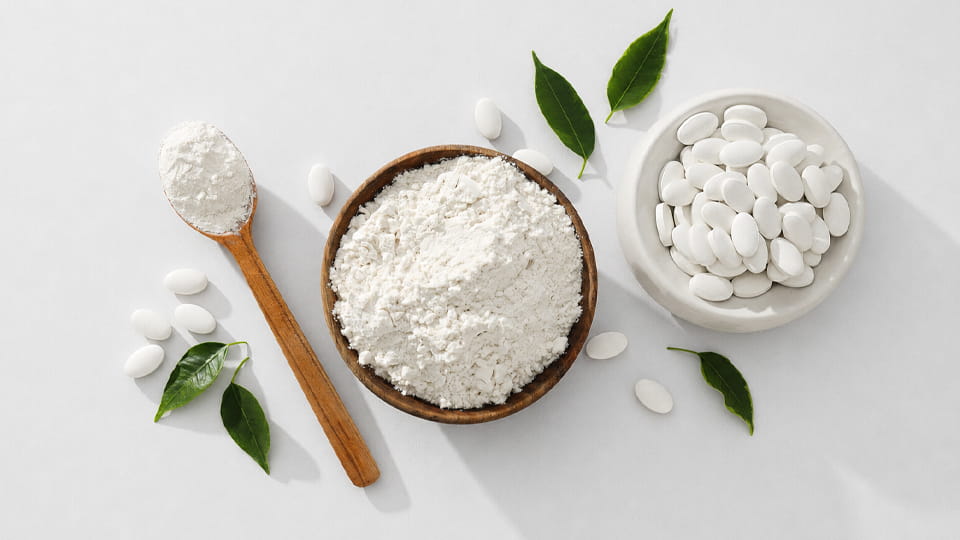
A geneesmiddel (of geneesmiddel) is een afgewerkt farmaceutisch product bedoeld voor gebruik door patiënten. Het bevat een of meer medicijnen (API's) plus inactieve componenten (hulpstoffen) en is verpakt voor veilige uitgifte en gebruik. Met andere woorden, zodra een medicijn in een doseringsvorm is geformuleerd (tablet, capsule, vloeistof, enz.) en geëtiketteerd in een container, het wordt een medicijn dat klaar is voor verkoop.
In eenvoudige bewoordingen, A geneesmiddel is de verpakking, patiëntklaar product dat wordt gebruikt om een aandoening te diagnosticeren of te behandelen. Het bevat het medicijn als het belangrijkste ingrediënt, maar ook alle andere dingen (hulpstoffen, houder, label).
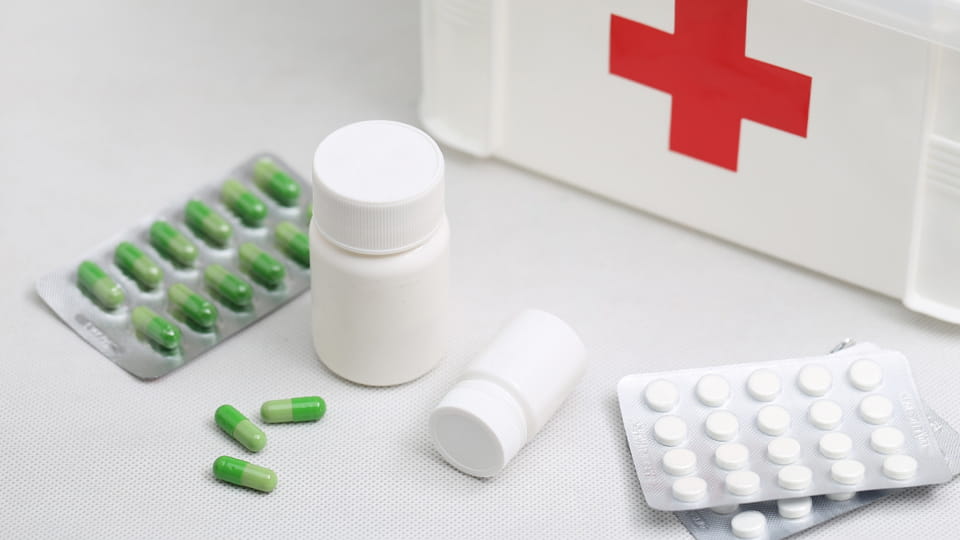
Hieronder vindt u een samenvatting van de belangrijkste verschillen tussen een medicijn en een medicijn. De verschillen zijn subtiel in gewone taal, maar belangrijk in productie- en regelgevingscontexten:
| Aspect | Medicijn | Geneesmiddel (Geneesmiddel) |
| Basis betekenis | Actieve stof (API) met therapeutische werking | Eindproduct dat het medicijn bevat, klaar voor gebruik door de patiënt |
| Fase | Verwijst vaak naar een ingrediënt in een vroeg stadium of een onderzoeksmiddel | Verwijst naar de uiteindelijke doseringsvorm zodra deze is geformuleerd en verpakt |
| Samenstelling | Het pure actieve ingrediënt (bijv. aspirine poeder) | Inclusief API + hulpstoffen, houder, label (bijv. aspirinetablet in blister) |
| Gebruik context | Productie, R&D, regelgevend (goedkeuringsproces) | Klinisch gebruik, voorschrijven, verstrekking (in gezondheidszorginstellingen) |
| Verordening | De brede FDA-definitie van ‘geneesmiddel’ omvat API’s | Strikt gereguleerde eindproducten (FDA/EMA-goedkeuringen, GMP) |
| Voorbeeld | Ibuprofen-API, insuline eiwit (bulkstof) | Ibuprofen tabletten, insuline-injecties in injectieflacons |
In duidelijke bewoordingen: A drugs is de actieve chemische/biologische stof met een farmacologisch effect. A geneesmiddel is dat medicijn plus formulering en verpakking, bedoeld voor veilig gebruik door patiënten. Zoals een farmaceutische bron het uitdrukte, “Elk medicijn begint als een medicijn, maar niet elk medicijn wordt een medicijn”. Bijvoorbeeld, pure morfine is een medicijnsubstantie; eenmaal geformuleerd in injecteerbare doses met zoutoplossing en verzegeld in injectieflacons, het wordt een medicijn (een pijnstillend product).
Het cruciale punt is dat geneesmiddel impliceert een gereguleerde, verbruiksproduct, terwijl drugs kan alleen de ruwe werkzame stof betekenen of een bredere klasse van verbindingen. De bovenstaande tabel benadrukt deze verschillen.
Om ‘medicijn versus medicijn’ volledig te begrijpen,Het helpt bij het verduidelijken van verwante termen die vaak in de farmacie worden gebruikt:
Kortom: In de farmaceutische productie, “medicijnsubstantie” is de API, “geneesmiddel” is de geformuleerde doseringsvorm (tabletten, capsules, injectie, enz.), En "geneesmiddel" is wat je het medicijn noemt als het eenmaal een marktklaar therapeutisch product is. Bijvoorbeeld, metformine is een medicijnsubstantie, een metforminetablet van 500 mg is het geneesmiddel, en dat tablet (in de verpakking) is het medicijn dat de patiënt inneemt.
Het begrijpen van deze termen is van cruciaal belang: zodra we de doseringsvorm van een medicijn kennen, we kunnen het goede selecteren verpakkingslijn om er een stabiel medicijn van te maken.
Formulering & Ontwikkeling van doseringsvormen: Een rauw medicijn substantie is op zichzelf niet patiëntklaar. Het moet in een geschikte doseringsvorm worden geformuleerd (tablet, capsule, siroop, injectie, enz.) – dit is een belangrijk onderdeel van de productieontwikkeling. Elke doseringsvorm vereist specifieke hulpstoffen en verwerking (mengen, korrel, sterilisatie) een worden geneesmiddel product. Bijvoorbeeld, gevoelige API's voor injecteerbare biologische geneesmiddelen hebben aseptische verwerking nodig, terwijl een stabiele API voor een pil door drogen en tabletcompressie gaat.
Regelgevende goedkeuring: Instanties zoals de FDA of EMA beoordelen gegevens over de medicijnsubstantie En het geneesmiddel/geneesmiddel. Ze beoordelen de veiligheid van de API en de werkzaamheid van de uiteindelijke formulering. Het eindproduct moet aan strenge normen voldoen (GMP, stabiliteit, etikettering). FDA's CGMP regels hebben expliciet betrekking op verpakkingsprocessen en -apparatuur – dus hoe u een medicijn verpakt (zelfs meer dan een rauw medicijn) is sterk gereguleerd.
Verpakking en etikettering: Het onderscheid dicteert de verpakkingsbehoeften. Een medicijnsubstantie heeft doorgaans een minimale verpakking (trommels, flesjes voor opslag). Een medicijn, Echter, vereist primaire verpakking dat beschermt de dosering (bijv. blaarpakketten, flessen, flesje) En secundaire verpakking (dozen) voor informatie en traceerbaarheid. Bijvoorbeeld, tabletten (eindproduct) hebben vochtbestendige blisterverpakkingen of fles-en-sluitsystemen nodig om de houdbaarheid te garanderen. Voor een injecteerbaar geneesmiddel zijn steriele glazen injectieflacons of ampullen nodig, plus een verzegelde verzegeling. Elke combinatie van API en doseringsvorm heeft een bijpassende verpakkingsoplossing.
Apparatuurselectie: Als je alleen maar aan API’s denkt, je zou reactoren of mixers kunnen overwegen. Maar zodra een stof een medicijn is dat een verpakking nodig heeft, u heeft de juiste verpakkingslijn nodig. Blisterverpakkingsmachines, capsule vulmachines, vloeibare vulstoffen, flaconvullijnen, kartonneermachines – ze worden allemaal relevant. Het herkennen van ‘medicijnen’ betekent dat verpakte producten aanleiding geven tot de aanschaf van deze machines.
Kortom, Door het begrip ‘medicijn versus medicijn’ te begrijpen, weten projectteams dit beter wanneer en hoe om verpakkingen te integreren in de productieworkflow. Het zorgt ervoor dat het medicijn niet alleen is geformuleerd, maar op de juiste manier beschermd en op de markt gepresenteerd.
Het verpakken is de laatste cruciale stap die een geformuleerd medicijn omzet in een medicijn dat patiënten veilig kunnen gebruiken. In farmaceutische verpakkingen, primaire verpakking staat in direct contact met de dosering (het medicijnproduct) en vormt de eerste barrière voor degradatie. Bijvoorbeeld, harde gelatinecapsules en -tabletten gaan vaak in aluminium-kunststof blaarpakketten, terwijl vloeibare siropen erin gaan plastic (PET/HDPE) flessen. Injecteerbare medicijnen worden gevuld steriele glazen injectieflacons of ampullen. Elke primaire container wordt gekozen vanwege zijn inertheid en barrière-eigenschappen.
Zodra de primaire verpakking is verzegeld, secundaire verpakking (dozen, etiketten, folders) biedt patiëntinformatie en batchgegevens. Bijvoorbeeld, blisterverpakkingen of injectieflacons zijn gegroepeerd in kartonnen dozen met merklogo en bijsluiters, batchnummers, en barcodes – cruciaal voor compliance en patiëntveiligheid.
Bij JinLuPacking, onze machines automatiseren deze stappen. Een automaat blisterverpakkingsmachine kan duizenden tabletten per uur in blisters verzegelen; A capsule-vulmachine doseert het medicijn in capsules; A lijn voor het vullen en afdekken van flessen telt tabletten of vult siropen in flessen; en een kartonneermachine verpakt en verpakt de eindproducten. Al deze fasen – vullen, aftappen, verpakking – zorg ervoor dat het uiteindelijke medicijn nauwkeurig wordt gedoseerd, veilig, en klaar voor distributie.
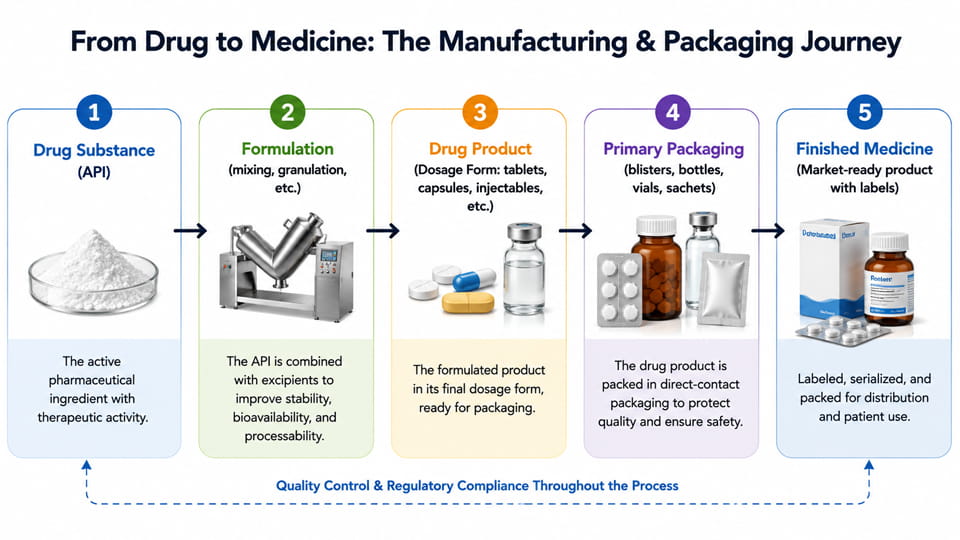
Figuur: Stroomschema van medicijn → Geneeskunde: De actieve medicijn substantie (API) is geformuleerd in een geneesmiddel product (specifieke doseringsvorm). Dan beweegt het in primaire verpakking (bijv. blisterverpakkingen voor tabletten, flessen voor siropen, glazen injectieflacons voor injectables). Eindelijk, het wordt een afgewerkte geneeskunde met secundaire verpakking (dozen/etiketten) voor patiëntengebruik.
Verschillende doseringsvormen vereisen verschillende verpakkingsoplossingen. De onderstaande tabel geeft een overzicht van typische combinaties:
| Doseringsvorm | Gemeenschappelijke primaire verpakking | Voorbeeld JinLuEquipment |
| Tabletten (Stevig oraal) | Blaarpakketten (PVC/PVDC-folie), of kunststof flessen met schroefdoppen | Blisterverpakkingsmachine; Tabletten tellen & Bottellijn |
| Capsules (Mondeling) | Blaarpakketten, of flessen die op tabletten lijken | Automatische capsulevulmachine; Blistermachine |
| Orale vloeistof (Siropen) | Plastic (PET/HDPE) flessen met kindveilige doppen | Vloeistofvul- en afsluitsysteem; Flessenbekeerder |
| Poeder / Zakje | Zakjes met één dosis (folie- of laminaatzakken) | Zakje/Stick Pack-verpakkingsmachine; Voorgemaakte zakjeslijn |
| Injecteerbare producten (Steriel) | Glas flesje, ampullen, of voorgevulde spuiten, plus folieafdichtingen | Vullen van injectieflacons/ampullen & Stoplijn; Inductie sealer |
| Zalven/Crèmes | Gelamineerde buizen (aluminium of kunststof) | Buisvul- en sluitmachine |
| Softgelcapsules | Flessen (HUISDIER) of blisterverpakkingen | Softgelcapsule blistermachine; Tellijn |
De keuze hangt af van factoren zoals de stabiliteit van de dosisvorm, steriliteit, en patiëntgemak. Bijvoorbeeld, tabletten en capsules vaak gebruiken Blister Machines of flessenvullijnen, terwijl vloeistoffen nodig zijn flessenspoelers, vulling, en sluitmachines. Injecteerbaar medicijnen vereisen steriele vulsystemen onder cleanroomomstandigheden. Elke oplossing wordt ondersteund door gespecialiseerde verpakkingsmachines om ervoor te zorgen dat het medicijn beschermd wordt, gelabeld geneesmiddel dat voldoet GMP-normen.
Om het concreet te maken, hier zijn een paar voorbeelden die laten zien hoe specifieke medicijnen in medicijnen veranderen:
Elk voorbeeld laat zien: Medicijn (API) → Formulering (tabletteren, vulling, enz.) → Verpakking (blaar, fles, flesje, zakje) → Geneesmiddel (eindproduct met label).
Niet noodzakelijkerwijs. Elk medicijn begint met een medicijn, maar niet elk medicijn wordt een medicijn. Veel chemische of biologische verbindingen (medicijnen) patiënten nooit bereiken. Sommige medicijnen blijven in R&D of worden alleen gebruikt voor onderzoek, en andere worden buiten medische instellingen gebruikt (bijv. recreatieve drugs). Alleen als een medicijn is geformuleerd, getest, en goedgekeurd wordt het een medicijn.
Zoals een antwoord op veelgestelde vragen opmerkt, “Aspirine is zowel een medicijn als een medicijn. Het is een medicijn in zijn chemische vorm (acetylsalicylzuur) en wordt een medicijn wanneer het wordt geformuleerd en gebruikt om koorts te behandelen, pijn, of ontsteking”. De sleutel is het beoogde gebruik en de presentatie: gebruik als een patiëntklaar product maakt het tot een medicijn.
Samengevat, alleen goedgekeurd, patiëntgerichte producten zijn medicijnen. Door dit te begrijpen, kunnen fabrikanten en toezichthouders onderscheid maken tussen experimentele stoffen en echte marktproducten.
Samengevat, “medicijn” verwijst meestal naar het actieve ingrediënt of een ander farmaceutisch middel, terwijl "geneesmiddel" (geneesmiddel) verwijst naar het voltooide, patiëntklaar product dat dat medicijn bevat. Dit onderscheid is belangrijk voor de farmaceutische productie: het begeleidt R&D, regelgevende status, en verpakkingskeuzes. Als we deze termen begrijpen, kunnen we ervoor zorgen dat we een medicijnsubstantie door de formulering heen verplaatsen verpakking goed om een stal te worden, conforme geneeskunde.
Wanneer ontwikkeling van een nieuwe doseringsvorm, herinneren: de juiste verpakkingslijn (blisterverpakker, capsule-vuller, flessenlijn, injectieflacon vuller, karton, enz.) is essentieel voor het beschermen van het medicijn en voldoen aan GMP. Bijvoorbeeld, Tabletfabrikanten vertrouwen erop Blaarverpakkingsmachines En lijnen tellen/vullen, terwijl injecteerbare producten dit vereisen machines voor het vullen en afsluiten van injectieflacons/ampullen en veilige secundaire verpakking. JinLuPacking biedt een volledig assortiment aan farmaceutische verpakkingsmachines afgestemd op elke doseringsvorm – vanaf tablet & capsule-blaarvorming naar zakje verpakking En kartonneren.
Klaar om van uw medicijn een marktklaar medicijn te maken? Ontdek onze oplossingen: tablet & capsuleblisterverpakkingsmachines voor vaste doses, capsulevulmachines voor poeder/vloeibare capsules, zakje & kant-en-klare zakjesmachines voor poeders, en kartonneermachines voor het definitieve inpakken. Onze apparatuur helpt de productkwaliteit te beschermen, patiëntveiligheid garanderen, en stroomlijn uw productielijn van medicijn tot eindproduct.
Niet precies. In een informeel gesprek overlappen ze elkaar, maar technisch gezien betekent een medicijn vaak het actieve ingrediënt of een farmacologische substantie, terwijl een geneesmiddel het eindproduct is dat aan patiënten wordt gegeven. Je kunt zeggen: “Elk medicijn bevat een medicijn, maar een medicijn op zichzelf is misschien pas een medicijn als het geformuleerd is”.
In de meeste farmaceutische contexten zijn ze in wezen hetzelfde concept. Een geneesmiddel is de ingevulde doseringsvorm (tablet, capsule, injectie) klaar voor verkoop. Een geneesmiddel is hoe het geneesmiddel wordt genoemd wanneer het is verpakt voor gebruik door de patiënt. In de praktijk, goedgekeurde geneesmiddelen (met etikettering) zijn medicijnen.
Een medicijnsubstantie (of API) is het pure actieve ingrediënt – de chemische of biologische stof die het therapeutische effect heeft. Een geneesmiddel is de uiteindelijke formulering die die stof bevat, plus hulpstoffen, in een doseringsvorm (pil, oplossing, enz.). Denk aan zout en zoutvaatje: het zout (medicijn substantie) is het ingrediënt; het zout met antiklontermiddel in een fles (geneesmiddel product) is het bruikbare product.
Verpakkingen zijn cruciaal om van een medicijn een medicijn te maken. Zoals de bronnen van JinLuPacking opmerken, farmaceutische verpakkingen (blaarpakketten, flesje, flessen) beschermt de stabiliteit en dosering van het geneesmiddel, en zorgt ervoor dat de regelgeving wordt nageleefd. Met de juiste verpakking en etikettering verandert u een losse medicijnsubstantie in een kluis, gebruiksvriendelijke geneeskunde.
Ja. Een verbinding zoals ibuprofen of paracetamol is een medicijnsubstantie. Wanneer er een OTC-tablet van wordt gemaakt met instructies, het is ook een medicijn. Het hangt af van de vorm en het gebruik. Zoals hierboven opgemerkt, aspirine is chemisch gezien een medicijn, maar wordt medicijn genoemd zodra het in tabletten zit voor pijnverlichting. Hetzelfde geldt voor veel pijnstillers, antibiotica, enz.
Artsen gebruiken ‘medicijnen’ vaak in de neutrale zin van een farmaceutisch middel. In klinisch jargon en recht (zoals de FDA-wet), ‘medicijn’ is de officiële term voor een therapeutische stof. Het omvat alles, van hoestsiroop tot chemotherapie. In de tussentijd, “geneeskunde” is patiëntvriendelijker. Een arts kan dus ibuprofen voorschrijven (drugs) als pijnstiller (geneesmiddel).
Referenties:
1.Drugs@FDA Verklarende woordenlijst -- ONS. Voedsel- en Geneesmiddelenadministratie
2.Classificatie van producten als medicijnen en apparaten en aanvullende problemen met productclassificatie -- ONS. Voedsel- en Geneesmiddelenadministratie
3.Glossarium (P-termen: farmaceutisch product, hulpstof, uitgangsmateriaal) -- WHO
4.Prekwalificatie Woordenlijst -- WHO
5.Doseringsvormen | FDA -- ONS. Voedsel- en Geneesmiddelenadministratie
6.Q7A Leidraad voor goede productiepraktijken voor actieve farmaceutische ingrediënten -- ONS. Voedsel- en Geneesmiddelenadministratie
