Volledige gids voor capsuleverpakkingsopties: Soorten, Materialen, en machines voor farmaceutische verpakkingen
Volledige gids voor capsuleverpakkingsopties: Soorten, Materialen, en machines voor farmaceutische verpakkingen
april 25, 2026
Geen opmerkingen
Capsuleverpakking verwijst naar hoe farmaceutische capsules (harde schaal of softgel) zijn bijgevoegd voor distributie en gebruik. Het omvat primaire verpakking (de verpakking die in contact komt met de capsules, bijv. blisterholtes of flessen) En secundaire verpakking (buitenverpakkingen, dozen, en labels die het product verder beschermen en identificeren). Een goede capsuleverpakking moet het medicijn tegen vocht beschermen, licht, en besmetting, zorgen voor stabiliteit tijdens de houdbaarheid, en voldoen aan de wettelijke eisen. Bijvoorbeeld, De WHO merkt dat op “Verpakkingscomponenten omringen het product van productie tot gebruik,” en moet functies als bescherming vervullen, stabiliteit, en identificatie. GMP-voorschriften van de FDA (21 CFR 211) schriftelijke procedures vereisen voor het inspecteren en testen van verpakkingsmaterialen bij ontvangst, en verplicht veilige etikettering en manipulatiecontroles. In de praktijk, we moeten overeenkomen met de capsuleproduct (doseringsvorm, gevoeligheid, dosering, enz.) naar het juiste verpakkingsformaat en materiaal.
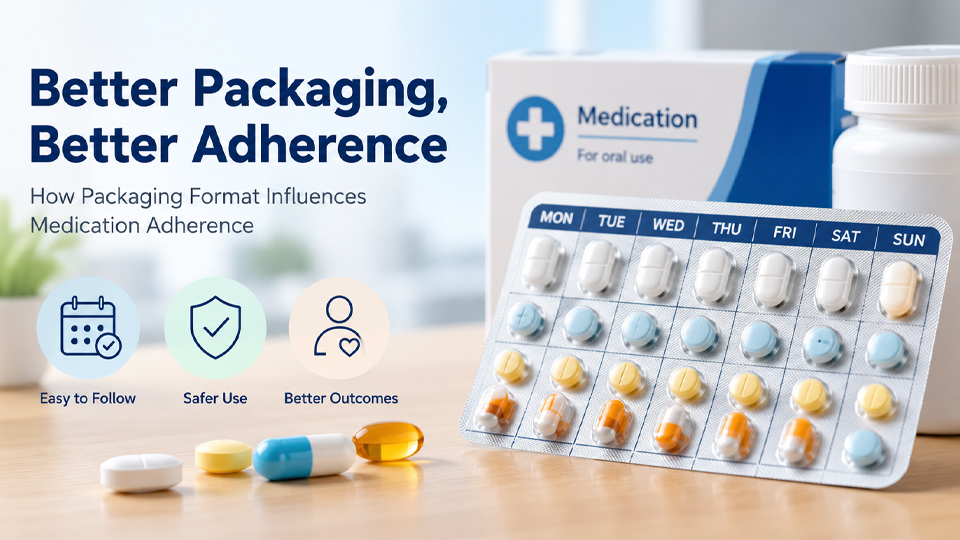
De primaire verpakking van farmaceutische capsules is van cruciaal belang productbescherming, naleving, en patiëntveiligheid: Het houdt de capsules droog, onbesmet, en duidelijk geëtiketteerd. Bijvoorbeeld, Het is bekend dat blisterverpakkingen en amberkleurige flesjes ideaal zijn voor vochtgevoelige medicijnen. De juiste verpakking ondersteunt ook de therapietrouw van de patiënt (eenheidsdosering in blisterverpakking, kindveilige flessen, duidelijke etikettering) en de behoeften van de toeleveringsketen (serialisatie, logistiek). Hieronder bespreken we elke optie in detail.
Soorten capsuleverpakkingen
Blisterverpakking voor capsules
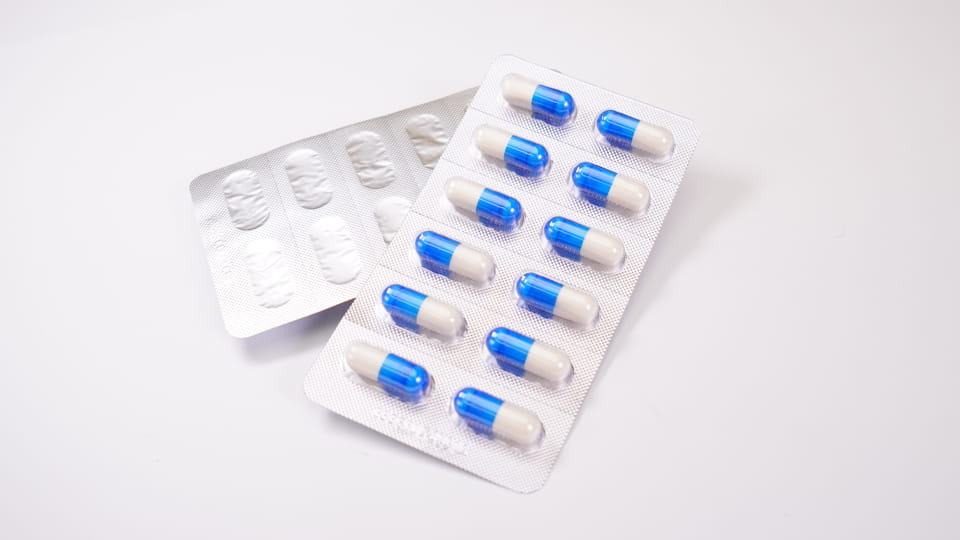
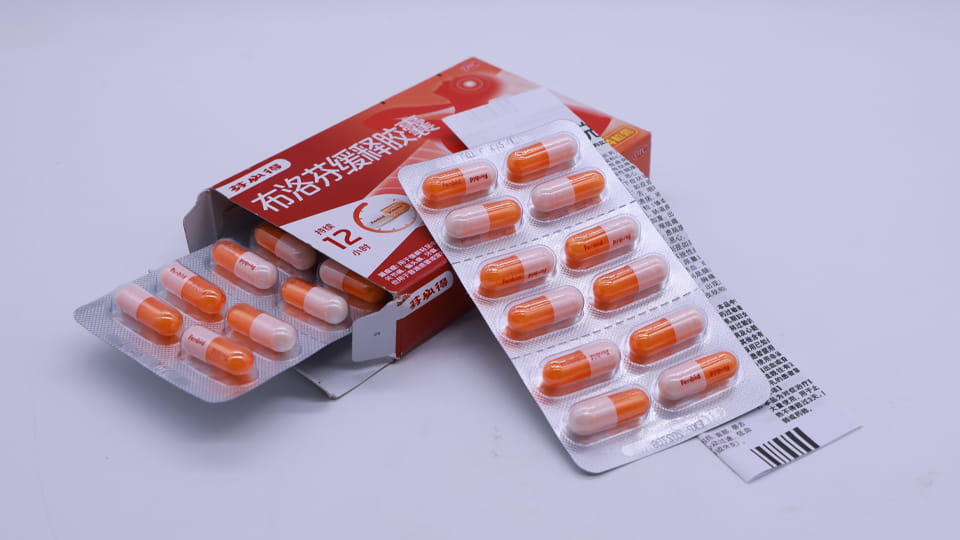
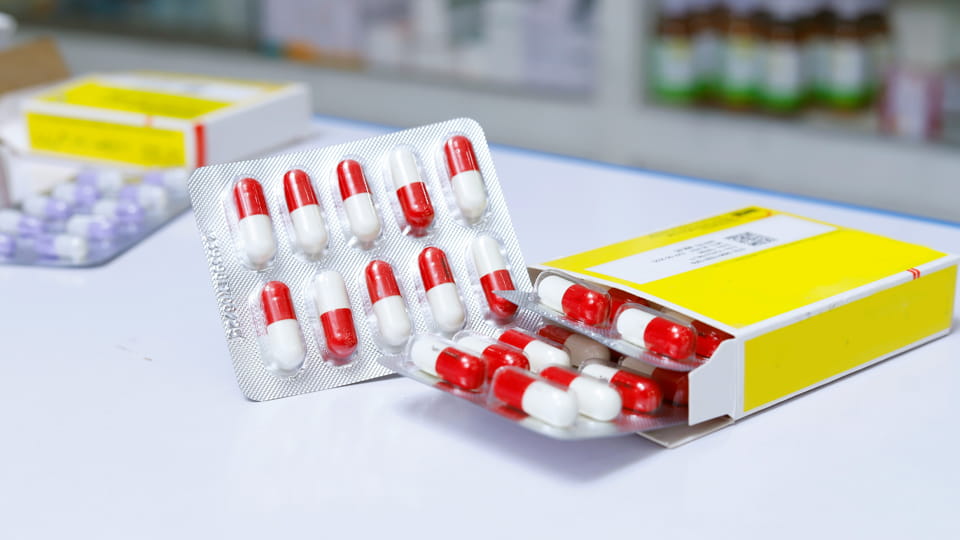
Blaarpakketten bestaan uit voorgevormde kunststof holtes (“blaren”) die individuele capsules bevatten, verzegeld met een achterkant (folie of plastic). Dit primaire verpakking aanbiedingen eenheidsdosisbescherming. Blaren zorgen ervoor uitstekende barrière eigenschappen: ze kunnen er mee gemaakt worden materialen zoals PVC/PVDC of folie (Alu-PVC, Aller tijden) vocht tegen te houden, zuurstof en licht. Bijvoorbeeld, De DPP-180Pro-blistermachine van Jinlu kan tot 4,800 capsuleblisters per uur in Alu-PVC of Alu-Alu laminaat. De belangrijkste kenmerken van blisterverpakkingen voor capsules zijn onder meer::
Bescherming: Elke holte is hermetisch afgesloten, het beschermen van de capsule tegen vocht, zuurstof en licht. Zoals een studie opmerkt, blaren “biedt superieure bescherming tegen vocht en licht” (beter dan flessen). Folie met hoge barrière (bijv. Aller tijden) verleng de houdbaarheid van hygroscopische of zuurstofgevoelige capsules.
Knoopbewijs: Een blister laat duidelijk zien of een dosis is verwijderd of de verzegeling is verbroken. Dit waarborgt de productintegriteit en patiëntveiligheid.
Gemak: Met eenheidsdosisblisters kunnen patiënten één capsule per keer innemen, het verminderen van doseerfouten en verspilling. Ze zijn vooral nuttig bij korte doseringsschema's of formuleringen voor kinderen.
Maatwerk: Blisterverpakkingen kunnen in verschillende vormen en afmetingen van de holte worden gemaakt, zodat ze in verschillende capsuleafmetingen passen. Moderne machines (zoals thermovorm- of plug-assist-machines) past zich gemakkelijk aan de capsulegroottes aan.
Ruimte-efficiëntie: Blisters zijn compact en stapelbaar. Ze minimaliseren de lege ruimte in vergelijking met flessen, besparing op verzendkosten en schapruimte.
Figuur:Jinlu JL-180Pro blisterverpakkingsmachine die capsuleblisters vormt (Alu-PVC), 4,800 gaatjes/uur.
Jinlu's blistermachines (bijv. de DPP-180Pro) kan automatisch gaatjes vormen, voedingscapsules, zegel, gesneden platen, en zelfs partijcodes afdrukken. Ze draaien doorgaans op middelhoge snelheid (duizenden gaatjes per uur), ideaal voor massaproductie. Verschillende blisterformaten (Alu-PVC versus Alu-Alu) worden per product geselecteerd: Aller tijden (folie-folie) biedt de hoogste drempel (het beste voor zeer vochtgevoelige medicijnen), terwijl PVC/PVDC gebruikelijk is voor standaardcapsules. Blisterverpakking vereenvoudigt ook het tellen en de inspectie: In de meeste lijnen kunnen eenvoudig camera-inspectie- of tablettelmachines worden geïntegreerd om de vulling van capsules te verifiëren.
Fles (Fles/capsulepot) Verpakking
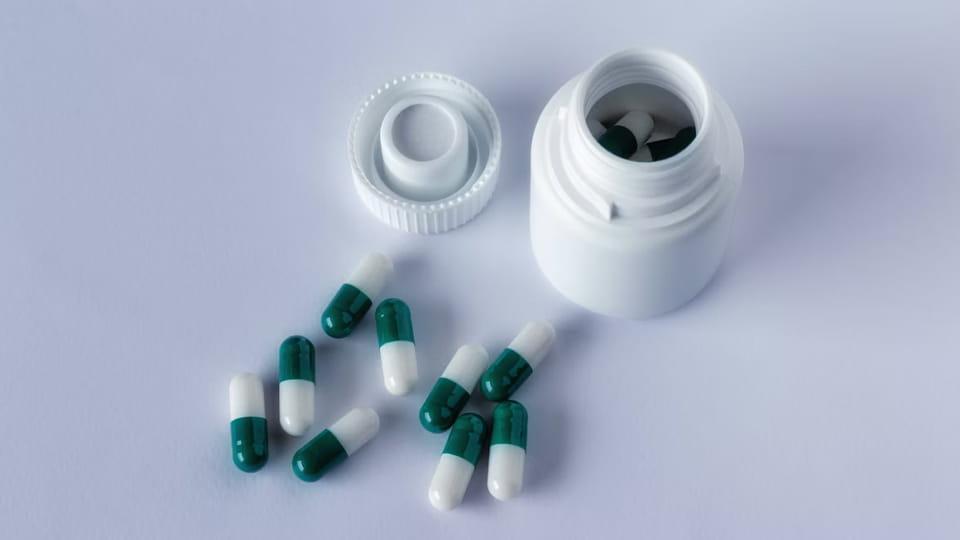
Flessen zijn de klassieke container voor meerdere doses. Capsules worden in flessen gevuld (kunststof of glas) die vervolgens worden afgedekt. Dit formaat staat bekend om vitamines, supplementen, en veel voorgeschreven pillen. Belangrijkste kenmerken:
Veelzijdigheid: Flessen kunnen grote hoeveelheden bevatten (50–1000+ capsules) en een verscheidenheid aan producten (tabletten, capsules, poeders, zelfs vloeistoffen). Ze zijn meestal gemaakt van HDPE- of PET-plastic, of glas (voor sterke chemische inertie).
Bulkverpakking: Voor capsules die bedoeld zijn om herhaaldelijk te worden ingenomen (dagelijkse vitamines, langdurige therapieën), flessen zijn handig. Patiënten kunnen meerdere doses tegelijk afgeven.
Kostenefficiëntie: Flessenvullijnen zijn relatief eenvoudig. Machines tellen of wegen doses sneller af (bijv. Jinlu's JL-16H kan vol raken 100 flessen/minuut). De materiaalkosten per eenheid zijn vaak lager dan bij blisterverpakkingen, vooral op schaal.
Gemakkelijk te hanteren: Consumenten weten hoe ze flessen moeten openen. Voor oudere patiënten kan het gemakkelijker zijn om een fles te openen (vooral met gemakkelijk te openen of kindveilige doppen) dan blaren pellen.
Secundaire verpakking: Flessen maken het opnemen van hulpartikelen mogelijk, zoals droogmiddel pakketten (voor vochtregulering) of katoen. Ze bieden ook plaats aan volledige productlabels rond de fles, en kan in dozen worden verpakt.
Figuur: Jinlu JL-16H capsule- / tabletbottellijn (100 flessen/min) met ontstopper, hengel, kapper, en etiketteermachine.
Capsule-bottellijnen integreren meerdere machines: A flessenbekeerder (of voerbak), A tel-vulmachine (dat X-capsules in elke fles laat vallen), A sluit-/sluitmachine (doppen aanbrengen en vastdraaien), en een etiketteringsmachine. Bijvoorbeeld, De JL-16H-lijn van Jinlu kan capsules van 3-40 mm verwerken, waarbij ~100 flessen/min worden bereikt >99.8% telnauwkeurigheid. Flessen kunnen zeer snel in bulk worden afgevuld. Om aan de regelgeving te voldoen, flessenlijnen bevatten vaak een station voor het inbrengen van droogmiddelen (bijv. silica pakken) en een tamper-evident zegelstation. Kindveilige doppen zijn een ander veelvoorkomend kenmerk van medicijnen voor kinderen.
Bij het kiezen van flesverpakkingen, houd rekening met het productvolume en de stabiliteit: producten met een hoog volume (bijv. dagelijkse vitamines) pak flessen, terwijl capsules met een laag volume of zeer gevoelige capsules de voorkeur kunnen geven aan blisters. Let op: flessen worden over het algemeen aangeboden minder inherente vocht-/zuurstofbescherming dan blisters met een hoge barrière. Amberkleurig glas of ondoorzichtige containers kunnen lichtbescherming toevoegen, en binnenafdichtingen (voeringen van aluminiumfolie) kan de barrière verbeteren.
Zakjes & Stick-pakketten (Zakjes voor eenmalig gebruik)
Zakjes (en stickpacks) Zijn flexibele pakkettendie één dosis poeder bevatten, korrels of vloeistof. Hoewel niet zo gebruikelijk voor capsules, ze zijn relevant voor gerelateerde doseringsvormen (bijv. nutraceutische capsules gebroken tot poeder, of poedervuller zelf). Toch, zakjes en stickpacks verdienen vermelding in een capsuleverpakkingsgids:
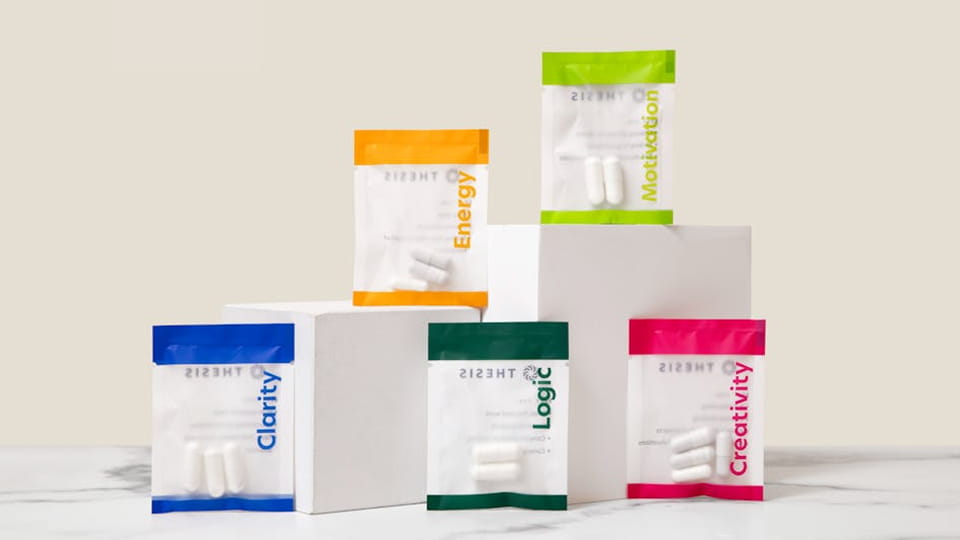
Zakjes zijn meestal platte of kussenvormige pakjes die zijn verzegeld 3 of 4 zijkanten. Ze worden vaak gebruikt voor poeders voor eenmalig gebruik (bijv. bruisende korrels) of zeer kleine capsules (sommige apotheken verstrekken capsules in sachets voor dosering bij kinderen). Moderne vorm-, vul- en sluitmachines kunnen sachets vullen met exact kleine volumes. Voordelen zijn onder meer draagbaarheid (past in zak), gemak, en nauwkeurige dosering (geen gedeeltelijke verspilling). Sachets zorgen bovendien voor een goede afsluiting: de hermetische afdichting verlengt de houdbaarheid en voorkomt besmetting. Veel farmaceutische producten (poeders, gelden, zalfs, pillen met een enkele dosis) gebruik zakjes; Bijvoorbeeld, injecteerbare rehydratatieoplossingen voor noodgevallen of antibioticapoeders voor eenmalig gebruik.
Stick-pakketten zijn lang, smalle zakjes (vaak afgedicht langs één lange naad plus een eindnaad). Ze zijn populair voor poedersupplementen (bijv. instantdrankmixen) en kan worden gebruikt voor capsulepoeders. Stick-packs gebruiken over het algemeen minder materiaal dan sachets en de machinedoorvoer is hoger (30–50% sneller). Ze zijn ideaal voor vrij stromende poeders vanwege de slanke opening.
Zowel sachets als stickpacks worden geproduceerd door verticale vorm-vul-afdichting (Vffs) of horizontale FFS-machines. Jinlu's JL-VP-serie, bijvoorbeeld, is een FFS-stick/sachet-machine met meerdere rijstroken (40 tassen/min/baan, Nauwkeurigheid ±0,02 g) voor poeders, korrels, vloeistoffen of gels. Als de capsules zelf in sachets zouden worden verpakt, men zou het sachet openen om de dosis op te halen – maar vaker, capsules zijn intact verpakt in blister of fles, terwijl sachets/stickpacks poedervormige inhoud verwerken.
Regelgevende nota: sachets en stickpacks zijn toegestaan voor vaste en halfvaste medicijnen (volgens WHO-definities). Ze worden als primaire verpakking beschouwd als ze het product rechtstreeks bevatten. Zoals blaren, sachets kunnen kindveilig worden ontworpen of met inkepingen worden uitgevoerd.
Stripverpakking
Stripverpakkingen (ook wel foliestrips of “dosisbandjes” genoemd) zijn een andere vorm van een primaire verpakking in eenheidsdosis. Een strook is typisch een smal web van materiaal (vaak aluminium of meerlaags laminaat) omgevouwen en verzegeld, met perforaties tussen doses. In tegenstelling tot blaren, stripverpakkingen vormen geen diepe holtes – in plaats daarvan, de capsule is ingeklemd tussen twee filmlagen. Stripverpakkingen worden veel gebruikt in Azië en voor producten waarbij een hoge vochtbescherming nodig is, maar de blisters te omvangrijk zijn. Belangrijkste punten:
Uitstekende barrière: Bij stripverpakkingen wordt vaak gebruik gemaakt van aluminiumfolie dat ondoordringbaar is voor vocht en zuurstof. Dit maakt ze ideaal voor vochtgevoelige capsules of medicijnen voor kinderen waarbij een lange houdbaarheid nodig is. De WHO definieert stripverpakkingen zelfs als geschikt voor “enkelvoudige doses… van vaste of halfvaste preparaten”.
Compact & Eenheidsdosis: Zoals blaren, stripverpakkingen maken gebruik van één dosis per keer mogelijk. Ze zijn lichter en platter dan blaren, ruimte besparen.
Apparatuur: Stripverpakkingsmachines vormen en sluiten de folie rond elke capsule. Jinlu biedt ook stripverpakkingsmachines. Bijvoorbeeld, Rich Packing-opmerkingen: stripverpakkingen maken gebruik van aluminium of plastic laminering en kunnen lengtes van vele doses bereiken.
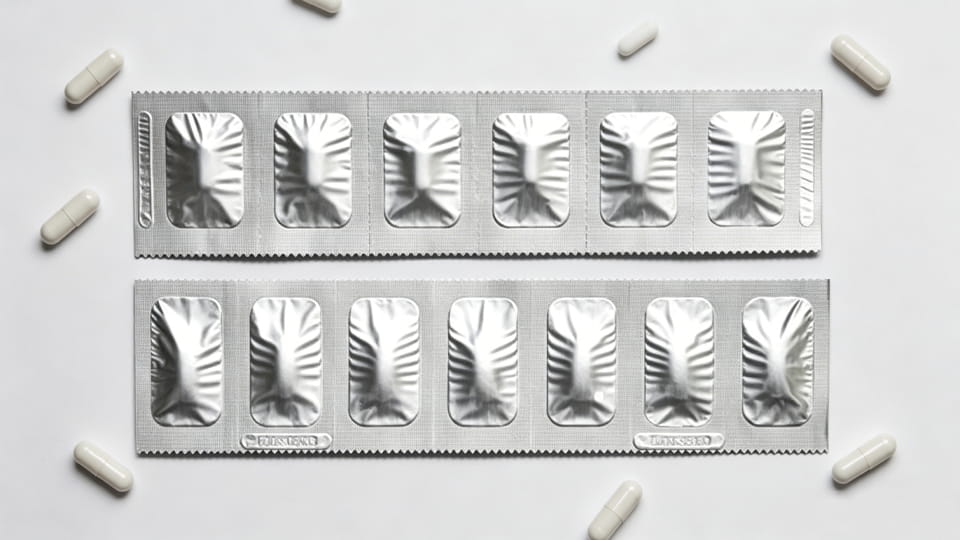
Figuur:Stripverpakkingsmachine
Vanuit selectieoogpunt, stripverpakkingen nemen een middenweg tussen de flessen in (bulk) en blaar (stijfheid). Ze worden vaak gekozen wanneer zeer hoge vochtbarrière is nodig, maar in een mager, lichtgewicht vorm. (Opmerking: Stripverpakkingen leveren mogelijk niet zo duidelijk bewijs van manipulatie op als blisterverpakkingen, tenzij er extra verzegelingen worden gebruikt.)
Secundaire verpakking & Etikettering
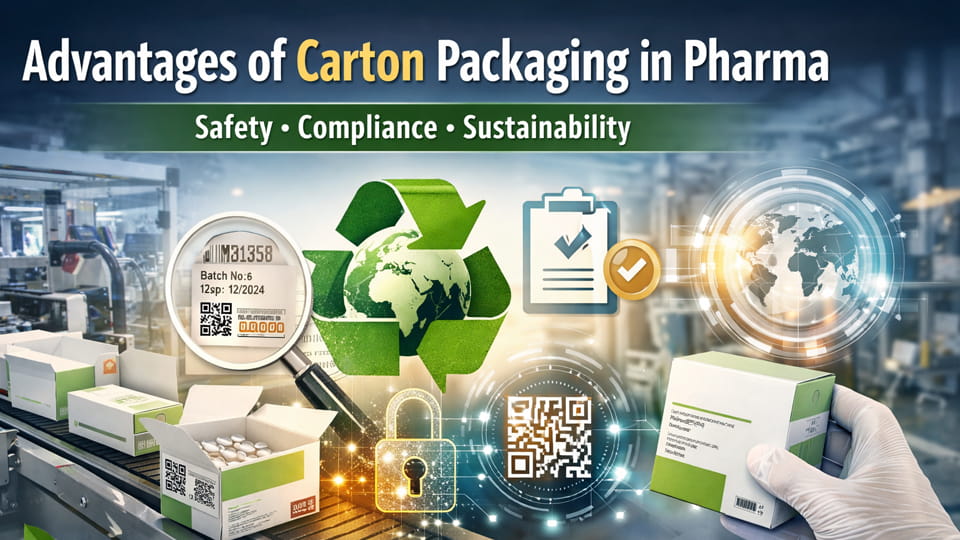
Na het kiezen van een primair pakket, capsules worden meestal in geplaatst secundaire verpakking zoals kartonnen dozen of in krimpfolie verpakt gevallen. Dozen bieden extra bescherming tijdens verzending, extra etikettering toestaan (medicijn informatie, branding, verzegelde zegels), en help bij het organiseren van multi-pack-producten. Belangrijke overwegingen voor secundaire verpakkingen:
Kartons & Inzetstukken: Medische dozen moeten productbijsluiters bevatten (Bijsluiters met doseringsinstructies, batchnummer, vervaldatum, fabrikant informatie, enz.). Vaak zijn dit papieren folders die in de doos worden gestoken.
Sabotagezegels: Secundaire verpakkingen zijn doorgaans voorzien van verzegelde zegels (bijv. beveiligingsbanden, krimp banden) om aan te geven of de doos geopend is.
Serialisatie/Track & Spoor: In veel markten (Amerikaanse DSCSA, EU-MKZ), individuele pakketten moeten unieke seriecodes dragen (streepjescodes/QR) voor de bestrijding van namaak. Een robuuste verpakkingsoplossing omvat labelprinters of inkjetcodeersystemen om lot-/batchnummers en 2D-codes op dozen te printen.
Kindveilige en veiligheidsfuncties: Voor bepaalde medicijnen, regelgeving (bijv. 21 CFR 211) kinderveilige verpakking verplicht stellen. Dit kunnen blisterfolies zijn die voor kinderen moeilijk te openen zijn, of speciale doppen op flessen. Secundaire dozen kunnen ook sloten hebben of indien nodig in twee stappen moeten worden geopend.
Stabiliteit en compliance: Het gecombineerde primaire+secundaire systeem moet het product stabiel houden onder gelabelde opslagomstandigheden. Bijvoorbeeld, ICH-stabiliteitsstudies vereisen expliciet het testen van de uiteindelijke verpakte doseringsvorm.
Samengevat, De secundaire verpakking verpakt het product voor de uiteindelijke distributie en zorgt ervoor dat alle etiketterings- en conformiteitskenmerken aanwezig zijn. Een goed ontwerp verbetert hier het merkimago en het gebruikersgemak (gemakkelijk te openen dozen, duidelijke etikettering).
Materialen voor capsuleverpakking
Het kiezen van het juiste verpakkingsmateriaal is van cruciaal belang voor het beschermen van capsules. Materialen moeten compatibel zijn met het medicijn, voldoen aan de barrièrebehoeften, en voldoen aan de regelgeving (ISO 15378 GMP voor verpakkingsmaterialen, enz.). Veel voorkomende materialen zijn onder meer:
Blisterfilms:
PVC (Polyvinylchloride): Lage kosten, doorzichtig plastic dat vaak wordt gebruikt voor blaren. PVC is vochtdoorlatend (niet zo beschermend) tenzij gecoat.
PVC/PVDC: PVC gecoat met PVDC (polyvinylideenchloride) vermindert het binnendringen van vocht dramatisch (gewone Alu-PVC-blisterverpakkingen maken gebruik van een PVDC-barrière).
Alu-PVC of Alu-Alu: Aluminiumfolie gelamineerd op PVC of PET. Alu-PVC biedt een goede barrière tegen vocht/zuurstof (gewoon), terwijl Alu-Alu (folie-folie) biedt de hoogste barrière (gebruikt voor zeer hygroscopische of lichtgevoelige capsules).
Polypropyleen (PP): Opkomen als duurzaam alternatief. PP-blisters (monomateriaal) kan volledig worden gerecycled, zoals bij de PharmaGuard-voering van Südpack, en presteren nog steeds goed in geautomatiseerde lijnen.
Flesmaterialen:
HDPE (Polyethyleen met hoge dichtheid): Gemeenschappelijk plastic voor farmaceutische flessen; relatief inert en kosteneffectief.
HUISDIER (Polyethyleentereftalaat): Biedt betere duidelijkheid en stijfheid; goede barrière versus gassen. Vaak gebruikt voor nutraceuticals/supplementen.
Glas (Type I borosilicaat): Gebruikt voor zeer vochtgevoelige of parenterale producten; glas biedt een uitstekende barrière tegen vocht en chemische inertie. Amberkleurig glas blokkeert ook UV-licht.
Andere films: Voor sachets en stickpacks, meerlaagse gelamineerde films (bijv. PET/Go/PE) worden gebruikt om vocht en afdichting te beheersen.
Algemeen, kies de hoogste barrière die zinvol is voor uw capsule. Bijvoorbeeld, een vochtgevoelige gelatinecapsule kan een Alu-Alu-blister of een amberkleurige glazen fles met droogmiddel vereisen. Daarentegen, voor niet-gevoelige capsules kan een standaard PVC-blister of HDPE-fles worden gebruikt. Houd ook rekening met de houdbaarheid: Producten voor de langere termijn hebben een robuustere barrière nodig.
Veiligheids-/recycle-opmerkingen: Duurzame trends geven de voorkeur aan monomateriaalverpakkingen (bijv. PP-blisters, recycleerbare PET-flessen). Testmaterialen voor extraheerbare stoffen, verenigbaarheid, en voldoen aan de FDA/EU-limieten (bijv. USP <661> voor weekmakers) maakt deel uit van verpakkingscompliance.
Capsuletypen en verpakkingsimpact
Capsules zijn er in verschillende soorten en hun formulering bepaalt de verpakkingsbehoeften:
Harde gelatinecapsules: De meest voorkomende tweedelige schelpen. Ze bevatten droge poeders/korrels. Gelatineschelpen houden een beetje vocht vast en worden broos als ze te droog zijn, of zacht als het te nat is. Algemeen, harde gelatinecapsules vereisen gematigd vochtregulering. Een veel aangehaalde bewaarvoorwaarde is 15–25°C en 35–65% relatieve vochtigheid. Verpakkingen moeten deze omgeving behouden: Bijvoorbeeld, blisterverpakkingen met PVDC- of Alu-Alu-voeringen, of flessen met droogmiddelen, helpen bij het stabiliseren van capsules.
HPMC (Vegetarisch) Capsules: Gemaakt van plantaardige cellulose, deze omhulsels hebben doorgaans een lager inherent vochtgehalte dan gelatine en tolereren een relatieve luchtvochtigheid tot ~70%. Ze worden vaak gebruikt voor vochtgevoelige API's. Echter, zelfs HPMC-capsules vereisen een barrièreverpakking voor zeer hygroscopische of lichtgevoelige vullingen. In de praktijk, HPMC-capsules + PVC-blisters zijn vaak voldoende, maar een hoge barrière voegt nog steeds veiligheid toe.
Softgelcapsules (Vloeistofgevuld):Softgels heb een gelatine (of gemodificeerde gelatine) schaal gevuld met olie of andere vloeistoffen. Ze bevatten aanzienlijk water (vaak ~ 5–10%) in de schaal en kan vocht verliezen of oxideren. Softgels zijn zeer vochtgevoelig: ze hebben meestal amberkleurige glazen flessen nodig (met droogmiddel) of blisterverpakkingen met een hoge barrière om waterverlies te voorkomen en de potentie te behouden. Omdat softgelschalen tijdens de productie gevoelig zijn voor temperatuur/vochtigheid, Soms zijn koelketen- en gespecialiseerde verpakkingen nodig.
Enterische/gemodificeerde afgiftecapsules: Deze hebben speciale coatings om de afgifte in het maagdarmkanaal te vertragen. De coating voegt nog een laag gevoeligheid toe (het kan pH-gevoelig of kwetsbaarder zijn). Dergelijke capsules moeten nog steeds droog worden bewaard en doorgaans worden verpakt in een blister of fles, net als elke andere capsule. De coating vereist consistente omstandigheden; daarom is een verpakking die temperatuur-/RH-controle tijdens distributie garandeert belangrijk.
Kortom, de materiaal van de capsulehuls en vultype zal de verpakkingskeuze beïnvloeden. Zeer vochtgevoelige formuleringen bevorderen altijd de strakste barrière (Alu-Alu blisterverpakking, folie zakje, of verzegelde fles met droogmiddel). Minder gevoelige formuleringen hebben meer opties. Test altijd de stabiliteit van de uiteindelijke verpakte capsule (ICH Q1A vereist stabiliteit in de voorgestelde container).
Het kiezen van de juiste verpakking (Beslissingsstroomdiagram)
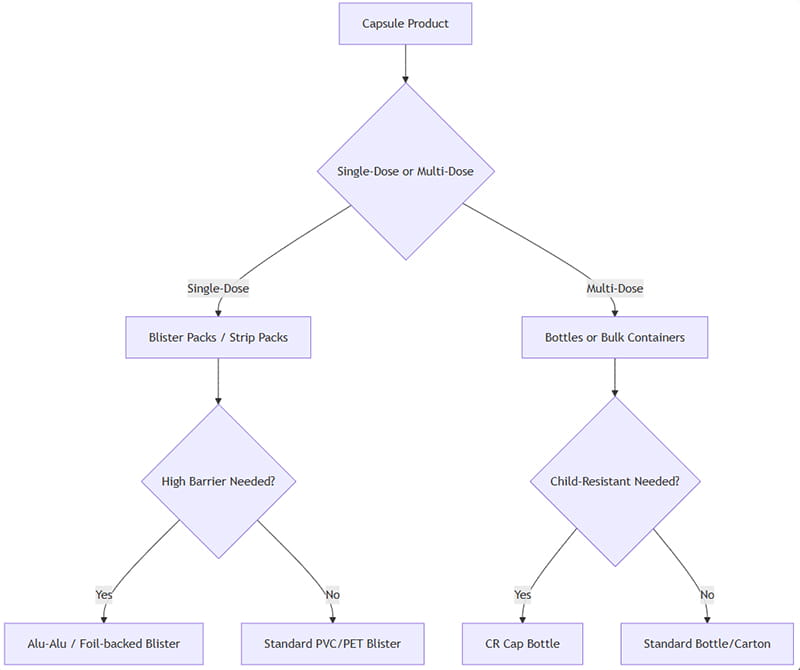
Bij het selecteren van een optimale capsuleverpakking moeten meerdere factoren worden geëvalueerd: doseringsvorm, Naleving van de patiënt, productgevoeligheid, houdbaarheid, wettelijke vereisten, en kosten. Hieronder vindt u een vereenvoudigd beslissingskader:
Hoe dit toe te passen: Als de capsules als afzonderlijke eenheden zijn bedoeld (bijv. strakke dosering of blisterkaarten in de detailhandel), blisters/strips hebben de voorkeur. Voor meerdere doses (bijv. supplementen of medicijnen die veel worden gebruikt), flessen zijn efficiënter. Als bescherming tegen vocht/licht van cruciaal belang is, selecteer opties met een hoge barrière (Aller tijden, amberkleurige fles). Als kinderveiligheid nodig is, gebruik kindveilige flessluitingen of verzegelde blisterontwerpen.
Andere criteria uit de branche zijn onder meer:
Doseringsvorm: Tabletten/capsules → blisterverpakking, fles, of strippen; Poeders → zakje/stickverpakking.
Productgevoeligheid: Voor vochtgevoelige medicijnen, gebruik Alu-Alu blisters of foliezakjes. Voor lichtgevoelig, gebruik amberkleurige flessen of ondoorzichtige films.
Naleving van de patiënt: Eenheidsdosisformaten (blister/strip) naleving helpen. Gemakkelijk te openen flessen helpen senioren.
Regelgevend: Voeg bewijs van manipulatie toe en voldoe aan de verpakkingsrichtlijnen van de FDA/EMA.
Houdbaarheid: Voor een langere houdbaarheid zijn materialen met een hogere barrière nodig (Aller tijden, meerlaagse films).
Productieschaal: Blistermachines zijn snel (gemiddeld volume), flessenlijnen blinken uit in grote batches, Sachetmachines hanteren flexibele lijntarieven.
Kosten: Breng materiaal en machinekosten in evenwicht. Bijvoorbeeld, flessen hebben mogelijk minder arbeid per eenheid, maar hogere plastickosten; stickpacks gebruiken heel weinig film per dosis.
Uiteindelijk, pilot testen (stabiliteitsstudies, consumentenstudies) en een analyse van de totale kosten zal de uiteindelijke beslissing bepalen. Het bovenstaande stroomdiagram is een startpunt voor typische scenario's.
Apparatuur voor capsuleverpakking
Voor het verpakken van capsules zijn gespecialiseerde machines nodig. Nadat de capsules zijn gevuld (door capsulevullers), deze worden overgebracht naar verpakkingslijnen:
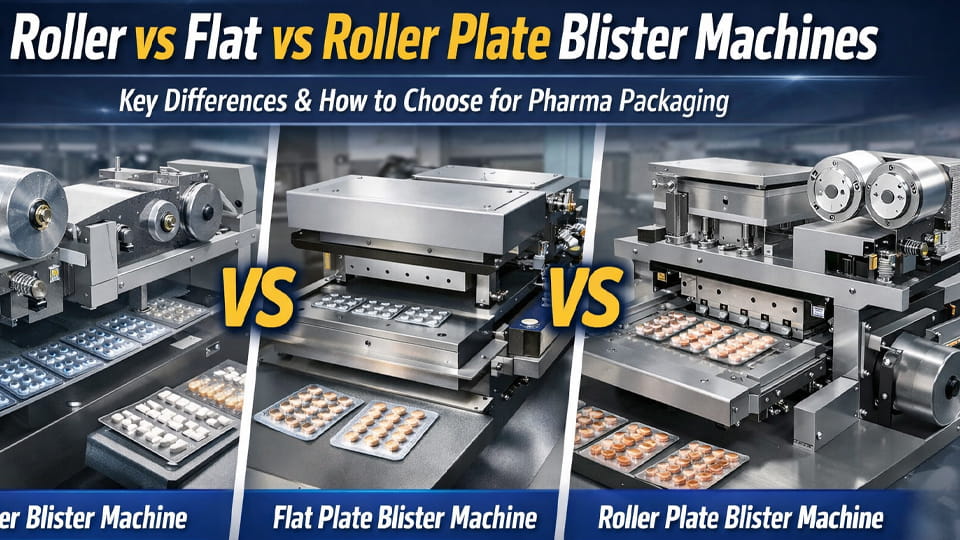
Blistermachines: Die van Jinlu hebben we al opgemerkt DPP-180Pro, een snelle thermovormende blistermachine. Het vormt gaatjes (PVC- of PET-folie), voedt capsules (of tabletten), en sluit af met folie, allemaal automatisch. Jinlu biedt machines aan (bijv. DPP-180, DPP-270Max) tot 4.800–11.200 caviteiten/uur. Blistermachines zijn gekoppeld aan telfeeders om precies één capsule per zak te laten vallen, en hebben vaak ponsmessen om blisters in kaarten te scheiden. Aanvullende modules (afdrukken/inspectie) Zorg ervoor dat elke blister leesbaar en correct is.
Het tellen & Lijnen vullen (Flessenlijnen): Deze maken van losse capsules flesjes. Een typische lijn heeft: een flessenontbreker (organiseert lege flessen), een tablet/capsuleteller (trilkom of optisch systeem dat telt en een vast aantal in elke fles laat vallen), een sluit-/sluitmachine, en een etiketteerstation. Jinlu's JL-16H lijn, Bijvoorbeeld, rommelt flessen, telt capsules van 3-40 mm erin, past kappen toe, en etiketten tot 100 flessen/min met 99.98% nauwkeurigheid. Voor hoog volume (bulkverpakking) operaties, modulaire lijnen met meerdere telkoppen of vijzelvullers kunnen hogere snelheden bereiken. Voor het afdekken met folie kunnen ook inductie- of krimpsealers worden toegevoegd.
Sachet-/Stick-Pack-machines: Dit zijn vorm-vul-zegel (FFS) machines. Jinlu's JL-VP serie is een VFFS-systeem met meerdere rijstroken dat 30-40 sachets of stickpacks per minuut per baan kan produceren. Het doseert nauwkeurig poeder of vloeistof (vijzelschroeven voor poeder, pompen voor vloeistof) en zegels 3- of 4-zijdige sachets of 3-zijdige stick-packs. Machines zijn voorzien van PLC-besturingen voor zaklengte, servofeeders voor nauwkeurigheid (±0,02g), en hermetische hitteafdichting. Dergelijke machines zijn ideaal voor producten met een enkele dosis, hoewel de capsules zelf zelden intact in een zakje verpakt zijn.
Stripverpakkingsmachines: Stripverpakkingen worden gemaakt op gespecialiseerde machines die overlappende folie of film met hitte sealen. Deze lijken vaak op blistermachines, maar gebruiken vlakke folie. (Als Jinlu stripverpakkers aanbiedt, vergelijkbare integratie als sachetmachines.)
Secundaire verpakkingsmachines:Kartonmachines kan dozen oprichten, plaats blisters of flessen en bijsluiters, en dozen sluiten. Farmaceutische kartonnen dozen verwerken vaak blisterverpakkingen met folie of zakken met capsules. Casepackers (voor buitenkasten) en palletiseermachines completeren de lijn voor massaproductie.
Naleving van apparatuur: Alle verpakkingsmachines voor farmaceutische producten moeten voldoen aan het GMP-ontwerp (roestvrij staal, reinigbare oppervlakken, gevalideerde prestaties). De machines van Jinlu zijn CE/cGMP gecertificeerd, vaak met configureerbare beveiligingen en uitwerpsystemen voor pillen die niet aan de specificaties voldoen. Integratie is de sleutel: Bijvoorbeeld, een blistermachine kan rechtstreeks in een kartonneermachine worden ingevoerd die dozen opricht en elke blisterkaart verpakt. Uitgebreide systemen (van vullen tot uiteindelijke doos) maken end-to-end automatisering van capsuleverpakkingen mogelijk.
Overwegingen op het gebied van regelgeving en naleving
Capsuleverpakkingen voor farmaceutische producten moeten aan strikte regelgeving voldoen. Belangrijke punten zijn onder meer:
GMP-vereisten: FDA's 21 CFR 211 Subdeel G vereist schriftelijke procedures voor de ontvangst en het testen van alle verpakkingsmateriaal vóór gebruik. Dit betekent blaren, flessen, etiketten, dozen enz. moeten aan specificaties voldoen (geen gebreken). Om verwisseling te voorkomen is een aparte opslag van verpakkingsmateriaal per product verplicht. WHO’s GMP-bijlage 9 beschrijft eveneens de verpakkingscontroles. Goede productiepraktijken vereisen traceerbaarheid (lotnummers op verpakking) en schone bediening.
Stabiliteit en ICH-richtlijnen: Ik Q1A(R2) bepaalt dat stabiliteitsstudies moeten worden uitgevoerd op het product in de finale sluitingssysteem voor containers. In de praktijk, dit betekent dat u testbatches met capsules precies zoals gepland moet verpakken (dezelfde blisterfolie, hetzelfde flestype) en stel ze bloot aan real/time stabiliteitsomstandigheden. Elke verandering in de verpakking kan nieuwe stabiliteitstests vereisen.
Serialisatie & Traceerbaarheid: In veel markten, unieke identificatiegegevens (barcodes/2D-codes) op secundaire verpakkingen (en soms primaire blaren) zijn nodig om medicijnen door de toeleveringsketen te volgen. Lijnen moeten printers of applicators voor deze codes bevatten. Het verpakkingsontwerp omvat vaak ook manipulatiebewijs (volgens de Amerikaanse/EU-wetgeving).
Kindveilige en seniorenvriendelijke verpakking: Gecontroleerde stoffen of bepaalde medicijnen vereisen kinderveilige eigenschappen. Vaak betekent dit speciale doppen op flessen (bijv. duwen en draaien) of moeilijk afpelbare blaren. Echter, Ook de toegankelijkheid voor patiënten moet in aanmerking worden genomen (gemakkelijk te openen voor senioren). Raadpleging van de Verpakkingswet ter voorkoming van gifstoffen (ONS) of soortgelijke regionale regels noodzakelijk zijn.
ISO-normen: Leveranciers van primaire verpakkingen moeten ISO volgen 15378 (GMP voor primaire verpakkingsmaterialen) kwaliteit te garanderen. Alhoewel hier niet direct aangehaald, dit is een algemeen erkende standaard voor verpakkingsfabrikanten. Machines zelf moeten voldoen aan de normen voor farmaceutische machines (CE, Ul, enz.) En 21 CFR-onderdeel 11 als er gegevens worden vastgelegd.
Etiketteringsvoorschriften: Capsules moeten voorzien zijn van een etiket met de productnaam, dosering, vervaldatum, fabrikant, enz. Dit geldt ook voor dozen en blisters (soms bevat elk blistersegment enige gedrukte informatie). FDA en EMA hebben specifieke eisen over welke informatie op primaire en secundaire labels moet verschijnen.
Algemeen, FDA ontmoeten, De richtlijnen van de EMA en de WHO zijn essentieel. Veel verpakkers werken met gereguleerde leveranciers (zoals Jinlu) die gevalideerde machines en documentatie kan leveren (IR/WH/PQ).
Conclusie
Het kiezen van de juiste capsuleverpakking vereist evenwichtsbescherming, bruikbaarheid, en kosten. Blaarpakketten, flessen, zakjes, en strips hebben elk hun plaats farmaceutische verpakkingen. Factoren zoals vochtgevoeligheid, dosis vorm, en de behoeften van de patiënt bepalen de beslissing. Naast, Er moet aan strenge regelgeving en GMP-vereisten worden voldaan.
Bij Jinlu-verpakking, wij zijn gespecialiseerd in end-to-end farmaceutische verpakkingsoplossingen. Onze apparatuur – vanaf snelle blistermachines naar volledig geautomatiseerd tellen & bottellijnen – helpt u capsules efficiënt en conform de voorschriften te verpakken. Ook ondersteunen wij duurzame keuzes (bijv. machines die nieuwe recyclebare films draaien) en bieden one-stop-service (aanpassing, geldigmaking). Ons team kan u helpen bij het evalueren van het beste capsuleverpakkingssysteem voor uw product.
Klaar om uw capsuleverpakking te optimaliseren?Neem vandaag nog contact op met Jinlu Packing voor deskundige begeleiding en offertes. Onze oplossingen worden ondersteund door wereldwijde kwaliteitsnormen en meer 3,000 tevreden klanten wereldwijd. Laten we uw capsules verpakken voor succes!
Veelgestelde vragen over capsuleverpakkingen
Wat is capsuleverpakking?
Capsuleverpakking verwijst naar het proces waarbij farmaceutische capsules in beschermende materialen worden omhuld om de stabiliteit te behouden, veiligheid, en naleving. Veel voorkomende formaten zijn blisterverpakkingen, flessen, en stripverpakkingen. In de farmaceutische praktijk, de verpakking is niet alleen maar een insluiting; het beschermt de capsules tegen vocht, zuurstof, en besmetting, wat een directe invloed heeft op de kwaliteit van het geneesmiddel en de houdbaarheid.
Wat is de beste verpakking voor farmaceutische capsules?
Er is niet één ‘beste’ optie; deze hangt af van uw product en markt. • Blisterverpakking → het beste voor vochtgevoelige of hoogwaardige medicijnen • Flessenverpakking → het beste voor bulkopslag en supplementen • Stripverpakking → gebruikelijk in kostengevoelige markten Blisterverpakkingen hebben vaak de voorkeur omdat deze bescherming bieden per eenheidsdosis en een betere omgevingsisolatie bieden.
Welke materialen moet ik gebruiken om mijn capsuleproduct te beschermen??
Gebruik materialen die de belangrijkste bedreigingen blokkeren (vocht, zuurstof, licht). Bijvoorbeeld, Alu-Alu-folieblisters of amberkleurige glazen flessen bieden een uitstekende barrière voor vochtgevoelige capsules. PVC- of PET-blisters met PVDC-coating zijn gebruikelijk en goedkoper voor stabiele producten. HDPE-flessen zijn standaard, maar er is mogelijk een droogmiddelzakje nodig als de capsules gevoelig zijn. Evalueer de transmissiesnelheden van waterdamp (WVTR) van films. In duurzaamheidsbewuste productie, denk aan recycleerbare monomaterialen (bijv. PP-blisters). Test altijd de compatibiliteit van verpakkingen via stabiliteitsstudies.
Hoe beschermt de verpakking van capsules de stabiliteit van geneesmiddelen??
Capsules zijn gevoelig voor omgevingsfactoren zoals vochtigheid, zuurstof, en licht. Goede verpakking: • Voorkomt vochtopname • Vermindert oxidatie • Behoudt de chemische stabiliteit Blaarverpakking, in het bijzonder, creëert afgesloten micro-omgevingen voor elke capsule, waardoor de houdbaarheid aanzienlijk wordt verlengd.
Welke verpakkingsmachines heb ik nodig voor capsules??
Het hangt af van het formaat. Voor blaren, je hebt een blistervorm-/sluitmachine nodig (met holtevormen die in uw capsule passen) plus eventueel een kartonneermachine. Voor flessen, u heeft een flessenvul-/afsluitlijn nodig (ontcijferaar, tegenvuller, kapper, Labelspeler). Voor stickpacks, gebruik een verticale vorm-vul-sluit-sachetmachine. Jinlu biedt dit allemaal: bijv. onze DPP-serie blisterverpakkingen, JL-16H tellijn, en JL-VP sachetverpakker. Bij het selecteren van de juiste machine hoort capaciteit, capsulegrootte, en vereiste integraties (vision-systemen, zenders weigeren, enz.).
Hoe kies ik tussen blisterverpakkingen en flesjes voor een capsule?
Overweeg factoren zoals dosering (enkel versus. meerdere), stabiliteitsbehoeften, en patiëntengebruik. Voor het gemak van een enkele dosis en hoge bescherming (speciaal voor vocht/lichtgevoelige capsules), blaren hebben vaak de voorkeur. Om grote volumes of om economische redenen, flessen worden meestal gekozen. Ook, als kindveilige of ouderenvriendelijke voorzieningen nodig zijn, flessen bieden mogelijk meer opties. In de regel, Zorg ervoor dat de eigenschappen van uw capsule overeenkomen met de verpakking: bijv. zeer hygroscopische capsules → Alu-Alu blisterverpakking; veelgevraagde supplementen → flessen.
Kleine fu, Oprichter van Jinlupacking, brengt over 20 jarenlange expertise in de farmaceutische machinesector. Onder zijn leiding, Jinlu is uitgegroeid tot een vertrouwde leverancier die design integreert, productie, en verkoop. Petty is gepassioneerd over het delen van zijn diepgaande kennis van de sector om klanten te helpen bij het navigeren door de complexiteit van farmaceutische verpakkingen, ervoor te zorgen dat ze niet alleen apparatuur ontvangen, maar een echt one-stop-servicepartnerschap, afgestemd op hun productiedoelen.