
Het kopen van nieuwe farmaceutische apparatuur is slechts het halve werk – de echte vraag is: kan het IQ passeren, OK, en PQ?
In farmaceutische productie, een machine die niet goed kan worden gekwalificeerd, is een risico, geen aanwinst. Regelgevers verwachten duidelijk bewijs dat apparatuur correct is geïnstalleerd, opereert binnen grenzen, en presteert consistent onder reële productieomstandigheden . Zonder dat, zelfs de meest geavanceerde verpakkingslijn kan niet worden gebruikt bij GMP-productie.
Dat is waarom het begrijpen van IQ, OK, en PQ is niet alleen een technisch detail, het heeft rechtstreeks invloed op uw compliance, projecttijdlijn, en of uw investering daadwerkelijk waarde oplevert.
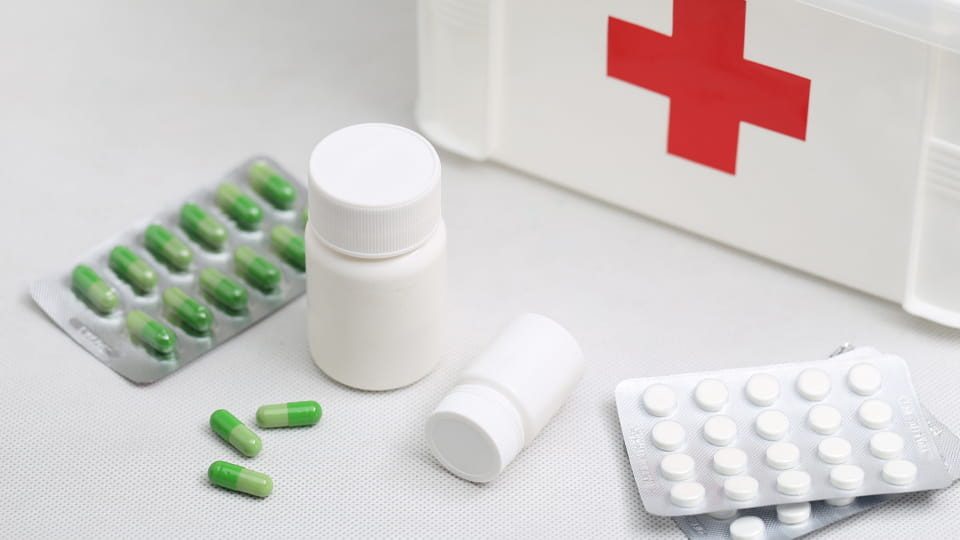
IQ, OQ en PQ staan voor Installatiekwalificatie, Operationele kwalificatie, En Prestatiekwalificatie. Dit zijn opeenvolgende stappen bij het kwalificeren van apparatuur vóór gebruik in de GMP-farmaceutische productie. Kortom: IQ controleert of de machine correct is geïnstalleerd; OK test of het onder alle vereiste instellingen goed functioneert; PQ verifieert dat het consistent presteert tijdens de echte productie. Volgens de FDA, “kwalificatie” betekent aantonen dat apparatuur geschikt is voor het beoogde gebruik. IQ/OQ/PQ zijn de gedocumenteerde activiteiten om elke fase van geschiktheid en functie te bewijzen. Samen, ze maken deel uit van het geheel geldigmaking proces voor een productiesysteem, het garanderen van de productkwaliteit en compliance.
Apparatuurkwalificatie vs. Procesvalidatie: IQ/OQ/PQ focus op de machine (de “apparatuurkwalificatie”), terwijl procesvalidatie het gehele productieproces bestrijkt. In de praktijk, Kwalificatie van apparatuur is vaak een eerste stap in een validatiemasterplan. Door IQ/OQ/PQ in te vullen op een capsulevuller, blistermachine, flessenlijn, enz., een fabrikant gedocumenteerd bewijs verkrijgt dat de apparatuur voldoet aan specificaties en is klaar voor productie.
| Fase (IR/WH/PQ) | Doel | Belangrijkste activiteiten / Testen | Typische geproduceerde documenten |
| IQ | Controleer of de apparatuur correct is geïnstalleerd | Controleer locatie, nutsvoorzieningen (stroom, lucht, water), installatie volgens handleiding; registreer serienummers en accessoires | IQ-protocol/checklist en rapport |
| OK | Controleer operationele functies binnen de limieten | Voer tests uit op alle bedrijfsbereiken (min./max. snelheden, temperaturen, druk); test alarmen en vergrendelingen, controles verifiëren | OQ-protocol en rapport |
| PQ | Bewijs consistente prestaties in de productie | Voer meerdere productiebatches uit met het daadwerkelijke product (of doen alsof) in de slechtst denkbare omstandigheden; controleer de uitgangen (opbrengst, nauwkeurigheid) | PQ-protocol en rapport |
Tafel 1: Vergelijking van IQ, OK, PQ-fasen (aangepast van industriestandaarden).
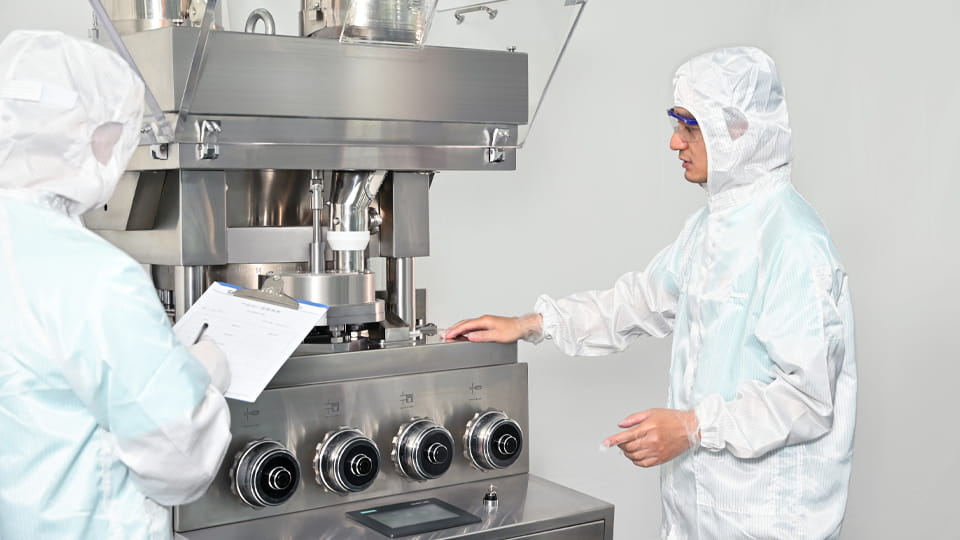
Farmaceutische apparatuur moeten voldoen aan strikte GMP-voorschriften. In de VS, FDA's 21 CFR-onderdeel 211 (farma) En 21 CFR 820 (medische hulpmiddelen) vereisen expliciet validatie van productiesystemen. IQ/OQ/PQ vormen de ruggengraat van deze compliance. Bijvoorbeeld, de FDA stelt dat kwalificatieactiviteiten “noodzakelijkerwijs voorafgaan aan de productie van producten op commerciële schaal”. In de EU, GMP-bijlage 15 op vergelijkbare wijze is de kwalificatie van apparatuur gedurende de gehele levenscyclus verplicht. Het doel is ervoor te zorgen dat apparatuur op betrouwbare wijze veilige producten produceert.
Zonder het juiste IQ/OQ/PQ, bedrijven worden geconfronteerd met ernstige risico's: productdefecten, batch-terugroepingen, regelgevende citaten, en veiligheidsrisico's. Een juiste kwalificatie schept vertrouwen dat de machine Eigenlijk doet wat het moet doen, bijvoorbeeld, dat een blisterverpakking op de juiste temperatuur sluit of dat een vloeibare vuller het juiste volume afgeeft. In de praktijk, een compleet validatieprogramma helpt verrassingen te voorkomen: “Als het goed gedaan is, de drie fasen van kwalificatie zijn nauwgezet en tijdrovend. Echter, ze zijn van cruciaal belang voor het garanderen van herhaalbare processen en een stabiele productkwaliteit”. Kortom, IQ/OQ/PQ zijn verplicht in GMP-instellingen. Voor wie dan ook verpakkingslijn (blaar, fles, karton, enz.), IQ/OQ/PQ zijn vereist om aan zowel de FDA- als de EU-vereisten te voldoen. De machines van Jinlu worden geleverd met volledige IQ/OQ/PQ-documentatiesjablonen, omdat, zoals onze experts zeggen, “de machine moet validatie-ready zijn”.
In de IQ-fase, wij controleren of de apparatuur correct wordt afgeleverd en opgesteld. Dit betekent dat de machine en zijn omgeving worden geïnspecteerd voordat er productietests worden uitgevoerd. Belangrijke IQ-controles omvatten:
De output van IQ is een geschreven IQ-rapport/-protocol dat elke controle documenteert en bevestigt dat “installeren zoals verwacht.” Als er iets buiten de specificaties valt, het moet worden gecorrigeerd voordat we verder gaan. Een succesvol IQ betekent “de apparatuur is geïnstalleerd zoals bedoeld” – een voorwaarde voor elke test. (In de praktijk, sommige tests kunnen in IQ beginnen als 'klaar om te testen'-items, maar acceptatiecriteria komen in OQ/PQ.)
OQ test de functies van de apparatuur onder gecontroleerde omstandigheden. Nu de machine correct is geïnstalleerd, wij verifiëren alle bedrijfsparameters en controlesystemen. OQ omvat doorgaans:
De Wit rapport toont de resultaten van elke test en vergelijkt deze met acceptatiecriteria (die afkomstig zijn van ontwerpspecificaties of URS). Pas nadat de OQ is goedgekeurd, gaan we verder. (Soms overlappen OQ en IQ elkaar in een gecombineerd rapport genaamd IOQ, maar de logica blijft sequentieel.)
Een belangrijk doel van OQ is: “Onder alle gespecificeerde voorwaarden, doet de machine wat hij moet doen??” Als er iets mislukt (bijv. een sensor is niet goed uitgelijnd), het is gecorrigeerd en opnieuw getest.
PQ is de laatste fase, waarbij we bewijzen dat de apparatuur correct werkt tijdens de daadwerkelijke productie. Terwijl OQ misschien leeg was gedaan, PQ maakt gebruik van echte of gesimuleerde producten. De stappen omvatten:
Aan het einde van PQ, we hebben daar gedocumenteerd bewijs van “de gekwalificeerde apparatuur produceert consistent een conform product onder reële omstandigheden.” Met andere woorden, de machine is klaar voor GMP-productie.
Bijvoorbeeld, als PQ succesvol is op een capsulevulmachine, we weten dat de doseringsnauwkeurigheid is, capsule inbrengen, en rotorsnelheid werken tijdens ploegendiensten zonder drift. Dit voltooit de validatiedriehoek en geeft vertrouwen aan QA/Regulatory dat de lijn geen slechte batches zal produceren. Vervolgens wordt de apparatuur vrijgegeven voor routinematige productie en opgenomen in reguliere onderhoudsschema's.
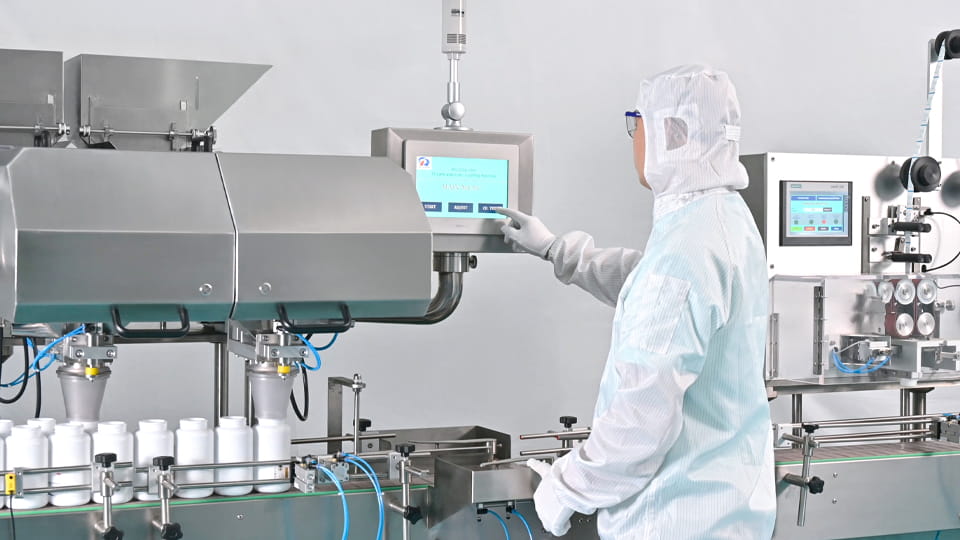
Het is belangrijk om de terminologie te verduidelijken. Kwalificatie verwijst meestal naar apparatuur, terwijl geldigmaking verwijst vaak naar processen of systemen. In veel GMP-frameworks, Er wordt rekening gehouden met IQ/OQ/PQ onderdelen van validatie van een productiesysteem. In deze zin:
Dus, apparatuur IQ/OQ/PQ kwalificeert machines. Een aparte Procesvalidatie zou deze machines verbinden met het eigenlijke productieproces (zoals tabletcompressie plus coating, enz.). In werkelijkheid, IQ/OQ/PQ worden soms genoemd Kwalificatie van apparatuur (EQ) stappen. A Ontwerpkwalificatie (DQ) stap kan voorafgaan aan IQ, ervoor zorgen dat het ontwerp voldoet aan de eisen van de gebruiker (URS) voordat u apparatuur gaat bouwen of kopen.
Hier is een eenvoudige stroom van fasen in de levenscyclus van een project:

Elke pijl is een overdracht: je moet DQ afmaken (het verifiëren van het ontwerp voldoet aan URS) vóór IQ (het verifiëren van de juiste installatie). Pas nadat de PQ is voltooid, kunt u claimen dat de apparatuur is gevalideerd en kunt u beginnen met procesvalidatie (bijv. het uitvoeren van daadwerkelijke productiecampagnes).
De uitrustingskwalificatie maakt deel uit van de totale uitrusting levenscyclus:
Elke stap levert documentatie op. Bijvoorbeeld, De verpakkingsmachines van Jinlu worden geleverd met een IQ/OQ/PQ-validatiekit en FAT/SAT-protocollen. Dat betekent dat de koper tijd kan besparen door tijdens de kwalificatie de sjablonen van de fabrikant te gebruiken. Een typische tijdlijn kan weken tot maanden bestrijken, afhankelijk van de complexiteit.
Volgens FDA/EU, getrainde QA- en engineeringteams (en soms externe adviseurs) moet deze stappen uitvoeren of er getuige van zijn. De bottom-line: een gedisciplineerd, gedocumenteerde stroom van ontwerp tot en met PQ zorgt ervoor dat uw lijn aan de regelgeving voldoet.
Elk type verpakkingsmachine in een GMP-fabriek heeft kwalificatie nodig. Hier zijn veelvoorkomende voorbeelden:

Afbeelding: Een semi-automatische capsulevulmachine (Jinlu CGNT-209). Het valideren van dergelijke machines omvat zorgvuldige controles van de capsule-oriëntatie, nauwkeurigheid van de dosering, en afdichting tijdens IQ/OQ/PQ.
Voorbeeld van een geval: Capsulevulmachine IQ/OQ/PQ
Ter illustratie, Stel je voor dat je in aanmerking komt voor een volautomatische capsulevuller voor vitamines:
Wanneer deze stappen zijn voltooid en de resultaten zijn behaald, de capsulevuller is gekwalificeerd voor productie. Het is klaar om met vertrouwen daadwerkelijke producten te gaan verpakken.
Ondanks het belang ervan, De kwalificatie van apparatuur wordt vaak met hindernissen geconfronteerd:
Dat is de ervaring van Jinlu de beste manier om deze uitdagingen te overwinnen is planning. Begin vroeg met de validatieplanning, definieer de URS en het testplan samen met de leverancier, en ervoor te zorgen dat alle belanghebbenden het eens zijn over de criteria. Het gebruik van sjablonen en checklists versnelt ook het proces.
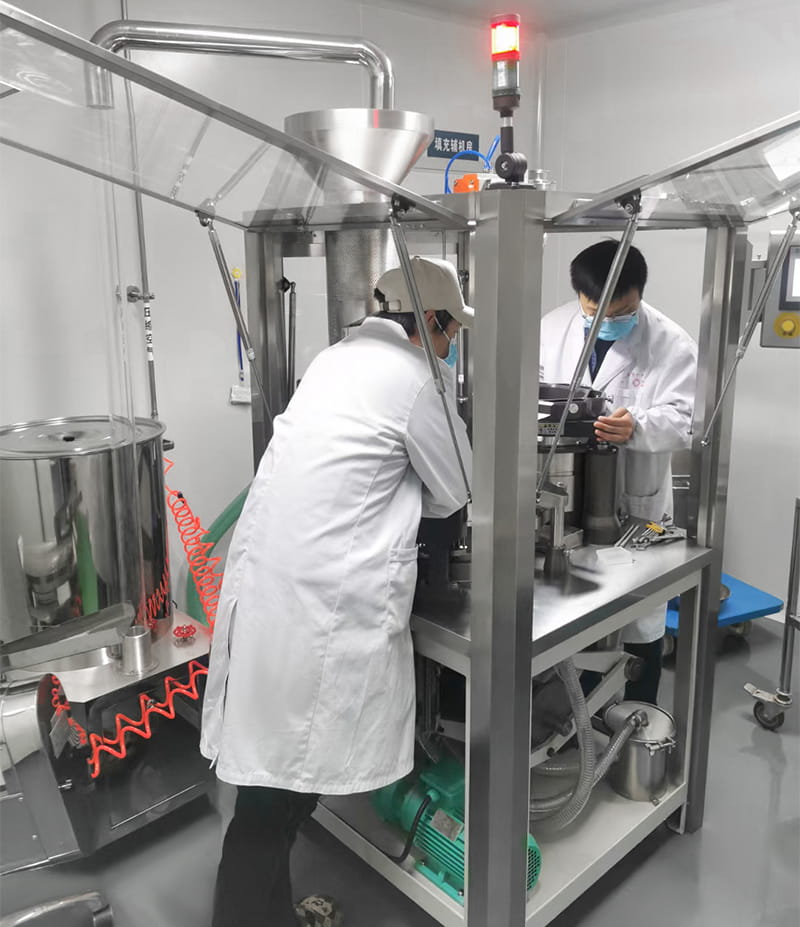
Om IQ/OQ/PQ te stroomlijnen en een conform resultaat te garanderen:
Door deze best practices te volgen, bedrijven kunnen verrassingen tijdens audits verminderen. Zoals Jinlu-oprichter Petty Fu vaak opmerkt: machines kiezen van ervaren GMP-leveranciers “zorgt ervoor dat ze nauwkeurige output leveren, conformiteitscertificaten, en lokale ondersteuning”. Met andere woorden, valideer met vertrouwen en kies een partner die al validatie spreekt.
In farmaceutische productie, IQ, OK, en PQ zijn niet onderhandelbaar. Deze gestructureerde validatiestappen bewijzen dat uw apparatuur – van capsulevullers tot blisterverpakkingen tot flessenlijnen – geschikt is voor het beoogde doel en GMP-conform is. Een goed uitgevoerd IQ/OQ/PQ-programma helpt kostbare fouten te voorkomen en zorgt voor een consistente kwaliteit.
Het kiezen van een leverancier met sterke validatieondersteuning is van cruciaal belang. De farmaceutische verpakkingsmachines van Jinlu Packing kom mee GMP-klaar ontwerp En uitgebreide documentatie (FAT/SAT/IQ/OQ/PQ-protocollen) om de naleving te stroomlijnen. Ons team kan u helpen bij het definiëren van URS, IQ/OQ-testen uitvoeren, en genereer de benodigde rapporten.
👉Op zoek naar farmaceutische apparatuur dat vereenvoudigt de naleving? Neem vandaag nog contact op met Jinlu voor verpakkingsmachines met volledige IQ/OQ/PQ-ondersteuning en kant-en-klare validatiediensten. Wij zorgen ervoor dat uw nieuwe lijn wordt geïnstalleerd, getest, en gedocumenteerd voor probleemloze GMP-certificering.
In eenvoudige bewoordingen, Installatiekwalificatie (IQ) zorgt ervoor dat de apparatuur correct wordt geïnstalleerd (juiste locatie, nutsvoorzieningen, en componenten). Operationele kwalificatie (OK) test de functies van de apparatuur onder normale en extreme instellingen (bevestiging van alle controles, alarmen, en grenzen). Prestatiekwalificatie (PQ) bevestigt dat de apparatuur consistent kan presteren tijdens de daadwerkelijke productie, met behulp van echte materialen en omstandigheden. Samen, IQ/OQ/PQ documenteert dat de machine werkt zoals bedoeld.
Ja. Regelgevende richtlijnen (FDA, EU, WHO) vereisen dat alle kritische apparatuur in een farmaceutische fabriek vóór gebruik wordt gekwalificeerd. Bijvoorbeeld, FDA's 21 CFR 211 en EU GMP-bijlage 15 beide vereisen een strenge apparatuurkwalificatie. Als u IQ/OQ/PQ overslaat, riskeert u overtredingen van de regelgeving en mogelijke terugroepingen van producten. In de praktijk, elke nieuwe verpakkingsmachine in een farmaceutische lijn (blaren, vulstoffen, karton, enz.) moet worden gevalideerd via IQ/OQ/PQ als het product raakt.
Meestal is het een gezamenlijke inspanning. De machineleverancier assisteert vaak door documentatie te verstrekken en fabrieksacceptatietests uit te voeren. Het kwaliteits-/validatieteam van de koper voert de uitvoering uit (of getuigen) de site IQ/OQ/PQ. Vaak, de OEM (Opstaan, Bijvoorbeeld) biedt validatiediensten of begeleiding als onderdeel van de inbedrijfstelling. Uiteindelijk, het kopende bedrijf is ervoor verantwoordelijk dat IQ/OQ/PQ wordt voltooid en gedocumenteerd vóór de productie van het product.
PQ komt nadat IQ en OQ met succes zijn voltooid. Zodra de machine is geïnstalleerd (IQ) en functionele tests slagen (OK), PQ wordt uitgevoerd tijdens daadwerkelijke of gesimuleerde productieruns. Het is meestal de laatste stap: Bijvoorbeeld, voer drie opeenvolgende batches of een volledige productieproef uit terwijl u de prestaties bewaakt. PQ gebeurt vaak tijdens een eerste inbedrijfstellingsperiode, voordat de lijn officieel wordt vrijgegeven voor routineproductie.
Absoluut. Ook al lijkt de verpakking eenvoudig, toezichthouders behandelen het als onderdeel van het gecontroleerde productieproces. Elke primaire verpakkingsmachine moet gekwalificeerd zijn. Bijvoorbeeld, zoals vermeld op de site van Jinlu, “voor gereguleerde producten, installatie uitvoeren, operationele en prestatiekwalificatie (IR/WH/PQ) zoals vereist”. Een kartonneermachine die uw eindproduct verwerkt, moet correct werken (bijv. vouwt dozen betrouwbaar, etiketten invoegt), die IQ/OQ/PQ bereiken. In essentie, Alle apparatuur die de productkwaliteit of traceerbaarheid kan beïnvloeden, vereist kwalificatie.
Referenties:
1.Kwalificatie en validatie officieel document – EU GMP-bijlage 15.
2.GIDS VOOR GOEDE PRODUCTIEPRAKTIJKEN VOOR GENEESMIDDELEN BIJLAGEN – Bijlage PIC/S GMP-gids 15 (Wereldwijde GMP-standaard).
3.De geschiedenis & Toekomst van validatie – ispe.org.
4.Kwalificatie (DQ, IQ, OK, PQ) – gempex.com.