×

온라인 서비스

💬 왓츠앱: +86 1801179332
💡
  • 블로그
  • Pharma Packaging vs Food Packaging: Key Differences in Regulations, 재료, 및 기계

Pharma Packaging vs Food Packaging: Key Differences in Regulations, 재료, 및 기계

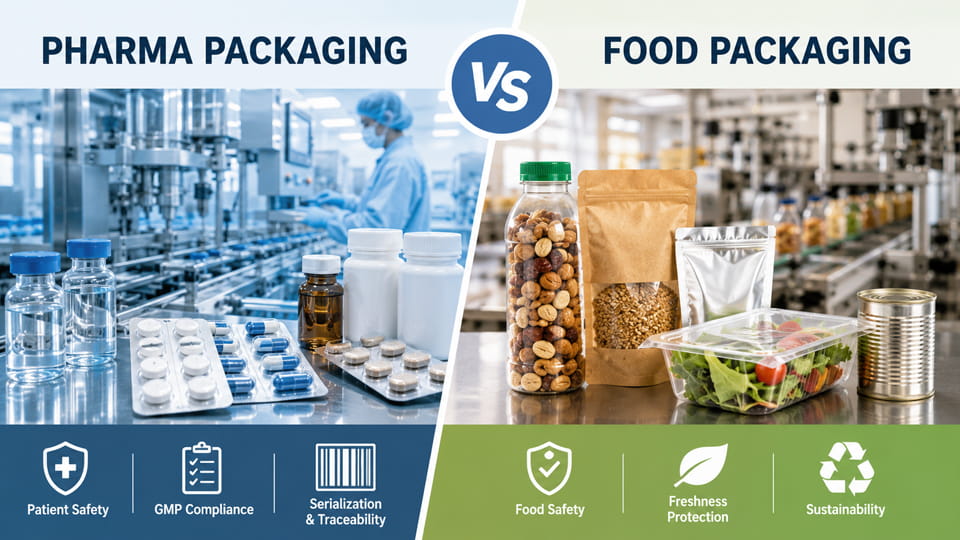
Proper packaging is vital to protect products and consumers. 제약 포장 (also called drug packaging) includes all containers, 재료, and devices that enclose and safeguard medicines. It ensures that a drug remains safe, stable and uncontaminated from manufacture through delivery. The FDA’s current Good Manufacturing Practice (CGMP) rules require that drug packaging processes and equipment meet strict quality controls. 대조적으로, 식품 포장 protects food from spoilage and contamination, provides nutrition and ingredient information, and aids distribution and branding. Food packaging must comply with food-safety regulations (예를 들어. FDA food contact approvals) and implements food safety programs like HACCP to prevent hazards. 요컨대, both systems aim to keep products safe and labeled correctly, but pharma packaging is subject to tighter sterility and traceability rules, while food packaging emphasizes barrier performance, 편의, and consumer information.

Pharma Packaging vs Food Packaging


제약 포장: Definitions and Types

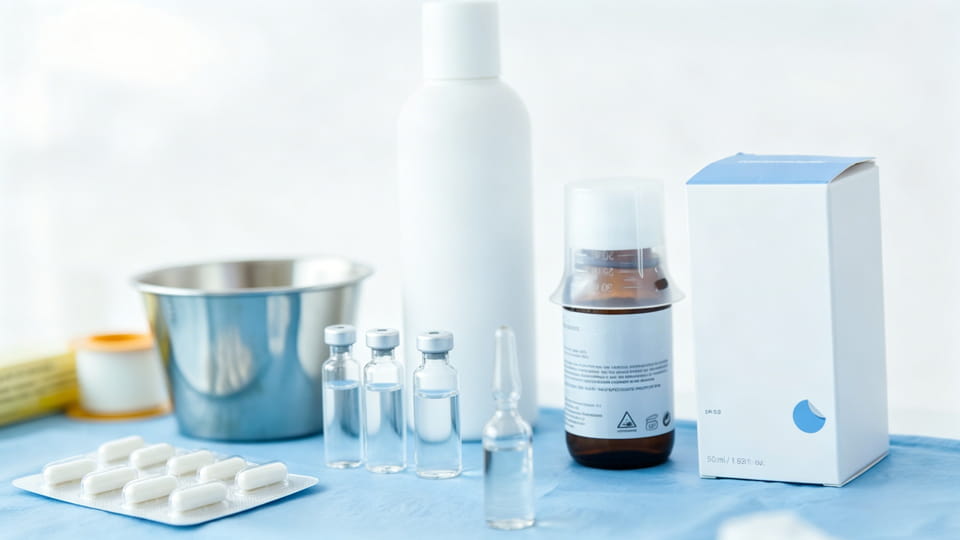
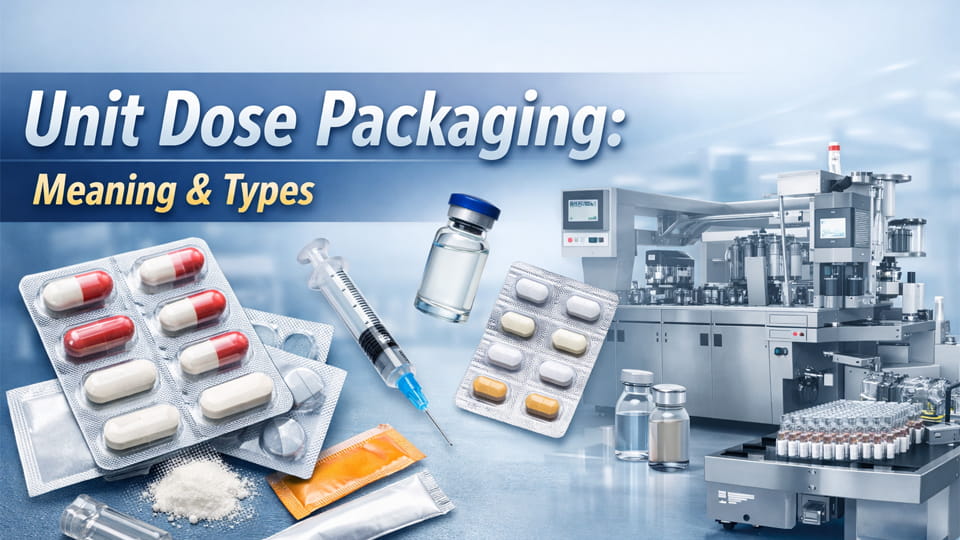
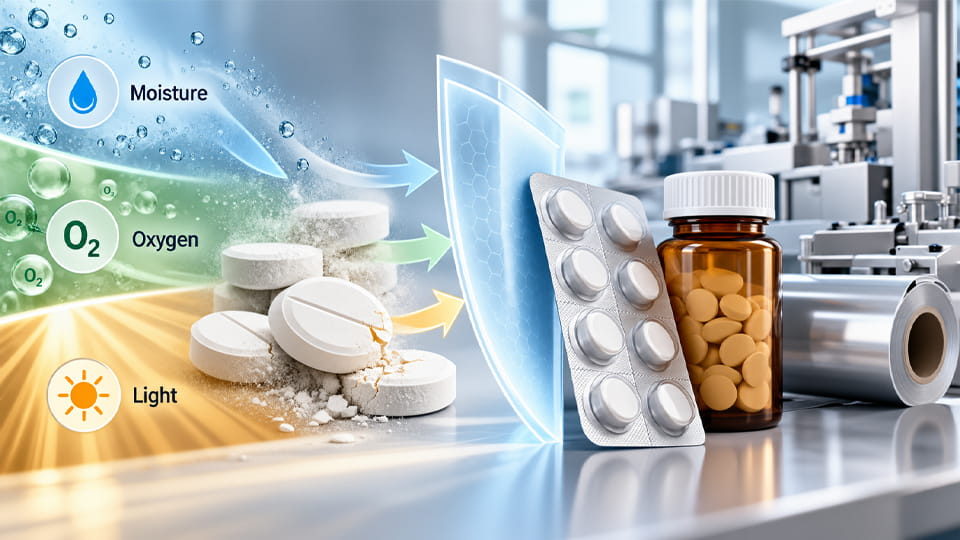
Pharmaceutical packaging consists of 주요한, 반성, 그리고 3차 packaging layers. 1차 포장 is in direct contact with the drug (예를 들어. 물집, 병, 바이알, 앰플) and provides the first barrier to moisture, 빛, 그리고 산소. 예를 들어, rigid amber glass bottles shield light-sensitive tablets, while aluminum–plastic 물집 팩 seal each dose airtight to maintain potency. 2차 포장 groups primary units (예를 들어. putting blisters or bottles into printed cartons) and adds labeling space, 지침, and tamper seals. Cartons also cushion products during transport. 3차 포장 involves bulk shipping containers (상자, crates, 팔레트) used for warehouse and transport. Each packaging level has functions: primary forms the dosage container, secondary provides information and moderate protection, and tertiary handles bulk logistics.

  • 1차 포장: 예를 들어. 물집 팩, glass/plastic bottles, 주사기, 바이알, 앰플, 단위 복용량 봉지. Materials are pharmaceutical-grade (예를 들어. Type I borosilicate glass, medical polyethylene, PVC/PVDC 라미네이트) chosen for inertness and barrier.
  • 2차 포장: Cartons or boxes grouping multiples of primary units. Cartons often include safety information, 브랜딩, and may have inner trays or labels. They protect against impact during shipping and allow batch/lot labeling.
  • 3차 포장: Outer cases, shrink-wrap on pallets, 등., used for bulk shipment and storage. Usually plain and designed for logistics efficiency (stackability, 힘).

Jinlupacking notes that pharmaceutical packaging must keep medications stable and sterile, often in child-resistant or tamper-evident 형식, while conveying dosage and safety info.

Pharmaceutical Packaging blister packs, glass plastic bottle vials ampoules


Food Packaging: Purposes and Common Types

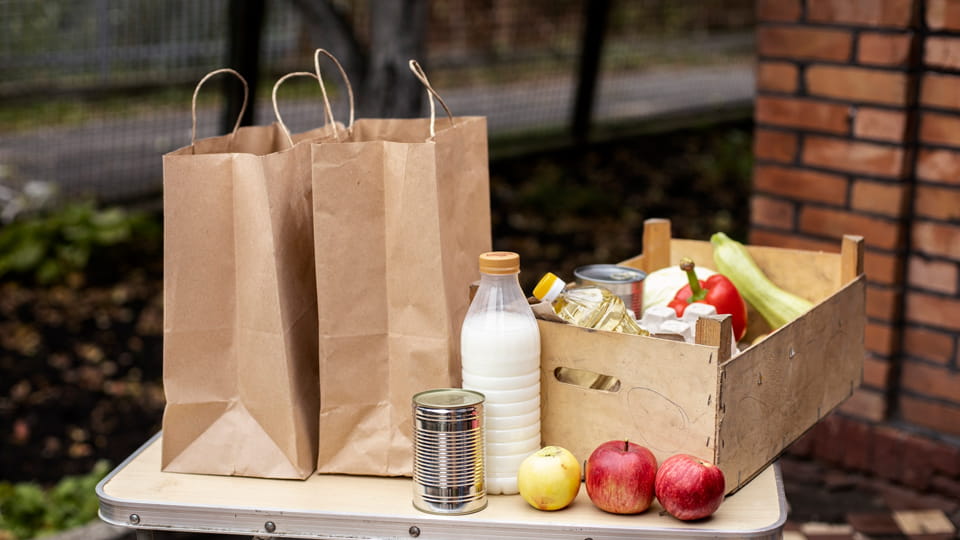
Food packaging serves to 보호하다, preserve, and inform. The main functions are to keep food fresh, prevent contamination or spoilage (by moisture, 산소, 미생물), and to provide nutrition/ingredient labeling and branding. Common food packaging formats include bottles and jars, flexible pouches, 상자, 캔, 쟁반, and films. 예를 들어, 케첩 can come in reclosable PET squeeze bottles or single-serve foil sachets. Snack foods often use multi-layered plastic/foil pouches or bags that balance cost with adequate moisture/oxygen barrier.

  • Common food packages: 엄격한 (plastic or glass bottles, 캔, 항아리), 유연한 (파우치, 바지, 향 주머니), 상자 (예를 들어. egg cartons, milk cartons), 쟁반 (for ready meals), and wrapping films (cling wrap).
  • Functions: Seal out air and moisture, 유통 기한 연장, facilitate refrigeration or freezing, provide portioning (single-serve vs bulk), and display nutrition facts/allergen info. Food packaging must meet food-safety standards, such as NSF/ANSI or BRCGS, ensuring materials are food-grade.

Although both industries seek to prevent contamination, food packaging often prioritizes consumer convenience and cost. 예를 들어, food pouches use simple films and aim for reclosability or lightweight design, while pharmaceuticals might use heavier-duty materials for maximum barrier and durability.

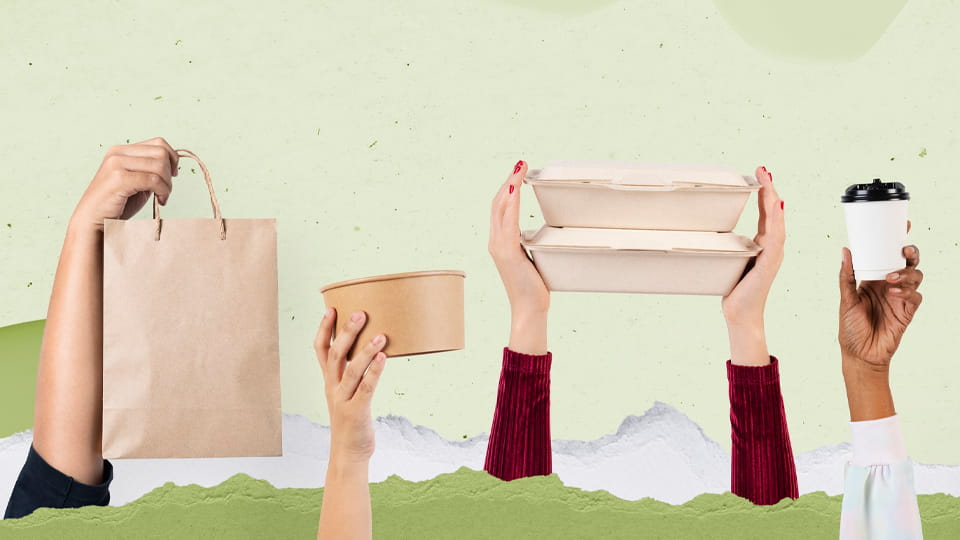
Food Packaging Common Types


Key Functions of Packaging

Regardless of product type, effective packaging must:

  • Protect product quality: Shield from moisture, 산소, 빛, 그리고 물리적 손상. For drugs, this means strict barrier and sterility. For food, it means sufficient barrier to preserve freshness and flavor.
  • Ensure safety and compliance: Labels must include required information (drug dosage/ingredients/safety instructions vs. food ingredients/nutrition). Packaging may need tamper-evident features (especially in pharma) 오염을 방지하기 위해.
  • Enable handling and distribution: Cartons and pallets facilitate storage and transport. Packaging affects shelf logistics (size/shape).
  • Meet regulations: Packages must comply with regulatory standards (아래를 참조하세요) to ensure products are safe and legal.
  • Support branding and user needs: Design conveys brand and helps end-users. Pharma packaging may be child-resistant; food packaging may have easy-open or portion-control features.

예를 들어, Jinlu notes pharmaceutical packaging materials (유리, 플라스틱, 박) are chosen for their protective properties, under strict non-toxicity and tamper-resistance standards. Food packaging also aims for protection (예를 들어. plastic film for potato chips) but balances cost and marketing appeal.


Pharma vs Food Packaging: 나란히 비교

특징 제약 포장 Food Packaging
Primary Goals Protect drug efficacy and sterility; prevent contamination or mix-ups. Ensure accurate dosing (calibration of counts/dosages). Preserve freshness, prevent spoilage, provide portioning; protect against microbe/germ contamination. Ensure correct nutrition/allergens info.
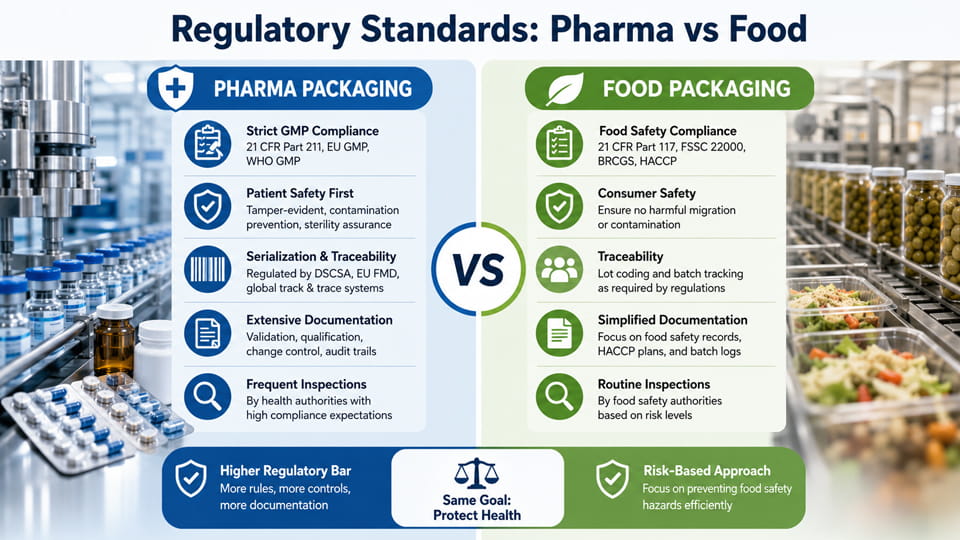
Regulatory Standards Strict GMP compliance (FDA 21 CFR 210/211, EU GMP EudraLex Vol.4, ISO 15378). Entire packaging process is validated and documented. Governed by food safety regs: FDA food contact approvals, HACCP (prerequisite programs for sanitary conditions), and standards like BRCGS/ISO 22000. Labels pre-approved per FDA Food Labeling Guide.
추적성 높은: batch/lot numbers on every package, 직렬화 (unique barcodes) for drug pedigrees (예를 들어. DSCSA in USA). Enables full traceability/recall. 보통의: batch or date codes for recall; not required on every unit in most regions (except bulk codes). Limited serialization (rarely by law).
변조 명확성 Usually yes: security seals, blister foil that is clearly broken if opened, special caps (child-proof or drug-proof). Often yes for some foods (예를 들어. 캔, yogurt lids), but many food packages have basic seals. Tamper-indicating features (heat seals) common on jars and lids.
Clean Room / 위생 Critical: Equipment often in controlled environments (클린룸) to avoid particles/microbes. 스테인레스 스틸 (SUS316L) surfaces, 헤파 여과. Hygienic design required, but usually general food-grade (no rust, easy wash-down) rather than class-100K cleanrooms. Sanitary design to prevent allergen or microbial cross-contamination.
Validation/QA Mandatory equipment qualification and process validation (IR/WH/PQ) per FDA/EU rules. Packaging processes validated for sterility and consistency. Validation in the sense of HACCP: control critical points. Equipment is cleaned/inspected, but formal validation (IQ/OQ) is not standard. QA focuses on microbiology and allergens.
재료 제약 등급: 예를 들어. Type-I glass, medical plastics, aluminum foil lidding, rubber stoppers, specialty blisters. Tested for extractables/leachables (to ensure no harmful migration). Food-grade: PE, 애완 동물, PP, 알루미늄 호일, 판지. Must be FDA-approved for food contact. Lower purity requirements than pharma; regulatory focus on migration limits and allergens.
라벨링 Detailed labels: 약 이름, 힘, 복용량, 경고, batch/lot, 만료, 지침. Regulations require precise labeling and review (예를 들어. NDC codes). Often small print. Nutrition facts panel, 재료 (descending by weight), net weight, allergen declarations, brand/marketing. Must meet FD&C Act requirements (no FDA pre-approval of label but strict format guidelines).
Recall Risk Very high stakes: any contamination can cause patient harm. Recalls are costly and tightly controlled ( FDA mandates serial recall notices). Entire batches often pulled. Significant risk (food safety incidents), but impact typically narrower. Recalls focus on specific lots; packaging waste is more tolerated.
Equipment Standards Equipment must be cGMP design: easy to clean/sterilize, stainless surfaces, minimized dead zones. Commonly under CIP (Clean-In-Place). 예:. blister machines with vacuum, sterile filling lines. 위생적인 디자인: 스테인레스 스틸, no bacteria traps. CIP or wash-down options. 예:. VFFS lines, formers, filler that meet USDA/FDA sanitary standards. Design focuses on preventing spoilage.

These comparisons highlight that 의약품 포장 is far more regulated and controlled. 예를 들어, the FDA’s cGMP guidelines require drug packaging lines to use validated processes and materials proven safe. 대조적으로, 식품 포장 follows broad hygiene and safety controls (HACCP prerequisite programs) rather than pharmaceutical-style batch validation.

Pharma vs Food Packaging


Regulatory Standards: Pharma vs Food

Pharma packaging is governed by pharmaceutical GMP regulations. 미국에서는, 제목 21 CFR Parts 210–211 set current Good Manufacturing Practice (CGMP) requirements for drug “packing” (포장). This means methods, 통제 수단, 시설, and equipment used in packing drugs must ensure product safety and labeled strength. Europe uses EU GMP (EudraLex 볼륨. 4) with similar rules. 추가적으로, ISO 15378:2017 is a global standard applying ISO 9001 QMS principles to primary packaging materials for medicinal products. ISO 15378 explicitly addresses contamination control, risk reduction, and regulatory compliance in packaging material manufacture.

By comparison, food packaging must meet food safety regulations. The FDA requires that all food contact materials be pre-approved (via Food Contact Notification or GRAS). Packaging equipment in food plants follows principles of sanitation and contamination prevention as per HACCP and FDA’s Good Manufacturing Practices for foods. A HACCP plan treats equipment and packaging material under prerequisite programs - 예를 들어, facilities and equipment must follow sanitary design and cleaning procedures. Standards like BRCGS Packaging Materials 또는 ISO 22000 (food safety management) also apply. Unlike drugs, food labels and packaging do not require pre-approval by authorities, but must comply with labeling laws (재료, 영양물 섭취, 등.) when on market.

요약, pharmaceutical packaging is bound by prescriptive 규정 (specific guidelines, certificate audits), whereas food packaging is governed by preventive safety systems (HACCP, GFSI standards) and food-contact material approvals. This difference drives many material and equipment choices (see Table above).

Regulatory Standards Pharma vs Food


Material and Safety Differences

포장 재료 differ: pharmaceutical containers often use high-purity, inert substrates. Common pharma primary packaging includes Type I glass 바이알 (for injections), pharmaceutical-grade plastics (HDPE, PP, PETG), and multi-layer laminates (PVDC/Alu foil blisters). These are chosen to avoid any leachables that could interact with the drug. 물론, extractables and leachables (chemicals migrating from plastic/foil) are a major concern in pharma. Drug manufacturers must test packaging to ensure container–closure integrity (CCI) and that any leachables remain below toxic thresholds. FDA guidance recommends rigorous CCI testing (예를 들어. dye immersion, 압력 감퇴) for sterile parenteral packages to ensure sealed protection.

Food packaging materials (폴리에틸렌, 폴리프로필렌, 애완 동물, 코팅된 판지, 알류미늄, 등.) are also tested for migration (often under regulations like EU’s EC 1935/2004). 하지만, the threshold for safety testing is generally lower than in pharma. For food, the FDA oversees an “Inventory of Food Contact Substances” – e.g. all polymers and inks must be FDA-approved. Food packaging does not typically undergo CCI tests, as sterility is not required; instead, it may undergo microbial challenge tests for shelf-life or migration testing for additives.

실제로: pharma packaging demands tighter control of extractables/leachables. ISO 15378 explicitly includes contamination risk mitigation for glass, 플라스틱, rubber, and aluminum materials used in medicine packaging. Food packaging focuses on barrier properties and compliance with food contact regulations, but allows more material variety (and even recycled content) because ingestion risk is lower and toxins regulated at safe exposure levels. 예를 들어, water bottles (애완 동물) 일반적이다, whereas drugs would rarely be bottled in non-pharmaceutical-grade plastic.


포장기계: Pharma vs Food

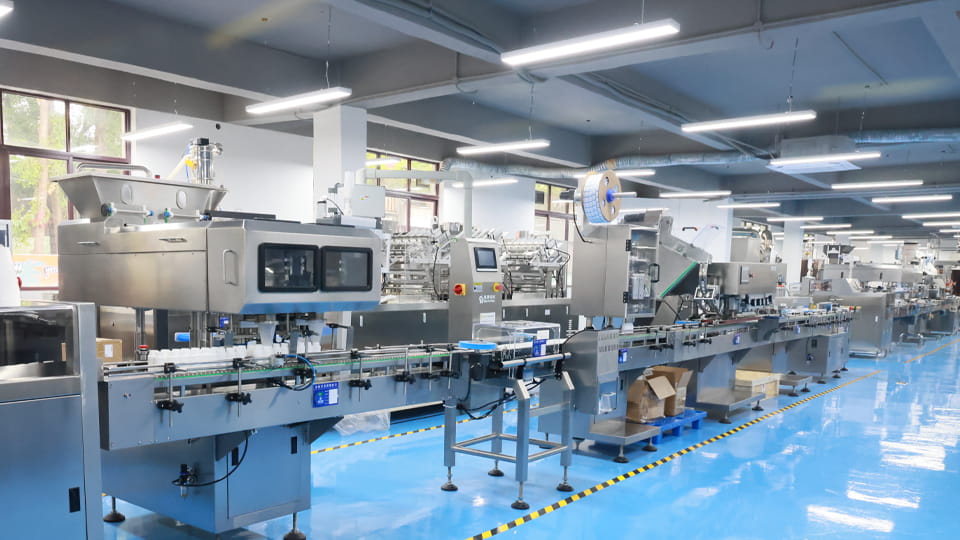
The machines themselves reflect these requirements. 제약 포장 장비 must be designed for GMP: 스테인레스 스틸 (종종 316L), 매끄러운 표면, sealed drive shafts, 최소한의 틈새, and easy cleanability. They are often CIP-capable and install HEPA filters for aseptic areas. Common pharma machines include:

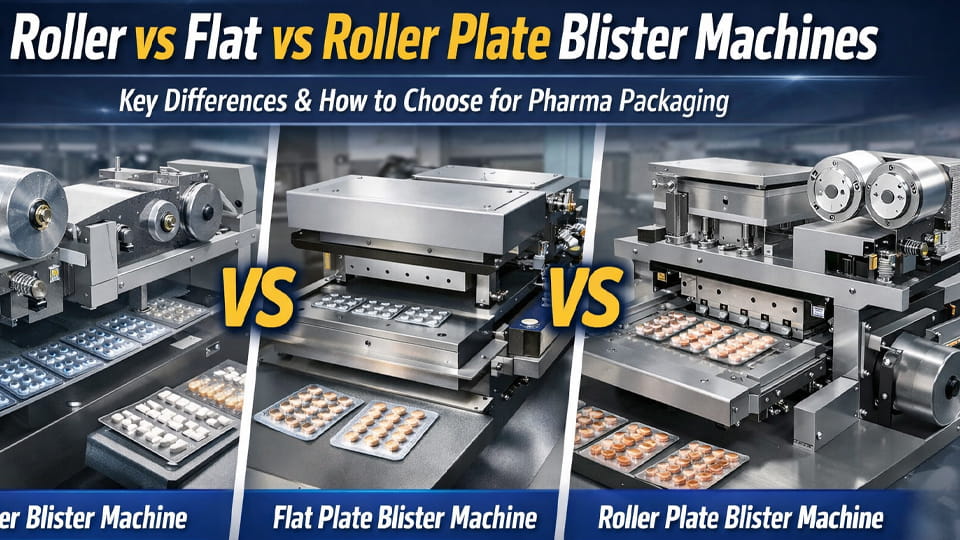
  • 물집 포장 기계: Form and seal blister cards (Alu-PVC 또는 Alu-Alu) one by one. They precisely control temperature and pressure to seal each unit. (See our 수포 Packing Machine lineup.)
  • Automatic counting/bottle filling lines: 태블릿 용, 캡슐, 또는 액체. These combine bottle unscramblers, 계산 / 충전 기계, caps inserters, 등. (Jinlu’s Automatic Counting Machines ensure >99.98% count accuracy.)
  • 카톤 기계: Encase bottles, 물집, vials or pouches into cartons. Jinlu’s cartoners can pack blister sheets or bottles at high speed.
  • Aseptic fillers (for injectables): Sterile liquid lines for vials or syringes (not covered in depth here).
  • Serialization and labeling units: For applying tamper seals, 바코드, RFID – fully integrated into lines.

대조적으로, food packaging machines are optimized for volume and cleanliness: they are often larger throughput (bag in seconds) and built for quick sanitation (CIP or wash-down capability). Typical food packaging equipment includes:

  • Vffs (수직 형태-충진-밀봉) 기계: Form bags from rollstock film and fill with product (간식, 커피, 쌀). Modern VFFS lines can run 50–300+ bags/min. They are the workhorse for high-speed food lines.
  • Premade pouch fillers: Load pre-made stand-up pouches, 주둥이 가방, 지퍼백, 등. These offer premium features (주둥이, 지퍼) at moderate speed. Jinlu’s premade pouch machines meet cGMP/FDA standards and can run up to ~70 bags/min.
  • Tray sealers and thermoformers: Seal foods in trays or cups (예를 들어. 준비된 식사, produce). Not typically used in pharma.
  • Vacuum chamber sealers and MAP machines: For meat or perishables. Emphasize barrier films and controlled atmospheres.
  • Stick/sachet machines: Fill small stick packs or sachets for sugar, spices or pharmaceuticals (meds in powder form).
  • Cartoners and case packers: Enclose bottles, cartons or pouches for secondary packing (similar to pharma cartoners, but tuned for food operations).

예를 들어, Jinlu’s Premade Pouch Packing machines are versatile for gummies, powders or liquids, and are certified for GMP, CE, FDA compliance. 대조적으로, a typical snack-food line might use a multi-lane VFFS with food-grade components.

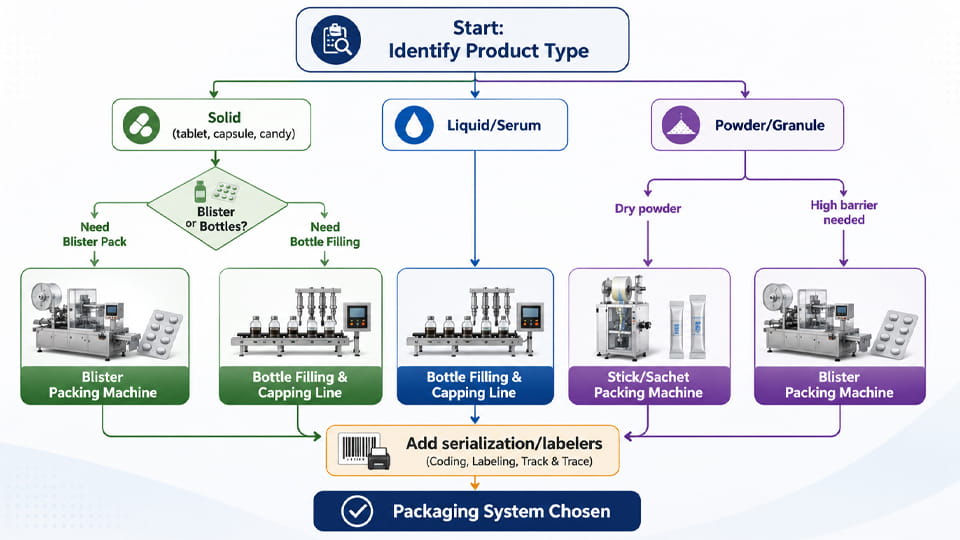
Below is a simple flowchart to illustrate how a manufacturer might select packaging machinery based on product type and requirements:

flowchart to how a manufacturer might select packaging machinery based on product type and requirements

This flow highlights: choose the packaging 체재 (blister vs bottle vs pouch, 등.) based on product form and stability needs, then pick the corresponding machine line. 예를 들어, temperature-sensitive tablets might drive use of cold-form blisters rather than bottles (to ensure oxygen/moisture barrier).

~ 안에 설계, pharma machines often include more automation for cleaning and traceability. 예를 들어, fillers for injectables run under laminar flow hoods, while food conveyors may run open in a coolroom. Both must meet hygiene standards, 하지만 stringency and validation differ.


라벨링, 직렬화, and Traceability

Pharmaceutical packaging demands extremely precise labeling and tracking. Each drug package typically shows the exact product name, 힘, 로트 번호, 만료일, and sometimes unique serial codes for track-and-trace (예를 들어. under the U.S. DSCSA law). FDA guidance has imposed serialization for many drugs, requiring unique barcodes on unit packages. This ensures that a recalled batch can be traced to each item. 대조적으로, food packaging labels must include ingredient lists, nutrition panels, and net weight per FDA rules, but individual unit serialization is generally not required (except maybe for certain supplements or markets).

Tamper-evidence is also stronger for drugs – each blister or vial often has a seal that’s destroyed upon opening. Jinlu notes that serialized barcodes and tamper-evident seals on each unit are standard in pharma for anti-counterfeiting. 음식에, tamper-evident bands and seals are used (예를 들어. safety rings on soda bottles, induction seals on caps), but single-serve foods might rely solely on intact seals (like sachet heat seals) with less formal serialization.

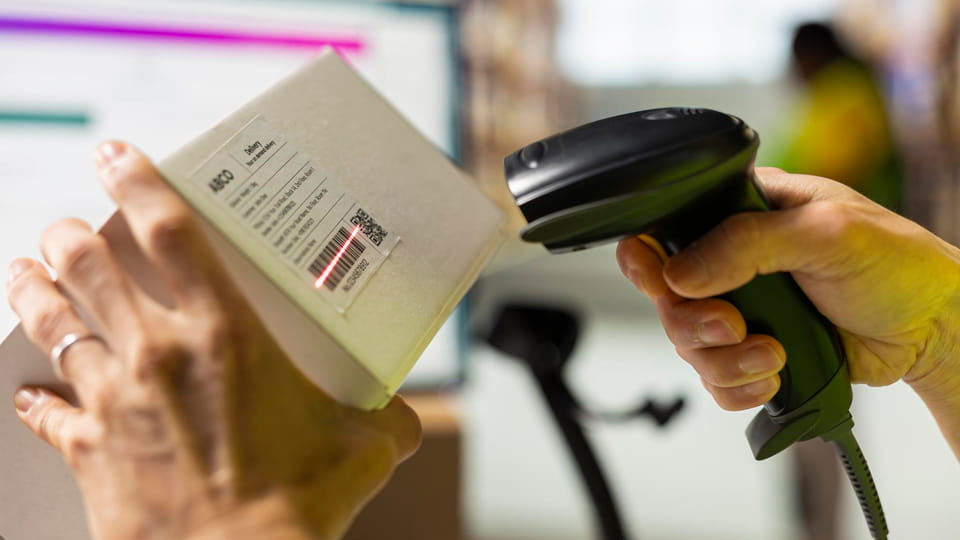
Traceability systems in pharma are more digital (electronic batch records, GMP documentation). Food traceability focuses on lots and origin (think “farm to fork” for safety) but is often less granular at the consumer level. 요약, pharma packaging invests heavily in serialization technology on the line (barcode printing and scanning), whereas food lines emphasize labeling speed and ensuring all required info (예를 들어. allergen icons, nutrition facts) is printed correctly.

라벨링, 직렬화, and Traceability


Sustainability Trends in Packaging

Both industries are moving toward greener packaging, but the drivers and solutions differ. 의약품에서, there’s a push to reduce waste and use recyclable/biodegradable materials where possible. 예를 들어, manufacturers are exploring mono-material blister films and recycled cartonboard for secondary packaging. One trend is replacing printed paper inserts with digital information to save paper. 하지만, any change must still comply with stability requirements, so innovations often start in secondary or tertiary layers.

음식에, sustainability often means lightweight packaging, compostable materials, and reducing single-use plastic. Many regions are legislating against certain non-recyclables. 특히, condiment sachets (foil/tissue pouches) are being phased out in some markets by 2030 in favor of refillable or recyclable alternatives. Major food brands are also seeking recyclable mono-material films. Both industries value reducing carbon footprint, but pharmaceutical companies must balance eco-goals with the paramount need for product protection.

(그들): “Sustainability is a major trend: 기업들은 재활용 가능하거나 생분해성 재료로 패키지를 디자인하고 과도한 포장을 줄이고 있습니다.. 예를 들어, 이제 판지 상자에는 재활용 콘텐츠가 자주 사용됩니다., and mono-material films are chosen for easier recycling.”

(Ketchup Guide): “Eco-conscious brands seek lighter, 재활용 가능한 옵션. 사실은, 일부 지역에서는 일회용 조미료 봉지를 단계적으로 폐지하고 있습니다. 2030, pushing manufacturers toward sustainable pouch or refillable solutions.”

These trends mean equipment may also adapt: machines that can handle recycled plastics, or lines designed for easier material changeovers are becoming valuable.

Sustainable Packaging In food and pharma


Choosing the Right Packaging Machinery: A Checklist

When selecting equipment for pharma or food packaging, 다음 요소를 고려하십시오:

  • Product Form and Packaging Format: What is the dosage form or food form? (태블릿, 캡슐, 가루, 액체, 작은 낟알, 등.) Determine if blister, 병, 작은 주머니, or another package type is needed (see flowchart above).
  • Barrier and Safety Needs: Does the product require an oxygen/moisture barrier (like pharmaceuticals or freeze-dried food)? This drives material choice (aluminum blister vs. flexible film) and machine type (cold-form blisterers vs. standard thermoformers).
  • 규제 준수: If packaging drugs, confirm machines meet cGMP design. If food, ensure equipment allows sanitation and allergen control. 예를 들어, 에이 블리스 터 포장기 from Jinlu offers GMP-grade sealing for sensitive tablets.
  • 생산량 및 속도: Estimate batch sizes. High-volume snack foods may need high-speed VFFS or multiple lanes. Variable products (different pouch shapes) may favor a 미리 메이드 파우치 포장 기계 with quick changeovers.
  • Product Variability and Changeover: How often will you change format or product? Machines like premade pouch fillers allow fast SKU switches (10-20 분), whereas VFFS can be slower to re-tool.
  • Cleanability and Maintenance: For pharma, look for fully enclosed stainless designs. For food, prioritize ease of wash-down. Jinlu’s counting and cartoning machines, 예를 들어, feature hygienic design for both capsule and gummy counting.
  • Traceability/Labeling Integration: Does your line need serialization/label application? Consider labelers or over-packers that integrate serial code printers and verifiers. Jinlu’s cartoners can connect to labelers for this purpose.
  • Space and Layout: Consider facility constraints. 일부 기계 (like vertical cartoners or rotary formers) have smaller footprints.
  • Cost and Budget: Balance upfront cost vs. long-term efficiency. High-tech automatic lines cost more but reduce labor and error.

실제로, work with manufacturers (좋다 진루 포장) to analyze these factors. 예를 들어, Jinlu’s engineering team can recommend an integrated bottle filling & 포장 라인 for a new supplement, 또는 modular pouch packing solution for a specialty syrup.


Why Jinlu Packing

Jinlu Packing specializes in turnkey packaging solutions for pharmaceuticals 그리고 food/nutraceutical products. Our machinery is designed to meet strict GMP standards (CE, FDA, ISO certifications) while offering flexibility. Key advantages include:

  • GMP-Designed Equipment: All food-contact parts are stainless and meet GMP guidelines. We supply validation documentation and offer cleanroom-capable machines. 예를 들어, our DPP-270Max Alu-Alu Blister Machine is used in both pharma and high-barrier food packaging.
  • Turnkey Lines & 지원하다: We integrate fillers, 물집, 탑승자, 라벨러, 등., into complete lines. Our service team assists with installation, 시운전, and training worldwide.
  • 규제 준수: Jinlu machines support compliance needs. 예를 들어, our Premade Pouch Fillers come ready with CE and cGMP compliance, and we provide IQ/OQ protocols for machine qualification.
  • 맞춤화: Whether you need a high-speed blister line or an automated bottle filler with desiccant inserter (like our JL-16C counting line), we can tailor solutions.
  • Sustainability Focus: We also offer options for recyclable materials and waste-reduction in design.

와 함께 30+ years in pharma packaging machinery, Jinlu is trusted by industry leaders to deliver equipment that 안전하게 그리고 효율적으로 packages medicines and foods alike. Contact us to discuss how our machines (좋다 블리스 터 포장기, 계산 기계, 포장 기계, Sachet Packing, 또는 Premade Pouch Fillers) can meet your production goals.

JinluPacking specializes in turnkey packaging solutions


결론

결론적으로, Pharma packaging vs Food packaging have different priorities even though both aim to protect products. Pharma packaging is guided by strict GMP regulations and emphasizes sterility, 추적성, and barrier integrity. Food packaging emphasizes food safety (preventing spoilage/hazards) and practicality (비용, 편의) under HACCP and food-contact rules. Material choices, machine design, and labeling reflect these priorities: pharmaceutical lines often run in controlled environments with serialization, ~하는 동안 food lines run at high speed with sanitary design.

By understanding these differences, packaging engineers and buyers can choose the right solutions. 예를 들어, a medicine manufacturer might select a high-barrier blister line with integrated serialization to meet FDA and EU rules. A food snack producer might choose a multi-lane VFFS for efficiency, ensuring the films are FDA-approved. Both can find appropriate technology: Jinlu Packing offers machines built for either world, from GMP-compliant blisters to flexible pouch systems. 궁극적으로, meeting the end product’s safety and quality needs—while adhering to each industry’s rules—is the key goal for any packaging system.


FAQs on Pharma Packaging vs Food Packaging

What is the main difference between pharmaceutical and food packaging?

Pharmaceutical packaging prioritizes strict sterility and regulatory compliance. It usually involves higher-barrier, medical-grade materials and tamper-proof features to protect drugs under cGMP rules. Food packaging prioritizes freshness and safety (preventing spoilage/hazards) under HACCP and food-contact regulations, often using lighter or recyclable materials.

Why is serialization more common in drug packaging?

The Drug Supply Chain Security Act (DSCSA) and similar laws require unique serial numbers on individual drug packages to enable tracking through the supply chain. This helps prevent counterfeit medicines and allows precise recalls. Such requirements do not exist for most foods, so serialized tracing is generally not done at the unit level in food packaging.

Can the same machine package both food and pharmaceuticals?

일부 기계 (like blister packers or pouch fillers) can be used in both industries if properly cleaned and validated. 예를 들어, Jinlu’s blister machines pack both tablets and food portions (jams, 간식) by switching materials and settings. 하지만, equipment must be thoroughly sanitized between uses and may need upgrades (like additional HEPA filters or GMP documentation) to meet pharmaceutical standards.

What regulations apply to food contact packaging materials?

미국에서는, all food packaging components must be FDA-approved food contact substances (FCS) before marketing. This means any plastic, 코팅, ink, or adhesive in contact with food must be on an FDA list or notified. Labels and packaging must also follow FDA’s food labeling rules (ingredient list, nutrition facts). Food manufacturers use HACCP and GMPs to ensure safe packaging processes.

How do I choose between a premade pouch machine and a VFFS machine?

Choose based on product and production needs. Premade pouch packers use pre-printed, resealable bags and are great for specialty or high-barrier products (예를 들어. 비타민, 주스) with quick changeovers. VFFS machines form bags on-the-fly from roll film and excel in high-speed, high-volume runs of standard products (간식, 분말) at lower material cost. Evaluate your bag format, throughput needs, and flexibility requirements to decide.


참고자료:
1.현행 우수제조관리기준 (CGMP) 규정 | FDA -- 우리를. 식품의약품안전청
2.21 CFR 부분 211 – 서브파트 G – 포장 및 라벨링 관리 —— 법률정보연구소
3.포장 & 식품 접촉 물질 (FCS) -- 우리를. 식품의약품안전청
4.우수한 제조 및 유통 관행 —— European Commission
5.Current Good Manufacturing Practices (CGMPs) for Food and Dietary Supplements -- 우리를. 식품의약품안전청

이 기사를 공유하세요:
사진 사소한 푸
사소한 푸

사소한 푸, 진루패킹 창업자, 가져오다 30 제약 기계 부문에 대한 다년간의 전문 지식. 그의 리더십 아래, Jinlu는 디자인을 통합하는 신뢰할 수 있는 공급업체로 성장했습니다., 생산, 그리고 판매. Petty는 고객이 제약 포장의 복잡성을 헤쳐나갈 수 있도록 깊은 산업 지식을 공유하는 데 열정을 갖고 있습니다., 장비뿐만 아니라 제품도 받을 수 있도록 보장, 생산 목표에 맞춘 진정한 원스톱 서비스 파트너십.

목차

문의 보내기

답장을 남겨주세요

귀하의 이메일 주소는 공개되지 않습니다. 필수 입력란이 표시되어 있습니다 *

무료 견적 받기

*우리는 귀하의 기밀성을 존중하며 모든 데이터는 보호됩니다. 귀하의 개인정보는 JL 솔루션을 위해서만 사용 및 처리됩니다..