
- Macchine
- Competenza
- Risorse
- Certificati
- Di
- Contatto
- Macchine
- Competenza
- Risorse
- Certificati
- Di
- Contatto
UN selezionatrice ponderale è un dispositivo di pesatura in linea utilizzato per verificare il peso dei prodotti su una linea di produzione. Garantisce che ogni confezione soddisfi il peso target, rifiutando automaticamente sotto- o unità in sovrappeso. Ciò è fondamentale nelle operazioni farmaceutiche e di confezionamento per l'accuratezza del dosaggio, Conformità GMP, e riduzione dei rifiuti. Le selezionatrici ponderali sono costituite da un trasportatore, una cella di carico ad alta precisione, un controller/HMI, e un meccanismo di rifiuto. Nel farmaceutico linee di imbottigliamento, le selezionatrici ponderali vengono solitamente posizionate immediatamente dopo il contatore delle capsule o la riempitrice di liquidi e prima della tappatrice, consentendo di verificare ogni bottiglia riempita prima che entri nelle restanti fasi di confezionamento. I vantaggi chiave includono 100% controllo del peso, omaggi ridotti, e controllo qualità automatizzato. In questa guida, spieghiamo cos'è una selezionatrice ponderale, come funziona, i suoi componenti, tipi, vantaggi, e come sceglierne uno per la tua linea.
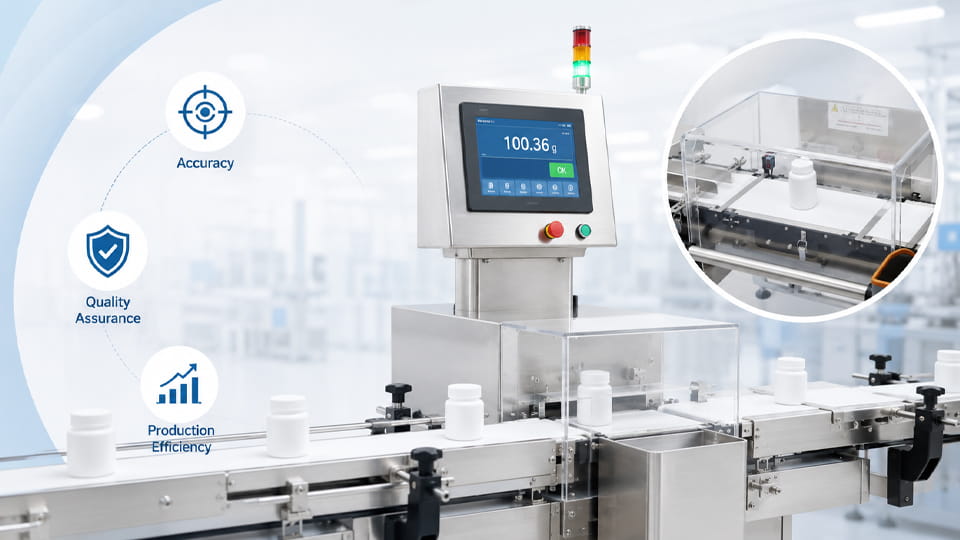
UN selezionatrice ponderale(o una macchina selezionatrice ponderale) è un sistema di pesatura automatizzato posizionato su una linea di produzione per pesare ciascun articolo e garantire che corrisponda a un peso target. In pratica, 100% dei prodotti vengono pesati “al volo” mentre passano sulla bilancia. Qualsiasi pacco sottopeso o sovrappeso viene contrassegnato o rimosso, garantendo che solo gli articoli riempiti correttamente continuino lungo la linea. Questi dispositivi sono comuni nell'imballaggio e nella produzione: Per esempio, trasportatori per sistemi di controllo peso sono ampiamente utilizzati nel conteggio delle capsule, imbottigliamento, linee di confezionamento blister e astucciamento. A differenza di una bilancia manuale o da banco, una selezionatrice ponderale funziona in linea: i prodotti rimangono sul trasportatore e vengono pesati dinamicamente in movimento. Ciò consente un'ispezione molto rapida (spesso centinaia di unità al minuto) senza rallentare la linea.
In sintesi, una selezionatrice ponderale è essenzialmente un nastro trasportatore con elettronica di pesatura incorporata e smistamento automatico. Fornisce controllo del peso in tempo reale e rimuove automaticamente qualsiasi prodotto troppo pesante o troppo leggero, garantendo che solo i pacchi riempiti correttamente continuino lungo la linea. Questo meccanismo è vitale per proteggere la coerenza e la conformità dei prodotti in settori come quello farmaceutico.

Le pesatrici di controllo sono fondamentale per il settore farmaceutico perché rilevano gli errori di riempimento e garantiscono l'accuratezza del dosaggio, tutelando sia la sicurezza del paziente che la conformità normativa.
In sintesi, un farmaceutico selezionatrice ponderale è più di una scala: è un punto critico di controllo della qualità che garantisce l'accuratezza del dosaggio, conformità normativa, e la sicurezza del cliente nella produzione ad alta velocità. Rilevando eventuali errori di riempimento sulla riga, impedisce sotto- o prodotti eccessivamente riempiti escono dalla fabbrica.
Una selezionatrice ponderale opera ininterrottamente su un trasportatore. Ecco il flusso di lavoro tipico:
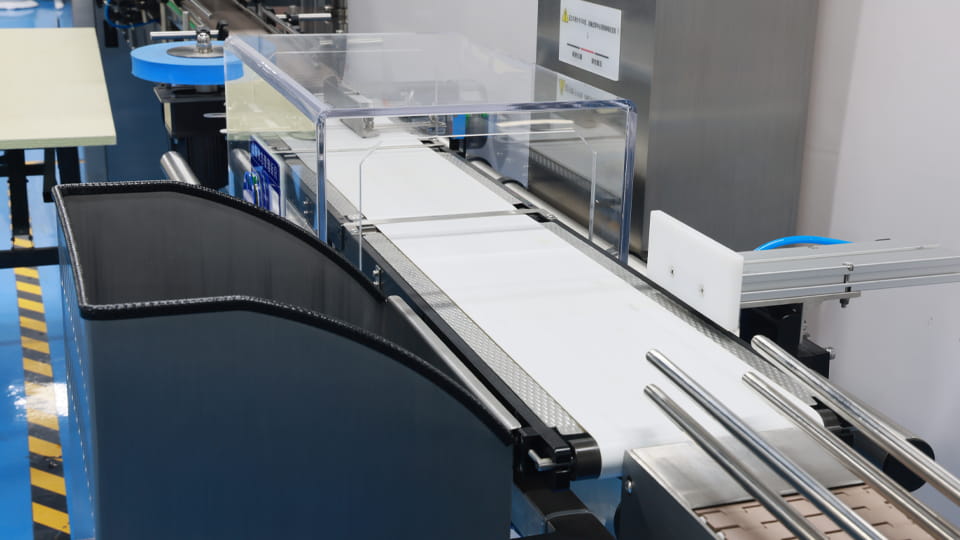
Questi scarti sono completamente automatizzati e sincronizzati con il segnale del sensore, rimuovere le unità difettose senza interrompere la linea.
L'intero processo, dal rilevamento alla pesatura fino allo scarto, avviene in una frazione di secondo per ciascun articolo. Il risultato è 100% controllo del peso in linea a pieno regime di produzione. Controllare il funzionamento delle pesatrici dinamicamente senza interrompere la produzione, consentendo ai produttori di “monitorare il peso del prodotto senza interrompere il flusso di produzione”.
Di seguito è riportato un riepilogo del flusso di lavoro della selezionatrice ponderale:
Questo ciclo automatizzato, ripetuto per ogni elemento, è ciò che rende le selezionatrici ponderali indispensabili nelle moderne linee farmaceutiche.
Una tipica bilancia di controllo automatica è composta da diverse parti fondamentali, spesso costruito in un telaio modulare (guarda le immagini di esempio di Jinlu):
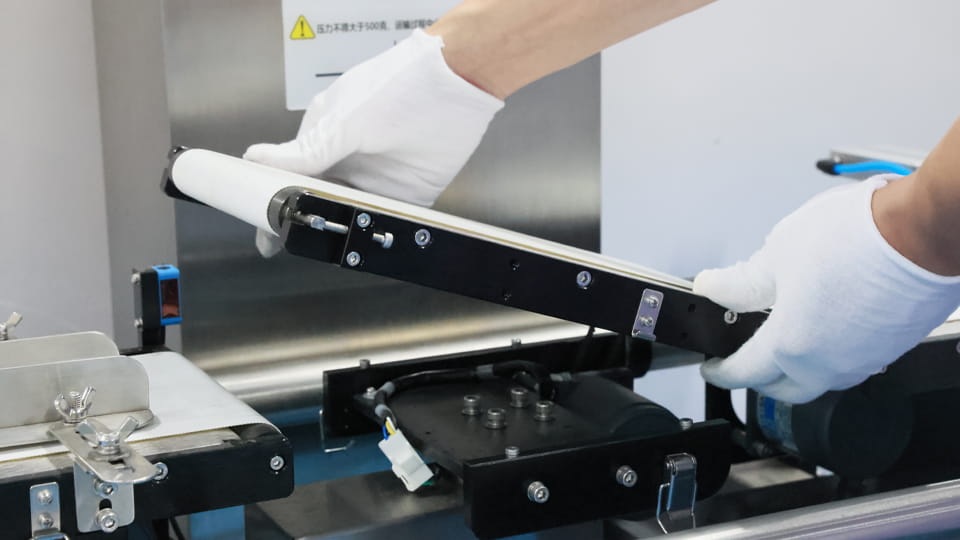 Figura: Il sistema modulare di nastri per il controllo peso di Jinlu (sezioni del trasportatore a scatto) semplifica la manutenzione. Le celle di carico sono installate sotto il nastro, e i prodotti vengono guidati nella sezione di pesatura.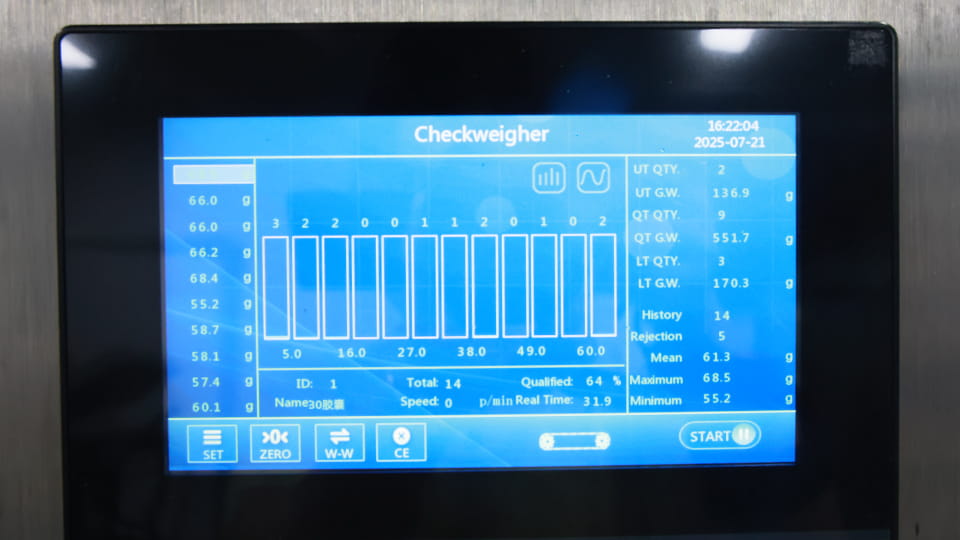
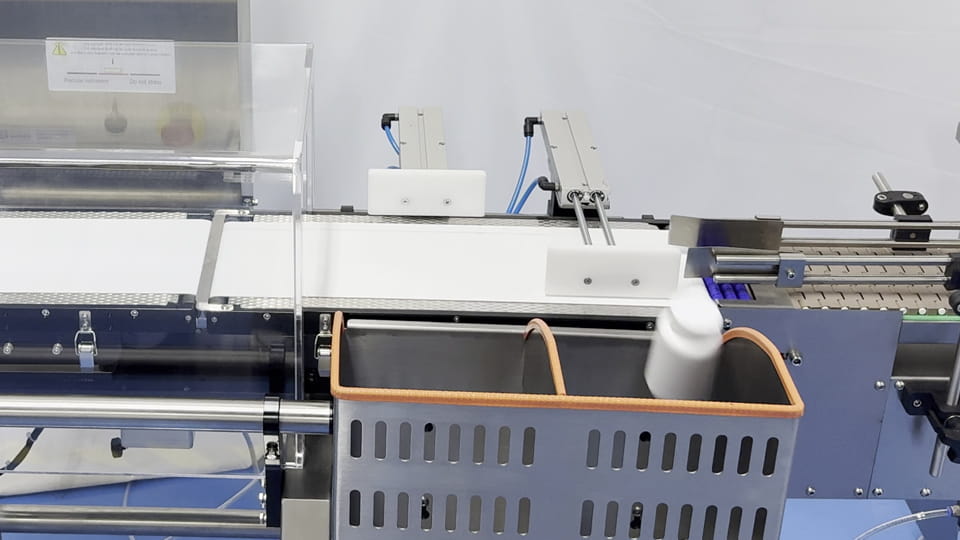
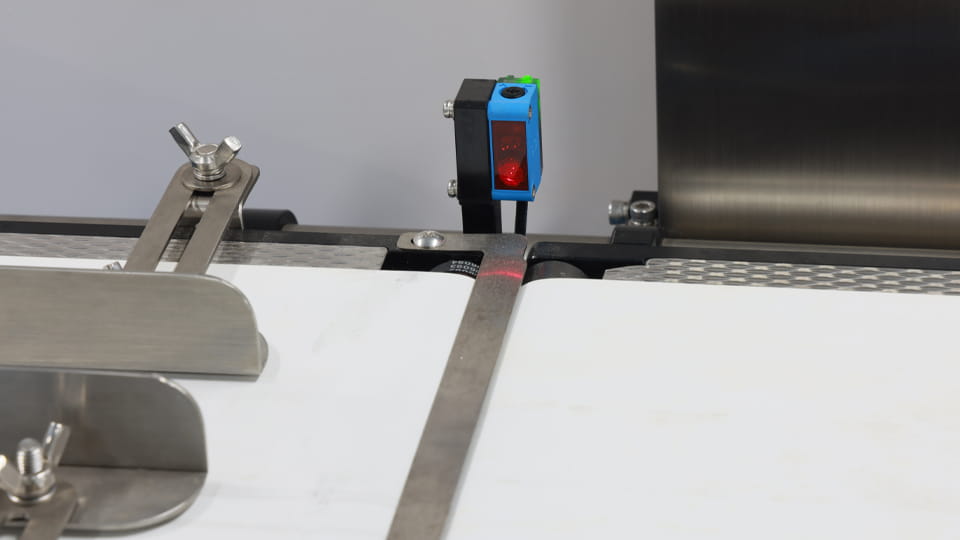
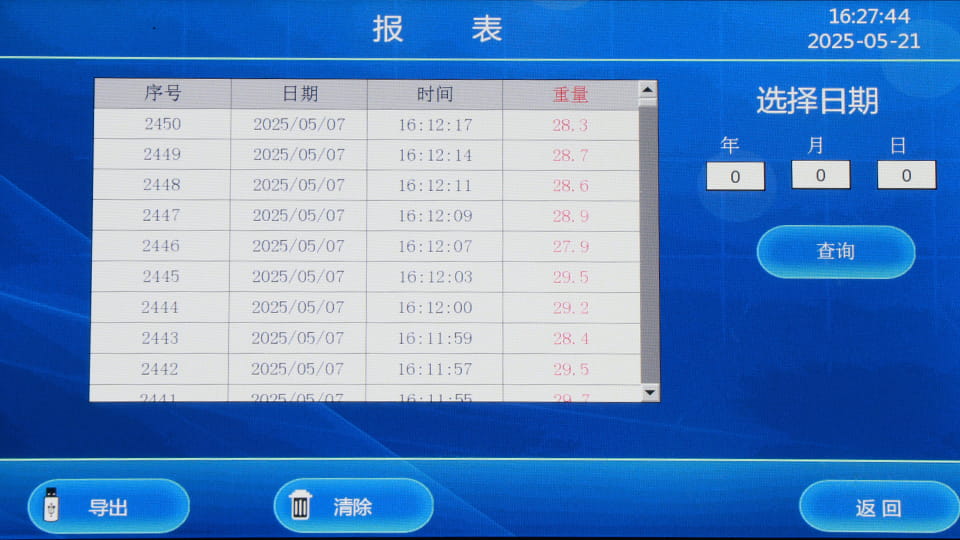
Ogni componente lavora insieme per garantire un rapido, pesatura precisa. Le sezioni modulari del nastro (con design a scatto) consentono agli operatori di rimuovere e pulire rapidamente il trasportatore senza attrezzi. La struttura in acciaio inossidabile e l'involucro sigillato rendono la macchina facile da lavare e soddisfano i requisiti delle camere bianche farmaceutiche.
Le selezionatrici ponderali sono disponibili in varie configurazioni per soddisfare le diverse esigenze di produzione:
Ogni tipo condivide lo stesso principio di funzionamento di base, ma scegli in base alla velocità della linea di produzione e alla tipologia di prodotto. Compresse e capsule (dosaggio orale solido) richiedere velocemente, bilance dinamiche resistenti alle vibrazioni. I liquidi o le polveri potrebbero necessitare di bilance con feedback ai sistemi di riempimento.
L'implementazione di una selezionatrice ponderale su una linea di confezionamento offre molteplici vantaggi:
Complessivamente, un sistema di controllo peso funge da potente punto di controllo qualità. Aumenta la resa (riducendo gli sprechi) e ne tutela la conformità. Nel competitivo produzione farmaceutica, questi vantaggi si traducono direttamente in risparmi sui costi e in integrità del marchio.
Quando selezionate una selezionatrice ponderale per la vostra linea di produzione, considerare i seguenti fattori chiave:
Considerando questi fattori: caratteristiche del prodotto, velocità, precisione, esigenze normative, e compatibilità della linea: puoi selezionare una selezionatrice ponderale che massimizza le prestazioni per la tua applicazione specifica. Ad esempio, La selezionatrice ponderale JL-CW di Jinlu è ottimizzata per le linee di bottiglie e blister, con un ingombro ridotto e un'interfaccia touchscreen.
Una selezionatrice ponderale offre il massimo valore quando è installata nel punto giusto della linea di produzione. Nella confezione di flaconi farmaceutici, la posizione più comune è immediatamente dopo il contatore delle compresse, contatore delle capsule, o macchina riempitrice di liquidi. In questa fase, il sistema può verificare che ogni bottiglia contenga la quantità corretta di prodotto prima che ulteriori fasi di confezionamento aggiungano costi e complessità. Le bottiglie che non rientrano nell'intervallo di peso accettabile vengono automaticamente scartate prima che raggiungano la stazione di tappatura. Ciò aiuta a evitare che i prodotti difettosi si spostino più avanti lungo la linea e riduce gli sprechi inutili.
Una tipica linea di imbottigliamento farmaceutico può seguire questa sequenza: Decodifica della bottiglia → Contatore compresse/capsule (O Riempitivo liquido) → Selezionatrice ponderale → Tappatrice → Sigillante a induzione → Etichettatrice → Astucciatore. In alcune applicazioni, i produttori possono anche aggiungere un secondo sistema di controllo del peso verso la fine del processo di confezionamento per verificare la completezza dei cartoni finiti. Il punto di installazione ideale dipende da ciò che il produttore desidera ispezionare: l'accuratezza del riempimento del prodotto, completezza della bottiglia, o verifica finale del pacchetto.
Una selezionatrice ponderale è un componente indispensabile di qualsiasi moderna linea di confezionamento farmaceutico. Verificando automaticamente il peso di ogni pacco, garantisce l'accuratezza del dosaggio, Conformità GMP, e la qualità del prodotto. Abbiamo spiegato come funzionano le selezionatrici ponderali, perché sono vitali nel settore farmaceutico, le loro parti principali, tipi, e come scegliere quello giusto. Abbiamo anche confrontato le selezionatrici ponderali con le bilance tradizionali e ne abbiamo evidenziato i principali vantaggi: migliore precisione, riduzione degli sprechi, rendimento più veloce, e completa tracciabilità.
Se stai cercando di aggiungere una selezionatrice ponderale o aggiornare la tua linea, Imballaggio Jinlu offre alta precisione, Soluzioni conformi a cGMP. Selezionatrice ponderale JL-CW di Jinlu, ad esempio, fornisce 0.1 G precisione fino a 100 PCS/min ed è ampiamente utilizzato in bottiglia, vescica, e linee di confezionamento stick. Integrato con le altre macchine Jinlu (riordinatore, contatore, tappatore, etichettatrice, cartoniere), può formare un completo automatizzato linea di confezionamento farmaceutico. Con funzionalità come un HMI da 7 pollici, telaio in acciaio inossidabile, e sistemi di scarto collaudati, aiuta a ottenere un imballaggio “a errori zero”..
Per maggiori dettagli o per discutere le vostre esigenze specifiche, visita Jinlu Packing Prodotto di controllo peso pagina o contattare il nostro team di vendita. I nostri esperti possono aiutare a personalizzare una soluzione (incluso il supporto IQ/OQ) per la tua linea di produzione, garantendo un controllo peso conforme ed efficiente.
Una selezionatrice ponderale viene utilizzata per verificare automaticamente il peso dei prodotti che si muovono attraverso una linea di produzione. Aiuta i produttori a identificare il sottopeso, sovrappeso, o prodotti incompleti e rimuoverli automaticamente dalla linea. Nella confezione farmaceutica, una selezionatrice ponderale è in grado di rilevare bottiglie a conteggio breve, contenitori troppo pieni, o componenti mancanti prima che i prodotti raggiungano il mercato.
Una selezionatrice ponderale utilizza una cella di carico e un trasportatore di pesatura per misurare il peso del prodotto mentre il prodotto è in movimento. Il sistema confronta il peso misurato con i limiti superiore e inferiore preimpostati. Se il peso non rientra nell'intervallo accettabile, il meccanismo di scarto automatico rimuove il prodotto dalla linea di produzione.
Nella maggior parte delle linee di imbottigliamento farmaceutiche, la selezionatrice ponderale viene installata immediatamente dopo il contatore delle compresse, contatore delle capsule, o macchina riempitrice di liquidi. Ciò consente ai produttori di verificare l'accuratezza del riempimento prima che le bottiglie procedano alla tappatura, sigillatura, etichettatura, e processi di astucciamento. Il rilevamento tempestivo aiuta a ridurre gli sprechi e i costi di rilavorazione.
SÌ. Se una compressa o una capsula mancante crea una differenza di peso misurabile, la selezionatrice ponderale può identificare la discrepanza e rifiutare la bottiglia interessata. Questo è uno dei motivi principali per cui i produttori farmaceutici utilizzano sistemi di controllo peso automatici dopo il processo di conteggio.
Le selezionatrici ponderali sono ampiamente utilizzate nel settore farmaceutico, cibo e bevande, cosmetici, nutraceutico, chimico, e industrie logistiche. Qualsiasi settore che richieda una verifica accurata del peso del prodotto e un controllo qualità può trarre vantaggio da un sistema di controllo peso in linea.
Una tipica selezionatrice ponderale è costituita da un trasportatore di alimentazione, trasportatore di pesatura, cella di carico, sistema di controllo, interfaccia operatore, e rifiutare il dispositivo. Insieme, questi componenti formano un sistema di trasporto completo di selezionatrice ponderale in grado di ispezionare prodotti ad elevate velocità di produzione.
I prodotti potrebbero essere rifiutati perché sottopeso, sovrappeso, componenti mancanti, o al di fuori dell'intervallo di tolleranza predefinito. In alcuni casi, spaziatura impropria del prodotto, vibrazioni eccessive, o impostazioni errate della macchina possono anche causare falsi scarti, ecco perché sono importanti una calibrazione e una configurazione adeguate.
SÌ. Le moderne macchine di controllo peso possono essere integrate con contatori di tablet, riempitivi liquidi, macchine tappatrici, sigillatrici ad induzione, macchine etichettatrici, astucciatori, e sistemi di serializzazione. Ciò crea una linea di confezionamento completamente automatizzata con controllo di qualità in tempo reale e monitoraggio della produzione.
Una bilancia di controllo automatica aiuta a migliorare la qualità del prodotto, ridurre gli sprechi di prodotto, ridurre al minimo i reclami dei clienti, supportare la conformità normativa, e aumentare l’efficienza produttiva. Fornisce inoltre 100% controllo del peso, garantire che ogni pacco soddisfi gli standard di qualità prima della spedizione.
Quando si seleziona una selezionatrice ponderale, considerare fattori come la gamma di peso del prodotto, dimensione del pacchetto, velocità di produzione, precisione richiesta, disposizione del trasportatore, metodo di rifiuto, e requisiti di integrazione. Per applicazioni farmaceutiche, registrazione dei dati, supporto per la validazione, e dovrebbe essere valutata anche la conformità alle GMP.
Riferimenti:
1.Controllare la pesatrice ——Wikipedia
2.Sviluppo di tolleranze graduali che coprono l'intero intervallo di pesatura per una verifica efficiente del sistema di controllo peso automatico —— ScienceDirect
3.Sistema di pesatura dinamica ad alta precisione basato sul modello FIR —— RicercaGate
4.Approccio di filtraggio adattivo alla pesatura dinamica: un caso di studio su una selezionatrice ponderale —— ScienceDirect
5.Un algoritmo di pesatura per il controllo dei componenti mancanti in una linea farmaceutica —— Diari saggi
6.Manuale 112, Linee guida della procedura di esame per dispositivi di pesatura e misurazione commerciali: Un manuale per gli ufficiali di pesi e misure —— NIST