फार्मास्युटिकल उद्योग में पैकेजिंग सत्यापन क्या है?? फार्मा निर्माताओं के लिए एक संपूर्ण मार्गदर्शिका
फार्मास्युटिकल उद्योग में पैकेजिंग सत्यापन क्या है?? फार्मा निर्माताओं के लिए एक संपूर्ण मार्गदर्शिका
अप्रैल 29, 2026
कोई टिप्पणी नहीं
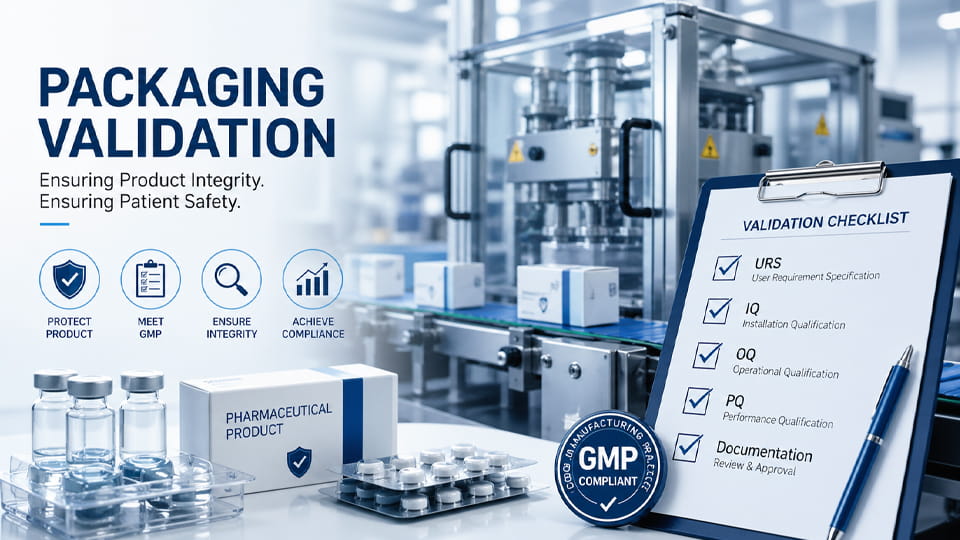
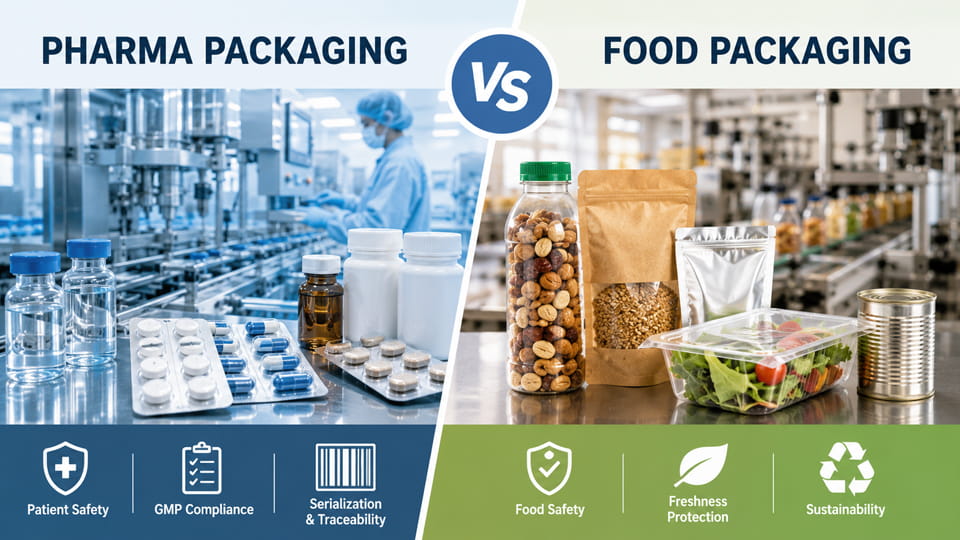
फार्मास्युटिकल उद्योग में, पैकेजिंग सत्यापन का एक महत्वपूर्ण उपसमुच्चय है प्रक्रिया की वैधता यह सुनिश्चित करने पर ध्यान केंद्रित किया गया है कि पैकेजिंग उपकरण और प्रक्रियाएं लगातार दवा उत्पाद की गुणवत्ता की रक्षा करती हैं. इसमें योग्यता का एक प्रलेखित कार्यक्रम शामिल है (इंस्टालेशन, आपरेशनल, प्रदर्शन) और परीक्षण (उदाहरण के लिए:. कंटेनर-बंद अखंडता, स्थिरता, परिवहन) यह साबित करने के लिए कि पैकेजिंग सिस्टम जीएमपी शर्तों के तहत इच्छित प्रदर्शन करते हैं. प्रभावी पैकेजिंग सत्यापन रोगी की सुरक्षा की रक्षा करता है (संदूषण को रोककर, गिरावट या मिश्रण) और विनियामक अनुपालन सुनिश्चित करता है (एफडीए, ईएमए, कौन, मैं, आईएसओ). यह मार्गदर्शिका बताती है परिभाषा, कदम, परीक्षण, मानकों, और सर्वोत्तम प्रथाएं फार्मास्युटिकल पैकेजिंग सत्यापन के लिए, और दिखाता है कि उपकरण कैसे स्वचालित होते हैं (पसंद जिनलू पैकिंग की मशीनें) इन कठोर आवश्यकताओं को पूरा करने के लिए डिज़ाइन किया गया है.
पैकेजिंग सत्यापन की परिभाषा
फार्मा में पैकेजिंग सत्यापन का मतलब है दस्तावेजी सबूतों के साथ प्रदर्शन वह पैकेजिंग प्रक्रिया (उपकरण और सामग्री) विश्वसनीय रूप से एक पैकेज तैयार करता है जो दवा उत्पाद की सुरक्षा करता है. व्यवहार में, यह विनिर्माण में उपयोग की जाने वाली समान कठोर सत्यापन अवधारणाओं को लागू करता है (आईआर/डब्ल्यूएच/पीक्यू) को प्राथमिक, माध्यमिक, और तृतीयक पैकेजिंग परिचालन. WHO के GMP मार्गदर्शन के अनुसार, "पैकेजिंग प्रक्रियाओं और उपकरणों को फार्मास्युटिकल सुविधा के भीतर प्रसंस्करण के किसी अन्य हिस्से की तरह ही सत्यापन/योग्यता की आवश्यकता होती है।". दूसरे शब्दों में, पैकेजिंग सत्यापन सुनिश्चित करता है कंटेनर बंद करने की प्रणाली, लेबलिंग, और पैकेजिंग लाइनें गुणवत्ता विनिर्देशों और विनियामक आवश्यकताओं को लगातार पूरा करें. लक्ष्य दवा की ताकत बनाए रखना है, पैकेजिंग के माध्यम से शुद्धता और स्थिरता, वितरण और शेल्फ जीवन, मिश्रण-अप को रोकते हुए, नकली, या क्षति.
पैकेजिंग सत्यापन में विशिष्ट डिलिवरेबल्स में शामिल हैं: उपयोगकर्ता आवश्यकताएँ विशिष्टता (उर्स) (परिरूप & गुणवत्ता मानदंड), स्थापना/परिचालन/प्रदर्शन योग्यता प्रोटोकॉल, और अभिलेखों का परीक्षण. सत्यापन प्रक्रिया शामिल है:
प्राथमिक पैकेजिंग (दवा से सीधे संपर्क करने वाला कंटेनर या अवरोध, उदाहरण के लिए:. शीशियों, छाला गुहिकाएँ, पाउच)
द्वितीयक पैकेजिंग (उदाहरण के लिए:. डिब्बों, लेबल, आवेषण, क्रमांकन जो प्राथमिक पैकेजों को समूहित करता है)
तृतीयक पैकेजिंग (थोक शिपिंग कंटेनर, PALLETS, परिवहन के लिए कोल्ड-चेन पैकेजिंग)
प्रत्येक स्तर को उत्पाद की सुरक्षा करनी चाहिए. उदाहरण के लिए, ऑस्ट्रेलियाई टीजीए परिभाषित करता है "प्राथमिक पैकेजिंग" (वह कंटेनर जो सामान को तुरंत ढक देता है) और भेद करता है द्वितीयक पैकेजिंग बाहरी बॉक्स या आवरण के रूप में. अंत में, पैकेजिंग सत्यापन जीएमपी से जुड़ा हुआ है - यह सुनिश्चित करना कंटेनर और क्लोजर दवा में कोई बदलाव नहीं करते हैं और "बाहरी कारकों के विरुद्ध पर्याप्त सुरक्षा प्रदान करें" भंडारण और उपयोग के दौरान.
फार्मा में पैकेजिंग सत्यापन महत्वपूर्ण क्यों है?
फार्मास्युटिकल पैकेजिंग दवा की गुणवत्ता के लिए अंतिम बचाव है. पैकेजिंग प्रक्रियाओं को मान्य करना महत्वपूर्ण है क्योंकि:
उत्पाद सुरक्षा और अखंडता सुनिश्चित करता है: उचित रूप से सत्यापित पैकेजिंग संदूषण को रोकती है, नमी का प्रवेश, या ऑक्सीजन एक्सपोज़र जो सक्रिय अवयवों को ख़राब कर सकता है. उदाहरण के लिए, लीक या सील की विफलता से रोगाणुओं या गैसों का प्रवेश हो सकता है, बाँझपन या शक्ति को ख़राब करना.
विनियामक अनुपालन: एजेंसियाँ (एफडीए, ईएमए/आई, कौन) मान्य पैकेजिंग की आवश्यकता है. हम. एफ.डी.ए 21 सीएफआर 211.94 दवा की गुणवत्ता में बदलाव लाने वाले बंद करने पर रोक लगाता है और बंद करने का आदेश देता है "पूर्वानुमानित बाहरी कारकों के विरुद्ध पर्याप्त सुरक्षा प्रदान करें". ईयू जीएमपी अनुलग्नक 1 इसी प्रकार इस बात पर भी जोर देते हैं "कंटेनरों को उचित मान्य तरीकों से बंद किया जाना चाहिए" (साथ 100% फ़्यूज़न-बंद उत्पादों के लिए अखंडता परीक्षण). डब्ल्यूएचओ स्पष्ट रूप से कहता है कि पैकेजिंग सिस्टम को किसी भी अन्य जीएमपी प्रक्रिया की तरह योग्य होना चाहिए. गैर-अनुपालन का मतलब हो सकता है की वापसी, आयात अस्वीकृत या ऑडिट उद्धरण.
शेल्फ लाइफ बढ़ाता है: स्थिरता की स्थिति के तहत मान्य पैकेजिंग सामग्री और सील सटीक शेल्फ-जीवन दावे निर्धारित करने में मदद करते हैं. ICH Q1A मार्गदर्शन यह भी निर्दिष्ट करता है कि स्थिरता अध्ययन किया जाना चाहिए "कंटेनर बंद करने की प्रणाली" उत्पाद के लिए प्रस्तावित. यदि पैकेजिंग विफल हो जाती है, स्थिरता डेटा अमान्य है.
क्रमांकन और जालसाजी विरोधी: आधुनिक फार्मा पैकेजिंग में अक्सर क्रमांकन शामिल होता है, छेड़छाड़-स्पष्ट मुहरें, और जालसाजी विरोधी विशेषताएं. इन सुविधाओं का सत्यापन (उदाहरण के लिए:. बारकोड की स्कैनेबिलिटी, छेड़छाड़ टेपों की अखंडता) आपूर्ति श्रृंखला को सुरक्षित करने में मदद करता है. लेबलिंग या क्रमांकन में त्रुटि उत्पाद रिलीज़ को रोक सकती है.
गुणवत्ता और लागत दक्षता: कुशल मान्य लाइनें दोषों को कम करती हैं (गलत भरना, लेबल त्रुटियाँ, कुचले हुए डिब्बों) और स्क्रैप. स्वचालित निरीक्षण (सील/लेबल जांच के लिए विज़न सिस्टम) अक्सर मान्य नियंत्रणों का हिस्सा होते हैं. कुल मिलाकर, मान्य पैकेजिंग प्रक्रियाएं रोगी के जोखिम को कम करती हैं और प्रभावी की निरंतर आपूर्ति सुनिश्चित करती हैं, प्रामाणिक औषधियाँ.
सत्यापन के लिए मुख्य ड्राइवर
रोगी सुरक्षा: अनुचित पैकेजिंग मरीजों को नुकसान पहुंचा सकती है (उदाहरण के लिए:. दूषित इंजेक्शन). सत्यापन सुरक्षा बाधा का दस्तावेजीकरण करता है.
विनियामक जोखिम शमन: अमान्य प्रक्रियाएँ वापस बुलाने या प्रतिबंधों के लिए उच्च जोखिम वाली होती हैं. नियामक प्रत्येक उत्पादन लाइन के लिए योग्यता डेटा की अपेक्षा करते हैं.
वैश्विक वितरण: अंतरराष्ट्रीय मानकों को पूरा करना (एफडीए/ईएमए/डब्ल्यूएचओ) सभी बाजारों में मान्य पैकेजिंग की आवश्यकता है.
व्यवसाय निरंतरता: वितरण में पैकेजिंग विफलताओं से उत्पाद और समय की बर्बादी होती है. सत्यापन सुनिश्चित करता है "सही-पहली बार" जीएमपी के तहत संचालन.
लेखापरीक्षा तत्परता: गुणवत्ता अधिकारियों या ग्राहक नियामकों द्वारा ऑडिट जीएमपी निरीक्षण के हिस्से के रूप में पैकेजिंग सत्यापन रिकॉर्ड और उपकरण योग्यता की समीक्षा करेंगे.
फार्मास्युटिकल पैकेजिंग सत्यापन का दायरा
पैकेजिंग सत्यापन सभी पैकेजिंग चरणों को संबोधित करता है. आम तौर पर, हम भेद करते हैं:
प्राथमिक पैकेजिंग सत्यापन: कंटेनर बंद करने पर ध्यान केंद्रित करता है (शीशियों, ampoules, छाला गुहिकाएँ, बोतलों). परीक्षणों में सील अखंडता शामिल है, सामग्री संगतता (निकालने योग्य/लीचने योग्य) और कंटेनर बंद करने का प्रदर्शन. बाँझ उत्पादों के लिए, कंटेनर बंद करने की अखंडता परीक्षण (सीसीआईटी) बाँझपन रखरखाव सुनिश्चित करने के लिए अनिवार्य हैं.
माध्यमिक पैकेजिंग सत्यापन: तत्काल बाहरी पैक को कवर करता है (डिब्बों, लेबल, पत्रक, desiccants). इसमें लेबल की सुपाठ्यता/सटीकता जांच शामिल है, कार्टन ड्रॉप परीक्षण, और बॉक्स संपीड़न परीक्षण (परिवहन के लिए). लेबल सत्यापन यह सुनिश्चित करता है कि सही रोगी जानकारी लगातार लागू की जाती है.
तृतीयक पैकेजिंग सत्यापन: थोक/परिवहन पैकेजिंग शामिल है. यहाँ, कंपन जैसे प्रदर्शन परीक्षण, बूँद, और थर्मल साइक्लिंग (कोल्ड चेन) यह सत्यापित करने के लिए शिपिंग तनाव का अनुकरण करें कि पैलेट और शिपिंग कार्टन वितरण के दौरान उत्पाद की अखंडता और लेबलिंग बनाए रखते हैं. एएसटीएम डी4169 जैसे मानक प्रोटोकॉल (परिवहन अनुकरण) अक्सर उपयोग किये जाते हैं.
प्रत्येक स्तर पर जोखिम मूल्यांकन और उचित परीक्षण की आवश्यकता होती है: उदाहरण के लिए, प्राथमिक पैकेजिंग में यूएसपी शामिल हो सकता है <1207>-शैली अखंडता परीक्षण, जबकि माध्यमिक पैकेजिंग परीक्षणों में कार्टन की मजबूती और लेबल का आसंजन शामिल हो सकता है, और तृतीयक पैकेजिंग ISTA/ASTM परीक्षण प्रोटोकॉल का उपयोग करती है. सभी को सत्यापन योजना में प्रलेखित किया जाना चाहिए.
पैकेजिंग सत्यापन प्रक्रिया में मुख्य चरण
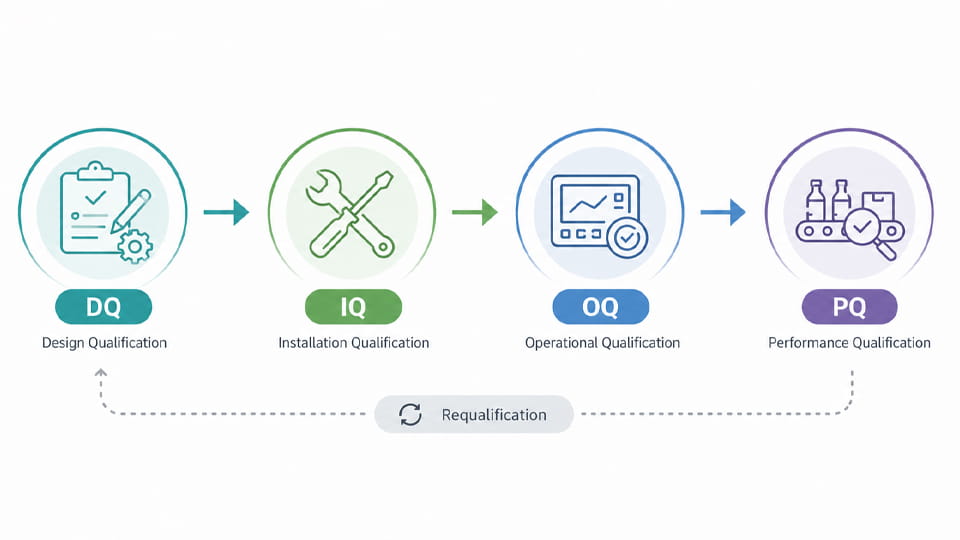
पैकेजिंग सत्यापन आम तौर पर उपकरण/प्रक्रिया योग्यता जीवन चक्र का अनुसरण करता है, अक्सर के रूप में वर्णित किया गया है डीक्यू/आईक्यू/ओक्यू/पीक्यू. ये चरण सुनिश्चित करते हैं कि एक नई या संशोधित पैकेजिंग लाइन प्रत्येक चरण में आवश्यकताओं को पूरा करती है.
डिजाइन योग्यता (डीक्यू): प्रारंभिक चरण जहां डिजाइन का मूल्यांकन यूआरएस के आधार पर किया जाता है (उपयोगकर्ता आवश्यकताएँ विशिष्टता) और जीएमपी दिशानिर्देश. सभी डिज़ाइन पहलू (मशीन के कार्य, सामग्री, साफ़-सफ़ाई, उत्पाद/पैकेजिंग सामग्री के साथ अनुकूलता) समीक्षा की जाती है. दस्तावेज़ों में यूआरएस और डिज़ाइन विनिर्देश शामिल हैं (कार्यात्मक डिजाइन विशिष्टता एफडीएस, हार्डवेयर/सॉफ़्टवेयर डिज़ाइन विशिष्टताएँ). अक्सर जोखिम मूल्यांकन (उदाहरण के लिए:. डीएफएमईए) पैकेजिंग विफलता मोड का अनुमान लगाने के लिए किया जाता है.
स्थापना योग्यता (आईक्यू): सत्यापित करता है कि मशीन/लाइन विक्रेता के विनिर्देशों के अनुसार सही ढंग से स्थापित है. IQ में सही स्थान की पुष्टि करने वाली चेकलिस्ट शामिल है, उपयोगिताओं (शक्ति, वायु, पानी), पर्यावरणीय स्थितियाँ, और उचित संयोजन. सभी घटक मौजूद हैं और क्षतिग्रस्त नहीं हैं. मापने वाले उपकरणों के अंशांकन की जाँच की जाती है. वितरणयोग्य: आईक्यू प्रोटोकॉल और रिपोर्ट, अंशांकन प्रमाण पत्र.
परिचालन योग्यता (OQ): सत्यापित करता है कि मशीन सभी निर्दिष्ट शर्तों के तहत इच्छानुसार संचालित होती है. महत्वपूर्ण पैरामीटर (गति सीमाएँ, तापमान, दबाव, निर्वात स्तर, टॉर्कः, वगैरह।) न्यूनतम/अधिकतम या सबसे खराब स्थिति वाली सेटिंग्स पर चुनौती दी जाती है. OQ में परीक्षणों में अत्यधिक गति पर सीलिंग शामिल हो सकती है, सेंसर/अलार्म फ़ंक्शन, कन्वेयर की गति में परिवर्तन, लेबलर सटीकता, पंप सटीकता भरने. OQ प्रोटोकॉल रिकॉर्ड करता है कि प्रत्येक कार्यात्मक परीक्षण स्वीकृति मानदंडों को पूरा करता है.
प्रदर्शन योग्यता (पीक्यू): यह सामान्य उत्पादन परिस्थितियों में प्रदर्शित होता है, लाइन लगातार गुणवत्ता विनिर्देशों के अनुरूप उत्पाद तैयार करती है. PQ वास्तविक उत्पादन मात्रा/बैचों पर किया जाता है. इसमें एक निर्धारित समय या मात्रा के लिए लाइन चलाना और आउटपुट का नमूना लेना शामिल है. विशिष्ट गतिविधियाँ: एकाधिक ब्लिस्टर कार्टन चलाना, बोतलें या पाउच और नमूनों पर क्यूसी परीक्षण करना (उदा।, कंटेनर बंद करने की अखंडता (सीसीआईटी), वजन की जांच, दृश्य दोष निरीक्षण, सील की ताकत). पीक्यू दर्शाता है कि उत्पाद की गुणवत्ता बनाए रखते हुए लाइन लगातार काम कर सकती है.
नीचे दी गई तालिका DQ-IQ-OQ-PQ चरणों का सारांश प्रस्तुत करती है:
अवस्था
उद्देश्य
मुख्य दस्तावेज़
उदाहरण गतिविधियाँ/परीक्षण
डिजाइन योग्यता (डीक्यू)
सत्यापित करें कि पैकेजिंग सिस्टम का डिज़ाइन यूआरएस/जीएमपी से मेल खाता है
डिज़ाइन समीक्षा, सामग्री अनुकूलता की जाँच, डीएफएमईए
स्थापना योग्यता (आईक्यू)
उपकरणों की उचित स्थापना की पुष्टि करें
आईक्यू प्रोटोकॉल/चेकलिस्ट, स्थापना लॉग, अंशांकन प्रमाण पत्र
उपयोगिताएँ सत्यापित करें, उपकरण संयोजन, अंशांकन
परिचालन योग्यता (OQ)
निर्धारित सीमा के भीतर उपकरण कार्यों को सत्यापित करें
ओक्यू प्रोटोकॉल, कार्यात्मक परीक्षण योजनाएँ, रियायतों
परीक्षण पैरामीटर (रफ़्तार, अस्थायी, दबाव); सील जाँच
प्रदर्शन योग्यता (पीक्यू)
उत्पादन संचालन के दौरान लगातार गुणवत्ता सुनिश्चित करें
पीक्यू प्रोटोकॉल, बैच रिकॉर्ड, रिलीज़ मानदंड
उत्पादन चलता है; नमूना परीक्षण (सीसीआईटी, वजन भरें, दृश्य निरीक्षण)
जैसा कि चित्र में दिखाया गया है, पैकेजिंग सत्यापन डिजाइन से लेकर प्रदर्शन तक एक जीवन-चक्र प्रक्रिया है. ध्यान दें कि पुनर्योग्यता बड़े बदलावों के बाद या समय-समय पर इसकी आवश्यकता हो सकती है.
पैकेजिंग सत्यापन में प्रमुख परीक्षण
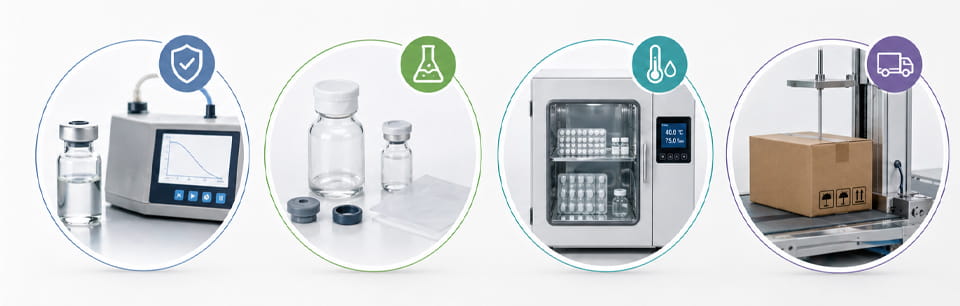
पैकेजिंग सत्यापन के दौरान आमतौर पर कई विशेष परीक्षण किए जाते हैं:
कंटेनर क्लोजर इंटीग्रिटी परीक्षण (सीसीआईटी)
सीसीआईटी बाँझ और गैर-बाँझ उत्पादों के लिए भी आवश्यक है. यह आकलन करता है कि कंटेनर क्लोजर सिस्टम है या नहीं (उदाहरण के लिए:. शीशी+डाट+टोपी, इंजेक्शन की शीशी, ब्लिस्टर सील) एक आदर्श अवरोध बनाता है. तरीकों में वैक्यूम क्षय शामिल है, दबाव क्षय, डाई का प्रवेश, या माइक्रोबियल चुनौती. जैसा कि एक उद्योग सूत्र बताते हैं, “कंटेनर क्लोजर इंटीग्रिटी टेस्टिंग (सीसीआईटी) एक परीक्षण है जो संभावित संदूषकों के खिलाफ बाँझ बाधा बनाए रखने के लिए कंटेनर क्लोजर सिस्टम की पर्याप्तता का मूल्यांकन करता है।. विनियामक दस्तावेज़ (खासियत <1207>, एफडीए, ईएमए अनुलग्नक 1) कोई लीक या उल्लंघन सुनिश्चित करने के लिए क्लोजर अखंडता का परीक्षण करने पर जोर दें. उदाहरण के लिए, खासियत <1207> सीलबंद पैकेजों को प्रमाणित करने के लिए रिसाव परीक्षण विधियों के चयन पर दिशानिर्देश प्रदान करता है.
सामग्री अनुकूलता परीक्षण (निकालने योग्य/लीचने योग्य)
पैकेजिंग सामग्री (प्लास्टिक, घिसने, स्याही, चिपकने) दवा उत्पाद के साथ प्रतिकूल प्रभाव नहीं डालना चाहिए. निकालने योग्य और निक्षालित करने योग्य अध्ययन दीर्घकालिक संपर्क का अनुकरण करते हैं: निष्कर्षण योग्य रसायन कठोर परिस्थितियों में पैकेजिंग से निकाले गए रसायन हैं, और लीचेबल्स वे हैं जो वास्तव में सामान्य परिस्थितियों में उत्पाद में चले जाते हैं. ये परीक्षण यह सुनिश्चित करते हैं कि पैकेजिंग में विषाक्त या स्थिरता को प्रभावित करने वाली अशुद्धियाँ न हों. फार्माकोपियल और एफडीए मार्गदर्शन (उदाहरण के लिए:. खासियत <661>, Q3E) कंटेनर क्लोजर सिस्टम के लिए ई/एल परीक्षण की रूपरेखा. व्यवहार में, कोई जांचता है कि पॉलिमर, कोटिंग्स, और लेबल सामग्री फार्माकोपियल मानकों को पूरा करती है (उदाहरण के लिए:. यूएसपी ग्लास प्रकार, आईएसओ रबर बंद करने की विशिष्टताएँ). डब्ल्यूएचओ नोट करता है कि क्लोजर के लिए फार्माकोपियल मानक (रबर स्टॉपर्स की तरह) हैं "न्यूनतम आवश्यकताओं" और उपयुक्तता साबित करने के लिए स्थिरता अध्ययन पर जोर देता है.
पैकेजिंग में स्थिरता परीक्षण
ICH Q1A के अनुसार, स्थिरता अध्ययन दवा उत्पाद पर उसके अंतिम पैकेजिंग विन्यास में किया जाना चाहिए. सत्यापन के दौरान, स्थिरता पर पैकेजिंग के प्रभाव का आकलन किया जाता है: उदाहरण के लिए, अंतिम पैकेजिंग त्वरित उम्र बढ़ने के अधीन है (उच्च तापमान/आर्द्रता) और कोई गिरावट सुनिश्चित करने के लिए वास्तविक समय की स्थितियाँ (उदाहरण के लिए:. ब्लिस्टर पैक में नमी का प्रवेश, बोतलों में ऑक्सीजन का प्रवेश). स्थिरता-संकेत देने वाले परीक्षण (रासायनिक और सूक्ष्मजीवी) निष्पादित किये जाते हैं. पैकेजिंग जो तनाव के तहत उत्पाद की सुरक्षा करने में विफल रहती है, शेल्फ-जीवन के दावों को अमान्य कर देती है. इस प्रकार, सत्यापन में यह पुष्टि करना शामिल है कि चुनी गई पैकेजिंग शेल्फ-जीवन आवश्यकताओं को पूरा करती है (यह नियामक स्थिरता प्रोटोकॉल के साथ ओवरलैप होता है).
परिवहन और वितरण परीक्षण
तृतीयक पैकेजिंग परीक्षण वास्तविक शिपिंग स्थितियों का अनुकरण करते हैं. मानक परीक्षणों में ड्रॉप ऊंचाई परीक्षण शामिल हैं, कंपन (ट्रक/रेल अनुकरण), COMPRESSION (स्टैकिंग वजन), और तापमान चक्रण (खासकर कोल्ड चेन के लिए). उदाहरण के लिए, एएसटीएम डी4169 (पैकेज्ड उत्पादों के लिए) या ISTA प्रोटोकॉल का उपयोग किया जा सकता है. एक मजबूत पैकेजिंग सत्यापन योजना उस डिब्बों की पुष्टि करती है, हैंडलिंग के दौरान केस और क्रेट प्राथमिक पैकेजों की सुरक्षा करते हैं: यह सत्यापित करना कि कोई टूट-फूट नहीं है, लेबल छीलना, या नमी की क्षति वितरण स्थितियों के तहत होती है. कोल्ड चेन के लिए, पूरे पारगमन के दौरान आवश्यक तापमान सीमा बनाए रखने के लिए तापमान मानचित्रण और मान्य इंसुलेटेड शिपर्स का परीक्षण किया जाता है.
विनियामक मानक और दिशानिर्देश
फार्मास्युटिकल पैकेजिंग सत्यापन को कई नियामक अपेक्षाओं को पूरा करना होगा:
सीजीएमपी विनियम: अमेरिका में, एफ.डी.ए 21 सीएफआर भाग 211 (उपभाग जे) कंटेनरों और बंदियों को नियंत्रित करता है. अनुभाग 211.94(ए-डी) निर्दिष्ट करता है कि कंटेनर/क्लोजर दवा की गुणवत्ता में बदलाव नहीं कर सकते हैं और उन्हें संभावित संदूषण से बचाना चाहिए.
ईयू जीएमपी: यूरोपीय दिशानिर्देश (यूड्रालेक्स वॉल्यूम. 4) उसकी आवश्यकता है "कंटेनरों को उचित मान्य तरीकों से बंद किया जाना चाहिए" (उपभवन 1) और पैकेजिंग प्रक्रियाएं जीएमपी का पालन करती हैं (उपभवन 15 सत्यापन पर). ईयू जीएमपी अनुलग्नक 11 कम्प्यूटरीकृत प्रणाली सत्यापन को अनिवार्य करता है (इलेक्ट्रॉनिक नियंत्रण के साथ पैकेजिंग लाइनें भी शामिल हैं).
कौन जीएमपी: WHO की तकनीकी रिपोर्ट श्रृंखला 902 (उपभवन 9) स्पष्ट रूप से बताता है कि पैकेजिंग उपकरण को किसी भी अन्य प्रसंस्करण चरण की तरह सत्यापन की आवश्यकता है. WHO पैकेज अखंडता पर मार्गदर्शन भी प्रदान करता है (EU/ICH के समान).
आईसीएच दिशानिर्देश: यद्यपि आई.सी.एच (क्यू 7, Q8, प्रश्न 9, Q10) कोई विशिष्ट पैकेजिंग सत्यापन दस्तावेज़ नहीं है, वे जोखिम प्रबंधन को अनिवार्य बनाते हैं (प्रश्न 9) और गुणवत्ता-दर-डिज़ाइन (Q8/Q10) सिद्धांत जो लागू होते हैं. उदाहरण के लिए, जोखिम आकलन (मैं Q9) पैकेजिंग विशेषताओं को कवर करना चाहिए (समापन प्रकार, लेबल नियंत्रण) जो उत्पाद CQAs को प्रभावित करते हैं.
मानकों: बाँझ उत्पादों के लिए, आईएसओ 11607 (टर्मिनली स्टरलाइज़्ड चिकित्सा उपकरण पैकेजिंग के लिए) प्रायः सादृश्य द्वारा प्रयोग किया जाता है; भाग 2 आईएसओ का 11607 फॉर्मिंग/सीलिंग प्रक्रियाओं के लिए सत्यापन आवश्यकताओं को परिभाषित करता है, जो पैरेंट्रल ड्रग ब्लिस्टर पैक या एम्पौल्स के लिए प्रासंगिक है. pharmacopoeias (खासियत, पीएचडी. ईयूआर।) इसमें पैकेजिंग परीक्षण अध्याय भी शामिल हैं (उदाहरण के लिए:. खासियत <381> रबर क्लोजर के लिए, <1207> रिसाव परीक्षण के लिए).
सारांश, किसी भी पैकेजिंग लाइन को राष्ट्रीय फार्माकोपिया और क्षेत्रीय जीएमपी मानकों का पालन करना होगा. अनुपालन जाँच सूचियाँ आमतौर पर FDA का हवाला देती हैं, ईयू जीएमपी, डब्ल्यूएचओ और प्रासंगिक आईएसओ मानक, और अक्सर पैकेजिंग को कवर करने वाले पूरी तरह से प्रलेखित एसओपी और सत्यापन मास्टर प्लान की मांग करते हैं.
पैकेजिंग सत्यापन में सामान्य चुनौतियाँ
पैकेजिंग सत्यापन विनिर्माण प्रक्रियाओं की तुलना में अद्वितीय चुनौतियाँ पेश करता है:
डेटा प्रकार और नमूनाकरण: पैकेजिंग लाइन की सफलता अक्सर इससे निर्धारित होती है अलग-अलग परिणाम (उदाहरण के लिए:. सील के लिए पास/असफल, आंसू) निरंतर माप के बजाय. जैसा कि एक विशेषज्ञ नोट करता है, “प्राप्त डेटा का प्रकार... एक महत्वपूर्ण चुनौती पैदा करता है. सफलता या विफलता अक्सर दोषों से निर्धारित होती है (आँसू, छेद, धब्बे, या सील लीक हो रही है)... यह मापने योग्य की कमी है (चर) पैकेजिंग प्रक्रिया को सांख्यिकीय रूप से मान्य करने के लिए डेटा को अक्सर बहुत बड़े नमूना आकार की आवश्यकता होती है।. दूसरे शब्दों में, विश्वसनीयता प्रदर्शित करने के लिए आपको कई नमूनों की आवश्यकता हो सकती है.
प्रौद्योगिकी विविधता: कई पैकेजिंग प्रौद्योगिकियाँ हैं (छाले, कार्टनर, लेबलर, केस पैकर्स, वगैरह।) विभिन्न आपूर्तिकर्ताओं से. प्रत्येक की जोखिम प्रोफ़ाइल अलग-अलग होती है, एक आकार सत्यापन योजना को असंभव बनाना.
नियंत्रण बदलें: पैकेजिंग लाइनें अक्सर कई उत्पाद प्रकार चलाती हैं (गोलियाँ, तरल पदार्थ, पाउडर) और एक ही उपकरण पर पैक आकार (भागों या स्वरूपों को बदलने का उपयोग करना). प्रत्येक परिवर्तन के लिए सत्यापन योजना में पुनः सत्यापन या ब्रैकेटिंग की आवश्यकता हो सकती है. इसका प्रबंधन कर रहे हैं (theसत्यापन मैट्रिक्स) जटिल हो सकता है.
पर्यावरणीय नियंत्रण: कुछ पैकेजिंग (उदाहरण के लिए:. नमी के प्रति संवेदनशील दवाओं की ब्लिस्टर पैकेजिंग) नियंत्रित आर्द्रता या निष्क्रिय वातावरण की आवश्यकता होती है. इन नियंत्रणों को मान्य करने से जटिलता बढ़ जाती है.
अपस्ट्रीम प्रक्रिया के साथ एकीकरण: पैकेजिंग सत्यापन अपस्ट्रीम स्थिरता पर निर्भर करता है. यदि दवा के कण आकार में भिन्न हैं, पैकेजिंग मशीन परिवर्तन प्रभावित हो सकता है (उदाहरण के लिए:. जाम भरें). यह परस्पर निर्भरता पैकेजिंग विफलताओं के मूल-कारण विश्लेषण को जटिल बना सकती है.
क्रमांकन/ट्रैकिंग: आधुनिक नियम (उदाहरण के लिए:. डीएससीएसए, ईयू एफएमडी) क्रमबद्धता और पता लगाने की क्षमता की आवश्यकता है. यह सुनिश्चित करना कि स्वचालित लाइनें प्रत्येक इकाई को ठीक से ट्रैक करें (और उस डेटा कैप्चर को मान्य करना) योग्यता की एक अतिरिक्त परत जोड़ता है (सॉफ़्टवेयर सत्यापन, बारकोड स्कैनर परीक्षण, डेटाबेस जाँच).
नियामक अस्पष्टता: विडंबना यह है कि, केवल "पैकेजिंग सत्यापन" पर स्पष्ट एफडीए/ईएमए मार्गदर्शन सीमित है,” इसलिए कंपनियों को अक्सर सामान्य जीएमपी की व्याख्या करनी चाहिए और पैकेजिंग के लिए सत्यापन दिशानिर्देशों की प्रक्रिया करनी चाहिए. इससे सटीक दायरे या आवश्यक परीक्षणों के बारे में अनिश्चितता पैदा हो सकती है.
इन चुनौतियों के बावजूद, अंतर्निहित सिद्धांत बना हुआ है: पैकेजिंग को किसी अन्य महत्वपूर्ण प्रक्रिया की तरह मानें, संपूर्ण योग्यता और मजबूत QC जांच के साथ. जैसे ही आईएसपीई पेपर समाप्त हुआ, पैकेजिंग सत्यापन "अलग होना(एस) दवा निर्माण के लिए उपयोग की जाने वाली प्रक्रियाओं के सत्यापन से बहुत कम।.
फार्मास्युटिकल पैकेजिंग सत्यापन के लिए सर्वोत्तम अभ्यास
चुनौतियों पर काबू पाने और सफल सत्यापन सुनिश्चित करने के लिए, इन सर्वोत्तम प्रथाओं का पालन करें:
प्रारंभिक जोखिम मूल्यांकन: गुणवत्ता जोखिम प्रबंधन का प्रयोग करें (मैं Q9) डिज़ाइन चरण से. महत्वपूर्ण पैकेजिंग विशेषताओं को पहचानें (उदाहरण के लिए:. बांझपन, सबूत से छेड़छाड़, प्रकाश संरक्षण) और तदनुसार परीक्षणों को प्राथमिकता दें. एक विफलता मोड & प्रभाव विश्लेषण (एफएमईए) सत्यापन दायरे की योजना बनाने के लिए DQ के दौरान अनुशंसा की जाती है.
उपयोगकर्ता आवश्यकताएँ विशिष्टता (उर्स): सभी आवश्यकताओं को पहले से ही स्पष्ट रूप से दस्तावेज़ित करें: उत्पादन क्षमता, पैक प्रारूप, एकीकरण बिंदु (उदाहरण के लिए:. ब्लिस्टर मशीन को कार्टनर से जोड़ना), पर्यावरणीय स्थितियाँ, सफाई की आवश्यकताएँ. एक अच्छी तरह से परिभाषित यूआरएस सत्यापन को ट्रैक पर रखता है.
मानक संचालन प्रक्रियाएँ (रियायतों): उपकरण संचालन के लिए विस्तृत एसओपी बनाए रखें, सफाई, बदलाव, और रखरखाव. लगातार उपयोग सुनिश्चित करने के लिए सत्यापन में इन एसओपी का संदर्भ होना चाहिए.
स्वचालित निरीक्षण और नियंत्रण: इन-लाइन गुणवत्ता जांच शामिल करें (उदाहरण के लिए:. प्रिंट/लेबल निरीक्षण के लिए विज़न सिस्टम, जाँच करने वाले, बारकोड स्कैनर, रिसाव डिटेक्टर). ये सिर्फ क्यूए उपकरण नहीं हैं बल्कि वास्तविक समय में दोषों का पता लगाकर सत्यापन का भी हिस्सा हैं.
व्यापक दस्तावेज़ीकरण: रणनीति की रूपरेखा तैयार करते हुए एक सत्यापन मास्टर प्लान तैयार करें, और सभी योग्यता प्रोटोकॉल सुनिश्चित करें (आईआर/डब्ल्यूएच/पीक्यू) स्पष्ट स्वीकृति मानदंड हों. सभी रनों का विस्तृत लॉग रखें, विचलन, और दोबारा परीक्षण करता है. यह सुनिश्चित करने के लिए चेकलिस्ट का उपयोग करें कि कुछ भी नज़रअंदाज़ न हो.
प्रशिक्षण एवं कार्मिक: ऑपरेटरों और क्यूसी स्टाफ को उपकरण और सत्यापन प्रक्रियाओं दोनों पर प्रशिक्षित किया जाना चाहिए. केवल योग्य कर्मियों को ही सत्यापन परीक्षण करना चाहिए और परिणाम रिकॉर्ड करना चाहिए.
सॉफ्टवेयर और इलेक्ट्रॉनिक रिकॉर्ड: कम्प्यूटरीकृत नियंत्रण के लिए, एफडीए का पालन करें 21 सीएफआर भाग 11/जीएमपी अनुलग्नक 11: सॉफ़्टवेयर को मान्य करें, ऑडिट ट्रैल्स, इलेक्ट्रॉनिक हस्ताक्षर (सुरक्षा सुनिश्चित करें, बैकअप). यहां तक कि गैर-बाँझ पैकेजिंग लाइनों में भी अक्सर पीएलसी/एचएमआई होते हैं जिन्हें सत्यापन की आवश्यकता होती है.
सत्यापन के लिए डिज़ाइन: जब भी संभव, सत्यापन को सरल बनाने वाली सुविधाओं वाली मशीनें चुनें: उदाहरण के लिए:. डिजिटल नियंत्रण के साथ सर्वो ड्राइव (सटीक के लिए, प्रतिलिपि प्रस्तुत करने योग्य पैरामीटर), स्वच्छ स्टेनलेस-स्टील फ्रेम (आसान सफाई के लिए), आसानी से बदलने वाले हिस्से (प्रारूपों के बीच सफाई के प्रयास को कम करने के लिए), और मॉड्यूलर डिजाइन (परीक्षण की आवश्यकता वाले कॉन्फ़िगरेशन की संख्या को सीमित करने के लिए).
चल रहा सत्यापन: पैकेजिंग सत्यापन "एक बार और पूरा" नहीं होता है। समय-समय पर समीक्षा या पुनर्वैधीकरण ट्रिगर लागू करें (उदाहरण के लिए:. प्रमुख रखरखाव के बाद, उपकरण उन्नयन, या महत्वपूर्ण प्रक्रिया बहाव). सांख्यिकीय प्रक्रिया नियंत्रण का प्रयोग करें (छठे वेतन आयोग) प्रमुख मेट्रिक्स पर (भार भिन्नता भरें, दोष दर) रुझानों को जल्दी पकड़ने के लिए.
आंकड़ा शुचिता: ALCOA+ सिद्धांत लागू करें: सभी सत्यापन डेटा (परीक्षण रिकॉर्ड, क्यूसी रिपोर्ट, अंशांकन) जिम्मेदार होना चाहिए, पढ़ने योग्य, समसामयिक, मूल, और सटीक. बाउंड नोटबुक या मान्य इलेक्ट्रॉनिक सिस्टम का उपयोग करें.
डिज़ाइन से लेकर दैनिक संचालन तक - हर चरण में सत्यापन सोच को शामिल करके निर्माता यह सुनिश्चित कर सकते हैं कि पैकेजिंग लाइनें गुणवत्ता और अनुपालन अपेक्षाओं को पूरा करने वाले उत्पाद वितरित करें.
सत्यापन में पैकेजिंग मशीनों की भूमिका
पैकेजिंग उपकरण की पसंद और डिज़ाइन सत्यापन की सफलता को बहुत अधिक प्रभावित करते हैं. उच्च गुणवत्ता वाली पैकेजिंग मशीनें जीएमपी आवश्यकताओं को पूरा करने और आसान योग्यता का समर्थन करने के लिए इंजीनियर की जाती हैं. उदाहरण के लिए, जिंलू पैकिंग स्वचालित मशीनें उन विशेषताओं के साथ बनाई गई हैं जो सत्यापन को सुव्यवस्थित करती हैं:
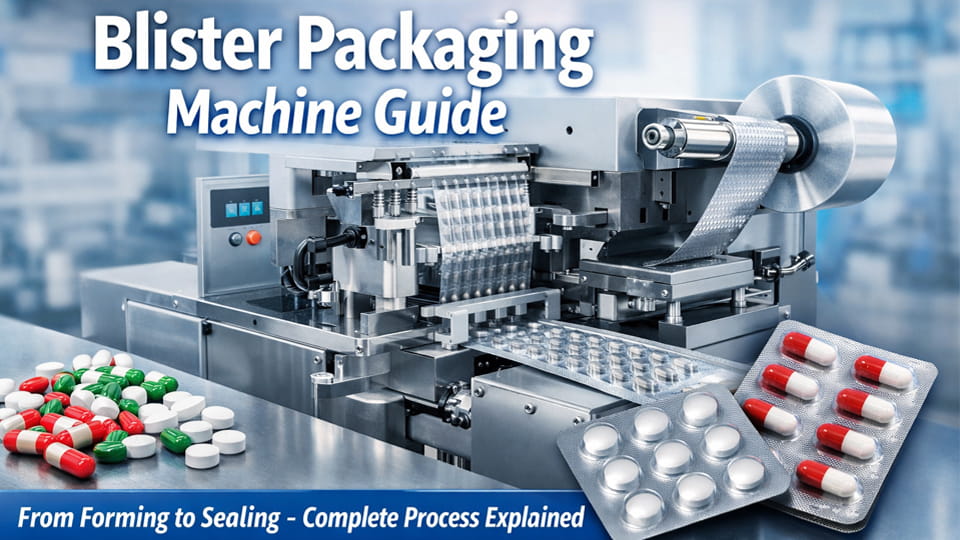
परिशुद्धता और स्थिरता: जिनलू का छाले की मशीन, लगातार हीट-सीलिंग दबाव सुनिश्चित करने के लिए कार्टनर और फिलर्स सर्वो मोटर्स और सटीक यांत्रिकी का उपयोग करते हैं, वॉल्यूम भरें, और अनुक्रमण. यह पुनरावृत्ति OQ और PQ परीक्षण पास करने के लिए महत्वपूर्ण है (उदाहरण के लिए:. सर्वो-संचालित फीडिंग डिवाइस प्रदान करता है "सटीक स्थिति" उनकी ब्लिस्टर लाइन पर).
स्वच्छता अभिकर्मक: सामग्री और सतहें स्टेनलेस स्टील या एफडीए-अनुपालक प्लास्टिक हैं, आसान सफाई के लिए डिज़ाइन किया गया. चिकना, ढलान वाली सतहें धूल के जाल को रोकती हैं. यह जीएमपी अनुपालन का समर्थन करता है और सफाई सत्यापन को सरल बनाता है.
प्रारूपों के अनुकूलता: जिनलू विभिन्न पैकेज प्रकारों के लिए कस्टम फीडर और गाइड रेल प्रदान करता है (देखना कस्टम फीडर उत्पाद पृष्ठों पर). सही टूलींग होने से भिन्नता कम हो जाती है और प्रारूप परिवर्तन की गति कम हो जाती है, जो प्रारूप बदलते समय पुनर्योग्यता आवश्यकताओं को कम कर देता है.
एकीकृत नियंत्रण: आधुनिक जिनलू लाइनों में पीएलसी/एचएमआई नियंत्रण हैं जो इलेक्ट्रॉनिक बैच रिकॉर्ड उत्पन्न कर सकते हैं. उदाहरण के लिए, तरल भरने की मशीन में एक है एआई सीमेंस पीएलसी/एचएमआई सरल के लिए, पता लगाने योग्य संचालन. ऐसे डिजिटल नियंत्रण डेटा लॉगिंग का समर्थन करते हैं (लाइन के साथ में 21 सीएफआर भाग 11/अनुलग्नक 11) - यह प्रमाणित करने के लिए महत्वपूर्ण है कि सेटपॉइंट और अलार्म डिज़ाइन के अनुसार कार्य करते हैं.
सत्यापन दस्तावेज़ीकरण: जिनलू पूर्ण दस्तावेज़ीकरण प्रदान करता है (डेटाशीट, नियमावली, वगैरह।). उदाहरण के लिए, उनके उत्पाद पृष्ठों की सूची "तकनीकी दस्तावेजों का पूरा सेट" और वे विस्तृत डिज़ाइन और परीक्षण दस्तावेज़ीकरण की आपूर्ति पर जोर देते हैं. एक आपूर्तिकर्ता फ़ैक्टरी स्वीकृति परीक्षण प्रस्तुत करने का इच्छुक है (मोटा) प्रोटोकॉल या IOQ किट उपयोगकर्ता के सत्यापन बोझ को बहुत कम कर देते हैं.
गुणवत्ता प्रमाणपत्र: जिनलू कैरी मशीनें सीई, सीजीएमपी और अन्य प्रमाणपत्र, यह दर्शाता है कि वे कुछ गुणवत्ता और सुरक्षा मानकों को पूरा करते हैं (उत्पाद विशिष्टता छवियों पर सीजीएमपी लोगो देखें). प्रमाणित उपकरणों का उपयोग नियामक समीक्षा को सुव्यवस्थित कर सकता है.
व्यवहार में, एक मान्य पैकेजिंग लाइन में शामिल हो सकता है: एक जिनलू ब्लिस्टर पैकिंग मशीन ए से जुड़ा हुआ कार्टनिंग मशीन और पंक्तियाँ गिनना/भरना. प्रत्येक उपकरण योग्य होना चाहिए (आईआर/डब्ल्यूएच/पीक्यू). जिनलू के सिस्टम एक साथ निर्बाध रूप से काम करने के लिए डिज़ाइन किए गए हैं (उदाहरण के लिए:. "अत्यधिक स्वचालित ब्लिस्टर कार्टोनिंग लाइन" तक 320 डिब्बों/मिनट), सत्यापन के दौरान एकीकरण संबंधी समस्याओं को कम करना. हम केस स्टडी भी पेश करते हैं (उदाहरण के लिए:. एक पूर्ण गिनती और बोतलबंद करने की लाइन, या एक स्वचालित कार्टनिंग & लेबलिंग लाइन) जो एंड-टू-एंड मान्य समाधान प्रदर्शित करता है.
DPH-270MAX रोलर ब्लिस्टर पैकिंग मशीन
जिनलू या इसी तरह के निर्माताओं के साथ साझेदारी करके, उपकरण से कंपनियों को फायदा होता है "सीजीएमपी अनुरूप", पूर्ण सत्यापन जीवनचक्र का समर्थन करता है, और बिक्री-पश्चात समर्थन के साथ आता है (कमीशन, प्रशिक्षण) यह सुनिश्चित करने के लिए कि लाइन वैध बनी रहे.
निष्कर्ष
पैकेजिंग सत्यापन दवा की गुणवत्ता और अनुपालन के लिए आवश्यक है. पैकेजिंग संचालन को मुख्य विनिर्माण चरणों के समान कठोरता से व्यवहार करके, कंपनियां सुनिश्चित करती हैं कि उनके उत्पाद मरीजों तक सुरक्षित रूप से पहुंचें. यह प्रक्रिया परिभाषा तक फैली हुई है (उर्स, जोखिम आकलन), योग्यता (डीक्यू/आईक्यू/ओक्यू/पीक्यू), परीक्षण (सीसीआईटी, स्थिरता, परिवहन), और सतत निगरानी. यह जीएमपी नियमों द्वारा शासित है (एफडीए, ईएमए, कौन) और उद्योग मानक.
आधुनिक स्वचालित पैकेजिंग उपकरण - जैसे जिनलू पैकिंग की मशीनें - सत्यापन में महत्वपूर्ण भूमिका निभाती हैं. परिशुद्धता के लिए डिज़ाइन किया गया, स्वच्छता और इलेक्ट्रॉनिक ट्रैसेबिलिटी, वे निर्माताओं को सत्यापन मानदंडों को कुशलतापूर्वक पूरा करने में मदद करते हैं. पैकेजिंग लाइनों का चयन करते समय, उन आपूर्तिकर्ताओं पर विचार करें जो पूर्ण सत्यापन दस्तावेज़ और सहायता प्रदान करते हैं.
अंत में, संपूर्ण पैकेजिंग सत्यापन है "उत्पाद की गुणवत्ता और रोगी सुरक्षा के लिए अंतिम सुरक्षा उपाय", नियामक मांगों और व्यावसायिक लक्ष्यों दोनों के साथ तालमेल बिठाना.
आपकी पैकेजिंग लाइन को मान्य करने के लिए तैयार है?जिनलू पैकिंग के विशेषज्ञों से संपर्क करें जीएमपी-अनुरूप पैकेजिंग समाधानों पर चर्चा करने या कोटेशन का अनुरोध करने के लिए.
फार्मास्युटिकल उद्योग में पैकेजिंग सत्यापन पर अक्सर पूछे जाने वाले प्रश्न
पैकेजिंग सत्यापन और प्रक्रिया सत्यापन के बीच क्या अंतर है?
प्रक्रिया सत्यापन आम तौर पर दवा पदार्थ या थोक दवा उत्पाद का उत्पादन करने वाले चरणों को संदर्भित करता है (उदाहरण के लिए:. मिश्रण, दानेदार बनाने का कार्य, COMPRESSION). पैकेजिंग सत्यापन विशेष रूप से पैकेजिंग संचालन के लिए सत्यापन सिद्धांतों को लागू करता है (मुद्रण, लेबलिंग, कार्टन भरना, वगैरह।). तथापि, दोनों समान DQ/IQ/OQ/PQ जीवनचक्र और GMP आवश्यकताओं का पालन करते हैं. अनिवार्य रूप से, पैकेजिंग सत्यापन पैकेजिंग प्रक्रिया को सुनिश्चित करता है (सिर्फ विनिर्माण प्रक्रिया नहीं) लगातार गुणवत्ता संबंधी आवश्यकताओं को पूरा करता है.
फार्मास्युटिकल पैकेजिंग सत्यापन के लिए कौन से परीक्षण आवश्यक हैं?
प्रमुख परीक्षणों में कंटेनर बंद करने की अखंडता शामिल है (सीसीआईटी) मुहरों को सत्यापित करने के लिए, सामग्री संगतता (निकालने योग्य/लीचने योग्य अध्ययन), स्थिरता परीक्षण (तनाव में अंतिम पैकेज में दवा), और वितरण परीक्षण (झटका, कंपन, पारगमन के लिए तापमान). अतिरिक्त जाँचें लेबल सटीकता को कवर करती हैं, दृश्य निरीक्षण प्रणाली, वज़न/चेक-तौलना, और कोई भी अनुबंध-विशिष्ट परीक्षण (उदाहरण के लिए:. बाँझ फिल्म ताकत). सभी परीक्षणों में पूर्वनिर्धारित स्वीकृति मानदंड होने चाहिए और उनका दस्तावेजीकरण किया जाना चाहिए.
पैकेजिंग सत्यापन में आमतौर पर कितना समय लगता है?
समयरेखा जटिलता पर निर्भर करती है (प्रारूपों की संख्या, उपकरण, साइटों). एक एकल-पंक्ति IQ/OQ/PQ कुछ हफ्तों से लेकर कुछ महीनों तक हो सकता है. कारकों: OQ पैरामीटर परीक्षणों की संख्या, पीक्यू में आवश्यक नमूना आकार, और परीक्षण निष्पादन का समय (उदाहरण के लिए:. त्वरित स्थितियों में स्थिरता आने में कई सप्ताह लग जाते हैं). समानांतर गतिविधियों की योजना बनाना (जैसे उपकरण आने पर प्रोटोकॉल तैयार करना) समय बचा सकते हैं.
कौन से दस्तावेज़ पैकेजिंग सत्यापन को नियंत्रित करते हैं??
प्राथमिक संदर्भ जीएमपी विनियम हैं: 21 सीएफआर भाग 211 (यूएस एफडीए), यूड्रालेक्स वॉल्यूम. 4 (ईयू जीएमपी, उपभवन 1 और 15), और डब्ल्यूएचओ जीएमपी अनुलग्नक 9. ICH Q7/Q10 सामान्य सत्यापन सिद्धांत प्रदान करता है, ICH Q9 पैकेजिंग निर्णयों के लिए जोखिम प्रबंधन को कवर करता है, और आईएसओ 11607-2 बाँझ पैक प्रक्रिया सत्यापन पर लागू होता है. फार्माकोपियल मानक (खासियत, पीएचडी. ईयूआर।) और स्थानीय दिशानिर्देश (उदाहरण के लिए:. चीनी एनएमपीए, भारत अनुसूची एम) पैकेजिंग आवश्यकताओं को भी प्रभावित करते हैं. हमेशा लक्ष्य बाजार नियमों के अनुरूप रहें.
जिंलू पैकिंग पैकेजिंग सत्यापन का समर्थन कैसे करती है?
जिनलू की पैकेजिंग मशीनें जीएमपी के लिए बनाई गई हैं. वे डिज़ाइन दस्तावेज़ प्रदान करते हैं (उर्स, एफडी), अंशांकन प्रमाण पत्र, और OQ/PQ समर्थन. उनके उपकरण (छाले की मशीन, कार्टनर, भरने वाली पंक्तियाँ) सत्यापन विशिष्टताओं को पूरा करने के लिए सटीक सर्वो नियंत्रण और स्वच्छता डिज़ाइन की सुविधा है. जैसा कि जिनलू की साइट पर दिखाया गया है, मशीनें सीजीएमपी/सीई लोगो ले जाती हैं और तकनीकी दस्तावेज सेट के साथ आती हैं. जिंलू इंस्टॉलेशन और सत्यापन समर्थन भी प्रदान करता है, कस्टम समाधान, और मान्य पैकेजिंग लाइनों को लागू करने में मदद के लिए प्रशिक्षण. अधिक जानकारी के लिए, जिनलू की ब्लिस्टर पैकिंग मशीन या कार्टनिंग मशीन पेज देखें.
पेटी फू, जिनलुपैकिंग के संस्थापक, ऊपर लाता है 20 फार्मास्युटिकल मशीनरी क्षेत्र में वर्षों की विशेषज्ञता. उनके नेतृत्व में, जिंलू डिज़ाइन को एकीकृत करने वाला एक विश्वसनीय आपूर्तिकर्ता बन गया है, उत्पादन, और बिक्री. पेटी को ग्राहकों को फार्मा पैकेजिंग की जटिलताओं से निपटने में मदद करने के लिए अपने गहन उद्योग ज्ञान को साझा करने का शौक है, यह सुनिश्चित करना कि उन्हें न केवल उपकरण प्राप्त हों, बल्कि उनके उत्पादन लक्ष्यों के अनुरूप एक सच्ची वन-स्टॉप सेवा साझेदारी है.