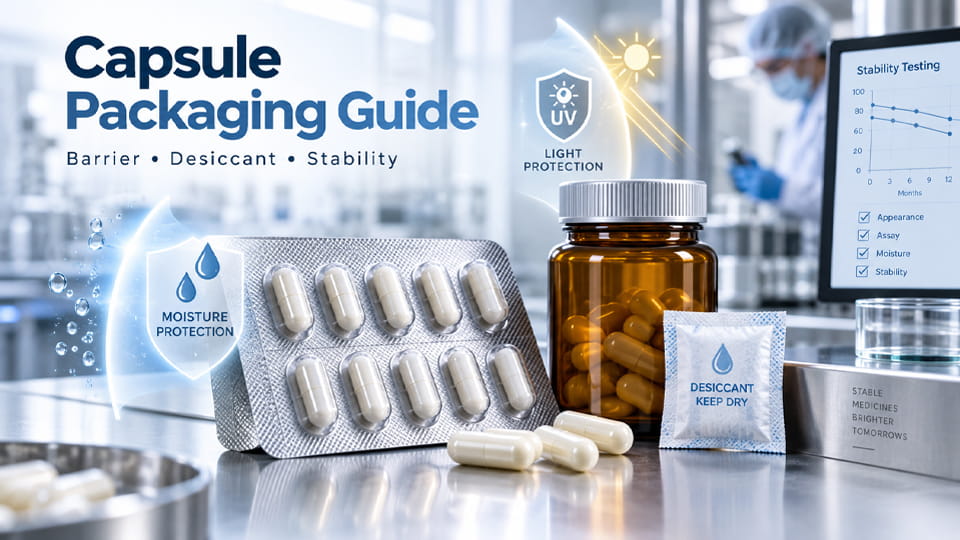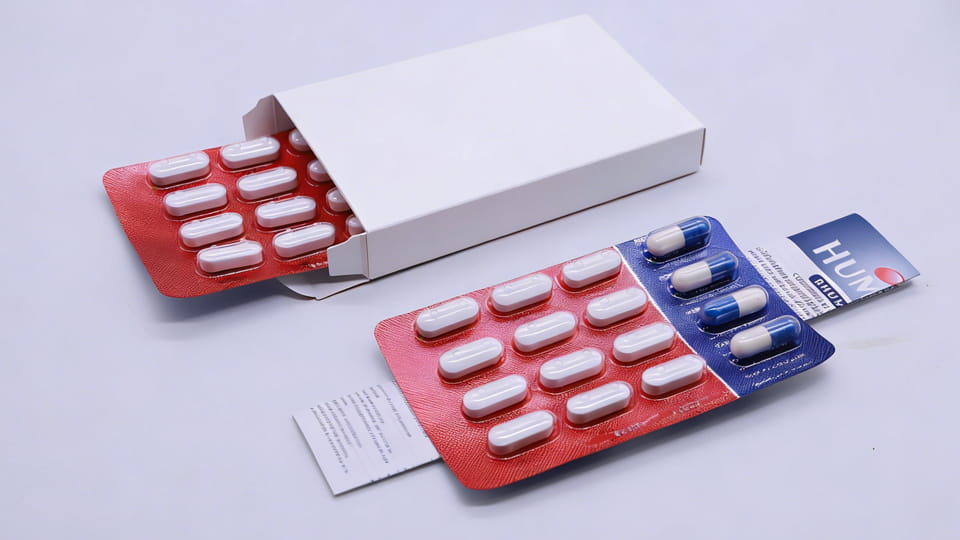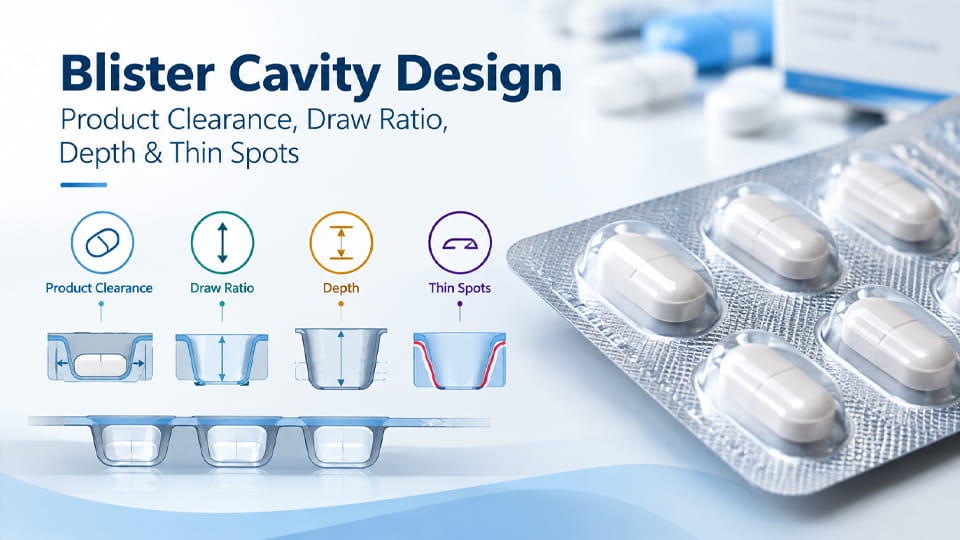

सही का चयन करना ब्लिस्टर पैकिंग मशीन दवा निर्माताओं के लिए एक महत्वपूर्ण निर्णय है. गोलियाँ और कैप्सूल आकार में भिन्न होते हैं, आकार, और संवेदनशीलता, जिसका मतलब है कि उन्हें पैकेज करने वाली मशीनें भी अलग-अलग होनी चाहिए. यह मार्गदर्शिका टैबलेट ब्लिस्टर मशीनों और कैप्सूल ब्लिस्टर मशीनों के बीच मुख्य अंतर बताती है, कैविटी ज्योमेट्री और फीडर से लेकर उत्पादन गति और नियामक अनुपालन तक सब कुछ कवर करता है. हम थर्मोफॉर्मिंग बनाम कोल्ड-फॉर्मिंग और फ्लैट-प्लेट बनाम रोटरी सिस्टम की तुलना करते हैं, विचार करने योग्य शीर्ष कारकों की रूपरेखा तैयार करें, और गलत मशीन चुनने में होने वाली सामान्य कमियों को इंगित करें. अंत तक, आप ठीक से समझ जाएंगे कि क्या देखना है—चाहे आपको ब्रश-फेड टैबलेट लाइन की आवश्यकता हो या ओरिएंटेशन फीडर के साथ पूरी तरह से स्वचालित कैप्सूल लाइन की आवश्यकता हो—ताकि आप सोच-समझकर खरीदारी का निर्णय ले सकें।.
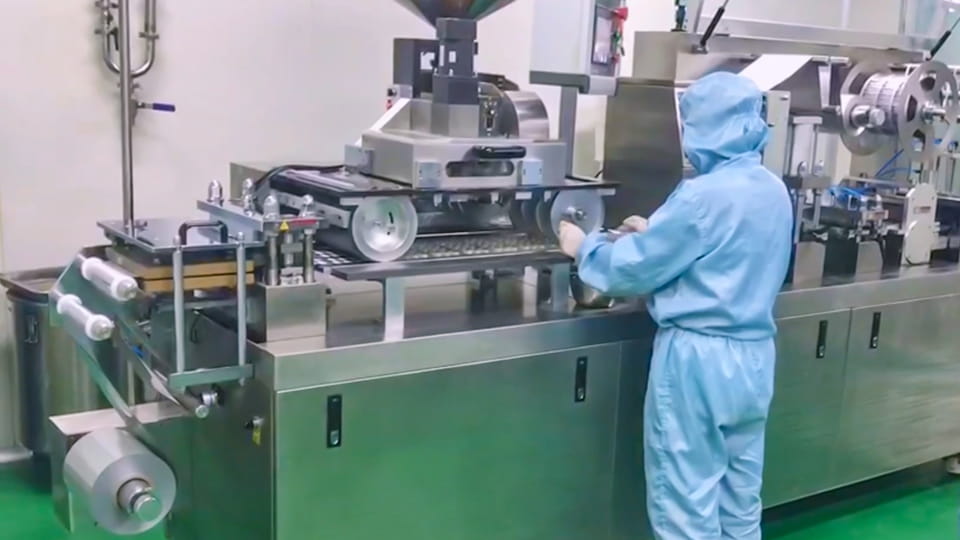
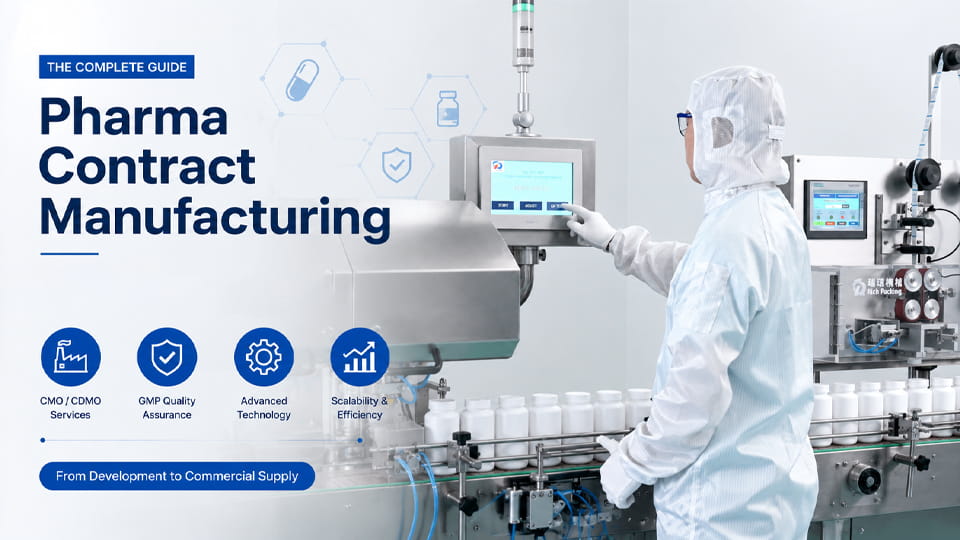
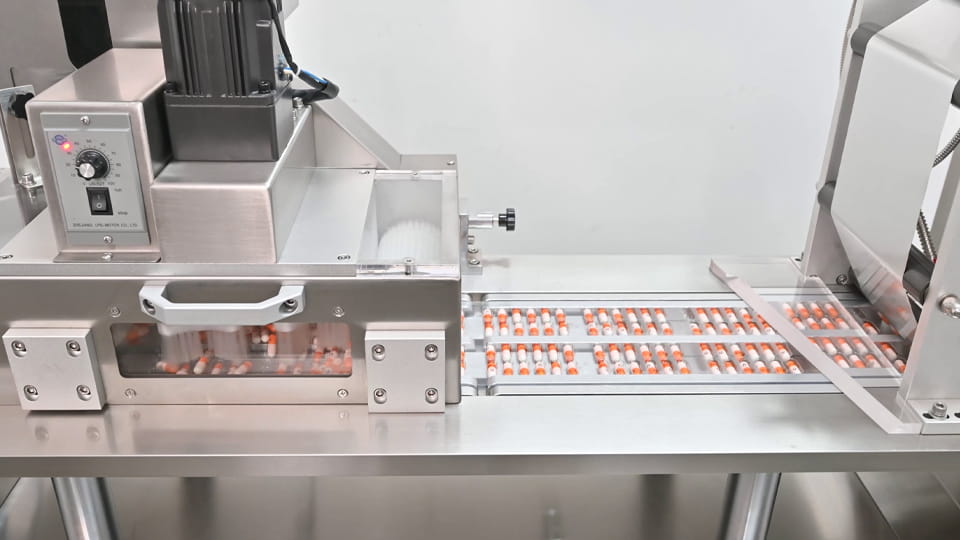
आकृति: जीएमपी क्लीनरूम में एक आधुनिक टैबलेट/कैप्सूल ब्लिस्टर पैकिंग लाइन. ब्लिस्टर मशीनें गठन को स्वचालित करती हैं, भरना, मुद्रण, और यूनिट-डोज़ पैकेजिंग बनाने के लिए पीवीसी या एल्यूमीनियम फिल्म को काटना.
ब्लिस्टर पैकेजिंग मशीनें विशेष उपकरण हैं जो अलग-अलग गुहाएं बनाती हैं (फफोले) प्लास्टिक या एल्यूमीनियम फिल्म से, उन्हें उत्पाद से भरें, और फिर उन्हें पन्नी से सील कर दें. वे चार मुख्य कदम उठाते हैं-गठन, भरना, मुद्रण, और कटिंग- साफ-सुथरा उत्पादन करना, छेड़छाड़-स्पष्ट पैकेज. ये मशीनें फार्मा में सर्वव्यापी हैं: आप उन्हें पैकेजिंग टैबलेट्स पाएंगे, कैप्सूल, या यहां तक कि ई-सिगरेट और छोटी उपभोग्य वस्तुएं भी. एक उच्च गुणवत्ता वाली ब्लिस्टर पैकिंग मशीन प्रत्येक इकाई को सटीक रूप से सील करके उत्पाद की सुरक्षा और शेल्फ जीवन सुनिश्चित करती है, कड़े जीएमपी/एफडीए मानकों का अनुपालन करते हुए.
टैबलेट और कैप्सूल ब्लिस्टर लाइनें समान मूल संरचना साझा करती हैं, लेकिन विवरण भिन्न हैं. जेब (गुहा) एक गोल टैबलेट की ज्यामिति लंबे समय से बहुत अलग होती है, दो टुकड़े वाला कैप्सूल, और फीडिंग/ओरिएंटेशन सिस्टम का मिलान होना चाहिए. उदाहरण के लिए, एक मानक 10 मिमी गोल टैबलेट को केवल उथले की आवश्यकता होती है, गोलाकार जेब, जबकि ए 0# (21.7 मिमी) हार्ड जिलेटिन कैप्सूल के लिए गहरी आवश्यकता होती है, लम्बी अंडाकार गुहा. नतीजतन, कैप्सूल ब्लिस्टर लाइन में आमतौर पर कैप्सूल को सही ढंग से लाइन करने के लिए एक "ओरिएंटेशन फीडर" शामिल होता है (पूंछ से लेकर सिर तक) इससे पहले कि वे फिलिंग स्टेशन में प्रवेश करें. कैप्सूल गिर सकते हैं या पलट सकते हैं, तो ए कैप्सूल-टर्निंग फीडर इसका उपयोग अक्सर प्रत्येक कैप्सूल को एक समान स्थिति में पलटने के लिए किया जाता है. इसके विपरीत, के साथ गोलियाँ खिलाना आसान है ब्रश फीडर या कंपन प्लेट, चूँकि अधिकांश गोलियाँ सममित होती हैं और उन्हें गोलाकार जेबों में बेतरतीब ढंग से डाला जा सकता है.
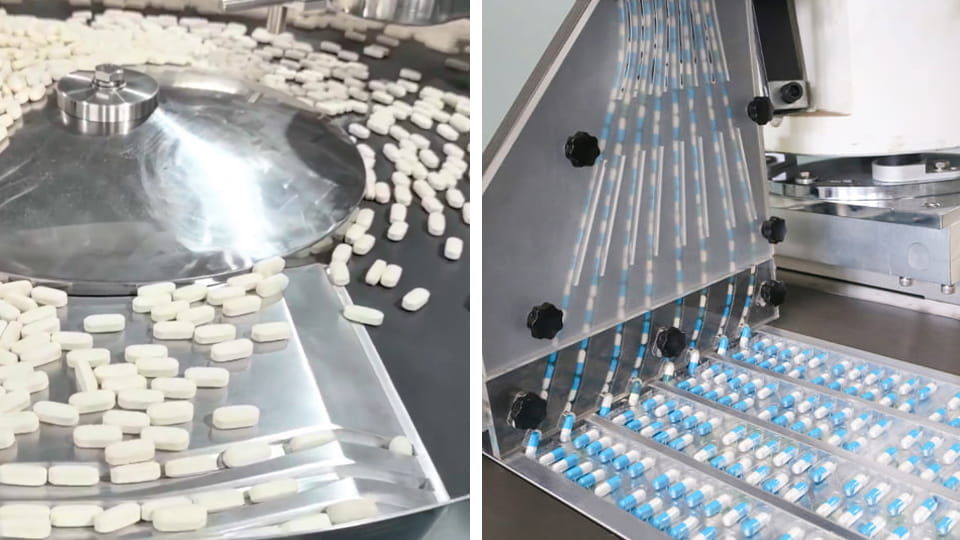
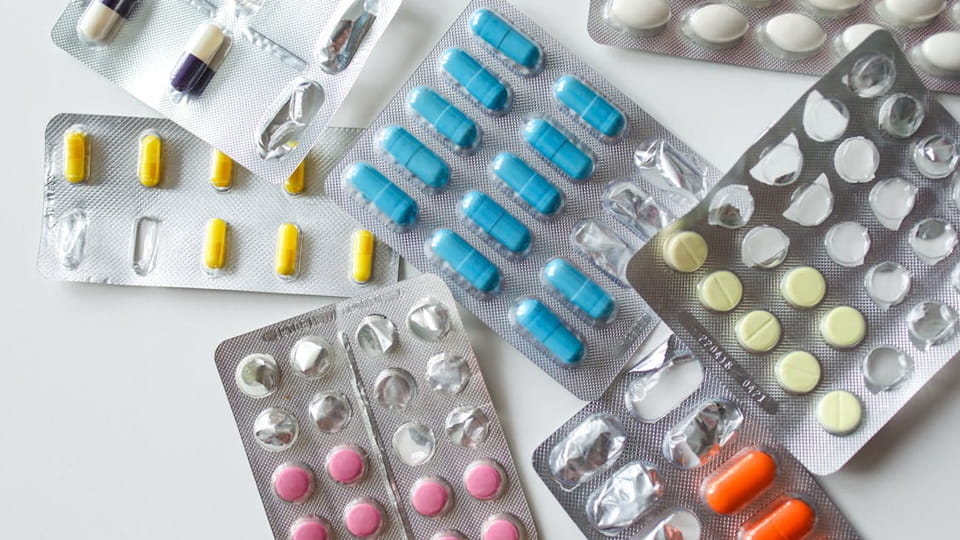
आकृति: कैप्सूल के लिए ब्लिस्टर लाइनें. गोली की गुहाएँ (परिपत्र) बनाम कैप्सूल गुहाएँ (लम्बा अंडाकार) विभिन्न फीडर डिज़ाइन और निर्माण की स्थिति निर्धारित करें.
ए ब्लिस्टर पैकिंग मशीन फार्मास्युटिकल उपकरण का एक टुकड़ा है जो यूनिट-डोज़ पैकेजिंग को स्वचालित करता है. यह गुहिकाएँ बनाता है (फफोले) प्लास्टिक या एल्युमीनियम के जाल में, उन्हें उत्पाद से भर देता है, फिर उन्हें फ़ॉइल या पेपर बैकिंग से सील कर दें. फार्मा में, फॉर्मिंग फिल्म आम तौर पर होती है पीवीसी/पीवीडीसी या एल्यूमीनियम (शीत-रूप के लिए), और ढक्कन एल्यूमीनियम पन्नी है. मूल अनुक्रम है: फिल्म खोलना → फॉर्मिंग स्टेशन → फिलिंग/फीडिंग स्टेशन → सीलिंग स्टेशन → पंचिंग/कटिंग.
[jl_youtube src=”HTTPS के://www.youtube.com/embed/hC-yo-ToX6s”]
इस प्रक्रिया से सीलबंद ब्लिस्टर पैक प्राप्त होते हैं स्पष्ट रूप से हस्तक्षेप करना, स्वच्छ, और रोगियों के लिए उपयोग करना आसान है. एक अच्छी ब्लिस्टर पैकिंग मशीन लगातार फॉर्मिंग और सीलिंग गुणवत्ता सुनिश्चित करती है, अक्सर खाली जेबों या गलत भरी गई इकाइयों का पता लगाने और उन्हें अस्वीकार करने के लिए दृष्टि प्रणालियों को एकीकृत किया जाता है.
हालाँकि टैबलेट और कैप्सूल लाइनें पहली नज़र में एक जैसी दिखती हैं, उनका मुख्य अंतर इसका मतलब है कि आप समायोजन के बिना किसी भी मशीन पर उत्पादों की अदला-बदली नहीं कर सकते. तीन मुख्य हार्डवेयर अंतर हैं: जेब का आकार (डाई ज्यामिति), फीडर/ओरिएंटेशन, और तर्क को अस्वीकार करें.
ये गलत होने से उत्पादन बर्बाद हो सकता है: गलत पॉकेट आकार के कारण सील विफल हो जाती है या विकृत फफोले हो जाते हैं, और फीडिंग त्रुटियों के कारण स्क्रैप या हो जाता है याद करना. जैसा कि जिनलुपैकिंग नोट करता है, टूलींग ज्यामिति, भोजन तंत्र, और तर्क को अस्वीकार करना ही यह निर्धारित करता है कि आपको मिलेगा या नहीं 98.5% दक्षता या 84% उत्पादन के पहले सप्ताह में दक्षता".
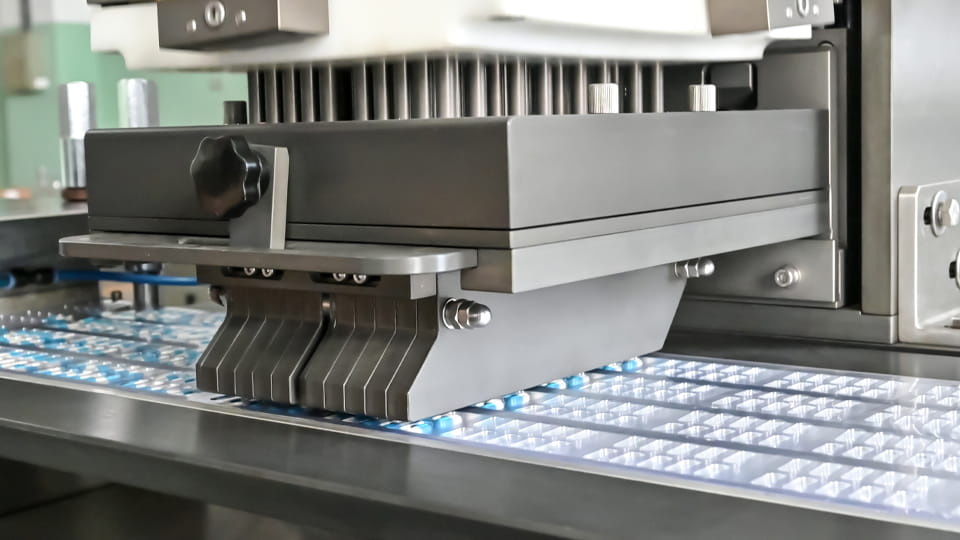
एक त्वरित संदर्भ में संक्षेप में प्रस्तुत करने के लिए, यहाँ बताया गया है कि कैसे एक ठेठ टेबलेट ब्लिस्टर मशीन ए से तुलना करता है कैप्सूल ब्लिस्टर मशीन:
| विशेषता | टेबलेट ब्लिस्टर मशीन | कैप्सूल ब्लिस्टर मशीन |
| गुहा आकार | गोलाकार या उथला अंडाकार (सपाट तल) | लम्बा अंडाकार (गहरा ड्रा) |
| विशिष्ट गुहा गहराई | ~4-8 मिमी | ~9-14 मिमी |
| निर्माण सामग्री | पीवीसी/पीवीडीसी या पीईटी (थर्मोफॉर्मिंग के लिए) | अक्सर पीवीसी/पीवीडीसी या एल्यूमीनियम (थर्मोफॉर्मिंग या कोल्ड-फॉर्म के लिए) |
| गठन तापमान | ~120-140 डिग्री सेल्सियस (पीवीसी) | ~145-165 डिग्री सेल्सियस (पीवीसी; या ठंडे रूप वाले अलु-अलू के लिए कोई गर्मी नहीं) |
| भोजन व्यवस्था | ब्रश फीडर या वाइब्रेटरी प्लेट (गैर उन्मुख) | ओरिएंटेशन फीडर (गुरुत्वाकर्षण ढलान, गाइड रेल, या कक्षीय) |
| उत्पाद अभिविन्यास | Random (सममित गोलियाँ) | सिर से पूंछ तक तय (कैप्सूल का मुख उसी तरह होना चाहिए) |
| दृष्टि/अस्वीकार तर्क | खाली/टूटी हुई गोलियों का पता लगाएं | लापता का पता लगाएं, उल्टे, या क्रॉस-लोडेड कैप्सूल |
| गति दक्षता | आमतौर पर उच्चतर (सरल भरण) | हल्का सा कम (अभिविन्यास चरणों के कारण) |
| बदलाव की लागत | निचला (साधारण सपाट साँचे) | उच्च (कैप्सूल आकार के लिए जटिल सांचे) |
| जोखिम संभालना | कम (गोलियाँ मजबूत हैं) | उच्च (कैप्सूल विभाजित या टोपी से अलग हो सकते हैं) |
मुख्य टेकअवे: टेबलेट मशीनें साधारण फ्लैट मोल्ड और मानक फीडर का उपयोग करें, जबकि कैप्सूल मशीनें अक्सर ओरिएंटेशन च्यूट या घूमने वाले फीडर और गहरे सांचे जोड़ते हैं. कई उच्च-स्तरीय मशीनें (जिनलू के मॉडल की तरह) दोनों को संभालने के लिए बनाए गए हैं, लेकिन ऐसा करने के लिए मान्य टूल/मोल्ड चेंजओवर और कभी-कभी स्वचालित फीडर स्विचिंग की आवश्यकता होती है. यदि मशीन वास्तव में दोहरे उद्देश्य वाली है, इसके फीडर सिस्टम को दोनों मोड का समर्थन करना चाहिए (उदाहरण के लिए:. एक समायोज्य गाइड-रेल जिसे टैबलेट के लिए अक्षम किया जा सकता है).
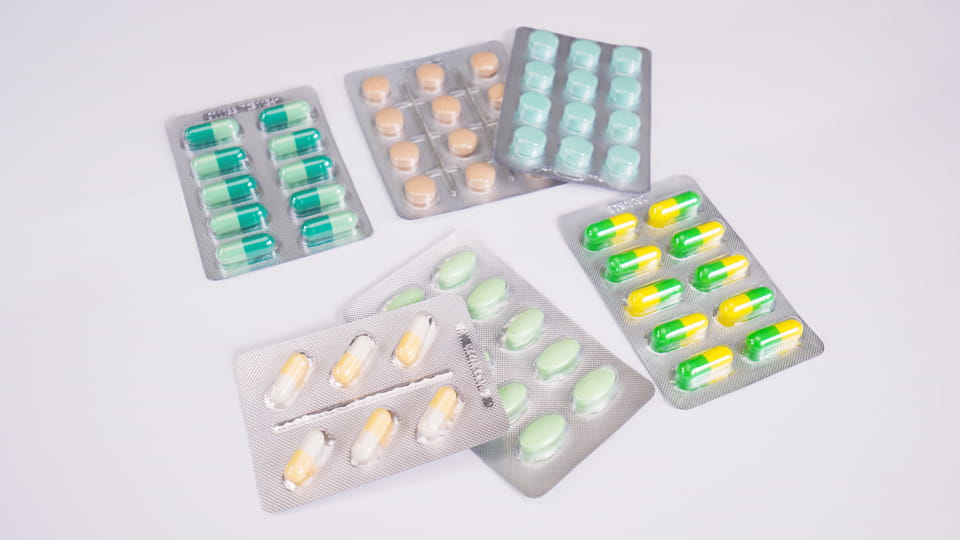
अपनी पैकेजिंग लाइन की योजना बनाते समय, विचार करना गठन प्रौद्योगिकी (थर्मोफॉर्मिंग बनाम कोल्ड फॉर्मिंग) और मशीन शैली (फ्लैट-प्लेट बनाम रोटरी):
कब कौन सा उपयोग करें: चुनना THERMOFORMING यदि आपके उत्पाद नमी-स्थिर हैं और आपको गति और दृश्यता की आवश्यकता है (उदाहरण के लिए:. ओटीसी गोलियाँ, अनुपूरकों). चुनना ठंड में प्रपत्र (आलू-आलू) यदि आपकी दवाएं ऑक्सीजन/नमी के प्रति संवेदनशील हैं या उन्हें बहुत लंबे शेल्फ जीवन की आवश्यकता है. कुछ पंक्तियाँ संकर दृष्टिकोण का उपयोग करती हैं (अलु लिडिंग या पीवीडीसी कोटिंग के साथ थर्मोफॉर्म फिल्म) लागत और बाधा को संतुलित करने के लिए.
ब्लिस्टर मशीनें भी दो मुख्य यांत्रिक स्वरूपों में आती हैं:
किसे चुनना है? यदि आप कई अलग-अलग SKU का उत्पादन करते हैं या गहन ड्रा की आवश्यकता है (अलु-अलू की तरह), ए साधारण प्लेट मशीन आमतौर पर सर्वोत्तम होती है. यदि आप एक उत्पाद के बहुत बड़े बैच चलाते हैं (उदाहरण के लिए:. प्रति माह लाखों ब्लिस्टर पैक), ए रोटरी मशीन थ्रूपुट में भुगतान करती है. उदाहरण के लिए, जिनलू का DPP-180Pro एक फ्लैट-प्लेट मॉडल है (अधिकतम ~4,800 प्लेट/घंटा) लचीलेपन के लिए अच्छा है, जब DPH-270Max रोटरी मॉडल मार सकता है 11,200 हाई-स्पीड मास आउटपुट के लिए ब्लिस्टर/घंटा.
| विशेषता | फ्लैट-प्लेट मशीन | रोटरी मशीन |
| गठन शैली | रुक-रुक कर (प्रत्येक चक्र में प्लेट दबती है) | निरंतर (घूमने वाला ड्रम) |
| अधिकतम. रफ़्तार | मध्यम (दसियों से ~100 कट/मिनट) | बहुत ऊँचा (अक्सर 180+ कटौती/मिनट) |
| के लिए सबसे अच्छा | छोटे/मध्यम बैच; गहरे ड्रा (आलू-आलू) पैक | उच्च मात्रा वाले अलु-पीवीसी पैक (बड़े पैमाने पर उत्पादन) |
| साँचे की लागत | निचला (फ्लैट प्लेटें सस्ती हैं) | उच्च (सटीक बेलनाकार सांचे) |
| बदलाव का समय | तेज़ (मोल्ड एक्सचेंज सरल है) | और धीमा (संरेखण और प्रतिस्थापन जटिल है) |
| प्रति आउटपुट पदचिह्न | बड़ा (एक ही आउटपुट के लिए कई मशीनों की आवश्यकता होती है) | अधिक कॉम्पेक्ट (एक मशीन कई फ्लैट-प्लेटों के बराबर होती है) |
ब्लिस्टर पैकेजिंग लाइन का चयन करते समय, सर्वोत्तम फिट सुनिश्चित करने और बाद में महंगी गलतियों से बचने के लिए इन सात कारकों पर ध्यान केंद्रित करें:
प्रत्येक कारक का सावधानीपूर्वक मूल्यांकन करके, आप एक सामान्य जाल से बच जायेंगे: एक सस्ती मशीन ख़रीदना जो आज की ज़रूरतों को पूरा करती है लेकिन कल की ज़रूरतों को पूरा नहीं करती (उदाहरण के लिए, नए कैप्सूल SKU के लिए फीडर की कमी या उच्च गति के लिए पूर्ण प्रतिस्थापन की आवश्यकता).
ब्लिस्टर मशीन चुनना एक जटिल काम है, उच्च जोखिम वाला निर्णय. खरीद टीमें अक्सर ये गलतियाँ करती हैं:
इन गलतियों से सीखकर, आप केवल स्पेक-शीट बॉक्स पर टिक लगाने के बजाय मूल्य और दीर्घकालिक प्रदर्शन को प्राथमिकता दे सकते हैं.
यदि आप अधिकतर टेबलेट का उत्पादन करते हैं:
यदि आप अधिकतर कैप्सूल का उत्पादन करते हैं:
यदि आप दोनों करते हैं:
सभी ब्लिस्टर पैकिंग मशीनें समान नहीं बनाई गई हैं. आप एक ऐसा आपूर्तिकर्ता चाहते हैं जो फार्मास्युटिकल जरूरतों को समझता हो और मजबूत समर्थन प्रदान करता हो. जिन्लू पैकिंग, उदाहरण के लिए, पर प्रकाश डाला गया:
एक प्रतिष्ठित निर्माता का चयन करना लगभग उतना ही महत्वपूर्ण है जितना कि मशीन की विशिष्टताएँ. उन लोगों की तलाश करें जो सत्यापन दस्तावेज़ प्रकाशित करते हैं, प्रशिक्षण प्रदान करें, और फार्मा प्रतिष्ठानों का ट्रैक रिकॉर्ड रखें.
सही ब्लिस्टर पैकिंग मशीन चुनना एक रणनीतिक निर्णय है. ध्यान से मिलान करके मशीन का प्रकार अपने लिए उत्पाद (गोलियाँ बनाम कैप्सूल) और उत्पादन की जरूरतें, आप दक्षता और गुणवत्ता को अधिकतम कर सकते हैं. फीडर डिज़ाइन पर विचार करना याद रखें, मशीन प्रारूप, सामग्री संगतता, और नियामक अनुपालन. इन विवरणों को छोड़ने से आपको डाउनटाइम और स्क्रैप किए गए उत्पाद का नुकसान हो सकता है. बजाय, खरीदार की चेकलिस्ट दृष्टिकोण का पालन करें: अपनी आवश्यकताओं को परिभाषित करें, प्रत्येक मशीन को उनके विरुद्ध सत्यापित करें, और जिस आपूर्तिकर्ता पर आप भरोसा करते हैं उसे नियुक्त करें (ठोस वारंटी और समर्थन के साथ).
सही का चयन ब्लिस्टर पैकिंग मशीन यह केवल उपकरण के बारे में नहीं है - यह स्थिर उत्पादन सुनिश्चित करने के बारे में है, उत्पाद की गुणवत्ता, और दीर्घकालिक आरओआई। यदि आप अपनी फार्मास्युटिकल पैकेजिंग लाइन को अपग्रेड करने की योजना बना रहे हैं या अभी भी टैबलेट बनाम कैप्सूल के विकल्पों की तुलना कर रहे हैं, अब कार्रवाई करने का सही समय है.
👉 आज जिनलू पैकिंग में हमारी टीम से बात करें
👉 अपने उत्पाद और क्षमता के आधार पर एक अनुकूलित समाधान प्राप्त करें
👉 कोटेशन या तकनीकी परामर्श का अनुरोध करें - कोई बाध्यता नहीं
हम आपकी वास्तविक उत्पादन आवश्यकताओं के लिए सही ब्लिस्टर पैकेजिंग मशीन का मिलान करने में आपकी सहायता करेंगे - न कि केवल कागज पर मौजूद विशिष्टताओं के लिए.
संभवत:, लेकिन यह मशीन के डिज़ाइन पर निर्भर करता है. वास्तव में दोहरे प्रारूप वाली ब्लिस्टर मशीन में विनिमेय टूलींग होनी चाहिए (मोल्ड सेट) और एक फीडिंग प्रणाली जो यादृच्छिक टैबलेट फ़ीड और ओरिएंटेड कैप्सूल फ़ीड दोनों में सक्षम है. व्यवहार में, इसका मतलब अतिरिक्त लागत है (विशेष मोल्ड टूलींग और एक कैप्सूल ओरिएंटेशन फीडर). यदि मिश्रित उत्पादन कभी-कभार होता है, चेंजओवर किट वाली एक ही मशीन काम कर सकती है, लेकिन बार-बार स्विचओवर के लिए, समर्पित मशीनें अधिक व्यावहारिक हो सकती हैं.
अत्यधिक नमी-संवेदनशील या प्रकाश-संवेदनशील दवाओं के लिए, ठंड में प्रपत्र (आलू-आलू) ब्लिस्टर पैक को प्राथमिकता दी जाती है. संपूर्ण एल्यूमीनियम लैमिनेट लगभग अभेद्य अवरोध प्रदान करता है, शेल्फ जीवन का विस्तार. ध्यान दें कि मशीन को ठंड बनाने का समर्थन करना चाहिए (उच्च दबाव, कोई गर्मी नहीं). यदि गति और दृश्यता की आवश्यकता है, कुछ हाइब्रिड पैक का उपयोग करते हैं (एल्यूमीनियम या पीवीडीसी कोटिंग्स के साथ थर्मोफॉर्म गुहाएं) मध्यवर्ती सुरक्षा के लिए.
थर्मोफ़ॉर्मिंग (पीवीसी/पीईटी) अधिकांश टैबलेट के लिए काम करता है जो अत्यधिक नमी के प्रति संवेदनशील नहीं हैं. यह तेजी से उत्पादन और स्पष्टता प्रदान करता है, निरीक्षण योग्य पैक. तथापि, गीले दानेदार या हीड्रोस्कोपिक सामग्री वाली गोलियों के लिए, आपको पीवीडीसी-लेपित फिल्म या कोल्ड-फॉर्म में स्विच की आवश्यकता हो सकती है. भी, कुछ सामग्री (रेटिनोइड्स की तरह) पीवीसी के साथ इंटरैक्ट कर सकता है, इसलिए अनुकूलता परीक्षण बुद्धिमानी है.
कैप्सूल लाइनें आमतौर पर ओरिएंटेशन फीडर का उपयोग करती हैं. सामान्य प्रकारों में गाइड-रेल फीडर शामिल हैं, गुरुत्वाकर्षण ढलान, या कैप्सूल मोड़ने वाले उपकरण. लक्ष्य प्रत्येक कैप्सूल को सबसे पहले गुहा में प्रस्तुत करना है. जिंलू और अन्य इसे प्राप्त करने के लिए कक्षीय फीडर या कंपन चैनल प्रदान करते हैं. आपूर्तिकर्ता से हमेशा जांच लें कि उनके फीडर आपके कैप्सूल के आकार और आकार को संभाल सकते हैं.
• फीडिंग को अनुकूलित करें: सुचारू सुनिश्चित करें, जाम मुक्त भोजन. उचित हलचल या अभिविन्यास वाला एक अच्छी तरह से डिज़ाइन किया गया फीडर रुकावट को कम करता है
• गति बनाम स्थिरता: उत्पाद सहनशीलता के साथ परिचालन गति का मिलान करें. अधिकतम गति से धीमी गति से चलने से अस्वीकृति और डाउनटाइम कम हो सकता है.
• बदलाव में कमी: यदि संभव हो तो छाले के आकार को मानकीकृत करें. त्वरित-परिवर्तन प्रणालियों का उपयोग करें (जैसे जिनलू का 15 मिनट का सांचा परिवर्तन).
• निवारक रखरखाव: उपकरण को कैलिब्रेटेड रखें (तापमान, दबाव) और साफ करें. दृष्टि प्रणालियों की नियमित रूप से जांच और सफाई की जानी चाहिए.
• ऑपरेटर प्रशिक्षण: कुशल ऑपरेटर जो बारीकियों को समझते हैं (उदा।, खिला सुधार, मोल्ड सेटिंग) अमूल्य हैं.
• लेआउट एकीकरण: सामग्री प्रवाह को सुव्यवस्थित करें. टैबलेट प्रेस और कार्टनर के स्वचालित लिंकेज से निष्क्रिय समय में कटौती होती है.
• डेटा मॉनिटरिंग: रुझान जानने के लिए पीएलसी डेटा का उपयोग करें (तापमान अधिक हो जाना, स्पाइक्स को अस्वीकार करें) और उन्हें जल्दी ठीक करें.
इन कारकों को संबोधित करके, आप अपनी ब्लिस्टर लाइन पर उपज और अपटाइम को अधिकतम करते हैं.
संदर्भ:
1.ब्लिस्टर पैक ——विकिपीडिया
2.ब्लिस्टर पैकेजिंग मशीन पर एक संपूर्ण गाइड ——pharmaceutical-tech.com
3.ठोस-फार्म फार्मास्यूटिकल्स के लिए ब्लिस्टर पैकेजिंग डिज़ाइन का अनुकूलन —— साइंसडायरेक्ट
4.फार्मास्युटिकल ब्लिस्टर पैकेजिंग, भाग II: मशीनरी और असेंबली —— रिसर्चगेट
5.आकार टेम्पलेट मिलान के आधार पर फार्मास्युटिकल ब्लिस्टर पैकेजिंग की खामियों का पता लगाना —— रिसर्चगेट