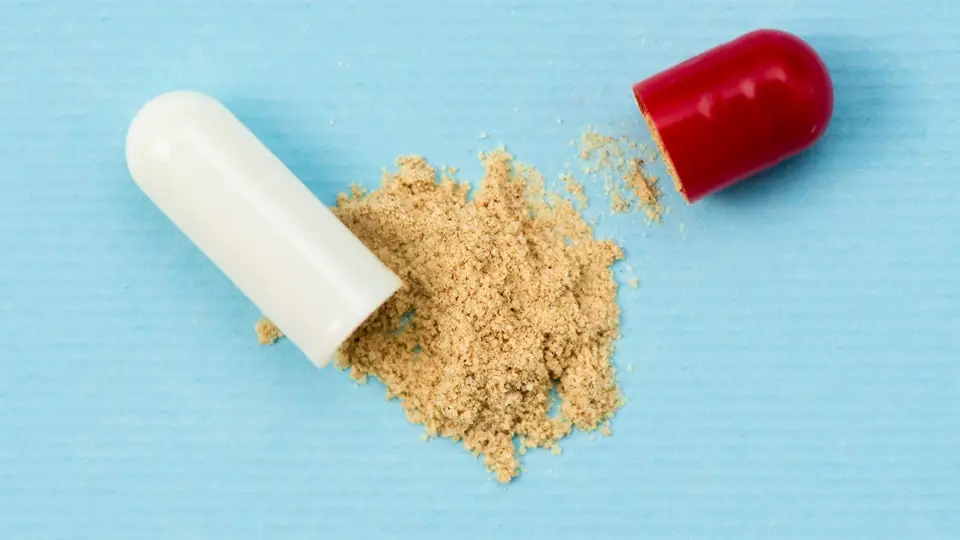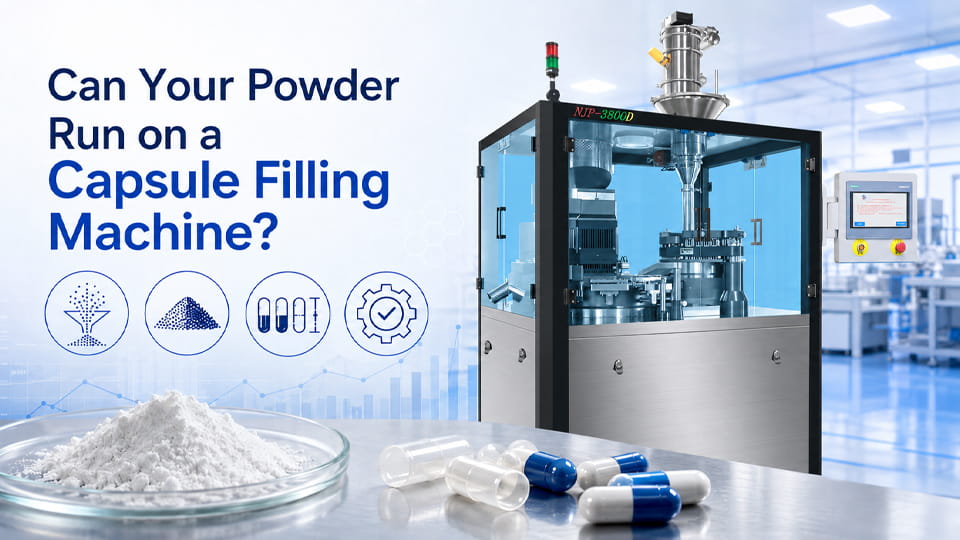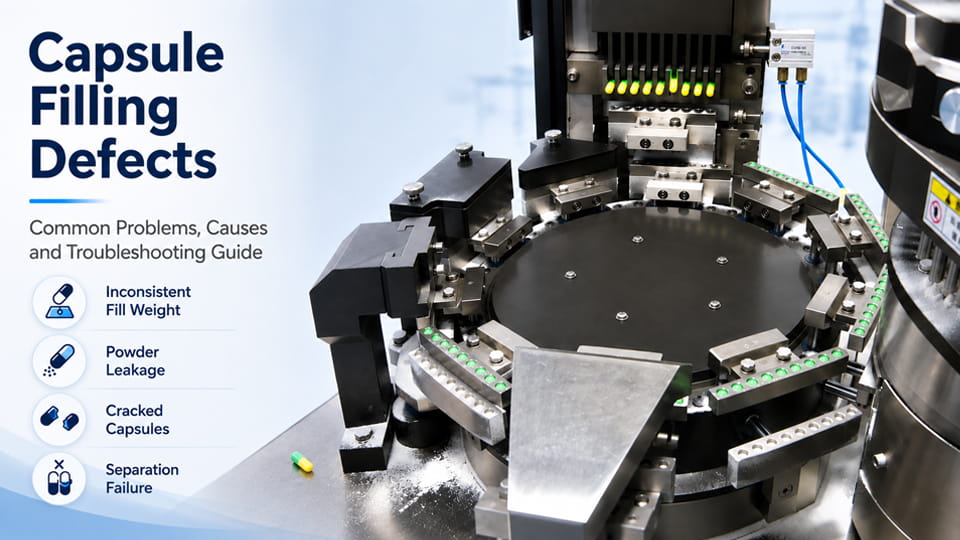

دستگاه های پرکن کپسول (پرکننده های کپسول یا ماشین های کپسولاتور) اسب های کار صنعت داروسازی هستند. آنها به طور خودکار پودرها را در کپسول های ژل سخت با سرعت بالا دوز می کنند, در خدمت سازندگان مکمل و تولید کنندگان دارو به طور یکسان. با این حال سردرد مکرر در طبقه تولید است نشت پودر – زمانی که پودر ریز به جای ماندن در کپسول از دستگاه خارج می شود. حتی کمی پودر نشت کننده نیز می تواند وزنه های پرکننده را از بین ببرد, گرفتگی تجهیزات, و ابری از گرد و غبار در اتاق تمیز خود ایجاد کنید. نتیجه محصول هدر رفته است, تمیز کردن اضافی, و دسته بالقوه رد می کند.
در این مقاله, ما از طریق آن قدم خواهیم زد علائم, علل, و راه حل ها نشت پودر در تجهیزات پر کردن کپسول. ما توضیح خواهیم داد که چرا اهمیت دارد (به مواد از دست رفته و عدم انطباق GMP فکر کنید), سپس به داخل شیرجه بزنید بالا 10 علل ریشه ای – از جریان بد پودر گرفته تا مهر و موم های فرسوده – با اصلاحات عملی برای هر کدام.
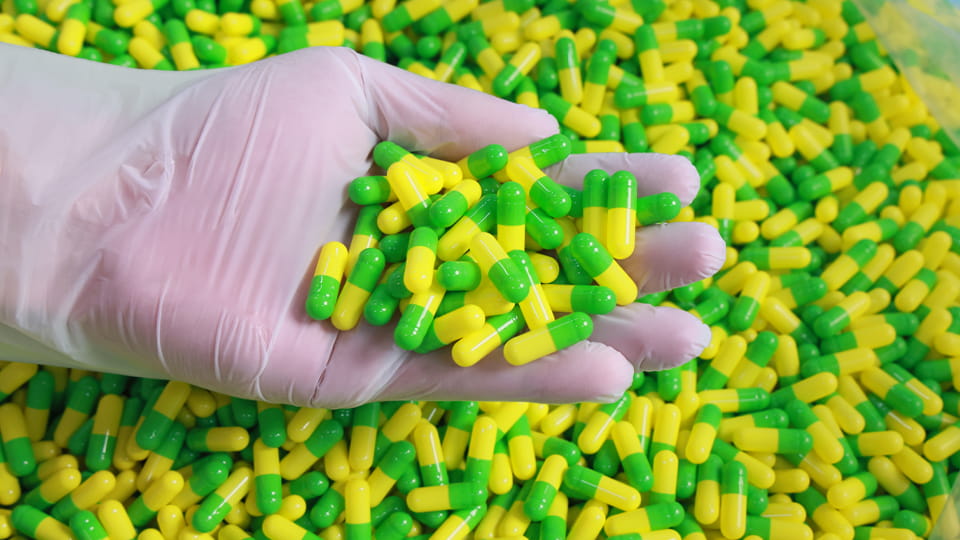
تصویر: یک دسته از کپسول های سخت تمام شده پس از پر کردن (ماشینهای پرکن کپسول روزانه میلیونها عدد از آن را تولید میکنند). کپسول هایی که به درستی پر شده اند باید حاوی تمام پودر در داخل باشند و هیچ پودر قابل مشاهده ای در خارج از پوسته وجود نداشته باشد.
هنگامی که یک دستگاه پرکن کپسول شروع به نشت پودر می کند, عواقب آن در تولید موج می زند:
به طور خلاصه, نشت پودر بهره وری را کاهش می دهد, کیفیت, و انطباق. خبر خوب این است که اکثر مشکلات نشتی دلایل و راه حل های قابل شناسایی دارند. بخش های بعدی لیستی از بالا 10 علل رایج نشت پودر در پرکننده های کپسول, هر کدام با توضیح داده شده است چرا اتفاق می افتد و چگونه حل کنیم آن را. بسیاری از علل همپوشانی دارند, بنابراین راه حل ها اغلب شامل کالیبراسیون ماشین هستند, تمیز کردن, و بررسی قطعات.
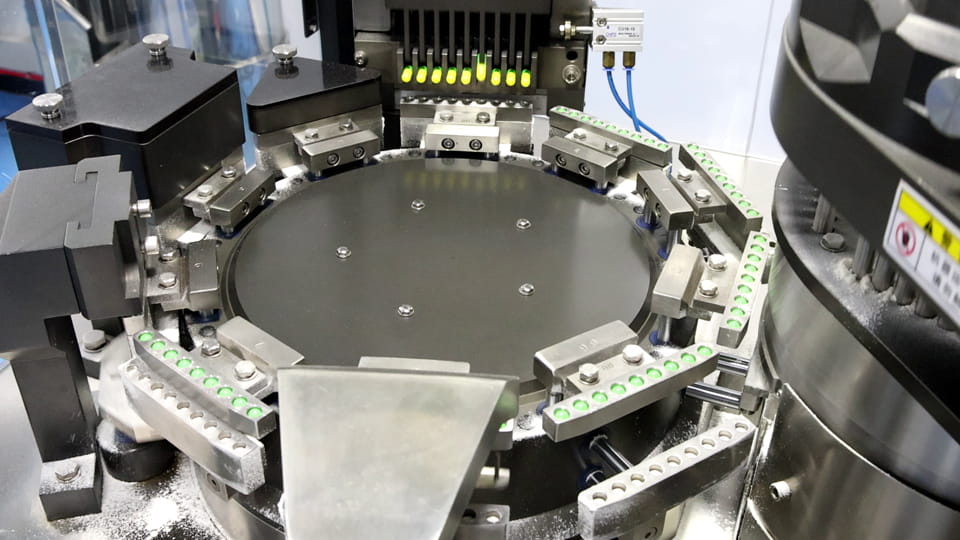
در زیر ده علت شایع نشتی را میبینیم, با هر علتی که با استراتژی راه حل دنبال می شود. در هر مورد, بررسی تراز ماشین, ابزار سازی, و تنظیمات جاروبرقی قبل از عیب یابی بیشتر. اکثر راه حل ها شامل تنظیمات معمولی یا تعویض قطعاتی هستند که می توانید در کف کارخانه انجام دهید.
چرا این اتفاق می افتد: برخی از پودرها به سادگی جریان ندارند. چسبنده, پودرهای مرطوب یا بسیار چسبنده تمایل به جمع شدن دارند, پل, یا داخل سیستم تغذیه بچسبانید. به عنوان مثال, عصاره های گیاهی یا مکمل های خاص می توانند «به ماژول ها و اجزای دوز دستگاه بچسبند, قطع کردن مسیر جریان مورد نظر". وقتی پودر به دیسک دوز یا پین فشاری می چسبد, می تواند در طول چرخش به طور غیرمنتظره ای از جای خود خارج شود, باعث ریزش یا سرریز شدن با تشکیل راب می شود. خوب, پودرهای الکترواستاتیک نیز اگر به درستی ته نشین نشوند ممکن است شناور شوند.
راه حل: خواص جریان پودر را بهبود بخشید و آن را به آرامی مدیریت کنید. گزینه ها شامل:
با بهبود جریان (از طریق مواد افزودنی یا تکنیک), پودر را به طور قابل پیش بینی در حال حرکت نگه می دارید. همانطور که یکی از مهندسان کارخانه به اشتراک گذاشت, تغییر به پودر با نفوذپذیری بهتر و اضافه کردن روغن کاری مشکل پل زدن آنها را حل کرد.
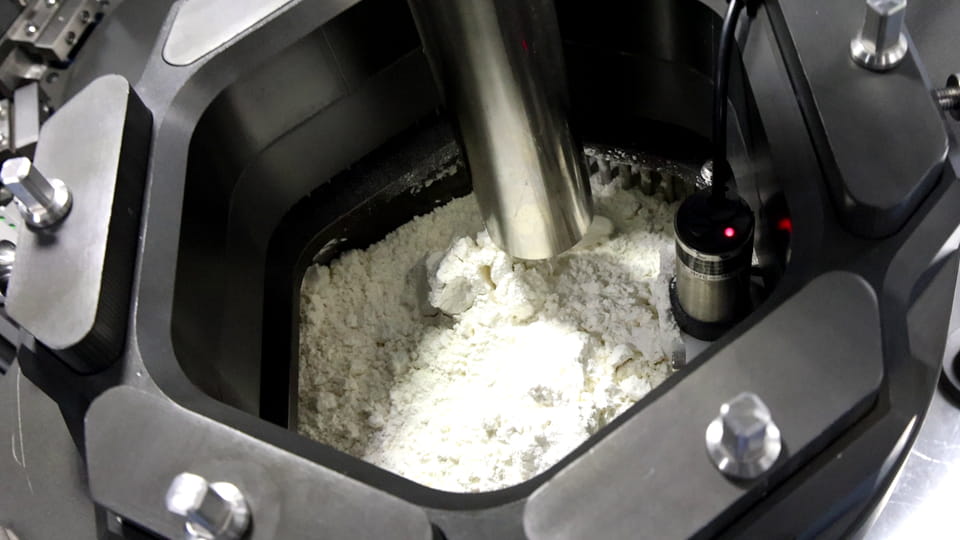
تصویر: پودر مکمل گیاهی در دستگاه پرکن کپسول ریخته می شود. پودرهایی مانند اینها می تواند باشد چسبناک یا چسبناک, بنابراین اطمینان حاصل شود که آنها به خوبی جریان می یابند (از طریق فرمولاسیون مناسب یا سرعت پایین تغذیه) کلید جلوگیری از نشت است.
چرا این اتفاق می افتد: اگر پوستههای خالی کپسول دقیقاً متناسب با پمپ بنزین نباشد, شکاف ها برای فرار پودر باز می شود. به عنوان مثال, استفاده از اندازه کپسولی که «برای دستگاه خیلی کوچک یا خیلی بزرگ است» مسیرهای نشتی ایجاد می کند. حتی اگر اندازه اسمی باشد (به عنوان مثال. "سایز 0") مسابقات, تغییرات ابعادی جزئی می تواند باعث عدم تناسب شود. پوسته های آسیب دیده - ترک خورده, خرد شده, یا خارج از مشخصات - همچنین نشت می کند زیرا به درستی آب بندی نمی شوند.
راه حل: کنترل دقیق کیفیت کپسول را اعمال کنید. همیشه بررسی کنید که اندازه کپسول و تحمل ها با ابزار دستگاه مطابقت داشته باشد. نمونه ای از پوسته ها را اندازه گیری کرده و با مشخصات فنی دستگاه مقایسه کنید. اگر کپسول ها با هم فرق دارند (حتی کمی), تغییر به یک لات گواهی شده. JinluPacking بر QC ورودی تاکید دارد: "اختلاف ابعادی بین پوستههای خالی کپسول و ابزارآلات ماشین... به ناچار منجر به نشت پودر میشود.". برای یکپارچگی کپسول:
با تضمین کپسول مناسب و با کیفیت, شما یکی از ساده ترین دلایل نشتی را از بین می برید. مطمئن شوید که از پوستههای کپسولی استفاده میکنید که با مشخصات دستگاه شما مطابقت دارد و در صورت اجازه دادن به اندازههای مختلف، دستگاه را تنظیم کنید..
چرا این اتفاق می افتد: در پرکننده های کپسول حجمی (انواع دوزاتور یا تامپینگ پین), در دیسک دوز (صفحه دوز) و پین های ضربه زدن حجم پودر را در هر کپسول تنظیم کنید. اگر این تنظیمات اشتباه است, پودر ممکن است سرریز یا بریزد. به عنوان مثال, یک دیسک دوز که خیلی نازک است (خیلی عمیق) زیرا حجم پر شدن هدف باعث می شود که پودر اضافی از بالا بریزد. JinluPacking خاطرنشان می کند که "یک دلیل اصلی نشت پودر و ناهماهنگی حجم، مشخصات دیسک دوز نادرست است - برای مثال., دیسکی که خیلی نازک است». به همین ترتیب, تنظیمات نامناسب پین ضربه زدن (پین ها خیلی بالا یا پایین) می تواند پودر را آزادانه پر کند, منجر به ریزش در حین چرخش می شود.
راه حل: اجزای دوز را با دقت کالیبره و تنظیم کنید:
با تنظیمات صحیح دیسک و پین, هر کپسول باید حاوی دوز مورد نظر بدون سرریز باشد. اگر دیسک دوز به اندازه کافی ضخیم نیست, می تواند سرریز شود و باعث نشت شود, بنابراین تنظیم دیسک یا فید این مشکل را حل می کند.
چرا این اتفاق می افتد: پرکننده های کپسول دارای ایستگاه بالایی هستند (تغذیه/جداسازی کپسول) و یک ایستگاه پایین تر (پمپ بنزین). این ماژول ها باید با چرخش برجک کاملاً در یک راستا قرار گیرند. حتی یک شیب یا شکاف جزئی باعث می شود که پودر در حین پر کردن از بین ماژول ها خارج شود. ناهماهنگی می تواند در طول زمان به دلیل لرزش ایجاد شود, پوشیدن, یا در زدن, به خصوص در ماشین های قدیمی تر. همانطور که یکی از کارشناسان توضیح می دهد, "اگر ماژول ها کاملاً تراز نیستند, شکاف هایی ایجاد می شود که از طریق آن پودر ریز می تواند فرار کند..
راه حل: ماژول ها را مجددا تنظیم و ایمن کنید:
جلوگیری از ناهماهنگی تا حد زیادی یک موضوع است انضباط در نگهداری. قاب دستگاه را مربع نگه دارید و آن را فشار ندهید یا زیاد بار نکنید. زمانی که به درستی تراز شود, ماژول های بالا و پایین [دارند] بدون درز, رابط بدون شکاف» و نشت به دلیل عدم تناسب ماژول از بین می رود.
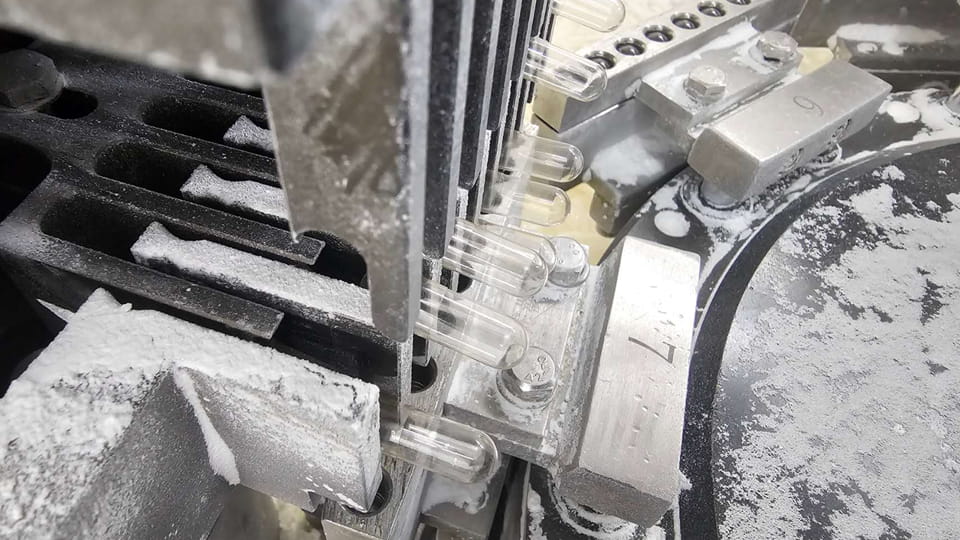
چرا این اتفاق می افتد: سیستم خلاء در بسیاری از پرکننده های کپسول دو نقش کلیدی را ایفا می کند: جدا کردن/باز کردن کپسول ها و نگه داشتن بدنه کپسول در حین پر کردن. اگر پمپ خلاء یا خطوط وکیوم به اندازه کافی قوی نیستند, کپسول ها محکم زیر دیسک دوز قرار نمی گیرند. حتی کاهش جزئی مکش به این معنی است که پودر به جای داخل کپسول در اطراف لبه می ریزد. JinluPacking اشاره می کند که "مکش خلاء ناکافی ... منجر به شکست می شود: ممکن است بدنه کپسول به طور ایمن نگهداری نشود, یا ممکن است پودر در حین انتقال ریخته شود..
راه حل: وکیوم را تست و بازیابی کنید:
در عمل, یک بررسی سریع خلاء را در راه اندازی بگنجانید. اگر پودر همچنان نشت کند, با تمیز کردن فیلترها در هر جابجایی، سعی کنید "مکش ثابت" را دریافت کنید. یک سیستم خلاء به خوبی نگهداری شده برای جلوگیری از نشتی بسیار مهم است.
چرا این اتفاق می افتد: هر دستگاه پرکن کپسول دارای حداکثر ظرفیت قیف پودر توصیه شده است. ریختن بیشتر از این فشار اضافی در مکانیسم تغذیه ایجاد می کند. این فشار به معنای واقعی کلمه می تواند زور پودر از درزگیرها عبور کرده یا از اطراف لبه های دوزاتور خارج شود. هنگامی که قیف بیش از ظرفیت توصیه شده خود پر شود, می تواند پودر را از طریق شکاف های کوچک یا مهر و موم هایی که به طور معمول حاوی آن هستند، وارد کند. اساسا, دستگاه در اثر اضافه بار خفه می شود و می ریزد.
راه حل: سطح پر شدن قیف را کنترل کنید:
نگه داشتن قیف در سطح ایمن از نشت های ناشی از فشار جلوگیری می کند. حتی اگر فقط کمی پودر اضافی, هنگامی که مهر و موم به خطر بیافتد هر مقدار می تواند فرار کند. نشانگرها یا حسگرهای بصری را اجرا کنید تا هیچ کس به طور تصادفی از حداکثر سطح پر شدن تجاوز نکند.
چرا این اتفاق می افتد: مهر و موم, اورینگ ها و واشرهای روی قاب تغذیه, قیف, و ایستگاه های کپسول موانعی هستند که پودر را در خود نگه می دارند. با گذشت زمان, سایش مداوم توسط دانه های پودری ریز این قطعات لاستیکی/پلاستیکی را فرسایش می دهد. همانطور که آنها نازک می پوشند, شکاف ها یا شکاف های ریز ایجاد می شود, اجازه دادن به گرد و غبار. Jinlupacking این را برجسته می کند: مهر و موم های فرسوده یا آسیب دیده... به مرور زمان خراب می شوند... همانطور که می پوشند, شکاف های کوچکی می تواند ایجاد شود, اجازه دادن به پودر فرار”.
راه حل: مهر و موم را تعویض و ارتقا دهید:
جلوگیری از خرابی مهر و موم بخشی از نگهداری پیشگیرانه است. ما بعداً یک برنامه زمانی را پوشش خواهیم داد, اما به طور کلی: آب بندی را قبل از نشتی تعویض کنید. این رویکرد پیشگیرانه از شکاف های ناگهانی جلوگیری می کند. یک برنامه جایگزین پیشگیرانه آب بندی، دستگاه را محکم نگه می دارد.
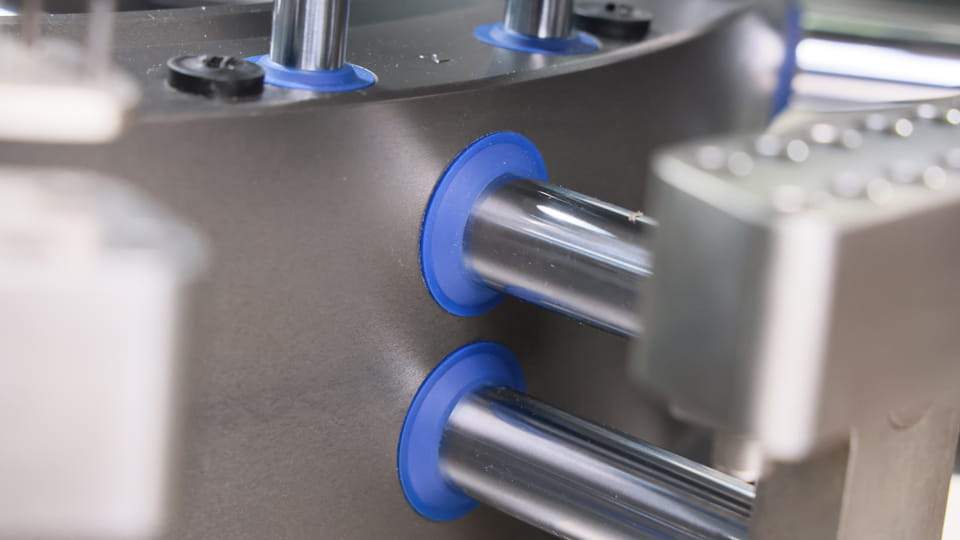
چرا این اتفاق می افتد: اجرای سریع پرکننده کپسول برای به حداکثر رساندن خروجی وسوسه انگیز است, اما می تواند عوارض جانبی داشته باشد. در دور در دقیقه بسیار بالا, کپسول ها و پودر به روش های آشفته تر حرکت می کنند: زمان پر شدن کوتاه میشود و کپسولها میتوانند بهطور لحظهای در جای خود قرار نگیرند. لرزش افزایش می یابد. راهنمای جینلو هشدار می دهد که تجاوز از دور توصیه شده می تواند تراز را بی ثبات کند و باعث پارگی شود., که به نوبه خود می تواند شکاف های باز کوچکی را بین قطعات متحرک ایجاد کند. در اصل, فراتر رفتن از سرعت پایدار دستگاه می تواند پودر را شل کند. یک مسئله مرتبط صرفاً بار مکانیکی است: اگر دستگاه با تغذیه بیش از حد بارگیری شود (شبیه به علت 6), ممکن است نوسان کند یا شاتر شود, شل شدن مفاصل.
راه حل: سرعت های نامی و تعادل نرخ تغذیه را رعایت کنید:
در عمل, بیشتر پرکننده های نیمه خودکار برای کپسول های سخت، بیش از 10 دور در دقیقه اجرا نمی شوند. سیستم های تمام اتوماتیک ممکن است ده ها هزار کپسول در ساعت کار کنند, اما حتی پس از آن نیز کنترل داخلی دارند تا از عملکرد ناپایدار جلوگیری کنند. ماندن در محدوده سرعت توصیه شده از پویایی "متزلزل" که می تواند مسیرهای نشتی را باز کند، جلوگیری می کند.
چرا این اتفاق می افتد: بالاخره, هر گونه نقص در خود کپسول می تواند باعث نشتی شود. اگر درپوش کپسول ترک خورده باشد, پمپ بنزین نمی تواند آن را بسته نگه دارد و پودر بیرون می ریزد. به همین ترتیب, اگر پوسته ها شکننده یا تاب خورده باشند, آنها ممکن است به درستی ننشینند. عوامل محیطی نقش دارند: پوستههای کپسول رطوبتسنجی هستند و در صورت کنترل نشدن رطوبت یا دما، میتوانند نرم یا شکننده شوند.. پوسته های شکننده تحت فشار می ترکند, در حالی که پوسته های بیش از حد نرم فرو می ریزند.
راه حل: کیفیت کپسول و محیط را کنترل کنید:
با کیفیت بالا, کپسول های دست نخورده اولین دفاع شما در برابر نشت هستند. حتی بهترین ماشین هم نمی تواند یک پوسته شکسته را مهر و موم کند. در موارد شدید, اگر کیفیت آن مشکوک باشد، ممکن است لازم باشد از تحویل کپسول خودداری کنید. جلوگیری از نشت با مواد اولیه خوب شروع می شود.
چرا این اتفاق می افتد: بالاخره, حتی اجزای داخلی نیز می توانند فرسوده شوند و نشت ایجاد کنند. به عنوان مثال, بسیاری از سیستم های دوزاتور از یک تیغه خراش دهنده برای پاک کردن پودر اضافی از دیسک دوز استفاده می کنند. اگر آن سوهان ناهموار یا شل شود, ممکن است نتواند پودر را تمیز جارو کند, درزگیر خلاء خراب شود و پودر بیرون بریزد. به همین ترتیب, یک لبه دیسک دوز فرسوده, پین کوبنده گود شده, یا بوش شل برجک همگی می توانند پر شدن سفت را به خطر بیندازند.
راه حل: قطعات فرسوده را بازرسی و تعویض کنید:
به طور خلاصه, ابزار پر کردن خود را تازه نگه دارید. این چک ها را در نگهداری ماهانه خود بگنجانید. قطعات داخلی فرسوده یا آسیب دیده نشتی های کوچکی ایجاد می کنند که به سختی قابل تشخیص هستند تا زمانی که پودر شروع به فرار کند. یک بازرسی معمولی دقیق از تمام اجزای پرکننده، از این علل پنهان جلوگیری می کند.
هنگام تشخیص نشتی از این جدول مرجع سریع استفاده کنید. علامت را با علل احتمالی و راههای درمان تطبیق دهید:
| علامت / امضا کنید | علت احتمالی | راه حل |
| پودر دور پایه برجک | ناهماهنگی ماژول بالا/پایین; مهر و موم کثیف | تنظیم مجدد ماژول ها (میله ها را تنظیم کنید); مهر و موم / واشر تمیز |
| پودر شل روی سطح کپسول | کپسول بیش از حد پر شده است (دوز اضافی); سوهان پوشیده شده | پودر را در هر پر کردن کاهش دهید; اسکراپر را جایگزین/تراز کنید |
| وزن کپسول ناسازگار | جریان پذیری ضعیف; خوراک مسدود شده; دوزاتور فرسوده | بهبود جریان پودر (عامل جریان, رطوبت زدایی); دیسک دوز را بررسی کنید; مکانیسم های تغذیه تمیز |
| گرد و غبار داخل دستگاه (پایین) | نشتی خلاء (شیلنگ یا فیلتر); شکاف مهر و موم | خطوط وکیوم و پمپ را بررسی کنید; تعویض فیلترها / مهر و موم |
| کپسول در جای مناسب یا مربا | مهر و موم فرسوده یا ابعاد پوسته; سرعت خیلی زیاد | مهر و موم میز را بازرسی/تعویض کنید; از اندازه صحیح کپسول استفاده کنید; RPM را کاهش دهید |
| گرد و غبار ابری در هنگام تخلیه | کپسول های شکسته; لرزش ماشین | کپسول های آسیب دیده را جایگزین کنید; سرعت/ارتعاش کمتر |
| نرخ رد بالا | تراز کردن خاموش است; تجهیزات کثیف | نظافت کامل را انجام دهید, تنظیم مجدد, کالیبراسیون |
هر علامتی باید باعث بررسی بصری و مکانیکی اجزای ذکر شده شود. اغلب حل کردن یک مسئله (مانند سفت کردن تراز) علائم متعدد را از بین می برد.
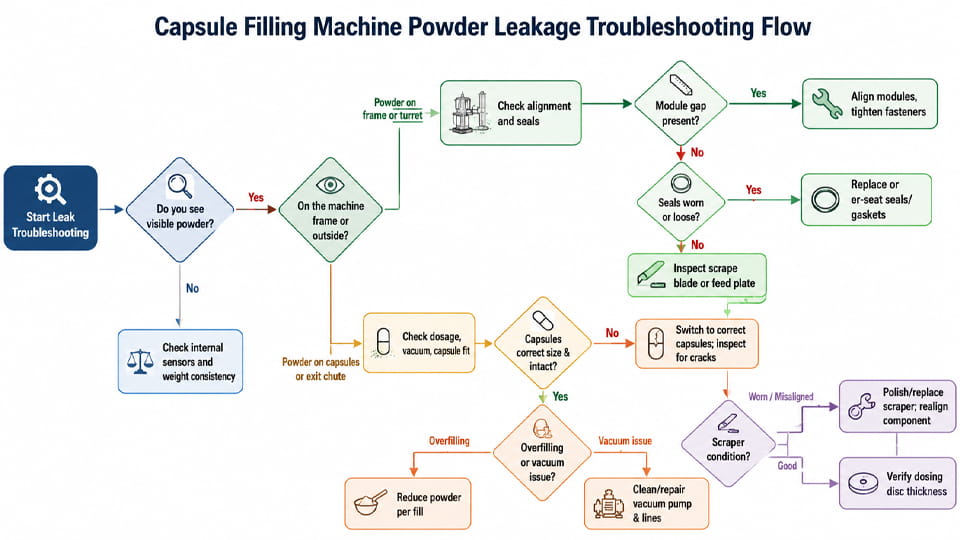
شکل: فلوچارت عیب یابی برای تشخیص نشت پودر پرکننده کپسول.
اگر تمام راه حل های بالا را امتحان کرده اید و مشکلات نشتی شما همچنان ادامه دارد (به خصوص در ماشین های قدیمی یا پر استفاده), ممکن است زمان آن رسیده باشد که تعمیر اساسی یا ارتقاء را در نظر بگیرید. مکرر, نشتی های غیرقابل توضیح می تواند نشان دهنده ناهماهنگی پنهان یا قطعات فرسوده قاب باشد که تعمیر تکه تکه آن گران است.. به عنوان مثال, اگر میله های تراز به حداکثر رسیده یا دستگاه علی رغم کالیبراسیون دائماً از مشخصات خارج شده است, بازسازی کامل ممکن است تقریباً به اندازه یک واحد جدید هزینه داشته باشد.
در این مرحله, هزینه یک سرویس کامل را با یک ماشین جدید مقایسه کنید. پرکننده های کپسول مدرن اغلب دارند طراحی های پیشرفته برای به حداقل رساندن نشت. به عنوان مثال, ماشین های سری NJP Jinlu (NJP-400C, NJP-800C, NJP-1200C, NJP-1500D) ویژگی هایی مانند تغذیه پودر پنوماتیک (برای رسیدگی به پودرهای چسبنده) و سازه های دو مهر و موم (برای جداسازی داخل از محیط بیرون). مهر و موم دولایه به طور قابل توجهی گرد و غبار پودر در ایستگاه پر را کاهش می دهد. NJP-400C حتی از نمایشگر مقیاس دیجیتال در ایستگاه پر کردن برای تنظیم دقیق دوز استفاده می کند, کمک به جلوگیری از پر شدن بیش از حد.

اگر در حال تولید با حجم بالا یا پودرهای بسیار خوب هستید, ارتقاء می تواند در کاهش ضایعات و زمان خرابی نتیجه دهد. مدل هایی مانند NJP-800C یا بزرگتر دارای رتبه بندی هستند 60,000 کپسول در ساعت با ظرفیت خلاء بالا. در هر صورت, هنگامی که تعمیر و نگهداری تبدیل به یک نبرد دائمی می شود, یک ماشین جدید با کنترل ها و اجزای به روز شده می تواند بسیاری از علل اصلی نشت را از بین ببرد.
در نهایت, تعمیر یا تعویض بستگی به اقتصاد و نیازهای خروجی شما دارد. اما همیشه با تامین کننده تجهیزات خود مشورت کنید - آنها اغلب می توانند قطعات کلیدی را بازسازی کنند یا در مورد آخرین مدل ها توصیه کنند تا محصول شما را بدون نشتی اداره کنند..
نشت پودر در دستگاه پرکن کپسول هرگز "فقط کمی گرد و غبار" نیست - این نشان دهنده ناکارآمدی است., مواد از دست رفته, و ریسک. خبر خوب این است که بیشتر علل به راحتی قابل تشخیص و رفع هستند. با استفاده از مراحل عیب یابی بالا, بررسی تراز, خالی, جریان پودر, و نگهداری, شما اغلب می توانید بدون سرمایه گذاری کلان نشت را متوقف کنید.
اگر همه موارد بالا را بررسی کرده اید و همچنان نشت می بینید (به خصوص در دستگاه های قدیمی تر), ارتقاء یا مقاوم سازی را در نظر بگیرید. پرکننده های کپسول مدرن مانند سری NJP Jinlu با در نظر گرفتن جلوگیری از نشت طراحی شده اند (به عنوان مثال. آب بندی و جریان هوا بهتر).
نگهداری پیشگیرانه متحد شماست: نظافت روزانه, تعویض آب بند معمولی, و کالیبراسیون مناسب بسیاری از مسائل را قبل از اینکه نشت کند برطرف می کند. از جدول عیب یابی و نمودار جریان به عنوان راهنما استفاده کنید, و مراقب علائم باشید تا هرگونه نشت در جوانه را از بین ببرید.
نیاز به کمک? برای راهنمایی دقیق در مورد دستگاه های پرکننده کپسول Jinlu یا دریافت یک برنامه نگهداری سفارشی, با کارشناسان ما تماس بگیرید. ما همچنین خدمات آموزش و کالیبراسیون در محل را ارائه می دهیم تا تجهیزات شما در اوج راندمان کار کند. با هم, ما مطمئن خواهیم شد که کپسولهای شما در داخل کپسولها باقی میمانند - جایی که به آن تعلق دارند!
نشت پودر معمولاً به این معنی است که چیزی به درستی مهر و موم یا تراز نشده است. مقصرهای رایج عبارتند از عدم تناسب کپسول, مکش وکیوم ضعیف, مهرهای فرسوده, یا بارگذاری بیش از حد قیف. اغلب ترکیبی است (به عنوان مثال, جریان ضعیف پودر + ناهماهنگی جزئی). تراز را بررسی کنید, فشار خلاء, و ابتدا مطمئن شوید که از اندازه کپسول درست استفاده می کنید.
این اغلب ترکیبی از عدم تطابق کپسول و تراز ماشین است. اگر کپسول های خالی کاملاً با ابزار اندازه پرکننده مطابقت ندارند, شکاف های کوچک ظاهر می شود. به همین ترتیب, یک برجک کج شده یا دیسک دوز شل اجازه می دهد تا پودر فرار کند. همیشه ابتدا پوسته ها و تنظیمات دستگاه را بررسی کنید.
با بررسی سیستماتیک علت نشتی، نشت را متوقف کنید: بررسی کنید که خلاء به اندازه کافی قوی است, ماژول های بالا و پایین را تراز کنید, هر کپسول یا مهر و موم ترک خورده را جایگزین کنید, و حجم پودر را با دیسک دوز خود مطابقت دهید. تمیز کردن روزانه را اجرا کنید تا هیچ پودری در جای خالی باقی نماند. به صورت پیشگیرانه, از کپسول ها و پودرهایی استفاده کنید که در دستگاه شما کار می کنند و اپراتورها را در راه اندازی و تغذیه مناسب ماشین آموزش دهید..
بله. اگر پودر خیلی درشت یا چسبنده باشد, ممکن است پل شود یا بچسبد و سپس به روش های غیرمنتظره سقوط کند. این می تواند تکه های پودر را از لبه های دوزاتور خارج کند. بهبود جریان (به عنوان مثال. افزودن عوامل جریان, کاهش رطوبت, یا با استفاده از تغذیه پنوماتیک) پودر به آرامی حرکت می کند تا در کپسول بماند.
کاملا. کپسولی که با ماشین ابزار مناسب نیست، شکافی برای فرار پودر ایجاد می کند. همیشه اندازه کپسول را دوبار بررسی کنید (#0, #1, و غیره) و تحمل ابعادی دسته. همچنین, کپسول های آسیب دیده یا نرم در حین بسته شدن نشت می کنند. به طور خلاصه, فقط از اندازه کپسول مشخص شده استفاده کنید و اطمینان حاصل کنید که پوسته ها سالم و مطابق با مشخصات هستند.
اول, به پمپ گوش دهید و روغن را چک کنید (اگر قابل اجرا باشد). شلنگ ها را از نظر ترک بررسی کنید. فیلترها را تمیز یا تعویض کنید. یک دستگاه وکیوم سنج روی سیستم قرار دهید: باید به مشخصات دستگاه برسد (اغلب در حدود -0.06MPa برای کپسول های سخت). اگر فشار بالا برود یا هرگز به آن نرسد, فیلتر را تمیز کنید یا به دنبال نشتی باشید. به یاد داشته باشید: حتی یک نشتی کوچک (مانند سوراخی در لوله) به طور چشمگیری مکش را کاهش می دهد.
کاملا. نشتی منجر به وزن پر ناسازگار می شود (کپسول های کم پر شده) و می تواند کپسول ها را با پودر شل آلوده کند, بر ظاهر و یکپارچگی محصول تاثیر می گذارد. حفظ دقت پر کردن محکم برای ایمنی و انطباق محصول بسیار مهم است.
علاوه بر رفع نشتی, برای مثال، تا جایی که ممکن است از «ضبط زباله» استفاده کنید, پودر ریخته شده را در صورت عاری از آلودگی به قیف برگردانید. برخی از تأسیسات، هودهای اگزوز محلی را در اطراف ناحیه پر نصب می کنند تا گرد و غبار سرگردان را به داخل سیستم مکش کنند. مهمتر, برنامه تعمیر و نگهداری پیشگیرانه را انجام دهید تا مشکلات زودتر تشخیص داده شوند. گفته می شود که تعمیر و نگهداری مناسب می تواند از بروز آن جلوگیری کند 50% از مسائل خرابی, که به طور مستقیم به ضایعات کمتر از نشت ترجمه می شود.
پودرهای ایده آل جریان پذیری خوبی دارند: اندازه ذرات متوسط, رطوبت کم, و انسجام کم. گرانول ها یا فرمولاسیون های پلت شده اغلب بهتر از گرد و غبار بسیار ریز عمل می کنند. اگر مواد شما پوسته پوسته شده است, قبل از دانه بندی آن یا اضافه کردن یک روان کننده کوچک را در نظر بگیرید. هر ترکیبی که باشد, یک پودر ثابت (بدون توده) بدون پرواز به بیرون به طور یکنواخت پر می شود.
همیشه قبل از تمیز کردن دستگاه را خاموش و قفل کنید. از PPE مناسب استفاده کنید (ماسک و عینک) برای محافظت از گرد و غبار. در صورت امکان به جای هوای فشرده از برس و جاروبرقی استفاده کنید, برای به حداقل رساندن پودر موجود در هوا. بعد از تمیز کردن, قبل از راه اندازی مجدد مطمئن شوید که تمام قطعات کاملا خشک شده اند. همه نگهبانان را تأیید کنید, قیف ها, و محفظه ها به درستی جمع می شوند (مونتاژ مجدد بد خود می تواند باعث نشتی شود).
مراجع:
1.جریان پودری—— داروسازی ایالات متحده
2.پرسش و پاسخ در مورد الزامات فعلی عملکرد خوب تولید | تجهیزات —- ایالات متحده. سازمان غذا و داروی
3.اثرات خواص جریان پودر بر یکنواختی وزن پر کردن کپسول —— کتابخانه ملی پزشکی
4.پر کردن پودر در کپسول های ژلاتینی سخت روی دستگاه پرکن تامپ —— کتابخانه ملی پزشکی
5.بررسی عوامل مختلف موثر بر کپسولاسیون در دستگاه پرکن اتوماتیک کپسول In-Cap —— کتابخانه ملی پزشکی
6.پر کردن پودرها در کپسول های سخت دو تکه —— ScienceDirect