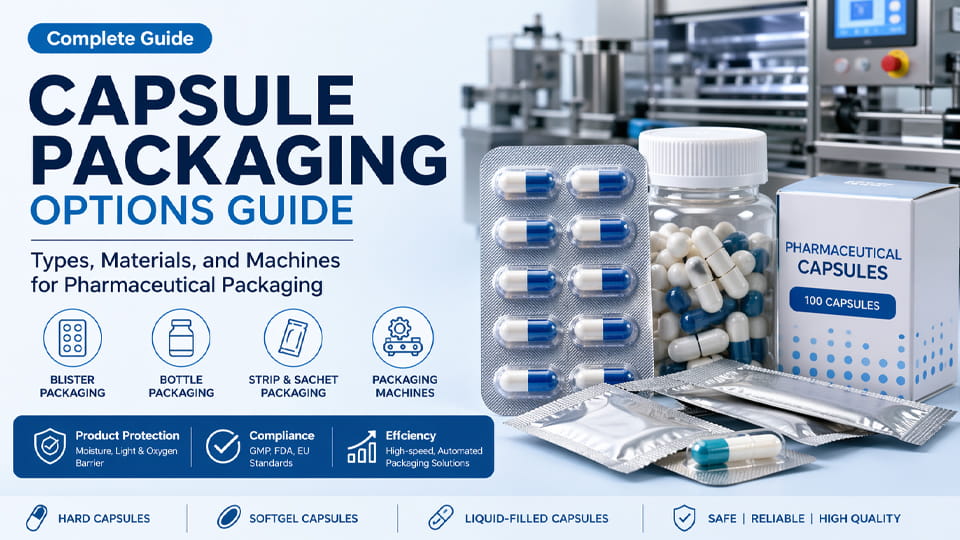
Guía completa de opciones de envasado de cápsulas: Tipos, Materiales, y Máquinas para Envasado Farmacéutico
Guía completa de opciones de envasado de cápsulas: Tipos, Materiales, y Máquinas para Envasado Farmacéutico
Abril 25, 2026
No hay comentarios
El empaque de cápsulas se refiere a cómo las cápsulas farmacéuticas (cápsula dura o cápsula blanda) están cerrados para su distribución y uso.. incluye embalaje primario (el recipiente inmediato en contacto con las cápsulas, p.ej. cavidades de ampolla o botellas) y embalaje secundario (cajas exteriores, cajas, y etiquetas que protegen e identifican aún más el producto). Un buen empaque de cápsulas debe proteger el medicamento de la humedad., luz, y contaminación, garantizar la estabilidad durante la vida útil, y cumplir con los requisitos reglamentarios. Por ejemplo, La OMS señala que “Los componentes del embalaje rodean el producto desde su producción hasta su uso.," y debe cumplir funciones como protección, estabilidad, e identificación. Regulaciones GMP de la FDA (21 CFR 211) Requerir procedimientos escritos para inspeccionar y probar los materiales de embalaje al recibirlos., y exigir etiquetado seguro y controles de manipulación. En la práctica, debemos igualar el producto en cápsula (forma de dosificación, sensibilidad, dosificación, etc.) al formato y material de embalaje adecuados.
El embalaje primario de las cápsulas farmacéuticas es fundamental para protección del producto, cumplimiento, y seguridad del paciente: Mantiene las cápsulas secas., no contaminado, y claramente etiquetado. Por ejemplo, Se sabe que los blísteres y los frascos de color ámbar son ideales para los medicamentos sensibles a la humedad.. El embalaje adecuado también contribuye al cumplimiento del paciente (dosificación en blister de dosis unitarias, biberones a prueba de niños, etiquetado claro) y necesidades de la cadena de suministro (publicación por entregas, logística). A continuación repasamos cada opción en detalle.
Tipos de envases de cápsulas
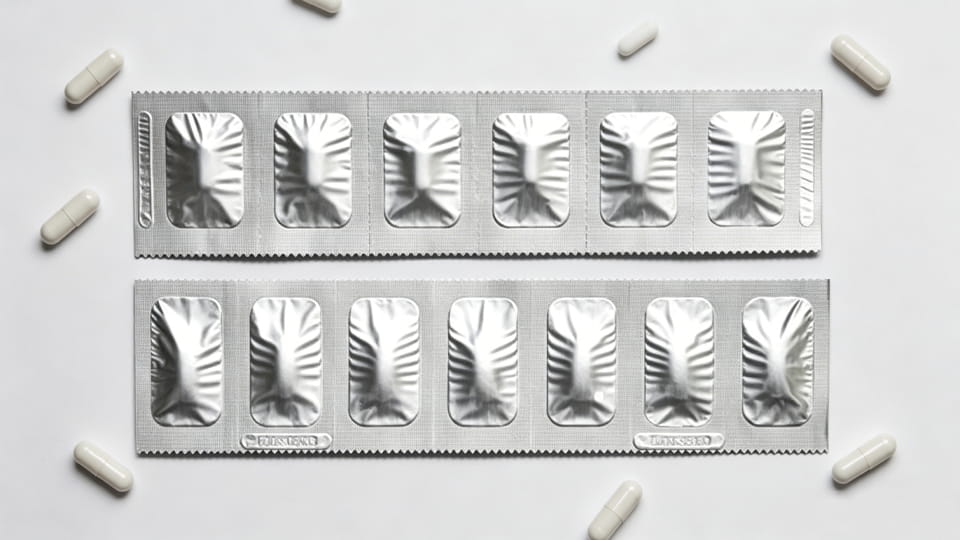
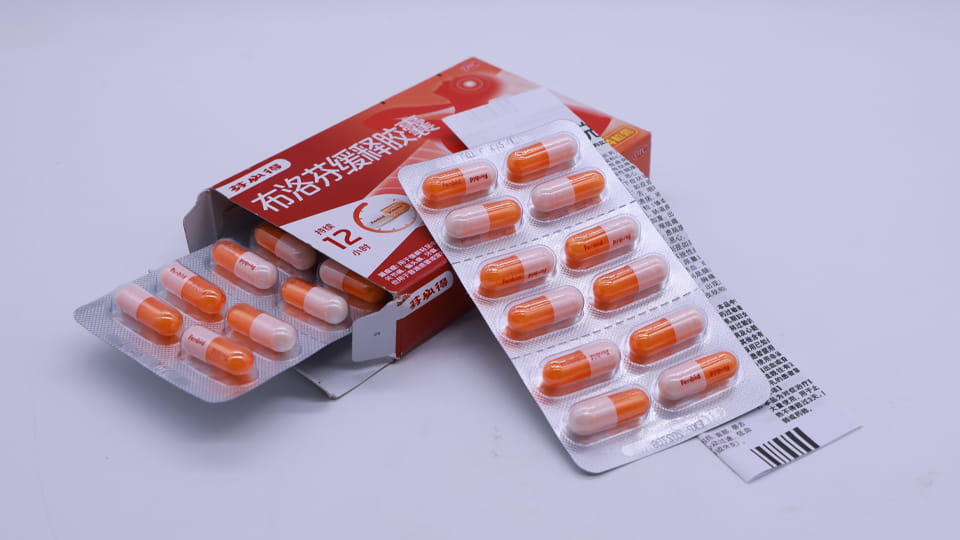
Embalaje tipo blíster para cápsulas
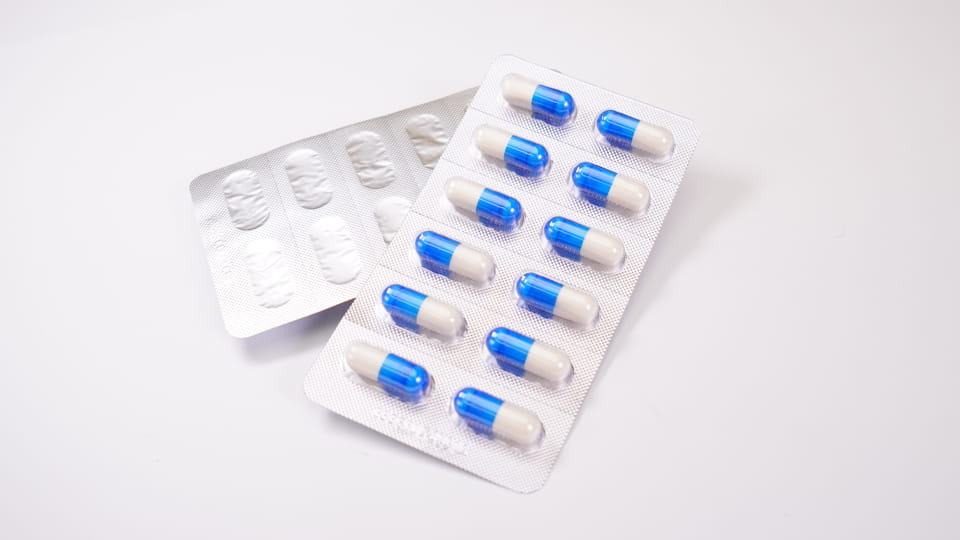
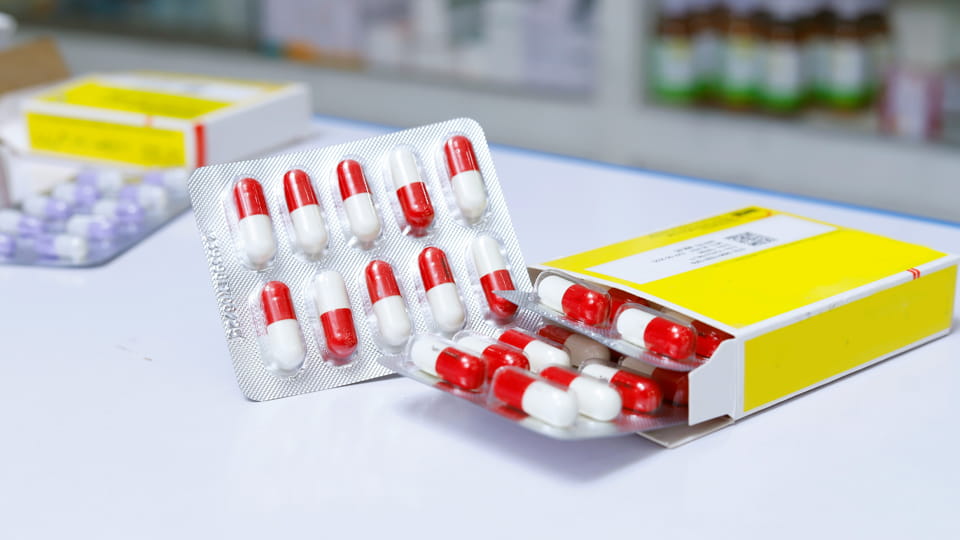
Paquetes de ampollas consisten en cavidades de plástico preformadas (“ampollas”) que contienen cápsulas individuales, sellado con un respaldo (papel de aluminio o plástico). Este embalaje primario ofertas protección de dosis unitaria. Las ampollas proporcionan excelente barrera propiedades: se pueden hacer con Materiales como PVC/PVDC o lámina. (Aluminio-PVC, Alu-Alu) para bloquear la humedad, oxígeno y luz. Por ejemplo, La máquina blister DPP-180Pro de Jinlu puede formar y sellar hasta 4,800 ampollas de cápsulas por hora en laminados Alu-PVC o Alu-Alu. Las características clave del envase tipo blíster de cápsulas incluyen:
Protección: Cada cavidad está sellada herméticamente., protegiendo la cápsula de la humedad, oxígeno y luz. Como señala un estudio, ampollas “proporcionan una protección superior contra la humedad y la luz” (mejor que las botellas). Láminas de alta barrera (p.ej. Alu-Alu) prolongar la vida útil de las cápsulas higroscópicas o sensibles al oxígeno.
Evidencia de manipulación: Una ampolla muestra claramente si se ha eliminado una dosis o si se ha roto el sello.. Esto garantiza la integridad del producto y la seguridad del paciente..
Conveniencia: Las ampollas monodosis permiten a los pacientes tomar una cápsula a la vez, Reducir los errores de dosificación y el desperdicio.. Son especialmente útiles para esquemas de dosificación cortos o formulaciones pediátricas..
Personalización: Los blísteres se pueden fabricar con varias formas y tamaños de cavidades para adaptarse a diferentes dimensiones de cápsulas.. Maquinaria moderna (como máquinas de termoformado o de ayuda para enchufar) se adapta fácilmente a los tamaños de cápsulas.
Eficiencia espacial: Las ampollas son compactas y apilables.. Minimizan el espacio vacío respecto a las botellas, ahorro en envío y espacio en los estantes.
Cifra:Máquina envasadora de blister Jinlu JL-180Pro que forma ampollas de cápsulas (Aluminio-PVC), 4,800 caries/hora.
Las máquinas blister de Jinlu (p.ej. el DPP-180Pro) puede formar cavidades automáticamente, cápsulas de alimentación, sello, cortar placas, e incluso imprimir códigos de lote. Suelen correr a velocidad media-alta. (miles de cavidades por hora), Ideal para la producción en masa. Diferentes formatos de blister (Aluminio-PVC vs Aluminio-Alu) son seleccionados por producto: Alu-Alu (papel de aluminio) ofrece la barrera más alta (Lo mejor para medicamentos muy sensibles a la humedad.), mientras que PVC/PVDC es común para las cápsulas estándar. El envasado en blister también simplifica el recuento y la inspección.: la mayoría de las líneas integran fácilmente máquinas de inspección por cámara o de conteo de tabletas para verificar el llenado de las cápsulas..
Botella (Frasco de botella/cápsula) Embalaje
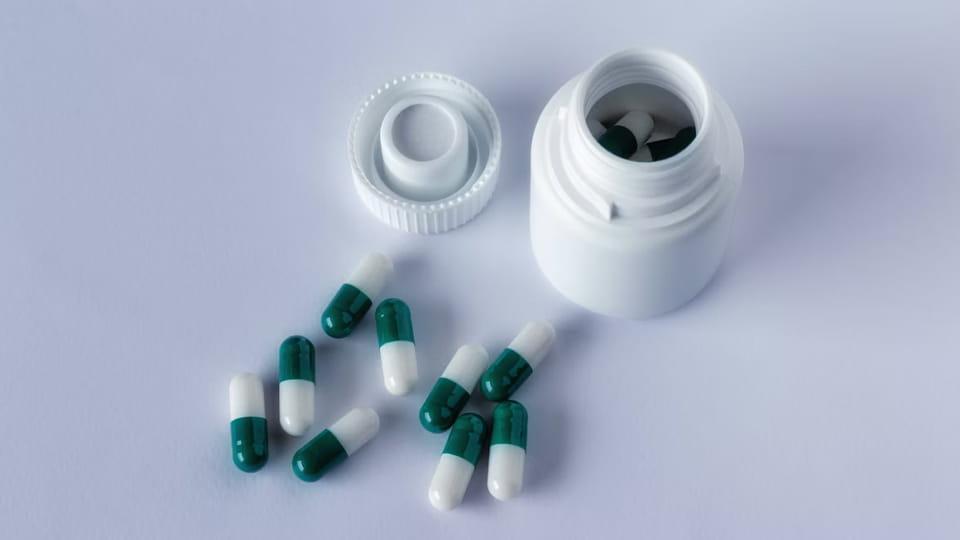
Los biberones son el clásico envase multidosis. Las cápsulas se envasan en botellas. (plástico o vidrio) que luego se tapan. Este formato es muy conocido por las vitaminas., suplementos, y muchas pastillas recetadas. Características clave:
Versatilidad: Las botellas pueden contener grandes cantidades. (50–1000+ cápsulas) y una variedad de productos (tabletas, cápsulas, polvos, incluso líquidos). Suelen estar fabricados de plástico HDPE o PET., o vidrio (para una fuerte inercia química).
Embalaje a granel: Para cápsulas destinadas a tomarse repetidamente. (vitaminas diarias, terapias a largo plazo), las botellas son convenientes. Los pacientes pueden dispensar múltiples dosis a la vez..
Rentabilidad: Las líneas de llenado de botellas son relativamente simples. Las máquinas cuentan o pesan las dosis más rápido (p.ej. El JL-16H de Jinlu puede llenar hasta 100 botellas/minuto). El costo del material por unidad suele ser menor que el del blister., especialmente a escala.
Fácil manejo: Los consumidores saben cómo abrir botellas.. Puede ser más fácil para los pacientes mayores abrir una botella (especialmente con tapas de fácil apertura o a prueba de niños) que pelar ampollas.
Embalaje secundario: Las botellas permiten la inclusión de elementos auxiliares como paquetes desecantes (para el control de la humedad) o algodón. También admiten etiquetas completas de productos alrededor del cuerpo de la botella., y se puede embalar en cajas de cartón.
Cifra: Línea de embotellado de cápsulas/tabletas Jinlu JL-16H (100 botellas/min) con descifrador, vara, taponadora, y etiquetadora.
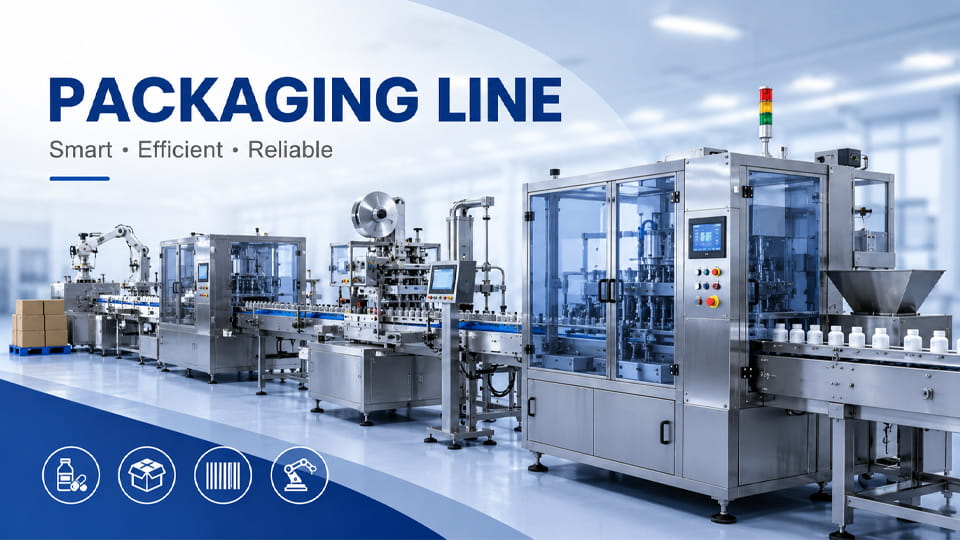
Las líneas de embotellado de cápsulas integran múltiples máquinas: a posicionador de botellas (o tolva de alimentación), a máquina contadora-llenadora (que deja caer X cápsulas en cada botella), a máquina taponadora/selladora (aplicar y apretar las tapas), y un máquina etiquetadora. Por ejemplo, La línea JL-16H de Jinlu puede manejar cápsulas de 3 a 40 mm, logrando ~100 botellas/min con >99.8% Contabilidad de precisión. Las botellas se pueden llenar a granel muy rápidamente. Para cumplir con las regulaciones, Las líneas de botellas a menudo incluyen una estación para insertar desecantes. (p.ej. paquetes de sílice) y una estación de sello a prueba de manipulaciones. Los tapones a prueba de niños son otra característica común de los medicamentos pediátricos.
Al elegir el embalaje de las botellas, considerar el volumen y la estabilidad del producto: productos de gran volumen (p.ej. vitaminas diarias) botellas de traje, mientras que las cápsulas de bajo volumen o muy sensibles pueden preferir ampollas. Las botellas de notas generalmente ofrecen Menos protección inherente contra la humedad y el oxígeno que las ampollas de alta barrera.. Los recipientes de vidrio ámbar o opacos pueden agregar protección contra la luz., y sellos internos (revestimientos de papel de aluminio) puede mejorar la barrera.
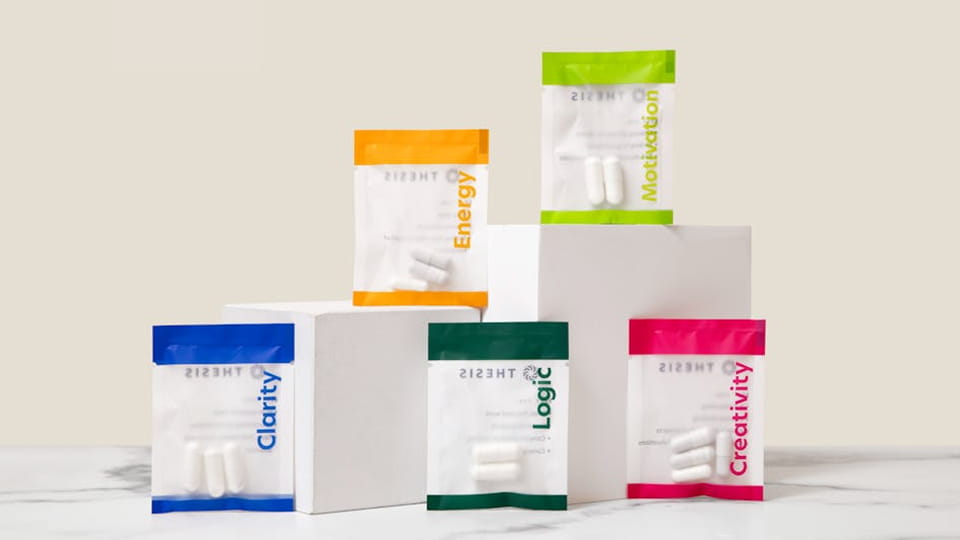
Bolsitas & Paquetes de barras (Bolsas monodosis)
Bolsitas (y paquetes de palos) son paquetes flexiblesque contienen una dosis de polvo, gránulos o líquido. Si bien no es tan común para las cápsulas, son relevantes para formas farmacéuticas relacionadas (p.ej. cápsulas nutracéuticas rotas en polvo, o relleno en polvo en sí). Sin embargo, bolsitas y paquetes de barras merecen una mención en una guía de envasado de cápsulas:
Bolsitas Generalmente son paquetes planos o en forma de almohada sellados 3 o 4 lados. Se suelen utilizar para polvos monodosis. (p.ej. gránulos efervescentes) o cápsulas muy pequeñas (Algunas farmacias dispensan cápsulas en sobres para dosificación pediátrica.). Las máquinas modernas de formado, llenado y sellado pueden llenar sobres con volúmenes exactamente pequeños. Las ventajas incluyen la portabilidad (cabe en el bolsillo), conveniencia, y dosificación precisa (sin desperdicio parcial). Los sobres también proporcionan un buen sellado.: El sello hermético prolonga la vida útil y previene la contaminación.. Muchos productos farmacéuticos (polvos, geles, pomadas, pastillas monodosis) usar bolsitas; Por ejemplo, Soluciones de rehidratación inyectables de emergencia o polvos antibióticos de un solo uso..
Paquetes de barras son largos, bolsitas estrechas (a menudo sellado a lo largo de una costura larga más una costura final). Son populares para los suplementos en polvo. (p.ej. mezclas de bebidas instantáneas) y se puede utilizar para polvos de cápsulas. Los paquetes en barra generalmente utilizan menos material que los sobres y el rendimiento de la máquina es mayor. (30–50% más rápido). Son ideales para polvos que fluyen libremente debido a su abertura delgada..
Tanto los sobres como los stick packs son producidos por forma-llenado-sellado vertical (Vffs) o máquinas FFS horizontales. Serie JL-VP de Jinlu, por ejemplo, es una máquina FFS de barras/bolsitas de varios carriles (40 bolsas/min/carril, Precisión de ±0,02 g) para polvos, gránulos, líquidos o geles. Si las cápsulas se envasaran en bolsitas, uno abriría el sobre para recuperar la dosis, pero más comúnmente, Las cápsulas se envasan intactas en blister o frasco., mientras que los sobres/paquetes en barra contienen contenido en polvo.
Nota regulatoria: Se permiten sobres y paquetes tipo barra para medicamentos sólidos y semisólidos. (según las definiciones de la OMS). Se consideran envases primarios si contienen directamente el producto.. como ampollas, Los sobres pueden diseñarse a prueba de niños o con muescas para rasgar..
Embalaje en tiras
paquetes de tiras (también llamadas tiras de aluminio o “bandas de dosis”) son otra forma de envase primario de dosis unitaria. Una tira suele ser una red estrecha de material. (a menudo aluminio o laminado multicapa) doblado y sellado, con perforaciones entre dosis. A diferencia de las ampollas, Los paquetes de tiras no forman cavidades profundas, sino que, la cápsula está intercalada entre dos capas de película. Los envases en tiras se utilizan ampliamente en Asia y para productos donde se necesita una alta protección contra la humedad pero las ampollas son demasiado voluminosas.. Puntos clave:
Excelente barrera: Los paquetes de tiras suelen utilizar papel de aluminio que es impermeable a la humedad y al oxígeno.. Esto los hace ideales para cápsulas sensibles a la humedad o medicamentos pediátricos donde se necesita una vida útil prolongada.. La OMS incluso define los envases de tiras como adecuados para “dosis únicas… de preparados sólidos o semisólidos”.
Compacto & dosis unitaria: como ampollas, Los paquetes de tiras permiten el uso de una dosis a la vez.. Son más ligeras y planas que las ampollas., ahorrando espacio.
Equipo: Las máquinas empacadoras de tiras forman y sellan la lámina alrededor de cada cápsula.. Jinlu también ofrece máquinas empacadoras de tiras.. Por ejemplo, Los paquetes de tiras de Rich Packing Notes utilizan laminación de aluminio o plástico y pueden alcanzar longitudes de muchas dosis..
Cifra:Máquina de embalaje
Desde el punto de vista de la selección, Los paquetes de tiras ocupan un punto medio entre los de botella. (a granel) y ampolla (rigidez). A menudo son elegidos cuando barrera de humedad muy alta es necesario pero en una delgada, forma ligera. (Nota: Es posible que los paquetes de tiras no proporcionen pruebas de manipulación tan claramente como los blísteres, a menos que se utilicen sellos adicionales.)
Embalaje secundario & Etiquetado
Después de elegir un paquete principal, Las cápsulas generalmente se colocan en embalaje secundario como cajas de cartón o envuelto en plástico retráctil casos. Las cajas brindan protección adicional durante el envío, permitir etiquetado adicional (información de drogas, herrada, sellos a prueba de manipulaciones), y ayudar a organizar productos de paquetes múltiples. Consideraciones clave para el embalaje secundario:
cajas de cartón & Insertos: Los envases médicos deben incluir prospectos del producto. (Folletos con instrucciones de dosificación., número de lotes, expiración, información del fabricante, etc.). Suelen ser folletos de papel insertados en la caja..
Sellos de manipulación: El embalaje secundario suele tener precintos de seguridad. (p.ej. cintas de seguridad, bandas retráctiles) para mostrar si la caja ha sido abierta.
Serialización/Pista & Rastro: En muchos mercados (DSCSA de EE. UU., Fiebre aftosa de la UE), Los paquetes individuales deben llevar códigos de serie únicos. (códigos de barras/QR) para la lucha contra la falsificación. Una solución de embalaje sólida incluye impresoras de etiquetas o codificadores de inyección de tinta para imprimir números de lote y códigos 2D en cajas de cartón..
Funciones de seguridad y a prueba de niños: Para ciertas drogas, regulaciones (p.ej. 21 CFR 211) exigir embalaje a prueba de niños. Esto puede incluir películas en ampolla que son difíciles de abrir para los niños., o tapas especiales en botellas. Las cajas secundarias también pueden tener cerraduras o requerir apertura en dos pasos si es necesario.
Estabilidad y cumplimiento: El sistema combinado primario+secundario debe mantener el producto estable bajo las condiciones de almacenamiento etiquetadas.. Por ejemplo, Los estudios de estabilidad de ICH requieren explícitamente probar la forma de dosificación envasada final..
En resumen, El embalaje secundario envuelve el producto para su distribución final y garantiza que todas las características de etiquetado y cumplimiento estén en su lugar.. Un buen diseño aquí mejora la imagen de marca y la comodidad del usuario. (cajas de fácil apertura, etiquetado claro).
Materiales para el envasado de cápsulas
Elegir el material de embalaje adecuado es fundamental para proteger las cápsulas.. Los materiales deben ser compatibles con el medicamento., satisfacer las necesidades de barrera, y cumplir con las regulaciones (ISO 15378 GMP para materiales de embalaje, etc.). Los materiales comunes incluyen:
Películas en ampolla:
CLORURO DE POLIVINILO (Cloruro de polivinilo): Bajo costo, Plástico transparente que se utiliza a menudo para ampollas.. El PVC es permeable a la humedad. (no tan protector) a menos que esté recubierto.
PVC/PVDC: PVC recubierto con PVDC (cloruro de polivinilideno) reduce drásticamente la entrada de humedad (El blister común de Alu-PVC utiliza una barrera de PVDC).
Aluminio-PVC o Aluminio-Alu: Papel de aluminio laminado sobre PVC o PET.. El aluminio-PVC proporciona una buena barrera contra la humedad y el oxígeno. (común), mientras Alu-Alu (papel de aluminio) proporciona el más alto barrera (utilizado para cápsulas muy higroscópicas o sensibles a la luz).
polipropileno (PÁGINAS): Emergiendo como una alternativa sustentable. ampollas de polipropileno (monomaterial) se puede reciclar completamente, como con el liner PharmaGuard de Südpack, y seguir funcionando bien en líneas automatizadas.
Materiales de la botella:
PEAD (Polietileno de alta densidad): Plástico común para botellas farmacéuticas.; relativamente inerte y rentable.
MASCOTA (Tereftalato de polietileno): Ofrece mayor claridad y rigidez.; buena barrera frente a gases. A menudo se utiliza para nutracéuticos/suplementos..
Vaso (Borosilicato tipo I): Se utiliza para productos muy sensibles a la humedad o parenterales.; El vidrio ofrece una excelente barrera a la humedad y la inercia química.. El vidrio ámbar también bloquea la luz ultravioleta.
Otras películas: Para sobres y paquetes en barra, películas laminadas multicapa (p.ej. PET/Ir/PE) Se utilizan para controlar la humedad y sellar..
Generalmente, elija la barrera más alta que tenga sentido para su cápsula. Por ejemplo, una cápsula de gelatina sensible a la humedad puede requerir un blister Alu-Alu o una botella de vidrio ámbar con desecante. En contraste, Las cápsulas no sensibles pueden utilizar un blister de PVC estándar o una botella de HDPE.. Considere también la vida útil: Los productos a más largo plazo necesitan una barrera más sólida..
Notas de seguridad/reciclaje: Las tendencias sostenibles favorecen los envases monomateriales (p.ej. ampollas de polipropileno, botellas de PET reciclables). Materiales de prueba para extraíbles., compatibilidad, y cumplir con los límites de la FDA/UE (p.ej. USP <661> para plastificantes) es parte del cumplimiento del embalaje.
Tipos de cápsulas e impacto del embalaje
Las cápsulas vienen en varios tipos y su formulación dicta las necesidades de envasado.:
Cápsulas de gelatina dura: Las conchas de dos piezas más comunes.. Contienen polvos/gránulos secos.. Las cáscaras de gelatina retienen un poco de humedad y se vuelven quebradizas si están demasiado secas., o suave si está demasiado mojado. Generalmente, cápsulas de gelatina dura requerir moderado control de humedad. Una condición de almacenamiento ampliamente citada es 15–25°C y 35–65% de humedad relativa. El embalaje debe mantener este entorno.: Por ejemplo, Blísteres con revestimiento de PVDC o Alu-Alu, o botellas con desecantes, ayudar a estabilizar las cápsulas.
HPMC (Vegetariano) Cápsulas: Elaborado a partir de celulosa vegetal., Estas cáscaras generalmente tienen una humedad inherente más baja que la gelatina y toleran hasta ~70% de humedad relativa.. A menudo se utilizan para API sensibles a la humedad.. Sin embargo, incluso Cápsulas de HPMC Requieren embalaje de barrera para rellenos muy higroscópicos o sensibles a la luz.. En la práctica, Cápsulas de HPMC + Las ampollas de PVC suelen ser suficientes, pero la barrera alta aún agrega seguridad.
Cápsulas de gelatina blanda (Lleno de líquido):Cápsulas blandas tener una gelatina (o gelatina modificada) cáscara llena de aceite u otros líquidos. Contienen agua significativa (a menudo ~5–10%) en la cáscara y puede perder humedad u oxidarse. Las cápsulas blandas son muy sensibles a la humedad.: normalmente requieren botellas de vidrio ámbar (con desecante) o blísteres de alta barrera para evitar la pérdida de agua y mantener la potencia. Debido a que las cápsulas blandas son sensibles a la temperatura/humedad durante la fabricación, A veces se necesita cadena de frío y embalaje especializado..
Cápsulas entéricas/de liberación modificada: Tienen recubrimientos especiales para retrasar la liberación en el tracto gastrointestinal.. El revestimiento añade otra capa de sensibilidad. (puede ser sensible al pH o más frágil). Estas cápsulas aún deben mantenerse secas y, por lo general, envasarse en blister o botella como cualquier otra cápsula.. El recubrimiento exige condiciones consistentes; por lo tanto, es importante un embalaje que garantice el control de la temperatura y la humedad relativa durante la distribución..
En breve, el Material de la cubierta de la cápsula y tipo de relleno. afectará la elección del embalaje. Las formulaciones altamente sensibles a la humedad siempre favorecen la barrera más estrecha. (Blíster Alu-Alu, bolsita de aluminio, o botella sellada con desecante). Las formulaciones menos sensibles tienen más opciones. Siempre pruebe la estabilidad del cápsula empaquetada final (ICH Q1A requiere estabilidad en el contenedor propuesto).
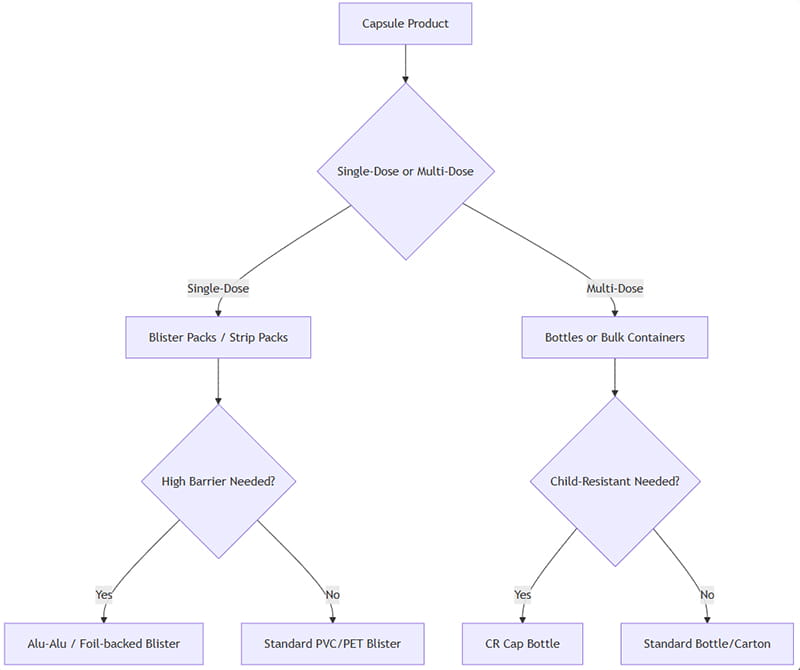
Elegir el embalaje adecuado (Diagrama de flujo de decisión)
Seleccionar un envase de cápsulas óptimo implica evaluar múltiples factores: forma de dosificación, cumplimiento del paciente, sensibilidad del producto, duración, requisitos reglamentarios, y costo. A continuación se muestra un marco de decisión simplificado.:
Cómo aplicar esto: Si las cápsulas están pensadas como unidades individuales (p.ej. dosis ajustadas o tarjetas blíster al por menor), Se prefieren ampollas/tiras.. Para multidosis (p.ej. suplementos o medicamentos de alto uso), las botellas son más eficientes. Si la protección contra la humedad y la luz es crítica, seleccionar opciones de alta barrera (Alu-Alu, botella ámbar). Si se necesita seguridad pediátrica, Utilice cierres de botellas a prueba de niños o diseños de blíster a prueba de manipulaciones..
Otros criterios de la industria incluyen:
Forma de dosificación: Comprimidos/cápsulas → blister, botella, o desnudarse; Polvos → bolsita/paquete en barra.
Sensibilidad del producto: Para medicamentos sensibles a la humedad, Utilice ampollas de Alu-Alu o bolsas de aluminio.. Para sensibles a la luz, Utilice botellas de color ámbar o películas opacas..
Cumplimiento del paciente: Formatos de dosis unitarias (ampolla/tira) adherencia a la ayuda. Las botellas de fácil apertura ayudan a las personas mayores.
Regulador: Incluya evidencia de manipulación y cumpla con las pautas de embalaje de la FDA/EMA..
Duración: Una vida útil más larga requiere materiales de mayor barrera (Alu-Alu, películas multicapa).
Escala de producción: Las máquinas blister son de alta velocidad. (volumen medio), Las líneas de botellas destacan en lotes grandes., Las máquinas de sobres manejan velocidades de línea flexibles.
Costo: Equilibrar los costos de material versus máquina. Por ejemplo, las botellas pueden tener una menor mano de obra por unidad pero un mayor costo del plástico; Los paquetes de barras utilizan muy poca película por dosis..
Al final, prueba piloto (estudios de estabilidad, estudios de consumo) y el análisis del costo total guiará la decisión final. El diagrama de flujo anterior es un punto de partida para escenarios típicos..
Equipo de envasado de cápsulas
El envasado de cápsulas requiere maquinaria especializada. Después de llenar las cápsulas (por rellenos de cápsulas), estos se transfieren a las líneas de envasado:
Máquinas de ampolla: Ya hemos notado el DPP-180Pro, una máquina blister termoformadora de alta velocidad. Forma cavidades (Película de PVC o PET), alimenta cápsulas (o tabletas), y sella con papel de aluminio, todo automáticamente. Jinlu ofrece máquinas (p.ej. DPP-180, DPP-270Max) hasta 4.800–11.200 cavidades/hora. Las máquinas de blister se combinan con alimentadores contadores para dejar caer exactamente una cápsula por bolsillo., y a menudo tienen perforadoras para separar las ampollas en tarjetas. Módulos adicionales (impresión/inspección) Asegúrese de que cada ampolla sea legible y correcta..
Cálculo & Líneas de llenado (Líneas de botellas): Estos convierten las cápsulas sueltas en botellas.. Una línea típica tiene: un clasificador de botellas (organiza botellas vacías), un contador de tabletas/cápsulas (recipiente vibratorio o sistema óptico que cuenta y deja caer un número determinado en cada botella), una máquina taponadora/selladora, y una estación de etiquetado. de Jinlu JL-16H línea, Por ejemplo, revuelve botellas, cuenta cápsulas de 3 a 40 mm, aplica mayúsculas, y etiquetas hasta 100 botellas/min con 99.98% exactitud. Para alto volumen (embalaje a granel) operaciones, Las líneas modulares con múltiples cabezales de conteo o llenadores de sinfín pueden alcanzar velocidades más altas.. También se pueden agregar selladores por inducción o retráctiles para tapar con papel de aluminio..
Máquinas de sobres/paquetes en barra: Estos son formulario-llenado-sello (FFS) maquinas. de Jinlu JL-VP La serie es un sistema VFFS de varios carriles que puede producir de 30 a 40 sobres o paquetes de barras por minuto por carril.. Dosifica con precisión polvo o líquido (tornillos de barrena para polvo, bombas para liquido) y sellos 3- o sobres de 4 lados o paquetes de barras de 3 lados. Las máquinas incluyen controles PLC para la longitud de la bolsa., servoalimentadores para mayor precisión (±0,02g), y termosellado hermético. Estas máquinas son ideales para productos monodosis., aunque las cápsulas rara vez están intactas “envasadas en bolsitas”.
Máquinas empacadoras de tiras: Los paquetes de tiras se fabrican en máquinas especializadas que sellan con calor láminas o películas superpuestas.. A menudo se parecen a las máquinas de blister, pero utilizan película plana.. (Si Jinlu ofrece empacadoras en tiras, integración similar a la de las máquinas de bolsitas.)
Máquinas de embalaje secundario:Máquinas estuchadoras puede montar cajas de cartón, insertar ampollas o frascos y folletos, y cerrar cajas. Los estuchadores farmacéuticos suelen manipular blísteres de aluminio o bolsas de cápsulas.. Empaquetadoras de cajas (para carcasas exteriores) y paletizadores completan la línea para la producción en masa.
Cumplimiento del equipo: Todas las máquinas de envasado para productos farmacéuticos deben cumplir con el diseño GMP (acero inoxidable, superficies limpiables, rendimiento validado). Las máquinas de Jinlu cuentan con la certificación CE/cGMP, a menudo con protecciones configurables y sistemas de rechazo para píldoras fuera de especificaciones. La integración es clave: Por ejemplo, una máquina de blister puede alimentar directamente una estuchadora que forma las cajas y envasa cada tarjeta de blister. Sistemas integrales (desde el llenado hasta la caja final) Permitir la automatización de extremo a extremo del envasado de cápsulas..
Consideraciones regulatorias y de cumplimiento
Los envases de cápsulas para productos farmacéuticos deben cumplir normas estrictas. Los puntos clave incluyen:
Requisitos GMP: FDA 21 CFR 211 La Subparte G requiere procedimientos escritos para la recepción y prueba de todo Materiales de embalaje antes de su uso.. Esto significa ampollas, botellas, etiquetas, cajas de cartón, etc.. debe cumplir con las especificaciones (sin defectos). Es obligatorio almacenar por separado los materiales de embalaje por producto para evitar confusiones.. Anexo GMP de la OMS 9 así mismo detalla los controles de embalaje. Las buenas prácticas de fabricación exigen trazabilidad (números de lote en el embalaje) y manejo limpio.
Directrices de estabilidad y PCI: Yo Q1A(R2) Estipula que se realicen estudios de estabilidad del producto en su estado final. sistema de cierre de contenedores. En la práctica, Esto significa que debe empaquetar lotes de cápsulas de prueba exactamente como estaba planeado. (mismo blister, mismo tipo de botella) y exponerlos a condiciones de estabilidad en tiempo real/real.. Cualquier cambio en el embalaje puede requerir nuevas pruebas de estabilidad..
Publicación por entregas & Trazabilidad: En muchos mercados, identificadores únicos (códigos de barras/códigos 2D) en embalaje secundario (y a veces ampollas primarias) Están obligados a rastrear los medicamentos a lo largo de la cadena de suministro.. Las líneas deben incluir impresoras o aplicadores para estos códigos.. El diseño del embalaje también suele incluir pruebas de manipulación. (según la ley de EE. UU./UE).
Embalaje resistente a niños y apto para personas mayores: Las sustancias controladas o ciertos medicamentos requieren características a prueba de niños.. Esto a menudo significa tapas especiales en las botellas. (p.ej. empujar y girar) o ampollas difíciles de pelar. Sin embargo, También se debe considerar la accesibilidad del paciente. (de fácil apertura para personas mayores). Consulta de la Ley de envases para la prevención de intoxicaciones (A NOSOTROS) o normas regionales similares son necesarias.
Normas ISO: Los proveedores de embalaje primario deben seguir la norma ISO 15378 (GMP para materiales de embalaje primario) para garantizar la calidad. Aunque no se cita directamente aquí, Este es un estándar comúnmente reconocido por los fabricantes de envases.. Las propias máquinas deben cumplir con los estándares de maquinaria farmacéutica. (Ceñudo, Ul, etc.) y 21 Parte CFR 11 si hay registro de datos.
Reglamento de etiquetado: Las cápsulas deben estar etiquetadas con el nombre del producto., dosificación, fecha de expiración, fabricante, etc.. Esto se extiende a cajas y blisters. (A veces, cada segmento del blister lleva información impresa.). La FDA y la EMA tienen requisitos específicos sobre qué información debe aparecer en las etiquetas primarias y secundarias..
En general, reunión de la FDA, Las directrices de la EMA y la OMS son esenciales. Muchos envasadores trabajan con proveedores regulados. (como Jinlu) ¿Quién puede proporcionar máquinas validadas y documentación? (IR/WH/PQ).
Conclusión
Elegir el envase de cápsulas adecuado requiere una protección equilibrada, usabilidad, y costo. Paquetes de ampollas, botellas, bolsitas, y las tiras cada una tiene su lugar en embalaje farmacéutico. Factores como la sensibilidad a la humedad., forma de dosis, y las necesidades del paciente guían la decisión. Junto a, Se deben cumplir estrictos requisitos regulatorios y GMP..
En Embalaje de Jinlu, Nos especializamos en soluciones integrales de embalaje farmacéutico.. Nuestro equipo – desde máquinas blister de alta velocidad a conteo totalmente automatizado & líneas de embotellado – le ayuda a envasar cápsulas de manera eficiente y conforme. También apoyamos las opciones sostenibles (p.ej. máquinas que procesan nuevas películas reciclables) y ofrecer un servicio integral (personalización, validación). Nuestro equipo puede ayudarle a evaluar el mejor sistema de envasado de cápsulas para su producto..
Listo para optimizar el envasado de sus cápsulas?Póngase en contacto con Jinlu Packing hoy para orientación experta y cotizaciones. Nuestras soluciones están respaldadas por estándares de calidad globales y más 3,000 clientes satisfechos en todo el mundo. Empaquemos sus cápsulas para el éxito!
Preguntas frecuentes sobre el envasado de cápsulas
¿Qué es el embalaje de cápsulas??
El envasado de cápsulas se refiere al proceso de encerrar cápsulas farmacéuticas en materiales protectores para mantener la estabilidad., seguridad, y cumplimiento. Los formatos comunes incluyen blister., botellas, y embalaje en tiras. En la práctica farmacéutica, El embalaje no es sólo contención: protege las cápsulas de la humedad., oxígeno, y contaminación, que afecta directamente la calidad y la vida útil del medicamento.
¿Cuál es el mejor envase para cápsulas farmacéuticas??
No existe una única "mejor" opción: depende de su producto y mercado.. • Embalaje tipo blíster → mejor para medicamentos sensibles a la humedad o de alto valor • Envasado en botella → mejor para almacenamiento a granel y suplementos • Embalaje en tiras → común en mercados sensibles a los costos A menudo se prefiere el envasado en blister porque proporciona protección en dosis unitarias y un mejor aislamiento ambiental..
¿Qué materiales debo utilizar para proteger mi producto en cápsulas??
Utilice materiales que bloqueen las amenazas clave. (humedad, oxígeno, luz). Por ejemplo, Los blísteres de aluminio Alu-Alu o los frascos de vidrio ámbar ofrecen una excelente barrera para las cápsulas sensibles a la humedad.. Los blísteres de PVC o PET con revestimiento de PVDC son habituales y más económicos para productos estables.. Los frascos de HDPE son estándar, pero es posible que necesiten una bolsa desecante si las cápsulas son sensibles.. Evaluar las tasas de transmisión de vapor de agua. (WVTR) de peliculas. En una producción consciente de la sostenibilidad, considerar monomateriales reciclables (p.ej. ampollas de polipropileno). Pruebe siempre la compatibilidad del embalaje mediante estudios de estabilidad.
¿Cómo protege el envasado de cápsulas la estabilidad del fármaco??
Las cápsulas son sensibles a factores ambientales como la humedad., oxígeno, y luz. Embalaje adecuado: • Previene la absorción de humedad • Reduce la oxidación • Mantiene la estabilidad química Embalaje, En particular, Crea microambientes sellados para cada cápsula., extendiendo significativamente la vida útil.
¿Qué máquinas envasadoras necesito para cápsulas??
Depende del formato. Para ampollas, Necesitas una máquina formadora/selladora de blister (con moldes de cavidad para adaptarse a su cápsula) más posiblemente un estuchador. para botellas, necesitas una línea de llenado/tapado de botellas (descifrador, contra-relleno, taponadora, etiquetadora). Para paquetes de barras, Utilice una máquina vertical para formar, llenar y sellar bolsitas.. Jinlu ofrece todo esto: p.ej. nuestras ampollas serie DPP, Línea de conteo JL-16H, y empacadora de bolsitas JL-VP. Seleccionar la máquina adecuada implica capacidad, tamaño de la cápsula, e integraciones requeridas (sistemas de visión, estaciones de rechazo, etc.).
¿Cómo decido entre blisters y frascos para una cápsula??
Considere factores como la dosis (soltero vs.. múltiple), necesidades de estabilidad, y uso del paciente. Para comodidad de dosis única y alta protección (especialmente para cápsulas sensibles a la humedad/luz), A menudo se prefieren las ampollas.. Por motivos económicos o de gran volumen, Generalmente se eligen botellas.. También, si se necesitan características a prueba de niños o aptas para personas mayores, las botellas pueden ofrecer más opciones. Por regla general, Haga coincidir las propiedades de su cápsula con el empaque.: p.ej. cápsulas muy higroscópicas → blister Alu-Alu; suplementos de alta demanda → botellas.
Petty Fu, Fundador de Jinlupacking, trae 20 años de experiencia al sector de maquinaria farmacéutica. Bajo su liderazgo, Jinlu se ha convertido en un proveedor confiable que integra diseño, producción, y ventas. A Petty le apasiona compartir su profundo conocimiento de la industria para ayudar a los clientes a navegar las complejidades del empaque farmacéutico., garantizar que reciban no sólo equipos, sino una verdadera asociación de servicio integral adaptada a sus objetivos de producción..