

Σκληρές κάψουλες γεμάτες με υγρό (LFHCs) είναι βασικά τυπικές κάψουλες δύο τεμαχίων (σκληρή ζελατίνη ή κελύφη HPMC) που είναι γεμάτα με λάδια ή άλλα μη υδατικά υγρά σκευάσματα αντί για σκόνες ή κόκκους. Φανταστείτε μια σκληρή κάψουλα που μπορείτε να ανοίξετε και να γεμίσετε με το δικό σας μείγμα – αλλά φτιαγμένη σε κλίμακα από μηχανήματα ακριβείας. Στην κατασκευή, μια αντλία ή μια σύριγγα εγχέει μια μετρημένη δόση ενός υγρού (συχνά ένα λάδι ή εναιώρημα) στο ανοιχτό σώμα κάθε κάψουλας. Μετά το γέμισμα, το καπάκι είναι κλειστό στο σώμα, και ο σύνδεσμος σφραγίζεται αμέσως (οπότε δεν διαρρέει τίποτα). Για να το οπτικοποιήσω, εξετάστε την παρακάτω εικόνα σκληρών καψουλών γεμάτες με υγρό:
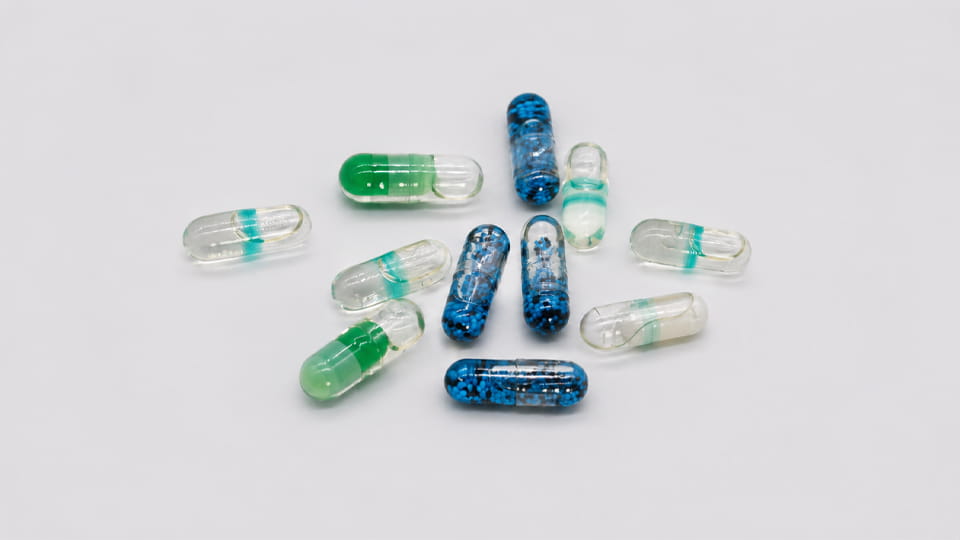
Εικόνα: Σκληρές κάψουλες δύο τεμαχίων γεμάτες με υγρό. Κάθε κάψουλα έχει ένα καπάκι και ένα σώμα ενωμένα και σφραγισμένα για να συγκρατούν ένα έλαιο ή υγρό σκεύασμα.
Οι γεμάτες με υγρό κάψουλες απαιτούν ειδική σφράγιση γιατί μπορεί να διαρρεύσουν υγρά. Οι συνήθεις μέθοδοι σφράγισης περιλαμβάνουν την εφαρμογή μιας λεπτής ταινίας ζελατίνης γύρω από την άρθρωση (ονομάζεται "σφράγιση ταινίας”) ή χρησιμοποιώντας τεχνικές σύντηξης. Οντως, σύγχρονος υγρά πληρωτικά καψουλών σαν Jinlu's NJY-1000C γεμίζει αυτόματα τα υγρά σε τυπικά σκληρά κελύφη και στη συνέχεια τα σφραγίζει σε μια υβριδική μορφή που συνδυάζει την εύκολη κατάποση με τη γρήγορη απορρόφηση του φαρμάκου. Εν συντομία, Τα LFHC σάς επιτρέπουν να παρέχετε μια υγρή μορφή δοσολογίας μέσα σε ένα στερεό κέλυφος κάψουλας - ένα χρήσιμο υβρίδιο μεταξύ σκόνης και μαλακών γέλης.
Για να συνοψίσουμε, ο οφέλη από σκληρές κάψουλες γεμάτες με υγρό συμπεριλαμβάνω: βελτιωμένη διαλυτότητα και βιοδιαθεσιμότητα για σκληρά φάρμακα; ευέλικτη δοσολογία και εύκολη ανάπτυξη; ταχύτερος, πιο οικονομικά αποδοτική παραγωγή; υψηλή σταθερότητα προϊόντος; και τη δυνατότητα δημιουργίας νέων προϊόντων συνδυασμού. Αυτά τα πλεονεκτήματα καθιστούν τα LFHC ελκυστικά τόσο για τους κατασκευαστές φαρμακευτικών όσο και για τους φαρμακευτικούς.
Είναι φυσικό να αναρωτιόμαστε πώς συγκρίνονται τα LFHC κάψουλες μαλακής ζελατίνης. Και τα δύο παρέχουν υγρές συνθέσεις, αλλά υπάρχουν βασικές διαφορές. Οι μαλακές γέλη κατασκευάζονται σε ένα βήμα χύτευσης και είναι ιδανικές για λάδια, αλλά απαιτούν πλαστικοποιημένη ζελατίνη (με υγρασία) και πολύ αυστηρό έλεγχο υγρασίας κατά την κατασκευή. Οι σκληρές κάψουλες κατασκευάζονται χωριστά και γεμίζονται σε δεύτερο στάδιο, πράγμα που σημαίνει απλούστερο εξοπλισμό και δεν χρειάζεται να διαμορφώσετε το κέλυφος στο σπίτι. Για παράδειγμα, με το LFHC μπορείτε να χρησιμοποιήσετε κοχύλια HPMC για χορτοφαγικά προϊόντα ή γεμίσματα ευαίσθητα στην υγρασία – κάτι που δεν είναι δυνατό με τις τυπικές μαλακές γέλη.
Από κατασκευαστική άποψη, Οι σκληρές κάψουλες συχνά κερδίζουν με κόστος και ταχύτητα. Οι μαλακές γέλη χρειάζονται εξειδικευμένο μηχανή ενθυλάκωσης και μέρες προετοιμασίας, ενώ ένα υγρό πληρωτικό καψουλών ολοκληρώνει τον κύκλο σε ώρες. Οι διαδικασίες μαλακής γέλης σπαταλούν επίσης περισσότερη ζελατίνη και απαιτούν δαπανηρή εξοπλισμό παρασκευής ζελατίνης. Από την άλλη πλευρά, Οι μαλακές γέλη σφραγίζονται εγγενώς όταν σχηματίζονται, ώστε να μην χρειάζονται ξεχωριστό βήμα σφράγισης. Τα LFHC χρειάζονται αυτό το επιπλέον βήμα (banding ή fusion), αλλά όπως συζητήθηκε, Αυτό μπορεί να είναι πολύ αποτελεσματικό με τις σύγχρονες μηχανές ζωνών.
| Χαρακτηριστικό | Σκληρές Κάψουλες Γεμάτες Υγρό | Μαλακές γέλη |
|---|---|---|
| Κόστος Ανάπτυξης | Χαμηλότερος | Άνω |
| Ευελιξία παραγωγής | Ψηλά | Μέσον |
| Βιοδιαθεσιμότητα | Εξοχος | Εξοχος |
| Υλικά Κάψουλας | Ζελατίνη/HPMC | Κυρίως ζελατίνη |
| Χορτοφαγικές επιλογές | Διαθέσιμος | Περιωρισμένος |
| Παραγωγή μικρής παρτίδας | Πιο εύκολο | Δύσκολος |
| Επένδυση Εξοπλισμού | Χαμηλότερος | Άνω |
Συνοπτικά, Οι σκληρές κάψουλες γεμάτες με υγρό προσφέρουν παρόμοια οφέλη για τον ασθενή (εύκολη κατάποση, γρήγορη απελευθέρωση υγρού περιεχομένου) ως μαλακές γέλη, αλλά με απλούστερη κατασκευή και μεγαλύτερη ευελιξία στη σύνθεση. Ουσιαστικά γεφυρώνουν το χάσμα μεταξύ σκληρών καψουλών και μαλακών πηκτωμάτων.
Η παραγωγή σκληρών καψουλών γεμάτες με υγρό περιλαμβάνει τα γνωστά βήματα πλήρωσης της κάψουλας, με ορισμένες ειδικές εκτιμήσεις για το υγρό γέμισμα. Τα κύρια στάδια είναι:
Εικόνα: Μια μηχανή πλήρωσης υγρών καψουλών στην εργασία. Οι κενές σκληρές κάψουλες γεμίζονται με υγρό και στη συνέχεια σφραγίζονται (ταινιωμένο ή fusion) σε μια συνεχή διαδικασία.
Κάθε ένα από τα παραπάνω βήματα πρέπει να επικυρωθεί ως προς την ποιότητα. Στην πράξη, οι κατασκευαστές καθιερώνουν ελέγχους για το ιξώδες του υγρού, βαθμονόμηση αντλίας, λύση επίδεσης, και συνθήκες στεγνώματος. Μπορούν επίσης να πραγματοποιήσουν δοκιμές διαρροής σε δείγματα (δοκιμές κενού ή οπτικοί έλεγχοι) για να διασφαλιστεί η ακεραιότητα της μπάντας. Αλλά με καλοσχεδιασμένη γραμμή – αδειάζει, ράβδος, συμμορίες, και ξήρανση – η παραγωγή καψουλών γεμάτη με υγρό μπορεί να λειτουργήσει με υψηλή απόδοση όπως κάθε άλλη σειρά καψουλών.
[jl_youtube src=”https://www.youtube.com/embed/jBjWRfpjJ4o”]
Μια πιο προσεκτική ματιά σφράγιση ταινίας αξίζει τον κόπο, δεδομένου ότι είναι κεντρικός στην κατασκευή υγρών καψουλών. Σε αυτήν τη διαδικασία, Μια στενή κουρτίνα από θερμαινόμενο διάλυμα ζελατίνης εφαρμόζεται γύρω από την κλειδωμένη ραφή της κάψουλας. Στη συνέχεια, ο ιμάντας της κάψουλας περνά μέσα από μια ζώνη ψύξης έτσι ώστε η ταινία να πήζει. Αυτή η μέθοδος είναι γρήγορη, δεν απαιτεί διαλύτες, και κάνει αμέσως την κάψουλα εμφανή. Οι Altasciences και άλλοι ειδικοί ευνοούν τη σφράγιση ταινίας επειδή αποφεύγει το αλκοόλ (έτσι δεν υπάρχει δοκιμή υπολειμματικού διαλύτη) και παρέχει αποδεικτικά στοιχεία παραβίασης χωρίς ιατρική συνταγή και χρωματικές ζώνες με δυνατότητα επωνυμίας. Όπως το θέτει μια κριτική, σφράγιση ταινίας «δημιουργεί ένα ερμητικό, στεγανή σφράγιση που προστατεύει τη σύνθεση και αυξάνει τη σταθερότητα του προϊόντος κατά τη μεταφορά».
Άλλοι τύποι στεγανοποίησης περιλαμβάνουν σφράγιση σύντηξης, όπου η ραφή της κάψουλας μαλακώνει (συνήθως με ένα υδροαλκοολικό μείγμα) και εν συντομία λιωμένο. Οι σφραγίδες σύντηξης μπορεί να φαίνονται πιο καθαρές, αλλά απαιτούν αυστηρούς περιβαλλοντικούς ελέγχους. Σφράγιση μικρο-ψεκασμού είναι μια στοχευμένη προσέγγιση - μια μικρή ποσότητα στεγανοποιητικού ψεκάζεται στον σύνδεσμο, ακολουθούμενη από θερμότητα, που χαμηλώνει το σημείο τήξης της κάψουλας στη ραφή και τη συγκολλά. Ωστόσο, Αυτό απαιτεί προσεκτική παρακολούθηση για την αποφυγή φυσαλίδων ή παραμορφώσεων. Στην πράξη, Οι περισσότερες σειρές διατροφικών και φαρμακευτικών προϊόντων χρησιμοποιούν ταινίες λόγω της αξιοπιστίας και της απλότητάς τους.
Σε όρους εξοπλισμού, υπάρχουν αφιερωμένα μηχανές περίδεσης καψουλών που ενσωματώνονται με τις γραμμές πλήρωσης. Αυτά τα μηχανήματα εφαρμόζουν με ακρίβεια ζώνες γέλης σε χιλιάδες κάψουλες ανά λεπτό. Επειδή η σφράγιση είναι τόσο σημαντική για τους LFHC, Οι κορυφαίες μηχανές πλήρωσης περιλαμβάνουν πλέον ενσωματωμένες ταινίες. Για παράδειγμα, Το κατοχυρωμένο με δίπλωμα ευρεσιτεχνίας σύστημα σφράγισης της Jinlu προσαρμόζει αυτόματα την ταχύτητα της ζώνης, ώστε κάθε κάψουλα να είναι ομοιόμορφη, στεγανό παλτό.
Οι σκληρές κάψουλες γεμάτες με υγρό καλύπτουν μια σειρά βιομηχανιών. Σε φαρμακευτικά προϊόντα, χρησιμοποιούνται όλο και περισσότερο για νέες χημικές οντότητες (NCE) που είναι ελάχιστα διαλυτά ή πολύ ισχυρά. Πολλά φάρμακα μεταγενέστερου σταδίου σήμερα ταιριάζουν με αυτήν την περιγραφή, και η χορήγηση κάψουλας μπορεί να απλοποιήσει την ανάπτυξη της δοσολογικής μορφής. Τα LFHC μπορούν επίσης να ανανεώσουν τα υπάρχοντα προϊόντα: μερικές φορές οι εταιρείες επανασυνθέτουν ένα παλιό δισκίο σε υγρή κάψουλα για να βελτιώσουν την έναρξη της δράσης ή να συνδυάσουν πολλαπλά ενεργά συστατικά σε ένα χάπι. Για παράδειγμα, ένα χρόνιο φάρμακο μπορεί να παρέχει ένα υγρό ένθετο ταχείας δράσης συν ένα σφαιρίδιο χρονικής αποδέσμευσης σε μία κάψουλα.
Στο διατροφικά και συμπληρώματα πεδίο, Οι κάψουλες γεμάτες με υγρό είναι δημοφιλείς για ελαιοδιαλυτές βιταμίνες και βοτανικά εκχυλίσματα. Ο οδηγός σφράγισης richpacking σημειώνει ότι προϊόντα όπως ιχθυέλαιο, ωμέγα-3, βιταμίνη D, και τα φυτικά έλαια τοποθετούνται συνήθως σε LFHC. Πράγματι, πολλά συμπληρώματα τύπου "softgel" κατασκευάζονται πλέον ως LFHC με ταινία - οι καταναλωτές εξακολουθούν να λαμβάνουν μια δόση υγρού που καταπίνεται εύκολα, αλλά οι κατασκευαστές επωφελούνται από απλούστερο εξοπλισμό πλήρωσης. Για συμπληρώματα διατροφής, Οι κάψουλες με ταινίες παρέχουν αποδείξεις παραποίησης και ελκυστικές χρωματικές ζώνες χωρίς το κόστος της πλήρους χρήσης φουσκάλες.
Οι υπεύθυνοι λειτουργίας και οι μηχανικοί προμηθειών θα εκτιμήσουν ότι οι γραμμές LFHC μπορούν συχνά να λειτουργούν στον ίδιο όροφο παραγωγής με τις τυπικές γραμμές κάψουλας. Για παράδειγμα, ένα μηχανή πλήρωσης καψουλών που χειρίζεται ήδη σκόνες μπορεί μερικές φορές να προσαρμοστεί ή να εξοπλιστεί για να χειρίζεται κεφαλές δοσομέτρησης υγρών. Αυτό σημαίνει ότι τα φυτά μπορούν να προσθέσουν δυνατότητες δοσολογίας υγρών χωρίς ένα εντελώς νέο τμήμα μαλακής γέλης. (Μια σημείωση: Τα τυπικά σκληρά κελύφη καψουλών χειρίζονται καλά τα μη υδατικά υγρά, αλλά τα πολύ υδαρή σκευάσματα συνήθως απαιτούν ειδικές κάψουλες.) Η ευελιξία των LFHC επεκτείνεται και στη συσκευασία. Μετά τη σφράγιση, οι κάψουλες μπορούν να συσκευάζονται σε κυψέλες, εμφιαλωμένο, ή κολλημένο χύμα όπως κάθε άλλο χάπι.
Τελικά, ανακαλώ το περίληψη παροχών: Τα LFHC βελτιώνουν τη βιοδιαθεσιμότητα των ελαίων και των εναιωρημάτων, ενεργοποιήστε την ευέλικτη δοσολογία, και προσφέρουν ταχύτητα και σταθερότητα κατασκευής. Είναι ιδανικά για χαμηλής δόσης ή ισχυρά API (γιατί η πλήρωση ενός μικροσκοπικού όγκου είναι ευκολότερη από τη διανομή ενός μικροσκοπικού βάρους σκόνης). Επιτρέπουν επίσης υψηλότερη απόδοση κάψουλας: Τα μηχανήματα υψηλής ταχύτητας μπορούν να αντλούν δεκάδες χιλιάδες ανά ώρα με μεγέθη καψουλών από 000 (μεγάλο) κάτω σε #5 (μικρό). Για έναν Διευθυντή Επιχειρήσεων που αποφασίζει για μια γραμμή κάψουλας, Οι δυνατότητες υγρών σημαίνουν ότι μπορείτε να εκτελέσετε προϊόντα σε σκόνη και υγρά σε ένα σύστημα (με μετατροπές), διευρύνοντας το μείγμα προϊόντων σας χωρίς διπλή επένδυση.
Οι σκληρές κάψουλες γεμάτες με υγρό είναι μια ισχυρή δοσολογική μορφή που συνδυάζει τα καλύτερα χάπια και υγρά. Λύνουν τους πονοκεφάλους της σύνθεσης (ειδικά για κακοδιαλυτούς ή πολύπλοκους συνδυασμούς φαρμάκων) και δώστε στους κατασκευαστές μια κλιμακούμενη, οικονομική οδός παραγωγής. Με τη χρήση μηχανές πλήρωσης υγρών καψουλών και τεχνικές σφράγισης, οι εταιρείες μπορούν αξιόπιστα να παράγουν μαζικά κάψουλες που παρέχουν λάδια, εναιωρήματα ή γαλακτώματα σε ένα τακτοποιημένο, καταπόσιμη μορφή. Στον αναπτυσσόμενο κόσμο των από του στόματος δοσολογικών μορφών, Τα LFHC ξεχωρίζουν για την ευελιξία τους, έκκληση ασθενών, και εμπορική ταχύτητα. Είτε είστε διευθυντής επιχειρήσεων σε ένα φαρμακευτικό εργοστάσιο είτε μηχανικός προμηθειών που προμηθεύεται μηχανήματα συσκευασίας, εξερευνώντας σκληρές κάψουλες γεμάτες με υγρό θα μπορούσε να φέρει τα προϊόντα σας πιο γρήγορα στην αγορά με καλύτερη αποτελεσματικότητα και χαμηλότερο κόστος.
Ψάχνετε για μια αξιόπιστη λύση πλήρωσης υγρών καψουλών? Συσκευασία Jinlu παρέχει προηγμένο εξοπλισμό πλήρωσης και συσκευασίας καψουλών για κατασκευαστές φαρμακευτικών και διατροφικών προϊόντων σε όλο τον κόσμο.
Οι σκληρές κάψουλες γεμάτες με υγρό είναι κάψουλες δύο τεμαχίων κατασκευασμένες από ζελατίνη ή κελύφη HPMC που περιέχουν υγρό, ημι-στερεό, εναιώρημα, ή σκευάσματα με βάση το λάδι. Σε αντίθεση με τις παραδοσιακές κάψουλες γεμάτες σκόνη, επιτρέπουν στους κατασκευαστές να παραδίδουν συστατικά σε υγρή κατάσταση, που μπορεί να βελτιώσει την ευελιξία της σύνθεσης και την απόδοση των συστατικών.
Τα κύρια πλεονεκτήματα περιλαμβάνουν βελτιωμένη βιοδιαθεσιμότητα για κακώς διαλυτά συστατικά, καλύτερη κάλυψη της γεύσης, προστασία των ευαίσθητων ενώσεων, ακριβής δοσολογία, και την ικανότητα σύνθεσης ελαίων, αναστέλματα, και συστήματα αυτογαλακτωματοποίησης μέσα σε ένα σκληρό κέλυφος κάψουλας.
Η διαδικασία παρασκευής τυπικά περιλαμβάνει την παρασκευή σκευάσματος, υγρό γέμισμα σε άδειες σκληρές κάψουλες, κλείδωμα κάψουλας, σφράγιση ή ταινία, ξήρανση, επιθεώρηση, και τελική συσκευασία. Εξειδικευμένες μηχανές πλήρωσης υγρών καψουλών εξασφαλίζουν ακριβή δοσολογία και αποτρέπουν τη διαρροή.
Οι σκληρές κάψουλες γεμάτες με υγρό μπορεί να περιέχουν έλαια, σκευάσματα με βάση τα λιπίδια, φυτικά εκχυλίσματα, αναστέλματα, ημιστερεά, αυτογαλακτωματοποιούμενα συστήματα χορήγησης φαρμάκων (SEDDS), και άλλα μη υδατικά υγρά σκευάσματα. Τα σκευάσματα με βάση το νερό γενικά αποφεύγονται επειδή μπορούν να καταστρέψουν τα κελύφη της κάψουλας.
Οι σκληρές κάψουλες γεμάτες με υγρό χρησιμοποιούν ένα κέλυφος κάψουλας δύο τεμαχίων που γεμίζει και σφραγίζεται μετά την ενθυλάκωση, ενώ σχηματίζονται μαλακές γέλη, γεμάτη, και σφραγίζεται σε μία μόνο διαδικασία. Οι σκληρές κάψουλες γεμάτες με υγρό συχνά παρέχουν μεγαλύτερη ευελιξία στη σύνθεση, χαμηλότερο κόστος εργαλείων, ευκολότερη κλιμάκωση, και την επιλογή χρήσης χορτοφαγικών κοχυλιών HPMC. Μαλακές γέλη, ωστόσο, προσφέρουν μια πλήρως ερμητική μονοκόμματη σφράγιση.
Ναί. Οι κάψουλες υγρής πλήρωσης HPMC χρησιμοποιούνται ευρέως για ευαίσθητα στην υγρασία συστατικά, χορτοφαγικά σκευάσματα, και διατροφικά προϊόντα. Περιέχουν λιγότερη υγρασία από τις κάψουλες ζελατίνης και συχνά προτιμώνται για συμπληρώματα φυτικής προέλευσης.
Η σφράγιση της κάψουλας αποτρέπει τη διαρροή κατά τη μεταφορά και την αποθήκευση, βελτιώνει τη σταθερότητα του προϊόντος, ενισχύει την αντοχή σε παραβίαση, και βοηθά στην προστασία των ευαίσθητων στο οξυγόνο συστατικών. Οι συνήθεις μέθοδοι σφράγισης περιλαμβάνουν τεχνολογίες περίδεσης καψουλών και θερμικής σφράγισης.
Οι σκληρές κάψουλες γεμάτες με υγρό χρησιμοποιούνται ευρέως στη φαρμακευτική παραγωγή, διατροφική παραγωγή, συμπληρώματα διατροφής, φυτικά προϊόντα, κτηνιατρική, και ειδικά σκευάσματα υγειονομικής περίθαλψης. Είναι ιδιαίτερα κατάλληλα για λάδια, βιταμίνες, βοτανικά εκχυλίσματα, και ελάχιστα διαλυτά ενεργά συστατικά.
Μια τυπική γραμμή παραγωγής σκληρών καψουλών με πλήρωση υγρού μπορεί να περιλαμβάνει μια μηχανή πλήρωσης υγρών καψουλών, μηχάνημα σφράγισης ή ταινίας κάψουλας, μηχανή γυαλίσματος κάψουλας, ανιχνευτής μετάλλων, διαλογέας κάψουλας, Μηχανή συσκευασίας φυσαλίδων, γραμμή εμφιάλωσης, και συστήματα επιθεώρησης. Η ακριβής διαμόρφωση εξαρτάται από την παραγωγική ικανότητα και τις κανονιστικές απαιτήσεις.
Όταν επιλέγετε μηχανή πλήρωσης υγρών καψουλών, οι κατασκευαστές θα πρέπει να αξιολογούν την ακρίβεια πλήρωσης, ταχύτητα παραγωγής, συμβατότητα μεγέθους κάψουλας, ενσωμάτωση σφράγισης, ευκολία καθαρισμού, Συμμόρφωση GMP, επίπεδο αυτοματισμού, και μελλοντικές απαιτήσεις επέκτασης. Η ιδανική λύση εξαρτάται από τα χαρακτηριστικά της σύνθεσης και τον όγκο παραγωγής.
Αναφορές:
1.Κάψουλες σκληρού κελύφους γεμάτες υγρό: Τρέχουσα φαρμακευτική τεχνολογία που επηρεάζει την παράδοση φαρμάκων —— Εθνική Βιβλιοθήκη Ιατρικής
2.Κάψουλα σκληρής ζελατίνης γεμάτη υγρό —— jddtonline.info
3.Μια ανασκόπηση για τις γεμάτες με υγρό κάψουλες σκληρής ζελατίνης —— merckmillipore.com
4.Η αξιολόγηση ενός αυτόματου συστήματος πλήρωσης υγρών σε κάψουλες σκληρής ζελατίνης —— Εθνική Βιβλιοθήκη Ιατρικής
5.Κάψουλες σκληρής ζελατίνης γεμάτες με υγρό : μελέτες συμβατότητας εκδόχου/κάψουλας —— ScienceDirect
6.Κάψουλες σκληρής ζελατίνης γεμάτες υγρό και σφραγισμένο —— jddtonline.info
7.Επιλογή εκδόχων για σκληρές κάψουλες γεμάτες με υγρό —— pharmtech.com