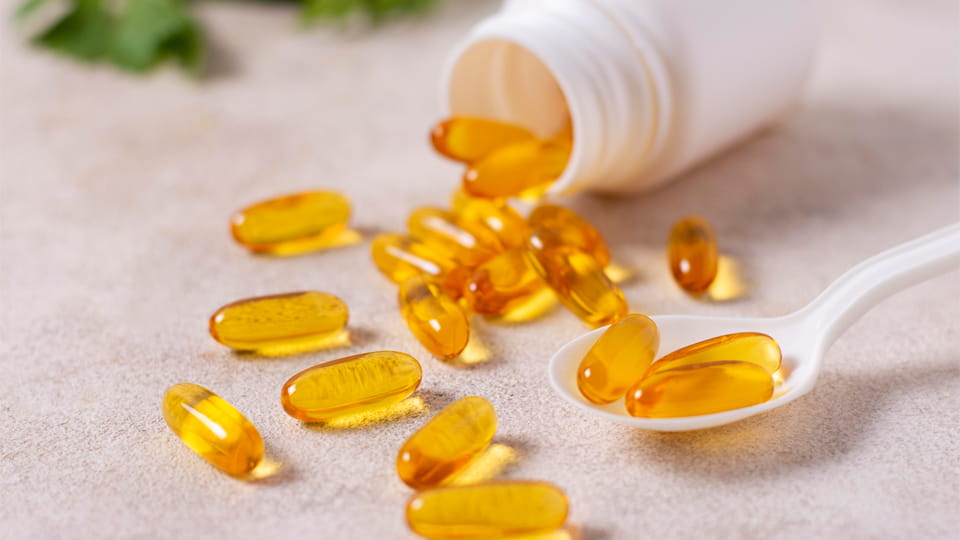
Οι κάψουλες Softgel είναι μονοκόμματα χάπια επικαλυμμένα με gel που μπορούν να συγκρατήσουν έλαια, υγρά θρεπτικά συστατικά, ή αναστολές. Σε αντίθεση με τις σκληρές κάψουλες δύο τεμαχίων, σχηματίζονται μαλακές γέλη, γεμίζουν και σφραγίζονται σε ένα συνεχές βήμα. ΕΝΑ μηχανή ενθυλάκωσης softgel είναι ένα ηλεκτρομηχανικό σύστημα που περιστρέφει δύο κορδέλες ζελατίνης ενώ εγχέει υγρό γέμισμα μεταξύ τους. Αυτό διασφαλίζει ότι κάθε μαλακή γέλη έχει ένα ερμητικά σφραγισμένο κέλυφος και ακριβή δόση. Σε αυτόν τον φιλικό οδηγό, θα εξηγήσουμε πώς λειτουργούν οι μηχανές μαλακής γέλης, περιγράψτε το πλήρες διαδικασία παραγωγής μαλακής γέλης, και καλύπτουν βασικά χαρακτηριστικά (ικανότητα, ακρίβεια, Συμμόρφωση GMP) για να σας βοηθήσει να επιλέξετε τον σωστό εξοπλισμό. Μέχρι το τέλος, θα δείτε γιατί οι μαλακές γέλη είναι δημοφιλείς στα φαρμακευτικά προϊόντα και τα θρεπτικά προϊόντα, και πώς οι σημερινές αυτοματοποιημένες γραμμές (2026 έκδοση!) μπορεί να κάνει την παραγωγή γρήγορα, καθαρός, και συνεπής.
Τα Softgels είναι κάψουλες μαλακής ζελατίνης γεμάτες με λάδι ή υγρά συστατικά. Σχηματίζεται μια σύγχρονη μηχανή ενθυλάκωσης μαλακής γέλης, γεμίζει, και σφραγίζει αυτές τις κάψουλες με μία κίνηση. Το αποτέλεσμα είναι ένα γυαλιστερό, ομοιόμορφη κάψουλα που είναι εύκολο στην κατάποση και αεροστεγές από το σχεδιασμό.
Τι είναι μια μηχανή ενθυλάκωσης Softgel?
ΕΝΑ μηχανή ενθυλάκωσης softgel (ονομάζεται επίσης μηχανή μαλακής γέλης ή μηχανή μαλακής κάψουλας) είναι ένα εξειδικευμένο σύστημα περιστροφικής μήτρας για την παραγωγή καψουλών μαλακής ζελατίνης. Σε αντίθεση με τις σκληρές κάψουλες δύο τεμαχίων, μια μηχανή μαλακής γέλης λιώνει ένα μείγμα ζελατίνης/πλαστικοποιητή σε δύο συνεχείς κορδέλες και τις σφραγίζει μαζί γύρω από ένα ακριβές υγρό γέμισμα. Σε ένα βήμα το μηχάνημα σχηματίζει το κέλυφος και εγχέει το ενεργό υγρό, δίνοντας μια μονοκόμματη υδατοστεγή κάψουλα. Οι μηχανές μαλακής γέλης είναι απαραίτητες στη φαρμακευτική και τη διατροφική βιομηχανία. Για παράδειγμα, πολοί ιχθυέλαιο ή συμπληρώματα βιταμινών παραδίδονται ως μαλακές γέλη, που καταπίνονται εύκολα και σφραγίζουν αποτελεσματικά έλαια και ευαίσθητα συστατικά.
Τα βασικά στοιχεία περιλαμβάνουν συνήθως α λιώνουμε τη ζελατίνη (να διαλυθεί και να ρευστοποιηθεί η ζελατίνη), χύτευση τύμπανων (που σχηματίζουν επίπεδες ζελατίνες), ένα αντλία πλήρωσης και σφήνα έγχυσης (μέτρηση του υγρού γεμίσματος), ρολά περιστροφικής μήτρας (για να διαμορφώσετε και να σφραγίσετε τις κάψουλες), και μεταφορείς/στεγνωτήρια (για να αφαιρέσετε την υγρασία). Κάθε μέρος παίζει ρόλο στην παραγωγή ομοιόμορφων καψουλών. Τα σύγχρονα μηχανήματα ελέγχονται από οθόνη αφής PLC, και κατασκευασμένο από ανοξείδωτο χάλυβα για συναρμολόγηση GMP πρότυπα.
Γιατί μαλακές κάψουλες? Οι κάψουλες μαλακής γέλης ευνοούνται στα φάρμακα και στα συμπληρώματα, επειδή μπορούν να κρατήσουν έλαια, αναστέλματα, ή ευαίσθητα υγρά σε σταθερό κέλυφος. Ενισχύουν τη βιοδιαθεσιμότητα και καταπίνονται εύκολα. Επειδή το κέλυφος είναι σφραγισμένο, αεροστεγείς μαλακές γέλη προστατεύουν τα λάδια (όπως το ιχθυέλαιο ή τα βιταμέλαια) και γεύσεις μάσκας. Προσφέρουν επίσης δημιουργικά σχήματα και χρώματα για branding. (Οι μαλακές κάψουλες είναι οι διαφανείς κάψουλες που βλέπετε για τη βιταμίνη Ε, ωμέγα-3.)
1. Προετοιμάστε το μείγμα κελύφους ζελατίνης: Ζελατίνη σε σκόνη (από ζωικό κολλαγόνο ή χορτοφαγική πηγή) αναμιγνύεται με πλαστικοποιητή (συνήθως γλυκερίνη ή σορβιτόλη) και νερό σε θερμαινόμενη δεξαμενή. Το μείγμα διατηρείται υπό κενό για να αφαιρεθούν οι φυσαλίδες και ωριμάζει (συχνά 3-24 ώρες) ώστε να επιτευχθεί ομοιόμορφο ιξώδες και θερμοκρασία. Ένα χρώμα ή αδιαφανοποιητή (διοξείδιο του τιτανίου) μπορεί να φιλτραριστεί εάν χρειάζεται. Το αποτέλεσμα είναι ξεκάθαρο, ελαστικό σιρόπι λιωμένης ζελατίνης έτοιμο για σχηματισμό. Υψηλής ποιότητας (USP) η ζελατίνη εξασφαλίζει συνοχή.
2. Προετοιμάστε το υλικό πλήρωσης: Ταυτοχρόνως, τα ενεργά συστατικά (ελαιογραφίες, αναστέλματα, γαλακτώματα) αναμειγνύονται σε ανοξείδωτο δοχείο με μίξερ. Ελαιογραφίες (ιχθυέλαιο, μείγματα βιταμινών) ή γέλες ομογενοποιούνται, και τυχόν σκόνες (βιταμίνες, ορυκτά) αλέθονται μια χαρά (γύρω 80 πλέγμα) να μείνει σε αναστολή. Εργαστείτε υπό κενό για να αφαιρέσετε τις φυσαλίδες αέρα. Η θερμοκρασία ελέγχεται (συχνά 20–40°C) ώστε το γέμισμα να ρέει εύκολα, αλλά δεν θα υποβαθμίσει τα ευαίσθητα εξαρτήματα. Μόλις ομοιόμορφη, το υγρό γέμισμα αντλείται στη χοάνη πλήρωσης του μηχανήματος.
3. Σχηματισμός Κορδέλας: Ο πυρήνας της διαδικασίας συμβαίνει στη μηχανή ενθυλάκωσης. Το ζεστό σιρόπι ζελατίνης αντλείται από τη συσκευή τήξης σε δύο κρύα χύτευση τύμπανων. Κάθε τύμπανο περιστρέφεται και επικαλύπτει ομοιόμορφα τη λιωμένη ζελατίνη σε μια λεπτή κορδέλα (συνήθως πάχος ~0,8 mm). Οι ανεμιστήρες ψύξης ή τα κανάλια ψυκτικού υγρού στα τύμπανα στερεοποιούν τη ζελατίνη σε σταθερά φύλλα. Τώρα έχετε δύο παράλληλες κορδέλες ζελατίνης που κινούνται συγχρονισμένα προς το πρατήριο καυσίμων.
4. Πλήρωση, Σφράγιση, και Κοπή: Λίγο πριν κυλήσει το ζάρι, μια θερμαινόμενη σφήνα έγχυσης εγχέει μια ακριβή δόση του υγρού γεμίσματος ανάμεσα στις δύο κορδέλες. Μια συγχρονισμένη αντλία ελέγχει τον όγκο πλήρωσης με ακρίβεια ±1–3%.. Αμέσως μετά, ο ρολά περιστροφικής μήτρας πιέστε τις κορδέλες μεταξύ τους. Οι μήτρες κόβουν σχήματα κάψουλας (γύρω, ωοειδής, επιμήκης, και τα λοιπά.) και λιώνουμε τις άκρες της ζελατίνης γύρω από το υγρό. Χάρη στη θερμότητα και την πίεση, τα δύο στρώματα ζελατίνης συνδέονται σε μία σφραγισμένη κάψουλα. Τυχόν περίσσεια ζελατίνης (ξύσμα) ξύνεται. Το αποτέλεσμα: άτομο, σχημάτισαν κάψουλες μαλακής γέλης που πέφτουν σε έναν μεταφορέα.
5. Διαχωρισμός και Μεταφορά: Καθώς οι κάψουλες εξέρχονται από την περιοχή μήτρας, ένα σύστημα συλλογής (μεταφορέας ή αγωγός) διαχωρίζει τις έτοιμες μαλακές γέλη από την υπολειπόμενη ζελατίνη. Ένα μεταλλικό "σκραπ πλάκα" απομακρύνει τις κομμένες άκρες, οπότε προχωρούν μόνο κάψουλες. Ο μεταφορέας μεταφέρει απαλά τις μαλακές γέλη στη μονάδα στεγνώματος. Σε αυτό το σημείο κάθε κάψουλα είναι πλήρης αλλά εξακολουθεί να είναι μαλακή και υγρή στο εσωτερικό.
6. Στέγνωμα και γυάλισμα: Οι φρέσκες μαλακές γέλη περιέχουν ~30–40% υγρασία. Μπαίνουν α στεγνωτήριο (ένα περιστρεφόμενο τύμπανο) όπου ζεστό, ο καθαρός αέρας αφαιρεί απαλά την υγρασία. Αυτό μπορεί να ακολουθηθεί από στέγνωμα δίσκου ή ντουλαπιού για αρκετές ώρες για να επιτευχθεί η τελική περιεκτικότητα υγρασίας στόχου. Κατά την ξήρανση, οι κάψουλες γίνονται σταθερές και γυαλιστερές. Συχνά ένα τύμπανο στίλβωσης ή στίλβωσης εφαρμόζει μια λεπτή μεμβράνη λαδιού για να διατηρεί τα κελύφη λεία. Μετά την ξήρανση, οι κάψουλες επιθεωρούνται και μπορούν να ταξινομηθούν, μέτρητος, και συσκευασμένα.
Κάθε ένα από αυτά τα βήματα ελέγχεται αυστηρά. Οι χειριστές ελέγχουν το πάχος της κορδέλας, γεμίστε το βάρος, και σφραγίζει την ακεραιότητα παντού. Εργαστηριακές εξετάσεις (δοκιμές έκρηξης, ελέγχους βάρους) βεβαιωθείτε ότι κάθε παρτίδα πληροί τις προδιαγραφές. Ολόκληρη η γραμμή πρέπει να λειτουργεί σε σταθερή θερμοκρασία και υγρασία (τυπικά 20–25°C και 30–35% RH) για την αποφυγή ελαττωμάτων του κελύφους. Εν συντομία, Η παραγωγή μαλακής γέλης είναι ακριβής, συνεχής διαδικασία από την αρχή (πρώτες ύλες) να τελειώσει (αποξηραμένες κάψουλες).
Αδειάστε τις κάψουλες μαλακής γέλης σε ένα καλούπι. Σε μηχανή ενθυλάκωσης μαλακής γέλης, δύο κορδέλες ζελατίνης συναντώνται και ένα υγρό γέμισμα εγχέεται μεταξύ τους. Οι περιστροφικές μήτρες που περιβάλλουν στη συνέχεια κόψτε και σφραγίστε τις κάψουλες σε ένα βήμα.
Βασικά εξαρτήματα μιας μηχανής Softgel
Μια σύγχρονη σειρά softgel αποτελείται από εξειδικευμένες μονάδες. Εδώ είναι τα κύρια μέρη και οι ρόλοι τους:
Δεξαμενή τήξης ζελατίνης (Δεξαμενή εκμετάλλευσης): Μια θερμαινόμενη δεξαμενή λιώνει και αποθηκεύει το διάλυμα ζελατίνης. Η θερμοκρασία ελέγχεται με ακρίβεια (~65–70°C) και διατηρήθηκε υπό κενό για να απαερωθεί το μείγμα. Ένα παρακείμενο δεξαμενή σέρβις ζελατίνης συγκρατεί τη λιωμένη ζελατίνη στη θερμοκρασία διεργασίας και τροφοδοτεί το μηχάνημα μέσω θερμαινόμενων σωλήνων.
Γεμίστε τη χοάνη και την αντλία: Ο χοάνη φαρμάκου συγκρατεί το προετοιμασμένο υγρό γέμισμα (λάδι ή εναιώρημα). ΕΝΑ σερβοκατευθυνόμενη αντλία ή το σύστημα μέτρησης εμβόλου στη συνέχεια παρέχει έναν ακριβή όγκο πλήρωσης στη σφήνα έγχυσης. Ακριβής δοσολογία εδώ (π.χ.. ±2%) είναι ζωτικής σημασίας. Τα συστήματα έχουν συχνά θέρμανση/ψύξη για να διατηρούν τα πολύ παχύρρευστα γεμίσματα να ρέουν ομαλά.
Spreader Box και Casting Drums: Το κουτί διασκορπισμού βρίσκεται πάνω από τα περιστρεφόμενα τύμπανα και κατανέμει ομοιόμορφα τη ζελατίνη πάνω τους. Κάθε τύμπανο περιστρέφει και ψύχει τη ζελατίνη σε ένα συνεχές φύλλο ή κορδέλα. Η σωστή τάση και οι ανεμιστήρες ψύξης εξασφαλίζουν ομοιόμορφο πάχος. Η ομαλή περιστροφή των τυμπάνων είναι κρίσιμη – κάθε λόξυγγας μπορεί να προκαλέσει σχίσιμο της κορδέλας.
Κύλινδροι λίπανσης: Πριν από τη συναρμολόγηση της μήτρας, οι λιπαντικοί κύλινδροι εφαρμόζουν ένα πολύ λεπτό στρώμα από φυτικό λάδι (π.χ.. MCT ή ελαφρύ ορυκτέλαιο) σε κάθε κορδέλα. Αυτό εμποδίζει τη ζελατίνη να κολλήσει στους κυλίνδρους ή να πεθάνει κατά τη διάρκεια της σφράγισης. Το πολύ λάδι αποφεύγεται, καθώς η υπερβολική λίπανση μπορεί να παρατείνει το στέγνωμα. Αυτή η απαλή επίστρωση εξασφαλίζει ότι οι κορδέλες γλιστρούν ομαλά στην περιοχή της μήτρας.
Σφήνα έγχυσης: Αυτή είναι η καρδιά της πλήρωσης. Μια σφήνα θερμάστρα/μπεκ εγχέει το υγρό γέμισμα ανάμεσα στις εισερχόμενες ταινίες αμέσως πριν από τη σφράγιση. Η σφήνα διατηρεί μια θερμοκρασία (υψηλότερο εάν χρησιμοποιείτε τζελ φυτικής προέλευσης) έτσι οι κορδέλες κολλάνε σωστά μετά την προσθήκη του γεμίσματος. Πρέπει να ευθυγραμμιστεί τέλεια; ακόμη και μια μικρή κακή ευθυγράμμιση προκαλεί διαρροές. Τα εξελιγμένα μηχανήματα παρακολουθούν την πίεση και το χρονισμό της σφήνας για να διασφαλίσουν ότι κάθε γέμισμα τοποθετείται σε μια τσέπη διαμόρφωσης.
Συναρμολόγηση περιστροφικής μήτρας: Δύο από ανοξείδωτο χάλυβα κύλινδροι μήτρας πλέγμα μαζί, το καθένα με κοιλότητες που διαμορφώνονται ως η τελική κάψουλα. Καθώς περνούν οι γεμάτες κορδέλες, οι μήτρες πιέζουν (και συχνά ελαφρά ζέστη) τις άκρες ζελατίνης, σφράγιση της κάψουλας γύρω από το υγρό. Το συγκρότημα μήτρας περιλαμβάνει επίσης:
ΕΝΑ ρολό απογυμνωτή, που ξεφλουδίζει τις σχηματισμένες κάψουλες από τις μήτρες.
Πεθαίνοντας βούρτσισμα για να αφαιρέσετε τυχόν ζελατίνη από την επιφάνεια της μήτρας.
ΕΝΑ κυλινδρικό κύλινδρο για να στύψετε τα περιττά υπολείμματα ζελατίνης. Το αποτέλεσμα είναι τέλειο, πανομοιότυπες μαλακές γέλη.
Μεταφορέας και Στεγνωτήριο: Μόλις σφραγιστεί, οι κάψουλες πέφτουν σε έναν ανοξείδωτο μεταφορικό ιμάντα ή αγωγό. Μετακομίζουν σε α στεγνωτήριο, που τα ανακινεί απαλά καθώς περνάει ζεστός αέρας. Το στεγνωτήριο ρούχων αφαιρεί την περισσότερη υγρασία. Μετά από ανατροπή, Οι κάψουλες μπορούν να τοποθετηθούν σε δίσκους για τελικό στέγνωμα και στίλβωση, αφήνοντάς τα σταθερά και λαμπερά.
Σύστημα Ελέγχου: Μια οθόνη αφής PLC ελέγχει όλες τις λειτουργίες: ταχύτητες αντλίας, θερμοκρασίες τυμπάνου, περιστροφή μήτρας, και τα λοιπά. Συναγερμοί και αισθητήρες παρακολουθούν τη θερμοκρασία, επίπεδα κενού, και ποιότητα κάψουλας σε πραγματικό χρόνο. Αυτός ο αυτοματισμός καθιστά δυνατή την παραγωγή υψηλής απόδοσης με ελάχιστη παρέμβαση του χειριστή.
Η κατανόηση αυτών των εξαρτημάτων βοηθά στη λειτουργία και την αντιμετώπιση προβλημάτων. Για παράδειγμα, ένα βουλωμένο ακροφύσιο επηρεάζει το βάρος πλήρωσης, ενώ μια άστοχη μήτρα μπορεί να προκαλέσει κακές σφραγίδες. Τακτική συντήρηση του κουτιού διασκορπισμού, σφήνα, και οι κύλινδροι κρατούν τις κάψουλες ομοιόμορφες.
Πλάγια όψη της μηχανής ενθυλάκωσης Softgel
Πώς λειτουργεί η μηχανή Softgel
Με πρακτικούς όρους, ένα μηχανή ενθυλάκωσης softgel εκτελεί έναν συνεχή κύκλο ενθυλάκωσης. Ακολουθεί μια απλοποιημένη σειρά ενεργειών κατά την παραγωγή:
Ροή ζελατίνης: Η ζεστή ζελατίνη ρέει από τη δεξαμενή τήξης στο κουτί διασποράς, επικαλύπτοντας τα τύμπανα για να σχηματίσουν κορδέλες.
Σχηματισμός Κορδέλας: Κάθε τύμπανο ρίχνει ένα λεπτό φύλλο ζελατίνης. Οι ανεμιστήρες ψύξης και τα μπουφάν τυμπάνου σκληραίνουν τα φύλλα στο επιθυμητό πάχος.
Ευθυγράμμιση κορδέλας: Οι δύο κορδέλες συγκλίνουν στο κέντρο του μηχανήματος, ένα από κάθε πλευρά του τυμπάνου.
Έγχυση πλήρωσης: Η σφήνα έγχυσης τρυπάει ανάμεσα στις κορδέλες και αντλεί μια ακριβή μάζα υγρού γεμίσματος (έλαιο, διάλυμα βιταμινών, και τα λοιπά.) ανάμεσά τους. Κάθε ένεση δημιουργεί μια κοιλότητα πλήρωσης.
Σφράγιση: Οι κορδέλες, τώρα εσωκλείει γέμισμα, μετακινηθείτε στην περιοχή μήτρας. Οι περιστροφικές μήτρες πιέζονται μεταξύ τους, λιώνοντας τη ζελατίνη και κόβοντας τα σχήματα της κάψουλας.
Εξαγωγή κάψουλας: Οι κύλινδροι απογύμνωσης σπρώχνουν τις φρεσκοφτιαγμένες κάψουλες από τις μήτρες σε έναν μεταφορέα.
Λάδωμα: Πριν από τη σφράγιση, οι κορδέλες λαδώθηκαν ελαφρά για να μην κολλήσουν. Μετά τη σφράγιση, Κάθε μικροσκοπική περίσσεια λαδιού αφαιρείται συχνά στο επόμενο στέγνωμα.
Ξήρανση: Οι κάψουλες (ακόμα απαλό και υγρό) μπείτε στο στεγνωτήριο. Μετά από αρκετές ώρες στεγνώματος, Η περιεκτικότητά τους σε υγρασία πέφτει σε σταθερό επίπεδο.
Αυτή η εν σειρά μέθοδος είναι αποτελεσματική και παράγει σταθερές κάψουλες. Ο διαδικασία περιστροφικής μήτρας είναι το βιομηχανικό πρότυπο για μαλακές γέλη. Μεγάλοι κατασκευαστές (Technofar, Υπάρχει, Jinlupacking) όλοι χρησιμοποιούν αυτό το σχέδιο. Η συνεχής φύση του σημαίνει υψηλή απόδοση: μερικά σύγχρονα μηχανήματα κατασκευάζουν 300,000 μαλακές κάψουλες ανά ώρα.
Λίστα ελέγχου κατασκευής κάψουλας Softgel
Όταν σχεδιάζετε μια γραμμή softgel ή όταν αξιολογείτε εξοπλισμό, έχετε υπόψη σας αυτούς τους παράγοντες:
Όγκος παραγωγής: Αντιστοιχίστε το μέγεθος του μηχανήματος και τον αριθμό των μήλων στις ανάγκες εξόδου σας. Εργαστηριακές μονάδες σε πάγκο (μικρής κλίμακας) παράγουν μερικές χιλιάδες την ώρα, ενώ μεγάλες γραμμές παραγωγής (με πολλαπλά σετ μήτρας) μπορεί να ξεπεράσει τις 100.000–300.000 κάψουλες/ώρα. Σκεφτείτε τη μελλοντική ανάπτυξη – ένα ελαφρώς μεγαλύτερο μηχάνημα μπορεί να αποδώσει σε απόδοση.
Μέγεθος κάψουλας & Σχήμα: Βεβαιωθείτε ότι οι μήτρες υποστηρίζουν τα μεγέθη κάψουλας που χρειάζεστε (#0, #00, και τα λοιπά.) και σχήματα (γύρω, ωοειδής, έθιμο). Τα εργαλεία γρήγορης αλλαγής είναι χρήσιμα εάν εκτελείτε διάφορα προϊόντα. Ορισμένοι παραγωγοί απαιτούν μη τυποποιημένα σχήματα για την επωνυμία; επιβεβαιώστε ότι το μηχάνημα μπορεί να χειριστεί τις προσαρμοσμένες σας μήτρες.
Υλικό πλήρωσης: Οι μηχανές Softgel είναι κατασκευασμένες για υγρά ή πάστες. Εάν το προϊόν σας είναι ξηρή σκόνη, θα χρειαστείτε ένα πληρωτικό σκληρής κάψουλας, όχι μηχανή μαλακής γέλης. Για λάδια ή εναιωρήματα, το μηχάνημα πρέπει να διαθέτει συμβατή αντλία (ορισμένες αντλίες χειρίζονται καλύτερα λάδια υψηλού ιξώδους). Ρωτήστε για το λάδι- και επιλογές αντλίας ειδικά για πάστα.
Επίπεδο Αυτοματισμού: Μπορείτε να βρείτε ημιαυτόματος και πλήρως αυτόματο ενθυλακωτές μαλακής γέλης. Μια πλήρως αυτοματοποιημένη σειρά τροφοδοτεί τη ζελατίνη και το γέμισμα συνεχώς και τρέχει ανοιχτά, ιδανικό για μεγάλα φαρμακευτικά φυτά. Οι ημιαυτόματες μονάδες μπορεί να χρειάζονται περισσότερη χειροκίνητη τροφοδοσία ή στάσεις για καθαρισμό. Για υψηλή ζήτηση, αυτοματοποιημένο είναι το καλύτερο. (Στη λίστα ελέγχου ενός αγοραστή, Η SaintyCo τονίζει «θα πρέπει να πάτε για πλήρως αυτοματοποιημένη μηχανή ενθυλάκωσης Softgel».)
Κατασκευή & Καθάρισμα: Αναζητήστε μηχανές από ανοξείδωτο χάλυβα (SUS304 ή SUS316) με γυαλισμένα φινιρίσματα. Όλες οι επιφάνειες πρέπει να είναι συμβατές με το FDA/CE και να καθαρίζονται εύκολα (στρογγυλεμένες γωνίες, χωρίς κρυφές ρωγμές). Τα καλά μηχανήματα είναι σχεδιασμένα για γρήγορη αλλαγή: χοάνες, δίσκοι, και μήτρες που βγαίνουν για καθάρισμα. Αυτό βοηθά στη διατήρηση αυστηρής υγιεινής. Σκεφτείτε πόσο γρήγορα μπορείτε να καταρρίψετε τη γραμμή για την υγιεινή.
Ακρίβεια και έλεγχος: Η αντλία πλήρωσης και τα χειριστήρια του μηχανήματος καθορίζουν πόσο ακριβής θα είναι η δοσολογία σας. Τα μηχανήματα προηγμένης τεχνολογίας χρησιμοποιούν σερβοαντλίες και έλεγχο PLC για να πετύχουν αυστηρές ανοχές βάρους (συχνά ±1–3% του στόχου). Ενσωματωμένοι έλεγχοι κατά τη διαδικασία (κυψέλες φορτίου ή αισθητήρες) μπορεί να ανιχνεύσει υπογεμίσεις ή υπεργεμίσεις σε πραγματικό χρόνο. Το Clear HMI με οθόνες αφής επιτρέπει στους χειριστές να προσαρμόζουν γρήγορα τις ρυθμίσεις (ταχύτητα, όγκος πλήρωσης, και τα λοιπά.).
GMP και Πιστοποιήσεις: Για φαρμακευτική χρήση, ο εξοπλισμός θα πρέπει να συμμορφώνεται με το σχεδιασμό cGMP. Αυτό σημαίνει εξαιρετικά ομαλή συγκόλληση (<0.8 μm γυαλιστικό), σφραγισμένα περιβλήματα κινητήρα, και υλικά (σαν πιστοποιημένο 316 ατσάλι) που πληρούν τις οδηγίες του FDA. Τα αξιόπιστα μηχανήματα φέρουν σήμανση CE (Ευρωπαϊκό πρότυπο ασφάλειας), και μπορεί να έχει και UL/CSA. Τζινλού, για παράδειγμα, σχεδιάζει τις μηχανές της σύμφωνα με τα πρότυπα cGMP για ποιότητα και ασφάλεια. Ελέγχετε πάντα ότι ο προμηθευτής παρέχει τεκμηρίωση συμμόρφωσης και οποιαδήποτε απαραίτητη υποστήριξη επικύρωσης IQ/OQ/PQ.
Χώρος & Βοηθητικά προγράμματα: Οι γραμμές softgel μπορεί να είναι μεγάλες. Ελέγξτε το αποτύπωμα και βεβαιωθείτε ότι το φυτό σας μπορεί να χωρέσει το ύψος (τα στεγνωτήρια μπορεί να είναι ψηλά). Εξετάστε επίσης το κενό, υδρόψυξη (για ντραμς), και απαιτήσεις ισχύος. Ορισμένα συστήματα χρησιμοποιούν α αντλία κενού κυκλοφορίας νερού για να τραβήξει αέρα από τη ζελατίνη; άλλοι χρησιμοποιούν συστήματα πεπιεσμένου αέρα. Οι σύγχρονες γραμμές συχνά συνοδεύονται από backup UPS για κρίσιμους ελέγχους.
Εξοπλισμός Υποστήριξης: Εκτός από τον ενθυλακωτή, σχέδιο για εξοπλισμό ανάντη/κατάντη. Θα χρειαστείτε μια δεξαμενή τήξης gel, μίξερ, κόσκινα, και πιθανώς α κολλοειδής μύλος ή ομογενοποιητής για το γέμισμα σας. Κατάντια, ένα λουστραδόρος (να γυαλίζει κάψουλες), μηχάνημα επιθεώρησης (για να ταξινομήσετε τις απορρίψεις), και οι μηχανές μέτρησης/συσκευασίας είναι κοινές. Ο προμηθευτής θα πρέπει να συμβουλεύει ποια πρόσθετα χρειάζονται.
Συνοπτικά, επιλέξτε ένα μηχάνημα που ταιριάζει στο μέγεθος της κάψουλάς σας, ανάγκες παραγωγής, και τον τύπο του προϊόντος. Ισορροπία απόδοσης (ταχύτητα, ακρίβεια) έναντι του κόστους. Οι συμβουλές αγοράς από ειδικούς περιλαμβάνουν τον έλεγχο του ιστορικού της επωνυμίας, ευκολία αλλαγής εργαλείων, και περιλαμβάνονται υπηρεσίες. Ένας καλός προμηθευτής θα σας καθοδηγήσει στις εργαστηριακές δοκιμές, ΛΙΠΟΣ, και επιτόπια θέση σε λειτουργία.
Γιατί Softgels? Οφέλη και Εφαρμογές
Οι κάψουλες μαλακής γέλης προσφέρουν πολλά πλεονεκτήματα σε σχέση με άλλες μορφές δοσολογίας:
Βελτιωμένη βιοδιαθεσιμότητα: Το υγρό γέμισμα (συχνά ένα διάλυμα λαδιού) επιτρέπει την καλύτερη απορρόφηση των λιποδιαλυτών θρεπτικών συστατικών (βιταμίνες Α, ρε, μι, Κ, ωμέγα-3). Μπορούν να προσφέρουν ταχύτερη ή πιο σταθερή απελευθέρωση ενεργών συστατικών από τα ξηρά χάπια.
Ευκολία κατάποσης: Οι μαλακές γέλη έχουν μια λεία, στρογγυλεμένο σχήμα και αίσθηση. Πολλοί ασθενείς (ιδιαίτερα παιδιά και ηλικιωμένους) τα καταπίνουν ευκολότερα από τα μεγάλα δισκία.
Σφιχτή Σφράγιση: Επειδή το κέλυφος της ζελατίνης είναι ερμητικά σφραγισμένο, Οι μαλακές γέλη αποτρέπουν την οξείδωση των ευαίσθητων ελαίων και καλύπτουν τις οσμές/γεύσεις. Η αεροστεγή σφράγιση προστατεύει το γέμισμα από την υγρασία και το οξυγόνο.
Προσαρμοσμένη επωνυμία: Οι μαλακές γέλη μπορούν να κατασκευαστούν σε διάφορα σχήματα (κύλινδρος, τριγωνικός, και τα λοιπά.), μεγέθη, και χρώματα για τη διαφοροποίηση της μάρκας. Τα πρόσθετα στο κέλυφος μπορούν να τα κάνουν αδιαφανή ή παστέλ, που είναι πιο σκληρό με κάψουλες δύο τεμαχίων.
Ευέλικτο γέμισμα: Σε αντίθεση με τα tablet, Οι μαλακές γέλη μπορεί να περιέχουν μείγματα υγρών, αναστέλματα, ή διαλυτές σκόνες. Αυτό είναι εξαιρετικό για βοτανικά εκχυλίσματα ή συνδυασμούς που είναι πιο εύκολο να εναιωρηθούν σε λάδι.
Οι βιομηχανίες που χρησιμοποιούν μηχανές ενθυλάκωσης μαλακής γέλης περιλαμβάνουν φαρμακευτικά προϊόντα (βιταμίνες, φάρμακα ιχθυελαίου), διατροφικά (συμπληρώματα), ακόμα και καλλυντικά (διατροφικά έλαια ομορφιάς). Για παράδειγμα, ζελατίνη φυτικής προέλευσης ή οι μαλακές γέλη αμύλου αυξάνονται για να συναντήσουν τις αγορές vegan και halal. Η ικανότητα του μηχανήματος να χειρίζεται εξειδικευμένα γεμίσματα (όπως η αλόη, Έλαιο CBD, αιθέρια έλαια) το καθιστά βασικό πλεονέκτημα.
Σύναψη
Οι μηχανές ενθυλάκωσης Softgel φέρνουν την εξελιγμένη επιστήμη των υγρών σε ένα απλό, αυτοματοποιημένη διαδικασία. Χυτεύοντας δύο κορδέλες ζελατίνας, έγχυση υγρού ανάμεσά τους, και σφράγιση των καψουλών με μήτρες ακριβείας, αυτά τα μηχανήματα μετατρέπουν τις πρώτες ύλες σε κάψουλες μαλακής γέλης υψηλής ποιότητας. Σε αυτόν τον οδηγό καλύψαμε το σύνολο διαδικασία παραγωγής μαλακής γέλης — από την προετοιμασία του υλικού μέχρι το στέγνωμα — και τόνισε τι κάνει μια μηχανή Συμβατό με GMP και αποτελεσματική. Είδαμε ότι το μέθοδος περιστροφικής μήτρας είναι ο χρυσός κανόνας του κλάδου, επιτρέποντας την υψηλή ταχύτητα, ομοιόμορφη παραγωγή βιταμινών, ιχθυέλαιο, και βοτανικές μαλακές κάψουλες.
Είτε είστε διευθυντής φαρμακευτικής παραγωγής, ένα R&Μέλος της ομάδας Δ, ή μηχανικός προμηθειών, Η κατανόηση αυτών των βημάτων θα σας βοηθήσει να αξιοποιήσετε στο έπακρο τον εξοπλισμό σας. Τα μαλακά gel συνεχίζουν να αυξάνονται σε δημοτικότητα, και από 2026 η τεχνολογία είναι πιο αξιόπιστη και ευέλικτη από ποτέ. Αν θέλετε να επεκτείνετε ή να αναβαθμίσετε τη γραμμή παραγωγής softgel, τώρα είναι η ώρα να δράσουμε.
Έτοιμος να ενισχύσει την παραγωγή μαλακής γέλης?Επικοινωνήστε με την ομάδα μας για να συζητήσουμε προσαρμοσμένα συστήματα ενθυλάκωσης μαλακής γέλης, τιμολόγηση, και επιλογές με πιστοποίηση GMP. Αφήστε μας να σας βοηθήσουμε να επιλέξετε το τέλειο μηχάνημα μαλακής γέλης για τις εργασίες σας – και να μετατρέψετε την παραγωγή κάψουλών σας σε μια βελτιωμένη, διαδικασία υψηλής ποιότητας.
Γιατί οι κάψουλες μαλακής γέλης μου διαρρέουν ή σκάνε?
Οι διαρροές συχνά υποδεικνύουν αδύναμη σφράγιση. Οι συνήθεις αιτίες περιλαμβάνουν κορδέλα ζελατίνης που είναι πολύ υγρή/μαλακή (από υψηλή υγρασία ή υπερβολική πλαστικοποίηση), κακώς ευθυγραμμισμένα ρολά μήτρας, ή πολύ χαμηλή θερμοκρασία/πίεση στεγανοποίησης. Λύσεις: ελέγξτε ότι το ιξώδες και η αναλογία του κελύφους ζελατίνης είναι σωστά; ρυθμίστε τη γλυκερίνη vs. επίπεδα σορβιτόλης; βεβαιωθείτε ότι τα ρολά μήτρας είναι ευθυγραμμισμένα και ζεσταμένα (spec, συνήθως ~45–55°C); και επαληθεύστε το χρόνο/πίεση της τσιμπίδας στεγανοποίησης. Επιθεωρήστε επίσης το σύστημα λίπανσης (Το υπερβολικό λάδι μπορεί να αποδυναμώσει τη στεγανοποίηση). Αυστηρός έλεγχος υγρασίας στο δωμάτιο ενθυλάκωσης (π.χ.. 30–35% RH) βοηθά στην πρόληψη του κρυολογήματος, εύθραυστες σφραγίδες.
Πώς μπορώ να αποτρέψω τις φυσαλίδες αέρα στις κάψουλες?
Οι φυσαλίδες αέρα μπορεί να προέρχονται από παγιδευμένο αέρα στο μείγμα ζελατίνης ή στο γέμισμα. Απαερώνετε πάντα τη λιωμένη ζελατίνη κατά την ανάμειξη (Οι περισσότερες δεξαμενές τήξης έχουν θύρα κενού). Επίσης, ανακατέψτε το γέμισμα υπό ήπιο κενό ή αργή ανάδευση για να αφαιρέσετε τον αέρα. Ένα καλά απαερωμένο γέμισμα (χωρίς αφρό ή αφρό) και η ζελατίνη θα ελαχιστοποιήσει τα κενά στις έτοιμες μαλακές γέλη. Ελέγξτε ότι οι σωληνώσεις και οι αντλίες δεν έχουν διαρροές που έλκουν αέρα. Επιβραδύνετε την αντλία έγχυσης εάν είναι απαραίτητο για να μειώσετε τους στροβιλισμούς.
Τι προκαλεί ασυνεπές βάρος/μέγεθος κάψουλας?
Η μεταβλητότητα συνήθως προκύπτει από τη δοσομετρική αντλία ή το πάχος της κορδέλας. Βεβαιωθείτε ότι η αντλία πλήρωσης (έμβολο) είναι βαθμονομημένο και λειτουργεί με σταθερή ταχύτητα. Ελέγξτε τις ρυθμίσεις HMI για βάρος πλήρωσης ή διαδρομή εμβόλου. Βεβαιωθείτε επίσης ότι το πάχος της κορδέλας ζελατίνης είναι ομοιόμορφο (χρησιμοποιήστε το μετρητή του μηχανήματος ή έναν αισθητήρα). Η ανομοιόμορφη θερμοκρασία του τυμπάνου ή οι φραγμένες έξοδοι μπορεί να κάνουν τη μία κορδέλα να είναι πιο παχιά. Ακόμη και μικρές λανθασμένες ευθυγραμμίσεις στο χρονισμό της μήτρας μπορούν να αλλάξουν τον όγκο της κάψουλας. Ελέγχετε τακτικά τη βαθμονόμηση του μηχανήματος και επιθεωρείτε τα εργαλεία για φθορά.
Γιατί σπάει ή ζαρώνει η κορδέλα ζελατίνης?
Τα προβλήματα κορδέλας σχετίζονται συχνά με λανθασμένο ιξώδες ή θερμοκρασία. Εάν οι κορδέλες είναι πολύ εύθραυστες, η ζελατίνη μπορεί να έχει πολύ χαμηλό πλαστικοποιητή ή πολύ χαμηλή υγρασία; αύξηση της γλυκερίνης ή αργή ξήρανση. Αν είναι πολύ κολλώδες, η υγρασία μπορεί να είναι χαμηλή ή το μείγμα πολύ ζεστό. Βεβαιωθείτε ότι η ψύξη του τυμπάνου είναι ομοιόμορφη και η ταχύτητα του ανεμιστήρα είναι σωστή. Η ταχύτητα της επιφάνειας των τυμπάνων πρέπει να ταιριάζει με τις ρυθμίσεις του μηχανήματος. Οι διακυμάνσεις της θερμοκρασίας/υγρασίας δωματίου μπορεί επίσης να επηρεάσουν την ποιότητα της κορδέλας. Ο αυστηρός έλεγχος της συνταγής του μείγματος ζελατίνης και του περιβάλλοντος είναι το κλειδί.
Πώς να αποφύγετε το κολλώδες, κολλώδεις κάψουλες?
Συνήθως φταίει το ανεπαρκές στέγνωμα ή η υψηλή υγρασία. Βεβαιωθείτε ότι το στεγνωτήριο λειτουργεί και ότι οι κάψουλες φθάνουν στην υγρασία στόχο (<10%). Στο στεγνωτήριο πριν το στεγνωτήριο, χρησιμοποιήστε ζεστό (όχι ζεστό) αέρας χαμηλής υγρασίας. Μετά την ανατροπή, βεβαιωθείτε ότι οι δίσκοι ή η σήραγγα έχουν τη σωστή RH και τη σωστή ροή αέρα. Αν το φυτό είναι πολύ υγρό, σκεφτείτε αφυγραντήρες ή πιο αργά προγράμματα στεγνώματος. Ελέγξτε επίσης τη σύνθεση - η υπερβολική ποσότητα γλυκερίνης κάνει τα κελύφη να κολλάνε; αν χρειαστεί, προσαρμόστε την αναλογία ή προσθέστε ελάχιστο αντικολλητικό (π.χ.. μια ελαφριά επίστρωση σιλικόνης στον στιλβωτή).
Γιατί μερικές φορές οι κάψουλες κολλάνε σε κυλίνδρους ή στον μεταφορέα?
Αυτό συχνά σημαίνει προβλήματα λίπανσης ή ροής. Βεβαιωθείτε ότι ο κύλινδρος λαδιού ή λιπαντικού πυριτίου διανέμεται σωστά στις κορδέλες. Καθαρίστε τυχόν συσσώρευση στις ράβδους ή τους κυλίνδρους διασκορπισμού. Επίσης, ο στατικός ηλεκτρισμός μπορεί να προκαλέσει κόλλημα; ιμάντες γείωσης και αντιστατικές συσκευές (ή ελαφρώς υψηλότερη υγρασία) μπορεί να βοηθήσει. Ο τακτικός καθαρισμός της διαδρομής της κάψουλας αποτρέπει τη μεταφορά που μπορεί να συγκρατήσει τις κάψουλες.
Η απόδοση μου φαίνεται χαμηλότερη από την αναμενόμενη – πώς να βελτιώσω την απόδοση?
Βεβαιωθείτε ότι όλες οι αντλίες λειτουργούν σε καθορισμένες στροφές ανά λεπτό και ότι το μηχάνημα δεν λειτουργεί σε λειτουργία "διάρρηξης" ή δοκιμής (Μερικές φορές το PLC έχει λειτουργίες). Αν χρειαστεί, αυξήστε τις στροφές σταδιακά (εάν το γέμισμα και η γέλη το επιτρέπουν). Βεβαιωθείτε ότι δεν υπάρχει χρόνος διακοπής λειτουργίας στις τροφοδοσίες πλήρωσης (π.χ.. κρατήστε τη ζελατίνη και γεμίστε τα δοχεία). Για μεγάλα μηχανήματα, βεβαιωθείτε ότι οι αντλίες πολλαπλών εμβόλου είναι συγχρονισμένες. Καλή προληπτική συντήρηση (π.χ.. καθαρά κόσκινα, όχι τσόκαρα) μεγιστοποιεί τον πραγματικό χρόνο λειτουργίας. Τελικά, επιβεβαιώστε το σχήμα και το μέγεθος της κάψουλας - η χρήση μικρότερου καλουπιού ή υψηλότερου σ.α.λ. μπορεί να αυξήσει τα όρια/ώρα σε βάρος του μεγέθους.
Ποιοι έλεγχοι ποιότητας είναι κρίσιμοι κατά τη διάρκεια των δοκιμών με μαλακή γέλη?
Εκτός από την επιθεώρηση μετά την εκτέλεση, Οι βασικοί έλεγχοι κατά τη διαδικασία περιλαμβάνουν το πάχος και τη διαύγεια της κορδέλας (χρησιμοποιήστε ενσωματωμένους μετρητές), γεμίστε το βάρος (περιοδικούς ελέγχους βάρους), και ακεραιότητα σφραγίδας (τυχαίες δοκιμές ριπής). Πολλοί κατασκευαστές χρησιμοποιούν διαδικτυακά συστήματα όρασης για να εντοπίσουν ελαττώματα (χρωματιστές ραβδώσεις, γεμίστε τις διαρροές, σωματίδια). Η τήρηση λεπτομερών αρχείων καταγραφής παραγωγής και η καθημερινή βαθμονόμηση αισθητήρων/αντλιών συμβάλλει στη διατήρηση της συνέπειας.
Πέτι Φου, Ιδρυτής της Jinlupacking, φέρνει πάνω 20 χρόνια εμπειρίας στον τομέα των φαρμακευτικών μηχανημάτων. Υπό την ηγεσία του, Η Jinlu έχει εξελιχθεί σε έναν αξιόπιστο προμηθευτή που ενσωματώνει το σχεδιασμό, παραγωγή, και πωλήσεις. Ο Petty είναι παθιασμένος με το να μοιράζεται τις βαθιές του γνώσεις στον κλάδο για να βοηθήσει τους πελάτες να πλοηγηθούν στην πολυπλοκότητα της συσκευασίας φαρμάκων, εξασφαλίζοντας ότι δεν λαμβάνουν μόνο εξοπλισμό, αλλά μια πραγματική συνεργασία ενιαίας εξυπηρέτησης προσαρμοσμένη στους στόχους παραγωγής τους.