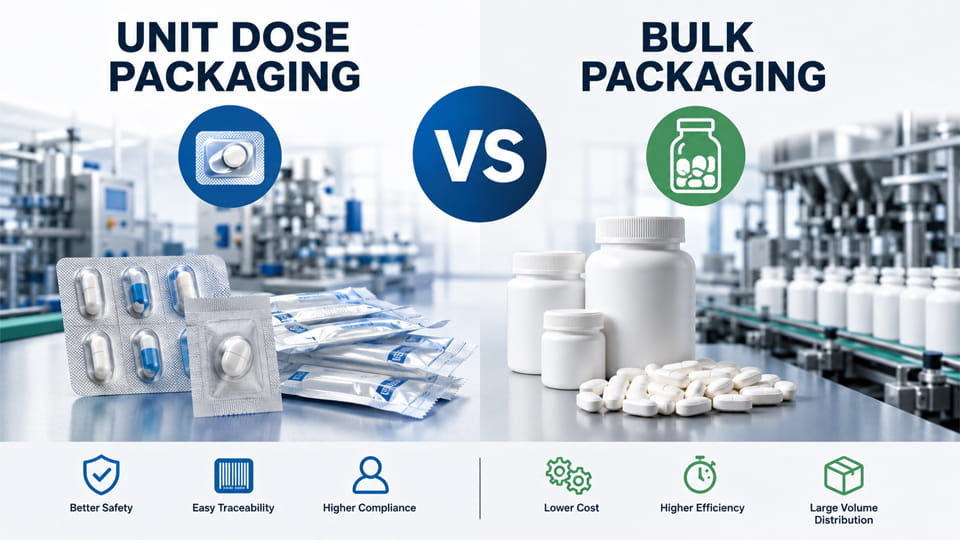
Οι φαρμακευτικές εταιρείες σήμερα δέχονται πιέσεις από κάθε κατεύθυνση. Τα νοσοκομεία θέλουν ασφαλέστερο χειρισμό φαρμάκων. Οι αγορές λιανικής θέλουν χαμηλότερο κόστος συσκευασίας. Οι ρυθμιστικές αρχές αναμένουν καλύτερη ιχνηλασιμότητα και σειριοποίηση. Συγχρόνως, Οι κατασκευαστές προσπαθούν να βελτιώσουν την αποδοτικότητα της παραγωγής χωρίς να δημιουργούν περιττά απορρίμματα συσκευασίας. Γι' αυτό η συζήτηση γύρω συσκευασία μονάδας δόσης και συσκευασία χύμα έχει γίνει πολύ πιο σημαντική τα τελευταία χρόνια. Μια μορφή εστιάζει στην προστασία σε επίπεδο δόσης και στην ασφάλεια των ασθενών, ενώ ο άλλος δίνει προτεραιότητα στην ταχύτητα, απλότητα, και αποδοτικότητα κόστους. Καμία επιλογή δεν είναι αυτόματα καλύτερη για κάθε προϊόν. Η σωστή επιλογή εξαρτάται από τον τύπο του φαρμάκου σας, στόχους παραγωγής, κανάλι διανομής, και δυνατότητες γραμμής συσκευασίας. Για κατασκευαστές φαρμάκων, ομάδες προμηθειών, και επιχειρησιακούς διευθυντές, Η κατανόηση των πραγματικών διαφορών μεταξύ της μοναδιαίας δόσης και της συσκευασίας χύμα είναι απαραίτητη πριν από την επένδυση σε μια νέα σύστημα φαρμακευτικής συσκευασίας ή αναβάθμιση υπάρχοντος γραμμή συσκευασίας.
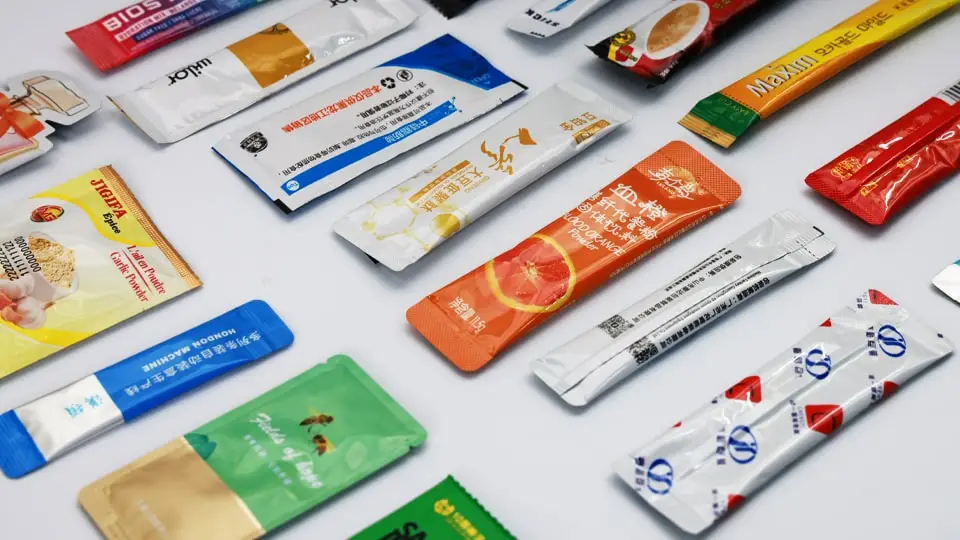
Συσκευασία μοναδιαίας δόσης (καλείται επίσης συσκευασία μιας δόσης) σημαίνει ότι κάθε δόση του φαρμάκου σφραγίζεται ξεχωριστά στη δική της συσκευασία. Για παράδειγμα, ένα χάπι μπορεί να βρίσκεται στη δική του τσέπη ή θήκη με κυψέλη. Η Jinlu Packing εξηγεί ότι «η συσκευασία μονάδας δόσης σημαίνει ότι κάθε μεμονωμένη δόση ενός φαρμάκου είναι προσυσκευασμένη και σφραγισμένη μόνη της». Στην πράξη, αυτή μπορεί να είναι μια κάρτα κυψέλης ενός δισκίου, ένα πακέτο λουρίδων (ένα δισκίο ανά κοιλότητα), μια προγεμισμένη σύριγγα, ένα φιαλίδιο, ή ένα φακελάκι που περιέχει μία δόση υγρού ή σκόνης. Κάθε συσκευασία φέρει ετικέτες (όνομα φαρμάκου, δόση, λήξη) έτσι μια νοσοκόμα ή ένας ασθενής μπορεί να επιβεβαιώσει το φάρμακο χωρίς να μετρήσει τα χάπια από ένα μπουκάλι. Σε νοσοκομεία των ΗΠΑ, υπερ 75% των από του στόματος φαρμάκων διανέμονται σε μορφή δόσης μονάδας.
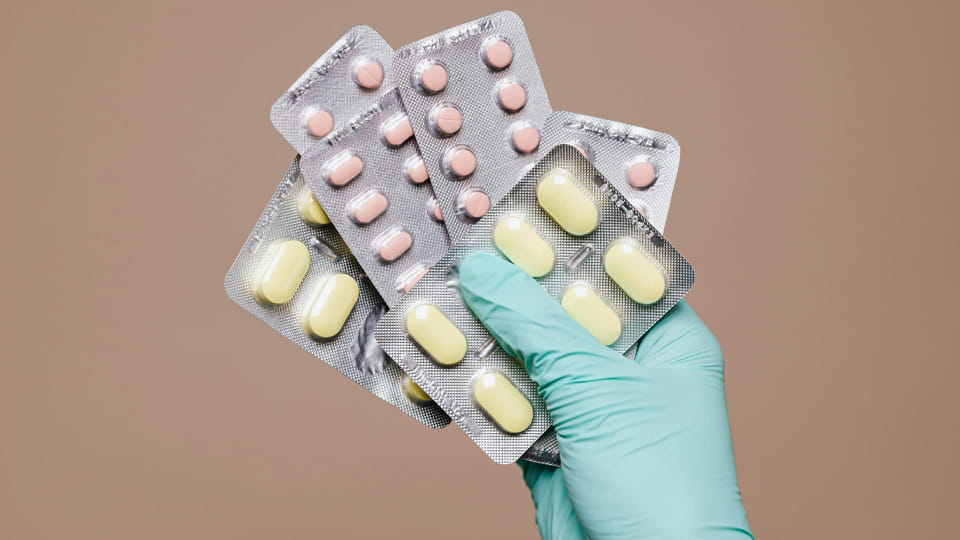
Οι συσκευασίες μοναδιαίας δόσης είναι κοινές σε νοσοκομεία, κλινικές, εγκαταστάσεις μακροχρόνιας φροντίδας, και κλινικές δοκιμές – ουσιαστικά οπουδήποτε ο ακριβής έλεγχος της δόσης και η ιχνηλασιμότητα είναι πρωταρχικής σημασίας. Βοηθούν στην αποφυγή σφαλμάτων δοσολογίας επειδή κάθε πακέτο περιέχει ακριβώς μία δόση και φέρει σαφή σήμανση. Με άλλα λόγια, και σημειώνει ο Jinlu, Οι συσκευασίες μοναδιαίας δόσης δεν απαιτούν μέτρηση - «απλώς αρπάξτε ένα πακέτο και ανοίξτε το», μείωση των λαθών χειρισμού. Άλλοι όροι που χρησιμοποιούνται περιλαμβάνουν εφάπαξ δόση, μονάδα χρήσης, ή μονάδα φαρμάκου συσκευασία. Οι τυπικές μορφές περιλαμβάνουν:
Συνοπτικά, συσκευασία μονάδας δόσης απομονώνει κάθε δόση ξεχωριστά, βοηθώντας την ασφάλεια, συμμόρφωση, και ιχνηλασιμότητα.
Σε αντίθεση, συσκευασία χύμα αναφέρεται σε πολλαπλές ή συλλογικές συσκευασίες φαρμάκων. Οι συνήθεις μορφές χύμα περιλαμβάνουν μεγάλες φιάλες χαπιών, βάζα, σωλήνες πολλαπλών δόσεων, και χύμα τσάντες ή τσάντες. Για παράδειγμα, ένα μπουκάλι με συνταγή 100 ταμπλετών ή ένα βάζο βιταμινών με 30 οι κάψουλες είναι χύδην συσκευασία. Αυτά τα δοχεία κρατάνε πολοί δόσεις μαζί. Η μαζική συσκευασία είναι ο κανόνας για τα καταναλωτικά φαρμακεία, φάρμακα over-the-counter, συμπληρώματα διατροφής, και τα περισσότερα γενικά δισκία. Χρησιμοποιείται επίσης για ενδιάμεσα στάδια παραγωγής (π.χ.. χύμα φακελάκια ή τύμπανα).
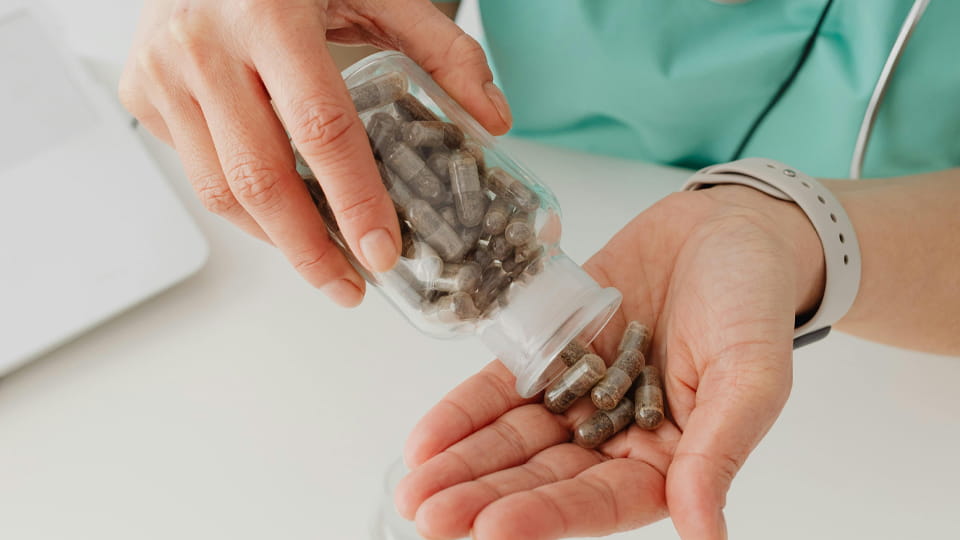
Η μαζική συσκευασία είναι συνήθως πιο οικονομική ανά δόση και είναι κατάλληλη για μεγάλο όγκο, εμπορευματικών προϊόντων. Ο εξοπλισμός για γραμμές χύδην περιλαμβάνει μηχανές μέτρησης δισκίων/καψουλών και πλήρωσης φιαλών, κάλυψη, σφράγιση, και εξοπλισμός επισήμανσης. Για παράδειγμα, μια γραμμή μέτρησης δισκίων μπορεί να χρησιμοποιεί μια αυτόματη μηχανή μέτρησης για να γεμίσει μπουκάλια, ένα καπάκι για να τα σφραγίσει, και ένα labeler για να τελειώσει. Οι μαζικές γραμμές συχνά τρέχουν πιο γρήγορα (μετρώντας εκατοντάδες δισκία ανά λεπτό) αλλά προσφέρουν λιγότερο έλεγχο δόσης προς δόση από τα συστήματα μονάδας δόσης. Η μαζική συσκευασία είναι ιδανική για φάρμακα μαζικής αγοράς OTC, συμπληρώματα διατροφής, γενόσημα φάρμακα, και κάθε προϊόν όπου η τιμή ανά δόση είναι κρίσιμη και ο ατομικός έλεγχος της δόσης είναι λιγότερο σημαντικός.
Ο παρακάτω πίνακας συγκρίνει τις δύο προσεγγίσεις σε σημαντικούς παράγοντες:
| Παράγοντας | Συσκευασία μονάδας δόσης | Συσκευασία χύδην |
| Ασφάλεια φαρμάκων | Ψηλά. Κάθε δόση σφραγισμένη, μείωση της μόλυνσης. | Χαμηλότερος. Πολλαπλές δόσεις σε ένα δοχείο. |
| Συμμόρφωση | Καλύτερα. Οι μεμονωμένες δόσεις επισημαίνονται με σαφήνεια; πιο εύκολο να επαληθευτεί. | Χαμηλότερος. Οι ασθενείς μετρούν τις δικές τους δόσεις. |
| Ιχνηλασιμότητα & Σειριοποίηση | Εξοχος. Εύκολη σειριοποίηση/παρακολούθηση κάθε δόσης. | Περιωρισμένος. Μόνο το κοντέινερ παρακολουθείται, όχι κάθε χάπι. |
| Κόστος συσκευασίας | Υψηλότερο ανά δόση. Περισσότερο υλικό συσκευασίας & χειριζόμενος. | Χαμηλότερο ανά δόση. Ένα πακέτο χωρά πολλές μονάδες. |
| Παραγωγική Παραγωγή | Μέτριος. Περισσότερα βήματα ανά δόση (π.χ.. σχηματισμός φουσκάλας). | Άνω. Η απλή καταμέτρηση/γέμισμα είναι πιο γρήγορη. |
| Απορρίμματα συσκευασίας | Περισσότερο. Οι συσκευασίες μιας δόσης αυξάνουν τη χρήση υλικού. | Μείον. Ελάχιστη συσκευασία ανά δόση (π.χ.. ένα μπουκάλι vs. 100 φουσκάλες). |
| Διάρκεια ζωής/Προστασία | Καλύτερα. Οι κυψέλες/φιαλίδια έχουν συχνά φιλμ υψηλού φραγμού. | Μέτριος. Τα χύμα μπουκάλια προστατεύουν λιγότερο ανά μονάδα, αν και η διάρκεια ζωής μπορεί να είναι παρόμοια. |
| Καλύτερος για | Νοσοκομεία, κλινικές δοκιμές, φάρμακα υψηλής αξίας, ελεγχόμενες ουσίες, εξατομικευμένα φάρμακα. | Λιανική εξωχρηματιστηριακή, γενόσημα φάρμακα, βιταμίνες, συμπληρώματα, καταναλωτικών προϊόντων μεγάλου όγκου. |
Όπως σημειώνει ο Jinlu Packing, σκεφτείτε το σαν ένα μπουκάλι 100 δισκία (όγκος) έναντι μιας κυψέλης με ένα δισκίο (μονάδα δόσης). Τα χύμα μπουκάλια ξεκάθαρα κερδίζουν σε σχέση με το κόστος και την ταχύτητα, αλλά οι μορφές μοναδιαίας δόσης υπερέχουν όσον αφορά την ασφάλεια και τον έλεγχο. Για παράδειγμα, Η συσκευασία blister προστατεύει ξεχωριστά κάθε χάπι από την υγρασία και την παραβίαση, ενώ τα χύμα μπουκάλια εκθέτουν όλα τα δισκία στο ίδιο περιβάλλον.
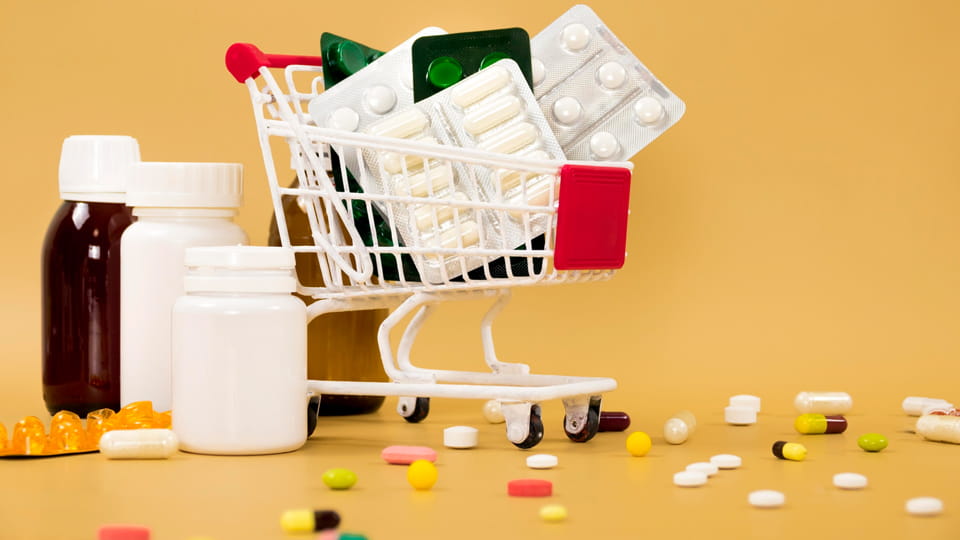
Τα συστήματα μοναδιαίας δόσης προσφέρουν πολλά βασικά πλεονεκτήματα:
Συνοπτικά, συσκευασία μονάδας δόσης μεγιστοποιεί την ασφάλεια, ιχνηλασιμότητα, και δοσολογία με επίκεντρο τον ασθενή, σε βάρος του υψηλότερου κόστους συσκευασίας και διακίνησης. Όπως συνοψίζει ο Jinlu, Οι μονάδες μοναδιαίας δόσης είναι «σχεδιασμένες για να χωρούν μια ποσότητα φαρμάκου που προορίζεται για χορήγηση ως μία δόση», διασφαλίζοντας ότι «η σωστή φαρμακευτική αγωγή με τη σωστή δύναμη φτάνει στον κατάλληλο ασθενή την κατάλληλη στιγμή, πάντοτε".
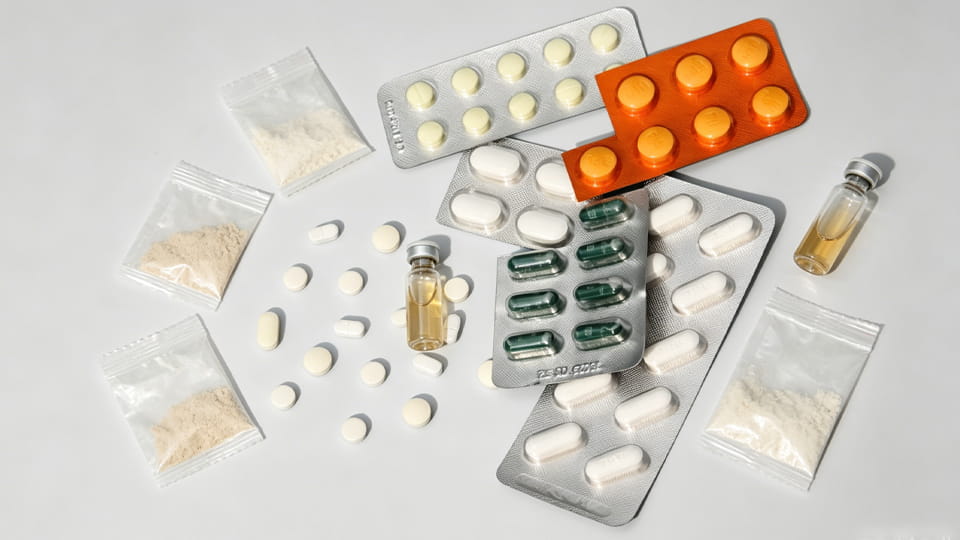
Ογκος (πολλαπλών δόσεων) η συσκευασία έχει τα δικά της δυνατά σημεία:
Συσκευασία χύμα λάμπει σε σχέση κόστους-αποτελεσματικότητας και κλίμακας, καθιστώντας το ιδανικό για προϊόντα μεγάλου όγκου όπου η οικονομία κλίμακας υπερτερεί της ανάγκης για ατομικό έλεγχο της δόσης. Οντως, Η εμπειρία της Jinlu ως προμηθευτή δείχνει ότι οι γραμμές φιαλών χύδην (συμπεριλαμβανομένης της καταμέτρησης, κάλυψη, και μονάδες επισήμανσης) αποτελούν τη ραχοκοκαλιά πολλών γραμμών παραγωγής διατροφικών και γενόσημων φαρμάκων.
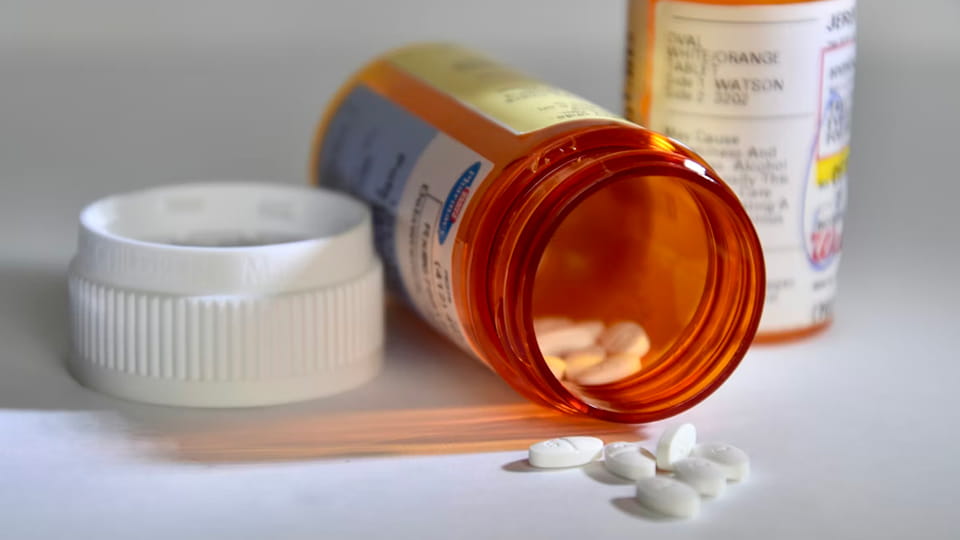
Οι διαφορετικές τελικές αγορές και περιπτώσεις χρήσης έχουν σαφείς προτιμήσεις. Ο παρακάτω πίνακας συνοψίζει τις τυπικές επιλογές του κλάδου:
| Βιομηχανία/Θέση χρήσης | Προτιμώμενη Συσκευασία |
| Νοσοκομεία & Υγειονομική περίθαλψη (οξεία φροντίδα) | Μοναδιαία Δόση (φουσκάλες, λωρίδες, φωνητικές χορδές πτηνών) |
| Μακροχρόνια Φροντίδα & LTC Pharmacy | Μοναδιαία Δόση (κάρτες blister, προγεμισμένες συσκευασίες) |
| Κλινικές Δοκιμές & Ερευνα | Μοναδιαία Δόση (ακριβής έλεγχος δοσολογίας για δοκιμές) |
| Υψηλής Δυναμικότητας / Ελεγχόμενες Ουσίες | Μοναδιαία Δόση (ασφάλεια, δοσολογία) |
| Συμβολαιακή Κατασκευή (ΚΟΑ που παράγουν νοσοκομειακά φάρμακα) | Μοναδιαία Δόση |
| Εξωχρηματιστηριακά (OTC) Ναρκωτικά | Ογκος (φιάλες/σωλήνες δισκίων, κάψουλες) |
| Nutraceuticals & Συμπληρώματα | Ογκος (μπουκάλια βιταμινών, φακελάκια) |
| Generic Pharmaceuticals (μαζική αγορά) | Ογκος (εστίαση στο κόστος) |
| Αναδυόμενη υγεία των καταναλωτών (καλλυντικά, διατροφικούς συνδυασμούς) | Ογκος |
| Κτηνιατρικός / Υγεία των Ζώων | Ογκος (συχνά λιανικά φιαλίδια πολλαπλών δόσεων ή πρόσθετα ζωοτροφών) |
| Κιτ έκτακτης ανάγκης / Πρώτες βοήθειες | Μοναδιαία Δόση (θήκες μίας χρήσης για φορητότητα) |
Για παράδειγμα, Ο Jinlu σημειώνει ότι τα συστήματα μοναδιαίας δόσης προέρχονται από νοσοκομεία και τώρα «επεκτείνονται πολύ» σε άλλους τομείς λόγω των πλεονεκτημάτων ασφάλειας. Πράγματι, υπερ 75% των Η.Π.Α. νοσοκομειακά από του στόματος φάρμακα χορηγούνται μοναδιαία δόση, που αντικατοπτρίζει τις προτιμήσεις του κλάδου. Σε αντίθεση, Οι αγορές που αντιμετωπίζουν οι καταναλωτές, όπως τα συμπληρώματα και τα αναλγητικά OTC χρησιμοποιούν συνήθως δοχεία χύδην επειδή απαιτούν χαμηλότερο κόστος μονάδας και υψηλότερο όγκο. Το κλινικό και νοσοκομειακό περιβάλλον ευνοεί τον έλεγχο της δοσολογίας των φυσαλίδων ή των φακελλίσκων, ενώ οι κατασκευαστές φαρμάκων κοινόχρηστης ονομασίας και οι έμποροι λιανικής εστιάζουν στην αποτελεσματικότητα των γραμμών φιαλών.
Η επιλογή μεταξύ μοναδιαίας δόσης και χύδην έχει σημαντικές επιπτώσεις στο κόστος. Εξετάστε τους ακόλουθους παράγοντες κόστους:
Συνοπτικά, Η συσκευασία μοναδιαίας δόσης απαιτεί συνήθως υψηλότερο CAPEX και κόστος συσκευασίας ανά μονάδα, αλλά μπορεί να αποφέρει εξοικονόμηση από λιγότερα σφάλματα και σπατάλη. Η χύδην συσκευασία προσφέρει χαμηλότερο κόστος υλικού και παραγωγής ανά δόση. Η "καλύτερη" επιλογή εξαρτάται από την ανάλυση αυτών των δαπανών παράλληλα με τη στρατηγική τιμολόγησης του προϊόντος και τις απαιτήσεις συμμόρφωσης.
Οι γραμμές συσκευασίας μοναδιαίας δόσης χρησιμοποιούν εξειδικευμένο εξοπλισμό. Τα βασικά μηχανήματα περιλαμβάνουν:
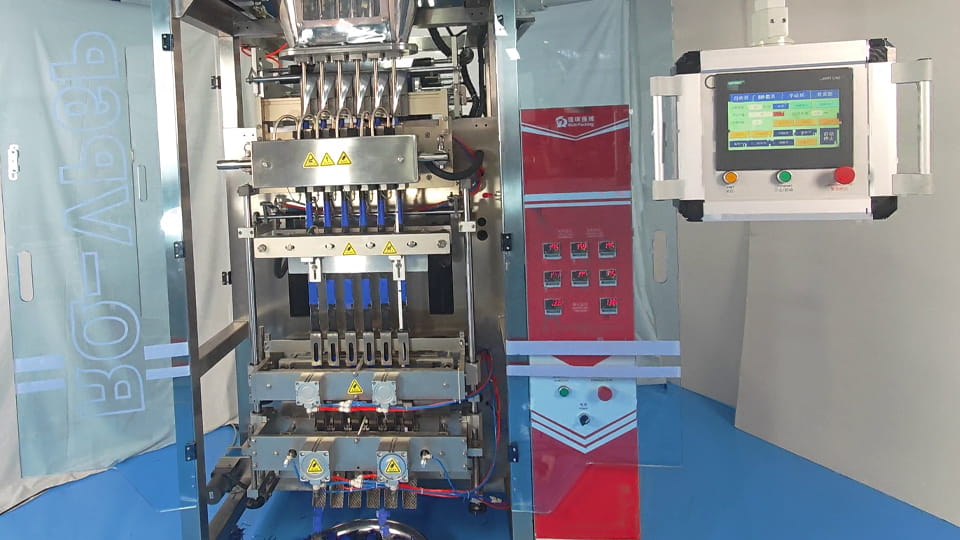
Εν συντομία, ένα γραμμή μονάδας δόσης μπορεί να αποτελείται από κυψέλη ή μηχάνημα φακελλίσκων (για πρωτογενή συσκευασία), ακολουθούμενο από χαρτοποιό (και προαιρετικά ετικετογράφος ή εκτυπωτής). Για παράδειγμα, μια τυπική γραμμή νοσοκομειακών φαρμάκων είναι: Τροφοδότης προσανατολισμού tablet → Μηχάνημα blister → Αυτόματο χαρτοκιβώτιο → Συσκευασία θήκης. Ο μηχανισμός του Jinlu για αυτά τα βήματα μπορεί να συνδεθεί σε μία ροή (δείτε ότι "μπορεί να συνδεθεί με μηχανές blister”).
[jl_youtube src=”https://www.youtube.com/embed/k0uyybgttcu”]
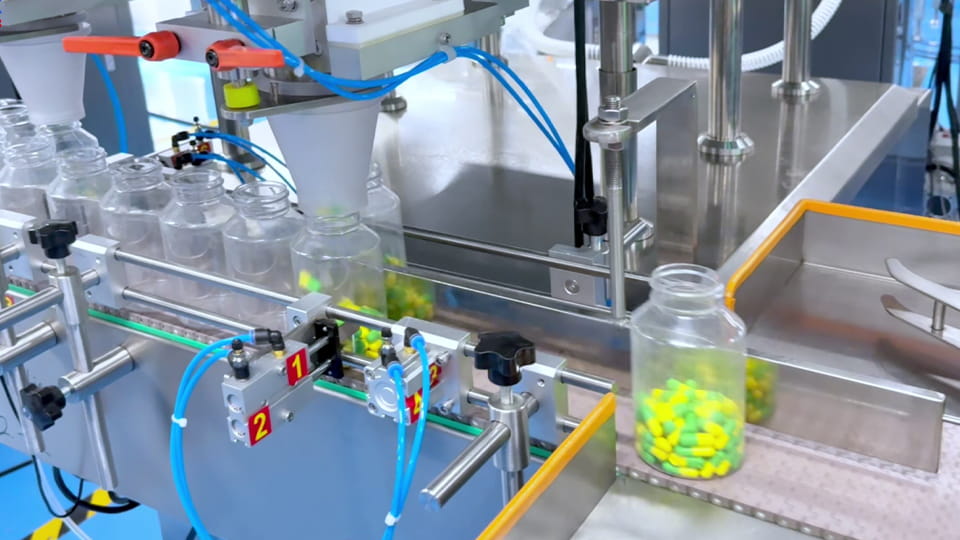
Οι μαζικές γραμμές χρησιμοποιούν εξοπλισμό βελτιστοποιημένο για ταχύτητα και όγκο:
Σε ισχύ, ένα γραμμή συσκευασίας χύδην τυπικά μοιάζει: Αποκρυπτογράφηση φιαλών → Μηχανή πλήρωσης πάγκου ταμπλετών → Εισαγωγέας αποξηραντικού → Κάπερ → (Σφραγιστικό μεμβράνης) → Ετικετοποιητής → Χαρτοδοχείο. Αυτά τα αρθρωτά μηχανήματα μπορούν επίσης να χειριστούν διάφορα προϊόντα (ούλα, σκόνες, υγρά) αρκεί να προσαρμόζεται η καταμέτρηση/γέμιση και το πώμα. Οι σελίδες και οι σελίδες του Jinlu δείχνουν πώς ενσωματώνονται τέτοιες γραμμές.
Για παράδειγμα, η σειρά τσίχλας JL-16R «ολοκληρώνει αυτόματα ολόκληρη τη διαδικασία των μπουκαλιών unscramble, καταμέτρηση … εισαγωγή ξηραντικού, κάλυψη, σφράγιση και επισήμανση φύλλου αλουμινίου» στο μέχρι και 80 μπουκάλια/λεπτό. Αυτές οι προηγμένες γραμμές δίνουν έμφαση στην απόδοση και τη συνέπεια, καθιστώντας τα ιδανικά για συσκευασία προϊόντων χύμα.
Η επιλογή της σωστής προσέγγισης εξαρτάται από πολλούς παράγοντες. Χρησιμοποιήστε τη λίστα ελέγχου και το διάγραμμα ροής παρακάτω ως οδηγό:
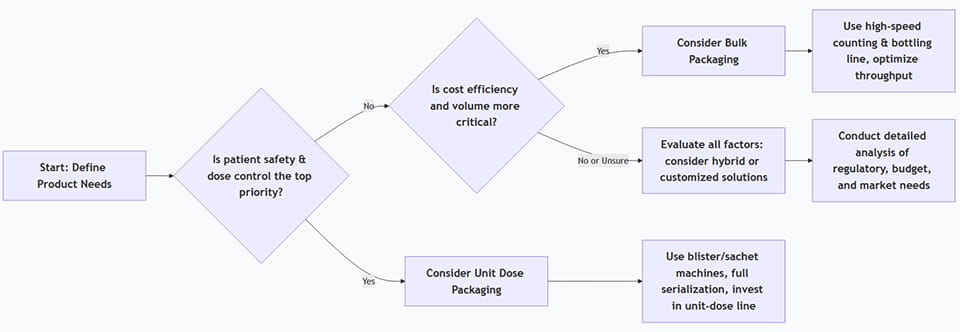
Αυτό το διάγραμμα δείχνει έναν απλοποιημένο οδηγό: εάν η ιατρική ασφάλεια/ιχνηλασιμότητα υπερβαίνει το κόστος, κλίνε προς τη μονάδα δόσης. Αν κυριαρχεί ο προϋπολογισμός και ο όγκος, ο όγκος είναι πιθανώς καλύτερος. Σε πραγματικές περιπτώσεις, μικτές στρατηγικές (π.χ.. χύμα μπουκάλι μέσα σε σειριακό χαρτοκιβώτιο) μπορεί επίσης να ληφθεί υπόψη.
Δεν υπάρχει μια απάντηση που να ταιριάζει σε όλους. Η επιλογή μεταξύ μοναδιαίας δόσης και συσκευασίας χύμα εξαρτάται από τις απαιτήσεις του προϊόντος σας και τη στρατηγική της επιχείρησής σας. Η συσκευασία μοναδιαίας δόσης προσφέρει απαράμιλλη ασφάλεια, συμμόρφωση, και ευκολία για τα νοσοκομεία, κλινικές δοκιμές, και φάρμακα υψηλής αξίας, αλλά απαιτεί περισσότερη επένδυση σε μηχανήματα (blister ή φακελάκια συσκευασίας, χαρτοκιβώτια) και υλικό συσκευασίας. Συσκευασία χύμα (μπουκάλια, βάζα, σωλήνες) υπερέχει σε χαμηλό κόστος και υψηλή απόδοση, ιδανικό για φάρμακα και συμπληρώματα λιανικής, αλλά παρέχει λιγότερο έλεγχο της μεμονωμένης δόσης.
Στην πράξη, πολλές εταιρείες χρησιμοποιούν και οι δύο μεθόδους για διαφορετικά προϊόντα. Για παράδειγμα, ένα φάρμακο με στενό θεραπευτικό δείκτη μπορεί να συσκευάζεται σε κυψέλες μιας δόσης για πώληση στο νοσοκομείο, ενώ η έκδοση OTC του ίδιου φαρμάκου πωλείται σε φιάλες των 30. Όταν σχεδιάζετε τη γραμμή σας, Εξετάστε το συνολικό κόστος ιδιοκτησίας (εξοπλισμός + υλικά + λάθη) και ρυθμιστικές ανάγκες.
Για να προσδιορίσετε την καλύτερη προσέγγιση, εξετάστε τους παραπάνω παράγοντες: αγορά-στόχος, μορφή δόσης, τόμος, κανόνες συμμόρφωσης, και προϋπολογισμού. Ένας ειδικός σε μηχανήματα συσκευασίας (ή Η ομάδα προσαρμογής του Jinlu) μπορεί να σχεδιάσει μια κατάλληλη γραμμή. Για παράδειγμα, Το Jinlu Packing παρέχει λύσεις με το κλειδί στο χέρι – από μηχανές κυψέλης υψηλής ταχύτητας έως ενσωματωμένες γραμμές μέτρησης και εμφιάλωσης δισκίων – για να ταιριάζουν τόσο σε μοναδιαίες δόσεις όσο και σε μαζικές ανάγκες.
Συσκευασία μοναδιαίας δόσης σημαίνει ότι κάθε δόση φαρμάκου είναι ξεχωριστά σφραγισμένη και επισημασμένη, όπως ένα δισκίο ανά κοιλότητα κυψέλης ή ένα φακελάκι ανά χρήση. Η μαζική συσκευασία αποθηκεύει πολλές δόσεις μαζί σε ένα μπουκάλι, δοχείο, ή μεγαλύτερη συσκευασία. Η συσκευασία μοναδιαίας δόσης εστιάζει περισσότερο στην ασφάλεια, ιχνηλασιμότητα, και τον έλεγχο της δόσης, ενώ η χύδην συσκευασία είναι συνήθως πιο οικονομική για παραγωγή μεγάλου όγκου.
Δεν υπάρχει ενιαία απάντηση για κάθε φαρμακευτικό προϊόν. Η συσκευασία μοναδιαίας δόσης είναι συχνά καλύτερη για τα νοσοκομεία, κλινικά περιβάλλοντα, και φάρμακα υψηλής αξίας επειδή βελτιώνει την ασφάλεια και την παρακολούθηση των φαρμάκων. Η μαζική συσκευασία προτιμάται συνήθως για τα θρεπτικά προϊόντα, εξωχρηματιστηριακά προϊόντα, και μεγάλης κλίμακας διανομή λιανικής γιατί μειώνει το κόστος συσκευασίας και βελτιώνει την ταχύτητα παραγωγής.
Τα νοσοκομεία χρησιμοποιούν συνήθως συσκευασία μονάδας δόσης, επειδή κάθε δόση προσδιορίζεται σαφώς και προστατεύεται μέχρι τη χορήγηση. Αυτό βοηθά στη μείωση των σφαλμάτων φαρμακευτικής αγωγής, υποστηρίζει συστήματα σάρωσης barcode, και βελτιώνει την ασφάλεια των ασθενών κατά τη χορήγηση.
Ναί, Στις περισσότερες περιπτώσεις η χύδην συσκευασία έχει χαμηλότερο κόστος υλικών συσκευασίας και υψηλότερη απόδοση γραμμής. Οι γραμμές πλήρωσης μπουκαλιών και τα συστήματα μέτρησης δισκίων μπορούν συνήθως να λειτουργήσουν με μεγαλύτερες ταχύτητες από τα συστήματα συσκευασίας μεμονωμένων δόσεων. Ωστόσο, Το συνολικό κόστος θα πρέπει επίσης να λαμβάνει υπόψη τα απόβλητα φαρμάκων, εργασία, απαιτήσεις συμμόρφωσης, και προστασία του προϊόντος.
Η χύδην συσκευασία χρησιμοποιείται ευρέως για:
• Βιταμίνες και συμπληρώματα
• Γενικά δισκία και κάψουλες
• OTC φάρμακα
• Διατροφικά προϊόντα
• Φαρμακευτικά προϊόντα λιανικής πώλησης μεγάλου όγκου
Αυτά τα προϊόντα συσκευάζονται συχνά χρησιμοποιώντας μηχανές μέτρησης, γραμμές πλήρωσης μπουκαλιών, μηχανές κάλυψης, και συστήματα επισήμανσης.
Ο εξοπλισμός συσκευασίας κοινής δόσης μονάδας περιλαμβάνει:
• Μηχανήματα συσκευασίας blister
• Μηχανές συσκευασίας ταινιών
• Μηχανές συσκευασίας φακελλίσκων
• Μηχανές στικ πακέτων
• Μηχανές χαρτοκιβωτίου
• Συστήματα επιθεώρησης όρασης
Αυτές οι μηχανές συσκευασίας φαρμακευτικών προϊόντων βοηθούν στη δημιουργία ατομικά σφραγισμένων δόσεων με καλύτερη προστασία και ιχνηλασιμότητα του προϊόντος.
Ναί. Η συσκευασία μονάδας δόσης βοηθά στη μείωση του κινδύνου μόλυνσης, λανθασμένη δοσολογία, και λάθη χειρισμού γιατί κάθε δόση παραμένει σφραγισμένη μέχρι τη χρήση. Πολλές εγκαταστάσεις υγειονομικής περίθαλψης χρησιμοποιούν συστήματα μοναδιαίας δόσης για να υποστηρίζουν ασφαλέστερες ροές εργασίας διανομής και διαδικασίες επαλήθευσης γραμμωτού κώδικα.
Ναί. Η φαρμακευτική συσκευασία κυψέλης είναι μια από τις πιο κοινές μορφές συσκευασίας μοναδιαίας δόσης. Κάθε δισκίο ή κάψουλα φυλάσσεται σε ξεχωριστή κοιλότητα, που βοηθά στην προστασία του προϊόντος από την υγρασία, οξυγόνο, και μόλυνση, ενώ παράλληλα βελτιώνεται η παρακολούθηση της δόσης.
Η μαζική συσκευασία χρησιμοποιείται συνήθως σε:
• Διατροφική παραγωγή
• Παραγωγή συμπληρωμάτων
• Λιανική φαρμακευτική διανομή
• Κτηνιατρική
• Παραγωγή δισκίων και καψουλών υψηλής απόδοσης
Οι κατασκευαστές επιλέγουν χύδην φαρμακευτικές συσκευασίες όταν η αποδοτικότητα της παραγωγής και το χαμηλότερο κόστος συσκευασίας είναι οι κύριες προτεραιότητες.
Η καλύτερη επιλογή εξαρτάται από πολλούς παράγοντες, συμπεριλαμβανομένου:
• Τύπος προϊόντος
• Αγορά-στόχος
• Κανονιστικές απαιτήσεις
• Προϋπολογισμός συσκευασίας
• Όγκος παραγωγής
• Ανάγκες διάρκειας ζωής
• Κανάλια διανομής
Για παράδειγμα, νοσοκομεία και κλινικά προϊόντα συχνά επωφελούνται από τη συσκευασία μονάδας δόσης, ενώ τα συμπληρώματα λιανικής πώλησης και τα γενόσημα φάρμακα μεγάλου όγκου είναι συνήθως πιο κατάλληλα για συστήματα χύδην συσκευασίας.
Αναφορές:
1. CPG Sec 430.100 Επισήμανση μοναδιαίας δόσης για στερεές και υγρές μορφές δοσολογίας από το στόμα —— Η.Π.Α. Υπηρεσία Τροφίμων και Φαρμάκων
2.Εγχειρίδιο προτύπων δεδομένων (μονογραφίες) Τύπος πακέτου —— Η.Π.Α. Υπηρεσία Τροφίμων και Φαρμάκων
3.Συσκευασία φαρμάκων —— WikiPedia
4.Οδηγίες σχετικά με την ορθή πρακτική παραγωγής και την ορθή πρακτική διανομής: Ερωτήσεις και απαντήσεις —— Ευρωπαϊκός Οργανισμός Φαρμάκων
5.ISO 15378 πιστοποίηση – Πρωτεύον Υλικό Συσκευασίας για Φαρμακευτικό Πρότυπο