ভিশন বনাম ফটোইলেকট্রিক কাউন্টার: যা ফার্মাসিউটিক্যাল প্যাকেজিংয়ের জন্য সেরা 2026?
ভিশন বনাম ফটোইলেকট্রিক কাউন্টার: যা ফার্মাসিউটিক্যাল প্যাকেজিংয়ের জন্য সেরা 2026?
জুন 10, 2026
কোন মন্তব্য নেই
সঠিক গণনা হয় সমালোচনামূলক ফার্মাসিউটিক্যাল প্যাকেজিং মধ্যে. যদি একটি বোতল বলে 100 বড়ি, এটা আবশ্যক ঠিক আছে 100 - একটি ত্রুটি হতে পারে পণ্য স্মরণ, এফডিএ কর্ম, বা খারাপ: রোগীদের ক্ষতি. ভাল উত্পাদন অনুশীলন (জিএমপি) এবং প্রবিধান (যেমন. FDA 21CFR অংশ 11 ইলেকট্রনিক রেকর্ডে) চাহিদা ট্রেসেবিলিটি এবং প্রায় শূন্য ত্রুটির হার. স্বয়ংক্রিয় ট্যাবলেট/ক্যাপসুল কাউন্টার মানুষের ত্রুটি সমস্যা সমাধান করুন: তারা দ্রুত সাব সঙ্গে প্রতি ঘন্টায় হাজার হাজার বড়ি গণনা-0.1% ত্রুটি হার. ঐতিহ্যগত কাউন্টার ব্যবহার ফটোয়েলেকট্রিক (হালকা মরীচি) সেন্সর, 1980 এর দশক থেকে একটি পরিপক্ক প্রযুক্তি. সম্প্রতি, এআই চালিত দৃষ্টি কাউন্টার (ক্যামেরা এবং ছবি বিশ্লেষণ সহ) একটি উচ্চ শেষ বিকল্প হিসাবে আবির্ভূত হয়েছে. প্রতিটি পদ্ধতির গতিতে ট্রেড-অফ রয়েছে, নির্ভুলতা, ব্যয়, এবং সম্মতি. আমরা তাদের কাজের নীতিগুলি তুলনা করব, ভালো/মন্দ, আদর্শ ব্যবহারের ক্ষেত্রে, এবং ফার্মা অপারেশন ম্যানেজারদের সর্বোত্তম গণনা সমাধান বাছাই করতে সাহায্য করার জন্য নিয়ন্ত্রক প্রভাব.
একটি Photoelectric কাউন্টার কি?
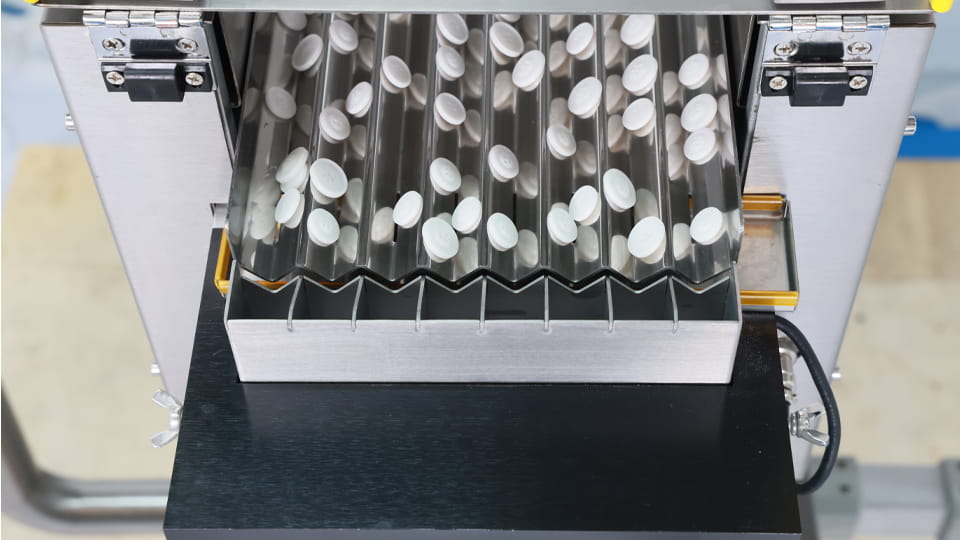
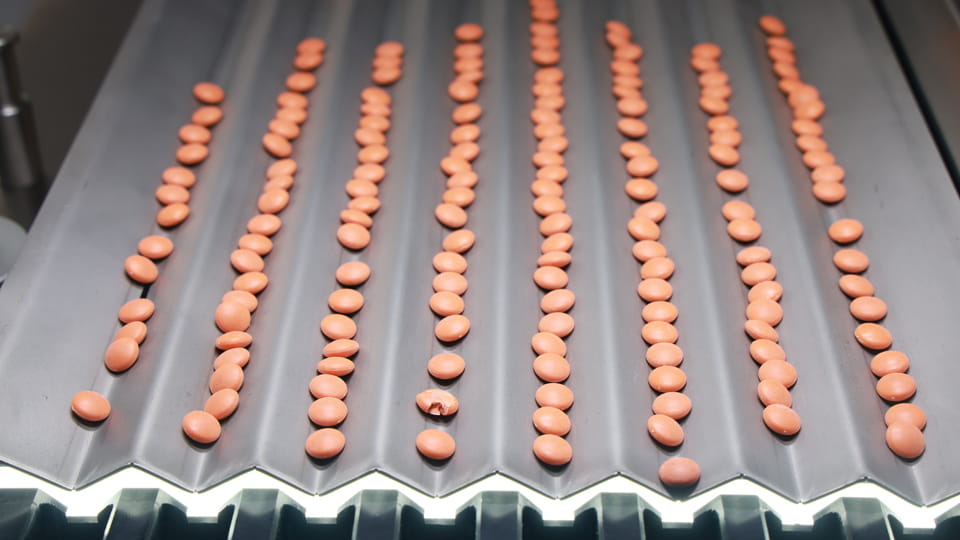
ক ফটোয়েলেকট্রিক (এবং) পাল্টা বড়ি সনাক্ত করতে সাধারণ আলো-রশ্মি সেন্সর ব্যবহার করে. অনুশীলনে, বড়িগুলি এক বা একাধিক স্পন্দিত গলি দিয়ে একটি সরু চ্যানেলে খাওয়ানো হয়. ক ইনফ্রারেড আলোর রশ্মি পথ অতিক্রম করে. যখন একটি বড়ি মাধ্যমে ড্রপ, এটা ব্লক (বাধা দেয়) মরীচি, একটি পালস তৈরি করা যা সেন্সর একটি গণনা হিসাবে নিবন্ধন করে. একটি মত এটা চিন্তা উচ্চ গতির ট্রিপওয়্যার - মরীচি ভাঙ্গা, একটি বড়ি নিবন্ধন করুন. এই কাউন্টারগুলি প্রায়ই মাল্টি-চ্যানেল হয় (8, 12, 16 গলি, ইত্যাদি) উচ্চ থ্রুপুটের জন্য.
একটি ফটোইলেকট্রিক কাউন্টার কিভাবে কাজ করে?
হালকা মরীচি বাধা: আইআর (বা লেজার) ফানেল জুড়ে বিকিরণকারী প্রকল্প; অন্য দিকে একটি রিসিভার আলো অবরুদ্ধ কিনা তা সনাক্ত করে. প্রতিটি বাধা = একটি বড়ি.
সংকেত প্রক্রিয়াকরণ: সেন্সর একটি পালস আউটপুট (অথবা গণনা করা হয়) যখনই মরীচি ভেঙে যায়. সাধারণ ইলেকট্রনিক্স ডালগুলিকে গণনা করে.
যান্ত্রিক সিঙ্গুলেশন: সঠিকভাবে কাজ করতে, বড়ি বাদ দিতে হবে এক এক করে. মাল্টি-স্টেজ ট্র্যাক সহ একটি কম্পনশীল ফিডার আলাদা করে (singulates) একটি একক ফাইল স্ট্রিম মধ্যে বড়ি. যদি দুটি বড়ি ওভারল্যাপ হয়, মরীচি দুটির পরিবর্তে একটি দীর্ঘ বাধা দেখে, একটি কম গণনা ঘটাচ্ছে.
ফটোইলেকট্রিক কাউন্টিং এর সুবিধা
উচ্চ গতি: ফটোইলেকট্রিক সেন্সর মাইক্রোসেকেন্ডে সাড়া দেয়, প্রতি মিনিটে হাজার হাজার গণনা ইভেন্ট সক্ষম করে. জন্য সহজ, ইউনিফর্ম পণ্য, তারা সহজেই দ্রুততম ভরাট লাইনের সাথে চলতে পারে.
প্রমাণিত & নির্ভরযোগ্য: প্রযুক্তি পরিপক্ক এবং শক্তিশালী. বাইনারি (আলো/না-আলো) যুক্তি সেট আপ করা সহজ এবং ব্যর্থ করা কঠিন. একবার ক্রমাঙ্কিত, ফটোইলেকট্রিক কাউন্টারগুলি ন্যূনতম অপারেটরের হস্তক্ষেপের সাথে স্থিরভাবে চলে.
কম খরচ: এই মেশিনগুলি তুলনামূলকভাবে সস্তা অংশ ব্যবহার করে (এলইডি, ফটোট্রান্সিস্টর). মূলধন ব্যয়ের দৃষ্টিকোণ থেকে তারা অনেক বেশি অর্থনৈতিক. এর মানে স্ট্যান্ডার্ড লাইনের জন্য দ্রুত ROI.
সহজ রক্ষণাবেক্ষণ: কম চলমান অংশ এবং কোন জটিল সফ্টওয়্যার মানে রক্ষণাবেক্ষণ সোজা. সেন্সর শুধুমাত্র পর্যায়ক্রমিক পরিষ্কারের প্রয়োজন (বিশেষ করে লেন্স) ধুলো জমা এড়াতে.
অস্বচ্ছ ট্যাবলেটের জন্য উপযুক্ত: তারা অভিন্ন রঙের জন্য খুব ভাল কাজ করে, অস্বচ্ছ বড়ি বা ক্যাপসুল. থ্রু-বিম আইআর সেন্সরগুলি পিলের রঙ বা প্রতিফলন দ্বারা প্রভাবিত হয় না, অনেক ট্যাবলেট কাউন্টার অ্যাপ্লিকেশনের জন্য তাদের আদর্শ করে তোলে.
Photoelectric কাউন্টার সীমাবদ্ধতা
তাদের শক্তি সত্ত্বেও, ফটোইলেকট্রিক কাউন্টার আছে সহজাত অপূর্ণতা বাস্তব বিশ্বের ফার্মা পরিবেশে:
ওভারল্যাপ/ক্লাম্পিং ত্রুটি: যদি বড়িগুলি পুরোপুরি আলাদা না হয়, ওভারল্যাপিং টুকরা সেন্সরকে এক গণনায় বোকা বানিয়েছে. উদাহরণস্বরূপ, দুটি বড়ি একসঙ্গে আটকে একটি লম্বা বিম-ব্লক পালস তৈরি করে. এটি এড়ানোর জন্য খুব ভাল যান্ত্রিক সিঙ্গুলেশন প্রয়োজন, যা উচ্চ গতিতে বা অনিয়মিত আকারের সাথে শক্ত হয়ে যায়.
স্বচ্ছ বা চকচকে পণ্য: ইনফ্রারেড আলো পার হতে পারে বা প্রতিফলিত হতে পারে পরিষ্কার/স্বচ্ছ ক্যাপসুল (softgels) বা ভারীভাবে লেপা ট্যাবলেট. একটি পরিষ্কার জেলটিন ক্যাপসুল রশ্মিকে একেবারেই ব্লক করতে পারে না. এটি ঘন ঘন কম গণনা এবং অসামঞ্জস্যপূর্ণ ফলাফল সৃষ্টি করে. এটি সমাধান করার জন্য প্রায়ই বিশেষ কৌশল প্রয়োজন (কোণীয় মরীচি বা প্রতিফলকের মত), যা জটিলতা যোগ করে.
কোন মান পরিদর্শন: ফটোইলেকট্রিক কাউন্টারগুলি শুধুমাত্র "কিছু পাস" সনাক্ত করে. তারা পৃষ্ঠের ত্রুটি দেখতে পারে না, ফাটল, চিপস, বা ভুল রং. একটি ভাঙা ট্যাবলেট বা একটি দূষিত বড়ি এখনও একটি ভাল হিসাবে একই গণনা করা হয়.
ধুলো সংবেদনশীলতা: গুঁড়ো পরিবেশে, ইমিটার/রিসিভারের ধূলিকণা মরীচিকে কমিয়ে দেবে. সময়ের সাথে সাথে, এটি একটি ক্রমাগত অবরোধ হিসাবে ভুল পড়া যেতে পারে, অন্ধ দাগ তৈরি করা. ঘন ঘন পরিষ্কার করা (বা স্ব-চেক অ্যালার্ম সহ সেন্সর) প্রবাহ প্রতিরোধ করার জন্য প্রয়োজন.
সীমিত ডেটা লগিং: মৌলিক সিস্টেমগুলি গণনা করে কিন্তু অন্তর্নিহিতভাবে ছবি বা বিস্তারিত অডিট ট্রেল রেকর্ড করে না. তারা মৌলিক ফিল-কাউন্ট রেকর্ড পূরণ করে, কিন্তু প্রতিটি পৃথক পিলের ডিজিটাল প্রমাণ দিতে পারে না.
সংক্ষেপে, আলোক বৈদ্যুতিক কাউন্টার (কখনও কখনও বলা হয় ইলেকট্রনিক বা অপটিক্যাল কাউন্টার) একটি চমৎকার হয় কাজের ঘোড়া সমাধান অনেক প্রচলিত লাইনের জন্য, বিশেষ করে যখন পণ্যের ধরন অভিন্ন এবং বাজেট টাইট. এগুলি সাশ্রয়ী এবং সহজবোধ্য, তবে গণনার ত্রুটি এড়াতে ভালভাবে সাজানো বড়ি এবং একটি পরিষ্কার পরিবেশ প্রয়োজন.
একটি ভিশন কাউন্টার কি?
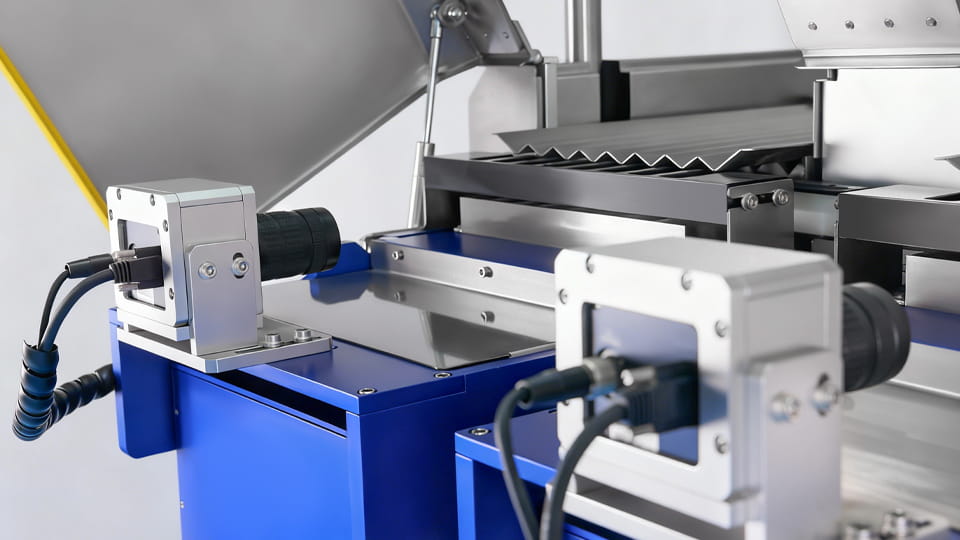
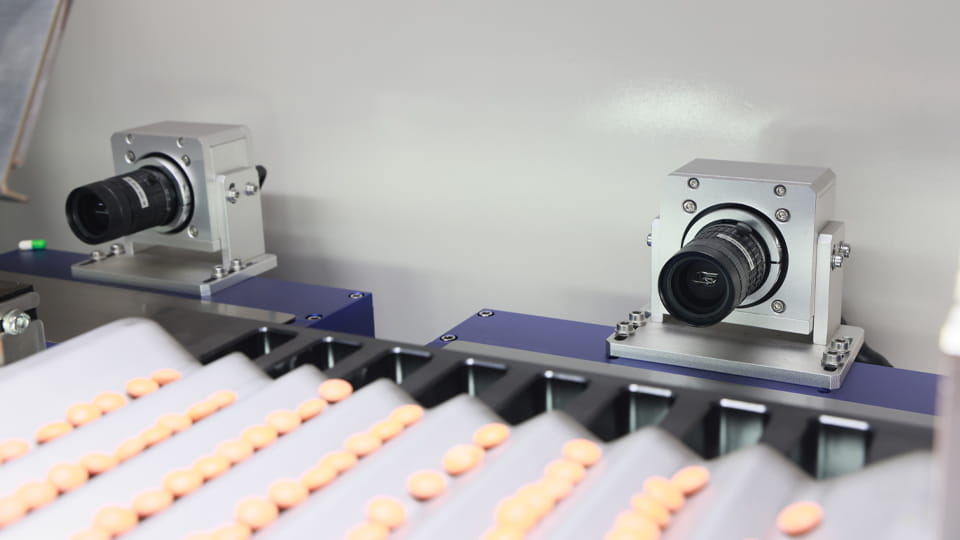
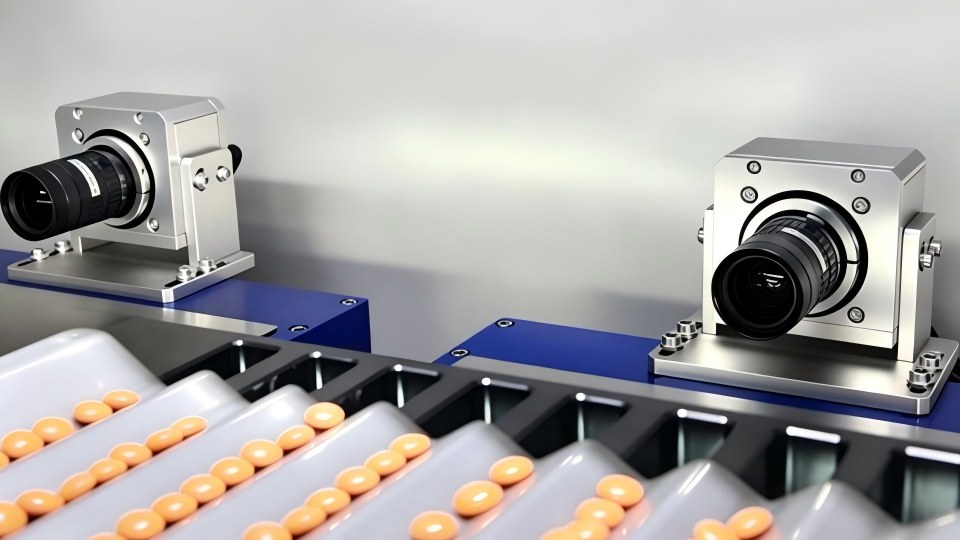
ক দৃষ্টি (ক্যামেরা ভিত্তিক) পাল্টা উচ্চ গতির ইমেজিং প্লাস সফটওয়্যার ব্যবহার করে দেখুন এবং গণনা করুন প্রতিটি বড়ি. একটি একক আলোর মরীচির পরিবর্তে, মেশিনে পতনের চ্যানেলের উপরে এক বা একাধিক শিল্প ক্যামেরা রয়েছে. এই ক্যামেরাগুলি বোতলে পড়ার সাথে সাথে বড়িগুলির অবিচ্ছিন্ন ভিডিও ধারণ করে. পর্দার আড়ালে, একটি এআই/কম্পিউটার-ভিশন সিস্টেম প্রতিটি ফ্রেম বিশ্লেষণ করে, আকৃতি সনাক্তকরণ, আকার, রঙ, এবং প্রতিটি ট্যাবলেট বা ক্যাপসুলের অন্যান্য বৈশিষ্ট্য.
কিভাবে দৃষ্টি গণনা কাজ করে
ক্যামেরা ইমেজিং: উচ্চ-রেজোলিউশন ক্যামেরা (কখনও কখনও বিভিন্ন কোণের জন্য একাধিক) পণ্য স্ট্রিম প্রতি সেকেন্ডে হাজার হাজার ছবি নিতে. ভাল আলো (ব্যাক-লাইট বা কৌণিক আলো সহ) প্রান্ত এবং কনট্যুর হাইলাইট করে.
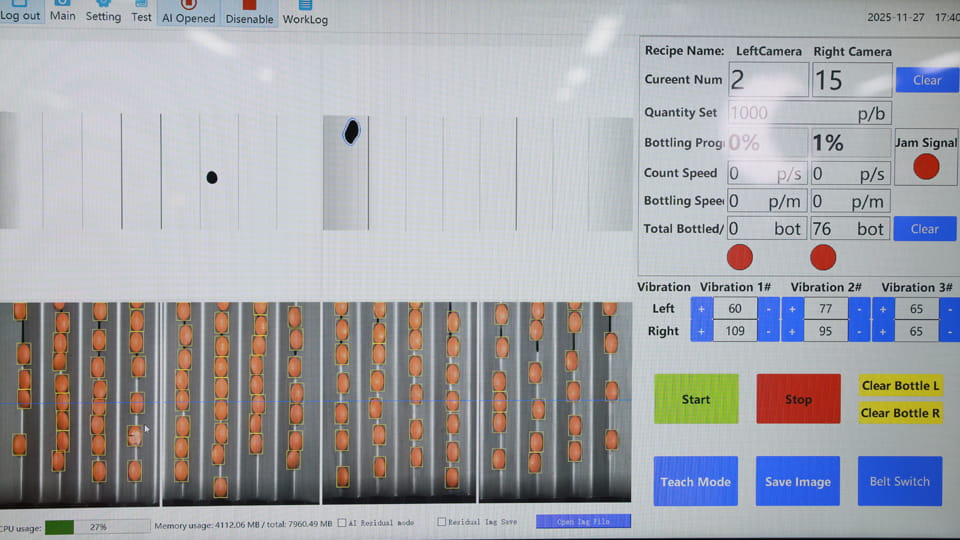
ইমেজ প্রসেসিং: পরিশীলিত অ্যালগরিদম (ব্লব বিশ্লেষণ, প্রান্ত সনাক্তকরণ, এআই নিউরাল নেট) চিত্রে প্রতিটি বড়ি সনাক্ত করুন এবং এটি শ্রেণীবদ্ধ করুন. প্রতিটি স্বতন্ত্র "বস্তু" তার চাক্ষুষ স্বাক্ষর দ্বারা স্বীকৃত হয় (কনট্যুর, এলাকা, রঙ).
গণনা এবং যাচাইকরণ: সিস্টেম প্রতিটি স্বীকৃত বড়ি আকারের জন্য একটি ইউনিট গণনা করে. যদি একটি অনিয়মিত বা ওভারল্যাপিং আকৃতি সনাক্ত করা হয়, সফ্টওয়্যার এটি একাধিক গণনায় বিভক্ত করতে পারে (নীচে "ওভারল্যাপ সমাধান" দেখুন). এটি একটি টেমপ্লেটের বিরুদ্ধে প্রতিটি বড়ি পরীক্ষা করে: যদি একটি বড়ি ফাটল বা ভুল হয়, এটা পতাকা.
ক্রমাগত মান নিয়ন্ত্রণ: কারণ দৃষ্টি কাউন্টার আক্ষরিকভাবে পণ্য দেখতে, তারা ইন লাইন পরিদর্শন করতে পারেন. ফাটা ট্যাবলেট, বড়ির উপর ধুলো, রঙের অমিল, অথবা বিদেশী কণা স্বয়ংক্রিয়ভাবে চিহ্নিত এবং নির্গত বা চিহ্নিত করা যেতে পারে.
ফটোইলেকট্রিকের তুলনায়, দৃষ্টি গণনা একটি অন্ধ সেন্সর থেকে একটি উচ্চ-গতির ক্যামেরায় যাওয়ার মতো যা "জানে" একটি ভাল পিল দেখতে কেমন. এটি একটি উল্লেখযোগ্য প্রযুক্তিগত লাফ.
অতি উচ্চ নির্ভুলতা: ভিশন সিস্টেম নিয়মিতভাবে ~99.99% নির্ভুলতা অর্জন করে. ইনফ্রারেড কাউন্টার অতিক্রম 99% নির্ভুলতা, যখন দৃষ্টি-ভিত্তিক মডেলগুলি গণনা নির্ভুলতাকে ধাক্কা দেয় 99.99%. অতিরিক্ত দশমিক বিন্দু ফার্মায় গুরুত্বপূর্ণ, যেখানে কিছু কম ভরা বোতলও গ্রহণযোগ্য নয়.
স্বচ্ছ & অনিয়মিত পণ্য: ভিশন এ excels দেখার মাধ্যমে একটি পরিষ্কার সফটজেল সঠিক আলোর অধীনে প্রান্ত বা সামান্য ছায়া তৈরি করে, যা ক্যামেরা শনাক্ত করে. এটি যেকোনো ট্যাবলেট আকৃতি-ওভালকেও পরিচালনা করে, হৃদয় আকৃতির, প্রলিপ্ত - বিশেষ পরিবর্তন ছাড়াই. সিস্টেম রূপরেখা স্বীকৃতি দেয়, তাই একটি কাত বা অদ্ভুত আকৃতির বড়ি এখনও গণনা করা হয়.
ওভারল্যাপ এবং ক্লাম্প হ্যান্ডলিং: যখন দুটি বড়ি একসাথে লেগে থাকে, দৃষ্টি সফ্টওয়্যার এখনও তাদের পৃথক করতে পারেন. অ্যালগরিদম ব্লবের আকার এবং আকৃতি পরিমাপ করে: যদি এটি প্রত্যাশিত এলাকার প্রায় দ্বিগুণ হয়, এটি দুটি সংখ্যায় বিভক্ত. অন্য কথায়, এটি স্বয়ংক্রিয়ভাবে ওভারল্যাপ সমস্যার "সমাধান" করে, যা ফটোইলেকট্রিক সেন্সর করতে পারে না.
ইনলাইন গুণমান পরিদর্শন: প্রতিটি বড়ি ইমেজ করা হয়, যাতে সিস্টেমটি উড়তে থাকা ত্রুটিগুলি পরীক্ষা করতে পারে. এটা চিপস জন্য দেখায়, ফাটল, বিবর্ণতা, বা বড়ির আকৃতি এবং পৃষ্ঠকে একটি "গোল্ড স্ট্যান্ডার্ড" টেমপ্লেটের সাথে তুলনা করে বিদেশী পদার্থ. খারাপ বড়ি একটি বায়ুসংক্রান্ত ঘা বন্ধ ট্রিগার করতে পারে, তাদের চূড়ান্ত পণ্যে পৌঁছানো থেকে বাধা দেয়.
ডেটা ট্রেসেবিলিটি (21 সিএফআর অংশ 11): ভিশন কাউন্টারগুলি প্রক্রিয়াটির একটি ডিজিটাল রেকর্ড তৈরি করে. হাই-এন্ড সিস্টেমগুলি ভরাট সময়ে প্রতিটি বোতলের ছবি বা ভিডিও সংরক্ষণ করতে পারে. এটি চূড়ান্ত অডিট ট্রেল প্রদান করে: প্রয়োজনে আপনি একটি বোতলে প্রতিটি বড়ির একটি ছবি তুলতে পারেন. সমন্বয় (ব্যাচ পরিবর্তন, ক্রমাঙ্কন সেটিংস) টাইমস্ট্যাম্প এবং ব্যবহারকারী আইডি দিয়ে লগ করা হয়. এটি ALCOA+ নীতি সমর্থন করে (বৈশিষ্ট্যযুক্ত, আসল, ইত্যাদি) এফডিএ রেজিস দ্বারা প্রয়োজনীয়.
উচ্চ ধুলো সহনশীলতা: স্মার্ট ভিশন সিস্টেমগুলি স্ট্যাটিক ধুলো বা স্ক্র্যাচগুলি ফিল্টার করতে পারে. খালি হলে তারা একটি "পটভূমি মডেল" ক্যাপচার করে, তারপর গণনার সময় বিয়োগ করুন তাই শুধুমাত্র চলন্ত বড়ি নিবন্ধন করুন. এর মানে লেন্স বা ট্র্যাকের ধুলো গণনা বন্ধ করে না; এটি মূলত সফ্টওয়্যার দ্বারা উপেক্ষা করা হয়.
দীর্ঘমেয়াদী মান: কারণ তারা পরিদর্শন ব্যবস্থা হিসাবে দ্বিগুণ, দৃষ্টি কাউন্টার প্রত্যাহার এবং বর্জ্য কমাতে পারে. তারা ভর্তি ধাপে মান নিয়ন্ত্রণ এমবেড, যা সামগ্রিক আউটপুট গুণমান বাড়ায়. সময়ের সাথে সাথে এটি তাদের উচ্চ মূল্যকে ন্যায্যতা দিতে পারে.
ভিশন কাউন্টারের অসুবিধা
উচ্চ খরচ: ভিশন সিস্টেমের জন্য উচ্চ-গতির ক্যামেরা প্রয়োজন, জিপিইউ/নিউরাল চিপ, এবং অত্যাধুনিক সফটওয়্যার. একটি মাল্টি-চ্যানেল এআই কাউন্টার একটি মৌলিক IR সেন্সর সিস্টেমের চেয়ে কয়েকগুণ বেশি ব্যয়বহুল হতে পারে. আগাম বিনিয়োগ উল্লেখযোগ্য, তাই বাজেট-সচেতন ক্রেতারা দ্বিধায় ভুগতে পারেন.
জটিলতা: ক্যামেরা সেট আপ করা এবং বিভিন্ন পণ্যের জন্য আলোকসজ্জা একটি IR বিম টিউন করার চেয়ে বেশি জড়িত হতে পারে. আলো অপ্টিমাইজ করা আবশ্যক (কোণ, ব্যাকলাইট, ইত্যাদি) প্রতিটি পণ্যের আকৃতি/রঙের জন্য. এটি কম্পিউটিং হার্ডওয়্যার এবং সফ্টওয়্যার রক্ষণাবেক্ষণ প্রয়োজন.
গতির সীমা: যদিও আধুনিক দৃষ্টি কাউন্টারগুলি খুব দ্রুত, তারা তাত্ক্ষণিক বিমের পরিবর্তে চিত্রগুলি প্রক্রিয়া করে. হাই-এন্ড ভিশন মেশিনগুলি আইআর সিস্টেমের থ্রুপুট কাছে যাওয়ার জন্য মাল্টি-লেন ক্যামেরা ব্যবহার করে, কিন্তু কিছু বাণিজ্য বন্ধ আছে. (তবে, লক্ষ্য করুন যে দৃষ্টি বাধাহীন; একটি ক্যামেরা ফ্রেম একসাথে অনেক বড়ি কভার করে, এবং একাধিক ক্যামেরা সমান্তরালভাবে ব্যবহার করা যেতে পারে।)
রক্ষণাবেক্ষণ: ক্যামেরা এবং লেন্সগুলিও পরিষ্কার রাখতে হবে (ধূলিকণা ছবিতে দাগ পড়তে পারে, যদিও উল্লিখিত সফ্টওয়্যার মোকাবেলা করতে পারে). কিন্তু যেকোন ক্যামেরার ব্যর্থতা বা মিসলাইনমেন্টের জন্য একটি সাধারণ IR সেন্সরের চেয়ে বেশি দক্ষ প্রযুক্তি সহায়তার প্রয়োজন হতে পারে.
সংক্ষেপে, দৃষ্টি-ভিত্তিক গণনা মেশিন অফার a সুপারচার্জড গণনা সমাধান: তারা বড়ি গণনা করে এবং একই সাথে তাদের পরিদর্শন করে, প্রতিটি বোতল সঠিক যে ডিজিটাল আশ্বাস প্রদান. ট্রেড-অফ হল খরচ এবং সেটআপ জটিলতা. উচ্চ-মূল্যের জন্য, উচ্চ-গতি, বা জটিল পণ্য লাইন (যেমন. কঠোর বাজারে রপ্তানি), অতিরিক্ত নির্ভুলতা এবং ট্রেসেবিলিটি প্রায়ই বিনিয়োগকে ন্যায্যতা দেয়.
ভিশন বনাম ফটোইলেকট্রিক কাউন্টার: পাশাপাশি তুলনা
বৈশিষ্ট্য
ফটোইলেকট্রিক কাউন্টার
ভিশন কাউন্টার
গণনা নীতি
IR/হালকা মরীচি বাধা
উচ্চ গতির ইমেজিং + এআই ইমেজ বিশ্লেষণ
নির্ভুলতা
~99.9% পর্যন্ত (যদি বড়ি পুরোপুরি একত্রিত হয়)
~99.99% পর্যন্ত (এমনকি ওভারল্যাপ সহ)
পণ্যের ধরন (আদর্শ)
অস্বচ্ছ, অভিন্ন ট্যাবলেট/ক্যাপসুল
স্বচ্ছ, softgel, অনিয়মিত বা প্রলিপ্ত পণ্য
ওভারল্যাপিং পিলস
পার্থক্য করতে পারে না (ওভারল্যাপ করা বড়িগুলিকে এক হিসাবে গণনা করে)
অ্যালগরিদম ব্লবগুলিকে বিভক্ত করে – প্রতিটি আলাদাভাবে গণনা করে
সারফেস/গুণমান পরীক্ষা
কোন পরিদর্শন (শুধুমাত্র উপস্থিতি গণনা)
ত্রুটির জন্য প্রতিটি বড়ি পরিদর্শন করে, রঙ, চিহ্ন
ধুলো পরিবেশ
কম সহনশীলতা (লেন্সে ধুলো = মিথ্যা গণনা)
উচ্চ সহনশীলতা (পটভূমি বিয়োগ স্ট্যাটিক ময়লা আউট ফিল্টার)
ডেটা ট্রেসেবিলিটি
মৌলিক লগ (ব্যাচ গণনা, হয়তো সহজ অ্যালার্ম)
বিস্তারিত অডিট ট্রেইল (সময়-স্ট্যাম্প করা ছবি, লগ পরিবর্তন করুন)
নিয়ন্ত্রক সমর্থন
পূরণ সঠিকতা সন্তুষ্ট (সিজিএমপি)
সমর্থন করে 21 সিএফআর 11 ডিজিটাল রেকর্ডের সাথে সম্মতি
গতি/থ্রুপুট
অনেক উঁচুতে (মাইক্রোসেকেন্ড প্রতিক্রিয়া, হাজার হাজার গণনা/মিনিট)
অনেক উঁচুতে (ক্যামেরা ফ্রেম অনেক বড়ি কভার, মাল্টি-লেন থেকে স্কেল)
কম ত্রুটির মাধ্যমে ROI, স্মরণ করে, এবং সম্মতি সুবিধা
শিল্প উত্স এবং প্রস্তুতকারকের সাহিত্য থেকে সংকলিত ডেটা.
ভিশন সিস্টেম দ্বারা কোন পণ্যগুলি সেরা গণনা করা হয়৷?
গণনা করার সময় দৃষ্টি কাউন্টারগুলি জ্বলজ্বল করে চ্যালেঞ্জিং পণ্য যে সহজ আলো-রশ্মি সেন্সর পরাজিত. এর মধ্যে রয়েছে:
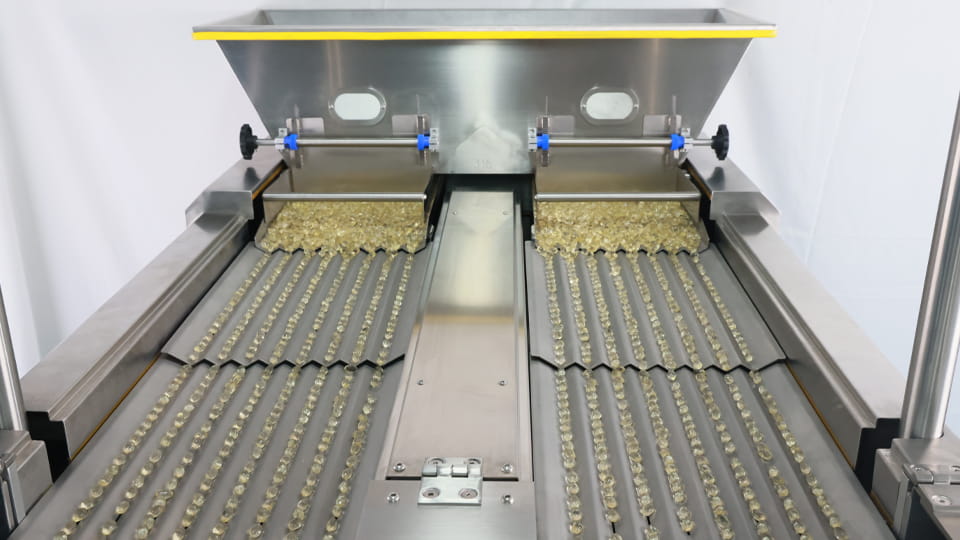
স্বচ্ছ সফটজেল ক্যাপসুল:মাছের তেল বা উদ্ভিদ-তেল সফটজেল পরিষ্কার বা হালকা রঙের হয়. ফোটোইলেকট্রিক বিম প্রায়ই এর মধ্য দিয়ে যায় বা ছড়িয়ে পড়ে, কিন্তু ভিশন ক্যামেরা তাদের প্রান্ত এবং ছায়া দেখতে পায়.
দ্বি-রঙ এবং প্রলিপ্ত ট্যাবলেট: দুটি রঙের পণ্য, মুদ্রিত চিহ্ন, বা অস্বাভাবিক আবরণ (যেমন. আন্ত্রিক প্রলিপ্ত) আইআর সেন্সরকে বিভ্রান্ত করতে পারে. একটি ক্যামেরা সমস্ত রঙের বিবরণ দেখে এবং একটি পিল থেকে অন্যটি আলাদা করতে পারে.
বিজোড় আকার: হৃদয়, ওভাল, অষ্টভুজাকার, অথবা ডাই-কাট ট্যাবলেট অপ্রত্যাশিতভাবে পড়ে. দৃষ্টি অ্যালগরিদম তাদের রূপরেখা চিনতে পারে. এমনকি যদি একটি ডিম্বাকৃতি ট্যাবলেট ফ্লাইটে কাত হয়ে যায়, এর রূপরেখা এখনও চিহ্নিত করা হয়েছে.
উচ্চ-মূল্যের বা সমালোচনামূলক ওষুধ: অনকোলজি ওষুধের জন্য, বায়োটেক ইনজেক্টেবল (যদি বোতল-ডোজ), বা উচ্চ-ঝুঁকির ব্যাচ, নির্মাতারা শূন্য ত্রুটি চান. ভিশনের অতিরিক্ত পরিদর্শন সেই গ্যারান্টি প্রদান করে.
জীবাণুমুক্ত / কার্যকর পণ্য: কিছু বিশেষ লাইন (জীবাণুমুক্ত শিশি, জীববিজ্ঞান) দূষণ চেক করার জন্য ইমেজিং সংহত করুন; ভিশন কাউন্টারগুলি এই জাতীয় ক্লিনরুম লাইনগুলিতে ভালভাবে ফিট করে.
ছোট-ব্যাচ ফ্লেক্স লাইন: লাইনগুলি বিভিন্ন SKU তৈরি করে (একটি চুক্তি প্যাকেজার মত) ভিশন সিস্টেমের পুনর্বিন্যাসযোগ্যতা থেকে উপকৃত - পণ্য প্রতি রেসিপি লোড করা যেতে পারে.
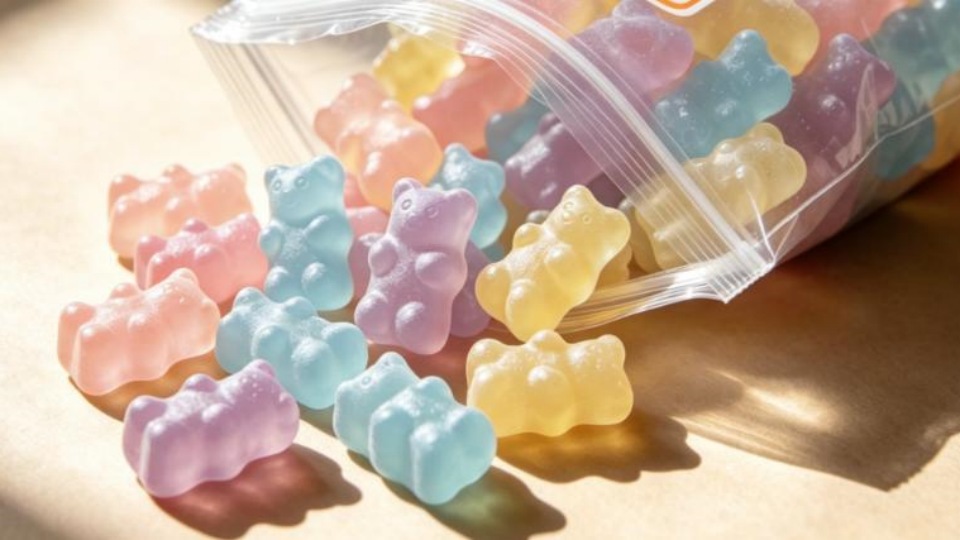
খাদ্যতালিকাগত পরিপূরক (যেমন. আঠালো, মাছের তেল): যদিও গামিগুলি অস্বচ্ছ, তারা জটলা. অ্যান্টি-ক্লাম্প ভাইব্রেটরি হপারের সাথে দৃষ্টি গণনা (জিনলুর আঠালো কাউন্টারের মতো) প্রতিটি আঠালো গণনা করা নিশ্চিত করে. (দেখুন জিনলুর গামি কাউন্টিং মেশিন বিশেষ নকশার জন্য।)
সংক্ষেপে, দৃষ্টি কাউন্টার জন্য আদর্শ অ-মানক ক্যাপসুল এবং ট্যাবলেট: স্বচ্ছ, বহু আকৃতির, বা প্রিমিয়াম পণ্য. যদি আপনার অপারেশন পরিষ্কার পরিচালনা করে softgels, দ্বি-স্তর, বা ঘন ঘন রেসিপি পরিবর্তন, উন্নত দৃষ্টি ব্যবস্থা নিশ্চিত করে যে প্রতিটি আইটেম সঠিকভাবে লম্বা করা এবং পরিদর্শন করা হয়েছে.
কোন পণ্য এখনও Photoelectric কাউন্টার ব্যবহার করতে পারেন?
ফোটোইলেকট্রিক কাউন্টার রয়ে গেছে খুব কার্যকর সহজবোধ্য ক্ষেত্রে:
স্ট্যান্ডার্ড ট্যাবলেট: স্বচ্ছতা বা আবরণ ছাড়া সাদা বা রঙিন ট্যাবলেট. বড় মাপের জেনেরিকের জন্য, ফটোইলেকট্রিক প্রমাণিত এবং যথেষ্ট.
হার্ড জেলটিন ক্যাপসুল (অস্বচ্ছ): যদি ক্যাপসুলগুলি রঙিন / আভাযুক্ত হয়, রশ্মি ভালভাবে ব্লক করবে.
একক-SKU, উচ্চ-ভলিউম লাইন: আপনি যদি প্রাথমিকভাবে একটি পণ্য চালান (কোন পরিবর্তন) এবং এটি একটি অস্বচ্ছ বড়ি, ফোটোইলেকট্রিক সেন্সর কম খরচে ফোস্কা গতি দেয়.
বাজেট-সচেতন অপারেশন: ল্যাব-স্কেল বা ছোট লাইনের জন্য (সস্তা প্রোটোটাইপ, জেনেরিক বড়ি, কৃষি ভেটেরিনারি মেডস, ইত্যাদি) যেখানে বাজেট সীমিত, IR কাউন্টার একটি মিষ্টি স্পট আঘাত.
পরিচ্ছন্ন পরিবেশ: যদি ভরাট এলাকা ভালভাবে রক্ষণাবেক্ষণ করা হয় (সামান্য ধুলো) এবং বড়ি সবসময় সুন্দরভাবে একত্রিত হয়, ফটোইলেকট্রিক সিস্টেম ন্যূনতম ঝগড়া সহ "লাইট আউট" চালায়.
কম ঝুঁকি নিয়ন্ত্রিত পণ্য: যদি কঠোর অডিট ট্রেল একটি অগ্রাধিকার না হয় (যেমন. কিছু নিউট্রাসিউটিক্যালস বা দেশীয় বাজার), ফটোইলেক্ট্রিক পূরণ নির্ভুলতার জন্য cGMP পূরণ করে.
সংক্ষেপে, যখন পণ্য হয় photoelectric গণনা ব্যবহার করুন ইউনিফর্ম, অস্বচ্ছ, এবং পরিবেশ নিয়ন্ত্রিত হয়, বা যখন প্রাথমিক খরচ একটি বড় উদ্বেগ. এটি অনেক ফার্মা লাইনের সাশ্রয়ী "ওয়ার্কহরস" হিসাবে রয়ে গেছে.
GMP এবং নিয়ন্ত্রক বিবেচনা
ফার্মাসিউটিক্যাল কাউন্টারগুলির সাথে সারিবদ্ধ হওয়া আবশ্যক সিজিএমপি প্রয়োজনীয়তা (21 সিএফআর 210/211) এবং ক্রমবর্ধমান সঙ্গে 21 সিএফআর অংশ 11 (যদি ইলেকট্রনিক রেকর্ড রাখা হয়). গুরুত্বপূর্ণ কারণগুলির মধ্যে গণনার নির্ভুলতা অন্তর্ভুক্ত, পরিচ্ছন্নতা, এবং ডেটা অখণ্ডতা.
সঠিকতা পূরণ করুন (210/211): সঠিক লেবেলিং এবং প্যাকেজিং নিশ্চিত করার জন্য প্রবিধানের লিখিত পদ্ধতির প্রয়োজন. স্বয়ংক্রিয় কাউন্টারগুলি যেগুলি নির্ভরযোগ্যভাবে সঠিক গণনাগুলিকে আঘাত করে এই আদেশটিকে সমর্থন করে৷. এক জিনলু ব্লগ নোট হিসাবে, স্বয়ংক্রিয় পিল কাউন্টারগুলি বোতল থেকে বোতল সামঞ্জস্যপূর্ণ গণনার গ্যারান্টি দিয়ে "পূর্ণ নির্ভুলতার জন্য এফডিএ এবং সিজিএমপি প্রয়োজনীয়তা পূরণ করতে সহায়তা করে".
পরিচ্ছন্নতা এবং স্বাস্থ্যবিধি: উভয় কাউন্টার প্রকার বদ্ধ ট্র্যাক ব্যবহার করে এবং জিএমপি স্বাস্থ্যবিধি মান মেনে চলার জন্য ডাস্ট এক্সট্র্যাক্টর অন্তর্ভুক্ত করতে পারে. (জিনলুর ডিজাইনে প্রায়ই সিল করা চ্যানেল এবং দ্রুত-পরিষ্কার মডিউল থাকে।)
ডেটা ইন্টিগ্রিটি (অংশ 11 & ALCOA+): ভিশন সিস্টেমগুলি সহজাতভাবে ডিজিটাল ডেটা তৈরি করে (ছবি, লগ) যে ছলনা-স্পষ্ট করা সহজ. উদাহরণস্বরূপ, একটি উচ্চ-শেষ দৃষ্টি কাউন্টার সংরক্ষণাগার করতে পারেন একটি ভর্তি সময়ে প্রতিটি বোতল স্ন্যাপশট. এই টাইম-স্ট্যাম্প করা ছবিগুলি অডিটের সময় "পণ্যের অখণ্ডতার অপরিবর্তনীয় প্রমাণ". প্রতিটি সফ্টওয়্যার কর্ম (রেসিপি পরিবর্তন, গতি সমন্বয়) ব্যবহারকারী আইডি দিয়ে লগ করা হয়, একটি সম্পূর্ণ অডিট ট্রেইল তৈরি করা. এটি ALCOA+ নীতি সমর্থন করে: রেকর্ড বৈশিষ্ট্যযুক্ত, আসল (প্রকৃত পণ্যের ছবি), সমসাময়িক, ইত্যাদি.
ফটোইলেকট্রিক ট্রেসেবিলিটি: IR কাউন্টার গণনা এবং ত্রুটি ঘটনা রেকর্ড করতে পারে, কিন্তু তাদের চাক্ষুষ প্রমাণের অভাব রয়েছে. লগ করার কোন স্থানীয় উপায় নেই প্রতিটি বড়ি কেমন লাগছিল. অংশের জন্য একটি IR সিস্টেম আপগ্রেড করা হচ্ছে 11 সম্মতির জন্য অডিট ট্রেলগুলির জন্য বাহ্যিক সেন্সর বা ক্যামেরার প্রয়োজন হতে পারে. এর বিপরীতে, ভিশন কাউন্টারগুলি শুরু থেকেই কম্পিউটার নিয়ন্ত্রণের সাথে নির্মিত হয়েছিল.
যোগ্যতা & বৈধতা: হয় সিস্টেম প্রয়োজন হবে আইকিউ/ওকিউ (ইনস্টলেশন/অপারেশন যোগ্যতা) এবং ফার্মা মান অনুযায়ী ডকুমেন্টেশন. সফ্টওয়্যারের কারণে দৃষ্টি সিস্টেমের আরও বিস্তৃত বৈধতা প্রয়োজন হতে পারে, কিন্তু অনেক আধুনিক মেশিনে বৈধতা সমর্থন অন্তর্ভুক্ত.
নিয়ন্ত্রক প্রবণতা: বৈশ্বিক নিয়ন্ত্রকরা কঠোর ডেটা প্রত্যাশার দিকে এগিয়ে যাচ্ছে. ছবি এবং লগ সহ "প্রতিটি পিল গণনা করা" প্রদর্শন করার ক্ষমতা একটি পার্থক্যকারী হয়ে উঠবে. আসলে, কেউ কেউ ইতিমধ্যে প্রক্রিয়াটিকে ডিজিটাইজ করে ভিশন সিস্টেমকে "জিরো-ডিফেক্ট ফিলিংয়ের ভবিষ্যত" বলছেন.
অনুশীলনে, ফার্মার যেকোনো কাউন্টিং মেশিন অবশ্যই সিজিএমপি সার্টিফিকেটের সাথে আসতে হবে (আইএসও, সিই, ইত্যাদি) এবং ভাল ডকুমেন্টেশন (রক্ষণাবেক্ষণ লগ, Sops). একটি সিস্টেম চয়ন করুন (আলোক বৈদ্যুতিক বা দৃষ্টি) যা আপনার ইলেকট্রনিক ব্যাচ রেকর্ডের সাথে একীভূত হয় (ইবিআর) বা ম্যানুফ্যাকচারিং এক্সিকিউশন সিস্টেম (এমইএস). ভিশন কাউন্টারগুলি আরও স্বাভাবিকভাবে সম্পূর্ণ ডিজিটাল ইন্টিগ্রেশনে নিজেদের ধার দেয়, অডিট সহজ এবং কম ত্রুটি-প্রবণ করা.
খরচ বিশ্লেষণ: বিনিয়োগ মূল্য একটি দৃষ্টি কাউন্টার?
প্রাথমিক বিনিয়োগ: ফটোইলেকট্রিক কাউন্টারগুলি অগ্রিমভাবে উল্লেখযোগ্যভাবে সস্তা. আগেই উল্লেখ করা হয়েছে, একটি পরিপক্ক IR কাউন্টার সাধারণ অপটিক্স এবং ইলেকট্রনিক্স ব্যবহার করে. এর বিপরীতে, একটি দৃষ্টি সিস্টেম কাস্টম অপটিক্স প্রয়োজন হতে পারে, একাধিক ক্যামেরা, এবং এআই প্রসেসর (প্রায়ই NVIDIA চিপ বা অনুরূপ চলমান). একটি একক 8-লেনের IR কাউন্টার কম-থেকে-মধ্য পাঁচটি পরিসংখ্যানে খরচ হতে পারে, যেখানে একটি হাই-এন্ড 8-লেন ভিশন মেশিন হাজার হাজার ডলার বা তার বেশি হতে পারে.
অপারেটিং খরচ: ফটোইলেকট্রিক সিস্টেমের কম রক্ষণাবেক্ষণ খরচ আছে (মাঝে মাঝে পরিষ্কার সেন্সর, আইআর এলইডি প্রতিস্থাপন করুন). ভিশন সিস্টেমের আরও অংশ রয়েছে (ক্যামেরা, কম্পিউটার) তবে অনেকগুলি দীর্ঘ পরিষেবার জন্য ডিজাইন করা হয়েছে এবং মডুলার প্রতিস্থাপনযোগ্য ইউনিট রয়েছে. উভয় প্রকার ধুলো সংগ্রহ ইউনিট থেকে উপকৃত হয় এবং খুচরা যন্ত্রাংশের প্রয়োজন হয় (বোতল chutes, টিউব, ইত্যাদি).
পণ্য প্রত্যাহার ঝুঁকি: ফার্মে, দ্য ত্রুটির খরচ সরঞ্জাম খরচ বামন করতে পারেন. একটি ব্যাচে একটি ভুল কাউন্ট করা বোতল প্রত্যাহার শুরু করতে পারে যার মূল্য লক্ষ লক্ষ হারানো বিক্রয় এবং ব্র্যান্ডের ক্ষতি. ভিশন সিস্টেমগুলি অচেনা আন্ডারফিল/ওভারফিল এড়ানোর মাধ্যমে নাটকীয়ভাবে এই ঝুঁকি হ্রাস করে. তারা স্পেক-অফ-স্পেক বড়িও ধরে (মানের ঘটনা এড়ানো). বছর ধরে, এড়িয়ে যাওয়া প্রত্যাহার এবং সম্মতি জরিমানা দৃষ্টির উচ্চ মূলধন ব্যয়কে ন্যায্যতা দিতে পারে.
শ্রম সঞ্চয়: সম্পূর্ণ স্বয়ংক্রিয় দৃষ্টি সিস্টেমগুলি পোস্ট-প্যাকেজিং ম্যানুয়াল পরিদর্শন এবং পুনরায় কাজের প্রয়োজনীয়তা হ্রাস করে. একজন অপারেটর একাধিক কর্মীদের হাতে-পরিদর্শন বোতলের পরিবর্তে একটি বড় দৃষ্টি গণনা লাইনের তত্ত্বাবধান করতে পারে. এই শ্রম হ্রাস একটি লুকানো ROI.
দীর্ঘমেয়াদী ROI: সামঞ্জস্যপূর্ণ পণ্য লাইন জন্য, একটি ফটোইলেকট্রিক মেশিন দ্রুত পরিশোধ করতে পারে (অনুমানযোগ্য ROI). বিভিন্ন বা উচ্চ-মানের লাইনের জন্য, দৃষ্টির ROI উন্নত মানের থেকে আসে. পরিসংখ্যানগতভাবে, থেকে নির্ভুলতা pushing 99.90% থেকে 99.99% (আরও একটি "9") মানে 90% কম ত্রুটি. এটি হাজার হাজার বোতলের চেয়ে অনেক কম প্রত্যাখ্যান বা স্মরণে অনুবাদ করতে পারে.
খরচের সারাংশ: ফটোইলেকট্রিক কাউন্টার কম প্রাথমিক খরচ এবং সরলতা জয়. ভিশন কাউন্টারগুলির দাম সামনের দিকে বেশি, কিন্তু তারা ক্ষমতা যোগ (পরিদর্শন, ট্রেসেবিলিটি) যে প্রায়ই পরে খরচ সংরক্ষণ. একজন বিশেষজ্ঞ হিসাবে এটি করা, ফটোইলেকট্রিক সিস্টেম স্ট্যান্ডার্ড অপারেশনের জন্য একটি "অনুমানযোগ্য ROI সহ একটি কম ঝুঁকিপূর্ণ এন্ট্রি পয়েন্ট" অফার করে. এদিকে, ভিশন সিস্টেম "গুণমান বুদ্ধিমত্তা" প্রদান করে যা ব্র্যান্ডকে রক্ষা করে আয় বাড়াতে পারে.
দ্রষ্টব্য: বাজেট টাইট হলে, একটি ফটোইলেকট্রিক মেশিন দিয়ে শুরু করার এবং একটি আপগ্রেড পথের পরিকল্পনা করার কথা বিবেচনা করুন. উদাহরণস্বরূপ, জিনলুর JL-8C ট্যাবলেট কাউন্টিং মেশিন একটি লাভজনক 8-লেন IR কাউন্টার (99.8%+ নির্ভুলতা) অনেক ক্যাপসুল/ট্যাবলেট লাইনের জন্য উপযুক্ত. উচ্চ-স্তরের প্রয়োজনের জন্য, জিনলুর JL-8Pro CCD ভিশন কাউন্টিং মেশিন অফার >99.99% সম্পূর্ণ চাক্ষুষ পরিদর্শন সঙ্গে নির্ভুলতা. (নীচে "কিভাবে চয়ন করবেন" দেখুন।)
JL-8Pro CCD ভিশন কাউন্টিং মেশিন
ভিশন এবং ফটোইলেকট্রিক কাউন্টিং প্রযুক্তির মধ্যে কীভাবে চয়ন করবেন
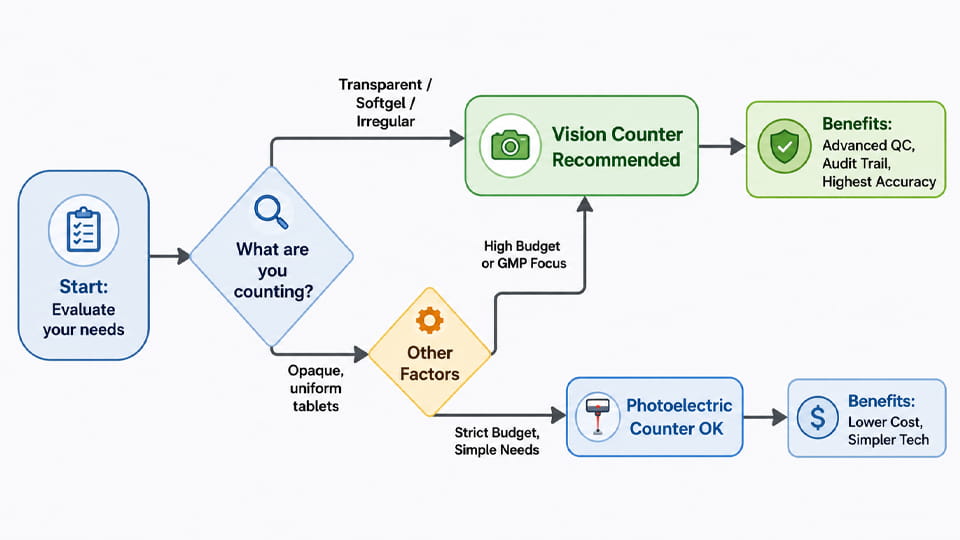
সঠিক গণনা প্রযুক্তি নির্বাচন করা আপনার সাথে মেলে পণ্য মিশ্রণ, বাজেট, এবং মানের লক্ষ্য. এখানে একটি সহজ সিদ্ধান্ত নির্দেশিকা:
ফটোইলেক্ট্রিক নির্বাচন করুন যদি:
আপনার পণ্য সব অস্বচ্ছ, অভিন্ন ট্যাবলেট/ক্যাপসুল. (যেমন. গণ-উত্পাদিত জেনেরিক।)
বাজেটের সীমাবদ্ধতা প্রাধান্য পায়. (ফটোইলেকট্রিক মেশিনের দাম সমতুল্য দৃষ্টি মডেলের চেয়ে 30-50% কম হতে পারে।)
আপনার পরিবেশ খুব পরিষ্কার এবং আপনার লাইন সূক্ষ্ম সুর করা হয় (সর্বনিম্ন ধুলো, চমৎকার সিঙ্গুলেশন).
অতিরিক্ত মানের পরীক্ষা ছাড়াই উচ্চ থ্রুপুটের জন্য আপনার কেবল একটি ওয়ার্কহর্স দরকার.
যদি দৃষ্টি চয়ন করুন:
আপনি বিভিন্ন ধরনের SKU পরিচালনা করেন: স্বচ্ছ ক্যাপসুল, বহু রঙের ট্যাবলেট, অদ্ভুত আকার.
GMP/নিরীক্ষাযোগ্যতা গুরুত্বপূর্ণ: আপনার ডিজিটাল রেকর্ড দরকার, 21 সিএফআর 11 সম্মতি, এবং ALCOA+ ডেটা অখণ্ডতা.
আপনার বাজেট এবং স্থান এটি অনুমতি দেয়: দৃষ্টি মেশিন একটি বিনিয়োগ কিন্তু অতিরিক্ত মান আনতে.
আপনি বিল্ট-ইন ত্রুটি সনাক্ত করতে চান: ভাঙা ট্যাবলেট বা বিদেশী জিনিস ধরা একটি অগ্রাধিকার.
আপনি একটি উচ্চ-গতির লাইন আপগ্রেড করছেন: QC যোগ করার সময় দৃষ্টি মাল্টি-লেন হাই থ্রুপুট পরিচালনা করতে পারে.
অনুশীলনে, অনেক আধুনিক ফার্মা লাইন ভিশন কাউন্টারের দিকে যাচ্ছে, বিশেষ করে উন্নত বাজারে. যদি "জিরো-ডিফেক্ট" গুণমান হয় আপনার লক্ষ্য, দৃষ্টির অগ্রিম খরচ ক্রমবর্ধমান মূল্য হিসাবে দেখা হয়. তবে, ফটোইলেকট্রিক কাউন্টিং মেশিনগুলি স্ট্যান্ডার্ড অ্যাপ্লিকেশনগুলির জন্য একটি বুদ্ধিমান পছন্দ যেখানে খরচ-দক্ষতা মূল.
উপসংহার
নিচের লাইন: প্রথাগত আলোক বৈদ্যুতিক কাউন্টার একটি খরচ-কার্যকর থাকা, সহজ জন্য নির্ভরযোগ্য পছন্দ, পরিষ্কার অবস্থায় অভিন্ন বড়ি সহ উচ্চ-থ্রুপুট লাইন. ভিশন কাউন্টার, তবে, দ্রুত হয়ে উঠছে অত্যাধুনিক ফার্মাসিউটিক্যাল প্যাকেজিং জন্য সমাধান. তারা সামনে আরো খরচ কিন্তু অতুলনীয় নির্ভুলতা প্রদান, পরিদর্শন, এবং সম্মতি বৈশিষ্ট্য - জটিল বা উচ্চ-মূল্যের পণ্যগুলির জন্য মূল. প্রবিধান কড়া এবং "শূন্য ত্রুটি" গুণমান আদর্শ হয়ে ওঠে, অনেক ফার্মা প্ল্যান্ট ভিশন-ভিত্তিক গণনা এবং পরিদর্শন সিস্টেমে আপগ্রেড করছে.
আপনি কোন প্রযুক্তি চয়ন করেন না কেন, জিনলু প্যাকিং উভয়ই অফার করে: শ্রমসাধ্য 8-লেনের IR কাউন্টার থেকে উন্নত AI দৃষ্টি কাউন্টার পর্যন্ত. আমাদের বিশেষজ্ঞরা আপনাকে আপনার ট্যাবলেটের জন্য সঠিক সরঞ্জাম নির্বাচন করতে সাহায্য করতে পারে, ক্যাপসুল বা আঠালো লাইন. আমাদের সাথে যোগাযোগ করুন একটি কাস্টম গণনা সমাধান নিয়ে আলোচনা করতে যা নিশ্চিত করে যে প্রতিটি বোতল সঠিকভাবে ভরা হয়েছে, দক্ষতার সাথে, এবং সম্পূর্ণ সম্মতিতে ফার্মা মান.
1. একটি দৃষ্টি কাউন্টার এবং একটি photoelectric কাউন্টার মধ্যে পার্থক্য কি??
একটি ফটোইলেকট্রিক কাউন্টার পণ্য গণনা চ্যানেলের মধ্য দিয়ে যাওয়ার সময় একটি হালকা রশ্মিতে বাধা সনাক্ত করে ট্যাবলেট বা ক্যাপসুল গণনা করে. একটি ভিশন কাউন্টার শিল্প ক্যামেরা এবং ইমেজ-প্রসেসিং সফ্টওয়্যার ব্যবহার করে প্রতিটি পণ্যকে তার আকারের উপর ভিত্তি করে সনাক্ত করতে এবং গণনা করতে, আকার, এবং চাক্ষুষ বৈশিষ্ট্য.
মূল পার্থক্য হল যে দৃষ্টি সিস্টেমগুলি একই সাথে গণনা এবং পরিদর্শন উভয়ই করতে পারে, যখন ফোটোইলেকট্রিক সিস্টেম প্রাথমিকভাবে গণনার উপর ফোকাস করে.
কোন গণনা প্রযুক্তি ফার্মাসিউটিক্যাল প্যাকেজিংয়ের জন্য আরও সঠিক?
বেশিরভাগ ফার্মাসিউটিক্যাল অ্যাপ্লিকেশনে, দৃষ্টি গণনা প্রযুক্তি উচ্চ নির্ভুলতা প্রদান করে, বিশেষ করে স্বচ্ছ ক্যাপসুল পরিচালনা করার সময়, softgels, অনিয়মিত ট্যাবলেট, বা পণ্যগুলি যা গণনার সময় ওভারল্যাপ করতে পারে.
কারণ ভিশন সিস্টেমগুলি কেবল রশ্মি বাধার উপর নির্ভর না করে চিত্রগুলি বিশ্লেষণ করে, তারা পৃথক পণ্যগুলিকে আরও ভালভাবে আলাদা করতে পারে এবং গণনা ত্রুটিগুলি কমাতে পারে.
ফটোইলেকট্রিক কাউন্টার সঠিকভাবে সফটজেল ক্যাপসুল গণনা করতে পারে?
স্বচ্ছ বা আধা-স্বচ্ছ সফটজেল ক্যাপসুল গণনা করার সময় ফটোইলেকট্রিক কাউন্টারগুলি চ্যালেঞ্জের সম্মুখীন হতে পারে কারণ আলো পণ্যটির চারপাশে যেতে বা প্রতিসরণ করতে পারে.
দৃষ্টি গণনা সিস্টেমগুলি সাধারণত সফটজেল অ্যাপ্লিকেশনগুলির জন্য আরও উপযুক্ত কারণ তারা হালকা বাধার উপর নির্ভর না করে পণ্যের ভিজ্যুয়াল প্রোফাইল চিনতে পারে.
ভিশন কাউন্টিং মেশিনগুলি কি জিএমপি অনুগত?
হ্যাঁ. আধুনিক দৃষ্টি গণনা মেশিনগুলি ইলেকট্রনিক রেকর্ড সরবরাহ করে GMP প্রয়োজনীয়তা সমর্থন করার জন্য ডিজাইন করা যেতে পারে, ব্যাচ ট্রেসেবিলিটি, অডিট ট্রেইল, এবং গুণমান পরিদর্শন ফাংশন.
অনেক ফার্মাসিউটিক্যাল নির্মাতারা ভিশন সিস্টেম বেছে নেয় কারণ তারা ডেটা অখণ্ডতা এবং নিয়ন্ত্রক সম্মতির উদ্যোগকে সহায়তা করে.
একটি ভিশন কাউন্টার কি ভাঙা ট্যাবলেট বা বিদেশী কণা সনাক্ত করতে পারে?
হ্যাঁ. দৃষ্টি-ভিত্তিক গণনা প্রযুক্তির সবচেয়ে বড় সুবিধা হল গণনার সময় পণ্যগুলি পরিদর্শন করার ক্ষমতা.
উন্নত সিস্টেম চিপ করা ট্যাবলেট সনাক্ত করতে পারে, ভাঙা ক্যাপসুল, রঙের বৈচিত্র, এবং কিছু বিদেশী উপকরণ, পণ্যের গুণমান উন্নত করতে এবং ত্রুটিপূর্ণ পণ্য বাজারে পৌঁছানোর ঝুঁকি কমাতে সাহায্য করে.
উচ্চ বিনিয়োগ খরচ মূল্য একটি দৃষ্টি গণনা মেশিন?
যদিও প্রাথমিক ক্রয় খরচ সাধারণত বেশি হয়, অনেক ফার্মাসিউটিক্যাল নির্মাতারা দেখতে পান যে ভিশন সিস্টেম বিনিয়োগের উপর একটি শক্তিশালী দীর্ঘমেয়াদী রিটার্ন প্রদান করে.
বেনিফিট উন্নত গণনা নির্ভুলতা অন্তর্ভুক্ত হতে পারে, কম পণ্য স্মরণ, ম্যানুয়াল পরিদর্শন হ্রাস, কম প্রত্যাখ্যান হার, এবং বর্ধিত সম্মতি ক্ষমতা.
কখন আমি একটি ফটোইলেকট্রিক গণনা মেশিন নির্বাচন করব??
একটি photoelectric গণনা মেশিন প্রায়ই একটি ভাল পছন্দ যখন: • পণ্যগুলি হল স্ট্যান্ডার্ড ট্যাবলেট বা শক্ত ক্যাপসুল • উৎপাদনের প্রয়োজনীয়তা তুলনামূলকভাবে সহজবোধ্য • বাজেট একটি প্রাথমিক উদ্বেগ • পণ্য স্বচ্ছতা একটি সমস্যা নয় • কোন অতিরিক্ত পরিদর্শন কার্যকারিতা প্রয়োজন নেই অনেক জেনেরিক ফার্মাসিউটিক্যাল পণ্যের জন্য, ফটোইলেকট্রিক গণনা একটি নির্ভরযোগ্য এবং সাশ্রয়ী সমাধান.
ভিশন কাউন্টারগুলি উচ্চ-গতির ফার্মাসিউটিক্যাল প্যাকেজিং লাইনে কাজ করতে পারে?
হ্যাঁ. আধুনিক দৃষ্টি গণনা সিস্টেমগুলি উচ্চ-গতির ফার্মাসিউটিক্যাল উত্পাদন পরিবেশের জন্য ডিজাইন করা হয়েছে এবং গণনার নির্ভুলতা বজায় রেখে প্রচুর পরিমাণে ট্যাবলেট এবং ক্যাপসুল প্রক্রিয়া করতে পারে.
অনেক সিস্টেম হাই-স্পিড ক্যামেরা একত্রিত করে, রিয়েল-টাইম ইমেজ প্রসেসিং, এবং ক্রমাগত অপারেশন সমর্থন করার জন্য স্বয়ংক্রিয় প্রত্যাখ্যান প্রক্রিয়া.
দৃষ্টি গণনা প্রযুক্তির জন্য কোন পণ্যগুলি সবচেয়ে উপযুক্ত?
দৃষ্টি গণনা সিস্টেমের জন্য বিশেষভাবে উপকারী: • সফটজেল ক্যাপসুল • স্বচ্ছ ক্যাপসুল • দ্বি-স্তর ট্যাবলেট • কার্যকরী ট্যাবলেট • অনিয়মিত আকৃতির ট্যাবলেট • নিউট্রাসিউটিক্যাল মাড়ি • উচ্চ-মূল্যের ফার্মাসিউটিক্যাল পণ্য এই পণ্য ঐতিহ্যগত photoelectric গণনা সিস্টেমের জন্য চ্যালেঞ্জিং হতে পারে, দৃষ্টি প্রযুক্তি একটি পছন্দের বিকল্প তৈরি করে.
আমি কিভাবে একটি ভিশন কাউন্টার এবং একটি ফটোইলেকট্রিক কাউন্টারের মধ্যে নির্বাচন করব?
সেরা পছন্দ আপনার পণ্য বৈশিষ্ট্য উপর নির্ভর করে, উৎপাদন লক্ষ্য, সম্মতি প্রয়োজনীয়তা, এবং বাজেট.
আপনার যদি স্ট্যান্ডার্ড ট্যাবলেট এবং ক্যাপসুলের জন্য একটি সাশ্রয়ী সমাধানের প্রয়োজন হয় তবে একটি ফটোইলেকট্রিক কাউন্টার চয়ন করুন. আপনি উচ্চ নির্ভুলতা প্রয়োজন হলে একটি দৃষ্টি কাউন্টার চয়ন করুন, পণ্য পরিদর্শন ক্ষমতা, জটিল ডোজ ফর্মের জন্য সমর্থন, এবং শক্তিশালী ডেটা ট্রেসেবিলিটি.
দীর্ঘমেয়াদী অটোমেশন আপগ্রেডের পরিকল্পনাকারী ফার্মাসিউটিক্যাল কোম্পানিগুলির জন্য, দৃষ্টি গণনা প্রযুক্তি ক্রমবর্ধমান পছন্দের সমাধান হয়ে উঠছে.
পেটি ফু, জিনলুপ্যাকিং এর প্রতিষ্ঠাতা, নিয়ে আসে 20 ফার্মাসিউটিক্যাল যন্ত্রপাতি সেক্টরে দক্ষতার বছর. তার নেতৃত্বে, জিনলু একটি বিশ্বস্ত সরবরাহকারী একীভূত ডিজাইনে পরিণত হয়েছে, উত্পাদন, এবং বিক্রয়. পেটি ক্লায়েন্টদের ফার্মা প্যাকেজিংয়ের জটিলতাগুলি নেভিগেট করতে সহায়তা করার জন্য তার গভীর শিল্প জ্ঞান ভাগ করে নেওয়ার বিষয়ে উত্সাহী, নিশ্চিত করা যে তারা কেবল সরঞ্জামই পাবে না, কিন্তু একটি সত্যিকারের ওয়ান-স্টপ সার্ভিস পার্টনারশিপ তাদের উৎপাদন লক্ষ্য অনুসারে তৈরি.