
একটি ফার্মাসিউটিক্যাল চুক্তি প্রস্তুতকারকের জন্য, দ্য সেরা ক্যাপসুল ফিলিং মেশিন সাধারণত সর্বোচ্চ নেমপ্লেট গতির মেশিন নয়. এটি এমন একটি মেশিন যা আপনার প্রকৃত পণ্যগুলির মধ্যে সর্বনিম্ন উৎপাদন সময়ের সর্বনিম্ন ক্ষতি সহ নির্ভরযোগ্যভাবে স্থানান্তর করতে পারে.
এর মানে "প্রতি ঘন্টায় ক্যাপসুল" এর বাইরে তাকানো। একটি মাল্টি-প্রোডাক্ট সিএমও বা সিডিএমও বিবেচনা করা প্রয়োজন ক্যাপসুলের আকার, পাউডার আচরণ, ছোটরা, মাইক্রো ট্যাবলেট, সংমিশ্রণ পণ্য, পরিষ্কারের প্রয়োজনীয়তা, টুলিং পরিবর্তন, নিয়ন্ত্রণ, অপারেটর সময়, বৈধতা, এবং নিম্নধারার মান নিয়ন্ত্রণ. মেজর ক্যাপসুল-ভর্তি সরঞ্জাম সরবরাহকারী বিভিন্ন উপায়ে একই পয়েন্ট করুন: নমনীয়তা বিনিময়যোগ্য ডোজ সিস্টেম থেকে আসে, বিস্তৃত পণ্য সামঞ্জস্য, সংক্ষিপ্ত পরিবর্তন, সহজ পরিষ্কার, এবং সমন্বিত ওজন নিয়ন্ত্রণ - একা গতি নয়.
অধিকাংশ চুক্তি প্রস্তুতকারকদের হ্যান্ডলিং জন্য বাণিজ্যিক স্কেলে একাধিক SKU, একটি নমনীয় সম্পূর্ণ স্বয়ংক্রিয় ক্যাপসুল ফিলিং মেশিন মাঝারি-গতির পরিসরে প্রায়শই সেরা সূচনা পয়েন্ট. আধা-স্বয়ংক্রিয় সরঞ্জামগুলি এখনও বোধগম্য হয় যখন ব্যাচগুলি ছোট হয় এবং ঘন ঘন পরিবর্তন হয়. যখন বৃহৎ প্রচারাভিযান সময়সূচীতে আধিপত্য বিস্তার করে তখন খুব উচ্চ-গতির মেশিনগুলি বোঝা যায়. এবং যদি শক্তিশালী যৌগ জড়িত থাকে, কন্টেনমেন্ট অন্য প্রতিটি নির্বাচনের মানদণ্ডকে ওভাররাইড করতে পারে. বিশেষায়িত ক্যাপসুল ভর্তি সরঞ্জাম OEB 4/OEB এর সাথে উপলব্ধ 5 কন্টেনমেন্ট এবং ওয়েট-ক্লিনিং বা ওয়াশিং-ইন-প্লেস সিস্টেম, যা দেখায় যে প্রয়োজনীয়তা একটি সাধারণ সাধারণ-উদ্দেশ্য এনক্যাপসুলেটর কেনার থেকে কতটা আলাদা.
ব্যবহারিক নিয়ম সহজ:
ক্যাপসুল ফিলিং মেশিনটি বেছে নিন যা আপনাকে আপনার পুরো পণ্যের মিশ্রণ জুড়ে সর্বোচ্চ ব্যবহারযোগ্য দৈনিক আউটপুট দেয়—একটি সহজ পণ্যে সর্বোচ্চ তাত্ত্বিক ঘন্টায় আউটপুট নয়.
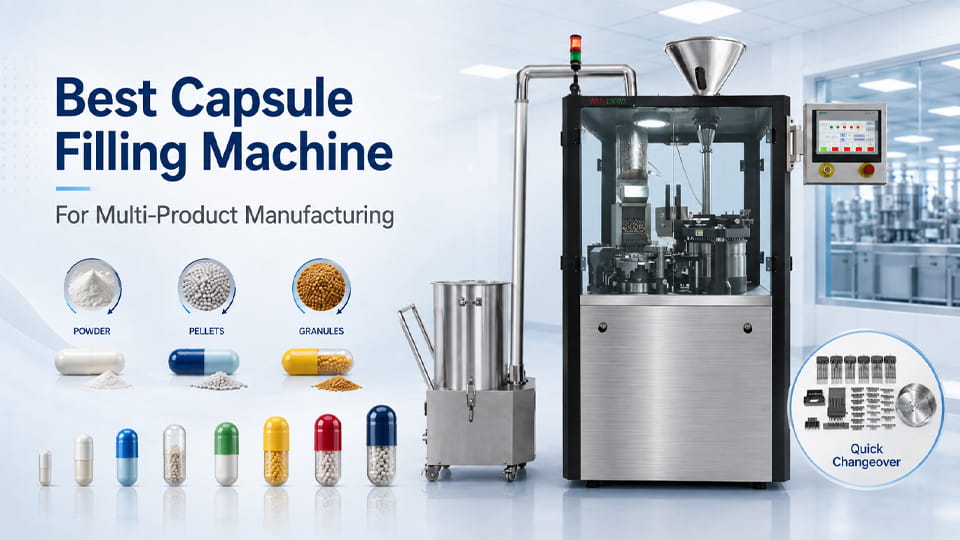
ফার্মাসিউটিক্যাল সিএমও (চুক্তি নির্মাতারা) শেয়ার করা লাইনে অনেক SKU চালান. তারা প্রায়ই পণ্য মধ্যে স্যুইচ করা আবশ্যক, ক্যাপসুলের আকার, এবং দ্রুত সূত্র. একটি একক উদ্দেশ্য মেশিন (একটি আকার বা পণ্যের জন্য কনফিগার করা হয়েছে) একাধিক ইউনিট ছাড়া এই বৈচিত্র্য পূরণ করতে পারবেন না. একটি মাল্টি-সাইজ সক্ষম ফিলার #000–#5 কভার করে (সবচেয়ে বড় থেকে ছোট হার্ড ক্যাপসুল) একটি মেশিনে. এটি সিএমওদের অনুমতি দেয় সরঞ্জাম একত্রীকরণ, স্থান এবং মূলধন সংরক্ষণ. এটি নতুন পণ্যের লঞ্চকেও ত্বরান্বিত করে: প্রতিটি SKU এর জন্য একটি নতুন এনক্যাপসুলেশন মেশিন অর্ডার করার পরিবর্তে, একটি সামঞ্জস্যযোগ্য মেশিন একাধিক রেসিপি তৈরি করতে পারে.
তবে, নমনীয়তা ট্রেডঅফ নিয়ে আসে. টুলিং অদলবদল ধীর বা জটিল হলে পরিবর্তনগুলি একটি বাধা হয়ে দাঁড়ায় (পরবর্তী বিভাগ দেখুন). পরিষ্কার এবং বৈধতা এছাড়াও সমালোচনামূলক: ক্রস-দূষণ এড়াতে ক্যাপসুলের একটি সিএমও ফিলিং মেশিন অবশ্যই বিভিন্ন ওষুধের মধ্যে স্যানিটাইজ করা সহজ হতে হবে (অ-নিবেদিত সরঞ্জাম আবশ্যক ব্যাচের মধ্যে পরিষ্কার করা). সংক্ষেপে, CMO-র দ্রুত ছাঁচ পরিবর্তনের জন্য ডিজাইন করা ক্যাপসুল ফিলার প্রয়োজন, মৃদু পরিষ্কার, এবং সুনির্দিষ্ট ডোজ যাতে একটি মেশিন নির্ভরযোগ্যভাবে অনেক পণ্য তৈরি করতে পারে জিএমপি নিয়ম.
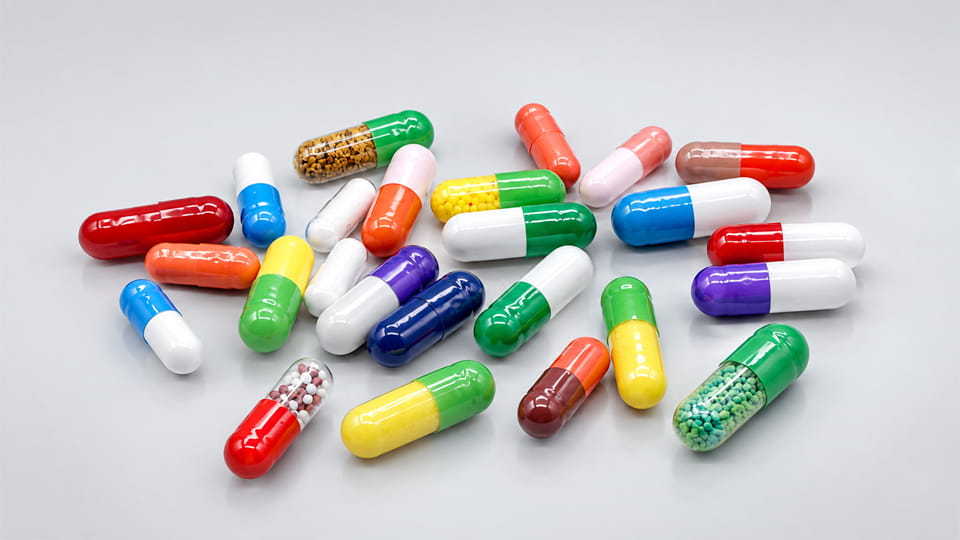
মাল্টি-প্রোডাক্ট পরিবেশের জন্য মেশিনের মূল্যায়ন করার সময়, এই কারণগুলির উপর ফোকাস করুন (নীচের টেবিল), তারপর বিস্তারিত পরে পড়ুন. একটি ভাল ভারসাম্যপূর্ণ পছন্দ আপনার পোর্টফোলিও জুড়ে আপস কমিয়ে দেয়.
| ফ্যাক্টর | কি জন্য তাকান |
| ক্যাপসুল সাইজ রেঞ্জ | সমস্ত প্রয়োজনীয় মাপ সমর্থন করে (#000–#5 ফার্মার ক্ষেত্রে সাধারণ) বিশেষ মোড ছাড়া. সমান গুরুত্বপূর্ণ আকারের মধ্যে দ্রুত পরিবর্তন. |
| প্রণয়ন প্রকার | আপনার গুঁড়ো/কণিকা পরিচালনা করে. এটি আপনার নির্দিষ্ট API পাউডার ডোজ করতে পারে কিনা তা পরীক্ষা করুন, ছোটরা বা মাইক্রো ট্যাবলেট. কিছু মডেল এমনকি ডোজ তরল (বিশেষ অগ্রভাগের প্রয়োজন). |
| উৎপাদন গতি | রেট আউটপুট (ক্যাপসুল/ঘন্টা) আপনার সর্বোচ্চ রান রেট অতিক্রম করা উচিত. কিন্তু নোট উদ্ধৃত গতি আদর্শ শর্ত অনুমান (আকার #00, বিনামূল্যে প্রবাহিত পাউডার). |
| পরিবর্তন সহজ | মডুলার টুলিং এবং দ্রুত-সামঞ্জস্য ডিজাইনের জন্য দেখুন. আধুনিক মেশিন ছাঁচ সেট অদলবদল করতে পারেন <30 মিনিট (15 উন্নত মডেলে মিন). |
| ক্লিনিং/সিআইপি ডিজাইন | জিএমপি পণ্যগুলির মধ্যে বৈধ পরিচ্ছন্নতার প্রয়োজন. স্টেইনলেস স্টীল যোগাযোগ অংশ এবং CIP ক্ষমতা বা টুল-কম disassembly পছন্দ. |
| সঠিকতা পূরণ | ডোজ সিস্টেম চেক করুন (auger/ডিস্ক, ট্যাম্পিং পিন) এবং নির্ভুলতা চশমা. ভাল ফিলারগুলি ~±1–3% ওজনের বৈচিত্রকে আঘাত করে৷. হাই-এন্ড লাইন বিজ্ঞাপন >97% নির্ভুলতা পূরণ করুন. |
| অটোমেশন লেভেল | সম্পূর্ণ স্বয়ংক্রিয় মেশিনগুলি ন্যূনতম শ্রম দিয়ে অবিচ্ছিন্নভাবে চলে (স্বয়ংক্রিয় লোড/লক, পিএলসি নিয়ন্ত্রণ), সেমি-অটোর জন্য একটি অপারেটর প্রয়োজন কিন্তু কম খরচ হয় (নীচে দেখুন). |
| বৈধতা সমর্থন | নিশ্চিত করুন যে মেশিনটি IQ/OQ/PQ প্রোটোকল সমর্থন করে, ডেটা লগ এবং CFR21 অংশ 11 প্রয়োজন হলে. সরবরাহকারী বৈধতা নথি বা সহায়তা প্রদান করে কিনা তা পরীক্ষা করুন. |
| পদচিহ্ন & স্কেলাবিলিটি | সিএমওদের জন্য, মেঝে স্থান এবং ভবিষ্যত বৃদ্ধি বিষয়. একটি একক নমনীয় মেশিন একাধিক ডেডিকেটেড ইউনিট বনাম স্থান সংরক্ষণ করে, কিন্তু নিশ্চিত করুন যে এটি স্কেল করতে পারে (যেমন. ভলিউম বেড়ে গেলে স্টেশন যোগ করা বা ফিলার লিঙ্ক করা). |
উপরের প্রতিটি ফ্যাক্টর আপনার পরিস্থিতির সাথে মানানসই করা উচিত. উদাহরণস্বরূপ, যদি আপনি শক্তিশালী পরিচালনা করেন এপিআই, দ্য ক্লিনিং/সিআইপি ডিজাইন অত্যন্ত গুরুত্বপূর্ণ হয়ে ওঠে (অপারেটরদের রক্ষা করতে এবং ক্রস-দূষণ রোধ করতে আপনার সম্পূর্ণ নিয়ন্ত্রণ বা ঘন ঘন যাচাইকৃত পরিষ্কারের প্রয়োজন হবে). আপনি যদি ঘন ঘন অনেক ক্যাপসুলের মাপের মধ্যে স্যুইচ করেন, তাহলে "চেঞ্জওভার ইজ" সবচেয়ে গুরুত্বপূর্ণ; নীচে উল্লিখিত হিসাবে, সাইজ-চেঞ্জ অটোমেশন এড়ানোর জন্য ডাউনটাইমের ঘন্টা খরচ হতে পারে.
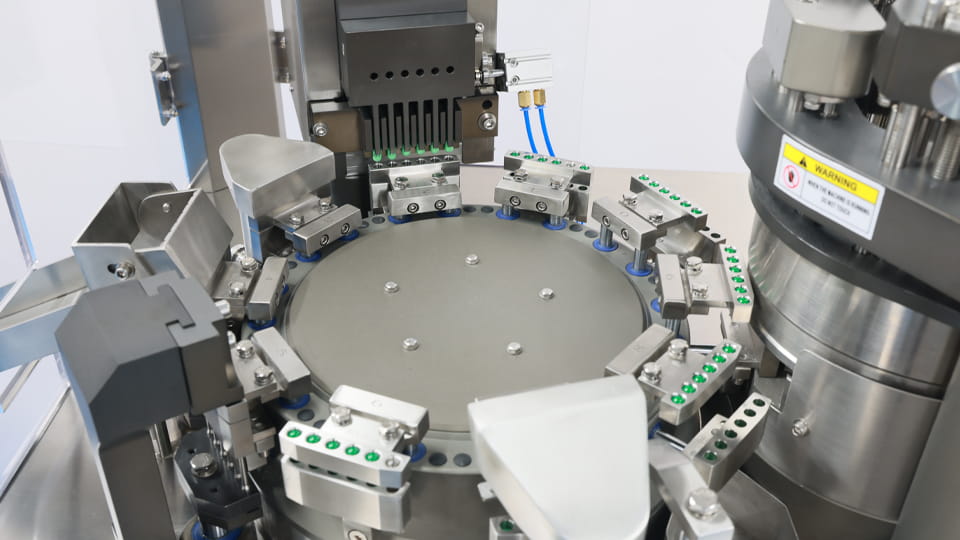
উচ্চ ক্যাপসুল থ্রুপুট আকর্ষণীয়, কিন্তু বাস্তব-বিশ্বের দক্ষতা শীর্ষ গতির চেয়ে বেশি নির্ভর করে. নির্মাতারা প্রায়শই আদর্শ অবস্থার অধীনে মেশিনের ক্ষমতা উদ্ধৃত করে, কিন্তু প্রকৃত আউটপুট হতে পারে অনেক কম যদি আপনার পণ্য চ্যালেঞ্জিং হয়. উদাহরণস্বরূপ, সূক্ষ্ম বা আঠালো গুঁড়ো একটি auger জ্যাম করতে পারে, বা ছোট ক্যাপসুল ধীর গতিতে ফলন. সর্বদা ক্যাপসুল আকারের প্রভাবের ফ্যাক্টর, গুঁড়া প্রবাহ, এবং ডাউনটাইম.
ক্ষমতা পরিকল্পনা জন্য, আপনার প্রয়োজনীয় আউটপুট দিয়ে শুরু করুন (প্রতি ব্যাচ বা প্রতি বছর ক্যাপসুল) এবং পিছনে কাজ. আপনি বাস্তবিকভাবে চালাতে পারেন কত উত্পাদন ঘন্টা নির্ধারণ করুন (যেমন. দুই শিফট বনাম সম্পূর্ণ 24×7). তারপর একটি লক্ষ্য ক্যাপসুল/ঘন্টা পেতে আপনার প্রয়োজনীয় ক্যাপসুলগুলিকে অপারেটিং ঘন্টা দ্বারা ভাগ করুন. এটি মেশিনের কার্যকর গতির সাথে তুলনা করুন (প্রায়শই এর সর্বোচ্চ রেটিং এর 80-90%). দ্রষ্টব্য: ওভারসাইজিং অন্য লাইন ইকুইপমেন্ট হলে ব্যাকফায়ার করতে পারে (গণনা, ক্যাপিং, লেবেলিং) রাখতে পারে না. একজন গাইড হিসাবে এটা রাখা, একটি 80k/hr লাইনে একটি 150k/hr ফিলার ইনস্টল করার ফলে ঘটে 47% অলস সময়, অর্থ অপচয়. সর্বদা সুষম লাইন থ্রুপুট জন্য লক্ষ্য.
দক্ষতা ক্যাপচার করতে, এছাড়াও পরিবর্তন এবং পরিষ্কারের ক্ষতির জন্য অ্যাকাউন্ট. এমনকি একটি "30-মিনিট" পরিবর্তন ক্ষমতা হ্রাস করে যদি এটি প্রতিটি ব্যাচের মধ্যে ঘটে. যদি আপনার লাইন ঘন ঘন SKUs পরিবর্তন করে, আপনার গণনার মধ্যে সেই ডাউনটাইম উইন্ডোগুলি অন্তর্ভুক্ত করুন. অনুশীলনে, লক্ষ্য একটি ফিলার যার কার্যকর ক্ষমতা (প্রকৃত রান টাইম আউটপুট) আপনার সর্বোচ্চ চাহিদা ছাড়িয়ে গেছে, তাই পরিবর্তন বা ছোটখাটো স্লোডাউনের জন্য আপনার কাছে হেডরুম আছে.
দীর্ঘ পরিবর্তন যেকোনো নমনীয় মেশিনের সুবিধা নষ্ট করতে পারে. ঐতিহ্যগত ঘূর্ণমান ক্যাপসুল ফিলিং মেশিন প্রায়ই প্রয়োজন 4-6 ঘন্টা আকার পরিবর্তনের জন্য. আধুনিক ডিজাইনগুলি নাটকীয়ভাবে কাটাতে সার্ভো ড্রাইভ এবং দ্রুত-লক মোল্ড প্লেট ব্যবহার করে – প্রায়ই 30-45 মিনিট একটি পূর্ণ আকার অদলবদল জন্য. মূল্যায়ন করার সময়, সরবরাহকারীদের আপনার ক্যাপসুলের আকারে একটি আকার পরিবর্তন প্রদর্শন করতে বলুন.
পরিবর্তনের সহজতা মডুলার উপাদান থেকে আসে: সাধারণত ক্যাপসুল খাওয়ানো স্টেশন, উপরের/নিম্ন ছাঁচ প্লেট, ডোজ ডিস্ক এবং স্ক্র্যাপার, ভরাট রড, এবং স্রাব গাইড সব একটি নতুন আকারের জন্য সুইচ করা আবশ্যক. টুল-লেস ক্ল্যাম্প বা ইন্ডেক্সড মোল্ড হাউজিং সহ মেশিনগুলি এখানে সময় বাঁচাতে পারে. উদাহরণস্বরূপ, জিনলুর এনজেপি সিরিজ একটি ব্যবহার করে মডুলার ছাঁচ নকশা যা নীচে সম্পূর্ণ ছাঁচ পরিবর্তন করতে সক্ষম করে 15 মিনিট. একটি বাস্তব বিশ্বের ক্ষেত্রে, একটি ক্যাম-চালিত ফিলার থেকে একটি সার্ভো-চালিত এক কাট পরিবর্তন থেকে স্যুইচ করা 6 ঘন্টা থেকে 35 মিনিট, সংরক্ষণ করা \$120,000 প্রতি বছর.
সংক্ষেপে, পরিবর্তন কম করুন: দ্রুত-ছাঁচ-মুক্তি সহ মেশিনগুলি সন্ধান করুন, প্রিসেট সমন্বয় বৈশিষ্ট্য, এবং "রেসিপি" সংরক্ষণ করে যাতে অপারেটরদের প্রতিবার অফসেটগুলিকে ম্যানুয়ালি ফাইন-টিউন করতে হয় না. আপনি যদি প্রতি ত্রৈমাসিকে কয়েক ডজন আকার পরিবর্তন আশা করেন, পরিবর্তনের গতি একটি শীর্ষ নির্বাচনের মানদণ্ড হওয়া উচিত.
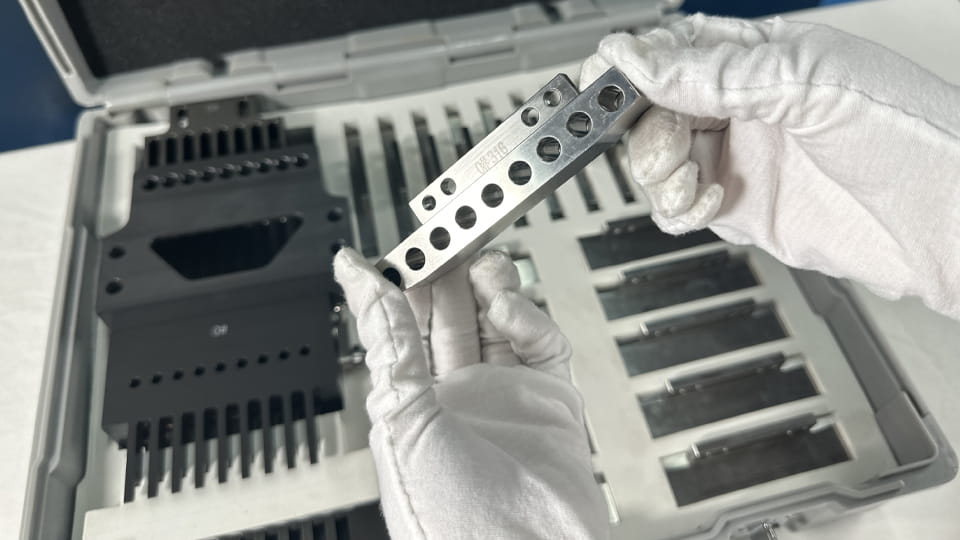
একটি ফার্মাসিউটিক্যাল সিএমও একটি মেশিনে একাধিক পণ্য চালানোর সময় কঠোর পরিচ্ছন্নতা এবং দূষণ নিয়ন্ত্রণ প্রয়োগ করতে হবে. এফডিএ নির্দেশিকা (এবং সহজ GMP যুক্তি) যে রাষ্ট্র অনির্দিষ্ট সরঞ্জাম বিভিন্ন পণ্য মধ্যে পরিষ্কার করা আবশ্যক ক্রস-দূষণ প্রতিরোধ করতে. আসলে, একটি FDA সতর্কীকরণ চিঠি সম্প্রতি উল্লেখ করেছে যে এটি কঠোর পরিচ্ছন্নতা ছাড়াই "একই সরঞ্জাম ব্যবহার করে ওষুধ তৈরি করা CGMP-এর বিষয় হিসাবে অগ্রহণযোগ্য … এছাড়াও অ-ফার্মাসিউটিক্যাল পণ্য তৈরিতে ব্যবহৃত হয়".
এই প্রয়োজনীয়তা পূরণ করতে, সঙ্গে একটি বড়ি ক্যাপসুল ফিলার চয়ন করুন স্যানিটারি নকশা: মসৃণ 316L স্টেইনলেস নির্মাণ, গোলাকার প্রান্ত, ন্যূনতম ফাটল, এবং যেখানে সম্ভব সিল করা বিয়ারিং. অনেক মেশিন এখন সমর্থন করে ক্লিন-ইন-প্লেস (সিআইপি): অন্তর্নির্মিত স্প্রে বল এবং সঞ্চালন পরিচ্ছন্নতার সিস্টেম যা আপনাকে সম্পূর্ণ বিচ্ছিন্ন না করেই অভ্যন্তরীণ পৃষ্ঠগুলি ধুয়ে ফেলতে দেয়. CIP অনুপলব্ধ হলে, যে সব hoppers যাচাই, ডোজ ডিস্ক, এবং ফিড ট্রে অপসারণ করা যেতে পারে বা ম্যানুয়াল পরিষ্কারের জন্য টুল-মুক্ত খোলা যেতে পারে.
এছাড়াও বৈধ ক্লিনিং প্রোটোকল স্থাপন করুন: সবচেয়ে খারাপ ক্ষেত্রে soiling (যেমন. অত্যন্ত শক্তিশালী বা স্টিকি উপাদান) গ্রহণযোগ্য অবশিষ্টাংশ সীমা অপসারণযোগ্য হতে হবে. ফার্মাসিউটিক্যাল সরঞ্জাম সরবরাহকারীকে পরিষ্কারের গাইড বা এমনকি সিমুলেটেড-দূষণ পরীক্ষা প্রদান করা উচিত. অবশেষে, নীচে প্রয়োজনীয় হিসাবে পুঙ্খানুপুঙ্খভাবে পরিষ্কার লগ বজায় রাখা 21 সিএফআর 211.67(খ). (একজন এফডিএ পরিদর্শক মনে করিয়ে দিয়েছেন, অপর্যাপ্ত পরিচ্ছন্নতার বৈধতা একটি পুনরাবৃত্তি লঙ্ঘন.) সংক্ষেপে: পরিচ্ছন্নতার জন্য ডিজাইন এবং সবকিছু নথিভুক্ত করুন. যদি ব্যাচের মধ্যে মেশিনটি দ্রুত এবং নির্ভরযোগ্যভাবে পরিষ্কার করা না যায় তবে দ্রুত পরিবর্তন নিশ্চিত করা কঠিন।.
সব সূত্র একই রকম হয় না. ক্যাপসুল ফিলিং সরঞ্জামগুলি পণ্যের পরিবর্তনশীলতা পরিচালনা করতে বিভিন্ন ডোজিং প্রক্রিয়া ব্যবহার করে. সাধারণ সিস্টেম অন্তর্ভুক্ত:
লক্ষ্যের ±1–3% এর মধ্যে ওজন নির্ভুলতা পূরণের লক্ষ্য রাখুন. শীর্ষ স্তরের মেশিন (হাই-এন্ড ফার্মার মত ক্যাপসুল প্রস্তুতকারক মেশিন) এই পরিসরে স্পষ্টতা বিজ্ঞাপন. উদাহরণস্বরূপ, জিনলুর NJP-3800D স্বয়ংক্রিয় ফিলার বজায় রাখে >97% ওজন নির্ভুলতা. সর্বদা পরীক্ষার ডেটা দিয়ে যাচাই করুন: আপনার লক্ষ্য ক্যাপসুলের আকার এবং ওজনে সাধারণ ওজনের বৈচিত্র্যের জন্য বিক্রেতাদের জিজ্ঞাসা করুন.
ডোজ সিস্টেম নির্বাচন আপনার উপাদান মেলে উচিত. খুব সূক্ষ্মভাবে পরিচালনা করলে, ইলেক্ট্রোস্ট্যাটিক, বা সমন্বিত গুঁড়ো, অ্যান্টি-স্ট্যাটিক আবরণ বা ফ্লুইডাইজিং প্ল্যাটফর্মের মতো বৈশিষ্ট্যগুলি উপলব্ধ রয়েছে তা নিশ্চিত করুন. এবং সর্বদা নিশ্চিত করুন যে যোগাযোগের অংশগুলি আপনার রসায়নের জন্য উপযুক্ত (সাধারণত 304 বা 316 স্টেইনলেস স্টিল মান হয়). সংক্ষেপে, আপনার পণ্যের সাথে ডোজ প্রযুক্তির সাথে মেলে এবং প্রমাণ সহ নির্ভুলতা চশমা নিশ্চিত করুন.
একটি মাল্টি-সাইজ মেশিন বা একাধিক ডেডিকেটেড মেশিনের মধ্যে বেছে নেওয়া একটি ক্লাসিক ট্রেড-অফ. এই সুবিধা এবং অসুবিধা বিবেচনা করুন (নীচের টেবিল) আপনার SKU এবং ভলিউমের প্রসঙ্গে.
| দিক | এক মাল্টি সাইজ মেশিন | একাধিক ডেডিকেটেড মেশিন |
| ক্যাপসুল পরিসীমা | সম্পূর্ণ পরিসীমা পরিচালনা করে (যেমন. #000-#5) পরিবর্তনের সাথে. মাপের মধ্যে টুল অদলবদল প্রয়োজন. | প্রতিটি মেশিন এক আকারের জন্য তৈরি (মেশিন প্রতি কোন অদলবদল প্রয়োজন). |
| মূলধন খরচ | লোয়ার আপফ্রন্ট: অনেকের পরিবর্তে একটি হাই-এন্ড ইউনিট কিনুন. | উচ্চতর: একাধিক মেশিন (প্রায়ই ওভারল্যাপিং বৈশিষ্ট্য সহ). |
| ফ্লোর স্পেস | এক পায়ের ছাপ দিয়ে স্থান বাঁচায়. | বড় পায়ের ছাপ; একাধিক ইউনিটের জন্য আরও রুম প্রয়োজন. |
| থ্রুপুট | একটি মেশিনের সর্বোচ্চ গতি দ্বারা সীমাবদ্ধ. ভলিউম বেশি হলে, আপনার একটি খুব বড় মেশিনের প্রয়োজন হতে পারে. | সম্মিলিত থ্রুপুট বেশি হতে পারে (সমান্তরাল চলমান); আকার প্রতিটি পণ্য ভলিউম মেলে পারে. |
| পণ্য মিশ্রণ নমনীয়তা | অনেক উঁচুতে: যেকোনো পণ্য একই মেশিন ব্যবহার করতে পারে (পরিবর্তনের সাথে). অনেক SKU-এর জন্য দারুণ. | মেশিন দ্বারা স্থির; পণ্য বদল মানে মেশিনের মধ্যে ব্যাচ সরানো বা অতিরিক্ত ইউনিট কেনা. |
| পরিবর্তন & ডাউনটাইম | প্রতিটি আকার পরিবর্তনের জন্য আপনি ডাউনটাইম খরচ করবেন (এবং পরিষ্কার করা) সেই এক লাইনে. | প্রতিটি ইউনিটে কোন আকার-পরিবর্তন ডাউনটাইম নেই (তারা সেট আপ থাকে); কিন্তু আপনি যাইহোক পরিষ্কার করতে হবে. |
| ক্রস-দূষণ ঝুঁকি | পণ্য মধ্যে প্রতিটি ব্যাচ পরিষ্কার, ভালোভাবে পরিষ্কার না করলে ক্রস-কন্টাম ঝুঁকি বেশি. | যদি SKU বা কন্টেনমেন্ট প্রতি উৎসর্গ করা হয়, কম ক্রস-কন্টাম ঝুঁকি (কম পরিস্কার চক্র প্রয়োজন সঙ্গে). |
| রক্ষণাবেক্ষণ | রক্ষণাবেক্ষণের জন্য শুধুমাত্র একটি মেশিন এবং খুচরা-পার্ট ইনভেন্টরি. | আরও মেশিন মানে আরও রক্ষণাবেক্ষণ এবং যন্ত্রাংশ পরিচালনা করা. |
| ব্যবহার | কিছু মাপের চাহিদা কম থাকলে অলস সময় থাকতে পারে. | চাহিদা বিদ্যমান থাকলে প্রতিটি মেশিন তার নির্ধারিত আকারে ক্রমাগত চলতে পারে. |
| ভবিষ্যত স্কেলিং | দ্রুত মডেলে আপগ্রেড করে বা পরে একই ধরনের মেশিন যোগ করে স্কেল করুন. | একটি আকার জন্য ক্ষমতা বৃদ্ধি, যে আকারের আরো ইউনিট যোগ করুন. |
একটি একক নমনীয় ফিলার সাধারণত ভাল যদি: আপনার অনেক আছে ছোট থেকে মাঝারি ব্যাচ এবং স্থান বা মূলধন দক্ষতা প্রয়োজন, এবং আপনি পরিবর্তনের সময়সূচী করতে পারেন. একাধিক ডেডিকেটেড মেশিন থাকলে ভালো: এক বা দুটি পণ্য আয়তন আয়ত্ত (তাদের নিজস্ব মেশিন ন্যায্যতা), অথবা যদি দূষণের ঝুঁকি কঠোরভাবে পৃথকীকরণের দাবি করে (যেমন. অত্যন্ত শক্তিশালী জন্য একটি মেশিন, স্ট্যান্ডার্ডের জন্য আরেকটি সূত্র). সঙ্গে অধিকাংশ CMOs জন্য একাধিক মাঝারি আয়তনের পণ্য, একটি অভিযোজনযোগ্য মেশিন - বা একজোড়া নমনীয় মেশিন - প্রায়শই সর্বোত্তম.
আধা-স্বয়ংক্রিয় এবং সম্পূর্ণ স্বয়ংক্রিয় ক্যাপসুল ফিলিং মেশিনগুলির প্রত্যেকেরই ব্যবহার কেস রয়েছে. সাধারণভাবে:
| বৈশিষ্ট্য | আধা-স্বয়ংক্রিয় ফিলার | সম্পূর্ণ স্বয়ংক্রিয় ফিলার |
| আউটপুট (ক্যাপ/ঘন্টা) | পরিমিত: ~10,000–40,000 (সাধারণ) | উচ্চ: ~30,000–200,000+ (শীর্ষ মডেলগুলিতে 468k পর্যন্ত) |
| বিনিয়োগ খরচ | নিম্ন (হাজার হাজার মার্কিন ডলার). | অনেক উঁচুতে (সাধারণত ছয় অঙ্কের মূল্য ট্যাগ). |
| অপারেটর শ্রম | প্রয়োজন 1 অপারেটর লোডিং ক্যাপসুল এবং পাউডার. | ন্যূনতম (1-2 অপারেটর) - মেশিন অটো-ফিড এবং বের করে দেয়. |
| নমনীয়তা | ভাল: অনেক মাপ পরিবর্তন করতে পারেন, কিন্তু ম্যানুয়াল লোড চক্রের সময় যোগ করে. | ভাল: কিছু আকার পরিবর্তন করতে পারেন, কিন্তু প্রিসেট প্রোগ্রামের সাথে; খুব দ্রুত একটানা দৌড়. |
| পরিবর্তন | সাধারণভাবে সহজ (কম স্টেশন), কিন্তু এখনও অংশগুলি অদলবদল করতে মিনিট সময় নেয়. | মিনিটও লাগে, কিন্তু মেশিনে প্রায়ই স্বয়ংক্রিয় সমন্বয় এবং পরিবর্তনের জন্য রেসিপি স্টোরেজ অন্তর্ভুক্ত থাকে. |
| ফ্লোর স্পেস | ছোট পায়ের ছাপ. | আরও বড়, আরও স্টেশন/টারেট সহ. |
| সাধারণ ব্যবহারকারী | ছোট কোম্পানি, নিউট্রাসিউটিক্যালস, চুক্তি ল্যাব, বা সিএমও এর সাথে <40k/hr প্রয়োজন ("সেতু" সমাধান হিসাবে). | উচ্চ চাহিদা সহ বড় ফার্মা/নিউট্রা প্রস্তুতকারক. চাহিদা ন্যায্য হলে ভাল >50k/hr থ্রুপুট. |
অনুশীলনে, অনেক চুক্তি নির্মাতারা খুঁজে পান আধা স্বয়ংক্রিয় ক্যাপসুল ফিলিং মেশিন প্রাথমিক ভলিউম বা পাইলট ব্যাচের জন্য আদর্শ, যেহেতু তারা সম্পূর্ণ লাইনে অতিরিক্ত খরচ না করে শ্রম বনাম ম্যানুয়ালকে ব্যাপকভাবে কমিয়ে দেয়. কিন্তু পণ্য লাইন বৃদ্ধি বা বৈচিত্র্য হিসাবে, সম্পূর্ণ স্বয়ংক্রিয় ঘূর্ণমান মেশিনের ধারাবাহিকতা এবং গতি আকর্ষণীয় হয়ে ওঠে. দ উপরের টেবিল খরচ এবং সরলতার জন্য আধা-স্বয়ংক্রিয় বাণিজ্যের গতি হাইলাইট করে, যেখানে স্বয়ংক্রিয়তা উচ্চ ভলিউমে এক্সেল কিন্তু চালানোর জন্য উল্লেখযোগ্য বিনিয়োগ এবং প্রযুক্তিগত দক্ষতা প্রয়োজন.

সাথে কথা বলার সময় ফার্মা যন্ত্রপাতি নির্মাতারা বা OEMs, সরাসরি জিজ্ঞাসা করুন:
বোনাস: "শক্তিশালী API-এর জন্য কী নিরাপত্তা/কন্টেইনমেন্ট বৈশিষ্ট্য?" প্রযোজ্য হলে, গ্লাভবক্স আইসোলেটর বা ফিল্টার সিস্টেম যাচাই করুন. এই প্রশ্নগুলির পুঙ্খানুপুঙ্খভাবে উত্তর দিতে বিক্রেতার ইচ্ছুক একজন অংশীদারকে আলাদা করবে যিনি CMO এর প্রয়োজন বোঝেন.
সরঞ্জাম আকার বা মেশিন পরিমাণ চয়ন করুন, এই পদক্ষেপগুলি অনুসরণ করুন:
সর্বদা পক্ষের ভুল হেডরুম সহ নমনীয়তা. চুক্তিবদ্ধ কাজের জন্য, চাহিদা বৃদ্ধি বা পরিবর্তন করতে পারে. একটি মেশিন বাছাই যে পূরণ সঠিক বেসলাইন পরে ক্ষমতা crunches হতে পারে. যদি বাজেট অনুমতি দেয়, 20-30% অতিরিক্ত ক্ষমতা সহ একটি মেশিন (অথবা সহজেই অন্য ইউনিট যোগ করার বিকল্প) প্রায়ই নিরাপদ.
বিবেচনার সারসংক্ষেপ:
অনুশীলনে, বেশিরভাগ সিএমও একটি নমনীয় সেমি-অটো বা ছোট অটো ক্যাপসুল মেশিন দিয়ে শুরু করে (একজন জেনারেল হিসাবে পরিবেশন করা) এবং শুধুমাত্র তখনই বিশেষ মেশিন যোগ করুন যখন একটি পণ্যের আয়তন বা নিয়ন্ত্রক প্রয়োজন এটিকে ন্যায্যতা দেয়.
একটি মাল্টি-প্রোডাক্ট মেশিনের উদাহরণ হিসাবে, জিনলুর স্বয়ংক্রিয় ক্যাপসুল ফিলারের NJP সিরিজ অনেক পছন্দসই চশমা চিত্রিত করে. উদাহরণস্বরূপ, দ্য এনজেপি -1500 ডি মডেল:

জিনলু ওয়্যারেন্টি এবং ডকুমেন্টেশন সহ মেশিনগুলিকে সমর্থন করে (আমাদের দেখুন একটি উদ্ধৃতি পান এবং যোগাযোগ পৃষ্ঠা). আমরা উদাহরণের জন্য NJP চশমা হাইলাইট করার সময়, যেকোন বিক্রেতাকে সিএমও অ্যাপ্লিকেশনের জন্য আদর্শভাবে এই বৈশিষ্ট্যগুলি মেলে বা অতিক্রম করতে হবে.
পাশাপাশি বিক্রেতাদের তুলনা করতে এই চেকলিস্টটি ব্যবহার করুন. সেরা ক্যাপসুল ভর্তি ডিভাইস আপনার CMO আপনার বর্তমান চাহিদা পূরণ করবে এবং আগামীকালের প্রকল্পের জন্য কিছু হেডরুম ছেড়ে দিন.
সঠিক ক্যাপসুল মেকার মেশিন নির্বাচন করা নমনীয়তার ভারসাম্য, গতি, এবং গুণমান. মাল্টি-প্রোডাক্ট সিএমও-এর জন্য, একটি হাই-এন্ড স্বয়ংক্রিয় ক্যাপসুল ফিলিং মেশিন প্রায়শই প্রয়োজনীয় বহুমুখিতা সরবরাহ করে: এটা সব মাপ সমর্থন করে (#000-#5), দ্রুত ছাঁচ পরিবর্তন, এবং বৈধ পরিচ্ছন্নতা. জিনলুর এনজেপি সিরিজ এই ধরনের সরঞ্জামগুলির একটি উদাহরণ, তবে নীতিগুলি যে কোনও সরবরাহকারীর মডেলের ক্ষেত্রে প্রযোজ্য. আপনার নির্দিষ্ট পোর্টফোলিও এবং অগ্রাধিকারের বিরুদ্ধে মেশিনের মূল্যায়ন করুন, এবং প্রকৌশল এবং QA দলগুলিকে তাড়াতাড়ি জড়িত করতে দ্বিধা করবেন না.
আপনি যখন এগিয়ে যেতে প্রস্তুত, জিনলুর ক্যাপসুল ফিলার অফারগুলি অন্বেষণ করুন (আমাদের দেখুন ক্যাপসুল ফিলিং মেশিন বিভাগ) অথবা কাস্টম উদ্ধৃতির জন্য আমাদের বিক্রয় প্রকৌশলীদের সাথে যোগাযোগ করুন. নিশ্চিত করুন যে বিক্রেতা আপনার মাল্টি-SKU ওয়ার্কফ্লো এবং নিয়ন্ত্রক প্রয়োজনীয়তা বোঝে. জায়গায় সঠিক মেশিন সঙ্গে, আপনার CMO দক্ষতার সাথে একটি বিস্তৃত পণ্য পরিসীমা তৈরি করতে পারে, জিএমপি মান পূরণ করুন, এবং ক্লায়েন্টের চাহিদার প্রতি নমনীয়ভাবে সাড়া দিন.
আপনার ক্যাপসুল ভর্তি চাহিদা আলোচনা করতে প্রস্তুত? আমাদের মাধ্যমে জিনলু প্যাকিংয়ের সাথে যোগাযোগ করুন যোগাযোগ করুন পৃষ্ঠা বা সর্বোত্তম সমাধান নির্দেশিকা জন্য একটি বিস্তারিত উদ্ধৃতি অনুরোধ.
বেশিরভাগ মাল্টি-প্রোডাক্ট বাণিজ্যিক CMO-এর জন্য, সর্বোত্তম পছন্দ একটি নমনীয় সম্পূর্ণ স্বয়ংক্রিয় ক্যাপসুল ফিলিং মেশিন সর্বাধিক সম্ভাব্য গতির পরিবর্তে বাস্তব ব্যাচ ভলিউমের চারপাশে আকারের. ফর্মুলেশন সামঞ্জস্যকে অগ্রাধিকার দিন, দ্রুত যান্ত্রিক পরিবর্তন, পরিচ্ছন্নতা, ক্যাপসুল আকার পরিসীমা, পুনরাবৃত্তিযোগ্য ডোজ, বৈধতা সমর্থন এবং কার্যকর দৈনিক আউটপুট.
হ্যাঁ, মেশিনটি প্রয়োজনীয় পরিবর্তনের অংশগুলির সাথে ডিজাইন করা হয়েছে. জিনলু বর্তমানে তালিকা করে #000, #00, #0, #1, #2, #3, #4 এবং #5 NJP-1200C এর জন্য শক্ত ক্যাপসুল, NJP-1500D এবং NJP-7800D. ক্যাপসুলের আকার পরিবর্তন করার জন্য সাধারণত ফর্ম্যাট/টুলিং পরিবর্তন প্রয়োজন, তাই ক্রেতাদের উচিত URS এবং উদ্ধৃতিতে প্রতিটি পরিকল্পিত আকার অন্তর্ভুক্ত করা.
হ্যাঁ, উপযুক্ত শিল্প ক্যাপসুল ফিলার গুঁড়া এবং pellets প্রক্রিয়া করতে পারেন, এবং কিছু আর্কিটেকচার পৃথক ডোজিং স্টেশন ব্যবহার করে একই ক্যাপসুলে সমন্বয় পূরণ করতে পারে. এসিজি, Syntegon এবং MG2 তাদের ক্যাপসুল-ফিলিং পোর্টফোলিওতে বহু-উপাদান বা সংমিশ্রণ-ফিলিং ক্ষমতার সমস্ত নথি. সঠিক কনফিগারেশনটি যাচাই করা উচিত কারণ "পাউডার এবং পেলেট সমর্থন করে" এর মানে এই নয় যে যুগপত সংমিশ্রণ ফিলিং স্ট্যান্ডার্ড হিসাবে অন্তর্ভুক্ত করা হয়েছে.
বৈধ পণ্য পরিবর্তন থেকে যান্ত্রিক পরিবর্তনকে সর্বদা আলাদা করুন. জিনলু NJP-1200C-এর জন্য প্রায় 15-মিনিটের ছাঁচ-পরিবর্তন পরিসংখ্যান প্রকাশ করে, NJP-1500D এবং NJP-7800D, কিন্তু সম্পূর্ণ পণ্য পরিবর্তনও লাইন ক্লিয়ারেন্স অন্তর্ভুক্ত করতে পারে, disassembly, পরিষ্কার করা, শুকানো, পরিদর্শন, যাচাইকরণ এবং নথিভুক্ত প্রকাশ. এফডিএ আশা করে যে পরিচ্ছন্নতার প্রক্রিয়াগুলি কার্যকর হিসাবে প্রদর্শিত হবে, তাই সম্পূর্ণ পরিবর্তনের সময় পণ্য এবং সাইটের যাচাইকৃত পরিচ্ছন্নতার পদ্ধতির উপর অনেক বেশি নির্ভর করে.
একটি আধা-স্বয়ংক্রিয় ক্যাপসুল ফিলার ছোট ব্যাচের জন্য একটি শক্তিশালী পছন্দ হতে পারে কারণ মূলধন খরচ কম এবং সরঞ্জাম তুলনামূলকভাবে সহজ. একটি সম্পূর্ণ স্বয়ংক্রিয় ক্যাপসুল ফিলিং মেশিন বাণিজ্যিক ভলিউম হিসাবে আরও আকর্ষণীয় হয়ে ওঠে, শ্রম খরচ, পুনরাবৃত্তিযোগ্যতা প্রয়োজনীয়তা এবং ডাউনস্ট্রিম অটোমেশন বৃদ্ধি. জিনলুর বর্তমান আধা-স্বয়ংক্রিয় CGN-208D পর্যন্ত তালিকাভুক্ত 30,000 ক্যাপসুল/ঘন্টা, সঙ্গে তুলনা 72,000, 90,000 এবং 468,000 উপরে আলোচিত তিনটি স্বয়ংক্রিয় মডেলের জন্য ক্যাপসুল/ঘন্টা.
স্বাস্থ্যকর নকশা দিয়ে শুরু করুন, অ্যাক্সেসযোগ্য পণ্য-যোগাযোগ অংশ, কার্যকর ধুলো নিয়ন্ত্রণ এবং একটি বৈজ্ঞানিকভাবে ন্যায়সঙ্গত পরিষ্কারের পদ্ধতি. তারপরে সুবিধার গুণমান সিস্টেম দ্বারা প্রয়োজনীয় পরিচ্ছন্নতা যাচাই করুন. শক্তিশালী পণ্যের জন্য, সাধারণ ধুলো নিষ্কাশনের উপর নির্ভর না করে ডেডিকেটেড সরঞ্জাম বা উদ্দেশ্য-পরিকল্পিত কন্টেনমেন্ট প্রয়োজন কিনা তা মূল্যায়ন করুন. এফডিএ দূষণ এবং বহন প্রতিরোধকে সরঞ্জাম পরিষ্কারের মূল কারণ হিসেবে চিহ্নিত করে, যখন বিশেষজ্ঞ ক্যাপসুল সরঞ্জাম ওইবি-রেটেড কন্টেনমেন্ট এবং ডাব্লুআইপি পরিষ্কারের সাথে উপলব্ধ.
মাল্টি-প্রোডাক্ট ফার্মাসিউটিক্যাল উত্পাদনের জন্য কোনও দরকারী একক ক্যাপসুল ফিলিং মেশিনের দাম নেই কারণ কনফিগারেশন ড্রাইভের খরচ. আউটপুট, ক্যাপসুল টুলিং, ডোজ মডিউল, পাউডার বা পেলেট ফিডার, নিয়ন্ত্রণ, চেকওয়েজিং, অটোমেশন, বৈধতা ডকুমেন্টেশন, ইনস্টলেশন, খুচরা যন্ত্রাংশ এবং পরিষেবা সব প্রকল্প প্রভাবিত. মালিকানার মোট খরচ এবং বিক্রয়যোগ্য ক্যাপসুলের প্রতি খরচ তুলনা করুন, একা ক্রয় মূল্য নয়.
সঠিক যোগ্যতার কৌশলটি ফার্মাসিউটিক্যাল প্রস্তুতকারকের গুণমান ব্যবস্থা এবং প্রযোজ্য বাজারের প্রয়োজনীয়তার অন্তর্গত. ইইউ জিএমপি অ্যানেক্স 15 স্পষ্টভাবে IQ বর্ণনা করে, OQ এবং PQ এবং এছাড়াও URS এবং FAT/SAT নিয়ে আলোচনা করে. এফডিএ-র প্রক্রিয়া-বৈধকরণ নির্দেশিকা একইভাবে আশা করে যে বাণিজ্যিক প্রক্রিয়ার যোগ্যতার আগে সরঞ্জামগুলি তার উদ্দেশ্যমূলক ব্যবহারের জন্য উপযুক্ত হিসাবে যোগ্য হবে।. বিক্রেতা ডকুমেন্টেশন এই কাজ সমর্থন করতে পারেন, কিন্তু এটি ব্যবহারকারীর নিজস্ব অনুমোদিত যোগ্যতা এবং বৈধতার দায়িত্ব প্রতিস্থাপন করে না.
আদর্শ ডোজ সিস্টেম পণ্য বৈশিষ্ট্য উপর নির্ভর করে.
• পাউডার ফর্মুলেশন প্রায়ই ট্যাম্পিং পিন বা ডোসেটর সিস্টেম ব্যবহার করে.
• গ্রানুলের জন্য ডেডিকেটেড ফিডিং মেকানিজম প্রয়োজন.
• পেলেট এবং মাইক্রো-ট্যাবলেটগুলির বিশেষ ডোজ ইউনিটের প্রয়োজন হতে পারে.
একটি নমনীয় ক্যাপসুল ফিলিং মেশিনের পরিবর্তনশীল উত্পাদন প্রয়োজনীয়তা পূরণের জন্য একাধিক ফিলিং পদ্ধতি সমর্থন করা উচিত.
এটা নির্ভর করে উৎপাদন কৌশলের উপর. একটি নমনীয় ক্যাপসুল ফিলিং মেশিন প্রায়শই অনেক SKU সহ নির্মাতাদের জন্য উপযুক্ত, ঘন ঘন পণ্য পরিবর্তন, এবং মাঝারি উত্পাদন ভলিউম. ডেডিকেটেড মেশিনগুলি খুব উচ্চ-ভলিউম পণ্য বা বিশেষ অ্যাপ্লিকেশনের জন্য আরও দক্ষ হতে পারে.
তথ্যসূত্র:
1.ক্যাপসুল ভর্তি ওজন অভিন্নতা উপর পাউডার প্রবাহ বৈশিষ্ট্য প্রভাব —— টেলর & ফ্রান্সিস অনলাইন
2.ইনহেলেশন পণ্য কম ডোজ ক্যাপসুল ভর্তি: সমালোচনামূলক উপাদান বৈশিষ্ট্য এবং প্রক্রিয়া পরামিতি —— ন্যাশনাল লাইব্রেরি অফ মেডিসিন
3.কম ডোজ ডোজেটর ক্যাপসুল ভর্তি প্রক্রিয়া চলাকালীন পাউডার বিছানা অভিন্নতার উপর উপাদান বৈশিষ্ট্য এবং প্রক্রিয়া পরামিতিগুলির প্রভাব —— সায়েন্স ডাইরেক্ট
4.হার্ড-শেল ক্যাপসুলের জন্য একটি ডোসেটর ক্যাপসুল ফিলিং প্রক্রিয়ার মডেলিং —— উইলি অনলাইন লাইব্রেরি
5.একটি ট্যাম্প ফিলিং মেশিনে শক্ত জেলটিন ক্যাপসুলে পাউডার ভর্তি করা —— সায়েন্স ডাইরেক্ট