Softgel Kapsülleme Makinesi: Nihai 2026 Verimli Softgel Kapsül Üretimi Kılavuzu
Softgel Kapsülleme Makinesi: Nihai 2026 Verimli Softgel Kapsül Üretimi Kılavuzu
Haziran 17, 2026
Yorum yok
Softgel kapsüller, yağları tutabilen jel kaplı tek parça haplardır, sıvı besinler, veya askıya almalar. İki parçalı sert kapsüllerin aksine, yumuşak jeller oluşur, sürekli bir adımda dolduruldu ve mühürlendi. A softgel kapsülleme makinesi iki jelatin şeridi döndürerek aralarına sıvı dolgu enjekte eden elektromekanik bir sistemdir. Bu, her bir softjelin hava geçirmez şekilde kapatılmış bir kabuğa ve hassas doza sahip olmasını sağlar. Bu dost canlısı rehberde, softjel makinelerinin nasıl çalıştığını anlatacağız, tamamını özetlemek softgel üretim süreci, ve temel özellikleri kapsar (kapasite, kesinlik, GMP uyumluluğu) doğru ekipmanı seçmenize yardımcı olmak için. Sonunda, softgellerin farmasötiklerde ve nutrasötiklerde neden popüler olduğunu göreceksiniz, ve günümüzün otomatik hatları nasıl (2026 baskı!) hızlı üretim yapabilir, temiz, ve tutarlı.
Softgeller, yağ veya sıvı bileşenlerle doldurulmuş yumuşak jelatin kapsüllerdir.. Modern bir softgel kapsülleme makinesi oluşur, doldurma, ve bu kapsülleri tek seferde kapatıyor. Sonuç parlak, tasarımı gereği yutulması kolay ve hava geçirmez tek tip kapsül.
Softgel Kapsülleme Makinesi Nedir??
A softgel kapsülleme makinesi (softgel makinesi veya yumuşak kapsül makinesi olarak da adlandırılır) yumuşak jelatin kapsüller üretmek için özel bir döner kalıp sistemidir.İki parçalı sert kapsüllerin aksine, yumuşak jel makinesi, jelatin/plastikleştirici karışımını iki sürekli şerit halinde eritir ve bunları hassas bir sıvı dolgusu etrafında birbirine yapıştırır. Makine tek adımda kabuğu oluşturur ve aktif sıvıyı enjekte eder, tek parça su geçirmez bir kapsül elde edilir. Softgel makineleri ilaç ve nutrasötik endüstrilerinde vazgeçilmezdir. Örneğin, birçok balık yağı veya vitamin takviyeleri softgel olarak teslim edilir, yutulması kolay ve yağları ve hassas bileşenleri etkili bir şekilde kapatan.
Anahtar bileşenler genellikle şunları içerir: jelatini eritmek (jelatini eritmek ve sıvılaştırmak için), döküm davulları (düz jelatin şeritler oluşturan), A doldurma pompası ve enjeksiyon takozu (sıvı dolumunun ölçülmesi), döner kalıp ruloları (Kapsülleri şekillendirmek ve kapatmak için), Ve konveyörler/kurutucular (nemi gidermek için). Her parça tekdüze kapsüllerin üretilmesinde rol oynar. Modern makineler PLC dokunmatik ekranıyla kontrol edilir, ve karşılamak için paslanmaz çelikten yapılmıştır Gmp standartlar.
Neden softjel? Softgel kapsüller, yağları tutabildikleri için ilaç ve takviyelerde tercih edilir., süspansiyon, veya stabil bir kabukta hassas sıvılar. Biyoyararlanımı artırırlar ve yutulması kolaydır. Çünkü kabuk mühürlenmiştir, hava geçirmez yumuşak jeller yağları korur (balık yağı veya vitamin yağları gibi) ve maske tatları. Ayrıca markalama için yaratıcı şekiller ve renkler sunarlar. (Softgeller E vitamini için gördüğünüz şeffaf kapsüllerdir, Omega-3.)
1. Jelatin Kabuk Karışımını Hazırlayın: Jelatin tozu (hayvansal kolajen veya vejetaryen kaynaktan) bir plastikleştirici ile karıştırılır (genellikle gliserin veya sorbitol) ve ısıtılmış bir tankta su. Karışım kabarcıkların giderilmesi için vakum altında tutulur ve eskitilir. (genellikle 3-24 saat) Düzgün viskozite ve sıcaklığa ulaşmak için. Bir renk veya opaklaştırıcı (titanyum dioksit) gerekirse filtrelenebilir. Sonuç açık, şekillendirmeye hazır elastik erimiş jelatin şurubu. Yüksek dereceli (USP) jelatin tutarlılığı sağlar.
2. Dolgu Malzemesini Hazırlayın: Eşzamanlı olarak, aktif maddeler (yağlar, süspansiyon, emülsiyonlar) paslanmaz tankta karıştırıcılarla harmanlanır. Yağlar (balık yağı, vitamin karışımları) veya jeller homojenleştirilir, ve herhangi bir toz (vitamin, mineraller) ince öğütülmüş (etrafında 80 ağ) askıda kalmak. Hava kabarcıklarını gidermek için vakum altında çalışın. Sıcaklık kontrol edilir (sıklıkla 20–40°C) böylece dolgu kolayca akar ancak hassas bileşenler bozulmaz. Bir kez üniforma, sıvı dolumu makinenin dolum hunisine pompalanır.
3. Şerit Oluşumu: Sürecin özü kapsülleme makinesinde gerçekleşir. Sıcak jelatin şurubu eriticiden iki soğutulmuş tanka pompalanır. döküm davulları. Her tambur döner ve erimiş jelatini ince bir şerit halinde eşit şekilde kaplar (genellikle ~0,8 mm kalınlığında). Tamburlardaki soğutma fanları veya soğutucu kanalları, jelatini stabil tabakalar halinde katılaştırır. Artık dolum istasyonuna doğru senkronize hareket eden iki paralel jelatin şeridiniz var.
4. Doldurma, Sızlanma, ve Kesim: Zar atılmadan hemen önce, ısıtılmış bir enjeksiyon takozu, iki şerit arasına hassas bir dozda sıvı dolgusu enjekte eder. Senkronize bir pompa dolum hacmini ±%1–3 doğrulukla kontrol eder. Hemen ardından, . döner kalıp ruloları şeritleri birbirine bastırın. Kalıplar kapsül şekillerini keser (yuvarlak, oval, dikdörtgen, vesaire.) ve jelatinin kenarlarını sıvının etrafında birleştirin. Isı ve basınç sayesinde, iki katman jelatin tek bir kapalı kapsüle bağlanır. Fazla jelatin (hurda) kazındı. Sonuç: bireysel, bir konveyörün üzerine düşen şekillendirilmiş yumuşak jel kapsüller.
5. Ayırma ve Taşıma: Kapsüller kalıp alanından çıkarken, bir toplama sistemi (konveyör veya oluk) bitmiş softjelleri kalan jelatinden ayırır. Metal bir "hurda plakası" kesilmiş kenarları uzaklaştırır, yani sadece kapsüller ilerler. Konveyör softjelleri yavaşça kurutma ünitesine taşır.. Bu noktada her kapsül tamamlanmıştır ancak içi hala yumuşak ve nemlidir..
6. Kurutma ve Parlatma: Taze yumuşak jeller ~0–40 nem içerir. Bir girerler çamaşır kurutma makinesi (dönen bir tambur) nerede sıcak, temiz hava nemi nazikçe giderir. Bunu, nihai hedef nem içeriğine ulaşmak için birkaç saat boyunca tepsi veya dolapta kurutma takip edebilir.. Kurutma sırasında, kapsüller sert ve parlak hale gelir. Genellikle bir cilalama veya cilalama tamburu, kabukları pürüzsüz tutmak için ince bir yağ filmi uygular. Kuruduktan sonra, Kapsüller incelenir ve sıralanabilir, sayılır, ve paketlenmiş.
Bu adımların her biri sıkı bir şekilde kontrol edilir. Operatörler şerit kalınlığını kontrol ediyor, ağırlığı doldur, ve baştan sona bütünlüğü mühürleyin. Laboratuar testleri (patlama testleri, ağırlık kontrolleri) her partinin spesifikasyonları karşıladığından emin olun. Hattın tamamı sabit sıcaklık ve nemde çalışmalıdır (tipik olarak 20–25°C ve 0–35 bağıl nem) kabuk kusurlarını önlemek için. Kısacası, softgel üretimi hassastır, başından itibaren sürekli süreç (İşlenmemiş içerikler) bitirmek (kurutulmuş kapsüller).
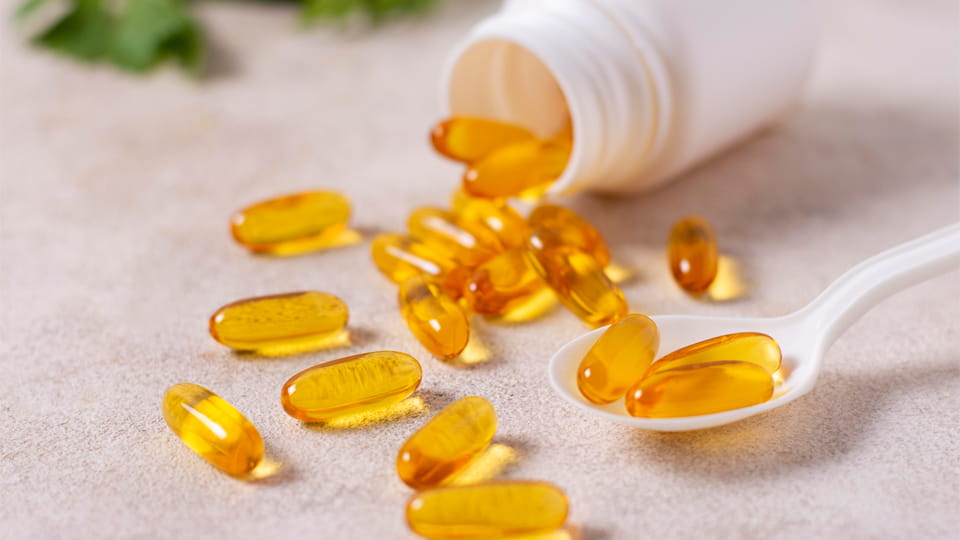
Bir kalıpta boş softgel kapsüller. Yumuşak jel kapsülleme makinesinde, iki jelatin şerit buluşur ve aralarına sıvı dolgu enjekte edilir. Çevreleyen döner kalıplar daha sonra kapsülleri tek adımda kesip mühürler.
Softgel Makinesinin Temel Bileşenleri
Modern bir softgel serisi özel modüllerden oluşur. İşte ana parçalar ve rolleri:
Jelatin Eritme Tankı (Tutma Tankı): Isıtılmış bir tank jelatin solüsyonunu eritir ve saklar. Sıcaklık hassas bir şekilde kontrol edilir (~65–70°C) ve karışımın gazının alınması için vakum altında tutuldu. Bitişik bir jelatin servis tankı Erimiş jelatini proses sıcaklığında tutar ve makineyi ısıtılmış borular aracılığıyla besler.
Hazneyi ve Pompayı Doldurun: . ilaç haznesi hazırlanan sıvı dolguyu tutar (yağ veya süspansiyon). A servo tahrikli pompa veya piston ölçüm sistemi daha sonra enjeksiyon kamasına tam hacimde dolum sağlar. Burada doğru dozaj (örneğin. ±%2) hayati önem taşıyor. Sistemler genellikle çok viskoz dolguların düzgün bir şekilde akmasını sağlamak için ısıtma/soğutma özelliğine sahiptir..
Serpme Kutusu ve Döküm Tamburları: Yayma kutusu dönen tamburların üzerinde bulunur ve jelatini bunların üzerine eşit şekilde dağıtır.. Her tambur döner ve jelatini sürekli bir tabaka veya şerit halinde soğutur. Uygun gerginlik ve soğutma fanları eşit kalınlık sağlar. Tamburların düzgün dönüşü kritik öneme sahiptir; herhangi bir hıçkırık, şeridin yırtılmasına neden olabilir.
Yağlama Silindirleri: Kalıp montajından önce, yağlama silindirleri çok ince bir tabaka uygular bitkisel yağ (örneğin. MCT veya hafif mineral yağ) her bir kurdeleye. Bu, jelatinin kapatma sırasında silindirlere veya kalıplara yapışmasını önler. Fazla yağdan kaçınılır, aşırı yağlama kurumayı uzatabileceğinden. Bu yumuşak kaplama şeritlerin kalıp alanına düzgün bir şekilde kaymasını sağlar.
Enjeksiyon Takozu: Bu doldurmanın kalbi. Bir ısıtıcı/nozul takozu, sıvı dolguyu kapatmadan hemen önce gelen şeritlerin arasına enjekte eder. Kama sıcaklığı korur (bitki bazlı jel kullanılıyorsa daha yüksek) böylece dolgu eklendikten sonra şeritler doğru şekilde bağlanır. Mükemmel şekilde hizalanmalıdır; en küçük yanlış hizalama bile sızıntılara neden olur. Gelişmiş makineler, her dolgunun bir şekillendirme cebine yerleştirilmesini sağlamak için kama basıncını ve zamanlamasını izler.
Döner Kalıp Düzeneği: İki paslanmaz çelik kalıp silindirleri bir araya gelmek, her biri son kapsül şeklinde boşluklara sahiptir. Dolu şeritler geçerken, kalıplar basın (ve genellikle hafifçe ısınır) jelatin kenarları, kapsülün sıvının etrafında kapatılması. Kalıp düzeneği ayrıca şunları içerir::
A striptizci silindiri, oluşan kapsülleri kalıplardan soyan.
A merdane fazla jelatin artıklarını sıkmak için. Sonuç mükemmel, özdeş softjeller.
Konveyör ve Kurutucu: Bir kez mühürlendi, kapsüller paslanmaz bir taşıma bandına veya oluğa düşer. Bir yere taşınıyorlar çamaşır kurutma makinesi, sıcak hava geçerken onları hafifçe çalkalayan. Tamburlu kurutma nemin çoğunu giderir. Takla attıktan sonra, kapsüller son kurutma ve cilalama için tepsilere yerleştirilebilir, onları sağlam ve ışıltılı bırakarak.
Kontrol sistemi: Bir PLC dokunmatik ekranı tüm işlemleri kontrol eder: pompa hızları, tambur sıcaklıkları, kalıp dönüşü, vesaire. Alarmlar ve sensörler sıcaklığı izler, vakum seviyeleri, ve gerçek zamanlı olarak kapsül kalitesi. Bu otomasyon, minimum operatör müdahalesiyle yüksek verimli üretimi mümkün kılar.
Bu parçaları anlamak, çalıştırma ve sorun gidermede yardımcı olur. Örneğin, tıkanmış bir nozül dolum ağırlığını etkiler, yanlış zamanlanmış bir kalıp kötü mühürlere neden olabilir. Dağıtıcı kutusunun düzenli bakımı, kama, ve silindirler kapsülleri tekdüze tutar.
Softgel Kapsülleme Makinesinin yandan görünümü
Softjel Makinesi Nasıl Çalışır?
Pratik açıdan, A softgel kapsülleme makinesi sürekli bir kapsülleme döngüsü gerçekleştirir. Üretim sırasında basitleştirilmiş bir eylem dizisi::
Jelatin Akışı: Sıcak jelatin eritme tankından serpme kutusuna akar, şeritler oluşturmak için tamburların kaplanması.
Şerit Oluşumu: Her tambur ince bir jelatin tabakası döker. Soğutma fanları ve tambur ceketleri levhaları istenilen kalınlığa kadar sertleştirir.
Şerit Hizalaması: İki şerit makinenin merkezinde birleşir, tamburun her tarafından bir tane.
Dolgu Enjeksiyonu: Enjeksiyon takozu şeritlerin arasını deler ve hassas bir sıvı dolgusu pompalar (yağ, vitamin çözeltisi, vesaire.) aralarında. Her enjeksiyon bir dolgu boşluğu yaratır.
Sızlanma: Kurdeleler, şimdi çevreleyen dolgu, kalıp alanına doğru hareket edin. Döner kalıplar bunları birbirine bastırır, jelatini eritmek ve kapsül şekillerini kesmek.
Kapsül Fırlatma: Sıyırıcı silindirler, yeni yapılmış kapsülleri kalıplardan bir konveyöre iter.
Yağlama: Mühürlemeden önce, yapışmayı önlemek için şeritler hafifçe yağlandı. Sızdırmazlıktan sonra, müteakip kurutma işleminde genellikle çok küçük miktardaki fazla yağ giderilir.
Kurutma: Kapsüller (hala yumuşak ve nemli) kurutucuya girin. Birkaç saat kuruduktan sonra, nem içerikleri sabit bir seviyeye düşer.
Bu hat içi yöntem etkilidir ve tutarlı kapsüller üretir. . döner kalıp işlemi softgel'ler için endüstri standardıdır. Başlıca üreticiler (Teknofar, Orada, Jinlupacking) hepsi bu tasarımı kullanıyor. Sürekli doğası yüksek çıktı anlamına gelir: bazı modern makineler yenileniyor 300,000 saat başına softgel.
Softgel Kapsül Üretim Kontrol Listesi
Softgel hattı planlarken veya ekipmanı değerlendirirken, bu faktörleri aklınızda bulundurun:
Üretim hacmi: Makine boyutunu ve kalıp sayısını çıktı ihtiyaçlarınıza göre eşleştirin. Tezgah üstü laboratuvar üniteleri (küçük ölçekli) saatte birkaç bin üretin, büyük üretim hatları ise (birden fazla kalıp seti ile) 100.000–300.000 kapsül/saati aşabilir. Gelecekteki büyümeyi düşünün; biraz daha büyük bir makine verimlilik açısından karşılığını verebilir.
Kapsül Boyutu & Şekil: Kalıpların ihtiyacınız olan kapsül boyutlarını desteklediğinden emin olun (#0, #00, vesaire.) ve şekiller (yuvarlak, oval, gelenek). Çeşitli ürünler çalıştırıyorsanız hızlı değiştirilebilen takımlar kullanışlıdır. Bazı üreticiler markalama için standart olmayan şekiller talep ediyor; makinenin özel kalıplarınızı işleyebildiğini doğrulayın.
Dolgu Malzemesi: Softgel makineleri sıvılar veya macunlar için üretilmiştir. Ürününüz kuru toz ise, sert kapsül dolgusuna ihtiyacınız olacak, softgel makinesi değil. Yağlar veya süspansiyonlar için, makinenin uyumlu bir pompası olmalıdır (bazı pompalar yüksek viskoziteli yağları daha iyi işler). Petrol hakkında soru sor- ve macuna özel pompa seçenekleri.
Otomasyon seviyesi: Bulabilirsin yarı otomatik Ve tam otomatik yumuşak jel kapsülleyiciler. Tamamen otomatik bir hat, jelatin besler ve sürekli olarak doldurur ve müdahale etmeden çalışır, büyük ilaç fabrikaları için ideal. Yarı otomatik üniteler temizlik için daha fazla manuel beslemeye veya durmaya ihtiyaç duyabilir. Yüksek talep için, otomatik en iyisidir. (Bir alıcının kontrol listesinde, SaintyCo, “tam otomatik Softgel kapsülleme makinesini tercih etmelisiniz” diye vurguluyor.)
Yapı & Temizlik: Paslanmaz çelikten yapılmış makineleri arayın (SUS304 veya SUS316) cilalı yüzeylerle. Tüm yüzeyler FDA/CE uyumlu ve temizlenmesi kolay olmalıdır (yuvarlatılmış köşeler, gizli çatlak yok). İyi makineler hızlı değişim için tasarlanmıştır: hazneler, tepsiler, ve temizlik için kaldırılan kalıplar. Bu, sıkı hijyenin korunmasına yardımcı olur. Sanitasyon hattını ne kadar çabuk aşabileceğinizi düşünün.
Doğruluk ve Kontrol: Makinenin dolum pompası ve kontrolleri dozajınızın ne kadar hassas olacağını belirler. Üst düzey makineler, sıkı ağırlık toleranslarına ulaşmak için servo pompalar ve PLC kontrolü kullanır (sıklıkla hedefin ±%1–3'ü). Yerleşik süreç içi kontroller (Hücreler veya sensörler) eksik veya fazla dolumları gerçek zamanlı olarak tespit edebilir. Dokunmatik ekranlı net HMI, operatörlerin ayarları hızlı bir şekilde ayarlamasına olanak tanır (hız, doldurma hacmi, vesaire.).
GMP ve Sertifikalar: Farmasötik kullanım için, ekipman cGMP tasarımına uygun olmalıdır. Bu, son derece düzgün kaynaklama anlamına gelir (<0.8 μm cila), mühürlü motor muhafazaları, ve malzemeler (sertifikalı gibi 316 çelik) FDA kurallarına uygun. Saygın makineler CE işareti taşır (Avrupa güvenlik standardı), ve UL/CSA'ya da sahip olabilir. Onlar, Örneğin, Makinelerini kalite ve güvenlik açısından cGMP standartlarına göre tasarlar. Tedarikçinin uyumluluk belgelerini ve gerekli IQ/OQ/PQ doğrulama desteğini sağladığını her zaman doğrulayın.
Uzay & Yardımcı programlar: Softgel çizgileri büyük olabilir. Ayak izini kontrol edin ve tesisinizin yüksekliğe uyum sağlayabildiğinden emin olun (kurutucular uzun olabilir). Ayrıca vakumu da düşünün, su soğutma (davul için), ve güç gereksinimleri. Bazı sistemler bir su sirkülasyonlu vakum pompası jelatinden hava çekmek; diğerleri basınçlı hava sistemleri kullanıyor. Modern hatlar genellikle kritik kontroller için UPS yedeklemesiyle birlikte gelir.
Destek Ekipmanları: Kapsülleyicinin yanı sıra, yukarı/aşağı yönde ekipman planı. Bir jel eritme tankına ihtiyacınız olacak, miksipler, elekler, ve muhtemelen bir kolloid değirmeni veya doldurmanız için homojenleştirici. Aşağı akış, A parlatıcı (kapsülleri parlatmak), muayene makinesi (reddedilenleri sıralamak için), ve sayma/paketleme makineleri yaygındır. Tedarikçi hangi ekstraların gerekli olduğunu bildirmelidir.
Özetle, kapsül boyutunuza uygun bir makine seçin, çıktı ihtiyaçları, ve ürün türü. Denge performansı (hız, kesinlik) maliyete karşı. Uzmanlardan satın alma ipuçları arasında markanın geçmiş performansının kontrol edilmesi de yer alıyor, takım değiştirme kolaylığı, ve dahil hizmetler. İyi bir tedarikçi laboratuvar testlerinde size rehberlik edecektir, YAĞ, ve yerinde devreye alma.
Neden Softgeller? Faydalar ve uygulamalar
Softgel kapsüller diğer dozaj formlarına göre çeşitli avantajlar sunar:
Geliştirilmiş Biyoyararlanım: Sıvı doldurma (genellikle bir yağ çözeltisi) yağda çözünen besinlerin daha iyi emilmesini sağlar (A vitaminleri, D, E, K, Omega-3'ler). Aktif bileşenlerin kuru haplara göre daha hızlı veya daha tutarlı salınımını sağlayabilirler.
Yutma kolaylığı: Softgeller pürüzsüz bir yapıya sahiptir, yuvarlak şekil ve his. Birçok hasta (özellikle çocuklar ve yaşlılar) büyük tabletlere göre yutulmalarının daha kolay olduğunu düşünüyorum.
Sıkı Sızdırmazlık: Çünkü jelatin kabuk hava geçirmez şekilde kapatılmıştır, yumuşak jeller hassas yağların oksidasyonunu önler ve kokuları/tatları maskeler. Hava geçirmez conta dolguyu nem ve oksijenden korur.
Özel Markalama: Softgeller çeşitli şekillerde yapılabilir. (silindir, üçgen, vesaire.), bedenler, ve marka farklılaşması için renkler. Kabuktaki katkı maddeleri onları opak veya pastel renkli hale getirebilir, iki parçalı kapsüllerle bu daha zor.
Çok Yönlü Dolgu: Tabletlerin aksine, yumuşak jeller sıvı karışımları içerebilir, süspansiyon, veya çözünür tozlar. Bu, yağda süspanse edilmesi daha kolay olan botanik özler veya kombinasyon formülleri için mükemmeldir..
Yumuşak jel kapsülleme makinelerini kullanan endüstriler arasında farmasötikler de bulunmaktadır (vitamin, balık yağı ilaçları), nutrasötikler (takviyeler), ve hatta kozmetik (nutrasötik güzellik yağları). Örneğin, bitki bazlı jelatin veya nişasta softjelleri vegan ve helal pazarları karşılamak için yükselişte. Makinenin özel dolguları işleme yeteneği (aloe gibi, CBD yağı, uçucu yağlar) onu önemli bir varlık haline getiriyor.
Çözüm
Softgel kapsülleme makineleri, gelişmiş akışkan bilimini basit bir hale getiriyor, otomatik süreç. İki jelatin şerit dökerek, aralarına sıvı enjekte etmek, ve kapsüllerin hassas kalıplarla kapatılması, bu makineler ham maddeleri yüksek kaliteli yumuşak jel kapsüllere dönüştürüyor. Bu kılavuzda konunun tamamını ele aldık. softgel üretim süreci — malzeme hazırlamadan kurutmaya kadar — ve bir makineyi özel yapan şeyin ne olduğu vurgulandı GMP uyumlu ve verimli. şunu gördük döner kalıp yöntemi endüstrinin altın standardıdır, yüksek hızı etkinleştirme, tekdüze vitamin üretimi, balık yağı, ve botanik softjeller.
İster ilaç üretim müdürü olun, bir R&D ekip üyesi, veya bir satın alma mühendisi, bu adımları anlamak ekipmanınızdan en iyi şekilde yararlanmanıza yardımcı olacaktır. Softgellerin popülaritesi artmaya devam ediyor, ve tarafından 2026 teknoloji her zamankinden daha güvenilir ve çok yönlü. Softgel üretim hattınızı genişletmek veya yükseltmek istiyorsanız, şimdi harekete geçme zamanı.
Softgel üretiminizi artırmaya hazır?Ekibimizle iletişime geçin özel softgel kapsülleme sistemlerini tartışmak, fiyatlandırma, ve GMP sertifikalı seçenekler. Operasyonlarınız için mükemmel softgel makinesini seçmenize ve kapsül üretiminizi kolaylaştırılmış bir üretim sürecine dönüştürmenize yardımcı olalım., yüksek kaliteli süreç.
Yaygın Sorunlar & Sorun giderme (SSS) Softgel Kapsülleme Makinesinde
Softgel kapsüllerim neden sızdırıyor veya patlıyor??
Sızıntılar genellikle contanın zayıf olduğunu gösterir. Yaygın nedenler arasında çok ıslak/yumuşak jelatin şerit bulunur (yüksek nemden veya aşırı plastikleşmeden), yanlış hizalanmış kalıp ruloları, veya çok düşük sızdırmazlık sıcaklığı/basıncı. Çözümler: jelatin kabuk viskozitesinin ve karışım oranının doğru olduğunu kontrol edin; gliserin vs'yi ayarlayın. sorbitol seviyeleri; kalıp rulolarının hizalandığından ve ısıtıldığından emin olun (maç spesifikasyonu, genellikle ~45–55°C); ve sızdırmazlık ucunun zamanını/basıncını doğrulayın. Ayrıca yağlama sistemini de kontrol edin (fazla yağ sızdırmazlığı zayıflatabilir). Kapsülleme odasında sıkı nem kontrolü (örneğin. 30–5 bağıl nem) soğuk algınlığını önlemeye yardımcı olur, kırılgan mühürler.
Kapsüllerdeki hava kabarcıklarını nasıl önleyebilirim?
Hava kabarcıkları jelatin karışımında veya dolguda sıkışan havadan gelebilir. Karıştırma sırasında daima erimiş jelatinin gazını vakumla alın (çoğu eritme tankının bir vakum portu vardır). Aynı şekilde, dolguyu hafif vakum altında veya havayı çıkarmak için yavaşça karıştırarak karıştırın. Gazı iyi giderilmiş bir dolgu (köpük veya köpük yok) ve jelatin, bitmiş yumuşak jellerdeki boşlukları en aza indirecektir. Boru hatlarında ve pompalarda hava çeken sızıntı olup olmadığını kontrol edin. Türbülansı azaltmak için gerekirse enjeksiyon pompasını yavaşlatın.
Kapsül ağırlığının/boyutunun tutarsız olmasına ne sebep olur??
Değişkenlik genellikle dozaj pompasından veya şerit kalınlığından kaynaklanır. Doldurma pompasının olduğundan emin olun (piston) kalibre edilmiş ve sabit hızda çalışıyor. Doldurma ağırlığı veya piston stroku için HMI ayarlarını kontrol edin. Ayrıca jelatin şerit kalınlığının aynı olduğunu doğrulayın (makinenin göstergesini veya sensörünü kullanın). Eşit olmayan tambur sıcaklığı veya tıkalı çıkışlar bir şeridin daha kalın olmasına neden olabilir. Kalıp zamanlamasındaki küçük yanlış hizalamalar bile kapsül hacmini değiştirebilir. Makine kalibrasyonunu düzenli olarak kontrol edin ve takımları aşınma açısından inceleyin.
Jelatin şerit neden kırılıyor veya kırışıyor??
Şerit sorunları genellikle yanlış viskozite veya sıcaklıkla ilgilidir. Şeritler çok kırılgansa, jelatin çok düşük plastikleştiriciye veya çok düşük neme sahip olabilir; Gliserini artırın veya kurumayı yavaşlatın. Çok yapışkansa, nem düşük veya karışım çok sıcak olabilir. Tambur soğutmanın eşit olduğundan ve fan hızının doğru olduğundan emin olun. Tamburların yüzey hızı makine ayarlarıyla eşleşmelidir. Oda sıcaklığı/nemindeki dalgalanmalar da şerit kalitesini etkileyebilir. Jelatin karışımı tarifinin ve ortamının sıkı kontrolü çok önemlidir.
Yapışkanlık nasıl önlenir, yapışkan kapsüller?
Yetersiz kurutma veya yüksek nem genellikle suçlanır. Kurutucunun çalıştığından ve kapsüllerin hedef neme ulaştığından emin olun (<10%). Ön kurutma makinesinde, sıcak kullanın (sıcak değil) düşük nemli hava. Takladan sonra, tepsilerin veya tünelin doğru bağıl nem ve hava akışına sahip olduğundan emin olun. Bitki çok nemli ise, nem alma cihazlarını veya daha yavaş kurutma programlarını düşünün. Ayrıca formülasyonu da kontrol edin; çok fazla gliserin kabukları yapışkan hale getirir; gerekirse, oranı ayarlayın veya minimum düzeyde yapışma önleme ekleyin (örneğin. parlatıcıda hafif bir silikon kaplama).
Kapsüller neden bazen silindirlere veya konveyöre yapışıyor??
Bu genellikle yağlama veya akış sorunları anlamına gelir. Yağ veya silika yağlayıcı rulonun şeritlere düzgün şekilde dağıtıldığından emin olun. Ayırıcı çubuklar veya silindirler üzerindeki birikintileri temizleyin. Ayrıca, Statik elektrik yapışmaya neden olabilir; topraklama kayışları ve antistatik cihazlar (veya biraz daha yüksek nem) yardım edebilir. Kapsül yolunun düzenli olarak temizlenmesi, kapsülleri tutabilecek taşınımları önler.
Çıktımım beklenenden düşük görünüyor - verimi nasıl artırabilirim?
Tüm pompaların ayarlanan devirde çalıştığını ve makinenin "alıştırma" veya test modunda çalışmadığını kontrol edin (Bazen PLC'nin modları vardır). Gerekirse, RPM'yi kademeli olarak artırın (dolgu ve jel izin veriyorsa). Doldurucu beslemelerinde kesinti olmadığından emin olun (örneğin. jelatin bulundurun ve tankları doldurun). Büyük makineler için, çoklu pistonlu pompaların senkronize olduğundan emin olun. İyi önleyici bakım (örneğin. temiz elekler, tıkanıklık yok) gerçek çalışma süresini en üst düzeye çıkarır. Nihayet, Kapsül şeklini ve boyutunu onaylayın – daha küçük bir kalıp veya daha yüksek RPM kullanmak, boyut pahasına kapak/saat sayısını artırabilir.
Softjel çalışmaları sırasında hangi kalite kontrolleri kritiktir??
Çalıştırma sonrası incelemenin yanı sıra, Proses içi önemli kontroller arasında şerit kalınlığı ve berraklığı yer alır (yerleşik göstergeleri kullanın), ağırlığı doldur (periyodik kilo kontrolleri), ve mühür bütünlüğü (rastgele patlama testleri). Birçok üretici kusurları yakalamak için çevrimiçi görüş sistemlerini kullanıyor (renkli çizgiler, sızıntıları doldurun, parçacıklar). Ayrıntılı üretim kayıtlarının tutulması ve sensörlerin/pompaların günlük olarak kalibre edilmesi tutarlılığın korunmasına yardımcı olur.
Küçük fu, Jinlupacking'in kurucusu, getiriyor 20 ilaç makineleri sektöründe uzun yıllara dayanan uzmanlık. Onun liderliği altında, Jinlu, tasarımı entegre eden güvenilir bir tedarikçiye dönüştü, üretme, ve satış. Petty, müşterilerin ilaç ambalajının karmaşıklıklarını aşmasına yardımcı olmak için derin sektör bilgisini paylaşma konusunda tutkuludur, sadece ekipman almamalarını sağlamak, ancak üretim hedeflerine göre uyarlanmış gerçek bir tek elden hizmet ortaklığı.