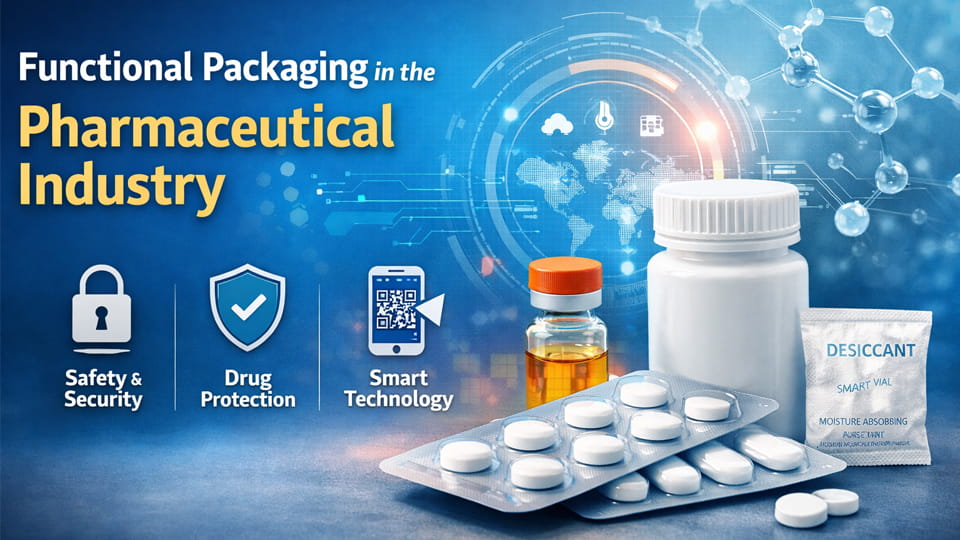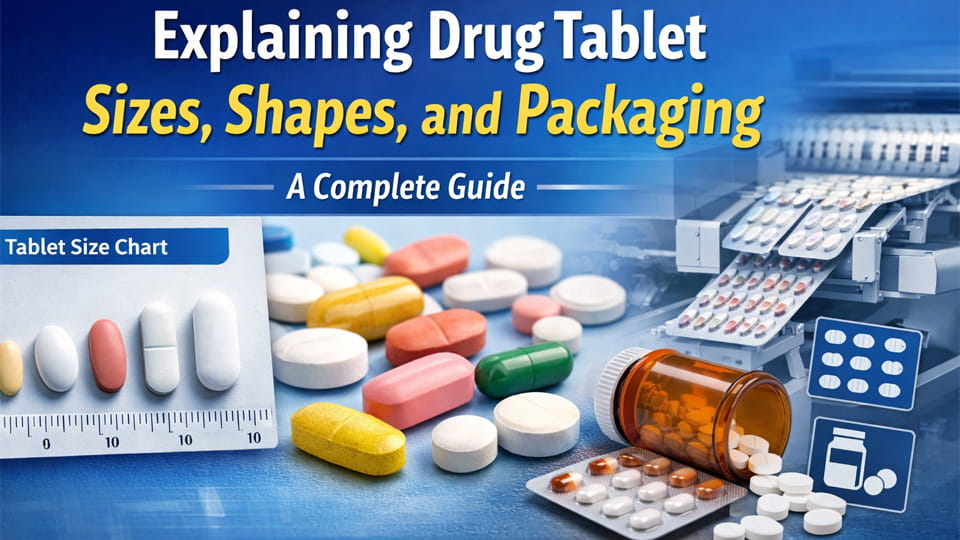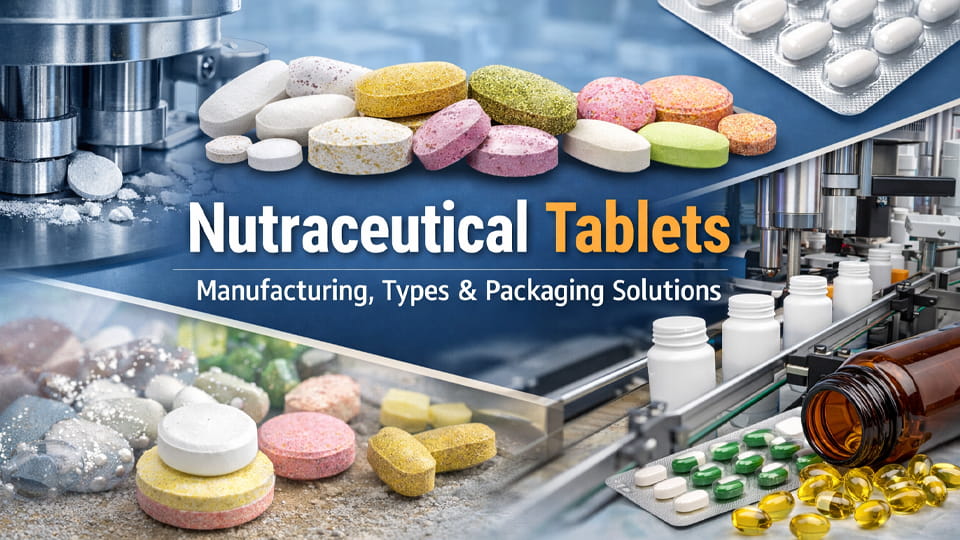

Farmasötik ambalaj is more than just a box – it’s a vital safeguard that keeps medicines potent, uncontaminated, and clearly labeled. Carton packaging, özellikle, plays a crucial secondary role: it protects the primary package (örneğin. Blister paketleri, bottles or syringes) and often carries branding, dosage instructions and regulatory markings. In an industry under heavy regulations and rapid innovation, carton boxes deliver some surprising benefits beyond mere containment. Bu dost canlısı rehberde, we’ll explore how modern pharma cartons boost safety, compliance and eco-friendliness, from robust physical protection to high-tech traceability.
Cartons may look like simple paperboard, but they excel at buffering medicines from heat, ışık, moisture and impacts – all while giving space for labels, barcodes and even Braille. With new trends pushing for greener, smarter packaging, pharmaceutical cartons are evolving into high-performance secondary packaging. Let’s unpack the hidden advantages that make cartons a top choice for pharmaceutical companies today.
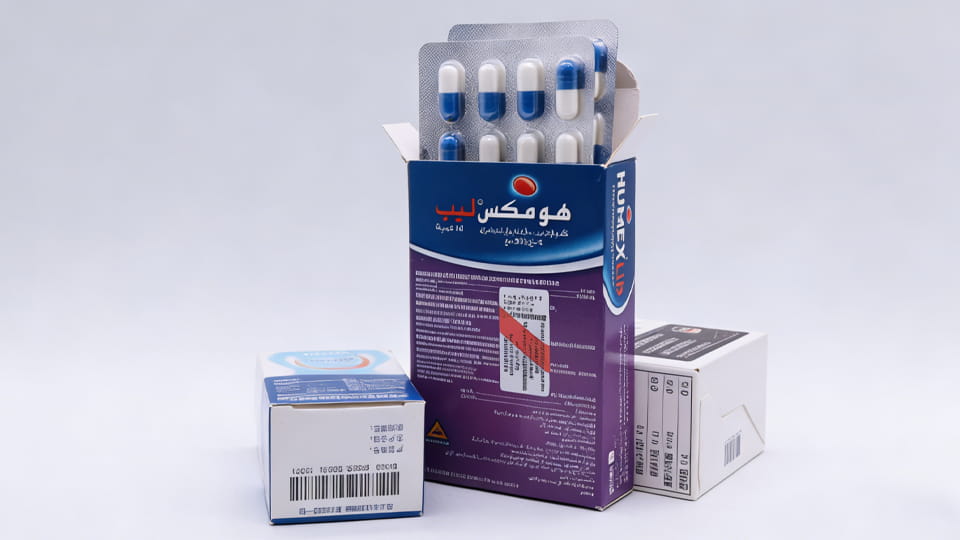
Eczacılıkta, carton packaging usually refers to folding cartons or boxes made of paperboard/cardboard that hold the primary package. The primary package is the immediate container touching the product (örneğin. a blister pack, şişe, tube or sachet), and the carton is the secondary layer around it. Başka bir deyişle:
Whether it’s a strip of pills or a tube of cream, the carton is the customizable outer wrapper that completes the packaging system.
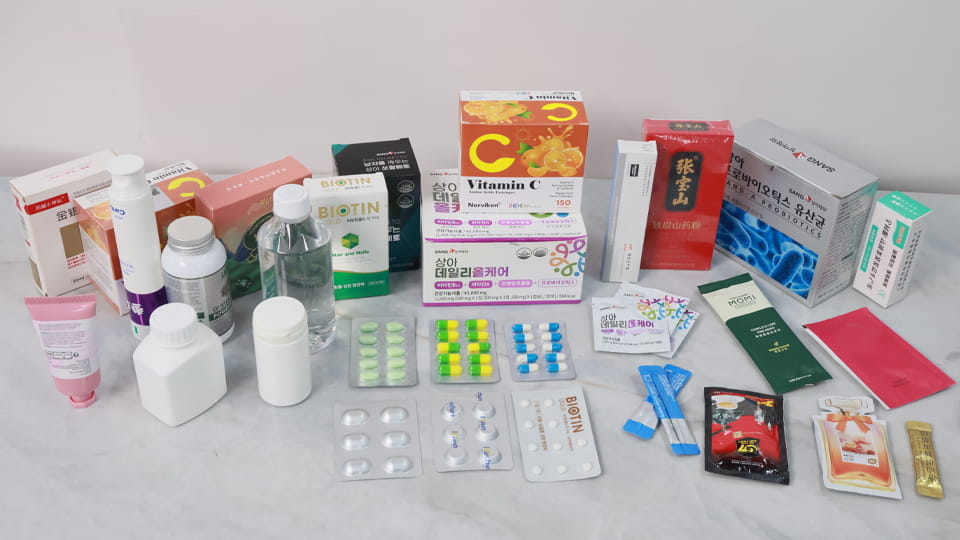
Even with new materials around, cartons remain the industry standard for many reasons. Three big drivers keep cartons dominant in pharma:
Kısacası, cartons check the boxes for regulation, sustainability and branding. That’s why nearly every pharma line still ends with a stack of protective paperboard boxes.
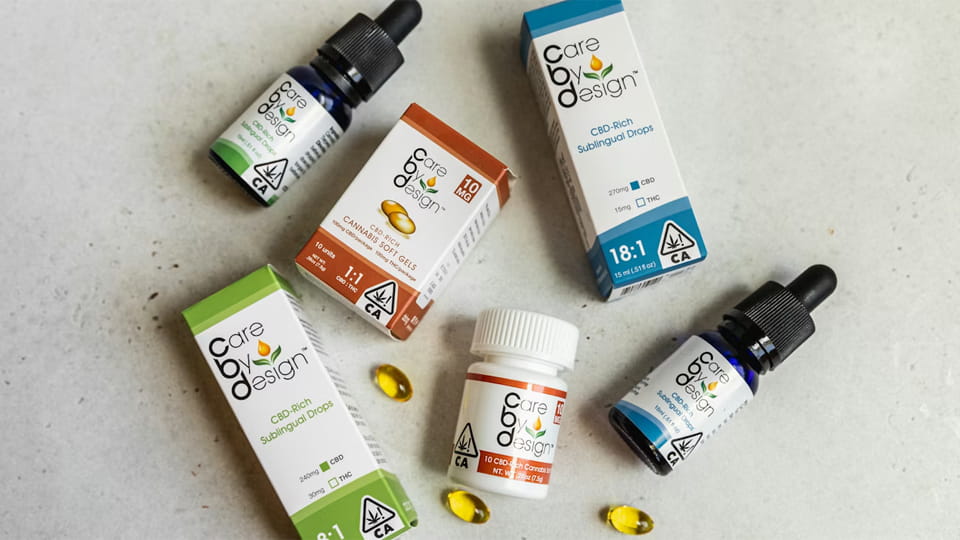
Cartons form a sturdy shell around medicines. The thick paperboard shields contents from physical shocks (drops, impacts, crushing) and creates a barrier to light and moisture. Örneğin, a well-designed carton can keep tablets dry on long shipping routes, preventing humidity from degrading the drug. Compared to flexible pouches or polybags, cartons are far more rigid – they protect delicate vials and blister cards by absorbing knocks. Pratikte, pharmaceutical cartons are often coated or lined to block UV light (crucial for light-sensitive drugs). Kısacası, a carton is like a mini-fortress for your pills: it encases them in a snug cardboard box that prevents bending, spilling or exposure during transit.
Cartons give plenty of real estate for required labels. Regulatory bodies demand that each saleable drug unit display things like batch number, Son kullanma tarihi, active ingredient warnings and barcodes. Carton faces and flaps can be printed or labeled with all that info without clutter. Aslında, packaging experts note that secondary packaging is where most compliance markings appear. Modern cartoning machines can even print serialization codes directly on the box or attach tamper-evident seals automatically. This ensures every package is scannable and trackable from factory to pharmacy. Having this space means you’re much less likely to run afoul of drug packaging laws (örneğin. child-resistant, tamper-evident requirements) – cartons make it easier to tick all the boxes for legal compliance.
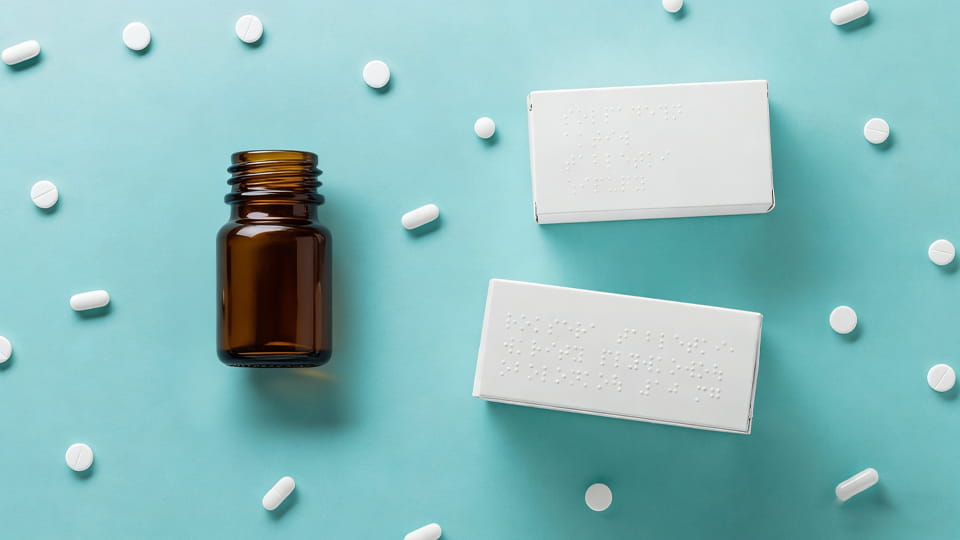
A carton is a valuable communication tool. Büyük, flat surfaces allow clear printing of dosage instructions, usage warnings, and graphics in multiple languages – which directly supports patient safety and compliance. Pharmaceutical cartons can even include Braille embossing or tactile markings on the outside. Braille on cartons (or booklets inside) is legally required in many markets to help visually impaired patients read dosage details. Pratikte, high-contrast colors and enlarged fonts on cartons make labels easy to read for seniors. Packaging designers also use the extra room in cartons to organize pill info by day/time or color-code doses, karışıklığı azaltmak. All told, a well-designed carton ensures patients receive the correct product and clear usage info – a huge safety advantage over plain plastic bags or generic containers.
Cartons can be fully customized in shape, renk, and finish. Pharmaceutical companies use this to boost brand recognition: they add logos, unique color schemes and brand stories directly onto the carton. Compared to bottles or blister cards, a carton’s broad faces allow high-resolution graphics or foil stamping to catch the eye. Packaging experts agree that a well-printed carton can make a brand look more trustworthy and premium. Örneğin, one vendor notes that carton printing “personalization…helps increase brand recall” among consumers. In a retail setting, neat cartons with professional design also stand out better on pharmacy shelves – a critical marketing benefit.
Wood-fiber cartons are among the most recyclable and renewable pharma packagings. Most folding cartons are made from sustainably-sourced, recyclable paperboard. Using cartons instead of plastic can dramatically cut environmental footprint – manufacturers cite up to 60–80% less greenhouse-gas emissions by weight for paper versus plastics in similar uses. Cartons also use less fossil fuel in production and can be recycled with paper waste, whereas plastics and laminated blister packs often cannot. This eco-friendly side of cartons is increasingly important: global pharma companies are under pressure to meet sustainability goals. Surveys show consumers and healthcare providers alike reward brands that “choose cartons” for environmental responsibility. Kısacası, cartons help pharma companies demonstrate green credentials while protecting products.
Cartons make warehousing and shipping easier. Their flat, rectangular shapes stack neatly on pallets and shelves, maximizing space usage. Unlike irregular plastic bottles or tubes, cartons pack tightly together with minimal wasted gap between boxes. This efficiency reduces storage and shipping costs. Dahası, the rigidity of cartons means pallet loads are more stable and products are less likely to shift during transit. Buna karşılık, loose blister cards or bags might wiggle around or even pop open. Kısaca, cartons reduce damage rates in logistics: they create a consistent, stackable package that fits well with automated palletizers and conveyors. One case study noted that cartons can cut distribution losses by providing a standard box size and strong container for fragile medical goods.
Carton packaging is tailor-made for high-speed automated equipment. Modern cartoning machines can form, fill and seal cartons faster and more reliably than manual methods. Örneğin, top-line cartoners run continuously at tens of thousands of cartons per hour, inserting blisters, vials or leaflets into folded boxes with pinpoint accuracy. This automation slashes labor costs and human error – the machines drop a lid and seal it in perfect time, week after week. Many machines even include built-in inkjet or laser printers and cameras to add barcodes or inspect print quality on the fly. Automated cartoning yields “increased efficiency” with “fewer errors” compared to hand-packing. Pratikte, integrating a high-speed automatic cartoner (like Jinlupacking’s models) means faster throughput of ready-to-ship cartons, consistent product quality, and easy scalability as demand grows.
Cartons are key to protecting medicine authenticity. Unique serial codes, hologramlar, or tamper-evident seals can be applied directly to carton flaps. These features prove a pack hasn’t been opened or faked. Örneğin, scratch-off or tear-away seals on a carton’s lid provide visible proof of integrity – anyone can see if the box was opened after sealing. Serialization codes (usually 2D barcodes) on each carton let pharmacies and regulators track and trace every unit. Industry experts emphasize that “unique tracking codes and tamper-evident seals” on secondary packaging ensure only genuine medicines reach patients. Kısacası, carton integration with serialization and security printing is a frontline defense against counterfeits. If fake drugs slip into the chain, the carton’s coded ID and seal alert officials immediately.
Folding cartons can accommodate special accessibility features. A great example is Braille. In many countries, pharmaceutical cartons are embossed with Braille text indicating drug name or dosage. This tactile labeling helps visually impaired patients confirm they have the right medication and dose. As packaging experts point out, pharmaceutical Braille “provides important information about the medication” and is legally required to improve safety. Beyond Braille, cartons can be designed with easy-open flaps, color-coded sections, and clear icons for the elderly or children. A well-designed carton might use flaps that snap instead of tear, or incorporate pull-tabs to aid those with dexterity issues. All these thoughtful design choices live on cartons (where there’s room), not on tight blisters. The result is packaging that’s truly patient-friendly, reducing errors in home use.
For large production runs, cartons often win on cost. Paperboard material is inexpensive and widely available. When you roll out millions of packages, even small savings per carton add up. Automated carton forming uses standard flat sheets of board, which can be mass-produced cheaply. Ek olarak, carton production technology is mature: printing presses, die-cutters and folder-gluers are highly optimized, driving down the per-unit price. Coupled with the efficient stacking mentioned above, using cartons typically lowers the overall cost per dose at high volume. As one packaging supplier notes, cartons are a “cost-effective solution” because they can be produced and recycled at scale. So while custom cartons can be high-quality, the base cost for bulk orders remains competitive – especially when compared to specialty plastics or glass.
Carton Packaging vs Other Pharma Packaging Types
To see how cartons stack up, consider a quick comparison:
| Ambalajlama | Koruma | Sürdürülebilirlik | Marka |
|---|---|---|---|
| karton | ⭐⭐⭐⭐ (strong physical shield, good barrier) | ⭐⭐⭐⭐ (recyclable fiber) | ⭐⭐⭐⭐⭐ (rich graphics, full print) |
| Plastik | ⭐⭐⭐ (durable, moisture barrier) | ⭐⭐ (often non-recyclable) | ⭐⭐⭐ (limited printing area) |
| Glass | ⭐⭐⭐⭐⭐ (excellent inert barrier, UV) | ⭐ (energy-intensive, heavy) | ⭐⭐ (often just label/sticker) |
In this simplified view, cartons offer excellent protection and the highest sustainability rating, since they are made from renewable paper. Glass scores very high on chemical protection but is heavy and breaks easily. Plastics are durable but fare worse in eco-metrics. On branding, cartons win hands-down due to large printable surfaces. (Not: actual requirements vary by product.)
Automatic cartoning machines make all the above benefits real on the production floor. A modern cartoning line takes blister packs or bottles from upstream and seamlessly folds, inserts, prints on, and seals each carton – with minimal human touch. Örneğin, Jinlupacking’s high-speed cartoners can form and fill cartons at up to 15,600 boxes per hour. This integrates carton packaging into a turnkey line: imagine a blister line spitting out tablets, directly hooked to a cartoner that adds the box, then sends boxes to an inline vision system for label inspection, and finally stacks them for shipping.

Key machine features that amplify the carton’s advantages include:
Pratikte, the result is a fully automated pharma cartoning workflow: products travel from primary packaging machines into forming cartons, then through label/apply stations, and out as finished boxes. This maximizes the protection, compliance and efficiency that cartons promise, while minimizing labor. (Jinlupacking and other suppliers often refer to these setups as “turnkey pharmaceutical packaging lines”.)
[jl_youtube src=”https://www.youtube.com/embed/Sgr1v4TKkJg”]
Özetle, carton packaging is far more than “just a box.” It’s a multi-purpose platform that boosts product safety, düzenleyici uyumluluk, and sustainability all at once. İlaç üreticileri için, cartons offer compliance peace of mind (ample label space, serileştirme), patient-centric design (talimatları temizle, Braille), and eco-friendly credentials (recyclable materials). Combined with fast automated cartoning machines, folding cartons deliver efficiency gains that pay off in lower costs and higher throughput.
Next time you see a medicine carton, Unutma: behind that paperboard are hidden innovations – from anti-tamper seals to smart labels – working to ensure that patients get the right drug, güvenli bir şekilde, every time.
Looking for a reliable pharmaceutical cartoning solution? Jinlupacking offers tailored high-speed cartoning machines and complete packaging lines for tablets, Blister paketleri, bottles and more. Contact us to design a custom carton packaging line that improves your compliance, productivity and sustainability.
Carton packaging refers to the outer paperboard box used as secondary packaging for medicines. It usually contains blister packs, şişeler, poşetler, or vials and provides extra protection, labeling space, and product identification.
Carton packaging helps protect medicines from light, nem, toz, and damage during storage and transport. It also provides space for dosage instructions, parti numaraları, and regulatory information.
Primary packaging is the material that directly touches the medicine, such as a blister pack or bottle. Secondary packaging is the outer carton that holds and protects the primary package.
Örnek:
• Blister pack = primary packaging
• Pharmaceutical carton box = secondary packaging
Pharmaceutical folding cartons are lightweight, easy to print, geri dönüştürülebilir, and compatible with high-speed packaging lines. They also make it easier to include patient information, marka, and serialization codes.
Cartons provide enough space for required compliance details such as:
• Batch number
• Expiry date
• Dosage instructions
• 2D barcode
• Serialization and track-and-trace codes
These features help manufacturers meet FDA, EU FMD, and other global regulations.
Evet. Modern pharmaceutical carton packaging can include QR codes, kurcalanmaya karşı korumalı mühürler, hologramlar, and unique serial numbers. These features make it easier to verify product authenticity and reduce the risk of counterfeit medicines entering the supply chain.
Birçok durumda, yes. Most pharmaceutical cartons are made from recyclable paperboard and use less plastic than many alternative packaging formats. Bundan dolayı, carton packaging is often considered one of the most sustainable pharmaceutical packaging solutions available.
Carton packaging is commonly used for:
• Blister-packed tablets and capsules
• Bottled tablets or syrups
• Sachets and stick packs
• Ampoules and vials
• Medical devices and diagnostic kits
A Cartoning Machine or automatic cartoner can automatically load products, broşür ekle, close cartons, print codes, and inspect packages. This reduces labor costs, improves consistency, and increases packaging speed.
Yüksek hacimli üretim için, a high-speed cartoning machine for pharma is often used as part of a complete turnkey packaging line for tablets or blister cartoning.
Referanslar:
1.Ecofriendly pharmaceutical packaging material: Bir inceleme – ScienceDirect.
2.Pharmaceutical serialization: Impact on drug packaging – Araştırma Kapısı
3. ECMA Pharma Best Practice Guidelines – European Carton Makers Association
4.Carton and Container Labeling Resources - BİZ. Gıda ve İlaç İdaresi