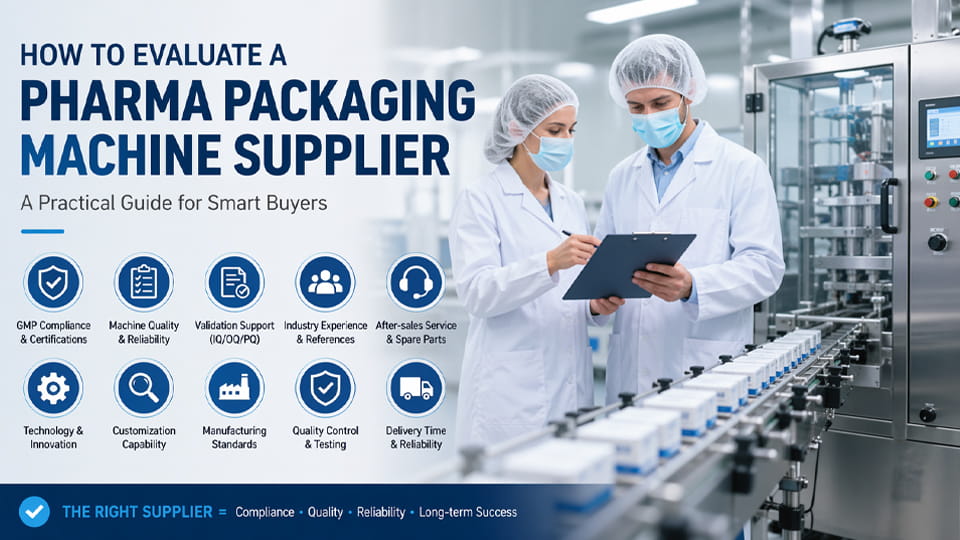

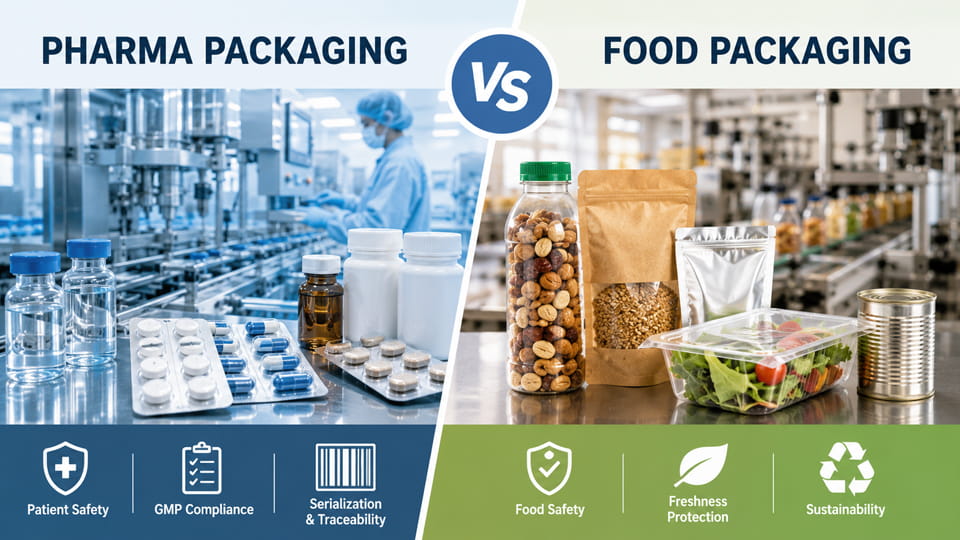
Правильная упаковка жизненно важна для защиты продуктов и потребителей.. Фармацевтическая упаковка (также называется упаковкой лекарств) включает все контейнеры, материалы, и устройства, которые защищают и защищают лекарства. Это гарантирует, что препарат остается безопасным, стабильный и незагрязненный от производства до доставки. Текущая надлежащая производственная практика FDA (CGMP) правила требуют, чтобы процессы упаковки лекарств и оборудование соответствовали строгому контролю качества.. Напротив, пищевая упаковка защищает продукты питания от порчи и загрязнения, предоставляет информацию о питании и ингредиентах, и способствует распространению и брендингу. Упаковка пищевых продуктов должна соответствовать правилам безопасности пищевых продуктов. (например. Разрешения FDA на контакт с пищевыми продуктами) и внедряет программы безопасности пищевых продуктов, такие как HACCP, для предотвращения опасностей.. Суммируя, обе системы направлены на обеспечение безопасности и правильной маркировки продуктов., однако на фармацевтическую упаковку распространяются более строгие правила стерильности и отслеживания., в то время как упаковка пищевых продуктов подчеркивает барьерные характеристики, удобство, и информация для потребителей.
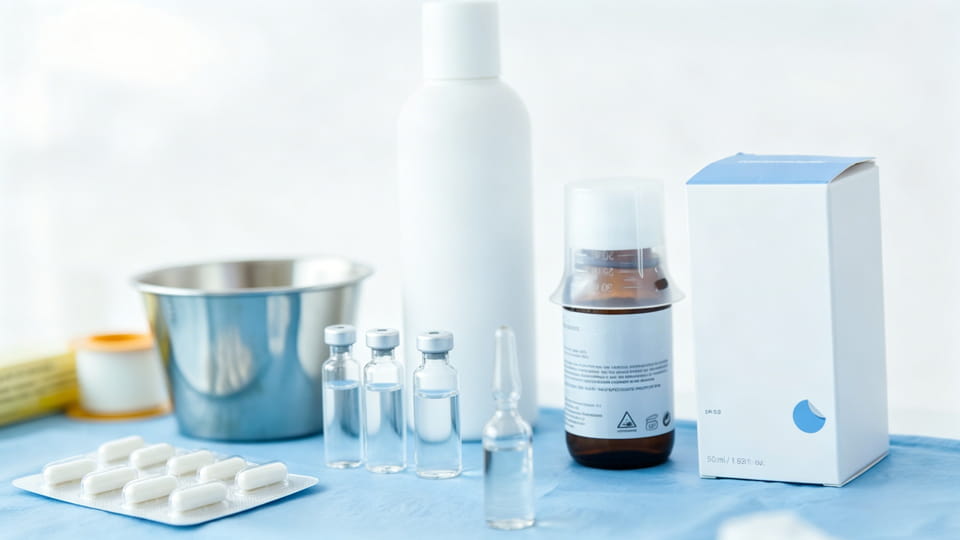
Фармацевтическая упаковка состоит из начальный, вторичный, и высшее упаковочные слои. Первичная упаковка находится в прямом контакте с препаратом (например. волдыри, бутылки, флаконы, ампулы) и обеспечивает первый барьер для влаги, свет, и кислород. Например, флаконы из твердого янтарного стекла защищают светочувствительные таблетки, а алюминий-пластик Блистерные пакеты герметично запечатайте каждую дозу, чтобы сохранить эффективность. Вторичная упаковка группирует первичные единицы (например. размещение блистеров или бутылок в картонных коробках с печатью) и добавляет место для маркировки, инструкции, и тамперные пломбы. Картонные коробки также смягчают продукцию во время транспортировки.. Третичная упаковка предполагает доставку контейнеров для массовых грузов (коробки, ящики, поддоны) используется под склад и транспорт. Каждый уровень упаковки имеет функции: первичная форма дозировочного контейнера, вторичный обеспечивает информацию и умеренную защиту, и третичный занимается оптовой логистикой.
Jinlupacking отмечает, что фармацевтическая упаковка должна хранить лекарства стабильный и стерильный, часто в защита от детей или защита от несанкционированного доступа форматы, при передаче информации о дозировке и безопасности.
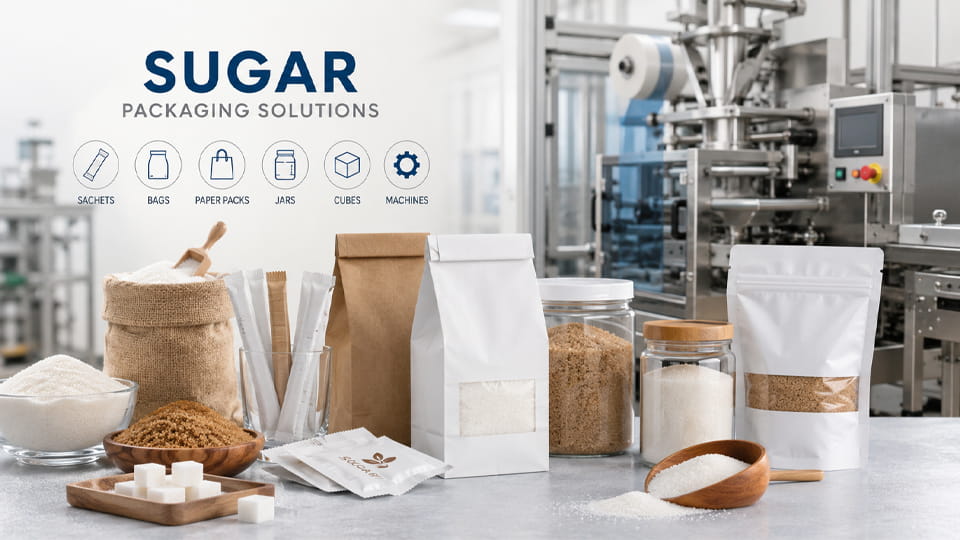
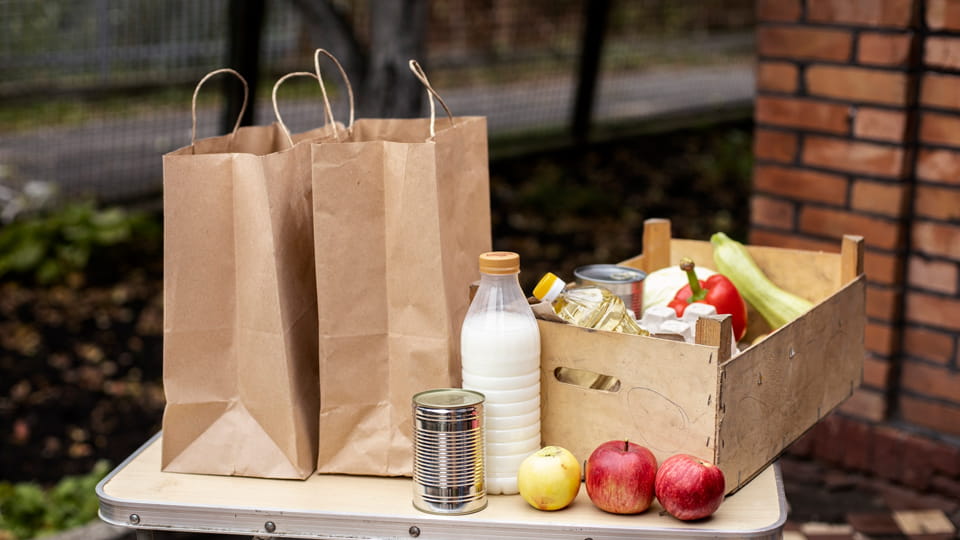
Пищевая упаковка служит для защищать, сохранять, и сообщить. Основная функция – сохранение свежести продуктов., предотвратить загрязнение или порчу (по влаге, кислород, микробы), а также обеспечить маркировку и брендинг пищевых продуктов/ингредиентов.. Распространенные форматы упаковки пищевых продуктов включают бутылки и банки., гибкие пакеты, коробки, банки, лотки, и фильмы. Например, кетчуп может поставляться в многоразовых ПЭТ-бутылках или одноразовых пакетиках из фольги.. В закусках часто используются многослойные пакеты или пакеты из пластика/фольги, которые обеспечивают баланс между стоимостью и достаточным барьером для влаги/кислорода..
Хотя обе отрасли стремятся предотвратить загрязнение, упаковка пищевых продуктов часто имеет приоритет удобство и стоимость для потребителя. Например, В пакетах для пищевых продуктов используются простые пленки, которые стремятся обеспечить возможность повторного закрытия или легкий дизайн., в то время как в фармацевтической промышленности могут использоваться более прочные материалы для обеспечения максимальной барьерности и долговечности..
Независимо от типа продукта, эффективная упаковка должна:
Например, Jinlu отмечает фармацевтические упаковочные материалы (стекло, пластик, фольга) выбраны из-за их защитных свойств, в соответствии со строгими стандартами нетоксичности и защиты от несанкционированного доступа. Упаковка пищевых продуктов также призвана защищать (например. полиэтиленовая пленка для картофельных чипсов) но балансирует стоимость и маркетинговую привлекательность.
| Особенность | Фармацевтическая упаковка | Пищевая упаковка |
| Основные цели | Защитите эффективность и стерильность лекарств; предотвратить загрязнение или путаницу. Обеспечьте точную дозировку (калибровка счетчиков/дозировок). | Сохраните свежесть, предотвратить порчу, обеспечить порционирование; защитить от заражения микробами/микробами. Обеспечьте правильную информацию о питании/аллергенах.. |
| Нормативные стандарты | Строгое соответствие GMP (FDA 21 CFR 210/211, GMP ЕС EudraLex Том 4, ИСО 15378). Весь процесс упаковки проверен и документирован.. | Регулируется правилами безопасности пищевых продуктов: Разрешения FDA на контакт с пищевыми продуктами, ХАССП (обязательные программы по санитарным условиям), и стандарты, такие как BRCGS/ISO 22000. Этикетки предварительно одобрены в соответствии с Руководством по маркировке пищевых продуктов FDA.. |
| Прослеживаемость | Высокий: номера партий/партий на каждой упаковке, сериализация (уникальные штрих-коды) для родословных наркотиков (например. DSCSA в США). Обеспечивает полную отслеживаемость/отзыв. | Умеренный: коды партий или даты для отзыва; не требуется на каждом устройстве в большинстве регионов (кроме массовых кодов). Ограниченная сериализация (редко по закону). |
| Факультет | Обычно да: охранные пломбы, блистерная фольга, которая явно разрывается при открытии, специальные колпачки (защита от детей или лекарств). | Часто да для некоторых продуктов (например. банки, крышки для йогурта), но на многих упаковках продуктов питания имеются обычные пломбы.. Функции индикации несанкционированного доступа (термосварки) обычное явление на банках и крышках. |
| Чистая комната / Гигиена | Критический: Оборудование часто находится в контролируемых средах (чистые помещения) чтобы избежать частиц/микробов. Нержавеющая сталь (СУС316Л) поверхности, НЕРА-фильтрация. | Требуется гигиеническое исполнение, но обычно общего пищевого качества (нет ржавчины, легкая стирка) вместо чистых помещений класса 100К. Гигиеническая конструкция для предотвращения перекрестного загрязнения аллергенами или микробами.. |
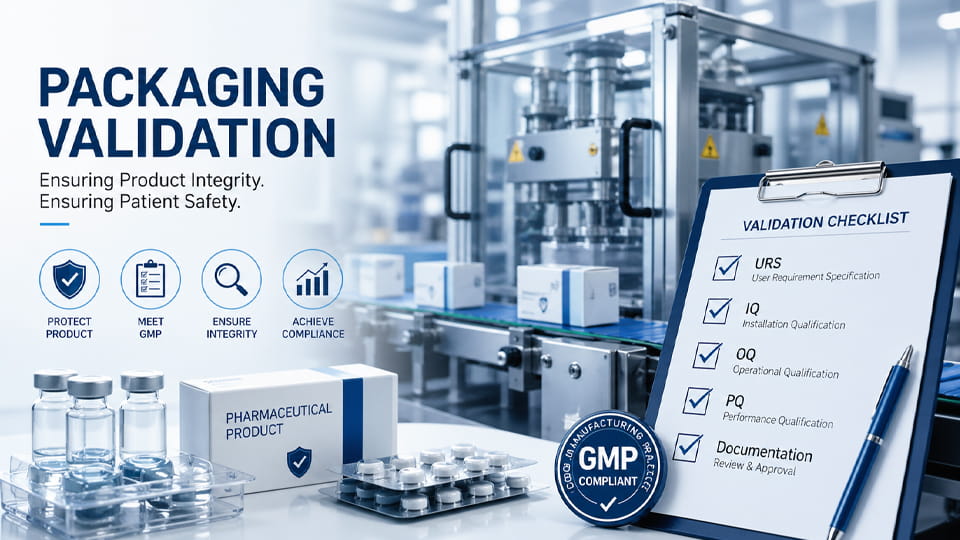
| Валидация/QA | Обязательная квалификация оборудования и валидация процесса (ИК/Белый/PQ) согласно правилам FDA/ЕС. Процессы упаковки проверены на стерильность и последовательность. | Валидация в смысле HACCP: контролировать критические точки. Оборудование очищается/проверяется., но формальное подтверждение (IQ/OQ) не является стандартным. QA фокусируется на микробиологии и аллергенах. |
| Материалы | Фармацевтический уровень: например. Стекло типа I, медицинские пластмассы, крышка из алюминиевой фольги, резиновые пробки, специальные волдыри. Протестировано на экстрагируемые/выщелачиваемые вещества (чтобы гарантировать отсутствие вредной миграции). | Пищевой: Финиш, ДОМАШНИЙ ПИТОМЕЦ, ПП, алюминиевая фольга, картон. Должно быть одобрено FDA для контакта с пищевыми продуктами.. Более низкие требования к чистоте, чем в фармацевтике; нормативное внимание к ограничениям миграции и аллергенам. |
| Маркировка | Подробные этикетки: название препарата, сила, дозировка, предупреждения, партия/партия, истечение срока действия, инструкции. Правила требуют точной маркировки и проверки. (например. НДЦ-коды). Часто мелким шрифтом. | Панель фактов о пищевой ценности, ингредиенты (спуск по весу), вес нетто, декларации об аллергенах, бренд/маркетинг. Должен соответствовать FD&Требования Закона C (отсутствие предварительного одобрения FDA на этикетке, но строгие правила формата). |
| Напомним, риск | Очень высокие ставки: любое загрязнение может нанести вред пациенту. Отзыв стоит дорого и жестко контролируется ( FDA требует уведомления о серийном отзыве). Часто вытаскивали целые партии. | Значительный риск (инциденты, связанные с безопасностью пищевых продуктов), но влияние обычно более узкое. Отзыв сосредоточен на конкретных лотах; отходы упаковки более терпимы. |
| Стандарты оборудования | Оборудование должно соответствовать требованиям cGMP.: легко чистить/стерилизовать, нержавеющие поверхности, минимизированы мертвые зоны. Обычно под CIP (Очистка на месте). Например. блистерные машины с вакуумом, стерильные линии розлива. | Санитарное проектирование: нержавеющая сталь, нет ловушек для бактерий. Варианты CIP или мойки. Например. Линии ВФФС, формирователи, наполнитель, соответствующий санитарным стандартам USDA/FDA. Дизайн ориентирован на предотвращение порчи. |
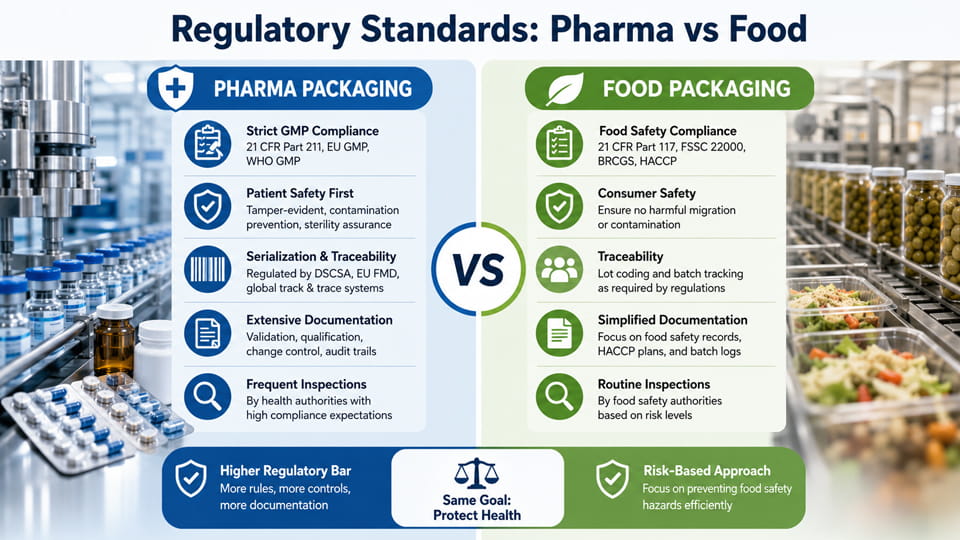
Эти сравнения подчеркивают, что фармацевтическая упаковка гораздо более регулируется и контролируется. Например, Руководящие принципы cGMP FDA требуют, чтобы на линиях упаковки лекарств использовались проверенные процессы и материалы, доказавшие свою безопасность.. В отличие, пищевая упаковка соблюдает широкий контроль гигиены и безопасности (Предварительные программы HACCP) вместо валидации партии в фармацевтическом стиле.
Фармацевтическая упаковка регулируется фармацевтические правила GMP. В США, Заголовок 21 Комплект деталей CFR 210–211 действующая надлежащая производственная практика (CGMP) требования к «упаковке» ЛП (упаковка). Это означает методы, элементы управления, удобства, и оборудование, используемое при упаковке лекарственных средств, должно обеспечивать безопасность продукции и указанную на упаковке прочность.. Европа использует GMP ЕС (ЕвдраЛекс Том. 4) с похожими правилами. Кроме того, ИСО 15378:2017 является глобальным стандартом, применяющим ISO 9001 Принципы СМК к материалам первичной упаковки лекарственных средств. ИСО 15378 явно касается контроля загрязнения, снижение риска, и соблюдение нормативных требований при производстве упаковочных материалов.
Для сравнения, упаковка пищевых продуктов должна соответствовать правилам безопасности пищевых продуктов.. FDA требует, чтобы все материалы, контактирующие с пищевыми продуктами, были предварительно одобрены. (через Уведомление о контакте с пищевыми продуктами или GRAS). Упаковочное оборудование на пищевых предприятиях соответствует принципам санитарии и предотвращения загрязнения в соответствии с HACCP и надлежащей производственной практикой FDA для пищевых продуктов.. План HACCP рассматривает оборудование и упаковочные материалы в соответствии с обязательные программы - например, помещения и оборудование должны соответствовать санитарным нормам и процедурам очистки.. Такие стандарты, как Упаковочные материалы BRCGS или ИСО 22000 (управление безопасностью пищевых продуктов) также применять. В отличие от наркотиков, этикетки и упаковка пищевых продуктов не требуют предварительного одобрения властей, но должны соответствовать законам о маркировке (ингредиенты, питание, и т. д.) когда на рынке.
В итоге, фармацевтическая упаковка связана предписывающий правила (конкретные рекомендации, аудит сертификатов), тогда как упаковка пищевых продуктов регулируется профилактический системы безопасности (ХАССП, Стандарты GFSI) и одобрения материалов, контактирующих с пищевыми продуктами. Эта разница определяет выбор многих материалов и оборудования. (см. таблицу выше).
Упаковка материалы отличаться: в фармацевтических контейнерах часто используются продукты высокой чистоты., инертные субстраты. Обычная первичная фармацевтическая упаковка включает в себя Тип I стекло флаконы (для инъекций), фармацевтический пластик (ПНД, ПП, ПЭТГ), и многослойные ламинаты (Блистеры из ПВДХ/алюминиевой фольги). Они выбраны таким образом, чтобы избежать выщелачивания, которое может взаимодействовать с препаратом.. Действительно, экстрагируемые и выщелачиваемые вещества (химикаты, мигрирующие из пластика/фольги) являются серьезной проблемой в фармацевтике. Производители лекарств должны проверять упаковку, чтобы гарантировать целостность закрытия контейнера. (ТПП) и что любые выщелачиваемые вещества остаются ниже порога токсичности. Руководство FDA рекомендует тщательное тестирование CCI (например. погружение в краситель, падение давления) для стерильных парентеральных упаковок для обеспечения герметичной защиты.
Пищевые упаковочные материалы (полиэтилен, полипропилен, ДОМАШНИЙ ПИТОМЕЦ, картон с покрытием, алюминий, и т. д.) также проверяются на миграцию (часто в соответствии с такими правилами, как ЕС ЕС 1935/2004). Однако, порог тестирования безопасности обычно ниже, чем в фармацевтике.. Для еды, FDA курирует «Перечень веществ, контактирующих с пищевыми продуктами» – например,. все полимеры и чернила должны быть одобрены FDA.. Пищевая упаковка обычно не проходит тесты CCI., поскольку стерильность не требуется; вместо, он может пройти тесты на микробное воздействие на срок годности или тесты на миграцию добавок..
На практике: фармацевтическая упаковка требует более жесткого контроля экстрагируемых/выщелачиваемых веществ. ИСО 15378 явно включает снижение риска загрязнения стекла, пластик, резина, и алюминиевые материалы, используемые в упаковке лекарств.. Пищевая упаковка фокусируется на барьерных свойствах и соблюдении правил контакта с пищевыми продуктами., но допускает большее разнообразие материалов (и даже переработанный контент) поскольку риск проглатывания ниже, а токсины регулируются на безопасных уровнях воздействия.. Например, бутылки с водой (ДОМАШНИЙ ПИТОМЕЦ) являются общими, тогда как лекарства редко разливают в бутылки из нефармацевтического пластика..
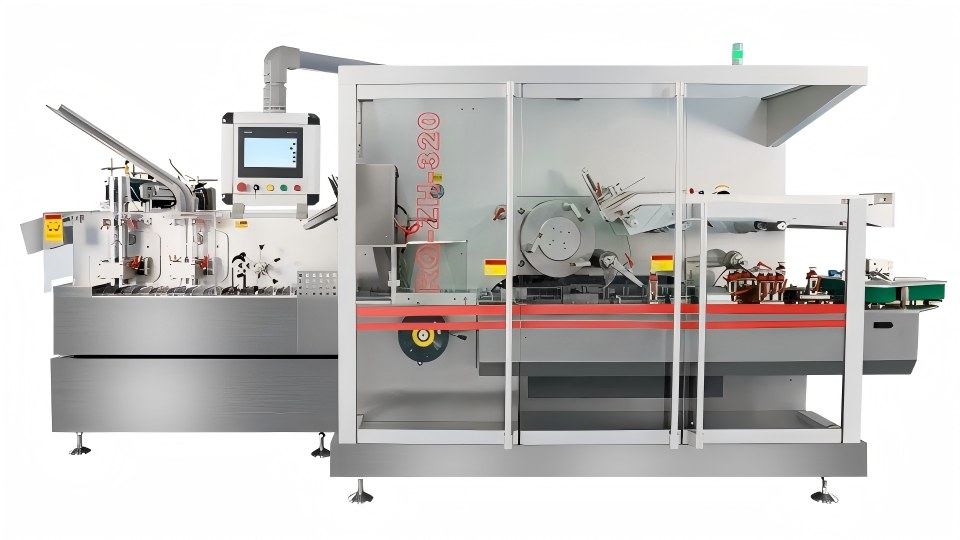
Сами машины отражают эти требования.. Фармацевтическое упаковочное оборудование должен быть разработан для GMP: нержавеющая сталь (часто 316L), гладкие поверхности, герметичные приводные валы, минимальные щели, и легкая очистка. Они часто поддерживают CIP-мойку и устанавливают фильтры HEPA для асептических зон.. Обычные фармацевтические машины включают в себя:
Напротив, машины для упаковки пищевых продуктов оптимизированы по объему и чистоте: они часто имеют большую пропускную способность (сумка за секунды) и построен для быстрой санитарной очистки (Возможность CIP или мойки). Типичное оборудование для упаковки пищевых продуктов включает в себя:
Например, Машины для упаковки в готовые пакеты Jinlu универсальны для жевательных конфет., порошки или жидкости, и сертифицированы по GMP, CE, Соответствие FDA. В отличие, типичная линия по производству закусок может использовать многополосную VFFS с пищевыми компонентами..
Ниже приведена простая блок-схема, иллюстрирующая, как производитель может выбрать упаковочное оборудование в зависимости от типа продукта и требований.:
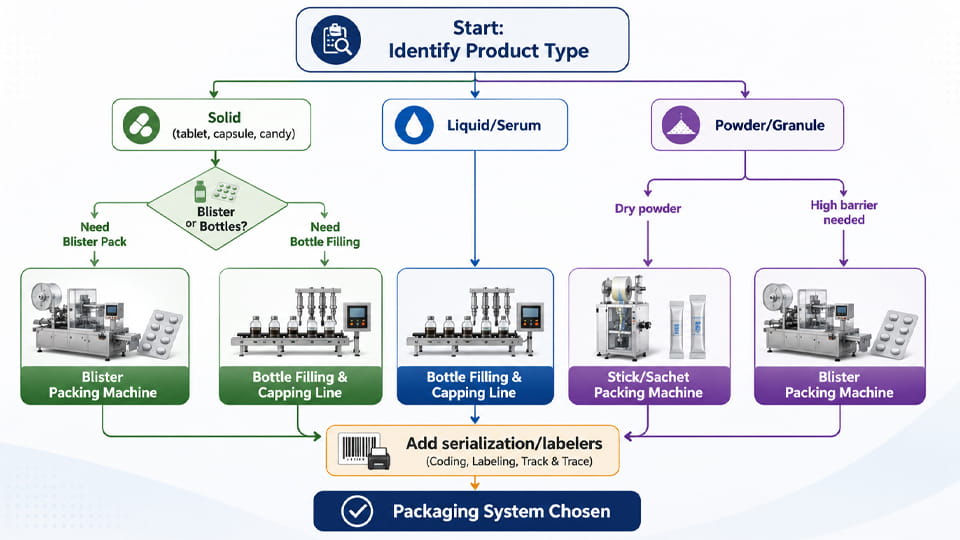
Этот поток подчеркивает: выбрать упаковку формат (Блистер против бутылки против пакета, и т. д.) в зависимости от формы продукта и потребностей в стабильности, затем выберите соответствующую линию машины. Например, чувствительные к температуре таблетки могут стимулировать использование волдыри холодной формы а не бутылки (для обеспечения барьера кислорода/влаги).
В дизайн, фармацевтические машины часто включают больше автоматизации для очистки и отслеживания.. Например, наполнители для инъекций проходят под ламинарными шкафами, в то время как пищевые конвейеры могут открываться в прохладном помещении. Оба должны соответствовать гигиеническим стандартам., но строгость и проверка различаются.
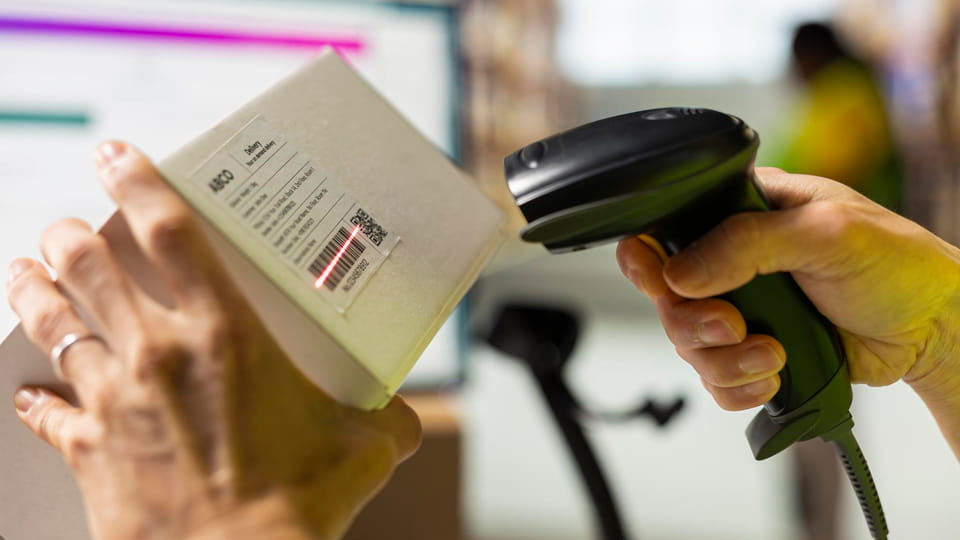
Фармацевтическая упаковка требует чрезвычайно точной маркировки и отслеживания.. На каждой упаковке лекарства обычно указано точное название продукта., сила, номер лота, Дата окончания срока, а иногда и уникальные серийные коды для отслеживания (например. под США. Закон DSCSA). Руководство FDA ввело сериализацию для многих лекарств, требование уникальных штрих-кодов на единичных упаковках. Это гарантирует, что отозванную партию можно отследить до каждого товара.. Напротив, этикетки на упаковке пищевых продуктов должны содержать список ингредиентов, панели питания, и вес нетто в соответствии с правилами FDA, но сериализация отдельных единиц обычно не требуется (за исключением, возможно, некоторых добавок или рынков).
Для лекарств также более надежна защита от несанкционированного вскрытия: на каждом блистере или флаконе часто имеется пломба, которая разрушается при открытии.. Джинлу отмечает, что серийные штрих-коды и пломбы с защитой от несанкционированного доступа на каждой единице являются стандартными в фармацевтике для борьбы с подделками.. В еде, используются ленты и пломбы, защищающие от несанкционированного доступа. (например. предохранительные кольца на бутылках из-под газировки, индукционные пломбы на крышках), но одноразовые продукты могут полагаться исключительно на неповрежденные печати. (как термосваривание пакетов) с менее формальной сериализацией.
Системы отслеживания в фармацевтике становятся более цифровыми (электронные протоколы партий, Документация GMP). Отслеживание пищевых продуктов фокусируется на партиях и происхождении (думайте «от фермы до вилки» в целях безопасности) но часто менее детализирован на уровне потребителя. В итоге, Фармацевтическая упаковка вкладывает значительные средства в технологию сериализации на линии (печать и сканирование штрих-кода), в то время как линии продуктов питания уделяют особое внимание скорости маркировки и обеспечению всей необходимой информации (например. значки аллергенов, факты о питании) печатается правильно.
Обе отрасли движутся к более экологичной упаковке., но драйверы и решения различаются. В фармацевтических препаратах, существует стремление сократить количество отходов и использовать, где это возможно, пригодные для вторичной переработки/биоразлагаемые материалы.. Например, производители изучают мономатериал блистерная пленка и переработанный картон для вторичной упаковки. Одной из тенденций является замена печатных бумажных вкладышей цифровой информацией для экономии бумаги.. Однако, любое изменение должно по-прежнему соответствовать требованиям стабильности., поэтому инновации часто начинаются на вторичных или третичных уровнях..
В еде, экологичность часто означает легкую упаковку, компостируемые материалы, и сокращение одноразового пластика. Во многих регионах принимаются законы, запрещающие использование некоторых видов отходов, не подлежащих вторичной переработке.. Примечательно, пакетики приправ (пакеты из фольги/ткани) постепенно вытесняются на некоторых рынках 2030 в пользу многоразовых или перерабатываемых альтернатив. Крупные пищевые бренды также ищут пригодные для вторичной переработки пленки из мономатериала.. Обе отрасли ценят сокращение выбросов углекислого газа, но фармацевтические компании должны сбалансировать экологические цели с первостепенной необходимостью защиты продукции..
(Рост): «Устойчивое развитие — главная тенденция: компании разрабатывают упаковку из перерабатываемых или биоразлагаемых материалов и сокращают количество лишней упаковки.. Например, картонная бумага теперь часто использует переработанный материал, а пленки из мономатериалов выбираются для облегчения переработки».
(Руководство по кетчупу): «Эко-сознательные бренды стремятся к более легкому, варианты, пригодные для вторичной переработки. Фактически, некоторые регионы даже постепенно отказываются от одноразовых пакетиков с приправами. 2030, подталкивает производителей к экологичные пакеты или многоразовые решения.»
Эти тенденции означают, что оборудование также может адаптироваться: машины, которые могут обрабатывать переработанный пластик, или линии, предназначенные для облегчения смены материалов, становятся ценными.

При выборе оборудования для фармацевтической или пищевой упаковки, Рассмотрим следующие факторы:
На практике, работа с производителями (нравиться Джинлу Упаковка) проанализировать эти факторы. Например, Команда инженеров Jinlu может порекомендовать интегрированное наполнение бутылок & картонажная линия за новую добавку, или модульное решение для упаковки в пакеты для специального сиропа.
Jinlu Packing специализируется на упаковочных решениях «под ключ» для фармацевтической продукции. и продукты питания/нутрицевтики. Наше оборудование спроектировано в соответствии со строгими стандартами GMP. (CE, FDA, Сертификаты ИСО) предлагая гибкость. Ключевые преимущества включают в себя:
С 30+ лет работы в фармацевтическом упаковочном оборудовании, Лидеры отрасли доверяют Jinlu поставку оборудования, которое безопасно и эффективно упаковывает лекарства и продукты питания одинаково. Свяжитесь с нами, чтобы обсудить, как наши машины (нравиться Блистерные упаковочные машины, Счетные машины, Картонирующие машины, Упаковка Саше, или Готовые наполнители для пакетов) может удовлетворить ваши производственные цели.
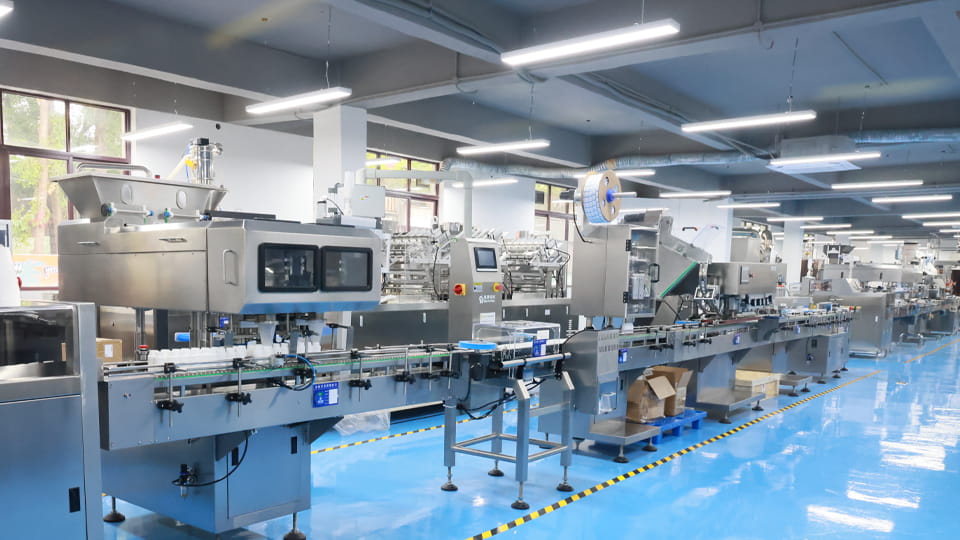
В заключение, Фармацевтическая упаковка против пищевой упаковки имеют разные приоритеты, хотя оба направлены на защиту продуктов. Фармацевтическая упаковка соответствует строгим правилам GMP и подчеркивает стерильность., прослеживаемость, и целостность барьера. Упаковка пищевых продуктов подчеркивает безопасность пищевых продуктов (предотвращение порчи/опасностей) и практичность (расходы, удобство) согласно правилам HACCP и правилам контакта с пищевыми продуктами. Выбор материала, дизайн машины, и маркировка отражает эти приоритеты: фармацевтические линии часто запускаются в контролируемых средах с сериализацией, пока линии еды работать на высокой скорости с гигиеническим дизайном.
Понимая эти различия, инженеры по упаковке и покупатели могут выбрать правильные решения. Например, производитель лекарств может выбрать высокобарьерную блистерную линию со встроенной сериализацией, соответствующую правилам FDA и ЕС.. Производитель закусок может выбрать многополосную VFFS из соображений эффективности., обеспечение того, чтобы фильмы были одобрены FDA. Оба могут найти подходящую технологию: Jinlu Packing предлагает машины, созданные для любого мира., от блистеров, соответствующих GMP, до гибкие системы пакетов. В конечном счете, Удовлетворение требований безопасности и качества конечного продукта (при соблюдении правил каждой отрасли) является ключевой целью любой упаковочной системы..
В фармацевтической упаковке приоритет отдается строгой стерильности и соблюдению нормативных требований.. Обычно это связано с более высоким барьером, материалы медицинского класса и функции защиты от несанкционированного доступа для защиты лекарств в соответствии с правилами cGMP.. В упаковке пищевых продуктов приоритет отдается свежести и безопасности. (предотвращение порчи/опасностей) в соответствии с правилами HACCP и правилами контакта с пищевыми продуктами, часто используют более легкие или перерабатываемые материалы.
Закон о безопасности цепочки поставок лекарств (ДСКСА) и аналогичные законы требуют наличия уникальных серийных номеров на отдельных упаковках лекарств, чтобы можно было отслеживать их по всей цепочке поставок.. Это помогает предотвратить подделку лекарств и обеспечивает точный отзыв.. Такие требования не существуют для большинства продуктов питания., поэтому сериализованное отслеживание обычно не выполняется на уровне единицы упаковки пищевых продуктов..
Некоторые машины (например, блистерные упаковки или наполнители пакетов.) может использоваться в обеих отраслях промышленности при условии правильной очистки и проверки. Например, Блистерные машины Jinlu упаковывают как таблетки, так и порции еды. (джемы, закуски) путем переключения материалов и настроек. Однако, оборудование должно тщательно дезинфицироваться между использованием и может нуждаться в обновлении. (например, дополнительные фильтры HEPA или документация GMP) соответствовать фармацевтическим стандартам.
В США, все компоненты упаковки пищевых продуктов должны быть одобренными FDA веществами, контактирующими с пищевыми продуктами. (ФТС) перед маркетингом. Это означает, что любой пластик, покрытие, чернила, или клей, контактирующий с пищевыми продуктами, должны быть внесены в список FDA или уведомлены. Этикетки и упаковка также должны соответствовать правилам маркировки пищевых продуктов FDA. (список ингредиентов, факты о питании). Производители продуктов питания используют HACCP и GMP для обеспечения безопасности процессов упаковки..
Выбирайте исходя из продукта и производственных потребностей. В готовых упаковщиках пакетов используются предварительно напечатанные, закрывающиеся пакеты и отлично подходят для специализированных или высокобарьерных продуктов. (например. Витамины, соки) с быстрой сменой. Машины VFFS формируют пакеты из рулонной пленки в режиме реального времени и отличаются высокой скоростью, большие объемы серийной продукции (закуски, порошки) при меньших материальных затратах. Оцените формат вашей сумки, потребности в пропускной способности, и требования гибкости для принятия решений.
Ссылки:
1.Текущая передовая производственная практика (CGMP) Правила | FDA -- НАС. Управление по контролю за продуктами и лекарствами
2.21 CFR Part 211 – Подчасть G – Контроль упаковки и маркировки —— Институт правовой информации
3.Упаковка & Вещества, контактирующие с пищевыми продуктами (ФТС) -- НАС. Управление по контролю за продуктами и лекарствами
4.Надлежащая практика производства и распределения —— Европейская комиссия
5.Текущая передовая производственная практика (CGMP) для продуктов питания и диетических добавок -- НАС. Управление по контролю за продуктами и лекарствами