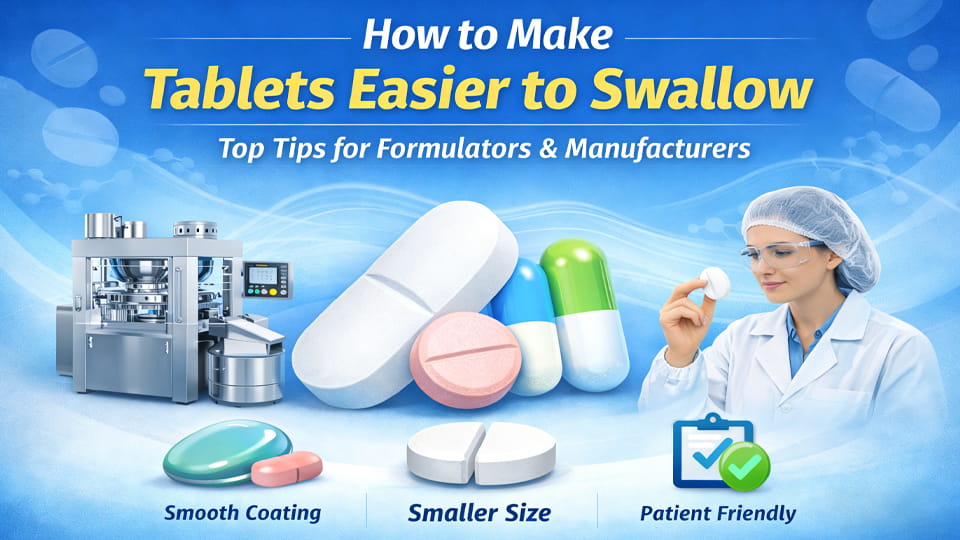
Таблетированные лекарственные формы бывают двух основных типов: с покрытием и без покрытия. Ан таблетка без покрытия представляет собой простую спрессованную таблетку без дополнительной оболочки – только спрессованные ингредиенты. (активное лекарство плюс вспомогательные вещества). А Покрытый планшет, в отличие, имеет тонкий внешний слой или оболочку, нанесенную после сжатия. Данное покрытие может представлять собой полимерную пленку. (покрытый пленкой), оболочка на основе сахара (сахарный покрытый), кишечнорастворимый слой, или другая функциональная пленка. Покрытие выполняет не только внешний вид, но и защищает лекарство., маска вкус, контрольный выпуск, или улучшить глотаемость.
Например, Фигура 1 показано, как машина для нанесения пленочного покрытия наносит на таблетки однородную полимерную пленку., создание гладких, глянцевые таблетки. Это покрытие облегчает глотание и защищает ядро таблетки от влаги и воздуха.. В отличие, простые таблетки без оболочки, матовые., часто меловой, и более уязвимы для окружающей среды.
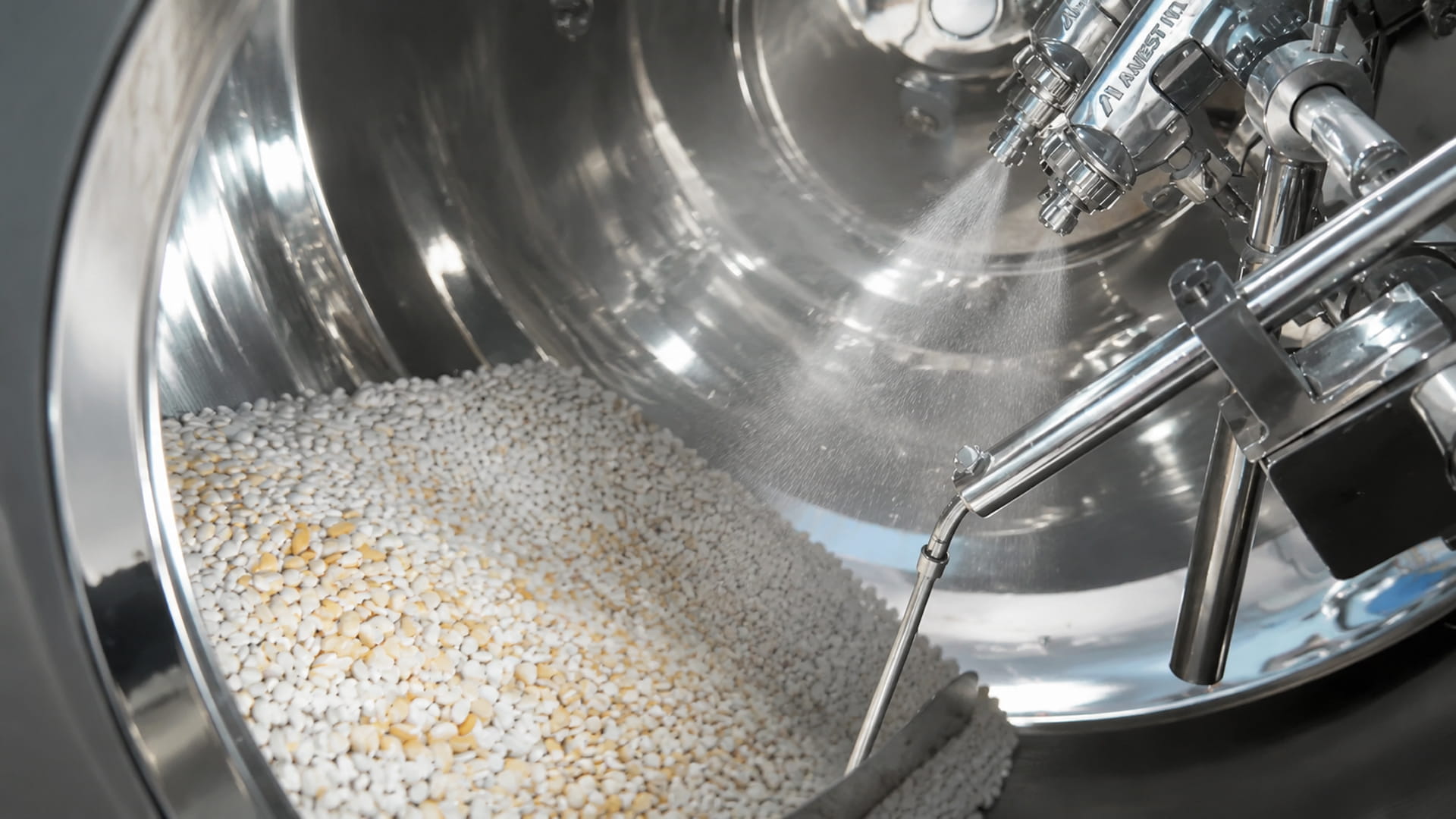
Фигура 1. Высокоскоростная машина для нанесения пленочного покрытия на таблетки. Покрытие обеспечивает защитную защиту., ровный слой на каждую таблетку, улучшение внешнего вида и стабильности.
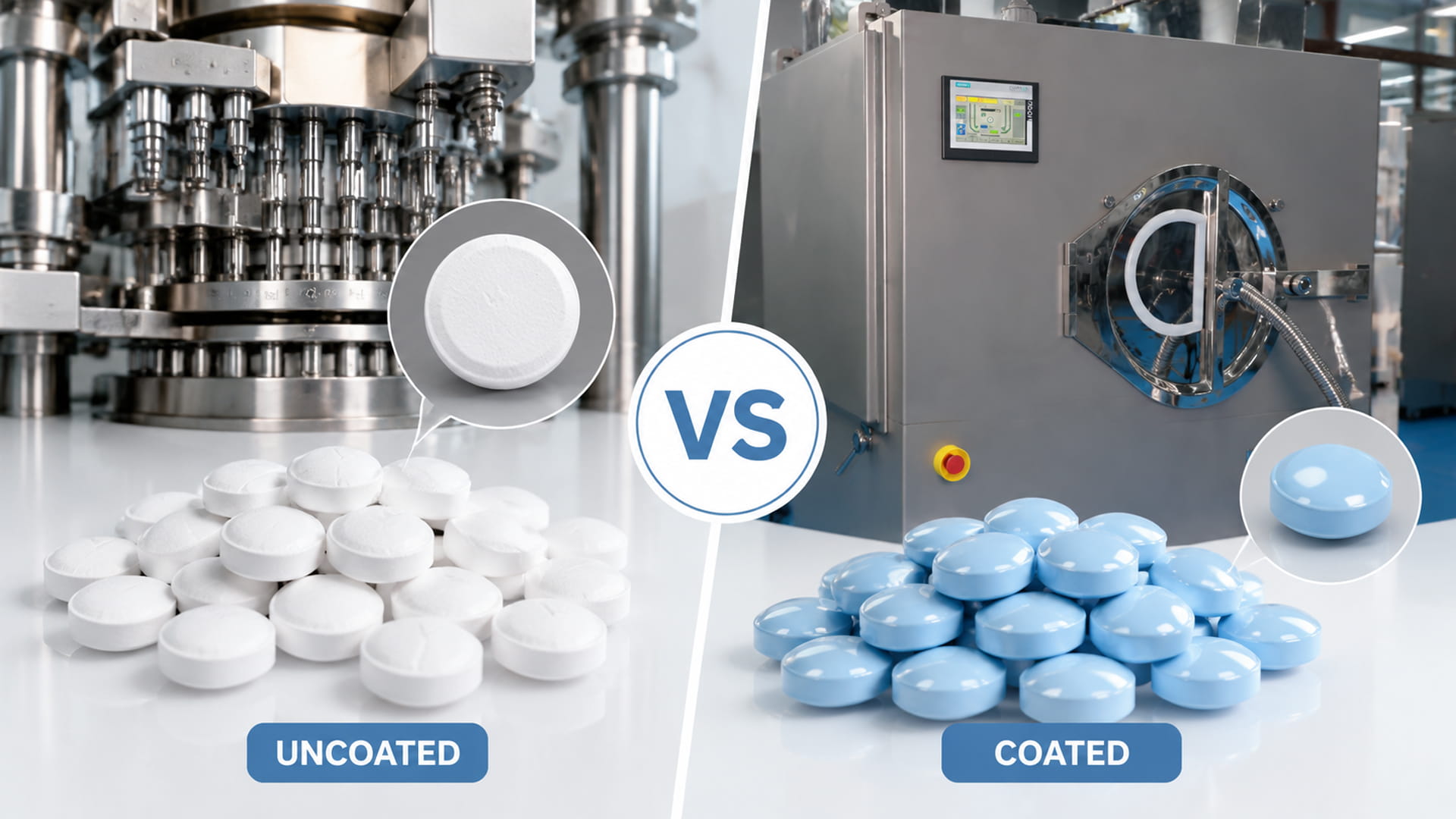
Например, а таблетка, покрытая пленочной оболочкой имеет тонкую полимерную пленку (обычно гидроксипропилметилцеллюлоза или аналогичный) это не увеличивает объем таблетки. А таблетка, покрытая сахаром имеет толстый, оболочка из сладкого сиропа - более трудоемка в изготовлении и намного тяжелее.. Ан таблетка с кишечнорастворимой оболочкой использует pH-чувствительные полимеры, поэтому проходит через желудок и растворяется в кишечнике.. Каждый тип покрытия имеет свои плюсы и минусы. (см. таблицу ниже).
| Тип покрытия | Описание | Основное использование |
| без покрытия | Без покрытия; ядро планшета обнажено | Быстрый выпуск, чувствительный к затратам, стабильные препараты |
| Пленка-пальто | Тонкая полимерная пленка (например. HPMC) | Маскировка вкуса, защита от влаги/света, легкое глотание, брендинг |
| Сахарная шуба | Толстые слои сахарного сиропа | Сильная маскировка вкуса, гладкая глянцевая поверхность, часто в педиатрии |
| кишечнорастворимая оболочка | pH-чувствительные полимеры (Юдрагит) | Защитите желудок или лекарство; замедленное освобождение кишечника |
| Другие | Специализированный/контролируемый выпуск | Устойчивый выпуск, адресная доставка, и т. д.. |
Стол 1. Сравнение таблеток без покрытия и таблеток с покрытием и распространенные типы покрытий.
Покрытие предназначено не только для внешнего вида – это функциональный шаг в производстве планшетов. Фармацевтические инженеры спрашивают, «Может ли планшет работать без покрытия?«Если да, таблетка без покрытия проще и дешевле. Но покрытия добавляются всякий раз, когда есть техническая выгода.. Основные причины нанесения покрытия на таблетки включают::
Суммируя, покрытие добавляет функциональности. Это сделано не произвольно, но всякий раз, когда вкус, стабильность, или вопросы контроля выпуска. Как отмечает один из отраслевых справочников, «Покрытие применяется только тогда, когда оно обеспечивает явную функциональную выгоду».
Таблетки с покрытием сочетают в себе долговечность и удобство использования.. Ключевые преимущества включают:
Фигура 2 сравнение планшета без покрытия и планшета с пленочным покрытием. Таблетка с покрытием (верно) явно имеет гладкий, блестящая внешняя поверхность, которая маскирует любые отпечатки или шероховатости на сердцевине.
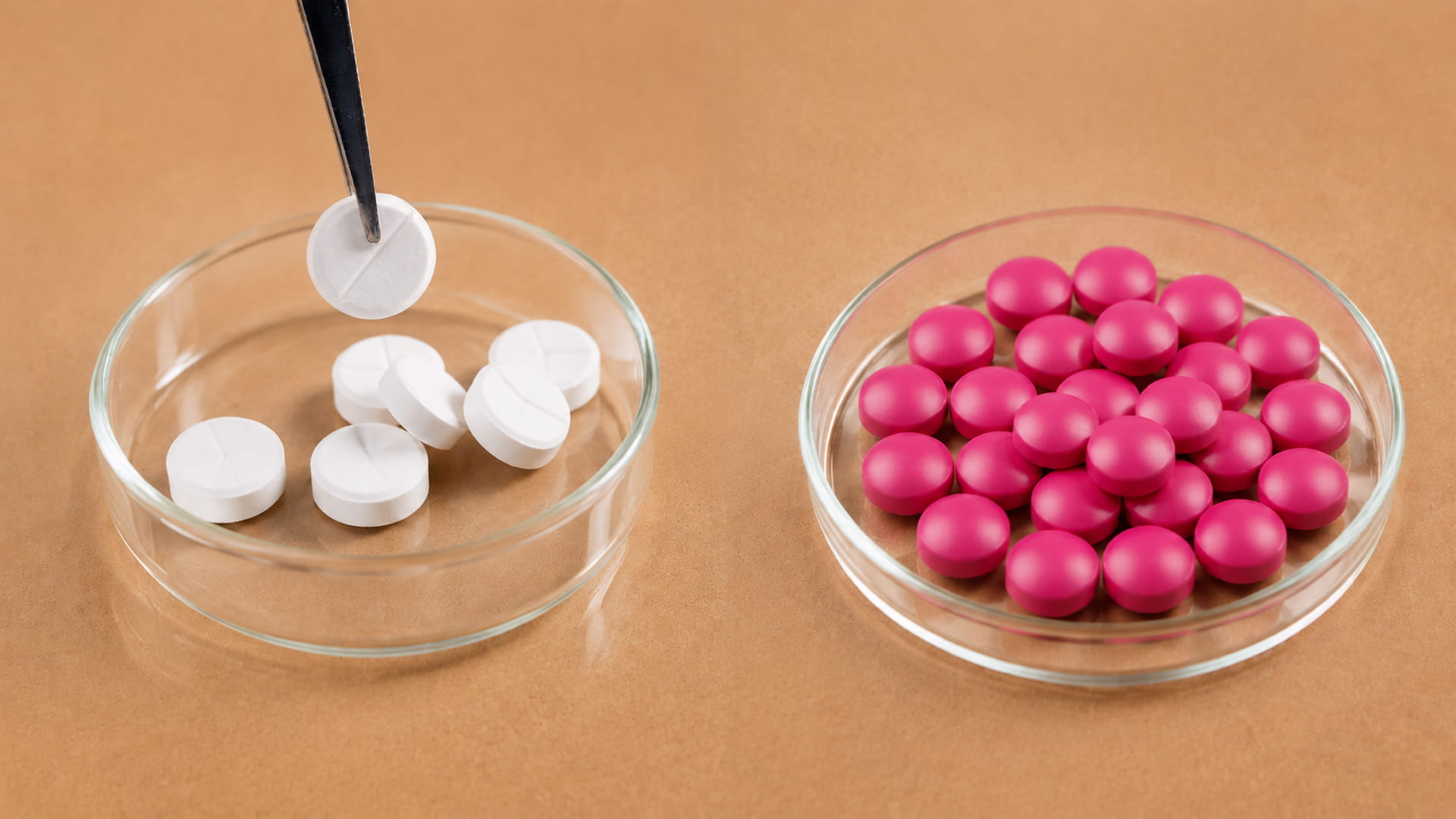
Фигура 2. без покрытия (левый) против пленочного покрытия (верно) таблетки. Таблетка, покрытая пленочной оболочкой, имеет гладкую поверхность., равномерная отделка, маскирующая цвет и текстуру сердцевины. Подобные покрытия улучшают проглатываемость и защищают препарат внутри..
Преимущества покрытий легко объяснить.: таблетки с покрытием часто «выглядят лучше, длиться дольше, и спускайся легче» чем обычные таблетки. Эти преимущества означают, что, несмотря на то, что покрытие требует дополнительных действий и затрат,, это может уменьшить проблемы позже (повреждать, жалобы, досрочное истечение срока действия). Директор по маркетингу пищевых добавок отмечает, что, хотя «таблетки с покрытием содержат дополнительные материалы,, труд и время, покрытие может уменьшить количество бракованных партий, жалобы клиентов, и проблемы послепродажного качества». В долгосрочной перспективе, Таблетки с покрытием часто экономят деньги на протяжении всего жизненного цикла продукта..
Конечно, простые таблетки все еще имеют свое место. Таблетки без оболочки отличаются простотой и экономичностью.:
Проще говоря, таблетка без оболочки «легко и дешево сделать». Это хорошая отправная точка для технико-экономического обоснования.. В блоге фармацевта также отмечается, что таблетки без оболочки дешевле и их производство требует меньше времени., и они растворяются быстрее, высвобождая лекарство быстрее.
Однако, эти достижения приходят с компромиссами: таблетка без оболочки «делает ядро препарата уязвимым» для вредного воздействия окружающей среды, и может быть менее приемлемым для пациентов. Поэтому производители взвешивают эти факторы.: если покрытие не требуется, они, скорее всего, пропустят это.
Покрытия не являются универсальными. В промышленности используется несколько основных типов покрытий., каждый со специфическим использование и преимущества:
Таблетки, покрытые пленочной оболочкой, и таблетки, покрытые сахарной оболочкой: Суммируя, пленочные покрытия тонкие, прочный, и подходит для высокоскоростного производства. Они в значительной степени заменили сахарные покрытия, поскольку добавляют минимальный объем и быстро наносятся.. Однако, сахарное покрытие по-прежнему обеспечивает превосходную маскировку вкуса и классический вид., поэтому они появляются в таких продуктах, как жевательные витамины, где вкус имеет решающее значение..
Таблетки с пленочным покрытием и таблетки с кишечнорастворимым покрытием: Ключевое отличие — место выпуска.. Пленочное покрытие с немедленным высвобождением растворяется в желудке и часто просто улучшает проглатываемость или стабильность.. Энтеросолюбильное покрытие задержки растворение до pH кишечника. Например, лекарство от изжоги может использовать кишечнорастворимую оболочку, чтобы избежать попадания в желудок, тогда как для ежедневного приема витаминов можно использовать обычное пленочное покрытие..
Как производители на самом деле покрывают таблетки?? Это тщательно контролируемая операция распыления и сушки.. Основные шаги::
В современном производстве планшетов используется такое оборудование, как Роторные таблетки прессы (для формирования сердечников) и высокоскоростные машины для нанесения покрытий (для нанесения пленки или сахарных ракушек). Таблеточный пресс может производить сотни тысяч однородных ядер в час.. Затем специализированная машина для нанесения покрытия – по сути, барабан из нержавеющей стали с распылительными форсунками и точным потоком воздуха – наносит раствор для покрытия на движущиеся таблетки..
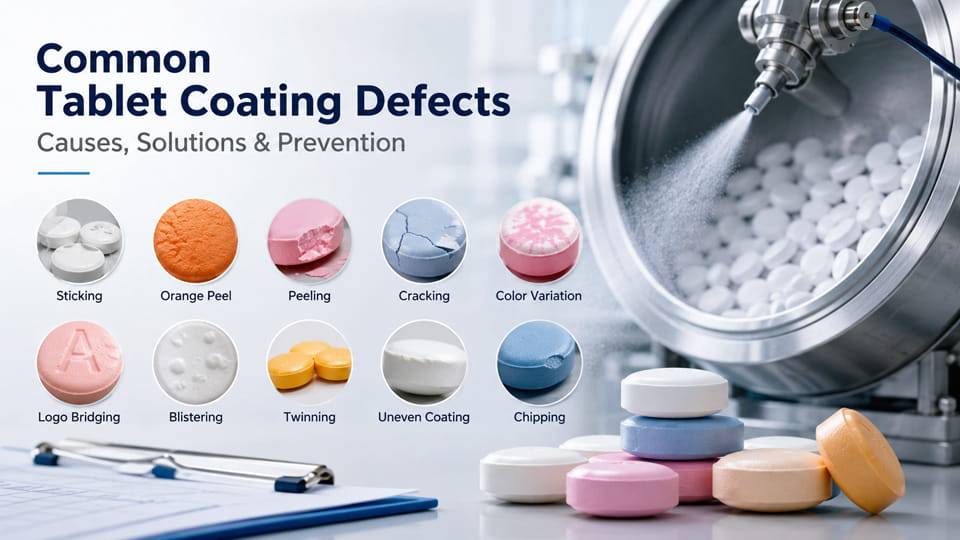
Каждый из этих шагов должен строго контролироваться.. Слишком много брызг или слишком горячий воздух могут привести к дефекты, такие как текстура «апельсиновой корки» или отслаивающаяся пленка. Вот почему современные машины для нанесения покрытий (как у JinluPacking) иметь автоматическое управление ПЛК, точные распылительные форсунки, и даже мониторинг в реальном времени для корректировки параметров. В конце концов, точность является ключевым моментом: каждая таблетка должна иметь правильную толщину покрытия для обеспечения стабильной эффективности..
[jl_youtube src=”https://www.youtube.com/embed/LFJJ-cEpfCk”]
При переходе от лабораторных разработок к коммерческому производству таблеток, Выбор подходящей машины для нанесения покрытия на таблетки становится решающим решением.. Руководители производства обычно оценивают оборудование по однородности покрытия., емкость, уровень автоматизации, требования к уборке, и расходы на техническое обслуживание. Наиболее распространенное оборудование для нанесения покрытия на таблетки включает в себя:

Фигура 3. Промышленная высокоскоростная машина для нанесения покрытия на таблетки Jinlu. Таблетки опрокидываются внутрь при распылении и сушке раствора для покрытия.. Такие функции, как мешалки с перегородкой и системы циркуляции материала, обеспечивают равномерное покрытие и эффективное покрытие..
Ключевые особенности, на которые следует обращать внимание при выборе устройства для нанесения покрытий, включают::
Инвестиции в качественное оборудование окупаются: хороший специалист по нанесению покрытия обеспечивает высокую однородность покрытия, минимальные дефекты, и может работать на более высоких скоростях. Это сокращает время производства и трудозатраты.. Как отмечает один из блогов, современное пленочное покрытие «работает быстрее и стабильнее, чем когда-либо прежде».,» благодаря автоматизированному управлению и усовершенствованным машинам.
Подводя итог, вот основные различия между таблетками с оболочкой и без нее:
Стол 2 (ниже) подчеркивает эти различия. Обратите внимание, что покрытие не «лучше» по всем направлениям – оно лучше. когда необходимо покрытие. Как один ответ на часто задаваемые вопросы: «Всегда ли таблетки с покрытием лучше, чем таблетки без покрытия?»? Нет – таблетки, покрытые оболочкой, используются, когда есть функциональная причина., например, маскировка вкуса или защита. Когда состав стабилен и приятен на вкус, Таблетки без оболочки часто предпочитаются из-за простоты и стоимости»..
| Особенность | Таблетки без оболочки | Покрытые таблетки |
| Поверхность | матовый, видимый порошок/гранулы | Гладкий, глянцевая или цветная пленка |
| Вкус/Запах | Горький или неприятный вкус может быть заметен | Покрытие маскирует неприятный вкус/запах. |
| Легкость глотания | Часто сложнее, особенно большие | Легче благодаря гладкой поверхности |
| Защита (Влажность/Свет) | Требует прочной упаковки | Фильм добавляет барьер, улучшает стабильность |
| Стабильность наркотиков | Более уязвим к влажности, нагревать | Лучшая стабильность и срок годности |
| Сложность обработки | Более простой процесс, меньше шагов | Требуется дополнительный этап нанесения покрытия |
| Время/Стоимость | Более низкая стоимость производства | Более высокая первоначальная стоимость, но потенциально более низкая стоимость жизненного цикла |
| Выпустить контроль | Только немедленное освобождение | Можно включить отложенный или контролируемый выпуск (кишечный, устойчивый) |
| Брендинг/Внешний вид | Ограничен (однотонный цвет) | Может быть красочным, напечатан для брендинга |
Стол 2. Таблетки с покрытием и таблетки без покрытия: сравнение ключевых характеристик.
На практике, Разработчики и производители принимают решения, исходя из потребностей продукта. Некоторые общие рекомендации:
Иногда решение сводится к упаковке: Таблетки, покрытые оболочкой, обычно лучше хранятся в бутылочках или банках, поскольку они выделяют меньше пыли.. В Блистерные пакеты, любая форма работает, но покрытие может позволить упростить упаковку. Контрактные производители (директора по маркетингу) часто спрашиваю: «Можем ли мы сделать этот планшет без покрытия??» и добавляйте этап нанесения покрытия только в случае необходимости.
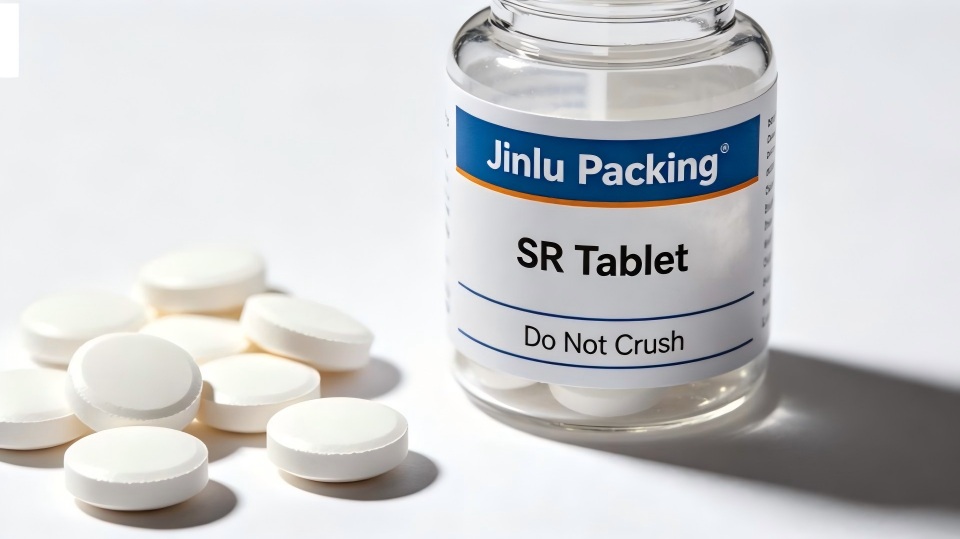
Распространенный вопрос: можно ли разломить таблетку с оболочкой пополам или размолоть?. В целом, нет: расщепление или измельчение таблетки, покрытой оболочкой, противоречит назначению оболочки. Полимерное покрытие предназначено для контроля высвобождения или защиты лекарственного средства.. Разрушение его сразу обнажает препарат., которые могут изменить всасывание или вызвать раздражение. Покрытые таблетки (особенно кишечнорастворимые или пролонгированного действия) должен остаться нетронутым. Если необходима меньшая доза, проверьте, есть ли на планшете линия надреза (некоторые таблетки с немедленным высвобождением делают) или спроси у фармацевта. Как говорится в одном из экспертных заключений: «Обычно нет — измельчение может разрушить защитный слой и изменить высвобождение лекарства.. Всегда сначала консультируйтесь с фармацевтом».
В конце концов, таблетки с покрытием и таблетки без покрытия это компромисс между простотой и функциональностью. Таблетки без оболочки дешевле и быстрее производятся., но оставь ядро препарата открытым. Таблетки с покрытием усложняют процесс и увеличивают стоимость., но приносить явные преимущества: лучшая стабильность, маскировка вкуса, проглатываемость, и дифференциация бренда. В современном фармацевтическом производстве, большинство таблеток для ежедневного применения (Витамины, Безрецептурные лекарства, нутрицевтики) покрыты пленкой, поскольку обеспечивают правильный баланс защиты и эффективности.
Однако, всякий раз, когда формулировка позволяет, компании могут предпочесть таблетки без покрытия из соображений стоимости.. Ключ в том, чтобы подобрать тип таблетки в соответствии с потребностями препарата. Если ваш продукт требует маскировки вкуса или контролируемого высвобождения, покрытие часто необходимо. Если не, обычного планшета может быть достаточно.
По любым вопросам по покрытию таблеток или изучению вариантов оборудования, протянуть руку! Наша команда JinLuPacking специализируется на таблеточных прессах., покрывающие машины, и полные линии по производству таблеток. Нужна ли вам высокоскоростная система нанесения покрытия на пленку?, сахар, или кишечные применения, или совет по оптимизации рецептуры таблеток, Мы здесь, чтобы помочь. Свяжитесь с нами для получения предложения или дополнительной информации, и давайте позаботимся о том, чтобы ваши планшеты получили надлежащую отделку и производительность.
Таблетки, покрытые оболочкой, имеют дополнительный слой. (фильм, сахар или функциональный полимер) наносится на сжатое ядро, тогда как таблетки без оболочки представляют собой простые спрессованные таблетки без внешнего слоя.. Покрытие служит функциональным целям.: оно может маскировать вкус, защищать API от влаги/света, и контролировать выпуск. Таблетки без оболочки растворяются сразу, и их дешевле производить., но они подвергают препарат воздействию окружающей среды и часто имеют горький вкус..
Таблетки имеют оболочку для улучшения стабильности., приемлемость для пациента, и производительность. Покрытие защищает от влаги- или светочувствительные API, маскирует неприятный запах, и облегчает проглатывание таблетки. Специализированные покрытия (как кишечнорастворимые пленки) может задержать высвобождение до тех пор, пока кишечник, предотвращение раздражения желудка. Суммируя, покрытие улучшает внешний вид планшета и увеличивает срок его хранения, и может обеспечить контролируемую доставку лекарств и лучшее соблюдение пациентами режима лечения..
Ни один из них не является универсальным «лучше» — это зависит от приложения.. Таблетки с покрытием обладают преимуществом защиты и привлекательности для пациентов., но они стоят дороже и требуют дополнительной обработки. Таблетки без оболочки проще, Быстрее, и дешевле производить, и они быстро высвобождают препарат. Для стабильной, препарат немедленного высвобождения, где стоимость является приоритетом, без покрытия может быть идеальным. Для горьких или чувствительных к влаге лекарственных средств, где приоритетом являются маскировка вкуса и стабильность., с покрытием – лучший выбор.
Три основных метода покрытия таблеток::
• Пленочное покрытие: Тонкий полимерный слой (обычно на водной основе) наносится распылением; наиболее распространен сегодня. Обеспечивает защиту от влаги и маркировку с минимальным увеличением веса..
• Сахарное покрытие: Толстая сахарная оболочка, состоящая из нескольких слоев сиропа.; придает глянцевый оттенок и хорошо маскирует вкус, но увеличивает объем и требует длительной обработки.
• Энтеросолюбильное покрытие: pH-чувствительная пленка, устойчивая к желудочной кислоте и растворяющаяся в кишечнике.. Технически это разновидность пленочного покрытия специальными полимерами., используется для кислотолабильных препаратов или во избежание раздражения желудка.
Таблетки, покрытые пленочной оболочкой, обладают большей частью ключевых преимуществ покрытия благодаря более тонкой оболочке.. Хорошая водная пленка защитит препарат. (барьер влаги/света), вкус и запах маски, и улучшить эстетику без значительного увеличения размера планшета. Пленочные покрытия быстро сохнут в современных машинах для нанесения покрытий., обеспечивающая высокую пропускную способность. Они также могут быть разработаны для конкретных профилей высвобождения. (кишечный или устойчивый) по выбору полимера.
В целом, да. Таблетки без оболочки обычно распадаются и растворяются быстрее, поскольку нет барьерного слоя.. АФИ немедленно подвергается воздействию желудочной жидкости., что приводит к более быстрому началу. В отличие, даже пленочное покрытие с немедленным высвобождением добавляет небольшую задержку (так как слой должен сначала раствориться). Однако, разница может быть небольшой в зависимости от состава и толщины покрытия.
Обычное оборудование для нанесения покрытий включает в себя:
• Перфорированные машины для нанесения покрытия (Высокоскоростные машины для нанесения покрытий): Стандартные машины с вращающимися перфорированными барабанами.. Нагретый воздух проходит через барабан, обеспечивает высокую эффективность сушки и равномерное покрытие.
• Аппараты для нанесения покрытий в псевдоожиженном слое: Таблетки подвешивают в потоке воздуха и распыляют снизу или сверху.. Подходит для гранул или небольших таблеток с очень однородными тонкими слоями..
• Традиционные противни для нанесения покрытия: Большие открытые кастрюли, используемые в основном для сахарной глазури. (трудоемкий и по большей части устаревший в современной фармацевтике).
Каждый тип машины выбирается в зависимости от размера партии., размер/форма планшета, и материал покрытия. Для крупномасштабного пленочного покрытия, перфорированные кастрюли (как машина для нанесения покрытия на таблетки Jinlu) являются наиболее распространенными.
Покрытие может задерживать или изменять высвобождение лекарства. Кишечная оболочка предотвращает выброс желудочной кислоты, поэтому препарат высвобождается только в кишечнике. Другие специальные покрытия (фильмы длительного проката) содержат полимеры, которые замедляют проникновение жидкостей, растягивание релиза на несколько часов. Даже нефункциональные пленочные покрытия (для немедленного освобождения) может немного замедлить высвобождение по сравнению с сердечником без покрытия, потому что барьер должен сначала раствориться. Таким образом, покрытия предоставляют инструмент для точной настройки места и скорости доставки API..
Пленочные покрытия универсальны и эффективны.. Они защищают препарат и улучшают вкус/внешний вид при минимальном времени обработки.. Современные водные пленочные покрытия быстро сохнут., что важно для высокопроизводительного производства. Они также позволяют добавлять цвета и идентификаторы., помощь в дифференциации бренда. Потому что они могут быть разработаны для разных профилей выпуска., Пленочные покрытия — это рабочая лошадка для фармацевтических компаний, желающих обеспечить качество и производительность своих таблеток..
Компании оценивают множество факторов. Если препарат нестабилен, горький, или нуждается в защите желудка (кишечное высвобождение), они выбирают таблетки с покрытием. Если состав уже стабилен, вкус приемлемый, и минимизация затрат является приоритетом, они идут без покрытия. Как резюмируется в одном отраслевом справочнике: используйте таблетки, покрытые оболочкой, если «вам нужна маскировка вкуса».,«защита от влаги, свет или окисление,» или «контролируемое/отложенное высвобождение»; выбирайте без покрытия, если ваша формула стабильна и дополнительная защита не требуется.. По сути, решение обусловлено требованиями к продукту (АФИ химия, Целевой выпуск, маркетинговые потребности) по сравнению с производственными соображениями (расходы, доступность оборудования).
Ссылки:
1.Фармацевтическое применение пленочного покрытия таблеток —— Национальная библиотека медицины
2.Покрытие таблетки —— Химико-технологический университет Мичигана
3.Покрытие таблетки: Проектирование технологических систем для фармацевтического производства —— ScienceDirect
4.Фармацевтическое покрытие и его различные подходы, Обзор —— Национальная библиотека медицины
5.Комплексный обзор фармацевтического пленочного покрытия: Прошлое, Подарок, и будущее —— Национальная библиотека медицины
6.Фармацевтическое применение пленочного покрытия таблеток —— МДПИ
7.Достижения в технологиях производства планшетов: Глава 10 – Технологии производства таблеток с покрытием —— ScienceDirect