
UM controlador de peso é um dispositivo de pesagem em linha usado para verificar o peso dos produtos em uma linha de produção. Ele garante que cada pacote atinja seu peso alvo, rejeitando automaticamente sob- ou unidades com excesso de peso. Isto é fundamental em operações farmacêuticas e de embalagem para precisão de dosagem, Conformidade com BPF, e redução de resíduos. Os controladores de peso consistem em um transportador, uma célula de carga de alta precisão, um controlador/IHM, e um mecanismo de rejeição. Em farmacêutica linhas de engarrafamento, os controladores de peso geralmente são posicionados imediatamente após o contador de cápsulas ou envasador de líquido e antes da máquina de tampar, permitindo que cada garrafa cheia seja verificada antes de entrar nas etapas restantes de embalagem. Os principais benefícios incluem 100% inspeção de peso, brindes reduzidos, e controle de qualidade automatizado. Neste guia, explicamos o que é um controlador de peso, como funciona, seus componentes, tipos, benefícios, e como escolher um para sua linha.
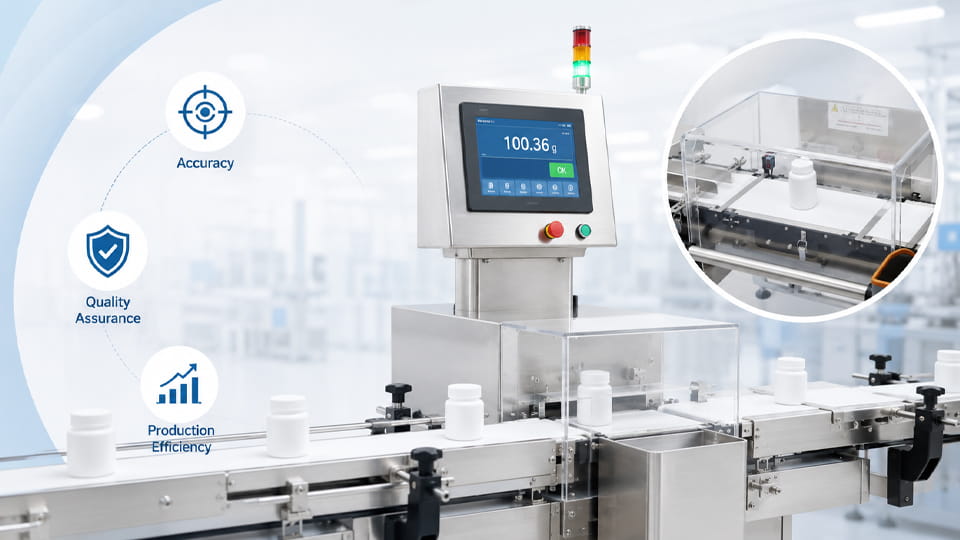
UM controlador de peso(ou máquina de pesagem) é um sistema de pesagem automatizado colocado em uma linha de produção para pesar cada item e garantir que ele corresponda ao peso alvo. Na prática, 100% dos produtos são pesados “na hora” à medida que passam pela balança. Qualquer pacote que esteja abaixo do peso ou acima do peso é sinalizado ou removido, garantindo que apenas os itens preenchidos corretamente continuem na linha. Esses dispositivos são comuns em embalagens e fabricação: por exemplo, transportadores de controladores de peso são amplamente utilizados na contagem de cápsulas, engarrafamento, linhas de embalagem e encartuchamento em blister. Ao contrário de uma balança manual ou de bancada, um controlador de peso opera em linha: os produtos permanecem no transportador e são pesados dinamicamente em movimento. Isto permite uma inspeção muito rápida (muitas vezes centenas de unidades por minuto) sem desacelerar a linha.
Resumindo, um controlador de peso é essencialmente uma correia transportadora com eletrônica de pesagem integrada e classificação automática. Ele fornece verificação de peso em tempo real e remove automaticamente qualquer produto muito pesado ou muito leve, garantindo que apenas pacotes preenchidos corretamente continuem na linha. Este mecanismo é vital para proteger a consistência e a conformidade dos produtos em indústrias como a farmacêutica.

Verifique se os pesadores estão crítico para a indústria farmacêutica porque detectam erros de enchimento e garantem a precisão da dosagem, protegendo a segurança do paciente e a conformidade regulatória.
Resumindo, um farmacêutico controlador de peso é mais que uma escala: é um ponto crítico de controle de qualidade que garante a precisão da dosagem, conformidade regulatória, e segurança do cliente na produção em alta velocidade. Ao capturar quaisquer erros de preenchimento na linha, impede sob- ou produtos cheios demais saiam da fábrica.
Um controlador de peso opera continuamente em um transportador. Aqui está o fluxo de trabalho típico:
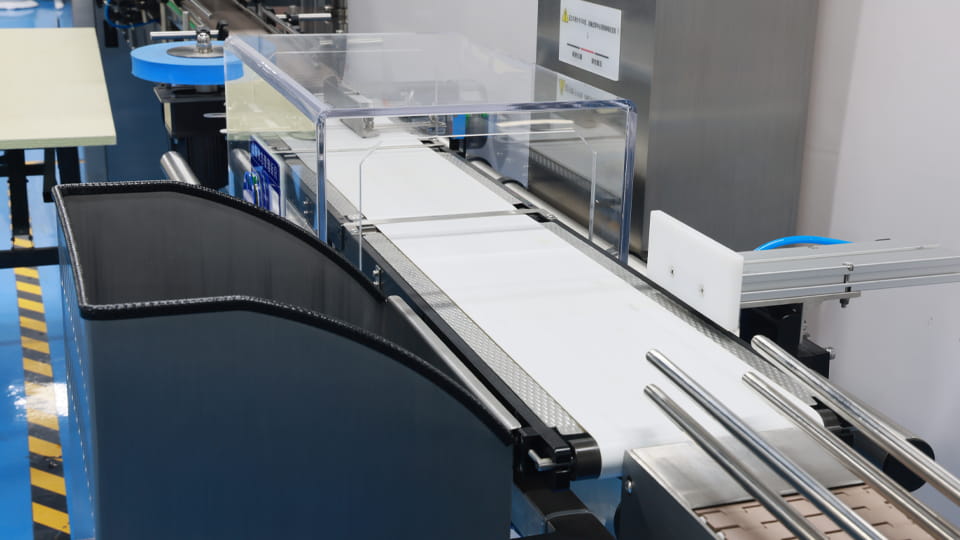
Essas rejeições são totalmente automatizadas e sincronizadas com o sinal do sensor, removendo unidades ruins sem parar a linha.
Todo esse processo – da detecção à pesagem e rejeição – acontece em uma fração de segundo para cada item. O resultado é 100% inspeção de peso em linha em plena velocidade de produção. Verifique o funcionamento das balanças dinamicamente sem interromper a produção, permitindo que os fabricantes “monitorem o peso do produto sem interromper o fluxo de produção”.
Aqui está um resumo do fluxo de trabalho do controlador de peso:
Este ciclo automatizado, repetido para cada item, é o que torna os controladores de peso indispensáveis nas linhas farmacêuticas modernas.
Uma balança verificadora automática típica consiste em várias peças principais, muitas vezes construído em uma estrutura modular (veja as imagens de exemplo de Jinlu):
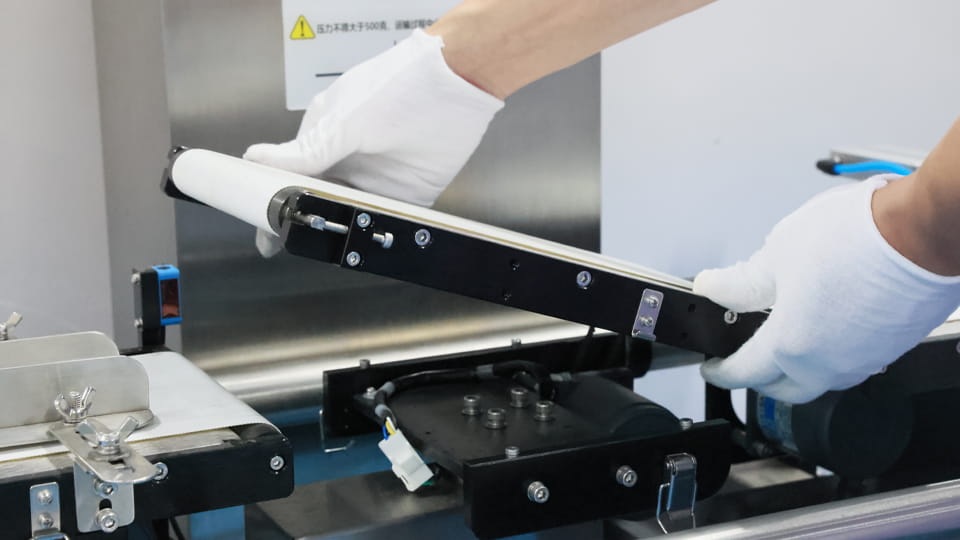 Figura: Sistema modular de correia de controle de peso da Jinlu (seções de transporte snap-on) simplifica a manutenção. As células de carga são instaladas sob a correia, e os produtos são guiados para a seção de pesagem.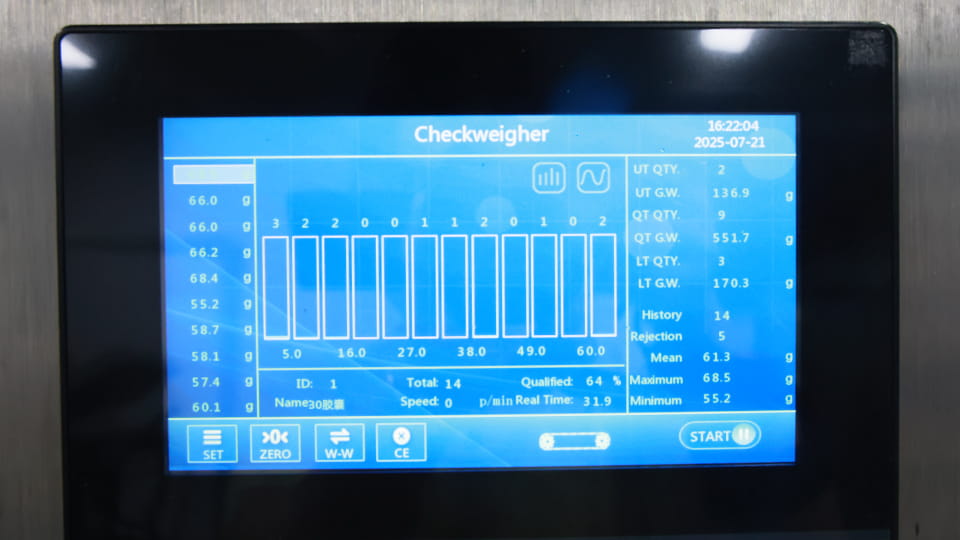
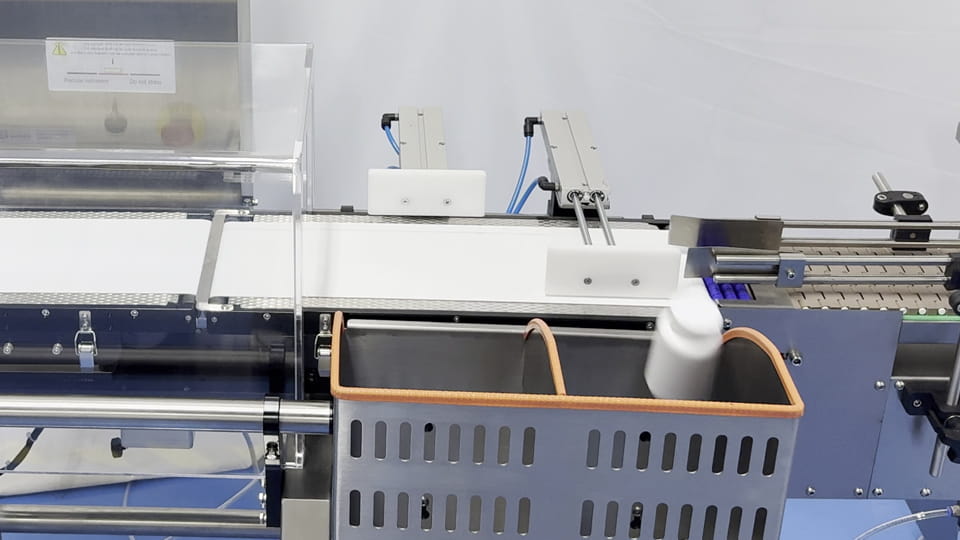
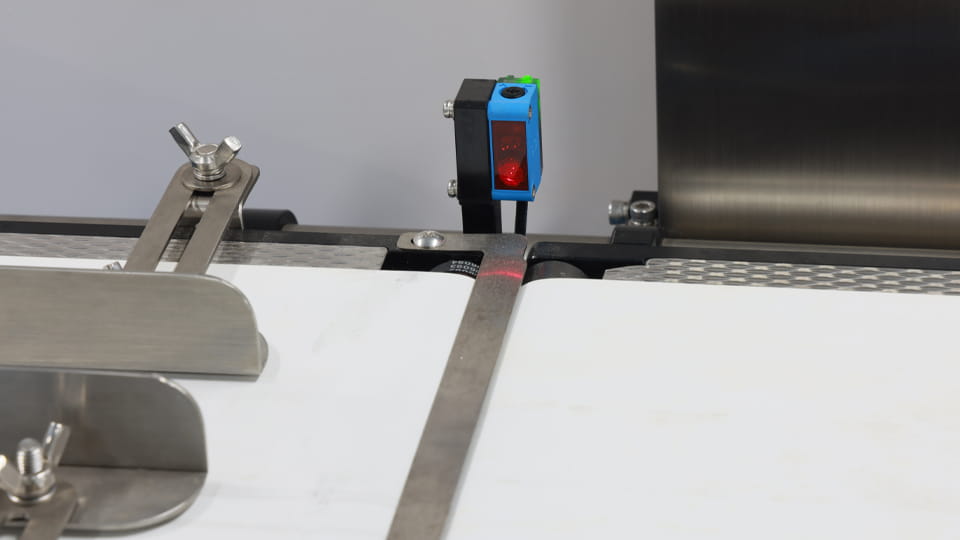
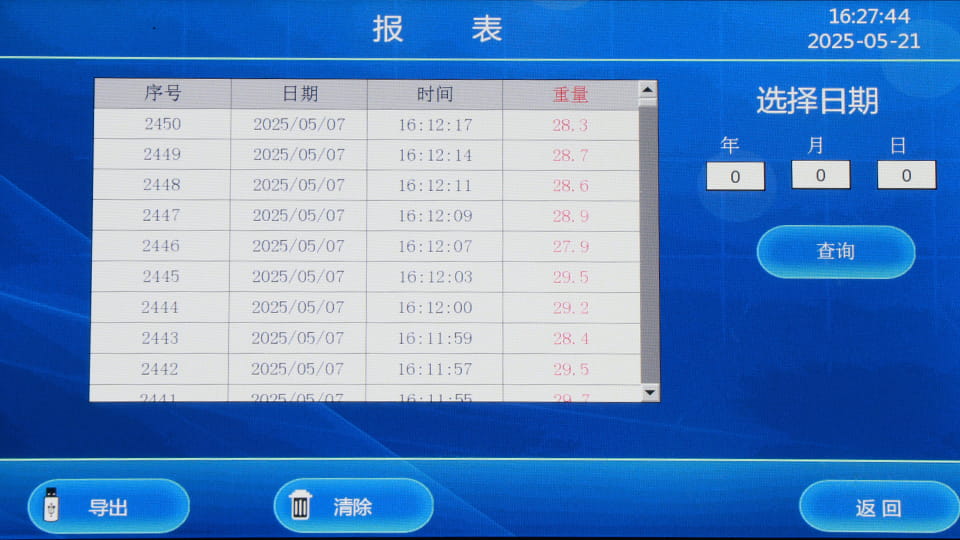
Cada componente trabalha em conjunto para garantir uma rápida, pesagem precisa. As seções modulares da correia (com design de encaixe) permitir que os operadores removam e limpem rapidamente o transportador sem ferramentas. A construção em aço inoxidável e um invólucro selado tornam a máquina fácil de lavar e atendem aos requisitos de salas limpas farmacêuticas.
Os controladores de peso vêm em diversas configurações para atender às diferentes necessidades de produção:
Cada tipo compartilha o mesmo princípio básico de funcionamento, mas você escolhe com base na velocidade da linha de produção e no tipo de produto. Comprimidos e cápsulas (dosagem oral sólida) requer rápido, balanças dinâmicas resistentes à vibração. Líquidos ou pós podem precisar de escalas com feedback para sistemas de enchimento.
A implementação de um controlador de peso em uma linha de embalagem traz vários benefícios:
Geral, um sistema de controle de peso serve como um poderoso ponto de controle de qualidade. Aumenta o rendimento (reduzindo o desperdício) e salvaguarda a conformidade. Em competitivo fabricação farmacêutica, essas vantagens se traduzem diretamente em economia de custos e integridade da marca.
Ao selecionar um controlador de peso para sua linha de produção, considere os seguintes fatores-chave:
Ao considerar esses fatores – características do produto, velocidade, precisão, necessidades regulatórias, e compatibilidade de linha – você pode selecionar um controlador de peso que maximize o desempenho para sua aplicação específica. Por exemplo, O controlador de peso JL-CW da Jinlu é otimizado para linhas engarrafadas e blister, com um tamanho pequeno e uma interface touchscreen.
Um controlador de peso oferece maior valor quando instalado no ponto certo da linha de produção. Em embalagens de frascos farmacêuticos, a posição mais comum é imediatamente após o contador do comprimido, contador de cápsulas, ou máquina de enchimento de líquidos. Nesta fase, o sistema pode verificar se cada garrafa contém a quantidade correta de produto antes que etapas adicionais de embalagem aumentem custos e complexidade. Garrafas que estejam fora da faixa de peso aceitável são rejeitadas automaticamente antes de chegarem à estação de tampagem. Isso ajuda a evitar que produtos defeituosos prossigam na linha e reduz o desperdício desnecessário.
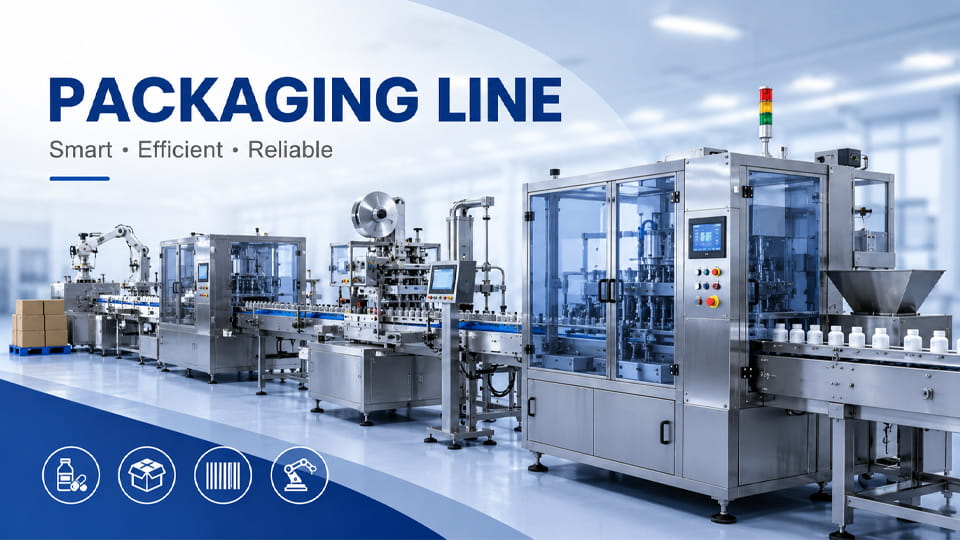
Uma linha de engarrafamento farmacêutica típica pode seguir esta sequência: Desembaralhador de garrafas → Contador de comprimidos/cápsulas (ou Enchimento Líquido) → Controlador de peso → Máquina tampadora → Seladora por Indução → Máquina de etiquetagem → Cartonador. Em algumas aplicações, os fabricantes também podem adicionar um segundo sistema de verificação de pesagem próximo ao final do processo de embalagem para verificar a integridade das caixas acabadas. O ponto de instalação ideal depende do que o fabricante deseja inspecionar – precisão de preenchimento do produto, integridade da garrafa, ou verificação final do pacote.
Um controlador de peso é um componente indispensável de qualquer linha de embalagem farmacêutica moderna. Verificando automaticamente o peso de cada pacote, garante a precisão da dosagem, Conformidade com BPF, e qualidade do produto. Abordamos como funcionam os controladores de peso, por que eles são vitais na indústria farmacêutica, suas partes principais, tipos, e como escolher o caminho certo. Também comparamos controladores de peso com balanças tradicionais e destacamos seus principais benefícios: precisão melhorada, desperdício reduzido, rendimento mais rápido, e rastreabilidade total.
Se você deseja adicionar um controlador de peso ou atualizar sua linha, Embalagem Jinlu oferece alta precisão, Soluções compatíveis com cGMP. Controlador de peso JL-CW da Jinlu, por exemplo, fornece 0.1 g precisão em até 100 PCs/min e é amplamente utilizado em garrafa, bolha, e colar linhas de embalagem. Integrado com outras máquinas da Jinlu (decodificador, contador, capsulador, rotulador, cartonador), pode formar um sistema totalmente automatizado linha de embalagens farmacêuticas. Com recursos como uma IHM de 7 polegadas, estrutura de aço inoxidável, e sistemas de rejeição comprovados, ajuda a obter embalagens com “erro zero”.
Para mais detalhes ou para discutir seus requisitos específicos, visite Jinlu Packing’s Produto controlador de peso página ou entre em contato com nossa equipe de vendas. Nossos especialistas podem ajudar a personalizar uma solução (incluindo suporte IQ/OQ) para sua linha de produção, garantindo uma verificação de peso compatível e eficiente.
Um verificador de peso é usado para verificar automaticamente o peso dos produtos que passam por uma linha de produção. Ajuda os fabricantes a identificar o baixo peso, sobrepeso, ou produtos incompletos e removê-los automaticamente da linha. Em embalagens farmacêuticas, um controlador de peso pode detectar garrafas com contagem curta, recipientes cheios demais, ou falta de componentes antes dos produtos chegarem ao mercado.
Um controlador de peso usa uma célula de carga e um transportador de pesagem para medir o peso do produto enquanto ele está em movimento. O sistema compara o peso medido com os limites superior e inferior predefinidos. Se o peso estiver fora da faixa aceitável, o mecanismo de rejeição automática remove o produto da linha de produção.
Na maioria das linhas de engarrafamento farmacêutico, o controlador de peso é instalado imediatamente após o contador do tablet, contador de cápsulas, ou máquina de enchimento de líquidos. Isso permite que os fabricantes verifiquem a precisão do enchimento antes que as garrafas prossigam para a tampagem, vedação, rotulagem, e processos de embalagem. A detecção precoce ajuda a reduzir desperdícios e custos de retrabalho.
Sim. Se a falta de um comprimido ou cápsula criar uma diferença de peso mensurável, o verificador de peso pode identificar a discrepância e rejeitar a garrafa afetada. Esta é uma das principais razões pelas quais os fabricantes farmacêuticos utilizam balanças de verificação automáticas após o processo de contagem..
Os controladores de peso são amplamente utilizados na indústria farmacêutica, comida e bebida, cosméticos, nutracêutico, químico, e indústrias de logística. Qualquer indústria que exija verificação precisa do peso do produto e controle de qualidade pode se beneficiar de um sistema de controle de peso em linha.
Um controlador de peso típico consiste em um transportador de alimentação, transportador de pesagem, célula de carga, sistema de controle, interface do operador, e rejeitar dispositivo. Junto, esses componentes formam um sistema transportador completo de controlador de peso capaz de inspecionar produtos em altas velocidades de produção.
Os produtos podem ser rejeitados porque estão abaixo do peso, sobrepeso, componentes faltantes, ou fora da faixa de tolerância predefinida. Em alguns casos, espaçamento inadequado do produto, vibração excessiva, ou configurações incorretas da máquina também podem causar falsas rejeições, é por isso que a calibração e configuração adequadas são importantes.
Sim. Balanças verificadoras modernas podem ser integradas a contadores de comprimidos, enchimentos líquidos, máquinas de nivelamento, selantes por indução, máquinas de etiquetagem, cartonadores, e sistemas de serialização. Isso cria uma linha de embalagem totalmente automatizada com controle de qualidade e monitoramento de produção em tempo real.
Uma balança de verificação automática ajuda a melhorar a qualidade do produto, reduzir a oferta de produtos, minimizar as reclamações dos clientes, apoiar a conformidade regulatória, e aumentar a eficiência da produção. Também fornece 100% inspeção de peso, garantindo que cada pacote atenda aos padrões de qualidade antes do envio.
Ao selecionar um controlador de peso, considere fatores como faixa de peso do produto, tamanho do pacote, velocidade de produção, precisão necessária, layout do transportador, método de rejeição, e requisitos de integração. Para aplicações farmacêuticas, gravação de dados, suporte de validação, e a conformidade com as BPF também devem ser avaliadas.
Referências:
1.Verifique o pesador —— Wikipédia
2.Desenvolvimento de tolerâncias graduais cobrindo toda a faixa de pesagem para verificação eficiente do controlador de peso automático —— Ciência Direta
3.Sistema de pesagem dinâmica baseado em modelo FIR de alta precisão —— ResearchGate
4.Abordagem de filtragem adaptativa para pesagem dinâmica: um estudo de caso de controlador de peso —— Ciência Direta
5.Um algoritmo de pesagem para verificação de componentes ausentes em uma linha farmacêutica —— Diários do Sábio
6.Manual 112, Esboços do procedimento de exame para dispositivos comerciais de pesagem e medição: Um manual para oficiais de pesos e medidas —— NIST