
As empresas farmacêuticas hoje estão sob pressão de todas as direções. Hospitais querem manuseio mais seguro de medicamentos. Os mercados retalhistas querem custos de embalagem mais baixos. Os reguladores esperam melhor rastreabilidade e serialização. Ao mesmo tempo, os fabricantes estão tentando melhorar a eficiência da produção sem criar resíduos desnecessários de embalagens. É por isso que a discussão em torno embalagem de dose unitária e embalagem a granel tornou-se muito mais importante nos últimos anos. Um formato concentra-se na proteção do nível de dose e na segurança do paciente, enquanto o outro prioriza a velocidade, simplicidade, e eficiência de custos. Nenhuma das opções é automaticamente melhor para cada produto. A escolha certa depende do seu tipo de medicamento, metas de produção, canal de distribuição, e capacidades da linha de embalagem. Para fabricantes farmacêuticos, equipes de compras, e gerentes de operações, compreender as reais diferenças entre dose unitária e embalagem a granel é essencial antes de investir em um novo sistema de embalagem farmacêutica ou atualizar um existente linha de embalagem.
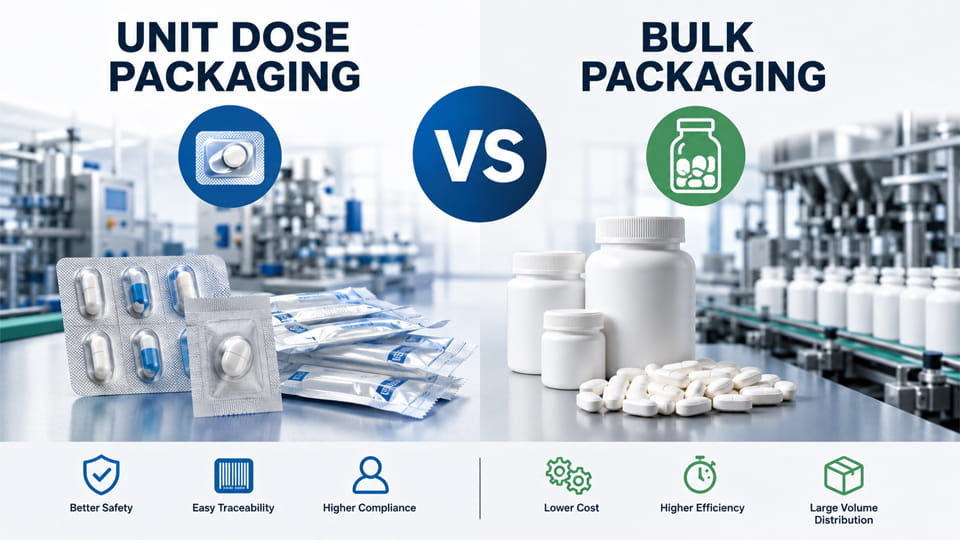
Embalagem de dose unitária (também chamado embalagem de dose única) significa que cada dose do medicamento é lacrada individualmente em sua própria embalagem. Por exemplo, um comprimido pode estar em seu próprio bolso ou bolsa. Jinlu Packing explica que “embalagem de dose unitária significa que cada dose individual de um medicamento é pré-embalada e selada por si só”. Na prática, este pode ser um blister de comprimido único, um pacote de tiras (um comprimido por cavidade), uma seringa pré-cheia, um frasco, ou uma saqueta contendo uma dose de líquido ou pó. Cada pacote traz etiquetas (nome da droga, dose, expiração) para que uma enfermeira ou paciente possa confirmar o medicamento sem contar os comprimidos de um frasco. Nos hospitais dos EUA, sobre 75% dos medicamentos orais são dispensados em dose unitária.
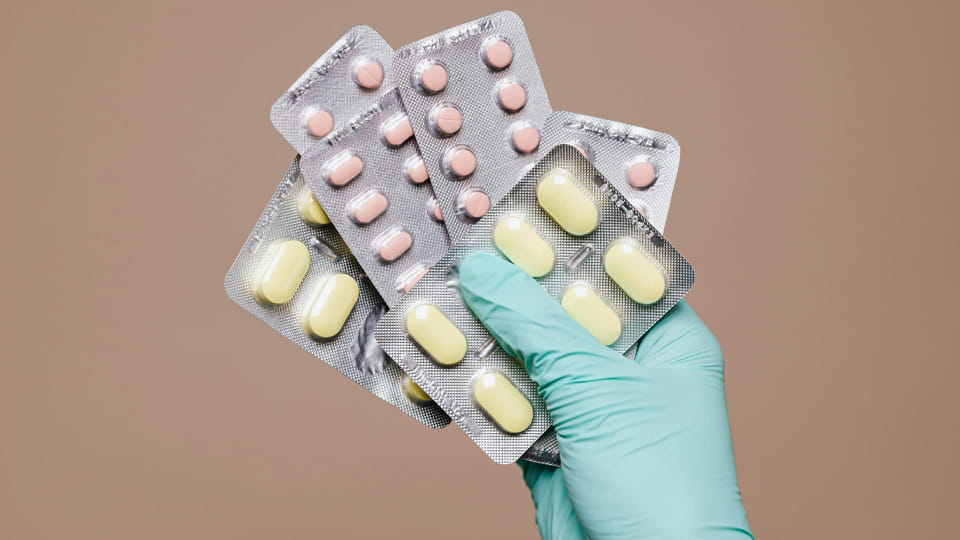
Pacotes de dose unitária são comuns em hospitais, clínicas, instalações de cuidados de longa duração, e ensaios clínicos – essencialmente em qualquer lugar, o controle preciso da dose e a rastreabilidade são fundamentais. Eles ajudam a evitar erros de dosagem porque cada pacote contém exatamente uma dose e está claramente rotulado. Em outras palavras, e notas de Jinlu, pacotes de dose unitária não exigem contagem – você “basta pegar um pacote e abri-lo”, reduzindo erros de manuseio. Outros termos usados incluem dose única, unidade de uso, ou unidade de medicamento embalagem. Os formatos típicos incluem:
Resumindo, embalagem de dose unitária isola cada dose individualmente, ajudando a segurança, conformidade com o paciente, e rastreabilidade.
Em contraste, embalagem a granel refere-se a embalagens multidose ou coletivas de medicamentos. Formatos a granel comuns incluem frascos grandes de comprimidos, frascos, tubos multidose, e sacos a granel ou sacolas. Por exemplo, um frasco de prescrição de 100 comprimidos ou um frasco de vitaminas com 30 cápsulas são embalagens a granel. Esses contêineres contêm muitos doses juntas. Embalagem a granel é a norma para produtos farmacêuticos de consumo, drogas sem receita, suplementos nutricionais, e a maioria dos comprimidos genéricos. Também é usado para estágios intermediários de produção (E.G.. saquetas a granel ou tambores).
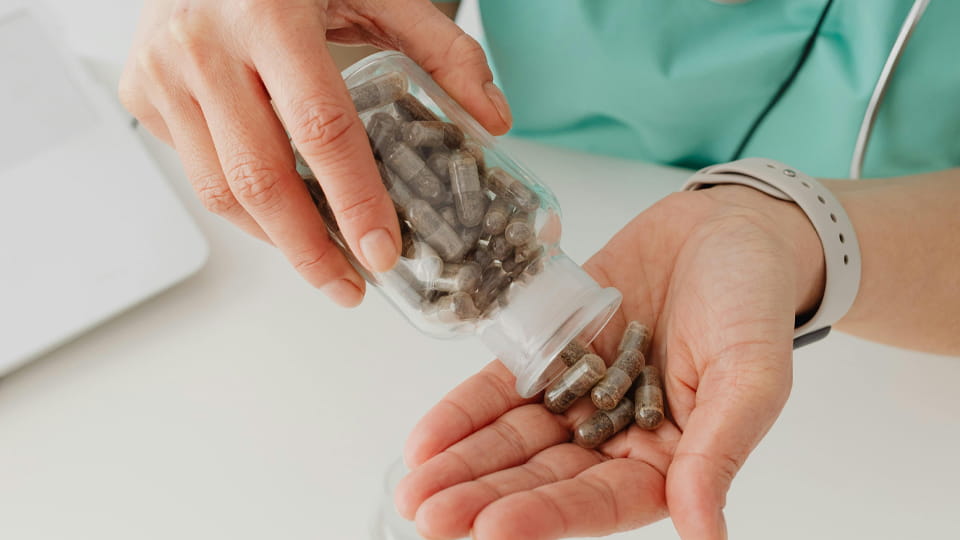
A embalagem a granel é geralmente mais econômica por dose e é adequada para grandes volumes., produtos básicos. O equipamento para linhas a granel inclui máquinas de contagem de comprimidos/cápsulas e envase de garrafas, limite, vedação, e equipamento de etiquetagem. Por exemplo, uma linha de contagem de comprimidos pode usar uma máquina de contagem automática para encher garrafas, uma tampa para selá-los, e uma etiquetadora para finalizar. As linhas em massa geralmente funcionam mais rápido (contando centenas de comprimidos por minuto) mas oferecem menos controle dose por dose do que os sistemas de dose unitária. A embalagem a granel é ideal para medicamentos OTC de mercado de massa, suplementos nutricionais, medicamentos genéricos, e qualquer produto onde o preço por dose seja crítico e o controle individual da dosagem seja menos importante.
A tabela abaixo compara as duas abordagens em fatores importantes:
| Fator | Embalagem de dose unitária | Embalagem a granel |
| Segurança de Medicamentos | Alto. Cada dose selada, reduzindo a contaminação. | Mais baixo. Múltiplas doses em um recipiente. |
| Conformidade com o paciente | Melhorar. Doses individuais claramente rotuladas; mais fácil de verificar. | Mais baixo. Os pacientes contam suas próprias doses. |
| Rastreabilidade & Serialização | Excelente. Fácil de serializar/rastrear cada dose. | Limitado. Apenas o contêiner é rastreado, nem cada comprimido. |
| Custo de embalagem | Maior por dose. Mais material de embalagem & manuseio. | Menor por dose. Um pacote contém muitas unidades. |
| Produção | Moderado. Mais etapas por dose (E.G.. formação de bolhas). | Mais alto. Contagem/preenchimento simples é mais rápido. |
| Resíduos de embalagens | Mais. Embalagens de dose única aumentam o uso de material. | Menos. Embalagem mínima por dose (E.G.. uma garrafa vs.. 100 bolhas). |
| Prazo de validade/proteção | Melhorar. Bolhas/frascos geralmente possuem filmes de alta barreira. | Moderado. Garrafas a granel protegem menos por unidade, embora o prazo de validade possa ser semelhante. |
| Melhor para | Hospitais, ensaios clínicos, medicamentos de alto valor, substâncias controladas, remédios personalizados. | Varejo OTC, medicamentos genéricos, vitaminas, suplementos, produtos de consumo de grande volume. |
Como observa Jinlu Packing, pense nisso como uma garrafa de 100 comprimidos (volume) versus um blister com um comprimido (dose unitária). As garrafas a granel ganham claramente em eficiência de custos e velocidade, mas os formatos de dose unitária são excelentes em segurança e controle. Por exemplo, a embalagem blister protege individualmente cada comprimido contra umidade e adulteração, enquanto os frascos a granel expõem todos os comprimidos ao mesmo ambiente.
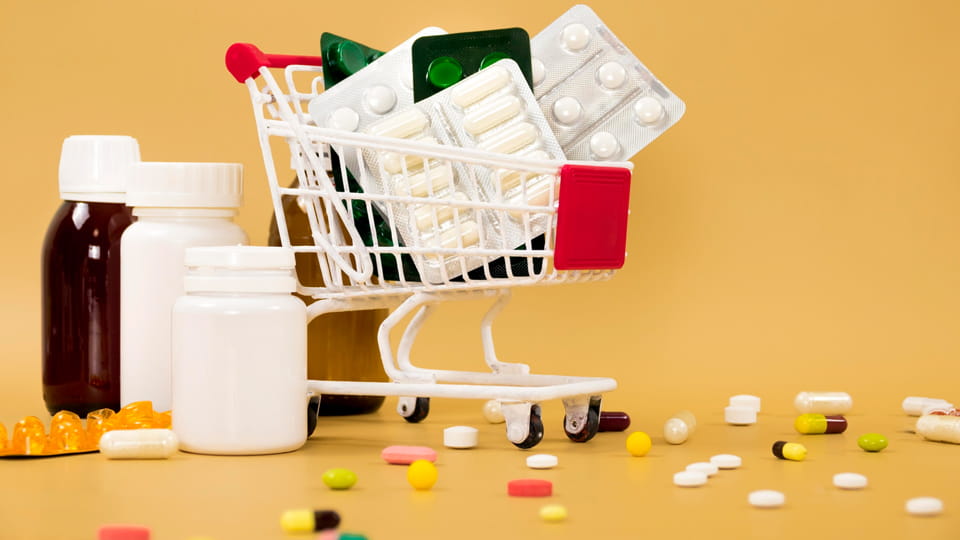
Os sistemas de dose unitária oferecem vários benefícios importantes:
Resumindo, embalagem de dose unitária maximiza a segurança, rastreabilidade, e dosagem centrada no paciente, às custas de custos mais elevados de embalagem e manuseio. Como Jinlu resume, unidades de dose unitária são “projetadas para conter uma quantidade de medicamento destinada à administração em dose única”, garantir que “o medicamento certo, na dosagem correta, chegue ao paciente certo, na hora certa, toda vez".
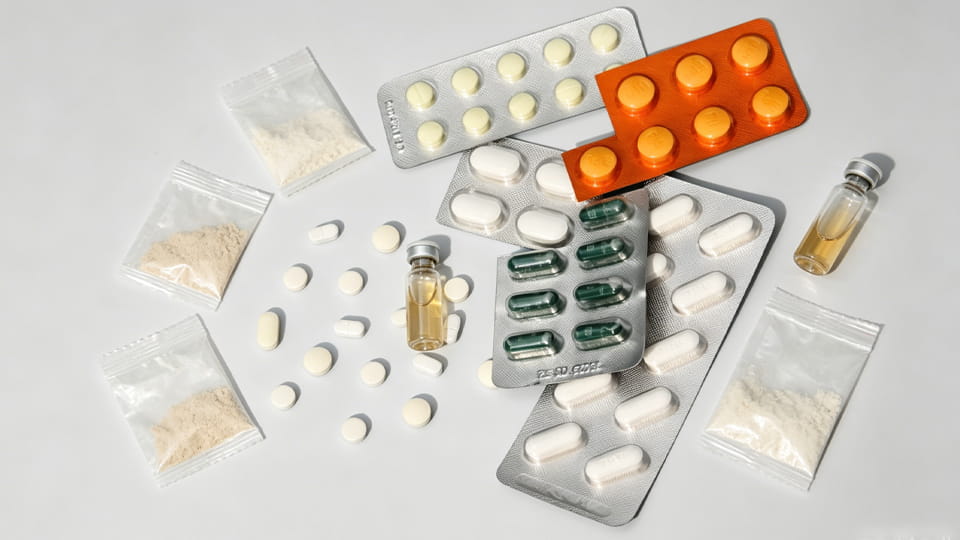
Volume (multidose) a embalagem tem seus próprios pontos fortes:
Embalagem a granel brilha em eficiência de custos e escala, tornando-o ideal para produtos de alto volume onde a economia de escala supera a necessidade de controle de dose individual. Na verdade, A experiência da Jinlu como fornecedor mostra que as linhas de garrafas a granel (incluindo contagem, limite, e unidades de rotulagem) formam a espinha dorsal de muitas linhas de produção de medicamentos nutracêuticos e genéricos.

Diferentes mercados finais e casos de uso têm preferências claras. A tabela abaixo resume as escolhas típicas do setor:
| Indústria/caso de uso | Embalagem preferida |
| Hospitais & Assistência médica (cuidados intensivos) | Dose unitária (bolhas, tiras, seringas) |
| Cuidados de longo prazo & Farmácia LTC | Dose unitária (cartões blister, pacotes pré-cheios) |
| Ensaios Clínicos & Pesquisar | Dose unitária (controle preciso de dosagem para testes) |
| Alta potência / Substâncias Controladas | Dose unitária (segurança, dosagem) |
| Fabricação por contrato (CMOs produzindo medicamentos hospitalares) | Dose unitária |
| Em cima do balcão (OTC) Drogas | Volume (frascos/tubos de comprimidos, cápsulas) |
| Nutracêuticos & Suplementos | Volume (garrafas de vitaminas, saquetas) |
| Medicamentos Genéricos (mercado de massa) | Volume (foco em custos) |
| Saúde do consumidor emergente (cosméticos, combos nutracêuticos) | Volume |
| Veterinário / Saúde Animal | Volume (muitas vezes vendem frascos multidose ou aditivos para rações) |
| Kits de emergência / Primeiro socorro | Dose unitária (bolsas descartáveis para portabilidade) |
Por exemplo, Jinlu observa que os sistemas de dose unitária se originaram em hospitais e agora “amplamente expandidos” para outros campos devido às vantagens de segurança. De fato, sobre 75% dos EUA. medicamentos orais hospitalares são de dosagem unitária, refletindo a preferência do setor. Em contraste, mercados voltados para o consumidor, como suplementos e analgésicos de venda livre, normalmente usam contêineres a granel porque exigem menor custo unitário e maior volume. Ambientes clínicos e hospitalares favorecem o controle de dosagem de blisters ou sachês, enquanto os fabricantes e varejistas de medicamentos genéricos se concentram na eficiência das linhas de frascos.
A escolha entre dose unitária e volume tem implicações de custo significativas. Considere os seguintes fatores de custo:
Resumindo, embalagens de dose unitária normalmente exigem CAPEX e custo de embalagem por unidade mais elevados, mas pode gerar economia com menos erros e desperdícios. A embalagem a granel oferece menores custos de material e produção por dose. A “melhor” opção depende da análise desses custos juntamente com a estratégia de preços do produto e os requisitos de conformidade.
As linhas de embalagem de dose unitária utilizam equipamentos especializados. As principais máquinas incluem:
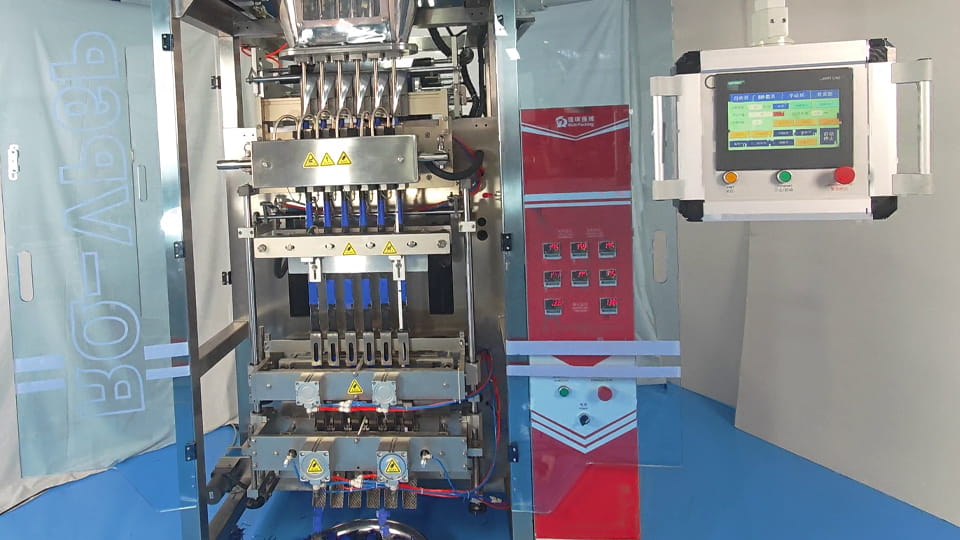
Resumidamente, um linha de dose unitária pode consistir em uma máquina de blister ou sachê (para embalagem primária), seguido por um cartonador (e opcionalmente etiquetadora ou impressora). Por exemplo, uma linha típica de medicamentos hospitalares é: Alimentador de orientação de comprimidos → Máquina de blister → Encartuchadeira automática → Empacotadora de caixas. O maquinário da Jinlu para essas etapas pode ser vinculado em um fluxo (veja isso “pode ser conectado a máquinas de blister”).
[jl_youtube src=”https://www.youtube.com/embed/k0uyybgttcu”]
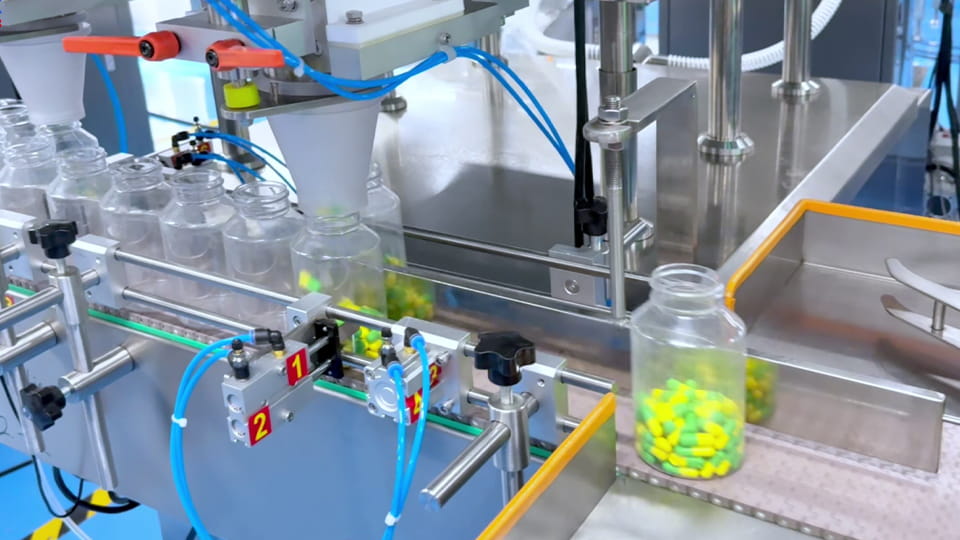
As linhas a granel utilizam equipamentos otimizados para velocidade e volume:
Com efeito, um linha de embalagem a granel normalmente parece: Desembaralhador de garrafas → Máquina de enchimento de contador de comprimidos → Insersor dessecante → Tampador → (Selador de folha) → Rotuladora → Cartonadora. Estas máquinas modulares também podem lidar com diversos produtos (gummies, pós, líquidos) desde que a contagem/enchimento e o limite estejam ajustados. As páginas de Jinlu e ilustram como essas linhas são integradas.
Por exemplo, a linha de gomas JL-16R “conclui automaticamente todo o processo de desembaralhamento de garrafas, contando… inserindo dessecante, limite, selagem e rotulagem de folha de alumínio” em até 80 garrafas/min. Essas linhas avançadas enfatizam o rendimento e a consistência, tornando-os ideais para embalagens de produtos a granel.
Escolher a abordagem certa depende de vários fatores. Use a lista de verificação e o fluxograma abaixo como guia:
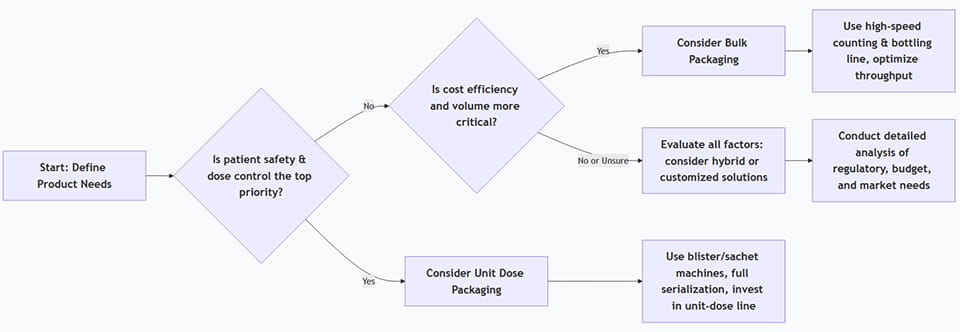
Este gráfico mostra um guia simplificado: se a segurança/rastreabilidade médica superar o custo, inclinar-se para a dose unitária. Se o orçamento e o volume dominam, volume é provavelmente melhor. Em casos reais, estratégias mistas (E.G.. garrafa a granel dentro de uma caixa serializada) também pode ser considerado.
Não existe uma resposta única para todos. A escolha entre dose unitária e embalagem a granel depende dos requisitos do seu produto e da sua estratégia de negócios. A embalagem de dose unitária oferece segurança incomparável, conformidade, e conveniência para hospitais, ensaios clínicos, e medicamentos de alto valor, mas requer mais investimento em máquinas (embaladores de blister ou sachê, cartonadores) e material de embalagem. Embalagem a granel (garrafas, frascos, tubos) se destaca pelo baixo custo e alto rendimento, ideal para medicamentos e suplementos de varejo, mas dá menos controle sobre a dosagem individual.
Na prática, muitas empresas usam ambos métodos para diferentes produtos. Por exemplo, um medicamento com índice terapêutico estreito pode ser embalado em blisters de dose única para venda hospitalar, enquanto a versão OTC do mesmo medicamento é vendida em frascos de 30 contagens. Ao projetar sua linha, considere o custo total de propriedade (equipamento + Materiais + erros) e necessidades regulatórias.
Para determinar a melhor abordagem, revise os fatores acima: mercado-alvo, forma farmacêutica, volume, regras de conformidade, e orçamento. Um especialista em máquinas de embalagem (ou Equipe de personalização de Jinlu) pode projetar uma linha apropriada. Por exemplo, A embalagem Jinlu fornece soluções chave na mão – desde máquinas de blister de alta velocidade até linhas integradas de contagem de comprimidos e engarrafamento – para atender às necessidades de dose unitária e a granel.
Embalagem de dose unitária significa que cada dose de medicamento é selada e rotulada individualmente, como um comprimido por cavidade blister ou uma saqueta por utilização. A embalagem a granel armazena múltiplas doses juntas em um frasco, recipiente, ou pacote maior. A embalagem de dose unitária concentra-se mais na segurança, rastreabilidade, e controle de dose, enquanto a embalagem a granel é geralmente mais econômica para produção em grande volume.
Não existe uma resposta única para cada produto farmacêutico. A embalagem de dose unitária costuma ser melhor para hospitais, ambientes clínicos, e medicamentos de alto valor porque melhora a segurança e o rastreamento de medicamentos. A embalagem a granel é geralmente preferida para nutracêuticos, Produtos OTC, e distribuição no varejo em grande escala porque reduz o custo de embalagem e melhora a velocidade de produção.
Os hospitais geralmente usam embalagens de dose unitária porque cada dose é claramente identificada e protegida até a administração. Isso ajuda a reduzir erros de medicação, suporta sistemas de leitura de código de barras, e melhora a segurança do paciente durante a dispensação.
Sim, na maioria dos casos, as embalagens a granel têm menores custos de material de embalagem e maior eficiência de linha. As linhas de enchimento de garrafas e os sistemas de contagem de comprimidos geralmente podem funcionar em velocidades mais rápidas do que os sistemas de embalagem de doses individuais. No entanto, o custo total também deve considerar o desperdício de medicamentos, trabalho, requisitos de conformidade, e proteção do produto.
As embalagens a granel são amplamente utilizadas para:
• Vitaminas e suplementos
• Comprimidos e cápsulas genéricos
• Medicamentos de venda livre
• Produtos nutracêuticos
• Produtos farmacêuticos de varejo de alto volume
Esses produtos são frequentemente embalados em máquinas de contagem, linhas de enchimento de garrafas, máquinas de nivelamento, e sistemas de rotulagem.
O equipamento comum de embalagem de dose unitária inclui:
• Máquinas de embalagem em blister
• Máquinas de embalagem de tiras
• Máquinas de embalagem de sachês
• Máquinas de embalagem de palitos
• Máquinas de encartuchamento
• Sistemas de inspeção visual
Essas máquinas de embalagem farmacêutica ajudam a criar doses seladas individualmente com melhor proteção e rastreabilidade do produto.
Sim. A embalagem de dose unitária ajuda a reduzir o risco de contaminação, dosagem incorreta, e erros de manuseio porque cada dose permanece lacrada até o uso. Muitas instalações de saúde usam sistemas de dose unitária para apoiar fluxos de trabalho de distribuição e processos de verificação de código de barras mais seguros.
Sim. A embalagem blister farmacêutica é uma das formas mais comuns de embalagem de dose unitária. Cada comprimido ou cápsula é armazenado em uma cavidade separada, o que ajuda a proteger o produto da umidade, oxigênio, e contaminação, ao mesmo tempo que melhora o rastreamento de doses.
Embalagem a granel é comumente usada em:
• Fabricação de nutracêuticos
• Produção de suplementos
• Distribuição farmacêutica de varejo
• Medicina veterinária
• Produção de comprimidos e cápsulas de alto rendimento
Os fabricantes escolhem embalagens farmacêuticas a granel quando a eficiência da produção e os custos mais baixos de embalagem são as principais prioridades.
A melhor escolha depende de vários fatores, incluindo:
• Tipo de produto
• Mercado-alvo
• Requisitos regulatórios
• Orçamento de embalagem
• Volume de produção
• Necessidades de prazo de validade
• Canais de distribuição
Por exemplo, hospitais e produtos clínicos geralmente se beneficiam de embalagens de dose unitária, enquanto suplementos de varejo e medicamentos genéricos de alto volume são geralmente mais adequados para sistemas de embalagem a granel.
Referências:
1. CPG segundo 430.100 Rotulagem de dose unitária para formas farmacêuticas orais sólidas e líquidas -- NÓS. Food and Drug Administration
2.Manual de padrões de dados (monografias) Tipo de pacote -- NÓS. Food and Drug Administration
3.Embalagem de medicamentos —— WikiPédia
4.Orientação sobre boas práticas de fabricação e boas práticas de distribuição: Perguntas e respostas —— Agência Europeia de Medicamentos
5.ISO 15378 certificação – Material de embalagem primária para padrão medicinal