Máquina de encapsulamento de cápsula mole: Final 2026 Guia para fabricação eficiente de cápsulas softgel
Máquina de encapsulamento de cápsula mole: Final 2026 Guia para fabricação eficiente de cápsulas softgel
Junho 17, 2026
Sem comentários
As cápsulas softgel são pílulas inteiras revestidas de gel que podem conter óleos, nutrientes líquidos, ou suspensões. Ao contrário das cápsulas duras de duas peças, cápsulas moles são formadas, preenchido e selado em uma etapa contínua. UM máquina de encapsulamento de cápsulas moles é um sistema eletromecânico que gira duas fitas de gelatina enquanto injeta líquido entre elas. Isso garante que cada cápsula softgel tenha um invólucro hermeticamente selado e uma dose precisa. Neste guia amigável, explicaremos como funcionam as máquinas de cápsulas moles, delinear o completo processo de fabricação de cápsula mole, e cobrir os principais recursos (capacidade, precisão, Conformidade com BPF) para ajudá-lo a escolher o equipamento certo. Até o final, você verá por que as cápsulas softgel são populares em produtos farmacêuticos e nutracêuticos, e como as linhas automatizadas de hoje (2026 edição!) pode tornar a produção rápida, limpar, e consistente.
Softgels são cápsulas de gelatina mole cheias de óleo ou ingredientes líquidos. Uma moderna máquina de encapsulamento de cápsulas moles se forma, preenche, e sela essas cápsulas de uma só vez. O resultado é um brilho, cápsula uniforme, fácil de engolir e hermética por design.
O que é uma máquina de encapsulamento de softgel?
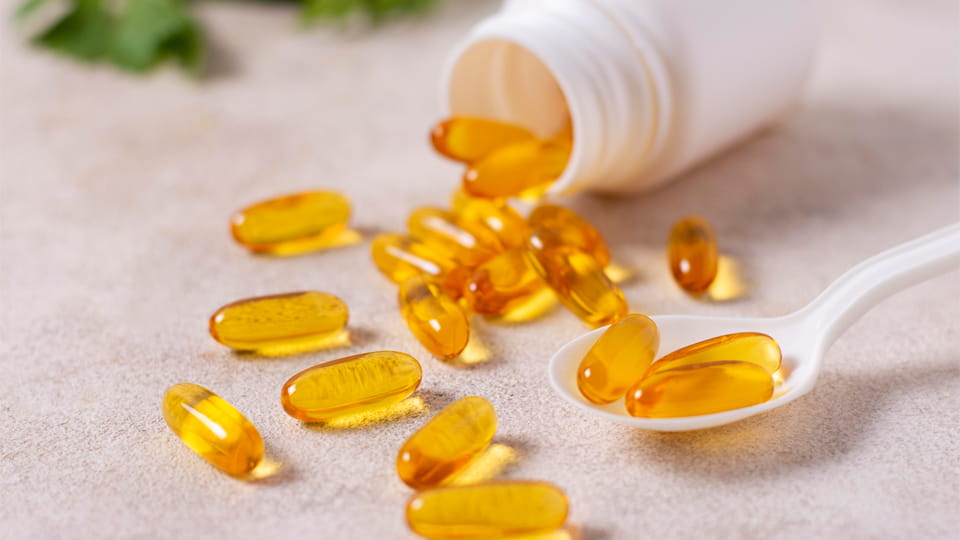
UM máquina de encapsulamento de cápsulas moles (também chamada de máquina de cápsulas moles ou cápsulas moles) é um sistema de matriz rotativa especializado para a produção de cápsulas de gelatina mole. Ao contrário das cápsulas duras de duas peças, uma máquina de cápsulas moles derrete uma mistura de gelatina/plastificante em duas fitas contínuas e as sela em torno de um preenchimento líquido preciso. Em uma única etapa, a máquina forma a casca e injeta o líquido ativo, produzindo uma cápsula estanque de peça única. As máquinas de cápsulas softgel são essenciais nas indústrias farmacêutica e nutracêutica. Por exemplo, muitos óleo de peixe ou suplementos vitamínicos são entregues como cápsulas softgel, que são fáceis de engolir e selam com eficácia óleos e ingredientes sensíveis.
Os principais componentes normalmente incluem um derreter gelatina (dissolver e liquefazer a gelatina), lançando tambores (que formam fitas planas de gelatina), um bomba de enchimento e cunha de injeção (medindo o enchimento de líquido), rolos de matrizes rotativas (para moldar e selar cápsulas), e transportadores/secadores (para remover a umidade). Cada parte desempenha um papel na produção de cápsulas uniformes. Máquinas modernas são controladas por uma tela sensível ao toque PLC, e construído em aço inoxidável para atender BPF padrões.
Por que cápsulas moles? Cápsulas softgel são preferidas em produtos farmacêuticos e suplementos porque podem conter óleos, suspensões, ou líquidos sensíveis em um invólucro estável. Eles aumentam a biodisponibilidade e são fáceis de engolir. Porque a casca está selada, cápsulas softgel herméticas protegem os óleos (como óleo de peixe ou óleos vitamínicos) e mascarar gostos. Eles também oferecem formas e cores criativas para branding. (Softgels são as cápsulas transparentes que você vê para vitamina E, ômega-3.)
Máquina de encapsulamento de cápsula mole
Processo de fabricação de cápsulas moles (Passo a passo)
1. Prepare a mistura de casca de gelatina: Gelatina em pó (de colágeno animal ou fonte vegetariana) é misturado com um plastificante (geralmente glicerina ou sorbitol) e água em um tanque aquecido. A mistura é mantida sob vácuo para remover bolhas e (frequentemente de 3 a 24 horas) para atingir viscosidade e temperatura uniformes. Uma cor ou opacificador (dióxido de titânio) pode ser filtrado se necessário. O resultado é uma clara, xarope elástico de gelatina derretida pronto para formar. Alta qualidade (USP) gelatina garante consistência.
2. Prepare o material de preenchimento: Simultaneamente, os ingredientes ativos (Óleos, suspensões, emulsões) são misturados em um tanque de aço inoxidável com misturadores. Óleos (óleo de peixe, misturas de vitaminas) ou géis são homogeneizados, e quaisquer pós (vitaminas, minerais) são moídos bem (em volta 80 malha) ficar suspenso. Trabalhe sob vácuo para remover bolhas de ar. A temperatura é controlada (frequentemente 20–40°C) para que o preenchimento flua facilmente, mas não degrade componentes sensíveis. Uma vez uniforme, o enchimento de líquido é bombeado para o reservatório de enchimento da máquina.
3. Formação de fita: O núcleo do processo acontece na máquina de encapsulamento. O xarope de gelatina quente é bombeado do aparelho de fusão para dois lançando tambores. Cada tambor gira e reveste uniformemente a gelatina derretida em uma fita fina (geralmente ~0,8 mm de espessura). Ventiladores de resfriamento ou canais de refrigeração nos tambores solidificam a gelatina em folhas estáveis. Agora você tem duas fitas de gelatina paralelas movendo-se em sincronia em direção ao posto de gasolina.
4. Enchimento, Vedação, e corte: Pouco antes do dado rolar, uma cunha de injeção aquecida injeta uma dose precisa do líquido preenchido entre as duas fitas. Uma bomba sincronizada controla o volume de enchimento com precisão de ±1–3%. Imediatamente depois, o rolos de matrizes rotativas pressione as fitas juntas. As matrizes cortam formas de cápsulas (redondo, oval, oblongo, etc.) e fundir as bordas da gelatina ao redor do líquido. Graças ao calor e à pressão, as duas camadas de gelatina se unem em uma cápsula selada. Qualquer excesso de gelatina (sucata) é raspado. O resultado: individual, cápsulas de softgel formadas caindo em um transportador.
5. Separação e Transporte: À medida que as cápsulas saem da área da matriz, um sistema de coleta (transportador ou rampa) separa as cápsulas moles acabadas das sobras de gelatina. Uma “placa de sucata” de metal orienta as bordas aparadas, então apenas as cápsulas procedem. O transportador transporta suavemente as cápsulas moles para a unidade de secagem. Neste ponto, cada cápsula está completa, mas ainda macia e úmida por dentro..
6. Secagem e Polimento: Cápsulas moles frescas contêm aproximadamente 30–40% de umidade. Eles entram em um secadora (um tambor giratório) onde está quente, o ar limpo remove suavemente a umidade. Isso pode ser seguido por secagem em bandeja ou gabinete por várias horas para atingir o teor final de umidade desejado.. Durante a secagem, as cápsulas ficam firmes e brilhantes. Freqüentemente, um tambor de polimento ou polimento aplica uma fina película de óleo para manter as cascas lisas. Depois de secar, as cápsulas são inspecionadas e podem ser classificadas, contado, e embalado.
Cada uma dessas etapas é rigorosamente controlada. Operadores verificam a espessura da fita, preencher peso, e selar a integridade em todo. Testes de laboratório (testes de explosão, verificações de peso) garantir que cada lote atenda às especificações. Toda a linha deve funcionar em temperatura e umidade constantes (normalmente 20–25°C e 30–35% UR) para evitar defeitos na casca. Resumidamente, a produção de cápsulas moles é um processo preciso, processo contínuo desde o início (matérias-primas) terminar (cápsulas secas).
Cápsulas de softgel vazias em um molde. Em uma máquina de encapsulamento de softgel, duas fitas de gelatina se encontram e um preenchimento líquido é injetado entre elas. As matrizes rotativas circundantes cortam e selam as cápsulas em uma única etapa.
Componentes principais de uma máquina de softgel
Uma moderna linha de cápsulas softgel consiste em módulos especializados. Aqui estão as partes principais e suas funções:
Tanque de fusão de gelatina (Tanque de retenção): Um tanque aquecido derrete e armazena a solução de gelatina. A temperatura é controlada com precisão (~65–70°C) e mantido sob vácuo para desgaseificar a mistura. Um adjacente tanque de serviço de gelatina mantém a gelatina fundida na temperatura do processo e alimenta a máquina através de tubos aquecidos.
Encha o funil e a bomba: O funil de remédios contém o preenchimento líquido preparado (óleo ou suspensão). UM bomba servo-acionada ou sistema de medição de pistão fornece um volume exato de enchimento para a cunha de injeção. Dosagem precisa aqui (E.G.. ±2%) é vital. Os sistemas geralmente têm aquecimento/resfriamento para manter enchimentos muito viscosos fluindo suavemente.
Caixa espalhadora e tambores de fundição: A caixa espalhadora fica acima dos tambores rotativos e distribui uniformemente a gelatina sobre eles. Cada tambor gira e esfria a gelatina em uma folha ou fita contínua. Tensão adequada e ventiladores de resfriamento garantem espessura uniforme. A rotação suave dos tambores é crítica – qualquer soluço pode causar rasgos na fita.
Rolos de Lubrificação: Antes da montagem da matriz, rolos de lubrificação aplicam uma camada muito fina de óleo vegetal (E.G.. MCT ou óleo mineral leve) para cada fita. Isto evita que a gelatina grude nos rolos ou nas matrizes durante a selagem. Muito óleo é evitado, pois o excesso de lubrificação pode prolongar a secagem. Este revestimento suave garante que as fitas deslizem suavemente na área da matriz.
Cunha de injeção: Este é o coração do preenchimento. Uma cunha de aquecedor/bocal injeta o preenchimento de líquido entre as fitas de entrada imediatamente antes da vedação. A cunha mantém uma temperatura (maior se usar gel à base de plantas) para que as fitas se colem corretamente após o preenchimento ser adicionado. Deve alinhar perfeitamente; mesmo pequenos desalinhamentos causam vazamentos. Máquinas sofisticadas monitoram a pressão e o tempo da cunha para garantir que cada preenchimento seja colocado em um bolsão de formação.
Conjunto de matriz rotativa: Dois de aço inoxidável rolos de matriz malhar juntos, cada um com cavidades em forma de cápsula final. À medida que as fitas cheias passam, a prensa de matrizes (e muitas vezes ligeiramente quente) as bordas de gelatina, selando a cápsula ao redor do líquido. O conjunto da matriz também inclui:
UM rolo de stripper, que descasca as cápsulas formadas das matrizes.
Morrer escovando para remover qualquer gelatina da superfície da matriz.
UM rolo de mangle para espremer o excesso de pedaços de gelatina. O resultado é perfeito, cápsulas moles idênticas.
Transportador e Secador: Uma vez selado, as cápsulas caem em uma correia transportadora ou rampa de aço inoxidável. Eles se mudam para um secadora, que os agita suavemente à medida que o ar quente passa. A secagem na máquina remove a maior parte da umidade. Depois de cair, as cápsulas podem ser colocadas em bandejas para secagem e polimento final, deixando-os firmes e brilhantes.
Sistema de controle: Uma tela sensível ao toque PLC controla todas as operações: velocidades da bomba, temperaturas do tambor, rotação da matriz, etc.. Alarmes e sensores monitoram a temperatura, níveis de vácuo, e qualidade da cápsula em tempo real. Esta automação torna possível a produção de alto rendimento com intervenção mínima do operador.
Compreender essas peças ajuda na operação e solução de problemas. Por exemplo, um bico entupido afeta o peso de enchimento, enquanto um dado mal cronometrado pode causar selos ruins. Manutenção regular da caixa espalhadora, cunha, e rolos mantêm as cápsulas uniformes.
Vista lateral da Máquina de Encapsulamento de Softgel
Como funciona a máquina de cápsulas moles
Em termos práticos, um máquina de encapsulamento de cápsulas moles executa um ciclo de encapsulamento contínuo. Aqui está uma sequência simplificada de ações durante a produção:
Fluxo de Gelatina: A gelatina quente flui do tanque de fusão para a caixa espalhadora, revestindo os tambores para formar fitas.
Formação de fita: Cada tambor lança uma fina folha de gelatina. Ventiladores de resfriamento e camisas de tambor endurecem as chapas até a espessura desejada.
Alinhamento da fita: As duas fitas convergem no centro da máquina, um de cada lado do tambor.
Preencher Injeção: A cunha de injeção perfura entre as fitas e bombeia um jato preciso de preenchimento de líquido (óleo, solução vitamínica, etc.) entre eles. Cada injeção cria uma cavidade de preenchimento.
Vedação: As fitas, agora encerrando o preenchimento, mova-se para a área da matriz. As matrizes rotativas os pressionam juntos, fundir a gelatina e cortar formas de cápsula.
Ejeção de cápsula: Os rolos de extração empurram as cápsulas recém-preparadas das matrizes para um transportador.
Lubrificação: Antes de selar, as fitas foram levemente untadas com óleo para evitar grudar. Depois de selar, qualquer pequeno excesso de óleo é frequentemente removido na secagem subsequente.
Secagem: As cápsulas (ainda macio e úmido) entre na secadora. Depois de várias horas de secagem, seu teor de umidade cai para um nível estável.
Este método em linha é eficiente e produz cápsulas consistentes. O processo de matriz rotativa é o padrão da indústria para softgels. Principais fabricantes (Tecnofar, Há, JinLupacking) todos usam este design. Sua natureza contínua significa alto rendimento: algumas máquinas modernas reformam 300,000 cápsulas moles por hora.
Lista de verificação de fabricação de cápsulas softgel
Ao planejar uma linha de cápsulas moles ou avaliar equipamentos, tenha esses fatores em mente:
Volume de produção: Combine o tamanho da máquina e o número de matrizes com suas necessidades de produção. Unidades de laboratório de bancada (pequena escala) produzir alguns milhares por hora, enquanto grandes linhas de produção (com vários conjuntos de matrizes) pode exceder 100.000–300.000 cápsulas/hora. Considere o crescimento futuro – uma máquina um pouco maior pode compensar em termos de eficiência.
Tamanho da cápsula & Forma: Certifique-se de que as matrizes suportam os tamanhos de cápsula necessários (#0, #00, etc.) e formas (redondo, oval, personalizado). As ferramentas de troca rápida são úteis se você executa produtos variados. Alguns produtores exigem formatos não padronizados para a marca; confirme se a máquina pode lidar com suas matrizes personalizadas.
Material de preenchimento: As máquinas de cápsulas softgel são construídas para líquidos ou pastas. Se o seu produto for um pó seco, você precisaria de um enchimento de cápsula dura, não é uma máquina de cápsulas moles. Para óleos ou suspensões, a máquina deve ter uma bomba compatível (algumas bombas lidam melhor com óleos de alta viscosidade). Pergunte sobre petróleo- e opções de bomba específicas para pasta.
Nível de automação: Você pode encontrar semiautomático e Totalmente automático encapsuladores de cápsula mole. Uma linha totalmente automatizada alimenta gelatina e enchimento continuamente e funciona sem intervenção, ideal para grandes fábricas farmacêuticas. Unidades semiautomáticas podem precisar de mais alimentação manual ou paradas para limpeza. Para alta demanda, automatizado é melhor. (Na lista de verificação de um comprador, SaintyCo enfatiza “você deve optar por uma máquina de encapsulamento de cápsulas gelatinosas totalmente automatizada”.)
Construção & Limpeza: Procure máquinas feitas de aço inoxidável (SUS304 ou SUS316) com acabamentos polidos. Todas as superfícies devem ser compatíveis com FDA/CE e fáceis de limpar (cantos arredondados, sem fendas escondidas). Boas máquinas são projetadas para trocas rápidas: tremonhas, bandejas, e matrizes que se levantam para limpeza. Isso ajuda a manter uma higiene rigorosa. Considere a rapidez com que você pode interromper a linha de saneamento.
Precisão e Controle: A bomba de enchimento e os controles da máquina determinam a precisão da sua dosagem. Máquinas de última geração usam servobombas e controle PLC para atingir tolerâncias de peso rígidas (frequentemente ±1–3% da meta). Verificações integradas no processo (células de carga ou sensores) pode detectar preenchimentos insuficientes ou excessivos em tempo real. A IHM clara com telas sensíveis ao toque permite que os operadores ajustem as configurações rapidamente (velocidade, volume de preenchimento, etc.).
GMP e Certificações: Para uso farmacêutico, o equipamento deve estar em conformidade com o projeto cGMP. Isso significa soldagem ultra-suave (<0.8 μm polonês), gabinetes de motor selados, e materiais (como certificado 316 aço) que atendem às diretrizes da FDA. Máquinas respeitáveis possuem marcação CE (Norma europeia de segurança), e pode ter UL/CSA também. Ascender, por exemplo, projeta suas máquinas de acordo com os padrões cGMP de qualidade e segurança. Sempre verifique se o fornecedor fornece documentação de conformidade e qualquer suporte necessário para validação de IQ/OQ/PQ.
Espaço & Utilitários: As linhas de cápsulas moles podem ser grandes. Verifique a pegada e certifique-se de que sua planta pode acomodar a altura (secadores podem ser altos). Considere também o vácuo, refrigeração a água (para bateria), e requisitos de energia. Alguns sistemas usam um bomba de vácuo de circulação de água para puxar o ar da gelatina; outros usam sistemas de ar comprimido. As linhas modernas geralmente vêm com backup de UPS para controles críticos.
Equipamento de Apoio: Além do encapsulador, plano para equipamentos upstream/downstream. Você precisará de um tanque derretedor de gel, misturadores, peneiras, e possivelmente um moinho coloidal ou homogeneizador para seu preenchimento. A jusante, um polidor (para brilhar cápsulas), máquina de inspeção (para classificar rejeições), e máquinas de contagem/embalagem são comuns. O fornecedor deve informar quais extras são necessários.
Resumindo, escolha uma máquina que se ajuste ao tamanho da sua cápsula, necessidades de saída, e tipo de produto. Desempenho de equilíbrio (velocidade, precisão) contra custo. Dicas de compra de especialistas incluem verificar o histórico da marca, facilidade de troca de ferramentas, e serviços incluídos. Um bom fornecedor irá guiá-lo através de testes de laboratório, GORDO, e comissionamento no local.
Por que cápsulas gelatinosas? Benefícios e aplicações
As cápsulas softgel oferecem diversas vantagens sobre outras formas farmacêuticas:
Biodisponibilidade melhorada: O preenchimento de líquido (muitas vezes uma solução de óleo) permite melhor absorção de nutrientes solúveis em gordura (vitaminas A, D, E, K, omega-3s). Eles podem fornecer liberação mais rápida ou consistente de ingredientes ativos do que pílulas secas.
Facilidade de engolir: Softgels têm um efeito suave, formato e toque arredondados. Muitos pacientes (especialmente crianças e idosos) considerá-los mais fáceis de engolir do que comprimidos grandes.
Vedação apertada: Porque a casca de gelatina é hermeticamente selada, softgels previnem a oxidação de óleos sensíveis e mascaram odores/sabores. A vedação hermética protege o preenchimento da umidade e do oxigênio.
Marca personalizada: Softgels podem ser feitos em vários formatos (cilindro, triangular, etc.), tamanhos, e cores para diferenciação da marca. Aditivos na casca podem torná-los opacos ou de cor pastel, o que é mais difícil com cápsulas de duas peças.
Preenchimento versátil: Ao contrário dos tablets, softgels podem conter misturas de líquidos, suspensões, ou pós solúveis. Isso é ótimo para extratos botânicos ou fórmulas combinadas que são mais fáceis de suspender em óleo..
As indústrias que usam máquinas de encapsulamento de cápsulas moles incluem farmacêutica (vitaminas, drogas de óleo de peixe), nutracêuticos (suplementos), e até cosméticos (óleos de beleza nutracêuticos). Por exemplo, gelatina vegetal ou cápsulas de amido estão em ascensão para atender aos mercados veganos e halal. A capacidade da máquina de lidar com preenchimentos especializados (como babosa, Óleo CBD, óleos essenciais) faz dele um ativo fundamental.
Conclusão
As máquinas de encapsulamento de cápsulas moles trazem a sofisticada ciência dos fluidos em um simples, processo automatizado. Fundindo duas fitas de gelatina, injetando líquido entre eles, e selar as cápsulas com matrizes de precisão, essas máquinas transformam ingredientes crus em cápsulas softgel de alta qualidade. Neste guia cobrimos todo o processo de fabricação de cápsula mole — da preparação do material à secagem — e destacou o que constitui uma máquina Compatível com GMP e eficiente. Vimos que o método de matriz rotativa é o padrão ouro da indústria, permitindo alta velocidade, produção uniforme de vitamina, óleo de peixe, e cápsulas botânicas.
Quer você seja um gerente de produção farmacêutica, um R&Membro da equipe D, ou um engenheiro de compras, compreender essas etapas ajudará você a aproveitar ao máximo seu equipamento. Softgels continuam a crescer em popularidade, e por 2026 a tecnologia está mais confiável e versátil do que nunca. Se você deseja expandir ou atualizar sua linha de produção de cápsulas moles, agora é a hora de agir.
Pronto para aumentar sua produção de cápsulas moles?Entre em contato com nossa equipe para discutir sistemas personalizados de encapsulamento de cápsulas moles, preços, e opções certificadas por GMP. Deixe-nos ajudá-lo a escolher a máquina de cápsulas softgel perfeita para suas operações - e transformar sua produção de cápsulas em um processo simplificado, processo de alta qualidade.
Problemas comuns & Solução de problemas (Perguntas frequentes) na máquina de encapsulamento de softgel
Por que minhas cápsulas de softgel estão vazando ou estourando?
Vazamentos geralmente indicam uma vedação fraca. As causas comuns incluem fita de gelatina muito úmida/macia (de alta umidade ou excesso de plastificação), rolos de dados desalinhados, ou temperatura/pressão de vedação muito baixa. Soluções: verifique se a viscosidade da casca de gelatina e a proporção da mistura estão corretas; ajustar glicerina vs.. níveis de sorbitol; garantir que os rolos de matriz estejam alinhados e aquecidos (especificação de correspondência, geralmente ~45–55°C); e verifique o tempo/pressão do nip de vedação. Inspecione também o sistema de lubrificação (excesso de óleo pode enfraquecer a vedação). Controle rigoroso de umidade na sala de encapsulamento (E.G.. 30–35% UR) ajuda a prevenir o resfriado, selos quebradiços.
Como posso evitar bolhas de ar nas cápsulas?
Bolhas de ar podem vir do ar preso na mistura de gelatina ou no preenchimento. Sempre desgaseifique a gelatina fundida a vácuo durante a mistura (a maioria dos tanques de fusão tem uma porta de vácuo). Da mesma maneira, misture o recheio sob vácuo suave ou mexendo lentamente para remover o ar. Um preenchimento bem desgaseificado (sem espuma ou espuma) e a gelatina minimizará os vazios nas cápsulas moles acabadas. Verifique se as tubulações e bombas não apresentam vazamentos puxando ar. Desacelere a bomba de injeção, se necessário, para reduzir a turbulência.
O que causa peso/tamanho inconsistente da cápsula?
A variabilidade geralmente decorre da bomba doseadora ou da espessura da fita. Certifique-se de que a bomba de enchimento (êmbolo) está calibrado e funcionando em velocidade estável. Verifique as configurações da IHM para peso de enchimento ou curso do êmbolo. Verifique também se a espessura da fita de gelatina é uniforme (use o medidor da máquina ou um sensor). A temperatura irregular do tambor ou saídas bloqueadas podem fazer com que uma fita fique mais espessa. Mesmo pequenos desalinhamentos no tempo da matriz podem alterar o volume da cápsula. Verifique regularmente a calibração das máquinas e inspecione as ferramentas quanto a desgaste.
Por que a fita de gelatina está quebrando ou enrugando?
Os problemas da fita geralmente estão relacionados à viscosidade ou temperatura incorreta. Se as fitas estiverem muito quebradiças, a gelatina pode ter plastificante muito baixo ou umidade muito baixa; aumentar a glicerina ou secar lentamente. Se for muito brega, a umidade pode estar baixa ou a mistura muito quente. Certifique-se de que o resfriamento do tambor seja uniforme e que a velocidade do ventilador esteja correta. A velocidade superficial dos tambores deve corresponder às configurações da máquina. Flutuações na temperatura/umidade ambiente também podem afetar a qualidade da fita. O controle rígido da receita da mistura de gelatina e do ambiente é fundamental.
Como evitar pegajoso, cápsulas pegajosas?
Secagem insuficiente ou alta umidade geralmente são os culpados. Certifique-se de que o secador esteja funcionando e que as cápsulas atinjam a umidade desejada (<10%). Na pré-secadora, use quente (não quente) ar com baixa umidade. Depois da queda, garantir que as bandejas ou o túnel tenham a UR e o fluxo de ar corretos. Se a planta estiver muito úmida, considere desumidificadores ou programas de secagem mais lentos. Verifique também a formulação – muita glicerina torna as cascas pegajosas; se necessário, ajuste a proporção ou adicione antiaderência mínima (E.G.. um leve revestimento de silicone no polidor).
Por que as cápsulas às vezes grudam nos rolos ou na esteira?
Isso geralmente significa problemas de lubrificação ou fluxo. Certifique-se de que o rolo de óleo ou lubrificante de sílica esteja sendo distribuído corretamente nas fitas. Limpe qualquer acúmulo nas barras espaçadoras ou rolos. Também, eletricidade estática pode causar aderência; cintas de aterramento e dispositivos antiestáticos (ou umidade ligeiramente mais alta) pode ajudar. A limpeza regular do caminho da cápsula evita resíduos que podem conter cápsulas.
Meu resultado parece menor do que o esperado – como melhorar o rendimento?
Verifique se todas as bombas estão funcionando nas RPM definidas e se a máquina não está funcionando em modo de “amaciamento” ou teste (às vezes o PLC tem modos). Se necessário, aumente o RPM gradualmente (se o preenchimento e o gel permitirem). Garanta que não haja tempo de inatividade nos feeds de preenchimento (E.G.. mantenha a gelatina e encha os tanques). Para máquinas grandes, certifique-se de que as bombas de múltiplos êmbolos estejam sincronizadas. Boa manutenção preventiva (E.G.. peneiras limpas, sem obstruções) maximiza o tempo de atividade real. Finalmente, confirme o formato e o tamanho da cápsula – usar uma matriz menor ou RPM mais alta pode aumentar as tampas/hora em detrimento do tamanho.
Quais verificações de qualidade são críticas durante as execuções de cápsulas moles?
Além da inspeção pós-execução, as principais verificações durante o processo incluem espessura e clareza da fita (use medidores integrados), preencher peso (verificações periódicas de peso), e integridade do selo (testes de explosão aleatórios). Muitos fabricantes usam sistemas de visão on-line para detectar defeitos (listras coloridas, preencher vazamentos, partículas). Manter registros de produção detalhados e calibrar sensores/bombas diariamente ajuda a manter a consistência.
Petty Fu, Fundador da Jinlupacking, traz 20 anos de experiência para o setor de máquinas farmacêuticas. Sob sua liderança, Jinlu tornou-se um fornecedor confiável que integra design, produção, e vendas. Petty é apaixonado por compartilhar seu profundo conhecimento do setor para ajudar os clientes a navegar pelas complexidades das embalagens farmacêuticas, garantindo que eles recebam não apenas equipamentos, mas uma verdadeira parceria de serviços completa, adaptada às suas metas de produção.