속도를 높였다고 상상해 보세요. 회전식 태블릿 프레스 기계 (알약 누르는 기계 또는 정제 압축 기계) 출력을 높이기 위해 – 갑자기 태블릿이 부드러워지기 시작합니다., 깨진, 또는 캡핑. 무슨 일이에요? 고속회전프레스에서, 체류 시간 – 각 태블릿이 최대 압축 상태에서 소비하는 시간 – 단축되었습니다.. 체류 시간은 단순히 펀치 헤드 플랫이 압축 롤러와 완전히 접촉하는 기간입니다.. 실용적인 측면에서, 각 태블릿이 압착되는 시간은 밀리초입니다.. 체류시간을 잘 조절하라, 그리고 당신은 강해집니다, 일관된 정제; 서두르세요, 그리고 당신은 결함의 위험이 있습니다.
정제 압축의 체류 시간은 중요한 매개변수입니다.. 정제 경도에 직접적인 영향을 미칩니다., 인장강도, 및 결함률 (캡핑처럼, 적층, 또는 Frability). 이는 또한 프레스 속도와도 연관되어 있습니다. 도구 선택. 이 기사에서는, 체류 시간이 무엇인지 분석해 보겠습니다., 어떻게 계산되나요?, 태블릿 품질이 중요한 이유, 회전식 태블릿 기기에서 이를 관리하는 방법 (태블릿 제작 기계). 교과서의 전문 용어 없이 명확한 그림을 제공하기 위해 업계 통찰력과 최근 연구를 공유하겠습니다.. 뛰어들어보자.
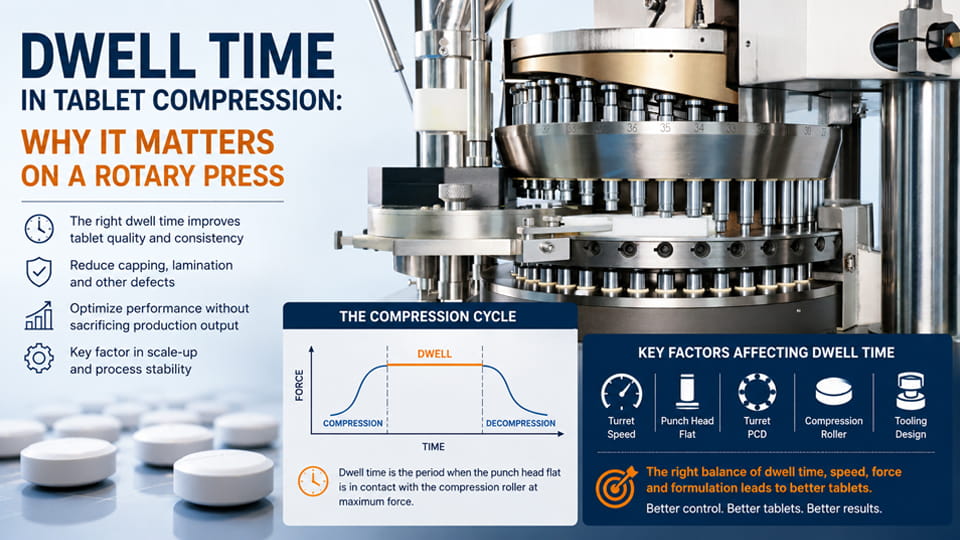
체류 시간 정제 형성 중에 펀치 헤드 플랫이 압축 롤러와 접촉을 유지하는 시간입니다.. 일반적인 정의는: 압축력이 약 이상인 기간 90% 최고 가치의. 회전식 정제 프레스기에서, 이는 파우더 충전 직후에 발생하며 사전 압축, 두 펀치가 최대 힘으로 고정되어 파우더를 압축할 때.
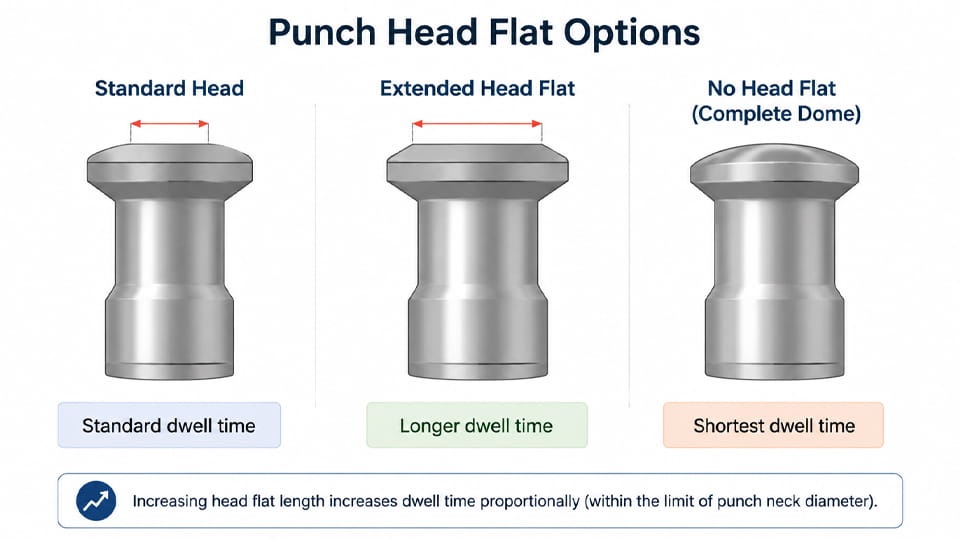
예를 들어, JinLu 정제 기계 프레스 (410 mm PCD) 에서 달리다 50 표준 RPM 9.525 mm 펀치 플랫은 약 8.9 ms의 체류 시간. 확장으로 바꾸면 15 mm 플랫 (같은 속도), 드웰은 ~14.0ms로 점프합니다. – 대략 50% 증가하다. 도구 디자인이 얼마나 큰 역할을 하는지 알 수 있습니다.
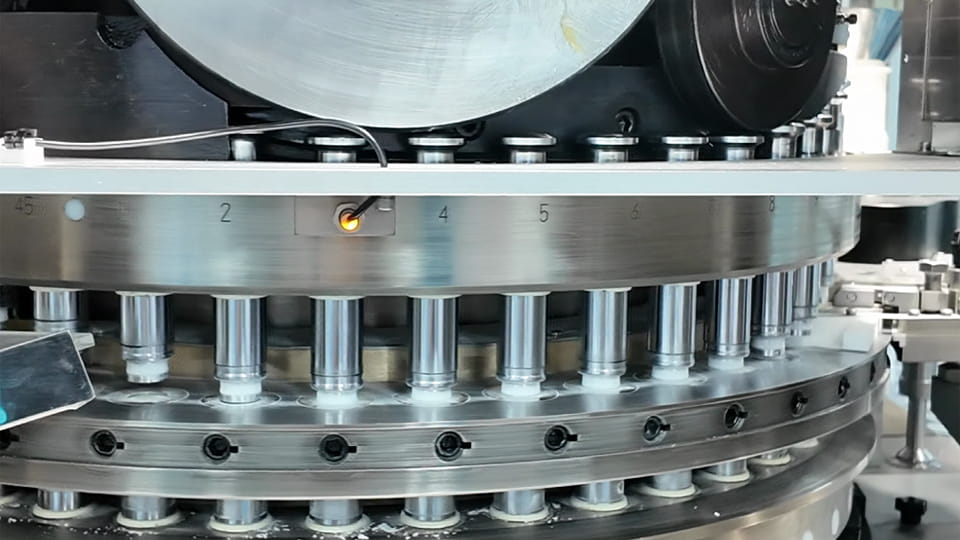
회전식 태블릿 프레스에서, 포탑 속도 (RPM) 체류시간은 반비례 관계. 포탑 회전 속도가 빨라짐, 펀치당 체류 시간이 짧아질수록. 카메라 셔터처럼 생각해보세요: 더 빨리 움직인다, 각 샷이 노출되는 시간이 줄어듭니다.. 멀티 스테이션 태블릿 기계에서 , 모든 펀치는 터렛 회전당 한 번씩 롤러 아래로 통과합니다., 그래서:
예를 들어, 언론에 30 RPM이 줄 수도 있습니다 15 ms 드웰 (그냥 예시로), 하지만 에 60 RPM은 ~7.5ms에 불과합니다.. 많은 태블릿 제조업체는 이러한 절충안을 주목합니다.: 기계 속도를 높이다, 다른 것을 조정하지 않으면 태블릿이 부드러워지거나 캡핑이 시작될 수 있습니다.. 한 Jinlu 가이드가 지적했듯이, “포탑 속도가 높을수록 다짐 시간이 단축됩니다., 따라서 손실된 체류를 보상하기 위해 더 많은 사전 압축이 필요할 수 있습니다.". 요컨대, 출력을 위해 RPM을 밀면 체류 시간이 희생됩니다. 이는 주요 품질과. 수량 균형.
체류 시간은 파우더 베드가 최대 압력을 받는 기간을 제어하므로 중요합니다.. 체류 기간이 길어지면 입자가 변형될 수 있습니다., 재배열하다, 더욱 철저하게 결속을 맺고. 너무 짧음, 정제는 강한 결합을 형성하지 못할 수 있습니다.. 체류 시간이 정제 압축에서 중요한 매개변수인 주된 이유는 다음과 같습니다.:
요점: 체류 시간은 핵심 요소 중 하나입니다. (압축력과 제형으로) 태블릿의 품질을 결정하는 요소. 제조업체는 종종 드웰을 조정하여 문제를 해결합니다.: "많은 정제 제제는 체류에 민감하며 결함 없이 인쇄기에서 나올 수 있도록 압축하는 데 더 많은 시간이 필요합니다.". 요약하면, 적절한 체류 시간은 피하면서 목표 경도를 달성하는 데 도움이 됩니다. 캡핑 또는 균열과 같은 결함.
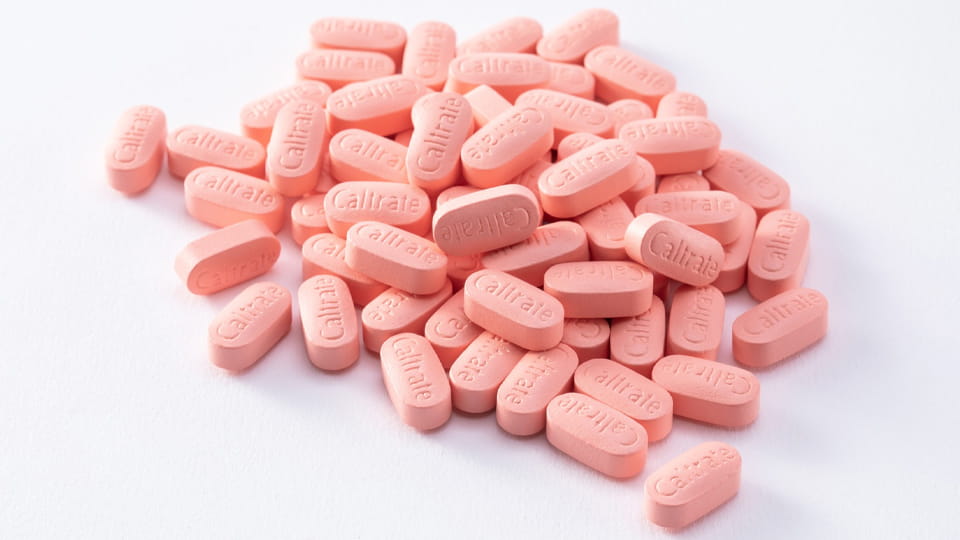
주어진 제제에 대해 체류 시간이 너무 짧은 경우, 일반적인 태블릿 결함이 나타날 수 있습니다. 일반 용어로, 파우더의 압착 시간이 충분하지 않습니다.. 일부 효과에는 다음이 포함됩니다.:
하지만, 효과가 다음과 같다는 점에 유의하는 것이 중요합니다. 재료 의존적. 다짐 시뮬레이터를 사용한 최근 연구에 따르면 최신 프레스의 실제 체류 시간 범위 내에서 (대략 10~100ms), 태블릿 강도에 미치는 영향은 다음과 같습니다. “재료에 따라 미미하거나 존재하지 않음”. 다시 말해서, 일부 재료의 경우, 추가 거주가 크게 변하지 않는 임계값이 있습니다.. 이 연구는 심지어 실제로는 변형율만 (속도) 현실적인 시간 척도에 관한 문제. 그러나 일반적으로, 태블릿에 균열이 나타나기 시작하는 경우, 부드러운 반점, 또는 프레스 속도를 높일 때 고르지 않은 특성, 체류 시간 단축이 원인인 경우가 많습니다.
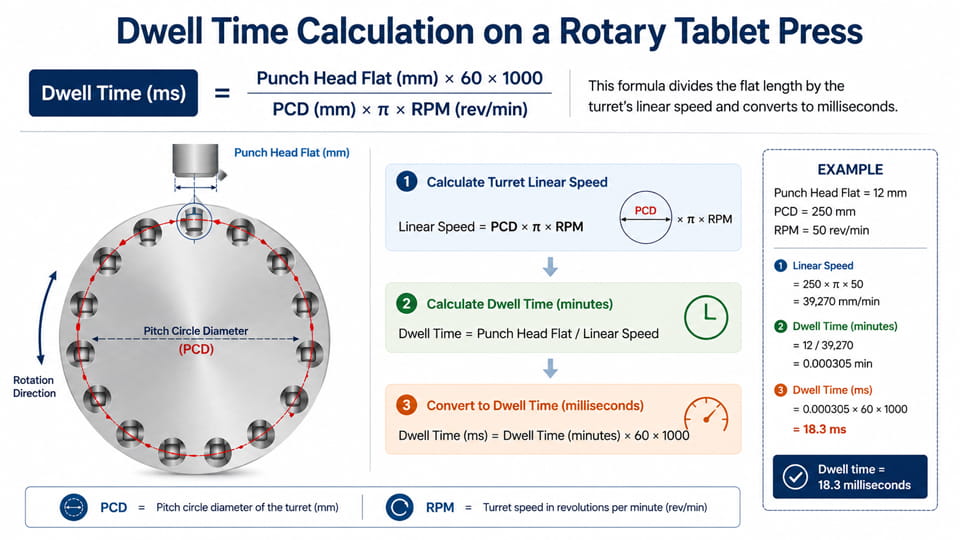
체류 시간은 펀치 형상 및 속도에 따라 달라지므로, 간단한 공식으로 계산할 수 있어요. 업계 참고 자료는 기하학적 체류 시간 (GDT) ~처럼:
체류 시간 (ms) = (펀치 헤드 평면 직경 (mm) × 60 × 1000) / (π × PCD (mm) × RPM)
어디 PCD 포탑의 피치원 직경입니다., 그리고 RPM 분당 회전수로 나타낸 포탑 속도입니다.. 이 공식은 기본적으로 플랫 길이를 터렛의 선형 속도로 나누고 밀리초로 변환합니다..
예를 들어, JinLu 기술 게시판에 따르면 410 mm 포탑 50 RPM, 표준 9.525 mm 균일 생산량 약 8.88 ms, 동안 15.0 mm 확장된 균일 수확량 약 13.98 ms. 위의 수식과 일치합니다.. 실제로, 이 공식을 기반으로 한 차트나 계산기를 자주 볼 수 있습니다.; 더 큰 펀치 플랫과 더 큰 포탑 (더 큰 PCD) 동일한 RPM에서 더 긴 체류 시간 제공.
예: 당신이 펀치를 가지고 있다고 가정하자 6 mm를 사용하여 프레스에서 평평하게 350 mm PCD 실행 중 120 RPM. 공식에 대입해 보세요:
머무르다 (ms) ≒ (6 × 60,000) / (피 × 350 × 120) ≒ (360000) / (131946) ≒ 2.7 ms.
오직 2.7 ms 드웰! RPM을 다음으로 떨어뜨립니다. 60, 드웰은 ~5.4ms로 두 배 증가합니다.. 또는 헤드 플랫을 다음으로 늘리십시오. 12 mm, 그리고 Dwell은 다시 두 배로 늘어납니다. 이러한 간단한 계산은 R에 도움이 됩니다.&D와 생산 엔지니어는 설계 선택이 체류에 어떤 영향을 미치는지 이해합니다..
포탑 속도를 넘어서, 여러 요인이 프레스의 실제 체류 시간에 영향을 미칩니다.:
요컨대, 포탑 속도를 늦추지 않고 체류 시간을 늘리기 위해, 일반적으로 펀치 헤드를 플랫하게 늘립니다. (또는 확장/타원형 펀치를 사용하십시오.) 또는 터릿 직경이 더 큰 프레스를 사용하세요.. 최신 도구 공급업체 (진루처럼) 기존 캠에 맞는 확장된 플랫 펀치 제공. JinLu가 지적했듯이 가장 쉬운 해결 방법은 다음과 같습니다., "헤드 플랫 직경을 늘리는 것이 터렛 속도를 줄이지 않고 체류 시간을 연장하는 가장 쉬운 방법입니다.".
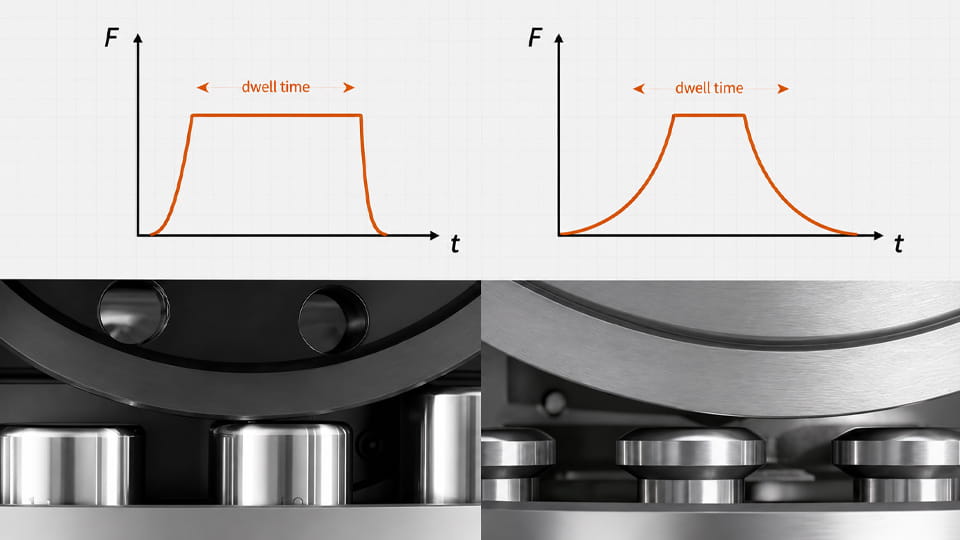
구별하는데 유용해요 기하학적 머무르다 (장비 형상에서 계산됨) ~에서 힘 기반 머무르다 (태블릿이 최대 힘을 느끼는 실제 시간). 기하학적 드웰은 위의 공식으로 계산한 것입니다.. 그러나 실제로는, 최대 힘은 순간적이지 않고 약간 증가합니다., 특히 탄성 소재나 압축률이 다른 경우.
최근 R&D는 이것을 강조한다: 에이 2024 기하학적 체류를 비교한 연구 (GDT) 다짐 시뮬레이터로 측정한 체류 시간 (DTF) 힘이 그 이상일 때 90%. 그들은 DTF가 압축력과 제형에 따라 다르다는 것을 발견했습니다.. 다시 말해서, 프레스를 특정 RPM으로 설정하면, 실제 "위의 시간 90% force”는 태블릿이 뻣뻣하거나 힘 램프가 느린 경우 GDT보다 짧을 수 있습니다.. 압축력이 증가함에 따라 제형 간의 DTF 차이가 줄어들었습니다., 즉, 높은 힘은 사용 가능한 기하학적 시간을 더 많이 사용하는 경향이 있습니다..
함축: 기하학적 계산은 좋은 기준선입니다, 하지만 정확한 예측을 위해서는 (특히 R에서는&D 및 확장) 실제 압축 동작을 고려해야 합니다.. 많은 전문가들은 체류가 중요한 경우 제제에 대한 힘 대 시간 프로필을 측정할 것을 제안합니다.. 아직, 대부분의 생산 요구에 적합, geometric dwell and extended tooling changes are sufficient to set up the process.
Slowing down the press is the obvious way to lengthen dwell, but it cuts throughput. Here are strategies to get more dwell while keeping output high:
요컨대: Extended head flats and optimized tooling are the go-to fix. As one industry expert says, “Elliptical head flat tooling… increases dwell time on an existing press without any expensive modifications”. This lets you keep the same turret speed and cams while boosting dwell. Jinlu’s own products tout “longer dwell time pressing” designs for just this reason.
It’s tempting to think “just apply more force” to make up for short dwell, but that has limits. More force can sometimes improve tablet strength, but it also raises stress on tooling and can worsen capping if it traps air. Jinlu notes increasing dwell time may reduce the force needed for a given tablet hardness. 거꾸로, if you crank up force without dwell, you risk ejection issues and embossing defects.
Modern research adds a nuance: instead of dwell time alone, strain rate (related to compression speed) is often the key driver at production scales. 테이크아웃: simply jacking up force does not always equal a better tablet, especially if dwell is very short. A balanced approach—moderate compression force with sufficient dwell—is usually best for quality and tool life.
Scaling up from an R&D or pilot press to a commercial rotary press is notoriously tricky. One main reason: the dwell time on the lab press (often slow-speed or single-station) is usually much longer than on the high-speed production press. If a formulation is dwell-sensitive, a recipe that looked fine in the lab might cap or soften at scale.
To handle this, experts advise:
요약, always check tablet strength when moving to production speed. If tablets weaken at high RPM, the lost dwell is likely the culprit. Some R&D teams even adjust formulations (바인더, 윤활제) to reduce dwell sensitivity before scale-up.
Since dwell time ties directly to press design, it factors into equipment selection. For high-speed production, 고려하다:
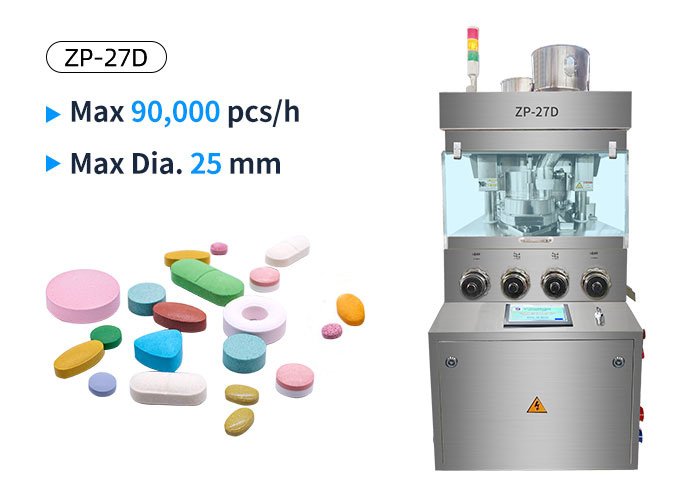
궁극적으로, ask yourself: do you need 100k tablets/hour at 8 mm 직경, or will 60k suffice for the same yield? Choosing the right press is a trade-off between speed and dwell, and the best machine is one that gives you the needed quality at your desired output.
체류 시간 – the milliseconds of squeeze in tablet compression – might be a small thing, but it has a big impact. It affects 정제 경도, 부서지기 쉬움, and defects like capping or lamination. In high-speed tablet manufacturing, dwell time connects the dots between press speed, 툴링 디자인, 태블릿 품질. A short dwell can spell soft or defective tablets; a well-managed dwell can make tough formulations work at scale.
The good news is that dwell time is also manageable. By understanding the factors (turret RPM, punch flat size, press design) and applying fixes like extended punches or optimized pre-compression, you can hit both your quality and production targets. Remember to calculate expected dwell using the punch flat and turret specs, and always validate at scale with real measurements. As recent research confirms, strain rate and formulation are also key – but even then, proper dwell time often makes a qualitative difference.
If your production has dwell-sensitive issues, 조치를 취하다. Try larger head flats, adjust pre-compression, or consult with equipment experts. Jinlu Packing 's 고속 회전식 태블릿 프레스 and tooling are designed with these factors in mind – for example, the 400kN pill tablet press machine incorporates a “Longer Dwell Time Pressing Design” to ensure full compression. Our engineers can help you find the right machine and setup so that dwell time helps you, not hurts you.
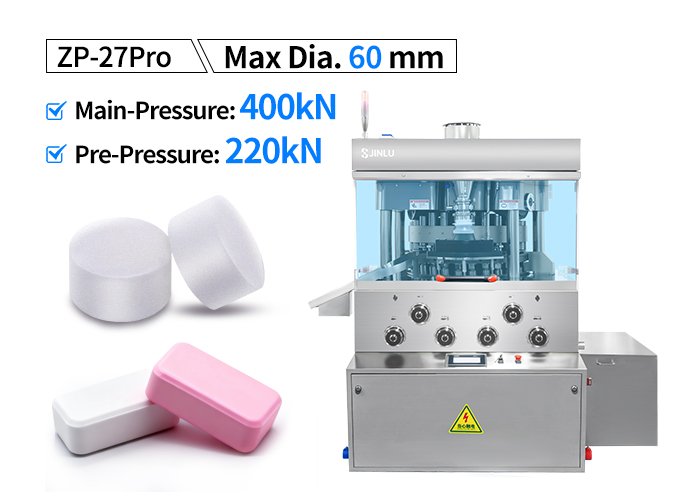
Ready to optimize your tablet production? Jinlu 포장에 문의 오늘. Our team can review your formulation and press parameters, suggest the ideal turret speed or tooling changes, and even run trials on our in-house presses. We offer a range of 회전식 태블릿 프레스 기계 – from benchtop models to high-output systems – all engineered for reliable dwell time control. Don’t let short dwell undermine your tablets. Reach out now and let’s ensure every pill that comes off your press is strong, intact, and exactly what you need.
Dwell time in tablet compression is the period during which the flat portion of a punch head remains under the main compression roller during tablet formation. It is usually measured in milliseconds (ms). On a rotary tablet press, dwell time is mainly influenced by punch head geometry, 포탑 속도, and press geometry.
Dwell time is important because it affects how a formulation responds to compression, particularly at higher production speeds. A shorter dwell time can reduce the time available for consolidation and may contribute to lower tablet strength or defects such as capping and lamination in dwell-sensitive formulations. 하지만, its effect depends on the formulation and should be evaluated together with compression force, strain rate, 압형, and other process parameters.
Increasing turret speed generally reduces dwell time because the punch heads move across the compression rollers faster. Lowering the turret RPM increases dwell time but also reduces tablet production throughput. 그러므로, tablet manufacturers need to balance press speed with tablet quality and process capability rather than simply running the tablet press at its maximum RPM.
A commonly used geometric calculation is:
체류 시간 (ms) = (Punch head flat × 60 × 1000) / (PCD × π × RPM)
여기, punch head flat and PCD are measured in millimeters, while RPM represents turret speed. 예를 들어, 와 12 mm punch head flat, 250 mm PCD, 그리고 50 RPM, the calculated geometric dwell time is approximately 18.34 ms. This calculation describes geometric dwell time; actual force-based dwell time can differ depending on the press and compression conditions.
The main factors include turret speed, punch head flat geometry, 피치원 직경 (PCD), 툴링 디자인, and tablet press geometry. Increasing turret speed generally shortens dwell time, while a larger punch head flat generally increases the geometric dwell period. Press design and tooling configuration also influence the actual compression profile.
Longer dwell time can improve tablet strength for some formulations by allowing more time under compression, but it does not automatically produce harder tablets in every case. Tablet hardness and tensile strength also depend on formulation properties, 압축력, strain rate, 압형, and other process conditions. 그러므로, dwell time should be optimized for the specific formulation rather than maximized by default.
Insufficient dwell time can contribute to capping or lamination in formulations that are sensitive to compression speed and short compression periods. 하지만, these defects can have multiple causes, including air entrapment, elastic recovery, 제형 특성, inadequate precompression, 압축력, 매끄럽게 하기, and tooling condition. Dwell time should therefore be investigated as part of a broader compression troubleshooting process.
Options may include using tooling with a larger punch head flat, optimizing punch and compression-roll geometry, using appropriate precompression, or selecting a rotary tablet press designed to provide a suitable compression profile. Simply reducing turret speed is the most direct way to increase geometric dwell time, but it also lowers throughput. The best solution depends on the formulation, 압형, 태블릿 크기, and required production rate.
Dwell time is specifically associated with the period when the flat portion of the punch head is in contact with the compression roller and the punch is not changing its vertical position relative to the roller. Compression time is a broader term that can describe the period over which compression occurs. 그러므로, dwell time should not automatically be treated as identical to total compression time.
Dwell time is important during scale-up because changing from an R&D or laboratory tablet press to a production rotary tablet press can change turret speed, punch geometry, compression conditions, and the time available for compaction. If the production press operates with a substantially different compression profile, 정제 경도, 인장강도, 부서지기 쉬움, or defect rates may change. Comparing relevant compression conditions during scale-up can therefore help identify potential problems before full-scale production.
참고자료:
1.Investigation on the effects of dwell time and loading strain rate on powder compaction and tablet properties: A compaction simulator study —— 사이언스다이렉트
2.정제 체류 시간: 힘에 따른 체류 시간 대 기하학적 체류 시간 —— 테일러 & 프란시스 온라인
3.Influence of extended dwell time during pre- and main compression on the properties of ibuprofen tablets —— 국립 의학 도서관
4.Influence of the Punch Head Design on the Physical Quality of Tablets Produced in a Rotary Press —— 국립 의학 도서관
5.Role of dwell on compact deformation during tableting: an overview —— Monash University
6.Compression physics in the formulation development of tablets —— 국립 의학 도서관