
Perusahaan farmasi saat ini berada di bawah tekanan dari segala arah. Rumah sakit menginginkan penanganan obat yang lebih aman. Pasar ritel menginginkan biaya pengemasan yang lebih rendah. Regulator mengharapkan kemampuan penelusuran dan serialisasi yang lebih baik. Pada saat yang sama, produsen berusaha meningkatkan efisiensi produksi tanpa menimbulkan limbah kemasan yang tidak perlu. Itu sebabnya diskusi seputar kemasan dosis satuan Dan kemasan massal menjadi jauh lebih penting dalam beberapa tahun terakhir. Salah satu formatnya berfokus pada perlindungan tingkat dosis dan keselamatan pasien, sementara yang lain mengutamakan kecepatan, kesederhanaan, dan efisiensi biaya. Tidak ada pilihan yang secara otomatis lebih baik untuk setiap produk. Pilihan yang tepat tergantung pada jenis obat Anda, tujuan produksi, saluran distribusi, dan kemampuan lini pengemasan. Untuk produsen farmasi, tim pengadaan, dan manajer operasi, memahami perbedaan nyata antara dosis satuan dan kemasan curah sangat penting sebelum berinvestasi pada kemasan baru sistem pengemasan farmasi atau meningkatkan yang sudah ada garis pengemasan.
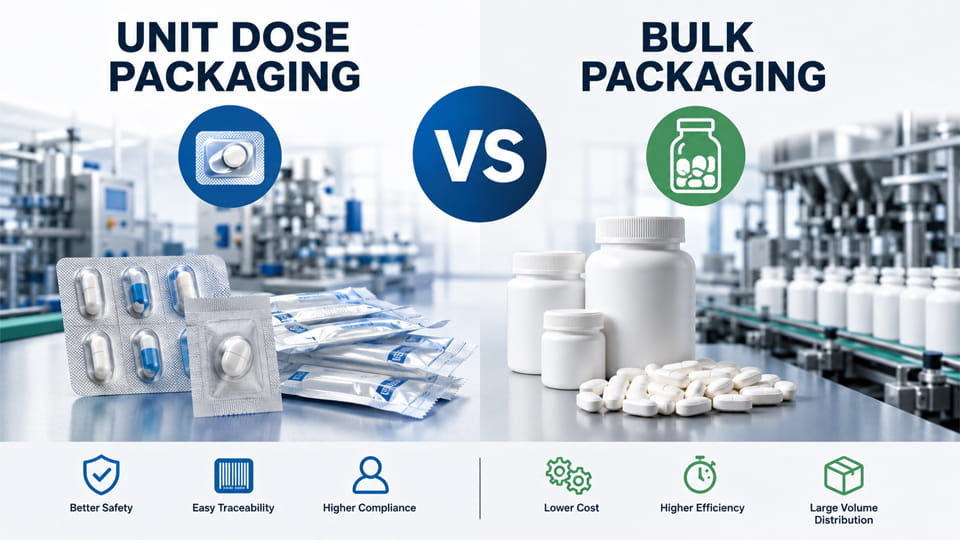
Kemasan dosis satuan (juga disebut kemasan dosis tunggal) berarti setiap dosis obat disegel satu per satu dalam kemasannya masing-masing. Misalnya, satu pil mungkin ada di kantong atau kantong lepuhnya sendiri. Jinlu Packing menjelaskan bahwa “pengemasan dosis satuan berarti setiap dosis obat telah dikemas sebelumnya dan disegel sendiri”. Dalam praktiknya, ini bisa berupa kartu melepuh satu tablet, paket strip (satu tablet per rongga), jarum suntik yang sudah diisi sebelumnya, sebuah botol, atau sachet berisi satu dosis cairan atau bubuk. Setiap paket membawa label (nama obat, dosis, kadaluwarsa) sehingga perawat atau pasien dapat memastikan obatnya tanpa menghitung pil dari botol. Di rumah sakit AS, lebih 75% obat oral dibagikan dalam bentuk unit dosis.
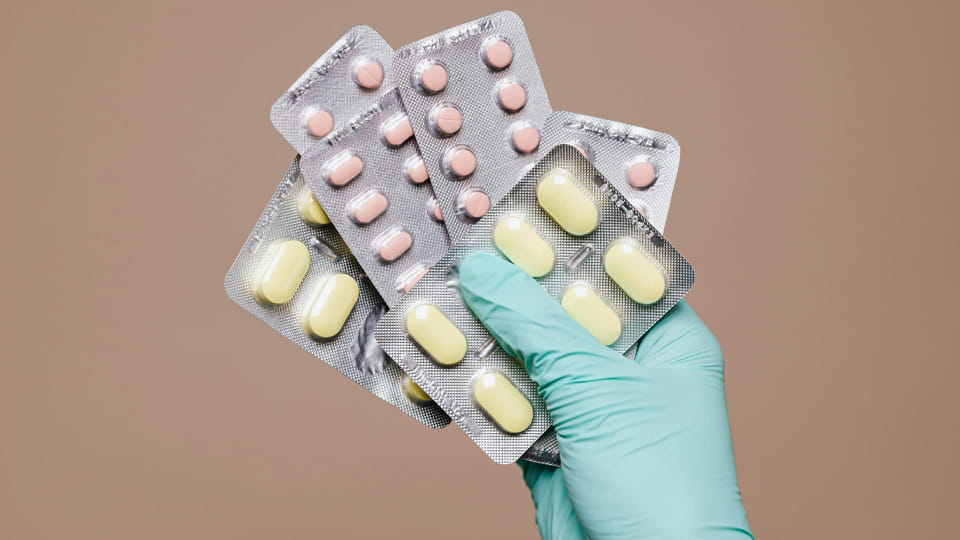
Paket dosis unit umum terjadi rumah sakit, klinik, fasilitas perawatan jangka panjang, dan uji klinis – pada dasarnya di mana pun pengendalian dosis dan ketertelusuran yang tepat adalah hal yang terpenting. Mereka membantu mencegah kesalahan pemberian dosis karena setiap paket berisi tepat satu dosis dan diberi label dengan jelas. Dengan kata lain, dan Jinlu mencatat, paket dosis unit tidak perlu dihitung – Anda “cukup ambil satu paket dan membukanya”, mengurangi kesalahan penanganan. Istilah lain yang digunakan antara lain dosis tunggal, satuan penggunaan, atau unit obat kemasan. Format umum meliputi:
Dalam ringkasan, kemasan dosis satuan mengisolasi setiap dosis secara individual, membantu keselamatan, kepatuhan pasien, dan ketertelusuran.
Sebaliknya, kemasan massal mengacu pada kemasan obat multidosis atau kolektif. Format massal yang umum mencakup botol pil besar, stoples, tabung multidosis, dan tas curah atau tas jinjing. Misalnya, botol resep 100 tablet atau toples vitamin 30 kapsul adalah kemasan massal. Kontainer ini dapat menampung banyak dosis bersama-sama. Pengemasan massal adalah hal yang biasa bagi produk farmasi konsumen, obat-obatan yang dijual bebas, suplemen nutrisi, dan sebagian besar tablet generik. Ini juga digunakan untuk tahap produksi perantara (misalnya. sachet atau drum curah).
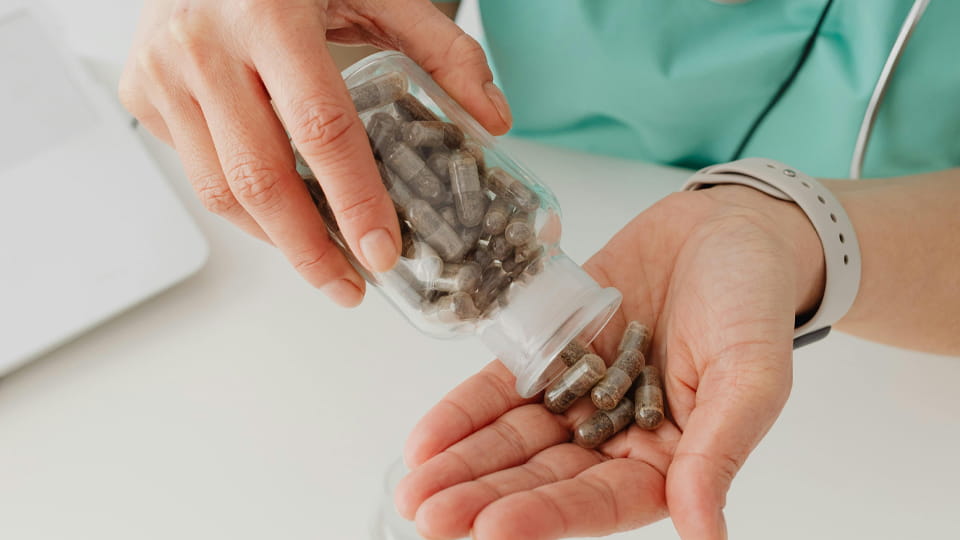
Kemasan massal biasanya lebih hemat biaya per dosis dan cocok untuk volume tinggi, produk komoditas. Peralatan untuk jalur curah meliputi mesin penghitung tablet/kapsul dan pengisian botol, pembatasan, penyegelan, dan peralatan pelabelan. Misalnya, jalur penghitung tablet mungkin menggunakan mesin penghitung otomatis untuk mengisi botol, capper untuk menyegelnya, dan pemberi label untuk menyelesaikannya. Jalur massal sering kali berjalan lebih cepat (menghitung ratusan tablet per menit) tetapi menawarkan kontrol dosis per dosis yang lebih sedikit dibandingkan sistem dosis satuan. Kemasan massal sangat ideal untuk obat OTC yang dipasarkan secara massal, suplemen nutrisi, obat generik, dan produk apa pun yang harga per dosisnya sangat penting dan pengendalian dosis individu kurang penting.
Tabel di bawah ini membandingkan kedua pendekatan mengenai faktor-faktor penting:
| Faktor | Kemasan Dosis Satuan | Kemasan Massal |
| Keamanan Pengobatan | Tinggi. Setiap dosis disegel, mengurangi kontaminasi. | Lebih rendah. Beberapa dosis dalam satu wadah. |
| Kepatuhan pasien | Lebih baik. Dosis individu diberi label dengan jelas; lebih mudah untuk diverifikasi. | Lebih rendah. Pasien menghitung dosisnya sendiri. |
| Ketertelusuran & Serialisasi | Bagus sekali. Mudah untuk membuat serial/melacak setiap dosis. | Terbatas. Hanya kontainer yang dilacak, tidak setiap pil. |
| Biaya Pengemasan | Lebih tinggi per dosis. Bahan kemasan lebih banyak & penanganan. | Lebih rendah per dosis. Satu paket menampung banyak unit. |
| Hasil Produksi | Sedang. Lebih banyak langkah per dosis (misalnya. pembentukan lepuh). | Lebih tinggi. Penghitungan/pengisian sederhana lebih cepat. |
| Limbah Kemasan | Lagi. Paket satu dosis meningkatkan penggunaan material. | Lebih sedikit. Kemasan minimal per dosis (misalnya. satu botol vs. 100 lepuh). |
| Umur simpan/Perlindungan | Lebih baik. Lepuh/botol sering kali mempunyai lapisan film penghalang yang tinggi. | Sedang. Botol curah memberikan perlindungan lebih sedikit per unit, meskipun umur simpannya bisa serupa. |
| Terbaik untuk | Rumah Sakit, uji klinis, obat bernilai tinggi, zat yang dikendalikan, obat-obatan yang dipersonalisasi. | OTC Ritel, obat generik, vitamin, suplemen, produk konsumen dalam jumlah besar. |
Seperti yang dicatat oleh Jinlu Packing, anggap saja seperti sebotol 100 tablet (dalam jumlah besar) versus lepuh dengan satu tablet (dosis satuan). Botol curah jelas unggul dalam hal efisiensi biaya dan kecepatan, tetapi format dosis satuan unggul dalam hal keamanan dan pengendalian. Misalnya, kemasan melepuh secara individual melindungi setiap pil dari kelembapan dan gangguan, sedangkan botol curah memaparkan semua tablet ke lingkungan yang sama.
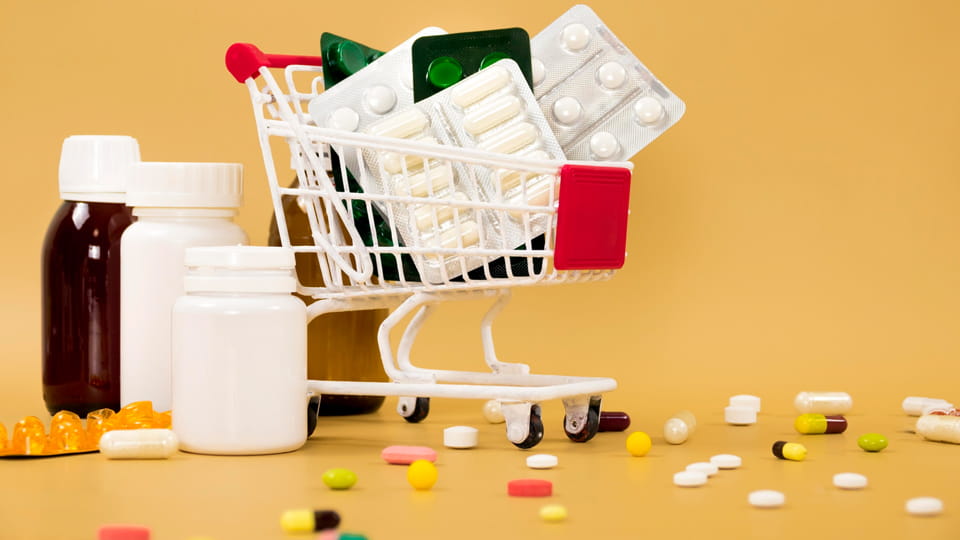
Sistem dosis unit menawarkan beberapa manfaat utama:
Dalam ringkasan, kemasan dosis satuan memaksimalkan keamanan, ketertelusuran, dan dosis yang berpusat pada pasien, dengan mengorbankan biaya pengemasan dan penanganan yang lebih tinggi. Seperti yang dirangkum Jinlu, unit dosis unit “dirancang untuk menampung sejumlah obat yang dimaksudkan untuk diberikan sebagai dosis tunggal”, memastikan “obat yang tepat dengan kekuatan yang tepat sampai ke pasien yang tepat pada waktu yang tepat, setiap saat”.
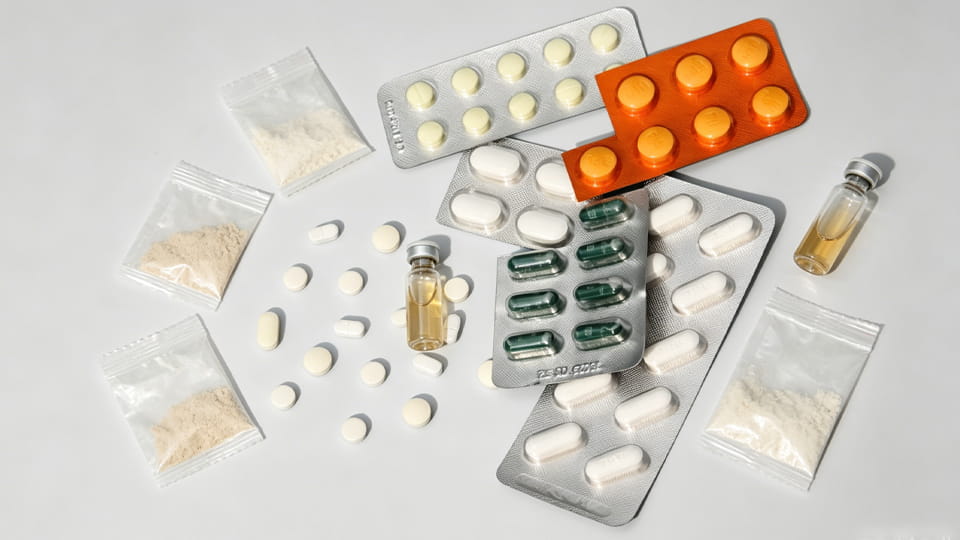
Dalam jumlah besar (multi-dosis) kemasan mempunyai kelebihan tersendiri:
Kemasan massal unggul dalam efisiensi biaya dan skala, menjadikannya ideal untuk produk bervolume tinggi yang skala ekonominya melebihi kebutuhan pengendalian dosis individual. nyatanya, Pengalaman Jinlu sebagai pemasok menunjukkan jalur botol curah (termasuk menghitung, pembatasan, dan unit pelabelan) membentuk tulang punggung banyak lini produksi obat nutraceutical dan generik.
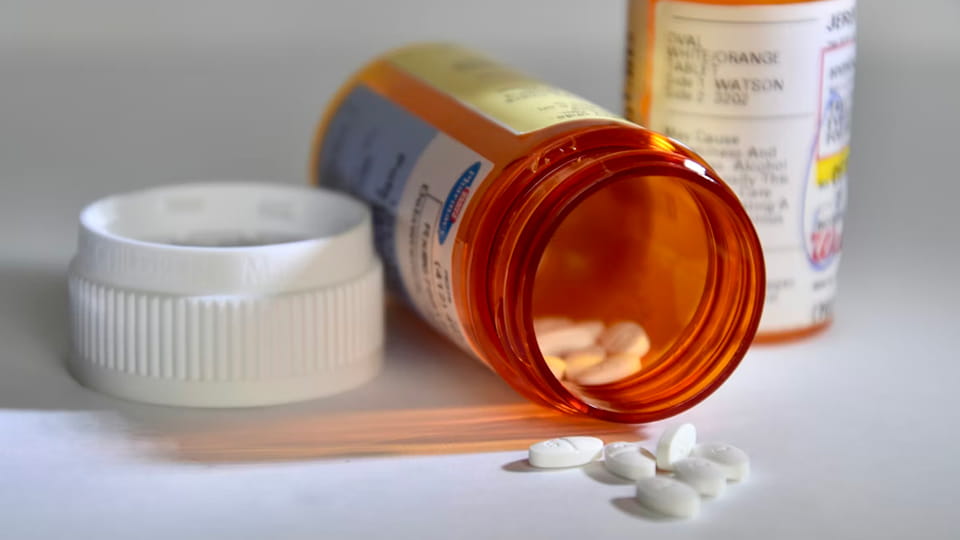
Pasar akhir dan kasus penggunaan yang berbeda memiliki preferensi yang jelas. Tabel di bawah ini merangkum pilihan-pilihan industri pada umumnya:
| Industri/Kasus Penggunaan | Kemasan Pilihan |
| Rumah Sakit & Kesehatan (perawatan akut) | Dosis Satuan (lepuh, strip, jarum suntik) |
| Perawatan Jangka Panjang & Apotek LTC | Dosis Satuan (kartu melepuh, paket yang sudah diisi sebelumnya) |
| Uji Klinis & Riset | Dosis Satuan (kontrol dosis yang tepat untuk uji coba) |
| Potensi Tinggi / Zat Terkendali | Dosis Satuan (keamanan, dosis) |
| Pembuatan Kontrak (CMO yang memproduksi obat-obatan rumah sakit) | Dosis Satuan |
| Tanpa resep (OTC) Narkoba | Dalam jumlah besar (botol/tabung tablet, kapsul) |
| Nutraceutical & Suplemen | Dalam jumlah besar (botol vitamin, sachet) |
| Farmasi Generik (pasar massal) | Dalam jumlah besar (fokus biaya) |
| Kesehatan Konsumen Berkembang (kosmetik, kombinasi nutraceutical) | Dalam jumlah besar |
| Dokter hewan / Kesehatan Hewan | Dalam jumlah besar (sering kali menjual botol multidosis atau bahan tambahan pakan secara eceran) |
| Perlengkapan Darurat / Pertolongan Pertama | Dosis Satuan (kantong sekali pakai agar mudah dibawa) |
Misalnya, Jinlu mencatat bahwa sistem dosis satuan berasal dari rumah sakit dan sekarang “meluas” ke bidang lain karena keunggulan keamanannya.. Memang, lebih 75% dari AS. obat oral di rumah sakit diberi dosis unit, mencerminkan preferensi sektor ini. Sebaliknya, pasar konsumen seperti suplemen dan obat pereda nyeri yang dijual bebas biasanya menggunakan kontainer besar karena menuntut biaya per unit yang lebih rendah dan volume yang lebih tinggi. Lingkungan klinis dan rumah sakit mendukung pengendalian dosis lepuh atau sachet, sementara produsen dan pengecer obat generik fokus pada efisiensi lini botol.
Memilih antara dosis satuan dan dosis massal mempunyai implikasi biaya yang signifikan. Pertimbangkan faktor biaya berikut:
Dalam ringkasan, pengemasan dosis unit biasanya menuntut CAPEX dan biaya pengemasan per unit yang lebih tinggi, namun dapat menghasilkan penghematan dengan lebih sedikit kesalahan dan pemborosan. Kemasan massal menawarkan biaya bahan dan produksi per dosis yang lebih rendah. Pilihan “lebih baik” bergantung pada analisis biaya-biaya ini bersamaan dengan strategi penetapan harga produk dan persyaratan kepatuhan.
Jalur pengemasan dosis unit menggunakan peralatan khusus. Mesin kunci termasuk:
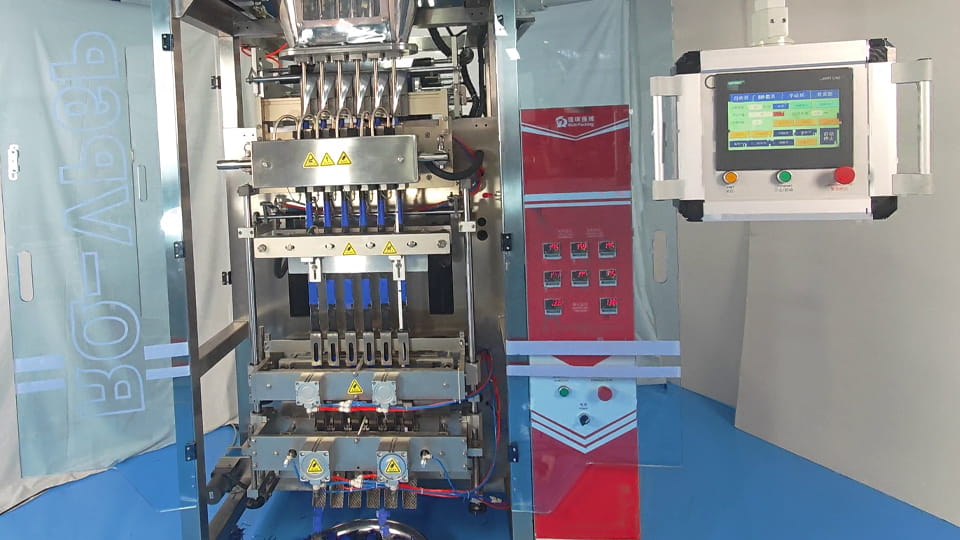
Pendeknya, A garis unit-dosis mungkin terdiri dari mesin melepuh atau sachet (untuk kemasan primer), diikuti oleh kartoner (dan opsional pelabel atau printer). Misalnya, lini obat khas rumah sakit adalah: Pengumpan orientasi tablet → Mesin melepuh → Karton otomatis → Pengemas kotak. Mesin Jinlu untuk langkah-langkah ini dapat dihubungkan dalam satu aliran (lihat itu “dapat dihubungkan ke mesin blister”).
[jl_youtube src=”https://www.youtube.com/embed/k0uyybgttcu”]
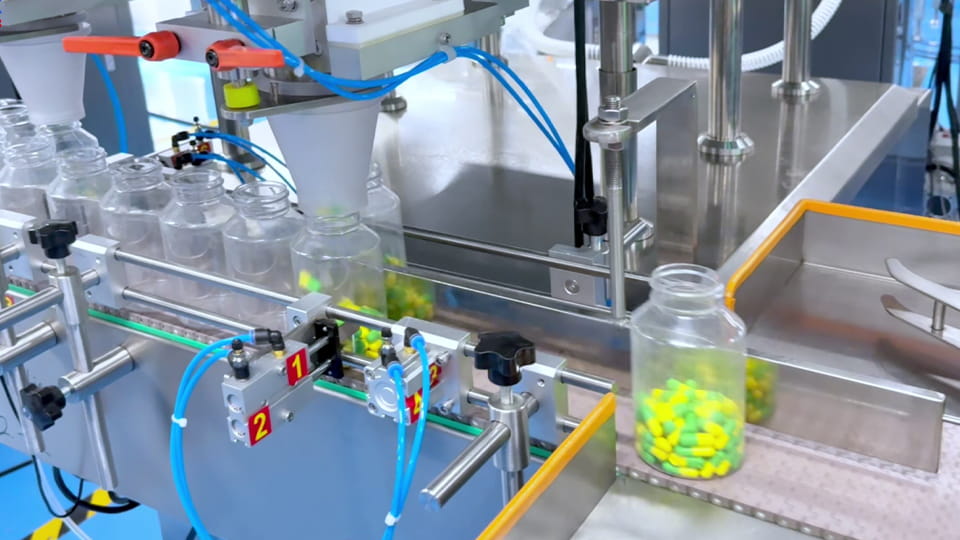
Jalur massal menggunakan peralatan yang dioptimalkan untuk kecepatan dan volume:
Berlaku, A jalur pengemasan massal biasanya terlihat seperti itu: Pengurai botol → Mesin pengisian penghitung tablet → Penyisip pengering → Penutup → (Penyegel foil) → Pelabel → Karton. Mesin modular ini juga dapat menangani beragam produk (permen karet, bubuk, cairan) selama penghitungan/pengisian dan pembatasan disesuaikan. Halaman dan halaman Jinlu menggambarkan bagaimana garis-garis tersebut terintegrasi.
Misalnya, garis bergetah JL-16R “secara otomatis menyelesaikan seluruh proses penguraian botol, menghitung… memasukkan bahan pengering, pembatasan, penyegelan dan pelabelan aluminium foil” di hingga 80 botol/menit. Jalur lanjutan ini menekankan keluaran dan konsistensi, menjadikannya ideal untuk pengemasan produk massal.
Memilih pendekatan yang tepat bergantung pada banyak faktor. Gunakan daftar periksa dan diagram alur di bawah ini sebagai panduan:
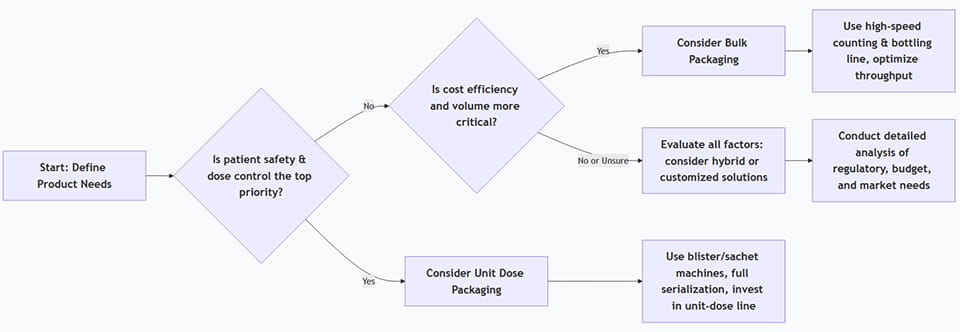
Bagan ini menunjukkan panduan yang disederhanakan: jika keselamatan/ketertelusuran medis melebihi biaya, condong ke dosis satuan. Jika anggaran dan volume mendominasi, massal mungkin yang terbaik. Dalam kasus nyata, strategi campuran (misalnya. botol massal di dalam karton serial) juga dapat dipertimbangkan.
Tidak ada jawaban yang cocok untuk semua hal. Pilihan antara dosis satuan dan kemasan curah bergantung pada kebutuhan produk dan strategi bisnis Anda. Kemasan dosis unit menawarkan keamanan yang tak tertandingi, kepatuhan, dan kenyamanan bagi rumah sakit, uji klinis, dan obat-obatan bernilai tinggi, tetapi memerlukan lebih banyak investasi pada mesin (kemasan melepuh atau sachet, kartoner) dan bahan kemasan. Kemasan massal (botol, stoples, tabung) unggul dengan biaya rendah dan throughput tinggi, ideal untuk obat-obatan eceran dan suplemen, tetapi memberikan lebih sedikit kendali atas dosis individu.
Dalam praktiknya, banyak perusahaan yang menggunakannya keduanya metode untuk produk yang berbeda. Misalnya, obat dengan indeks terapeutik yang sempit mungkin dikemas dalam lepuh dosis tunggal untuk dijual di rumah sakit, sedangkan versi OTC dari obat yang sama dijual dalam botol berisi 30 hitungan. Saat mendesain garis Anda, Pertimbangkan total biaya kepemilikan (peralatan + bahan + kesalahan) dan kebutuhan peraturan.
Untuk menentukan pendekatan terbaik, meninjau faktor-faktor di atas: pasar sasaran, bentuk dosis, volume, aturan kepatuhan, dan anggaran. Seorang ahli mesin pengemasan (atau Tim penyesuaian Jinlu) dapat merancang garis yang sesuai. Misalnya, Jinlu Packing menyediakan solusi turnkey – mulai dari mesin blister berkecepatan tinggi hingga penghitungan tablet dan jalur pembotolan yang terintegrasi – untuk memenuhi kebutuhan dosis unit dan massal.
Pengemasan dosis satuan berarti setiap dosis obat disegel dan diberi label tersendiri, seperti satu tablet per rongga lepuh atau satu sachet per penggunaan. Kemasan massal menyimpan beberapa dosis sekaligus dalam satu botol, wadah, atau paket yang lebih besar. Pengemasan dosis satuan lebih fokus pada keamanan, ketertelusuran, dan kontrol dosis, sedangkan pengemasan massal biasanya lebih hemat biaya untuk produksi volume tinggi.
Tidak ada jawaban tunggal untuk setiap produk farmasi. Pengemasan dosis satuan seringkali lebih baik untuk rumah sakit, lingkungan klinis, dan obat-obatan bernilai tinggi karena meningkatkan keamanan dan pelacakan pengobatan. Kemasan massal biasanya lebih disukai untuk nutraceuticals, Produk OTC, dan distribusi ritel skala besar karena mengurangi biaya pengemasan dan meningkatkan kecepatan produksi.
Rumah sakit umumnya menggunakan kemasan dosis satuan karena setiap dosis diidentifikasi dengan jelas dan dilindungi hingga pemberian. Hal ini membantu mengurangi kesalahan pengobatan, mendukung sistem pemindaian kode batang, dan meningkatkan keselamatan pasien selama pemberian obat.
Ya, dalam banyak kasus, pengemasan massal memiliki biaya bahan pengemasan yang lebih rendah dan efisiensi lini yang lebih tinggi. Jalur pengisian botol dan sistem penghitungan tablet biasanya dapat berjalan lebih cepat dibandingkan sistem pengemasan dosis individual. Namun, total biaya juga harus mempertimbangkan limbah obat, tenaga kerja, persyaratan kepatuhan, dan perlindungan produk.
Kemasan massal banyak digunakan untuk:
• Vitamin dan suplemen
• Tablet dan kapsul generik
• Obat-obatan yang dijual bebas
• Produk nutraceutical
• Obat-obatan eceran dalam jumlah besar
Produk-produk ini seringkali dikemas menggunakan mesin hitung, jalur pengisian botol, mesin penutup, dan sistem pelabelan.
Peralatan pengemasan dosis satuan umum meliputi:
• Mesin pengepakan melepuh
• Mesin pengepakan strip
• Mesin pengemas sachet
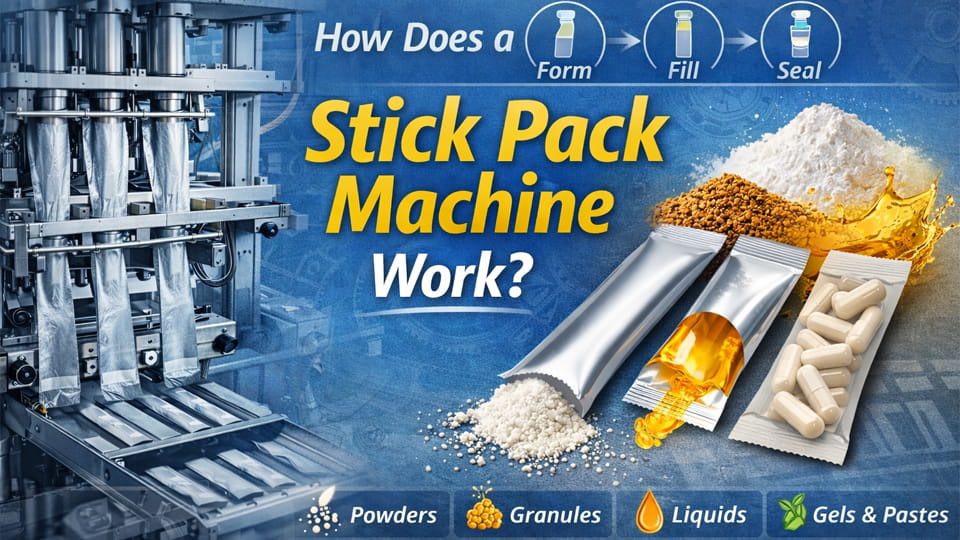
• Mesin pengepakan stick
• Mesin karton
• Sistem pemeriksaan penglihatan
Mesin pengemasan farmasi ini membantu menciptakan dosis yang tersegel secara individual dengan perlindungan dan ketertelusuran produk yang lebih baik.
Ya. Pengemasan dosis satuan membantu menurunkan risiko kontaminasi, dosis yang salah, dan kesalahan penanganan karena setiap dosis tetap tersegel hingga digunakan. Banyak fasilitas kesehatan menggunakan sistem dosis satuan untuk mendukung alur kerja penyaluran yang lebih aman dan proses verifikasi kode batang.
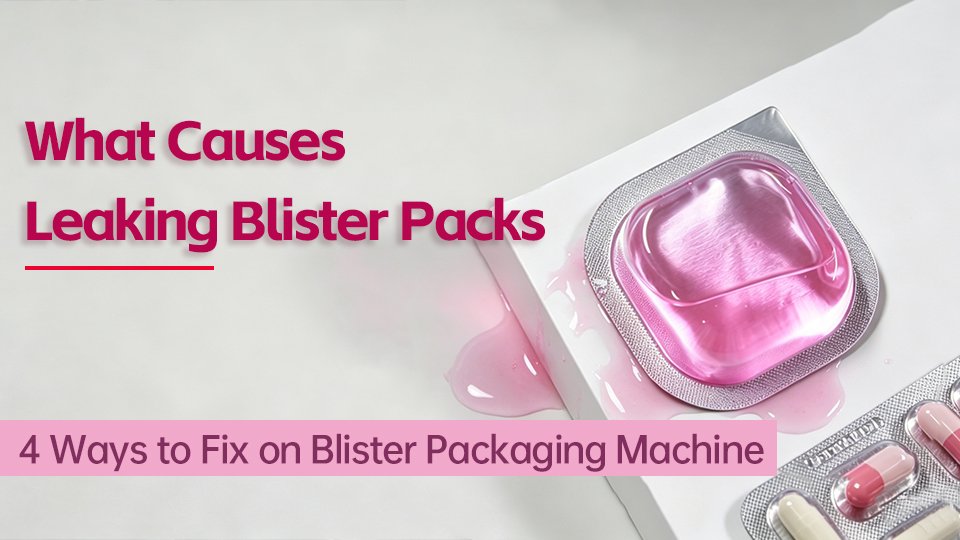
Ya. Kemasan Blister Farmasi adalah salah satu bentuk kemasan dosis satuan yang paling umum. Setiap tablet atau kapsul disimpan dalam rongga terpisah, yang membantu melindungi produk dari kelembapan, oksigen, dan kontaminasi sekaligus meningkatkan pelacakan dosis.
Kemasan massal biasanya digunakan di:
• Manufaktur nutraceutical
• Melengkapi produksi
• Distribusi farmasi ritel
• Kedokteran hewan
• Produksi tablet dan kapsul dengan output tinggi
Produsen memilih kemasan farmasi curah ketika efisiensi produksi dan biaya pengemasan yang lebih rendah menjadi prioritas utama.
Pilihan terbaik bergantung pada beberapa faktor, termasuk:
• Jenis produk
• Target pasar
• Persyaratan peraturan
• Anggaran pengemasan
• Volume produksi
• Kebutuhan umur simpan
• Saluran distribusi
Misalnya, rumah sakit dan produk klinis sering mendapat manfaat dari kemasan dosis satuan, sedangkan suplemen eceran dan obat generik bervolume tinggi biasanya lebih cocok untuk sistem pengemasan massal.
Referensi:
1. CPG Detik 430.100 Pelabelan Dosis Satuan untuk Bentuk Sediaan Oral Padat dan Cair -- KITA. Badan Pengawas Obat dan Makanan
2.Manual Standar Data (monografi) Jenis Paket -- KITA. Badan Pengawas Obat dan Makanan
3.Kemasan obat —— WikiPedia
4.Pedoman praktik manufaktur yang baik dan praktik distribusi yang baik: Pertanyaan dan jawaban —— Badan Obat Eropa
5.ISO 15378 sertifikasi – Bahan Kemasan Utama untuk standar Obat