Memilih yang benar mesin pengemasan farmasi sangat penting untuk memastikan keamanan produk, Kepatuhan Pengaturan, dan produksi yang efisien. Pasar kemasan farmasi global sedang booming – diperkirakan akan melampauinya $160 miliar oleh 2026. Pada saat yang sama, regulator menuntut kontrol kualitas yang ketat: misalnya. CGMP FDA (21 CFR Bagian 210–211) menerapkan persyaratan ketat pada manufaktur, pengolahan, dan pengepakan obat. Dalam praktiknya, hampir setengah dari penarikan kembali obat melibatkan kesalahan pengemasan atau pelabelan, menyoroti taruhannya. Dalam panduan ini, kami akan membahas semua pertimbangan utama – format produk, kapasitas, kepatuhan, otomatisasi, dukungan vendor, dan banyak lagi – sehingga Anda dapat dengan yakin memilih peralatan pengemasan farmasi yang tepat untuk kebutuhan Anda. Kami membahas jenis mesin (mesin melepuh, pengisi kapsul, kartoner, dll.), bandingkan sistem otomatis dan semi otomatis, dan sertakan tip ahli, tabel perbandingan, diagram alur langkah-langkah pemilihan, sebuah pertanyaan umum, dan rekomendasi yang dapat ditindaklanjuti.
Mengapa Memilih Mesin yang Tepat Itu Penting
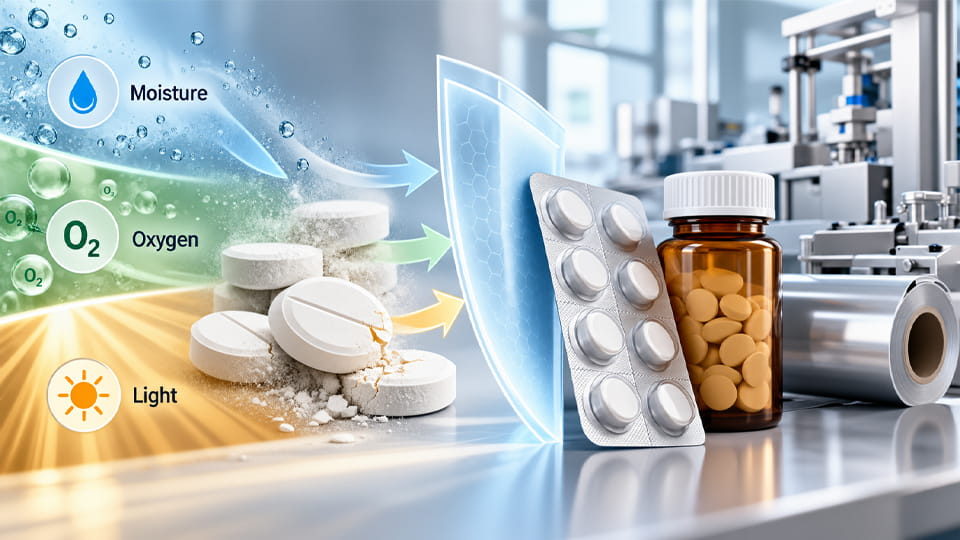
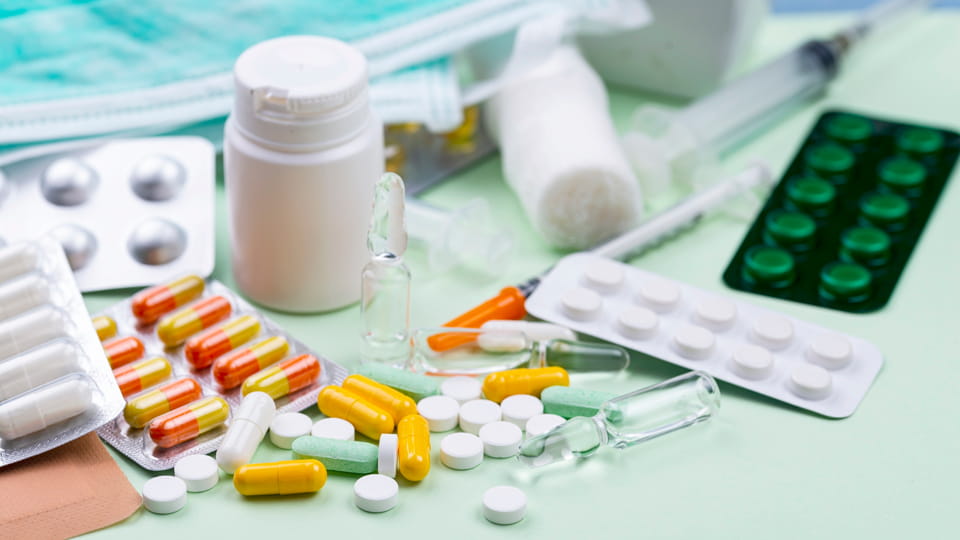
Kemasan Farmasi jauh lebih penting daripada kemasan konsumen biasa. Dia melindungi kualitas obat, memastikan keakuratan dosis, dan menjaga keselamatan pasien. Misalnya, Pedoman WHO menekankan bahwa kemasan harus melindungi obat dari kelembapan, lampu, oksigen, dan pengaruh buruk lainnya sepanjang umur simpannya. Juga, Peraturan CGMP FDA mengamanatkan bahwa “metode, fasilitas, dan pengendalian” dalam pengolahan dan pengemasan harus menjamin keamanan obat dan bahan yang benar. Secara praktis, kemasan yang buruk dapat menyebabkan kontaminasi, pelabelan yang salah, kesalahan dosis, atau malfungsi perangkat – bahkan membahayakan pasien. Memang, analisis data penarikan menunjukkan hingga 50% penarikan obat disebabkan oleh kesalahan pengemasan atau pelabelan. Itu berarti kesalahan yang tampaknya kecil (kode batang yang salah, lepuh yang rusak, tablet yang salah hitung) dapat memicu penarikan kembali yang mahal atau peringatan peraturan.
Di luar keamanan, mesin yang tepat akan meningkatkan produktivitas dan menurunkan biaya. Lini farmasi modern mengintegrasikan pengisian, penyegelan, penghitungan dan pelabelan ke dalam sistem otomatis berkecepatan tinggi. Memilih peralatan yang sesuai dengan kebutuhan keluaran dan tingkat otomatisasi Anda dapat meningkatkan keluaran secara signifikan dan mengurangi tenaga kerja. Sebaliknya, pilihan yang salah dapat menyebabkan seringnya macet, isian yang tidak konsisten, dan waktu henti – mengganggu efisiensi. Dan karena pabrik farmasi sering kali beroperasi 24/7, pemeliharaan yang tidak terjadwal dapat menjadi bencana. Karena alasan-alasan ini, pakar industri menekankan seleksi yang seimbang: “Memilih peralatan pengemasan farmasi memerlukan evaluasi yang cermat terhadap kemampuan kepatuhan GMP, kesiapan validasi, dan keandalan operasional jangka panjang”. Dalam ringkasan, mesin yang tepat memastikan kualitas dan kepatuhan (menghindari cacat/penarikan kembali) sambil mengoptimalkan kapasitas dan biaya produksi.
Jenis Mesin Pengemas Farmasi
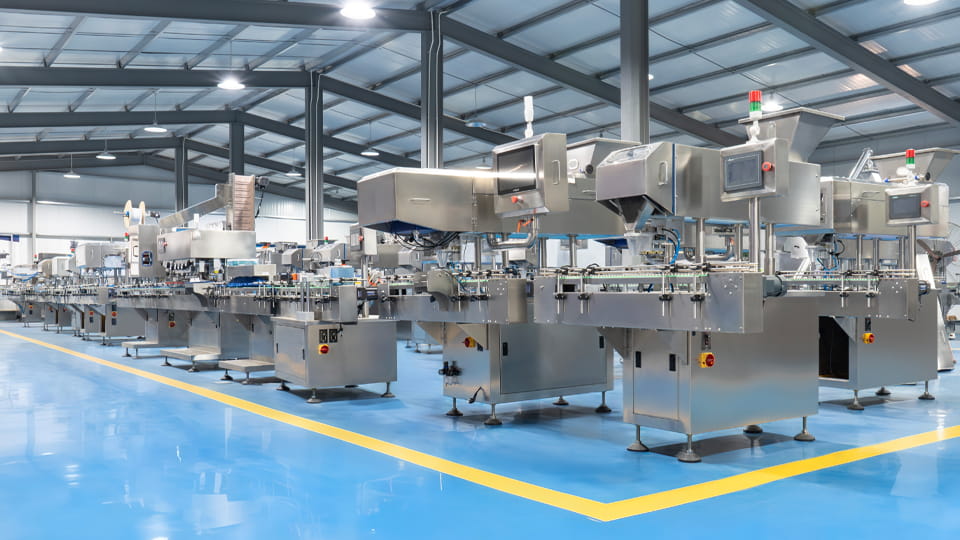
“Kemasan farmasi” mencakup banyak produk dan format. Mesin jatuh ke dalam kemasan primer (lapisan pertama yang kontak dengan obat) Dan kemasan sekunder/tersier (karton luar, bundel, palet). Mesin yang umum termasuk:
- Mesin Pengisian dan Dosis: Untuk cairan, krim, atau bubuk dalam botol/botol/sachet. Contoh: pengisi cair, mesin pengisi bubuk, pengisi sirup. Jika produk Anda adalah a obat cair, pilih mesin yang dirancang untuk cairan (pengisi peristaltik atau piston). Untuk bubuk/butiran (misalnya. tablet curah sedang dikantongi), pengisi volumetrik atau auger sangat ideal.
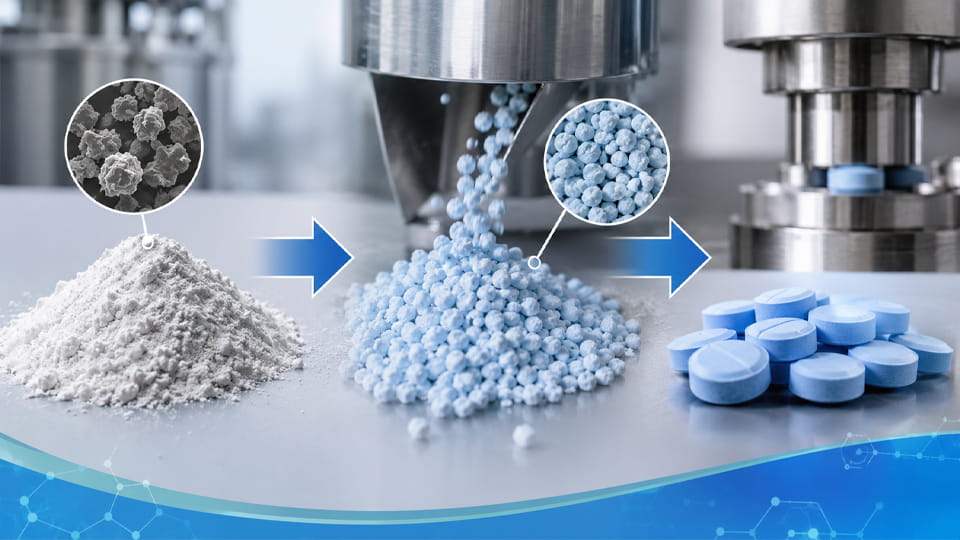
- Peralatan Kapsul/Tablet: Untuk kapsul atau tablet, mesin kunci adalah Mesin pengisian kapsul, mesin press tablet, Dan mesin hitung/pengisian. Pengisi kapsul modern dapat mengotomatiskan penempatan, pemisahan, isian, dan penguncian kapsul. Tablet menekan bubuk kompres menjadi tablet. Mesin hitung (penghitung optik) memberi makan dan menghitung dosis padat ke dalam botol atau kantong. Seperti yang dicatat oleh JinLuPacking, di dalam dosis padat garis “semuanya dimulai dengan penghitungan yang akurat” – sensor multi-saluran berkecepatan tinggi memastikan setiap botol/kantong memiliki penghitungan yang tepat.
- Mesin kemasan blister: Untuk tablet/kapsul dalam kemasan blister. Baki thermoform yang menyegel pil di bawah kertas timah. Mesin melepuh datang sebagai pelat datar (diindeks) atau berputar terus menerus jenis, dengan berbagai format (Foil berbahan dasar PVC atau bentuk dingin). Mereka ideal untuk pengemasan dosis satuan.
- Mesin Karton / Tinju: Pengepakan sekunder. Kartoner lipat dan segel karton, sering memasukkan kemasan atau botol melepuh ditambah brosur pasien. Bisa jadi horisontal (beban samping) atau vertikal (beban atas) Cartoners mengotomatiskan pemasangan kotak, memuat konten, dan penyegelan – mengurangi tenaga kerja manual dan memastikan penutupan kotak yang konsisten (penting untuk ketertelusuran GMP). Pembuat karton modern menggunakan desain sanitasi baja tahan karat dan segel anti rusak untuk memenuhi peraturan yang ketat.
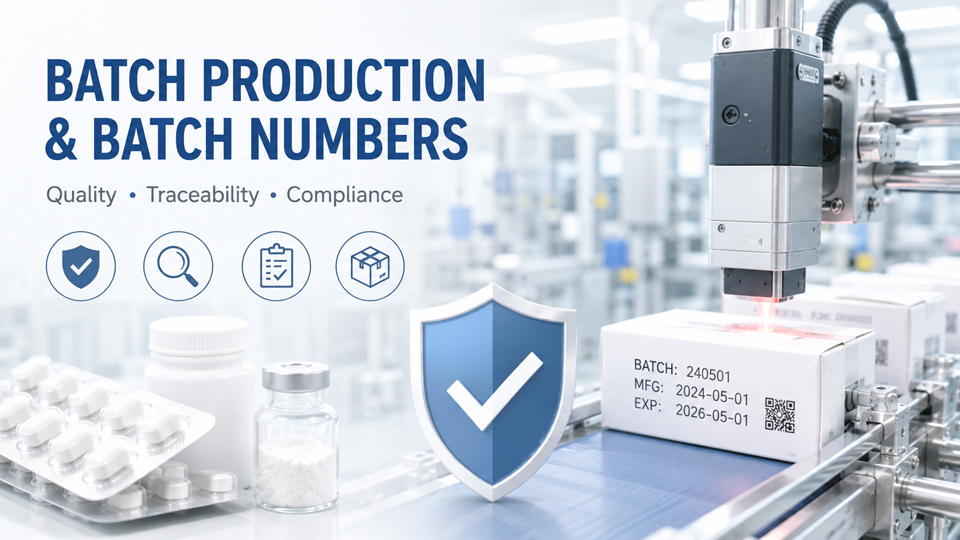
- Labeler dan Inspektur: Mesin pelabelan menerapkan label pra-cetak pada botol/karton dengan kode batch, Tanggal kedaluwarsa, dan barcode. Sistem inspeksi (penglihatan kamera, detektor logam, sinar-X) periksa keakuratan pengisian, partikel asing, kehadiran label, dan keterbacaan kode. Untuk kepatuhan, mencari peralatan yang mendukung serialisasi (barcode yang dapat dilacak) dan penolakan kesalahan.
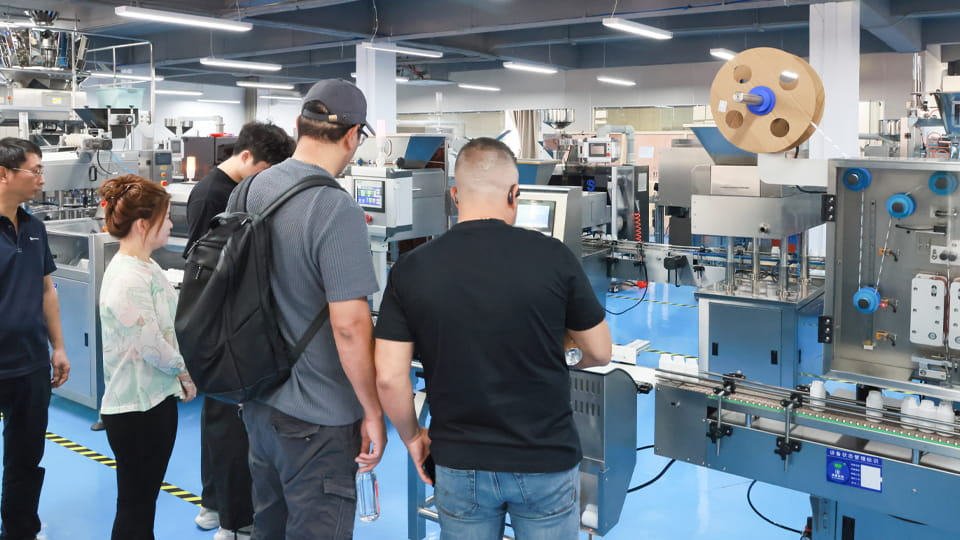
- Jalur Pengemasan Terintegrasi: Dalam praktiknya, pabrik farmasi sering menggunakan garis lengkap menggabungkan mesin-mesin di atas. Misalnya, lini tablet-ke-karton mungkin mencakup mesin cetak tablet, Inserter desiccant, penghitung kapsul, pengurai botol, satuan pengisian, mesin penutup, penyegel induksi, pelabelan, pembuat karton, dan konveyor pemeriksaan akhir. Sistem end-to-end ini dapat dirakit sebelumnya dan divalidasi sebagai sebuah jalur, yang menyederhanakan kualifikasi dan jejak. .
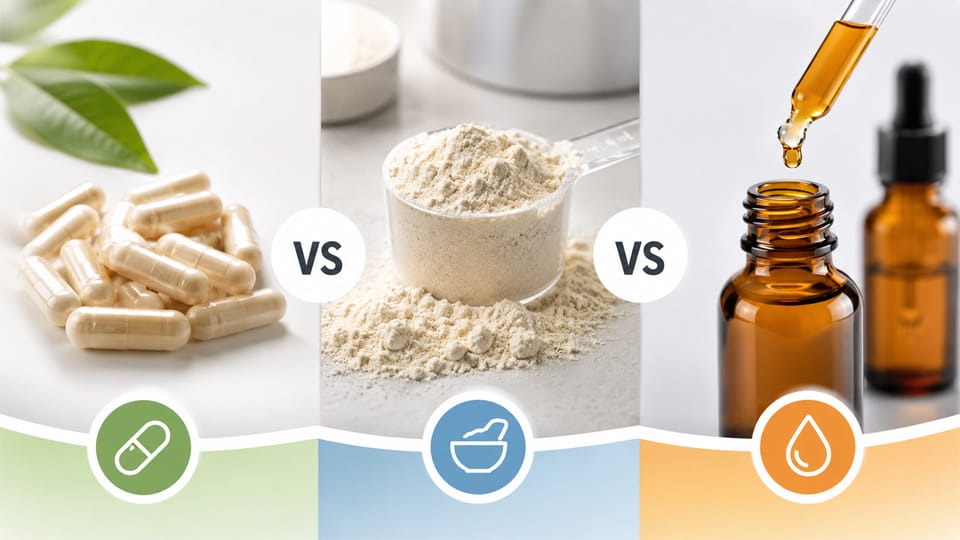
Pendeknya, pilih mesin yang sesuai dengan bentuk sediaan dan format kemasan Anda. Seperti yang disarankan oleh salah satu pemandu, “Mesin pengemas melepuh ideal untuk tablet, sementara sistem segel pengisian-bentuk horizontal digunakan untuk pembuatan kantong dengan keluaran tinggi”. Memahami produk Anda (tablet, kapsul, cairan, bubuk) dan paket yang diinginkan (lepuh, botol, bungkusan, kantong yang sudah jadi, dll.) adalah langkah pertama dalam memilih mesin.
Faktor Kunci yang Perlu Dipertimbangkan
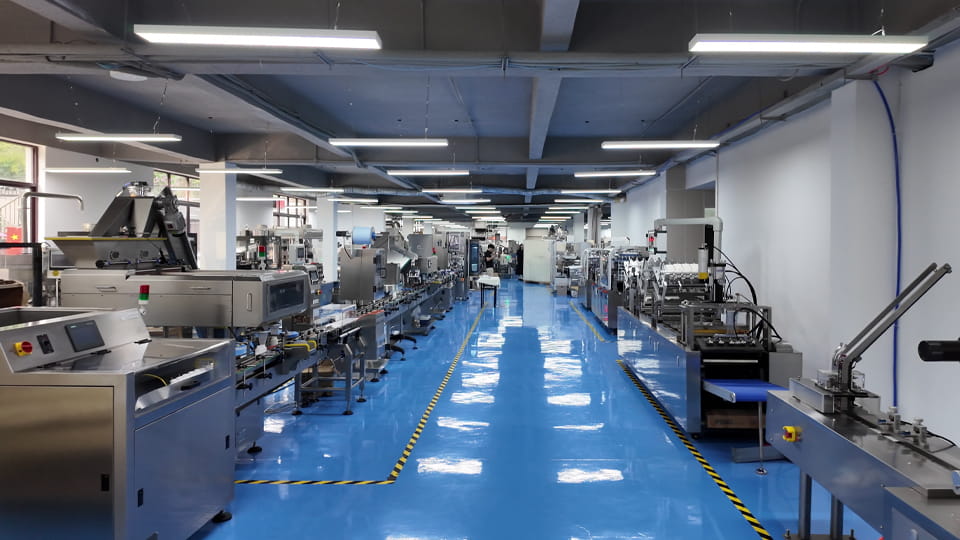
Saat mengevaluasi mesin atau vendor tertentu, Ingatlah faktor-faktor penting ini:
- Produk & Kompatibilitas Format Kemasan: Pastikan peralatan dapat menangani bentuk dan wadah produk Anda dengan tepat. Bentuk sediaan dan jenis wadah urusan: tablet, kapsul, cairan, semua bubuk memiliki kebutuhan penanganan yang unik. Misalnya, padatan yang dapat dihitung menggunakan sistem penghitungan atau sistem melepuh, sedangkan cairan membutuhkan pengisi cairan dengan penyegel yang rapat. Periksa juga ukuran dan geometri: beberapa mesin dapat menangani beberapa bobot pengisian atau ukuran wadah, yang lain berdedikasi. Fleksibilitas adalah kuncinya jika Anda merencanakan beberapa SKU. Deskripsi mesin sering kali menentukan format yang kompatibel; verifikasi dengan uji coba produk sampel jika memungkinkan.
- Kecepatan Produksi & Kapasitas: Sesuaikan keluaran mesin dengan permintaan Anda saat ini dan di masa depan. Mesin memiliki “kecepatan terukur” (misalnya. botol/menit atau lecet/menit) dan hasil praktis (dengan mempertimbangkan pergantian). Spesifikasi yang berlebihan (kecepatan sangat tinggi) membuang-buang uang dan ruang; spesifikasi yang rendah menyebabkan kemacetan. Banyak produsen (seperti JinLu) kecepatan kutipan: misalnya. beberapa lini kapsul dapat menghasilkan ratusan ribu kapsul per jam, mesin hitung >99.98% akurat pada ~6.000 botol/jam, dan kartoner hingga 450 karton/menit. Pertimbangkan tidak hanya output saat ini tetapi juga pertumbuhan – JinLuPacking menyarankan untuk memilih kapasitas “yang sesuai dengan permintaan Anda saat ini sekaligus memberikan ruang untuk pertumbuhan”. Carilah mesin modular atau opsi multi-jalur jika Anda memperkirakan volume akan meningkat.
- Ketepatan & Kontrol kualitas: Presisi tinggi tidak dapat dinegosiasikan dalam bidang farmasi. Peralatan pengisian dan penghitungan harus dipastikan tidak ada pil tambahan atau hilang, dosis yang benar, dan paket yang tersegel dengan baik. Garis teratas bertujuan untuk “tidak ada satu bagian tambahan dan tidak ada satu bagian pun yang hilang” di setiap wadah. Evaluasi setiap mesin spesifikasi akurasi: misalnya. yang mungkin diklaim oleh pengisi hitungan 99.98% ketepatan. Kami merekomendasikan sensor optik multisaluran atau takaran yang digerakkan servo untuk mencapai toleransi yang ketat. Periksa juga fitur kualitas bawaan: misalnya. sistem penglihatan untuk memverifikasi jumlah, deteksi kebocoran, timbangan berat badan. Mesin harus terintegrasi pengendalian dalam proses untuk menangkap kesalahan (penolakan batch, peringatan) untuk memastikan kualitas yang konsisten.
- GMP & Kepatuhan Pengaturan: Mesin farmasi harus memenuhi standar higienis dan dokumentasi yang ketat. Mencari desain yang sesuai dengan cGMP: semua bagian kontak produk di baja tahan karat (SUS316L) atau bahan kelas farmasi lainnya, permukaan halus (tidak ada kaki mati atau celah), dan pembongkaran mudah untuk dibersihkan. Permukaan harus tahan terhadap korosi/kontaminasi. Mesin seharusnya memilikinya penjaga keamanan, panel kontrol tertutup, dan pergantian tanpa alat jika memungkinkan. Yang tidak kalah pentingnya adalah kepatuhan perangkat lunak: lini farmasi modern sering kali berada di bawah FDA 21 Bagian CFR 11 (catatan elektronik) dan Lampiran GMP UE 11 (sistem yang terkomputerisasi). Kami menyarankan untuk memastikan peralatan mendukung catatan elektronik, jalur audit, dan akses berbasis peran, dan dilengkapi dengan paket validasi yang komprehensif (dokumen desain, Protokol FAT/SAT, Templat IQ/OQ/PQ). Pendeknya, mesin itu harus siap validasi. Prioritaskan mesin dengan tanda CE atau sertifikasi lokal lainnya jika mengekspor. Ingatlah pedoman pengemasan itu (SIAPA, FDA, UE) semua stres menjaga integritas produk melalui kebersihan, proses yang divalidasi.
- Fleksibilitas & Waktu Pergantian: Lini farmasi sering kali menghasilkan banyak produk. Carilah mesin dengan kemampuan pergantian cepat. Fiturnya mungkin termasuk kepala yang dapat disesuaikan dengan penggerak servo, memori "resep" untuk pengaturan, dan penggantian cetakan atau pemandu tanpa alat. JinLuPacking menekankan “tanpa alat, pergantian cepat dengan penyimpanan resep” untuk menangani banyak SKU. Mesin yang dapat berpindah format dalam hitungan menit (vs.. jam) terbayar dengan mengurangi waktu henti dan meningkatkan OEE. Mesin semi-otomatis lebih mudah untuk disetel tetapi memerlukan operator; mesin yang sepenuhnya otomatis biasanya memiliki pergantian alat yang lebih cepat jika dirancang dengan baik. Pertimbangkan juga fleksibilitas tata letak – umpan vertikal vs horizontal, jalur, dll., untuk mengakomodasi geometri paket yang berbeda.
- Tingkat Otomatisasi: Putuskan di antaranya setengah otomatis (beberapa langkah manual) Dan sepenuhnya otomatis sistem. Jalur pengemasan otomatis meminimalkan tenaga kerja dan kesalahan manusia, mencapai konsisten 24/7 keluaran. Misalnya, kartoner otomatis tegak, memuat dan menyegel karton dengan masukan operator minimal, sedangkan pembuat karton semi-otomatis memerlukan pemuatan karton secara manual. Jalur penghitungan/pengisian yang sepenuhnya otomatis mengintegrasikan pengumpan getaran dan lengan pick-and-place untuk tablet, menghilangkan penghitungan manual. Pertukarannya: mesin otomatis lebih mahal dan rumit untuk dipasang. Mesin semi-otomatis lebih murah tetapi mengikat pekerja dan bekerja dengan kecepatan lebih rendah. Kami membandingkannya pada tabel di bawah ini:
| Fitur |
Mesin Otomatis |
Mesin Semi Otomatis |
| Hasil |
Sangat tinggi (kontinu, 24/7) |
Sedang (batch atau intermiten) |
| Persyaratan Tenaga Kerja |
Rendah (kru kecil untuk dipantau) |
Lebih tinggi (operator untuk pemberian makan/penanganan) |
| Fleksibilitas |
Sedang (format khusus; lebih cepat pada volume) |
Tinggi (penanganan manual memungkinkan beragam format) |
| Waktu Pergantian |
Bisa lebih lama (pengaturan yang rumit) |
Biasanya lebih pendek (mekanika yang lebih sederhana) |
| Biaya Awal |
Lebih tinggi (kontrol yang kompleks & robotika) |
Lebih rendah |
| Pemeliharaan |
Kompleks (memerlukan teknisi yang terlatih) |
Lebih sederhana (suku cadang yang dapat diservis oleh pengguna) |
Pendeknya, menggunakan mesin otomatis untuk volume tinggi, produksi yang stabil. Jika batch Anda berjalan kecil atau jarang, semi-otomatis mungkin cukup sesuai anggaran. (Misalnya, mesin melepuh semi-otomatis hanya dapat menutup lepuh dengan panas sementara operator memuat pil dengan tangan.) Tingkat apa pun yang Anda pilih, memastikan kontrolnya modern (PLC/HMI, interlock keselamatan) dan antarmuka penggunanya intuitif.
- Kebersihan & Kebersihan: Mesin farmasi harus mudah dibersihkan dan disterilkan untuk mencegah kontaminasi silang. Periksa apakah semua bagian kontak dapat diakses untuk pencucian, dan tidak ada sudut yang memerangkap bubuk atau cairan. Banyak mesin farmasi yang digunakan komponen pelepas cepat tanpa alat untuk pembersihan. Pertimbangkan apakah mesin mendukung CIP (bersih di tempatnya) atau siklus pembersihan lap. Desainnya harus memungkinkan pembersihan kering (Misalnya, bagian yang dapat dipertukarkan untuk menampung bubuk). Evaluasi juga filter dan ventilasi jika ada bubuk yang terlibat. Protokol pembersihan yang ketat diperlukan di lingkungan farmasi, jadi rencanakan rutinitas perawatan harian/mingguan. (Untuk tipnya: Bacalah saran HMC – lini produk farmasi memerlukan “protokol pembersihan yang ketat untuk menghilangkan residu dan mencegah kontaminasi silang antar batch”.)
- Integritas Data & Ketertelusuran: Mesin harus memfasilitasi ketertelusuran batch penuh. Fitur yang harus dicari termasuk barcode berseri (untuk paket dosis unit), pencatatan data parameter proses, dan integrasi dengan sistem MES/ERP pabrik. Mesin tingkat atas menyediakan jejak audit untuk semua parameter penting (suhu, beban, penting). Untuk serialisasi (dibutuhkan oleh banyak pasar seperti DSCSA di AS atau FMD di UE), memastikan saluran dapat menangani pemeriksaan penglihatan kode 1D/2D, menolak kode buruk, dan menggabungkan data orang tua-anak (MISALNYA., menghubungkan masing-masing kemasan melepuh ke kartonnya). Pada dasarnya, peralatan ini akan membantu Anda memenuhi mandat penelusuran FDA dan UE. Mesin modern sering kali menyertakan OEE (Efektivitas Peralatan Secara Keseluruhan) pemantauan dashboard juga.
- Total Biaya Kepemilikan (Tco): Lihatlah melampaui harga stiker. Mempertimbangkan konsumsi energi (elemen pemanas, pompa vakum, motor), biaya konsumsi (film, menggagalkan, bubuk, suku cadang seperti segel), Dan persyaratan layanan. Mesin yang sangat murah mungkin memiliki waktu henti yang tinggi atau menggunakan suku cadang yang tidak standar. Sebaliknya, mesin berkualitas mungkin menggunakan lebih banyak energi tetapi menghasilkan lebih sedikit limbah. Faktornya antara lain: tenaga kerja pemeliharaan (seberapa sering dan seberapa sulit mempertahankannya), waktu tunggu suku cadang (penting untuk mesin impor), dan pembiayaan/ROI. Seperti yang dicatat oleh blog Jinlu untuk mesin melepuh, “mesin berkualitas tinggi mungkin memiliki biaya awal yang lebih tinggi namun dapat mengurangi limbah dan waktu henti”. Dalam ringkasan, menghitung biaya siklus hidup: harga pembelian + biaya operasional + pemeliharaan. Pemasok sering kali menyediakan alat atau kalkulator TCO untuk ini.
- Pengalaman Pemasok & Mendukung: Akhirnya, pilih produsen terkemuka dengan pengalaman farmasi. Peralatan pengemasan adalah investasi jangka panjang; kamu menginginkan pasangan, bukan sekedar penjual. Periksa rekam jejak pemasok: apakah mereka memiliki pabrik referensi di wilayah/industri Anda? Apakah mesin mereka divalidasi untuk pelanggan farmasi? Memprioritaskan pemasok yang telah menunjukkan keahlian GMP, dukungan validasi yang komprehensif, dan rekam jejak yang terbukti dalam industri yang diatur. Juga menilai layanan purna jual: apakah mereka menawarkan dukungan commissioning (LEMAK/SAT/IQ/OQ), inventaris suku cadang, diagnostik jarak jauh, dan pelatihan? Pemasok yang baik akan membantu mengoptimalkan tata letak Anda, membantu audit peraturan, dan menangani kerusakan darurat. Hindari penjual penerbangan malam – carilah sertifikasi industri (ISO, Ce), jaminan, dan jaringan global.
Di bawah ini adalah a diagram alur yang merangkum proses seleksi:

Otomatis vs. Pengemasan Semi-Otomatis: Sebuah Perbandingan
Saat menentukan pilihan, ini membantu untuk membandingkan jalur yang sepenuhnya otomatis dengan alternatif semi-otomatis. Saluran otomatis mengintegrasikan pemberian makan, pembentukan, isian, dan penyegelan dalam satu proses berkelanjutan, sedangkan jalur semi-otomatis memerlukan intervensi manual (misalnya. botol atau karton yang diisi dengan tangan). Umumnya:
- Otomatis penawaran sistem throughput yang sangat tinggi (seringkali penting untuk >100 karton/menit, atau batch kapsul besar). Mereka beroperasi dengan tenaga kerja minimal (1–2 operator untuk dipantau), yang mengurangi kesalahan manusia. Mereka juga biasanya mengumpulkan log data lengkap secara otomatis. Sisi negatifnya adalah biaya modal yang lebih tinggi dan kompleksitas. Mereka membutuhkan teknisi terlatih untuk merawatnya.
- Setengah otomatis mesin adalah biaya lebih rendah dan lebih sederhana. Mereka mungkin membutuhkan pekerja untuk memberi makan produk atau karton, membuat mereka cocok untuk lari kecil hingga sedang. Pergantian cenderung lebih cepat (sumbu gerak yang lebih sedikit), dan pelatihan lebih sederhana. Namun, langkah manual meningkatkan biaya tenaga kerja dan variabilitas. Jalur semi-otomatis jarang mencapai kecepatan yang sama dengan otomatis penuh.
Berikut ini perbandingan singkat atribut-atribut utama:
| Fitur |
Jalur Otomatis |
Jalur Semi-Otomatis |
| Hasil |
Sangat tinggi (100+ unit/menit) |
Sedang (tergantung pada kecepatan operator) |
| Tenaga kerja |
Rendah (1–2 orang, kebanyakan menonton) |
Lebih tinggi (beberapa operator mengumpankan suku cadang) |
| Fleksibilitas |
Sedang (dioptimalkan untuk format tertentu) |
Tinggi (operator dapat beradaptasi dengan cepat) |
| Pergantian |
Mungkin memerlukan rekayasa (lebih banyak bagian/alat) |
Seringkali lebih cepat (lebih sedikit bagian untuk ditukar) |
| Biaya Awal |
Tinggi (Plc, robotika, sensor) |
Lebih rendah (aktuator dasar dan konveyor) |
| Pemeliharaan |
Intensif (keterampilan teknologi khusus) |
Lebih mudah (pemeliharaan mekanis umum) |
Dalam praktiknya, banyak lini farmasi menggabungkan keduanya: misalnya. stasiun pengisian otomatis yang dimasukkan ke dalam karton semi-otomatis, atau sebaliknya. Kuncinya adalah mencocokkan tingkat otomatisasi yang tepat untuk volume Anda. Jika Anda berencana untuk menskalakan atau 24/7 berlari, otomatisasi penuh biasanya membuahkan hasil. Untuk batch percontohan atau keterbatasan anggaran, mesin meja atau bangku semi-otomatis mungkin sudah cukup.
Kesalahan Umum yang Harus Dihindari
- Mengabaikan Kepatuhan: Jangan pernah berhemat pada fitur GMP untuk menghemat biaya. Mesin yang tidak patuh akan menyebabkan kegagalan audit atau penarikan kembali.
- Membeli Opsi “Termurah”.: Tawaran yang sangat rendah mungkin kurang presisi atau tidak mendapat dukungan. Pertimbangkan ROI jangka panjang, bukan hanya harga di muka.
- Mengabaikan Kebutuhan Masa Depan: Jangan membeli untuk hanya hari ini keluaran; memberikan ruang untuk pertumbuhan atau produk baru.
- Melewatkan Tes Penerimaan Pabrik: Selalu uji pabrik mesin dengan sampel Anda (GEMUK) sebelum pengiriman. Juga, melakukan penerimaan situs (DUDUK) dengan tim Anda untuk memastikannya memenuhi spesifikasi.
- Menghadap Utilitas & Integrasi: Periksa persyaratan fasilitas (kekuatan, udara, air) dan pastikan mesin sesuai dengan denah lantai Anda. Pastikan juga terintegrasi dengan lancar dengan konveyor atau sistem kontrol yang ada.
Cara Memilih Pemasok yang Tepat
Bermitra dengan produsen peralatan yang tepat sama pentingnya dengan memilih alat berat itu sendiri. Mencari:
- Keahlian Industri: Pemasok yang berspesialisasi dalam peralatan farmasi akan mengikuti perkembangan standar dan protokol validasi FDA/EMA/WHO. Mereka dapat memberikan saran mengenai tata letak dan kontrol kualitas. Seperti yang dinyatakan oleh salah satu pemandu, “Mesin yang Anda pilih harus sesuai dengan bentuk sediaan Anda, format kemasan, persyaratan peraturan, dan kapasitas produksi”, jadi pengalaman itu penting.
- Dukungan Validasi: Pastikan vendor menyediakan dokumentasi lengkap: Rencana Uji Penerimaan Pabrik/Lokasi, Protokol IQ/OQ/PQ, penilaian risiko, dan paket validasi perangkat lunak. Idealnya mereka bahkan akan membantu pelaksanaan SAT.
- Layanan Purna Jual: Periksa ketentuan garansi dan cara perusahaan menangani suku cadang dan servis. Apakah mereka memiliki kantor atau distributor lokal? Apakah dukungan jarak jauh tersedia? Vendor yang dapat mengirimkan suku cadang atau teknisi dengan cepat akan meminimalkan waktu henti.
- Reputasi & Referensi: Mintalah referensi atau studi kasus instalasi serupa. Memilih perusahaan dengan dukungan teknis yang kuat, tim layanan global, proyek farmasi yang tervalidasi, dan kehandalan mesin yang sudah terbukti.
- Kemampuan Kustomisasi: Produksi Anda mungkin memiliki kebutuhan unik (bahan khusus, spesifikasi ruang bersih, dll.). Pemasok yang baik akan menyesuaikan mesin (misalnya. ruang khusus, menambahkan otomatisasi, bahasa antarmuka pengguna) sesuai kebutuhan Anda. Mereka, Misalnya, menawarkan jalur turnkey yang disesuaikan dengan kebutuhan ruang dan proses.
Dengan memeriksa pemasok secara cermat mengenai poin-poin ini, Anda mengurangi risiko proyek. Ingat: “Mitra peralatan yang tepat menjadi perpanjangan tangan tim kualitas dan teknik Anda”.
Diagram Alir Seleksi
Untuk kejelasan, ini sederhana diagram alur langkah seleksi:

Langkah Selanjutnya
Memilih mesin yang tepat adalah proses yang rumit namun bermanfaat. Kami merekomendasikan menulis secara rinci Spesifikasi Persyaratan Pengguna (URS) untuk tim Anda, mencantumkan semua fitur yang harus dimiliki di atas. Kemudian mintalah penawaran dan lembar data dari pemasok terkemuka. Sebelum membeli, permintaan a Uji Penerimaan Pabrik Dan, jika memungkinkan, uji coba situs dengan produk Anda yang sebenarnya.
Pada Mesin Pengepakan JinLu, kami berspesialisasi dalam lini pengemasan farmasi ujung ke ujung. Produk kami (pengisi kapsul, pengepakan melepuh, mesin hitung, kartoner, dll.) dirancang untuk kepatuhan dan presisi GMP. Kami mendorong Anda untuk menjelajahi halaman produk kami (melihat Tautan Internal di bawah) dan hubungi teknisi kami untuk solusi khusus. Apakah Anda memerlukan jalur karton otomatis, mesin melepuh semi-otomatis, atau lini botol yang terintegrasi penuh, kami dapat memandu Anda melalui proses seleksi dan validasi.
FAQ Tentang Mesin Pengemasan Farmasi
Apa sebenarnya "mesin pengemas farmasi" itu??
Itu adalah peralatan otomatis apa pun yang digunakan dalam industri farmasi untuk mengemas obat. Hal ini dapat mencakup mesin untuk mengisi cairan ke dalam botol, menghitung tablet ke dalam botol, pil melepuh di nampan, mengemas produk ke dalam kotak, dan sebagainya. Intinya, mesin apa pun yang membantu menampung, label, segel, atau obat bundel adalah bagian dari peralatan pengemasan farmasi.
Mengapa standar GMP sangat penting untuk mesin ini?
Praktik manufaktur yang bagus (GMP) standar (FDA 21CFR, GMP UE, pedoman WHO) memastikan produk Anda secara konsisten berkualitas tinggi. Mesin yang memenuhi persyaratan memiliki desain yang higienis (baja tahan karat 316L, permukaan yang dapat dibersihkan), kontrol yang divalidasi (tepat, operasi yang dapat dilacak), dan dokumentasi yang tepat. Peralatan yang tidak memenuhi persyaratan berisiko terkontaminasi atau kesalahan produksi yang dapat menyebabkan penarikan kembali atau kutipan peraturan.
Berapa harga mesin ini?
Biaya sangat bervariasi berdasarkan jenis mesin dan kompleksitasnya. Penghitung pil semi-otomatis yang sederhana mungkin berharga beberapa ribu USD, sedangkan jalur lepuh otomatis berkecepatan tinggi atau jalur botol terintegrasi dapat berharga puluhan bahkan ratusan ribu. Selalu pertimbangkan total biaya kepemilikan (lihat di atas). Yang terbaik adalah mendapatkan penawaran dari beberapa vendor setelah Anda menentukan kebutuhan Anda.
Mesin pengemas mana yang terbaik untuk tablet?
Itu tergantung pada format Anda. Untuk menghitung tablet ke dalam botol atau tas, mesin penghitung/pengisian otomatis sangat ideal. Untuk kemasan dosis satuan, mesin melepuh adalah hal biasa. Untuk kemasan massal dalam botol, jalur pengisian dan pembatasan botol otomatis (dengan penghitung tablet di hulu) digunakan. Beberapa perusahaan juga menggunakan mesin stick-pack atau sachet untuk pengemasan tablet dosis individual. Evaluasi pro/kontra setiap format (biaya, perlindungan, preferensi pengguna) sebelum memilih mesin.
Produk saya sensitif terhadap kelembapan. Apa yang harus saya pertimbangkan?
Untuk tablet atau kapsul yang sensitif terhadap kelembapan, Anda mungkin memerlukan bentuk dingin (Alu-Alu) mesin melepuh atau sistem pengering khusus. Pastikan segel mesin memiliki kualitas farmasi, dan pertimbangkan opsi pengeringan terpadu atau inerting nitrogen. Bahan kemasannya sendiri (menggagalkan vs. film PVC) sama pentingnya.
Bisakah saya menggunakan satu mesin untuk beberapa produk?
Banyak mesin yang agak dapat disesuaikan, namun beralih antar produk yang sangat berbeda dapat menjadi sebuah tantangan. Pilih peralatan dengan resep/pengaturan untuk format berbeda. Tanpa alat, perkakas perubahan cepat memungkinkan penanganan beberapa SKU pada mesin yang sama. Namun, jika Anda mengantisipasi berbagai macam produk, mesin modular atau beberapa jalur khusus mungkin lebih efisien.
Referensi:
1.Pedoman pengemasan produk farmasi(Mencaplok 9) - SIAPA.
2.Tanya Jawab tentang Persyaratan Praktik Manufaktur yang Baik Saat Ini | Peralatan - KITA. Badan Pengawas Obat dan Makanan.
3.Kemasan GMP di 2026: Persyaratan, Pedoman, Kontrol, dan Kemasan Primer vs Sekunder – pharmuni.com.
4.Peraturan dan Standar Pengemasan Global – Navigator GMP.