
रोजमर्रा की भाषा में "दवाई" और "दवा" अक्सर एक दूसरे के स्थान पर उपयोग किया जाता है. फार्मा उद्योग में, तथापि, वे आमतौर पर उत्पाद जीवनचक्र के विभिन्न चरणों का संकेत देते हैं. ए दवाई आम तौर पर सक्रिय औषधीय पदार्थ है (एपीआई) जो चिकित्सीय प्रभाव प्रदान करता है. ए दवा (कभी-कभी ए भी कहा जाता है औषधीय उत्पाद) तैयार उत्पाद है - रोगी के उपयोग के लिए तैयार और पैक की गई दवा. यह भेद प्रभावित करता है कि उत्पाद कैसे विकसित किये जाते हैं, निर्मित, और पैक किया गया. सामान्य शर्तों में, हर दवा की शुरुआत एक दवा से होती है (सक्रिय संघटक), लेकिन हर दवा एक विपणन योग्य दवा के रूप में समाप्त नहीं होती है. इन शर्तों में अंतर प्रभावित कर सकता है दवाई लेने का तरीका डिज़ाइन, नियामक स्थिति, और पैकेजिंग मशीनरी का चयन.
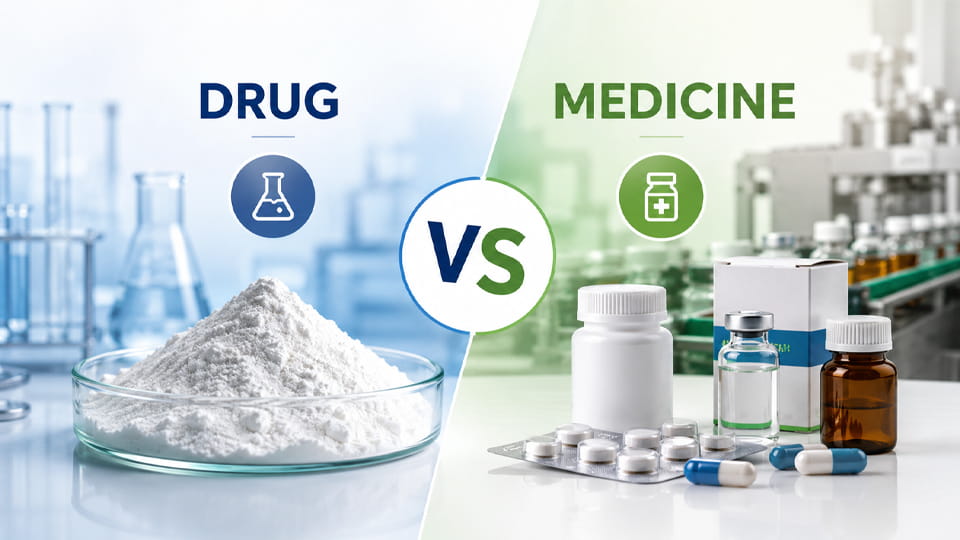
फार्मास्युटिकल शब्दों में, ए दवाई एक सक्रिय रासायनिक या जैविक पदार्थ है जिसका उपयोग निदान के लिए किया जाता है, इलाज, कम करना, इलाज, या बीमारी को रोकें. एफडीए एक दवा को मोटे तौर पर इस प्रकार परिभाषित करता है "निदान में उपयोग के लिए अभिप्रेत एक पदार्थ, इलाज, शमन, इलाज, या बीमारी की रोकथाम”मनुष्यों या जानवरों में. व्यवहार में, "दवाई" अक्सर शुद्ध सक्रिय संघटक को संदर्भित करता है (एपीआई) स्वयं. उदाहरण के लिए, पाउडर के रूप में इबुप्रोफेन या एमोक्सिसिलिन को बनने से पहले एक दवा पदार्थ कहा जाएगा गोली या कैप्सूल.
के बारे में मुख्य बातें ड्रग्स फार्मा विनिर्माण में:
सारांश, ए दवाई कच्चा चिकित्सीय पदार्थ या एपीआई है - "क्या" जो किसी दवा को अपना प्रभाव देता है. यह शब्द सूत्रीकरण विकास और विनियमन में आम है.
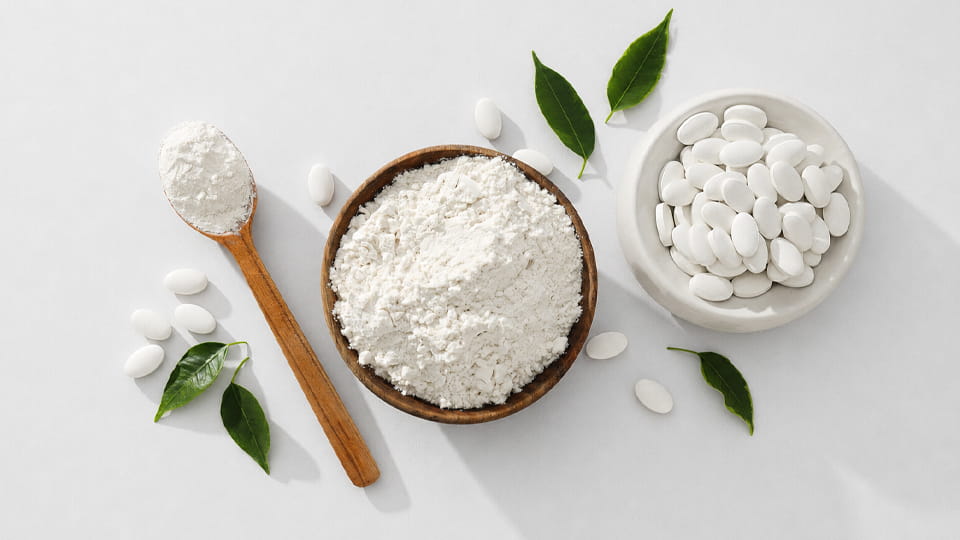
ए दवा (या औषधीय उत्पाद) एक है तैयार दवा उत्पाद रोगी के उपयोग के लिए अभिप्रेत है. इसमें एक या अधिक औषधियाँ शामिल हैं (शहद की मक्खी) साथ ही निष्क्रिय घटक (excipients) और सुरक्षित वितरण और उपयोग के लिए पैक किया गया है. दूसरे शब्दों में, एक बार किसी दवा को खुराक के रूप में तैयार कर लिया जाता है (गोली, कैप्सूल, तरल, वगैरह।) और एक कंटेनर में लेबल किया गया, यह बिक्री के लिए तैयार दवा बन जाती है.
सामान्य शर्तों में, ए दवा पैक किया हुआ है, किसी स्थिति का निदान या उपचार करने के लिए रोगी-तैयार उत्पाद का उपयोग किया जाता है. इसमें दवा को स्टार घटक के रूप में शामिल किया गया है, बल्कि अन्य सभी चीजें भी (excipients, CONTAINER, लेबल).
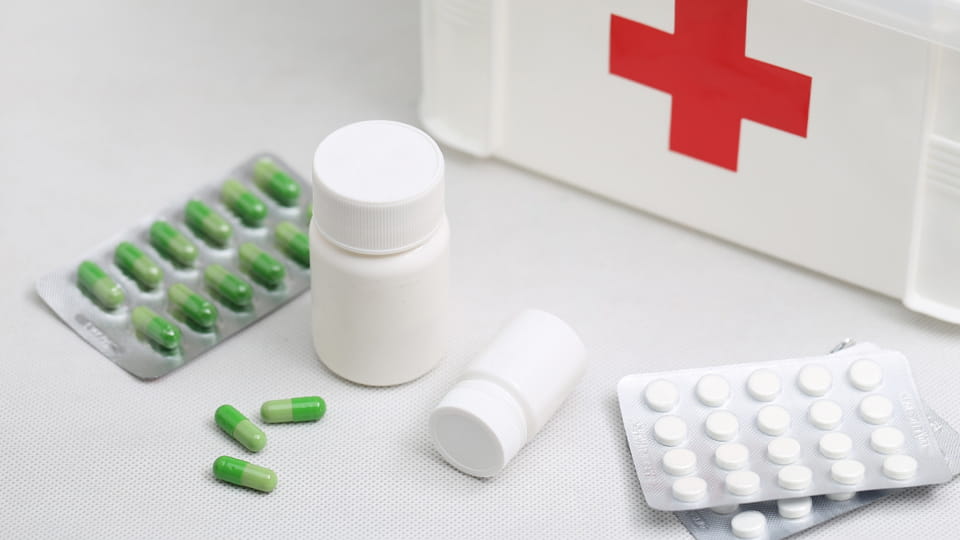
नीचे इसका सारांश दिया गया है प्रमुख भेद एक दवा और एक दवा के बीच. स्पष्ट भाषा में अंतर सूक्ष्म हैं लेकिन विनिर्माण और नियामक संदर्भों में महत्वपूर्ण हैं:
| पहलू | दवाई | दवा (औषधीय उत्पाद) |
| मूल अर्थ | सक्रिय पदार्थ (एपीआई) उपचारात्मक प्रभाव के साथ | तैयार उत्पाद जिसमें दवा शामिल है, रोगी के उपयोग के लिए तैयार |
| अवस्था | अक्सर प्रारंभिक चरण के घटक या अनुसंधान यौगिक को संदर्भित करता है | एक बार तैयार और पैक किए जाने के बाद अंतिम खुराक फॉर्म को संदर्भित करता है |
| संघटन | शुद्ध सक्रिय संघटक (उदाहरण के लिए:. एस्पिरिन पाउडर) | एपीआई शामिल है + excipients, CONTAINER, लेबल (उदाहरण के लिए:. छाले में एस्पिरिन की गोली) |
| संदर्भ का प्रयोग करें | उत्पादन, आर&डी, नियामक (अनुमोदन प्रक्रिया) | नैदानिक उपयोग, निर्धारण, डिस्पेंसिंग (स्वास्थ्य देखभाल सेटिंग में) |
| विनियमन | व्यापक एफडीए "दवा" परिभाषा में एपीआई शामिल हैं | तैयार उत्पादों को कड़ाई से विनियमित किया गया (एफडीए/ईएमए अनुमोदन, जीएमपी) |
| उदाहरण | इबुप्रोफेन एपीआई, इंसुलिन प्रोटीन (थोक पदार्थ) | इबुप्रोफेन गोलियाँ, शीशियों में इंसुलिन इंजेक्शन |
स्पष्ट शब्दों में: ए दवाई औषधीय प्रभाव वाला सक्रिय रासायनिक/जैविक पदार्थ है. ए दवा क्या वह दवा प्लस फॉर्मूलेशन और पैकेजिंग है, रोगियों द्वारा सुरक्षित उपयोग के लिए अभिप्रेत है. जैसा कि एक फार्मा स्रोत ने कहा, “हर दवा एक दवा के रूप में शुरू होती है, लेकिन हर दवा दवा नहीं बनती". उदाहरण के लिए, शुद्ध मॉर्फीन एक मादक पदार्थ है; एक बार सलाइन के साथ इंजेक्शन की खुराक में तैयार किया गया और शीशियों में सील कर दिया गया, यह एक औषधि बन जाता है (एक दर्द निवारक उत्पाद).
महत्वपूर्ण बात यह है दवा एक विनियमित का तात्पर्य है, उपभोज्य उत्पाद, जबकि दवाई इसका मतलब केवल कच्चा सक्रिय पदार्थ या यौगिकों का एक व्यापक वर्ग हो सकता है. उपरोक्त तालिका इन अंतरों पर प्रकाश डालती है.
"दवा बनाम दवा" को पूरी तरह से समझने के लिए,“यह फार्मा में अक्सर उपयोग किए जाने वाले संबंधित शब्दों को स्पष्ट करने में मदद करता है:
जमीनी स्तर: फार्मा विनिर्माण में, "औषधीय पदार्थ" एपीआई है, "औषधीय उत्पाद" तैयार खुराक प्रपत्र है (गोलियाँ, कैप्सूल, इंजेक्शन, वगैरह।), और "दवा" जब यह बाजार के लिए तैयार चिकित्सीय उत्पाद हो तो आप इसे दवा उत्पाद कहते हैं. उदाहरण के लिए, मेटफॉर्मिन एक मादक पदार्थ है, 500 मिलीग्राम मेटफॉर्मिन टैबलेट दवा उत्पाद है, और वह टेबलेट (इसकी पैकेजिंग में) वह दवा है जो रोगी लेता है.
इन शर्तों को समझना महत्वपूर्ण है: एक बार जब हम किसी दवा उत्पाद की खुराक का स्वरूप जान लेते हैं, हम सही का चयन कर सकते हैं पैकेजिंग लाइन इसे एक स्थिर औषधि में बदलने के लिए.
सूत्रीकरण & खुराक प्रपत्र विकास: एक कच्चा औषधि पदार्थ अपने आप में धैर्यवान नहीं है. इसे उपयुक्त खुराक के रूप में तैयार किया जाना चाहिए (गोली, कैप्सूल, सिरप, इंजेक्शन, वगैरह।) - यह विनिर्माण विकास का एक प्रमुख हिस्सा है. प्रत्येक खुराक के रूप में विशिष्ट सहायक पदार्थों और प्रसंस्करण की आवश्यकता होती है (मिश्रण, दानेदार बनाने का कार्य, नसबंदी) एक बनने के लिए औषधीय उत्पाद. उदाहरण के लिए, इंजेक्टेबल बायोलॉजिक्स के लिए संवेदनशील एपीआई को सड़न रोकनेवाला प्रसंस्करण की आवश्यकता होती है, जबकि एक गोली के लिए एक स्थिर एपीआई सुखाने और टैबलेट संपीड़न से गुजरती है.
विनियामक अनुमोदन: एफडीए या ईएमए जैसी एजेंसियां दवा पदार्थ पर डेटा की समीक्षा करती हैं और औषधि उत्पाद/दवा. वे एपीआई की सुरक्षा और अंतिम फॉर्मूलेशन की प्रभावकारिता का आकलन करते हैं. तैयार दवा को सख्त मानकों को पूरा करना होगा (जीएमपी, स्थिरता, लेबलिंग). एफ.डी.ए सीजीएमपी नियम स्पष्ट रूप से पैकेजिंग प्रक्रियाओं और उपकरणों को कवर करते हैं - तो आप दवा को कैसे पैकेज करते हैं (एक कच्ची दवा से भी अधिक) अत्यधिक विनियमित है.
पैकेजिंग और लेबलिंग: यह अंतर पैकेजिंग आवश्यकताओं को निर्धारित करता है. किसी दवा पदार्थ की आमतौर पर न्यूनतम पैकेजिंग होती है (ड्रम, भंडारण के लिए शीशियाँ). दवा, तथापि, आवश्यक है प्राथमिक पैकेजिंग जो खुराक की रक्षा करता है (उदाहरण के लिए:. फफोले के पैक, बोतलों, शीशियों) और द्वितीयक पैकेजिंग (डिब्बों) जानकारी और पता लगाने की क्षमता के लिए. उदाहरण के लिए, गोलियाँ (तैयार उत्पाद) शेल्फ-लाइफ सुनिश्चित करने के लिए नमी-प्रूफ ब्लिस्टर पैक या बोतल-एंड-क्लोजर सिस्टम की आवश्यकता होती है. एक इंजेक्टेबल दवा के लिए बाँझ कांच की शीशियों या एम्पौल्स और छेड़छाड़-स्पष्ट सील की आवश्यकता होती है. एपीआई और खुराक फॉर्म के प्रत्येक संयोजन में एक मिलान पैकेजिंग समाधान होता है.
उपकरण चयन: यदि आप केवल एपीआई के बारे में सोचते हैं, आप रिएक्टरों या मिक्सर पर विचार कर सकते हैं. लेकिन एक बार कोई पदार्थ एक दवा उत्पाद बन जाता है जिसे पैकेजिंग की आवश्यकता होती है, आपको सही पैकेजिंग लाइन की आवश्यकता है. ब्लिस्टर पैकेजिंग मशीनें, कैप्सूल भरने वाली मशीनें, तरल भराव, शीशी भरने की लाइनें, कार्टनिंग मशीनें - सभी प्रासंगिक हो जाते हैं. "दवा" को पहचानने का मतलब है कि पैकेज्ड उत्पाद इन मशीनों की खरीद को प्रेरित करता है.
संक्षेप में, "दवा बनाम दवा" को समझने से परियोजना टीमों को जानने में मदद मिलती है कब और कैसे पैकेजिंग को उत्पादन वर्कफ़्लो में एकीकृत करना. यह सुनिश्चित करता है कि दवा उत्पाद सिर्फ तैयार नहीं किया गया है, लेकिन उचित रूप से संरक्षित और बाजार में प्रस्तुत किया गया.
पैकेजिंग अंतिम महत्वपूर्ण कदम है जो एक तैयार दवा को ऐसी दवा में बदल देता है जिसे मरीज़ सुरक्षित रूप से उपयोग कर सकते हैं. में फार्मास्युटिकल पैकेजिंग, प्राथमिक पैकेजिंग खुराक के साथ सीधे संपर्क में है (दवा उत्पाद) और पतन के लिए पहली बाधा प्रदान करता है. उदाहरण के लिए, हार्ड जिलेटिन कैप्सूल और टैबलेट अक्सर जाते हैं एल्यूमीनियम-प्लास्टिक फफोले के पैक, जबकि तरल सिरप में जाते हैं प्लास्टिक (पीईटी/एचडीपीई) बोतलों. इंजेक्शन में नशीले पदार्थ भरे जाते हैं बाँझ कांच की शीशियाँ या ampoules. प्रत्येक प्राथमिक कंटेनर को उसकी जड़ता और अवरोध गुणों के लिए चुना जाता है.
एक बार प्राथमिक पैकेजिंग को सील कर दिया जाए, द्वितीयक पैकेजिंग (डिब्बों, लेबल, पत्रक) रोगी की जानकारी और बैच डेटा प्रदान करता है. उदाहरण के लिए, ब्लिस्टर पैक या शीशियों को निर्देश पत्रक के साथ ब्रांडेड कार्डबोर्ड डिब्बों में समूहीकृत किया जाता है, बैच नंबर, और बारकोड - अनुपालन और रोगी सुरक्षा के लिए महत्वपूर्ण.
जिनलुपैकिंग पर, हमारी मशीनें इन चरणों को स्वचालित करती हैं. एक स्वचालित ब्लिस्टर पैकिंग मशीन प्रति घंटे हजारों गोलियों को फफोले में सील कर सकता है; ए कैप्सूल भरने की मशीन दवा को कैप्सूल में डालता है; ए बोतल भरने और कैपिंग लाइन गोलियाँ गिनता है या सिरप को बोतलों में भरता है; और ए कार्टनिंग मशीन तैयार उत्पादों को लपेटता और डिब्बों में रखता है. ये सभी चरण - भरना, कैपिंग, रैपिंग - सुनिश्चित करें कि अंतिम दवा की खुराक सही ढंग से दी गई है, सुरक्षित, और वितरण के लिए तैयार है.
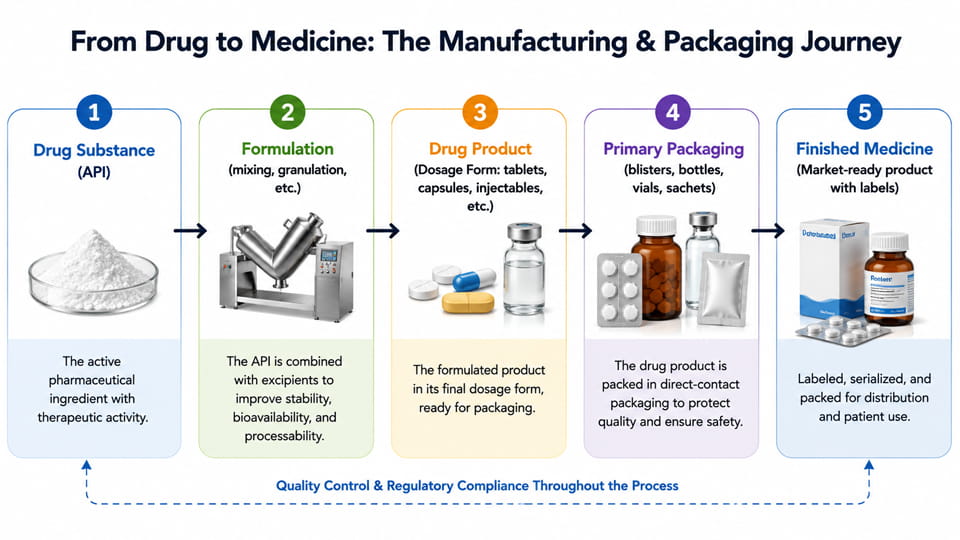
आकृति: औषधि का फ़्लोचार्ट → औषधि: सक्रिय औषधि पदार्थ (एपीआई) ए में तैयार किया गया है औषधीय उत्पाद (विशिष्ट खुराक प्रपत्र). फिर यह अंदर चला जाता है प्राथमिक पैकेजिंग (उदाहरण के लिए:. गोलियों के लिए ब्लिस्टर पैक, सिरप के लिए बोतलें, इंजेक्शन के लिए कांच की शीशियाँ). अंत में, यह एक बन जाता है तैयार दवा द्वितीयक पैकेजिंग के साथ (कार्टन/लेबल) रोगी के उपयोग के लिए.
विभिन्न खुराक रूपों के लिए अलग-अलग पैकेजिंग समाधान की आवश्यकता होती है. नीचे दी गई तालिका विशिष्ट जोड़ियों का सारांश प्रस्तुत करती है:
| दवाई लेने का तरीका | सामान्य प्राथमिक पैकेजिंग | उदाहरण JinLuEquipment |
| गोलियां (ठोस मौखिक) | फफोले के पैक (पीवीसी/पीवीडीसी फ़ॉइल), या प्लास्टिक बोतलों स्क्रू कैप के साथ | ब्लिस्टर पैकिंग मशीन; टेबलेट गिनती & बोतलबंद लाइन |
| कैप्सूल (मौखिक) | फफोले के पैक, या गोलियों के समान बोतलें | स्वचालित कैप्सूल भरने की मशीन; छाले की मशीन |
| मौखिक तरल (सिरप) | प्लास्टिक (पीईटी/एचडीपीई) बोतलों बच्चों के लिए सुरक्षित कैप के साथ | तरल भरने और कैपिंग प्रणाली; बोतल अनस्क्रैम्बलर |
| पाउडर / पाउच | एकल-खुराक पाउच पैक (फ़ॉइल या लैमिनेट पाउच) | पाउच/स्टिक पैक पैकिंग मशीन; प्रीमेड पाउच लाइन |
| इंजेक्शन (बाँझ) | काँच शीशियों, ampoules, या पहले से भरी हुई सीरिंज, प्लस फ़ॉइल सील | शीशी/एम्पौल भरना & रोकने वाली रेखा; इंडक्शन सीलर |
| मलहम/क्रीम | लेमिनेटेड ट्यूब (एल्यूमीनियम या प्लास्टिक) | ट्यूब भरने और सील करने की मशीन |
| सॉफ़्टजेल कैप्सूल | बोतलों (पालतू) या ब्लिस्टर पैक | सॉफ्टजेल कैप्सूल ब्लिस्टर मशीन; गिनती की रेखा |
चुनाव खुराक स्वरूप स्थिरता जैसे कारकों पर निर्भर करता है, बांझपन, और रोगी को सुविधा. उदाहरण के लिए, गोलियाँ और कैप्सूल अक्सर उपयोग करते हैं छाले की मशीन या बोतल भरने की लाइनें, जबकि तरल पदार्थों की आवश्यकता होती है बोतल धोने वाले, भरना, और कैपिंग मशीनें. इंजेक्शन दवाओं को साफ-सुथरी परिस्थितियों में बाँझ भरने वाली प्रणालियों की आवश्यकता होती है. यह सुनिश्चित करने के लिए कि दवा उत्पाद सुरक्षित हो जाए, प्रत्येक समाधान को विशेष पैकेजिंग मशीनरी द्वारा समर्थित किया जाता है, लेबल दवा जो मिलता है जीएमपी मानक.
इसे ठोस बनाने के लिए, यहां कुछ उदाहरण दिए गए हैं जो दिखाते हैं कि कैसे विशिष्ट दवाएं दवाओं में बदल जाती हैं:
प्रत्येक उदाहरण दिखाता है: दवाई (एपीआई) → सूत्रीकरण (टैबलेट, भरना, वगैरह।) → पैकेजिंग (छाला, बोतल, शीशी, पाउच) → दवा (लेबल के साथ अंतिम उत्पाद).
आवश्यक रूप से नहीं. प्रत्येक औषधि की शुरुआत एक औषधि से होती है, लेकिन हर दवा दवा नहीं बन जाती. अनेक रासायनिक या जैविक यौगिक (ड्रग्स) मरीज़ों तक कभी न पहुंचें. कुछ दवाएं आर में रहती हैं&डी या केवल अनुसंधान के लिए उपयोग किया जाता है, और अन्य का उपयोग चिकित्सा सेटिंग्स के बाहर किया जाता है (उदाहरण के लिए:. मनोरंजक औषधियाँ). केवल तभी जब कोई दवा तैयार की जाती है, परीक्षण, और स्वीकृत क्या यह एक दवा बन जाती है.
एक FAQ उत्तर नोट्स के रूप में, “एस्पिरिन एक दवा और दवा दोनों है. यह अपने रासायनिक रूप में एक औषधि है (एसिटाइलसैलिसिलिक एसिड) और जब इसे तैयार किया जाता है और बुखार के इलाज के लिए उपयोग किया जाता है तो यह एक दवा बन जाती है, दर्द, या सूजन". मुख्य बात इच्छित उपयोग और प्रस्तुति है: रोगी के लिए तैयार उत्पाद के रूप में उपयोग करने से यह एक औषधि बन जाता है.
सारांश, केवल स्वीकृत, रोगी-इच्छित उत्पाद औषधियाँ हैं. इसे समझने से निर्माताओं और नियामकों को प्रायोगिक पदार्थों और वास्तविक बाजार उत्पादों के बीच अंतर करने में मदद मिलती है.
सारांश, "दवाई" आमतौर पर सक्रिय घटक या किसी फार्मास्युटिकल एजेंट को संदर्भित करता है, जबकि "दवा" (औषधीय उत्पाद) समाप्त को संदर्भित करता है, रोगी के लिए तैयार उत्पाद जिसमें वह दवा शामिल है. फार्मास्युटिकल निर्माण के लिए यह अंतर महत्वपूर्ण है: यह आर का मार्गदर्शन करता है&डी, नियामक स्थिति, और पैकेजिंग विकल्प. इन शर्तों को समझने से यह सुनिश्चित करने में मदद मिलती है कि हम दवा पदार्थ को फॉर्मूलेशन के माध्यम से आगे बढ़ाते हैं पैकेजिंग ठीक से एक स्थिर बनने के लिए, अनुरूप दवा.
कब एक नया खुराक प्रपत्र विकसित करना, याद करना: सही पैकेजिंग लाइन (ब्लिस्टर पैकर, कैप्सूल भराव, बोतल लाइन, शीशी भराव, दफ़्ती, वगैरह।) के लिए आवश्यक है दवा की रक्षा करना और जीएमपी से मिलना. उदाहरण के लिए, टैबलेट निर्माता इस पर भरोसा करते हैं ब्लिस्टर पैकेजिंग मशीनें और पंक्तियाँ गिनना/भरना, जबकि इंजेक्टेबल उत्पादों की आवश्यकता होती है शीशी/एम्पौल भरने और कैपिंग मशीनें और सुरक्षित माध्यमिक पैकिंग. जिंलुपैकिंग की एक पूरी श्रृंखला प्रदान करता है फार्मा पैकेजिंग मशीनरी प्रत्येक खुराक स्वरूप के अनुरूप - से गोली & कैप्सूल का फफोला पड़ना को पाउच पैकिंग और कार्टनिंग.
आपकी दवा को बाज़ार के लिए तैयार दवा में बदलने के लिए तैयार है? हमारे समाधान खोजें: गोली & ठोस खुराक के लिए कैप्सूल ब्लिस्टर पैकेजिंग मशीनें, पाउडर के लिए कैप्सूल भरने की मशीनें/तरल कैप्सूल, पाउच & पूर्वनिर्मित थैली मशीनें पाउडर के लिए, और अंतिम बॉक्सिंग के लिए कार्टनिंग मशीनें. हमारे उपकरण उत्पाद की गुणवत्ता की रक्षा करने में मदद करते हैं, रोगी की सुरक्षा सुनिश्चित करें, और दवा से तैयार दवा तक अपनी उत्पादन लाइन को सुव्यवस्थित करें.
बिल्कुल नहीं. अनौपचारिक बातचीत में वे ओवरलैप होते हैं, लेकिन तकनीकी रूप से एक दवा का मतलब अक्सर सक्रिय घटक या कोई औषधीय पदार्थ होता है, जबकि दवा मरीजों को दिया जाने वाला तैयार उत्पाद है. कोई कह सकता है कि “प्रत्येक औषधि में एक औषधि होती है।”, लेकिन जब तक कोई दवा तैयार नहीं हो जाती तब तक वह अपने आप में दवा नहीं हो सकती है।''.
अधिकांश फार्मास्युटिकल संदर्भों में वे मूलतः एक ही अवधारणा हैं. एक औषधि उत्पाद पूर्ण खुराक प्रपत्र है (गोली, कैप्सूल, इंजेक्शन) बिक्री के लिए तैयार. दवा वह औषधि उत्पाद कहलाती है जब उसे रोगी के उपयोग के लिए पैक किया जाता है. व्यवहार में, अनुमोदित दवा उत्पाद (लेबलिंग के साथ) औषधियाँ हैं.
एक औषधि पदार्थ (या एपीआई) शुद्ध सक्रिय घटक है - रासायनिक या जैविक जिसका चिकित्सीय प्रभाव होता है. एक औषधि उत्पाद उस पदार्थ से युक्त अंतिम सूत्रीकरण होता है, प्लस सहायक पदार्थ, एक खुराक के रूप में (गोली, समाधान, वगैरह।). नमक और साल्टशेकर के बारे में सोचें: नमक (औषधि पदार्थ) घटक है; एक बोतल में एंटी-काकिंग एजेंट वाला नमक (औषधीय उत्पाद) प्रयोग करने योग्य उत्पाद है.
किसी दवा को दवा में बदलने के लिए पैकेजिंग महत्वपूर्ण है. जैसा कि JinLuPacking संसाधन नोट करते हैं, फार्मास्युटिकल पैकेजिंग (फफोले के पैक, शीशियों, बोतलों) दवा उत्पाद की स्थिरता और खुराक की रक्षा करता है, और नियमों का अनुपालन सुनिश्चित करता है. उचित पैकेजिंग और लेबलिंग एक ढीले दवा पदार्थ को एक तिजोरी में बदल देती है, उपयोगकर्ता के अनुकूल दवा.
हाँ. इबुप्रोफेन या एसिटामिनोफेन जैसा यौगिक एक औषधि पदार्थ है. जब इसे निर्देशों के साथ ओटीसी टैबलेट में बनाया जाता है, यह एक औषधि भी है. यह रूप और उपयोग पर निर्भर करता है. जैसा कि ऊपर बताया गया है, एस्पिरिन रासायनिक रूप से एक दवा है लेकिन दर्द से राहत के लिए गोलियों के रूप में उपलब्ध होने पर इसे दवा कहा जाता है. कई दर्द निवारक दवाओं के साथ भी ऐसा ही है, एंटीबायोटिक दवाओं, वगैरह.
डॉक्टर अक्सर किसी फार्मास्युटिकल एजेंट के तटस्थ अर्थ में "दवा" का उपयोग करते हैं. नैदानिक शब्दजाल और कानून में (एफडीए अधिनियम की तरह), "दवा" एक चिकित्सीय पदार्थ के लिए आधिकारिक शब्द है. इसमें कफ सिरप से लेकर कीमोथेरेपी तक सब कुछ शामिल है. इस दौरान, "चिकित्सा" अधिक रोगी-अनुकूल है. इसलिए डॉक्टर इबुप्रोफेन लिख सकता है (दवाई) दर्द निवारक के रूप में (दवा).
संदर्भ:
1.ड्रग्स@एफडीए शर्तों की शब्दावली -- हम. खाद्य एवं औषधि प्रशासन
2.दवाओं और उपकरणों के रूप में उत्पादों का वर्गीकरण और अतिरिक्त उत्पाद वर्गीकरण मुद्दे -- हम. खाद्य एवं औषधि प्रशासन
3.शब्दकोष (पी शर्तें: फार्मास्युटिकल उत्पाद, उत्तेजक, आरंभिक सामग्री) -- कौन
4.प्रीक्वालिफिकेशन शब्दावली -- कौन
5.खुराक प्रपत्र | एफडीए -- हम. खाद्य एवं औषधि प्रशासन
6.Q7A सक्रिय फार्मास्युटिकल सामग्री के लिए अच्छा विनिर्माण अभ्यास मार्गदर्शन -- हम. खाद्य एवं औषधि प्रशासन
