
Dans la fabrication pharmaceutique, temps de changement fait référence au temps d'arrêt lorsqu'une ligne de production s'arrête pour passer d'un produit à un autre (ou par lots) à un autre. Par exemple, une ligne de comprimés passant du produit A au produit B peut nécessiter un nettoyage, changements de matrices/outils, et étalonnage avant la reprise de la production. Par définition, le temps de changement est « le temps total écoulé entre la production du dernier bon produit du cycle précédent et le premier bon produit du cycle suivant. ». Chaque minute passée au changement est du temps de production perdu (et donc perte de profit). En fait, les lignes d'emballage peuvent effectuer 5 à 15 changements par équipe, Ainsi, gagner ne serait-ce que quelques minutes à chaque fois peut permettre d'économiser des milliers de minutes de production par an.
Les changements comprennent généralement quatre phases: fermer, nettoyage, installation, et démarrer. L'arrêt arrête la ligne, le nettoyage élimine les résidus (pour éviter les contaminations), le programme d'installation installe le nouveau format (outils, guides, recettes), et le démarrage ajuste la ligne jusqu'à ce que les spécifications de qualité soient respectées. En pharmacie, un nettoyage et une validation stricts rendent les changements particulièrement longs. En moyenne, à peu près 20–30% du temps passé dans une installation pharmaceutique peut être consacré aux activités de transition. Autrement dit, près d'un tiers de la journée peut être consacré au nettoyage et à l'installation, en particulier dans les usines multi-produits où « la journée entière peut être consacrée à un grand nettoyage de la chaîne de production ».

Pourquoi ça compte: Les longs changements font mal efficacité et coûts de production. Chaque minute supplémentaire de temps d'arrêt réduit l'efficacité globale de l'équipement (OEE) et débit. Par exemple, une étude a révélé qu'une usine faisant 10 les changements par jour sont une perte 8,000 minutes par an si chaque changement ne prend que 3 à 5 minutes supplémentaires. Cela fait des centaines d'heures (et des milliers de dollars) perdu chaque année. En réduisant le temps de changement, une plante gagne plus valeur ajoutée temps d'exécution. Il permet également des lots plus petits et une planification plus flexible – des avantages essentiels lorsque la demande pharmaceutique évolue rapidement. En bref, réduire le temps de changement signifie plus de production par équipe, moins de travail inutile, et une meilleure réactivité aux besoins du marché.
Production pharmaceutique fait face à des obstacles particuliers. Contrairement à de nombreuses industries de consommation, les médicaments exigent les normes de qualité et de pureté les plus élevées. Avant de changer de produit, nettoyage et validation minutieux sont obligatoires pour éviter la contamination croisée. Cela peut impliquer plusieurs étapes Nettoyage sur place (CIP) cycles qui durent 30 à 60 minutes (ou plus pour les produits très visqueux ou puissants). Après le nettoyage, les systèmes de qualité exigent souvent des preuves que l'équipement est stérile et exempt du médicament précédent. Tous ces frais réglementaires prolongent naturellement les temps d'arrêt.
De plus, les lignes pharmaceutiques gèrent souvent un grande variété de produits – différentes molécules, formules, et formats d'emballage. Basculer entre des tablettes de différentes tailles, ou des comprimés aux capsules, peut signifier échanger physiquement les matrices, moules ou alimentateurs sur machines. Chaque ajustement ajoute des minutes. Comme le note une source, "En général, les installations qui fabriquent une grande variété de produits auront probablement des délais de changement plus longs… car le passage d'un produit à l'autre implique l'ajustement des paramètres et le remplacement des outils.. Dans les biens de consommation à évolution rapide, les lignes ne peuvent traiter qu'un seul produit par jour. En pharmacie, une ligne peut changer de produit plusieurs fois par semaine, ou même par quart de travail, amplification de l'impact du changement.
Enfin, compétence de l'opérateur et question de coordination. Des méthodes incohérentes entre les équipes peuvent faire en sorte que les échanges de produits identiques prennent des temps très différents.. Sans procédures standard et sans équipes bien formées, une équipe pourrait effectuer un changement 15 minutes pendant qu'une autre prend 30, introduisant une inefficacité supplémentaire.
Un moyen éprouvé de gérer le temps de changement est le FORGERON (Échange de matrices en une minute) méthodologie du Lean Manufacturing. L’objectif du SMED est de réduire les délais de transition à un chiffre (minutes) en déplaçant un maximum de tâches dehors de temps d'arrêt. En pratique, cela signifie préparer et organiser le travail à l'avance, étapes de normalisation, et rationaliser l'échange réel. Par exemple, Les principes SMED comprennent:
En appliquant rigoureusement ces tactiques Lean/SMED, de nombreuses installations ont réduit leurs changements d'heures à quelques minutes. Par exemple, Refonte de la ligne de conditionnement pharmaceutique de JinLu (en utilisant des pièces à dégagement rapide et des équipes synchronisées) atteint un temps de changement « proche de zéro » sur ses machines. Shoplogix rapporte que les meilleurs conditionneurs de leur catégorie prennent en moyenne environ 17 minutes par changement, contre 50 minutes pour les retardataires – une lacune que les méthodes Lean peuvent contribuer à combler.
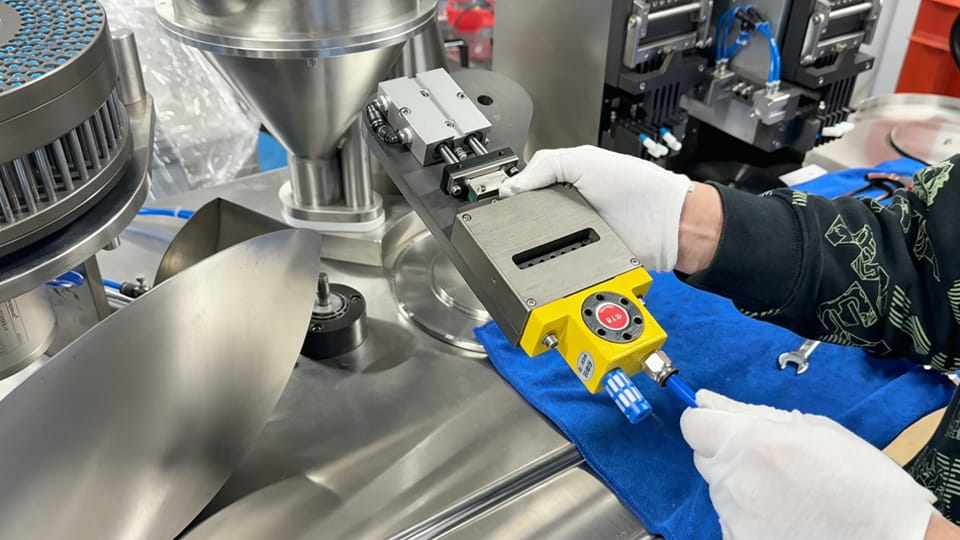
Basé sur l'expérience de l'industrie, voici conseils concrets que les ingénieurs achats et les opérateurs de ligne peuvent mettre en œuvre:
Collectivement, ces tactiques transforment les passages de ralentissements redoutés en changements rapides, des événements presque routiniers. Par exemple, un fabricant de semi-solides a réduit son temps de changement de 56 minutes jusqu'à 10 minutes (un 82% réduction) en abandonnant les lourds conteneurs en acier (qui nécessitait un nettoyage) aux sacs de fluides à usage unique qui éliminent complètement le nettoyage. Même si c'est un cas extrême, cela met en valeur l'idée: si le nettoyage est votre plus gros obstacle, trouver des moyens de l'éliminer ou de le simplifier. Même dans les équipements traditionnels, chaque minute économisée – que ce soit grâce aux versions rapides, travail parallèle, ou préparation – est un temps de production ajouté.
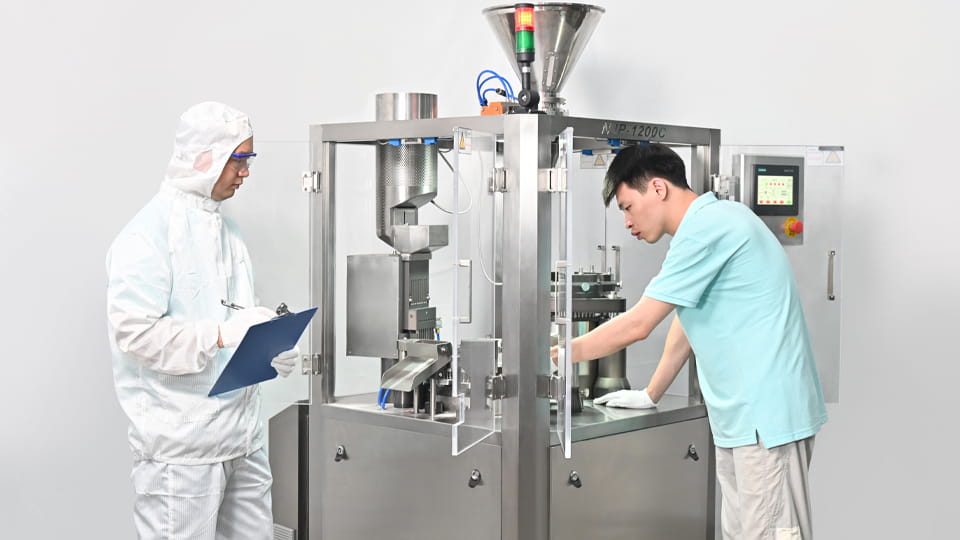
Moderne machines d'emballage pharmaceutique intégrer de plus en plus de fonctionnalités pour réduire le temps de changement. Par exemple:
Dans tous les cas, quand vous évaluez machines d'emballage (que ce soit une ampoule, capsule, équipement d'embouteillage ou d'encartonnage), poser des questions sur fonctionnalités de changement. Les fiches techniques des machines indiquent souvent le « temps de changement de format » ou la « conception à libération rapide » si elles l'ont.. Les fournisseurs diront généralement que l'un des « avantages clés » de leur conception est un temps d'arrêt plus court entre les lots.. Intégrer ces fonctionnalités au niveau de la machine avec de bonnes pratiques de processus (comme indiqué ci-dessus) donne la plus grande réduction globale.
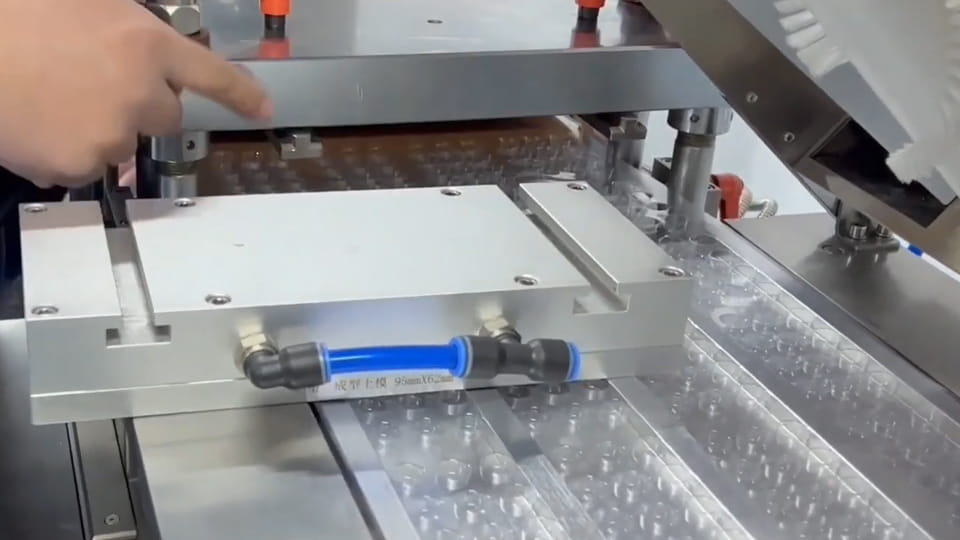
Réduire le temps de changement ne se limite pas à réduire les temps d’arrêt : cela se répercute sur l’ensemble de l’opération.. Changements plus courts directement augmenter le débit: une plus grande partie de l'exécution planifiée est consacrée à la fabrication du produit. C'est aussi améliore la qualité et la cohérence: bien documenté, des changements fréquents aident à maintenir la propreté et l’étalonnage, réduisant les risques de défauts dus à un nettoyage précipité ou à des étapes oubliées. Des lots plus petits, activé par des changements rapides, signifie moins de stocks excédentaires et des produits plus frais, qui sont importants dans le secteur pharmaceutique pour des raisons de péremption et de traçabilité.
En fait, les approches de transition basées sur les données peuvent révéler des gains cachés. Par chronométrer chaque phase (fermer, nettoyage, installation, démarrer) et comparaison avec les objectifs, les équipes peuvent voir exactement où le temps est perdu. De nombreux établissements ont constaté que le simple fait de fixer un objectif (Par exemple, un changement total de 30 minutes) et le suivi en temps réel motive les améliorations Lean. Comme on dit, "Si vous ne pouvez pas le mesurer, vous ne pouvez pas l’améliorer.
Enfin, des changements rapides rendent une installation plus à l'écoute du client. Si la demande pour un médicament particulier augmente ou si un rappel force un changement de ligne rapide, une usine avec des changements rationalisés peut s'adapter en quelques heures au lieu de quelques jours. Cette agilité peut être un avantage concurrentiel, permettant des lots plus petits, produits personnalisés, et une meilleure utilisation des équipements coûteux. À long terme, les efforts d’investissement visant à réduire le temps de changement sont récompensés par un OEE plus élevé, coûts unitaires réduits, et des clients plus satisfaits.
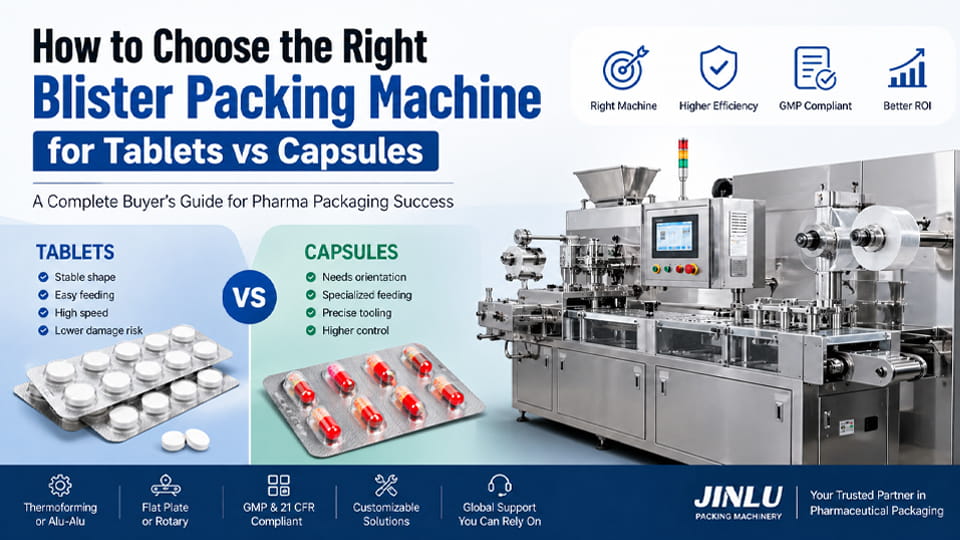
En résumé, temps de changement dans la fabrication pharmaceutique, il s’agit d’un temps d’arrêt critique que chaque opération de conditionnement doit gérer. En comprenant les étapes à suivre et les facteurs qui rendent les transitions pharmaceutiques longues (nettoyage strict, changements de format fréquents, contrôles réglementaires), les fabricants peuvent cibler les améliorations. Adopter des stratégies Lean/SMED – préparer les pièces à l’avance, procédures de normalisation, utilisant des conceptions à dégagement rapide et modulaires, former les opérateurs, et tirer parti de l’automatisation – peut réduire considérablement les durées de changement. Machines d'emballage blister modernes, les remplisseuses de capsules et les lignes de comptage sont souvent dotées de fonctionnalités de changement rapide intégrées; choisir le bon équipement et l’utiliser intelligemment fait partie de la solution.
Que vous soyez directeur de production, ingénieur packaging, ou spécialiste des achats dans une entreprise pharmaceutique, se concentrer sur le temps de changement peut rapporter gros. Couper juste quelques minutes la réduction de chaque échange de format ajoute des heures d'exécution supplémentaires chaque semaine. Et comme l'ont montré les initiés de l'industrie, dans le meilleur des cas, les changements qui prenaient autrefois des heures peuvent être réduits à quelques minutes seulement. En mettant en œuvre les conseils ci-dessus, vos opérations peuvent se rapprocher de cet objectif : assurer le bon fonctionnement des lignes, produits qui coulent, et des coûts réduits.
Le temps de changement fait référence à la période entre la production du dernier bon produit d'un lot et du premier bon produit du lot suivant.. Il comprend le nettoyage, réglage de l'équipement, remplacement de matériel, et étapes de validation.
Le temps de changement a un impact direct sur la disponibilité des équipements, efficacité de production, et le coût. Des changements plus longs signifient plus de temps d'arrêt et un rendement inférieur, tandis que les plus courts améliorent la flexibilité et la réactivité à la demande du marché..
Les causes courantes incluent:
• Procédures manuelles de nettoyage et de validation
• Manque de processus standardisés
• Complexité de l'équipement
• Mauvaise formation des opérateurs
• Manutention des matériaux inefficace
Ces facteurs augmentent les temps d'arrêt et réduisent l'efficacité globale de l'équipement. (OEE).
FORGERON (Échange de matrices en une minute) est une méthodologie de production Lean conçue pour réduire le temps de changement à des minutes à un chiffre en optimisant les processus de configuration et en minimisant les temps d'arrêt des machines..
SMED fonctionne par:
• Séparation des tâches internes et externes
• Effectuer la préparation alors que les machines sont encore en marche
• Standardisation des procédures
• Élimination des étapes inutiles
Cette approche peut réduire considérablement les temps d'arrêt et améliorer l'efficacité.
• Activités internes: Tâches nécessitant l'arrêt de la machine (Par exemple, remplacement d'outil)
• Activités externes: Tâches pouvant être effectuées pendant que la machine est en marche (Par exemple, préparer le matériel)
La réduction des tâches internes est la clé d’un changement plus rapide.
Les avantages clés comprennent:
• Augmentation de la capacité de production
• Coûts opérationnels réduits
• Des lots de plus petite taille
• Stock réduit
• Qualité du produit améliorée
• Plus grande flexibilité de production
Le temps de changement est critique dans des équipements tels que:
• Machines d'emballage sous blister
• Machines de remplissage de gélules
• Comptage & Lignes d'embouteillage
Ces machines nécessitent des changements de format et un nettoyage fréquents, rendre l’optimisation essentielle.
L'automatisation améliore l'efficacité du changement en:
• Standardisation des procédures
• Réduire les erreurs humaines
• Permettre des ajustements plus rapides
• Assurer une surveillance et une analyse des données en temps réel
Les outils numériques et les systèmes MES peuvent optimiser davantage les performances et la cohérence.
Références:
1.La contribution des outils de production Lean à la réduction des délais de changement dans l’industrie pharmaceutique. Un projet SMED – ScienceDirect.
2.Une réduction du temps de changement grâce à une intégration de pratiques Lean: Une étude de cas du secteur pharmaceutique – ResearchGate.
3.Mise en œuvre du SMED pour réduire les délais et augmenter la productivité: Cas d’une entreprise pharmaceutique – ieccmexicoreview.com.
4.Optimisation des opérations de configuration grâce à l'application des techniques SMED. Le Zambon S.p.A.. cas – thèse.unipd.it.