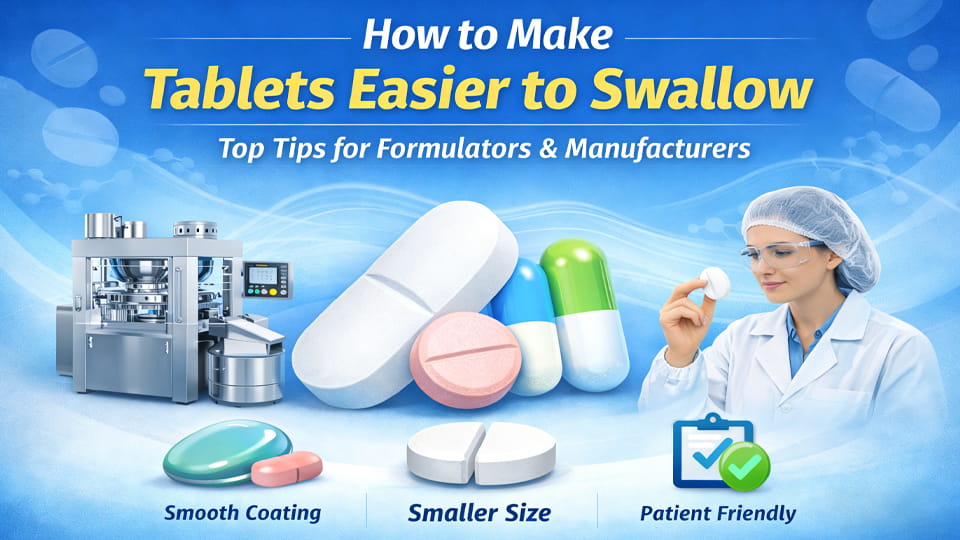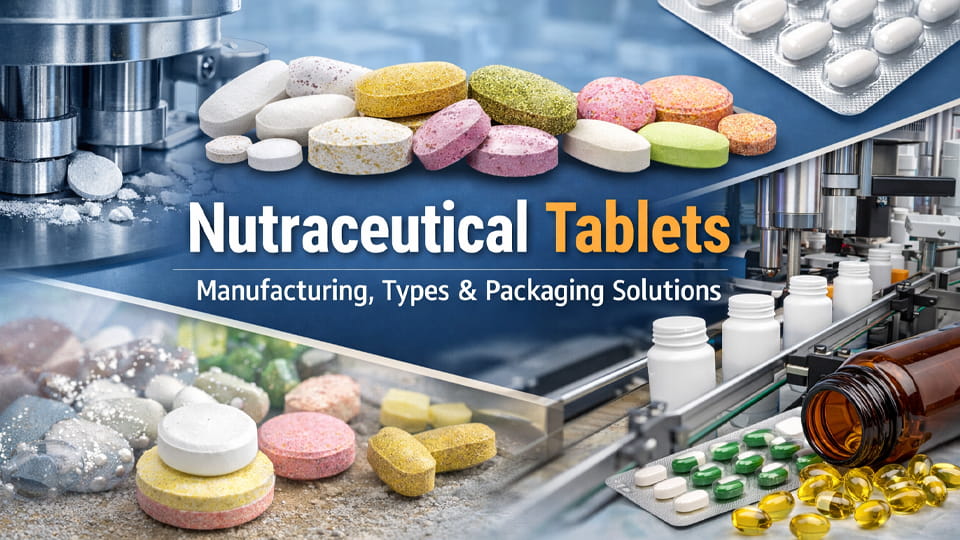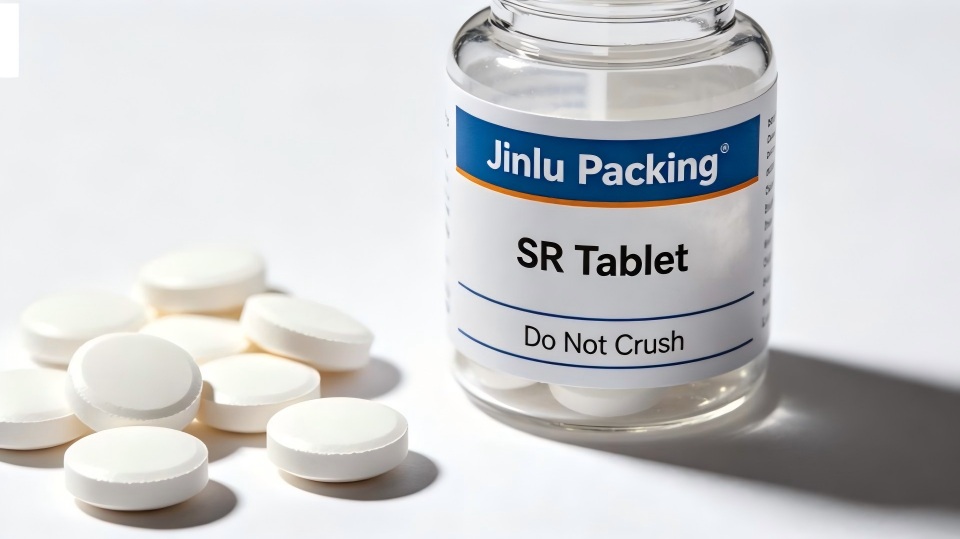

اشکال دارویی قرص در دو نوع اساسی وجود دارد: پوشش داده شده و بدون پوشش. یک قرص بدون روکش یک قرص فشرده ساده بدون هیچ پوسته اضافی است - فقط مواد فشرده (داروی فعال به علاوه مواد کمکی). بوها قرص روکش شده, در مقابل, دارای یک لایه بیرونی یا پوسته نازک است که پس از فشرده سازی اعمال می شود. این پوشش می تواند یک فیلم پلیمری باشد (روکش شده با فیلم), پوسته مبتنی بر شکر (روکش شکر), لایه روده, یا فیلم کاربردی دیگر. این پوشش عملکردی فراتر از ظاهر دارد - می تواند از دارو محافظت کند, طعم ماسک, انتشار کنترل, یا قابلیت بلع را بهبود بخشد.
به عنوان مثال, شکل 1 نشان می دهد که چگونه یک دستگاه پوشش فیلم، یک فیلم پلیمری یکنواخت را روی قرص ها اعمال می کند, ایجاد صاف, قرص های براق. این پوشش می تواند بلع را آسان تر کند و از هسته قرص در برابر رطوبت و هوا محافظت کند. در مقابل, قرص های بدون روکش ساده مات هستند, اغلب گچی, و در برابر محیط زیست آسیب پذیرتر است.
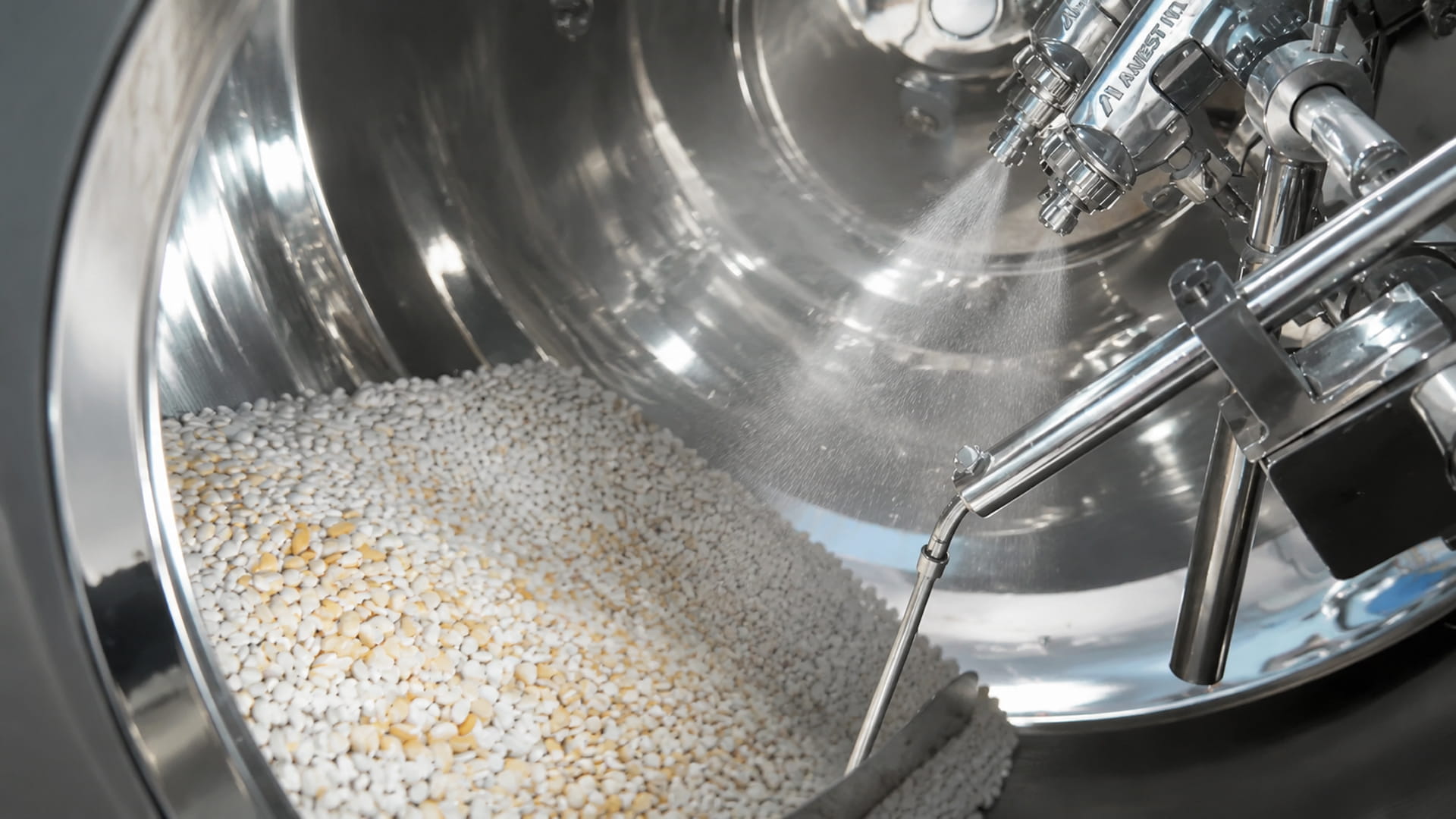
شکل 1. دستگاه پوشش قرص با سرعت بالا که پوشش فیلم را اعمال می کند. پوشش یک محافظ اضافه می کند, لایه صاف برای هر قرص, بهبود ظاهر و ثبات.
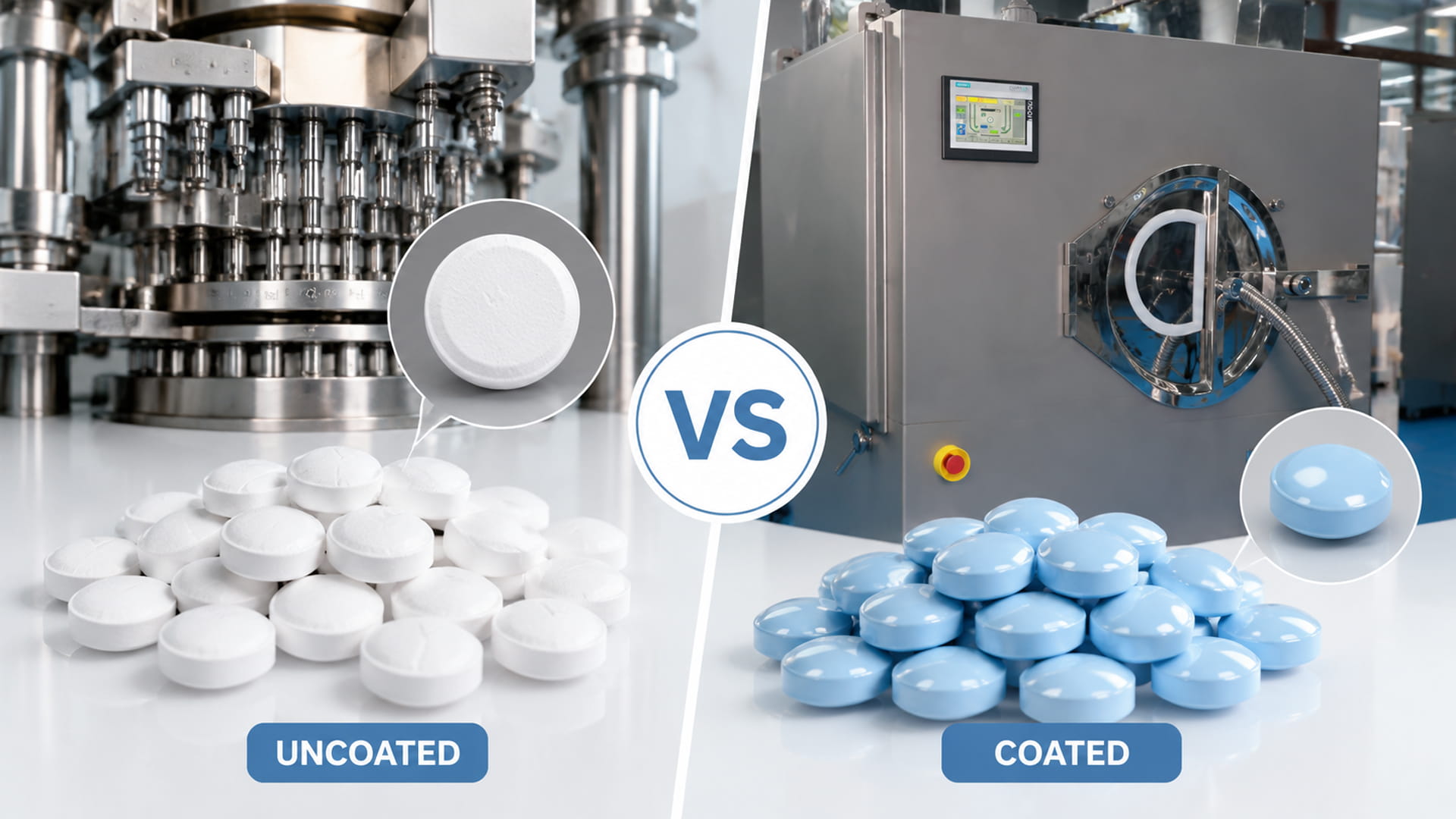
به عنوان مثال, بوها قرص روکش دار دارای یک لایه پلیمری نازک (معمولا هیدروکسی پروپیل متیل سلولز یا مشابه) که قرص را حجیم نمی کند. بوها قرص روکش قندی ضخیم دارد, پوسته شربت شیرین - ساختن آن سخت تر و بسیار سنگین تر است. یک قرص با پوشش روده از پلیمرهای حساس به pH استفاده می کند تا از معده عبور کرده و در روده حل شود. هر نوع پوشش مزایا و معایب خاص خود را دارد (جدول زیر را ببینید).
| نوع پوشش | توضیحات | کاربردهای اولیه |
| بدون پوشش | بدون پوشش; هسته تبلت در معرض دید قرار گرفت | انتشار سریع, حساس به هزینه, داروهای پایدار |
| فیلم-کت | فیلم پلیمری نازک (به عنوان مثال. HPMC) | پوشاندن طعم, محافظت در برابر رطوبت / نور, بلع آسان, برندسازی |
| کت قند | لایه های ضخیم شربت شکر | پوشاندن طعم قوی, پرداخت براق صاف, اغلب در اطفال |
| انتریک-کت | پلیمرهای حساس به pH (اودراژیت) | از معده یا دارو محافظت کنید; تاخیر در ترشح روده |
| دیگران | انتشار تخصصی/کنترل شده | رهاسازی پایدار, تحویل هدفمند, و غیره. |
جدول 1. مقایسه قرص بدون پوشش در مقابل قرص روکش دار و انواع روکش معمولی.
پوشش فقط برای ظاهر نیست - یک است مرحله عملکردی در تولید تبلت. مهندسان داروسازی می پرسند, "آیا تبلت می تواند بدون پوشش کار کند?"اگر بله, یک قرص بدون روکش ساده تر و ارزان تر است. اما هر زمان که یک مزیت فنی وجود داشته باشد، پوشش ها اضافه می شوند. دلایل عمده پوشاندن قرص ها عبارتند از:
به طور خلاصه, پوشش کارایی را اضافه می کند. خودسرانه انجام نشده است, اما هر زمان که طعم, ثبات, یا مسائل کنترلی را رها کنید. همانطور که یکی از راهنمای صنعت اشاره می کند, "پوشش تنها زمانی معرفی می شود که یک مزیت عملکردی واضح را ارائه دهد".
قرص های روکش دار دوام و کاربر پسند بودن را با هم ترکیب می کنند. مزایای کلیدی شامل:
شکل 2 یک قرص بدون پوشش را با یک قرص روکش دار مقایسه می کند. قرص روکش دار (درست است) به وضوح صاف است, نمای بیرونی براق که هر گونه اثر یا زبری روی هسته را می پوشاند.
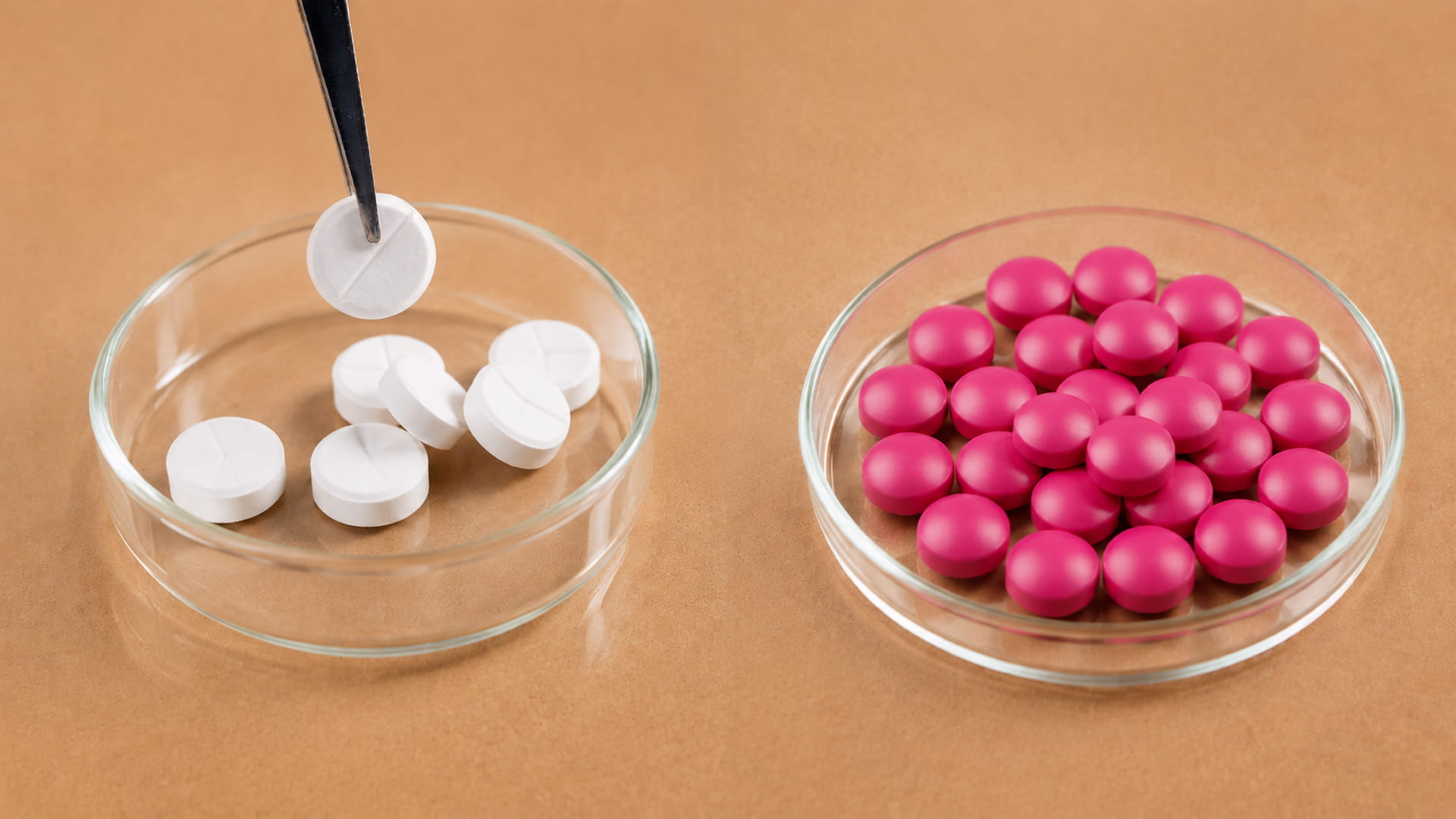
شکل 2. بدون پوشش (سمت چپ) در مقابل روکش شده با فیلم (درست است) قرص ها. قرص روکش شده دارای یک صافی است, پرداخت یکنواخت که رنگ و بافت هسته را می پوشاند. پوششهایی مانند این قابلیت بلع را بهبود میبخشد و از دارو در داخل محافظت میکند.
مزایای پوشش ها به راحتی قابل توضیح است: قرص های روکش دار اغلب «بهتر به نظر می رسند, بیشتر طول بکشد, و راحت تر پایین بیای از قرص های ساده. این مزایا بدان معناست که حتی اگر پوشش دهی مراحل و هزینه را اضافه می کند, بعداً می تواند مشکلات را کاهش دهد (خسارت, شکایات, انقضای زودهنگام). یک CMO مکمل غذایی اشاره می کند که در حالی که "قرص های روکش دار حاوی مواد اضافی هستند, کار و زمان, پوشش ممکن است دسته های رد شده را کاهش دهد, شکایات مشتریان, و مسائل مربوط به کیفیت پس از فروش”. در دراز مدت, قرص های روکش دار اغلب در طول چرخه عمر محصول صرفه جویی می کنند.
البته, تبلت های ساده هنوز جای خود را دارند. قرص های بدون روکش سادگی و مقرون به صرفه بودن را ارائه می دهند:
به زبان ساده, یک قرص بدون پوشش است “ساخته و ارزان”. این یک نقطه شروع خوب در مطالعات امکان سنجی است. وبلاگ داروساز همچنین اشاره میکند که تولید قرصهای بدون پوشش ارزانتر و زمانبرتر است, و آنها سریعتر حل می شوند و دارو را سریعتر آزاد می کنند.
با این حال, این دستاوردها با مبادلات به دست می آیند: یک قرص بدون پوشش، هسته دارو را در برابر آسیب های محیطی آسیب پذیر می کند, و ممکن است برای بیماران کمتر قابل قبول باشد. بنابراین تولیدکنندگان این عوامل را می سنجند: در صورت عدم نیاز به پوشش, آنها احتمالاً از آن صرف نظر خواهند کرد.
پوشش ها برای همه یک اندازه نیستند. در این صنعت از چندین نوع پوشش اصلی استفاده می شود, هر کدام با خاص استفاده و مزایا:
قرص های روکش دار در مقابل قرص های روکش شده با شکر: به طور خلاصه, پوشش های فیلم نازک هستند, بادوام, و برای تولید با سرعت بالا مناسب است. آنها تا حد زیادی جایگزین روکش های شکری شده اند زیرا حداقل حجم را اضافه می کنند و به سرعت اعمال می شوند. با این حال, روکش های قندی همچنان پوشش طعم برتر و ظاهری کلاسیک را ارائه می دهند, بنابراین آنها در محصولاتی مانند ویتامین های جویدنی که طعم آنها بسیار مهم است ظاهر می شوند.
قرصهای پوششدار در مقابل قرصهای دارای پوشش داخلی: تفاوت اصلی در محل انتشار است. یک پوشش فیلم با رهش فوری در معده حل می شود و اغلب فقط بلعیدن یا ثبات را بهبود می بخشد.. یک پوشش روده ای تاخیرها انحلال تا PH روده. به عنوان مثال, یک داروی سوزش سر دل ممکن است از پوشش روده برای جلوگیری از معده استفاده کند, در حالی که یک ویتامین روزانه ممکن است از یک لایه فیلم معمولی استفاده کند..
سازندگان چگونه قرص ها را پوشش می دهند؟? این یک عملیات اسپری و خشک با دقت کنترل شده است. مراحل اساسی هستند:
تولید تبلت مدرن از تجهیزاتی مانند فشارهای تبلت چرخشی (برای تشکیل هسته) و ماشین آلات پوشش دهنده با سرعت بالا (برای استفاده از پوسته های فیلم یا شکر). یک پرس تبلت می تواند صدها هزار هسته یکنواخت در ساعت تولید کند. سپس یک دستگاه پوشش تخصصی - اساسا یک درام فولادی ضد زنگ با نازل های اسپری و جریان هوا دقیق - محلول پوشش را روی قرص های متحرک اعمال می کند..
هر یک از این مراحل باید به شدت کنترل شود. اسپری بیش از حد یا هوای بیش از حد گرم می تواند باعث شود عیوب مانند بافت "پوست پرتقال" یا لایه لایه برداری. به همین دلیل است که دستگاه های روکش پیشرفته (مانند کسانی که از JinluPacking) دارای کنترل اتوماتیک PLC, نازل های اسپری دقیق, و حتی نظارت در زمان واقعی برای تنظیم پارامترها. در پایان, دقت کلید است: هر تبلت باید ضخامت پوشش مناسبی برای عملکرد ثابت داشته باشد.
[jl_youtube src=”https://www.youtube.com/embed/LFJJ-cEpfCk”]
هنگام انتقال از توسعه آزمایشگاهی به تولید تبلت تجاری, انتخاب دستگاه پوشش مناسب تبلت به یک تصمیم حیاتی تبدیل می شود. مدیران تولید معمولا تجهیزات را بر اساس یکنواختی پوشش ارزیابی می کنند, ظرفیت, سطح اتوماسیون, الزامات تمیز کردن, و هزینه های نگهداری. رایج ترین تجهیزات پوشش قرص شامل:

شکل 3. دستگاه روکش تبلت پرسرعت صنعتی Jinlu. با پاشیدن و خشک شدن محلول پوششی، قرص ها داخل آن فرو می روند. ویژگی هایی مانند همزن از نوع بافل و سیستم های گردش مواد، پوشش یکنواخت و پوشش کارآمد را تضمین می کند..
ویژگی های کلیدی که باید در یک روکش به دنبال آن باشید عبارتند از:
سرمایه گذاری در تجهیزات با کیفیت نتیجه می دهد: یک روکش خوب به یکنواختی پوشش بالا دست می یابد, حداقل نقص, و می تواند با سرعت های بالاتر اجرا شود. این باعث کاهش زمان تولید و کار می شود. همانطور که یکی از وبلاگ ها اشاره می کند, پوشش فیلم مدرن "سریعتر و سازگارتر از همیشه است,” به لطف کنترل های خودکار و ماشین های بهبود یافته.
به طور خلاصه, در اینجا تضاد اصلی بین قرص های روکش دار و بدون پوشش وجود دارد:
جدول 2 (زیر) این تفاوت ها را برجسته می کند. توجه داشته باشید که روکش شده در سراسر تخته "بهتر" نیست - بهتر است زمانی که پوشش مورد نیاز است. همانطور که یکی از سوالات متداول پاسخ می دهد: آیا قرص های روکش دار همیشه بهتر از بدون روکش هستند؟? خیر – از قرص های روکش دار زمانی استفاده می شود که دلیل عملکردی وجود داشته باشد, مانند پوشاندن طعم یا محافظت. زمانی که یک فرمول پایدار و خوش طعم باشد, قرص های بدون روکش اغلب به دلیل سادگی و هزینه ترجیح داده می شوند..
| نشان | قرص بدون روکش | قرص های روکش دار |
| سطح | مات, پودر / گرانول قابل مشاهده | صاف, فیلم براق یا رنگی |
| طعم / بو | ممکن است تلخ یا ناخوشایند قابل توجه باشد | پوشش مزه/بوی ناخوشایند را ماسک می کند |
| سهولت در بلعیدن | اغلب سخت تر, مخصوصا بزرگ ها | به دلیل سطح صاف آسان تر است |
| حفاظت (رطوبت/نور) | نیاز به بسته بندی قوی دارد | فیلم مانع اضافه می کند, ثبات را بهبود می بخشد |
| ثبات مواد مخدر | در برابر رطوبت آسیب پذیرتر است, گرم کردن | پایداری و ماندگاری بهتر |
| پیچیدگی پردازش | فرآیند ساده تر, قدم های کمتر | مرحله پوشش اضافی مورد نیاز است |
| زمان/هزینه | هزینه ساخت کمتر | هزینه اولیه بالاتر اما هزینه چرخه عمر بالقوه کمتر |
| کنترل انتشار | فقط انتشار فوری | می تواند انتشار تاخیری یا کنترل شده را فعال کند (روده ای, پایدار) |
| نام تجاری / ظاهر | محدود (رنگ ساده) | می تواند رنگارنگ باشد, چاپ شده برای برندسازی |
جدول 2. قرص روکش دار در مقابل قرص بدون روکش: مقایسه ویژگی های کلیدی.
در عمل, فرمولسازان و تولیدکنندگان بر اساس نیاز محصول تصمیم میگیرند. چند دستورالعمل کلی:
گاهی اوقات تصمیم به بسته بندی می رسد: قرص های روکش دار معمولاً در بطری ها یا شیشه ها بهتر عمل می کنند زیرا گرد و غبار کمتری می ریزند. در بسته های تاول, هر دو فرم کار می کند, اما پوشش ممکن است امکان بسته بندی ساده تر را فراهم کند. سازندگان قرارداد (CMO ها) اغلب می پرسند: آیا میتوانیم این قرص را بدون روکش درست کنیم؟?” و فقط در صورت لزوم یک مرحله پوشش اضافه کنید.
یک سوال رایج این است که آیا یک قرص روکش دار را می توان از وسط شکست یا آسیاب کرد؟. به طور کلی, نه: شکافتن یا خرد کردن یک قرص پوشش داده شده، هدف پوسته را از بین می برد. یک پوشش پلیمری برای کنترل انتشار یا محافظت از دارو در نظر گرفته شده است. خرد کردن آن، دارو را به یکباره آشکار می کند, که می تواند جذب را تغییر دهد یا باعث تحریک شود. قرص های روکش دار (مخصوصاً روده ای یا با رهش طولانی) باید دست نخورده باقی بماند. اگر به دوز کمتری نیاز است, بررسی کنید که آیا رایانه لوحی دارای خط امتیاز است (برخی از قرص های عرضه فوری انجام می دهند) یا از داروساز بپرسید. همانطور که یکی از کارشناسان می گوید: "معمولا نه - خرد کردن می تواند لایه محافظ را از بین ببرد و انتشار دارو را تغییر دهد. همیشه ابتدا با یک داروساز چک کنید”.
در پایان, قرص روکش دار در مقابل قرص بدون روکش یک معاوضه بین سادگی و عملکرد است. قرص های بدون روکش ارزان تر و سریع تر ساخته می شوند, اما هسته دارو را در معرض دید بگذارید. قرص های روکش دار پیچیدگی و هزینه را اضافه می کنند, اما مزایای واضحی را ارائه دهید: ثبات بهتر, پوشاندن طعم, بلع, و تمایز برند. در تولید داروسازی مدرن, اکثر قرص های مصرف روزانه (ویتامین ها, داروهای OTC, مواد مغذی) روکش شده اند زیرا تعادل مناسبی از حفاظت و کارایی را ایجاد می کند.
با این حال, هر زمان که فرمولاسیون اجازه دهد, شرکت ها ممکن است قرص های بدون روکش را به دلایل هزینه ترجیح دهند. کلید این است که نوع قرص را با نیاز دارو مطابقت دهید. اگر محصول شما نیاز به پوشش طعم یا انتشار کنترل شده دارد, یک پوشش اغلب ضروری است. اگر نه, یک تبلت ساده ممکن است کافی باشد.
برای هرگونه سوال در مورد پوشش تبلت یا کشف گزینه های تجهیزات, تماس گرفتن! تیم ما در JinLuPacking در پرس تبلت تخصص دارد, ماشین آلات پوشش, و خطوط کامل تولید تبلت. این که آیا شما به یک سیستم پوششی با سرعت بالا برای فیلم نیاز دارید, شکر, یا برنامه های کاربردی روده ای, یا مشاوره در مورد بهینه سازی فرمول تبلت خود, ما برای کمک به اینجا هستیم. برای دریافت قیمت یا اطلاعات بیشتر با ما تماس بگیرید, و بیایید اطمینان حاصل کنیم که تبلتهای شما پایان و عملکرد مناسبی دارند.
قرص های روکش دار یک لایه اضافی دارند (فیلم, شکر یا پلیمر کاربردی) روی هسته فشرده اعمال می شود, در حالی که قرص های بدون پوشش قرص های فشرده ساده و بدون لایه بیرونی هستند. پوشش اهداف عملکردی را انجام می دهد: می تواند طعم را بپوشاند, از API در برابر رطوبت/نور محافظت کنید, و رهاسازی را کنترل کنید. قرص های بدون پوشش بلافاصله حل می شوند و ساخت آن ارزان تر است, اما دارو را در معرض محیط قرار می دهند و اغلب طعم تلخی دارند.
قرص ها برای بهبود پایداری روکش شده اند, پذیرش بیمار, و عملکرد. یک پوشش از رطوبت محافظت می کند- یا API های حساس به نور, طعم های ناخوشایند را ماسک می کند, و بلعیدن قرص را آسان تر می کند. پوشش های تخصصی (مانند فیلم های روده ای) می تواند انتشار را تا روده به تاخیر بیندازد, جلوگیری از تحریک معده. به طور خلاصه, پوشش ظاهر و ماندگاری تبلت را افزایش می دهد, و می تواند تحویل کنترل شده دارو و انطباق بهتر بیمار را امکان پذیر کند.
هیچکدام به طور جهانی "بهتر" نیستند - به برنامه بستگی دارد. قرص های روکش دار مزیت محافظت و جذابیت بیمار را دارند, اما هزینه بیشتری دارند و نیاز به پردازش اضافی دارند. قرص های بدون روکش ساده تر هستند, سریعتر, و ارزان تر برای تولید, و دارو را به سرعت آزاد می کنند. برای یک پایدار, داروی رهش فوری که هزینه آن در اولویت است, بدون پوشش ممکن است ایده آل باشد. برای یک داروی تلخ یا حساس به رطوبت که در آن پوشاندن طعم و ثبات در اولویت است, پوشش داده شده انتخاب بهتری است.
سه روش اصلی پوشش قرص عبارتند از:
• پوشش فیلم: لایه نازک پلیمری (معمولا بر پایه آب) توسط اسپری اعمال می شود; رایج ترین امروز. محافظت در برابر رطوبت و نام تجاری را با حداقل افزایش وزن ارائه می دهد.
• پوشش قندی: پوسته قند ضخیم که توسط چندین لایه شربت ساخته شده است; ظاهری براق می دهد و ماسک را به خوبی طعم می دهد, اما حجم زیادی را اضافه می کند و نیاز به پردازش طولانی دارد.
• پوشش روده ای: یک فیلم حساس به pH که در برابر اسید معده مقاومت می کند و در روده ها حل می شود. این از نظر فنی نوعی پوشش فیلم با پلیمرهای خاص است, برای داروهای حساس به اسید یا برای جلوگیری از تحریک معده استفاده می شود.
قرصهای روکششده با لایهای با پوسته نازکتر، بیشتر مزایای پوششی کلیدی را به دست میآورند. یک پوشش آبکی خوب از دارو محافظت می کند (سد رطوبت/نور), طعم و بو ماسک, و زیبایی شناسی را بدون افزایش قابل توجه اندازه تبلت بهبود بخشد. روکش های فیلم در روکش های مدرن به سرعت خشک می شوند, توان عملیاتی بالا می دهد. آنها همچنین می توانند برای پروفایل های انتشار خاص فرموله شوند (روده ای یا پایدار) با انتخاب پلیمر.
به طور کلی, بله. قرص های بدون پوشش معمولاً سریعتر تجزیه و حل می شوند زیرا هیچ لایه مانعی وجود ندارد. API بلافاصله در معرض مایعات معده قرار می گیرد, منجر به شروع سریعتر می شود. در مقابل, حتی یک روکش فیلم با رهاسازی فوری کمی تأخیر اضافه می کند (زیرا ابتدا باید کت حل شود). با این حال, این تفاوت ممکن است بسته به ترکیب و ضخامت پوشش کوچک باشد.
تجهیزات پوشش رایج شامل:
• روکش های پان سوراخ دار (روکش های پرسرعت): ماشین آلات استاندارد صنعتی با درام های سوراخ دار دوار. هوای گرم شده از طریق درام جریان می یابد, اجازه می دهد تا راندمان خشک کردن بالا و پوشش یکنواخت.
• روکش های تخت مایع: قرص ها روی جریان هوا معلق می شوند و از پایین یا بالا اسپری می شوند. برای گلوله ها یا قرص های کوچک با لایه های نازک بسیار یکنواخت خوب است.
• تابه های روکش سنتی: تابه های باز بزرگ که عمدتاً برای پوشش شکر استفاده می شود (کار فشرده و عمدتاً در داروسازی مدرن منسوخ شده است).
هر نوع ماشین بر اساس اندازه دسته ای انتخاب می شود, اندازه/شکل تبلت, و مواد پوشش. برای پوشش فیلم در مقیاس بزرگ, تابه های سوراخ دار (مانند دستگاه پوشش تبلت Jinlu) رایج ترین هستند.
پوشش می تواند انتشار دارو را به تاخیر بیاندازد یا تغییر دهد. پوشش روده از ترشح اسید معده جلوگیری می کند, بنابراین دارو فقط در روده آزاد می شود. سایر پوشش های خاص (فیلم های با اکران مداوم) حاوی پلیمرهایی است که نفوذ سیالات را کند می کند, کشش انتشار در طول ساعت. حتی کت های فیلم غیر کاربردی (برای آزادی فوری) ممکن است در مقایسه با یک هسته بدون پوشش، انتشار را کمی کند کند, زیرا ابتدا باید سد حل شود. بنابراین, پوشش ها ابزاری را برای تنظیم دقیق محل و سرعت API ارائه می دهند.
پوشش های فیلم همه کاره و کارآمد هستند. آنها از دارو محافظت می کنند و طعم / ظاهر را با حداقل زمان پردازش بهبود می بخشند. روکش های فیلم آبی مدرن به سرعت خشک می شوند, که برای تولید با توان بالا ضروری است. آنها همچنین اجازه اضافه کردن رنگ ها و شناسه ها را می دهند, کمک به تمایز برند. زیرا می توان آنها را برای پروفایل های انتشار مختلف طراحی کرد, پوششهای فیلم برای شرکتهای داروسازی که میخواهند هم کیفیت و هم کارایی را در قرصهای خود ارائه دهند، کاری است.
شرکت ها عوامل متعددی را ارزیابی می کنند. اگر دارو ناپایدار باشد, تلخ, یا نیاز به محافظت از معده دارد (رهاسازی روده ای), آنها قرص های روکش دار را انتخاب می کنند. اگر فرمولاسیون از قبل پایدار باشد, طعم قابل قبول است, و به حداقل رساندن هزینه در اولویت است, آنها با بدون روکش می روند. همانطور که یک راهنمای صنعت خلاصه می کند: اگر به ماسک کردن طعم نیاز دارید از قرص های روکش دار استفاده کنید," "محافظت در برابر رطوبت, نور یا اکسیداسیون," یا "کنترل شده/ انتشار با تاخیر"; اگر فرمول شما پایدار است و نیازی به محافظت اضافی نیست، بدون پوشش را انتخاب کنید. اساسا, تصمیم بر اساس الزامات محصول هدایت می شود (شیمی API, انتشار هدف, نیازهای بازاریابی) در مقابل ملاحظات تولید (هزینه, در دسترس بودن تجهیزات).
مراجع:
1.کاربرد دارویی پوشش فیلم قرص —— کتابخانه ملی پزشکی
2.پوشش تبلت —— دانشگاه مهندسی شیمی میشیگان
3.پوشش تبلت: مهندسی سیستم های فرآیند برای تولید دارو —— ScienceDirect
4.پوشش دارویی و رویکردهای مختلف آن, یک بررسی —— کتابخانه ملی پزشکی
5.بررسی جامع در مورد پوشش فیلم دارویی: گذشته, حاضر شود, و آینده —— کتابخانه ملی پزشکی
6.کاربرد دارویی پوشش فیلم قرص —— MDPI
7.پیشرفت در فن آوری های ساخت تبلت: فصل 10 – فن آوری های قرص های روکش دار —— ScienceDirect