

El mantenimiento de equipos farmacéuticos no se trata simplemente de reparar una máquina cuando se detiene. Un buen programa de mantenimiento mantiene el equipo limpio., confiable, preciso, y listo para la producción al mismo tiempo que reduce el tiempo de inactividad inesperado y evita riesgos de calidad. Bajo Buenas prácticas de fabricación actuales de la FDA, equipo utilizado para fabricar, proceso, embalar, o guardar productos farmacéuticos deben limpiarse y mantenerse a intervalos apropiados, respaldado por procedimientos y registros escritos. Automático, mecánico, y los equipos electrónicos también deben calibrarse periódicamente, inspeccionado, o verificado bajo un programa escrito.
Para una planta farmacéutica, el objetivo práctico es sencillo: saber qué máquinas son más importantes, Identificar los componentes que tienen más probabilidades de afectar la calidad del producto o el tiempo de actividad., mantenerlos antes del fracaso, documentar el trabajo, y seguir mejorando el plan a partir de datos operativos reales. La Guía de buenas prácticas de mantenimiento de ISPE trata de manera similar el mantenimiento como un programa estructurado de área GMP en lugar de una colección de trabajos de reparación aislados..

Esta guía explica cómo construir ese sistema., con una práctica lista de verificación de mantenimiento de equipos farmacéuticos, programa de mantenimiento, asesoramiento específico para la máquina, y consideraciones GMP para prensas de tabletas, rellenos de cápsula, máquinas de ampolla, máquinas de contar, y estuchadores.
Mantenimiento de equipos farmacéuticos es la inspección planificada, limpieza, lubricación, ajuste, soporte de calibración, reparar, y trabajos de reemplazo utilizados para mantener la maquinaria de fabricación y envasado de productos farmacéuticos funcionando según lo previsto..
Abarca mucho más que un técnico de mantenimiento con una caja de herramientas. Un completo programa de mantenimiento farmacéutico conecta la producción, ingeniería, seguro de calidad, operadores, gestión de repuestos, documentación, y proveedores de equipos.
¿Por qué eso importa??
Hay cuatro enfoques de mantenimiento útiles:
| Tipo de mantenimiento | Desencadenar | Mejor uso | Limitación principal |
| Mantenimiento reactivo | El equipo ya falló | Baja criticidad, componentes económicos | Crea tiempos de inactividad no planificados y puede provocar daños secundarios. |
| Mantenimiento preventivo | Tiempo, ciclos, lotes, o horas de funcionamiento | Piezas de desgaste rutinario, lubricación, inspecciones, servicio programado | Puede reemplazar piezas antes de lo necesario si los intervalos no están bien establecidos |
| Mantenimiento basado en condiciones | La condición medida cruza un límite definido | Aspectos, motores, sistemas de vacío, componentes sensibles a la temperatura | Requiere mediciones confiables y límites de aceptación. |
| Mantenimiento predictivo | Las tendencias o modelos indican un deterioro en desarrollo. | Equipos críticos donde la alerta temprana tiene un gran valor | Requiere datos suficientes, disciplina de seguimiento, y capacidad técnica |
Para la mayoría de los fabricantes farmacéuticos, la mejor respuesta no es elegir solo un método. Está utilizando el mantenimiento preventivo como base., Mantenimiento reactivo para elementos adecuados de bajo riesgo., y métodos predictivos o basados en la condición cuando la criticidad del equipo los justifique.
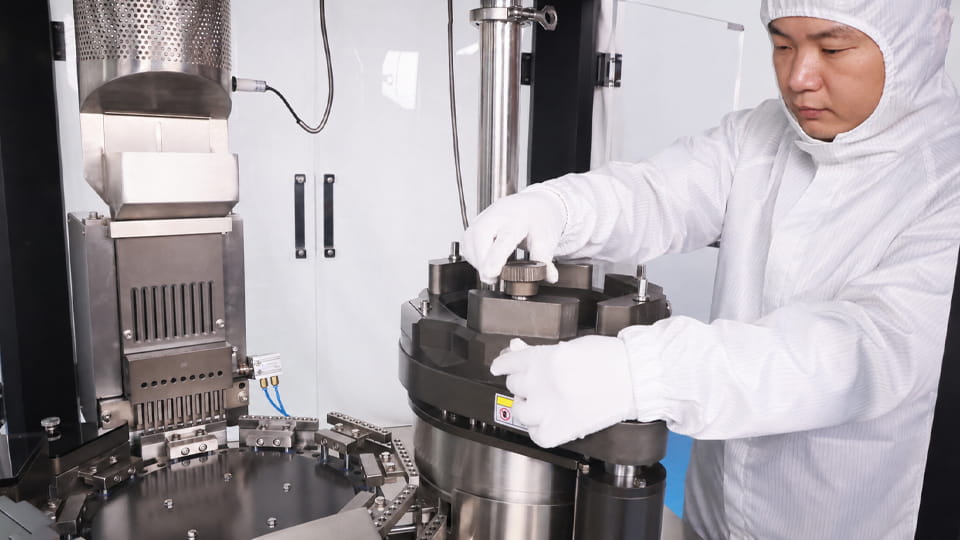
Un práctico programa de mantenimiento preventivo en la industria farmacéutica comienza con el equipo, no con una lista de verificación genérica descargada de Internet.
Un flujo de trabajo simple se ve así:
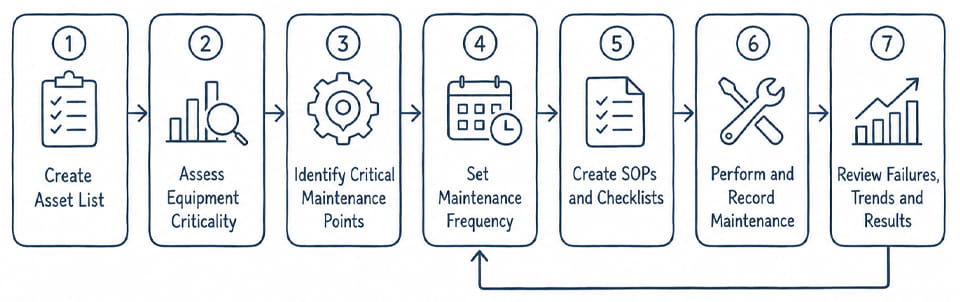
La parte importante es la última flecha.. Un programa de mantenimiento farmacéutico debería mejorar a medida que aprenda cómo se comporta realmente el equipo..
El siguiente cronograma es un plantilla inicial, no es una frecuencia regulatoria. Los intervalos reales deben seguir las recomendaciones del fabricante del equipo y la evaluación de riesgos de su sitio., horas de funcionamiento, materiales, historial de mantenimiento, y estado validado. La FDA exige un programa de mantenimiento y las GMP de la UE esperan que los equipos reciban un mantenimiento adecuado y que los equipos de medición y control relevantes se revisen a intervalos definidos..
| Frecuencia | Tareas recomendadas de mantenimiento de equipos farmacéuticos |
| A diario / cada turno | Limpie las áreas accesibles de contacto con el producto; eliminar el polvo y los residuos; inspeccionar para detectar fugas, ruido inusual, vibración, piezas sueltas, guardias dañadas, alarmas anormales, problemas de aire/vacío, y desgaste evidente de las herramientas; verificar los dispositivos de seguridad antes de la operación |
| Semanalmente | Inspeccionar y limpiar sensores., filtros, cadenas, cinturones, líneas de vacío, accesorios neumáticos, comederos, rieles guía, estampación, y puntos de extracción de polvo; Lubrique los puntos aprobados cuando sea necesario. |
| Mensual | Inspeccionar rodamientos, cámaras, componentes de accionamiento, motores, conexiones electricas, sellos, cajas de cambios, alineación de herramientas, rendimiento de vacío, calentadores, y piezas de desgaste; revisar el historial de alarmas y reparaciones |
| Trimestral | Realizar inspecciones mecánicas y eléctricas más profundas.; verificar configuraciones e instrumentación críticas; inspeccionar circuitos de seguridad y conjuntos de alto desgaste; Revisar fallas recurrentes y consumo de repuestos. |
| Anual | Realizar una inspección exhaustiva o una revisión planificada según el estado de la máquina.; Reemplazar piezas de vida limitada cuando esté justificado.; verificar el estado de calibración y los sistemas de seguridad; revisar el programa PM, historial de mantenimiento, documentación, y entrenamiento |
Para el Lista de verificación diaria de mantenimiento de equipos farmacéuticos., Los operadores son su primera línea de defensa.. Pídales que busquen cambios.: un nuevo ruido, más polvo alrededor de un sello, una respuesta de vacío más lenta, un motor más caliente, seguimiento de película inestable, o una mayor tasa de rechazo. A menudo aparecen pequeños cambios antes de un colapso total..
El trabajo semanal debe centrarse en los componentes que acumulan polvo o se aflojan gradualmente., obstruir, secarse, o usar. El mantenimiento mensual profundiza en los sistemas de propulsión, conexiones electricas, alineación, sellos, estampación, y ensambles en movimiento.
El trabajo trimestral y anual no debería convertirse en un ritual en el que los técnicos simplemente marcan casillas. Compare el estado real de la máquina con inspecciones anteriores.. Comprobar averías repetidas. Mirar los componentes reemplazados. Pregunte si la frecuencia de mantenimiento sigue siendo la correcta.
La lubricación merece un cuidado especial. Muy poco lubricante aumenta la fricción; Usar el lubricante incorrecto o aplicarlo donde sea posible la contaminación puede crear otro problema.. JinLu tiene un Guía de lubricantes para equipos farmacéuticos que cubre la selección de lubricantes y consideraciones de mantenimiento para maquinaria farmacéutica..
Los consejos genéricos sobre mantenimiento de equipos farmacéuticos solo llegan hasta cierto punto. El valor real proviene de saber qué inspeccionar en cada máquina..
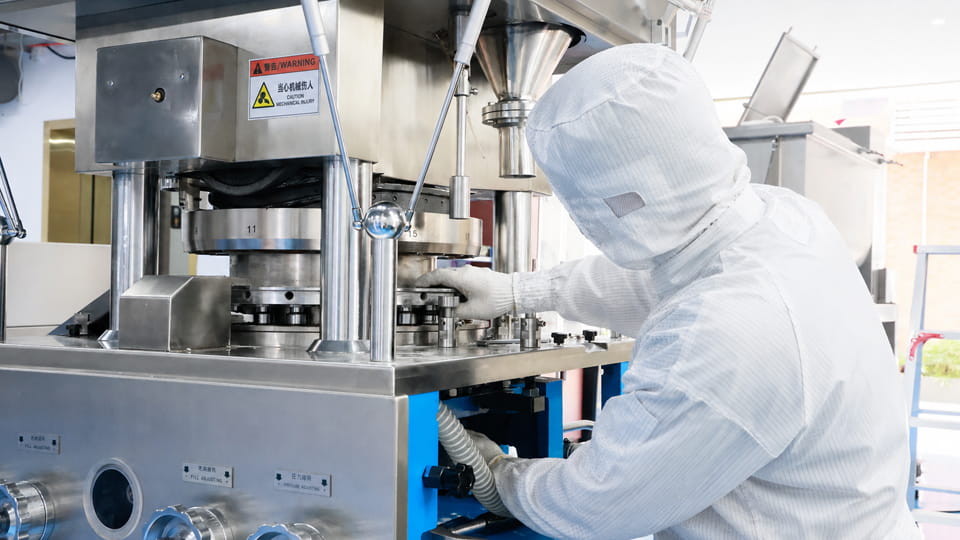
Mantenimiento de prensa de tabletas. Centrarse en punzones y matrices, la torreta, pistas de leva superior e inferior, rodillos de compresión, alimentador de fuerza, sistema de accionamiento, puntos de lubricación, extracción de polvo, y protección de seguridad. La acumulación de polvo alrededor de la torreta o las herramientas puede acelerar el desgaste y contribuir a defectos en las tabletas., mientras que las herramientas dañadas o la mala alineación merecen una investigación inmediata. Las prensas para tabletas JinLu utilizan conjuntos como torretas giratorias., alimentadores forzados, sistemas de vacío, sistemas de compresión, y protección contra sobrecarga, Hacer estos puntos de inspección lógicos en un programa de mantenimiento preventivo de una prensa de tabletas.. Ver JinLu Gama de máquinas prensadoras de tabletas.
Mantenimiento de la máquina llenadora de cápsulas.. Mantenga el alimentador de cápsulas, sistema de separación, círculo vacío, componentes de dosificación, conjuntos de apisonamiento o llenado, estación de bloqueo, cámaras, y áreas de control de polvo limpias y correctamente ajustadas. Esté especialmente atento a la entrada de polvo en espacios mecánicos., disminución del rendimiento del vacío, desalineación de la cápsula, y ruido anormal de la leva. Los llenadores automáticos de cápsulas de JinLu utilizan conjuntos de llenado modulares y, en ciertos modelos, Rodamientos sin aceite destinados a reducir las necesidades de mantenimiento.. Para obtener una guía más detallada a nivel de componentes, ver Cómo mantener una máquina llenadora automática de cápsulas y el Gama de máquinas de llenado de cápsulas.
Mantenimiento de la máquina blister. Inspeccionar las estaciones de formado y sellado., calentadores, placas o rodillos de sellado, rodillos guía, tensión de la película, comederos, herramientas de corte, enfriamiento, sensores, componentes neumáticos, y sistemas de vacío. Polvo o residuos en las superficies de sellado., componentes desgastados, alineación incorrecta, y las condiciones de procesamiento inestables pueden manifestarse rápidamente como sellos débiles o paquetes malformados.. Las máquinas de blister JinLu combinan la formación, alimentación, sellado, tracción, y funciones de corte, por lo que la alineación entre estaciones es particularmente importante. Ver el Gama de máquinas envasadoras de blister y de JinLu Guía de problemas de la máquina blister.
Máquinas contadoras y estuchadoras. En contadores de tabletas y cápsulas, mantener canales de vibración, superficies de alimentación, sensores fotoeléctricos o de visión, áreas de eliminación de polvo, manipulación de botellas, sistemas de rechazo, y componentes neumáticos limpios y correctamente colocados. El equipo de conteo de JinLu está diseñado para integrarse en líneas de embotellado., mientras que su producto JL-16C utiliza un módulo, Diseño cerrado destinado a simplificar el mantenimiento y limitar los problemas de polvo.. en un Máquina estuchadora, preste mucha atención a los componentes de recogida de vacío, ventosas, revistas de cartón, cadenas, guías, sensores, sistemas de folletos, estaciones de formado, y detección de productos/cartones porque varias estaciones coordinadas deben operar en secuencia.
Mantenimiento, limpieza, y la calibración están relacionadas, pero no son intercambiables.
| Actividad | Propósito principal | Ejemplo típico |
| Limpieza | Eliminar residuos del producto, polvo, residuo de agente de limpieza, y contaminación | Limpieza de una estación de dosificación de cápsulas después de un lote |
| Mantenimiento | Preservar o restaurar el rendimiento mecánico/eléctrico. | Reemplazar un rodamiento desgastado o ajustar un sistema de transmisión |
| Calibración | Confirmar que un dispositivo de medición o control funciona dentro de la precisión definida. | Comprobando una temperatura, presión, peso, o medición de fuerza contra una referencia |
La FDA deja claras esas responsabilidades. Sección 211.67 Requiere procedimientos escritos de limpieza y mantenimiento., incluyendo la responsabilidad, horarios, métodos y materiales, Desmontaje o montaje cuando sea necesario., protección de equipos limpios, inspección de limpieza previa al uso, y registros. Sección 211.68 agrega calibración de rutina, inspección, o control de automático, mecánico, y equipos electrónicos bajo un programa escrito.
Por lo tanto, un SOP orientado a GMP puede utilizar esta lista de verificación.:
| Elemento POE | Qué definir |
| Objeto y alcance | Equipos y actividades cubiertas. |
| Responsabilidad | Operador, mantenimiento, ingeniería, control de calidad, o roles de contratista |
| Frecuencia | Tiempo, hora de funcionamiento, ciclo, lote, o disparador basado en condiciones |
| Seguridad y preparación | Aislamiento, cierre patronal, estado de limpieza, EPP requerido |
| Método de mantenimiento | Inspección, ajuste, reemplazo, lubricación, herramientas, materiales aprobados |
| Desmontaje/remontaje | Secuencia requerida y controles antes de reiniciar |
| Criterios de aceptación | ¿Qué constituye una condición aceptable de la máquina? |
| Comprobaciones posteriores al mantenimiento | Limpieza, guardias, ajustes, prueba, calibración o recalificación cuando corresponda |
| Documentación | Fecha, técnico, trabajo realizado, piezas usadas, recomendaciones, desviaciones, aprobaciones |
La posición de la UE está estrechamente alineada. Capítulo GMP de la UE 3 dice que los equipos de fabricación deben diseñarse, situado, y mantenido para el propósito previsto; La reparación y el mantenimiento no deben crear un peligro para la calidad del producto.; El equipo debe ser fácil de limpiar.; Los equipos de medición y control deberían calibrarse y comprobarse a intervalos definidos con registros.; y el equipo defectuoso debe retirarse o identificarse claramente cuando sea posible.
Esto sigue siendo una cuestión de inspección activa en lugar de un antiguo requisito que figura en un libro reglamentario.. Cartas de advertencia de la FDA emitidas en 2025 y 2026 han seguido citando a empresas por procedimientos inadecuados de limpieza y mantenimiento de equipos o fallas asociadas con 21 CFR 211.67.
Uno de los errores de mantenimiento más comunes es ejecutando todo hasta el fracaso. Otros incluyen darle a cada máquina el mismo intervalo de servicio., ignorar pequeños cambios en el ruido o la vibración, usando el lubricante incorrecto, sobrelubricar, posponer las comprobaciones de los sensores, mantener registros deficientes, sin llevar repuestos críticos, y reiniciar la producción sin una inspección posterior al mantenimiento adecuada.
El mantenimiento predictivo puede llevar el programa más lejos. en lugar de preguntar, “¿Es hora de reemplazar este rodamiento??" preguntas, “¿Se está deteriorando realmente el rodamiento??”Las entradas útiles incluyen vibración, temperatura, presión, corriente del motor, historial de alarmas, tendencias del vacío, y datos de proceso existentes. Un estudio de fabricación farmacéutica que utilizó una línea de llenado aséptico en funcionamiento encontró que los cambios a largo plazo en los datos de monitoreo de procesos podrían vincularse con fallas en los equipos y usarse para respaldar intervenciones planificadas anteriormente..
El beneficio práctico no es que todas las fábricas necesiten inteligencia artificial. Es que la información sobre tendencias puede ayudar a que el mantenimiento pase de un calendario fijo a decisiones basadas en evidencia..
Para reducir el costo de mantenimiento., empezar con fundamentos aburridos: estandarizar repuestos comunes cuando sea posible, Mantenga disponibles las piezas de desgaste críticas, Los operadores de trenes notan el deterioro., seguir prácticas de lubricación correctas, documentar fallas recurrentes, e involucrar al OEM cuando un patrón no está claro. JinLu, Por ejemplo, proporciona documentación técnica, capacitación, mantenimiento preventivo y correctivo, solución de problemas remota, y copia de seguridad de parámetros/software como parte de su oferta de soporte.
El costo de mantenimiento también comienza en obtención. FDA 21 CFR 211.63 requiere específicamente que los equipos farmacéuticos tengan un diseño apropiado, tamaño, y ubicación para facilitar la operación prevista, limpieza, y mantenimiento. Al comparar proveedores de maquinaria farmacéutica, buscar puntos de mantenimiento accesibles, fácil desmontaje en contacto con el producto, herramientas modulares, diagnóstico de fallas comprensible, piezas de desgaste fácilmente disponibles, buenos manuales, soporte remoto, y plazos de entrega de repuestos realistas.
Haga una pregunta sencilla al proveedor antes de comprar.: “Muestre a nuestro equipo de mantenimiento cómo accederemos, limpio, inspeccionar, y reemplace las piezas que se desgastan con más frecuencia”. Una máquina que ahorra diez minutos en cada cambio o que facilita la inspección puede ser más valiosa a lo largo de su vida útil que una máquina con un precio de compra ligeramente inferior..
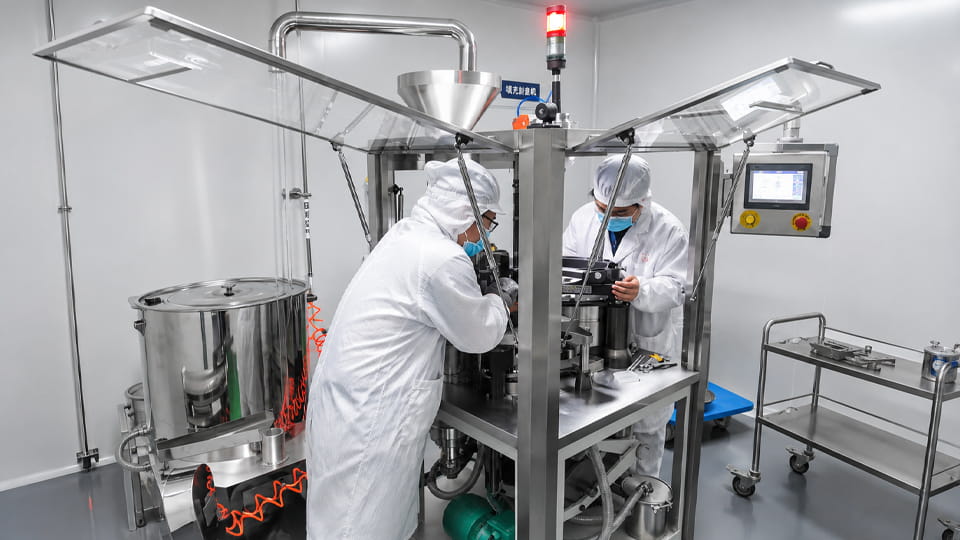
En la fabricación farmacéutica, mantenimiento = confiabilidad + calidad + cumplimiento. Bien Mantenimiento de equipos farmacéuticos Se trata menos de realizar más mantenimiento y más de realizar el mantenimiento adecuado en el momento adecuado.. Elegir el equipo adecuado es el primer paso; seguir adelante con un programa de mantenimiento estructurado es igualmente crucial. Haciendo controles diarios, apegarse a los horarios, y documentar cada acción, previenes sorpresas, Reducir los costos, y mantener a los pacientes seguros.
Y Jeinlu eligiendo, diseñamos nuestras máquinas (prensas de tabletas, rellenos de cápsula, etc.) pensando en la higiene y la facilidad de mantenimiento. Pero incluso la mejor máquina necesita cariño. Le recomendamos que aplique los consejos de esta guía a su propio equipo., y siempre consulte el manual de su máquina para obtener detalles.
Si tienes dudas sobre programas de mantenimiento o necesitas soporte técnico para tu línea, Nuestros ingenieros en Jinlu están listos para ayudar.. El mantenimiento adecuado mantiene su línea funcionando sin problemas y, en última instancia,, mantiene su calidad alta y costos bajos.
Listo para mejorar el tiempo de actividad de su máquina? Póngase en contacto con el equipo de soporte de JinluPacking o explore nuestra gama completa de equipos de envasado farmacéutico para ver cómo diseñamos para facilitar la limpieza y el mantenimiento..
No existe un intervalo de mantenimiento único que funcione para todas las máquinas farmacéuticas.. La frecuencia del mantenimiento debe basarse en las recomendaciones del fabricante del equipo., horas de funcionamiento, carga de producción, criticidad del equipo, Características del producto, e historial de mantenimiento previo. Los equipos críticos o de uso intensivo pueden requerir inspecciones diarias o semanales., mientras que se puede programar un mantenimiento preventivo más profundo mensualmente, trimestral, o anualmente.
El mantenimiento preventivo es el mantenimiento planificado que se realiza antes de que falle el equipo.. Normalmente incluye inspección, limpieza, lubricación, ajuste, reemplazo de piezas de desgaste, controles de seguridad, y pruebas funcionales a intervalos definidos. Un buen programa de mantenimiento preventivo ayuda a los fabricantes farmacéuticos a reducir el tiempo de inactividad inesperado, mantener un rendimiento constante de la máquina, e identificar el desgaste de los componentes antes de que afecte la producción o la calidad del producto..
Una lista de verificación de mantenimiento de equipos farmacéuticos debe cubrir las piezas mecánicas., puntos de lubricación, sistemas de propulsión, sensores, componentes electricos, sistemas neumáticos y de vacío, dispositivos de seguridad, estampación, sellos, filtros, y otras piezas de desgaste. También debe registrar el ID del equipo., fecha de inspección, técnico, recomendaciones, piezas reemplazadas, acciones correctivas, y la próxima fecha de mantenimiento programada.
Sí. Las GMP requieren que los equipos de fabricación farmacéutica se mantengan de manera que el mal funcionamiento o la contaminación no afecten la calidad del producto.. Bajo la FDA 21 CFR 211.67, Los fabricantes deben establecer y seguir procedimientos escritos de limpieza y mantenimiento de equipos., incluyendo las responsabilidades asignadas, cronogramas de mantenimiento, metodos, inspecciones, y registros. El intervalo de mantenimiento exacto debe definirse según el equipo y el proceso en lugar de utilizar un programa universal..
El mantenimiento preventivo normalmente se realiza según un tiempo predefinido, hora de funcionamiento, ciclo, o programa de producción. El mantenimiento predictivo utiliza datos sobre el estado del equipo para determinar cuándo es realmente necesario el mantenimiento.. Por ejemplo, vibración, temperatura del motor, presión de vacío, corriente electrica, o las tendencias de alarma pueden ayudar a identificar los problemas en desarrollo antes de que fallen. Muchas plantas farmacéuticas utilizan el mantenimiento preventivo como base y el mantenimiento predictivo para equipos críticos..
Los fabricantes farmacéuticos deben mantener registros que muestren claramente qué mantenimiento se realizó., cuando se completó, quien lo realizó, qué problemas se encontraron, y qué acciones correctivas o reemplazos de piezas fueron requeridos. Los registros de equipos importantes también pueden incluir información sobre limpieza y uso., identificación del equipo, referencias de lotes, inspecciones, comprobaciones de calibración, desviaciones, y actividades de seguimiento. Los registros deben ser rastreables, cronológico, y fácil de recuperar durante las inspecciones GMP.
Comience con una lista completa de equipos y clasifique cada máquina según su impacto en la calidad del producto., seguridad, y producción. Luego revise el manual de mantenimiento del OEM., identificar componentes críticos de desgaste, y definir intervalos de inspección o reemplazo basados en las horas de funcionamiento, intensidad de producción, historial de fallas, y riesgo. Asignar responsabilidades, crear listas de verificación específicas para el equipo, documentar el trabajo completado, y ajustar periódicamente el cronograma utilizando datos de mantenimiento reales.
No todas las actividades de mantenimiento requieren una recalificación completa, pero las reparaciones o cambios significativos deben evaluarse por su impacto en el rendimiento del equipo y el estado validado.. Reemplazar una pieza de desgaste rutinario con un componente equivalente solo puede requerir controles posteriores al mantenimiento definidos.. Cambios que afectan configuraciones críticas, sistemas de control, precisión de la medición, software, piezas en contacto con el producto, o los parámetros operativos pueden requerir calibración, verificación, control de cambios, o recalificación parcial antes de que se reanude la producción.
El enfoque más eficaz es combinar el mantenimiento preventivo basado en riesgos con una buena inspección por parte del operador y un acceso rápido a piezas de repuesto críticas.. Los operadores deben informar ruidos anormales., vibración, temperatura, fuga, pérdida de vacío, fallas del sensor, o aumentar las tasas de rechazo antes de que se conviertan en fallas importantes. Los equipos de mantenimiento también deberían analizar las averías repetidas, mantener historiales de servicio precisos, monitorear componentes críticos, y trabajar con el fabricante del equipo cuando los problemas recurrentes no se puedan resolver internamente.
Los compradores deben evaluar la accesibilidad al mantenimiento antes de centrarse únicamente en la velocidad de la máquina y el precio de compra.. Busque fácil acceso a las piezas de desgaste, Desmontaje rápido en contacto con el producto., herramientas modulares, repuestos estandarizados, puntos de lubricación claros, Diagnóstico PLC útil, Componentes eléctricos y neumáticos accesibles., y procedimientos de limpieza sencillos. El proveedor también debe proporcionar manuales de mantenimiento., listas de repuestos, capacitación, documentación técnica, soporte remoto, y servicio postventa confiable.
Referencias:
1.Guía de buenas prácticas: Mantenimiento 2da Edición —— ISPE
2.Garantía de calidad de los productos farmacéuticos.: un compendio de directrices y materiales relacionados: volumen 2: Buenas prácticas de fabricación e inspección., 10ª edición —— OMS
3.21 CFR § 211.182 Registro de limpieza y uso de equipos —— eCFR
4.I Tema Q 7 Buenas prácticas de fabricación de ingredientes farmacéuticos activos —— Agencia Europea de Medicamentos
5.Orientación sobre buenas prácticas de fabricación y buenas prácticas de distribución: Preguntas y respuestas —— Agencia Europea de Medicamentos
6.Mantenimiento preventivo dirigido a equipos farmacéuticos —— Puerta de investigación