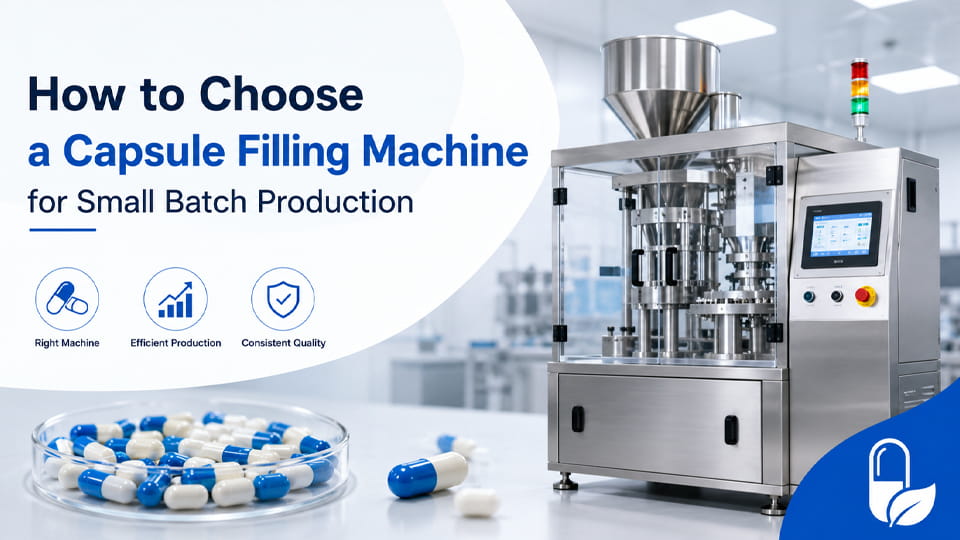
Η παραγωγή καψουλών σε μικρές παρτίδες είναι κοινή στα διατροφικά προϊόντα, φυτικά συμπληρώματα, κλινικές δοκιμές, R&ρε, πιλοτικές διαδρομές και συμβάσεις κατασκευής. Επιλέγοντας το σωστό μηχανή πλήρωσης κάψουλας είναι ζωτικής σημασίας για την εξισορρόπηση του κόστους επωνυμιών και εργαστηρίων σε αρχικό στάδιο, ευκαμψία, και Συμμόρφωση GMP. Σε αντίθεση με τις φαρμακευτικές σειρές μεγάλου όγκου, Αυτές οι λειτουργίες συχνά χειρίζονται περιορισμένες διαδρομές, πολλαπλές SKU, και εξελισσόμενες φόρμουλες. Το σωστό πληρωτικό κάψουλας ενισχύει την απόδοση και τη συνέπεια χωρίς υπερβολικές επενδύσεις. Σε σύγκριση με το γέμισμα με το χέρι (χειροκίνητοι δίσκοι καψουλών), ένα μηχάνημα μπορεί να πολλαπλασιάσει την παραγωγή από μερικές εκατοντάδες έως δεκάδες χιλιάδες κάψουλες ανά ώρα, βελτιώνοντας παράλληλα την ακρίβεια της δοσολογίας. Αλλά ο αυτοματισμός έρχεται με πολλές μορφές. Ορισμένοι κατασκευαστές ξεκινούν με α χειροκίνητο πληρωτικό καψουλών (δεν χρειάζεται ηλεκτρικό ρεύμα, χαμηλό κόστος) ή α ημιαυτόματη μηχανή πλήρωσης καψουλών (υποβοηθούμενη λειτουργία) πριν προχωρήσουμε στην πλήρη αυτοματοποίηση καθώς αυξάνονται οι όγκοι. Αυτός ο οδηγός αναλύει την ορολογία, εξηγώντας πώς να ταιριάζει μηχανήματα ενθυλάκωσης τύπο και προδιαγραφές για τις ανάγκες σας σε μικρές παρτίδες.
Μηχανές πλήρωσης καψουλών χρησιμοποιούνται σε όλα τα φαρμακευτικά προϊόντα, συμπληρώματα, και φυτικά προϊόντα, για σκόνες, πέλλετ, ακόμα και υγρά. Θα διερευνήσουμε τις δυνατότητές τους και τα χαρακτηριστικά σχεδιασμού για να σας βοηθήσουμε να αποφασίσετε ποιο είναι κατάλληλο για την κλίμακα σας. Καλύπτουμε επίσης ρυθμιστικούς παράγοντες όπως την υγιεινή GMP και τις απαιτήσεις χειριστή, αφού ακόμη και οι μικρές γραμμές πρέπει να πληρούν τα πρότυπα ποιότητας.
Η "μικρή παρτίδα" αναφέρεται γενικά σε σχετικά χαμηλό όγκο ή ευέλικτες σειρές παραγωγής. Οι ορισμοί ποικίλλουν, αλλά ένα πρακτικό σημείο αναφοράς είναι η έξοδος ανά εκτέλεση ή ανά ώρα. Για παράδειγμα, Τα χειροκίνητα πληρωτικά χρησιμοποιούνται συνήθως για πολύ μικρές παρτίδες (κάτω από ~ 500 κάψουλες ανά τρέξιμο). Κοστούμια ημιαυτόματων μηχανών μικρές έως μεσαίες διαδρομές (με την παραγγελία του 1,000– 5.000 κάψουλες την ώρα). Τα αυτόματα πληρωτικά δικαιολογούνται όταν οι ανάγκες παραγωγής υπερβαίνουν ~ 5.000–10.000 κάψουλες την ώρα. Αυτοί οι εμπειρικοί κανόνες ταιριάζουν με τις παρατηρήσεις του κλάδου: μια φορά την ημέρα η ζήτηση ανεβαίνει περίπου πάνω 15,000 κάψουλες, Πολλοί κατασκευαστές αναβαθμίζουν από χειροκίνητο σε ημιαυτόματο εξοπλισμό για να μειώσουν το κόστος εργασίας.
Με πρακτικούς όρους, μπορούμε να κατηγοριοποιήσουμε την κλίμακα ως: R&Κλίμακα D/Lab (εκατοντάδες την ημέρα), Μικρή παρτίδα (χιλιάδες την ημέρα), Μεσαίο/Εμπορικό (δεκάδες χιλιάδες την ημέρα), Υψηλής έντασης (100k+ ανά ώρα). Οι παραγωγοί μικρών παρτίδων συχνά χειρίζονται πολλαπλές SKU ή αλλάζουν τύπους, άρα χρειάζονται ευελιξία. Αυτός ο οδηγός εστιάζει στο χειροκίνητο και ημιαυτόματο εξοπλισμό που ευδοκιμούν στο καθεστώς κάτω των 50.000 ανώτατων ορίων/ημέρα, ενώ εξακολουθείτε να αγγίζετε τις αυτόματες μηχανές εάν σκοπεύετε να αυξήσετε την κλίμακα.
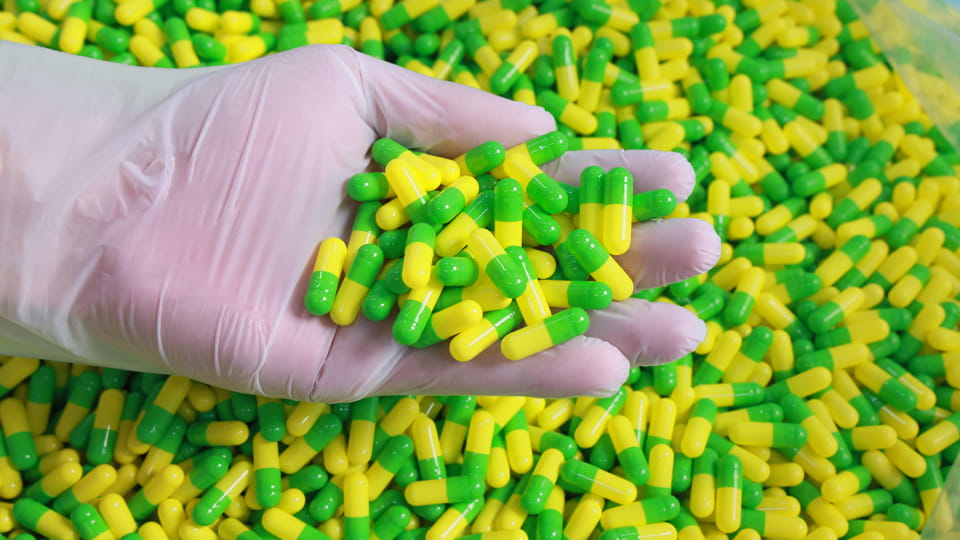
Οι μηχανές πλήρωσης καψουλών εμπίπτουν σε τρεις μεγάλες κατηγορίες: Εγχειρίδιο, Ημιαυτόματος, και Πλήρως αυτόματος. Το καθένα έχει ξεχωριστές ανταλλαγές ταχύτητας, κόστος, εργασία, και πολυπλοκότητα. (Υπάρχουν εξειδικευμένες παραλλαγές, π.χ.. υγρά πληρωτικά καψουλών ή ενθυλακωτές μαλακής γέλης, αλλά εδώ εστιάζουμε στον σκληρό εξοπλισμό κάψουλας δύο τεμαχίων.)
Χειροκίνητα πληρωτικά καψουλών (μερικές φορές ονομάζεται δίσκοι κάψουλας ή πληρωτικά πιάτων) δεν απαιτούν ηλεκτρικό ρεύμα και χρησιμοποιούν απλά εργαλεία συμπίεσης. Οι χειριστές απλώνουν σκόνη σε δίσκους με σώματα κάψουλας, χτυπήστε με το χέρι, και καπάκι με το χέρι.
Συνοπτικά, Το χειροκίνητο γέμισμα είναι εξαιρετικά προσιτό και εύκολο στην εκμάθηση, αλλά πέρα από μερικές εκατοντάδες κάψουλες ανά τρέξιμο, γίνεται γρήγορα μη πρακτικό λόγω κόπωσης και ασυνέπειας του χειριστή.
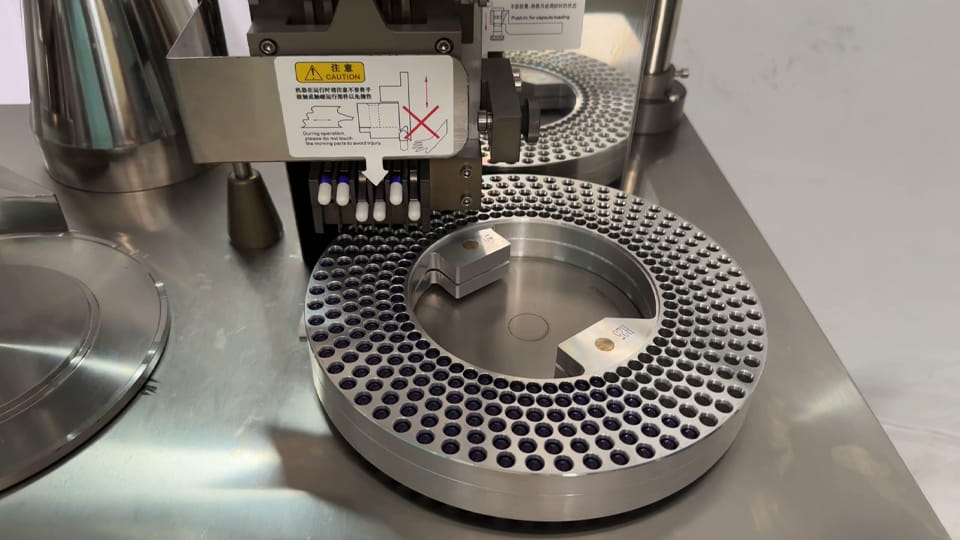
Ημιαυτόματα πληρωτικά καψουλών συνδυάστε τον έλεγχο χειριστή με τη βοήθεια μηχανής. Τυπικά, ένας χειριστής φορτώνει άδειες κάψουλες σε χοάνες και σκόνες στο σύστημα δοσολογίας, αλλά η μηχανή αυτοματοποιεί βασικά βήματα όπως ο προσανατολισμός της κάψουλας, πλήρωση, και μερικές φορές καπάκι. Για παράδειγμα, πολλά μοντέλα χρησιμοποιούν δονούμενη χοάνη κάψουλας και πνευματικό κενό για να διαχωρίσουν και να παρουσιάσουν τα σώματα και τα καπάκια της κάψουλας, Στη συνέχεια, ένας κοχλίας ή μια καρφίτσα κοπής δόσεις σκόνης, και ένα μηχανικό σύστημα κλειδώνει τις κάψουλες.

Εικόνα: Ένα Jinlu CGNT-209 ημιαυτόματη μηχανή πλήρωσης καψουλών, συμβατό με μεγέθη κάψουλας #000–#5 και ικανό για ~40.000 κάψουλες/ώρα.
Τα πλήρως αυτόματα πληρωτικά καψουλών λειτουργούν κάθε βήμα συνέχεια με ελάχιστη ανθρώπινη συμμετοχή. Φορτώνουν αυτόματα τις κενές κάψουλες, διαχωρίστε τα και προσανατολίστε τα, δοσολογήστε το υλικό πλήρωσης με ακρίβεια, ανασυνδυάστε τα μισά, επιθεωρήστε ελαττώματα, και εξάγετε τις τελικές κάψουλες. Αυτά τα μηχανήματα χρησιμοποιούν συχνά πολύπλοκα περιστροφικά τραπέζια με πολλούς δοσομετρικούς σταθμούς.

Εικόνα: Μια μεγάλη ταχύτητα αυτόματη μηχανή πλήρωσης καψουλών (Jinlu NJP-3800D) βαθμολογείται σε ~228.000 κάψουλες/ώρα. Αυτές οι μονάδες προσφέρουν απαράμιλλη απόδοση, αλλά είναι οι καλύτερες για παραγωγή μεγάλης κλίμακας.
Γεμιστικά υγρών καψουλών (Ειδική Σημείωση): Ορισμένες μηχανές κάψουλας έχουν σχεδιαστεί για πλήρωση υγρού ή λαδιού. Χρησιμοποιούν μικροαντλίες ή ακροφύσια για τη δόση υγρών σε κάψουλες με σκληρό κέλυφος. Αυτά τα μηχανήματα εξακολουθούν να είναι τυπικά περιστροφικά και μπορούν να επιτύχουν δεκάδες χιλιάδες ανά ώρα. Ενώ πολύτιμο για λάδια και αναρτήσεις, απαιτούν προσεκτικό καθάρισμα και συχνά ειδικότητα κάψουλες ζελατίνης ή HPMC για την αποφυγή διαρροών. Εδώ θα επικεντρωθούμε στις μηχανές πλήρωσης ξηρής σκόνης, αλλά να έχετε κατά νου α μηχάνημα με δυνατότητα υγρών είναι μια επιλογή εάν η φόρμουλα σας το απαιτεί.
Συνοπτικά, ο επιλογή τύπου μηχανής εξαρτάται από την κλίμακα παραγωγής και τον προϋπολογισμό σας. Χειροκίνητα πληρωτικά (<~ 500/ημέρα) είναι απλούστερες και φθηνότερες; ημιαυτόματος (έως ~40k/ώρα) εξυπηρετούν τους περισσότερους μικρούς παραγωγούς; και αυτόματες μηχανές (>~ 50 χιλ./ώρα) είναι για ανάγκες μεγάλου όγκου.
Κατά την αξιολόγηση μηχανών πλήρωσης καψουλών, εστίαση στις προδιαγραφές και τα χαρακτηριστικά σχεδιασμού που έχουν μεγαλύτερη σημασία για την παραγωγή σε μικρές παρτίδες. Οι βασικοί παράγοντες περιλαμβάνουν:
Ταιριάξτε την ταχύτητα του μηχανήματος με τις απαιτήσεις σας για απόδοση. Τα χειροκίνητα πληρωτικά συμπληρώνουν μόνο μερικές εκατοντάδες έως μερικές χιλιάδες κάψουλες την ώρα. Οι ημιαυτόματες μηχανές πηδούν στις δεκάδες χιλιάδες: τρέχουν πολλά μοντέλα 10,000–40.000 καπάκια/ώρα σε συνεχή χρήση. Ο πλήρως αυτοματοποιημένος εξοπλισμός ξεπερνά 100,000 κάψουλες/ώρα.
Είναι σοφό να διατηρείτε χώρο για το κεφάλι: εάν η ζήτηση μπορεί να διπλασιαστεί, σκεφτείτε ένα πιο γρήγορο μοντέλο ή ένα με αρθρωτές αναβαθμίσεις. Αποφύγετε όμως το υπερμεγέθη (δείτε Λάθη παρακάτω).
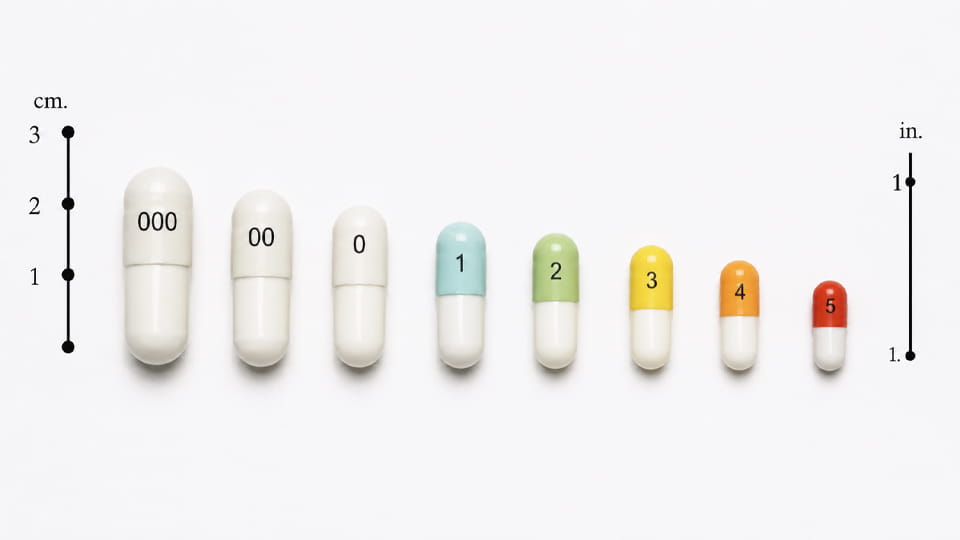
Το πληρωτικό σας πρέπει να χειρίζεται το μεγέθη κάψουλας χρησιμοποιείτε. Οι σκληρές κάψουλες κυμαίνονται από 000 (μεγαλύτερη) να 5 (μικρότερο). Διατροφή και φαρμακευτική χρήση συχνά #00, 0, 1, 2, και τα λοιπά. Βεβαιωθείτε ότι το μηχάνημα υποστηρίζει τα μεγέθη σας εκτός συσκευασίας.
Η ευελιξία στο μέγεθος είναι ζωτικής σημασίας για μικρούς παραγωγούς με πολλά προϊόντα. Στον οδηγό αγοραστή, ο Jinlu σημειώνει ότι η συμβατότητα πολλαπλών μεγεθών είναι ένα μεγάλο πλεονέκτημα, εξοικονόμηση κόστους και χώρου.
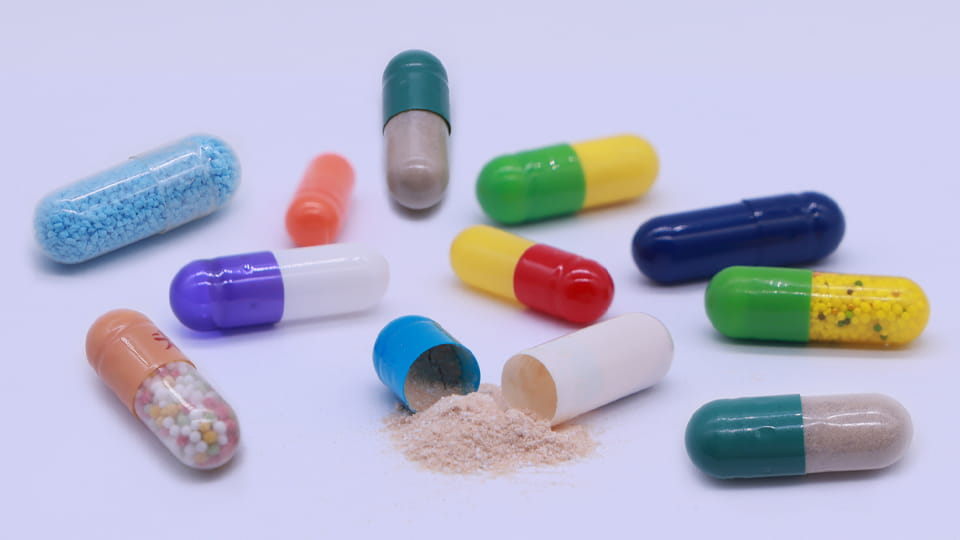
Τα υλικά πλήρωσης της κάψουλας ποικίλλουν πολύ στη ροή, πυκνότητα, και κολλητότητα. Το μηχάνημά σας θα πρέπει να χειρίζεται τις συγκεκριμένες σκόνες ή κόκκους που χρησιμοποιείτε.
Εν συντομία: ρωτήστε τον πωλητή αν έχει συμπληρώσει τύπους σαν τους δικούς σας, και εξετάστε το ενδεχόμενο να ζητήσετε ένα δείγμα δοκιμής ή επίδειξης, εάν είναι δυνατόν.
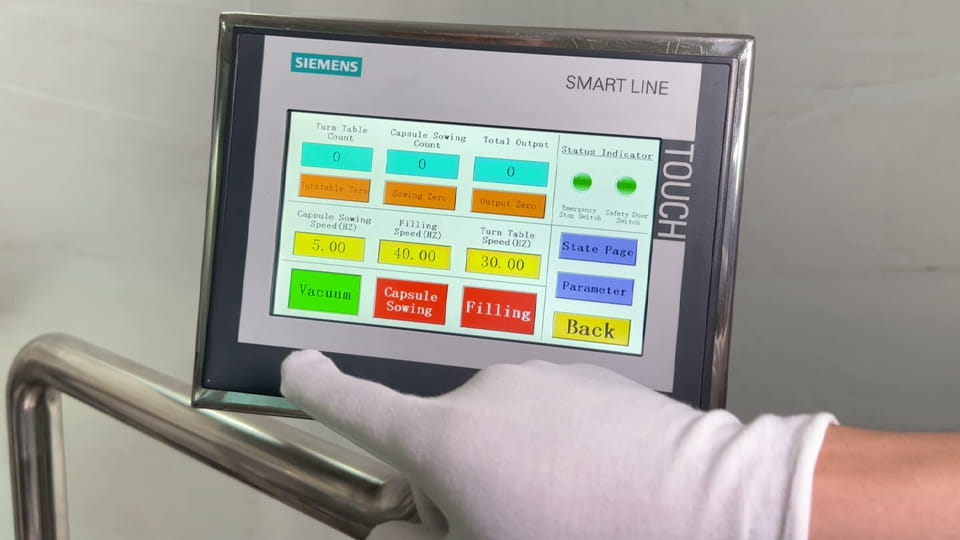
Το ακριβές βάρος πλήρωσης είναι αδιαπραγμάτευτο στην παραγωγή κάψουλας. Αναζητήστε μηχανήματα με ακριβή έλεγχο δοσολογίας:
Πάντα να ζητάτε δεδομένα ή μαρτυρίες σχετικά με τη συνέπεια πλήρωσης. Ακόμη και ένα μικρό σφάλμα βάρους σε μια κάψουλα μπορεί να σημαίνει προϊόν εκτός προδιαγραφών. Θυμάμαι, Η επιτάχυνση δεν πρέπει να θυσιάζει την ακρίβεια – τα καλύτερα μηχανήματα εξισορροπούν την υψηλή ταχύτητα με τον αυστηρό έλεγχο.
Η παραγωγή φαρμάκων/συμπληρωμάτων απαιτεί δυνατότητα καθαρισμού και έλεγχο μόλυνσης:
Για μικρούς παραγωγούς, διακοπή λειτουργίας για θέματα καθαρισμού. Ένα μηχάνημα που είναι δύσκολο να καθαριστεί θα επιβραδύνει την παραγωγή και θα κινδυνεύει από διασταυρούμενη μόλυνση. Μάρκα η καθαριότητα είναι βασικός παράγοντας αγοράς.
Αξιολογήστε το ανθρώπινο στοιχείο:
Εν συντομία, συγκρίνετε το συνολικό κόστος εργασίας (μισθοί + πάνω από το κεφάλι) έναντι του κόστους μηχανής. Θυμηθείτε ότι οι ημιαυτόματες μηχανές ανταλλάσσουν την προσπάθεια του χειριστή για κεφαλαιουχικές δαπάνες.
Ακόμη και για μικρές παρτίδες σήμερα, σκεφτείτε μπροστά:
Σχεδιάστε να μεγαλώνουν με χάρη. Πολλές μικρές εταιρείες ξεπερνούν το πρώτο τους υλικό πλήρωσης κάψουλας; επιλέγοντας ένα με διαδρομή αναβάθμισης ή αγοράζοντας ελαφρώς μεγαλύτερο από αυτό που χρειάζεται σήμερα εξοικονόμηση κόστους κάτω από το δρόμο.
| Χαρακτηριστικό | Χειροκίνητο Filler Capsule | Ημιαυτόματο Γεμιστικό | Αυτόματο Filler |
| Τυπική επένδυση | Πολύ χαμηλά (εκατοντάδες $) | Μέσον (~$5.000–$20.000+) | Ψηλά (έξι φιγούρες) |
| Παραγωγή (κάψουλες/ώρα) | 500-2.000 (μέγ) | 10,000–40.000 (σταθερό εύρος) | 30,000+ να 200,000+ |
| Απαιτείται Εργασία | Ψηλά (ένα άτομο ανά δίσκο) | Μέτριος (1 χειριστή ανά μηχανή) | Χαμηλός (1–2 χειριστές ανά γραμμή) |
| Ικανότητα χρήστη | Πολύ χαμηλά | Μέτριος (κάποια εκπαίδευση) | Ψηλά (απαιτεί τεχνική κατάρτιση) |
| Ακρίβεια & Συνοχή | Μεταβλητός (εξαρτάται από τον χειριστή) | Καλός (ρυθμίζεται από μηχανή) | Εξοχος (αυστηρός έλεγχος) |
| Συμμόρφωση GMP | Βασικός (ανοιχτοί δίσκοι, ακρυλικό) | Καλός (κλειστή δοσολογία, Ανταλλακτικά SS) | Εξοχος (πλήρως κλειστό, SS316) |
| Καλύτερος για | R&ρε, εργαστήριο, χόμπι, <500/ημέρα | Μικρομεσαία εργοστάσια (~χιλιάδες/ημέρα) | Μεγάλης κλίμακας παραγωγή (>100k/hr) |
| Παράδειγμα Προϊόντων | Δίσκοι χειρός, 300/400-τρύπες | Jinlu CGN-208D (30k/hr), CGNT-209 (40k/hr) | Jinlu NJP-3800D (228k/hr) |
Για τις περισσότερες μικρές επιχειρήσεις συμπληρωμάτων ή φαρμακευτικών επιχειρήσεων, ένα ημιαυτόματη μηχανή πλήρωσης καψουλών χτυπάει στο γλυκό σημείο. Αυτά τα μηχανήματα κοστίζουν πολύ λιγότερο από τα μεγάλα αυτόματα, αλλά προσφέρουν πολύ μεγαλύτερη ταχύτητα και συνέπεια από τις χειροκίνητες μεθόδους. Ένα ημιαυτόματο (30– 40 χιλιάδες καπάκια/ώρα) μπορεί να χειριστεί τις αυξανόμενες ανάγκες παραγωγής χωρίς την αποστράγγιση ανθρώπινου δυναμικού της χειροκίνητης πλήρωσης. Τείνουν επίσης να πληρούν τις απαιτήσεις σχεδιασμού GMP (ανοξείδωτα μέρη, κλειστές χοάνες) σημαντικό για τους πρώτους κατασκευαστές.
Χειροκίνητα πληρωτικά εξακολουθείτε να έχετε μια θέση εάν οι όγκοι σας είναι εξαιρετικά χαμηλοί (προσαρμοσμένες συνθέσεις ή ειδικούς τύπους) ή προϋπολογισμός είναι ο κύριος περιορισμός. Αλλά να γνωρίζετε το σημείο καμπής: όπως σημειώνει η JinluPacking, μια φορά Η ημερήσια παραγωγή υπερβαίνει τις ~15.000 κάψουλες, το κρυφό κόστος του εγχειριδίου (επανεπεξεργασία, υπερωρία) συχνά κάνουν ένα ημιαυτόματο μηχάνημα να πληρώσει για τον εαυτό του.
Αυτόματες μηχανές συνήθως υπερβαίνει τις ανάγκες μιας startup; εξετάστε τα μόνο εάν προβλέπετε πολύ γρήγορη κλιμάκωση ή έχετε ήδη συμβάσεις μεγάλου όγκου. Για παράδειγμα, ένας κατασκευαστής με σύμβαση που εξυπηρετεί πολλούς πελάτες μπορεί να δικαιολογήσει μια μικρή αυτόματη μονάδα (<$50κ) ή μεταχειρισμένο μηχάνημα για την κάλυψη μεγάλων παραγγελιών.
Συνοπτικά: Εγχειρίδιο για μικροσκοπικά, περιστασιακές παρτίδες; Semi-Auto για τις περισσότερες αναπτυσσόμενες εταιρείες; Αυτόματο για μεγάλη ένταση. Μιλήστε με προμηθευτές για τις προβλέψεις σας—μερικοί μπορούν να προτείνουν μοντέλα μεσαίας κατηγορίας. Jinlupacking, για παράδειγμα, ενθαρρύνει τις επιχειρήσεις να «επιταχύνουν» με τις ημιαυτόματες γραμμές τους για στόχους παραγωγής επόμενου επιπέδου.
Αποφύγετε αυτές τις παγίδες ταιριάζοντας προσεκτικά ένα μηχάνημα σας σχέδιο παραγωγής και στενή συνεργασία με αξιόπιστους προμηθευτές που μπορούν να σας καθοδηγήσουν. Όπως καταλήγει ένας οδηγός Jinlu, αυτή η απόφαση θα πρέπει να είναι μια συνεργασία – επιλέξτε εξοπλισμό που θα αναπτυχθείτε με την επιχείρησή σας.
Η επιλογή μιας μηχανής πλήρωσης καψουλών είναι μια κρίσιμη απόφαση για κάθε κατασκευαστή μικρής κλίμακας. Θα επηρεάσει την αποτελεσματικότητά σας, ποιότητα του προϊόντος, και επεκτασιμότητα. Συνοψίζοντας τα βασικά σημεία:
Πάνω από όλα, συνεργαστείτε με έμπειρους προμηθευτές και αναζητήστε αναφορές ή μελέτες περιπτώσεων (Ο ιστότοπος Jinlu προσφέρει νέα και περιπτωσιολογικές μελέτες) κατά την οριστικοποίηση της επιλογής σας. Με το κατάλληλο μηχάνημα, Η παραγωγή κάψουλας μικρής παρτίδας θα λειτουργήσει ομαλά, παράγοντας συνεπής, κάψουλες υψηλής ποιότητας που πληρούν τους κανονισμούς και ευχαριστούν τους πελάτες σας.
Για τα περισσότερα σενάρια μικρής παρτίδας, ένα ημιαυτόματο πληρωτικό κάψουλας προσφέρει την καλύτερη ισορροπία κόστους και απόδοσης. Παρέχει υψηλή απόδοση (~30k–40k caps/ώρα) χωρίς τη δαπάνη μιας πλήρους αυτόματης γραμμής. Τα χειροκίνητα πληρωτικά είναι βέλτιστα μόνο για πολύ μικροσκοπικούς όγκους (δεκάδες έως μερικές εκατοντάδες κάψουλες). Οι πλήρως αυτόματες μηχανές προορίζονται γενικά για εργασίες μεγάλου όγκου.
Τα χειροκίνητα πληρωτικά καψουλών γενικά ΔΕΝ συνιστώνται πέρα από πολύ μικρής κλίμακας ή R&Δ χρήση. Δεν έχουν την ταχύτητα και τη συνέπεια που απαιτούνται για εμπορικές εκπομπές. Η εμπειρία του κλάδου δείχνει ότι όταν οι ανάγκες παραγωγής υπερβούν μερικές χιλιάδες κάψουλες την ημέρα, Το χειροκίνητο γέμισμα γίνεται εμπόδιο. Για σταθερή ποιότητα και αποτελεσματικότητα σε ένα περιβάλλον παραγωγής, συνιστάται η αναβάθμιση σε ημιαυτόματο πληρωτικό.
Οι περισσότερες μηχανές με σκληρές κάψουλες δέχονται μεγέθη καψουλών 000 (μεγαλύτερη) κάτω σε 5 (μικρότερο). Τα κοινά μεγέθη στα θρεπτικά προϊόντα είναι 00, 0, 1, και 2. Για παράδειγμα, τόσο οι ημιαυτόματες όσο και οι αυτόματες μηχανές της Jinlu καλύπτουν όλα τα μεγέθη #000 διά μέσου #5. Ελέγξτε τις προδιαγραφές του προϊόντος για να βεβαιωθείτε; Η αλλαγή μεγεθών συνήθως απαιτεί αλλαγή του δίσκου πλήρωσης ή του καλουπιού, αλλά πολλά σχέδια κάνουν αυτή την αλλαγή γρήγορα.
Τα αξιόπιστα πληρωτικά καψουλών για φαρμακευτική χρήση είναι κατασκευασμένα σύμφωνα με τα πρότυπα cGMP. Συνήθως διαθέτουν σκελετό από ανοξείδωτο χάλυβα SUS304/316, κλειστοί δοσομετρικοί θαλάμοι, και λείες επιφάνειες για εύκολο καθάρισμα. Αναζητήστε πιστοποιήσεις CE/FDA ή αξιώσεις συμμόρφωσης με cGMP. Μηχανήματα από ποιοτικούς προμηθευτές (όπως το JinluPacking) είναι σχεδιασμένα με στρογγυλεμένες γωνίες, υγιεινής περιβλήματα, και συχνά συνοδεύονται από υποστήριξη επικύρωσης. Επαληθεύετε πάντα τα υλικά και το σχέδιο σύμφωνα με τις απαιτήσεις GMP.
Οι αυτόματες μηχανές τείνουν να έχουν την υψηλότερη ακρίβεια (συχνά εντός ±1-3% του βάρους στόχου) λόγω των ακριβών συστημάτων κοχλία και των ελέγχων ανάδρασης. Τα ημιαυτόματα συνήθως επιτυγχάνουν παρόμοια ή ελαφρώς μικρότερη ακρίβεια. Η χειροκίνητη γέμιση έχει τις περισσότερες παραλλαγές (εξαρτάται από τον χειριστή). Εάν η ακριβής δόση είναι κρίσιμη, επιλέξτε ένα μηχάνημα με σύστημα δοσομέτρησης λεπτής ρύθμισης και εξετάστε μοντέλα με ενσωματωμένους ελέγχους βάρους. Πάντα να ζητάτε από τον πωλητή τυπικά δεδομένα μεταβολής βάρους.
Τουλάχιστον, έχουν ακριβείς μετρητές κάψουλας και δοκιμές συμμόρφωσης (π.χ.. ελέγχους βάρους, δοκιμαστές αποσύνθεσης). Μπορεί επίσης να χρειαστείτε συσκευαστές blister ή μπουκαλιών, στεγανοποιητές, και μηχανές σήμανσης. Η Jinlu προσφέρει μηχανές μέτρησης καψουλών και συσκευαστές κυψελών, για παράδειγμα. Μην ξεχνάτε τον εξοπλισμό HSE (μάσκες σκόνης, ηλεκτρικές σκούπες) για να χειριστείτε τυχόν διαρροή σκόνης.
Προδιαγραφές (π.χ.. “100.000 κάψουλες/ώρα”) εξαρτώνται σε μεγάλο βαθμό από τις συνθήκες. Πάντα να ζητάτε μια δοκιμή αποδοχής από το εργοστάσιο (ΛΙΠΟΣ) ή εκτελέστε δείγμα χρησιμοποιώντας τις πραγματικές κάψουλες και τη σκόνη σας. Αυτή η δοκιμή πραγματικού κόσμου είναι ο πιο σίγουρος τρόπος για να επιβεβαιώσετε την ικανότητα, ακρίβεια, και συμβατότητα. Αποτελεί συνήθη πρακτική για αξιόπιστους προμηθευτές να επιτρέπουν τη δοκιμή αγοραστή πριν από την τελική αγορά.
Αναφορές:
1. CGMPs Dosage Form Drug Manufacturers (10/93) —— Η.Π.Α. Υπηρεσία Τροφίμων και Φαρμάκων
2.Πληροφορίες για τα φάρμακα – Οδηγίες παρασκευής καψουλών -- ΠΟΥ
3.Το γέμισμα των σκονών σε σκληρές κάψουλες δύο τεμαχίων —— Εθνική Βιβλιοθήκη Ιατρικής
4.Διερεύνηση διάφορων παραγόντων που επηρεάζουν την ενθυλάκωση στην αυτόματη μηχανή πλήρωσης καψουλών με καπάκι —— Εθνική Βιβλιοθήκη Ιατρικής