
প্রতিদিনের ভাষায় "মাদক" এবং "ওষুধ" প্রায়ই বিনিময়যোগ্যভাবে ব্যবহার করা হয়. ফার্মা শিল্পে, তবে, তারা সাধারণত পণ্যের জীবনচক্রের বিভিন্ন পর্যায়কে বোঝায়. ক ড্রাগ সাধারণত সক্রিয় ফার্মাকোলজিক্যাল পদার্থ (API) যা থেরাপিউটিক প্রভাব প্রদান করে. ক ওষুধ (কখনও কখনও একটি বলা হয় ঔষধি পণ্য) এটি সমাপ্ত পণ্য - ওষুধটি রোগীর ব্যবহারের জন্য তৈরি এবং প্যাকেজ করা হয়. এই পার্থক্য কিভাবে পণ্য বিকশিত হয় প্রভাবিত করে, উত্পাদিত, এবং প্যাকেজ করা. সহজ কথায়, প্রতিটি ওষুধ একটি ওষুধ দিয়ে শুরু হয় (সক্রিয় উপাদান), কিন্তু প্রতিটি ওষুধই বাজারযোগ্য ওষুধ হিসেবে শেষ হয় না. এই পদগুলির পার্থক্য প্রভাবিত করতে পারে ডোজ ফর্ম নকশা, নিয়ন্ত্রক অবস্থা, এবং প্যাকেজিং যন্ত্রপাতি পছন্দ.
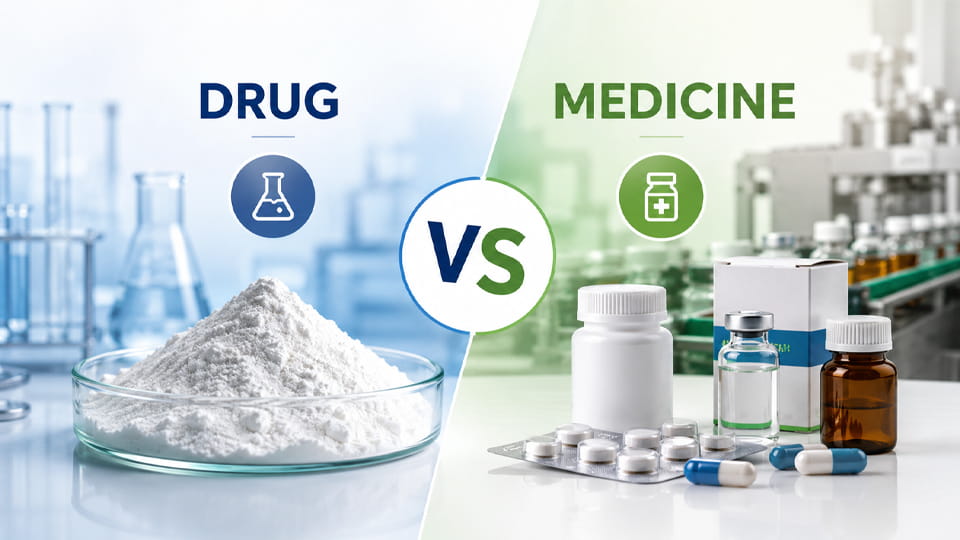
ফার্মাসিউটিক্যাল পদে, ক ড্রাগ একটি সক্রিয় রাসায়নিক বা জৈবিক পদার্থ যা রোগ নির্ণয় করতে ব্যবহৃত হয়, নিরাময়, প্রশমিত করা, চিকিত্সা, বা রোগ প্রতিরোধ. এফডিএ একটি ড্রাগকে ব্যাপকভাবে সংজ্ঞায়িত করে "রোগ নির্ণয়ে ব্যবহারের উদ্দেশ্যে একটি পদার্থ, নিরাময়, প্রশমন, চিকিত্সা, বা রোগ প্রতিরোধ"মানুষ বা প্রাণীদের মধ্যে. অনুশীলনে, "মাদক" প্রায়শই বিশুদ্ধ সক্রিয় উপাদান বোঝায় (API) নিজেই. উদাহরণস্বরূপ, আইবুপ্রোফেন বা অ্যামোক্সিসিলিনকে পাউডার হিসেবে ওষুধ বানানোর আগে বলা হবে ট্যাবলেট বা ক্যাপসুল.
সম্পর্কে মূল পয়েন্ট ওষুধ ফার্মা উৎপাদনে:
সংক্ষেপে, ক ড্রাগ কাঁচা থেরাপিউটিক পদার্থ বা API - "কি" যা একটি ওষুধকে তার প্রভাব দেয়. এই শব্দটি প্রণয়ন উন্নয়ন এবং প্রবিধানে সাধারণ.
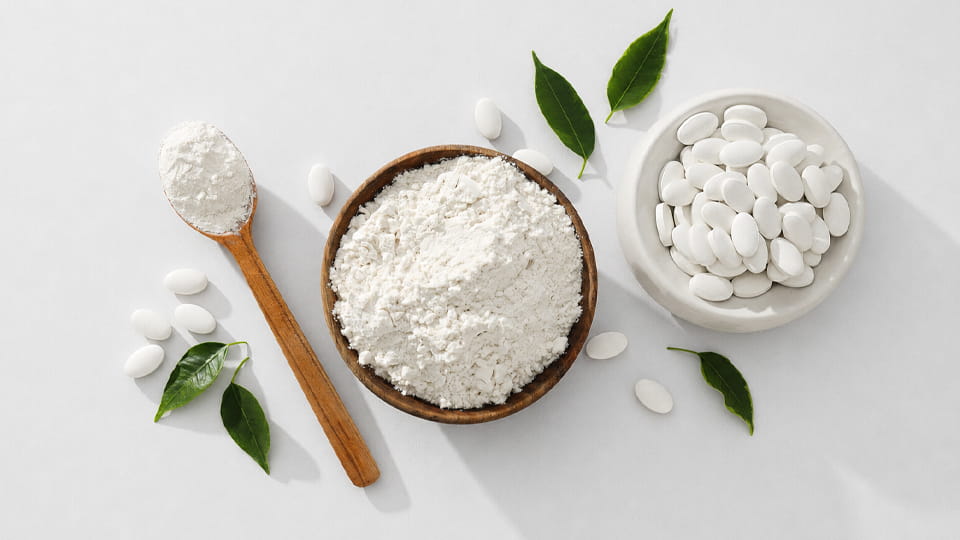
ক ওষুধ (বা ঔষধি পণ্য) একটি সমাপ্ত ফার্মাসিউটিক্যাল পণ্য রোগীর ব্যবহারের জন্য উদ্দেশ্যে. এতে এক বা একাধিক ওষুধ রয়েছে (এপিআই) প্লাস নিষ্ক্রিয় উপাদান (excipients) এবং নিরাপদ বিতরণ এবং ব্যবহারের জন্য প্যাকেজ করা হয়. অন্য কথায়, একবার একটি ওষুধ একটি ডোজ ফর্ম তৈরি করা হয় (ট্যাবলেট, ক্যাপসুল, তরল, ইত্যাদি) এবং একটি পাত্রে লেবেলযুক্ত, এটি বিক্রির জন্য প্রস্তুত একটি ওষুধ হয়ে যায়.
সহজ কথায়, ক ওষুধ প্যাকেজ করা হয়, রোগীর জন্য প্রস্তুত পণ্য একটি অবস্থা নির্ণয় বা চিকিত্সার জন্য ব্যবহৃত. এটি তারকা উপাদান হিসাবে ড্রাগ অন্তর্ভুক্ত, কিন্তু অন্যান্য সব জিনিস (excipients, ধারক, লেবেল).
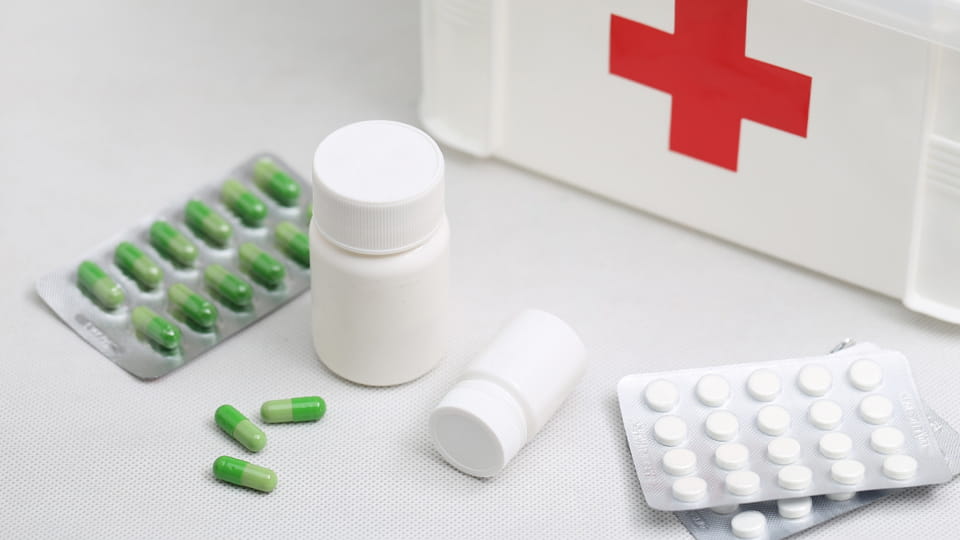
নীচে একটি সারসংক্ষেপ মূল পার্থক্য একটি ওষুধ এবং একটি ওষুধের মধ্যে. পার্থক্যগুলি সরল ভাষায় সূক্ষ্ম তবে উত্পাদন এবং নিয়ন্ত্রক প্রসঙ্গে গুরুত্বপূর্ণ:
| দিক | ড্রাগ | ওষুধ (ঔষধি পণ্য) |
| মৌলিক অর্থ | সক্রিয় পদার্থ (API) থেরাপিউটিক প্রভাব সঙ্গে | ওষুধ ধারণকারী সমাপ্ত পণ্য, রোগীর ব্যবহারের জন্য প্রস্তুত |
| মঞ্চ | প্রায়শই প্রাথমিক পর্যায়ের উপাদান বা গবেষণা যৌগ বোঝায় | একবার প্রণয়ন এবং প্যাকেজ করা চূড়ান্ত ডোজ ফর্ম বোঝায় |
| রচনা | বিশুদ্ধ সক্রিয় উপাদান (যেমন. অ্যাসপিরিন পাউডার) | এপিআই অন্তর্ভুক্ত + excipients, ধারক, লেবেল (যেমন. ফোস্কায় অ্যাসপিরিন ট্যাবলেট) |
| প্রসঙ্গ ব্যবহার করুন | ম্যানুফ্যাকচারিং, আর&ডি, নিয়ন্ত্রক (অনুমোদন প্রক্রিয়া) | ক্লিনিকাল ব্যবহার, বিহিত, বিতরণ (স্বাস্থ্যসেবা সেটিংসে) |
| প্রবিধান | ব্রড এফডিএ "ড্রাগ" সংজ্ঞা এপিআই অন্তর্ভুক্ত | কঠোরভাবে নিয়ন্ত্রিত সমাপ্ত পণ্য (এফডিএ/ইএমএ অনুমোদন, জিএমপি) |
| উদাহরণ | আইবুপ্রোফেন এপিআই, ইনসুলিন প্রোটিন (বাল্ক পদার্থ) | আইবুপ্রোফেন ট্যাবলেট, শিশিতে ইনসুলিন ইনজেকশন |
সরল ভাষায়: ক ড্রাগ একটি ফার্মাকোলজিক্যাল প্রভাব সহ সক্রিয় রাসায়নিক/জৈবিক পদার্থ. ক ওষুধ যে ড্রাগ প্লাস ফর্মুলেশন এবং প্যাকেজিং, রোগীদের দ্বারা নিরাপদ ব্যবহারের উদ্দেশ্যে. একটি ফার্মা সূত্র হিসাবে এটি করা, “প্রতিটি ওষুধই ওষুধ হিসেবে শুরু হয়, কিন্তু সব ওষুধই ওষুধ হয়ে যায় না". উদাহরণস্বরূপ, বিশুদ্ধ মরফিন একটি ড্রাগ পদার্থ; একবার স্যালাইন দিয়ে ইনজেকশনযোগ্য ডোজ তৈরি করা হয় এবং শিশিতে সিল করা হয়, এটি একটি ওষুধ হয়ে যায় (একটি ব্যথা উপশম পণ্য).
গুরুত্বপূর্ণ পয়েন্ট হল যে ওষুধ একটি নিয়ন্ত্রিত বোঝায়, ভোগ্য পণ্য, যেখানে ড্রাগ শুধুমাত্র কাঁচা সক্রিয় পদার্থ বা যৌগগুলির একটি বিস্তৃত শ্রেণী বোঝাতে পারে. উপরের টেবিলটি এই পার্থক্যগুলিকে হাইলাইট করে.
সম্পূর্ণরূপে বোঝার জন্য "ঔষধ বনাম ওষুধ,এটি প্রায়শই ফার্মায় ব্যবহৃত সম্পর্কিত পদগুলিকে স্পষ্ট করতে সহায়তা করে:
নিচের লাইন: ফার্মা উৎপাদনে, "মাদক পদার্থ" API হল, "মাদক পণ্য" প্রণীত ডোজ ফর্ম (ট্যাবলেট, ক্যাপসুল, ইনজেকশন, ইত্যাদি), এবং "ওষুধ" এটিকে আপনি ওষুধের পণ্য বলছেন একবার এটি একটি বাজার-প্রস্তুত থেরাপিউটিক পণ্য. উদাহরণস্বরূপ, মেটফরমিন একটি ওষুধের উপাদান, একটি 500mg মেটফর্মিন ট্যাবলেট হল ওষুধের পণ্য, এবং সেই ট্যাবলেট (এর প্যাকেজিং এ) রোগী যে ওষুধ খান.
এই শর্তাবলী বোঝা অত্যাবশ্যক: একবার আমরা একটি ড্রাগ পণ্যের ডোজ ফর্ম জানতে পারি, আমরা ডান নির্বাচন করতে পারেন প্যাকেজিং লাইন এটি একটি স্থিতিশীল ওষুধে পরিণত করতে.
সূত্র & ডোজ ফর্ম উন্নয়ন: একটি কাঁচা ড্রাগ পদার্থ নিজেই রোগীর জন্য প্রস্তুত নয়. এটি একটি উপযুক্ত ডোজ ফর্ম গঠন করা আবশ্যক (ট্যাবলেট, ক্যাপসুল, সিরাপ, ইনজেকশন, ইত্যাদি) - এটি উত্পাদন উন্নয়নের একটি প্রধান অংশ. প্রতিটি ডোজ ফর্ম নির্দিষ্ট excipients এবং প্রক্রিয়াকরণ প্রয়োজন (মিশ্রণ, দানাদার, জীবাণুমুক্তকরণ) পরিণত হওয়া a ড্রাগ পণ্য. উদাহরণস্বরূপ, ইনজেক্টেবল বায়োলজিক্সের জন্য সংবেদনশীল API-এর জন্য অ্যাসেপটিক প্রসেসিং প্রয়োজন, যেখানে একটি পিলের জন্য একটি স্থিতিশীল API শুকানোর এবং ট্যাবলেট সংকোচনের মধ্য দিয়ে যায়.
নিয়ন্ত্রক অনুমোদন: এফডিএ বা ইএমএর মতো এজেন্সিগুলি ওষুধের পদার্থের ডেটা পর্যালোচনা করে এবং ওষুধের পণ্য/ঔষধ. তারা API এর নিরাপত্তা এবং চূড়ান্ত ফর্মুলেশনের কার্যকারিতা মূল্যায়ন করে. সমাপ্ত ওষুধ অবশ্যই কঠোর মান পূরণ করতে হবে (জিএমপি, স্থিতিশীলতা, লেবেলিং). এফডিএ এর সিজিএমপি নিয়মগুলি স্পষ্টভাবে প্যাকেজিং প্রক্রিয়া এবং সরঞ্জামগুলিকে কভার করে - তাই আপনি কীভাবে একটি ওষুধ প্যাকেজ করবেন (এমনকি একটি কাঁচা ওষুধের চেয়েও বেশি) অত্যন্ত নিয়ন্ত্রিত হয়.
প্যাকেজিং এবং লেবেলিং: পার্থক্য প্যাকেজিং প্রয়োজনীয়তা নির্দেশ করে. একটি ওষুধের পদার্থের সাধারণত ন্যূনতম প্যাকেজিং থাকে (ড্রাম, স্টোরেজ জন্য শিশি). একটি ওষুধ, তবে, প্রয়োজন প্রাথমিক প্যাকেজিং যে ডোজ রক্ষা করে (যেমন. ফোস্কা প্যাক, বোতল, শিশি) এবং সেকেন্ডারি প্যাকেজিং (কার্টন) তথ্য এবং সন্ধানযোগ্যতার জন্য. উদাহরণস্বরূপ, ট্যাবলেট (সমাপ্ত পণ্য) শেলফ-লাইফ নিশ্চিত করতে আর্দ্রতা-প্রমাণ ফোস্কা প্যাক বা বোতল-এন্ড-ক্লোজার সিস্টেম প্রয়োজন. একটি ইনজেকশনযোগ্য ওষুধের জন্য জীবাণুমুক্ত কাঁচের শিশি বা ampoules এবং টেম্পার-স্পষ্ট সিল প্রয়োজন. API এবং ডোজ ফর্মের প্রতিটি সংমিশ্রণে একটি ম্যাচিং প্যাকেজিং সমাধান রয়েছে.
সরঞ্জাম নির্বাচন: আপনি যদি শুধুমাত্র APIs চিন্তা করেন, আপনি চুল্লি বা mixers বিবেচনা করতে পারেন. কিন্তু একবার একটি পদার্থ একটি ড্রাগ পণ্য প্যাকেজিং প্রয়োজন, আপনার সঠিক প্যাকেজিং লাইন প্রয়োজন. ব্লিস্টার প্যাকেজিং মেশিন, ক্যাপসুল ফিলিং মেশিন, তরল ফিলার, শিশি ভর্তি লাইন, কার্টোনিং মেশিন - সব প্রাসঙ্গিক হয়ে ওঠে. "ঔষধ" স্বীকৃতি দেওয়া মানে প্যাকেজড পণ্য এই মেশিনগুলির সংগ্রহের অনুরোধ করে৷.
সংক্ষেপে, "ড্রাগ বনাম ঔষধ" বোঝা প্রকল্প দলকে জানতে সাহায্য করে কখন এবং কিভাবে প্রোডাকশন ওয়ার্কফ্লোতে প্যাকেজিংকে একীভূত করতে. এটি নিশ্চিত করে যে ওষুধের পণ্যটি কেবল প্রণয়ন করা হয় না, কিন্তু সঠিকভাবে সুরক্ষিত এবং বাজারে উপস্থাপন.
প্যাকেজিং হল শেষ গুরুত্বপূর্ণ পদক্ষেপ যা একটি প্রণয়নকৃত ওষুধকে একটি ওষুধে রূপান্তরিত করে যা রোগীরা নিরাপদে ব্যবহার করতে পারে. মধ্যে ফার্মাসিউটিক্যাল প্যাকেজিং, প্রাথমিক প্যাকেজিং ডোজ সঙ্গে সরাসরি যোগাযোগ হয় (ড্রাগ পণ্য) এবং অবক্ষয়ের প্রথম বাধা প্রদান করে. উদাহরণস্বরূপ, হার্ড জেলটিন ক্যাপসুল এবং ট্যাবলেট প্রায়ই ভিতরে যায় অ্যালুমিনিয়াম-প্লাস্টিক ফোস্কা প্যাক, যখন তরল সিরাপ প্রবেশ করে প্লাস্টিক (PET/HDPE) বোতল. ইনজেকশনের ওষুধ ভর্তি করা হয় জীবাণুমুক্ত কাচের শিশি বা ampoules. প্রতিটি প্রাথমিক ধারক তার জড়তা এবং বাধা বৈশিষ্ট্য জন্য নির্বাচিত হয়.
একবার প্রাথমিক প্যাকেজিং সিল করা হয়, সেকেন্ডারি প্যাকেজিং (কার্টন, লেবেল, লিফলেট) রোগীর তথ্য এবং ব্যাচ ডেটা প্রদান করে. উদাহরণস্বরূপ, ব্লিস্টার প্যাক বা শিশিগুলি নির্দেশিকা লিফলেট সহ ব্র্যান্ডেড কার্ডবোর্ডের কার্টনগুলিতে বিভক্ত করা হয়, ব্যাচ সংখ্যা, এবং বারকোড - সম্মতি এবং রোগীর নিরাপত্তার জন্য অত্যন্ত গুরুত্বপূর্ণ.
জিনলুপ্যাকিং এ, আমাদের মেশিনগুলি এই পদক্ষেপগুলি স্বয়ংক্রিয় করে. একটি স্বয়ংক্রিয় ফোস্কা প্যাকিং মেশিন প্রতি ঘন্টায় হাজার হাজার ট্যাবলেটকে ফোস্কায় সিল করতে পারে; ক ক্যাপসুল ফিলিং মেশিন ওষুধটি ক্যাপসুলে ডোজ করে; ক বোতল ভর্তি এবং ক্যাপিং লাইন ট্যাবলেট গণনা করে বা বোতলে সিরাপ পূরণ করে; এবং ক কার্টোনিং মেশিন সমাপ্ত পণ্য মোড়ানো এবং বাক্সে. এই সব পর্যায় - ভর্তি, ক্যাপিং, মোড়ানো - নিশ্চিত করুন যে চূড়ান্ত ওষুধটি সঠিকভাবে ডোজ করা হয়েছে, নিরাপদ, এবং বিতরণের জন্য প্রস্তুত.
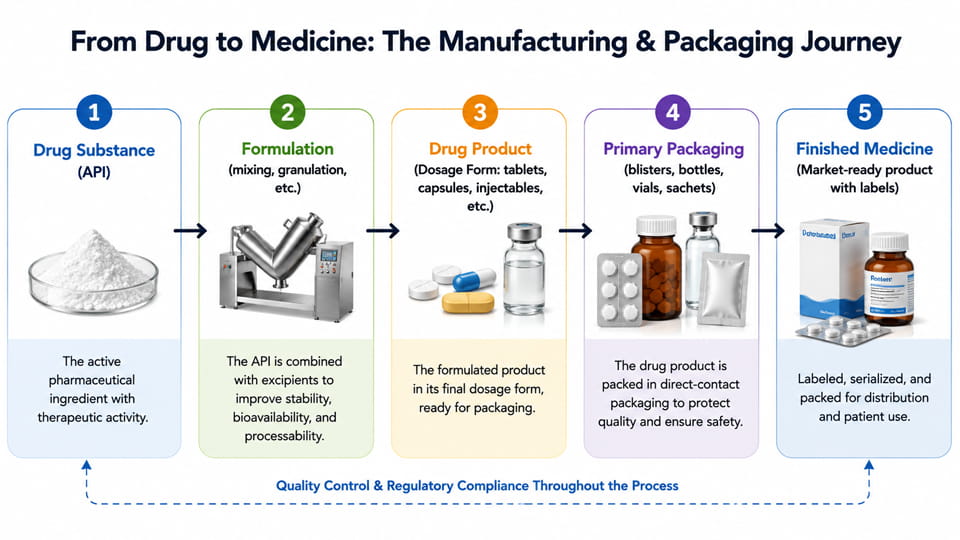
চিত্র: ওষুধের ফ্লোচার্ট → মেডিসিন: সক্রিয় ড্রাগ পদার্থ (API) একটি মধ্যে প্রণয়ন করা হয় ড্রাগ পণ্য (নির্দিষ্ট ডোজ ফর্ম). তারপর এটি সরানো হয় প্রাথমিক প্যাকেজিং (যেমন. ট্যাবলেটের জন্য ফোস্কা প্যাক, সিরাপ জন্য বোতল, ইনজেকশনের জন্য কাচের শিশি). অবশেষে, এটি একটি হয়ে যায় সমাপ্ত ঔষধ সেকেন্ডারি প্যাকেজিং সহ (শক্ত কাগজ/লেবেল) রোগীর ব্যবহারের জন্য.
বিভিন্ন ডোজ ফর্মের জন্য বিভিন্ন প্যাকেজিং সমাধান প্রয়োজন. নীচের সারণীটি সাধারণ জোড়ার সংক্ষিপ্ত বিবরণ দেয়:
| ডোজ ফর্ম | সাধারণ প্রাথমিক প্যাকেজিং | উদাহরণ JinLuEquipment |
| ট্যাবলেট (কঠিন মৌখিক) | ফোস্কা প্যাক (PVC/PVDC ফয়েল), বা প্লাস্টিক বোতল স্ক্রু ক্যাপ সহ | ব্লিস্টার প্যাকিং মেশিন; ট্যাবলেট গণনা & বোতলজাত লাইন |
| ক্যাপসুল (মৌখিক) | ফোস্কা প্যাক, বা ট্যাবলেটের মতো বোতল | স্বয়ংক্রিয় ক্যাপসুল ফিলিং মেশিন; ফোস্কা মেশিন |
| ওরাল লিকুইড (সিরাপ) | প্লাস্টিক (PET/HDPE) বোতল শিশু-নিরাপদ ক্যাপ সহ | লিকুইড ফিলিং এবং ক্যাপিং সিস্টেম; বোতল Unscrambler |
| পাউডার / স্যাচেট | একক ডোজ স্যাচেট প্যাক (ফয়েল বা ল্যামিনেট পাউচ) | স্যাচেট/স্টিক প্যাক প্যাকিং মেশিন; Premade পাউচ লাইন |
| ইনজেক্টেবল (জীবাণুমুক্ত) | গ্লাস শিশি, ampoules, বা প্রিফিলড সিরিঞ্জ, প্লাস ফয়েল সীল | শিশি/অ্যাম্পুল ফিলিং & স্টপারিং লাইন; ইন্ডাকশন সিলার |
| মলম/ক্রিম | স্তরিত টিউব (অ্যালুমিনিয়াম বা প্লাস্টিক) | টিউব ফিলিং এবং সিলিং মেশিন |
| সফটজেল ক্যাপসুল | বোতল (পিইটি) বা ফোস্কা প্যাক | সফটগেল ক্যাপসুল ব্লিস্টার মেশিন; কাউন্টিং লাইন |
পছন্দ ডোজ ফর্ম স্থায়িত্ব মত কারণের উপর নির্ভর করে, বন্ধ্যাত্ব, এবং রোগীর সুবিধার্থে. উদাহরণস্বরূপ, ট্যাবলেট এবং ক্যাপসুল প্রায়ই ব্যবহার করে ফোস্কা মেশিন বা বোতল ভর্তি লাইন, যখন তরল প্রয়োজন বোতল rinsers, ভরাট, এবং ক্যাপিং মেশিন. ইনজেকশনযোগ্য ওষুধের জন্য ক্লিনরুম অবস্থার অধীনে জীবাণুমুক্ত ফিলিং সিস্টেম প্রয়োজন. প্রতিটি সমাধান বিশেষ প্যাকেজিং যন্ত্রপাতি দ্বারা সমর্থিত হয় যাতে ওষুধের পণ্যটি সুরক্ষিত হয়, লেবেলযুক্ত ওষুধ যে পূরণ জিএমপি মান.
এটা কংক্রিট করতে, এখানে কয়েকটি উদাহরণ দেখানো হয়েছে যে কীভাবে নির্দিষ্ট ওষুধগুলি ওষুধে পরিণত হয়:
প্রতিটি উদাহরণ দেখায়: ড্রাগ (API) → সূত্র (ট্যাবলেটিং, ভরাট, ইত্যাদি) → প্যাকেজিং (ফোস্কা, বোতল, শিশি, থলি) → ওষুধ (লেবেল সহ শেষ পণ্য).
অগত্যা নয়. প্রতিটি ওষুধ একটি ওষুধ থেকে শুরু হয়, কিন্তু প্রতিটি ওষুধই ওষুধ হয়ে ওঠে না. অনেক রাসায়নিক বা জৈবিক যৌগ (ওষুধ) কখনই রোগীদের কাছে পৌঁছায় না. কিছু ওষুধ আর থাকে&ডি বা শুধুমাত্র গবেষণার জন্য ব্যবহার করা হয়, এবং অন্যান্য চিকিৎসা সেটিংসের বাইরে ব্যবহার করা হয় (যেমন. বিনোদনমূলক ওষুধ). শুধুমাত্র যখন একটি ওষুধ প্রণয়ন করা হয়, পরীক্ষিত, এবং অনুমোদিত এটি একটি ওষুধ হয়ে ওঠে.
একটি FAQ উত্তর নোট হিসাবে, "অ্যাসপিরিন একটি ওষুধ এবং একটি ওষুধ উভয়ই. এটি তার রাসায়নিক আকারে একটি ড্রাগ (acetylsalicylic অ্যাসিড) এবং এটি একটি ওষুধ হয়ে ওঠে যখন প্রণয়ন করা হয় এবং জ্বরের চিকিত্সার জন্য ব্যবহৃত হয়, ব্যথা, বা প্রদাহ". মূল উদ্দেশ্য হল ব্যবহার এবং উপস্থাপনা: রোগীর জন্য প্রস্তুত পণ্য হিসাবে ব্যবহার করুন এটি একটি ওষুধ তৈরি করে.
সংক্ষেপে, শুধুমাত্র অনুমোদিত, রোগীর উদ্দেশ্যে পণ্য ওষুধ হয়. এটি বোঝা প্রস্তুতকারক এবং নিয়ন্ত্রকদের পরীক্ষামূলক পদার্থ এবং প্রকৃত বাজারের পণ্যগুলির মধ্যে পার্থক্য করতে সহায়তা করে.
সংক্ষেপে, "মাদক" সাধারণত সক্রিয় উপাদান বা কোনো ফার্মাসিউটিক্যাল এজেন্ট বোঝায়, যখন "ওষুধ" (ঔষধি পণ্য) সমাপ্ত বোঝায়, রোগীর জন্য প্রস্তুত পণ্য যে ড্রাগ ধারণকারী. এই পার্থক্য ফার্মাসিউটিক্যাল উত্পাদন জন্য গুরুত্বপূর্ণ: এটি আর গাইড করে&ডি, নিয়ন্ত্রক অবস্থা, এবং প্যাকেজিং পছন্দ. এই পদগুলি বোঝার ফলে আমরা একটি ওষুধের পদার্থকে ফর্মুলেশনের মাধ্যমে সরানো নিশ্চিত করতে সাহায্য করে প্যাকেজিং সঠিকভাবে একটি স্থিতিশীল হতে, সঙ্গতিপূর্ণ ঔষধ.
কখন একটি নতুন ডোজ ফর্ম উন্নয়নশীল, মনে রাখবেন: সঠিক প্যাকেজিং লাইন (ফোস্কা প্যাকার, ক্যাপসুল ফিলার, বোতল লাইন, শিশি ফিলার, কার্টন, ইত্যাদি) জন্য অপরিহার্য ঔষধ রক্ষা এবং GMP মিটিং. উদাহরণস্বরূপ, ট্যাবলেট নির্মাতারা নির্ভর করে ফোস্কা প্যাকেজিং মেশিন এবং গণনা/ভর্তি লাইন, যখন ইনজেকশনযোগ্য পণ্য প্রয়োজন শিশি/অ্যাম্পুল ফিলিং এবং ক্যাপিং মেশিন এবং নিরাপদ সেকেন্ডারি প্যাকিং. জিনলুপ্যাকিং একটি সম্পূর্ণ পরিসীমা অফার ফার্মা প্যাকেজিং যন্ত্রপাতি প্রতিটি ডোজ ফর্ম অনুযায়ী - থেকে ট্যাবলেট & ক্যাপসুল ফোস্কা থেকে স্যাচে প্যাকিং এবং কার্টোনিং.
আপনার ওষুধকে বাজারের জন্য প্রস্তুত ওষুধে পরিণত করতে প্রস্তুত? আমাদের সমাধান অন্বেষণ: ট্যাবলেট & কঠিন ডোজ জন্য ক্যাপসুল ফোস্কা প্যাকেজিং মেশিন, পাউডারের জন্য ক্যাপসুল ফিলিং মেশিন/তরল ক্যাপসুল, থলি & প্রিমেড পাউচ মেশিন গুঁড়ো জন্য, এবং চূড়ান্ত বক্সিংয়ের জন্য কার্টোনিং মেশিন. আমাদের সরঞ্জাম পণ্যের গুণমান রক্ষা করতে সাহায্য করে, রোগীর নিরাপত্তা নিশ্চিত করা, এবং আপনার উত্পাদন লাইনকে ওষুধ থেকে সমাপ্ত ওষুধে প্রবাহিত করুন.
ঠিক নয়. নৈমিত্তিক কথোপকথনে তারা ওভারল্যাপ করে, কিন্তু টেকনিক্যালি ড্রাগ বলতে প্রায়ই সক্রিয় উপাদান বা ফার্মাকোলজিক্যাল পদার্থ বোঝায়, যেখানে একটি ওষুধ রোগীদের দেওয়া সমাপ্ত পণ্য. কেউ বলতে পারে "প্রতিটি ওষুধে একটি ওষুধ থাকে, কিন্তু প্রণয়ন না হওয়া পর্যন্ত একটি ওষুধ নিজেই ওষুধ হতে পারে না".
বেশিরভাগ ফার্মাসিউটিক্যাল প্রসঙ্গে এগুলি মূলত একই ধারণা. একটি ড্রাগ পণ্য সম্পূর্ণ ডোজ ফর্ম (ট্যাবলেট, ক্যাপসুল, ইনজেকশন) বিক্রয়ের জন্য প্রস্তুত. একটি ওষুধ রোগীর ব্যবহারের জন্য প্যাকেজ করা হলে ওষুধের পণ্যটিকে বলা হয়. অনুশীলনে, অনুমোদিত ওষুধ পণ্য (লেবেল সহ) ওষুধ হয়.
একটি মাদকদ্রব্য (বা API) বিশুদ্ধ সক্রিয় উপাদান - রাসায়নিক বা জৈবিক যা থেরাপিউটিক প্রভাব আছে. একটি ড্রাগ পণ্য হল সেই পদার্থ ধারণকারী চূড়ান্ত ফর্মুলেশন, প্লাস excipients, একটি ডোজ আকারে (বড়ি, সমাধান, ইত্যাদি). লবণ এবং সল্টশেকারের কথা ভাবুন: লবণ (ড্রাগ পদার্থ) উপাদান হয়; একটি বোতলে বিরোধী caking এজেন্ট সঙ্গে লবণ (ড্রাগ পণ্য) ব্যবহারযোগ্য পণ্য.
একটি ওষুধকে ওষুধে পরিণত করার জন্য প্যাকেজিং অত্যন্ত গুরুত্বপূর্ণ. জিনলুপ্যাকিং সংস্থান নোট হিসাবে, ফার্মাসিউটিক্যাল প্যাকেজিং (ফোস্কা প্যাক, শিশি, বোতল) ড্রাগ পণ্যের স্থিতিশীলতা এবং ডোজ রক্ষা করে, এবং প্রবিধানের সাথে সম্মতি নিশ্চিত করে. সঠিক প্যাকেজিং এবং লেবেলিং একটি আলগা ওষুধের পদার্থকে নিরাপদে রূপান্তরিত করে, ব্যবহারকারী-বান্ধব ঔষধ.
হ্যাঁ. আইবুপ্রোফেন বা অ্যাসিটামিনোফেনের মতো একটি যৌগ একটি ওষুধের পদার্থ. যখন এটি নির্দেশাবলী সহ একটি OTC ট্যাবলেটে তৈরি করা হয়, এটি একটি ওষুধও. এটি ফর্ম এবং ব্যবহারের উপর নির্ভর করে. উপরে উল্লিখিত হিসাবে, অ্যাসপিরিন রাসায়নিকভাবে একটি ওষুধ কিন্তু ব্যথা উপশমের জন্য ট্যাবলেটে থাকলে একে ওষুধ বলা হয়. এটি অনেক ব্যথা রিলিভারের সাথে একই, অ্যান্টিবায়োটিক, ইত্যাদি.
ডাক্তাররা প্রায়ই যে কোনো ফার্মাসিউটিক্যাল এজেন্টের নিরপেক্ষ অর্থে "ড্রাগ" ব্যবহার করেন. ক্লিনিকাল পরিভাষা এবং আইন (এফডিএ আইনের মত), "ড্রাগ" একটি থেরাপিউটিক পদার্থের জন্য সরকারী শব্দ. এটি কাশির সিরাপ থেকে কেমোথেরাপি পর্যন্ত সবকিছু কভার করে. এদিকে, "ঔষধ" আরো রোগী-বান্ধব. তাই একজন ডাক্তার আইবুপ্রোফেন লিখে দিতে পারেন (ড্রাগ) ব্যথা উপশমকারী হিসাবে (ওষুধ).
তথ্যসূত্র:
1.ড্রাগস@এফডিএ শর্তাবলীর শব্দকোষ —— মার্কিন যুক্তরাষ্ট্র. খাদ্য ও ওষুধ প্রশাসন
2.ওষুধ এবং ডিভাইস হিসাবে পণ্যের শ্রেণীবিভাগ এবং অতিরিক্ত পণ্য শ্রেণিবিন্যাস সমস্যা —— মার্কিন যুক্তরাষ্ট্র. খাদ্য ও ওষুধ প্রশাসন
3.শব্দকোষ (পি পদ: ফার্মাসিউটিক্যাল পণ্য, excipient, শুরু উপাদান) -- WHO
4.পূর্বযোগ্যতা শব্দকোষ -- WHO
5.ডোজ ফর্ম | এফডিএ —— মার্কিন যুক্তরাষ্ট্র. খাদ্য ও ওষুধ প্রশাসন
6.Q7A সক্রিয় ফার্মাসিউটিক্যাল উপাদানগুলির জন্য ভাল উত্পাদন অনুশীলন নির্দেশিকা —— মার্কিন যুক্তরাষ্ট্র. খাদ্য ও ওষুধ প্রশাসন
