
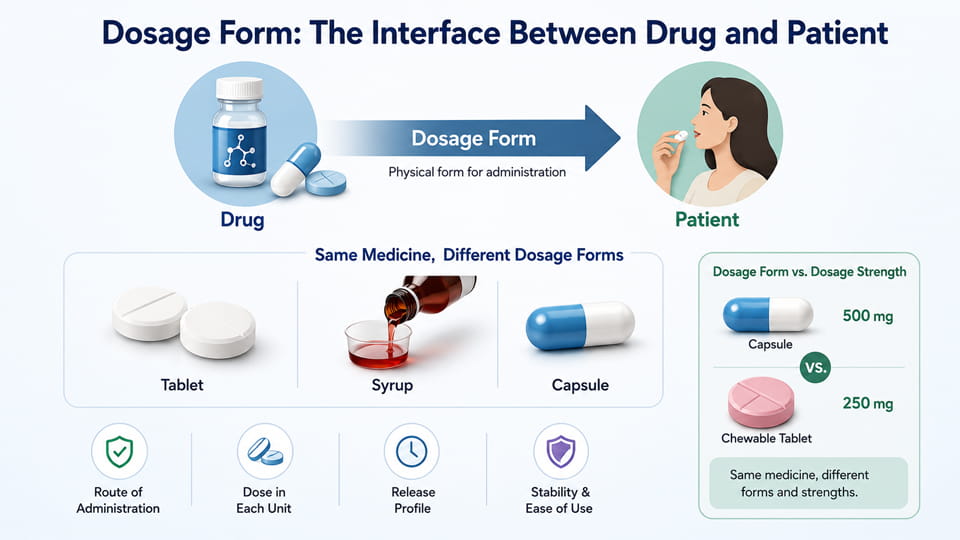
ওষুধ শুধু বোতল বা বাক্সে আসে না - এটি আসে ডোজ ফর্ম. ক ডোজ ফর্ম হল শারীরিক ফর্ম যেখানে একটি ওষুধ প্রস্তুত এবং পরিচালনা করা হয়. ফার্মেসিতে, এর মানে হলো ওষুধ সক্রিয় উপাদান অন্যান্য উপকরণ সঙ্গে মিলিত হয় (excipients) এবং একটি ট্যাবলেট আকারে, ক্যাপসুল, তরল, ক্রিম, বা অন্য বিন্যাস. সহজ কথায়, দ্য ডোজ ফর্ম সংজ্ঞা "কীভাবে একটি ওষুধ তৈরি এবং বিতরণ করা হয়" যাতে সঠিক ডোজ আপনার শরীরে নিরাপদে পৌঁছায়. উদাহরণস্বরূপ, একটি সাধারণ ওষুধ একটি হিসাবে বিক্রি হতে পারে 500 মিলিগ্রাম ক্যাপসুল বা ক 250 মিলিগ্রাম চর্বণযোগ্য ট্যাবলেট – একই ওষুধ, ভিন্ন ডোজ ফর্ম.
ডোজ ফর্ম বোঝা ফার্মা উত্পাদন বা সংগ্রহের জন্য গুরুত্বপূর্ণ. ফর্মের পছন্দ রোগীর ব্যবহারকে প্রভাবিত করে, ড্রাগ স্থিতিশীলতা, এবং উত্পাদন পদ্ধতি. এই নির্দেশিকা মধ্যে, আমরা ভেঙ্গে দেব ফার্মেসিতে ডোজ ফর্ম মানে কি, কেন এটা গুরুত্বপূর্ণ, এবং ডোজ ফর্মের প্রকার আপনি সম্মুখীন হবে. আমরা কিভাবে আধুনিক যন্ত্রপাতি স্পর্শ করব (যেমন ট্যাবলেট প্রেস এবং ক্যাপসুল ফিলার) এই ফর্মগুলি উত্পাদন এবং প্যাকেজিং সহজ করে তোলে.
সংজ্ঞা অনুসারে, ক ডোজ ফর্ম হয় একটি ফার্মাসিউটিক্যাল পণ্যের শারীরিক ফর্ম. অন্য কথায়, এটি কিভাবে সক্রিয় ড্রাগ এবং কোন জড় উপাদান একত্রিত করা হয় এবং প্রশাসনের জন্য উপস্থাপন করা হয়. NIH গ্লস এটিকে সহজভাবে সংজ্ঞায়িত করে "দৈহিক ফর্ম যেখানে একটি ওষুধ তৈরি বা পরিচালিত হয়". অন্য একটি উত্স ব্যাখ্যা করে যে ডোজ ফর্ম ড্রাগ পণ্য "ব্যবহারের জন্য একটি নির্দিষ্ট আকারে উপস্থাপিত," সক্রিয় এবং নিষ্ক্রিয় উপাদানগুলির মিশ্রণ রয়েছে, একটি নির্দিষ্ট ফর্মে কনফিগার করা হয়েছে.
ডোজ ফর্ম হিসাবে চিন্তা করুন ইন্টারফেস ওষুধ এবং রোগীর মধ্যে. উদাহরণস্বরূপ, প্যারাসিটামল ট্যাবলেট হিসাবে আসে, সিরাপ, এবং এমনকি suppositories; এগুলি একই সক্রিয় উপাদানের বিভিন্ন ডোজ ফর্ম. প্রতিটি ফর্ম a ডোজ গঠন - সক্রিয় ওষুধের একটি নির্দিষ্ট রেসিপি + excipients কিছু সুবিধাজনক আকারে. একজন জিনলুপ্যাকিং গাইড এটি রাখে, একটি কঠিন ডোজ ফর্ম তৈরি করা হয় "ড্রাগের অণুগুলিকে একটি স্থিতিশীল কঠিন আকারে পরিণত করা" সাথে সক্রিয় উপাদান মিশ্রিত করে বাইন্ডার এবং ফিলার. সমাপ্ত ফর্ম একটি বৃত্তাকার ট্যাবলেট হতে পারে, একটি ক্যাপসুল শেল, বা পাউডারের প্যাকেট - প্রতিটি ডিজাইন করা হয়েছে যাতে ওষুধটি কার্যকরভাবে সরবরাহ করা যায়.
অনুশীলনে, যখন ফার্মাসিস্ট বা নির্মাতারা কথা বলে ডোজ ফর্ম, তারা মত কারণ বিবেচনা করছে:
উদাহরণস্বরূপ, একই ঔষধ (বল, অ্যামোক্সিসিলিন) একটি মত "ডোজ ফর্ম" আসতে পারে 500 মিলিগ্রাম ক্যাপসুল বা ক 250 মিলিগ্রাম চর্বণযোগ্য ট্যাবলেট". উভয়ই অ্যামোক্সিসিলিন সরবরাহ করে, কিন্তু ফর্ম এবং ডোজ ভিন্ন. এটি ডোজ ফর্মের মধ্যে পার্থক্য হাইলাইট করে (ক্যাপসুল বনাম ট্যাবলেট) এবং ডোজ শক্তি (500 মিলিগ্রাম বনাম 250 মিলিগ্রাম).
সঠিক ডোজ ফর্ম নির্বাচন বিভিন্ন কারণে অত্যন্ত গুরুত্বপূর্ণ:
সংক্ষেপে, ডোজ ফর্ম "শুধু প্যাকেজিং" এর চেয়ে বেশি। একটি ওষুধ কতটা ভালো কাজ করে এবং কতটা সহজে এটি তৈরি করা যায় এবং নিরাপদে ব্যবহার করা যায় তাতে তারা গুরুত্বপূর্ণ ভূমিকা পালন করে.
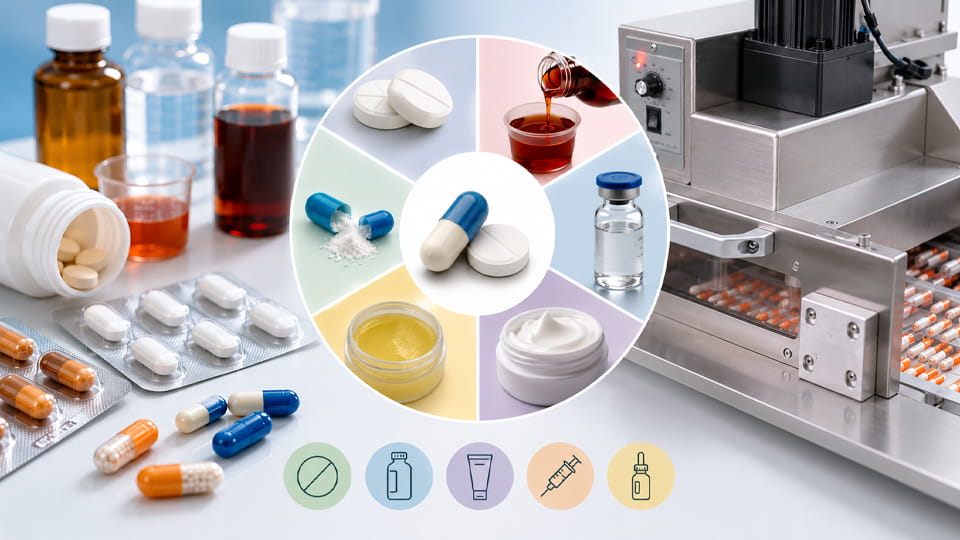
ঔষধ অনেক ফর্ম গঠন করা যেতে পারে, প্রতিটি নির্দিষ্ট উদ্দেশ্যে উপযুক্ত. নীচে প্রধান বিভাগ আছে:
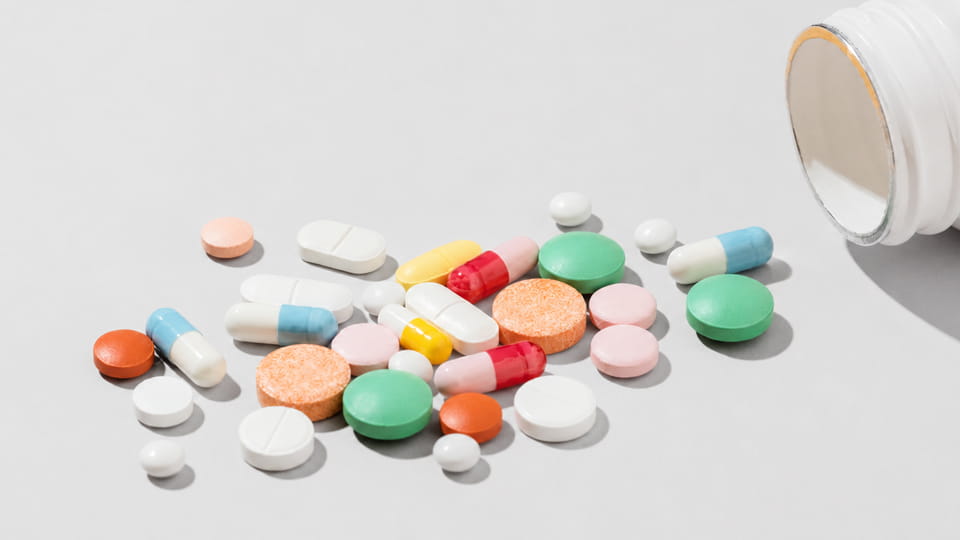
চিত্র: ক্যাপসুল এবং ট্যাবলেট মৌখিক প্রসবের জন্য ব্যবহৃত কঠিন ডোজ ফর্মের উদাহরণ.
কঠিন ডোজ ফর্ম হয় সবচেয়ে সাধারণ ফার্মাসিউটিক্যাল শিল্পে. এর মধ্যে রয়েছে ট্যাবলেট (সংকুচিত পাউডার বড়ি), ক্যাপসুল (জেলটিন বা এইচপিএমসি পাউডার বা pellets ভরা শেল), এবং বাল্ক পাউডার বা গ্রানুলস. ট্যাবলেটগুলি বিভিন্ন ধরণের ডিজাইন করা যেতে পারে (যেমন. চর্বণযোগ্য, উজ্জ্বল, বর্ধিত মুক্তি) কত দ্রুত ওষুধ শরীরে নিঃসৃত হয় তা নিয়ন্ত্রণ করতে. ক্যাপসুলগুলি প্রায়ই একটি দ্রবীভূত শেল ব্যবহার করে যা পেটে ভেঙ্গে ওষুধ ছেড়ে দেয়.
কেন কঠিন? তারা স্থিতিশীল এবং সুবিধাজনক. সলিড পিলগুলি সাধারণত শেলফে দীর্ঘস্থায়ী হয় এবং হিমায়নের প্রয়োজন হয় না. প্রতিটি ইউনিটে ওষুধের একটি সুনির্দিষ্ট ডোজ রয়েছে, তাই ডোজ সঠিক. উৎপাদনের জন্য, কঠিন ফর্ম দক্ষ: আধুনিক ট্যাবলেট প্রেস মেশিন এবং ক্যাপসুল ফিলিং মেশিন (জিনলুর মত) প্রতি ঘন্টায় কয়েক হাজার বড়ি উৎপাদন করতে পারে. ব্লিস্টার প্যাকিং মেশিন এবং বোতল ভর্তি লাইন তারপর এই ট্যাবলেট বা ক্যাপসুলগুলিকে চূড়ান্ত পণ্যগুলিতে প্যাকেজ করে (ফোস্কা কার্ড, বোতল, রেখাচিত্রমালা, ইত্যাদি).
সলিড ডোজ ফর্মের উদাহরণ:
সরঞ্জাম নোট: কঠিন ফর্ম উত্পাদন বিশেষ যন্ত্রপাতি প্রয়োজন. উদাহরণস্বরূপ, একটি ঘূর্ণমান ট্যাবলেট প্রেস (জিনলুর ট্যাবলেট প্রেস মেশিনের মতো) ট্যাবলেটে পাউডার সংকুচিত করে. ক্যাপসুল ফিলিং মেশিন (ম্যানুয়াল বা স্বয়ংক্রিয়) ক্যাপসুল খোসা মধ্যে গুঁড়া ড্রপ. গঠনের পর, ট্যাবলেট/ক্যাপসুল আবরণের মধ্য দিয়ে যেতে পারে, গণনা, এবং প্যাকেজিং সরঞ্জাম.
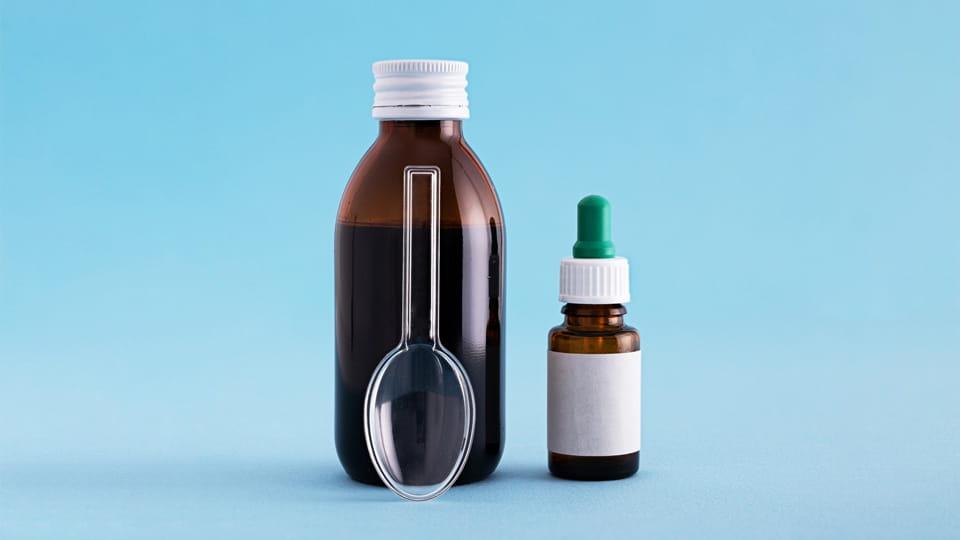
চিত্র: সিরাপ একটি সাধারণ তরল ডোজ ফর্ম, কঠিন পদার্থ গিলতে সমস্যা হয় যারা রোগীদের জন্য দরকারী.
তরল ডোজ ফর্ম অন্তর্ভুক্ত সমাধান, স্থগিতাদেশ, ইমালসন, এবং সিরাপ. কঠিন পদার্থ গ্রাস করা কঠিন হলে এগুলি আদর্শ (যেমন শিশু বা বয়স্কদের জন্য) বা যখন একটি দ্রুত সূচনা প্রয়োজন. উদাহরণ হল কাশির সিরাপ (মাস্ক ড্রাগ স্বাদ মিষ্টি), মৌখিক ড্রপ, এবং IV সমাধান.
কেন তরল? তারা অনুমতি দেয় নমনীয় ডোজ (আপনি একটি চামচ পরিমাপ করতে পারেন) এবং দ্রুত শোষণ প্রয়োজন হলে ভাল কাজ. উদাহরণস্বরূপ, দ্রবণ আকারে একটি ওষুধ ট্যাবলেটের চেয়ে দ্রুত রক্ত প্রবাহে প্রবেশ করে. তরল এছাড়াও নিশ্চিত করতে সাহায্য করে ছোট রোগীরা সঠিক ছোট ডোজ পান.
সরঞ্জাম নোট: তরল ফর্মের জন্য প্রায়ই মিক্সিং ভ্যাট এবং ফিলিং মেশিনের প্রয়োজন হয়. মেশানোর পর (যেমন. একটি হাই-স্পিড মিক্সার গ্রানুলেটর বা ফ্লুইড বেড ড্রায়ারে), তরল ঔষধ দ্বারা ভরা হয় বোতল ভর্তি মেশিন বা শিশিতে পাম্প করা হয় (ampoules মত). উদাহরণস্বরূপ, জিনলুপ্যাকিং অফার বোতল ভর্তি লাইন যে ধুয়ে ফেলতে পারে, পূরণ, এবং সিরাপ বা সমাধানের জন্য প্রতি মিনিটে শত শত বোতল ক্যাপ করুন.
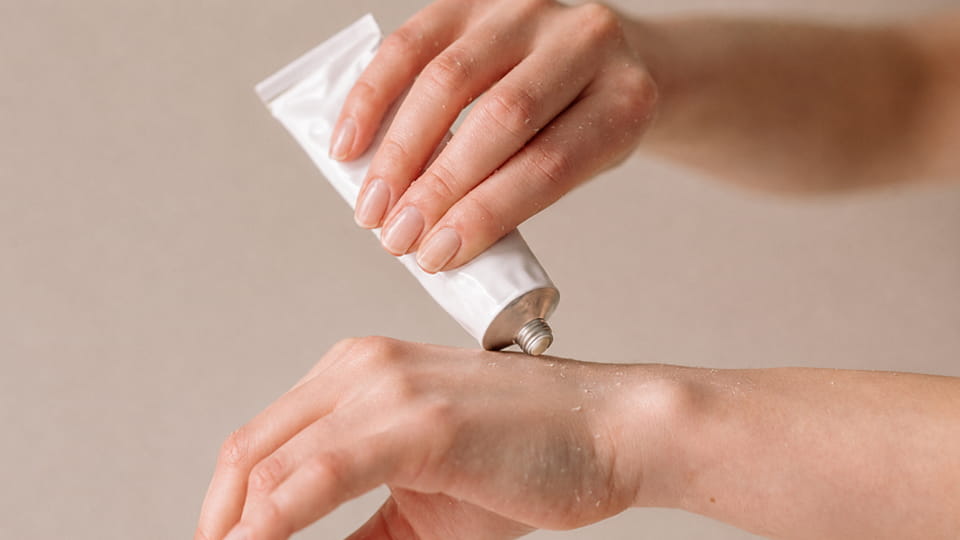
চিত্র: ক্রিম এবং মলম ত্বকে প্রয়োগ করা আধা-সলিড টপিকাল ডোজ ফর্ম.
আধা-সলিড ডোজ ফর্ম হয় বেশিরভাগই সাময়িক ব্যবহারের জন্য – যে, ত্বক বা শ্লেষ্মা ঝিল্লিতে প্রয়োগ করা হয়. এর মধ্যে রয়েছে ক্রিম, মলম, জেলস, লোশন, এবং পেস্ট. উদাহরণস্বরূপ, একটি অ্যান্টিফাঙ্গাল ক্রিম বা হাইড্রোকোর্টিসোন মলম ওষুধটিকে সরাসরি ত্বকের সমস্যায় কাজ করতে দেয়. অনেক প্রসাধনী (ত্বকের লোশন) এছাড়াও সক্রিয় উপাদানের জন্য সাময়িক ডোজ ফর্ম.
কেন semisolids? তারা মাদক সরবরাহ করে স্থানীয়ভাবে ন্যূনতম সিস্টেমিক প্রভাব সহ. ওষুধ পুরো শরীরের মধ্য দিয়ে ভ্রমণ না করে আক্রান্ত স্থানে যায়, পার্শ্ব প্রতিক্রিয়া হ্রাস. উদাহরণস্বরূপ, ত্বকের ক্রিমগুলি বেশিরভাগই ত্বকে থাকে.
প্রণয়ন এবং সরঞ্জাম: ক্রিম এবং লোশন তৈরি করতে ইমালসিফায়ারের সাথে তেল এবং জলের পর্যায়গুলি মেশানো প্রয়োজন. জিনলু এর ভ্যাকুয়াম ইমালসিফায়ার মিক্সার একটি স্থিতিশীল ক্রিম বা লোশন মধ্যে এই অবিচ্ছিন্ন তরল একত্রিত করার জন্য ডিজাইন করা হয়েছে. মেশানোর পর, ক টিউব ফিলিং মেশিন অথবা জার-ভর্তি লাইন পণ্যটিকে টিউবে প্যাকেজ করে, বোতল, বা বয়াম. জিনলু যেমন ব্যাখ্যা করেছেন, একটি ভ্যাকুয়াম ইমালসিফায়ার "অবিচ্ছিন্ন তরল একত্রিত করে (তেল & জল) একটি স্থিতিশীল ইমালসন মধ্যে" ভ্যাকুয়ামের অধীনে. এই ধাপটি সামঞ্জস্যপূর্ণ ক্রিম এবং জেলের জন্য অপরিহার্য.
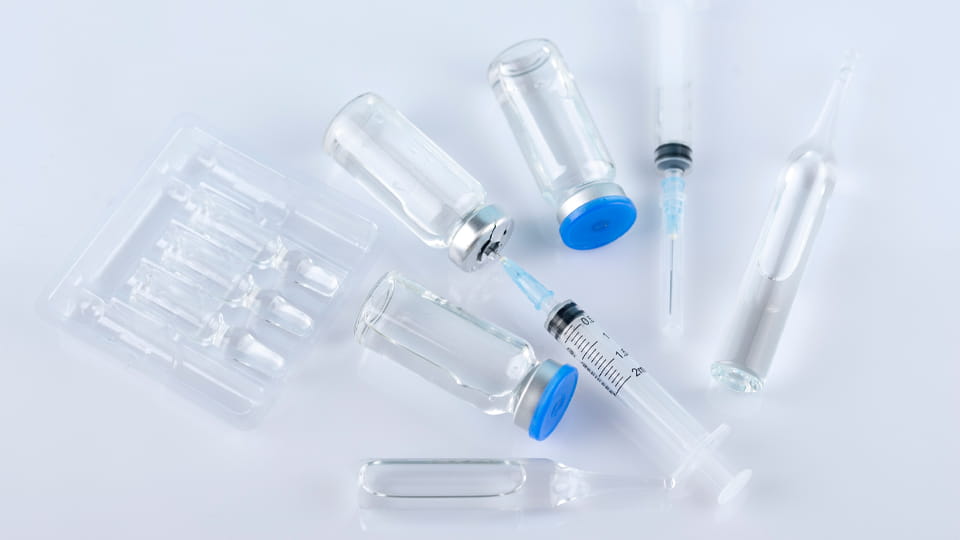
চিত্র: শিশি বা ampoules মধ্যে প্রস্তুত ইনজেকশনযোগ্য.
মৌখিক এবং সাময়িক ছাড়াও, প্যারেন্টেরাল (ইনজেকশনযোগ্য) ফর্ম সমালোচনামূলক. ইনজেক্টেবল অন্তর্ভুক্ত শিরায় (Iv), ইন্ট্রামাসকুলার (আইএম), ত্বকের নিচের অংশ (এসসি) ইনজেকশন এবং ইনফিউশন. এই তরল ডোজ ফর্মগুলি জীবাণুমুক্ত এবং দ্রুত কর্মের জন্য হজমকে বাইপাস করার জন্য ডিজাইন করা হয়েছে. অনেক জীবন রক্ষাকারী ওষুধ (যেমন. টিকা, ইনসুলিন, নির্দিষ্ট অ্যান্টিবায়োটিক) ইনজেকশনযোগ্য ফর্ম ব্যবহার করুন.
এগুলির প্রতিটি নির্দিষ্ট সুবিধার জন্য নির্বাচিত একটি বিশেষ ডোজ ফর্ম (গতি, স্থানীয় প্রভাব, সুবিধা). একটি ডোজ ফর্ম সামগ্রিক নকশা একটি মূল অংশ ফার্মাসিউটিক্যাল ফর্মুলেশন - প্রকৌশলী এবং ফার্মাসিস্টরা ফর্মুলেশন তৈরি করবে (ডোজ এবং ফর্ম) রোগীর চাহিদা এবং ড্রাগ বৈশিষ্ট্য মাপসই করা.
ফার্মাসিস্ট এবং ইঞ্জিনিয়াররা ওষুধের জন্য ডোজ ফর্ম নির্বাচন করার সময় অনেকগুলি কারণ বিবেচনা করে:
এতে অবাক হওয়ার কিছু নেই যে অনেকগুলি ডোজ ফর্ম বিকল্প রয়েছে. প্রতিটি ভারসাম্য সুবিধা, কার্যকারিতা, এবং সম্ভাব্যতা. ভাল ফার্মাসিউটিক্যাল ফর্মুলেশন রোগীর প্রয়োজন এবং ওষুধের বৈশিষ্ট্যগুলির মধ্যে "মিষ্টি স্থান" খুঁজে পায়.
বিভ্রান্ত না করা গুরুত্বপূর্ণ ডোজ ফর্ম সঙ্গে ডোজ শক্তি. দ ডোজ ফর্ম হয় ওষুধটি দেখতে কেমন এবং এটি কীভাবে নেওয়া হয় (ট্যাবলেট, সিরাপ, ইত্যাদি), যখন ডোজ শক্তি হয় প্রতিটি ইউনিটে কতটা সক্রিয় ড্রাগ রয়েছে. উদাহরণস্বরূপ, অ্যান্টিবায়োটিক অ্যামোক্সিসিলিনের দুটি সংস্করণ হতে পারে: 500 মিলিগ্রাম ক্যাপসুল এবং 250 মিলিগ্রাম চিবানো ট্যাবলেট. এখানে, ক্যাপসুল/ট্যাবলেট হল ডোজ ফর্ম, এবং সংখ্যা (500 মিলিগ্রাম, 250 মিলিগ্রাম) ডোজ শক্তি হয়. উভয়ই রোগীকে অ্যামোক্সিসিলিন সরবরাহ করে, কিন্তু বিভিন্ন ফর্ম এবং শক্তিতে.
অনুশীলনে, নির্মাতারা প্রতিটি ফর্মের জন্য একাধিক শক্তি তৈরি করে যাতে ডাক্তাররা সহজেই ডোজ সামঞ্জস্য করতে পারে. ফর্ম (কঠিন, তরল, ইত্যাদি) প্রধানত উত্তর দেয় "কিভাবে দেওয়া হয়?"প্রশ্ন, যখন শক্তি উত্তর দেয় "প্রতিটি ডোজ কতটা ওষুধ রয়েছে।"
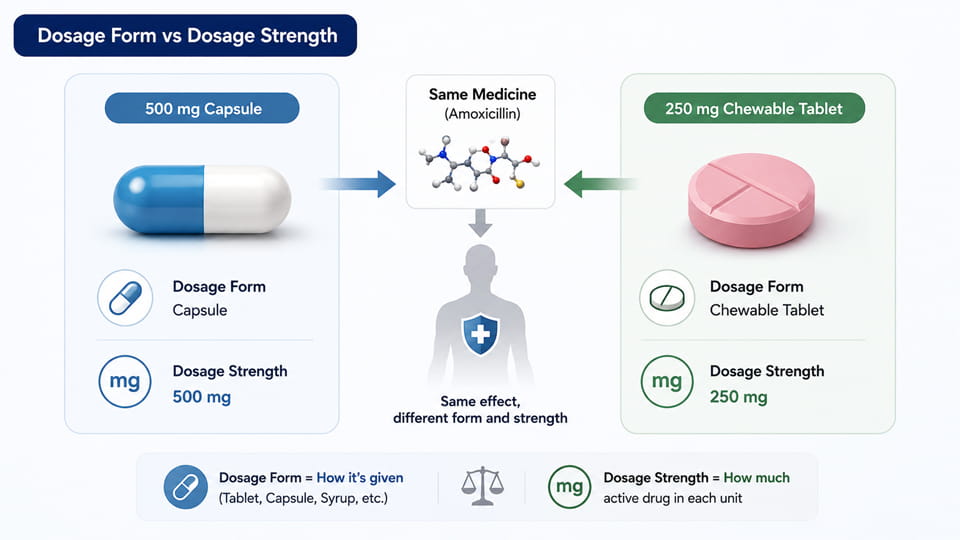
ডোজ ফর্ম ওষুধের বিকাশ এবং রোগীর ব্যবহারের মধ্যে সেতু. ফার্মেসিতে, তারা নির্দিষ্ট মানে সূত্র - ট্যাবলেট, ক্যাপসুল, সিরাপ, ক্রিম, ইনজেকশন, এবং আরও - যা শরীরে সক্রিয় উপাদান বহন করে. সঠিক ফর্ম নির্বাচন করা গুরুত্বপূর্ণ: এটি ড্রাগ কিভাবে শোষিত হয় প্রভাবিত করে, এটা রোগীদের জন্য কত সহজ, এবং কত দক্ষতার সাথে এটি উত্পাদিত এবং প্যাকেজ করা যেতে পারে.
আধুনিক ফার্মাসিউটিক্যাল যন্ত্রপাতি নির্ভরযোগ্যভাবে যেকোনো ডোজ ফর্ম তৈরি করা সম্ভব করে তোলে. উদাহরণস্বরূপ, JinLuPacking সম্পূর্ণ সমাধান প্রদান করে: মৌখিক কঠিন পদার্থের জন্য উচ্চ-গতির ট্যাবলেট প্রেস, গ্রানুলের জন্য ক্যাপসুল ফিলিং মেশিন, সিরাপ এবং ইনজেক্টেবলের জন্য তরল ভর্তি লাইন, এবং প্যাকেজিং মেশিন (ফোস্কা প্যাকার, বোতল ক্যাপার, গণনা মেশিন) কাজ শেষ করতে. সঠিক দক্ষতা এবং যন্ত্রপাতি সহ, যেকোনো ডোজ ফর্ম - একটি স্থিতিশীল ট্যাবলেট বা একটি জটিল ক্রিম - উচ্চ মানের উত্পাদিত হতে পারে.
উপসংহারে, বোঝা ফার্মেসিতে ডোজ ফর্ম সংজ্ঞা মানে স্বীকৃতি দেওয়া ফর্ম গুরুত্বপূর্ণ. এটি রোগীর অভিজ্ঞতা নির্ধারণ করে, ড্রাগ কর্ম, এবং উত্পাদন পদ্ধতি. কার্যকর ডোজ ফর্ম ডিজাইন এবং নির্বাচন করে, ফার্মাসিউটিক্যাল ইঞ্জিনিয়াররা নিশ্চিত করতে সাহায্য করে যে ওষুধগুলি ব্যবহারকারীদের জন্য নিরাপদ এবং সুবিধাজনক.
আপনার ফার্মাসিউটিক্যাল উৎপাদন চাহিদা আলোচনা করতে প্রস্তুত? আপনি ট্যাবলেট তৈরি করছেন কিনা, ক্যাপসুল, ক্রিম, বা সিরাপ, আমাদের দল সাহায্য করতে পারে. যোগাযোগ জিনলুপ্যাকিং যেকোনো ডোজ ফর্মের জন্য কাস্টমাইজড প্রোডাকশন লাইন এবং প্যাকেজিং সমাধানগুলি অন্বেষণ করতে. আমরা অফার করি টার্নকি সরঞ্জাম হাই-স্পিড ট্যাবলেট প্রেস থেকে শুরু করে স্বয়ংক্রিয় ফোস্কা প্যাকিং এবং বোতল ভর্তি লাইন - সবই সামঞ্জস্যপূর্ণ সরবরাহ করার জন্য ডিজাইন করা হয়েছে, আপনার পণ্যের জন্য উচ্চ মানের ডোজ ফর্ম.
একটি ডোজ ফর্ম হল শারীরিক ফর্ম যেখানে একটি ওষুধ উত্পাদিত হয় এবং রোগীদের পরিচালনা করা হয়. এটি সক্রিয় ফার্মাসিউটিক্যাল উপাদানকে একত্রিত করে (API) ট্যাবলেটের মতো পণ্য তৈরি করতে সহায়ক সহ, ক্যাপসুল, তরল, ক্রিম, ইনজেকশন, বা গুঁড়ো. সঠিক ডোজ ফর্ম সঠিক ডোজ নিশ্চিত করতে সাহায্য করে, পণ্য স্থায়িত্ব, এবং কার্যকর ওষুধ বিতরণ.
অনেকে এই দুটি পদকে বিভ্রান্ত করে.
• ডোজ ফর্ম ওষুধের শারীরিক ফর্ম বোঝায়, যেমন একটি ট্যাবলেট, ক্যাপসুল, সিরাপ, বা ক্রিম.
• ডোজ শক্তি প্রতিটি ইউনিটে থাকা সক্রিয় উপাদানের পরিমাণ বোঝায়, যেমন 250 mg বা 500 মিলিগ্রাম.
উদাহরণস্বরূপ, ক 500 মিলিগ্রাম ট্যাবলেট এবং ক 500 মিলিগ্রাম ক্যাপসুল একই ডোজ শক্তি কিন্তু ভিন্ন ডোজ ফর্ম আছে.
ফার্মাসিউটিক্যাল ডোজ ফর্মগুলি সাধারণত কয়েকটি বিভাগে বিভক্ত:
• কঠিন ডোজ ফর্ম (ট্যাবলেট, ক্যাপসুল, পাউডারস)
• তরল ডোজ ফর্ম (সমাধান, স্থগিতাদেশ, সিরাপ)
• সেমি-সলিড ডোজ ফর্ম (ক্রিম, মলম, জেলস)
• ইনজেকশনযোগ্য ডোজ ফর্ম
• ইনহেলেশন এবং ট্রান্সডার্মাল ডোজ ফর্ম
প্রতিটি প্রকার বিভিন্ন থেরাপিউটিক এবং রোগীর চাহিদা মেটাতে ডিজাইন করা হয়েছে.
সঠিক ডোজ ফর্ম সরাসরি প্রভাবিত করে:
• ড্রাগ শোষণ
• রোগীর সম্মতি
• ডোজ সঠিকতা
• পণ্য স্থায়িত্ব
• উত্পাদন দক্ষতা
উদাহরণস্বরূপ, শিশুরা তরল ডোজ ফর্ম পছন্দ করতে পারে, যখন প্রাপ্তবয়স্করা প্রায়শই সুবিধার জন্য ট্যাবলেট বা ক্যাপসুল ডোজ ফর্ম বেছে নেয়.
সাধারণ ফার্মাসিউটিক্যাল ডোজ ফর্ম উদাহরণ অন্তর্ভুক্ত:
• ট্যাবলেট ডোজ ফর্ম
• ক্যাপসুল ডোজ ফর্ম
• মৌখিক সমাধান
• সিরাপ
• সাসপেনশন
• ইনজেকশনযোগ্য সমাধান
• ক্রিম
• মলম
• জেল
• পুনর্গঠনের জন্য পাউডার
প্রতিটি ফার্মাসিউটিক্যাল ফর্মুলেশন ওষুধের বৈশিষ্ট্য এবং প্রশাসনের উদ্দেশ্যের ভিত্তিতে তৈরি করা হয়.
মৌখিক কঠিন ডোজ ফর্ম বিশ্বব্যাপী সবচেয়ে ব্যাপকভাবে ব্যবহৃত ফার্মাসিউটিক্যাল ডোজ ফর্ম.
ট্যাবলেট এবং ক্যাপসুল ডোজ ফর্ম জনপ্রিয় কারণ তারা অফার করে:
• উচ্চ উত্পাদন দক্ষতা
• দীর্ঘ বালুচর জীবন
• সঠিক ডোজ
• সহজ পরিবহন
• খরচ কার্যকর উত্পাদন
এই কারণেই বেশিরভাগ ফার্মাসিউটিক্যাল উত্পাদন লাইন মৌখিক কঠিন ডোজ উত্পাদনের জন্য ডিজাইন করা হয়েছে.
একটি সাধারণ মৌখিক কঠিন ডোজ উত্পাদন লাইন অন্তর্ভুক্ত হতে পারে:
• ট্যাবলেট উত্পাদন সরঞ্জাম
• ক্যাপসুল ভর্তি মেশিন
• উচ্চ শিয়ার মিক্সার
• তরল বিছানা ড্রায়ার
• ট্যাবলেট লেপ মেশিন
• ট্যাবলেট গণনা মেশিন
• ফোস্কা প্যাকিং মেশিন
• বোতল ভর্তি লাইন
• কার্টোনিং মেশিন
আধুনিক ফার্মাসিউটিক্যাল প্রোডাকশন লাইনগুলি এই মেশিনগুলিকে স্বয়ংক্রিয় এবং জিএমপি-সম্মত উত্পাদনের জন্য একত্রিত করে.
ফর্ম বিভিন্ন চাহিদা পূরণ করে. উদাহরণস্বরূপ, একটি অ্যান্টিবায়োটিক ট্যাবলেট হিসাবে উপলব্ধ হতে পারে (প্রাপ্তবয়স্কদের জন্য), একটি সাসপেনশন (শিশুদের জন্য), এবং একটি ইনজেকশনযোগ্য ফর্ম (হাসপাতালে ভর্তি রোগীদের জন্য). প্রতিটি ফর্ম স্থায়িত্ব অপ্টিমাইজ করে, সুবিধা, বা অভিপ্রেত ব্যবহারের জন্য শোষণ.
ডোজ হল এক সময়ে নেওয়া ওষুধের পরিমাণ (যেমন. 250 মিলিগ্রাম). ডোজ ফর্ম হল সেই ওষুধের শারীরিক ফর্ম (যেমন. একটি 250mg ট্যাবলেট বা একটি 250mg ক্যাপসুল). অন্য কথায়, ডোজ = ওষুধের পরিমাণ; ডোজ ফর্ম = ট্যাবলেট, তরল, ইত্যাদি.
একটি ওষুধ কত দ্রুত দ্রবীভূত হয়. ওষুধটি শোষিত হওয়ার আগে ট্যাবলেটগুলি অবশ্যই বিচ্ছিন্ন হয়ে যাবে, যেখানে তরল দ্রুত কাজ করে. নিয়ন্ত্রিত-রিলিজ ট্যাবলেট প্রভাব প্রসারিত করতে ধীর দ্রবীভূত হয়. টপিকাল ত্বকের মাধ্যমে শোষিত হয়, injectables সম্পূর্ণরূপে বাধা বাইপাস যখন. ফর্মের পছন্দ ওষুধের বৈশিষ্ট্য এবং থেরাপিউটিক লক্ষ্যের সাথে মিলে যায়.
তথ্যসূত্র:
1.ডোজ ফর্ম —— মার্কিন যুক্তরাষ্ট্র. খাদ্য ও ওষুধ প্রশাসন
2.ডোজ ফর্ম এবং প্রশাসনের রুট —— মার্কিন যুক্তরাষ্ট্র. খাদ্য ও ওষুধ প্রশাসন
3.ফার্মাসিউটিক্যাল ডোজ ফর্ম —— usp.org
4.প্রণয়ন নকশা, চ্যালেঞ্জ, এবং স্থির ডোজ সংমিশ্রণের জন্য উন্নয়ন বিবেচনা (এফডিসি) মৌখিক কঠিন ডোজ ফর্ম —— tandfonline.com
5.ডোজ ফর্ম —— উইকিপিডিয়া
6.Orodispersible ডোজ ফর্ম: বায়োফার্মাসিউটিক্যাল উন্নতি এবং নিয়ন্ত্রক প্রয়োজনীয়তা —— সায়েন্স ডাইরেক্ট