
Lớp phủ đường is one of the oldest and most traditional methods used to finish pharmaceutical tablets. In this process, tablets are tumbled in a rotating coating pan while layers of sugar-based syrup are sprayed on and dried, building up a thick, candy-like shell. The end result is a smooth, glossy tablet that both masks unpleasant tastes and looks more appealing to patients. Trong thực tế, viên bao đường are so shiny and palatable that they became popular long before modern coating techniques were developed.
The history of sugar-coating is rich. Early records suggest coated pills date back centuries, but sugar was first widely used in the mid-1800s by French pharmacists. It quickly became the preferred way to mask bitter drugs and protect them from moisture and air. This practice dominated tablet finishing for decades. It wasn’t until the mid-20th century that new methods (like polymer film coatings) began to take over. Đáng chú ý, TRONG 1953 the first film-coated tablet was introduced by Abbott Labs, signaling a shift toward faster, thinner coatings. Today sugar coating is less common than before, but it is still used whenever a thick, sweet shell is beneficial.
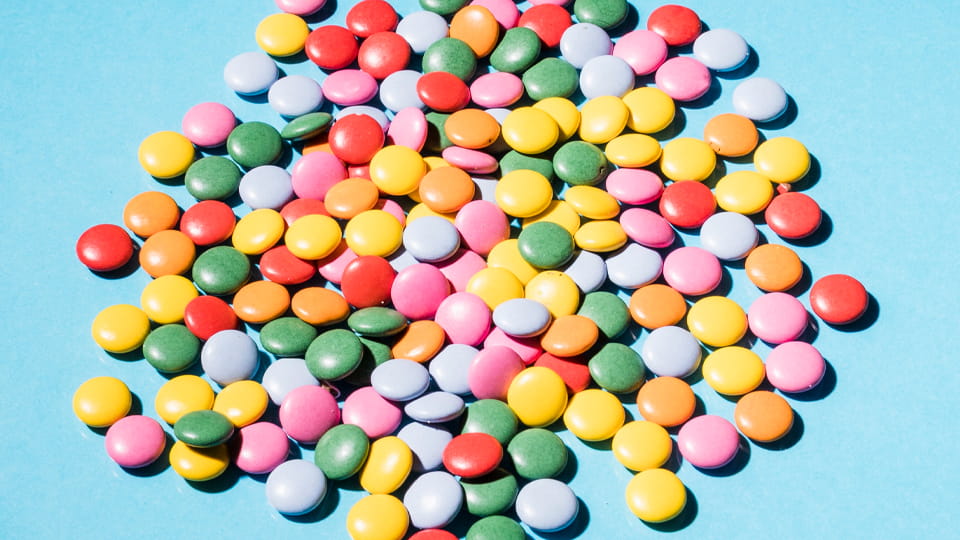
A sugar-coated tablet gets a sweeter taste and nicer look than an uncoated pill. The thick sugar shell masks bitter or off-putting drug tastes, which greatly improves patient compliance, especially for children and others who dislike swallowing foul medicines. The colorful, glossy finish also makes pills more attractive and easier to swallow, boosting overall acceptance. Ngoài ra, the multiple sugar layers offer a protective barrier against moisture and light for the active ingredients. Vì những lý do này, sugar coating is often chosen for over-the-counter and pediatric medications, thực phẩm bổ sung, and certain pain relievers where taste and appearance are priorities.
Tuy nhiên, sugar coating has trade-offs. It adds significant bulk: tablets typically gain 30–100% in weight during coating, making them larger and harder to swallow. The process is also very time-consuming and labor-intensive. Each batch goes through many steps (often hours or days) and usually requires skilled operators to maintain consistency. The thick sugar layer can also hide any embossed markings or logos on the tablet core, so manufacturers often print codes after coating to identify products. Cuối cùng, because sugar is hygroscopic, sugar-coated tablets can be sensitive to high humidity (they may stick together or become sticky), so proper drying and sealing is critical. Tóm lại, while sugar coatings offer excellent taste-masking and visual appeal, they can be bulky, slower, and more complex than modern film coatings.
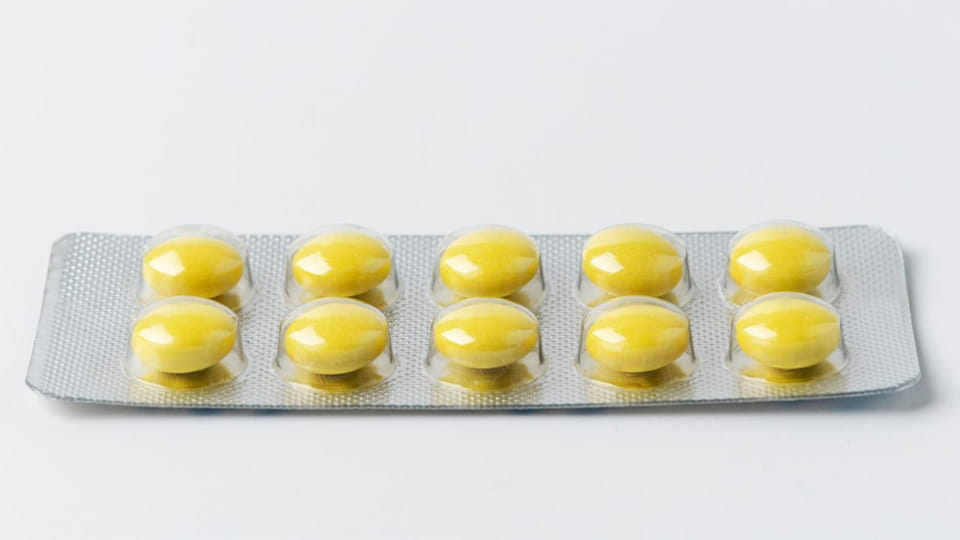
The sugar-coating process builds up several distinct layers on each tablet. As one technical guide explains, it “involves repeatedly adding a coating solution or mixture and drying off the solvent to build up layers of coating material on the tablet cores”. A typical sugar-coating procedure includes the following stages:
Each stage takes many coats. Ví dụ, a sugar-coating run can easily involve dozens of syrup sprays and dustings. The whole process is like crafting candy – only at pharmaceutical scale. Specialized tablet coating machines (often called sugar coating pans) are designed to automate much of this: they rotate the batch of tablets, spray the solution, and blow heated air to dry it.
[jl_youtube src=”https://www.youtube.com/embed/LFJJ-cEpfCk”]
To sugar-coat tablets, manufacturers rely on two main machines: a tablet press and a coating pan. Đầu tiên, Một máy tính bảng compresses the powdered drug formulation into uniform cores. Then these cores are placed in a Máy phủ máy tính bảng (also known as a coating pan or drum coater) for the sugar-coating steps. In the past, coating pans were simple tilted rotating bowls (think of an old candy coater). Modern machines are highly engineered versions: perforated drum coaters or enclosed pan coaters with temperature and spray controls.
In a typical sugar-coating machine, the pan gently rotates the tablets in a thin “bed”. Nozzles spray the heated sugar solution onto the tumbling tablets. Đồng thời, warm air is directed through or across the tablet bed to evaporate water between each coat. This automatic circulation and drying is important so tablets don’t stick together. Many modern coaters have precise controls (luồng không khí, Tốc độ chảo, tốc độ phun) to ensure uniform layers. Các công ty như Jinlupacking make high-performance drum coaters that can handle large batches and even control exhaust humidity. Tóm lại, the tablet coating machine is the engine that makes sugar coating possible on a production line.
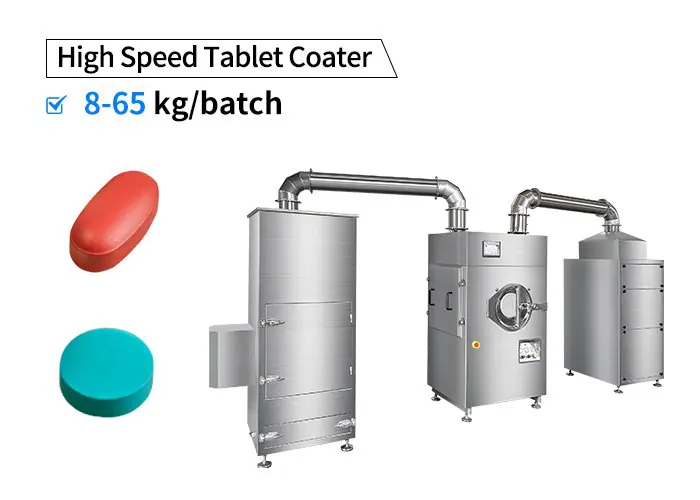
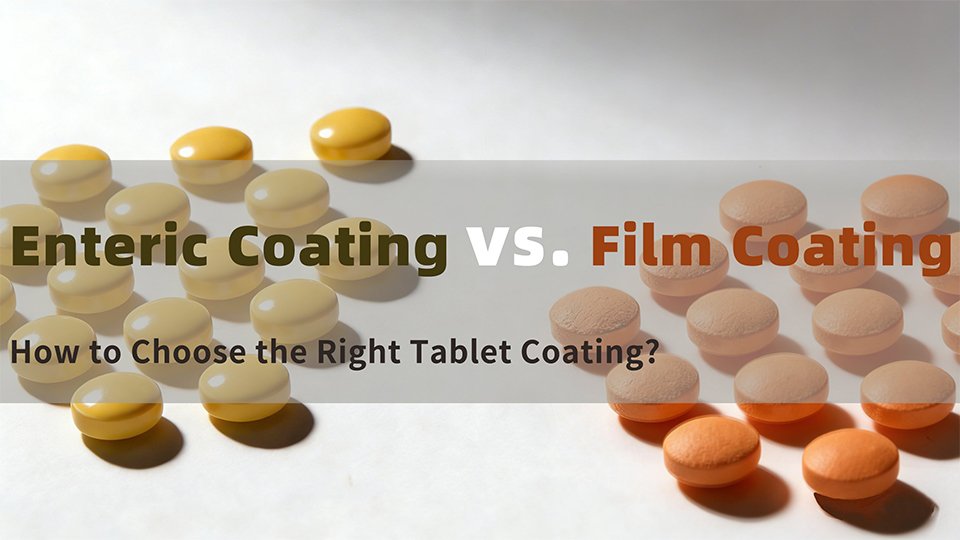
While sugar-coating has its place, most modern pharmaceuticals use film coatings instead. Lớp phủ phim is a single thin polymer layer sprayed on (often using aqueous dispersions of plasticized polymers). The big advantage is speed and efficiency. A film coat can often be applied in a few minutes per batch with minimal weight gain (typically only 2–5%), whereas sugar coating can add 50% or more mass. Film coatings also allow precise control of release profiles (enteric or extended release) by using functional polymers – something sugar coating cannot do.
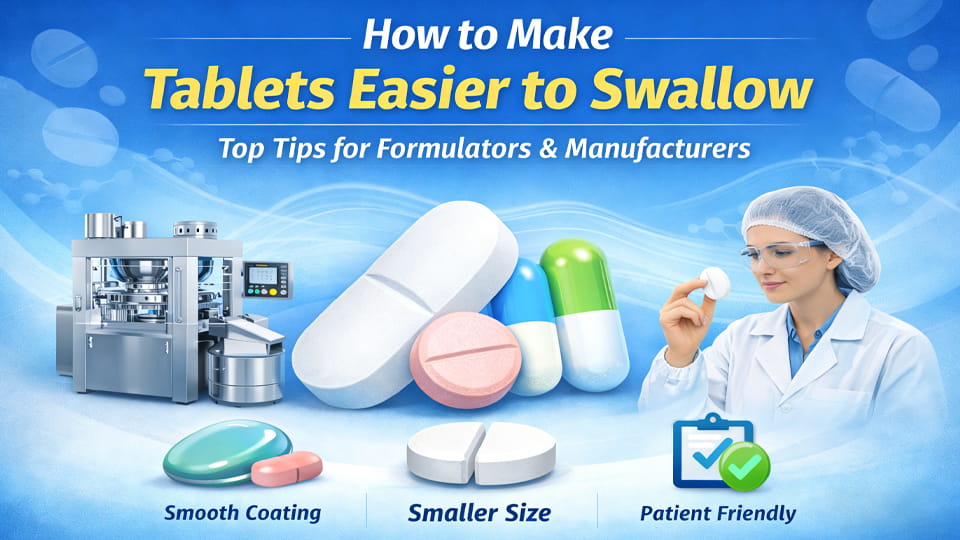
Ví dụ, JinluPacking notes that unlike sugar-coating, film-coating does not significantly increase tablet size or weight, which makes swallowing easier and keeps manufacturing costs lower. Tuy nhiên, film-coated tablets generally have a matte or semi-gloss finish, which some say is less “fun” looking than the glossy shine of sugar-coated sweets. Tóm lại, sugar coatings are chosen when taste-masking and high visual appeal are top priorities, while film coatings are favored for speed, thin protection, and advanced drug-release control. Each method has pros and cons, but understanding them helps formulators choose the best option.
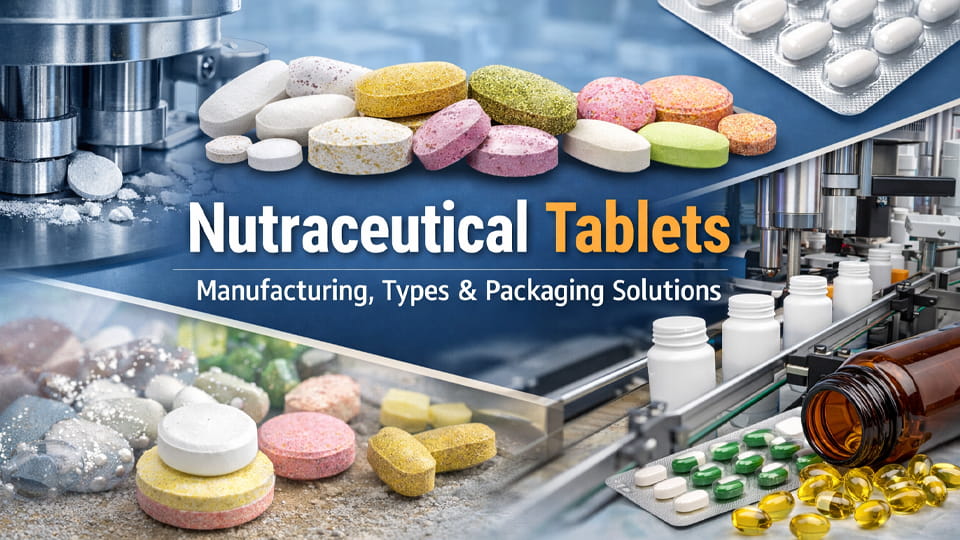
Sugar-coated tablets find niche uses today, especially in consumer-facing products. Over-the-counter vitamin and mineral tablets often use sugar coatings to make bitter or chalky ingredients more palatable. Children’s medications (Những người giảm đau, đồ nhai, or suspensions converted to tablets) frequently employ sugar coatings to please young patients. Sugar coating is typically used for existing formulations, particularly in pain relievers, due to the maskable sweet shell. Nutraceuticals and traditional herbal tablets also favor sugar layers.
In clinical or hospital settings, sugar-coated pills can help bedridden or elderly patients take medicines more easily because the sweet shell hides taste and makes swallowing smoother. Because sugar-coating is thicker, it is less common for very potent drugs or those requiring enteric protection (those usually get film or special coatings). But wherever flavor and appearance drive compliance, sugar coating remains relevant.
Sugar-coating tablets remains an important part of pharmaceutical technology, blending artistry with science. By understanding its steps and purpose, engineers and buyers can decide when a sweet shell is worth the extra effort.
Sugar coating remains a classic and effective tablet coating technique in the pharmaceutical world. Even though modern alternatives like film coating are now widely used for speed and functional advantages, sugar coating still holds value when taste masking, sức hấp dẫn thẩm mỹ, and patient compliance are priorities — especially for sugar coating tablets in consumer-facing products such as OTC medicines and supplements. A well-executed sugar coat can turn a bitter pill into something more pleasant to swallow and visually appealing, which can matter a lot to end users and brand reputation alike.
Điều đó nói rằng, the process requires careful control, skilled handling, and the right equipment — because sugar coatings involve multiple stages and precision to avoid defects and ensure uniform finish.
If your production line is considering sugar coating as a method, or if you want to upgrade your coating capabilities with reliable equipment like a pill coating machine or high-performance tablet coating machine, now is a great time to take action.At Jinlu Packing for expert guidance, machine recommendations, or a custom quote. Whether you’re scaling up production or fine-tuning your coating steps, we’re here to help you succeed.
Sugar coating is a pharmaceutical tablet coating method where multiple layers of sugar-based syrup are applied to the tablet core using a tablet coating machine or pan coater. This builds up a thick, glossy sugar layer that masks unpleasant tastes and improves appearance.
Sugar coating is mainly used to mask the bitter taste of tablets, enhance tablet appearance with a glossy finish, cải thiện khả năng nuốt, and provide a protective barrier against moisture and environmental factors.
The process involves multiple stages: sealing the core to protect it, sub-coating to smooth the surface, syrup application in many layers, color coating, and final polishing — all done in a rotating pan with controlled drying.
Benefits include improved taste masking, better patient compliance, attractive tablet appearance, and added protection from moisture and oxidation.
Sugar coating increases tablet size and weight, requires longer processing time and skilled operators, and may make it harder to emboss or print tablet identification clearly.
Sugar coating produces a thicker shell and more visual appeal, but film coating is faster, mỏng hơn, and better for controlled release or moisture protection. Manufacturers choose based on product goals (taste masking vs. Sản xuất hiệu quả).
Sugar coating requires a tablet coating machine or pan coater that rotates the tablets while spraying sugar syrup and circulating warm air to dry each coat, ensuring uniform layers and minimal defects.
Common issues include coating cracking, surface roughness, color variation, tablet sticking or twinning, and moisture-related effects like sweating or blooming. Proper process control helps avoid these problems.
By optimizing syrup viscosity and concentration, controlling environmental conditions (nhiệt độ, độ ẩm), maintaining proper pan speed, and ensuring adequate drying between layers.
Không phải lúc nào cũng vậy. Sugar coating works best for tablets where taste masking and aesthetics are priorities. It’s less common for potent drugs or tablets requiring specialized release profiles, where film coating may be more appropriate.
Tài liệu tham khảo:
1. Tablet Coating Process: Sugar Coating — pharmapproach.com
2.Evaluation of a novel sugar coating method for moisture protective tablets — PubMed / Int. Journal of Pharmaceutics
3.Tablet Coating – ScienceDirect Topics
4.Sugar Coating Summary & Lịch sử (Pharmainform)