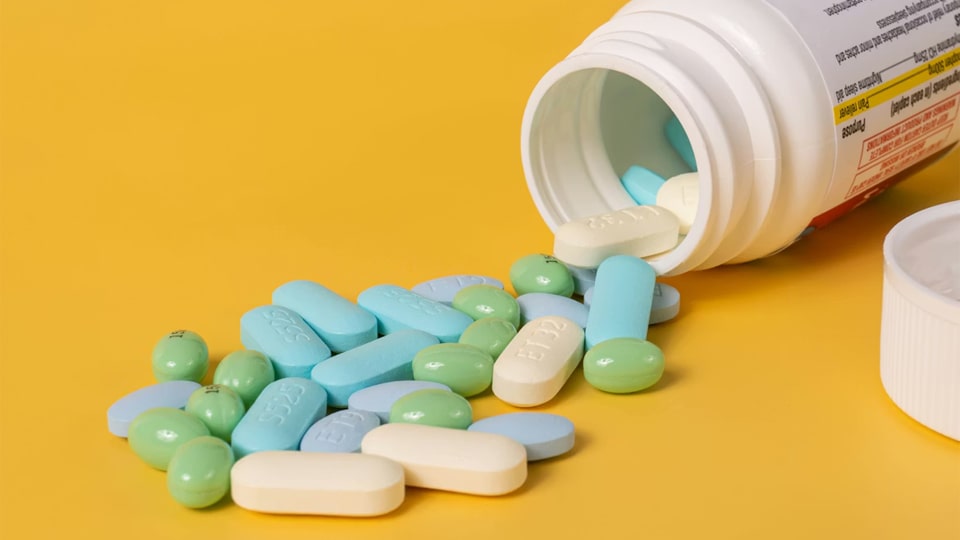

Bạn có bao giờ thắc mắc tại sao nhiều viên thuốc lại có lớp vỏ ngoài sáng bóng?? Đó là sự kỳ diệu của một Phim được phủ máy tính bảng. Nói một cách đơn giản, Viên nén bao phim là viên có bề mặt được bao bọc bởi một lớp mỏng, thậm chí màng polymer. Bộ phim này phục vụ nhiều chức năng: nó làm cho viên thuốc dễ nuốt hơn, bảo vệ thuốc bên trong, và thậm chí còn giúp kiểm soát cách thuốc được giải phóng trong cơ thể. Trong thực tế, lớp phủ phim hiện nay được sử dụng phổ biến nhất loại lớp phủ máy tính bảng.
Viên nén bao phim nổi bật vì độ mịn, vẻ ngoài đầy màu sắc. Trong thực tế, độ mịn của viên nén bao phim, màu sắc tươi sáng, và thương hiệu đặc biệt để lại ấn tượng hoàn toàn khác cho khách hàng. Đây không chỉ là vẻ ngoài - nó giúp bệnh nhân xác định thuốc của họ và mang lại cho các thương hiệu dược phẩm một diện mạo đặc trưng. Hôm nay chúng tôi sẽ chia nhỏ mọi thứ bạn nên biết về máy tính bảng bao phim: họ là gì, tại sao chúng được sử dụng, quá trình phủ hoạt động như thế nào, và thậm chí cả những thiết bị liên quan.

Viên nén bao phim thực chất là một viên thuốc có bề mặt được bao phủ bởi một màng polymer mỏng. Màng này thường được làm từ polyme dược phẩm (như HPMC hoặc ethylcellulose) trộn với chất làm dẻo và chất màu. Kết quả là mượt mà, lớp thường có màu bao quanh lõi máy tính bảng. Bước phủ thường là một trong những quy trình cuối cùng trong sản xuất máy tính bảng: sau khi viên thuốc được ép và sấy khô, họ đi vào một Máy phủ nơi màng được dán và sấy khô.
Công nghệ phủ màng được phát triển như một cải tiến so với phủ đường truyền thống. Lớp phủ phim hiện đại thay thế lớp phủ dày, vỏ đường nhiều lớp giữa thế kỷ 20. Trong thực tế, viên nén bao phim thương mại đầu tiên xuất hiện vào năm 1954 (được sản xuất bởi Phòng thí nghiệm Abbott sử dụng polyme xenlulo trong dung môi). Lớp phủ phim cho phép siêu mỏng, kết thúc thanh lịch mà không làm tăng đáng kể kích thước máy tính bảng. Họ cũng cho phép các nhà sản xuất kiểm soát chính xác việc giải phóng thuốc bằng cách chọn các polyme cụ thể.
Viên nén bao phim có nhiều ưu điểm hơn viên không bao. Dưới đây là những lợi ích chính mà mọi người trong ngành quan tâm:
Tóm lại, lớp phủ phim tăng thêm độ bền và chức năng mà không cần nhiều khối lượng. Bệnh nhân cuối cùng có được một chiếc máy tính bảng trông đẹp mắt, cảm thấy mịn màng, và cung cấp thuốc một cách đáng tin cậy. Và các nhà sản xuất có được một sản phẩm đáp ứng nhu cầu pháp lý và thị trường.
Các công ty dược phẩm sử dụng một số phương pháp phủ, mỗi cái có trường hợp sử dụng riêng. Đây là lớp phủ màng như thế nào so với những lớp phủ khác:
Trong thực tế, kỹ sư dược phẩm chọn phương pháp phủ dựa trên nhu cầu của thuốc. Ví dụ, lớp phủ ruột rất quan trọng đối với các loại thuốc nhạy cảm với axit, trong khi lớp phủ đường vẫn có thể được sử dụng cho đồ nhai cần độ mịn rất cao, bề ngoài ngọt ngào. Nhưng đối với hầu hết các loại thuốc thông thường (thích vitamin, Những người giảm đau, đơn thuốc hàng ngày), lớp phủ phim đạt đến điểm bảo vệ tốt nhất, vẻ bề ngoài, và hiệu quả sản xuất.
Chính xác thì điều gì diễn ra trong bộ phim đầy màu sắc đó? Công thức phủ màng thường là sự pha trộn của:
Thông thường các nhà sản xuất mua bột sơn trộn sẵn (như hệ thống Opadry® của Colorcon) điều đó chỉ cần được giải thể. Nhưng bất kể nguồn, “Dung dịch phủ” cuối cùng được phun lên các viên thuốc về cơ bản là polyme + chất làm dẻo + sắc tố + dung môi.
Thi công lớp phủ màng là quá trình phun và sấy khô chính xác. Các bước cơ bản là:
Tóm lại, lớp phủ màng là một loại phun, quá trình làm khô: chuẩn bị dung dịch phủ, phun nó lên những viên thuốc đang chuyển động, làm bay hơi dung môi, sau đó lặp lại cho đến khi hoàn thành. Kết quả là mỏng, màng nhất quán xung quanh mỗi lõi máy tính bảng. Độ chính xác là chìa khóa: phun quá nhiều hoặc không khí quá nóng có thể gây ra khuyết tật (như kết cấu vỏ cam hoặc vết nứt), nên các nhà phủ hiện đại sử dụng bộ điều khiển bằng máy tính để điều chỉnh mọi thông số (tốc độ phun, tốc độ trống, nhiệt độ không khí đầu vào, vân vân.).
Làm viên nén bao phim cần 2 loại máy chính: máy ép viên và máy phủ viên.
Máy phủ hiện đại thường có:
Máy phủ tốt mang lại độ đồng đều cao cho lớp phủ – lớp hoàn thiện của mỗi viên đều giống nhau. Ví dụ, các hệ thống tiên tiến có thể phát hiện và loại bỏ một viên thuốc có lớp phủ kém trong thời gian thực, giữ chất lượng cao. Sự tự động hóa và độ chính xác này là lý do tại sao lớp phủ màng hiện đại nhanh hơn và nhất quán hơn bao giờ hết.
Nếu bạn đang làm việc trong lĩnh vực thu mua hoặc kỹ thuật, nhớ: thiết bị phù hợp tạo nên sự khác biệt lớn. Jinlupacking (Ví dụ) ưu đãi máy sơn tốc độ cao bộ phim xử lý đó, đường, hoặc các ứng dụng đường ruột một cách dễ dàng. Dù bạn chọn hệ thống nào, đảm bảo nó đáp ứng nhu cầu kiểm soát quy trình và quy mô lô của bạn.

Viên nén bao phim có mặt khắp nơi trong thế giới dược phẩm và thực phẩm bổ sung. Bạn sẽ thấy chúng trong vitamin hàng ngày, Thuốc giảm đau OTC, thuốc theo toa, và nhiều hơn nữa. Đó là bởi vì những lợi thế họ mang lại sẽ chuyển thành lợi ích thực sự:
Phủ phim là một quá trình phức tạp nhưng cần thiết trong sản xuất máy tính bảng. Bằng cách bọc lõi máy tính bảng trong một màng polymer mỏng, nhà sản xuất bảo vệ sản phẩm của họ và cải thiện sự chấp nhận của bệnh nhân. Hiểu rõ về lớp phủ màng – từ vật liệu đến các bước của nó – giúp bạn đưa ra quyết định thông minh hơn trong thiết kế và sản xuất.
Tại Jinlupacking, chúng tôi hiểu rõ về viên nén bao phim từ trong ra ngoài. Chúng tôi cung cấp máy ép viên và máy phủ được thiết kế để mang lại hiệu quả cao và kết quả đồng đều. Liệu bạn có cần che giấu vị đắng, tăng cường sự ổn định, hoặc tung ra một loại thuốc mới đầy màu sắc, chúng tôi có thể giúp. Liên hệ với chúng tôi ngay hôm nay để thảo luận về dự án sơn phủ của bạn hoặc yêu cầu báo giá về thiết bị của chúng tôi. Hãy cùng nhau làm việc để tạo ra những chiếc máy tính bảng tiếp theo của bạn tốt nhất có thể.
Viên nén bao phim là viên nén có bề mặt được bao phủ bởi một lớp màng mỏng polyme (thay vì để trần hoặc phủ đường). Lớp phủ phim này (hay “lớp phủ màng máy tính bảng”) mang lại sự mượt mà, lớp ngoài thường có màu mà không làm tăng đáng kể kích thước hoặc trọng lượng của máy tính bảng.
Bao phim mang lại nhiều lợi ích so với viên không bao:
• Nó bảo vệ thuốc đang hoạt động (API) từ độ ẩm, ánh sáng, ôxy, và các yếu tố môi trường khác - giúp duy trì hiệu lực và kéo dài thời hạn sử dụng.
• Che đi mùi vị khó chịu của lõi thuốc, cải thiện sự tuân thủ của bệnh nhân.
• Nó làm cho viên thuốc dễ nuốt hơn bằng cách tạo cảm giác mịn màng, bề mặt trơn.
• Nó cho phép các tùy chọn về thẩm mỹ/thương hiệu: màu sắc, dấu ấn, giao diện đặc biệt - hữu ích cho việc nhận dạng sản phẩm và nhận diện thương hiệu.
• Nó cho phép, trong nhiều trường hợp, giải phóng có kiểm soát hoặc sửa đổi bằng cách chọn loại polyme hoặc độ dày lớp phủ phù hợp.
Một công thức phủ phim điển hình có chứa:
• Polyme tạo màng (VÍ DỤ., dẫn xuất cellulose như HPMC).
• Chất hóa dẻo (để làm cho màng linh hoạt và ngăn ngừa nứt)
• (Không bắt buộc) Chất tạo màu/chất màu hoặc chất làm mờ (về ngoại hình, Thương hiệu, hoặc để bảo vệ các API nhạy cảm với ánh sáng)
• Dung môi (nước trong lớp phủ nước, hoặc đôi khi là dung môi hữu cơ cho các API nhạy cảm với độ ẩm) cung cấp vật liệu phủ; sau khi phun, dung môi bay hơi, rời khỏi màng rắn.
Quá trình phủ màng điển hình bao gồm:
1.Chuẩn bị dung dịch phủ (polyme, chất làm dẻo, chất màu hòa tan hoặc lơ lửng trong dung môi).
2.Đang tải máy tính bảng nén (lõi) vào máy phủ viên thuốc - thường là một cái chảo quay, trống đục lỗ, hoặc máy phủ lớp chất lỏng.
3.Phun dung dịch phủ lên viên thuốc trong khi chúng bị xáo trộn hoặc hóa lỏng.
4.Sấy đồng thời (không khí ấm áp) làm bay hơi dung môi, để lại chất rắn, gầy, phim thống nhất trên mỗi máy tính bảng.
5.Lặp lại chu trình phun khô cho đến khi đạt được trọng lượng/độ dày và độ hoàn thiện lớp phủ mong muốn.
Phương pháp phun và làm khô này nhanh hơn và hiệu quả hơn đáng kể so với phương pháp phủ đường nhiều bước truyền thống.
Có - mặc dù màng bao tiêu chuẩn thường tan nhanh trong môi trường nước để viên thuốc giải phóng thuốc ngay sau khi uống.
Đối với hồ sơ phát hành chuyên ngành (VÍ DỤ., phát hành chậm trễ, giải phóng đường ruột, phát hành bền vững), nhà sản xuất có thể chọn các polyme cụ thể hoặc lớp phủ nhiều lớp để kiểm soát thời điểm và địa điểm hoạt chất được giải phóng trong đường tiêu hóa.
So với lớp phủ đường, lớp phủ phim:
• Tăng trọng lượng/kích thước cho máy tính bảng ít hơn nhiều (thường chỉ tăng ~2–3% so với. lên đến 50%+ với lớp phủ đường) • Nhanh hơn và hiệu quả hơn (sấy phun một bước vs. nhiều, các bước tốn nhiều công sức) • Cung cấp độ bền cơ học tốt hơn và khả năng chống mài mòn hoặc sứt mẻ trong quá trình xử lý hoặc vận chuyển • Giữ lại các dấu dập nổi hoặc dấu nhận dạng trên lõi máy tính bảng (vì màng mỏng)
Có - một số nhược điểm hoặc thách thức tiềm ẩn:
• Quá trình phủ cần có thiết bị chuyên dụng (máy phủ máy tính bảng) và kiểm soát cẩn thận (tốc độ phun, sấy khô, luồng không khí) để tránh khuyết điểm.
• Nếu lớp phủ không được thi công đúng cách (phun không đều, sấy không đủ, phân phối chất dẻo kém), máy tính bảng có thể xuất hiện các khuyết điểm như bong tróc, bẻ khóa, hoặc giải thể không nhất quán.
• Chi phí sơn phủ (nguyên vật liệu + thời gian xử lý + đầu tư thiết bị) cao hơn sản xuất viên nén không bao đơn giản.
• Một số API hoặc lõi máy tính bảng có thể không phù hợp để phủ (VÍ DỤ., Nội soi cao, rất mềm, hoặc không ổn định trong điều kiện lớp phủ).
Lớp phủ màng đặc biệt hữu ích cho:
• Máy tính bảng có API chống ẩm- hoặc nhạy cảm với ánh sáng (để bảo vệ sự ổn định)
• Thuốc có mùi vị khó chịu (để che giấu mùi vị/mùi)
• Viên nén dễ nuốt (VÍ DỤ., cho bệnh nhi hoặc người già)
• Sản phẩm có hình dáng bên ngoài, Thương hiệu, hoặc các vấn đề nhận dạng dễ dàng (màu sắc, dấu ấn, cái nhìn khác biệt)
• Máy tính bảng có thể được hưởng lợi từ cấu hình phát hành ngay lập tức hoặc có thể tùy chỉnh — mặc dù đối với bản phát hành phức tạp hơn (ví dụ. đường ruột hoặc duy trì), áp dụng các cân nhắc về công thức bổ sung.
Kiểm tra chất lượng điển hình đối với viên nén bao phim bao gồm:
• Kiểm tra trực quan - tính đồng nhất của lớp phủ, không có vết nứt/bong tróc, ngoại hình đẹp.
• Đo lường mức tăng cân — đảm bảo mỗi viên thuốc được bôi đúng lượng lớp phủ.
• Giải thể / thử nghiệm độ phân hủy - để xác minh rằng lớp phủ hòa tan thích hợp và thuốc được giải phóng như dự định.
• Độ bền cơ học / kiểm tra độ giòn - để đảm bảo viên nén có thể tồn tại khi xử lý, Bao bì, và vận chuyển mà không bị sứt mẻ hoặc vỡ.
Không nhất thiết. Trong khi bao phim đã trở thành phương pháp được sử dụng rộng rãi nhất cho máy tính bảng tiêu chuẩn do tính hiệu quả và ưu điểm của nó., các phương pháp phủ khác nhau vẫn có chỗ đứng của chúng. Ví dụ, nếu máy tính bảng cần giải phóng phụ thuộc vào độ pH (ruột), cần có lớp phủ chức năng hoặc màng chuyên dụng. Đối với dạng nhai hoặc một số công thức dành cho trẻ em, lớp phủ đường vẫn có thể được ưu tiên để mềm hơn, kết thúc giống như kẹo.