
ผลิตภัณฑ์เสริมอาหาร (หรือที่เรียกว่าผลิตภัณฑ์เสริมอาหารหรืออาหารเสริมวิตามิน) มีหลายรูปทรงและขนาด. ตั้งแต่ยาเม็ดวิตามินรวมบนชั้นวางสินค้าไปจนถึงผงโปรตีนในขวด, ผลิตภัณฑ์เหล่านี้เพิ่มสารอาหารให้กับอาหารของผู้คนด้วยวิธีที่สะดวก. สำหรับบริบท, เรา. กฎระเบียบกำหนดให้ผลิตภัณฑ์เสริมอาหารเป็นผลิตภัณฑ์ที่รับประทานทางปากซึ่งมีส่วนผสมในอาหารตั้งแต่หนึ่งชนิดขึ้นไป (วิตามิน, แร่ธาตุ, สมุนไพร, กรดอะมิโน, ฯลฯ) ตั้งใจจะเสริมอาหาร. ตามที่สหรัฐอเมริกา. สำนักงานคณะกรรมการอาหารและยา (อย), อาหารเสริมจะถูกกินเข้าไปและมีหลายรูปแบบ, รวมทั้งแท็บเล็ตด้วย, แคปซูล, ซอฟเจล, หมวกเจล, ผง, บาร์, กัมมี่, และของเหลว. ในคู่มือนี้, เราจะแจกแจงแบบฟอร์มเสริมที่พบบ่อยที่สุด (แท็บเล็ต, แคปซูล, ผงและอื่น ๆ) และเน้นเครื่องจักรที่ผลิตและบรรจุหีบห่อ. ภาพรวมนี้เขียนขึ้นสำหรับมืออาชีพในอุตสาหกรรม – ผู้กำหนดสูตร, วิศวกร, และผู้ซื้อ – ที่ต้องการความชัดเจน, คู่มือที่เป็นมิตรเพื่อเสริมรูปแบบและวิธีการผลิต.
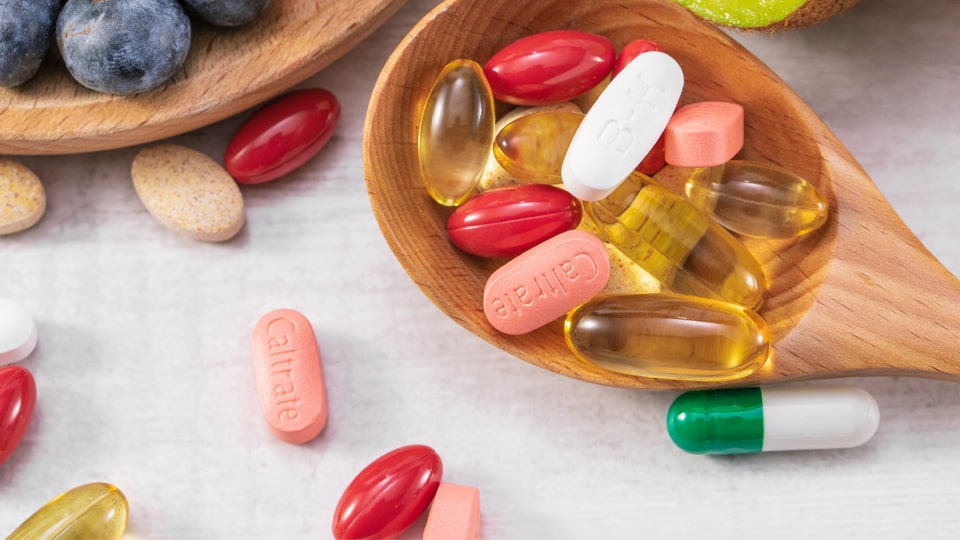
ก่อนที่เราจะเจาะลึกถึงรูปแบบเฉพาะที่ผลิตภัณฑ์เสริมอาหารใช้, ช่วยให้เข้าใจผลิตภัณฑ์เสริมอาหารประเภททั่วไปในตลาดปัจจุบัน. ประเภทเหล่านี้ขึ้นอยู่กับส่วนผสมหลักและประโยชน์ที่ได้รับ:
หมวดหมู่เหล่านี้ซ้อนทับกับแบบฟอร์มเสริมเช่นแท็บเล็ต, แคปซูล, และผง, และผลิตภัณฑ์จำนวนมากผสมผสานส่วนผสมจากหลายหมวดหมู่เพื่อตอบสนองความต้องการทางโภชนาการในวงกว้าง.
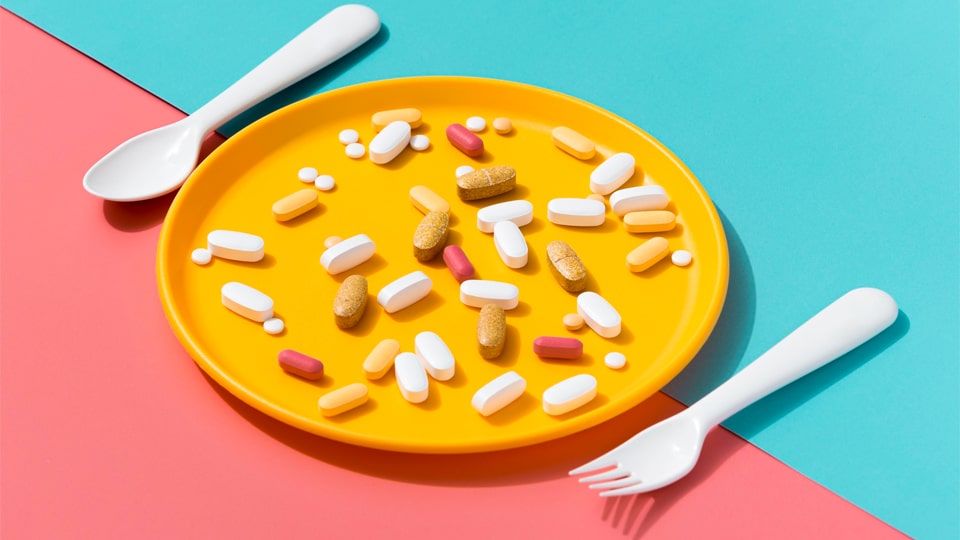
แท็บเล็ตเป็นหนึ่งในผลิตภัณฑ์เสริมอาหารรูปแบบที่คุ้นเคยมากที่สุด. ทำโดยการอัดผงหรือส่วนผสมที่เป็นเม็ดให้เป็นยาเม็ดแข็ง, ซึ่งสามารถกลมได้, วงรี, หรือรูปทรงอื่นๆ. การผลิตแท็บเล็ต เกี่ยวข้องกับเครื่องกดแท็บเล็ตที่ใช้แรงดันสูงเพื่อสร้างแต่ละโดส. ตัวอย่างเช่น, ขั้นสูงของ Jinlu Packing กดแท็บเล็ต (ซีรีส์ JLZP) สามารถผลิตเม็ดยาขนาดใหญ่พิเศษได้ (เส้นผ่านศูนย์กลางสูงสุด 60 มม) ด้วยแรงอัด 400kN, บรรลุผลสูง (ขึ้นไป 35,000 เม็ดต่อชั่วโมง). แท็บเล็ตก็สามารถเคลือบได้ (E.G. เคลือบฟิล์ม) เพื่อปกปิดรสชาติและปกป้องส่วนผสม.
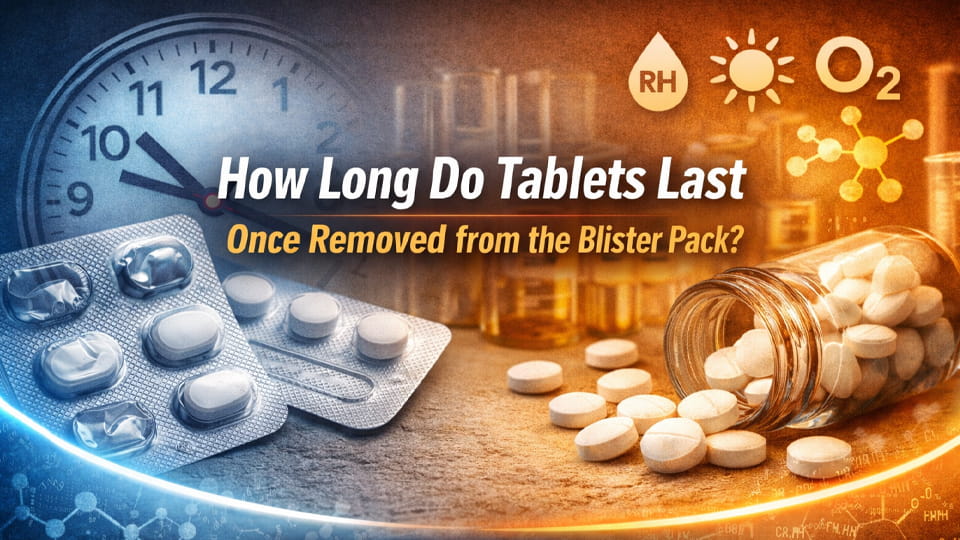
แท็บเล็ตมักจะขายในขวดหรือแพ็คตุ่ม. ในขวด (พลาสติกหรือแก้ว), เม็ดยาอาจนับด้วยก เครื่องนับอัตโนมัติ แล้วปิดผนึก. บรรจุภัณฑ์พุพองก็เป็นเรื่องปกติเช่นกัน: โพรงพลาสติกถูกขึ้นรูปและปิดผนึกด้วยฟอยล์เพื่อยึดแต่ละเม็ด. บรรจุภัณฑ์พลาสติกช่วยปกป้องแท็บเล็ตจากความชื้นและการปลอมแปลง, และทำให้เข้าถึงโดสเดียวได้ง่าย. ของเรา เครื่องบรรจุพุพอง ได้รับการออกแบบมาเพื่อสร้างฟันผุอย่างแม่นยำ, วางแท็บเล็ตหรือแคปซูล, และปิดผนึกสำหรับผลิตภัณฑ์ยาและอาหารเสริม.
ประเด็นสำคัญสำหรับแท็บเล็ต: บีบอัดบนเครื่องกดแท็บเล็ต, เคลือบถ้าจำเป็น, แล้วบรรจุในขวดหรือบัตรตุ่ม. แท็บเล็ตให้ปริมาณสูงในรูปแบบที่สะดวก.
– (ตัวอย่าง: แท็บเล็ตวิตามินรวมหนึ่งครั้งต่อวัน)
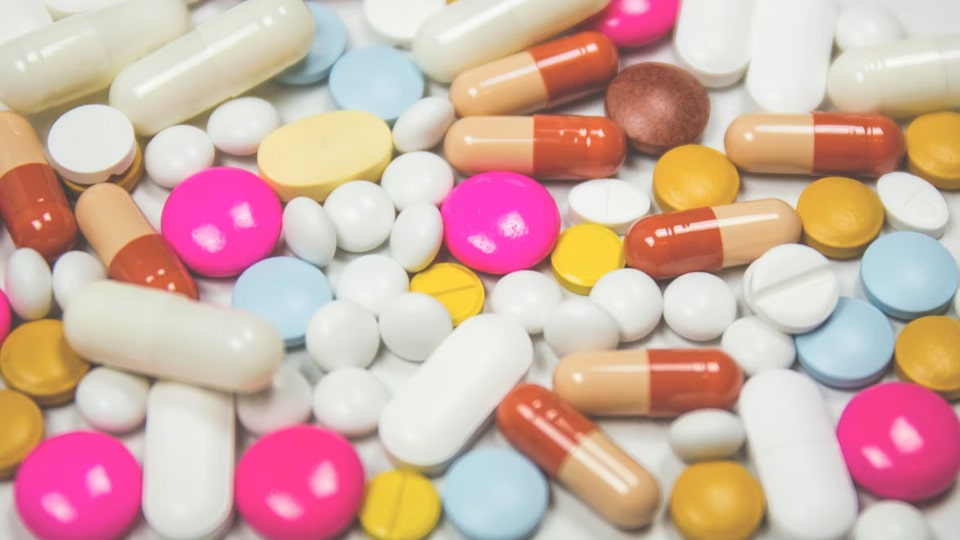
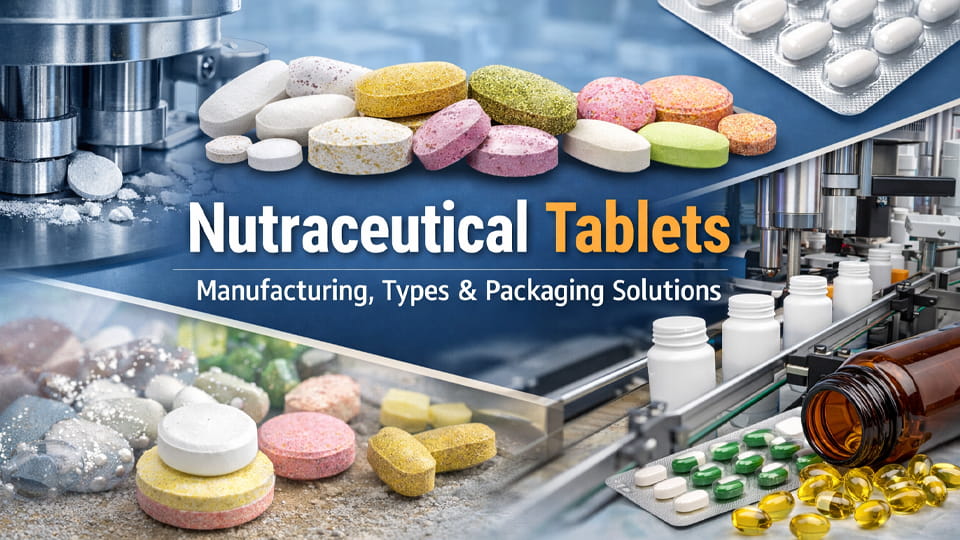
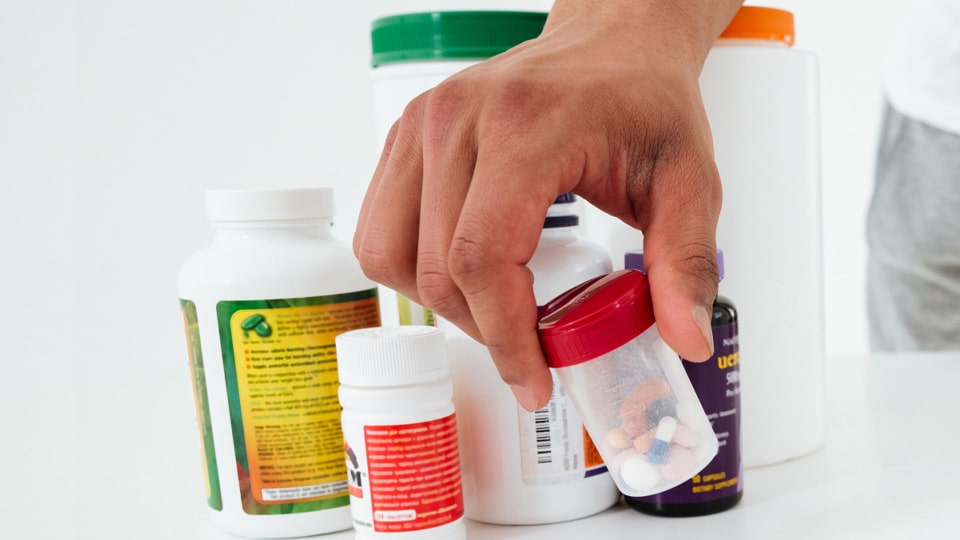
ผลิตภัณฑ์เสริมอาหารหลายชนิดมาในรูปแบบเม็ดแข็งหรือแคปซูล. สิ่งเหล่านี้มักบรรจุในขวดหรือบัตรตุ่มเพื่อการนับปริมาณที่ง่ายดาย. ภาพด้านบนแสดงยาเสริมและแคปซูลหลายประเภท.
แคปซูลเป็นอีกหนึ่งรูปแบบอาหารเสริมที่ได้รับความนิยมอย่างมาก. แคปซูลก็มีเปลือก (มักเป็นเจลาตินหรือจากพืช) ที่บรรจุด้วยผงหรือของเหลว. แคปซูลแข็งประกอบด้วยสองซีกที่ติดเข้าด้วยกัน; โดยทั่วไปจะเต็มไปด้วยผงแห้งหรือเม็ดสมุนไพร, วิตามิน, หรือแร่ธาตุ. แคปซูลซอฟเจล (แคปซูลเหลว) มีเปลือกเจลาตินแบบนิ่มชิ้นเดียวที่เต็มไปด้วยส่วนผสมที่เป็นน้ำมันหรือของเหลว (ทั่วไปสำหรับน้ำมันปลา, วิตามินดี, หรือสารสกัดจากพฤกษศาสตร์). แคปซูลสามารถกลบรสชาติอันไม่พึงประสงค์และง่ายต่อการกลืนสำหรับคนจำนวนมาก.
การผลิตแคปซูลต้องใช้เครื่องบรรจุแคปซูล. เครื่องอัตโนมัตินี้จะแยกเปลือกแคปซูลเปล่า, เติมผงหรือเม็ดในปริมาณที่แม่นยำ, แล้วปิดพวกเขา. ตัวเติมแคปซูลความเร็วสูงสามารถดำเนินการได้หลายพันแคปซูลต่อชั่วโมงด้วยการจ่ายที่แม่นยำมาก. เช่น, เครื่องบรรจุแคปซูลอัตโนมัติของ Jinlu ช่วยให้มั่นใจในการผลิตที่รวดเร็วและแม่นยำสำหรับแคปซูลทุกขนาด. หลังจากเติมแล้ว, โดยทั่วไปแคปซูลจะบรรจุในขวด (มักจะมีสารดูดความชื้นเพื่อให้แห้ง) หรือแพ็คตุ่ม (การ์ดฟอยล์สำรอง). เครื่องนับสมัยใหม่สามารถหยอดแคปซูลตามจำนวนที่แน่นอนในแต่ละขวดก่อนปิดฝา.
• แคปซูลเป็นเรื่องธรรมดามาก: มีการสำรวจตลาดครั้งหนึ่งพบว่าประมาณ 48% ของผลิตภัณฑ์อาหารเสริมทั้งหมดจะอยู่ในรูปแบบแคปซูล (เทียบกับ 22% เป็นแท็บเล็ต), สะท้อนถึงความยืดหยุ่นของแคปซูลในตลาด.
ประเด็นสำคัญสำหรับแคปซูล: ห่อหุ้มผงหรือน้ำมันภายในเปลือกหอยโดยใช้เครื่องบรรจุแคปซูล. บรรจุในขวดหรือแผงบลิสเตอร์แพ็คเพื่อใช้ในการใช้ยา.
– (ตัวอย่าง: ผงสมุนไพรในก แคปซูลผัก หรือก ซอฟท์เจลน้ำมันปลา.)
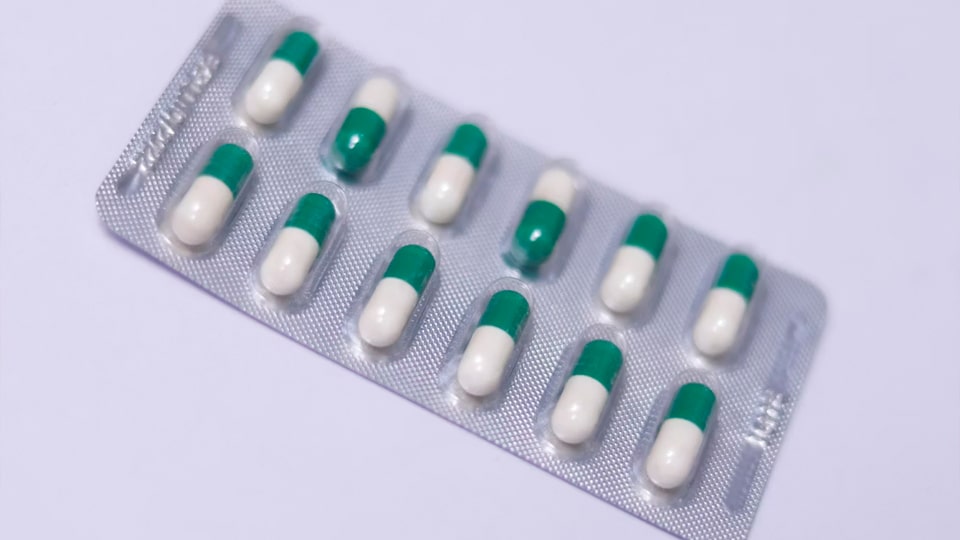
อาหารเสริมแคปซูลหลายตัวมาในบรรจุภัณฑ์พลาสติกหรือขวดฟอยล์. ภาพด้านบนแสดงแคปซูลสีเขียวและสีขาวที่ปิดผนึกอยู่ในบัตรตุ่ม. บรรจุภัณฑ์ประเภทนี้ช่วยให้แคปซูลคงความสดใหม่และทำให้แต่ละโดสนำออกได้ง่าย.
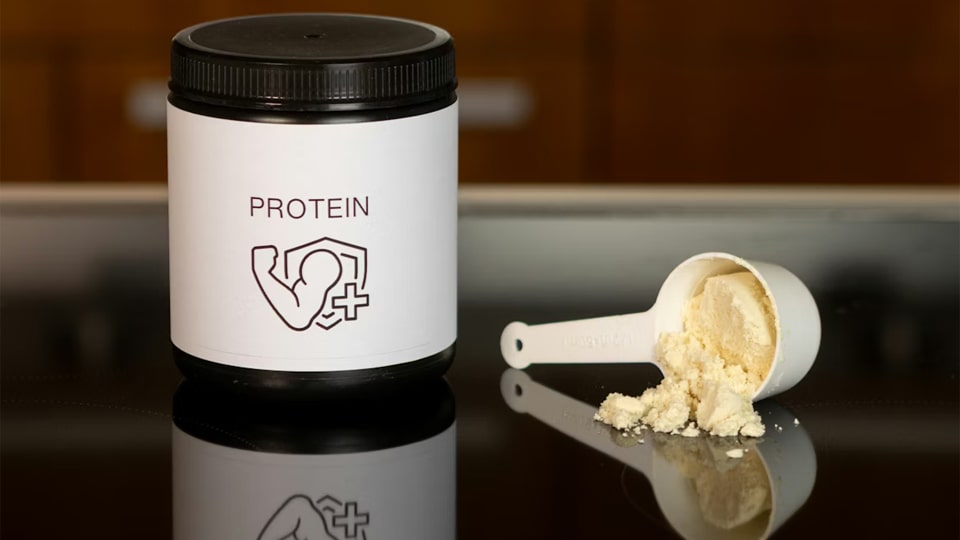
อาหารเสริมหลายชนิดมาในรูปแบบผง – ลองนึกถึงผงโปรตีน, เครื่องดื่มผสมผักใบเขียว, หรือวิตามินแบบผง. ผงละลายในน้ำหรือน้ำผลไม้และสามารถให้ปริมาณที่มากขึ้นได้. ตัวอย่างเช่น, ผงโปรตีน 1 ช้อนอาจเท่ากับโปรตีน 3-4 แคปซูล. แหล่งอุตสาหกรรมแนะนำว่าอาหารเสริมแบบผงอนุญาตให้ใช้ในปริมาณที่สูงกว่ายาเม็ด. ผงถูกผสมจากส่วนผสมออกฤทธิ์และสารเพิ่มปริมาณ, มักใช้เครื่องผสมและเครื่องบดย่อยเพื่อให้มั่นใจถึงความสม่ำเสมอ.
หลังจากปั่นแล้ว, ผงบรรจุลงในแพ็คแท่ง, ซอง, ไห, หรือกระเป๋า. ซองแบบแท่งเป็นแถบเปิดแคบๆ สำหรับการเสิร์ฟครั้งเดียว; โถหรืออ่างขนาดใหญ่อาจบรรจุได้หลายมื้อ. Jinlu Packing นำเสนอเครื่องบรรจุถุงแบบสำเร็จรูปที่จะเติมและปิดผนึกผงลงในถุงหรือซองแบบตั้งได้โดยอัตโนมัติ. เมื่อเติมขวดหรือขวดโหล, เครื่องบรรจุผงจะจ่ายปริมาณที่ถูกต้องและปิดฝาภาชนะ. เพราะผงมีคุณสมบัติการไหลที่แตกต่างจากเม็ดหรือแคปซูล, เครื่องบรรจุผงแบบพิเศษช่วยให้แต่ละภาชนะได้รับปริมาณที่ถูกต้อง.
ประเด็นสำคัญสำหรับผลิตภัณฑ์เสริมอาหารแบบผง: ผสมส่วนผสมให้เป็นผงแล้วบรรจุลงในแพ็คแท่ง, ซอง, หรือขวดโหล. ใช้เครื่องผสม/เครื่องบดย่อย และเครื่องบรรจุผง/ถุงสำหรับบรรจุภัณฑ์.
– (ตัวอย่าง: ผงผักใบเขียวรสเบอร์รี่ทุกวันในรูปแบบแท่งเสิร์ฟเดี่ยวหรือผงโปรตีนหนึ่งอ่าง)
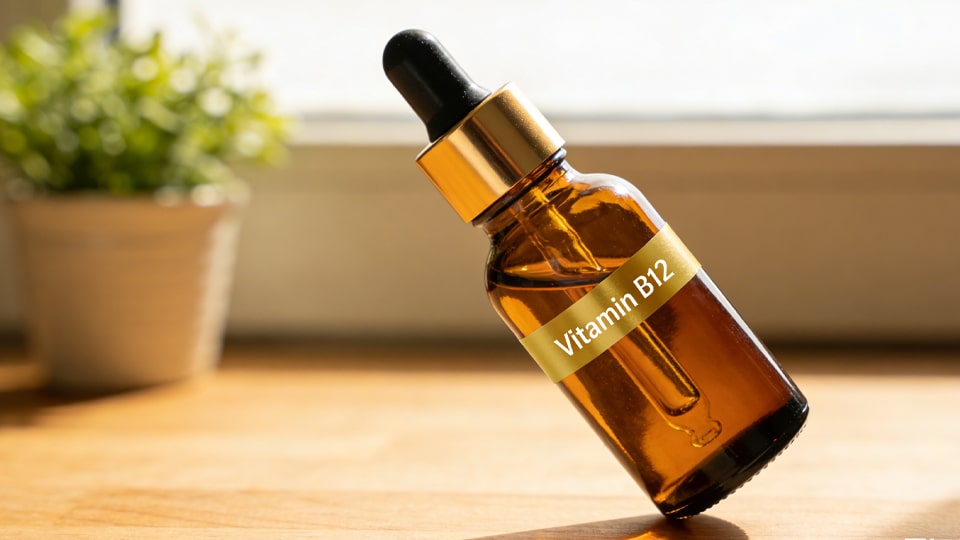
ผลิตภัณฑ์เสริมอาหารเหลว ได้แก่ วิตามินเหลว, ทิงเจอร์สมุนไพร, น้ำเชื่อม, และช็อตที่เข้มข้น. ลองนึกถึงหยดวิตามินดี, น้ำเชื่อมเมลาโทนิน, หรือเครื่องดื่มโปรไบโอติก. รูปแบบของเหลวสามารถดูดซึมได้อย่างรวดเร็วและผู้บริโภคสามารถรับประทานได้ง่าย. อย่างไรก็ตาม, ของเหลวต้องการความสะอาดที่เข้มงวด และมักต้องใช้สารกันบูดหรือสารทำความเย็น.
ผู้ผลิตสร้างผลิตภัณฑ์เสริมอาหารที่เป็นของเหลวโดยการละลายหรือแขวนส่วนผสมไว้ในฐาน (น้ำ, น้ำมัน, หรือแอลกอฮอล์). ของเหลวเหล่านี้จะถูกเติมลงในขวด, ขวด, หรือหลอดบรรจุโดยใช้เครื่องบรรจุของเหลว. ตัวอย่างเช่น, เครื่องบรรจุของเหลวแบบหมุนสามารถเติมขวดหยดได้หลายร้อยขวดต่อนาที, ตามด้วยเครื่องปิดฝา. If a bottle contains more than one dose (E.G. a vitamin syrup), a dosing cup or dropper is often included. Jinlu Packing’s liquid filling and capping lines are designed for precise dosing and GMP compliance.
Key Points for Liquid Supplements: Ingredients in solution or suspension. Filled with liquid filling and capping machines, typically into bottles or vials.
– (ตัวอย่าง: Vitamin B12 liquid drops with a built-in dropper cap.)
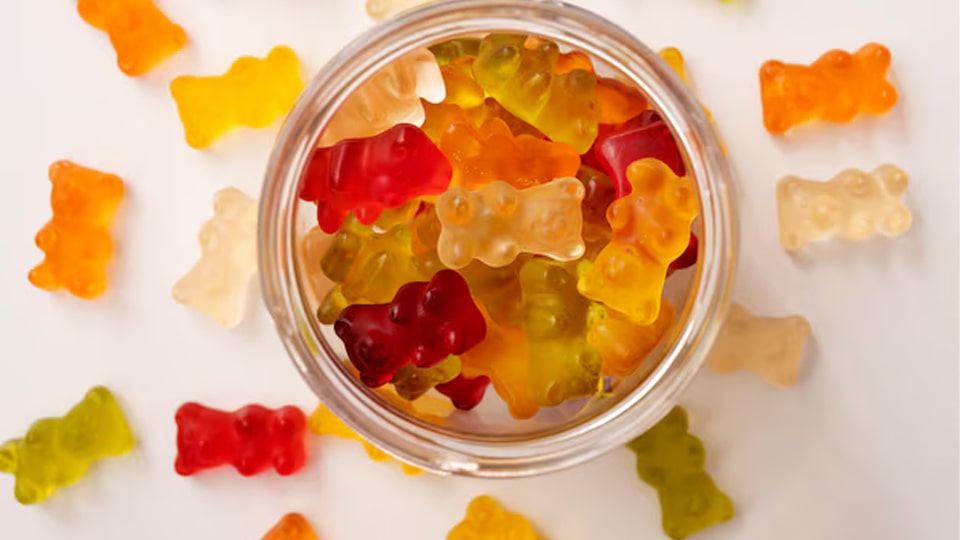
Chewable vitamins and gummies are a hit for kids and for adults who dislike swallowing pills. These come as chewable tablets or gummy candies (made from gelatin or pectin) infused with nutrients. They are often brightly colored and fruit-flavored. Common examples include vitamin C chewables and melatonin gummies.
การผลิตวิตามินแบบเหนียวนั้นคล้ายคลึงกับการทำขนม: ส่วนผสมส่วนผสมจะถูกปรุงและเทลงในแม่พิมพ์หรือระบบการสะสมอย่างต่อเนื่อง. เม็ดเคี้ยว (เช่น แคลเซียมแบบเคี้ยวหรือวิตามินรวม) ถูกขึ้นรูปและทำให้แห้ง. บรรจุภัณฑ์มักจะอยู่ในแพ็คตุ่มหรือขวด. เครื่องตุ่มของ Jinlu Packing สามารถจัดการกับเยลลี่ได้เช่นเดียวกับที่ทำแท็บเล็ต, วางแต่ละชิ้นไว้ในช่องที่ปิดสนิท. เครื่องนับยังสามารถจ่ายกัมมี่ลงในขวดตามจำนวนที่กำหนดได้. บรรจุภัณฑ์ที่เหมาะสม (ขวดสุญญากาศหรือตุ่มที่ปิดสนิท) ปกป้องความชุ่มชื้นเหล่านี้, อาหารเสริมเคี้ยวหนึบจากความชื้น.
ประเด็นสำคัญสำหรับผลิตภัณฑ์เคี้ยว/กัมมี่: เจลาตินหรืออาหารเสริมคล้ายลูกกวาดที่เกิดขึ้นจากกระบวนการทำขนม, แล้วบรรจุในตุ่มหรือขวด.
– (ตัวอย่าง: กัมมี่วิตามินซีรสสตรอเบอร์รี่หรือวิตามินรวมแบบเคี้ยวสำหรับเด็ก)
Beyond the usual pills and powders, supplements can appear in novel formats:
Each unique form requires its own process. Jinlu Packing’s focus is on tablets, แคปซูล, and packaging machinery, which cover the most common supplement formats. อย่างไรก็ตาม, understanding these other forms helps in designing the right production line.

No matter the supplement form, proper packaging is crucial. Common packaging formats include bottles (for tablets, แคปซูล, ผง, หรือของเหลว), แพ็คแผลพุพอง (for tablets and capsules), pouches/sachets (for powders or liquids), and cartons/boxes (for retail display). The IADSA notes that supplements are commonly packed in blister packs, ขวด, stick packs, and vials.
Manufacturers use automated lines to handle packaging. A blister packing machine forms plastic pockets and seals them with foil, producing strips or cards of pills or gummies. A bottle-filling line can count tablets or fill liquids into bottles, then automatically cap and label them. ตัวอย่างเช่น, Jinlu Packing’s automatic counting machines accurately dispense a precise number of tablets or capsules into each bottle at high speed. ในที่สุด, a cartoning machine can wrap or box the finished packs into cartons for shipping to stores.
By integrating these systems, supplement producers achieve an efficient workflow. เช่น, tablets move from the tablet press to the blister packer, then to labeling and boxing machines. Capsules flow from the filler to a counter or blister, and onward. Using specialized machines for each step ensures consistent quality, meets GMP standards (E.G. 316L stainless contact parts), and maximizes throughput.
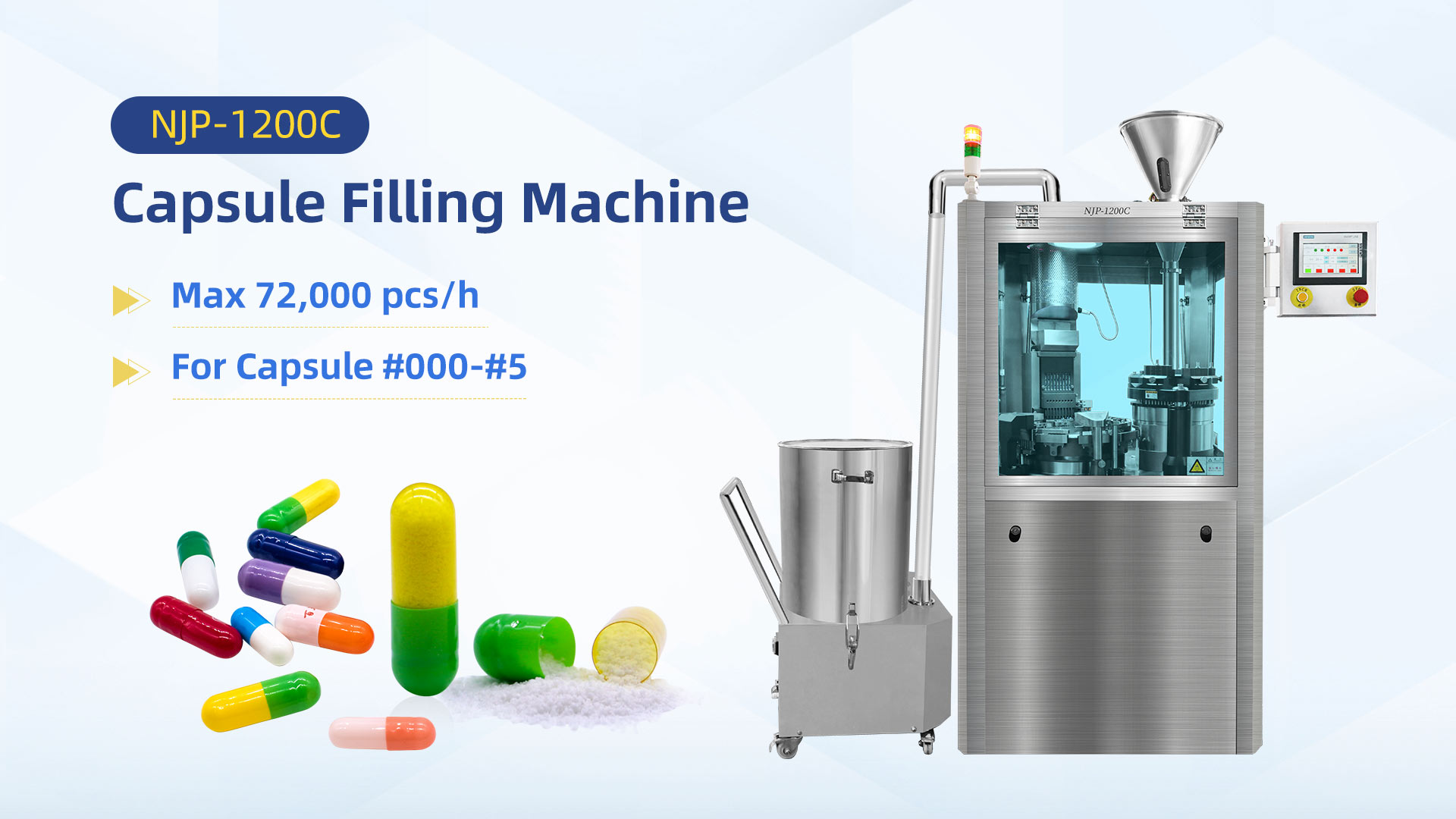
ทันสมัย high-speed capsule filling machines (แสดงไว้ด้านบน) efficiently fill and close thousands of capsules per hour with precise doses of supplement powders. This automation ensures a consistent product in every capsule. Such high-capacity automation helps manufacturers meet large production demands.
| Supplement Form | Common Packaging | Key Equipment / เครื่องจักร |
|---|---|---|
| แท็บเล็ต | ขวด, Blister Cards | Tablet Press, เครื่องนับ, Blister Packer |
| แคปซูล (Hard/Soft) | ขวด, Blister Cards | เครื่องบรรจุแคปซูล, เครื่องนับ, Blister Packer |
| ผง | ซอง, Pouches, Jars | Powder Filling Machine, Pouch Packing Machine |
| ของเหลว | ขวด, Vials | เครื่องบรรจุของเหลว, เครื่องตัดแต่ง |
| Gummies / Chewables | ขวด, Blister Cards | Gummy Depositor, เครื่องนับ, Blister Packer |
| อื่น (บาร์, คอ, Eff.) | Wrappers, Blister Cards, หลอด | Bar Forming Machine, Tablet Press (ซึ่งมีชีวิตชีวา), Blister Packer |
The best form for a new supplement depends on the ingredients and user needs. ตัวอย่างเช่น, oil-based ingredients (like omega-3) are usually made into softgel capsules to mask taste and improve stability. Chewable tablets or gummies appeal to children or users who dislike swallowing pills. ผง (protein, greens) are popular for athletes who mix drinks, while tablets and capsules suit general use. Each form also drives packaging choices: liquid fillers for vials or bottles, powder packers for sachets or jars, and blister machines for pills. Knowing these options helps formulators and engineers design an efficient production line.
Choosing the right form of dietary supplement affects stability, ปริมาณ, and user experience. Tablets and capsules offer precise dosing and long shelf life. Powders and liquids allow higher doses or faster absorption. Gummies and chewables improve taste and ease of use for some customers. The form also dictates packaging needs – for example, moisture-sensitive items often use blisters or sealed bottles.
สำหรับผู้ซื้อและวิศวกรในอุตสาหกรรม, knowing these forms means selecting the right machinery. Jinlu Packing’s equipment – from tablet presses to capsule fillers to blister packing machines – is engineered to support all major supplement forms. Whether you’re producing vitamin tablets, แคปซูลสมุนไพร, protein shakes, or gummy vitamins, choosing the correct machines ensures consistent product quality and production efficiency.
โดยสรุป, dietary supplements come in many forms. Tablets and capsules are the most common solid formats, but powders, ของเหลว, กัมมี่, and other formats are widely used too. Each form has its own production process and packaging style. By leveraging specialized machinery – such as จินลู่บรรจุ’s tablet press machines, capsule filling lines, and blister packers – supplement manufacturers can produce a broad range of products to meet global demand. Proper equipment leads to safer, more reliable supplements on pharmacy shelves worldwide.
ซื้อกลับบ้าน: From classic pill bottles to modern gummy packs, understanding the forms of dietary supplements (and the equipment behind them) is key for any supplement company. The right tablet machines, ฟิลเลอร์แคปซูล, and blister packers ensure high quality and efficiency.
A dietary supplement is a product taken by mouth that contains dietary ingredients — such as vitamins, แร่ธาตุ, สมุนไพร, กรดอะมิโน, or other substances — intended to supplement the diet rather than replace conventional food. Dietary supplements must be labeled as such to distinguish them from drugs or foods.
Dietary supplements come in many formats, รวมทั้งแท็บเล็ตด้วย, แคปซูล, ซอฟเจล, หมวกเจล, ผง, กัมมี่, บาร์, และของเหลว. These forms allow for different dosing options and consumer preferences.
Tablets are compressed solid doses often used for vitamins and minerals, produced with tablet machines. Capsules have a shell filled with powders or liquids and are created using capsule filling machines. Capsules can be easier to swallow and suitable for sensitive ingredients. (Referenced from article content)
Powdered supplements allow for larger doses and easy mixing with liquids. Powders are filled into stick packs, ซอง, or jars using specialized powder filling machines, making them ideal for products like protein or greens mixes. (Referenced from article content)
ใช่. ของเหลว (such as vitamin drops or herbal tinctures) are rapidly absorbed and easy to take, but they require precise dosing with liquid filling and capping machines during production. (Referenced from article content)
Blister machines form and seal supplement pieces (แท็บเล็ต, แคปซูล, or gummies) in individual cavities on cards or strips. This protects products from moisture and tampering, and improves handling in the supply chain. (Referenced from article content)
In the United States, agencies like the FDA do not review dietary supplements for safety or effectiveness before they are marketed. It is the responsibility of manufacturers to ensure safety and compliance with labeling requirements.
เลขที่. Dietary supplements are intended to add to the diet, not replace a variety of foods. A balanced diet remains the primary source of nutrients for health.
Buyers should consider factors like ingredient stability, target dosage, user preference (เช่น, ease of swallowing) and intended use. ตัวอย่างเช่น, softgels might be chosen for oil-based nutrients, while powders suit higher-dose formulas. (Referenced from article content)
Supplement form influences packaging: tablets and capsules often use bottles or blisters; powders may use pouches or tubs; liquids use bottles or vials. The choice of packaging is crucial for product stability and compliance. (Referenced from article content)
อ้างอิง:
1.Questions and Answers on Dietary Supplements – U.S.Food and Drug Administration
2.Definition and Identity of Health Supplements and Nutraceuticals – Food Safety Standard
3.Analysis of the Filing Status of Health Foods (ผลิตภัณฑ์เสริมอาหาร) in China for 2024 – www.cirs-group.com
4.Regulatory overview of health supplements – Health Sciences Authority