
Every capsule filling line faces the same headaches. Fill weight drifts. Capsules fail to separate. Shells jam. Slugs break. Caps lock loose. Dust spreads. Reject rates climb.
Each fault costs material, เวลา, and audit credibility. The fix is not a general “machine problem” approach. It is station-by-station diagnosis. This article walks through 8 common problems. For each one, you get the check-first steps, สาเหตุที่เป็นไปได้, safe actions, and when to escalate. We also show how the NJP-3800D capsule filling machine prevents each issue by design.
When different enterprises purchase capsule filling machines, we share the same goal: การใช้ยาที่แม่นยำ, stable shells, และการผลิตที่สะอาด. The capsule machine at your plant may carry another label. The principles stay the same.
How to fill capsules with powder reliably depends on four things: การให้ยา, การแยก, การล็อค, and dust control. A filling machine of capsule production must master all four. If you ask how to fill capsules without jams or dust, the answer starts with equipment design.
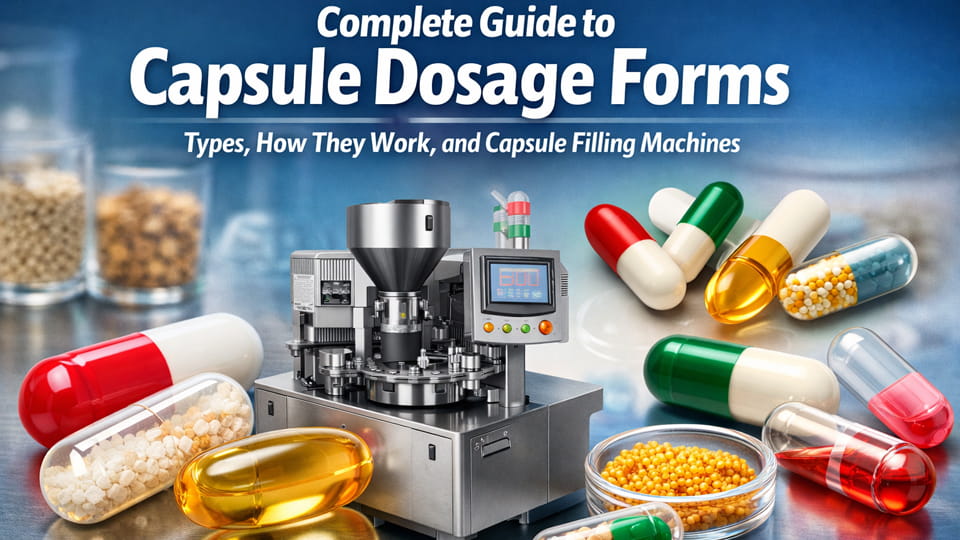
The NJP-3800D is a third-generation automatic capsule filling machine developed by Jinlu Packing. It fills powder and granules into hard shells from 000# ถึง 5#. Separation success rate reaches 99.99%. Finished product pass rate reaches 99.8%. It meets cGMP and JB20025-2004 standards. This pharmaceutical capsule filling machine is built for pharmaceutical capsules and health supplements. This capsule filler filling machine combines six technical innovations and three invention patents.
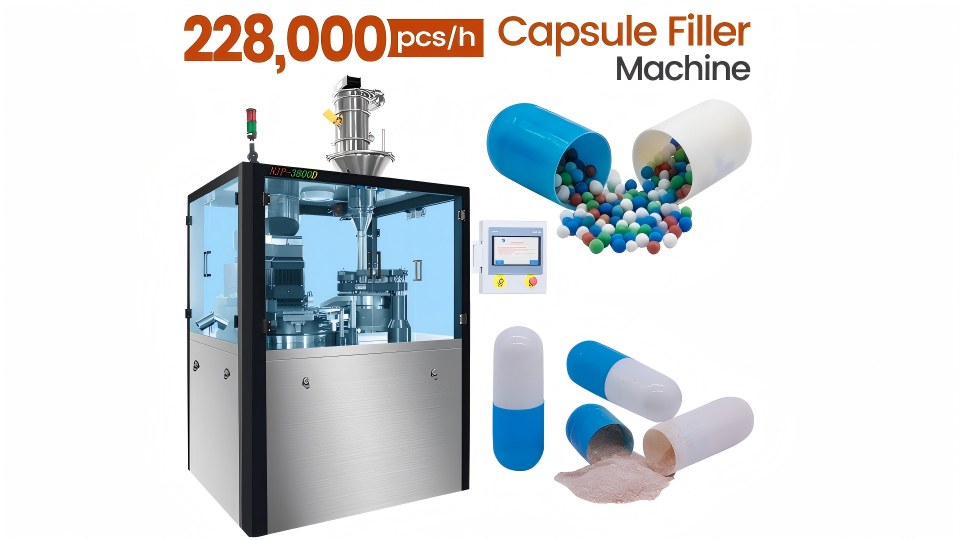
Initial Check: Locate the very first spot where capsule shells begin piling up in the encapsulation machine. Inspect magazine loading status, chute cleanliness, correct fitting of change-over parts, sensor working status, guide rail alignment, and debris left behind by previously broken shells.
สาเหตุที่เป็นไปได้: Faulty reassembly after cleaning cycles, mixed capsule-size tooling parts, burrs or worn components, contaminated sensor faces, unstable incoming shell supply, shells already damaged in upstream handling steps.
Recommended Response: Always cut power to equipment before clearing jams. Follow lockout-tagout rules and safety-guard requirements. Remove all physical obstructions completely. Carry out a full inspection along the complete capsule feed path.
Escalation Trigger: Jams keep returning to exactly the same position. Mechanical parts suffer physical damage. Safety interlocks or alarm functions fail to activate according to design specifications.
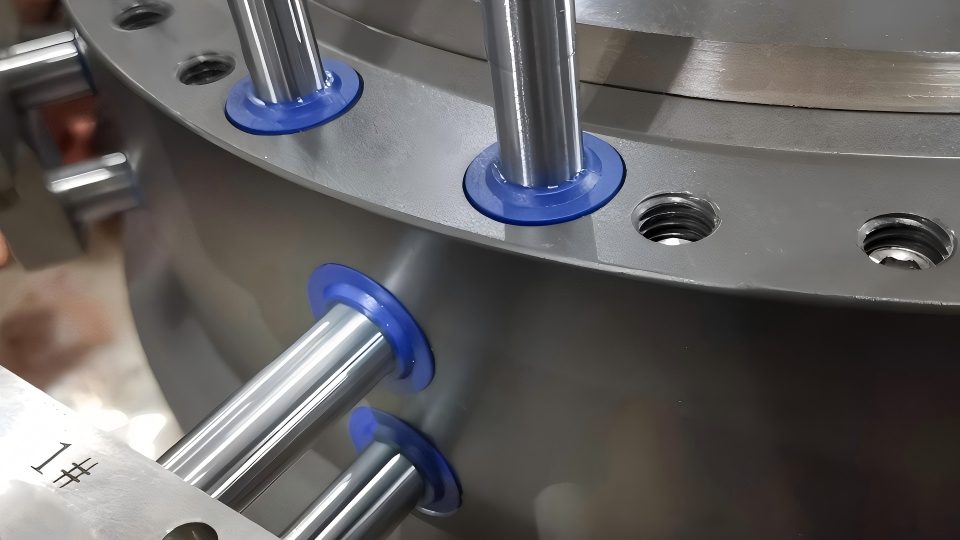
How NJP-3800D solves it: Modular equipment architecture significantly lowers failure rates. The turntable uses PTFE oil-free double-axis bearings, requiring zero lubrication for the whole service life. Suction, discharge, capsule-closing and reject shafts are fitted with exclusive dual-seal arrangements. The first NBR rubber layer blocks lubricant leakage. A second imported SIL silicone seal keeps powder away from bearing assemblies, removing the primary root cause of bearing seizure and jamming. Jog-mode operation simplifies inspection and component disassembly. Full mold change-over finishes within 15 minutes.
Initial Check: Inspect capsule shell orientation, magazine and raceway status, separation-station alignment, vacuum circuit performance, format-part identity, and physical quality of incoming empty shells.
สาเหตุที่เป็นไปได้: Reversed or nested capsule shells, blocked vacuum pipelines, mismatched format change-parts, alignment drift, shell dimensional variation, static-electricity accumulation, pre-deformed empty capsule shells.
Recommended Response: Remove mis-oriented or damaged empty shells. Complete cleaning work following approved SOP documents. Double-check change-part installation quality. Run separation verification tests at reduced, controlled machine speed.
Escalation Trigger: Capsule shells crack during splitting operations. Vacuum pressure remains unstable. Repeated contact marks appear on shells originating from a single station. Defects consistently follow one specific incoming capsule lot.
How NJP-3800D solves it: This machine delivers a 99.99 % capsule separation success rate. An integrated on-line compressed-air mold cleaning system keeps upper and lower molds free of powder contamination. Zero-deviation mold concentricity prevents shell rubbing and physical damage throughout the capsule-splitting cycle.
Initial Check: Track weight fluctuation by individual station and production run duration. Compare powder bulk density, hopper material level, capsule filling tray condition, dosing disc wear, tamping component status, saved recipe settings, and operating speed against validated baseline data.
สาเหตุที่เป็นไปได้: Erratic powder flow behaviour, powder segregation inside storage vessels, shifting head pressure above dosing assemblies, worn or mismatched dosing tooling, loose mechanical adjustments, incorrect reassembly post-cleaning, inconsistent incoming material feed.
Recommended Response: Isolate suspect finished capsule batches as quality protocols require. Confirm raw material batch identities and tooling part numbers. Examine assemblies for wear and loose fittings. Make adjustments strictly within validated parameter boundaries, then carry out fresh product sampling.
Escalation Trigger: Weight shifts cannot be logically explained after repeated checks. Deviations only occur on specific stations after complete reassembly. Measured values move outside approved specification limits.
How NJP-3800D solves it: Solid capsule size fill weight control starts with high-precision mechanical hardware. This machine is fitted with a German Zeiss optical dividing head. Its one-piece machined dividing shaft keeps dosing error within ≤3 %. The patented filling mechanism supports three-axis fine adjustment. Force spreads evenly across the dosing disc, เปิดใช้งานได้อย่างรวดเร็ว, precise weight tuning.
Operator practical tip: When working out how to calculate capsule fill weight, combine capsule shell internal volume figures with powder bulk-density test results. Use these datasets to select properly matched dosing discs and stabilise overall capsule filling performance.
Initial Check: Pin down the exact station where dust emissions originate. Inspect all sealing rings, dust extraction pipelines, dosing transfer zones, scraper blade condition, real capsule fill height, เปลือกหอยแตก, and general enclosure housekeeping status.
สาเหตุที่เป็นไปได้: Over-filled capsule cavities, misaligned material transfer assemblies, degraded sealing components, obstructed dust extraction ducts, sticky powder adhering to tool surfaces, damaged capsule shells, improper reassembly after washing procedures.
Recommended Response: Apply exposure-control measures aligned with your material hazard assessment. Complete cleaning following validated SOP protocols. Remove the root source of dust generation. Fully verify containment performance before restarting production activities.
Escalation Trigger: Containment effectiveness cannot be reliably confirmed. Powder spreads into non-product-contact zones. The handled formulation creates health hazards or cross-contamination risks.
How NJP-3800D solves it: This filling machine of capsule is engineered for low-dust operation. Its patented turntable assembly uses imported SIL silicone sealing rings, stopping powder from entering internal turntable cavities. A pneumatic multi-port discharge mechanism prevents dust clouds during capsule output. The built-in powder recovery system delivers 100 % material recycling. An optional separation accessory recovers powder from rejected capsules without introducing cross-contamination.
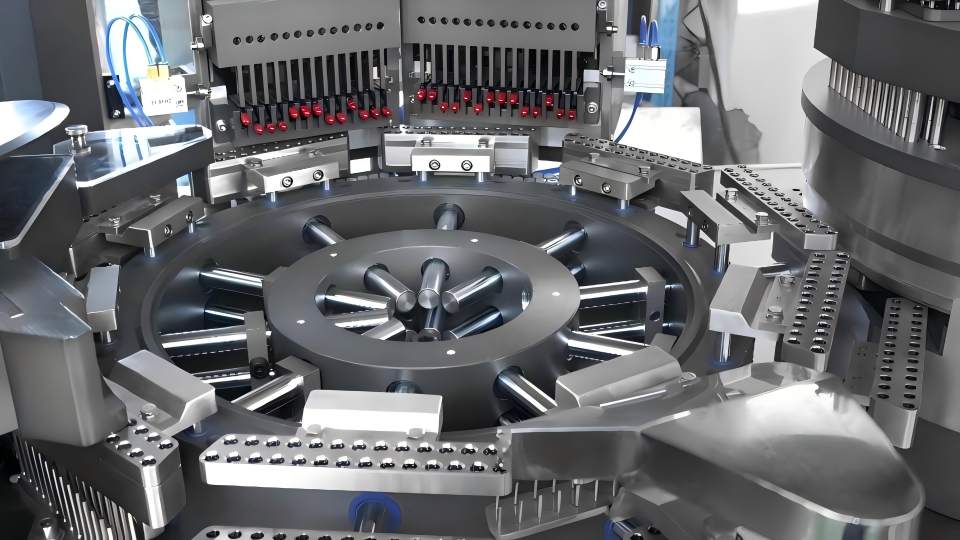
Initial Check: Compare powder flow and compaction behaviour against validated formulation benchmarks. Inspect dosing bore condition, หมุดตอก, scraper blades, powder bed height, and material-transfer alignment status.
สาเหตุที่เป็นไปได้: Changed or degraded powder flow characteristics, insufficient or uneven powder bed height, worn dosing hardware, powder adhesion on tool surfaces, incorrect reassembly work, settings falling outside the validated process operating window.
Recommended Response: Confirm raw-material batch identity and active production recipe. Thoroughly clean all product-contact assemblies showing powder adhesion. Inspect components for wear. Modify only one validated process variable during each test run.
Escalation Trigger: Real-world material performance diverges sharply from development-phase test results. Defects cannot be resolved while staying within approved process boundaries.
How NJP-3800D solves it: An innovative pneumatic feeding system delivers much better handling for powders with poor flow properties. Electropolished component surfaces minimise adhesion, sticking and moisture-absorption-related issues. Stable powder feeding forms complete, solid powder slugs inside every capsule cavity.
Initial Check: Trace shell damage back to its originating station. Assess incoming capsule shell quality, mechanical station alignment, closing-stroke travel distance, locking-segment condition, pin height, and any visible signs of hard contact between shells and tooling surfaces.
สาเหตุที่เป็นไปได้: Pre-deformed incoming capsule shells, incorrectly fitted format change-parts, station alignment drift, excessive closing force, worn rotary segments, foreign particles trapped inside tool cavities.
Recommended Response: Separate all visibly damaged finished capsules. Take apart, clean and inspect tooling assemblies. Confirm incoming shell specifications match requirements. Reset mechanical settings back to validated baseline values.
Escalation Trigger: Shell damage happens systematically across different batches. Clear metal-to-metal contact marks become visible. Fault correction demands adjustments outside authorised parameter ranges.
How NJP-3800D solves it: Mold concentricity achieves zero deviation. Capsule shells travel through stations without edge rubbing or squeezing. Filling rods, mold holes and dosing discs receive full electropolishing treatment. Material flows smoothly through each processing station. For sticky or highly moisture-sensitive powder formulations, optional Teflon coating services are available upon customer request. This reduces shell‑damage complaints that frequently trouble The capsule machine operators.
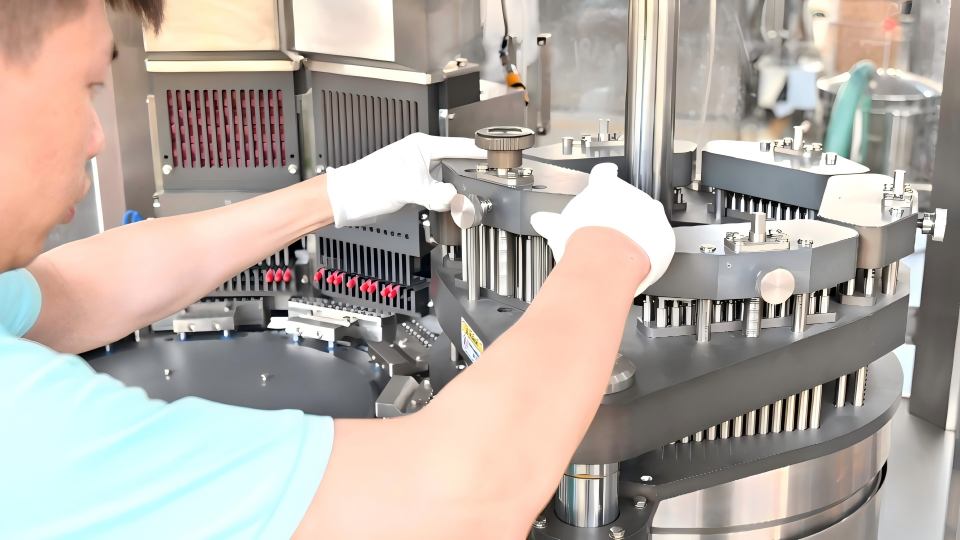
Initial Check: Observe body-cap engagement quality. Inspect closing-station alignment, locking-pin and locking-segment condition, incoming capsule dimension variation, and powder residue trapped within locking grooves.
สาเหตุที่เป็นไปได้: Incomplete closing-stroke movement, mismatched capsule body-cap batches, powder contamination inside locking grooves, station misalignment, over-filled capsule cavities, worn closing-mechanism parts.
Recommended Response: Separate every capsule showing incomplete closure. Confirm capsule shell part numbers. Fully clean the capsule-closing station. Compare active running settings with validated baseline parameters.
Escalation Trigger: Loose-cap faults keep appearing after cleaning and alignment adjustments. Operators cannot reliably verify complete capsule closure integrity.
How NJP-3800D solves it: Precision-controlled closing-stroke movement guarantees proper body-cap engagement. Multi-layer sealing hardware stops powder residue from reaching locking grooves. The built-in capsule auto reject function automatically filters out capsules with incomplete closure before they reach finished-product output.
Initial Check: Break total reject figures down by distinct fault categories. Run sensor validation and reject-function testing following approved site procedures. Cross-reference equipment alarm logs and inspection records.
สาเหตุที่เป็นไปได้: Real upstream process defects, dirty or misaligned detection sensors, inappropriate recipe specification thresholds, station-to-station timing desync, unreliable reject actuation, flawed defect classification logic.
Recommended Response: Never widen quality acceptance thresholds simply to bring reject statistics down. Validate sensor readings, timing sequences and reject-path operation first. Only then decide whether high rejects stem from process variation or inspection-system faults.
Escalation Trigger: Reject-mechanism reliability cannot be verified. Operators cannot reliably tell acceptable capsules apart from defective units. Unexplained quality discrepancies keep appearing across batches.
How NJP-3800D solves it: A Siemens HMI manages machine control. It triggers automatic alarms for powder shortage, capsule shortage and mechanical faults. The unit halts production and displays clear fault diagnostic prompts on-screen. The touchscreen logs shift output totals, cumulative production volumes and equipment runtime with real-time counting. Customers can fit an optional printer unit to output production dates, batch numbers and product coding information. The auto-reject assembly is manufactured from 7-series aviation-grade aluminium. Every product-contact surface adopts 316 stainless steel to sustain stable long-term encapsulation performance.
Effective troubleshooting for capsule filling machines focuses on station-specific root-cause identification, rather than vague complaints about general machine malfunction.
The NJP-3800D encapsulation machine mitigates these eight high-frequency factory-floor pain points starting from its original mechanical design. It provides precise dosing performance, dependable capsule separation, low-dust operation, gentle shell handling and intelligent defect rejection. The unit supports 24-hour continuous production. Internal cams only need one-off grease injection; transmission parts run smoothly with zero oil drips to satisfy cGMP requirements. Mold swap operations finish within 15 minutes.
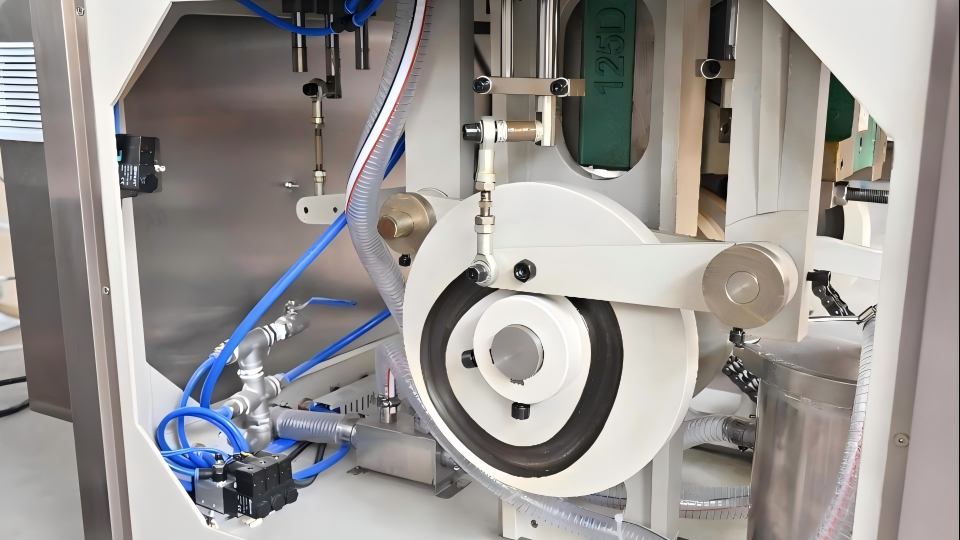
Whether you are sourcing a brand-new capsule filler machine, or trying to fix recurring faults on your existing the capsule machine, this equipment cuts material waste, lowers downtime and simplifies audit preparation. If you are seeking practical know-how on how to fill capsules with powder and granule-based formulations, our team can deliver customised support for your pharmaceutical capsules manufacturing project.
This encapsulation machine adopts a German Zeiss optical dividing head with one-piece machined dividing shaft. It keeps dosing error within ≤3 %. Its patented filling mechanism supports three-dimensional adjustment, so the dosing disc bears even force. Operators can quickly set target values for different capsule size and fill weight requirements. If you want to learn how to calculate capsule fill weight, match shell volume with powder bulk-density data before production start-up.
Multiple sealing and structural features work together. The patented turntable uses imported SIL silicone sealing rings to block powder ingress. Suction, discharge, closing and reject shafts use exclusive dual-seal sets. Its pneumatic multi-port discharge also avoids dust clouds. The built-in powder recovery unit reaches 100 % reuse rate. Users can select the optional separation device to recycle powder from rejected shells without contamination. These advantages make it a reliable capsule filler machine for cGMP-regulated workshops.
ใช่. This capsule filler is fitted with an innovative pneumatic feeding system, which brings better performance for hard-to-flow powder and granule materials. All product-contact components including filling rods, mold holes and dosing discs go through electropolishing treatment. It reduces sticking, caking and moisture-absorption troubles. For extra-sticky formulations, optional Teflon-coating service is available upon request. It supports continuous 24-hour production for capsule filling machines in pharmaceutical and supplement factories.
Complete mold swap can be finished within 15 minutes, thanks to modular structure plus pull-slot clamping design for filling-rod holders. It covers hard capsule sizes from 000# ถึง 5#, which includes common capsule filling machine 00 shell specifications. Jog-mode operation simplifies disassembly, cleaning and part replacement. The zero-deviation mold concentricity prevents shell rubbing, scratches and shell damage during high-speed operation.
It uses Siemens HMI as the core control unit. The system triggers auto-alarm and auto-stop events for powder shortage, capsule shortage and mechanical faults, with clear on-screen fault diagnosis. It records shift output, cumulative yield and running-time data in real time. An optional printer can print batch number, production date and product codes. All product-touch surfaces adopt 316 สแตนเลส. Internal cams only need one-time grease injection for long-term lubrication with zero oil dripping, fully meeting cGMP requirements.
[1] JB 20025-2004, Automatic Pharmaceutical Capsule Filling Machine[ส]. National Drug Administration of China.
แหล่งที่มา: national industry standard for เครื่องบรรจุแคปซูล ผลงาน, safety and testing requirements; baseline for separation success rate and finished-product qualification rate evaluation.
[2] PIC/S PI 011‑3, Good Manufacturing Practice for Medicinal Products for Human and Veterinary Use: คุณสมบัติอุปกรณ์[ส]. PIC/S Secretariat.
แหล่งที่มา: cGMP equipment validation guidance for pharmaceutical capsules การผลิต; covers lubrication management, การบรรจุ, cleaning verification and audit‑relevant record‑keeping requirements.